RSS
 

Archive for July, 2013

Flüchtige Verbindungen

27 Jul

Ein Beitrag von: Caspar Claasen

Mein Name ist Caspar Claasen und ich bin interessiert an ungestellter Fotografie, auch als „Street Photography“ bekannt – ein Begriff, den ich nicht wirklich mag, denn ich glaube, dass er oft missverstanden und falsch interpretiert wird. Ich möchte jetzt jedoch nicht in diese Diskussion einsteigen.

Mehr als zwölf Jahre lang habe ich als freier Designer gearbeitet, aber ich interessiere mich für die Fotografie, so lange ich mich erinnern kann. Zeitweise fotografierte ich dann auch, obwohl ich oft keine passende Kamera hatte. Beziehungsweise nicht wusste, was ich damit anstellen sollte, wenn ich mal eine hatte.

© Casper Claasen

© Casper Claasen

Klassische Straßenfotografen wie Cartier-Bresson, Capa, Erwitt, Van der Elsken und Meyerwitz waren mir immer ein Vorbild. Nichtsdestotrotz wusste ich nicht, dass ich (mehr oder weniger) etwas ähnliches wie sie machen und einen ähnlichen Ansatz haben könnte.

Ich war jedoch viel zu ängstlich, fremde Menschen zu fotografieren und wusste ganz nebenbei nicht wirklich, welche „Message“ ich vermitteln könnte.

Vor ein paar Jahren entdeckte ich das Buch Street Photography Now* und die Masse zeitgenössischer Fotografie im Internet. Flickr-Gruppen wie HCSP (Hardcore Street Photography), das In-Public-Kollektiv und so weiter. Zu dieser Zeit konnte ich irgendwie spüren, dass dieser Ansatz mein Werkzeug sein könnte, um auszudrücken, was ich ausdrücken wollte.

© Casper Claasen

© Casper Claasen

Jahrelang hatte ich geschrieben: Belletristik und Poesie. Ich machte Musik und Filme, zeichnete und malte. Ich war auf der Kunstakademie, als ich 18 war – vor langer, langer Zeit. Jedoch fühlte es sich nie richtig an, es passte nicht und es wurde niemals mehr als die Materialen und das Praktizieren selbst.

Und das, obwohl ich nicht wirklich schlecht war in den unterschiedlichen Disziplinen. Und manchmal machte es sogar Spaß. Als ich aber vor ein paar Jahren zeitgenössische Straßenfotografie entdeckte, war es für mich wie das fehlende Puzzleteil zu finden. Eine Stimme zu finden, sozusagen.

© Casper Claasen

© Casper Claasen

Eines der wiederkehrenden Themen in meiner Arbeit ist ein Gefühl für Humor. Obwohl es ein Ziel ist, Betrachter zum Lachen oder Grinsen zu bringen, ist eine emphatische Facette des Humors ebenfalls präsent. Mal trocken und manchmal absurd.

Auch Einsamkeit ist ein Thema. Fehlplatzierte Protagonisten, ja, Individuen zur falschen Zeit am falschen Ort. Vielleicht sogar Verlust, was so vielleicht ein wenig tragisch klingt. Aber manchmal ist das Lustige und Schöne auch gleichzeitig surreal.

Ich denke, dass unterschiedliche Leute eine unterschiedliche Botschaft in meinen Bildern sehen, was ich interessant finde. So finde ich es auch nicht schlimm, wenn jemand eine ganz andere Bedeutung aus meinen Bildern zieht als die, die ich vor Ort beim Fotografieren wahrnahm.

© Casper Claasen

© Casper Claasen

Martin fragte mich, warum ich die Fotos mache, die ich mache. Diese Frage zu beantworten, fällt mir schwer, da ich mich selbst nicht vollständig begreife und verstehe. Es ist einfach da. Vielleicht ist es auch eine sehr kindliche Sache: Schau, was ich gefunden habe!

Diane Arbus sagte:

Ich glaube wirklich, dass es Dinge gibt, die niemand sähe, wenn ich sie nicht fotografieren würde.

Es sind flüchtige Verbindungen, versteckte Bedeutungen, verhüllte Geschichten, die einfach verschwinden würden. Was für mich ein ziehmlicher Verlust wäre. Es muss irgendwie gezeigt werden. Selbst, wenn ich nicht weiß, was es bedeutet.

Aus dem Englischen übersetzt von Martin Gommel.

* Das ist ein Affiliate-Link zu Amazon. Wenn Ihr darüber etwas kauft, erhalten wir eine kleine Provision, Ihr bezahlt aber keinen Cent mehr.


kwerfeldein – Fotografie Magazin

 
Comments Off on Flüchtige Verbindungen

Posted in Equipment


Augenschmaus: Hüftsteaks an Rosmarinhonigtomaten-Kartoffeln

27 Jul

Ein Beitrag von: Ken Knoll

Der Grill ist schon aufgebaut? Höchste Zeit, das Standardprogramm aus Würstchen und Fertig-Steak etwas aufzupeppen! Zarte Rindersteaks in selbstgemachter Marinade mit leckerem Gemüse sorgen für Abwechslung auf dem Grillteller.

© Ken Knoll

Portionen: 2 – 3
Zeit: ca. 1 Stunde

Zutaten

ca. 400g dünn geschnittene Hüftsteaks vom Rind
Gemüse nach Geschmack, hier: 1 Zucchini, 2 Paprika, 2 Tomaten, 2 Hände Kartoffeln, 1 Möhre
Rotwein zum Abschmecken
Tomatenmark
1 EL Honig
eine Handvoll frischer Rosmarin
orientalische Gewürze für den Kick im Gemüse: z.B. Raz el Hanout, etwas Zimt, Ingwer, Paprika
Sojasauce für die Marinade
2 Knoblauchzehen
2 Spritzer Zitronensaft
2 EL Balsamico
Olivenöl
etwas Zucker

Dazu trinkt man einen kräftigen Rotwein, z.B. einen schönen Rioja.
Billigheimer-Tipp: Der günstige „Campo Viejo“ im Rewe ist sehr trinkbar!

© Ken Knoll

Zubereitung

Für die Kartoffeln stellt man zunächst eine Honig-Tomaten-Rosmarin-Salsa her: Tomaten kleinschneiden, Tomatenmark dazu, Rosmarin, Olivenöl und Honig hinzufügen und mit Salz und Pfeffer abschmecken. Dann kurz mit dem Pürierstab zerkleinern. Diese Salsa kommt auf die halbierten (jungen) Kartoffeln, wobei ich einfach die Schnittseiten bestrichen habe.

Die Kartoffeln kommen dann für etwa 40 Minuten in den Ofen – je nach Größe der Kartoffeln kann es sinnvoll sein, sie noch kleiner zu zerschneiden oder sie vorzugaren. Natürlich kann man sie auch einfach in Alufolie auf den Grill werfen.

© Ken Knoll

Das Gemüse wird, wenn die Kartoffeln im Ofen sind, schlicht und einfach gegrillt – mit etwas Olivenöl auf eine Alufolie oder ein Schälchen auf dem Grill platzieren. Mit Salz und Pfeffer und je nach Wagemut mit leckeren Gewürzen verfeinern.

In meinem Fall fand ich einen leicht orientalischen Touch mit Ingwer, Zimt und Raz el Hanout interessant. Das Gemüse räume ich kurz beiseite, um Platz zu schaffen.

Das Fleisch bereitet man am besten am Vortag mit einer Marinade aus Sojasauce, Zitronensaft, optional Balsamico, Salz, Pfeffer, Knoblauch und Ingwer vor. Diese Marinade ist einfach fantastisch – sie schmeckt nicht nur unglaublich würzig, sondern macht durch die Säure das Fleisch auch richtig zart.

© Ken Knoll

Nun kommt das Fleisch, da es in meinem Fall sehr dünn geschnittene Steaks waren, sehr kurz auf den Grill oder in die Pfanne. Wichtig: Darauf achten, dass die WG-Katze die Steaks nicht vom Grill klaut!

Zuguterletzt brät man etwas Tomatenmark in der Pfanne an, löst den Bratensatz mit etwas Rotwein, gießt die restliche Marinade dazu, gibt noch etwa Rosmarin in die Pfanne und schmeckt mit Salz, Pfeffer und Zucker (um den Rotwein zu neutralisieren) ab. Diese Zutaten kocht man zu einer soßigen Konsistenz herunter.

Jetzt sind auch die Kartoffeln fertig, das warm gehaltene Fleisch und Gemüse kommen auf die Teller und dann sollte sofort genossen werden.

© Ken Knoll

Fotorezept

Die Fotos sind in meiner Küche entstanden, die ein recht großes Fenster zur Südseite hat. Ich fotografiere ohne weitere Hilfsmittel und habe einfach ein paar Schnappschüsse aufgenommen, die ich später in Photoshop noch farblich korrigiere.

~

Du hast auch ein leckeres Rezept und die passenden Food-Fotos dazu, die einem das Wasser im Munde zusammenlaufen lassen? Dann werde einfach selbst Teil von „Augenschmaus“!


kwerfeldein – Fotografie Magazin

 
Comments Off on Augenschmaus: Hüftsteaks an Rosmarinhonigtomaten-Kartoffeln

Posted in Equipment


26. Juli 2013

27 Jul

Ein Beitrag von: Rahel Krabichler

© Rahel Krabichler


kwerfeldein – Fotografie Magazin

 
Comments Off on 26. Juli 2013

Posted in Equipment


5 Important Components of a Powerful Image

27 Jul

A Contribution by Mitchell Kanashkevich – author of Powerful Imagery.

Quite often people have asked me: “What are the components of a powerful image?” I gave the question a lot of thought and decided that there’s so much in it that a whole eBook could be written on the topic, which is exactly what I did, with lots of practical examples to illustrate the points. This post is something of a sneak peak and an overview of some of the most important components that make up a powerful image.

1. Subject

Most would agree that a powerful photograph needs a subject that resonates with us for some reason. The kind of thing that makes us say “Wow!” or “I want to know more!” or “Isn’t that beautiful!”.

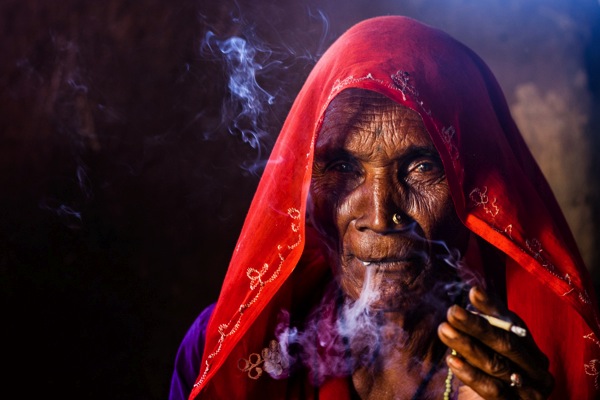
Woman smoker

This woman’s wrinkled face, full of character and stories is one example of a strong or special subject that resonates with the viewer.

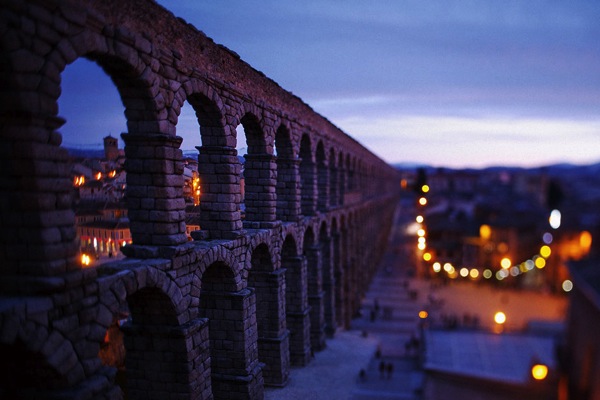
Segovia Aquaduct

The beautiful aqueduct in Segovia, Spain is a completely different, yet also powerful example.

I’m not saying that an obviously special subject is an absolute must to make a powerful photograph. We can photograph more subtle things that might not usually stand out in everyday life and make them look amazing in photographs. It’s also true that a special subject alone doesn’t make a powerful image. I am however going to put things in perspective. A special, captivating subject is definitely a good start. Ultimately, even a badly executed photograph of that special subject will, to at least some extent interest the viewer, while a masterfully executed image of something that nobody finds interesting might not do the same.

2. Strong Composition

What makes a strong composition? It’s not necessarily a framing which strictly follows the rule of thirds, or any other of the usual rules for that matter. The rules help, but they’re a means to a bigger aim, which is to make it clear what the image is about–what you are trying to communicate. Before anything else it is important that everything that does’t matter to what you’re trying to communicate is framed out, then we can think about how to position all that does matter within the frame for maximum impact. This is where the rule of thirds, use of geometry and all the other compositional theories come in.

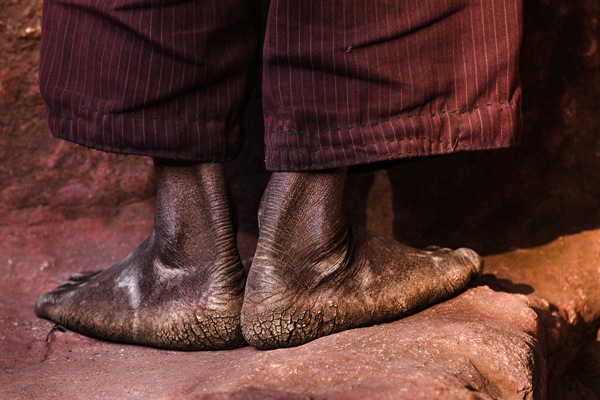
Pilgrim Feet

The image above is a good example of framing out everything that doesn’t add to the story. The story is about a pilgrim’s physical sacrifice to make the journey to the sacred town of Lalibela, Ethiopia.These are feet that have walked a lot of miles. To communicate effectively, a minimalist approach was the best one, I got in very close to the feet with a long zoom lens and framed absolutely everything else out. Imagine if I had something else in the image, we’d be distracted from the main story and as a result the impact wouldn’t be the same.

Desert Geometry

This image is about the beauty of the geometry in the landscape. Again, to make it abundantly clear that this is what I’m trying to communicate, I composed the photograph in such a way that the curves and triangles dominate the frame. Everything that doesn’t say geometry or that breaks up the rhythm is excluded. The curvy lines lead the eye around and through the photograph and that’s what makes the composition work.

And so, all in all a strong composition is one that makes it clear what it is you, the photographer are trying to communicate. No matter whether the subject is a pilgrim’s worn out feet, or curvy sand dunes.

3. Moment

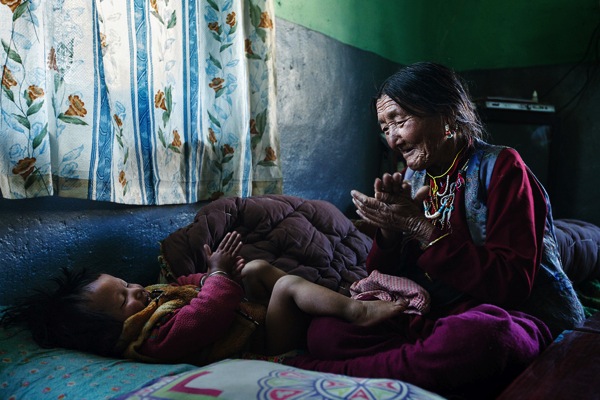
Granma and Child

Capturing a moment can mean a few things – capturing an expression (a smile for example), or the wind blowing and moving the trees, or it can be a tender moment, like the one between the grandmother and her grandaughter in in the photo above.

Stork Building a Nest

A moment can be that of an action frozen in time, like this stork bringing a twig to build a nest.

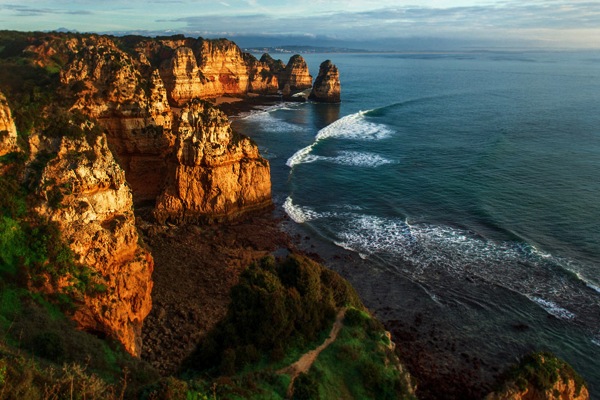
Beautiful Seaside

Of course a moment can also be an instance during the day, for example an instance during the golden hour, when the light from the setting or rising sun makes everything look warm, vivid and generally more beautiful. What makes the photograph above powerful is the fact that I captured it at that moment. The landscape looks beautiful and lively. The same photo at a different moment could produce a much lesser result.

To conclude on this point, capturing a moment which is somehow special or different from what most of us consider mundane definitely contributes to the creation of a powerful image.

4. Light

Light needs a further, more detailed mention in this post. It can be crucial to creating a powerful image. Light is capable of creating a strong sense of mood, it can add to the story and, it can even become a subject in its own right, which often leads to dramatic, powerful images.

Ethiopian Kitchen

This image of Ethiopian women cooking in a traditional kitchen is a good example of light adding a strong sense of mood to the photograph. It also adds to the story by accentuating the smoky conditions in the kitchen. The image would be decent without the light beam, but with it, the photograph goes to another level, where we not only see, but feel what we see to an extent.

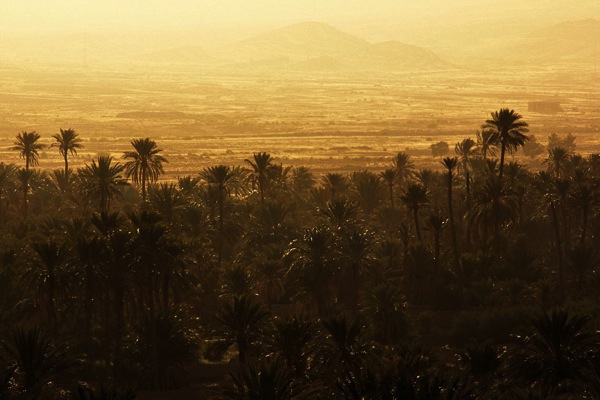
Moroccan Landscape

In this landscape from Morocco you could say that the trees and the hills in the background are the subject, but, the light and its’ effect is equally prominent, hence, this is an example of light actually becoming a subject in its own right. An image of the trees and the hills in a different lighting scenario would not have nearly the same impact as it does when the light is so distinct and prominent that it becomes a subject itself.

Editors Note: for a comprehensive exploration of the topic of light check out Mitchell’s best selling eBook on Natural Light.

5. Emotional Impact

Emotional impact is probably the main factor that makes an image powerful, but, it isn’t something that’s always obviously tangible. It’s sometimes hard to pin-point exactly what causes the emotional impact. It can be that the subject captures you, or that the light really sets a strong mood, or, that the moment captured is fascinating, maybe even rare. Of course, it can be a combination of all the factors I’ve mentioned here and this makes for truly powerful imagery.

You can learn more about making Powerful photographs with Mitchell’s new eBook “Powerful Imagery” released through Eyevoyage, currently on sale with our sister site SnapnDeals.

Mitchell is a travel/documentary photographer. He has an online project called Eyevoyage – a site for anyone interested in travel photography and improving their travel photos. You can learn more about making Powerful photographs with Mitchell’s new eBook “Powerful Imagery” released through Eyevoyage, currently on sale with our sister site SnapnDeals. To further your learning visit Eyevoyage Facebook page.

Post originally from: Digital Photography Tips.

Check out our more Photography Tips at Photography Tips for Beginners, Portrait Photography Tips and Wedding Photography Tips.

5 Important Components of a Powerful Image


Digital Photography School

 
Comments Off on 5 Important Components of a Powerful Image

Posted in Photography


Sunset/Sunrise Landscapes: Weekly Photography Challenge

27 Jul

Over the next few weeks – to celebrate the launch of our brand new Landscape Photography eBook (which is currently 33% off) – we are going to be issuing landscape photography challenges as our weekly challenge.

Image by Todd Sisson: Author of our Living Landscapes eBook

Image by Todd Sisson: Author of our Living Landscapes eBook

This week your challenge is to take and share a landscape photo taken at either Sunrise or Sunset.

There’s a section on photographing landscapes at sunset in the eBook to help you with this but whether you’ve read it or not we challenge you to get your camera out over the next few days and to head out early in the morning or at twilight to shoot with it!

Feel free to shoot a landscape in whatever setting you can get to. It might be a rural area, a seascape or even an urban landscape – it is totally up to you!

Once you’ve taken your ‘Sunset Landscapes’ photos upload your best ones to your favourite photo sharing site either share a link to them even better – embed them in the comments using the our new tool to do so.

If you tag your photos on Flickr, Instagram, Twitter or other sites with Tagging tag them as #DPSSUNSET to help others find them. Linking back to this page might also help others know what you’re doing so that they can share in the fun.

Also – don’t forget to check out some of the great shots posted in last weeks Leading Lines challenge – there were some great shots submitted.

Post originally from: Digital Photography Tips.

Check out our more Photography Tips at Photography Tips for Beginners, Portrait Photography Tips and Wedding Photography Tips.

Sunset/Sunrise Landscapes: Weekly Photography Challenge


Digital Photography School

 
Comments Off on Sunset/Sunrise Landscapes: Weekly Photography Challenge

Posted in Photography


What The Duck #1421

27 Jul

wtdlogo_big.jpg

We’ve been fans of Aaron Johnson’s comic strip ‘What the Duck’ for years. ‘WTD’ is one of the best satirical comic strips in the world, and it’s published here every week, as well as being included in our weekly newsletter. Barbed, topical and always amusing, we hope you enjoy WTD as much as we do. Click through for one from Aaron’s archive. Appropriate this week, we think…

News: Digital Photography Review (dpreview.com)

 
Comments Off on What The Duck #1421

Posted in Uncategorized


Photojournalist Ben Lowy shows off updated EyeEm app

27 Jul

30D6FA62-F5FD-4D6E-B1D7-23A0C2350B73.jpg

Photojournalist Ben Lowy famously brought mobile photography to mass media when his Hipstamatic images from Kabul, Afghanistan were published by the New York Times Magazine in 2011. He’s also well known for an image of Hurricane Sandy taken with his iPhone which made the cover of TIME Magazine last year. Today on Connect we look at some of his most recent work using EyeEm’s new Clara filter to document life in Sarajevo.


News: Digital Photography Review (dpreview.com)

 
Comments Off on Photojournalist Ben Lowy shows off updated EyeEm app

Posted in Uncategorized


Just posted: Sony Cyber-shot DSC-TX30 Review

27 Jul

front-sony-news.jpg

We’ve just posted the sixth and final review in our round-up of compact rugged cameras. This review is of the Sony Cyber-shot DSC-TX30, which offers a much thinner body than its peers. It also has a large 3.3-inch touchscreen OLED display, a host of fun features, and a 1080/60i movie mode. Next week we’ll be publishing an article comparing all of the cameras, but while you’re waiting, check out the TX30 review after the link.

News: Digital Photography Review (dpreview.com)

 
Comments Off on Just posted: Sony Cyber-shot DSC-TX30 Review

Posted in Uncategorized


Blending modes: Tools for post-processing

26 Jul

thomas-park--ari--originalhands.jpg

In this article, Seattle-based photographer Thomas Park shows how you can use Photoshop’s layer ‘blending modes’ to remove stains and blemishes from scanned images, sharpen up your photographs and even warm up cold hands! (sort of). Click through for a link to the full article, ‘Blending modes: Tools for post-processing’.

News: Digital Photography Review (dpreview.com)

 
Comments Off on Blending modes: Tools for post-processing

Posted in Uncategorized


Reflections: China’s Lost Lakes Resurface in Urban Beijing

26 Jul

[ By Steph in Art & Installation & Sound. ]

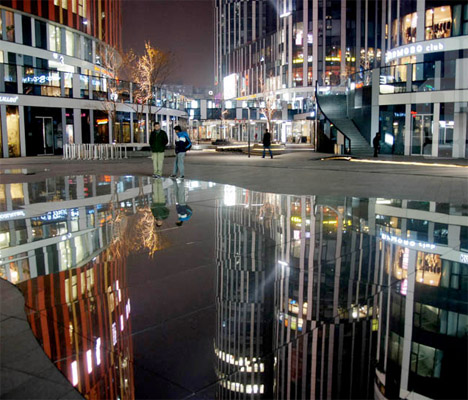
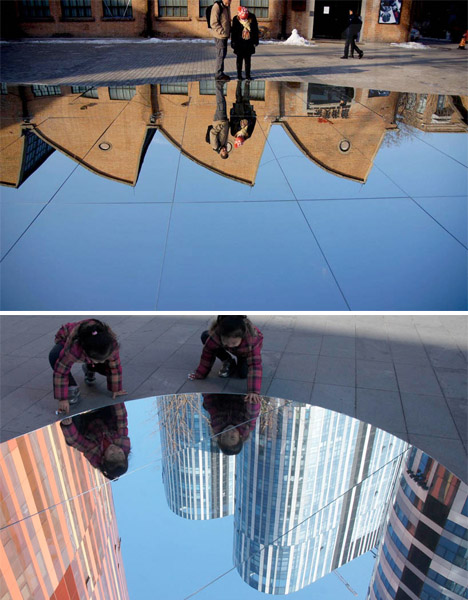
China Lost Lakes Installation 1

As China has transformed from a largely agricultural society to an industrial superpower, vastly changing its landscape with both construction equipment and the unintended effects of climate change, over 240 of its lakes have disappeared. In less than half a century, so much of the nation’s natural beauty and tranquility has been lost. A project called The Lost Lakes brings it back temporarily in the illusory form of lake-shaped mirrors installed in the middle of urban Beijing.

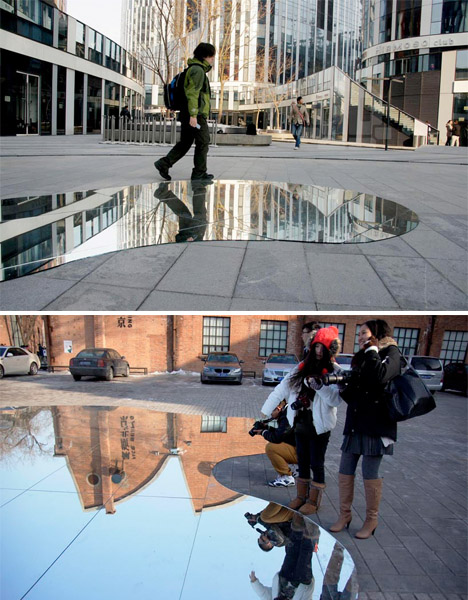
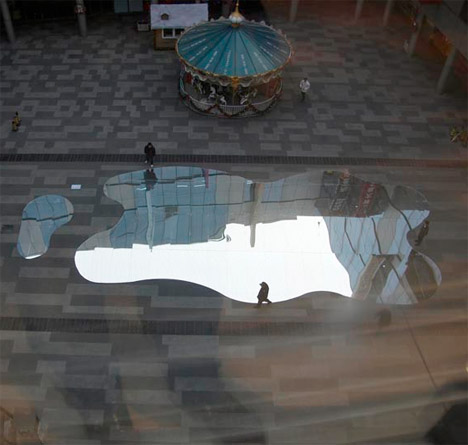
China Lost Lakes Installation 2

The lost lakes haven’t just impacted China’s ecology; rapid urbanization has caused severe droughts and water shortages across the country. The problem affects every Chinese citizen. The Lost Lakes installation brings this problem home to city dwellers in the form of customized mirrors mimicking the reflection of water in unexpected places.

China Lost Lakes Installation 3

Fifteen craftsman spent six weeks creating mirrors with curved edges that fit together like puzzle pieces. They’re designed to stand up to weather and curious onlookers, and can be transported and reassembled in a new location.

China Lost Lakes Installation 4

Over 350,000 people have visited the installation to ‘reflect’ upon what the loss of natural bodies of water means to them (or maybe just to gaze at themselves and the skyscrapers around them.)

Share on Facebook


[ By Steph in Art & Installation & Sound. ]

[ WebUrbanist | Archives | Galleries | Privacy | TOS ]


WebUrbanist

 
Comments Off on Reflections: China’s Lost Lakes Resurface in Urban Beijing

Posted in Creativity