RSS
 

Archive for July, 2013

Posing Guide for Photographing Women: 7 More Poses to Get You 21 Different Photos [Part III]

20 Jul

A post by Kaspars Grinvalds from Posing App.

This is the third article in the series. You may want to look at the previous ones here: 7 standing poses [Part I] and 7 sitting poses [Part II].

Let’s move on with 7 lying down poses for women. And again I’ll briefly try to describe the process, how I tried to slightly adjust these poses in order to get three different photos for each pose.

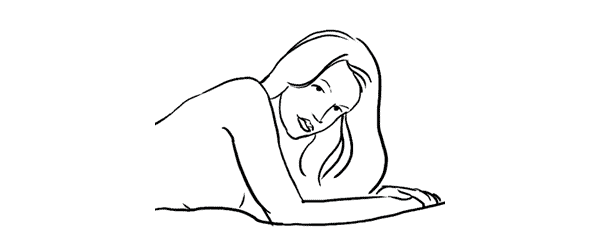
Pose 1
Pose1

Very simple pose to start with. After getting the model into initial position, ask her to raise the upper body as high as she comfortably can.
7poses3 1

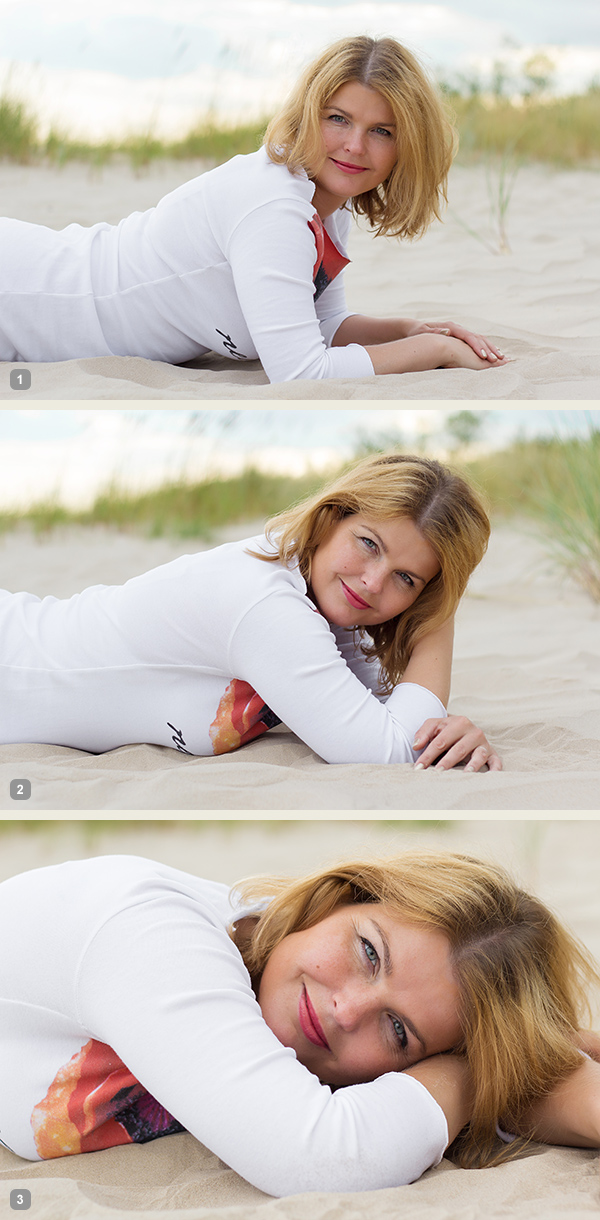
Photo 1: The first picture is the result of recreating this simple pose. Notice that you should shoot from very low angle, nearly from the ground level.

Photo 2: With such a basic pose as this one, you always have different options to variate – different hand placements, head tilts, eye directions and face expressions. In this shot the only difference is hand placement and slightly lowered upper body.

Photo 3: And I continued by asking the model to lower down even more. Notice that tighter crop is also a nice option to differentiate your shots.

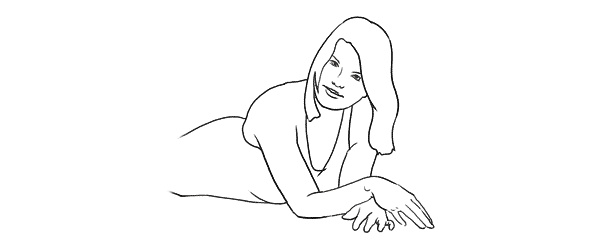
Pose 2
Pose2

Very similar pose as the first one, but this angle is better for including longer model’s body line in the frame. And notice that one of the model’s legs is bent in the knee. This helps to raise her bum up for a better looking body shape.
7poses3 2

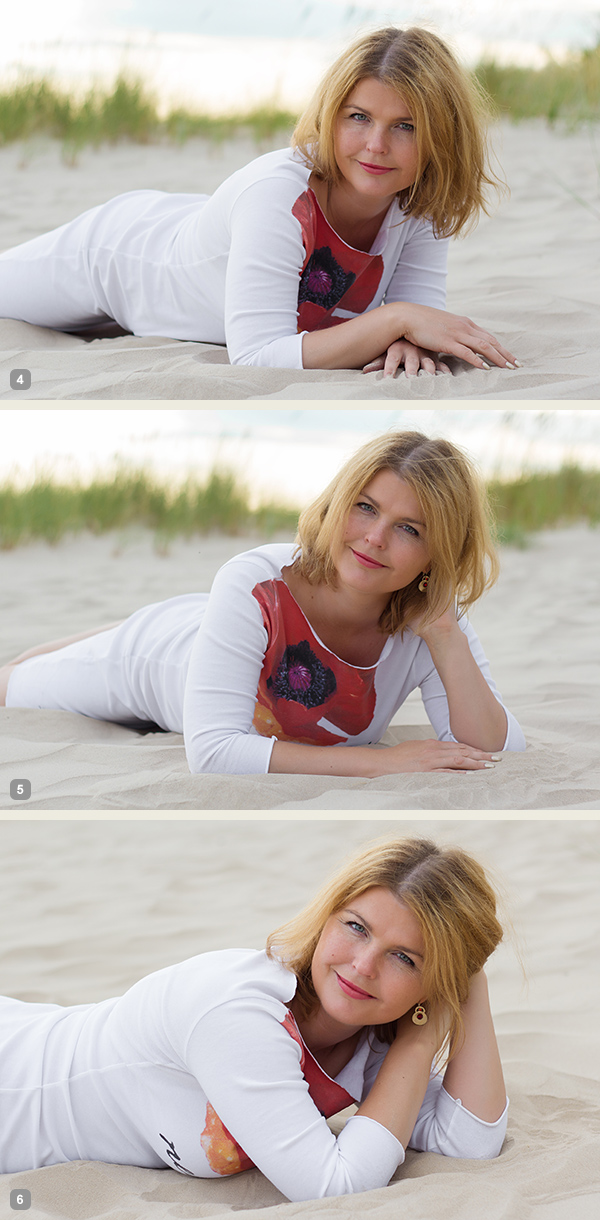
Photo 4: If you compare this shot with the first one, you will notice that it is nearly the same pose, but the changed angle gives different look to the image.

Photo 5: And again I continued with different hand placement. Note that hand doesn’t support the head, it actually doesn’t support anything, it’s just placed in the hair.

Photo 6: And one more hand placement variation and tighter cropping.

Pose 3
Pose3

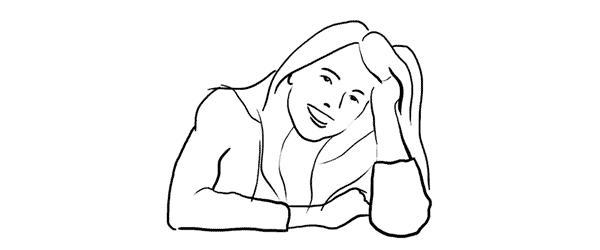
Another very similar pose to the previous ones, the main difference again is the shooting angle – right from the front. At this point the model hasn’t even moved from the initial position, it’s the photographer who moves gradually around her.

7poses3 3

Photo 7: Here the model already started to repeat the gestures from earlier shots. Don’t be afraid to take these nearly similar poses as these minor variations might be invaluable when selecting the final choice of images in post production.

Photo 8: The variations with both hands stretched in front.

Photo 9: And close-up crop again, but this time with the eyes closed.

Pose 4
Pose4

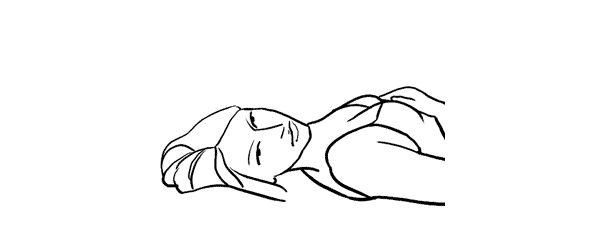
We continued with the next easy and straightforward lying down pose.
7poses3 4

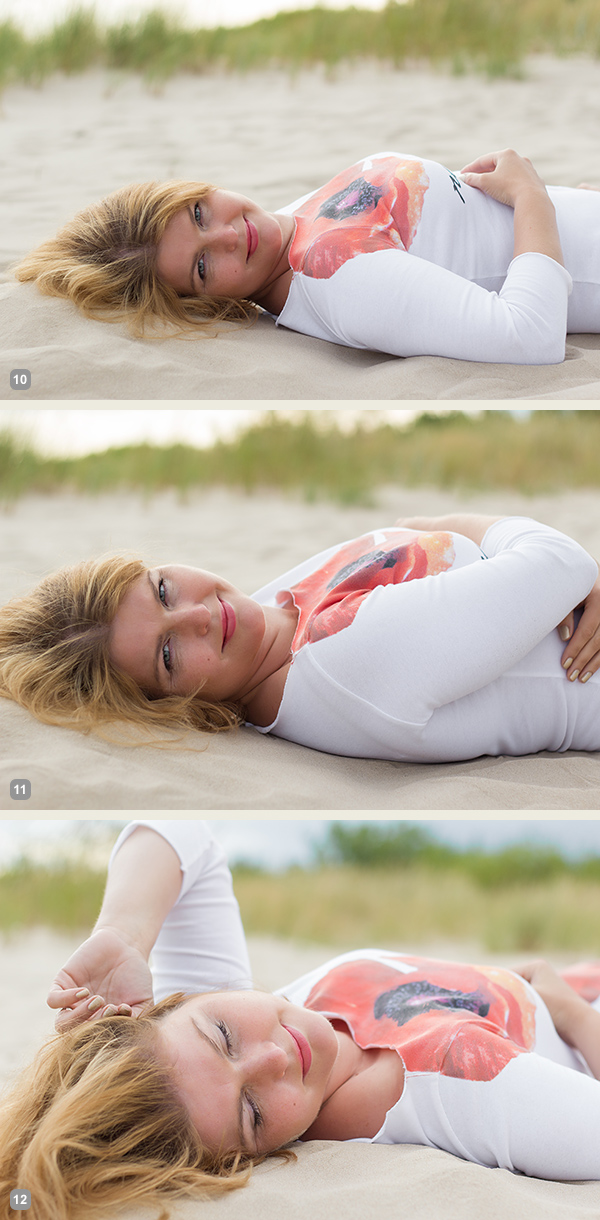
Photo 10: An easy to describe and really easy to execute pose.

Photo 11: Again, only couple of options to change here. Arms could be connected under the breast line as in this example. The arms could also be stretched back behind the head for another variation.

Photo 12: And in this photo the model tried to achieve kind of dreamy look with eyes closed and hands placed asymmetrically.

Pose 5
Pose5

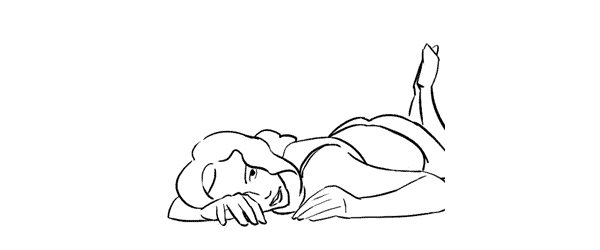
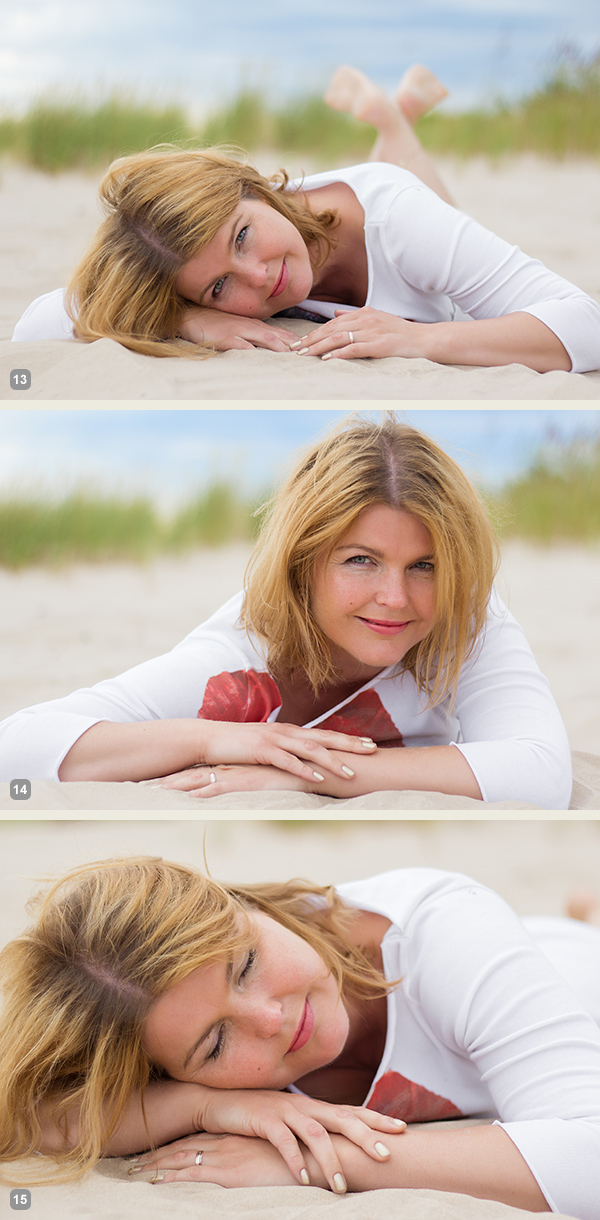
Lying down very low. Works very good as well for close-up portrait shots.
7poses3 5

Photo 13: As my model was lying on the sandy beach, I asked her to support the head on the hand, but in other settings the head might as well touch the ground.

Photo 14: Here I asked the model to raise the head higher and keep the hands placed asymmetrically.

Photo 15: And the next variation was sleeping pose with eyes closed.

Pose 6
Pose6

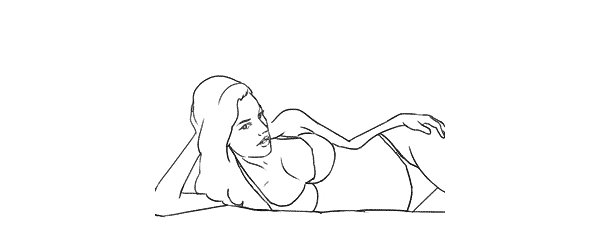
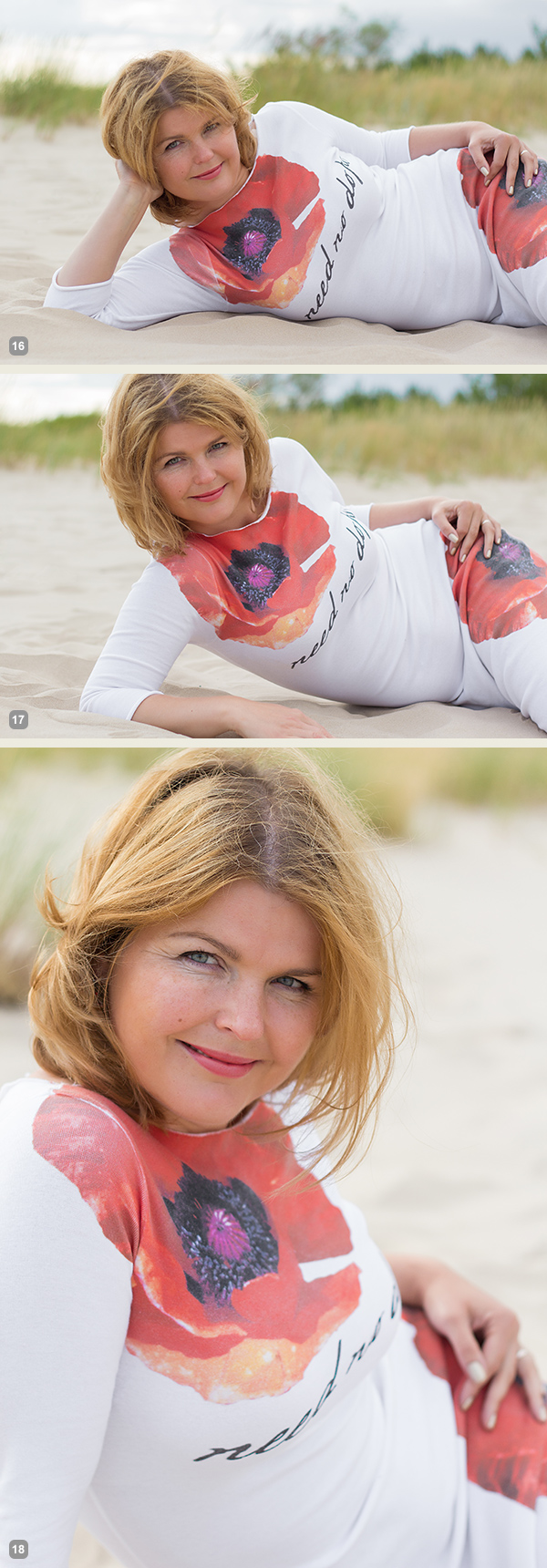
Lying down on the side. Couple of points to check. The left leg is crossed over the right. The left arm is rested on the hip and partly hidden behind the body. The right hand is placed under the head but it supports it with only the tips of the fingers. If the model’s head would be fully supported by the hand the pose would just indicate tiredness.
7poses3 6

Photo 16: Following the previously described instructions, the model easily recreated the sample pose.

Photo 17: Here basically only the right hand’s placement is different. And placing it down on the ground instantly raises her upper body higher.

Photo 18: From there she straightened the supporting hand and raised the body even more higher.

Pose 7
Pose7

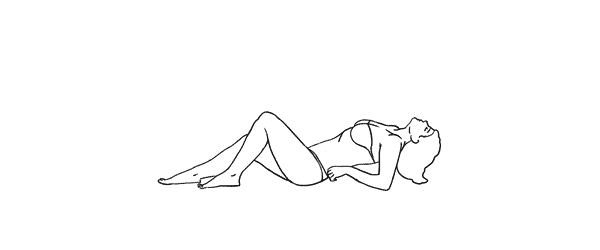
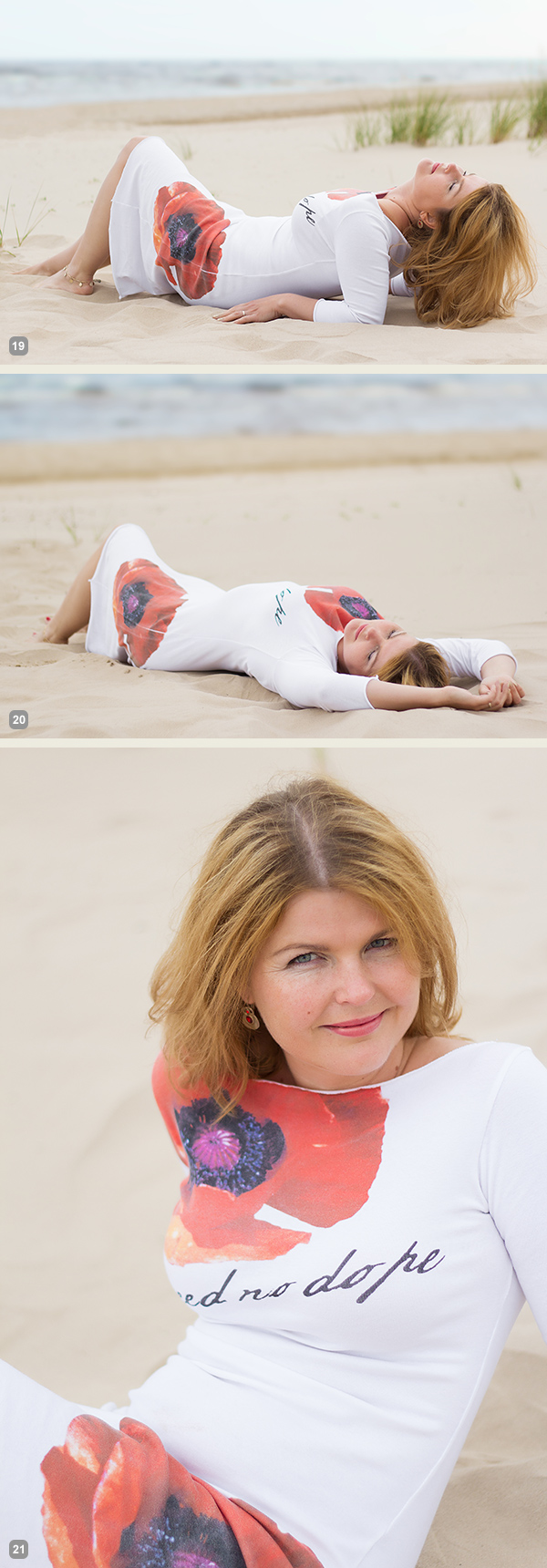
And finally a bit more demanding pose. The biggest challenge for the model is to keep an air of relaxation. Ask her to fold her head back as far as possible while slightly facing it to the camera. And this posture for sure works best with eyes closed.
7poses3 7

Photo 19: If the model can manage to look relaxed, the results will be rewarding.

Photo 20: This pose is a nice variation to the previous one as it’s far more simple for the model to recreate.

Photo 21: And here I asked the model to raise higher up and took the shot from above.

So, together with the previous articles – 7 standing poses [Part I] and 7 sitting poses [Part II] – you now have lots of poses to choose from. For more variation and a more dynamic result I would suggest to choose a few from each article and mix them in a single shoot. You will very soon discover that even a small number of starting poses is more than enough to have a great, productive session.

All of these illustrations and many more posing samples are available on Posing App for your mobile devices.

Kaspars Grinvalds is a photographer working and living in Riga, Latvia. He is the author of Posing App where more poses and tips about people photography are available.

Post originally from: Digital Photography Tips.

Check out our more Photography Tips at Photography Tips for Beginners, Portrait Photography Tips and Wedding Photography Tips.

Posing Guide for Photographing Women: 7 More Poses to Get You 21 Different Photos [Part III]

Digital Photography School

 
Comments Off on Posing Guide for Photographing Women: 7 More Poses to Get You 21 Different Photos [Part III]
Posted in Photography


Leading Lines: Weekly Photography Challenge

20 Jul

Sunrise on the Boardwalk

This week your photographic challenge is to take and share an image that uses the compositional tool of ‘Leading Lines’ – as written about in our recent post How to Use Leading Lines for Better Compositions.

Rope Slide

This technique can be used in a variety of types of photography including landscapes, architectural photography, street photography and more.

So read our leading lines post and head out with your camera to practice the technique.

Qadmoun K Nishan Khud He Manzil Ka Pata Dengay

Once you’ve taken your ‘Leading Lines’ photos upload your best ones to your favourite photo sharing site either share a link to them even better – embed them in the comments using the our new tool to do so.

If you tag your photos on Flickr, Instagram, Twitter or other sites with Tagging tag them as #DPSLEADINGLINES to help others find them. Linking back to this page might also help others know what you’re doing so that they can share in the fun.

Also – don’t forget to check out some of the great shots posted in last weeks Before and After challenge – there were some great shots submitted.

Post originally from: Digital Photography Tips.

Check out our more Photography Tips at Photography Tips for Beginners, Portrait Photography Tips and Wedding Photography Tips.

Leading Lines: Weekly Photography Challenge


Digital Photography School

 
Comments Off on Leading Lines: Weekly Photography Challenge

Posted in Photography


Just Posted: Pentax WG-3 GPS Review

20 Jul

front-news.jpg

We’ve just posted our review of the Pentax WG-3 GPS. This uniquely shaped camera can handle whatever nature throws at you, and the fast F2.0-4.9 lens doesn’t hurt, either. There’s one more review left in our waterproof camera series, followed by a wrap-up article that will help you pick the best one. In the meantime, you can read more about the WG-3 GPS after the link.

News: Digital Photography Review (dpreview.com)

 
Comments Off on Just Posted: Pentax WG-3 GPS Review

Posted in Uncategorized


What The Duck (from the vaults)

20 Jul

wtdlogo_big.jpg

We’ve been fans of Aaron Johnson’s comic strip ‘What the Duck’ for years. ‘WTD’ is one of the best satirical comic strips in the world, and it’s published here every week, as well as being included in our weekly newsletter. Barbed, topical and always amusing, we hope you enjoy WTD as much as we do. Click through for one from Aaron’s archive. Appropriate this week, we think…

News: Digital Photography Review (dpreview.com)

 
Comments Off on What The Duck (from the vaults)

Posted in Uncategorized


Has Sony developed an interchangeable lens for smartphones?

20 Jul

TS300x0~cms_posts-7358444814-lenscamera.png

Rumor and tech sites have been buzzing about Sony’s upcoming smartphone, code-named Honami. Recent rumors have shifted to the possibility that the new phone will be capable of working with an interchangeable lens that may have its own sensor and some sort of storage built in, with the ability to communicate with smart-devices wirelessly and via NFC. Click through for more details about the rumors at our sister site, connect.dpreview.com.

News: Digital Photography Review (dpreview.com)

 
Comments Off on Has Sony developed an interchangeable lens for smartphones?

Posted in Uncategorized


19 July, 2013 – Antarctica By Air 2015 Selling Out

20 Jul

If you’ve been considering joining one of our Antarctica By Air expeditions in early 2015 this is a heads-up that Singles and Triples are sold out on Voyage #1, and that the Single cabins are sold out on Voyage #2.

Now is the time to take the plunge – so to speak. This is the finest Antarctic Expedition for photographers and their spouses (and children 18 years and over). Fly over the turbulent Drake Passage in 2 hours by jet, instead of 2 days by sea. Join seven of the world’s leading photographic instructors. 

Going to Antarctica is as close to visiting another planet as any of us will ever get. The photographic opportunities are beyond expectation.

You know you want to. Don’t put it off.

 Find Out More Now
These Expeditions Will Sell Out Quickly. They Always Do.


The Luminous Landscape – What’s New

 
Comments Off on 19 July, 2013 – Antarctica By Air 2015 Selling Out

Posted in News


Nikon updates distortion correction data for DSLRs, adding latest lenses

20 Jul

AFS_Nikkor_18_35_ED.png

Nikon has released distortion correction data v1.009, adding support for additional lenses for the D4, D90, D600, D800, D800E, D3100, D3200, D5000, D5100, D5200, D7000 and D7100. The latest update means these cameras can now correct distortion in 107 Nikkor lenses. The latest update includes recent launches such as the Nikon AF-S Nikkor 18-35mm f/3.5-4.5G ED and can be downloaded from Nikon’s global website.

News: Digital Photography Review (dpreview.com)

 
Comments Off on Nikon updates distortion correction data for DSLRs, adding latest lenses

Posted in Uncategorized


Can Photojournalism Survive in the Instagram Era?

19 Jul

karady-marine-630px.jpg

With newspapers laying off photographers and picture editors, and the rise of ‘citizen journalism’, can traditional photojournalism survive? Nonprofit news organization Mother Jones has published an interesting interview with photographer Fred Richin, whose new book ‘Bending the Frame: Photojournalism, Documentary and the Citizen’ aims to explore the current state of the profession, and answer some of the questions about its future. Click through for extracts from the interview, and a link to the full article. 

News: Digital Photography Review (dpreview.com)

 
Comments Off on Can Photojournalism Survive in the Instagram Era?

Posted in Uncategorized


Suburban Intervention: Homes Altered, Then Set Ablaze

19 Jul

[ By Steph in Art & Photography & Video. ]

Suburban Intervention Ian Strange 1
For the last two years, artist Ian Strange has traveled the East Coast of the United States, painting suburban homes in shocking shades of red and black, and in some cases, burning them down. The project is called SUBURBAN, and it takes a look at the suburban house as a cultural icon, and its significance as an integral part of the American Dream. “The idea of this project is to start to reduce the suburban home and the family home in the suburbs,” says Strange.

Suburban Intervention Ian Strange 2

Strange brought film crews and volunteers to Ohio, Detroit, Alabama, New Jersey, New York and New Hampshire to alter, photograph and film eight suburban interventions. One home bears a stark red X; another is painted solid black but for a circle in the middle. Another bears a massive mural of a human skull.

Suburban Interventions Ian Strange 3

The video gives us eerie glimpses of these homes during the process of their destruction. Other symbols of comfortable, deceptively satisfying suburban life, like a swing blowing gently in the wind, make for a stunning contrast against the altered homes.

Suburban Interventions Ian Strange 4

“You take such potent imagery as the home, and suburbia, and something that is so familiar, and subvert it and twist it so slightly… you begin to articulate that sense of isolation,” says Strange.

Share on Facebook


[ By Steph in Art & Photography & Video. ]

[ WebUrbanist | Archives | Galleries | Privacy | TOS ]


WebUrbanist

 
Comments Off on Suburban Intervention: Homes Altered, Then Set Ablaze

Posted in Creativity


West Coast – Teil 1

19 Jul

Viele der Landschaftsfotografen, die ich am meisten bewundere, kommen aus dem Westen der USA. Das liegt vor allem an den Motiven, die ich auf ihren Fotos finde: Spektakuläre Wasserfälle, zerklüftete Küsten und märchenhafte Wälder.

Mit großen Erwartungen plante ich deshalb für dieses Jahr unsere Reise in die USA: Flug nach Seattle, dann mit dem Mietwagen die Küste entlang nach San Francisco und von dort zurück nach Deutschland. Mit den ersten Maiwochen hatten wir uns auch einen guten Zeitraum herausgesucht: Frühling, alles grün, Rhododendronblüte in Nordkalifornien. Zudem tritt der gefürchtete Küstennebel normalerweise erst in den Sommermonaten auf, aber dazu später mehr.

Unser erstes Ziel nach der Ankunft in Seattle war La Push im Olympic National Park. Zwei der beeindruckendsten Strände der Welt – der Second Beach und der Rialto Beach – waren gleich um die Ecke. Die Vorfreude während der gut fünfstündigen Autofahrt war entsprechend groß und ein blauer Himmel strahlte uns entgegen, als wir abends zum Second Beach aufbrachen.

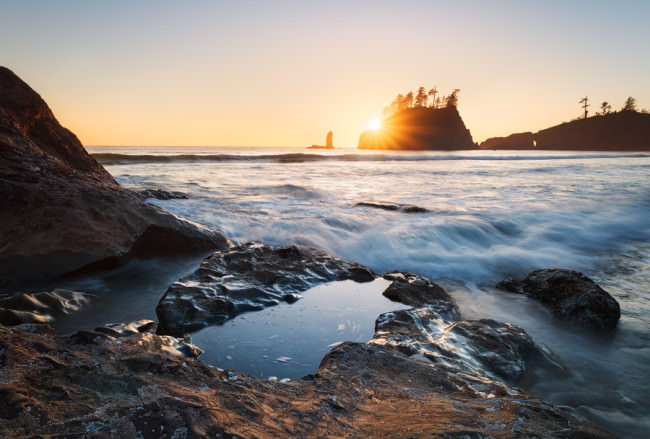
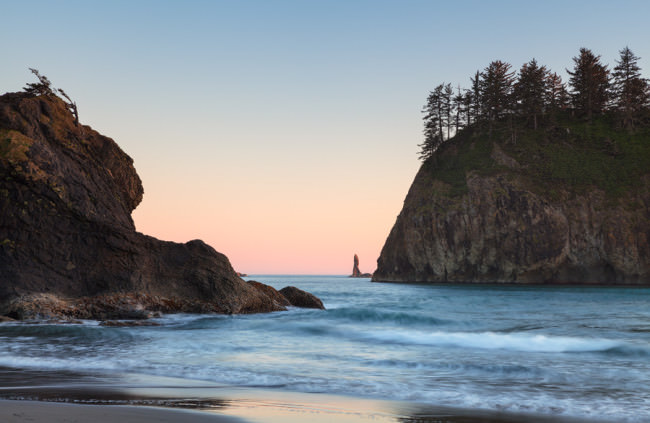
Keine Wolke war am Himmel zu sehen. Das war zwar nicht ideal, aber bei so einer Kulisse kann man nicht meckern. Die sogenannten Sea Stacks am Second Beach bildeten gerade vor dem klaren Himmel eine wunderschöne Silhuette. Nach fast zwei Stunden am Strand ging es zufrieden zurück in unsere Unterkunft. Dabei war der Weg durch den düsteren Küstenwald etwas gruselig, zumal man im Olympic National Park auch auf Bären treffen kann und dann bei jedem Rascheln gleich genauer hinhört.

Second Beach © Michael Breitung

Second Beach Twilight © Michael Breitung

Am nächsten Morgen war er dann da, der Küstennebel. Soviel zur Wettervorhersage und zu meiner Hoffnung, dass wir im Mai noch verschont bleiben würden. Ich war trotzdem motiviert, gleich meine Kamera zu schnappen und dem Küstenwald am Second Beach noch einen Besuch abzustatten. Denn Wald und Nebel: Das passt gut zusammen.

Guardian © Michael Breitung

Und dann gibt es im Olympic National Park auch noch den berühmten Hoh-Regenwald. Beim Gedanken an nebelverhangene, moosbewachsene Ahornbäume fing mein Fotografenherz an, schneller zu schlagen. Gleich nach dem Frühstück fuhren wir los ins Inland.

Nach etwa zehn Kilometern kurz vor Forks wurde es plötzlich hell und die Temperatur stieg um 10 °C. Im Rückspiegel war alles weiß, eine kilometerhohe Nebelwand, vor uns blauer Himmel und Sonnenschein. Ich war selten so enttäuscht über schönes Wetter. Das mit dem Hoh-Regenwald konnten wir bei diesem Licht abhaken.

Wir fuhren stattdessen zum Lake Crescent und dann ins Sol Duc Valley. Bei Wasserfällen bevorzuge ich normalerweise einen bedeckten Himmel, aber es gibt immer wieder Situationen, in denen das Zusammenspiel von Licht und Wasser für magische Stimmung sorgt. Zu meinem Glück war das an diesem Tag so.

Sol Duc © Michael Breitung

Die Hoffnung, dass die Sonne den Nebel vom Morgen von der Küste verdrängt hätte, wurde leider enttäuscht, als wir abends zurückfuhren. Mit einem farbigen Sonnenuntergang sollte es an diesem Tag nichts werden.

Und der nächste Tag begann wie der vorherige mit dichtem Nebel. Wir brachen wieder zum Hoh-Regenwald auf. Dieses Mal reichte der Nebel deutlich weiter. Doch kurz vor dem Regenwald wieder das gleich Spiel wie am Tag zuvor.

Wir ließen es uns trotzdem nicht nehmen, durch die Hall of Mosses zu wandern. Aber ganz ehrlich, ich hätte mir Regen gewünscht. Es ist beeindruckend, keine Frage. Aber im gleißenden Sonnenlicht kam einfach nicht die Atmosphäre auf, die ich von Fotos kannte.

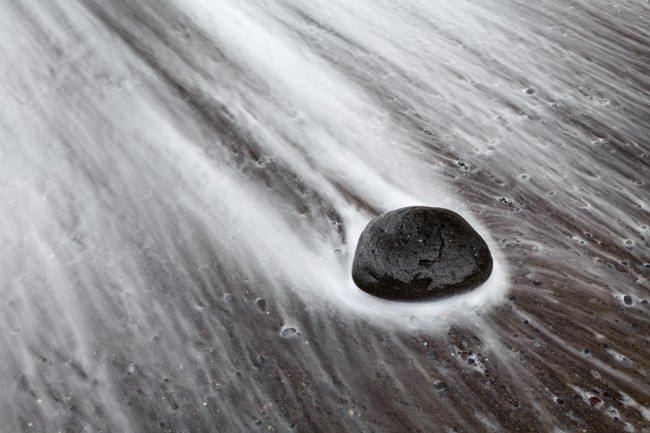
Abends versuchten wir es am Rialto Beach. Wieder nichts. Die anderen Fotografen zogen schon reichlich vor Sonnenuntergang ab und ich widmete mich nicht dem weiten Küstenpanorama, sondern einem einzelnen Stein, der vom herannahenden Wasser umspült wurde. Ohne das richtige Licht wirken selbst die spektakulärsten Landschaften aus fotografischer Sicht trist und langweilig.

Rialto Stone © Michael Breitung

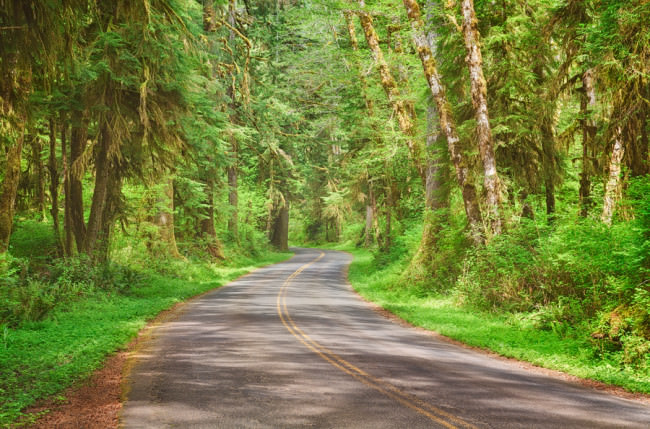
Unser letzter Morgen im Olympic National Park und immer noch keine Änderung in Sicht. Heute fuhren wir weiter nach Oregon, aber vorher brachen wir ein letztes Mal zum Hoh-Regenwald auf. Und wir schienen Glück zu haben: Als wir am Parkplatz ankamen, war der Himmel bedeckt.

Wir machten uns wieder auf zur Hall of Mosses. Ein paar Fotos konnte ich auf dem Weg noch machen, dann brach die Sonne erneut durch und innerhalb von fünf Minuten war keine Wolke mehr am Himmel. Fototechnisch war es bislang alles andere als einfach.

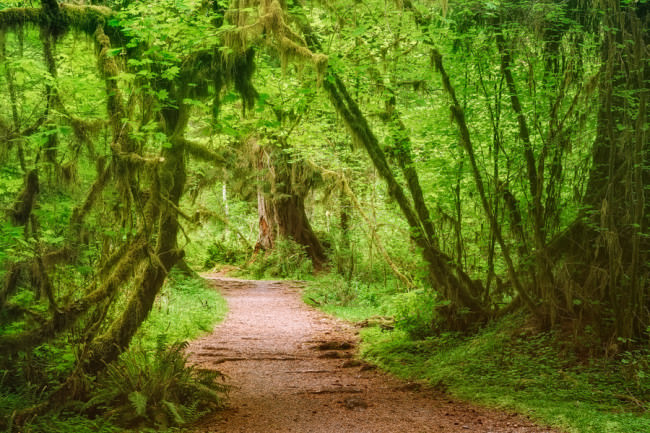
Hoh Track © Michael Breitung

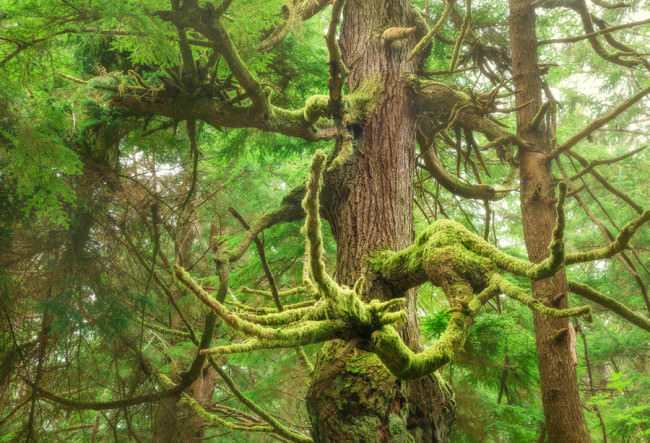
Hoh Road © Michael Breitung

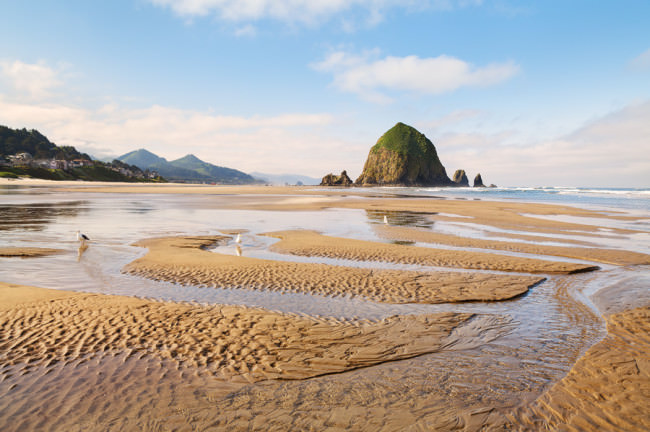
Canon Beach in Oregon ist ein wunderschöner Küstenort am gleichnamigen Strand. Den ganzen Tag über während unserer Fahrt dorthin hatten wir Sonnenschein, obwohl wir die Küste entlang fuhren.

Nachmittags mussten wir nur noch vorbei an den Hügeln vom Ecola State Park und wir trauten unseren Augen kaum, als wir auf der anderen Seite wieder dichte Wolken vorfanden. Der Strand war toll, aber die Fotos, die ich seit Jahren im Kopf hatte, konnte ich auch an diesem Abend nicht machen. Am nächsten Morgen war ich schon um vier Uhr am Strand, doch erneut kein Licht in Sicht.

Kurz bevor wir später auscheckten, zeigte sich das erste Mal die Sonne. Mittlerweile wusste ich, was das bedeutet: Innerhalb von wenigen Minuten würden sich alle Wolken auflösen. Ich rannte zurück zum Strand und kam noch rechtzeitig an, um ein Postkartenfoto vom Canon Beach mit blauem Himmel, ein paar weißen Wolken und warmem Seitenlicht zu machen.

Canon Beach © Michael Breitung

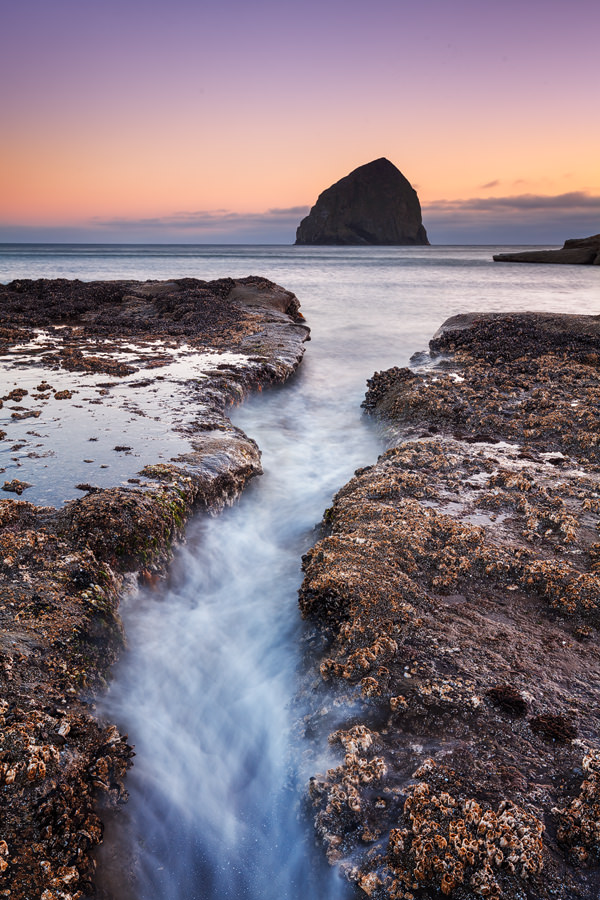
Wir fuhren weiter nach Pacific City zum Kape Kiwanda State Park. In den Wintermonaten kann man hier über Felsen hereinbrechende Wellen fotografieren. Nicht aber im Mai bei Ebbe. Ich hatte deshalb ein anderes Foto geplant.

Die Flut kam genau rechtzeitig und endlich konnte ich wieder einen farbigen Sonnenuntergang fotografieren. Klar, dass ich gleich am nächsten Morgen um vier Uhr wieder aufstand, um das zu wiederholen. Doch viel konnte ich von der Küste nicht mehr sehen: Genau, der Nebel war wieder da.

Kape Kiwanda © Michael Breitung

Ein bischen war ich froh, dass wir die nächsten drei Tage fern der Küste bei Portland verbringen würden. Vielleicht würde sich in der Columbia River Gorge das Blatt ja wenden. Doch erst einmal sollten ein paar Outlets besichtigt werden. Es war also ein fotografiefreier Tag angesagt.

Dafür standen am nächsten Tag gleich drei Wasserfälle auf dem Program. Die Columbia River Gorge ist bekannt für ihre unzähligen Wasserfälle. Eine Auswahl zu treffen, war nicht einfach.

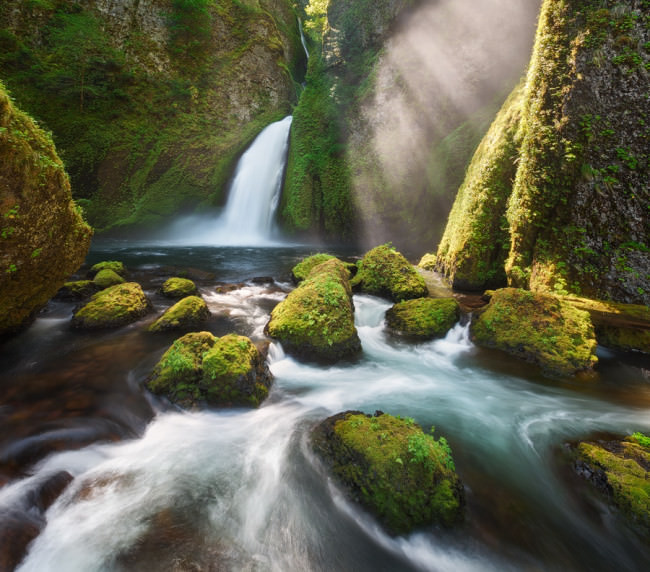
Bei ähnlichen Bedingungen wie im Sol Duc Valley brachen wir zum Wahclella-Wasserfall auf. Leider waren wir etwas spät dran und die Mittagssonne kletterte unaufhaltsam immer weiter am Himmel empor. Bald würde die Schlucht Tanner Creek komplett in hartes Licht getaucht. Wir mussten uns also etwas beeilen.

Unser Timing hätte besser nicht sein können. Wir fanden die perfekte Balance zwischen Licht und Wasser vor. Ich musste nur noch auf einen Felsen im Fluss klettern, um den richtigen Bildausschnitt zu bekommen. Schnell noch einmal in der Hektik die Kamera auf die Felsen geworfen und dann über einen glitschigen Baumstamm rüber zum Felsen. Die Kamera hat es glücklicherweise überlebt und ich konnte es auch vermeiden, in den Fluß zu fallen.

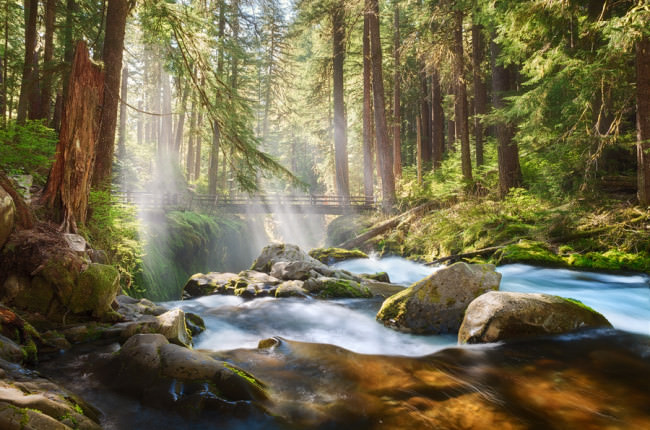
Wahclella © Michael Breitung

Nach dem Schrecken mit der Kamera und den darauffolgenden Minuten im Fotografenhimmel, war ich wieder positiv gestimmt. Vergessen war der Küstennebel und ich freute mich auf die weiteren Wasserfälle der Gorge. Davon, von den Redwoods, der kalifornischen Küste und San Francisco berichte ich dann in Teil 2 dieses Reiseberichts.


kwerfeldein – Fotografie Magazin

 
Comments Off on West Coast – Teil 1

Posted in Equipment