RSS
 

Archive for July, 2013

Cute, Kitschy, Cool: 12 Clever Chinese Desk Fan Designs

21 Jul

[ By Steve in Design & Gadgets & Geekery & Technology. ]

Chinese USB mini fan designs
Intended for low-cost mass production but displaying a wide variety of clever conceptual designs, these 12 Chinese desk fans may blow but they sure don’t suck.

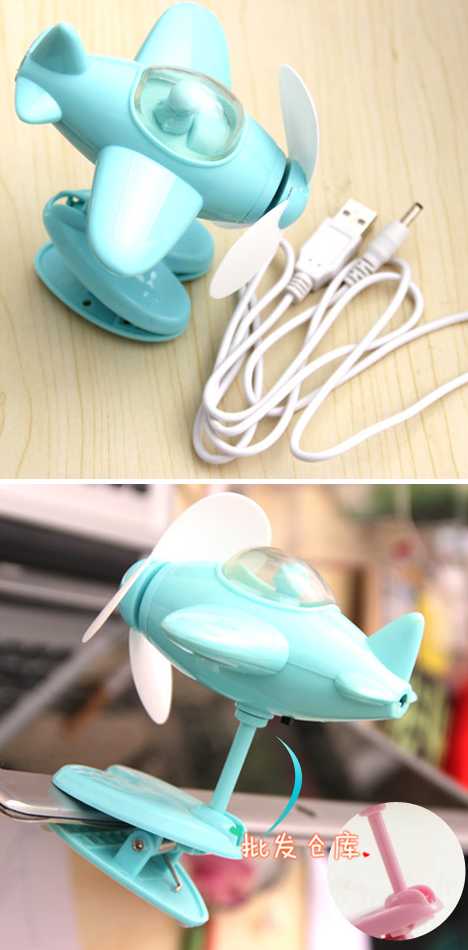
Funny and Playful USB Airplane Clip Fan

Chinese airplane clip-on USB desk fan(images via: PCK)

That’s exactly what the box reads, “Funny and Playful USB Airplane Clip Fan”, though whether this fan is actually funny and/or playful depends on both the sensibilities of the purchaser and how they’re going to use the fan. Most regular folks will simply clip it on their monitor screens and flip the ON switch mounted on the bottom… it may not get you hot but funny, playful or not it will definitely keep you cool.

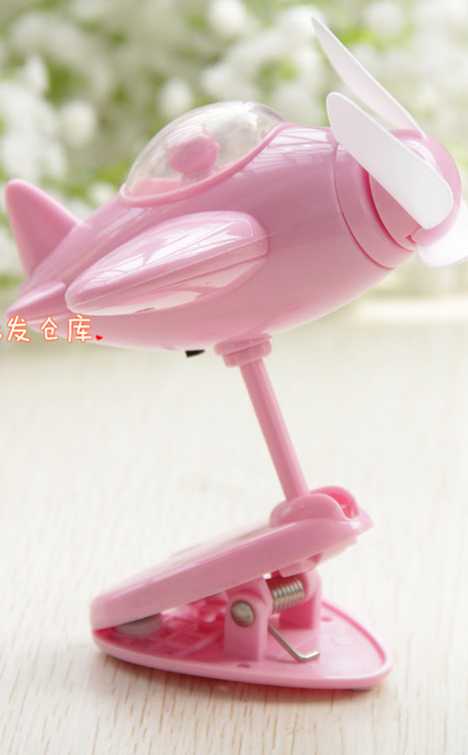
Chinese pink USB airplane clip-on desk fan(image via: PCK)

The Funny and Playful USB Airplane Clip Fan comes in any one of three pastel tints: mint green, pale pink or ivory white. Just plug the USB cable into the plane’s faux exhaust pipe – nice touch there – and you’re good to go on one more chilling mission!

eDON USB “Bi-Cycle” Fan

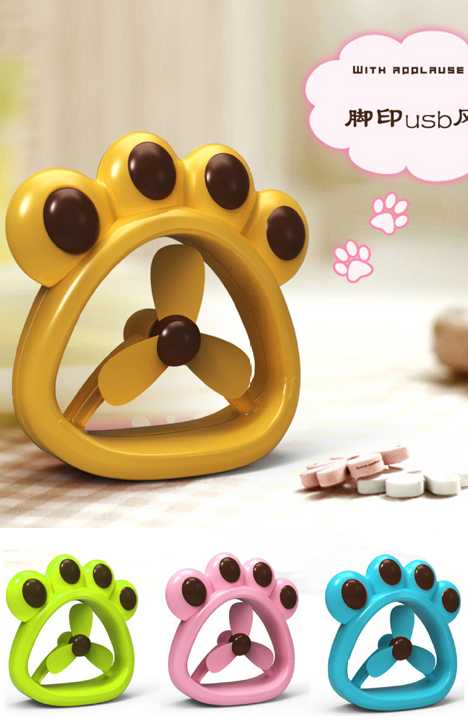
eDON Bi-Cycle dog paw USB desk fan(images via: Creative Coaching)

Wee paws for stationary cool-ification! The eDON USB “Bi-Cycle” fan is a delight for dog-lovers or simply those sweltering through the dog days of summer. Just press the leftmost toe pad to get the breeze flowing, and never mind the fact that the wind caressing your face emanates from a foot just a foot away. Available in golden brown, pastel pink, lime green or sky blue, the design of this USB-powered fan demands applause… though unfortunately the “with applause” copy at the seller’s website promises the same in vain.

NBC Microphone-Shaped USB Desktop Fan

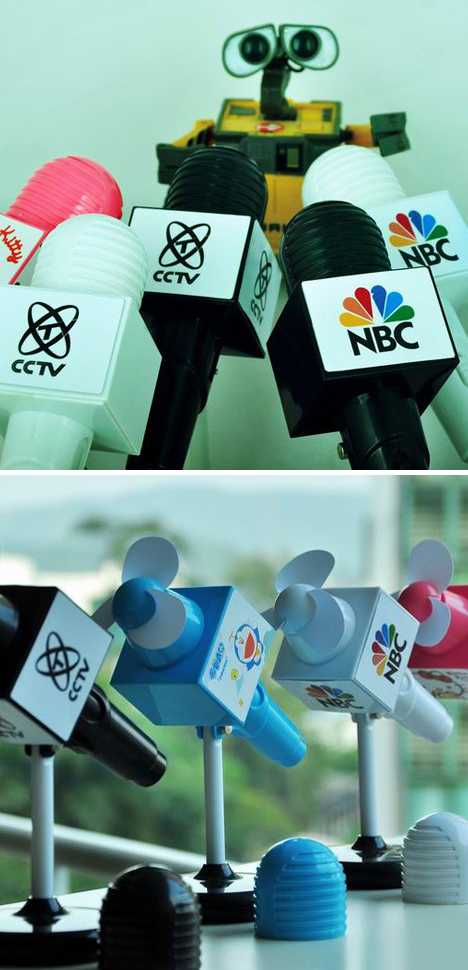
Chinese USB NBC microphone desk fan(images via: Phone People)

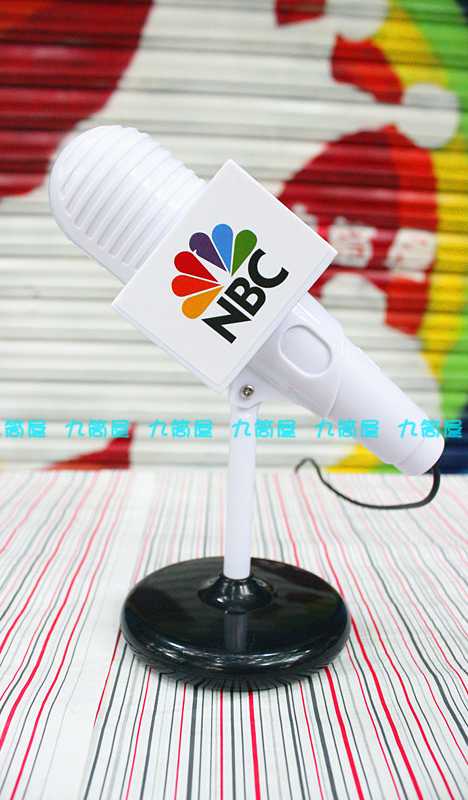
That’s W ENNN B C!… less the W. The NBC Microphone-Shaped USB Desktop Fan is one of a series of four similar fans bearing the (owner applied) decal logos of NBC, China’s CCTV, Hello Kitty, and Doraemon. Are these popular logos officially licensed by the copyright holders? We’re guessing they aren’t but you won’t catch us, er, broadcasting our suspicions.

Chinese NBC USB microphone desk fan(image via: Nine Cylinder Housing)

Legal niceties aside, the fan’s design is rather ingenious: users hold the fan’s body as if it were a microphone, then remove the protective fan blade cap and flip the switch to ON. Lest any late night talk show host wannabees feel the need to bend it like Fallon, be advised you’re just spittin’ in the wind.

Next Page:
Cute Kitschy Cool 12 Clever Chinese Desk Fan Designs

Share on Facebook


[ By Steve in Design & Gadgets & Geekery & Technology. ]

[ WebUrbanist | Archives | Galleries | Privacy | TOS ]


WebUrbanist

 
Comments Off on Cute, Kitschy, Cool: 12 Clever Chinese Desk Fan Designs

Posted in Creativity


Taking Your Photography Outside of Your Comfort Zone

21 Jul

A contribution from Lori Peterson

New photographers sometimes jump in and photograph everything they can. They will photograph a wedding one-day and commercial real estate on another. It isn’t until later on that they realize the importance of finding their niche and concentrating on the things that fuel their art and their passion and still manage to pay their bills. 

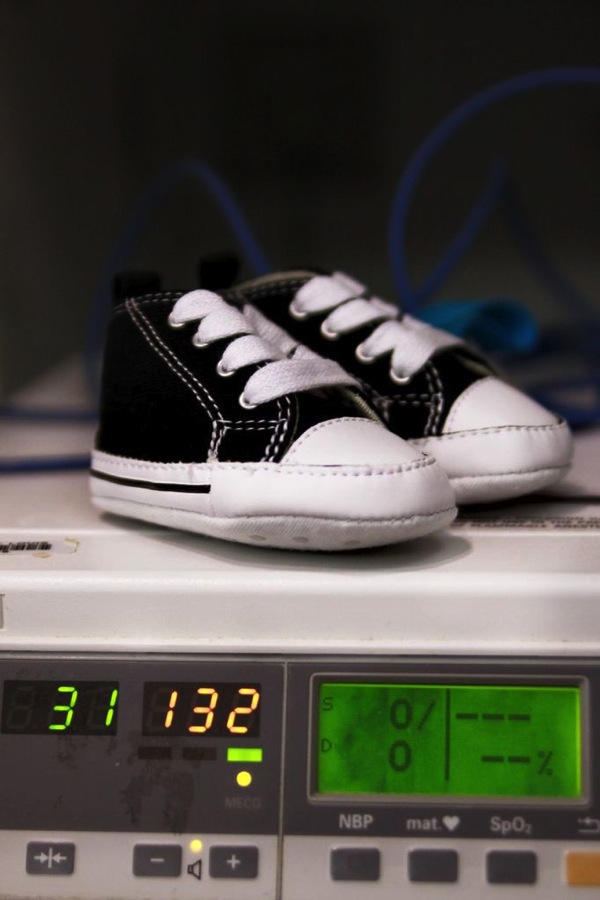
Life can bring you lessons you didn’t even know you needed to be taught. I have been present as a photographer in hospital situations and you have to expect the unexpected. Whether it’s shooting images at a birth or documenting a medical procedure for a family, you should always be prepared for things to change.

If you are planning on being a birth photographer, not only is it important for you to discuss expectations from your client, but you should also find out what the doctor and hospital will allow. Your client might want you to photograph parts of the delivery, but the hospital or doctor may have very strict rules about photography.   Births aren’t always smooth, quick, and without drama. You might plan on being at a birth for a few hours, but if labor stalls, you might be there longer. Expect the unexpected.

If you are allowed to photograph the birth you should be mindful of the doctor, the nurses, and all the other hospital staff that need to be in the room to take care of your client and the baby. Your job is to document, not to be in the way. 

01

If complications arise and there is a need to go to the OR for a cesarean, make sure that your client has discussed this possibility with the doctor. The doctor and the anesthesiologist have the final say so as to whether or not you can go back with your client. Be polite and respectful. If you can’t go back to the OR, make plans to photograph the baby as soon as possible so that your client can still have those early moments recorded.

If you are allowed back in the OR, ask the anesthesiologist about where you can shoot from. Don’t badger them with questions and chitchat. Don’t try shooting over the screen to get shots of the surgery itself.

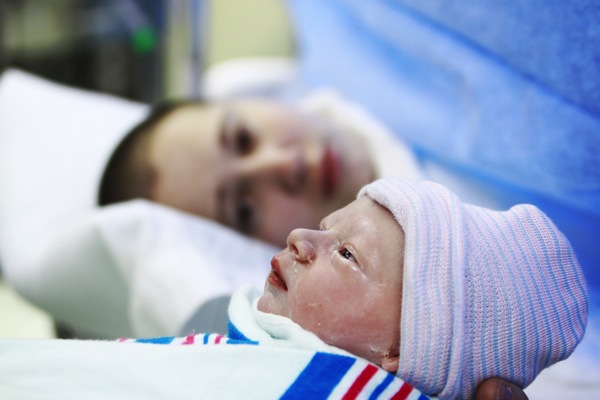
Once the baby is born just remember to keep documenting those moments. Mom is missing out on some of those and Dad might need to be with her. Don’t forget to capture the interactions of the new baby when they bring him or her over to Mom for the first time.

Image 02

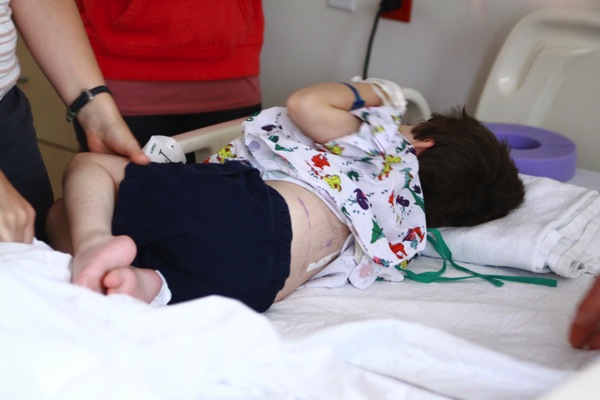
Learning to expect the unexpected has helped me when doing more photojournalism type shoots as well. Most recently I was hired to help a family document their six-year-old son’s Selective Dorsal Rhizotomy surgery. Surgery time was pushed back a bit and then waiting time was also pushed back. There was a lot of waiting. 

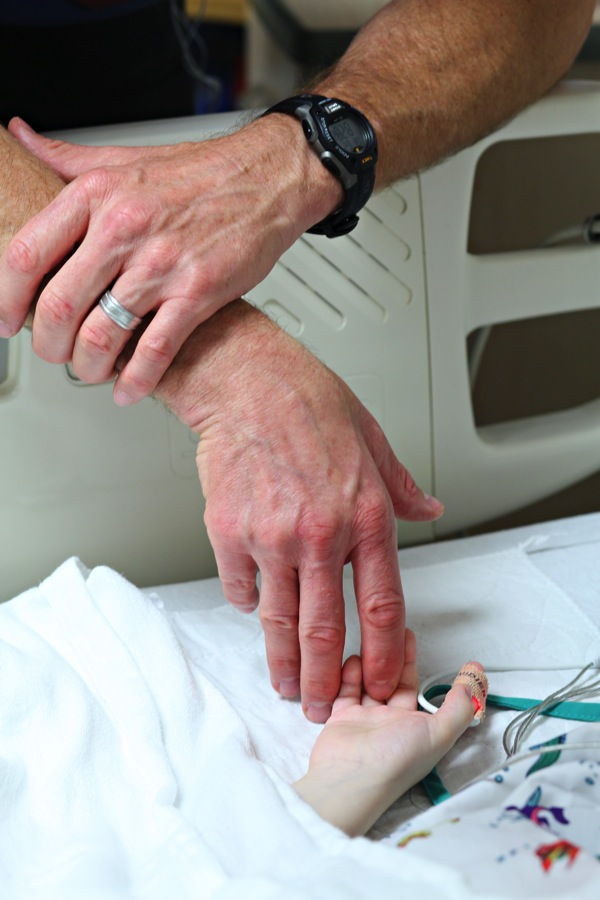
After his surgery he did a lot of sleeping. There was a lot of pacing and worrying from family members and from me as well. His parents just wanted to stick close by and be there in case he woke up. They talked to him, they held his hand and they waited.

Image 03

I shot images during his first time getting out of bed, his first time in physical therapy, and his first time crawling and standing after his surgery. Some of the moments when he was crying were so difficult for me, but I had to remind myself to keep documenting this for him and his parents to look back on. Lighting changed. People walked in. People walked out. He was awake. He slept. The situation changed routinely, but what was expected of me didn’t.

04

For some photographers shooting in a hospital setting might not be ideal, but I can tell you from personal experience that helping families to document their lives is one of the most rewarding types of photography you can do.

Stepping outside of your comfort zone can bring you a new awareness of the world around you and remind you of how wonderful photography can be to document life events. It will physically and emotionally challenge you. You will have to learn to move fast. You will have to learn that sometimes the shot doesn’t have to be technically perfect to tell the story. It’s very different than portrait photography because you aren’t in control of everything. You have to learn to give up some of that control and trust your instincts. Capturing those moments are such a precious gift you are giving to your clients, and you will reap the rewards by adding to your skill-set for future endeavors.

Lori Peterson is an award winning photographer based out of the St. Louis Metro Area. Her dynamic work ranges from creative portraits to very unique fine art photography. Lori’s work can be seen at www.loripetersonphotography.com and also on her blog at www.loripetersonphotographyblog.com. You can follow her on Facebook at https://www.facebook.com/LoriPetersonPhotography.

Post originally from: Digital Photography Tips.

Check out our more Photography Tips at Photography Tips for Beginners, Portrait Photography Tips and Wedding Photography Tips.

Taking Your Photography Outside of Your Comfort Zone


Digital Photography School

 
Comments Off on Taking Your Photography Outside of Your Comfort Zone

Posted in Photography


21. Juli 2013

21 Jul

Ein Beitrag von: Jan Plähn

© Jan Plähn


kwerfeldein – Fotografie Magazin

 
Comments Off on 21. Juli 2013

Posted in Equipment


browserFruits Juli #3

21 Jul

Und – zack! – ist die Woche schon wieder vorbei. An dieser Stelle wollen wir einmal die Gelegenheit nutzen, um Christoph Boecken ein fettes Dankeschön auszusprechen! Warum? Weil er uns Woche für Woche immer wieder Besucher vorbeischickt. Wie das? Nun, auf f5punkt6.de präsentiert er schön und immer aktuell die neuesten Einträge aus der Fotografieblog-Szene – zu der wir uns ebenfalls zählen.

Und wenn wir schon dabei sind, danke zu sagen und bei Christoph sind, empfehlen wir Euch sein Magazin jeriko.de, falls Ihr es nicht schon längst kennt. Das aktuelle Interview mit Jörg M. Colberg hat es übrigens in sich.


Fotospecial: Urbane Stillleben mit Fenster

Flickr

500px


Deutschsprachig

• Die ZEIT hat den Fotografen Tobias Zielony interviewt. Zwar ein relativ kurzes Inview, das aber einige spannende Ansätze enthält, (über) die es lohnt, nach- und weiterzudenken.

• Anne Koch (Ihr erinnert Euch vielleicht an ihren Gastartikel) war auf Helgoland und hat von dort ganz wunderbare Aufnahmen mit nach Hause gebracht.

• Wir empfehlen, diese Petition zu unterschreiben. Zur Prüfung der Abgabepflicht zur Künstlersozialversicherung durch Rentenversicherung.

• Nur noch heute könnt Ihr für den IMS PhotoContest ein Bild einreichen. Thema des Wettbewerbs ist „Berge in Licht und Schatten“. Viel Glück!

• „Das Gefühl, jung zu sein“ haben C. Kniel und I. Mess versucht, einzufangen. Wie? Mit stimmungsvollen Portraits, die die ZEIT vorgestellt hat.


International

• Der Fotograf Todd Hido nutzt für seinen Instagram-Account Fotos aus der Kodak Instamatic. Wenn das mal nicht linientreu ist.

• Jon Rafman findet auf Google Streetview Sachen, die beim Betrachter ein großes Fragezeichen (oder Schmunzeln) hinterlassen.

• Eine Kamera einfach ausdrucken? Mit diesem Open-Source-Projekt geht’s. Wenn man Zugang zu einem 3D-Drucker hat. Auf dem kann man sich dann alle Teile ausdrucken, sie zusammenbauen und los geht’s.

• Das LIFE Magazin zeigt jeweils ein Foto von historischer Bedeutung aus 37 Jahren Zeitgeschichte. Und natürlich ist die Nummer eins von Robert Capa, dem Mitbegründer von Magnum.

• Champ ist vielleicht der glücklichste Golden Retriever der Welt: Seine Besitzerin, die 20-Jährige Candice macht ziemlich viele und ziemlich kreative Portraits von ihrem besten Freund.

• Michael Schindler macht Ferrotypien. Und zwar neuerdings auch sehr große. Das analoge Äquivalent zum Gigapixelfoto. Hier gibt’s auch ein Video darüber.

• Richard Rinaldis Serie „Touching Strangers“ besteht aus Portraits von jeweils mehreren Fremden, die der Fotograf auf der Straße anspricht und zu einem gemeinsamen Foto mit Körperkontakt überredet – die sich vorher aber ebenfalls fremd waren. Spannendes Konzept, das mit der Betrachtererwartung spielt.

• Im Museum of Fine Arts in Houston, Texas, wird es bald eine der größten Sammlungen von Fotografiebüchern der Welt geben. Bleibt abzuwarten, inwiefern sie der Öffentlichkeit zugänglich sein wird.

• Globe Rover ist ein Tumblr, das nur aus Satelliten-Aufnahmen von Google Earth besteht. Klingt doof? Falsch.

• Steve McCurry bloggte im Mai eine Serie von Portraits, die eine unmissverständliche Spache sprechen.


Neuerscheinungen und Tipps vom Foto-Büchermarkt

buchtipps

• Kennt Ihr Maddie? Maddie ist keine Fotografin, Maddie ist eine Hündin, die gerade das komplette Internet verrückt macht und jetzt sind ihre Portraits auch als Buch erhältlich. Für 12,10 € ist der Bildband „Maddie on Things: A Super Serious Project About Dogs and Physics“* erhältlich. Auf Instagram könnt Ihr einen Eindruck von ihren Bildern bekommen oder auch auf der dazugehörigen Webseite.

• Das Gesamtwerk von Herbert List* umfasst ganz großartige Schwarzweißaufnahmen, die zum Teil schön surreal anmuten. Für 9,95 € kann man sich die Bilder bereits als Taschenbuch in den Schrank stellen – ganze 328 Seiten!


Videos

Benjamin Jenks sammelte Reiseerinnerungen der anderen Art und ließ sich zusammen mit insgesamt 930 Leuten ablichten.


Immer wieder magisch: Die Entstehung eines Bildes im Kollodium-Nassplatten-Verfahren.


Ausstellungen

Bill Perlmutter: Europe in the Fifties. Through a Soldier’s Lens
Zeit: 23. Mai – 15. August 2013 (verlängert!)
Ort: Galerie Hilaneh von Kories, Stresemannstr. 384a, 22761 Hamburg
Link

Ihr könnt euch niemals sicher sein
Zeit: 30. August – 6. Oktober 2013
Ort: Kunstmuseum Dieselkraftwerk, Am Amtsteich 15, 03046 Cottbus
Link

Am Ende der Sehnsucht
Zeit: 19. Juni – 6. Oktober 2013
Ort: Altonaer Museum, Museumstraße 23, 22765 Hamburg
Link

Expedition – Photographien von Thomas Steuer
Zeit: 19. Juni – 11. Oktober 2013
Ort: Deutsche Forschungsgemeinschaft, Kennedyallee 40, 53175 Bonn
Link

Helmut Newton: World without Men / Archives de Nuit
Zeit: 8. Dezember 2012 – 13. Oktober 2013
Ort: Helmut-Newton-Stiftung, Jebensstrasse 2, 10623 Berlin
Link

François-Marie Banier: Porträts
Zeit: 8. Dezember 2012 – 13. Oktober 2013
Ort: Helmut-Newton-Stiftung, Jebensstrasse 2, 10623 Berlin
Link

Inka Lindergård and Niclas Holmström – Becoming Wilderness
Zeit: 7. September -? 19. Oktober 2013
Ort: Swedish Photography, Karl-Marx-Allee 62, 10243 Berlin
Link

Max Regenberg – Der Gebrauch der Landschaft
Zeit: 9. März – 27. Oktober 2013
Ort: Städtische Galerie Wolfsburg, Schlossstraße 8, 38448 Wolfsburg
Link

Cotton Worldwide
Zeit: 28. April – 3. November 2013
Ort: TextilWerk Bocholt, Spinnerei, Industriestraße 5, 46395 Bocholt
Link

Textile Schwergewichte
Zeit: 28. April – 3. November 2013
Ort: TextilWerk Bocholt, Spinnerei, Industriestraße 5, 46395 Bocholt
Link

Kairo – Neue Bilder einer andauernden Revolution
Zeit: 16. August – 17. November 2013
Ort: Museum für Kunst und Gewerbe Hamburg, Steintorplatz, 20099 Hamburg
Link

Mario Marino – Faces of Africa
Zeit: 13. Juni – 31. Dezember 2013
Ort: Schloss Arenberg, Arenbergstraße 10, 5020 Salzburg
Link

O.T. – Michael Schade, Arthur Zalewski
Zeit: 27. September 2013 – 6. Januar 2014
Ort: Kunstmuseum Dieselkraftwerk, Am Amtsteich 15, 03046 Cottbus
Link

Schicksale des Klimawandels
Zeit: 9. Juni 2013 – 12. Januar 2014
Ort: Museum Kunst der Westküste, Hauptstraße 7, 25938 Alkersum/Föhr
Link

„Schläft ein Lied in allen Dingen“ – Foto-Poesien von Vera Botterbusch.
Zeit: 26. Oktober 2013 – 9. Februar 2014
Ort: Literaturmuseum Romantikerhaus, Unterm Markt 12a, 07743 Jena
Link

Werksansichten – Historische Aufnahmen aus Oberhausen
Zeit: 21. Juni 2011 – Dauerausstellung
Ort: LVR-Industriemuseum, St. Antony-Hütte, Antoniestraße 32-34, 46119 Oberhausen
Link

Mehr aktuelle Ausstellungen


* Das ist ein Affiliate-Link zu Amazon. Wenn Ihr darüber etwas bestellt, erhalten wir eine kleine Provision, Ihr zahlt aber keinen Cent mehr.


kwerfeldein – Fotografie Magazin
 
Comments Off on browserFruits Juli #3

Posted in Equipment


Lenses and Seeing

21 Jul

Lenses and Seeing article

The lens is the ‘eye’ of the camera. The selected focal length and aperture determine the look of the photo. The lens you are using may also have other characteristics that contribute to the look.

These influence your approach to composition. The idea is to work with the visual characteristics of the lens you are using rather than fight against them. Ask yourself how you can get the best out of the lens you are using.

To start, you will need to understand why a telephoto lens is different from a wide-angle, and how depth-of-field is affected by aperture choice and focal length.

Let’s look at some examples taken with lenses that I have owned:

Sigma 50-150mm f2.8 lens

Lenses and Seeing article

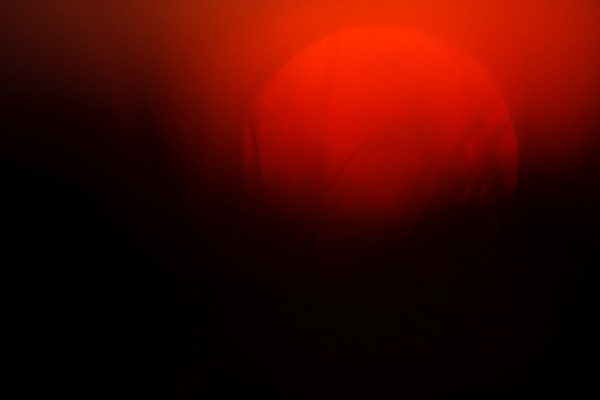
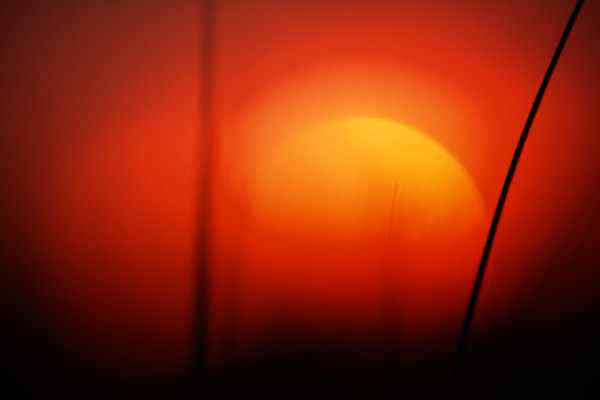
I created this image by setting the focal length of the lens to 150mm and the aperture to f2.8. I focused on the grass in the foreground to throw the setting sun out of focus. By the way, I didn’t look through the viewfinder at the setting sun. That’s potentially dangerous. I used Live View to compose the image instead.

This is how the lens and aperture choice affected the photo:

Narrow depth-of-field: The combination of wide aperture, long focal length and close focusing means the depth-of-field is extremely shallow. Anything other than the blade of grass I focused on is out of focus, including the setting sun.

Compression: The long focal length appears to compress perspective, making the sun look bigger and closer to the foreground than it really is.

Narrow field-of-view: The telephoto lens has a narrow field-of-view and captures just part of the subject. This focal length is good for capturing detail, but not for including the entire scene.

Canon 18-55mm f3.5-5.6 kit lens

Lenses and Seeing article

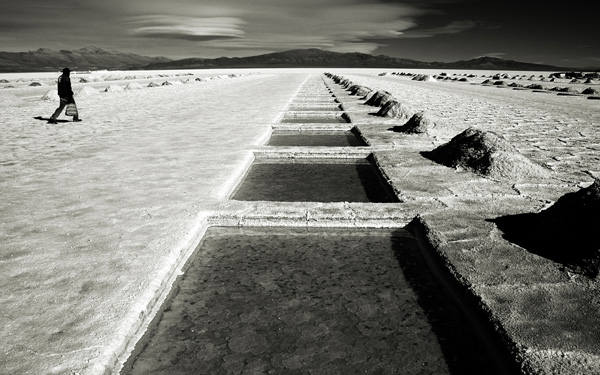
I set the focal length of the lens to 18mm, its widest setting, and the aperture to f11 when I made this image. These are the effects:

Depth-of-field: The small aperture was required because of the bright sun, but it also ensures that the entire scene is in focus. Every detail has been captured by the camera.

Perspective: I was drawn to this scene by the holes cut in the salt, and the lines created as they disappear into the distance towards the mountains. The focal length emphasises the lines and pushes the horizon into the distance, making it seem further away than it really is.

Wide field-of-view: The 18mm focal length has a wide field-of-view, which enabled me to capture the entire scene.

In many ways the focal lengths used to create the photos above are opposites. The telephoto lens brings the subject closer. Only part of the scene is in focus thanks to the wide aperture.

The wide-angle end of the kit lens, on the other hand, captures the entire scene and creates a sense of space by making the horizon seem further away that it really is. A narrow aperture ensures everything is in focus.

Canon 85mm f1.8 lens

Here’s a portrait taken with another of my favourite lens, an 85mm prime set to f2.8:

Lenses and Seeing article

Depth-of-field: My model is in focus, and so is part of the background. There is more depth-of-field than there is in the photo taken with the 50-150mm lens set to 150mm. And there is less than in the photo taken with the wide-angle lens.

Perspective: The 85mm lens is a short telephoto lens and it records perspective accordingly. Again, it falls somewhere in-between the 150mm and 18mm focal lengths. Like the telephoto lens the 85mm lens is good for capturing details. You cannot capture as much of the scene as you can with a wide-angle.

Holga lens

Finally, I’d like to show you a photo taken with a Holga lens. You can buy these plastic lenses for digital cameras from Holga Direct. This really is a good example of how the lens determines the look of the photo:

Lenses and Seeing article

Holga lenses have the following characteristics:

Lack of sharpness: A Holga lens is made from plastic and is not intended to give a good quality image.

Vignetting: Photos taken with this lens are characterised by heavy vignetting at the edges.

Conclusion

Hopefully the examples in this article have drawn your attention to how the focal length of the lens you are using and the aperture affect the look of the photo. The lens is the camera’s eye, and the characteristics of the focal lens you choose determine the look of the photo. With practise, you will learn to make the best use of your lenses.

Mastering Photography

Lenses and Seeing article

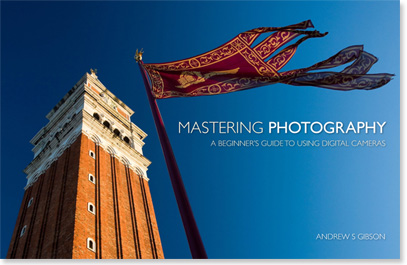
My latest ebook, Mastering Photography: A Beginner’s Guide to Using Digital Cameras introduces you to digital photography and helps you make the most out of your digital camera. It covers concepts such as lighting and composition as well as the camera settings you need to master to take creative photos like the ones in this article.

Post originally from: Digital Photography Tips.

Check out our more Photography Tips at Photography Tips for Beginners, Portrait Photography Tips and Wedding Photography Tips.

Lenses and Seeing


Digital Photography School

 
Comments Off on Lenses and Seeing

Posted in Photography


Canadian Travelogue: Nova Scotia – Cape Breton Highlands National Park

21 Jul

The autumn foliage of Cape Breton Highlands National Park offers a more exciting colour palette than anywhere else in Canada, and quite possibly in North America.

The best time to visit is immediately after Thanksgiving weekend in October. The holiday weekend itself can be nightmarish, with hordes of people and endless lines of tour buses. Restaurants are filled to capacity and accommodations are hard to find unless you have made reservations well in advance. On the Monday immediately following the holiday weekend, you will pretty much have the entire Highlands region and the National Park to yourself.

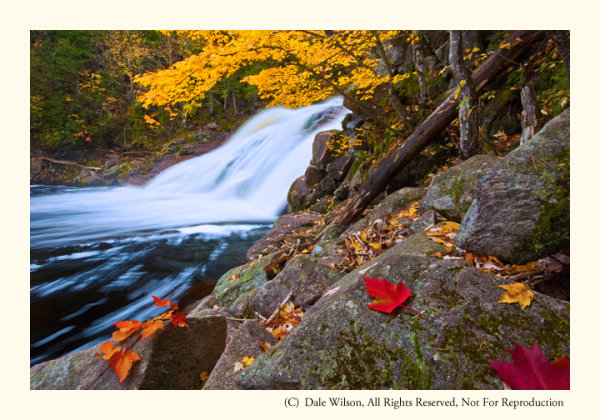
Beulach Ban Falls in the 2nd week of October.

Beulach Ban Falls in the 2nd week of October.

The park is enclosed by the northern section of the famed 300Km long Cabot Trail, a loop of highway that starts and ends at Baddeck. I prefer to enter the Park at the western terminus, near the Acadian village of Cheticamp, and tour the park in a by driving in a clockwise direction along the Cabot Trail.

For those who enjoy American history, the original residents of Cheticamp are repatriated families who had previously been extradited to the United States during the Great Expulsion (Le Grand Dérangement) of 1755.  The word Cajun, which is a common term used to identify the French residents of Louisiana, for example, is actually an anglicized mispronunciation of the French word Acadien. This is a topic for another day, but Cheticamp is a fabulous place to base a few days and listen to the residents speak a very unique and distinct dialect of French and English languages.
One cannot leave the Cape Breton without the classic Cabot Trail photo, and the opportunity comes early in the trip. Park your car at the Cap Rouge pull-off and look southwest back toward the village of Cheticamp – you will instantly recognize the view and potential for a great post card picture. This is an afternoon shot, unless you are looking for a photographic challenge. A sunset photo from this location can be breathtaking, but it can also be difficult to pull-off. The sun will be slight to the right-centre of the frame so you will most likely have to contend with lens flare, and make your images thinking of a final HDR treatment.

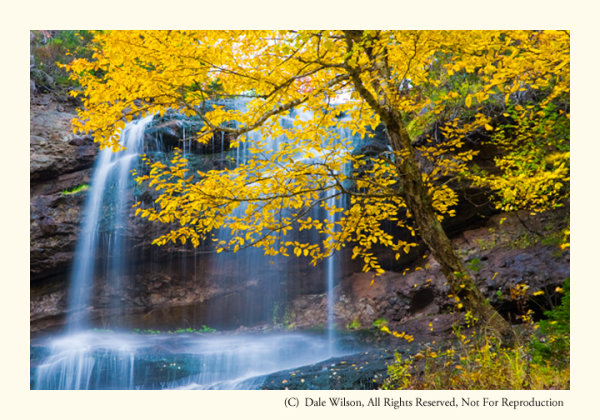
Two particular locations in the park that call me back each year are Mary Ann Falls and Beulach Ban Falls. Beulach Ban Falls is at the eastern base of North Mountain, near the most northerly point on the Cabot Trail. It is reached by way of a gravel laneway that passes a warden’s cabin, on the opposite side of the road from the Big Intervale Campground. About 2 kilometres on this gravel laneway will get you to a small picnic park, and to the base of the falls. You should hear the falls from the parking lot. As with any waterfall, the option to include the entire waterfall, or selective portions, is an entirely personal choice – let the muses direct your creativity.

Mary Ann Falls in 2nd week of October. Yes, I placed the leaves; however, I later heard a photographer swear up and down that those leaves in his picture were exactly as he found them!

Mary Ann Falls in 2nd week of October. Yes, I placed the leaves; however, I later heard a photographer swear up and down that those leaves in his picture were exactly as he found them!

On the Park’s eastern limits, and about a 5 kilometre drive west from the town of Ingonish, you will come to a gravel road leading inland to the Marrach Group Campground. Continue along this road, following the signs to Mary Ann Falls, for about 7 kilometres until you come to a gated wooden bridge – Mary Ann Falls is immediately to your right, or downstream.

Successful images can be made at several vantage points, but the weather will often decide your ideal location along this relatively small but photogenic waterfall. Like most watercourses, the ideal time to make photographs at either Mary Ann Falls or Beulach Ban Falls is during a light drizzle or with overcast skies, thus lowering the overall contrast. Shutter speeds below 1/15th of a second should produce the often sought after “bridal veil” effect, suggesting water movement.

There are many other locations in Cape Breton Highlands National Park that deserve your attention: there is a fantastic panoramic image looking up MacKenzie River from a pull-off near the top of MacKenzie Mountain, the Coastal Trail offers some really unique Jack Pine stands (an uncommon tree in Cape Breton) as well as several vantage points for great views along the Gulf of St. Lawrence shoreline, and a really easy hike among the hardwoods of the Lone Shieling Trail.

As with most national parks, there is much to offer and explore. You simply have to allow yourself the time and flexibility to maximize your efforts in this park due to its maritime environment – if you don’t like the weather, wait an hour.

The Highlands of Cape Breton, in autumn, is a world-class destination. Plan to spend at least four days to appreciate its splendour.

Post originally from: Digital Photography Tips.

Check out our more Photography Tips at Photography Tips for Beginners, Portrait Photography Tips and Wedding Photography Tips.

Canadian Travelogue: Nova Scotia – Cape Breton Highlands National Park


Digital Photography School

 
Comments Off on Canadian Travelogue: Nova Scotia – Cape Breton Highlands National Park

Posted in Photography


From Abstract to Actual: Unrealistic Art Models Made Real

20 Jul

[ By Delana in Art & Drawing & Digital. ]

Gelber Narrenhut

Some of the world’s greatest abstract artists have created portraits of humans that, while inspired by the human form, have completely dispensed with any actual human’s natural proportions.

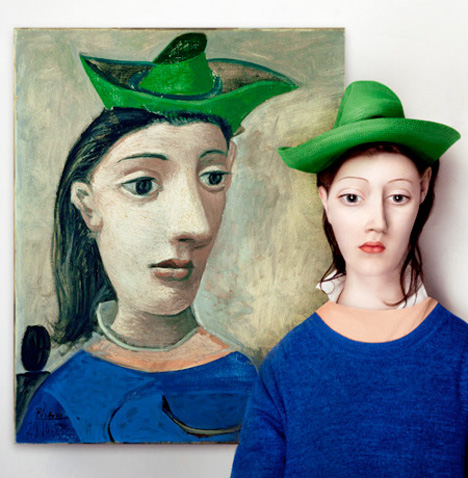
woman in green hat

Hungarian artist Flora Borsi decided to take some of those abstract paintings and digitally create what the models would look like if the paintings were realistic depictions of real humans.

the corn poppy

The results are equal parts entertaining and disturbing. Elongated necks, exaggerated facial features, and impossible proportions make the subjects look vaguely human but not quite what we would expect from actual human models standing next to the portraits they inspired.

bust of woman

The paintings of Modigliani, Picasso, Malevich and more are given the unusual treatment of working backwards to create something new from an already-existing piece of art.

polish woman

Entitled “The Real Life Models,” the project is one that takes you a bit by surprise. Seeing these human forms outside of their respective paintings only highlights how creative and liberal the artists were in painting the original pieces.

american gothic subjects

Borsi did include in her series one real historic photo of models next to the painting they inspired. The older couple who actually posed for Grant Wood’s “American Gothic” are pictured next to their own portrait, looking nearly as sullen as they do in the painting.

Share on Facebook


[ By Delana in Art & Drawing & Digital. ]

[ WebUrbanist | Archives | Galleries | Privacy | TOS ]


WebUrbanist

 
Comments Off on From Abstract to Actual: Unrealistic Art Models Made Real

Posted in Creativity


20. Juli 2013

20 Jul

Ein Beitrag von: plugged mind

voices © plugged mind


kwerfeldein – Fotografie Magazin

 
Comments Off on 20. Juli 2013

Posted in Equipment


Modular concept camera captures photographer and subject simultaneously

20 Jul

duogood3.jpg

It’s not uncommon for photographers to feel much more at ease behind the camera rather than in front of it. Duo, a concept from Chin-Wei Liao, a Korean design school graduate, aims to transform the person behind the lens into photographer and subject simultaneously. Each half of the Duo is an individual camera. Assembled as one unit, pressing the shutter will record and an image while capturing a picture of the person using the camera. Click through to read more about this modular camera system.

News: Digital Photography Review (dpreview.com)

 
Comments Off on Modular concept camera captures photographer and subject simultaneously

Posted in Uncategorized


Wer wir sind –

20 Jul

… ist mehr als das, was wir sehen.

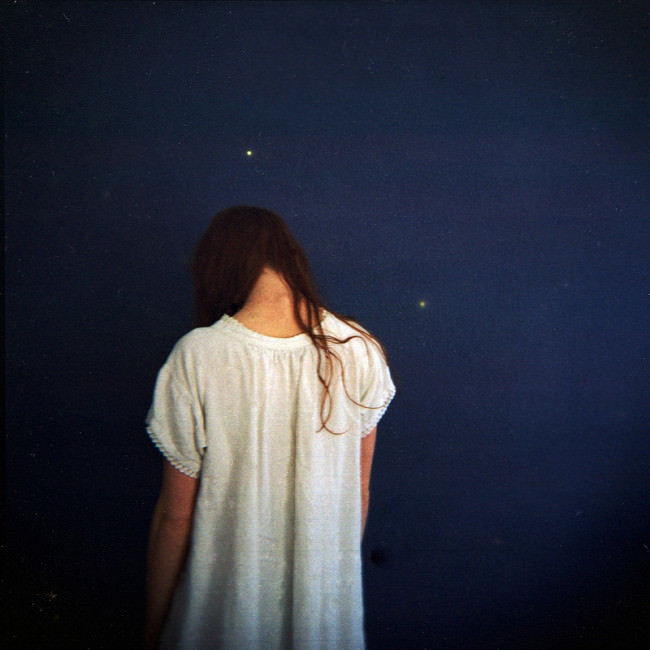
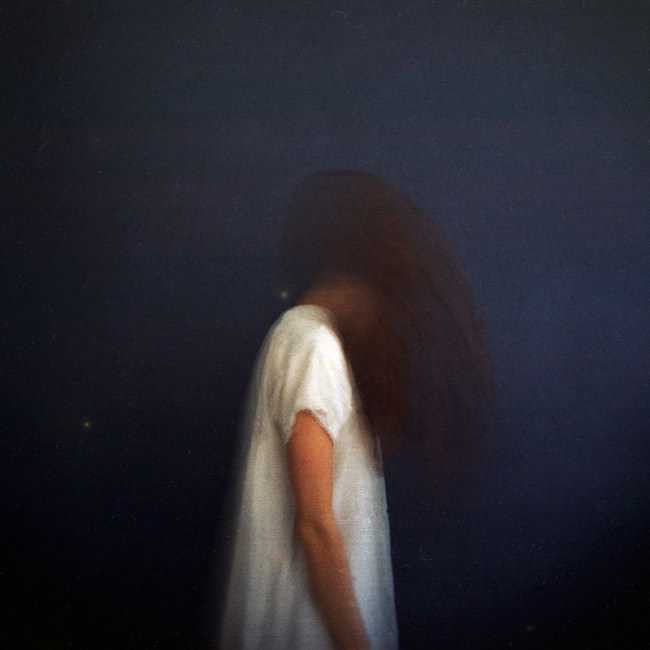
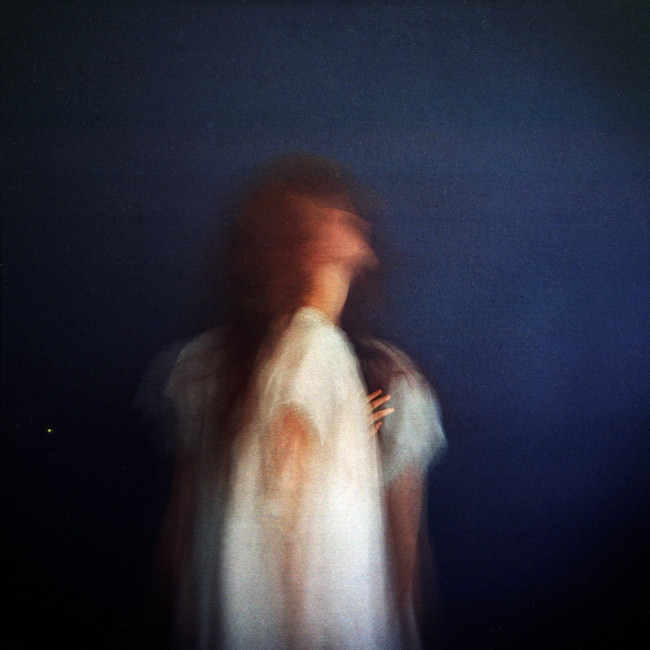
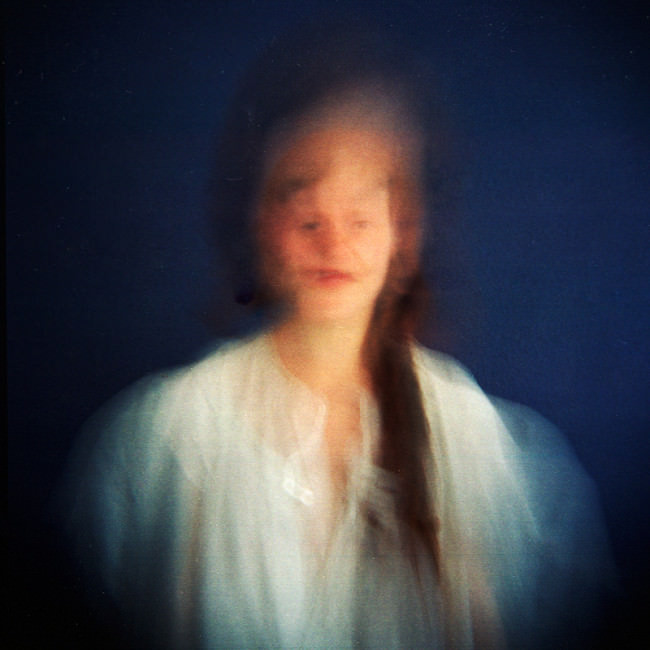
Kann ich Gefühle sichtbar machen, beziehungsweise sie beim Betrachter auslösen? Wie viel muss ich dabei dem Zufall überlassen und was habe ich dabei unter Kontrolle? Das sind Fragen, die mich seit Längerem schon beschäftigen.

Das klare Bild ist etwas Schönes. Ich sehe mich gern daran satt. Doch in meinen eigenen Arbeiten benötige ich das Mystische. Denn meine Gedanken sind nicht klar, nicht rund, nicht fassbar. Sie wirbeln herum und brauchen doch Struktur, müssen wie Bänder im Wind festgebunden werden.

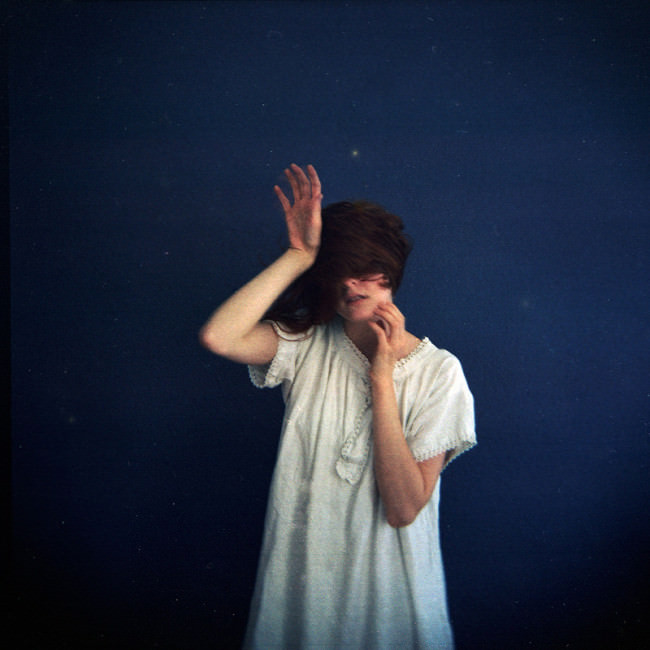
© Marit Beer © Marit Beer

Und auch die Menschen, die zu mir kommen, am Anfang immer Unbekannte, sind für mich nicht zu fassen. Worte schweben dann in der Luft, müssen zusammengesetzt werden. Ich versuche, Ähnlichkeiten oder grundsätzliche Unterschiede festzustellen. Zeichne gedanklich Charakterlinien.

Wer bist Du, Mensch, der vor mir sitzt? Wer bist und was gibst Du preis? Hast Du eine Idee von Dir selbst? Wer bist Du, wenn ich Dich anschaue und wer bist Du, wenn ein anderer Dich aus der Wohnung gehen sieht? Was nimmt die Kassiererin an der Supermarktkasse von Dir wahr und was der Dir Gegenübersitzende in der U-Bahn?

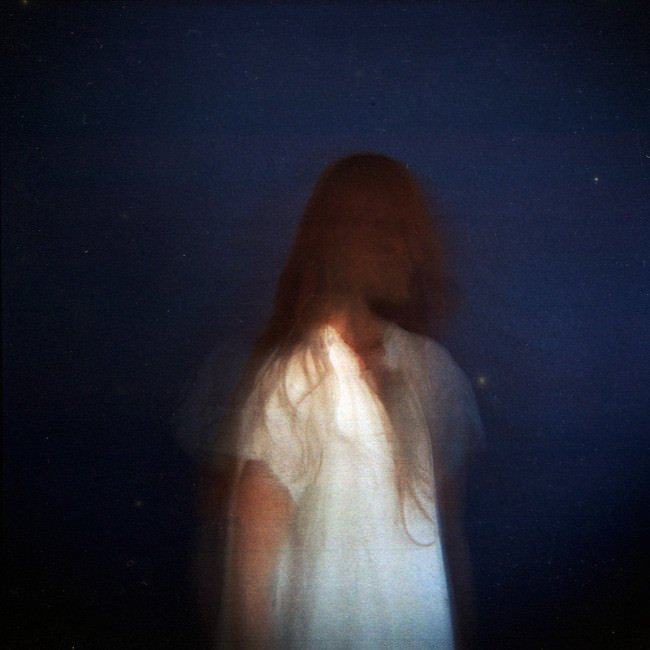
© Marit Beer © Marit Beer

Was hast Du alles gesehen, als Du hier zu mir in die Wohnung kamst und was geht Dir dabei durch den Kopf, Dich von einer Fremden fotografieren zu lassen?

All das sind manchmal unausgesprochene Fragen. Manchmal finden sie nach außen und manchmal werden sie zu Bildern.

Oft genug lege ich nun auch meine Spiegelreflex-Kamera zur Seite. Meine früher oft müde belächelte Holga kommt dann zum Einsatz. Sie ist für mich die Mitte aus Kontrolle und Kontrolllosigkeit. Denn während ich genau weiß, was ich von meiner Canon A-1 oder Kowa Six zu ewarten habe, ist meine SX-70 dagegen eine Treuelose und Unberechenbare. Die Holga aber ist meine fotografische Mitte.

© Marit Beer © Marit Beer

Ihr, einem abgelaufenen Rollfilm und Rosina habe ich meine letzten Serie zu verdanken, die meine anfangs gestellten Fragen zu mir zurückwirft, wenn ich die Bilder betrachte.

Und sie bohren noch weiter. Denn das, was bleibt, ist am Beginn nur eine Möglichkeit, zusammengetragen aus Raum und Zeit.


kwerfeldein – Fotografie Magazin

 
Comments Off on Wer wir sind –

Posted in Equipment