RSS
 

Archive for July, 2013

KaleidoCamera teaches your DSLR new light field tricks

23 Jul

kaleidocam.png

A prototype for a new DSLR add-on is poised to bring plenoptic capabilities to consumer cameras. The KaleidoCamera is designed to sit between a standard DSLR’s sensor and lens. A diffuser splits light passing through the lens into nine different beams, each passing through a filter before it reaches the camera’s sensor. Click through to read on about this prototype’s capabilities and potential applications.

News: Digital Photography Review (dpreview.com)

 
Comments Off on KaleidoCamera teaches your DSLR new light field tricks

Posted in Uncategorized


In case you were curious, here are the 10 most expensive photos ever sold.

23 Jul

expensive05.jpg

Photography has been around for almost two hundred years, but amazingly, it’s only in the past couple of decades that it has gained widespread acceptance as an artform. These days, images by significant photographers command very high prices. But How high is ‘very high’? Internet community FreeYork.org has published a list of the ten most expensive photos ever sold. Click through for the list.

News: Digital Photography Review (dpreview.com)

 
Comments Off on In case you were curious, here are the 10 most expensive photos ever sold.

Posted in Uncategorized


Hasselblad announces distinctly RX100-esque ‘Stellar’ compact

23 Jul

Stellar.png

Hasselblad has unveiled a rather familiar-looking compact camera – the Stellar. The very RX100-esque compact offers the same 28-100mm equivalent Zeiss-branded zoom and 20MP 1″-type sensor as the Sony, but comes with a substantial hand-grip made from a choice of exotic materials and, we suspect, a significantly higher price tag.

News: Digital Photography Review (dpreview.com)

 
Comments Off on Hasselblad announces distinctly RX100-esque ‘Stellar’ compact

Posted in Uncategorized


Steps to Saving Space: 15 Compact Stair Designs for Lofts

22 Jul

[ By Steph in Design & Furniture & Decor. ]

Compact Loft Stairs Main
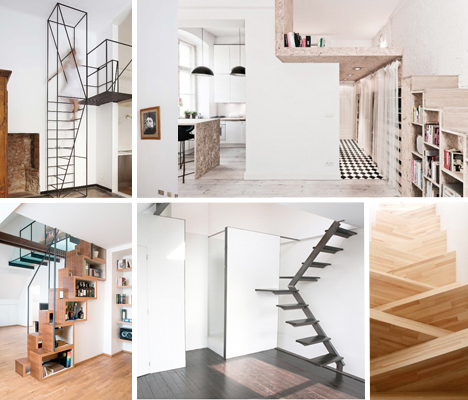
Alternating treads, ultra-narrow ladders, built-in storage and other tricks enable these 15 smart space-saving designs to fit into the smallest of apartments. Offering access to sleeping lofts, second stories or just elevated storage, these ultra-compact staircases avoid a large footprint through furniture integration, tight spirals, or – at times – clever solutions that wouldn’t really pass safety inspections in most places.

Stairs Integrated in Entertainment System

Compact Loft Stairs Entertainment System 1
Compact Loft Stairs Entertainment System 2

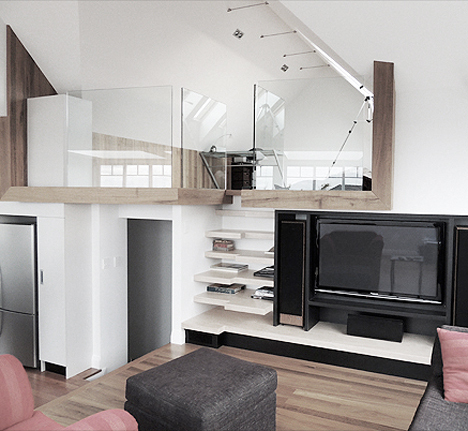
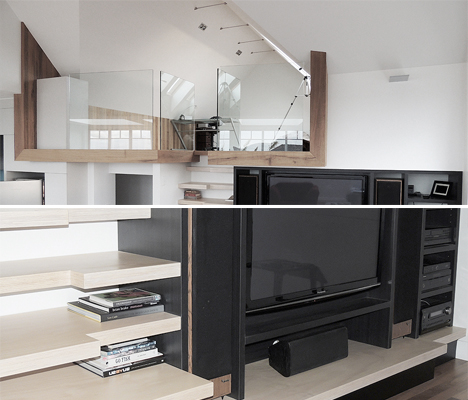
The steps to access a small glass-walled loft are barely noticeable in this contemporary renovation to a 1930s traditional English cottage-style home by Mark Frazerhurst Architect. They’re built right into the entertainment center, with alternating treads sticking out from a functional shelf.

Loft Bed/Ladder Combo

Compact Loft Stairs Bed Ladder Combo

An all-in-one kit from Sweden’s Compact-Living adds a loft with a wall-mounted ladder to any room with a high enough ceiling to accommodate it.

Minimalist Steel Rod Staircase

Compact Loft Stairs Minimalist Rod

Designer Francesco Librizzi added this contemporary metal rod staircase to an original house in France built in 1900, saying “the only possible intervention was an almost 2D-frame, able to double the space in height and create new possibilities on other layers.”

Simple Staircase in Belgium Mini House

Compact Loft Stairs Belgium

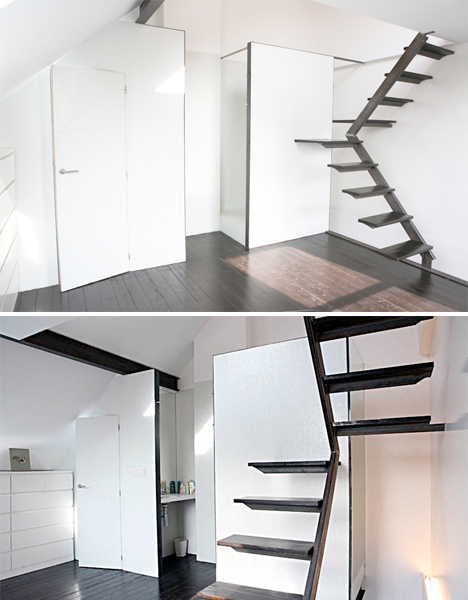
These stairs take up very little space thanks to a pivoting design with a (very) small platform at the bend. Too bad staircases like this – lacking handrails – don’t typically pass code inspections in the United States.

Bookcase Stairs by WORKSTEAD

Compact Loft Stairs Bookcase Workstead

A bookshelf ladder by Brooklyn designers WORKSTEAD attaches a narrow metal ladder to a built-in bookcase, leading to a skylight and the rooftop above.

Next Page:
Steps To Saving Space 15 Compact Stair Designs For Lofts

Share on Facebook


[ By Steph in Design & Furniture & Decor. ]

[ WebUrbanist | Archives | Galleries | Privacy | TOS ]


WebUrbanist

 
Comments Off on Steps to Saving Space: 15 Compact Stair Designs for Lofts

Posted in Creativity


The Beautiful Square

22 Jul

Square format photography

This article is written by Andrew S. Gibson, the author of Square, on sale now at Snap N Deals for a limited time.

The square format seems to have gone in and out of fashion over the decades – and there’s no doubt that it’s currently experiencing a resurgence in popularity. This is at least partly due to the popularity of toy cameras like the Holga and smartphone apps like Instagram. But it’s also got a lot to do ease of access. With film cameras, cropping aside, the camera you purchased determined the aspect ratio you worked in. With digital cameras you can take a photo and crop it to any aspect ratio you desire. That makes working in the square format a whole lot easier.

84 years of history

The first square format camera was made by Rollei in 1929. Square format cameras have been used by venerable names such as Richard Avedon, Irving Penn and Diane Arbus. Hasselblad, the mark of choice for many professional photographers in the film age, used the square format in its film cameras from 1948 to 2002. There are no current digital cameras (to my knowledge) that have a square sensor. But digital photography makes it easy to crop your images to any aspect ratio you want.

By the way, it’s well worth taking some time to study the works of the masters mentioned above. It will teach you a lot about composition, and hopefully inspire you to try out the square format. Click on the links to learn more about each photographer:

Square format photography

Richard Avedon was known for his stark, minimalist portraits. His approach changed the way fashion photos were taken forever. The first image in this article shows Avedon using a Rolleiflex camera.

Irving Penn is another famous fashion photographer who used minimalism and the square format to make his mark. His photos are known for their formal, graphic composition and stark use of white space.

Diane Arbus took the opposite approach to that of photographers like Irving Penn. She photographed outcasts and people on the margins of society, celebrating the ugly and unusual rather than the beautiful.

If you’d like to see the work of some of the modern exponents of square format photography, then take a look at my article 40 Beautiful Square Photos. I’ve collated a series of beautiful images from some of the best photographers around today.

Using the square format

Hopefully the above links have whetted your appetite for the square format. There are four main ways you can explore this aspect ratio:

1. Use a medium format film camera. These can be surprisingly inexpensive on the second-hand market. Look for brands such as Rolleiflex, Mamiya, Bronica or Hasselblad. Get the best quality scan you can of the negatives so you can work on them in Photoshop.

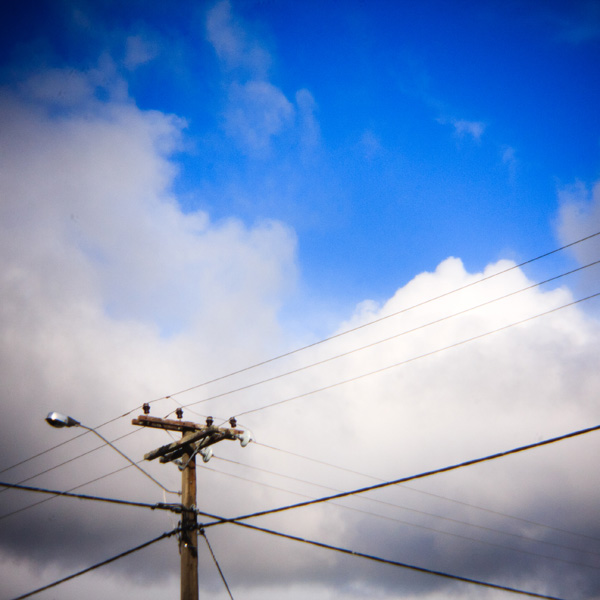
2. Use a toy film camera like a Holga. Again, a good quality scan is essential to make the most out of the negatives. If you don’t want to use film you can buy Holga lenses for digital cameras and crop the image to a square. That’s how I created this image:

Square format photography

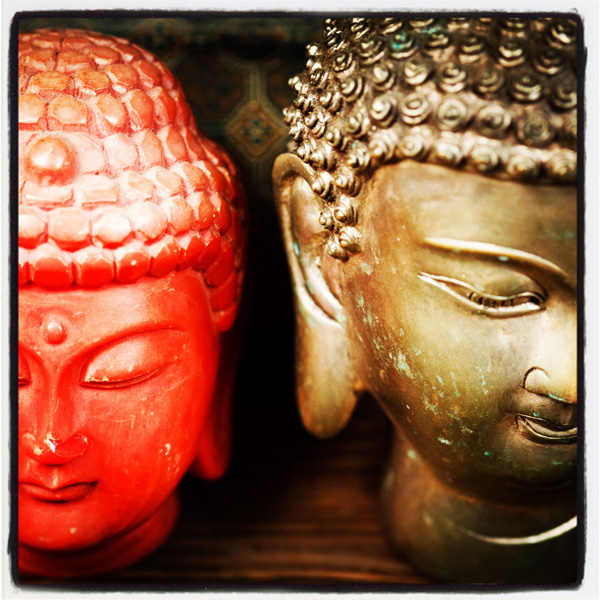
3. Use a smartphone camera and convert the photos to square format using an app like Instagram. Another approach is load photos that you already have taken onto your phone or tablet and run them through Instagram. I used that method to create this photo:

Square format photography

4. Use a digital camera and crop the images to the square format when you process the Raw files. Many recent models let you take square images in Live View. I’m sure this is the method that the majority of readers of this website will use.

The appeal of the square format

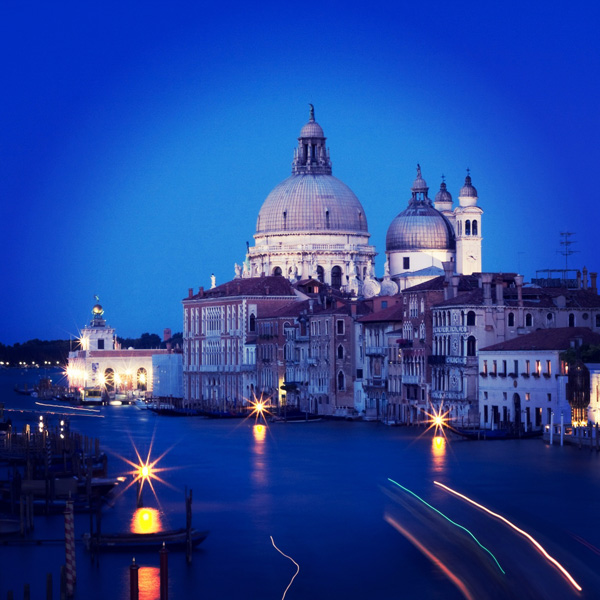
I think of the square format as the fine art photographer’s format. It has a venerable history and has been used by some of the great names of 20th century photography. Now, in the digital age, photographers are using the square format in fields as diverse as long exposure photography and iphoneography. Here are some more reasons that I like the square format:

  • It changes my approach to composition. The square format is different, and there seems to be a certain inherent beauty to well composed square format photos that other aspect ratios lack. Shapes become more prominent, there is little wasted space and the balance between the elements changes. The subject of composition within the square format is so interesting that I will write an entire article about it.
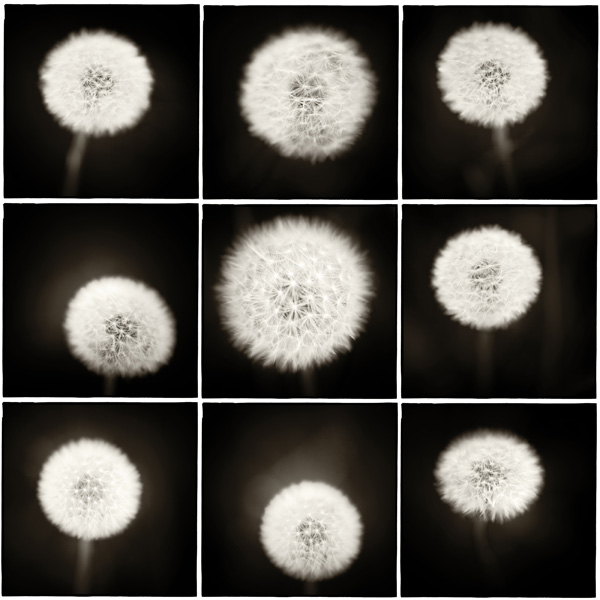
  • It works well in black and white. There’s something magical about the combination of black and white and the square format. The lack of colour lends emphasis to graphic shapes and textures within the frame.

Square format photography

  • The square format seems to suit certain subjects. It seems to work best with subjects like portraits, the nude, landscape, still life, architecture, details and abstracts. These are all artistic subjects, and they all work well in black and white – which is perhaps why the square format is popular with fine art photographers.
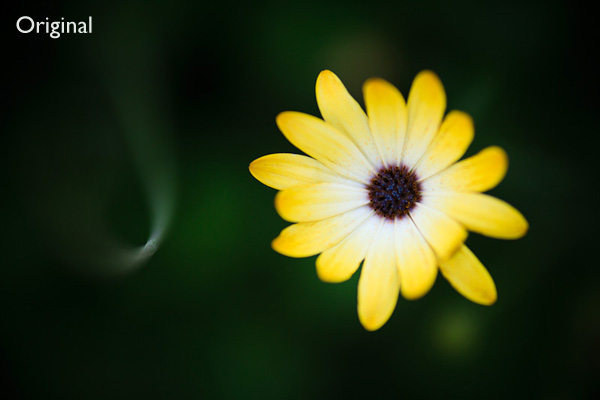
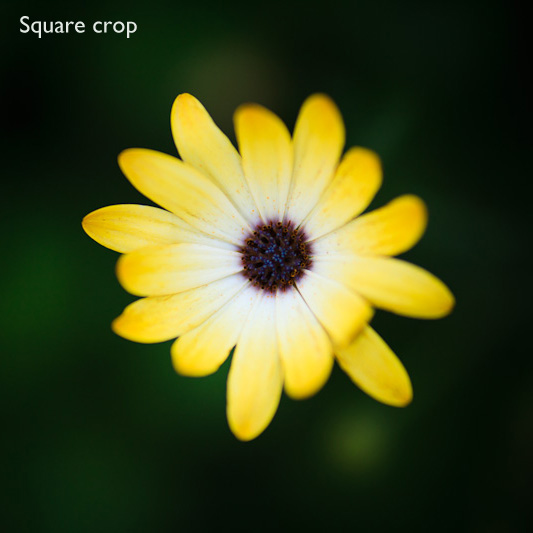
  • It’s fun. I enjoy going through my old images and seeing which ones can be improved by cropping to the square format. It may seem like an abstract exercise but it has taught me a lot about composition. Thinking about whether an image could be improved by cropping to a square makes me thing about whether I composed the image in the best possible way in the first place. Here’s an example. Cropping the image to the square format, and placing the flower in the centre of the frame, has created an new image with a different dynamic.

Square format photography

Square format photography

Conclusion

If you’ve never used the square format before, it’s well worth the effort. It’s so easy to crop your existing images in Lightroom or Photoshop that anyone can try it. It can give new life to old images – and the process will teach you a lot about composition and the use of space within the frame.

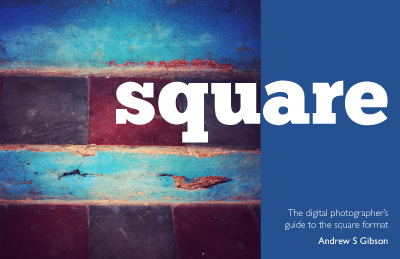
Square

Square format photography

My ebook Square explores the square format from the digital photographer’s perspective. It shows you how to use the square format on your camera, and how to make the most out of what I think of as the fine art photographer’s format.It’s available now at Snap N Deals for a special price for a limited period.

Post originally from: Digital Photography Tips.

Check out our more Photography Tips at Photography Tips for Beginners, Portrait Photography Tips and Wedding Photography Tips.

The Beautiful Square


Digital Photography School

 
Comments Off on The Beautiful Square

Posted in Photography


Say ‘ello To The Cambridge Camera Bagand Its Best Mate The Triggertrap

22 Jul

Extra photos for bloggers: 1, 2, 3

Are those British school children taking photos by simply yelling spells at their cameras? Is that…?

Yup! The latest craze at Photojojo!

We’re sportin’ the British bookbag inspired Cambridge Camera Bag. It’s stylish and comfortable. Featuring extra soft padding (even on the top!) to keep your camera snug, and ultra-lightweight materials that won’t weigh you down.

We’re also using the Triggertrap. It turns your phone, pad, or pod into an intelligent remote trigger for your camera. Use an app to fire your shutter with voice/motion/face detection! Set custom HDR settings, time-lapses, distance-lapses and much more.

The Cambridge Camera Bag
$ 110.00 at the Photojojo Store

 Tweet it!      Share

The Triggertrap
$ 30.00 at the Photojojo Store

 Tweet it!      Share

Related posts:

  1. The Camera Strap Necktie and Le Camera Pin We’re starting a little special somethin’: Camera Strap of the…
  2. The Capture Camera Clip — A Hands Free Holster for Your Camera The number one lesson photographers should learn from the Wild…
  3. The Chromonaut Camera Bag, The Camera Cooler Bag and The Camalapse Who says summer is almost over? We say let’s make…


Photojojo

 
Comments Off on Say ‘ello To The Cambridge Camera Bagand Its Best Mate The Triggertrap

Posted in Equipment


Create Dramatic Lighting in your Photography by Introducing Darkness

22 Jul

Every professional photographer that you’ll ever talk to, will tell you that light is the most important part of photography. These people, myself included, are absolutely right, it is! Without it our photographs would be dull sheets of empty paper! Using dramatic lighting to a photographer’s advantage is the universal lesson preached to every photography student on the planet! But Continue Reading

The post Create Dramatic Lighting in your Photography by Introducing Darkness appeared first on Photodoto.


Photodoto

 
Comments Off on Create Dramatic Lighting in your Photography by Introducing Darkness

Posted in Photography


Fotofieber

22 Jul

Kann es sein, dass so quer durch die Bank der Fotopublikationen öfter über Kreativkrisen gesprochen wird, als darüber, wenn es einfach läuft? Wenn alles passt und einen das Fotofieber gepackt hat? Kann sein. Muss aber nicht. Ich jedenfalls will heute darüber reden. Denn: Ich bin gerade mittendrin.

Und zwar seit ein paar Wochen. Bisher lief es einfach ganz gut, aber jetzt gerade? Supergeil.

Zuerst das Wichtigste: Seitdem ich der Landschaftsfotografie abgesagt und mich ganz der Straßenfotografie zugewandt habe, gab es noch keine einzige Fotoblockade bei mir. Dadurch, dass ich mein Genre mittlerweile gefunden habe und das technische Lernen der Grundlagen zu Beginn mehr oder minder abgehakt ist, fühle ich mich so richtig wohl in meiner Haut.

Als ich mich vor Jahren noch der Landschaftsfotografie verpflichtet gefühlt hatte, war da stets so ein Druck da – kennt Ihr das? Ich hatte meist ein schlechtes Gewissen, wenn ich nicht fotografierte und musste mich oft zwingen, rauszugehen.

Doch seitdem ich das alles hinterfragt und mein Genre (für’s Erste) gefunden habe, passt alles. Und dann kommen wir schon zum nächsten Punkt: Ich bin gerade jeden Tag mindestens einmal in der Stadt und fotografiere. Dazu muss ich mich nicht zwingen, sondern ich will raus. Es zieht mich hin und es fehlt mir etwas, wenn ich es nicht tue.

Meist sogar so stark, dass ich schon um 6 Uhr morgens hibbelig werde und unbedingt raus möchte.

Was das Fotofieber aber erst richtig zum Glühen brachte, war, dass ich mir vor ein paar Wochen sämtliche Martin-Parr-Videos auf Youtube ansah, die ich finden konnte. Und das sind so einige, inklusive dem letzten Workshop von und mit ihm auf Vimeo.

Ich kann gar nicht genau sagen, warum, aber die Videos haben mich einfach angefixt. Seitdem schaue ich gern auch mal abends zum Entspannen ein kurzes (oder langes Video) über Fotografen an, statt mir einen Actionfilm reinzuziehen. Und da bei Magnum einige meiner fotografischen Vorbilder sind, über die es reichlich Videomaterial gibt, wird mir dieses auch so schnell nicht ausgehen.

Der letzte Motivations-Schub kam und kommt von – Ihr wisst es schon – Bildbänden. Seitdem ich gute Bildbände für mich entdeckt habe, schlägt mein Herz noch ein bisschen höher für die Fotografie. Das Anfassen, Riechen, ja sogar das Spüren der Fotos ist intensiver, als Fotos „nur“ am Monitor anzugucken.

Und Bildbände haben einen ganz entscheidenden Vorteil: Sie zeigen (je nach Format) oft eine Serie oder ein ganzes Portfolio, für das ich am Rechner meist nicht die Ruhe finde. Aber in den Sessel fallen lassen, am Kaffee schlürfen und eine ganze Stunde durch einen Bildband blättern? Unbezahlbar.

Ich behaupte einmal, dass Fotobände eine Art Intimität zu den Bildern ermöglichen, die mir am Monitor verwehrt bleibt. Wer seine eigenen Fotos schon einmal in der Hand hatte, weiß vielleicht, wovon ich spreche. Und bei anderen Fotografen ist es für mich ähnlich.

Manche Leser mögen fragen, was das denn nun für Konsequenzen im Bezug zum Fotografieren bringt – oder ob das alles nur emotionales Geblubber ist. Nun, natürlich wirkt sich das alles auf’s Fotografieren aus.

Wie genau? Nun, es fotografiert sich ganz anders, wenn ich mich darauf freue, als wenn ich mich dazu zwingen muss. Ich finde schneller in meinen Rhythmus, mache mir weniger Gedanken und genieße es einfach, das bunte Leben in der Stadt zu fotografieren.

Ich habe länger Ausdauer, fühle mich hinterher nicht ausgelaugt, sondern eher bekräftigt. Es ist eine Art Schneeballeffekt, der insbesondere auf die Qualität meiner Bilder Einfluss nimmt.

Fotografiere ich gern, fotografiere ich besser. Fotografiere ich besser, fotografiere ich lieber. Fotografiere ich lieber, fotografiere ich öfter. Fotografiere ich öfter, fotografiere ich besser.

Abschließend möchte ich sagen, dass ich fotografieren werde – mit und ohne Fotofieber. Aber es ist schön, wenn es einfach mal läuft und passt und gut ist. Das wollte ich heute mal festhalten.


kwerfeldein – Fotografie Magazin

 
Comments Off on Fotofieber

Posted in Equipment


Wheel House: Circular Hobo Home is a Rolling Circus Marvel

22 Jul

[ By WebUrbanist in Art & Installation & Sound. ]
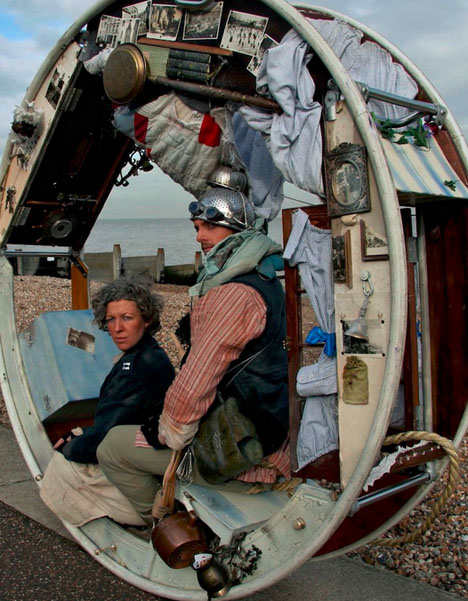
rolling mobile home

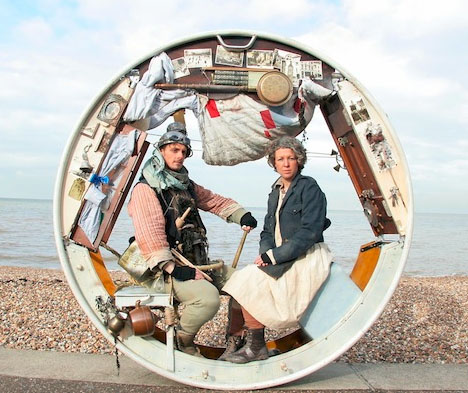
In this strange circus performance piece, two travelers turn architectural conventions on end, moving an offbeat nomadic home through a comedic narrative via carefully choreographic actions. A bit of theater-to-go, The Wheelhouse features careworn gypsies, and revolves around homeless living but is bolstered by conceptual architecture and compelling acrobatics.

rolling circular circus act

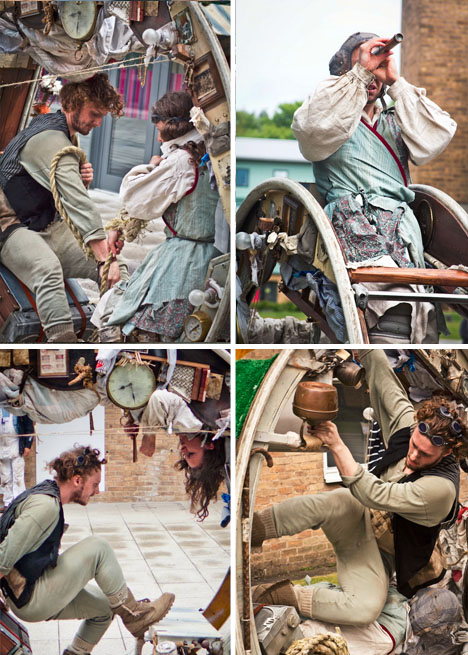
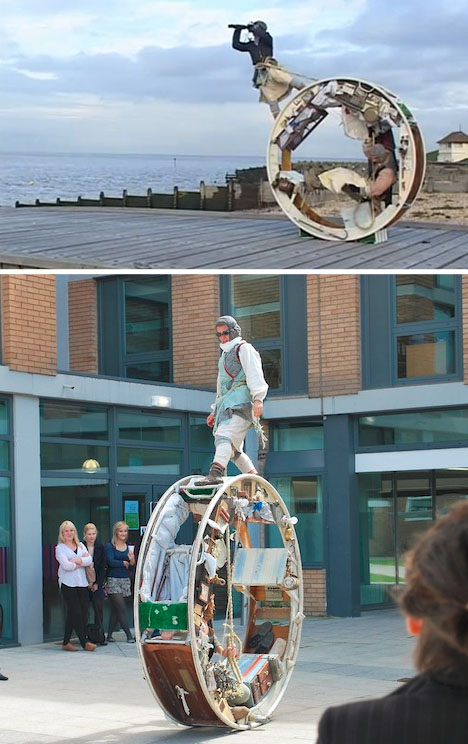
Per the video above and images below, this quite dynamic acting duo from the Acrojou Circus Theatre have taken their show quite literally on the road – audience members have to walk or ride alongside their curious portable stage, consisting of domestic essentials packed into a portable circle.

rolling acrobatic performance art

Doors, windows, furnishings and fixtures are all affixed to the inside of this unbalanced blend of off-kilter architecture and vertigo-inducing set design. Their half-hour performance consists of walking, sitting and laying down inside the circular structure as it winds its way down streets and sidewalks.

rolling architecture circle concept

A hidden sound system provides the soundtrack for the piece, and the set itself can be deconstructed into three pieces – that bit is perhaps too bad: it would be neat were the rolling architecture a part of their traveling circus caravan.

Share on Facebook


[ By WebUrbanist in Art & Installation & Sound. ]

[ WebUrbanist | Archives | Galleries | Privacy | TOS ]


WebUrbanist

 
Comments Off on Wheel House: Circular Hobo Home is a Rolling Circus Marvel

Posted in Creativity


Textures Made Simple

22 Jul

A contribution from Lori Peterson

One of the most intimidating editing for some photographers is integrating textures. Textures can transform the mood and overall effect of an image. It can bring about a change that makes the image go from a nice photograph to a piece of fine art. There are an abundance of textures that can be found on the Internet and yet photographers are sometimes hesitant to use them because they feel overwhelmed or don’t understand that using them can actually be very simple. Once you get used to using textures you can usually decide what tones you want to bring in and how you want to use them.

We are going to do two edits on the same image with the same texture but use two different techniques. Typically I will change the technique I use based on the amount of editing I think the image needs in order to really use the texture. You can use multiple textures and stack them in Photoshop and change their opacity. You can even vary which technique you use on each layer. The fun thing about Photoshop is that if you use layers you can play around with your image. If you don’t like the effect, you simply delete the layer!

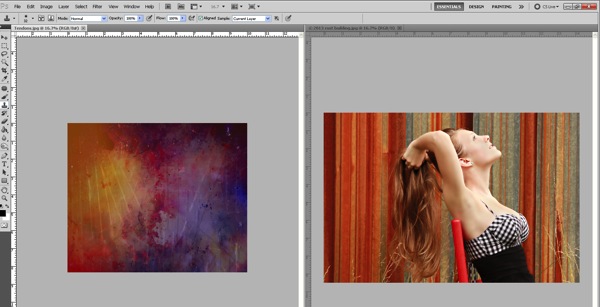
We are going to start by opening and image and a texture.

Image 1

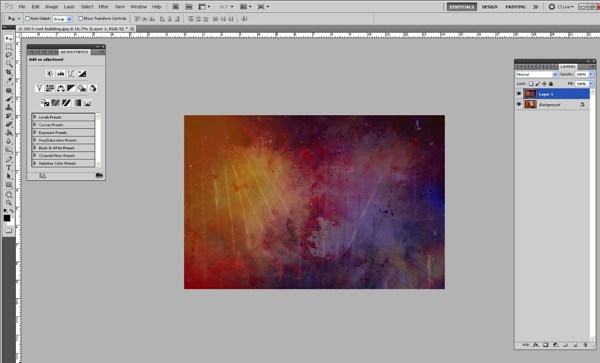
Now we will just drag the texture on top of our image.  Size it over your image by using CTRL + T and dragging the corner to make it fit.

Image 2

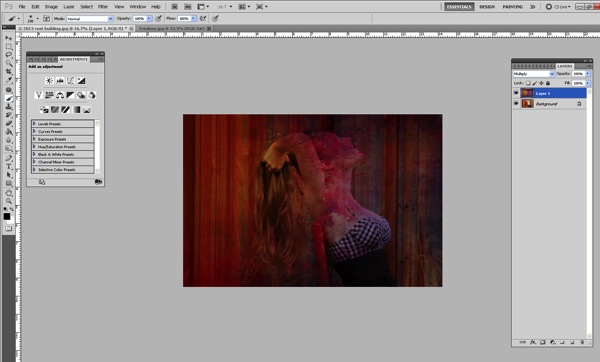
I typically will change my blending mode to screen or multiply (depending on the image) so that I can see the image underneath.

Image 3a

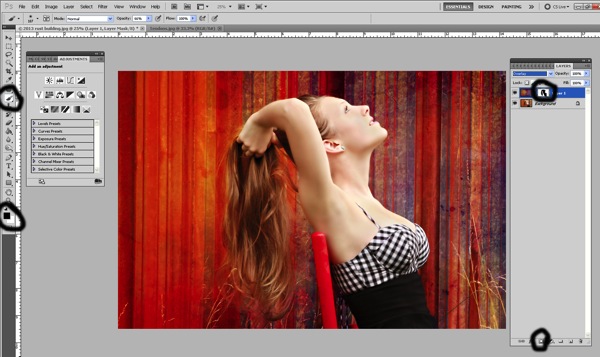
Now we need to remove the texture off her and her skin. We can do this one of two ways.

First of all we can just add a layer mask and then remove it off of her and her skin using a soft brush.

Image 4

It can be tedious to do it that way because as you get into parts of hair and closer to where her skin meets the texture you will need to make your brush smaller. 

If you prefer, you can remove the texture this way instead:

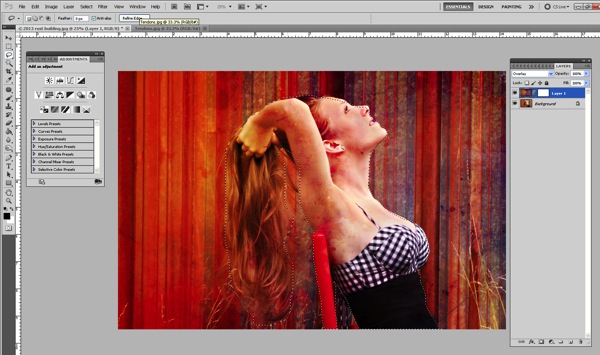
Once you overlay your texture, go ahead and change the opacity so that you can see underneath the texture. Add your layer mask, you will need that to correct any mistakes or to refine the technique we are about to do.

Make sure that the texture itself is what is highlighted. Select your lasso tool and then go around your subject. It doesn’t have to be perfect, but it will take you a little practice to get the hang of it!

Image 5

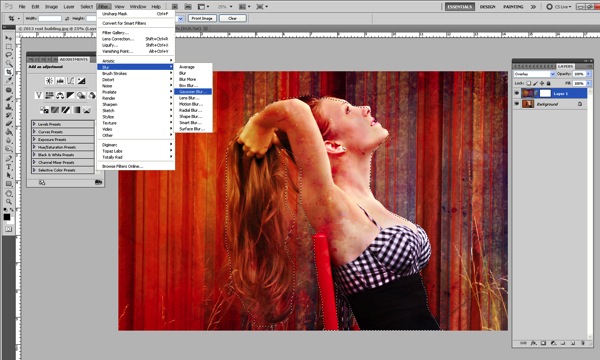
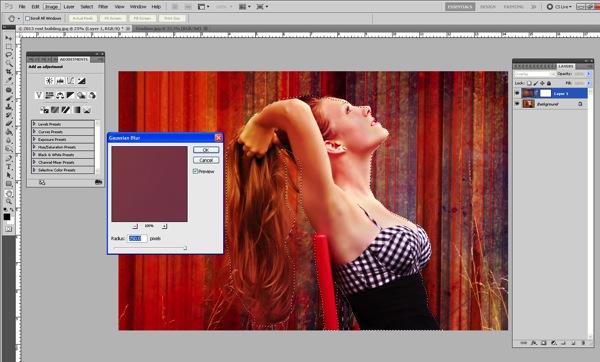
Once you have your subject highlighted using the lasso tool, then go up to Filter > Blur > Gaussian Blur.

Image 6

Push the slider all the way over to the right.

Image 7

This will blur the texture on the subject. It doesn’t blur the subject!

Now we need to refine the removal of the texture off our subject, which is much easier now that the texture is blurred.

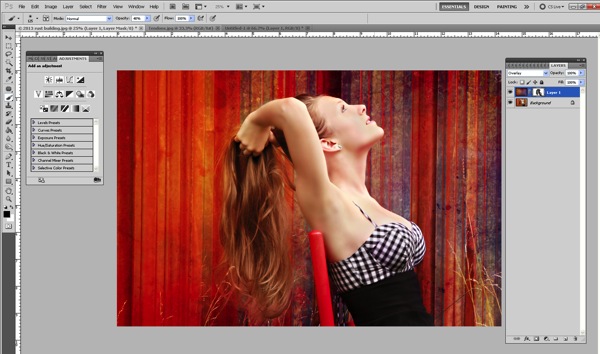
Click on the layer mask and use your soft brush at a lower opacity to take off the parts of the texture you really want to remove. Since it has been blurred already, it’s not as difficult and tedious to remove.

Image 8

Then you can change your blending modes to fit the look you are trying to get for your image. You can also stack textures and leave the parts that you want or remove the parts you don’t.

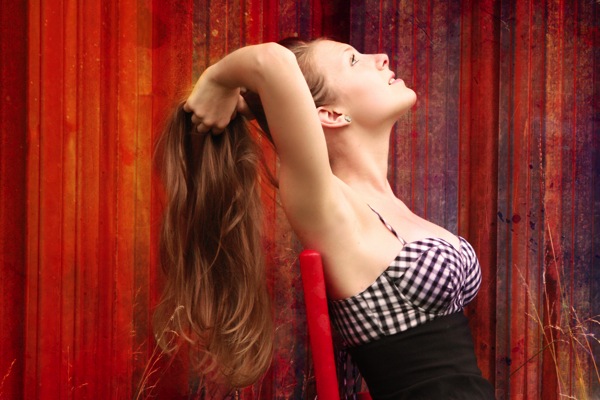
Textures can really enhance and change the look of your overall image. They can bring more depth and more color. They can change the mood. They are fun to experiment with and once you learn how to use them fluidly you can really do a lot in Photoshop to change your images.

This was my final image using the Tendons texture overlay. 
?
Image 9

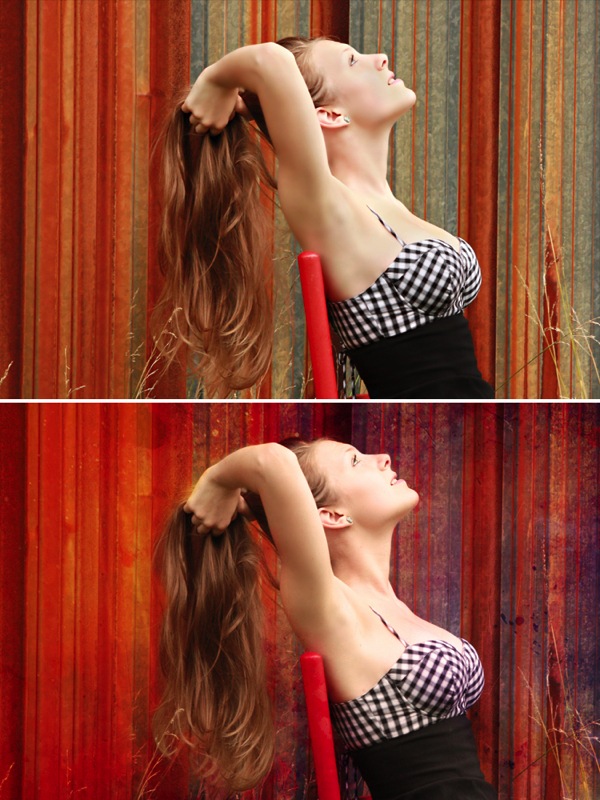
Here’s the before and after so you can really see how the image changed. 

Before After Image

Lori Peterson is an award winning photographer based out of the St. Louis Metro Area. Her dynamic work ranges from creative portraits to very unique fine art photography. Lori’s work can be seen at www.loripetersonphotography.com and also on her blog at www.loripetersonphotographyblog.com. You can follow her on Facebook at https://www.facebook.com/LoriPetersonPhotography.

Post originally from: Digital Photography Tips.

Check out our more Photography Tips at Photography Tips for Beginners, Portrait Photography Tips and Wedding Photography Tips.

Textures Made Simple


Digital Photography School

 
Comments Off on Textures Made Simple

Posted in Photography