RSS
 

Archive for June, 2013

Urban Time Lapse: 15 Videos Show Cities at Super Speeds

24 Jun

[ By Steph in Art & Photography & Video. ]

City Time Lapse Main

Watch the frenetic motion of urban scenes around the world in mesmerizing time lapse videos created using thousands of still photographs. Often captured from some of the highest vantage points in the city, these city time lapse videos take us on tours of Shanghai, Dubai, New York, Melbourne and more, showing off monuments, street scenes, sunsets and city lights.


Melbourne

City Time Lapse Melbourne

Tilt-shift techniques make Melbourne look miniature in this entrancing time-lapse video.

Chicago

City Time Lapse Chicago

Over 30,000 still photographs taken by filmmaker Eric Hines in a span of four months around the bustling downtown areas of Chicago become a dizzying trip through the city in this time-lapse video.

London

City Time Lapse London

Sped up 17 times, this footage of planes queuing up to land at London’s Heathrow Airport gives the illusion of a miniature scene, with the planes as tiny toys.

New York

City Time Lapse New York

Animator and director Philip Stockton created this film, ‘New York: Night and Day’, to show the transitions between light and dark in the city using a mix of time-lapse and animation.

Moscow

City Time Lapse Moscow

Using a tripod, taking a small step forward with each photo, the creator of this time-lapse video of Moscow gives a feeling of sweeping movement through the city.

Next Page:
Urban Time Lapse 15 Videos Show Cities At Super Speeds

Share on Facebook


[ By Steph in Art & Photography & Video. ]

[ WebUrbanist | Archives | Galleries | Privacy | TOS ]


WebUrbanist

 
Comments Off on Urban Time Lapse: 15 Videos Show Cities at Super Speeds

Posted in Creativity


On Assignment: Speedlights, Sync and Sun

24 Jun

It's a bit of a leap of faith, the first time you head out on an assignment with just an X100s and a couple speedlights. (Ask Zack.) And truth be told, I had a DSLR and a couple lenses with me as backup, just in case.

But I never brought them out. And with the crazy sync speeds offered by the X100s, a pair of speedlights is all you really need to do battle with late afternoon sun as it turns out.

Read more »
Strobist

 
Comments Off on On Assignment: Speedlights, Sync and Sun

Posted in Photography


24. Juni 2013

24 Jun

Ein Beitrag von: Jonas Ginter

sleep © Jonas Ginter


kwerfeldein – Fotografie Magazin

 
Comments Off on 24. Juni 2013

Posted in Equipment


50 Awesomely Inspiring Tumblr Blogs for Photographers

24 Jun

More photographers than ever are signing up to Tumblr with its minimalist, sleek design and a plenty of themes which allow you to show off your images in appealing way that other services can offer. But it’s a challenge to find really good Tumblr blogs for photographers worth to follow. To help you along I’ve got together 50 really awesome Continue Reading

The post 50 Awesomely Inspiring Tumblr Blogs for Photographers appeared first on Photodoto.


Photodoto

 
Comments Off on 50 Awesomely Inspiring Tumblr Blogs for Photographers

Posted in Photography


Bildvorstellung: why do birds…?

24 Jun

Wie entsteht ein Bild? Aus gegebenem Anlass konnte ich den Prozess einmal genau verfolgen und in Form eines Kurztagebuches festhalten.

Montag, 17. Juni: Heute erscheint die vorletzte Bildvorstellung unserer kleinen Serie. In einer Woche bin ich dran und aus verschiedenen Gründen habe ich noch gar kein Bild dafür parat.

Die letzten Monate waren vor allem mit anderen Dingen gefüllt, aber nicht mit Fotografie. Und wenn ich fotografiert habe, dann kleinere Aufträge, um eine Kamera zu testen oder ich fotografierte eine Serie. Überhaupt fertige ich nur sehr selten Einzelbilder an, von Schnappschüssen mal abgesehen, ich denke und arbeite eher in Serien.

Dienstag, 18. Juni: In meinem Ideenbuch gibt es allerdings genug zusammenhanglose Ideen, von denen sich einige auch für Einzelbilder eignen, anstatt sie, meiner Gewohnheit folgend, zu einer kleinen Serie „aufzublasen“. Ich blättere darin herum, greife ein paar heraus und überlege, welcher ich zugeneigt bin und welche überhaupt in den wenigen Tagen noch schnell und gut umsetzbar sind.

Eine davon ist, mit Materialien zu arbeiten, die von unserer Hochzeit – der Hauptgrund, warum ich monatelang nicht zum Fotografieren kam – vor drei Monaten übrig geblieben sind. Mein Brautstrauß ließ sich beispielsweise nicht als Ganzes trocknen, daher habe ich die Blütenblätter und andere Einzelteile getrocknet und aufbewahrt.

© Aileen Wessely

Mittwoch, 19. Juni: Während ich programmiere, korrigiere und andere alltägliche Dinge erledige, entwickelt sich der Ansatz einer Idee weiter, es formt sich ein Bild aus den in Frage kommenden Teilen. Am Wochenende habe ich Fotos von Räumen zusammengesetzt und habe jetzt sowieso das überschwängliche Gefühl, in Photoshop alles Beliebige zusammenbasteln zu können.

Dazu kommt meine Begeisterung der letzten Zeit für großartige Fotocollagen, die sich nicht nur auf die Fotografie beschränken, sondern bei Bedarf auch Zeichnung, Malerei, Strukturen und sonstige Elemente mit einbeziehen. Meistens schwarzweiß gehalten, recht dramatisch. So etwas möchte ich auch machen.

Donnerstag, 20. Juni: Dabei sein sollen: Ich im Selbstportrait, der Satinstoff mit den Rostflecken vom Drahtgestell des Brautstraußes, getrocknete Blütenblätter aus dem Strauß und mein Hochzeitskleid. Letzteres wahrscheinlich invertiert, also schwarz.

Für den Hintergrund könnte ich meine Wandtafel benutzen, auf der sich über die Zeit durch ständiges Beschriften und wieder abwischen eine nette, zufällige Kreidestruktur abgesetzt hat. In meiner Vorstellung ist die Komposition dunkel und symmetrisch ausgerichtet. Vielleicht mit einer Art Mehrfachbelichtung, damit es nicht so statisch ist.

© Aileen Wessely

Freitag, 21. Juni: Wie geplant baue ich die Kamera mit Stativ gegenüber der Wandtafel auf und probiere eine Weile herum, bis ich eine gute Aufnahmehöhe und -perspektive gefunden habe. So, dass ich mich nicht zu sehr verbiegen muss, gleichzeitig möglichst viel Tafel aufs Bild bekomme und mich in den 10 Sekunden des Selbstauslösers positionieren und die Augenbinde aufsetzen kann.

Ich mache zusätzlich noch ein paar Aufnahmen vom ausgebreiteten Rockteil meines Kleides und lasse abschließend die getrockneten Blätter vom Brautstrauß zwischen Kamera und Wandtafel herunterrieseln, um sie im freien Fall festzuhalten statt irgendwo ausgelegt. So haben sie auch die gleiche Beleuchtung wie meine Selbstportraits.

Samstag, 22. Juni: Eigentlich wollte ich eine Skizze vom Bild in meinem Kopf machen, wo ich den Entstehungsprozess schon einmal so schön festhalte. Aber so richtig ist dafür heute keine Zeit und ich fürchte, es würde mich zusätzlich frustrieren, wenn ich beim Zusammensetzen dann nicht das hinbekomme, was ich aufgezeichnet hatte.

© Aileen Wessely

Sonntag, 23. Juni: Die in schwarzweiß konvertierten Bilder hatte ich schon am Freitag nach den Aufnahmen in verschiedenen Belichtungen exportiert, um die stark einseitige Beleuchtung auszugleichen. Nachdem ich das umgesetzt habe, lade ich die fünf Bilder unterschiedlicher Posen (auch eine ohne Augenbinde) als übereinanderliegende Ebenen in Photoshop.

Schnell ist klar, dass sie im Modus „Negativ multiplizieren“ und per Einstellungsebene um mehrere Belichtungsstufen abgedunkelt wie eine Mehrfachbelichtung übereinander liegen sollen. Eine Tafelseite war durch meinen Schatten zu dunkel, also setze ich dort gespiegelte Teile der Bilder noch einmal neu ein.

Ein oder zwei Stunden lang versuche ich, mein Kleid so einzubauen, wie ich es mir vorgestellt habe, aber gegen die durch die Überlagerung unscharf wirkenden Selbstportraits ist es viel zu scharf, es fällt optisch vollkommen heraus und lässt sich durch keinen Effekt näher heranbringen. Also verwerfe ich das Material vom Kleid.

Eher zufällig ergibt sich, dass ich nun die Blätter aus meinen Händen nach oben – anstatt wie geplant nach unten über das jetzt fehlende Kleid – fallen lassen kann. Da hatte ich also Glück, dass mir das verworfene Material keinen kompletten Strich durch die Rechnung gemacht hat.

Am Ende habe ich mehrere Handvoll Ebenen, mit denen ich Details betone oder verschwinden lasse und fallende Blätter aus vielen Einzelbildern eingefügt habe. Dazu kommen unzählige Einstellungsebenen, um hier abzudunkeln, dort aufzuhellen, den Kontrast einiger Ebenen anzuziehen oder das Bild nach oben um ein Stück angesetzten Tafelhintergrund zu erweitern.

© Aileen Wessely
Fertig: „why do birds sing when you are near me?“ (Saybia)

Montag, 24. Juni: Ein geglücktes Experiment erfüllt mich immer mit Freude und Stolz. Am schlimmsten ist es, wenn es viel in einem Bild zu entdecken gibt, wie hier. Nicht nur für den Betrachter – auch ich kann es nicht sein lassen, immer noch einmal über das Bild zu streifen und Assoziationen und Formen nachzugehen.

Ich mag, wie meine an den Kopf gehaltenen Hände aus einer Belichtung auf den ersten Blick wie ein Schleier aussehen. Und wie die übereinandergelegten Ebenen ganz weiche Gesichtskonturen zeichnen. Und wie man erst nach vielen Blicken die geöffneten Augen entdeckt, die sich hinter den anderen Belichtungen verstecken.


kwerfeldein – Fotografie Magazin

 
Comments Off on Bildvorstellung: why do birds…?

Posted in Equipment


How to Create a Beam of Light in a Photo using Photoshop [Video Tutorial]

24 Jun

Have you ever wanted to create a beam of light in a photo using Photoshop? Me neither – but after watching this tutorial I think I’ve found a little project to try – check it out!

Post originally from: Digital Photography Tips.

Check out our more Photography Tips at Photography Tips for Beginners, Portrait Photography Tips and Wedding Photography Tips.

How to Create a Beam of Light in a Photo using Photoshop [Video Tutorial]


Digital Photography School

 
Comments Off on How to Create a Beam of Light in a Photo using Photoshop [Video Tutorial]

Posted in Photography


Street Retouch: Bus Riders Get Live Photoshop Treatment

24 Jun

[ By Steph in Art & Photography & Video. ]

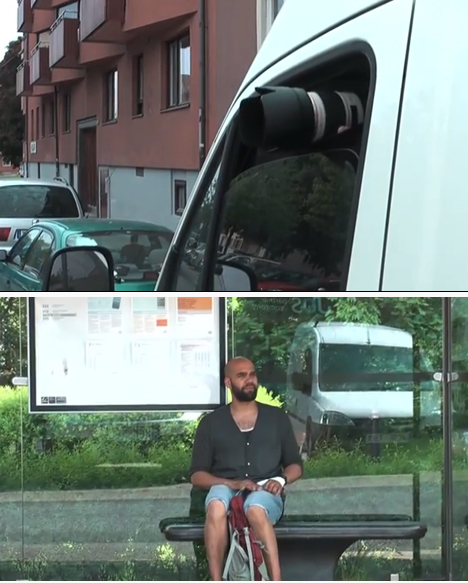
Street Retouch Live Photoshop 1

Unsuspecting travelers waiting to catch a ride were shocked to see their own photos integrated into humorous advertisements on the walls of the bus stop shelter. Berlin-based Photoshop artist Erik Johansson took surreptitious photos from a van across the street, altered them in Photoshop, and projected the edited images onto the ad space on the shelter.

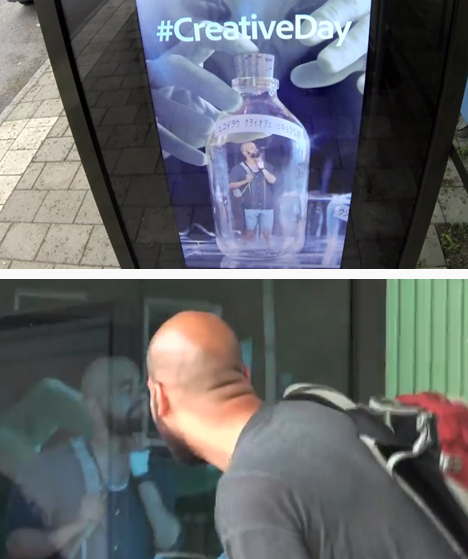
Street Retouch Live Photoshop 2

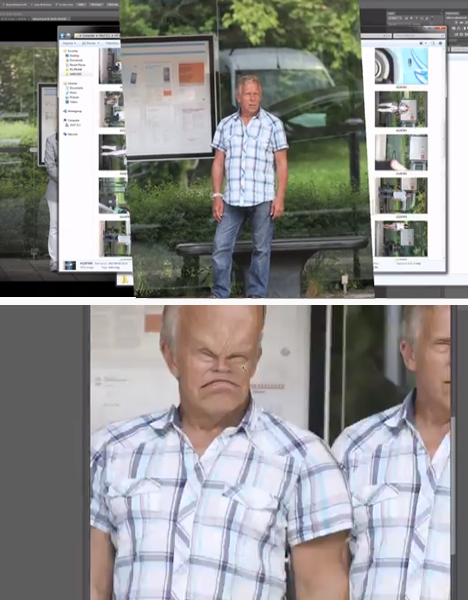
Johansson had to work fast, getting only a few minutes to take the photo, make his changes, insert it into a funny pre-made background and transmit it to the bus shelter. He also filmed the reactions of the surprised subjects, who suddenly found themselves integrated into ads for fictional films and products.

Street Retouch Live Photoshop 3

Street Retouch Live Photoshop 4

Street Retouch Prank was developed for Adobe Creative Days, an annual event that showcases creativity and innovation using Adobe products. It may be a prank, but it’s also an interesting look at how interactive the future of advertising is likely to be.

Share on Facebook


[ By Steph in Art & Photography & Video. ]

[ WebUrbanist | Archives | Galleries | Privacy | TOS ]


WebUrbanist

 
Comments Off on Street Retouch: Bus Riders Get Live Photoshop Treatment

Posted in Creativity


24 June, 2013 – The Wind River Range

24 Jun

Miles Hecker’s Geotagged location for this month is The Wind River Range.

"Michael’s and Jeff’s tutorial videos are absolutely awesome, not only because of the information transmitted but also because of the casual, conversational style which somehow really makes things stick in your memory."


The Luminous Landscape – What’s New

 
Comments Off on 24 June, 2013 – The Wind River Range

Posted in News


Swirl World: 9 Cool McFlurry Flavors You Can’t Get Here

23 Jun

[ By Steve in Culture & Cuisine & Global. ]

McDonald's McFlurry international
McDonald’s McFlurry is the coolest thing on the menu but not all McMenus are created equal. Take these 9 cool McFlurry flavors… oops, our bad, you can’t!

Durian Crunch McFlurry – Singapore

McDonald's Durian Crunch McFlurry Singapore(image via: Facebook/McDonald’s Singapore Page)

McDonald’s is a proven master at thinking global while acting local and if you don’t believe that, feast your eyes (and nose) on the Durian Crunch McFlurry. This limited edition, Singapore-only dessert treat takes vanilla soft-serve ice cream blended with durian syrup, adds a crunchy topping, and is served in a squared off frosted plastic container.

McDonald's Durian Crunch McFlurry Singapore(images via: KavielTeo, Annagunn and Larsblog)

You’ll pay $ 2.80 SG (about $ 2.24 US) for each helping dished out from any of the innumerable McDonald’s Dessert Kiosk outlets scattered all across the city. That is, of course, if you love durian… there’s no middle ground when it comes to the “(stin)king of fruits.” Try bringing your Durian Crunch McFlurry into certain hotels or onto Singapore Mass Rapid Transit trains? That just might cost you a caning.

Bubblegum Squash McFlurry – Australia & New Zealand

McDonald's Bubblegum Squash McFlurry Australia(images via: Brand Eating and Pretty Random)

Sweet-toothed fast-foodies fear not, the Bubblegum Squash McFlurry does NOT contain squash in any way, shape or form so Aussie & Kiwi parents can forget about sneaking some veggies into their children’s diets. In fact, the word “diet” should not be allowed anywhere near this pink, white & blue confection concoction made from bubblegum flavored syrup and marshmallows mixed into vanilla soft-serve ice cream.

Cadbury Creme Egg McFlurry – Canada, UK & Ireland

Cadbury Creme Egg McFlurry(images via: Coloribus and Facebook/McDonald’s Ireland)

You might think the McFlurry is as all-American as Mom’s apple pie but it actually originated in Canada: a McDonald’s franchise store in Bathurst, New-Brunswick first introduced the spoon-blended dessert in 1997. Canada continues to refine a distinct McFlurry identity with the Cadbury Creme Egg McFlurry. Coinciding with the appearance of its main flavoring feature, the Cadbury Creme Egg, the Cadbury Creme Egg McFlurry is usually available in most Canadian, British and Irish McDonald’s stores during the annual run-up to Easter.

Cadbury Creme Egg McFlurry London UK(image via: Out Is Through)

Not all stores in all regions add the Cadbury Creme Egg McFlurry to their menus, which can be frustrating to devotees of the sickly sweet chocolate-shelled fondant orbs in all their various permutations. How does one know they’re such a devotee? Taking selfies with your long-sought sweet treat in foreign locales like London (England or Ontario) is a pretty good indication.

Next Page:
Swirl World 9 Cool Mcflurry Flavors You Cant Get Here

Share on Facebook


[ By Steve in Culture & Cuisine & Global. ]

[ WebUrbanist | Archives | Galleries | Privacy | TOS ]


WebUrbanist

 
Comments Off on Swirl World: 9 Cool McFlurry Flavors You Can’t Get Here

Posted in Creativity


An Introduction to Buying Used Lenses

23 Jun

A Guest Post by Jeff Guyer.
DSC 0726

Let’s face it– photography is an expensive hobby and an even more expensive profession. Camera bodies, speedlights, reflectors, memory cards, lighting equipment, backdrops, batteries, stands, hard drives, tripods, back-ups, gear bags, hard cases, the latest gizmo or gadget-that-you-seriously-cannot-possibly-live-without…and don’t forget the glass. Next to the camera itself, quality lenses make up the most expensive part of just about any gear closet.

In an ideal world money would be no object and pesky things like gear budgets would be non-existent, paving the way for me to purchase all of the shiny, brand-new lenses I could possibly want (“Hi, Nikon? I’ll take one of everything!”). The reality, though, is that I have to balance my lust for gear against how many meals my rapidly growing 12-year-old son gets to eat each week. The truth is, the buying and selling of used lenses has almost become an industry unto itself. There are a lot of high-quality second-hand lenses out there, which means you can satisfy your “need” and still save a good bit of money if you’re smart.

Where to begin? Well, there’s nothing for you to buy if you don’t hook up with…
DSC 0710

The Right Kind of Seller

Even though it should go without saying, I’m going to say it. Do your homework! It’s not enough to know everything about WHAT you want. You may have read all about the sweet spot on the Nikkor 24-70 f/2.8, or the minimum focus distance of the Canon 70-200 f/2.8 L-Series, but when you’re getting ready to drop a significant chunk of your hard-earned money on a lens, you need to find out everything you can about the person selling it.

If you’re contemplating a face-to-face transaction, ask around. Get references or referrals if you can. In this day and age of Facebook, Twitter, and Google+, chances are good that buyer and seller each know someone in common. If you’re buying on ebay, carefully check the seller’s feedback and ratings, particularly the comments. Also take a few minutes to compare the price against other auction sites and even that of a new lens.

Although I have purchased lenses on ebay with excellent results, it is generally not my first choice. After all, the first time you are going to have the lens in your hands is after you’ve already paid for it. Unless the seller has blatantly lied about the condition, you’re stuck with it (and sometimes even if they have). It’s entirely possible that what has been advertised as “minor wear” is actually a much larger scratch than you’re willing to overlook. I tend to be kind of nitpicky in that department, which just one of the reasons why I recommend buying used lenses in person whenever possible.

Try buying locally if you can. First, if you and your seller travel in the same circles, you exponentially increase your odds of an honest, above-board transaction. Nobody is going to risk their reputation over a used lens. Another important benefit to purchasing locally is the fact that you can have an actual visual and physical examination of the lens before you buy it. Being able to check it out and– more importantly– put it on a camera and test it are going to be the two most important factors in your decision to actually buy the lens. Never, ever underestimate these advantages.

DSC 0713

The Physical Exam — What to Look For

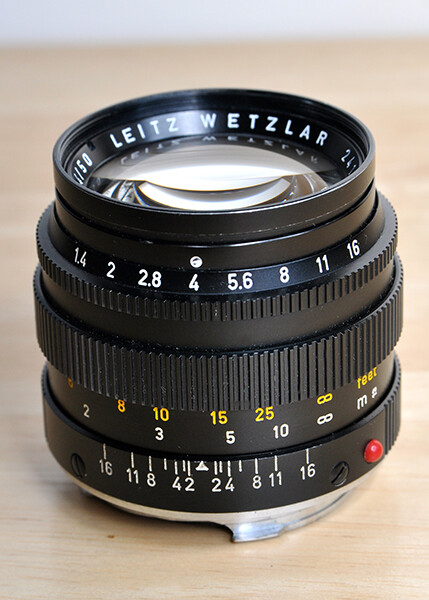
For starters, a quality lens is just going to feel good in your hands. Take a minute or two to look for anything obvious– dings, scratches, or any places where the finish may have rubbed off from excessive or careless use. Are the rubber grips on the zoom and focus rings snug and intact? Do the rings turn smoothly? How are the filter threads? Are switches intact and functioning properly? Only you can decide for yourself how much is too much, but remember that what you see on the outside is usually indicative of the care with which the original owner treated the lens. Also keep in mind that the finish on a quality lens should not rub off, regardless of age and proper use.

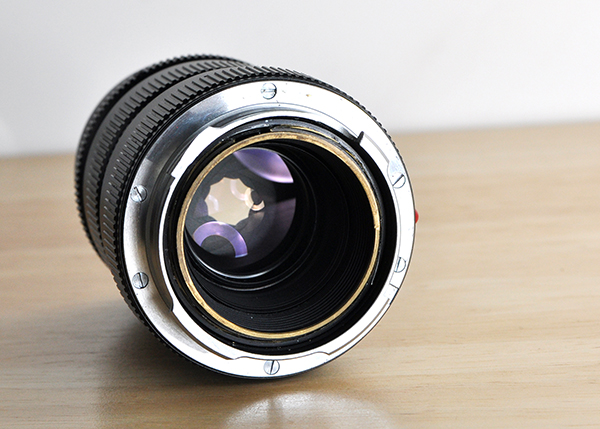
Next check the front element, preferably in bright light. Hold the lens against the light at different angles, checking the glass and coating for any scratches or other imperfections. Some of these imperfections MIGHT not necessarily affect image quality, but they should absolutely be a factor in negotiating the price. If the lens has an aperture ring, open it all the way and try looking straight through it like a telescope. Do you see any dust, mold, or anything else that shouldn’t be inside your potential investment?

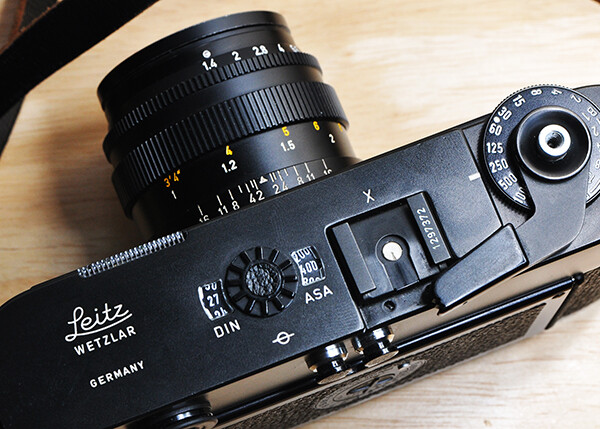
Now turn it around and check the mount. Is it clean? Are there any scratches? Is it bent or seemingly out of alignment in any way? Are the contacts clean and in good condition? Remember that this point of connection is the only thing that lets the camera communicate with the lens. This is where it can all go wrong if you’re not careful. Any of the imperfections discussed so far might not necessarily be deal-breakers, but any problems whatsoever with the mount should be. Just walk away.

The Fungus Among Us

If you’ve read enough ebay auctions or classified ads for used lenses, you’ve been assured that the object of your lust and desire is free of not only dust and other particles, but fungus and mold as well. That’s great, but how would you know? The fungus/mold issue comes up most often in the case of older lenses in particularly humid climates. Early stages will resemble those dried water spots on your bathroom mirror, while more advanced stages can look like spider webs. If you see this, do not even think about attaching this lens to your camera. Fungus and mold are living organisms and can spread, both to your camera and other lenses that are subsequently mounted to it.
DSC 0689

Test It!

If you’ve purchased used lenses before, chances are you either didn’t test it at all, or if you did test it, you probably took a few random shots in the parking lot where you met the seller to make sure the auto-focus was working and that something actually showed up on your camera’s LCD. Don’t sell this part of the process short. Take a methodical approach.

You’ve changed lenses enough times to know how it should feel. Does the lens turn smoothly or does it feel like you’re forcing it? Is it too tight? Too loose?

Now shoot. I’m not talking about two or three shots. I’m talking about 100 shots. To really put this potential purchase through its paces you need to take close, mid-range and far focus images at multiple apertures, and in small increments along the entire zoom range of the lens. Was that spot there at f/16 or only at f/2.8? A problem that shows up at 200mm might not manifest itself at 70mm. Try manual focus. Listen for strange noises. Shoot something dark. Shoot something light. Does the auto-focus sound right? Do you hear anything rattling around inside the lens?

Check The Images

Even people who are careful about testing used lenses before they buy them hardly ever think to bring a laptop with them so they can get a good look at the test shots. We all know that the LCD is an unreliable indicator of image quality when we are photographing for our clients, so why should you automatically trust it when you’re about to hand over your cash to a stranger? If the seller really is on the up-and-up they won’t mind sticking around for a few extra minutes while you check the image quality against the only standard that really matters– your own two eyes.

A Special Note to Vintage/Film Camera Collectors

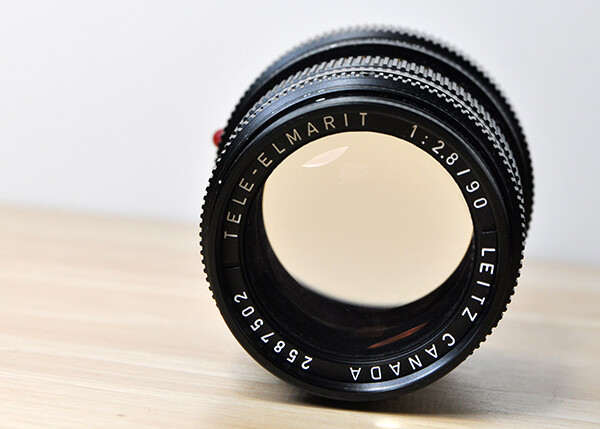
When lenses sit unused for an extended period of time, the special oil used to ensure that aperture blades move smoothly can leave shiny spots on the blades and cause them to stick. It will usually be visible on the blades as you adjust the ring, but if the lens has a depth-of-field preview switch, adjust to the smallest aperture and press the DOF preview button. Properly functioning aperture blades will snap smoothly into place without sticking.
DSC 0732

The Bottom Line

I know we all love the excitement of opening new boxes from B&H and Adorama. It would be a mistake, however, to avoid well-cared-for lenses just because they’re previously owned. Nikon, Canon, Tamron, Sigma and the others spend a great deal of time and money researching and producing lenses which are made to last. If you take a smart, methodical approach there is no reason why one of these previously used lenses can’t find a valuable, productive spot in your camera bag.

Jeff Guyer is a photographer based in Atlanta, GA. In addition to shooting portraits, architecture, sports, weddings, and just about anything else that pauses in front of his lens, he also teaches a Digital Photo Challenges class for kids. Follow him on Facebook at http://www.facebook.com/guyerphotography or on Twitter @guyerphoto

Post originally from: Digital Photography Tips.

Check out our more Photography Tips at Photography Tips for Beginners, Portrait Photography Tips and Wedding Photography Tips.

An Introduction to Buying Used Lenses


Digital Photography School

 
Comments Off on An Introduction to Buying Used Lenses

Posted in Photography