RSS
 

Archive for April, 2013

Blackmagic Design announces Super-35 4K camera with global shutter

09 Apr

Blackmagic4K.png

Blackmagic Design has announced the Production Camera 4K, a Super-35 format, 4K-capable camera with global shutter for smooth panning and image motion. The company says it will cost $ 3995. It can capture footage in Apple ProRes 422 HQ or losslessly compressed CinemaDNG Raw – promising 12-stops of dynamic range. The camera is built around a Canon EF mount and an internal SSD recorder to cope with the data rates. Blackmagic says it will be available from July 2013.

News: Digital Photography Review (dpreview.com)

 
Comments Off on Blackmagic Design announces Super-35 4K camera with global shutter

Posted in Uncategorized


NAB 2013: News Shooter looks at Blackmagic Pocket Cinema Camera

09 Apr

Screen_Shot_2013-04-08_at_12.34.28_PM.png

Digital video site www.newsshooter.com is at this year’s NAB show in Las Vegas, and has been taking a look at the new Pocket Cinema camera from Blackmagic. The Pocket Cinema Camera is a small, compact 4K video camera with a Micro Four Thirds lensmount and an eye-opening MSRP of $ 995. Click through to see newsshooter’s video, straight from the floor at NAB. 

News: Digital Photography Review (dpreview.com)

 
Comments Off on NAB 2013: News Shooter looks at Blackmagic Pocket Cinema Camera

Posted in Uncategorized


8. April 2013

09 Apr

Ein Beitrag von: Torsten Muehlbacher

Icelandic_©_Torsten-Muehlbacher


kwerfeldein – Fotografie Magazin

 
Comments Off on 8. April 2013

Posted in Equipment


Blackmagic Design creates Pocket Cinema Camera with raw 1080 shooting

09 Apr

Blackmagic.png

Blackmagic Design has announced a pocket-sized 1080p movie camera capable of 422 ProRes capture with promises of lossless CinemaDNG to be added via firmware. The Blackmagic Pocket Cinema Camera uses a Super 16 crop (around 12.5 x 7.4mm), of the sensor used in its existing camera, and an ‘active’ Micro Four Thirds lens mount, giving full aperture control of native lenses. The camera can capture footage in Apple’s 10-bit 4:2:2 ProRes format Blackmagic promising to add the open, lossless CinemaDNG Raw standard later. The company has said this will cost just $ 995 and be available from July.

News: Digital Photography Review (dpreview.com)

 
Comments Off on Blackmagic Design creates Pocket Cinema Camera with raw 1080 shooting

Posted in Uncategorized


7 Destroyed Architectural Wonders of the Modern World

08 Apr

[ By Steph in 7 Wonders Series & Global. ]

Destroyed Architecture Main

We hear so much about the vanished wonders of the ancient architectural world, it’s easy to forget about those of our more recent history, from the 19th century to the present. These train stations, palaces, monuments and skyscrapers may not be as grand and dramatic as the Colossus of Rhodes and the Hanging Gardens of Babylon, but each of them represents the loss of an icon. Whether by fire, war, demolition or terrorist attacks, these 7 destroyed architectural wonders may be gone, but they remain important symbols of our cultural heritage.

Old Penn Station, New York City

Destroyed Architecture Penn Station

Just one of many historic New York City buildings that have vanished, the original Pennsylvania Station was a pink granite structure inspired by Roman and Greek architecture, occupying two city blocks from Seventh Avenue to Eighth Avenue and from 31st to 33rd Streets. It covered an area of 8 acres, and featured a cavernous concourse. Inspired by the Roman Baths of Carcalla, the main waiting room was the largest indoor space in New York City at 150 feet in height, and one of the largest public spaces in the world. It served as a spectacular entrance to the city, with dozens of passenger trains arriving and departing each day for cities like Chicago and St. Louis.

Its grandiosity couldn’t save it from the onward march of progress, however. By the late 1950s, intercity rail travel declined dramatically. Plans for a new Penn Station, which is now the busiest passenger transportation facility in the United States, were announced in 1962; demolition on the old building began in 1963, making way for Madison Square Garden. The cost of maintaining the building had become prohibitive. Three eagles statues from the station were salvaged and remain in the city, including two in front of the Penn Plaza and Madison Square Garden complex.

The Crystal Palace, London

Destroyed Architecture Crystal Palace London 2 Destroyed Architecture Crystal Palace London

Built in Hyde Park, London to house the Great Exhibition of 1851, The Crystal Palace was a cast iron and plate glass building measuring 990,000 square feet. It hosted more than 14,000 exhibitors from around the world, displaying examples of the latest technology. The building was rebuilt even larger when the exhibition was over, in a residential area beside Sydenham Hill, to become a ‘winter park and garden under glass.’ It boasted two towers and a number of fountains with over 11,000 jets, and soon became the world’s first theme park with a rollercoaster, cricket matches and other entertainment. The gardens even had a prehistoric swamp with models of dinosaurs, just thirty years after the existence of these creatures was discovered.

But times were hard, and the owners had difficulty making enough money to keep the Palace running. It fell into financial ruin and underwent a series of misfortunes including wind damage and fires. It was declared bankrupt in 1911. In 1936, another fire broke out, this one catastrophic, and the building could not be saved. The grounds have been used for various purposes since then, and in 2011, it was announced that the Crystal Palace Football Club would build a new stadium and athletic track there.

Königsberg Castle, East Prussia

Destroyed Architecture Konigsberg Castle

With its beginnings in the 13th century and a great expansion in the 1700s, Köningsberg Castle was an important landmark in the East Prussan capital of Königsberg (Kaliningrad) for centuries. What began as a fortress was later designated a castle, home to the Grandmasters of the Teutonic Order and then various Prussian rulers. It featured a gothic tower stretching 328 feet into the air, with 284 steps to the top. It contained an extensive library as well as a palace church. By the 20th century, many rooms were turned into a museum full of art and provincial archives.

The region was plunged into disorder and violence during World War II, and the city was bombed in a series of air raids by the Soviet Air Force, mainly in retaliation for the German bombing of Moscow. More than 90% of the city, including the castle, was destroyed by 1945, and the German population was forced out of the city by the occupying Soviets. Under their rule, the city became Kaliningrad. While the ruins of the castle’s stone walls still stood for decades, they were ultimately blown up in 1968. The site of the castle is now the city’s main square.

Pearl Monument, Bahrain

Destroyed Architecture Pearl Monument

Erected in 1982 in honor of Bahrain’s first time hosting the Gulf Cooperation Council, the Pearl Monument featured six ‘sails’, representing the member nations of the council, supporting a pearl, which symbolized those nations’ shared heritage and Bahrain’s history of pearl cultivation. It was built in the center of Pearl Roundabout, located near the city of Manama’s financial district.

In 2011, the monument became central to the Bahraini uprising. Several thousand demonstrators set up tents  and obstructed traffic in the roundabout to protest the first fatality of the uprising, and police soon cracked down, killing at least four more civilians. Tanks were deployed to disperse the demonstrators, and while the Prince of Bahrain urged the government to allow peaceful protest, the camp was bulldozed and set on fire. The government tore down the Pearl Monument, stating that it had been “desecrated” by the protests and had to be “cleansed.”

Next Page:
7 Destroyed Architectural Wonders Of The Modern World

Share on Facebook


[ By Steph in 7 Wonders Series & Global. ]

[ WebUrbanist | Archives | Galleries | Privacy | TOS ]


WebUrbanist

 
Comments Off on 7 Destroyed Architectural Wonders of the Modern World

Posted in Creativity


Get Glitchy with Your Phone’s Panorama Function

08 Apr

Glitching is the digital equivalent of throwing a roll of film into water and seeing what happens.

While you might not want to dip your phone in H2O, you can get experimental with your phone photos other ways.

And by other ways, we mean panorama glitching.

All you need is a sweep of the arm to get your panorama to stitch a scene in really strange and awesome ways.

(We used iOS 6′s built-in panorama, but you can try this with pretty much any auto-stitching pano app.)

1) Stitch totally different parts of a scene

  • Sweep your phone to capture one part
  • Stop, then quickly move your phone to another part of the scene
  • And sweep again

The result ends up looking like a diptic with sweet transitions that vary from wavy edges to smooth stitching or black edges.

2) Make a jagged composition of a single subject by jerking your hand as you shoot the pano. This makes for a choppy, mosaic-like image.

Try other experiments like twisting your phone as you shoot. More examples at the link below!

BONUS: Another trick to try is getting your model to show up multiple times.

Make Panorama Phoneography Experiments

p.s. Show us your panoramas! Post it to our Facebook wall, and tomorrow (4/9) we’ll pick 4 favorites to feature on our Facebook page.

No related posts.


© lisbeth for Photojojo, 2013. |
Permalink |
No comment |
Add to
del.icio.us

Post tags:


Photojojo

 
Comments Off on Get Glitchy with Your Phone’s Panorama Function

Posted in Equipment


How to Take Amazing, Beautiful Photos Any time of Day…or Night

08 Apr

When I first started in photography nineteen years ago, Photo Law dictated that you dare not show your face shooting outside after 8 a.m. or before 4:30 p.m. My Prime Appointment was 7 a.m. Well, I’m here to tell you , those days are over. No one needs to get dressed up in their best clothes and drive an hour Continue Reading

The post How to Take Amazing, Beautiful Photos Any time of Day…or Night appeared first on Photodoto.


Photodoto

 
Comments Off on How to Take Amazing, Beautiful Photos Any time of Day…or Night

Posted in Photography


Lofoten im Winter – Teil 1

08 Apr

Ein Beitrag von: Stefan Hefele

Berühmt für ihre majestätische Natur ragt die Inselkette der Lofoten im nördlichen Norwegen in den Atlantik. Gerade im Winter bilden die verschneiten Berge einen malerischen Gegensatz zum rauen Meer. Genau zu dieser Jahreszeit offenbart sich dort mit etwas Glück auch ein unbeschreibliches und faszinierendes Schauspiel – Polarlichter.

Zu Beginn diesen Februars durfte ich zehn Tage lang die gewaltige Schönheit der Lofoten fotografieren. Neben majestätisch-winterlicher Natur wurde ich auch Zeuge eines magisch anmutenden Naturphänomens, dem Polarlicht.

Zusammen mit Felix Röser, einem befreundeten Fotografenkollegen, landete ich um 22 Uhr auf dem Flughafen Evenes. Unser Ziel war heute nur noch, den Mietwagen abzuholen und einen geeigneten Schlafplatz zu finden. Der norwegische Winter empfing uns mit Minustemperaturen und massenweise Schnee.

Es war nicht leicht, einen wenig befahrenen Seitenweg zu finden, der genug Platz für unser Auto bot. Schließlich waren wir erfolgreich und kuschelten uns in die warmen, dicken Schlafsäcke.

Nachdem der Morgen recht grau war, starteten wir sofort in Richtung unseres ersehnten Reiseziels. Während meiner Recherche hatte ich viel von tief einschneidenden Fjorden, spektakulären Bergformationen, tiefhängenden Wolken und Straßen, die sich durch die gemalte Landschaft ihren Weg bahnen, gelesen.

Das Bild, welches sich in meinem Kopf gebildet hatte, wurde nun immer klarer und realistischer. Ich fühlte mich, als wäre ich angekommen und war bereit, das bevorstehende fotografische Abenteuer anzugehen.

Unstadvika bis Reine

Unser erstes Ziel war der Strand von Unstad. Auf dem Weg dorthin fing plötzlich der Himmel an zu brennen. In der Hoffnung, dies nutzen zu können, versuchten wir, einen Ort anzufahren, der laut unserer Karte ein interessantes topographisches Profil aufwies.

Dort angekommen, brauchte ich eine Weile, um die richtige Komposition zu finden. Ich experimentierte mit Quer-, Hoch-, und abermals Querformaten. Letztendlich konnte ich mich mit einer Hochformatgestaltung anfreunden.
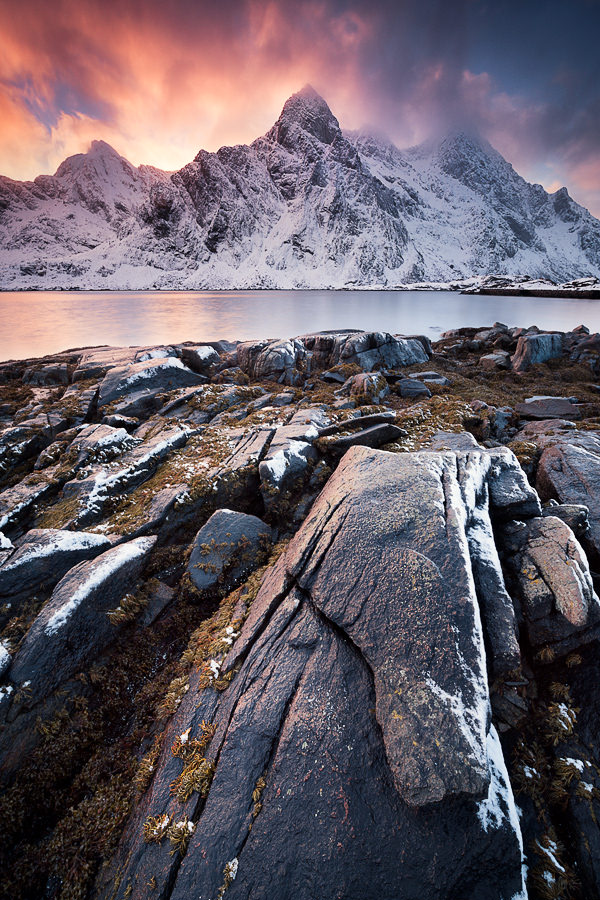
The Lightshow, copyright Stefan Hefele

Als wir später Unstad erreichten, empfing uns eine wunderbare Lichtstimmung. Nachdem wir seit Stunden noch nichts gegessen hatten, musste aber erst ein ordentliches Outdoor-Frühstück her. Anschließend packten wir unsere Ausrüstung und erkundeten den Strand.

Die Wolken hatten eine wunderbare Färbung. Mit den glatten Felsen im Vordergrund fand ich schnell einen passenden Kontrast zu den bizarren Bergen im Hintergrund.
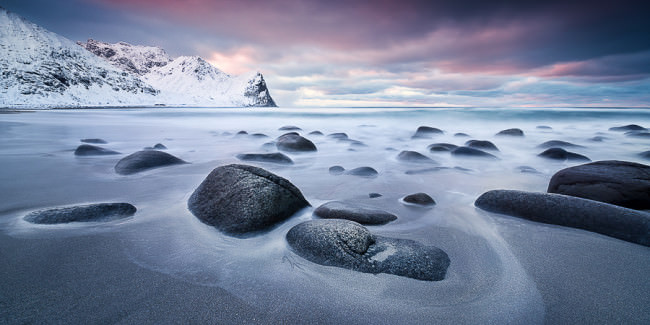
Fairytale Sea, copyright Stefan Hefele

Unser Ziel auf dieser Reise war vor allem, die Strände anzufahren, die mit dem Auto erreichbar waren. Durch die Mengen an Schnee wäre ein Vorankommen zu Fuß nur äußerst beschwerlich gewesen.

Weiter Richtung Westen suchten wir den im Sommer beliebten Badestrand Hauklandstrand auf. Düstere Wolken schoben sich am Himmel voran. Immer wieder rissen Lücken auf, durch die das warme, hoffnungsvolle Gelb der tiefstehenden Sonne schimmerte.
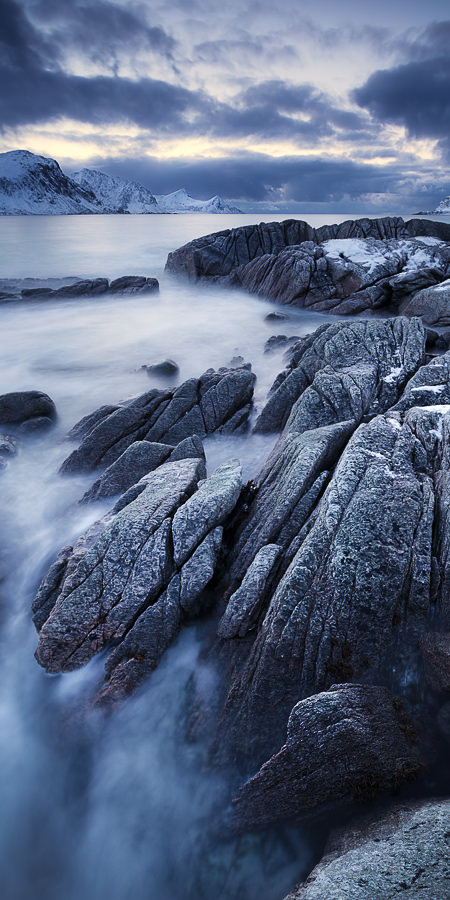
Dramatik der Elemente, copyright Stefan Hefele

Als es Nacht wurde – und das tat es hier schon recht früh, gegen 15:30 Uhr – starrten wir wie gebannt gen Himmel, um vielleicht ein leichtes, entfernt grünes Schimmern wahrzunehmen. Dieses Jahr treten vermehrt starke Sonnenstürme auf. Perfekt also, um die geheimnisvolle Aurora Borealis zu beobachten.

Während unsere Gaskocher fast in Zeitlupe vor sich hinbrannten, um uns etwas warme Nahrung herbeizuzaubern, ließen wir unsere Blicke etliche Male schweifen – nichts passierte. Bis in die weite Nacht hinein warteten wir auf den von der Brandung umtobten Felsen. Als schließlich eine dicke Wolkendecke aufzog, gaben wir auf und zogen uns ins Auto zurück.

Am nächsten Morgen waren unsere Scheiben von innen gefroren und ein Durchsehen nicht möglich. Zudem waren wir eingeschneit und mussten erst einmal den Schnee beiseite räumen, so dass wir starten konnten.

Das Licht war uninteressant. Doch dies hatte nichts zu bedeuten. Gerade hier auf dem Lofoten-Archipel, das sich ins offene Nordmeer streckt, konnte das Wetter uns minütlich überraschen.

Eine kurze Autofahrt später und wir waren am Strand von Flakstad. Das Licht schimmerte golden durch die schneegetränkten Wolken. Wir wollten schon die Umgebung inspizieren, als ein heftiger Schneesturm uns erst einmal ins Auto zwang. Etliche Minuten später wurde es wieder farbiger und die Luft schien in einen goldenen Glanz gehüllt zu sein.

Schnell wurde die Ausrüstung gepackt und nach einem passenden Motiv gesucht. Um keine nassen Füße zu bekommen, konnte ich mich hier während des Fotografierens glücklicherweiße auf die umliegenden Steine verlassen.
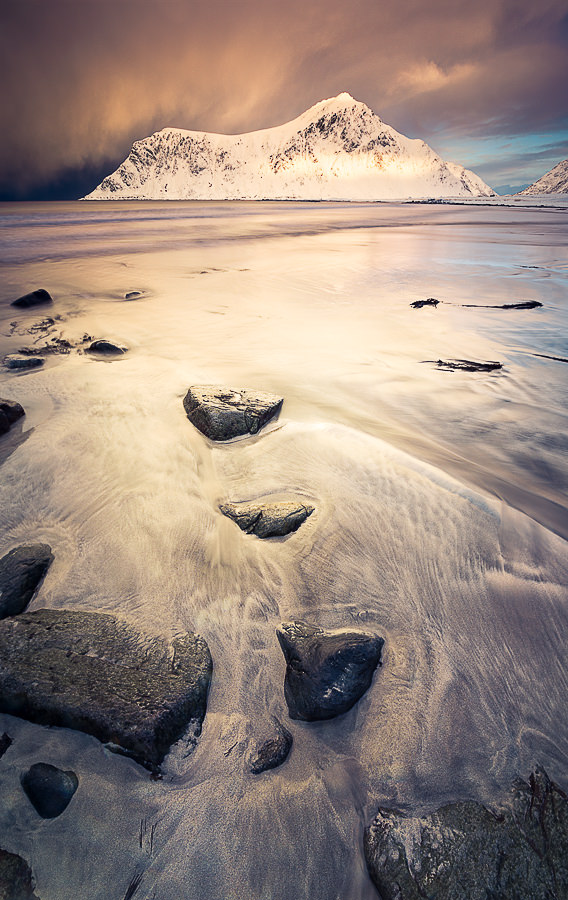
Golden Blizzard, copyright Stefan Hefele

Am nächsten Tag stand etwas auf dem Plan, worauf ich wirklich sehr gespannt war: Reine. Dieser Ort hat mich beim Recherchieren verzaubert und kam mir vor wie eine Art Paradies inmitten von meerumtobten Bergen und Schnee.

Die Fahrt mit dem Auto war äußerst angenehm, da sich die Landschaft von ihrer malerischsten Seite zeigte. Während sich die schneebedeckte Straße Richtung Süden schlängelte, konnte ich abschalten und genießen: Keine Raser, keine Drängler, kein Stress.

Wir waren sowieso fasziniert, wie sich die Norweger hier auf ungesalzenen, schnee- und eisbedeckten Straßen sicher fortbewegen konnten, bis wir feststellten, dass unsere Reifen mit kleinen Spikes gesäumt waren. Von da an konnte ich nochmals entspannter fahren.

Bevor wir Reine erreichten, entdeckten wir eine interessante Landschaft in einem zerklüfteten Fjord. Die Lichtstimmung war erneut auf unserer Seite und so brachen wir im Tiefschnee auf zu einer kleinen, versteckten Eisbucht, die mit bizarren Eisformationen verziert war.
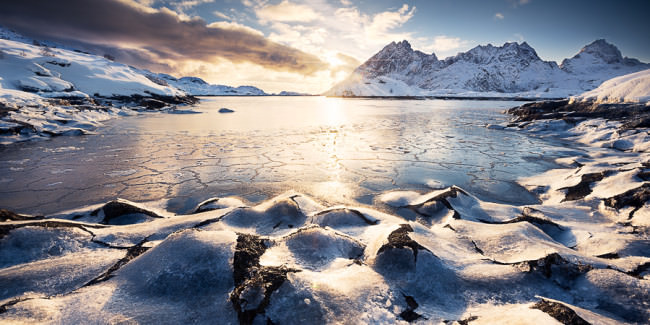
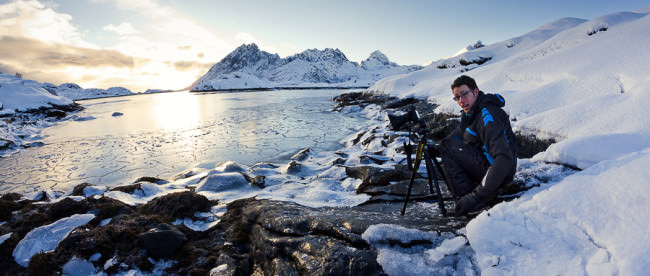
Ice Bay, copyright Stefan Hefele

Stefan in the IceBay

Der Ort Reine mit seinen etwa 300 Einwohnern ist ein typisches Postkartenmotiv. Hinzu kommt, dass der Aussichtspunkt, von dem aus ich fotografieren wollte, direkt an einem kleinen Parkplatz vor dem Dorf liegt. Perfekte Bedingungen also, für all die mit Digitalkameras bewaffneten Touristen.

Ich vermeide normalerweise solche Treffpunkte, war jedoch so fasziniert vom Motiv selbst, dass ich es in meiner Sammlung haben musste. Dank der Jahreszeit gehörte der Parkplatz auch so gut wie komplett uns allein.

Mein erstes Foto entstand während des Sonnenuntergangs. In fast schon kitschigem Pinkblau präsentierte sich Reine von seiner idyllischsten Seite und bescherte mir eine zufriedene Nacht. Da störte es mich kaum, dass wir erneut keine Polarlichter zu sehen bekamen.
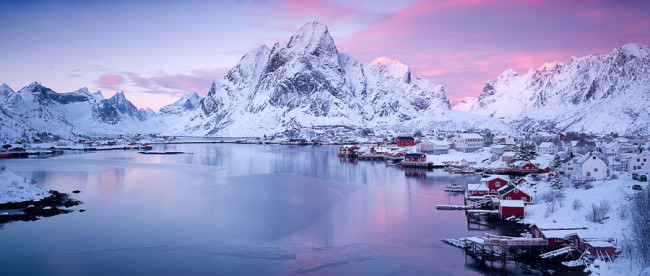
Reine, copyright Stefan Hefele

Am nächsten Morgen war ich wieder früh wach, um die Atmospähre in einem ganz anderen Licht einzufangen. Die letzten Sterne funkelten noch am Himmel, während sich die Landschaft so langsam in die unterschiedlichen Farben des Morgens hüllte.
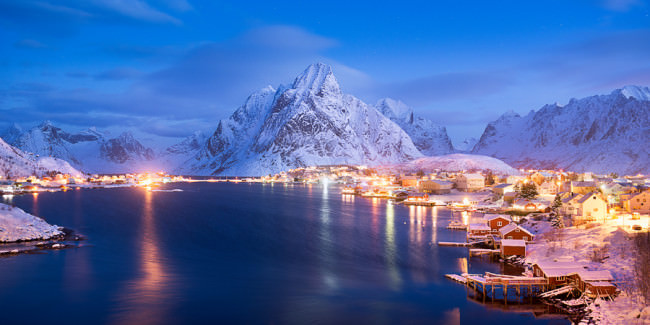
The ideal world, copyright Stefan Hefele

Nun war Halbzeit auf unserer Reise. Über die Rückfahrt werde ich im zweiten Teil dieses Artikels berichten. Bislang hatte sich uns das Nordlicht noch nicht gezeigt. Das sollte sich aber noch ändern.


kwerfeldein – Fotografie Magazin

 
Comments Off on Lofoten im Winter – Teil 1

Posted in Equipment
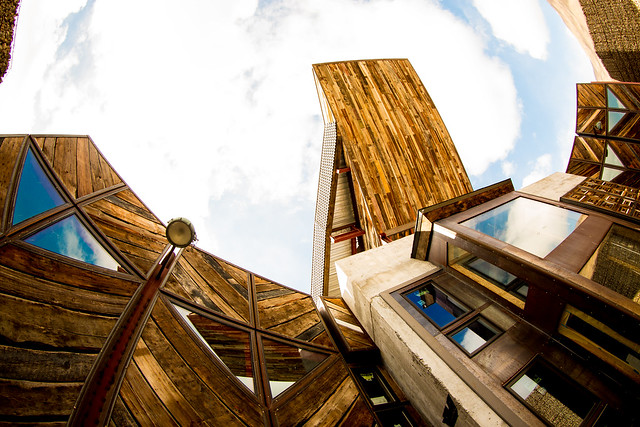
 

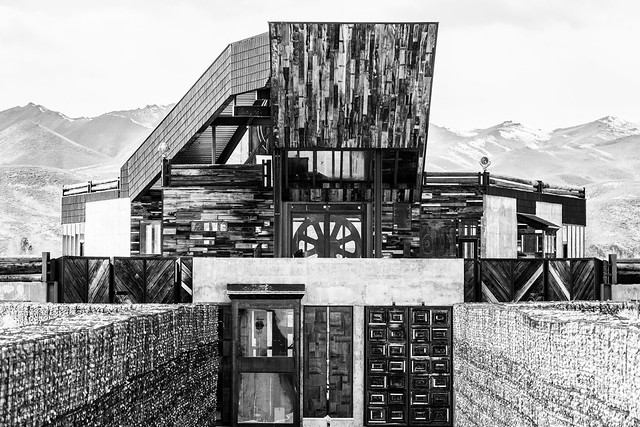
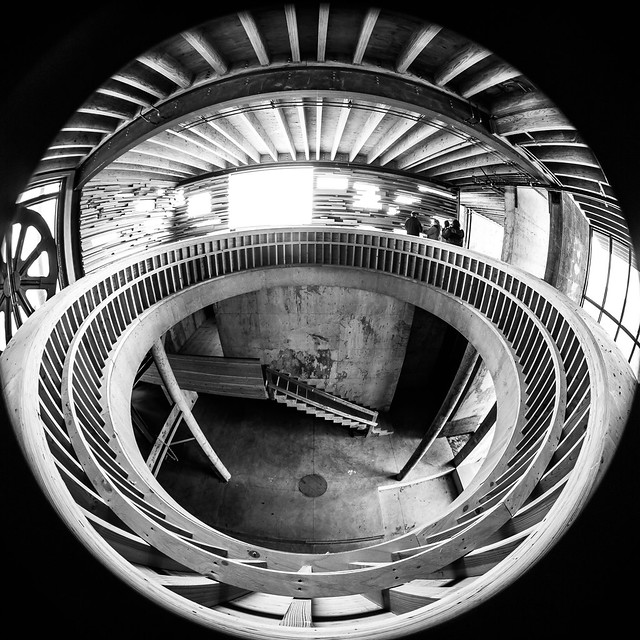
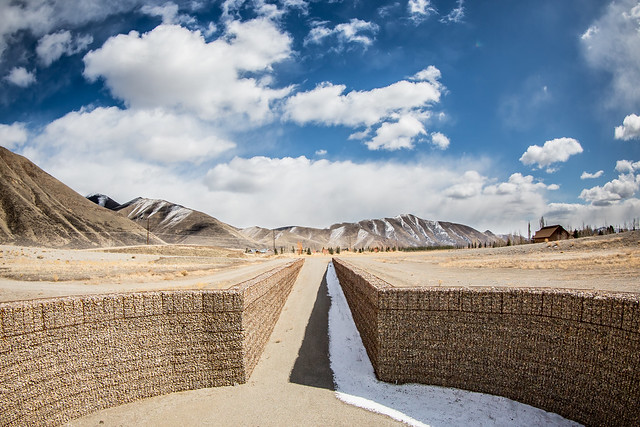
The Architecture of Susan Desko — 30 Cheval, Bellevue, Idaho
08 Apr

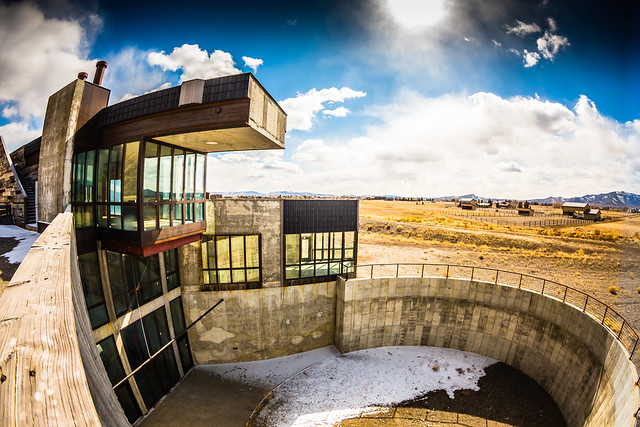
30 Cheval, Sun Valley Idaho
30 Cheval, Bellevue Idaho, Architect Susan Desko

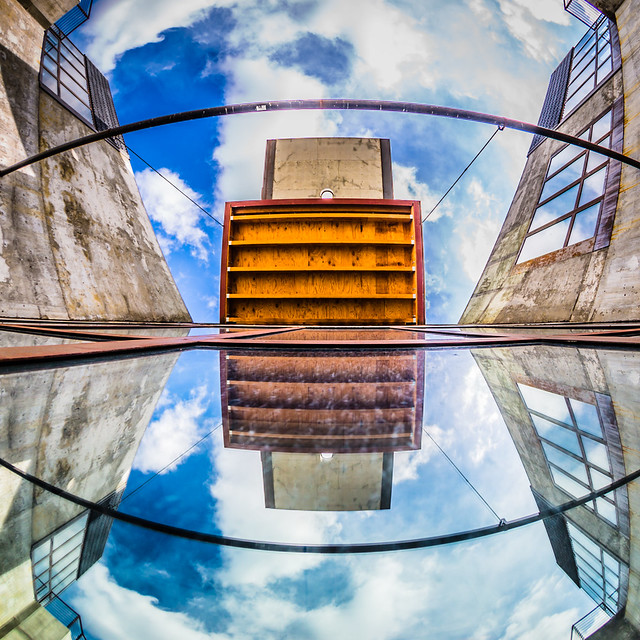
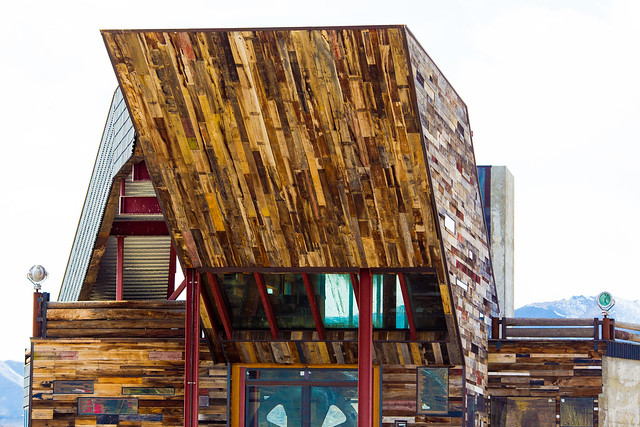
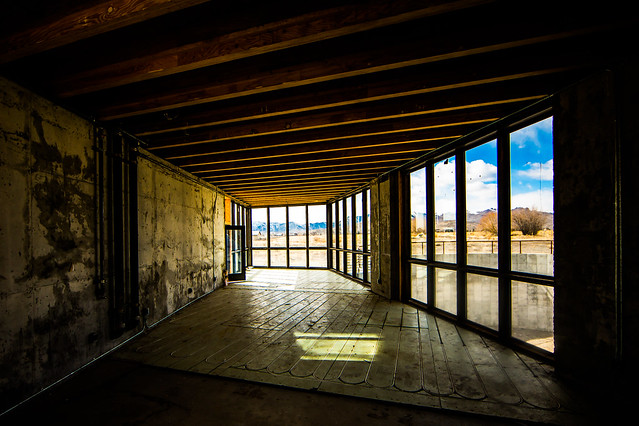
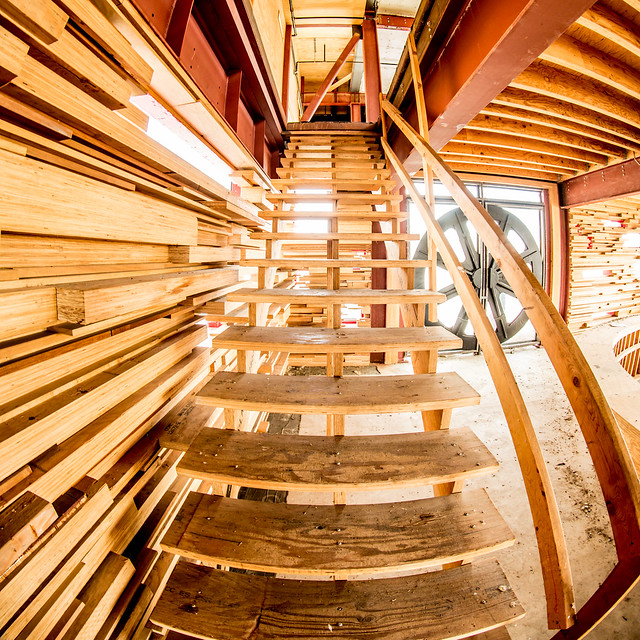
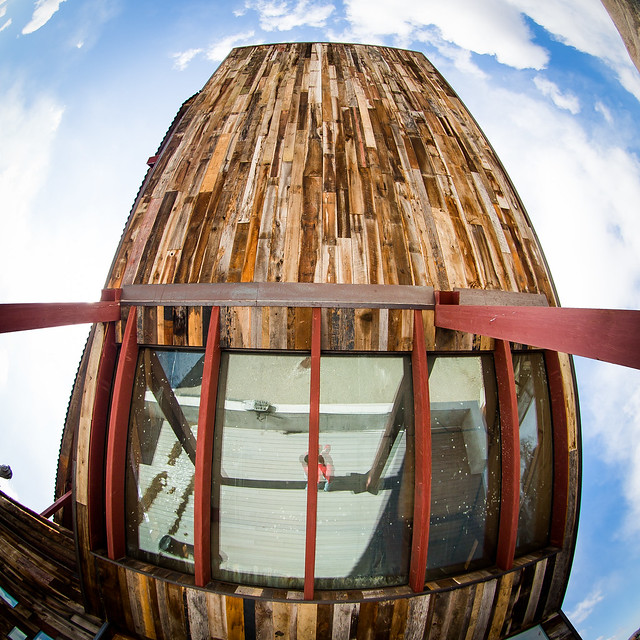
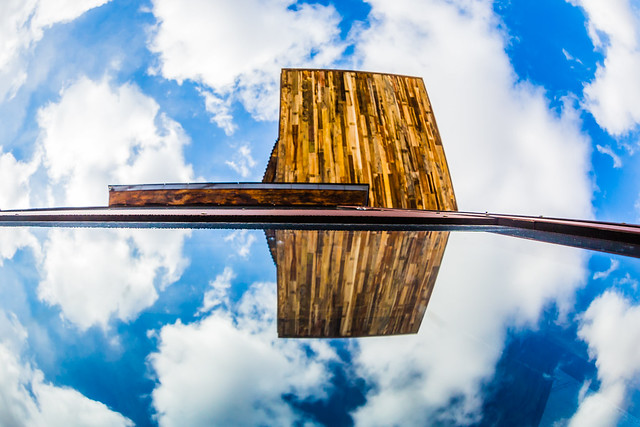
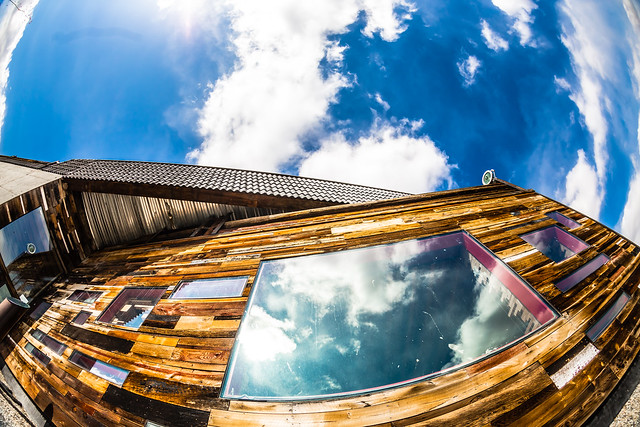
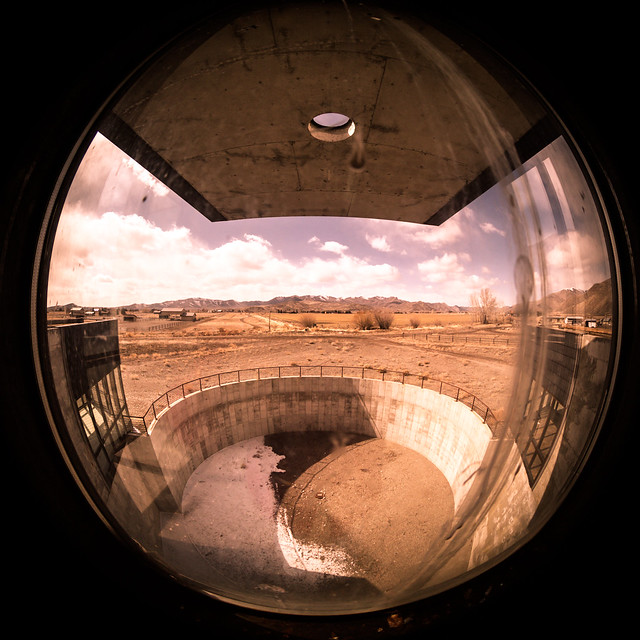
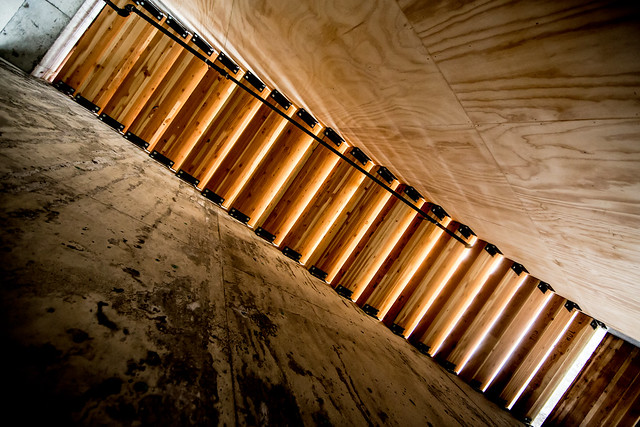
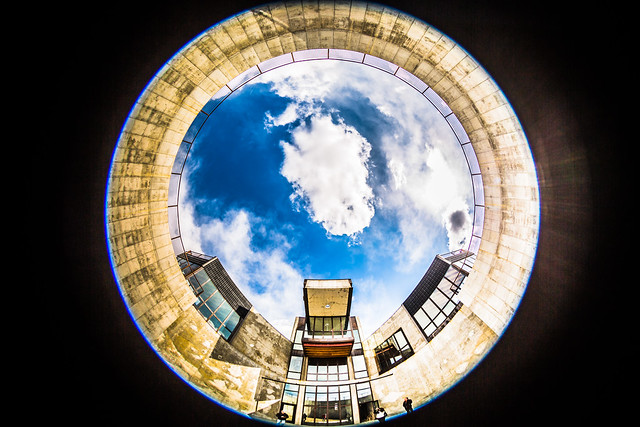
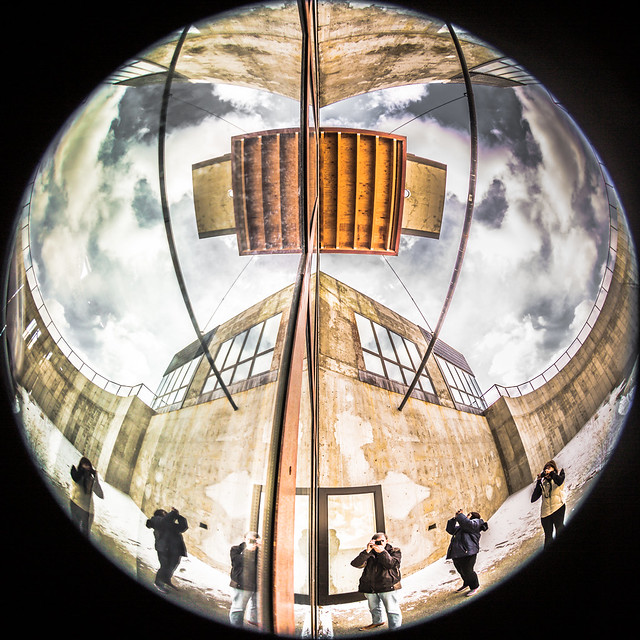
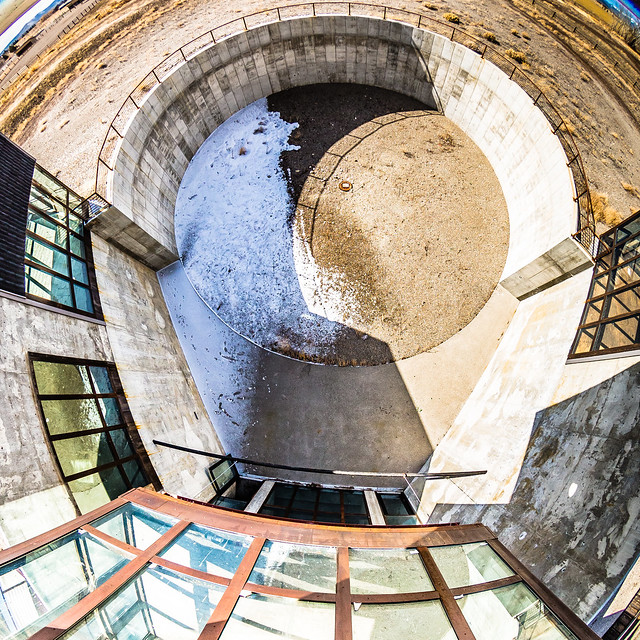
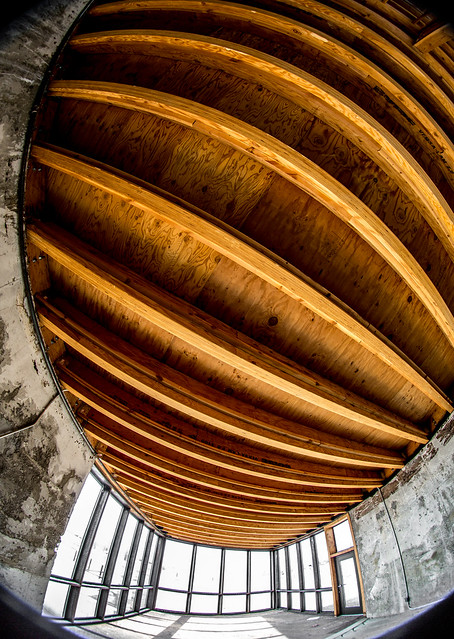
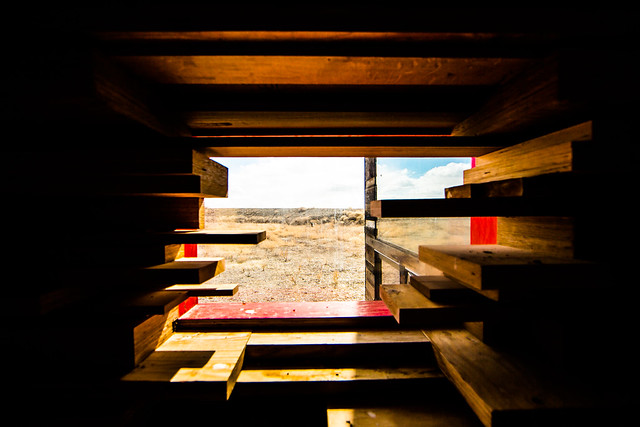
Last month I had a wonderful opportunity to photograph one of the great unfinished homes of America, 30 Cheval in Bellevue, Idaho.

The house was designed by architect Susan Desko, a local Sun Valley, architect, who was one of the designers who worked on the famous Frank Gehry project, the Lewis House. For those of you who haven’t seen the documentary on Gehry’s work, A Constructive Madness: Wherein Frank Gehry and Peter Lewis Spend a Fortune and a Decade… End Up With Nothing and Change the World, on the Lewis House, definitely check it out. Susan and her work with Gehry are featured in that film.

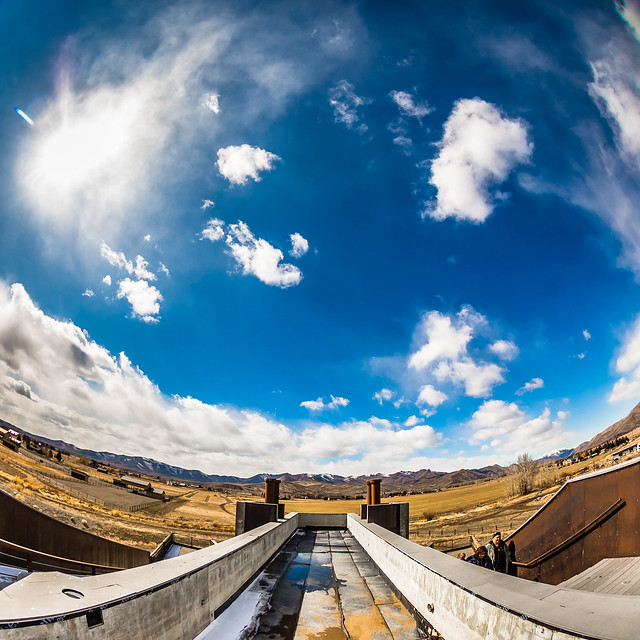
30 Cheval is a remarkable home that was started but never completed, an unfinished masterpiece in the middle of Idaho. Construction has stopped on the home at this point leaving behind this grand structure high in the mountains of America. Hopefully someday someone will purchase it and finish Susan’s bold designs. The home has spectacular views, especially from the olympic length swimming pool up on the roof cantilevered above the home.

I’ll upload more photos of the home over time, but here are 25 photographs of this amazing property now. Thanks to my pal Scott Jordan for taking me to this fantastical work of art and introducing me to Susan.

30 Cheval, Sun Valley Idaho

30 Cheval, Sun Valley Idaho
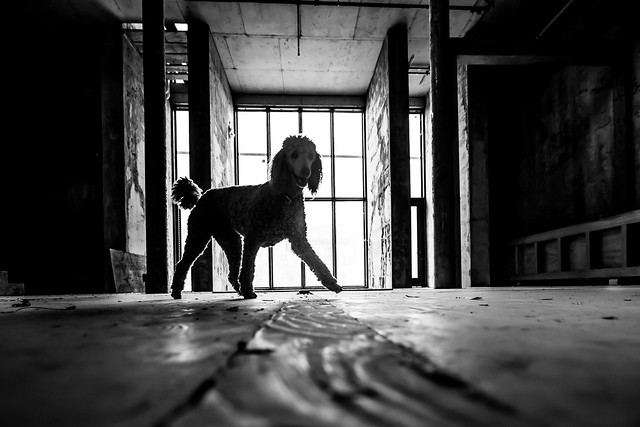
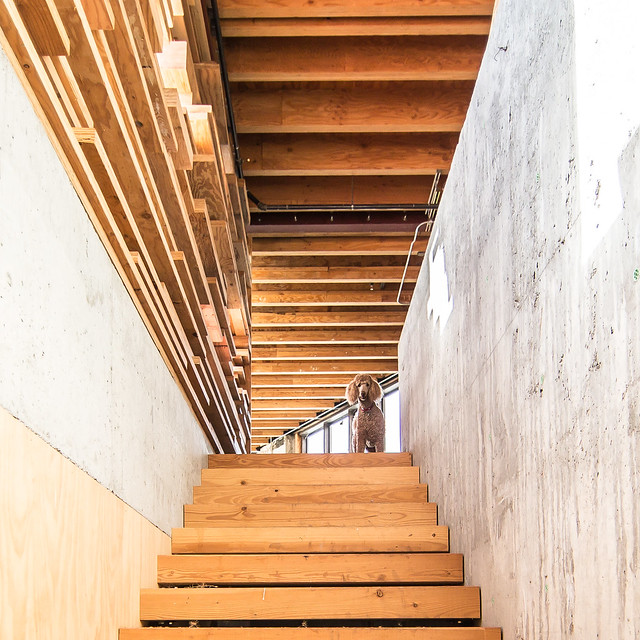
Scott’s dog Susie visited the home with us. :)

30 Cheval, Sun Valley Idaho

30 Cheval, Sun Valley Idaho

30 Cheval, Sun Valley Idaho

30 Cheval, Sun Valley Idaho

30 Cheval, Sun Valley Idaho
The Idaho view from the full olympic length swimming pool.

30 Cheval, Sun Valley Idaho

30 Cheval, Sun Valley Idaho

30 Cheval, Sun Valley Idaho

30 Cheval, Sun Valley Idaho

30 Cheval, Sun Valley Idaho

30 Cheval, Sun Valley Idaho

30 Cheval, Sun Valley Idaho

30 Cheval, Sun Valley Idaho

30 Cheval, Sun Valley Idaho

30 Cheval, Sun Valley Idaho

30 Cheval, Sun Valley Idaho

30 Cheval, Sun Valley Idaho

30 Cheval, Sun Valley Idaho

30 Cheval, Sun Valley Idaho

30 Cheval, Sun Valley Idaho

30 Cheval, Sun Valley Idaho

Scott Jordan and Susan Desko, Bellevue, Washington, 2013
30 Cheval architect Susan Desko with Scott Jordan and his dog Susie.


Thomas Hawk Digital Connection

 
Comments Off on The Architecture of Susan Desko — 30 Cheval, Bellevue, Idaho

Posted in Photography


Liu Bolin is Back: ‘Invisible Man’ Artist (Dis)Appears Again

08 Apr

[ By WebUrbanist in Art & Photography & Video. ]

invisible liu bolin

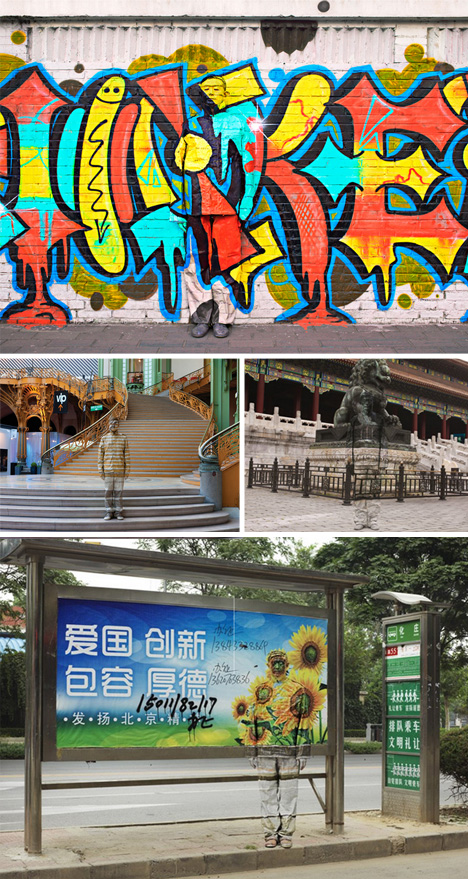
The master of urban camouflage has returned, this time exhibiting his latest photographic wonders at the Galerie Paris-Beijing – as always, without the aid of Photoshop or any other post-editing processes.

invisible map and family

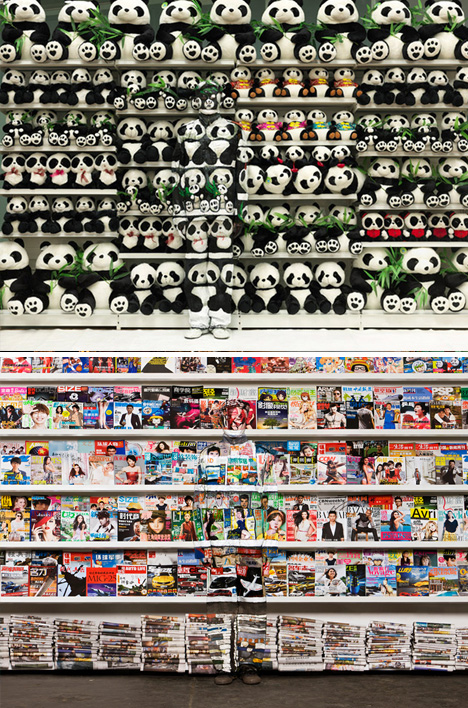
This time, Liu Bolin slips into in a range of familiarly public contexts, in front of iconic buildings and street graffiti … but now also sometimes with companions, or in strangely commercial settings, blending in with store shelves of stuffed animals, fresh vegetables and cell phones. His art is evolving its message.

invisible costume public spaces

It is worth noting that his intention is not to fully vanish into his surroundings, but, instead, to let them encompass him – the  trompe l’oeil is intentionally incomplete.

invisible camouflage commercial context

He is making visual statements about change, commercialization, and the sublimation of the individual to the role of context and process.

Share on Facebook


[ By WebUrbanist in Art & Photography & Video. ]

[ WebUrbanist | Archives | Galleries | Privacy | TOS ]


WebUrbanist

 
Comments Off on Liu Bolin is Back: ‘Invisible Man’ Artist (Dis)Appears Again

Posted in Creativity