RSS
 

Archive for April, 2013

Learning to See, Part X

08 Apr

The limitations in your photography are in yourself.  –Ernst Haas

 Diagonal lines, as we learned in our entry, are the subliminal connectors that keep the viewers eye within and moving around the picture. As you looked at the busy example by Rembrandt we saw how he cleverly positioned his supporting elements to facilitate the movement and study of each subject. Similarly, Karsh utilized exquisite posing and darkroom technique to force the viewer to study Churchill’s piercing eyes, and in so doing we can just imagine his character and wisdom. Both artists used the diagonal line to cleverly create geometric triangulation, and by consequence keep the viewer engaged as the artist intended.
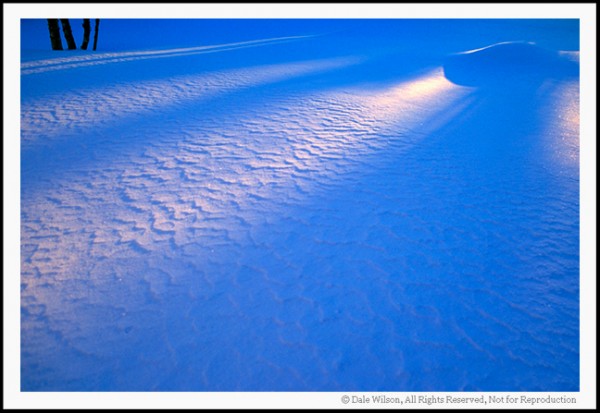
This image has been cropped to show how diagonals create the element of movement. Casual observation should provide for your eyes to be drawn to the upper right hand corner of the image due to the lighter colour of the diagonal drawing your eyes there.  Incidentally the image is from my front yard and there was a snowman at the convergence of the lines.

This image has been cropped to show how diagonals create the element of movement. Casual observation should provide for your eyes to be drawn to the upper right hand corner of the image due to the lighter colour of the diagonal drawing your eyes there. Incidentally the image is from my front yard and there was a snowman at the convergence of the lines.


Should you study classical rules of composition in photography you will inevitably come across tutelage advocating the use of C-curves and S-curves as leading lines — lines to lead the viewer into the picture.  Well, let’s simplify this prospect even further: C-curves and S-curves are little more than a diagonal line that has consumed too much wine! Regardless if the line is a straight or curved diagonal its sole purpose in making a picture to draw the eye to an intended point or place of interest.
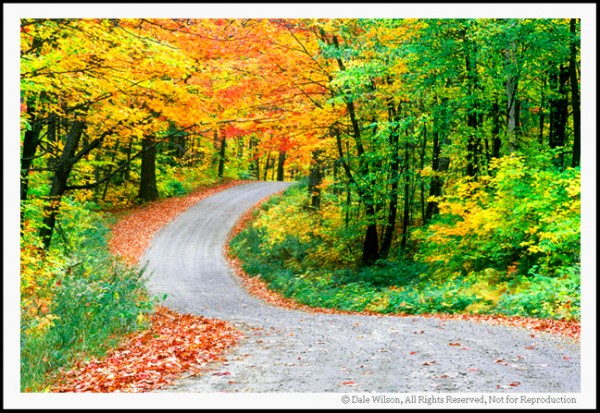
This image of a country road shows a good example of an S-curve. Just like the C-curve our eye will follow the path to its smallest point, leaving us curious what lies beyond. Diagonals, whether they have been drinking wine or not, provide the direction of travel in an image by moving the eyes around the scene.

This image of a country road shows a good example of an S-curve. Just like the C-curve our eye will follow the path to its smallest point, leaving us curious what lies beyond. Diagonals, whether they have been drinking wine or not, provide the direction of travel in an image by moving the eyes around the scene.


I would wager that as you learn to find supporting elements to enhance the impact of your image you will more than likely be able to locate some natural element that could be used as a diagonal traffic director.  Curves are child’s play to the composition; they are easy to find and natural supporting components – we need only look for them.  Finding the straight diagonal is the fun and a challenge in making pictures.

It has been my experience that diagonals most often work best with wide-angle lenses. The wide-angle lens will allow us to get closer to the diagonal element, such as a low angle camera on a roadway. Consequently the diagonal will oftentimes become the primary element in the picture so care must be taken not to allow the supporting diagonal overpower the intended subject.   With judicious care and placement of the supporting diagonal or curve, we will inevitably  be drawn to the subject that captured our attention and is the intended subject.

Go to your park, your backyard, or anywhere else the muses may take you. Find a comfortable location to settle in, and leave your camera gear untouched.  Why did you stop here? Of all the possible locations, why did you select this area to sit and ponder? There is a very real possibility that something caught your eye, and you are already composing the picture in your mind. What is it?

Now that you have located the unique tree, the colourful flower, the man-made structure that made you stop in the first place, start searching for the supporting element. What is nearby that you can use that will draw a line from the front of your picture right back to the attraction that will be your subject?

Don’t be afraid to move around looking for a fence, a line of rocks, or perhaps cirrus-whip clouds pointing downward, or anything else that will draw the viewers attention into the picture, and eventually to the subject. That diagonal component is here – be it a curved or straight line; you just have to find it.

Now the practise of photography begins, and with it the ensuing fun. And remember, if you are having fun, you are doing it right.

Post originally from: Digital Photography Tips.

Check out our more Photography Tips at Photography Tips for Beginners, Portrait Photography Tips and Wedding Photography Tips.

Learning to See, Part X


Digital Photography School

 
Comments Off on Learning to See, Part X

Posted in Photography


7. April 2013

08 Apr

Ein Beitrag von: David Uzochukwu

David Uzochukwu - "Death's Nest"


kwerfeldein – Fotografie Magazin

 
Comments Off on 7. April 2013

Posted in Equipment


Game, Cassette, Match: 10 Abandoned Video Stores

07 Apr

[ By Steve in Abandoned Places & Architecture. ]

abandoned video stores
Once as common as the VHS and Betamax tapes they rented out, video stores these days are fading away faster than the images on a well-worn cassette someone forgot to rewind. These 10 abandoned video stores are caught between the night they closed and the day a more relevant tenant takes over the lease.

Terminal Virus

abandoned video store viral video(images via: Tattoed Steve’s Storage Unit Of Terror)

The store sign’s font absolutely screams “EIGHTIES!” but the name – Viral Video – presciently anticipates the advent of YouTube and the corresponding end of the rental video era. As the poster child for classic Mom & Pop video stores, Keansburg, New Jersey’s Viral Video exudes a folksy vibe even in its abandoned afterlife. Repurposed wooden bookshelves ironically hold video tapes organized by genre and the assortment of admonishing signs are only missing “No Shoes, No Shirt, No Service.”

Twice Unlucky

abandoned video store Seattle theater(image via: Curtis Cronn)

Kudos to Flickr user Curtis Cronn for composing this cool color-infused capture of a now-nameless abandoned video store on Queen Anne Avenue in Seattle, Washington. The store was obviously a movie theater back in the days when video tape technology was the coming thing. Just goes to show you what comes around, goes around.

Movie Scene No Longer Seen

abandoned video store Movie Scene Savannah(images via: RetailByRyan95)

How many movies could a Movie Scene move if a Movie Scene could move movies? Quite a few, considering the Hayes, VA store was in business for almost 7 years before giving up the ghost in March of 2009. Full credit Flickr user RetailByRyan95 for immortalizing the former car garage, Jeff’s Cycle Center and Video Update (an SNL reference?) before it re-opened as an AutoZone.

Hurray For Hollywood (Video)

abandoned video store Hollywood Video(images via: j4349 and C-Bunny)

Chewbacca’s star on Hollywood Video’s walk of fame serves to date the era of video cassette rentals with pinpoint accuracy but while the empire might strike back, Hollywood Video is down for the count. Occupying the medium-sized niche between small strip-mall stores and large anchor stores like Blockbuster, Hollywood Video – at least, this location in Savannah, GA – just couldn’t survive the big squeeze.

Next Page:
Game Cassette Match 10 Abandoned Video Stores

Share on Facebook


[ By Steve in Abandoned Places & Architecture. ]

[ WebUrbanist | Archives | Galleries | Privacy | TOS ]


WebUrbanist

 
Comments Off on Game, Cassette, Match: 10 Abandoned Video Stores

Posted in Creativity


browserFruits April #1

07 Apr

Unser Aufruf für Euer schlechtestes Bild war natürlich ein Aprilscherz. Wir hatten aber viel Freude dabei, Eure Fotoverbrechen anzusehen und freuen uns auch weiterhin über Kommentare mit Links zu furchtbaren Bildern.


Fotospecial: Rolltreppen

Flickr

500px


Deutschsprachig

• Spiegel Online interviewte Eric Kim zu seiner Arbeit als Straßenfotograf.

• Der Stilpirat hat ein Albumcover fotografiert und zeigt seine Ergebnisse. Viel verrät er jedoch nicht, außer, dass er dafür „eine grüne Wand, einen Blitz und einen Fotoapparat“ nutzte.

• Über die Berliner Nachkriegsfotografien von Ernst Hahn berichtet die Berliner Morgenpost.

• Nicht direkt Fotografie, aber wir finden es spannend: Die App ColorSay hilft Farbenblinden weiter.

• Stern Online zeigt eine kleine Bildstrecke mit einigen der bekanntesten Bildern des Portraitfotografen Yousuf Karsh.


International

• Nacho Ormaechea aus Spanien fotografiert Menschen auf der Straße. Und füllt ihre Silhouetten mit weiteren Fotos.

• Liebe Unterwasserfans, an Rafal Makiela kommt Ihr nicht vorbei.

• Das finnische Fotoatelier von O. Haapala macht ein feines Projekt mit neo-viktorianischen Portraits. Tolle Kostüme, Make-up und Bearbeitung, oft genau richtig knapp am Vintage-Kitsch vorbei.

• Verfolgt noch irgendjemand Street-Fashion-Blogs? Dann schaut Euch Ali an: Ein einzelner Mann, der jeden Tag großartige Kleidung trägt und damit genauso gut ein Fashionblog füllt.

• Ein erfüllter Kindertraum: Tippi Degré wuchs in der afrikanischen Wüste auf und schloss dort Freundschaften mit allerhand wilden Tieren.

• Das britische Paar Lisa Gant und Alex Pelling bereist die Welt und heiratet in jedem Land, das es besucht, entsprechend der dortigen Traditionen. Den schönsten Tag des Lebens immer und immer wieder erleben.

• A Lesser Photographer ist ein Manifest, das schön zusammenfasst, was wir auch die ganze Zeit predigen: Es kommt nicht auf die Kamera an.

• 1965: Hobbyfotograf Marc Weinstein bastelt sich einen Fake-Presseausweis und fotografiert ein Konzert der Beatles. 2013: Weinstein versteigert die Fotos für satte £ 30.000.

• Liebe Reisefotografen, schaut Euch doch mal David Lazar an.

• Eine beeindruckende Sammlung von Affenportraits hat James Mollison.

• Ihr habt noch nicht genug von den Bildern der Holi Festivals? Dann schaut Euch noch diese an oder diese.

• Achtung, Katzencontent! Aber was für welcher: Die herzerwärmende und großartig fotografierte Freunschaft eines Mädchens und ihrer Katze. Ganz weit weg vom Kitsch und trotzdem „awwww!“

• Eine schöne Fotoidee: Blüteneis. Frühling, wir wären dann so weit.


Neuerscheinungen und Tipps vom Foto-Büchermarkt

buchtipps

• Bruce Barnbaums „Die Kunst der Fotografie“* ist eine gelungene Mischung aus Bildband und Lehrbuch und gibt ambitionierten Fotografen Anregungen zur Weiterentwicklung der eigenen Fähigkeiten.

• Thorsten Klapsch wirft mit „Atomkraft“* einen sachlich-dokumentarischen Blick auf die Zweckarchitekturen der nuklearen Energiegewinnung.


Videos

Beruhigend: Karst Country, ein Infrarot-Zeitraffer.


Spannend und sehr gut fotografiert: Ein gewagter Balance-Akt.


Ausstellungen

Anna Lehmann-Brauns MISS YOU
Zeit: 21. März – 18. April 2013
Ort: LSD Galerie, Potsdamer Str. 65, 10785 Berlin
Link

David Lynch – Transient.
Zeit: 16. März – 20. April 2013
Ort: Galerie Obrist, Kahrstraße 59, 45128 Essen
Link

Tiina Itkonen – Ultima Thule
Zeit: 16. Februar – 20. April 2013
Ort: Gallery TAIK, Bergstraße 22, 10115 Berlin
Link

HORST ADEMEIT – Observation
Zeit: 9. März – 20. April 2013
Ort: Galerie Gebr. Lehmann, Lindenstraße 35, 10969 Berlin
Link

Frank Gaudlitz. Sonnenstraße
Zeit: 23. März – 20. April 2013
Ort: Galerie Rothamel, Fahrgasse 17, 60311 Frankfurt/Main
Link

Farbe Form Fotografie Fläche
Zeit: 8. Februar – 20. April 2013
Ort: DZ BANK Kunstsammlung, ART FOYER, Platz der Republik, 60265 Frankfurt/Main
Link

Sophia Keller „Doppelklick“
Zeit: 1. März – 20. April 2013
Ort: Galerie Edition Camos, Aldringenstraße 1a, 80639 München
Link

„Bevor du gehst“ Matthias Bulang
Zeit: 21. Februar – 21. April 2013
Ort: frauen museum wiesbaden, Wörthstraße 5, 65185 Wiesbaden
Link

Jörn Vanhöfen » grenzenlos
Zeit: 16. Februar – 21. April 2013
Ort: Kunstverein Konstanz, Wessenbergstr. 39/41, 78462 Konstanz
Link

HighLights. Photoselection – 30 Jahre
Zeit: 21. März – 24. April 2013
Ort: Galerie Hilaneh von Kories, Stresemannstr. 384a, 22761 Hamburg
Link

Laurenz Berges
Zeit: 2. März – 27. April 2013
Ort: Galerie Wilma Tolksdorf, Hanauer Landstrasse 136, 60314 Frankfurt/Main
Link

Severin Koller – Installationen des Alltags
Zeit: 27. März – 27. April 2013
Vernissage: 26. März 2013, 19 Uhr
Ort: EIGENSINNIG. Schauraum für Mode und Fotografie, Sankt-Ulrichs-Platz 4, 1070 Wien
Link

Erzbahntrasse – Fotografien von Stefanie Vielhauer
Zeit: 1. Dezember 2012 – 27. April 2013
Ort: Stadtteilgalerie bild.sprachen, Bergmannstraße 37, 45886 Gelsenkirchen
Link

Katrin Streicher – „Kulissen des Alltäglichen“
Zeit: 6. – 28. April 2013
Vernissage: 5. April 2013, 19 Uhr
Ort: aff-Galerie, Friedrichshain, Berlin
Link

IMOGEN CUNNINGHAM
Zeit: 19. Februar – 28. April 2013
Ort: Kunstfoyer der Versicherungskammer Bayern, Maximilianstraße 53, 80538 München
Link

„Manfred Paul – Berlin Nordost“
Zeit: 25. Januar – 4. Mai 2013
Ort: Collection Regard, Steinstraße 12, 10119 Berlin
Link

David Favrod, Michel Le Belhomme | THERE ARE MORE THINGS*
Zeit: 17. März – 5. Mai 2013
Ort: exp12 / exposure twelve, Greifswalder Straße 217, 10405 Berlin
Link

Kairo. Offene Stadt. Neue Bilder einer andauernden Revolution
Zeit: 2. März – 5. Mai 2013
Ort: Museum Folkwang, Museumsplatz 1, 45128 Essen
Link

Women – Fotografien von Martine Franck
Zeit: 28. Februar – 5. Mai 2013
Ort: Galerie der Stadt Fellbach, Marktplatz 4, 70734 Fellbach
Link

Steve Schapiro – THEN AND NOW – Eine Retrospektive
Zeit: 24. März – 5. Mai 2013
Ort: Kunsthalle Rostock, Hamburger Straße 40, 18069 Rostock
Link

PLACES AND SPACES – Emily Andersen
Zeit: 9. April – 5. Mai 2013
Ort: Literatur Moths, Rumfordstraße 48, 80469 München
Link

Fotos – Österreichische Fotografien von den 1930ern bis heute
Zeit: 30. Januar – 5. Mai 2013
Ort: 21er Haus, Arsenalstrasse 1, Wien
Link

DAKOTA BAR – Knut Wolfgang Maron
Zeit: 8. März – 5. Mai 2013
Ort: Galerie AG, Münzstraße 24, 19055 Schwerin
Link

Ulrich Mack: Kennedy in Germany
Zeit: 9. März – 8. Mai 2013
Ort: in focus galerie, Brüsseler Str. 83, 50672 Köln
Link

Horst Hamann. HAMANNYC
Zeit: 10. April – 10. Mai 2013
Ort: Galerie BRAUBACHfive, Braubachstr. 5, 60311 Frankfurt/Main
Link

Jean-Baptiste Huynh »Remanence«
Zeit: 22. Februar – 11. Mai 2013
Ort: CWC GALLERY, Auguststraße 11–13, 10117 Berlin
Link

Das Nahe und die Ferne – Fotografie und Raum
Zeit: 6. April – 12. Mai 2013
Ort: Künstlerhaus Dortmund, Sunderweg 1, 44147 Dortmund
Link

Mehr aktuelle Ausstellungen


* Das ist ein Affiliate-Link zu Amazon. Wenn Ihr darüber etwas bestellt, bekommen wir eine kleine Provision, Ihr bezahlt aber keinen Cent mehr.


kwerfeldein – Fotografie Magazin

 
Comments Off on browserFruits April #1

Posted in Equipment


fifty two heartbeats [verse eight]

07 Apr

A few nice visual art images I found:

fifty two heartbeats [verse eight]
visual art
Image by the|G|™
fifty two heartbeats [a requiem for 2009]

the entire 8 here:
www.flickr.com/photos/the-g-uk/sets/72157622990446749/

a new decade. new directions. new connections.

this is a beat poem for the eyes in eight parts.

some sections have been considered, some are purely accidental.

fifty two pieces. diverse. from landscape to dada to abstract to portrait. and beyond.

the people, the artists, have made my year better. their gift to me.

this is a visual echo to them. to you.

a new decade.

may it treat you well.

the|G|™

[NB]

this work is in not in ‘absolute’ order of preference.

though of course, from the beginning, i thought about those who have a deep connection for me, so there is a modicum of ‘hierarchy’.

however, i suddenly remembered people who are dear to me toward the end of the process!! you cannot read too much into your ‘placing’ in the mosaics, and that is as it should be.

if you are not in the mix, i can only apologise. it was quite a lengthy process 😮
i will certainly have forgotten people [i can think of several now] who should have been a part of this process, but a year only contains a finite number of weeks.

you are not forgotten.

the best to all my contacts.

should you be interested in the fundamental reasons for many of my contacts being held in high esteem and great regard, please feel free to cast an eye over my new year video. it explains much with regard to how i view my contacts:

www.flickr.com/photos/the-g-uk/4232387716/

once again.

thank you all, for being who you are.

the|G|™

1. Single Tear, 2. 111109_62, 3. The Damn Devil, 4. Untitled, 5. the road is life, 6. Run, Forrest… Run!, 7. Behind the Net, 8. Untitled

 
Comments Off on fifty two heartbeats [verse eight]

Posted in Photographs


Sigma’s DP Merrill Cameras Compared – World-Beating Image Quality In Compact Bodies

07 Apr

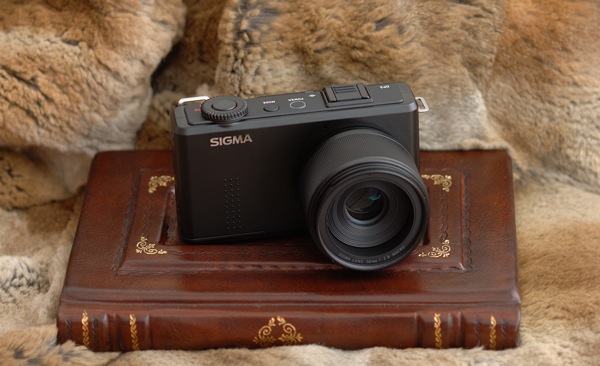
Sigma, known mainly to photographers for their affordable lenses, recently caused quite a stir among discerning photographers. How? By building three compact cameras around the incredible sensor taken from the SD1, which initially cost $ 10,000. The image quality is simply incredible, and the cameras themselves are small, light and unobtrusive. For photographers seeking the best possible image quality on a budget, they’re unmatched.

Photo1

But there are lots of compromises. Foremost among them is battery life. The small batteries don’t last long so you’ll need to buy spares. Fortunately, they’re cheap. Second compromise; usability. It’s pretty good for a compact camera, and the controls are well laid out for photographers, but there’s some shutter lag, the auto-focus can’t match dSLRs and the huge RAW files take a while to write to the card.

The main compromise we’ll deal with is focal length. Each DP Merrill camera is essentially identical except for the length of the fixed prime lens.

  • The Sigma DP1m has a 19mm lens; equivalent to a 28mm wide-angle on full frame.
  • The Sigma DP2m has a 30mm lens; equivalent to a 45mm standard lens.
  • The Sigma DP3m has a 50mm lens; equivalent to a 75mm short telephoto.

All three lenses have a maximum aperture of f2.8 and a minimum aperture of f16. In my opinion (and not just mine), they are some of the best lenses ever made, including Leica and Zeiss.

In use, being restricted to a single focal length changes the camera entirely. This comparison therefore focusses on which of the Sigma DP series will be right for you. For the cameras themselves, I highly recommend Michael Reichmann’s review at Luminous Landscape.

I’ve used all three cameras for a variety of genres. Now comes time to choose.

Photo2

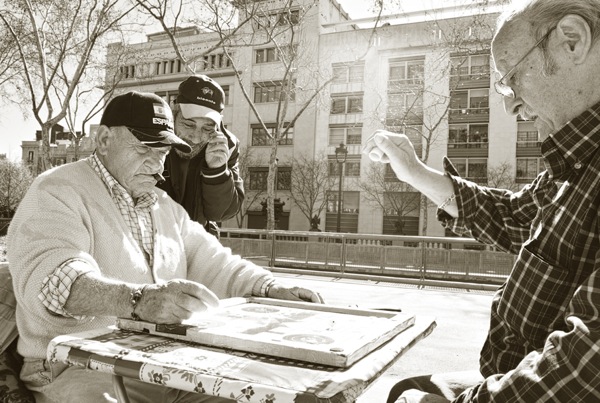
The Sigma DP1m is very convenient if you want amazing image quality in a tiny package. I was able to take photographs that I otherwise couldn’t have made. This is because it doesn’t look like a serious camera and it’s effectively silent in use. Professional photographers, especially those working where cameras are unwelcome, will appreciate this. Compared to carrying a Nikon pro-body with a wide-angle lens, it’s very much smaller. However, I missed photographs due to the shutter lag and the corners a bit softer than the other two DP cameras.

Photo3

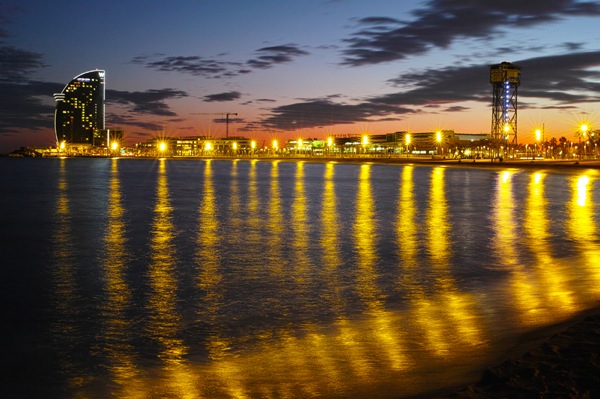
The Sigma DP3m is specialised. I found a 75mm equivalent lens a bit long in use as an everyday camera. However, it is a pocket portrait monster, delivering incredibly sharp files with beautiful bokeh. It’s also got an amazing macro capability which, while not a true 1:1 reproduction, gets close enough for most applications. And there’s no noticeable distortion. The Sigma DP3m really excels when you fuss about and stitch images. 14.85 megapixels is enough for most applications, but if you want to print enormous files, you can increase the image resolution by making mosaics from multiple pictures using software that can stitch panoramas. Because the image quality is so amazing at a 100% level (because it’s not interpolated like a Bayer sensor), the files can be that much better, rivalling medium format cameras worth tens of thousands. For me, this is the niche use the DP Merrill series excels for. I can carry a tiny compact camera, a few cheap batteries and a lightweight CF tripod when I’m doing fine art photography and create the most amazing results.

Photo4

The Sigma DP2m is a bit of a compromise. I’d recommend getting both the Sigma DP1m and the Sigma DP3m; they work very well together as a pair. But if this isn’t an option, the DP2m is your camera. It’s neither too wide-angle nor too telephoto. You can stitch images if you choose as there’s no real distortion, but the standard-lens approach works well for a range of subjects. The important thing is that you get access to that incredible X3 Foveon sensor. Download some Sigma DP Merrill sample images here; they speak for themselves.

Ben Evans teaches Barcelona Photography. Learn the most important things about photography in one hour for (and for less than the price of a lunch) with the best-selling ‘Photography: The Few Things You Need To Know’ Audiobook – www.GreatBigBear.com/Audiobook

Post originally from: Digital Photography Tips.

Check out our more Photography Tips at Photography Tips for Beginners, Portrait Photography Tips and Wedding Photography Tips.

Sigma’s DP Merrill Cameras Compared – World-Beating Image Quality In Compact Bodies


Digital Photography School

 
Comments Off on Sigma’s DP Merrill Cameras Compared – World-Beating Image Quality In Compact Bodies

Posted in Photography


The Rocket Travel Slider

07 Apr

Long time no chat! Hello! I’ve been digging about for products that are currently on my radar that I wanted to tell you about!

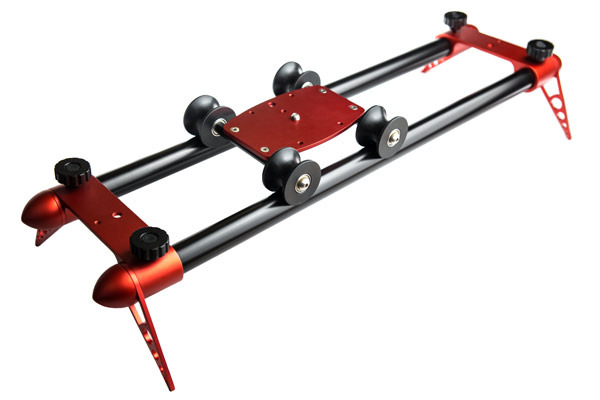
I’ve posted previously about Kickstarter stuff, the last time was another product from the same group of folk out of Bend, Oregon. Nice Industries are skipping along a sweet looking trail of products for the dSLR video producer, or even the 4/3rds / mirror-less video producer. The last product, the one I wrote about previously, was called “Aviator Travel Jib” So, this time I wanted to tell you about a complimentary product called “The Rocket – Travel Slider” You might hear people talk about a “Dolly shot” that’s the nice smooth slide shot – left to right, back and forward… It really does add an extra “something” to your film making that you can’t typically get when handheld or on a static tripod.

Have a look at the THE ROCKET – These guys are doing something right – the Kickstarter was already funded less than 24 hours after launch!

If you’re going to the 2013 NAB Show you can see The Rocket Slider in action at booth 12141, and Zeke may even make you a nice cup of tea!

So I have my very own Aviator Travel Jib now and i’ll be working on an article / review for you all [When I get better at film making!] it is a great little product that has added SO much ‘dynamics’ to my current film making. As well as the Canon 5D MK3, I’ve started using the Olympus OM-D (which I’ve fallen in love with!) and the two together are fantastic! – more on that later… Much more! I’m very much looking forward to getting The Rocket and finishing my film project!

The_Rocker_Travel_Slider_Dolly

The simplicity is what makes it that little bit more epic… You take the bar ends, the rocket sled and stick them in any old bag, your pipe goes wherever and you’re away! I’ve just priced up some extra light galvanised steel pipe here in Melbourne, it’s $ 38 for a 6.5M length – that’s with 2mm walls, so you’re going to be able to get a great dolly shot by cutting that in half and using the center support. Pretty excited about where dSLR cameras are taking independent film making right now, much more accessibility for the regular person (me!) to try this and that with the gear a lot of us already have.


The_Rocket_Travel_Slider

Enjoy!

–Sime

Post originally from: Digital Photography Tips.

Check out our more Photography Tips at Photography Tips for Beginners, Portrait Photography Tips and Wedding Photography Tips.

The Rocket Travel Slider


Digital Photography School

 
Comments Off on The Rocket Travel Slider

Posted in Photography


Die Stadt der Blinden

07 Apr

Ein Beitrag von: Diego León-Müller

Literaturfotografie muss nicht zwingend die Handlung eines Werkes widerspiegeln; die Atmosphäre eines Buches einzufangen war mir in der folgenden Serie wichtiger.

In seinem Roman „Die Stadt der Blinden“ beschreibt der Literatur-Nobelpreisträger José Saramago eine durch eine Epidemie wie in ein weißes Meer gehüllte, erblindete Stadt.

Die Erblindeten werden in die Quarantäne einer verlassenen Irrenanstalt geschickt und als das Chaos ausbricht, stellt sich eine Frau, die sehen kann, der Anarchie entgegen. Als das System in der Abschottung auseinanderbricht und kein Soldat mehr da ist, der die wehrlosen Blinden zurückhalten kann, brechen die Blinden aus in eine blinde Welt, metaphorisch für eine Welt, die unfähig ist, Gut und Böse zu unterscheiden.

Die Bildserie zur „Stadt der Blinden“ wird, mit den vorliegenden, teilweise gekürzten Zitaten aus selbigem Buch, im Sommer auf einer Gruppenausstellung der Hochschule Hannover gezeigt.

1 - Diego León-Müller

Sollte es je dazu kommen, dass ein Soldat die verschossenen Kugeln zu rechtfertigen hat, dann wird er sicher bei der Fahne schwören, er habe aus Notwehr gehandelt, und hinzufügen, auch zur Verteidigung seiner unbewaffneten Kameraden, die in einer humanitären Mission unterwegs gewesen seien und sich plötzlich von einer Gruppe von Blinden bedroht sahen, die ihnen zahlenmäßig überlegen war. Am besten wäre es, die verhungern zu lassen, mit dem Tier stirbt auch das Gift.

Es gibt viele Arten, zum Tier zu werden, das ist nur der Anfang.

4 Diego León-Müller

Sie klopfte diskret an die Tür, zehn Minuten später war sie nackt, nach fünfzehn stöhnte sie, nach achtzehn flüsterte sie Liebesworte, die sie nicht mehr vorzutäuschen brauchte, nach zwanzig geriet sie ausser sich, nach einundzwanzig fühlte sie, wie ihr Körper vor Lust zerbarst, nach zweiundzwanzig schrie sie,
Jetzt, jetzt,
und als sie wieder zu Bewusstsein gelangte, sagte sie, erschöpft und glücklich,
Ich sehe noch immer alles weiß.

3 Diego León-Müller

Wie geht es Ihnen, Herr Doktor,
wir sagen dann
Gut,
dabei liegen wir im Sterben, das nennt man im Volksmund,
aus dem Herzen eine Mördergrube machen.

Wenn wir nicht in der Lage sind, ganz wie Menschen zu leben, dann sollten wir wenigstens versuchen, nicht ganz wie Tiere zu leben.

2 Diego León-Müller

Blind sein bedeutet nicht tot sein, aber tot sein bedeutet blind sein.

Wir würden uns schon beim ersten Gedanken kaum vom Fleck rühren, könnten wir immer alle Folgen unseres Handelns voraussehen, würden wir ernsthaft darüber nachdenken. Gute und Schlechte Ergebnisse unserer Worte und Werke verteilen sich über alle Tage der Zukunft, eingeschlossen auch jene endlosen, an denen wir schon nicht mehr hier sein werden.

5 Diego León-Müller

Dann drehte er sich zum Spiegel um, diesmal fragte er nicht,
Wie kann das sein,
er sagte nicht,
Es gibt tausend Gründe dafür, dass das menschliche Gehirn sich verschliesst,
er streckte nur die Hände aus, bis er das Glas berührte, er wusste, dass sein Abbild dort war und ihn anschaute, das Abbild sah ihn, doch er sah sein Abbild nicht.

6 Diego León-Müller

Die Augenlider aufgerissen, das Gesicht in Falten, die Augenbrauen jäh zusammengezogen, alles, jeder kann es sehen, durch Angst verzerrt. Mit einer plötzlichen Bewegung wird all das, was zu sehen war, hinter den beiden geballten Fäusten des Mannes verborgen, als wollte er noch im Innersten seines Hirns das letzte Bild festhalten, ein rotes, rundes Licht an einer Ampel.
Ich bin blind, ich bin blind.
Nichts, als wäre ich mitten in einem Nebel, als wäre ich in ein milchiges Meer gefallen.

8 Diego León-Müller

Da kommt der Nachbar am Arm geführt, aber keine kam darauf zu fragen,
ist Ihnen etwas ins Auge gekommen, das fiel ihnen nicht ein, und so konnte er auch nicht antworten,
Ja, ein milchiges Meer.
In dieser Nacht träumte der Blinde, er sei blind.

Ich hörte, dass es Menschen gibt, die erblindeten, da dachte ich darüber nach, wie es wohl wäre, wenn auch ich erblindete, ich schloss die Augen und probierte es aus, und als ich sie öffnete, war ich blind.

7 Diego León-Müller

Er versuchte sich vorzustellen, wie der Ort, an dem er sich befand, aussah, für ihn war alles weiß, leuchtend, strahlend, die Wände waren es und der Boden, den er nicht sehen konnte, und er ertappte sich bei dem absurden Gedanken, dass das Licht und das Weiß dort stanken.
Wir werden hier noch vor Entsetzen verrückt.
Er wusste, dass er schmutzig war, schmutzig wie wohl noch nie in seinem Leben.
Die Welt ist ganz hier drin.

Veröffentlichung mit freundlicher Genehmigung der Nachfahren von José Saramago.


kwerfeldein – Fotografie Magazin

 
Comments Off on Die Stadt der Blinden

Posted in Equipment


6. April 2013

07 Apr

Ein Beitrag von: cyber.mat

cowboys


kwerfeldein – Fotografie Magazin

 
Comments Off on 6. April 2013

Posted in Equipment


Revealing Historical Photos Show US White House Gutted

06 Apr

[ By WebUrbanist in Architecture & Public & Institutional. ]

white house remodel project

Imagine the state of it: the United States executive mansion after 150 years of continuous occupation. By this time, the already-aging White House had retrofit with a maze of modern amenities like plumbing, electricity and heating – none of which this expansive estate was constructed to house.

white house historic interior

Per reporter Brian Resnick, sagging ceilings, scaffolding and supports had rendered the structure an unsanitary fire hazard by the late 1940s – some suggested scrapping it entirely and starting from scratch, but President Truman lobbied to keep and rehabilitate it.

white house reconstruction photos

As these amazing photographs from the National Archives & Truman Library illustrate, the entire interior had to be ripped out. Historically valuable materials and decor were meticulously cataloged and stored, and temporary steel columns and beams erected to keep the exterior from collapsing.

white house oval office

To get equipment like bulldozers inside and clear debris required disassembling machines to avoid bursting holes in the sides of the structure – rebuilding would have been cheaper and faster, but this careful treatment preserved irreplaceable pieces of US history.

white house grand remodel

In all rooms and on all levels, lathe, plaster, brick and mortar were laid bare, giving a unique one-time view – fortunately captured in photographs – into the hidden structure and secret architecture of the most important residence in America.

Share on Facebook


[ By WebUrbanist in Architecture & Public & Institutional. ]

[ WebUrbanist | Archives | Galleries | Privacy | TOS ]


WebUrbanist

 
Comments Off on Revealing Historical Photos Show US White House Gutted

Posted in Creativity