RSS
 

Archive for April, 2013

Kitchens: Weekly Photography Challenge

20 Apr

Easter BreakfastKitchens – we all have one (or at least should have access to something resembling one) – so lets make our kitchens the focus of this weekends photography challenge.

The task is simple – take the best possible shot that you can in your kitchen.

Let your imagination run wild – you might snap a food image of something in your kitchen, you might take a shot out of your kitchen window, you may choose to sit a portrait subject in your kitchen, you could set up a still life shot on your kitchen table, you might try your hand at a self portrait in the kitchen….. anything goes.

Feel free to take a humorous approach, a serious one, or to be as creative as you’d like.

I can’t wait to see what you cook up (sorry)!

Note: We’re looking for ‘new’ shots – this is a challenge rather than a look through your archives for a shot!

Here are a few shots to get your imagination flowing:

[365] 096

158/365 - Oh, Veronica Mars!!!

Large Order Of Toast

Day 354 - Tea is drunk to forget the din of the world

Alice In Domesticland

My Kitchen

kitchen from livingroom

Cupcakes Clone

co-dependent

Once you’ve taken your ‘KITCHEN’ image and have upload it to your favourite photo sharing site either share a link to it or – embed it in the comments using the our new tool to do so.

If you tag your photos on Flickr, Instagram, Twitter or other sites with Tagging tag them as #DPSKITCHENS to help others find them. Linking back to this page might also help others know what you’re doing so that they can share in the fun.

Also – don’t forget to check out some of the images posted in our last challenge – Seasonal challenge where there were some great images submitted.

Post originally from: Digital Photography Tips.

Check out our more Photography Tips at Photography Tips for Beginners, Portrait Photography Tips and Wedding Photography Tips.

Kitchens: Weekly Photography Challenge


Digital Photography School

 
Comments Off on Kitchens: Weekly Photography Challenge

Posted in Photography


19. April 2013

20 Apr

Ein Beitrag von: Collin Key

© Collin Key


kwerfeldein – Fotografie Magazin

 
Comments Off on 19. April 2013

Posted in Equipment


Sony Xperia Z sinks in DxOMark Mobile Report

19 Apr

SonyXperiaZ.jpg

We just published the DxOMark Mobile Report for the Sony Xperia Z on connect.dpreview.com and the results don’t look fantastic. DxO’s imaging experts have analyzed 14 aspects of mobile imaging including detailed image quality assessment, flash performance, autofocus reliability and more to calculate a final score and the Sony scores lower than most of its competitors. We will start working on our evaluation once we receive a review unit at DPR Connect but for now click through to find out how the Sony Xperia Z’s camera performed in the DxO lab tests.

News: Digital Photography Review (dpreview.com)

 
Comments Off on Sony Xperia Z sinks in DxOMark Mobile Report

Posted in Uncategorized


Abandoned Tunnel Used for Secret Race Car Testing

19 Apr

[ By Steph in Abandoned Places & Architecture. ]

Secret Racing Tunnel 1

Locals in the area of Donegal, Pennsylvania would often scratch their heads at the reverberating sounds of roaring car engines and squealing tires seeming to come from beneath a nearby mountain in 2003. Hidden just under a layer of earth and trees was the Laurel Hill Tunnel, a former part of the state turnpike system, but it had lain abandoned since 1964. Then, people started seeing NASCAR haulers, equipment and supplies coming through the area. Was there a connection?

Secret Racing Tunnel 2

(images via: wikimapia, Laurel Hill Tunnel Facebook)

Sure enough, there are cars tearing through that tunnel at top speeds, but it isn’t some kind of secret underground theme park for race car drivers. It’s a test site for the study of aerodynamics. Hikers investigating the site found that the tunnel has a new, tubular steel entrance with dual garage openings, and discovered discarded barrels of motor racing fuel of the sort used by NASCAR. But for years, the suspected users of the site wouldn’t acknowledge its existence.

Only in recent months has the Chip Ganassi Racing team been willing to confirm the rumors that have been swirling since 2004, and explained a little more about the purpose of the tunnel. Team leader Ben Bowlby told Racecar Engineering Magazine that the tunnel happens to be an ideal place for IRL (Indy Racing League) testing in a straight line in a wind tunnel, with total control over wind resistance and other environmental factors, using a full-sized racing car. The car zooms through the tunnel at a set speed and the wind forces are measured.

Secret Racing Tunnel 3

The tunnel in 1942 and 2012. (images via: wikimedia commons, Laurel Hill Tunnel Facebook)

This straight-line testing has been considered a key to success in the Indy Racing League since track testing was banned in 2004. The facility includes a 460 meter (1509-foot) acceleration zone, with a total length of 1384 meters (4,541 feet.) While the tunnel has provided a virtually ideal environment for testing, it hasn’t been without its snags: there have been several crashes. Learn more about the logistics and see drawings of the inside of the tunnel at Racecar Engineering Magazine.

Share on Facebook


[ By Steph in Abandoned Places & Architecture. ]

[ WebUrbanist | Archives | Galleries | Privacy | TOS ]


WebUrbanist

 
Comments Off on Abandoned Tunnel Used for Secret Race Car Testing

Posted in Creativity


Melancholia in Island

19 Apr

Als ich vor über einem Monat bei Dvorah Kern war, um die Bilder für unsere Ausstellung einzurahmen, stolperte ich über andere großformatige Bilder. Sie zeigten Landschaften – unwirklich, anders, seltsam.

Es waren ganz untypische Landschaftsfotografien und sie lösten in mir den Wunsch aus, dort, genau dort zu stehen, wo dieses Bild gemacht wurde. Im Kopf John Frusciante und seiner Gitarre zu lauschen. Ich wollte also mehr von ihr wissen, wie und warum sie entstanden.

landscape-i-10

Dvorah wollte, so erzählte sie mir, eine Serie über das Gefühl der Melancholie erarbeiten. Die Ausstellung „Melancholie. Genie und Wahnsinn“ 2006 in Berlin hatte bei ihr einen bleibenden Eindruck hinterlassen. Sie hatte das Bedürfnis, nach der ursprünglichen Melancholia zu suchen.

Sie selbst sagt dazu:

Man sucht immer nach dem, was man selbst in sich hat.

Doch sollten auf den Bildern keine Menschen, sondern Landschaften sein. Der Frühling und Sommer in Deutschland eignete sich für diese Umsetzung nicht. Also beschloss sie im Juni, für eine Woche nach Island zu fahren. Es war überdurchschnittlich kühl im Land, also gerade richtig. Sie mietete sich mit einem Bekannten ein Auto.

Es gab kein bestimmtes Ziel, keinen Ort, den sie unbedingt finden wollte. Island war ihr unbekannt, sie ließen sich treiben, fuhren über die Ringroad und wenn ihr Auto es zuließ auch Pisten weit ab davon. Wenn schönes Wetter war, dann schlief sie, sagt sie, wenn aber die extremen Wetterbedingungen draußen an die Schreibe klopften, dann klopfte auch ihr Herz.

landscape-i-08

Sie suchte also nach den Extremen. Nach Nebel, Regen, Hagel, Sturm und rauen Landschaften. Sie wollte das rohe Island sehen. Und sie fand es.

Manchmal war es hart, da draußen zu stehen, im Sandsturm, Regen oder Hagel und nur Zeit für drei Fotos zu haben, bevor es einen umwarf.

Sie machte Einzelaufnahmen, aber auch Doppelbelichtungen. Sie suchte in diesen Landschaften nach dem Gefühl, das sie trieb. Sie hatte Farbfilme für ihre Mittelformatkamera (4,5×6) dabei, 16 Bilder pro Film. Zuhause am Rechner entschied sie dann, welche in Farbe und welche eher in schwarzweiß am besten wirkten.

Die Bilder, die sie mitbrachte, zeigen die Landschaft, roh wie sie ist, wenn es stürmt oder hagelt. Sie zeigen aber auch die unterschiedlichen Strukturen, die solche Extreme hervorrufen. Steine, spitz und kantig, Wasser, dass es bei seinem Anblick friert, verdorrtes Gras und Sand, der wirkt, als säße man im Mars Rover „Curiosity“ und erkunde die Umgebung.

Und was sie auch zeigen, das ist ein persönliches Bild. Es ist ihr Bild einer Landschaft, ihr Gefühl, das darin Ausdruck findet. Nicht überschärft, nicht mit leuchtenden Farben, sondern ihren Farben und ihrer Geschwindigkeit.

landscape-i-02

Am meistem aber bewegt mich das Bild der Straße, die ins Nichts führt. Dieses Bild ist für mich der Mittelpunkt der Serie, denn wer weiß, was sich hinter diesem Nichts verbirgt?


kwerfeldein – Fotografie Magazin

 
Comments Off on Melancholia in Island

Posted in Equipment


50 Striking Examples Of Professional Photos In Twitter Background Design

19 Apr

If you are a man of a taste and you like to tweet then you’ll probably appreciate these Twitter backgrounds of photography-related accounts. Go ahead and check them out!

The post 50 Striking Examples Of Professional Photos In Twitter Background Design appeared first on Photodoto.


Photodoto

 
Comments Off on 50 Striking Examples Of Professional Photos In Twitter Background Design

Posted in Photography


Origami Shelter: Instant Flat-Pack Architecture on Demand

19 Apr

[ By WebUrbanist in Architecture & Public & Institutional. ]

origamic architecture

Take a structure, strip away all of the non-essentials, and squeeze out every last unused bit of air space, and what do you get? Something a lot like a folded sheet of paper.

origami inspired instant architecture

This folding shelter designed by Doowon Suh is as elementary as it gets – a series of sheets that unfold like origami to form a robust but basic building.

origami example

Like nesting paper cranes, in its most compact form, each module can be stacked on its siblings, making it easy to pack and ship in containers or store until deployed.

origami flat pack buildings

The modules are bare bones for maximum adaptive capability – they can emergency homes or hospital pods, temporary stores or community rooms.

Share on Facebook


[ By WebUrbanist in Architecture & Public & Institutional. ]

[ WebUrbanist | Archives | Galleries | Privacy | TOS ]


WebUrbanist

 
Comments Off on Origami Shelter: Instant Flat-Pack Architecture on Demand

Posted in Creativity


Sigma DP3 Merrill Review

19 Apr

Sigma DP3 Merrill-flash.jpg

Some see the arrival of cameras such as these as indicative of camera companies responding to the market by taking on smart phones as a camera to take everywhere.

While phone cameras are damned useful and most of them take pretty decent images, they fall down in many respects.

Some, but not all, fall down in low light, with little access to high IOS settings; many disallow precise control of the lens aperture, enabling low light photography and/or control of depth of field; a similar story can be told of shutter speed control, preventing sharp images of fast moving objects; extended zooms are rare in smart phone cameras; battery life may be foreshortened due to excessive phone use.

But we’re not here to bash smart phones … god love ‘em!

Back to the review.

As usual, I started firing off with not a peek in the manual. OK for a few shots, then the screen blacked out!

Messing about with the buttons I found I had encountered one that accidentally canned the display. Dumb!

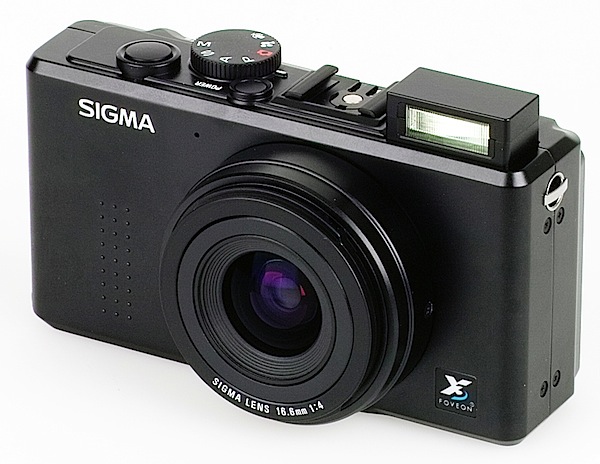
The DP3 Merrill looks like a bread-and-butter digicam in its all black livery with very few external controls, each id’d by clear white text. And little else.
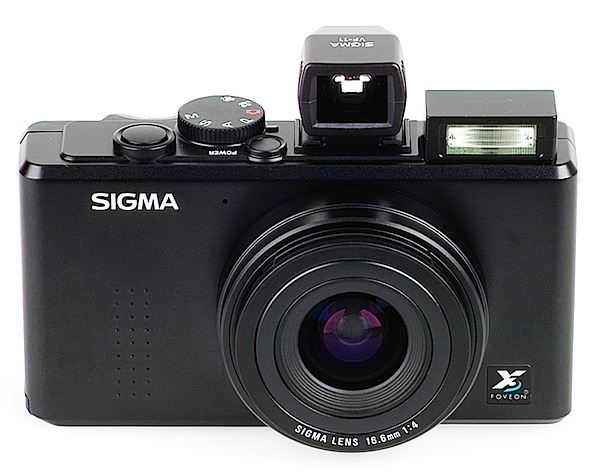
Sigma DP3 Merrill with VF.jpg

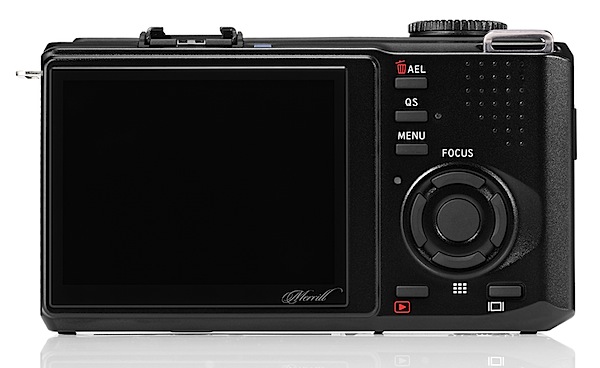
Sigma DP3 Merrill-Back.jpg

Controls

Top deck: flash hot shoe, button for mode selection and shutter plus a command dial that allows alteration to diaphragm, shutter speed and menu.

Rear: a button for AEL (exposure lock), doubling for trash; a QuickSet button that accesses commonly used functions like ISO, flash mode, metering and drive modes; the menu button which takes you into the not over-loaded menu options; the four way controller selects picture settings (contrast, sharpness, saturation) and focus pattern; replay; display on/off and other options.

If you want to select Program or shutter or aperture priority you tap the mode button. Simple!
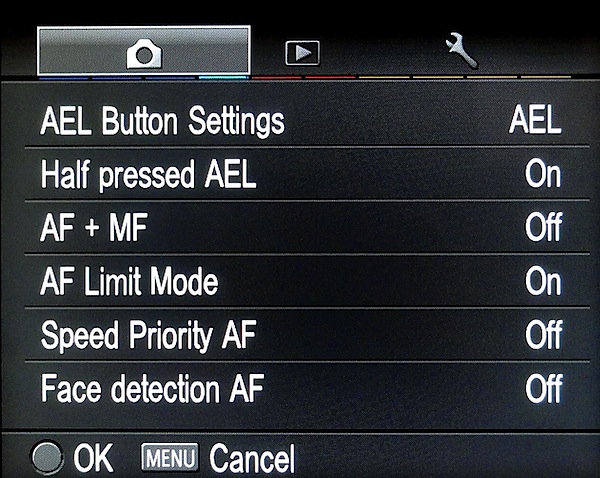
Menu.jpg

Sigma DP3 Merrill Features

The big headline with this camera is its Foveon X3 sensor that captures 46 million pixel still images. See below for an explanation.

The maximum image size is 4704×3136 pixels or 40x27cm as a printed image.

Video: A tiny 640×480 MPEG movie clip at 30fps. This camera is surely not for making movies.
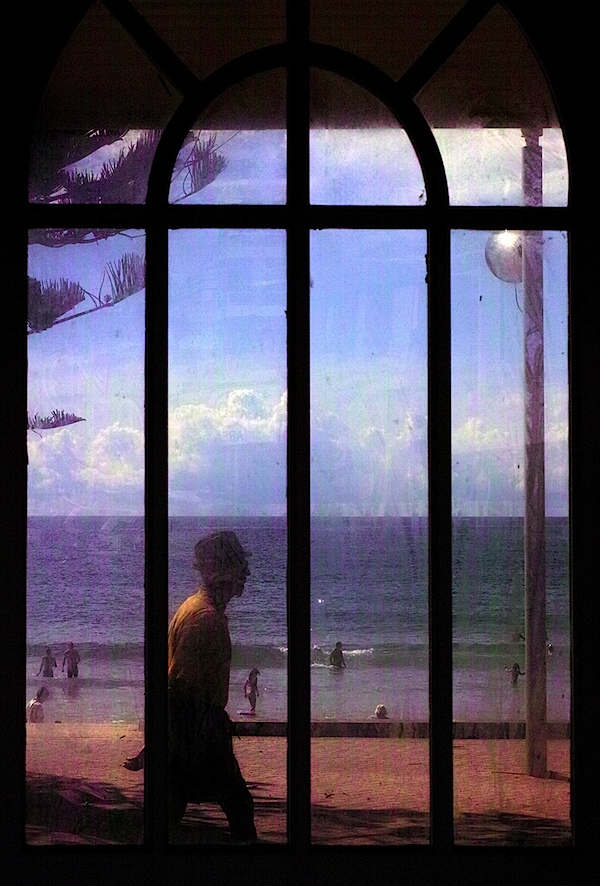
Beach window 5.JPG

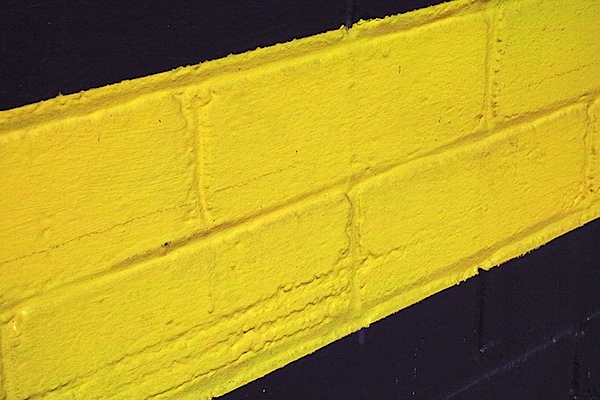
Brick wall 2.JPG

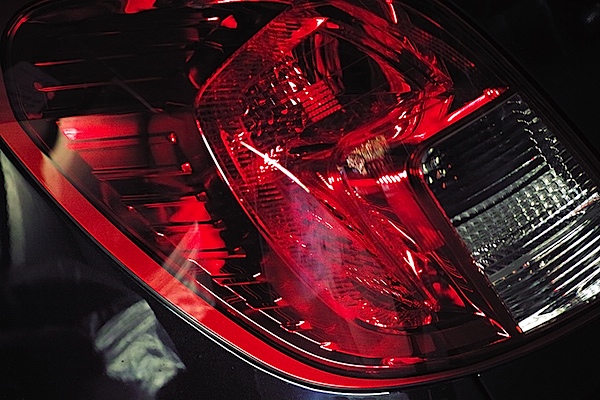
Car light.JPG

The fast f2.8/500 lens has a 35 SLR equivalent of 75mm, so it’s an ideal beast for shooting portraits, not general scenery. Macro? Ideal!

A large buffer memory enables the camera to capture up to seven RAW images per sequence in continuous shooting mode.

Auto focus has a multi point select mode that selects the desired focusing point from nine different frames and a free move mode that can move the desired point to any spot. Manual focus is also available by using the focus ring for focusing — just like an SLR!

Startup Time

It was three seconds after power was applied that I could take the first shot; follow-ons came in at a little over a second apart. Not fast!

Distortion

No problems.

Sigma DP3 Merrill ISO Tests

Now here is where the walls fall down!

Sigma DP3 ISO 100.JPG

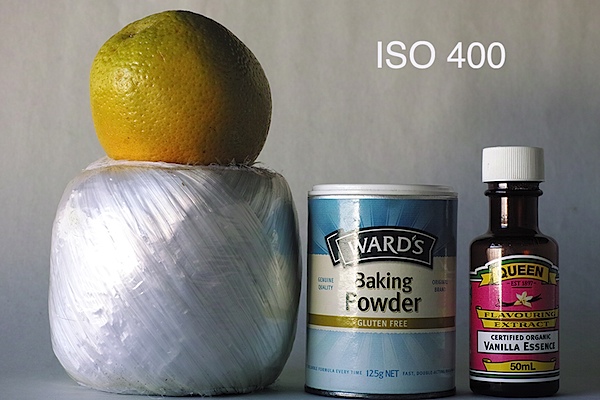
Sigma DP3 ISO 400.JPG

Sigma DP3 ISO 800.JPG

Sigma DP3 ISO 1600.JPG

Sigma DP3 ISO 3200.JPG

Sigma DP3 ISO 6400.JPG

My tests ran from ISO 100 to ISO 6400. On running the images on screen it was apparent that images in the range ISO 100 to 800 had no problems but when ISO 1600 was reached, a blue cast appeared.

Worse still, the ISO 3200 shot displayed even more problems, which became more severe at ISO 6400: these were noise, desaturation of the image and the appearance of horizontal ‘tracking lines.’

The camera’s selling agent was asked about this oddity and replied: ‘I have attached a few photos taken with the DP2 Merrill. You will note a similar pattern appearing on the photos as the ISO increases. This is seemingly a limitation of the Foveon sensor.

‘The most effective range of the camera that we have been able to ascertain is between 100 and 800.

‘I hope this sheds some light on the situation.’

‘The latest version of Sigma’s Photo Pro 5.5.1 software can correct some of the colour noise and further processing can help too.” Download at http://www.sigma-sd.com/download/photopro.html

‘When using the Sigma Photo Pro software you will notice that the initial image (in the RAW .X3F format) gets a lot crisper and the colour will correct to some extent when the software has rendered the image.

‘Further processing with Lightroom/Photoshop etc can reduce some of the noise.

‘But again, the camera’s effective ISO range is generally between 100-800 and this works across the current range [of cameras] and a lot of the older range of Foveon sensors.

‘One other thing about this camera is that you will get the best performance when shooting RAW images.’

I did not take the opportunity of using the software fix; it seemed to me that the high ISO problem is something that should have been attended to in the original camera design.

I have searched the Internet and found there is some limited comment about the problem.

Not a good look!

Sigma DP3 Merrill Review Verdict

Quality: I found the colour depth to be quite outstanding; sharpness was also excellent.

Why you’d buy the Sigma DP3 Merrill: compact, good quality lens, big sensor.

Why you wouldn’t: fixed, longish focal length too restricting; slow and hesitant AF.

Without doubt, a high level camera but the ISO problem is a serious deterrent for me.

Sigma DP3 Merrill Specifications

Image Sensor: 46 million effective pixels.
Sensor: 23.5×15.7mm Foveon X3 CMOS.
Lens: f2.8/24.2mm (75mm as 35 SLR equivalent).
Metering: Evaluative, centre-weighted, spot.
Exposure Modes: Auto, Program AE, shutter and aperture priority, manual.
Shutter Speed: 30 to 1/2000 second.
Memory: SD/SDHC/SDXC/MMC.
Image Sizes (pixels): Stills: 4704×3136 to 2336×1568.
Movies: 640×480.
Viewfinder: 6.35cm LCD screen (920,000).
File Formats: RAW, JPEG, RAW+JPEG, MPEG4.
ISO Sensitivity: Auto, 100 to 6400.
Continuous Shooting: 3 fps (4 JPEGs or 3 RAW).
Interface: USB 2.0, AV, audio out, DC input.
Power: Rechargeable lithium ion battery, DC.
Dimensions: 121.5×66.7×80.6 WHDmm.
Weight: 400 (body only).
Price: Get a price on the Sigma D3 Merrill Digital Camera at Amazon.

INFO

Foveon X sensor. How it differs:
To capture the color that other image sensors miss, Foveon X3® direct image sensors use three layers of pixels embedded in silicon. The layers are positioned to take advantage of the fact that silicon absorbs different wavelengths of light to different depths. The bottom layer records red, the middle layer records green, and the top layer records blue. Each stack of pixels directly records all of the light at each point in the image.
More info at www.foveon.com

Post originally from: Digital Photography Tips.

Check out our more Photography Tips at Photography Tips for Beginners, Portrait Photography Tips and Wedding Photography Tips.

Sigma DP3 Merrill Review


Digital Photography School

 
Comments Off on Sigma DP3 Merrill Review

Posted in Photography


Hidden camera captures a package’s journey from shipment to delivery

19 Apr

package.jpg

Dutch designer Ruben van der Vleuten was curious to know how many people and steps were involved between mailing and receiving a parcel, so he decided to find out. He installed a tiny 3MP camera in a parcel, built a timer circuit using Arduino (a simple single-board microcontroller designed to control devices.) and shipped it to himself. The timer of the circuit was set to make a 3 second video every minute and make longer videos while the box was moving. Click through to watch the results.

News: Digital Photography Review (dpreview.com)

 
Comments Off on Hidden camera captures a package’s journey from shipment to delivery

Posted in Uncategorized


Reflections on Shoot For Love

19 Apr

I have been spending a lot of time on the Shoot for Love project lately and haven’t been shooting much, ironically enough. If you’d like to participate in the latest …
Jake Garn Photography

 
Comments Off on Reflections on Shoot For Love

Posted in Uncategorized