RSS
 

Archive for April, 2013

browserFruits April #3

21 Apr

Es ist Frühling! Schnappt Euch die Kamera, setzt Euer schönstes Sonntagslächeln auf und springt hinaus, um die schönen Tage zu nutzen. Von rosa Blüten über zurückgekehrte Vögelchen bis hin zu fröhlichen Menschen ist sicher für jeden ein tolles Motiv dabei. Natürlich erst nach der Lektüre unserer Früchte.


Fotospecial: Zahlen

Flickr

500px


Deutschsprachig

• Endbahnhof: Kate Seabrook fotografiert eine U-Bahn-Linie nach der anderen – in Berlin.

• Zeit Online zeigt eine Bildserie des Fotografen Jason Lee, in der er sich mit der Verstädterung Chinas auseinander gesetzt hat.

• Am 27. April startet der Fotomarathon in Dresden.

• Der Fotografie-Preis „architekturbild“ 2013 wurde vergeben. Einige der Gewinnerbilder findet Ihr hier.

• Wo liegt die Zukunft der Analogfotografie? Das Team von X:enius ist dieser Frage mit einer 26-minütigen Sendung auf ARTE nachgegangen.


International

• Johnny Tergo fotografiert Leute auf der Straße. Aus seinem Auto heraus, das wiederum ein fahrbares Studio ist.

• Um das Lernen der technischen Grundlagen zu erleichtern, hat Canon eine superschicke Seite gebaut. Drückt mal Play.

• Wer sind eigentlich die 25 besten Architekturfotografen? Complex hat eine Liste zusammengestellt.

• Falls Ihr wissen wollt, was ein Teil Eurer Ausrüstung noch wert ist, dann speichert Euch doch die Gebrauchtpreisliste von fotoversicherung.com.

• Someone I know: Fotografen portraitieren Menschen, die sie kennen und machen ganz nebenbei ein wunderbares Projekt.

• 25 zum Teil bemerkenswerte Beispiele für gute Schattenfotografie.

• Austronaut @Cmdr_Hadfield fotografiert die Erde aus dem Weltwall und macht dabei sagenhafte Aufnahmen.

• Eine aufgeräumte Mischung aus Dokumentation und Architekturfotografie: Das Essay von Vincent Fillon über Olympiades, die steingewordene Moderne im 13. Arrondissement von Paris.

• Ein Highlight der Woche: Die verträumt-filmreifen Aufnahmen des Weerapong Chaipuck.

• Richard Heeks fotografiert Seifenblasen und nimmt dafür ewig lange Vorbereitungszeit in Kauf.

• Der israelische Straßenfotograf Natan Dvir zeigt Menschen vor übergroßen Werbeflächen in New York City.


Neuerscheinungen und Tipps vom Foto-Büchermarkt

buchtip

• Ihr wolltet schon immer Bilder aus dem Magnum Archiv im Bücherregal stehen haben? Mit dem Bildband „Magie der Bilder“* ist dies für den sehr schlanken Preis von 19,95 € möglich.

• 80 Gewölbe europäischer Kirchen, Basiliken und Kathedralen hat das Buch „Die schönsten Gewölbe Europas: Von der Romanik bis zur Gotik“* versammelt. Fotografiert von David Stephenson und für 39,95 € erhältlich.


Videos

Rune Guneriussen über seine Installationen mit Alltagsgegenständen und wie sie zu Fotos werden, die in den exklusiven Galerien der Welt hängen.


Fotogeschichte: Von der Camera Obscura bis zum Smartphone in 5 Minuten.


Ausstellungen

ERIC MARRIAN Nude | Carré Blanc · Javel
Zeit: 14. März – 27. April 2013 (verlängert!)
Ort: immagis Galerie, Franziskanergasse 1, 97070 Würzburg
Link

Michael Schnabel: Nachtstücke
Zeit: 20. März – 31. Mai 2013
Ort: Persiehl & Heine, Bergstraße 11, 20095 Hamburg
Link

Gerry Johansson – Deutschland.
Zeit: 18. April – 31. Mai 2013
Ort: FREELENS Galerie, Steinhöft 5, 20459 Hamburg
Link

„Ausgezeichnet“
Zeit: 11. März – 31. Mai 2013
Ort: The Cube, Deutsche Börse Group, Mergenthalerallee 61, 65760 Eschborn
Link

Chema Madoz
Zeit: 19. April – 1. Juni 2013
Vernissage: 19. April, 19 Uhr
Ort: photo edition berlin, Ystaderstr. 14a, 10437 Berlin
Link

Katastrophe & Idylle
Zeit: 26. April – 1. Juni 2013
Ort: Wagner + Partner, Strausberger Platz 8, 10243 Berlin
Link

Christian Reister / Kay von Aspern: Wien + Berlin
Zeit: 1. Mai – 1. Juni 2013
Vernissage: 30. April 2013, 19 Uhr. Die Künstler sind anwesend.
Ort: EIGENSINNIG. Schauraum für Mode und Fotografie, Sankt-Ulrichs-Platz 4, 1070 Wien
Link

billy&hells
Zeit: 12. März – 6. Juni 2013
Ort: Atelier Jungwirth, Opernring 12, Graz
Link

Michael Wesely – Human Scales
Zeit: 27. April – 8. Juni 2013
Ort: Alexander Ochs Galerie, Besselstr. 14, 10969 Berlin
Link

IN SPACE NO ONE CAN HEAR YOUR BEAUTY
Zeit: 27. April – 8. Juni 2013
Ort: Fotowerkstatt & Galerie Norbert Nieser, Grosse Falterstrasse 31/3, 70597 Stuttgart
Link

The Kennedys: Family Life
Zeit: 26. März – 9. Juni 2013
Ort: The Kennedys, Auguststraße 11-13, 10117 Berlin
Link

Olaf Tiedje „yarn objects“
Zeit: 14. März – 13. Juni 2013
Ort: HeadEgg, Trogerstraße 19, 81675 München
Link

Mehr aktuelle Ausstellungen


* Das ist ein Affiliate-Link zu Amazon. Wenn Ihr darüber etwas bestellt, bekommen wir eine kleine Provision, Ihr bezahlt aber keinen Cent mehr.


kwerfeldein – Fotografie Magazin
 
Comments Off on browserFruits April #3

Posted in Equipment


Travel Photography ~ Think Outside The Postcard When Photographing Famous Landmarks

21 Apr

How many of you have found yourselves in front of an iconic landmark and felt discouraged because every possible shot had already been made by thousands of tourists before you? You are on the trip of a lifetime. Your goal is certainly not to bring back pictures that look like the postcards at the souvenir shop.

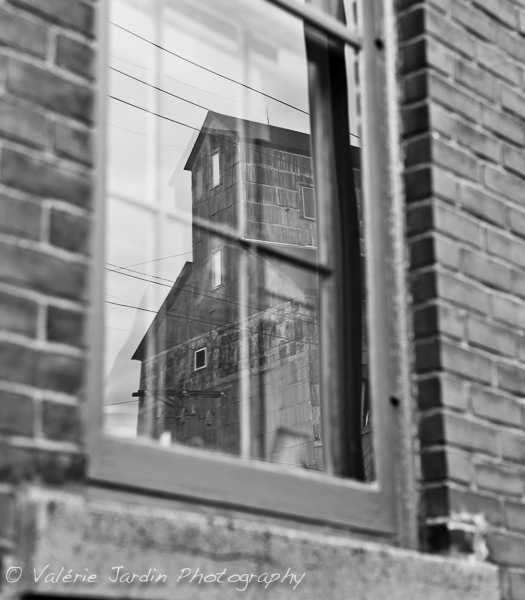
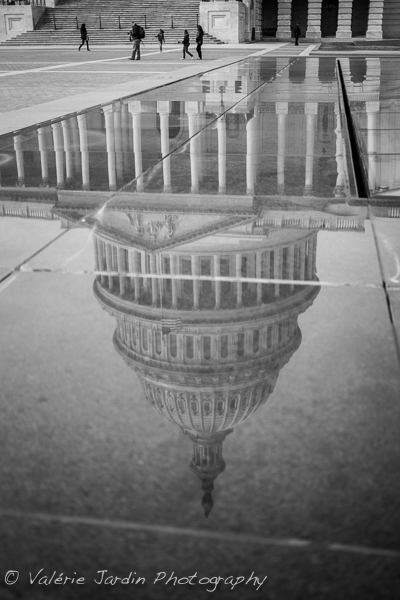
Photographing a reflection of a famous landmark such as the US Capitol in DC was a good way to avoid the cliché shot that every other tourist snaps daily. Adding the human element adds a sense of scale.

Photographing a reflection of a famous landmark such as the US Capitol in DC was a good way to avoid the cliché shot that every other tourist snaps daily. Adding the human element adds a sense of scale.

Here are a few tips to ‘think outside the postcard’ when you photograph a famous landmark:

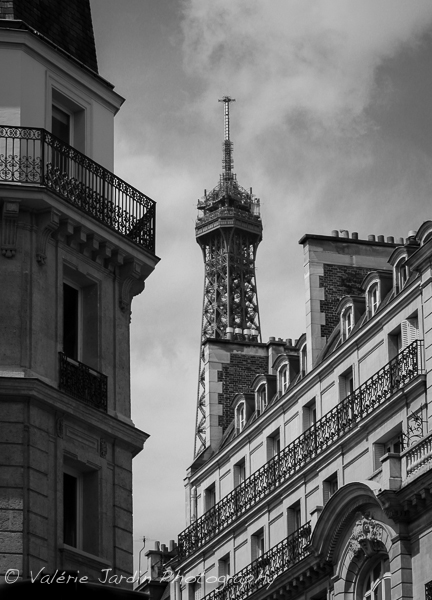
Get the cliché shot out of the way. You won’t feel right unless you do. So go ahead and photograph the Eiffel Tower the way you see it in your head when you close your eyes. Got the shot? Okay, now think of different ways you could photograph it and create your OWN iconic images of the same subject. Frame it with trees, look for its reflection in a window or a puddle, include it with the local architecture, shoot it as a silhouette, etc. The sky is the limit, you just have to train yourself to look for those unconventional frames.

Afraid that you are going to miss other opportunities while you are looking for different ways to see? Practice at home! Every town has its own iconic landmark, even yours. It may not be a grandiose building, but it doesn’t matter. Whether it is the local historic grain elevator, or the statue of a famous local politician, go out with your camera and see it for the first time again. Work your scene and find a creative way to frame it.

Don’t forget to include people in your frame. They add interest, life and movement to your images. They also add a sense of scale which works well when photographing massive buildings.

This simple exercise will change the way you see photographically. The more you practice, the quicker you will spot those interesting shots when you visit a new place. Your pictures will never be boring again!

Practice at home!  This historic grain elevator may not be grand but it is one of the landmarks in a small river town near my home.

Practice at home! This historic grain elevator may not be grand but it is one of the landmarks in a small river town near my home.

Think of a different way to photograph a famous landmark by including local architecture in the foreground for example.

Think of a different way to photograph a famous landmark by including local architecture in the foreground for example.

Post originally from: Digital Photography Tips.

Check out our more Photography Tips at Photography Tips for Beginners, Portrait Photography Tips and Wedding Photography Tips.

Travel Photography ~ Think Outside The Postcard When Photographing Famous Landmarks


Digital Photography School

 
Comments Off on Travel Photography ~ Think Outside The Postcard When Photographing Famous Landmarks

Posted in Photography


How to Choose Your Next EOS Camera: Part Two

21 Apr

01.jpg

This article is written by Andrew S. Gibson, the author of Understanding EOS, on sale now at Snap N Deals for a limited time.

Note: This article is about Canon’s semi-professional and professional EOS cameras. You can read about its entry level models in my previous article.

Semi-professional cameras

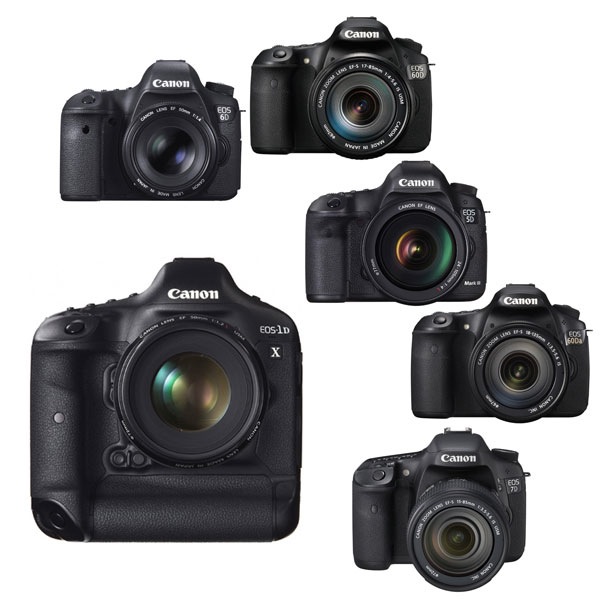
This group of EOS cameras is aimed at semi-professional photographers and serious hobbyists. Don’t let that put you off if your budget stretches to one of these models and you’re looking to buy your first EOS camera. There is nothing intrinsically more complicated about these models. In some ways they are even simpler to use as most of them don’t have the automatic exposure modes (portrait, landscape etc) that come on entry-level models.

The main differences between these cameras and entry level models are:

Size and weight. These cameras are bigger and heavier than entry-level models. Most of them have bodies constructed from magnesium alloy frames and are built to last.

Quick control dial. Entry-level models use a set of four cross keys to dial in exposure compensation and make other adjustments. Semi-professional (and professional) EOS cameras use the Quick Control dial instead. This makes it easy to dial in exposure compensation while looking through the viewfinder and simplifies the photo taking process.

Autofocus. Two of these models (the EOS 7D and 5D Mark III) have a much more advanced autofocus system than the entry level cameras and are suitable for shooting moving subjects such as sports and wildlife.

Full-frame. Both the EOS 6D and 5D Mark III have full-frame sensors. Cameras with full-frame sensors cost more but give better image quality and improved high ISO performance over cameras with APS-C sensors.

Names. These cameras have the same name no matter where they are sold.

02.jpg

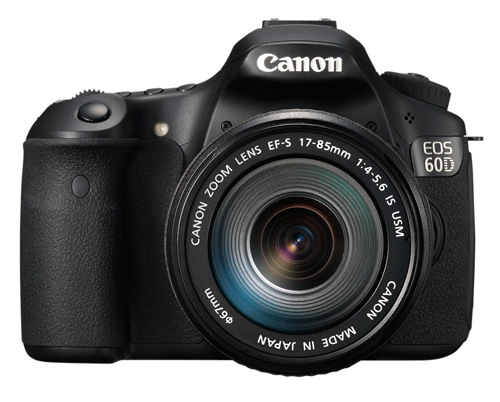
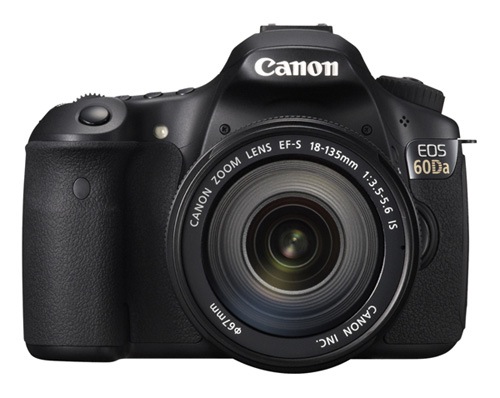
EOS 60D

September 2010

Key specs:

  • 18 megapixel APS-C sensor
  • 9 point AF with 9 cross-type sensors
  • 63 zone evaluative metering
  • Live View and movie mode
  • DIGIC 4 processor
  • Uses SD cards
  • Three inch vari-angle LCD display
  • Built-in flash with wireless flash control

The EOS 60D is bit of an oddity in that it has a smaller and lighter body than the previous models in the xxD range like the EOS 40D and 50D. In terms of size, weight and features the EOS 60D occupies the middle ground between the EOS 700D and 7D. However, the 700D, being much newer, has a few advanced features that the 60D doesn’t have such as a touchscreen menu system and hybrid AF for improved autofocus performance in Live View and movie mode.

The EOS 60D is a fine camera to learn photography with but the age of the model does suggest that Canon may replace it with an EOS 70D sometime this year. Whether the 70D will retain the body size of the 60D or return to the larger sizes of its predecessors remains to be seen. However, in the meantime the EOS 60D represents great value for money.

While lagging slightly behind the EOS 700D in terms of specification, it has a much more professional feel in the hand, and the Quick control dial is a great asset. If you’re trying to decide between the 700D and the 60D, it’s a good idea to try both out in a camera store. That’s the best way to appreciate the difference between the two.

03.jpg

EOS 60Da

April 2012

Key specs:

  • 18 megapixel APS-C sensor
  • 9 point AF with 9 cross-type sensors
  • 63 zone evaluative metering
  • Live View and movie mode
  • DIGIC 4 processor
  • Uses SD cards
  • Three inch vari-angle LCD display
  • Built-in flash with wireless flash control

The EOS 60Da is a modified version of the EOS 60D designed specifically for astrophotography. It contains a powerful infra-red filter that increases hydrogen-alpha light sensitivity by 300%. This means that it can capture light wavelengths emitted by deep space gases normally blocked by the low-pass filters in regular digital SLRs. This camera is a specialised tool for photographing stars and nebulae in space, and not intended for ‘regular’ photography.

04.jpg

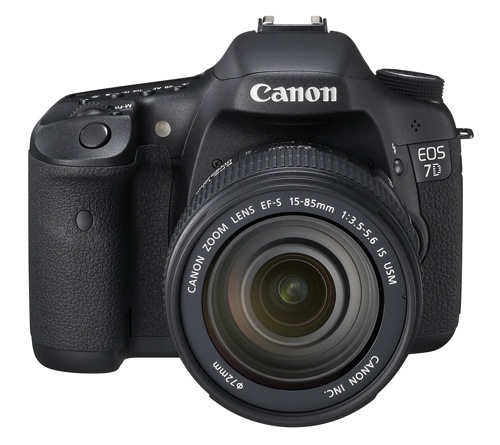
EOS 7D

October 2009

Key specs:

  • 18 megapixel APS-C sensor
  • 19 point AF with 19 cross-type sensors
  • 63 zone evaluative metering
  • Live View and movie mode
  • Dual DIGIC 4 processors
  • Uses CF cards
  • Three inch fixed LCD display
  • Built-in flash with wireless flash control

The oldest model in the current EOS lineup, the EOS 7D marked a turning point in EOS camera design when it was released in 2009. It was the first APS-C camera to feature an advanced autofocus system capable of accurately focusing on and tracking moving subjects. It has 19 cross-type autofocus points (entry level models have 9 point AF arrays) plus other innovative features such as the electronic level and built-in Speedlite transmotter that have since been included in other EOS cameras. Despite its ‘age’ it’s still a very capable camera and the least expensive EOS camera to feature advanced autofocus.

The big question is will Canon release a 7D Mark II in 2013 and if so how much will it cost and how good will the autofocus be? In the meantime, the EOS 7D is another camera that represents excellent value for money. It is ideal for photographers who photograph sports, wildlife or any other moving subject and need an AF system capable of keeping up.

05.jpg

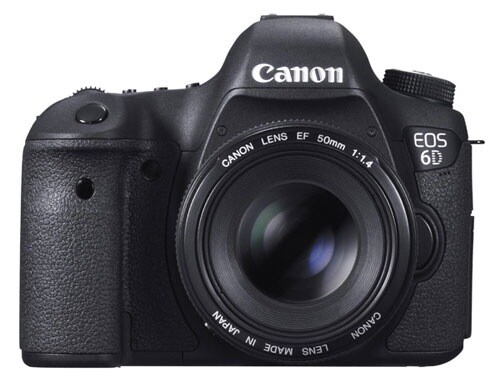
EOS 6D

November 2012

Key specs:

  • 20.2 megapixel full-frame sensor
  • 11 point AF with 1 cross-type sensor
  • 63 zone evaluative metering
  • Live View and movie mode
  • DIGIC 5+ processor
  • Uses SD cards
  • Three inch fixed LCD display
  • No built-in flash
  • Built in Wi-Fi and GPS connectivity

The EOS 6D is less expensive, smaller and lighter than Canon’s other two full-frame EOS cameras, the EOS 5D Mark III and 1D-X.

Unique features include an 11 point autofocus system that Canon claims is the best in low light of any EOS camera and built-in Wi-Fi and GPS transmitters (it is sold in some countries without the latter two features where forbidden to do so by laws regarding radio transmission).

The Wi-Fi lets you tether the camera wirelessly to a computer and will be appreciated by anybody who works in a studio or has bought a dedicated Wi-Fi transmitter separately (expensive!) and struggled to get it to work. The GPS transmitter, if enabled, records your location in the photo’s metadata and will be a useful feature for some.

The EOS 6D, like Canon’s other full-frame cameras, doesn’t have a built-in flash or Speedlite transmitter for controlling Speedlite flash units remotely.

06.jpg

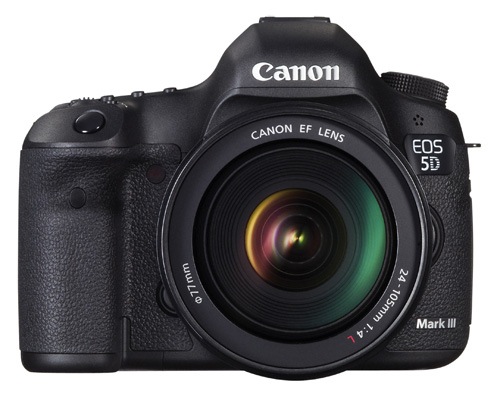
EOS 5D Mark III

March 2012

Key specs:

  • 22.3 megapixel full-frame sensor
  • 61 point AF with 41 cross-type sensors
  • 63 zone evaluative metering
  • Live View and movie mode
  • DIGIC 5+ processor
  • Uses CF and SD cards (dual card slots)
  • Three inch fixed LCD display
  • No built-in flash

This is the latest model in the venerable 5D range and is used by many professional photographers. While the most expensive of the models reviewed so far, it also has the best autofocus system (61 point array), high ISO performance, dual CF and SD card slots and a 22.3 megapixel sensor. If you can afford it you won’t be disappointed by any aspect of this camera. It is a tool that will serve you faithfully for many years to come.

Professional cameras

Canon’s top of the line EOS 1 series cameras are aimed at professional photographers. They are big, heavy and expensive, built to withstand just about anything the working pro can throw at them. There is just one current model:

07.jpg

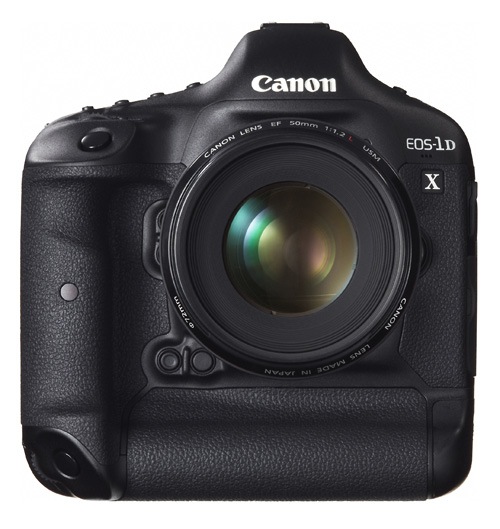
EOS 1D-X

April 2012

Key specs:

  • 18.1 megapixel full-frame sensor
  • 61 point AF with 41 cross-type sensors
  • 252 zone evaluative metering
  • Live View and movie mode
  • Dual DIGIC 5+ processor plus a DIGIC 4 processor dedicated to AF processing
  • Uses CF and SD cards (dual card slots)
  • Three inch fixed LCD display
  • No built-in flash

The best camera in the EOS range by far. I’ve used one and the look, feel and quality just blows the other cameras away completely. Which, considering the price, is exactly what you’d expect.

The EOS 1D-X has an 18.1 megapixel full-frame sensor, 61 point autofocus, 12 frames per second continuous shooting speed, two DIGIC 5+ processors, a weatherproofed body and a maximum ISO of 204,800. It has a built-in portrait grip and a large battery that outlasts every other Canon battery.

If you’re in the market for this camera bear in mind the extra size and weight may be a disadvantage. Take the EOS 5D Mark III into consideration when making your buying decision. The money saved on the body could be used towards some good quality glass.

Final thoughts

Recent advances in digital camera technology mean that there has never been a better time to buy a new camera body, regardless of which brand you use. The recent expansion of Canon’s line-up with the launch of the EOS 100D and 700D means that Canon users have a greater choice of camera bodies than ever before, which can only be a good thing for the consumer.

Understanding EOS

It’s wise to remember that whichever camera you have, it’s only a tool. Photographers create photos, cameras just take them. An understanding of the principles of light and composition are just as important as which model you own.

08.jpg

This is the principle behind my ebook Understanding EOS, which I wrote to help people learn to use their EOS cameras. It’s available now at Snap N Deals for a special price for a limited period. Whichever EOS camera you own, it’s the essential accessory to help you get the most out of your camera. Grab it today (at 30% off) at SnapNDeals.

Post originally from: Digital Photography Tips.

Check out our more Photography Tips at Photography Tips for Beginners, Portrait Photography Tips and Wedding Photography Tips.

How to Choose Your Next EOS Camera: Part Two


Digital Photography School

 
Comments Off on How to Choose Your Next EOS Camera: Part Two

Posted in Photography


Cranking Out Memories: Analog Playback for Digital Videos

20 Apr

[ By Delana in Gadgets & Geekery & Technology. ]

bioscope hand crank camera

Being able to store old videos in digital formats has helped preserve some of the world’s most important footage. It has also helped us keep all of our old family memories intact without worrying about ever losing that video of Dad at the beach or the family at Disneyland. The problem with digital, though, is that it takes away a certain kind of connection to the video.

digital analog video camera

The Bioscope is an interesting project from Jon Stam and Simon de Bakker that reappropriates digital, previously-analog footage into a once-again analog format. The Bioscope is a kind of hand-held one-person cinema experience. Its shape was based on a child’s video viewer toy, a small plastic device through which one could look while turning a hand crank. A video would magically play through the viewfinder, much to the amazement of the child lucky enough to play with this amazing toy.

bioscope camera

The same kind of wonder and amazement are recreated with the Bioscope. Digital video is fed into the device via a USB stick. From there, the functionality is up to the user. Turning the crank on the side quickly will make the video play fast; turning it slowly will play the video back in nostalgia-filled slow motion. The movement of the pictures is entirely up to you; if you stop cranking, the pictures stop moving.

While it is an unusual step backward in technology, the creators insist that this is necessary for us to again become connected to our data, to our memories, to our lives. Interacting with our memories in this more tactile, physical way allows us to form new bonds with them and attach new emotions to those images captured long ago.

Share on Facebook


[ By Delana in Gadgets & Geekery & Technology. ]

[ WebUrbanist | Archives | Galleries | Privacy | TOS ]


WebUrbanist

 
Comments Off on Cranking Out Memories: Analog Playback for Digital Videos

Posted in Creativity


20. April 2013

20 Apr

Ein Beitrag von: Christian Beirle González

Black Dog and Blue Shape


kwerfeldein – Fotografie Magazin

 
Comments Off on 20. April 2013

Posted in Equipment


Corviale

20 Apr

Ein Beitrag von: Ben Mezoudj

In der Woche vor Ostern war ich für eine Woche in Rom, um meine Schwester, die dort seit zehn Jahren mit ihrem Partner lebt, zu besuchen. Ausgerüstet mit einer handlichen, unauffälligen EOS-M, der recht neuen spiegellosen Kamera von Canon, hatte ich eigentlich nur vor, moderne Architektur, Museen und einige Galerien in Rom zu fotografieren.

Nachdem ich am ersten Tag das MAXXI von Zaha Hadid fotografiert habe, standen am zweiten Tag das MACRO Museum und die Kirche Dio Padre Misericordioso von Richard Meier auf dem Plan.

Abends erzählte mir meine Schwester beim Essen von Corviale, eigentlich Nuova Corviale, einem gigantischen Wohnblock am Stadtrand von Rom. Corviale wurde von 1975 bis 1982 nach Plänen des Architekten Mario Fiorentino im Südwesten Roms errichtet.

Corviale © Ben Mezoudj

Der Betonblock ist 958 Meter lang und gilt als das längste Hochhaus Europas. Es gilt vielen als der Inbegriff aller Verfehlungen moderner Architektur, als gescheitertes Experiment utopischer Stadtplanung. Ein Problem des Corviale ist seine isolierte Lage weit vor den Toren Roms.

Was den Stadtplanern als optimale Voraussetzung erschien, nämlich quasi auf der grünen Wiese zu bauen, also auf einem historisch und städtisch unvorbelasteten Gelände, erwies sich für die Bewohner eher als Nachteil: Wer hier wohnt, lebt in der Peripherie, am Rande des Geschehens und die vorhandene Infrastruktur bietet nur wenige Verbindungen ins Zentrum.

Aber nicht nur die ferne Metropole ist ein Problem, es erscheint auch fast unmöglich, den Corviale auf eine sinnvolle Weise in das unmittelbare Umfeld zu integrieren. Einsam überragt der Betonklotz die Landschaft, ohne Bindung und Bezug zur Umgebung.

Corviale © Ben Mezoudj

Auf der einen Seite des Gebäudes erstreckt sich ein unübersehbares Meer schnell hochgezogener Durchschnittsbauten, meist wesentlich kleiner dimensioniert, aber ohne klar erkennbare städtische Struktur und wesentlich chaotischer als es die seinerzeit verpönten Altstädte jemals waren.

Corviale ist ein berühmt berüchtigtes Wohnviertel und als recht gefährlich verrufen. Illegale Wohnungen; Mieter, die keine Miete zahlen; Drogenhandel und ein Polizeipräsidium, das keinen wirklichen Schutz bietet, zeichnen Corviale, ironisch auch „Il Palazzo“ genannt, aus.

Corviale © Ben Mezoudj

Auf zehn Geschossen leben offiziell 6.000 Menschen, man kann aber eher von 9.000 bis 10.000 Bewohnern ausgehen. So ist die komplette 4. Etage illegal bewohnt, denn hier sollten eigentlich Geschäfte, Praxen und Büros angesiedelt werden.

Allerdings wurde diese schon vor der Fertigstellung Corviales durch die Mietpreisexplosion in der Innenstadt illegal besetzt. Bei den Römern hat dieser Bau die Spitznamen Il Serpente (die Schlange) und auch Il Mostro (das Monster).

Corviale © Ben Mezoudj

Ganz fertiggestellt war der Corviale auch zum Zeitpunkt der offiziellen Eröffnung 1982 nicht und bis heute finden sich hier und da noch vorläufige und improvisierte Lösungen, während an anderen Stellen schon der Zahn der Zeit nagt.

Der Komplex blieb in den folgenden Jahren weitgehend sich selbst überlassen, mit der fast zwangsläufigen Konsequenz, dass sich eine Grauzone aus Schattenökonomien, Illegalität und Rechtlosigkeit entwickelte.

In den italienischen Medien tauchte der Corviale fast nur noch im Zusammenhang mit organisierter Kriminalität, Drogenhandel und Prostitution auf und es gehört zum Standardrepertoire populistischer Kommunalpolitiker, die Umsiedlung der Bewohner und die Sprengung des gesamten Komplexes zu fordern.

Corviale © Ben Mezoudj

Wir sind also noch am gleichen Abend dahin gefahren. Allerdings war es meiner Schwester zu riskant und sie riet mir davon ab, dort abends mit der Kamera herumzulaufen. Sie kennt eine Bewohnerin in Corviale und hat mir viel Erstaunliches erzählen können.

Am nächsten Tag sind wir vormittags hingefahren. Ausgerüstet mit einem 18-55 mm Objektiv und einem kleinen Blitz habe ich versucht, Corviale zu erfassen.

Corviale © Ben Mezoudj

Und obwohl die Umgebung nicht einladend war, haben wir uns entschlossen, den Bau auch von innen zu erkunden. Da meine Schwester perfekt Römisch spricht, war es auch einfach, die Bewohner anzusprechen.

Es war etwa Mittagszeit und nur wenige Menschen waren anzutreffen. Zunächst haben wir sie angesprochen und gefragt, ob sie dort wohnen. Dann hat meine Schwester sie höflich gefragt, ob ich sie fotografieren darf. Die meisten waren aufgeschlossen und neugierig, eine Frau kam auf uns zu und wollte wissen, ob in Corviale nun was passiert.

Corviale © Ben Mezoudj

Wir erklärten ihr, dass wir Fotos über Architektur am Rande Roms machen. In dieser unheimlichen Kulisse zeigten die Bewohner dennoch Stolz und Würde, auch wenn die Perspektiven in Corviale nicht wirklich aussichtsreich sind. Ein paar jüngere Männer hatten allerdings gar kein Interesse an Fotos, da sie wohl gerade von einem Dealer kamen.

Mir hat besonders gefallen, wie einige Bewohner mit Pflanzen vor der Wohnung etwas Farbe in diesen Block brachten und so etwas Natur ins Haus holen. Dazu muss ich sagen, dass ich in den letzten Monaten viele Landschaftsfotos gemacht habe.

Corviale © Ben Mezoudj

Typisch für meine Fotos ist, dass sie (fast) nie Menschen zeigen. Hier war es anders, ich habe es als erforderlich empfunden, auch die dort lebenden Menschen zu zeigen.

Ich habe erst nach meiner Rückkehr mehr über Corviale gelesen und recherchiert. Mir ist dabei aufgefallen, dass es nicht wirklich viele gute Fotos aus dessen Innenleben gibt. Ich glaube, dass Corviale keine 50 Jahre mehr existieren wird. Sicher ist es ein Lösungsansatz, in großen Gebäuden wie Corviale viele Menschen unterzubringen. Aber für die Bewohner ist Corviale ein Stigma.

Corviale © Ben Mezoudj Corviale © Ben Mezoudj

Wer in Corviale lebt, ist am Rande der Gesellschaft. Als Sohn eines Einwanderers kann ich das gut nachvollziehen und halte Ghettobildung für fatal. Integration findet dort nicht statt. Darum war es mir ein großes Bedürfnis, an diesem Beispiel zu zeigen, wie brutal diese Architektur am Rande der Stadt ist.

Die Bildbeschreibungen auf meiner Webseite sind sicher nicht objektiv. Aus meiner Sicht gibt es auch keine Objektivität in der Fotografie. Schon die Wahl eines Bildausschnittes ist subjektiv und niemals ist ein Foto die Abbild der Realität, sondern nur ein Blick auf eine bestimmte subjektive Wirklichkeit.

Corviale © Ben Mezoudj

??Mein Lieblingszitat, das ich auch als Motto auf meiner Facebook-Seite gepostet habe, stammt von Werner Heisenberg (dt. Physiker, Nobelpreis 1932):

Die Wirklichkeit, von der wir sprechen können, ist nie die Wirklichkeit an sich, sondern eine von uns gestaltete Wirklichkeit.


kwerfeldein – Fotografie Magazin
 
Comments Off on Corviale

Posted in Equipment


When the line blurs between photography and photojournalism

20 Apr

The-second-explosion-at-t-001.jpg

British sports photographer Tom Jenkins has written a thought-provoking article for The Guardian about how quickly sports stories can turn into breaking news events. In the aftermath of the bomb attacks at the Boston Marathon, Jenkins draws parallels with past tragedies including the Hillsborough disaster, which occurred on the same day 24 years earlier. Jenkins also adds personal reminiscences about how he has made the transition from sports to ‘news’ photography in the past. Click through for excerpts and a link to the full article at The Guardian.

News: Digital Photography Review (dpreview.com)

 
Comments Off on When the line blurs between photography and photojournalism

Posted in Uncategorized


Carsten Krieger takes us on a photographic tour of Ireland

20 Apr

CKP_Landscape_Burren_091020124.jpg

Ireland is a fantastically varied place with a lot to offer the travelling landscape photographer. In this three page article, Carsten Krieger explains Ireland’s enduring appeal to photographers and as well as travel advice, he shares some of his own work, captured all over the ’emerald isle’. Click through to read his article, ‘Ireland: A Photographers’ Guide’. 

News: Digital Photography Review (dpreview.com)

 
Comments Off on Carsten Krieger takes us on a photographic tour of Ireland

Posted in Uncategorized


Studio Lighting: Unravelling the Complexity of Multiple Lights

20 Apr

As one gets started in studio lighting I think it is pretty common to get over ensconced in the lighting scenarios. It is funny because everything you read tells you to start with one light until you really start getting a feel for how to shape, angle and manipulate it with purpose. Most of us end up getting lost in multiple light set-ups struggling to find proper lighting solutions. I was not any different.

Soon after I got started, I found myself using 4-5 lights in every setup and then getting frustrated with the nuclear explosion of light that was going off with each shutter click. It makes me laugh now, because at the time I was solely focused on getting light on the subject, background and in most cases everything else in the room that was touched by the mushroom cloud of illumination. I did not understand the importance of shadow, shape, depth and form.

Maturing with studio lighting takes time and patience, and always remember that each light should have a specific purpose. Understanding how to build the lighting with intent in mind takes plenty of practice and a fair number of mistakes and experimentation. Just remember to keep an open mind and never stop learning from both your successful and failed attempts. So, let’s get down to business and walk through a more challenging lighting set-up being mindful of the reasons and rational for each lights use.

Creative Winter-106(sRGB-websize)

Concept

In pre-planning for any shoot it is always good to have some structure and direction to the idea or concept. Some focus, no matter how vague, will always be helpful. Understand what sort of mood, feel or emotion you hope to portray and have some insight into what you want presented in your final image. In the shoot presented in this article, the overall theme was a creative portrait based on the beauty of ice, winter and cold.

This already set most of my color palette to blues, whites, silvers and other cooler tones. I also wanted to give a feeling like the model was being seen through a pane or block of ice and knew I wanted some crystal like texture incorporated. Simply put, I needed a lighting set-up that would maximize the crystalline texture, but that would also provide a flattering light for the model. Sounds simple right?

Lighting Plan

Let’s think through this lighting for a moment. In order to light for texture, one needs to light from the side so that the light skims the texture and creates shadows that give some shape, depth and form to the surface. Great! We can side light our crystalline forms. Oh but wait, if we side light the model we are likely going to see every blemish, hair or imperfection on the skin and either are going to resort to a lengthy saddle-sore ridden editing session, or have a very unflattering photo of our model.

How can I get a nice beautiful light on my model? I know, butterfly or clam shell lighting provides a very flattering look and has a way of smoothing out the complexion. Awesome! But wait, if I front light the texture, I will lose the depth and form of the crystals. Quite a conundrum, huh? Well, at least it provides a framework to help me set-up my lighting. I want some sort of combination of side lighting and butterfly lighting that will accomplish both of my needs. Lets break it down in a diagram.

LightingSetup

Set-up

All make-up and styling was performed by the amazingly creative Dina Bree. The model, Leslie, was shot against a blue seamless background through a piece of plexiglass that had been treated to create a crystalline or frozen texture. White and silver confetti was released over the model during shooting to gain an effect as if snow was falling lightly.

I had two strip boxes, one on either side of the plexiglass skimming the surface and providing some side lighting to the model. The key light was a diffused beauty dish that was placed directly above the plexiglass and angled down at the model and positioned so that it would not spill light on the textured surface. My fill light was a 7” reflector with blue gel bounced off of the floor beneath the plexiglass up at the model again trying to avoid spill on the plexiglass. I knew I wanted both the textured surface and the model in sharp focus so I chose a very small aperture at f/16 to gain a large depth of field.

Thus, I had found a pleasant combination of side lighting and butterfly lighting to accomplish my goals within the original framework I had outlined.

When I conceived the idea for this shoot, I have to admit I was not sure if I could pull it off effectively. I knew the lighting would be tricky and that it could take some subtle changes or modifications as I progressed through the shoot. I also knew that it could be a complete disaster with an ultimate failed result. Either way it was going to be a great learning opportunity. Lighting with intent and purpose is critical as you move into multiple light set-ups. Planning and understanding the need for each light serves to unravel a lot of the complexity encountered in studio lighting scenarios.

Also, don’t be afraid to experiment within the set-up. This final shot was a fantastic accident as I decided to turn the key light off for some production shots and I got a whole new look and feel to the image. Take your time and think it through and make sure you have an idea of where you are going before you start. There is no need to fly completely blind. Be confident, clever and calculated and you will soon find that you can amaze yourself and satiate that starving creative beast inside you with a nice healthy meal.

Creative Winter-314-Edit(sRGB-websize)

Post originally from: Digital Photography Tips.

Check out our more Photography Tips at Photography Tips for Beginners, Portrait Photography Tips and Wedding Photography Tips.

Studio Lighting: Unravelling the Complexity of Multiple Lights


Digital Photography School

 
Comments Off on Studio Lighting: Unravelling the Complexity of Multiple Lights

Posted in Photography


Pentax updates firmware for K-5 II/IIs DSLRs and Q mirrorless camera

20 Apr

pentax_k5iis.png

Pentax has released firmware updates for its K-5 II, K-5 IIs DSLRs and Q mirrorless cameras. Firmware version 1.04 for the K-5 II and IIs improves overall stability and resolves an issue where some of the controls stopped working on the cameras’ status screens. The update Pentax Q firmware v1.12 resolves issues regarding one of its Smart Effect filters. The updates are available for immediate download from the company’s website – click through for download links.

News: Digital Photography Review (dpreview.com)

 
Comments Off on Pentax updates firmware for K-5 II/IIs DSLRs and Q mirrorless camera

Posted in Uncategorized