RSS
 

Archive for March, 2013

Destination: Alaska

13 Mar
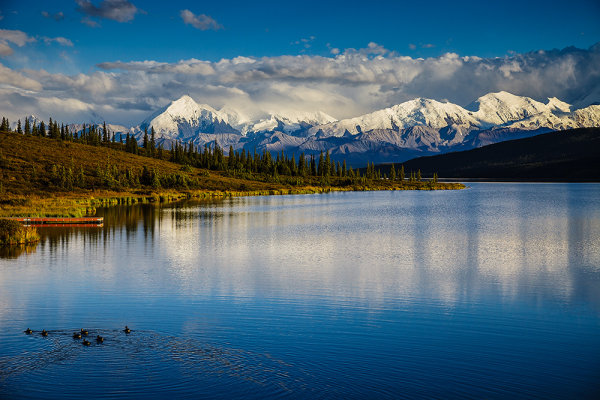
Wonder Lake is the furthest point in Denali National Park that the park bus system will reach.  It offers a spectacular view of the Alaska Range, when the weather is clear.

Wonder Lake is the furthest point in Denali National Park that the park bus system will reach. It offers a spectacular view of the Alaska Range, when the weather is clear.

Over the years, as I grew as a photographer, I wanted to expand my horizons and photograph exotic and epic places. Tops on my list was Alaska.  I wanted to photograph the grandeur of the Alaska Range, of Denali, and the beauty of the nature and wildlife.  I found Alaska to be full of beauty and opportunity, but at the same time, a difficult place to photograph.

The first challenge in photographing in Denali is the weather.  It is said that 80% of visitors to Denali National Park never see the mountain (known as Mount McKinley or Denali).  Denali (the mountain) generates its own weather pattern.  This was illustrated on my second visit there, when I camped at Wonder Lake for 4 days. I saw the mountain as I traveled in to the campsite on my first day, and saw it as I left the park on my way out on the 4th day.  The days in between, it was never seen again.

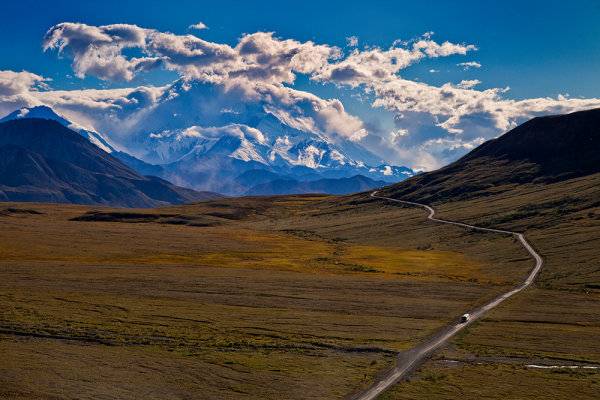
This view, captured from the Eilson Visitor's Center, is one of the iconic views as you approach Mount McKinley. The clouds surrounding the mountain illustrate the weather patterns around the mountain.  The dynamic range of the scene was huge- without using graduated neutral density filters, this image would not have been possible in one exposure. I used a 3-stop soft-edged ND grad. EOS 5D Mark II, EF 24-105f/4L IS.  1/500, f/8, ISO 200.

This view, captured from the Eilson Visitor’s Center, is one of the iconic views as you approach Mount McKinley. The clouds surrounding the mountain illustrate the weather patterns around the mountain. The dynamic range of the scene was huge- without using graduated neutral density filters, this image would not have been possible in one exposure. I used a 3-stop soft-edged ND grad. EOS 5D Mark II, EF 24-105f/4L IS. 1/500, f/8, ISO 200.

The next challenge I found in Denali National Park is the range of contrast in the landscape. Even late in the day, The range from the bright sky to the foreground was huge. I found graduated neutral density filters to be essential in helping to control the dynamic range of an image. Generally the mountains would be in bright light, while the foreground would be several stops darker.  A 3 stop or 4 stop ND grad was perfect for bringing the two closer together.

After spending all that money to get to this remote part of Alaska, I wasn’t about to let bad weather get in the way of my photography. As I mentioned, 80% of visitors to Denali don’t get to see the mountain.  The tallest peak in North America is obviously a major focal point when trying to photograph in Denali. When that’s taken away, it just means you have to work a little harder to find the shots. But Alaska is chock full of natural beauty, and there is no shortage of photos to be taken.

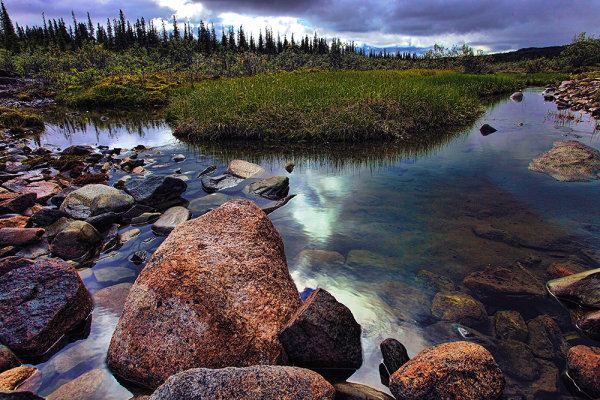
After two days of rain, we ventured onto the McKinley Bar Trail to hike to the McKinley River. The mountain was obscured by clouds, so I looked for other shots I could take.  This creek on the McKinly Bar Trail offered a nice opportunity. I composed the shot to eliminate as much sky as possible, due to the flat cloudiness of it.  EOS 5D Mark II, EF 17-40 f/4L @ 23mm.  1/250 at f/11, ISO 400.

After two days of rain, we ventured onto the McKinley Bar Trail to hike to the McKinley River. The mountain was obscured by clouds, so I looked for other shots I could take. This creek on the McKinly Bar Trail offered a nice opportunity. I composed the shot to eliminate as much sky as possible, due to the flat cloudiness of it. EOS 5D Mark II, EF 17-40 f/4L @ 23mm. 1/250 at f/11, ISO 400.

One of the best things I did in Alaska was get a different point of view.  Flightseeing tours are offered within the park.  I took one with Talkeetna Air Taxi, which is based at Kantishna Air Field, at the very end of the park road.  It was a 1 hour flight, bringing me as close to the mountains as I’d ever get.  You’re forced to shoot through the plane’s windows, but the reflections are pretty well controlled. I used a 5D Mark II and EF 24-105 f/4L lens for the entire flight. That gave me enough range to not have to change lenses during the flight. The cloud cover was already moving in on this day, but we got some dramatic shots of peaks poking through the clouds, glaciers making their way through mountain passes, and kettle ponds on the tundra reflecting blue skies.

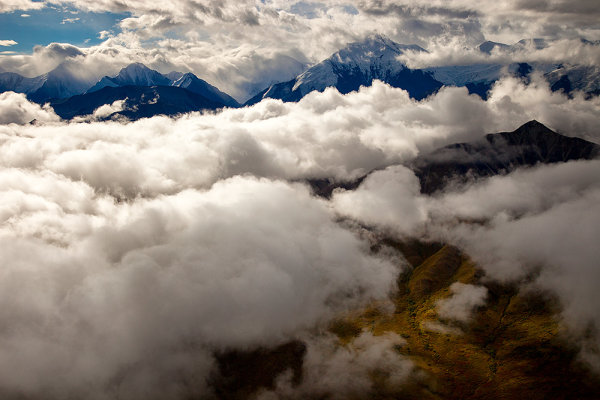
This shot, taken from a plane at 10,000 feet, shows the kind of image possible on a flightseeing tour. 5D Mark II with 24-105 f/4L at 45mm. 1/1000, f/8, ISO 400.

This shot, taken from a plane at 10,000 feet, shows the kind of image possible on a flightseeing tour. 5D Mark II with 24-105 f/4L at 45mm. 1/1000, f/8, ISO 400.

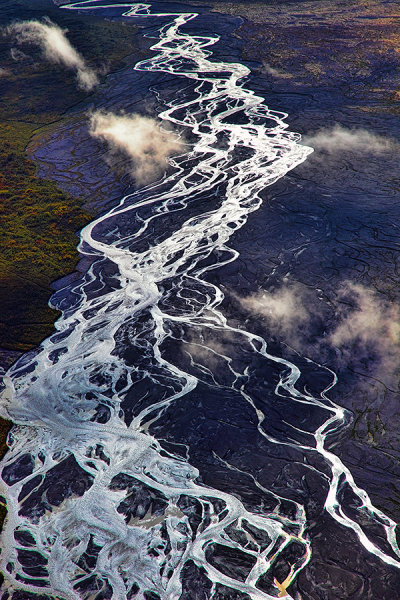
The McKinley River flows through the tundra of Denali.  The silt deposited by the river changes its direction and creates these little strands. This shot was taken at 11,000 feet up. 5D Mark II, Ef 24-105 f/4L IS at 105mm. 1/500 at f/8, ISO 400.

The McKinley River flows through the tundra of Denali. The silt deposited by the river changes its direction and creates these little strands. This shot was taken at 11,000 feet up. 5D Mark II, Ef 24-105 f/4L IS at 105mm. 1/500 at f/8, ISO 400.

Wildlife is abundant in Denali, though you do have to get a bit lucky to see it.  The big five is moose, eagles, Dall sheep, bears, and caribou.  A long lens is a must.  To save weight in my bag, I used a 70-200mm f/2.8L IS II, with a 2x extender to give me an effective focal length of 400mm.  While we weren’t able to get close enough to any bears, we did get close to a wolf, Dall sheep, and a golden eagle that buzzed the bus we were on heading to our campsite. You’ll need to be ready as the wildlife doesn’t stay still for very long.  The bus drivers will stop whenever you ask as long as it’s safe, and you can hop off one bus and onto another if you decide to hike around some.

To view more of my Alaska images, visit my website at www.rickberk.com.

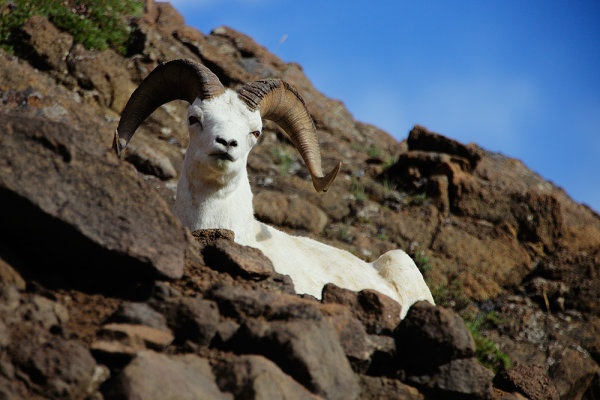
This Dall Sheep was lounging just above Polychrome Pass. Using a 70-200 with a 2x extender, I was able to get in close and get a nice portrait. 5D Mark II, EF 70-200 f/2.8L IS II w/2x extender. 1/1000 at f/4, ISO 200.

This Dall Sheep was lounging just above Polychrome Pass. Using a 70-200 with a 2x extender, I was able to get in close and get a nice portrait. 5D Mark II, EF 70-200 f/2.8L IS II w/2x extender. 1/1000 at f/4, ISO 200.

Post originally from: Digital Photography Tips.

Check out our more Photography Tips at Photography Tips for Beginners, Portrait Photography Tips and Wedding Photography Tips.

Destination: Alaska


Digital Photography School

 
Comments Off on Destination: Alaska

Posted in Photography


BTS: Heisler Photographs Alonzo Mourning

13 Mar

Having just spent a week with Greg in Dubai at Gulf Photo Plus, I have now heard him express the following thought multiple times:

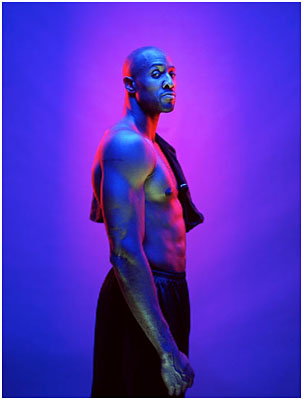
There is light you create that is a photographic reaction to light as it exists in the world, and there is light you create just because it's cool.

I think it's safe to say that this photo he made of NBA star Alonzo Mourning, for ESPN Magazine, is the latter. How he did it, below.

Read more »
Strobist

 
Comments Off on BTS: Heisler Photographs Alonzo Mourning

Posted in Photography


Fantastische Bildbände zur Straßenfotografie, Teil 1

13 Mar

Nachdem ich mich 2010 vermehrt von der Landschaftsfotografie ab und der Straßenfotografie zuwendandte, wuchs auch mein Interesse an Bildbänden. How-to-Bücher wollte ich keine mehr lesen, sondern mir direkt die Arbeiten urbaner Fotografen ansehen und mich daran erquicken. Heute stelle ich im Rahmen unserer Buchwoche ein paar davon vor, weitere Vorstellungen werden folgen.

Ich finde es hochspannend, sich einem Genre der Fotografie zu verschreiben und dann auf globale Bewegungen hin zu untersuchen. Was haben andere Fotografen und Fotografinnen bisher erschaffen? In welcher Zeit und Kultur wurde gearbeitet? Welche Stilmittel genutzt?

All das sind Fragen, auf die mir Bildbände in gewisser Weise Antworten geben können. Und das auf ihre ganz langsame, natürliche Art, die sich doch so von der Hektik des Netzes unterscheidet. Außerdem: Ich fahre gern mit den Fingerspitzen über Fotografien und spüre die Schwere eines Buches mit Freude. So möchte ich mit dem ersten Band beginnen, dem ich ganz sicher den Klassiker-Status zusprechen kann:


„Streetphotography Now“* | 18,95 € | 27,2 x 23,9 x 2,3 cm

Streetphotography Now

IMG_0993

Wenn es ein Buch gibt, das mich beim ersten Ansehen gleich erschüttert und bewegt hat, war es „Streetphotography Now“. Als ich es zum ersten Mal in Händen durchblätterte, musste ich mehrmals pausieren, denn die massive Dichte der Bilder überforderte meine Aufnahmekapazität um ein Vielfaches. Selten war ich so gezwungen, mir mehrere Wochen Zeit zu nehmen, um einen Fotoband kennenzulernen.

Das Buch wirkt bis heute nach und es wird noch für eine lange Zeit eine Quelle der Inspiration bleiben.

Auf 240 Seiten haben die Autoren Sophie Howarth und Stephen McLaren einen Bildband herausgegeben, der mit dem Wort „umfassend“ betitelt werden kann. Insgesamt 46 zeitgenössische Straßenfotografen werden darin inklusive Kurzbiografie vorgestellt und satte 301 Bilder laden mehr als eindrucksvoll dazu ein, in die Diversität und Leuchtkraft einzutauchen und die Zeit zu vergessen.

Magnum-Größen wie Bruce Gilden, Martin Parr und Alex Webb gehören wie selbstverständlich zum Kanon, jedoch gibt es auch zahlreiche Fotografen und Fotografinnen, die der großen Öffentlichkeit bis zur Erstauflage kaum bekannt waren. Außerdem beschränkt sich „Streetphotography Now“ nicht nur auf europäische und amerikanische Künstler, sondern besucht mit Bruno Quinqet Tokyo, mit dem nicht unbekannten Herren Titarenko St. Petersburg und mit Musem Wasif Dhaka, um nur ein paar herauszustellen.

„Streetphotography Now“ ist in seinem breitgefächerten Umfang ein weiterer Beweis dafür, dass die Straßenfotografie noch lange nicht tot ist, sondern – und das mag im Buch selbst zu kurz kommen – auch durch das Internet eine Renaissance erlebt, global schwierigen Rechtslagen trotzt und Großartiges vollbringt.

Auch heute suche ich mir gern bei einer Tasse Kaffee einen Fotografen heraus und betrachte dessen Bilder. Das reicht auch völlig aus, denn bei Interesse befinde ich mich zehn Minuten später auf einer Erkundungsreise im Netz, um alle anderen publizierten Fotos meiner Entdeckung zu bestaunen.


„Stern Fotografie: Bruce Gilden“* | 18 € | 27,8 x 52,7 x 1,4 cm 

Bruce Gilden

Bruce Gilden

Obwohl die Art und Weise, mit der Bruce Gilden bis heute Menschen auf der Straße fotografiert von einem Großteil der Fotografie-Szene (inklusive Straßenfotografen) kritisch beäugt wird, bin ich bekennender Adorator (sic!) des US-Amerikaners. Das klingt pathetisch. Ist es auch. Ich liebe diesen Kerl.

Um mir seine Aufnahmen schön groß zu gönnen, kaufte ich mir Ende des zurückliegenden Jahres die 64. Ausgabe der Reihe „Stern Fotografie“. Diese deckt Gildens Portraits Krimineller, Gangster und Mafiosi ab, die ebenso schonungslos abgebildet werden wie diese ihr Leben wahrscheinlich unterhalten.

Gilden, Soziologe und selbst Sohn eines Kriminellen, kennt das Milieu, in dem er sich aufhält. Und vielleicht hat er auch deshalb den Mut, diese Menschen ohne Vorwarnung direkt anzublitzen und sich in potentielle Gefahr zu bringen. Seine Bilder hingegen erklären die Portraitierten nicht zu Helden, sondern konfrontieren den Betrachter in aller Härte mit Narben, Eigenheiten und Gewaltbereitschaft der Szene.

Nahezu intim wirken die Bilder, die wie ein Ausdruck der Worte Robert Capas – If your pictures aren’t good enough, you’re not close enough – wirken. Und „close enough“ bin ich auch als Betrachter, denn in ihrer Größe von knapp A3 (pro Seite!) kann ich keine sachliche Distanz aufbauen, sondern werde beinahe ins Geschehen hineingezwungen.

Bei Fotografien, die nur einseitig gedruckt wurden, ist die gegenüberliegende Seite schwarz, was den bedrückenden Charakter des Bandes unterstützt. Des Weiteren wurde auf Seitenzahlen und Bildunterschriften gänzlich verzichtet und diese auf die letzten beiden Seiten des Bandes verfrachtet, um den Fotografien ihren Platz einzuräumen.

Es sind sicher keine angenehmen Bilder, die uns Bruce Gilden in diesem Band vor Augen hält. Aber sie erzählen von einem Teil unserer Gesellschaft, der heute gern verdrängt wird und höchstens bei einem Skandal kurz hochstilisiert wird. Ich möchte jedem, der sich mit dieser Realität befassen möchte und ein wenig tolerant gegenüber Gildens Ansatz ist, empfehlen, sich diesen Bildband zuzulegen.


„Henri Cartier-Bresson: Meisterwerke“* | 6,95 € | 18,8 x 14,4 x 1,2 cm

Henri Cartier-Bresson: Meisterwerke

Henri Cartier-Bresson: Meisterwerke

Der erste Bildband, den ich zur Straßenfotografie in den Händen hielt, war – so wollte es der Zufall – ein Geschenk. Damals war ich nur flüchtig mit dem Sujet vertraut und das Büchlein staubte lange Zeit im Schrank vor sich hin.

Seitdem mir die Straßenfotografie 2010 vollständig den Kopf verdrehte, zupfte ich es hin und wieder aus der hintersten Buchreihe, um darin zu schmökern. Dass ich ein fotografisches Schmuckkästchen in der Hand hielt, wurde mir sofort bewusst und es scheint, als ob die Fotos mit jedem Ansehen an Attraktivität gewinnen.

Auf 128 Seiten präsentiert der Verlag Schirmer/Mosel insgesamt 52 Schwarzweißaufnahmen des Meisters Cartier-Bresson. In chronologischer Reihenfolge von 1932 bis ’99. Jedoch beginnt die Reise zweimal von vorn: Einmal mit Bressons Straßenfotos und das andere Mal mit dessen Portraits. Diese Fotos sind jeweils „einseitig“ abgebildet: Die Gegenseite bleibt, wie oben zu sehen ist, stets weiß.

Der Bildband startet mit einem zwölfseitigen, lesenswerten Essay des Straßenfotografen selbst, datiert auf 1952 und mit dem Titel – wer hätte es gedacht – „Der entscheidende Augenblick“. Am Ende des Büchleins schließt die Klammer eine kurzbiographische Übersicht.

Bresson war seinerzeit überzeugt davon, dass Fotografen seines Genres Technik soweit wie möglich außen vor lassen und die zu Fotografierenden nicht damit belästigen sollten. Bressons Begeisterung für natürliches Licht und Authentizität schlägt sich – meiner Meinung nach – in sämtlichen Straßenaufnahmen sowie Portraits nieder.

Für bislang mit Bresson Unbekannte wird es eine Überraschung sein, dass der Mitbegründer von Magnum Photos auch Ikonen seiner Zeit ablichtete. So findet der geneigte Bewunderer unter den abgebildeten Aufnahmen des Bandes eingängige Portraits von Monroe, Sartre, Picasso und vielen anderen.

Auch, wenn ich vor Jahren nicht so recht wusste, was nun mit diesem Bändchen anzustellen sei, ist es mir heute doch sehr ans Herz gewachsen. Einziger Wermutstropfen: Der Preis von 6,95 € ist unschlagbar, jedoch hat sich der günstige Einband mit der Zeit recht schnell gelöst.


„Saul Leiter (Photofile)“* | 12,55 € | 12,3 x 19 x 1,3 cm

Saul Leiter

Saul Leiter

Die Fotografien von Saul Leiter entdeckte ich, als Jürgen Bürgin hier bei uns im Magazin eine Buchrezension über den Künstler publizierte. Diese Bilder wirkten einige Zeit nach, sodass ich mir ein paar Wochen später den hier vorgestellten Bildband zulegte. Ich traute mich noch nicht, die Retrospektive zu kaufen, denn ich war mir nicht sicher, ob ich mich in diese Fotos tatsächlich verlieben könnte. Eines Besseren belehrt, das wurde ich.

Heute zählt dieser Bildband zu meinen liebsten überhaupt. Leiters Art, zu fotografieren hat mich geprägt und das vor allem deshalb, weil sie mich tief berührt und eigentlich nicht mehr so ganz in Ruhe gelassen hat.

Das Buch „Saul Leiter“ ist Bestandteil der derzeit 24-teiligen Photofile-Reihe von Thames & Hudson, die sich damit schmückt, Fotos der weltbesten Fotografen in guter Qualität für jedermann zu produzieren. Denn nicht selten kosten solche Schmöcker mehr als der Studentengeldbeutel erlaubt. Somit ist die Photofile-Reihe ein wahres Vergnügen für jeden Interessierten.

Doch zurück zum Bildband. 144 Seiten umfassen eine Reihe von insgesamt 64 Fotos. Auf der Coverinnenseite steht, dass 38 davon in Farbe sind, nachgezählt habe ich nicht. Aber vom Gefühl her scheinen es bei jedem Mal mehr zu werden; wahrscheinlich deshalb, weil die Farbfotos etwas ganz Besonderes sind.

Der heute 89-jährige Saul Leiter zog 1946 nach New York, um Maler zu werden. Dieser Absicht folgte er auch, jedoch begann er bald, die Kamera als verlängerten Arm zu nutzen und fotografierte – zur Nachkriegszeit unter Künstlern verpönt – auch auf Farbfilm.

Leiter selbst hatte nicht das geringste Interesse daran, sich selbst als Meister der Straßenfotografie darzustellen, denn er verstand sich nach wie vor als Maler. Dies ist auch der Grund dafür, dass die Entdeckung seiner außergewöhnlichen Bilder noch recht jung ist und dieser Mensch über 40 Jahre lang ohne Rampenlicht auskam. Dies sah er als ein großes Previleg an, wie Jürgen Bürgin berichtete.

Seine ungewöhnliche Art, zu fotografieren wurde nicht minder von seinem Hang zur Malerei und der Freundschaft zu abstrakten Expressionisten, die er in New York kennenlernte, beeinflusst. Wenn ich mir seine Bilder anschaue, dann wundere ich mich jedes Mal, wie Leiter eigentlich seine Motive komponiert. Er hat einen ungemein scharfen Blick für Linien, Menschen und vor allem: Farben.

Leiter präferierte, durch vereiste oder von Kondenswasser beschlagene Scheiben zu fotografieren und mit Spiegelungen den Betrachter zu verwirren. Jedoch sind die Bilder stets so gehalten, dass sie nicht zu sehr abstrahieren, sondern – zumindest mir – stets der Kontext klar bleibt. Außerdem sind im Zentrum seiner Bilder: Menschen im urbanen Kontext.

Desweiteren gefallen mir Leiters Bilder deshalb, weil er sich ständig einen feuchten Kehricht um Fotoregeln scherte und recht häufig Menschen im Bild frech an irgendwelchen Stellen abschnitt. Bestes Beispiel: „Red Umbrella“. Ein Mensch mit rotem Schirm steht an einer zugeschneiten Straße, die sich in einer Rechtskurve um den Menschen schlängelt. Die Person und der Schirm sind jedoch nur angerissen, gut zwei Drittel des Menschen ließ Leiter einfach weg. Und: Lässt mich als Betrachter nach mehr sehnen.

Solche Spielereien sorgen dafür, dass ich diese Bilder nicht vergessen kann. Denn – zwar nicht immer, aber oft – widersetzen sie sich meinen Sehgewohnheiten und verhaken sich tief im Langzeitgedächtnis.

Im Buch werden die Fotos (meist) einseitig gedruckt, auf den Gegenseiten finden sich Titel und Jahr der Aufnahme. Das Büchlein beginnt mit einem erweiterten und wunderbar zu lesenden Essay des Historikers und Fotografen Max Kozloff.

Ich darf sagen, dass ich kein Buch so oft studiert habe wie dieses. Gerade, weil Leiter so einmalig fotografierte, habe ich bis heute nicht die geringste Langeweile beim Betrachten seiner Werke empfunden. Letzte Woche habe ich mir übrigens die Retrospektive bestellt. Jetzt bin ich mir sicher: In Leiters Fotografien habe ich mich verliebt.

* Dies ist ein Affiliate-Link zu Amazon. Wenn Du darüber etwas bestellst, bekommen wir einen kleine Provision, Du bezahlst aber keinen Cent mehr.


kwerfeldein – Fotografie Magazin
 
Comments Off on Fantastische Bildbände zur Straßenfotografie, Teil 1

Posted in Equipment


Tentacle-Like Tubular Slide Swirls Through NYC Penthouse

13 Mar

[ By Steph in Architecture & Houses & Residential. ]

Penthouse Slide 1

A silvery steel tentacle swirls through four stories of a bright white renovated 19th-century penthouse in New York City. Architect David Hotson turned the modern space into a playful residence for children and adults alike with the remarkable tubular slide, a floral-printed ‘nest’ accessible by a bridge, vertical climbing surfaces and a swing dangling three stories above the ground.

Penthouse Slide 2

Penthouse Slide 3

The polished stainless steel slide starts in an attic space with a funnel-like entrance, winds down through an interior window and offers an exit on the next floor before spiraling down three more stories. A faceted white staircase offers a more conventional way to get from floor to floor, that’s no less visually stimulating.

Penthouse Slide 4

Penthouse Slide 6

The nearly all-white space is punctuated with neon furniture and artwork, playful details that break up the gallery-like expanses of walls. At the center of the space is a four-story entry hall spanned by glass bridges, bringing daylight down into the living room from the upper floors.

Penthouse Slide 5

Penthouse Slide 7

Taking advantage of a unique space never before used as a residence, Hotson pays tribute to the architectural character of the surrounding cityscape, installing windows that perfectly frame landmarks like Frank Gehry’s residential tower and the Chrysler Building.

Share on Facebook


[ By Steph in Architecture & Houses & Residential. ]

[ WebUrbanist | Archives | Galleries | Privacy | TOS ]


WebUrbanist

 
Comments Off on Tentacle-Like Tubular Slide Swirls Through NYC Penthouse

Posted in Creativity


Melbourne Portrait Workshop: Limited Tickets Now on Sale

13 Mar

Here at dPS we’ve been producing daily tutorials and tips for almost 7 years and in that time we’ve regularly been asked by readers if we’d ever run some live – face to face – training.

Today I’m excited to announce our first ever live workshop – in Melbourne Australia (where our HQ is based).

GinaMilica12-1WEB.jpgProfessional photographer Gina Milicia, author of our ‘Portraits, Making the Shot‘ will take you through everything there is to know about capturing pixel perfect portraits over a fun and informative day.

A world-class portrait photographer in her own right Gina also has an amazing gift for making the all technical jargon easy to understand, and importantly help you apply it to your own photography.

It’s sure to be a fun, inspiring and rewarding day.

Tickets are now on sale via our Eventbrite Page.

This workshop is strictly limited to 20 people.  We wanted to keep it small and intimate to ensure there will be a heap of personal interaction with Gina. So don’t delay grabbing your spot – we expect it to fill fast.

Event Details

  • Date: Saturday 20 April 2013
  • Where: Gina Milicia’s studio in Kensington, Melbourne
  • Price: full price is $ 497 (AUD)
  • What: a full day with portrait photography pro Gina Milicia

This is our first ‘hands on ‘ photography workshop and we are filling it with lots of practical exercises and information.

What you will learn:

  • How to prepare for a shoot
  • Camera settings
  • Quality of light
  • Deciding on lighting style
  • Using a light meter and correct exposure for beautiful skin tone
  • Poses/ basic go-to poses
  • How to direct with confidence
  • Workflow
  • Basic post-production techniques

Gina Milicia will be sharing her experience over 25 years of photographing celebrities and events.  At the end of the day you’ll be equipped to take stunning portraits of your own.

Learn more (including seeing a FAQ and a rundown of the day) and Grab Your Tickets Today here.

Post originally from: Digital Photography Tips.

Check out our more Photography Tips at Photography Tips for Beginners, Portrait Photography Tips and Wedding Photography Tips.

Melbourne Portrait Workshop: Limited Tickets Now on Sale


Digital Photography School

 
Comments Off on Melbourne Portrait Workshop: Limited Tickets Now on Sale

Posted in Photography


12. März 2013

13 Mar

Ein Beitrag von: Johannes Heuckeroth

© Johannes Heuckeroth


kwerfeldein – Fotografie Magazin
 
Comments Off on 12. März 2013

Posted in Equipment


Samsung UK to include Adobe Lightroom 4.4 with NX300 shipments

13 Mar

samsung_nx300.png

Samsung UK has announced it will include a copy of Adobe Lightroom 4.4 photo-editing software for free with its NX300 APS-C mirrorless camera shipments. Announced at the CES 2013 tradeshow,the 3D-capable camera is built around a 20MP sensor, 3.3″ OLED screen and built-in Wi-fi. We do not know whether this is a UK-only bundle, but we will update the story if more information becomes available.

News: Digital Photography Review (dpreview.com)

 
Comments Off on Samsung UK to include Adobe Lightroom 4.4 with NX300 shipments

Posted in Uncategorized


Actual Pixels – the pixel peeping app for iOS

13 Mar

ap_girl2.png

The latest generation tablets and even phones are great for presenting your images. But if your workflow involves evaluating detail and critical focus on a mobile device the situation is less than ideal. This is because the standard image viewers, such as Apple’s Photo app or Android’s Gallery app, don’t display the actual images but a version that has been reduced in size to maker better use of the devices’ limited resources. Actual Pixels is a free app for iOS that allows you to view images on your iPhone or iPad at a 100% magnification. We’ve checked it out for you.

News: Digital Photography Review (dpreview.com)

 
Comments Off on Actual Pixels – the pixel peeping app for iOS

Posted in Uncategorized


Interview: Pro DSLRs, Pro Photographers

13 Mar

TerrenceRoss_remote.jpg

The Canon EOS 1D X and Nikon D4 are aimed squarely at the specific and demanding needs of working pros. We recently sat down with two staff photographers from the Seattle Times for their insights gained through using these pro-level cameras on a daily basis. Find out what it’s like to shoot with these flagship models from Canon and Nikon under the pressure of breaking news and tight deadlines.

News: Digital Photography Review (dpreview.com)

 
Comments Off on Interview: Pro DSLRs, Pro Photographers

Posted in Uncategorized


Studio comparison images added to Panasonic GH3 Preview

13 Mar

specs.jpg

We’ve just posted an update to our preview of the Panasonic Lumix DMC-GH3, adding updated product photography (the camera we originally used had a non-final grip material) and three pages of studio comparison images, both JPEG and Raw. We’re working on the remaining studio tests, and intend to add at least four more pages to this preview in the next few days, with a samples gallery and more detailed impressions on the camera’s handling and performance. Look out for that towards the end of the week, but for now, click through to go to the updated preview. 

News: Digital Photography Review (dpreview.com)

 
Comments Off on Studio comparison images added to Panasonic GH3 Preview

Posted in Uncategorized