RSS
 

Archive for February, 2013

Cloud Stairs

25 Feb

Check out these visual art images:

Cloud Stairs
visual art
Image by Madison Guy
I’m not particularly fond of the Madison Museum of Contemporary Art, in the Cesar Pelli cultural temple known as the Overture Center, or even its previous, more modest incarnation as the Madison Art Center at the same site when it was the pre-Pelli Madison Civic Center. I much preferred it when Joe Wilfer was the director of the Madison Art Center and it was located in the old Lincoln School building on Lake Mendota, back when they had some remarkable shows, really connected with the community and local artists, and made the most of their modest but stunning location. But that’s water under the bridge.

Today, even a nostalgic grouch like me has to admit that the the glass stairwell/atrium of the MMoCA provides some remarkable visual effects.

The Mirror Log: Day 9 – DSC_1509
visual art
Image by Fabrice de Nola
Description: close-up on QR code painted in The Mirror by Fabrice de Nola.
Date: June 28, 2011.

Note: the code link to the Letter from a Fukushima mother (translated from Japanese by Hiroko Tabuchi).

Cite as: Fabrice de Nola, 2011. The Mirror, work in progress, detail.

Fabrice de Nola is an Italian-Belgian visual artist. He was the first artist in the world to create works of art, in 2006, using painted QR codes containg web links and texts readable through mobiles.
??????????? ??????????????2006?????????????????????????

Join me on Facebook
Follow me on Twitter

 
Comments Off on Cloud Stairs

Posted in Photographs


Meet The Photographers Who Write For Digital Photography School ~ Anne McKinnell

25 Feb

You’ve been reading their articles for months or years, have you ever wondered “Who are the photographers who write for dPS”? Today we meet Anne McKinnell, one of our brand new, fresh and minty smelling writers.
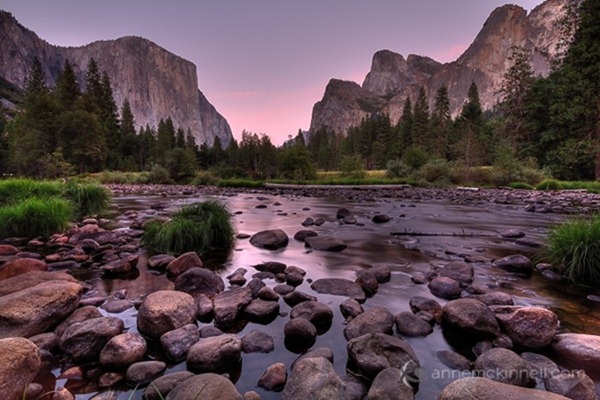
Gates of the Valley

1. How long have you been shooting?

About 6 years if you add it all together.

The first time photography was part of my life was in university 20 years ago. I wrote for the student newspaper and bought a used Canon AE1 so I could take photographs to go with my stories. I used to roll my own film, develop it, and make prints in my bathroom. After university I did some travel photography in eastern Europe.

Back then I lived in a darkness. My images were journalistic in style and focused on problems in the world, sad stories, homeless people, and I even had a whole series on graveyards. It is as if I lived in a world full of only bad things.

I photographed less often during the time I was building my career in software and working to pay for my house. When digital photography came out, I gave up on it all together thinking now anyone could make a perfect photograph.

A decade later I realized that digital photography does not mean anyone can make a perfect image. I renewed my interest in photography and purchased my first DSLR about 4 years ago.

self portrait2. Do you have a full time job or are you a full time photographer?

Well, about a year and a half ago I made a rather huge change in my life. I sold my house in Victoria, BC, closed my software consulting business, bought an RV and hit the road for the life of a nomadic photographer.

I decided that if I ever wanted to be a travel photographer I should just start living that life and see what happens. So I’m a full-time photographer now, it’s my second career, and I’m having a happier and more fulfilling life. I don’t make as much money as I used to but I’m happier.

3. If you had to limit yourself to one genre of photography, what would it be and why?

When I got back into photography four years ago I did it for a specific reason. Photography is the tool I use to become a happier person and so I decided to only photograph beautiful things and leave the darker side of life for other photographers.

I have a tendency to see and focus on all the negative things in the world. I wish I was one of those positive people who see the bright side of life, but I’m not. Being inspired by Dewitt Jones, I try very hard to focus on “what is right with the world” and I use photography to help me do that.  It really works and has changed my perspective greatly.

So my one genre of photography would have to be landscape and nature. When I see something in nature that is beautiful it reminds me that the world cannot be all bad. My favourite thing is to get out in nature and find beautiful things that inspire me and keep me sane. Seascapes at twilight is what really does it for me.

4. When did you start writing for dPS and why?

I’m new! I just starting writing for dPS a couple of months ago. I have always loved writing and I did a lot of teaching in my software business so it seemed natural to combine writing, teaching and photography this way. It also helps me bring my photography to a wider audience.

5. What do you shoot with and what’s your favorite lens?

I have a Canon 7D. My favourite lens is my 24-105L lens, probably because it’s my only L lens and it’s the perfect range for those times when I go out with only one lens. It’s extremely versatile. However I have to say that on a couple of occasions I have rented the 400mm f/5.6L for wildlife photography and I LOVE that lens.

6. What would be your number one tip to any new photographer?

Slow down. You have to change the way you go about photography to progress from making snapshots to making great images that have impact. Spend some time thinking about the scene and what you want to say about it. I like to spend a little time coming up with adjectives that describe the scene and then use those adjectives to decide what kind of image I want to make. For example, if I come up with adjectives like “peaceful, calm, blue” I might use a very different technique then if my adjectives are “dramatic, stormy, gritty.”

7. What’s your next big project?

I’m currently writing a series of eBooks for new photographers that will help them enhance their vision, exercise their creativity, and learn new tools and techniques along the way.

It’s a bit of an unconventional approach because I believe in learning a bit of everything at the same time. When you get your first DSLR it’s no fun to memorize your camera manual until you understand what every single button does without making any images. It’s no fun to study composition endlessly without trying some fun techniques too.

I think of it like a chemistry class in high school. Sure, you have to learn the formulas and memorize some stuff, but you also have to melt things and set stuff on fire or you’ll get bored and start to hate chemistry.

You need to learn a bit of each thing and progress in all areas simultaneously and that’s how I try to guide new photographers in my eBooks.

8. Where can people go to find out more about you and your work?

The best place is on my website where I have a blog about my travels and how I make each of my images. I also have two free photography eBooks available there.

My website: http://annemckinnell.com

I’m also on a bunch of social networks:

Google+: http://gplus.to/annemckinnell

Twitter: https://twitter.com/annemckinnell

Facebook: https://www.facebook.com/AnneMcKinnellPhotography

Pinterest: http://pinterest.com/annemckinnell/
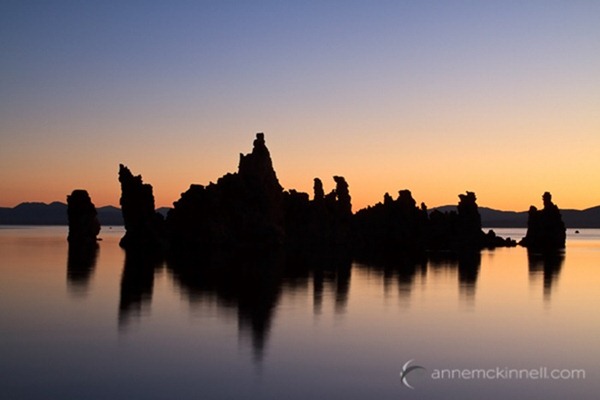
Mono Lake Silhouette

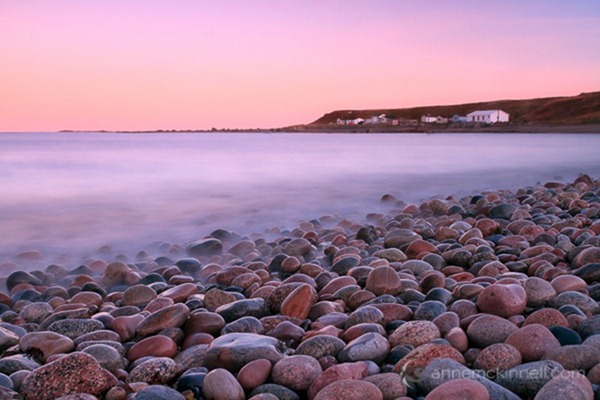
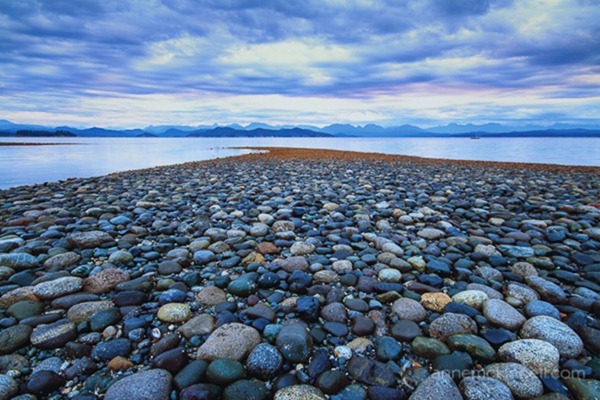
Basin Head

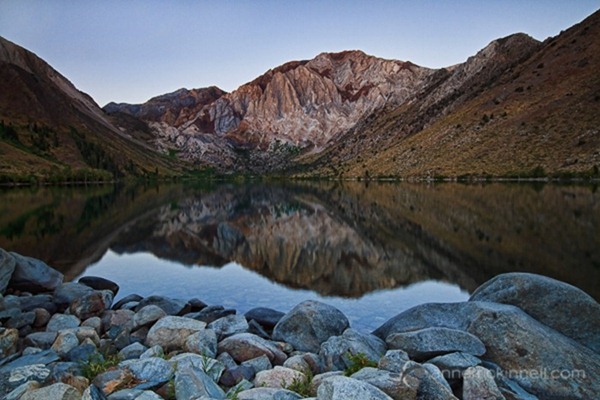
Calm at Convict Lake

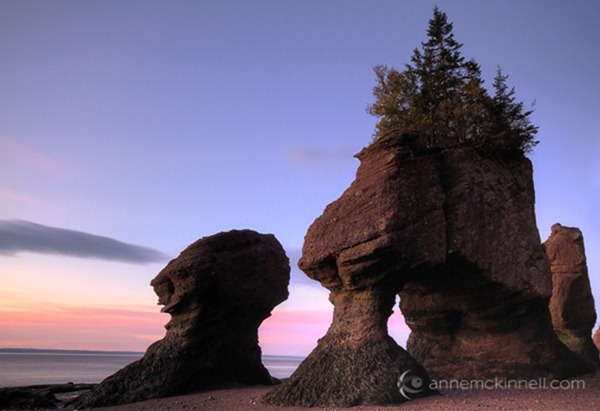
Walking on the ocean floor

Green Point Beach

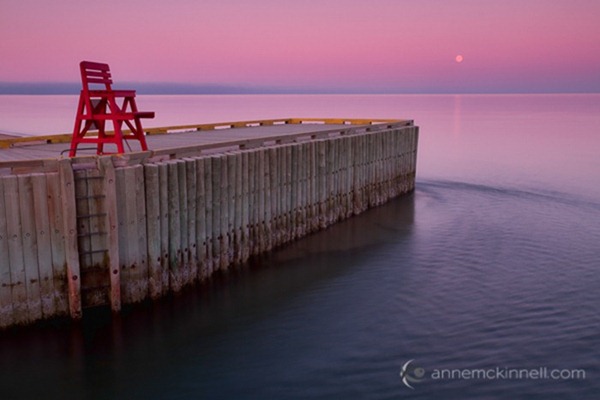
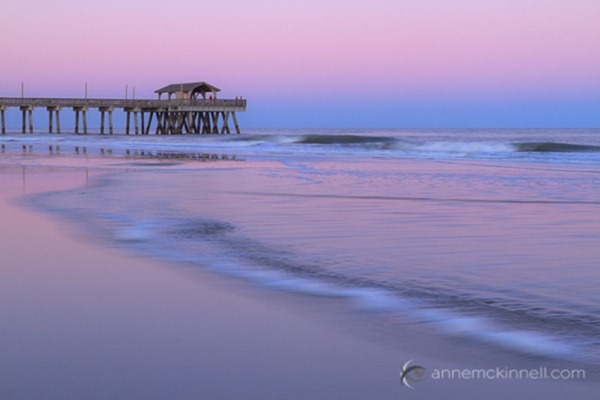
Tybee Pier

Boneyard

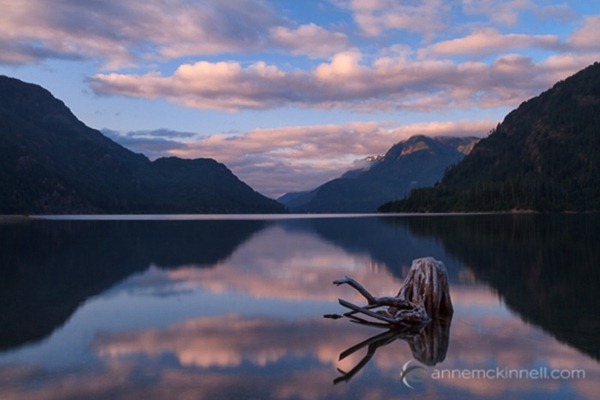
Buttle Lake

Rebecca Spit

Post originally from: Digital Photography Tips.

Check out our more Photography Tips at Photography Tips for Beginners, Portrait Photography Tips and Wedding Photography Tips.

Meet The Photographers Who Write For Digital Photography School ~ Anne McKinnell


Digital Photography School

 
Comments Off on Meet The Photographers Who Write For Digital Photography School ~ Anne McKinnell

Posted in Photography


24. Februar 2013

25 Feb

Ein Beitrag von: Thomas Szynkiewicz

Modern Slavery


kwerfeldein – Fotografie Magazin

 
Comments Off on 24. Februar 2013

Posted in Equipment


Off The Deep End: 12 Abandoned Swimming Pools

25 Feb

[ By Steve in Abandoned Places & Architecture. ]

abandoned swimming pools
An abandoned swimming pool is kind of like a fish out of water in that, well, both are out of water. As far as pools go, their dry and empty aspect makes them seem exposed, naked, incomplete and bereft of purpose. Left high, dry and drained of liquid assets, these 12 abandoned swimming pools expose their bottoms for all to see. As one might expect, it’s not always a pretty sight.

Public Indoor Pool – Pripyat, Ukraine

abandoned swimming pool Pripyat Chernobyl(images via: Tim Suess)

The irradiated ghost town of Pripyat is chock full of abandonments for one simple reason: the 1986 Chernobyl disaster destroyed the town without harming any of its structures. The fate of its people are another story altogether. Swimming Pool Building 1, highlighted here, is the largest of Pripyat’s public indoor pools.

abandoned swimming pool Pripyat Chernobyl(image via: Tim Suess)

Before 1986 this pool must have been a lovely place to hang out with friends and family. Attractive styling, generous windows and modern conveniences served to please anyone from casual leisure swimmers to aspiring Olympians with their eyes on the prize. Kudos to Timm Suess for capturing this eerie echoing abandoned pool in the prime of its radioactive afterlife.

Durham City Baths – Durham, UK

Durham Baths abandoned swimming pool(images via: TZ-UK)

The mood of the Great Depression in northeastern England lightened a little when on September 28th, 1932, the Durham City Baths and Washhouses opened. The 75ft by 30ft main pool was overlooked by viewing balconies with wrought iron railings decorated with seahorse, dolphin and waterspout designs. Overhead, a striking arch-ribbed roof featuring a central greenhouse let in natural light. The townspeople of Durham enjoyed their pool for 76 years before it finally closed for good in 2008.

Durham Baths abandoned swimming pool(images via: 28 Days Later)

Plans to demolish the pool and its associated facilities were put on hold due to the 2008-09 financial crisis and subsequent recession. In the meantime, vandals and graffiti “artists” have put their inimitable stamp on the pool. Note the difference between the relatively unmarred pool at top and the later, trashed version above documented four years later in March 2012.

D. R. Plaister Aquatic House – Hobart, Tasmania, AU

D.R. Plaister Aquatic House Hobart abandoned swimming pool(images via: Swimming Pool Stories)

Originally the Hobart Tepid Baths, this all-season, heated facility was opened by the governor or Tasmania on November 10th, 1938. The complex was known as the Amateur House in the 1940s and it was finally renamed to D. R. Plaister Aquatic House in 1991 after Doug Plaister, the former Mayor of Hobart (1976 to 1984) who ran the local education department’s swimming program at the 55-yard-long pool.

D.R. Plaister abandoned swimming pool Hobart(images via: Swimming Pool Stories)

Now privately owned but in a terminal state of abuse and disuse, the complex is inhabited by squatters and the homeless with little or no security preventing unlawful trespass. The area is slated for redevelopment but it seems only the brickwork facade of the main building will be retained and preserved.

Kentucky Dirt Diving

Louisville abandoned swimming pool no diving(images via: Flickrized)

Clueless male model Derek Zoolander had a school for ants; Louisville’s Crescent Hill neighborhood has a swimming pool for worms. This exceptional image was captured by Flickr user Flickrized who snapped it on October 1st, 2007 using a Nikon D80 camera. While not technically abandoned, it’s pretty obvious no one will be practicing their backstroke here anytime soon. “No Diving” indeed.

Share on Facebook


[ By Steve in Abandoned Places & Architecture. ]

[ WebUrbanist | Archives | Galleries | Privacy | TOS ]


WebUrbanist

 
Comments Off on Off The Deep End: 12 Abandoned Swimming Pools

Posted in Creativity


Nice Visual Art photos

24 Feb

A few nice visual art images I found:

[ Artistic Beauty inspires the Love for urban Architecture ] Near Hibiya Park, Tokyo, Japan – ABSTRACT –
visual art
Image by || UggBoy?UggGirl || PHOTO || WORLD || TRAVEL ||
Elegance is the attribute of being unusually effective and simple. It is frequently used as a standard of tastefulness, particularly in the areas of visual design, decoration, the sciences, and the esthetics of mathematics. Elegant things exhibit refined grace and dignified propriety.

=====

Some associate elegance with simplicity and consistency of design, focusing on the main or basic features of an object, its dignified gracefulness, or restrained beauty of style. One may also attribute elegance to place something in an opulent light—a in tasteful richness of design or ornamentation "the sumptuous elegance of the furnishings."

=====

The proof of a mathematical theorem is considered to have mathematical elegance if it is surprisingly simple yet effective and constructive; similarly, a computer program or algorithm is elegant if it uses a small amount of intuitive code to great effect.

=====

In engineering, a solution may be considered elegant if it uses a non-obvious method to produce a solution which is highly effective and simple. An elegant solution may solve multiple problems at once, especially problems not thought to be inter-related.

=====

In chemistry, chemists always look for elegance in formulations as well as effectiveness in dosage form design.

Visual stimuli are frequently considered elegant if a small number of colors and stimuli are used, emphasizing the remainder.

=====

WIKIPEDIA = The Elegance of Simply BE and Discovery AROUND THE WORLD

=====

I am from the planet of elegance.

— Ron Carter

 
Comments Off on Nice Visual Art photos

Posted in Photographs


Learning to See, Part VI

24 Feb

No Contrast – No Problem

The most beautiful composition can be dashed by improper use of color and contrast.  –CJ Rider

As we learned in our last entry, harsh light can work well with bold and dramatic colours, yet blow-out the subtle and delicate tones. The colour red supported by black, or gold surrounded by blue provide the photographer with easy choices in creating a pleasing composition. 

But what shall we do if there is no colour or light contrast, but only a monotone or duotone with which to work?

 Any photographer who has worked along Canada’s Atlantic coast learns very quickly that coastal fog can make a colourful scenic harbour appear flatter than a day old pancake. Likewise for the photographer who travels through Canada’s north where naturally ignited wildfires are permitted to burn themselves out, ultimately filling the sky with smoke as far as the eye can see.

 What we are beginning to recognize is that in bright sunlight that yellow dory on a Newfoundland beach or a MacKenzie Delta birch tree in autumn foliage will fairly jump out of the landscape. Conversely, if we were to remove the direct sunlight that same composition would turn those bright yellows into a muddy eyesore.

 As an experiment to reinforce this thought locate a window that you can easily peer out at any given time of day, perhaps the home kitchen or at the office. Next find a subject that appeals to you, but make sure it is only one element such as a tree or a building. Every time you walk past that window have a glance at the referenced subject and note how the colour and form of the subject will change depending upon the lighting conditions.

It should stand to reason that as we study the scene from our vantage the bark on the targeted tree or texture of a brick wall will take on a whole new meaning if viewed in overcast light as opposed to a bright sunny day.

 Now we have a eureka moment: If high contrast light emphasises boldness and will force us to search for scenes requiring these sharp edges, then by comparison we should be seeking scenes that are soft and delicate on non-sunny days.

 For the landscape photographer it is generally accepted that on those poor-light days it is best to keep the bland grey sky out of the scene. Instead, point the camera down and adjust the composition to showcase the colour, patterns and texture that is best seen under this soft light. Generally, when the sky is blue think of making big sky pictures; when the sky grey look to your feet.

Image-1

Photo 1

Photo no. 1 is an example that breaks the general rule “if there is no definition in the sky leave it be.” In other words, on overcast days the clouds will usually be a bland and woefully white or grey. From our earlier readings, we have learned that the viewer will subconsciously be drawn to the lightest part of a picture. If there is no detail to the sky, then we usually wouldn’t include it in the photo.  In this case, however, the sky is the lightest part of the photo and an integral component to the story. There was a huge forest fire in Quebec and the smoke had blown east to Gros Morne National Park in Newfoundland and Labrador. What the sky does, in this case, is complete the gradation of tonal range from dark to light, and allows your eye to move up and down the picture without distraction.  The side bar to any rule-of-thumb is that once you know the rules, then find a way to successfully break from that mold.

Image-2

Photo 2

Garden photographers long for days of no wind with a very light moisture in the air. Such conditions allow a flower to purely come to life by allowing the vibrancy, subtleness, texture and detail to shine through. By having no shadow details, or very soft and indistinguishable shadow lines at most, we can then concentrate on the nuances and softness that such conditions allow.  In photo number 2, the lack of shadows allows the viewers eye to wonder right into the mix of a really nice stand of Showy Lady Slippers.    

And remember, if you are having fun you are doing it right.

Post originally from: Digital Photography Tips.

Check out our more Photography Tips at Photography Tips for Beginners, Portrait Photography Tips and Wedding Photography Tips.

Learning to See, Part VI


Digital Photography School

 
Comments Off on Learning to See, Part VI

Posted in Photography


browser Fruits Februar #4

24 Feb

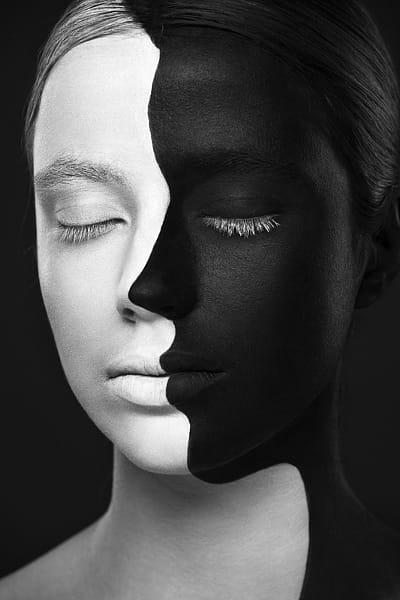
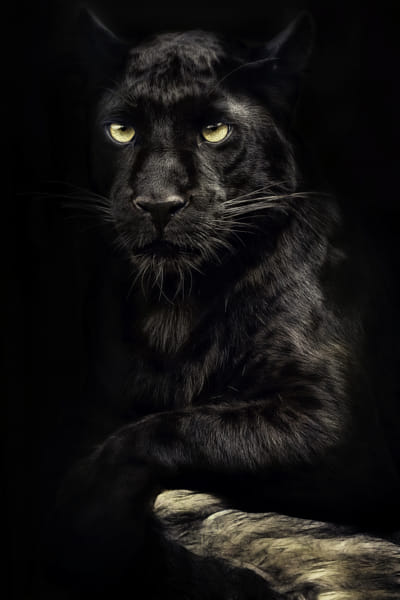
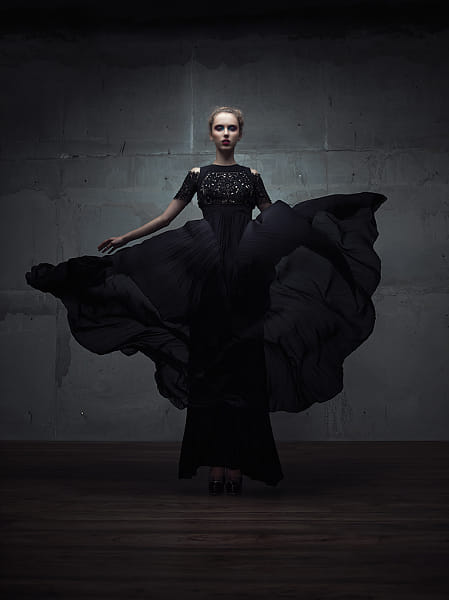
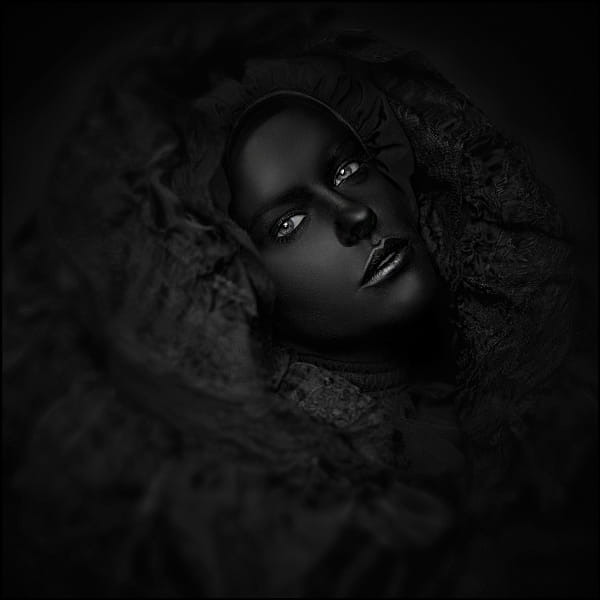
Fotos, in denen schwarz dominiert, wirken ungeheuer spannend, denn hier stechen andere Farben stark hervor und man muss sie genauer betrachten, um graue Details zu entdecken. Dass schwarz physikalisch gesehen eigentlich keine Farbe ist, sondern das Fehlen von ebensolcher, stört uns dabei nicht. Deshalb haben wir uns dieses Mal im Fotospecial mit dieser Nichtfarbe beschäftigt.

Fotospecial: Schwarz

Flickr

500px

Deutschsprachig

• Die hübsche kleine Verlagsgesellschaft GALERIE VEVAIS in Brandenburg haben wir vor Kurzem erst entdeckt. Es lohnt sich, hier nach schönen Fotobänden zu stöbern und dabei neue Künstler zu entdecken.

• Das KALTBLUT-Magazin interviewt immer wieder junge und talentierte Fotografen. Hier: Masha Sadari.

• Auf GeoOnline gibt es eine schöne Bildergalerie über das moderne Jerusalem.

• Die Agentur WEISSESSCHWARZ bietet einige Workshops in Berlin an. Dieses Mal Tanzerei: Körper, Bewegung, Ausdruck, Bild.

• Unsere Redakteurin Katja ist Jurymitglied beim „Photo Battle 2013“ von Flare. Ein Fotowettbewerb, in dem vor allem der Spaß im Vordergrund steht. Zu gewinnen gibt es aber auch einiges. Als Hauptpreis winkt eine Sigma DP1 Merrill. Einsendeschluss ist der 5. März 2013.

• Die Tagesschau berichtet in einem Video über die Fotoausstellung des Musikers Bryan Adams im NRW-Forum Düsseldorf.

• Imago 1:1 ist die größte begehbare Kamera und steht in Berlin. Nun will Imagao eine mobile Kamera bauen, weil Anfragen aus der ganzen Welt kommen. Wie Du das Projekt unterstützen kannst, erfährst Du hier.

~

International

• Bas Princen bildet monströse Baustellen und absurde menschliche Artefakte ab und beschreibt damit wunderbar die Seltsamkeit der menschlichen Zivilisation.

• Licht aus: Wie würde der Himmel über Großstädten aussehen, wäre da kein Smog? Thierry Cohen macht es sichtbar.

• So habt Ihr die Sonne sicher auch noch nie gesehen, oder?

• Es bleibt himmlisch: mit diesen Fotos auf Big Picture.

• Der großartige Martin Stranka macht ein Fotobuch. Finanziert mit Hilfe derer, die sich dieses schöne Druckwerk hinterher gern ins Regal stellen möchten. Also uns. Und Euch.

• Schön surreale Konzeptfotografien von Achmad Kurniawan, in denen oft ein Elefant auftaucht.

• Wem die Worte „Street“ und „Schatten“ Freude bereiten, wird von dieser tollen Sammlung bestimmt inspiriert werden.

• Ihr erinnert Euch an Aileens Interview mit Lee Jeffries? beif Thumbpress gibt es weitere 25 beeindruckende Fotos des Londoner Fotografen zu sehen.

• Wenn alle anderen das Weite suchen, geht er direkt drauf zu: Interessantes Interview mit „Stormchaser“ Jim Reed.

• Zum Valentinstag veröffentlichte LIFE 15 Aufnahmen mit Menschen, die sich küssten. Und die Fotos machte niemand Geringeres als Elliot Erwitt.

• WusstetIhr, dass auch Myspace-Gründer Tom Anderson fotografiert?

~

Neuerscheinungen und Tipps vom Foto-Büchermarkt

• Wir möchten Euch den Bildband „Photographien“* der großartigen Fotografin Lotte Jacobi ans Herz legen. 12 Fotos daraus findet Ihr auch bei ZeitOnline.

• Durch Chase Jarvis erfuhren wir von diesem vielversprechenden Buch zur Geschichte des Bildermachens: „100 Ideen, die die Fotografie veränderten“.

~

Videos

Sarah Moon: Meditation für Modefotografen.


Tolle Fotos von der Landmannalaugar-Thorsmork-Wanderung, zusammengestellt in einer schönen Slideshow. Da möchte man doch gleich die Koffer packen.

~

Ausstellungen

Europäischer Naturfotograf des Jahres 2012
Zeit: – 11. März – 21. März 2013
Ort: Erfurt Hbf
Link

Spiegel der arbeitenden Gesellschaft – Dennis Iwaskiewicz
Zeit: 27. Februar – 23. März 2013
Ort: EIGENSINNIG – Schauraum für Mode und Fotografie, Wien
Link

Frank Kunert: Verkehrte Welt – Der große Traum vom kleinen Glück
Zeit: 7. März – 28. April 2013
Vernissage: 6. März 2013 ab 19 Uhr
Ort: Museum im Schloss Bad Pyrmont, Schlossstraße 13, 31812 Bad Pyrmont
Link

Michel Comte
Zeit: 9. März – 1. Juni 2013
Ort: CAMERA WORK, Berlin
Link

Weibsbilder von Rafael Scheidle und Sandra Doornbos
Zeit: 6. Februar 2013 – noch offen
Ort: Lagerhalle, Osnabrück
Link

Mehr aktuelle Ausstellungen

* Das ist ein Affiliate-Link zu Amazon. Wenn Ihr darüber etwas bestellt, bekommen wir eine kleine Provision, Ihr bezahlt aber keinen Cent mehr.


kwerfeldein – Fotografie Magazin

 
Comments Off on browser Fruits Februar #4

Posted in Equipment


Nice Visual Art photos

24 Feb

Check out these visual art images:

drowning, not waving
visual art
Image by Sidereal
Nota Bene: I am not suicidal. xo

I bought this book of art from fellow Baltimore Flickie and deviantartist Lauren Simonutti.

The subtitle is, "31 visual attempts at a justification for suicide".

The word "justification" could possibly be misconstrued as advocation. It is not. Rather, it is a visual post-hoc exploration of wordless, unexplained self-termination, realized in iconic photography.

"Fewer than twenty percent of suicides leave a note"

These are Lauren’s visualizations of those silences.

Pages on the left quote the forensic determination of the incident. Pages on the right are Lauren’s photographic interpretation.

I have always been intrigued by the challenge of taking an idea, or a concept, or a mood, or a written passage, and representing it photographically, in a single image.

"She had taken off her hat and put it on the table" – Ernest Hemingway, "Hills Like White Elephants"

It’s a real challenge to portray that in a single image and deliver the full intent and meaning of the tableau. I think it can be done, if you’re good. Lauren chose 31 brief forensic reports and turned them into astonishing original photographs.

Lauren rejected some of her photos for particular cases because they were too coarse – a forearm with knife slashes, for example – when it could be expressed much more subtly by a piece of clothing, or a ring, or an ostensibly ordinary object. There are no wounds or blood in "drowning, not waving" – her photos are much more symbolic. I think it’s the subtlety of the photos that make it an extraordinary work.

Lauren does all her photography using large format film, and develops it in her own darkroom. It should be noted that she has nothing against digital photography, it’s just that film and chemicals are her chosen medium.

The construction of this work has also aided in Lauren’s personal development — but it’s probably best to let her explain that in her own words, in her book and in her blogs, so I shall not here.

Afterword:
I hope I’ve explained this book well. This book is not "fun" or "entertainment". This book is not for everyone.

 
Comments Off on Nice Visual Art photos

Posted in Photographs


Sony NEX-6 Review

24 Feb

Sony NEX-6 Review.jpg

I usually start a review of a camera like this straight after brekky, while I’m fresh, with an uncluttered mind.

But sometimes it seems I would have been better off by kicking off with a cluttered mind!

So I pick up the NEX-6. Hit the power button. Look in the LCD. Looks awfully dark. What’s up? Go the finder menu and hit the factory reset button. No better. Look in the menu for the PASM options. None there!

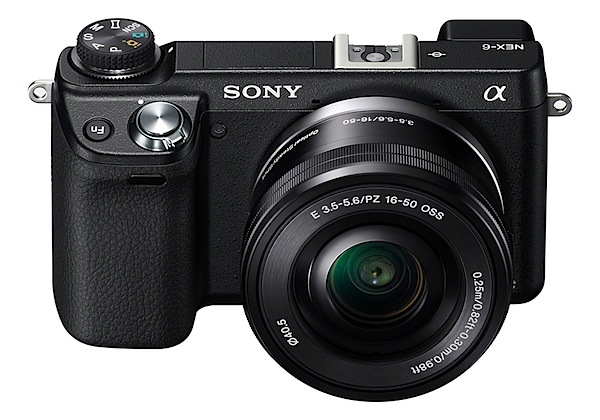
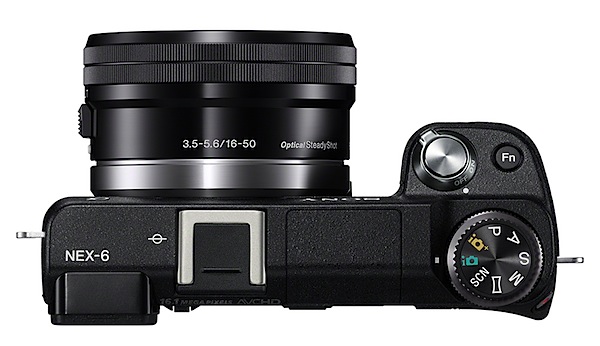
Oh! Oh! Dumbo missed the legibly inscribed, external PASM settings on the top mode dial. Just like most other cameras, but unlike the two most recent mirrorless interchangeable lens cameras that passed through my hands, the Canon EOS-M and Sony’s NEX-5R, which tucked these vital options away in the finder menu and touch screen respectively.

With the NEX-6 many will appreciate the easy access to external exposure controls like these.

Sony NEX-6 Review back.jpg

Sony NEX-6 Review tilt.jpg

Sony NEX-6 Review Top.jpg

Cosmetically, the camera looks gorgeous, simply garbed in black with legibly labelled external controls. It feels good too, thanks to a prominent speed grip. With the review f3.5/16-50mm review lens attached, it is almost pocketable.

Sony NEX-6 Features

The power and Function buttons are mounted on a front sloping deck that falls naturally to an operative forefinger.
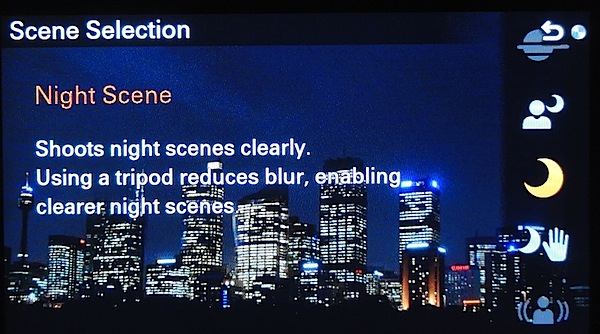
Scene selection 1.jpg

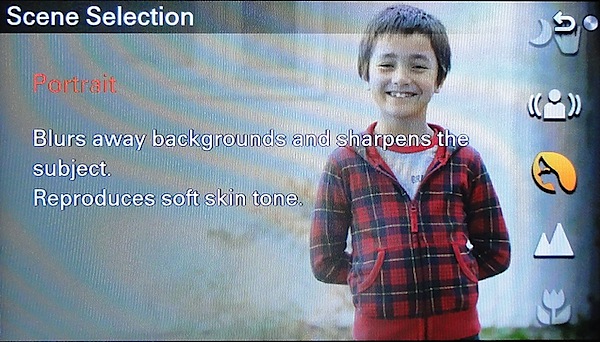
Scene selection 2.jpg

As I mentioned, the mode dial carries the PASM choices plus iAuto and Superior auto exposure options, plus scene modes (nine in all) and Sony’s excellent sweep panorama. Set lower and on the extreme right corner is the video record button: later, when out shooting, I found this location to be a damned nuisance!

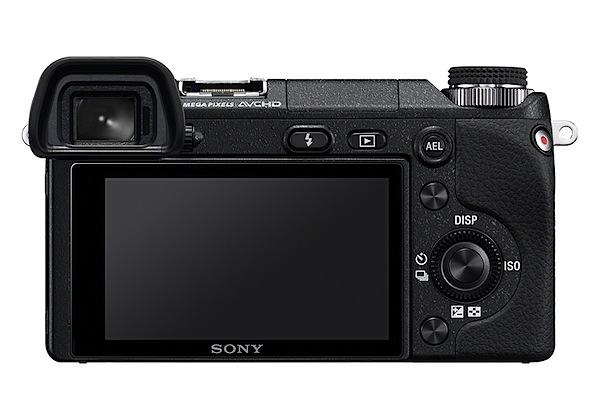
At the rear there is the replay button, flash pop up, AEL (to fix the exposure); the four way control wheel carries ISO, display options, single/continuos shooting and exposure compensation. There are three more, unlabelled near-invisible buttons: two assignable ‘soft keys’ and the central control wheel.

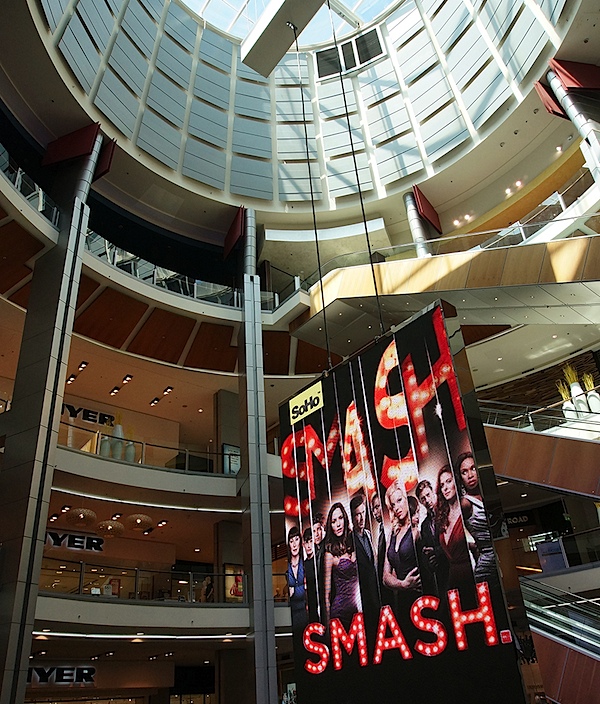
Chatswood shopping centre 2.JPG

Chatswood shopping centre 3.JPG

The CMOS captured a maximum image size of 4912×3264 pixels, or 42x28cm as a print.

Movies at Full HD res of 1920×1080 pixels can be shot in either AVCHD (full res) or MPEG4 (at two lower res settings).

The camera is furnished with full Wi-Fi access. This allows relatively simple wireless stills and video transfers to smartphones or tablets running the supplied PlayMemories Mobile (Windows only) app. Images can also be transferred wirelessly to a networked computer or viewed wirelessly on any DLNA-compatible TV.

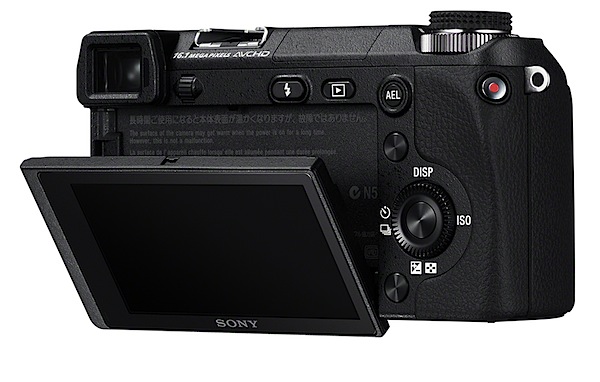
Thankfully, the NEX-6 has a vari-angle LCD screen, tiltable to 90m degrees upwards or 45 degrees down.

Sony NEX-6 ISO Tests

Sony NEX-6 ISO 100.JPG

Sony NEX-6 ISO 400.JPG

Sony NEX-6 ISO 800.JPG

Sony NEX-6 ISO 1600.JPG

Sony NEX-6 ISO 3200.JPG

Sony NEX-6 ISO 6400.JPG

Sony NEX-6 ISO 12800.JPG

Sony NEX-6 ISO 25600.JPG

A very clean performance all the way to ISO 3200. By ISO 6400 very slight rise in noise. Still very useable at ISO 12800 in terms of quality, sharpness and lack of visible noise. Noise up at ISO 25600 but still useable with the right subjects.

Sony NEX-6 Review Verdict

Quality: slightly above average.
Why you’d buy the Sony NEX-6: easy to use; access to a reasonable range of lenses.
Why you wouldn’t: no touch screen operation; the memory cat\rd slot is fiddly to deal with.

If you don’t need the image size of the NEX-7, this could be an ideal choice. Good one!

Sony NEX-6 Specifications

Image Sensor: 16.1 million effective pixels.
Metering: multi zone, centre-weighted, spot.
Lens Mount: Sony E-mount.
Exposure Modes: iAuto, Program AE, shutter and aperture priority, manual.
Effective Sensor Size: 23.5×15.6mm CMOS.
35 SLR Lens Factor: 1.5x.
Shutter Speed (stills): 30 to 1/4000 second and Bulb. Flash sync: 1/160 sec.
Continuous Shooting: up to 10 fps.
Memory: SD/SDHC/SDXC, Memory Stick Pro Duo cards.
Image Sizes (pixels): Stills: 4912×3264 to 2448×1376.
Movies: 1920×1080 (AVCHD), 1440×1080 and 640×480 (MPEG4).
Viewfinder: 7.5cm LCD screen (921,600 pixels).
File Formats: JPEG, RAW (Sony ARW 2.3), JPEG+RAW, AVCHD, MPEG4.
Colour Space: sRGB, Adobe RGB.
ISO Sensitivity: Auto, 100 to 25600.
Interface: USB 2.0, HDMI mini, Wi-Fi.
Power: Rechargeable lithium ion battery, DC input.
Dimensions: 120x67x43 WHDmm.
Weight: 345 g (inc card and battery).
Price: Get a price on the Sony NEX-6 (Body Only) or the Sony NEX-6 with 16-50mm Power Zoom Lens or the Sony NEX6 with 16-50mm Power Zoom Lens and 55-210mm Lens.

Post originally from: Digital Photography Tips.

Check out our more Photography Tips at Photography Tips for Beginners, Portrait Photography Tips and Wedding Photography Tips.

Sony NEX-6 Review


Digital Photography School

 
Comments Off on Sony NEX-6 Review

Posted in Photography


23. Februar 2013

24 Feb

Ein Beitrag von: Georgie Pauwels

© Georgie Pauwels


kwerfeldein – Fotografie Magazin

 
Comments Off on 23. Februar 2013

Posted in Equipment