RSS
 

Archive for the ‘Photography’ Category

Introduction to Taking 360 Degree Photos

14 Dec

The rise of Virtual Reality has brought about an unexpected innovation in the world of photography, the 360° photo. You may have come across a 360-degree photo or video on Facebook, which began accepting the new type of photo early this year. 360-degree photos allow the viewer to interact with the image and explore the entire environment around the camera that captured it.

Anyone can create 360 photos and share them on social media, but to do so you’ll need to invest in a purpose built 360° camera. These cameras have two or three lenses each facing a differing direction; the 360 photos are created by stitching the images captured by each individual lens to create a full 360° image.

This is what a 360° photo looks like before it is stitched together:

360 degree photo unstitched

Using automatic software, a 360-degree camera can stitch each side of the image together to create a full 360° image that will look like this:

Why would you use 360° photos?

So what is the point of 360-degree photos? Is it just a fad or is the medium here to stay? 360-degree photos present an opportunity for people to capture entire rooms, landscapes, and scenes in a single shot. Imagine the difference between photographing a beach using a normal camera compared to photographing the same beach with a 360-degree camera. A normal camera is limited to capturing the space where you point viewfinder, roughly 90° or so. The 360 camera will capture the whole scene, allow you to look up at the sky, behind at the sand dunes and forward towards the ocean, all in one seamless image.

You’ve probably used google street view to explore different places around the world, a 360 photo can be viewed exactly the same way. In fact, businesses have used 360 photography to create internal immersive tours of their properties for years. If you want you can even upload your 360 photos to google where other people can view them on street view.

So it seems like 360-degree photos are here to stay, with large companies like Facebook, YouTube, and Flickr all adapting their photo sharing services to accept 360 images. New cameras being released all the time, and this new type of photography is at last accessible to the casual photographer.

360° Cameras

You may be wondering if 360 photos require advanced equipment and years of training to produce. A few years ago this may have been the case, but the relentless advance of technology means that taking a 360 photo is just as easy as shooting with a compact camera.

This year has seen the release of several consumer 360 cameras aimed at everyday people who want to take immersive 360 photos. These cameras are user-friendly, priced competitively, and only require a few minutes to learn how to use effectively. Some brand names you might like to note down include the Samsung Gear 360, the LG 360 Cam and the Ricoh Theta S; these are all 360 cameras that have proven popular and they are relatively inexpensive.

In almost all cases you’ll need a smartphone to make the best use of your 360-degree camera, as each one has an accompanying app that allows you to preview the image and control camera settings. The camera and app connect wirelessly and then you simply use your phone screen as you would a normal camera screen.

Tips and tricks for shooting 360 photos

One of the exciting things about 360-degree photos is that they require a new set of skills to shoot successfully. For a start, you need to remember that the camera will capture everything surrounding it, so if you don’t want to be seen you will need to hide out of view and make use of the timer feature.

When setting up a 360 photo, consider the fact that the viewer will be able to explore the whole image, so try and find a location with plenty of interesting features.

A must have accessory, that should be used with every 360-degree camera is a good tripod. It is essential that the camera is stable and still when shooting in 360 degrees, otherwise, the image may become distorted. I recommend using a tripod that has little in the way of gears and levers at the top, or they may be visible in the 360 image. I have found that a studio light stand is very well designed to be a tripod for a 360 camera.

When shooting a 360 photo try and ensure that there are no objects too close to the lens, this makes it much more difficult for the camera to stitch the images together accurately.

Your turn

These basic tips will get you started, but the only way to become a proficient 360-degree photographer is to get out and start shooting yourself. The reward is the opportunity to create truly unique images.

Have you tried this kind of photography before? Please your thoughts, questions and images below.

googletag.cmd.push(function() {
tablet_slots.push( googletag.defineSlot( “/1005424/_dPSv4_tab-all-article-bottom_(300×250)”, [300, 250], “pb-ad-78623” ).addService( googletag.pubads() ) ); } );

googletag.cmd.push(function() {
mobile_slots.push( googletag.defineSlot( “/1005424/_dPSv4_mob-all-article-bottom_(300×250)”, [300, 250], “pb-ad-78158” ).addService( googletag.pubads() ) ); } );

The post Introduction to Taking 360 Degree Photos by Daniel Pharaoh appeared first on Digital Photography School.


Digital Photography School
 
Comments Off on Introduction to Taking 360 Degree Photos

Posted in Photography


How to Build the Ideal Tripod

14 Dec

When I got into photography more than 20 years ago, I remember spending all my hard earned money on a brand new camera. It was a shiny beautiful brand new Pentax K1000 with a great 50mm f/1.8 lens. I was almost flat broke and all I could afford to buy after that was a roll of B&W Ilford HP5 film to try the camera out. Some time went by until I could afford to buy anything else photography related, but I remember that the next item on my list was a tripod.

I bought one of those cheap aluminum tripods that lacked a lot on the steadiness side. It served me well for a few years until one day it totally fell apart with my precious camera mounted on it. Of course, nothing serious happened because those cameras were built like a tank. It’s amazing the kind of abuse they could take and just keep on working flawlessly like a Swiss clock, but that day I promised myself I would never buy another cheap tripod again in my life.

Building the Ideal Tripod

What is the perfect tripod?

As I started growing up in the photography business, I tried out a lot of different things, from really light carbon-fiber tripods to huge studio columns for large format cameras. The fact is that there is no perfect tripod out there.
Different cameras and different situations require different tripods.

You have to accept that it is a compromise between lightness, steadiness, and versatility, and make your choice.

Honestly, I own more tripods than I would like to admit. The fact is that I always have a really hard time picking the right tripod every time I have to go out on an assignment. So recently I put myself on a quest to search for a nice tripod that would fit most of my needs and would not break my piggy bank.

Building the ideal tripod

The shopping list I am about to describe was made after some serious research. I kept in mind the best price, quality products, and the kind of work I do, which ranges from portraiture to architecture, with a lot of landscaping in between, mostly done on the go. So these choices may not be everyone’s cup of tea, but they work great for me.

Best tripod 01

The Fotopro CT-5i tripod.

If you take a look around, you’ll see that there are hundreds of tripod manufacturers on the market. If you eliminate the top brands and focus on the regular consumer brands, you’ll see that many times the same product is sold under different brand names, many times with very different prices.

The thing is that most of these products are made in China, and then exported around the world and sold under the name of local brands. To buy this kind of product is a game of chance because they range from fairly well-made to really bad knock-offs of famous brands made with cheap materials.

Starting with the Fotopro CT-5i tripod

The Fotopro CT-5i I decided to buy is a really good compromise of a good product with a really nice price tag. This particular tripod configuration is used by different manufacturers. You can find this product being sold under different brand names with slight differences.

It is a four-section aluminum tripod that weighs 1.38kg (3.04 pounds) and is as small as 43cm (16.9 inches) when folded. It is able to support up to 8kg (17.6 pounds) and extend up to 1.57 meters (5.15 feet).

These specifications are perfect if you want a transportable tripod that is sturdy enough to hold a DSLR with a heavy lens, with the ability to remove one of the legs and convert it into a monopod, which is a major plus in my opinion. It also comes with a transport bag and a few handy accessories such as:

  • A belt holder for transport or for a monopod steady stand
  • A couple of hex wrenches for tripod maintenance
  • Hand strap
  • A sturdy hook to hang some weight and make the tripod steadier

Best tripod 02

It has a moveable central column and a really clever latch design that opens the legs in three different angles.

Best tripod 03

Customizing my ideal tripod

Even though the design of the product is really good, after using it for a couple of months, I realized I could improve it with a few simple modifications that would make my job easier.

The first task was to remove the original rubber feet and replace them with a set of spigots with a 3/8″ thread.

Best tripod 04

Best tripod 05

With a little bit of grinding they get a tight fit inside the tube, and now they just give me new attachment possibilities, like these spikes or rubber feet that I can use in different types of ground.

Best tripod 06

Or I can add a 3-legged locking base to the monopod.

Best tripod 07

It’s a simple modification that adds a lot of versatility, enabling features that are only seen in really high-end brands.

Best tripod 08

The monopod can also be used as a boom arm or, if I’m in a rush, I even use it as a light stand attached to something like my hard case with a heavy duty clamp.

Best tripod 09

You can also improve the steadiness of the tripod by just hanging something on the hook of the central column like for instance your photo bag.

Best tripod 10

Accessories

The ball head is a medium size one, with an Arca Swiss style plate able to perform smooth panning movements, even though I have to admit that the knobs don’t offer the best grip, but they do the job.

The bubble levels on the plate base are a good help when you need to check your horizontal or vertical indicators. It seems very well balanced and steady with a DSLR with a heavy 70-200mm f/2.8 lens using the collar attachment.

Best tripod 11

It doesn’t perform that well when you use the camera base screw attachment and turn it to the vertical position, making it totally out of balance. This is the reason why I use an L-Bracket most of the time.

Best tripod 12

The bracket keeps the camera in line with the tripod column, making it balanced and not tilted off-side when you use it in the vertical position.

Best tripod 13

Bottom Line

Sometimes you have to adapt the tools you use to your needs. These customs modifications and add-on accessories just made this tripod a lot more useful to me, making my job much simpler when I have to use one.

What about you, have you done any custom adaptations to your tripod? Please share your ideas in the comments below.

googletag.cmd.push(function() {
tablet_slots.push( googletag.defineSlot( “/1005424/_dPSv4_tab-all-article-bottom_(300×250)”, [300, 250], “pb-ad-78623” ).addService( googletag.pubads() ) ); } );

googletag.cmd.push(function() {
mobile_slots.push( googletag.defineSlot( “/1005424/_dPSv4_mob-all-article-bottom_(300×250)”, [300, 250], “pb-ad-78158” ).addService( googletag.pubads() ) ); } );

The post How to Build the Ideal Tripod by Ivo Guimaraes appeared first on Digital Photography School.


Digital Photography School
 
Comments Off on How to Build the Ideal Tripod

Posted in Photography


dPS 12 Days of Christmas: Save up to 85% on Some Great Photography Training and Tools

13 Dec

NewImage

In 24 hours our dPS 12 Days of Christmas celebration begins!

This is when you’ll score HUGE savings on our most popular products and MASSIVE discounts with some very special dPS partners so that you have the best resources to reach your photography goals for 2017.

It works just as you’d expect. Over 12 days, we’ll announce a brand new deal every 24 hours.

To get notified of each deal just add your email address below.

(function(d, s, id) {
var js, fjs = d.getElementsByTagName(s)[0];
if (d.getElementById(id)) return;
js = d.createElement(s); js.id = id;
js.src = “//forms.aweber.com/form/33/1265496433.js”;
fjs.parentNode.insertBefore(js, fjs);
}(document, “script”, “aweber-wjs-srgepzl3e”));

Each day you’ll receive an email from us with a special offer from us or a partner.

Many of our deals are offering 70% to 85% off the normal price.

We’ll also share the deals on our Facebook page, but the best way (so you don’t miss a thing), is to sign up for the emails above.

On signing up you’ll also get a special free downloadable gift from dPS – our mini-guide and checklist for photographing the holidays.

NewImage

Our annual 12 days of Christmas is the most anticipated event on the dPS calendar – and this year is going to be bigger than ever! It starts in less than 24 hours and is always lots of fun. We hope you’ll join us.

We can’t wait to unveil the first deal with you…just 24 hours to go!

Again – to get the deals via email just sign up below.

(function(d, s, id) {
var js, fjs = d.getElementsByTagName(s)[0];
if (d.getElementById(id)) return;
js = d.createElement(s); js.id = id;
js.src = “//forms.aweber.com/form/33/1265496433.js”;
fjs.parentNode.insertBefore(js, fjs);
}(document, “script”, “aweber-wjs-srgepzl3e”));

googletag.cmd.push(function() {
tablet_slots.push( googletag.defineSlot( “/1005424/_dPSv4_tab-all-article-bottom_(300×250)”, [300, 250], “pb-ad-78623” ).addService( googletag.pubads() ) ); } );

googletag.cmd.push(function() {
mobile_slots.push( googletag.defineSlot( “/1005424/_dPSv4_mob-all-article-bottom_(300×250)”, [300, 250], “pb-ad-78158” ).addService( googletag.pubads() ) ); } );

The post dPS 12 Days of Christmas: Save up to 85% on Some Great Photography Training and Tools by Darren Rowse appeared first on Digital Photography School.


Digital Photography School
 
Comments Off on dPS 12 Days of Christmas: Save up to 85% on Some Great Photography Training and Tools

Posted in Photography


How to Convert a Camera to Infrared for Black and White Landscape Photography

13 Dec

Get Andrew’s The Black and White Landscape eBook bundle at 30% off now over at Snapndeals, only until December 20th (AUS time).

Do you have an old digital camera that you don’t use much anymore? If you do, one way to make it useful again is to convert it to infrared for black and white landscape photography.

How to Convert a Camera to Infrared for Black and White Landscape Photography

Why would you want to do this? For me, the main reason is that it gives me a new way of working in black and white. Yes, infrared converted cameras can give you color images as well as black and white ones, but for me, the strange colors are more of a gimmick than a useful tool. With black and white, it’s different. In infrared photography, the tonality of the photo changes, giving you new and interesting ways to capture the landscape.

What is infrared photography?

The simple (non-technical) explanation is that infrared light is a kind of invisible light, formed of electro-magnetic waves that are undetectable to the human eye.

Human skin reflects a lot of infrared light, so does vegetation. These these things appear very bright in black and white infrared photos. Inanimate objects, such as roads, stones, and buildings, don’t reflect as much infrared light and can look remarkably similar to regular black and white photos when photographed in infrared.

How to Convert a Camera to Infrared for Black and White Landscape Photography

What is an infrared conversion?

Digital camera sensors are sensitive to ultraviolet (UV) light and infrared light as well as the visible wavelengths of light. Because of this, digital cameras have filters to block both ultraviolet and infrared light. The infrared filters on most cameras do let some infrared light through, but not enough to affect the image.

During an infrared conversion the technician removes the infrared filter so that the sensor can now see infrared light, and replaces it with a filter that blocks visible light, so the sensor can only see and record infrared. The process isn’t complex, and because of that isn’t particularly expensive. If you are technically minded you could even try it yourself. There are videos on YouTube that explain how. You just need the right tools and parts.

The usual caveats apply. If your camera is still under warranty that will be voided, and bear in mind that you can damage your camera if you don’t know how to do it properly. You should only attempt it if you know what you are doing!How to Convert a Camera to Infrared for Black and White Landscape Photography

The infrared conversion on my camera was done by Protech Photographic in the UK (they also handle orders from mainland Europe). LifePixel and Kolarivision are US based companies that also do infrared conversions. If you know of any other reliable companies, please let us know in the comments section below.

Types of infrared conversion

There are several types of infrared conversion. These are some of the most common.

Full spectrum conversion

The UV and infrared filters are removed. Your camera’s sensor can now see UV and infrared light as well as visible light. You control the effect by using filters (on the lens) to block different amounts of visible and/or infrared light. This may be interesting if you like to experiment, but the disadvantage is that you need to buy filters, adding to the cost. Filters also block light, so you need to use slower shutter speeds or higher ISOs to compensate.

infrared-camera-conversions-6

720nm conversion

The technician places a filterin front of the sensor that blocks all wavelengths under 720nm (nm = nano-meter and is a unit of measurement equivalent to 1/1,000,000,000 meter used for measuring wavelengths of light). In other words, it only lets infrared light through. It’s the type of conversion best suited for landscape photography, giving you a color image that’s easy to convert to black and white. This is probably the most common type of infrared conversion and the one you should go for unless you have a specific need for one of the other types.

830nm conversion

The sensor is fitted with a filter that blocks all wavelengths under 830nm. This gives a more intense type of infrared effect, with very little color. It’s ideal for dramatic black and white landscape photography.

Some companies offer different types of conversion in addition to these, so check their websites for details.

How to Convert a Camera to Infrared for Black and White Landscape Photography

Camera types and infrared conversions

When it comes to converting digital SLRs to infrared there is something you need to bear in mind. Infrared light focuses at a different point to regular light. Your camera is calibrated to focus visible light, which means that if you try to focus on something using a wide aperture (which gives less depth of field) then your focus may not be accurate. It is possible to calibrate a lens to focus accurately with infrared, so check with the company that is going to handle your infrared conversion for details.

But for landscape photography, where most photographers use wide-angle lenses and stop down the aperture for sharp focus, it is not so important. If your camera offers some sort of contrast detect autofocus in Live View (where the camera focuses by taking a reading from the sensor rather than using the camera’s phase detection autofocus system) then you will have accurate focusing in Live View (just not when using the viewfinder).

infrared-camera-conversions-5

Mirrorless advantage

Mirrorless cameras have an advantage over digital SLRs for infrared because they are able to focus from the camera’s sensor. That means that if you plan to hand-hold the camera and look through the viewfinder to take photos (rather than put the camera on tripod and use Live View) then a mirrorless camera is an excellent choice as you won’t get any focusing errors.

Another advantage of cameras with electronic viewfinders is that when you set the camera to its black and white mode the camera displays the scene in black and white in the viewfinder. This makes it easy to visualize how the photo will come out in black and white with the infrared effect applied.

infrared-camera-conversions-7

Lenses and infrared photography

Another consideration is that not all camera lenses are suitable for infrared photography. Older lenses in particular tend to show a hot spot at the center of the frame, especially at wide aperture settings. Before converting your camera you should check and see if there are any reported problems with the lenses you intend to use with it. Kolarivison have a comprehensive list of infrared compatible lenses.

Infrared filters

Another option, if you don’t want to convert a camera to infrared, is to buy an infrared filter that blocks out visible light and just lets infrared light reach the camera’s sensor. The Hoya R72 filter is a great option and not very expensive, especially if you have smaller lenses. It blocks wavelengths below 720nm, just like a 720nm infrared conversion.

Note: shop for the Hoya R72 Filter on Amazon.com or on B&H Photo’s site. 

infrared-camera-conversions-8

You may remember that digital cameras have a filter that blocks most infrared light. An infrared filter is opaque, so the result is that not much light reaches the sensor. In effect, an infrared filter is a strong neutral density filter as well as an infrared filter.

The strength varies according to the camera used, but don’t be surprised if you lose 16 stops of light. A tripod is essential. Luckily, this is not necessarily a bad thing for landscape photographers. If you are prepared to work within this limitation then an infrared filter could be for you.

infrared-camera-conversions-11

Test first

The infrared filter on some cameras is so strong that no light reaches the sensor at all. This makes using an infrared filter impossible. There’s a simple way to check to see if your camera’s sensor can detect infrared light. Do this test first before buying an infrared filter.

Set your camera to Live View and focus on the end of a television remote control while pushing down one of the buttons. If you can see a light (the infrared communication in action) then it is sensitive enough to infrared light to use with a filter. It’s probably easiest if you ask somebody to hold the remote control for you.

Black & white infrared landscape photograph

This photo (below) was taken with a Hoya 72 filter. It required a shutter speed of 180 seconds, even though the cliffs were lit by the light from the setting sun.

Black & white infrared landscape photograph

All the other photos in the article were taken with a Fujifilm X-Pro 1 converted to infrared.

Conclusion

That concludes our overview of converting cameras to infrared for black and white landscape photography. Have you tried this yourself? What camera did you have converted and how did it work out? Please let us know in the comments.

Get Andrew’s The Black & White Landscape eBook bundle at 30% off now over at Snapndeals, only until December 20th (AUS time).

googletag.cmd.push(function() {
tablet_slots.push( googletag.defineSlot( “/1005424/_dPSv4_tab-all-article-bottom_(300×250)”, [300, 250], “pb-ad-78623” ).addService( googletag.pubads() ) ); } );

googletag.cmd.push(function() {
mobile_slots.push( googletag.defineSlot( “/1005424/_dPSv4_mob-all-article-bottom_(300×250)”, [300, 250], “pb-ad-78158” ).addService( googletag.pubads() ) ); } );

The post How to Convert a Camera to Infrared for Black and White Landscape Photography by Andrew S. Gibson appeared first on Digital Photography School.


Digital Photography School
 
Comments Off on How to Convert a Camera to Infrared for Black and White Landscape Photography

Posted in Photography


How to See and Photograph Light – 6 Tips to Help you Take Better Photos

13 Dec

I was teaching a class recently and someone asked me how they could have made a particular set of landscape images better. Should they have used a different aperture, shutter speed, etc.? “You couldn’t have made those photos any better because the light was terrible.” I explained. You must learn to see and photograph light to take better photos.

How to See and Photograph Light - 6 Tips to Help you Take Better Photos

Blossoms at dawn, Paris.

There are times when interesting photos can be made in bad light. But I will unequivocally say that in most cases (as there are always exceptions to the rules, right?) when you have boring light you will have boring photos.

Interesting light transforms any subject. It reveals and enhances the subject’s natural qualities. In many ways, it brings your subject to life. If you follow only one piece of advice in photography it should be this:

“Light makes photography. Embrace light. Admire it. Love it. But above all, know light. Know it for all you are worth, and you will know the key to photography.” George Eastman.

How to See and Photograph Light - 6 Tips to Help you Take Better Photos

Moonset on the Seine.

In this article, I am going to explore light in many forms, but it’s not a technical article. This is about the how you compose with light, how its different forms affect your subject, the emotions that light communicates, and how when you really chase light you’ll learn to create more compelling and memorable images.

In every single one of these photos, I will say that the subject is the light. The light might be subtle, or very obvious, but what compelled me to snap that shutter was what the light was doing. Here are some tips to get you more involved with capturing the mesmerizing qualities of light.

1) Notice light

“It’s not what you look at that matters, it’s what you see.” Henry David Thoreau

How to See and Photograph Light - 6 Tips to Help you Take Better Photos

This first step seems like a stupidly simple piece of advice right? I mean who doesn’t notice light? Most people notice the obvious aspects of light – it’s a sunny day, it’s stormy, it’s twilight. There is so much more to light, though. It’s a rich, varied and complex entity. Light is creating hundreds of different effects all around us all the time.

The first piece of advice I always give to all my students is – look for what the light is doing and look for light sources. You’re out and you see a beautiful shaft of light on a wall. Ask yourself – where is it coming from? Is it direct or is it being reflected off of something? Is it bouncing off the wall and doing something else?

As you move around light alters – as you enter a square, go under a tree, move behind a building – it’s bouncing and reflecting off so many things. Light is being filtered through leaves, through different urban and natural materials. It’s this constantly changing aspect that you need to become very familiar and intimate with. Light is always changing – as clouds drift across the sun, as the hours pass, as weather systems move.

How to See and Photograph Light - 6 Tips to Help you Take Better Photos

See the shadows on the clouds?

Become a light detective

There are, of course, many times when the light is super flat. We have many days in London where cloud cover is very dense and the light is very flat and gray. Or back in California, where I grew up, in the height of summer at midday the light is hard and almost flat in its piercing white intensity. Then you have to work harder to look for alterations in light. But like life itself, change is something we can consistently rely on.

You’ll also start to notice that when the light outside changes, it also changes the light inside. A drop in the vibrancy of the light outside will make the light inside seem warmer and stronger.

Becoming a good photographer is like becoming a light detective. What is light doing to your subject? What is it revealing about your subject?

How to See and Photograph Light - 6 Tips to Help you Take Better Photos

Los Angeles downtown at dawn.

2) Use light to create emotion in your images

“A great photograph is a full expression of what one feels about what is being photographed in the deepest sense and is thereby a true expression of what one feels about life in its entirety.” Ansel Adams

For me, light always creates an emotion, a feeling, or a sense of mood. It doesn’t have to be a strong feeling or even a positive one, but it does have to create an impact with me that goes beyond the initial pleasingness to the eye. I am constantly searching to capture a feeling in my images. Light is a very powerful way to communicate emotions.

So I want you to look at the light in the following photos and ask yourself – how do they make me feel? Light can be a powerful and dramatic element in your photos, creating a deep feeling of awe, about the grand beauty of the world.

How to See and Photograph Light - 6 Tips to Help you Take Better Photos

Dawn over the Grand Canal Venice, Italy.

Light enhances the subject

Of course, the photo above would have been interesting without the dramatic sunrise, after all, it is Venice and the subject is incredible. What the beautiful light adds, though, is a big pop of color, adding a layer of depth and enhancing the awe-inspiring feeling of these amazing buildings. The dramatic color and light matches and enhances the dramatic subject.

It doesn’t have to be big subjects, though. This simple shot of pretty flowers would be quite boring if it didn’t have this lovely dappled light on it. It’s simple but very evocative. If you are starting out, or trying to refresh your basic skills, focusing on detailed shots like this, and what light is doing to the elements in the world around you, is a fantastic way to start playing with, and capturing the magic of light.

How to See and Photograph Light - 6 Tips to Help you Take Better Photos

Tulips in bloom Istanbul Gulhane park

I have mentioned interesting and beautiful light. So what is interesting light? Well, to me it’s any light that communicates an emotion, a feeling, or a mood. It’s light that makes you feel something. Even if that’s melancholy.

How to See and Photograph Light

Lone tree on a foggy morning on Hampstead Heath London, at dawn.

I shot the photo above on a cloudy autumnal morning. The light was very diffuse, very subtle, but it was still pretty and interesting to me. It matched the location I was in – the wild heathers and grass along with the stark leafless tree standing alone.

Can you see how the light emphasizes the natural qualities of the tree? How the amazing wild branches, stripped bare, almost like someone’s mind going crazy, are enhanced by the soft light?

In the photo below, to me, the light is offering an amazing feelingof foreboding.

How to See and Photograph Light - 6 Tips to Help you Take Better Photos

Dark days ahead, London.

3) What is the color of light?

“Light, that first phenomenon of the world, reveals to us the spirit and living soul of this world through color.” Johannes Itten

Color from light is produced when white light is split by a prism into the colors of the rainbow. You also get artificial effects created by the myriad of things that light reflects onto and bounces off.

For me, color is the second most powerful force in my photography, and getting a sense of the color of light is a great way to start using light and color in your compositions.

Compare the color of the light in the following three images.

How to See and Photograph Light - 6 Tips to Help you Take Better Photos

Dawn over Death Valley, California

How to See and Photograph Light - 6 Tips to Help you Take Better Photos

Sunrise over the Bosphorus, Istanbul Turkey at dawn.

How to See and Photograph Light - 6 Tips to Help you Take Better Photos

Near Hackney Wick station London at dawn.

Light is always full of color – even if it’s piercing white. And it’s doing something to the color of your subject.

4) Light can make even dull and boring subjects interesting

“In the right light, at the right time, everything is extraordinary.” – Aaron Rose

Interesting light doesn’t have to just be natural, or even beautiful. Light of all kinds creates mood and feeling within a photo. Your aim is to ensure that the light helps to create a story of some kind for your image, that it tells you something about what it’s like to stand right there, where you were.

How to See and Photograph Light

Hotel room, Madrid, Spain.

Above is a great example of harsh light that usually I wouldn’t go near – but it works in this photo because it works well for the subject. I rarely take photos using such unflattering hard lighting. But in a grim hotel room in Madrid, it enhances the feeling of loneliness that the twin (disconnected) beds give off, with the bleak looking paint color. That burst of light wraps up the photo into a nice melancholy package. See, even horrible light can be interesting (in the right circumstances)!

Then you also have the issue of beautiful, gorgeous light making rather dull subjects suddenly quite interesting.

How to See and Photograph Light - 6 Tips to Help you Take Better Photos

Gas pumps for boats in Venice, at dawn.

Without the rich blue light, this would not be an interesting photo. Plus what gives it another layer of interest are the pops of artificial light.

This following photo has a fascinating subject. But imagine this scene on a gray, drab Parisian morning, when all you want to do is dive into a cafe and eat several pains au chocolat?

How to See and Photograph Light - 6 Tips to Help you Take Better Photos

A dawn Idyll on the Seine, Paris.

The light is bringing everything to life – the gray stone buildings, the grayish-green water, the black and browns of the boats. This would be a totally boring photo without that magical light and sky.

5) Use light to tell a story

“There is only you and your camera. The limitations in your photography are in yourself, for what we see is what we are.” – Ernst Haas

I think photographs are at their strongest when they enhance the inherent qualities of the subject you are photographing when they add another layer of story to the photo.

What story do you want to tell?

I photograph a lot of cities at dawn; it’s my main subject at the moment. Dawn, though, becomes very repetitive to photograph. It’s often so pretty, but just how many epic sunrises can you photograph? So one of my favorite things to do is to juxtapose that beautiful, ethereal light of dawn with the broken, used or decaying elements of our cities.

How to See and Photograph Light - 6 Tips to Help you Take Better Photos

Ancient vista, Istanbul at dawn.

I think it says so much. The hopeful light of dawn, with the heavy feeling you get from the urban scene, and feeling of human impact.

I also love to photograph dawn when the street lights are still on. That mix of the best light nature produces, with that hard functional light we humans create for our cities, is a very interesting thing to play with. The light is telling you more about what it’s like to be exactly where you are – it’s helping to tell the story of your subject.

How to See and Photograph Light - 6 Tips to Help you Take Better Photos

Last light on gravestones, Stroud, England.

In the photo above I was in this graveyard on a winter’s afternoon. I noticed that the sun was starting to set and realized that if I waited, the sun would fall perfectly between the trees, lighting up the gravestones. This stream of light through the trees only lasted a minute or two, but it shows that when you really pay attention to light you can start to anticipate what it’s going to do, and how it will affect your photos. Without that stream of beautiful light the scene would have been really boring.

6) Chasing light is an adventure

“Photography is a love affair with life.” – Burk Uzzle

Photography is such an amazing creative pursuit. I love how it connects me so much more to the world around me. Learning to pay attention to light and how to capture it is one of the best ways to elevate your photography. Becoming intimate and familiar with light will help you become really present with the beauty and wildness of this amazing world.

How to See and Photograph Light - 6 Tips to Help you Take Better Photos

I would encourage you to photograph light – just for the sake of it. It’s a wonderful, thrilling adventure to always be chasing the light.

I’d love to know if you how you go about capturing light and use it in your photos. Please comment below, I love hearing your ideas.

googletag.cmd.push(function() {
tablet_slots.push( googletag.defineSlot( “/1005424/_dPSv4_tab-all-article-bottom_(300×250)”, [300, 250], “pb-ad-78623” ).addService( googletag.pubads() ) ); } );

googletag.cmd.push(function() {
mobile_slots.push( googletag.defineSlot( “/1005424/_dPSv4_mob-all-article-bottom_(300×250)”, [300, 250], “pb-ad-78158” ).addService( googletag.pubads() ) ); } );

The post How to See and Photograph Light – 6 Tips to Help you Take Better Photos by Anthony Epes appeared first on Digital Photography School.


Digital Photography School
 
Comments Off on How to See and Photograph Light – 6 Tips to Help you Take Better Photos

Posted in Photography


Act Fast: Free Lighting in Layers DVD Promo at Midwest

09 Dec

Quick heads-up on a great deal: Midwest Photo is giving away a free 7-DVD set of Lighting in Layers (more info on the DVDs, here) with every single Jumpstarter kit purchased, while supplies last.

The Jumpstarter kits are already a great value. The no-flash kit actually costs less than the DVDs themselves, at $ 142.99. But no matter which kit you might be considering—the no light, single-light, add-a-light, or two-light version—the DVD set addition makes it an even better value.

Two things to know:

1. You have to enter the code HOBBYSHIP at checkout.
2. The deal also includes free UPS ground shipping within continential US. You have to calculate shipping before you enter the code. But it should take it off after the code is entered, if you choose Ground UPS and live in the lower 48.

You can learn more about the core components of the kits here, in Lighting 101.

Links to the various versions of the Jumpstarter kits follow below:

Lighting Kit WITHOUT Flash ($ 142.99)

Lighting Kit WITH LumoPro LP180 Flash ($ 271.99)

Add-A-Light Kit ($ 198.00) (Includes LP180 flash, but no Ares remote)

2-Light Kit ($ 469.99) (Includes 2 LP180 flashes, remote, stands, umbrellas, case, etc.)
Strobist

 
Comments Off on Act Fast: Free Lighting in Layers DVD Promo at Midwest

Posted in Photography


Tips from the Sports Photography Pros to Help You Get the Money Shots

07 Dec

The pros know that sports photography is a fast paced and intense profession. You have to be quick. Really quick! Catching the moment is one-third intuition, a third skill, and the rest is pure luck. Accept it now! Sometimes the most amazing shot you capture will just be pure luck.

sports photography action

Capture the emotion and the intensity of the players. These shots sell.

There are things you can do to increase the odds of success. If you’re like me and you want to earn part of your income from sports photography then there are some tips and tricks you need to learn. Sports photography is a lot more than just pointing the camera at an athlete and holding down the shutter button.

Camera grip is key

The sheer speed of sports photography requires a specialized grip. You have to be able to zoom in and out quickly as well as switch from landscape to portrait (horizontal to vertical) orientation. If you are strong enough to handhold your lens then this technique is for you.

sports photography black and white

For a magazine a shot in black and white can create a lot of drama.

Loosen up the tripod collar on the lens so it slides easily. Hold the lens by placing the base of the collar in the palm of your hand and grip the zoom ring with your fingers. As you rotate your camera from portrait to landscape your camera will automatically change focal lengths. It’s quick and convenient and it’s also pretty easy to maneuver. You can then adjust the orientation of your camera back to portrait or landscape by releasing your grip on the zoom ring. It takes practice to perfect this method but once you’ve got it the process becomes very quick.

The same basic premise can be used if you shoot with a monopod. Instead of using your hand as the base for monopod ring you’re going to handhold the zoom ring and turn from portrait to landscape in the same way.

sports photography

In this case, the image is about the struggle and expressions on the kid’s faces. The scene tells a story about struggle.

Money shots

I quickly learned that certain types of shot sell while other shots are nice but they don’t sell. The images that generally fall into one of the following three categories:

sports photography action hockey

At tournaments, these types of shots sell to parents.

1) The Celebration

Images of athletes celebrating are so popular because they show the height of emotion and sacrifice. The recent shot of the World Series winning Chicago Cubs is a fantastic example.

While this isn't an epic celebration parents love this type of shot.

While this isn’t an epic celebration parents love this type of shot.

2) The profile shot

In this instance, you capture an image of an athlete in action. The shot shows the shape of their body as they compete and there is little to distract from the perfection of their form.

sports photography girl running

The water droplets are my favorite part of this shot even though most people won’t notice them.

3) The unusual occurrence shot

These are the unique moments in sports that only happen once. You won’t catch these types of shots very often but when you do it’s a fantastic adrenaline rush.

sports photography expressions

In this case, the facial expression and position of the girl’s arms and the ball make for a unique shot.

I’m not saying that other shots won’t sell but the likely hood is far less. Sometimes the image falls into a category of its own. If you try to capture the majority of your images from these three categories then you are well on your way to earning an income from sports photography.

Don’t give up

Sports photography is an incredibly tough world to try and break into. You have to work so hard to get noticed. It’s also incredibly challenging and very physical. Be prepared for the ride of your life. You will have to push your camera and your body to their limits to keep up with these talented and very physical athletes.

So use every trick or tip you can find to rise above the rest and take those memorable shots. Leave any of your tips below and also share your favorite images.

Capturing goalies is a real challenge. Usually, there's a lot of traffic in front of them.

Capturing goalies is a real challenge. Usually, there’s a lot of traffic in front of them.

googletag.cmd.push(function() {
tablet_slots.push( googletag.defineSlot( “/1005424/_dPSv4_tab-all-article-bottom_(300×250)”, [300, 250], “pb-ad-78623” ).addService( googletag.pubads() ) ); } );

googletag.cmd.push(function() {
mobile_slots.push( googletag.defineSlot( “/1005424/_dPSv4_mob-all-article-bottom_(300×250)”, [300, 250], “pb-ad-78158” ).addService( googletag.pubads() ) ); } );

The post Tips from the Sports Photography Pros to Help You Get the Money Shots by Erin Fitzgibbon appeared first on Digital Photography School.


Digital Photography School
 
Comments Off on Tips from the Sports Photography Pros to Help You Get the Money Shots

Posted in Photography


How to do Lifestyle Newborn Photography

07 Dec

Very little is as precious to photograph as a newborn baby. Those tiny toes, the fluttering eyelashes, the way they grasp their parents’ fingers. These are the moments that parents want to record and keep forever. There are two schools of newborn photography – I think it is fair to say that they exist on one spectrum.

Lifestyle Newborn Photography

On one far end of the spectrum is what we’ll call traditional newborn photography. This is an incredibly popular style with so many beautiful applications. It is usually posed photographs on a natural background, oftentimes with props or staging, i.e., baby in a basket photography. It’s gorgeous and gives a client’s baby a chance to be a model for the day.

On the other end of the spectrum is newborn lifestyle photography. This is more like photojournalism in that it is designed to tell a story, to document the baby and his or her interactions with the family, pets, environment, etc. These tend to be shots that are more real and less staged, designed to capture the essence of having a newborn.

Lifestyle Newborn Photography

Since these exist on one spectrum, you can do a combination of elements from each. But in this article I’m going to focus on newborn lifestyle photography and its advantages.

What setup is required for lifestyle newborn photography?

In order to set up a home studio for traditional newborn photography, you will likely need quite a bit of gear. At the bare minimum, you will need a beanbag or posing device, some backgrounds, lighting, and dedicated space. Most traditional newborn photographers also have an array of props, also – wraps, hats, tiaras, etc. This can cost thousands in setup costs alone, in addition to your other obvious expenses, like camera, lenses, gallery delivery system, etc.

With newborn lifestyle photography, the entire setup is much simpler. If you are entirely on the lifestyle end of the spectrum (which would take place entirely in a client’s house or destination), you would really just need your camera and maybe a flash. Natural light is highly recommended, however, as flash startles a baby and can look harsh in a home. A better solution for reflecting natural light where you want it to go would be to use a reflector.

Lifestyle Newborn Photography 9

Before the session

You’ve got a client! So, what’s next? Here are a few things to do prior to the appointment.

Communicate with the client

Call or email and find out what type of shoot they envision, how they want the end product to look. First of all, this will tell you if you have the appropriate gear or props, and if it is practical for you to procure them if you don’t. It will also tell you on what end of the traditional versus lifestyle spectrum they reside so that you can plan the shoot and what you might want to bring. You can research poses and photo ideas based off of this information for inspiration, too – Google Images can be your friend.

Lifestyle Newborn Photography

Setting the stage

I find it’s helpful to give the clients some recommendations for setting the atmosphere of their home for newborn photos. Babies like it warm (especially if you’re going to have them stripped down to minimal or no clothing), so I recommend either an overall temp of 78 to 82 degrees F (25.5 – 27.5C), or a space heater nearby. White noise is helpful if there are older siblings or other ambient noises around.

If they want lots of sleepy shots, keeping the baby up for two hours or so prior to the shoot will help ensure that you can get some shots of the little one napping. Sleepy shots and traditional newborn photographs tend to work best when the baby is 10 days old or younger, also, just because they’re still in that cuddly newborn stage. However, if they are okay with true lifestyle photos or if the baby is awake, you can fudge that 10-days rule and the amount of awake time some.

Awake Lifestyle Newborn Photography

Do your best boy scout impression

Be prepared! Some good things to take (or ask if they have ahead of time) are a step-stool or ladder for shots from above, a reflector or (less ideally) a flash, and a spare charged battery for your camera. You may also want to take a change of clothes for yourself, just because babies are prone to all kinds of emissions!

There are also extra optional things you can make that may fall more on the traditional end of the spectrum. A newborn beanbag can be great for getting those up-close posed shots. Here is a great article on how to create your own backdrop stand. You can also take blankets and other backdrops, wraps, props, etc., as much as you can fit in your vehicle.

At the session

Every photographer conducts their photo shoots differently, so you will have your own system and style that works. Here are just a few basic recommendations.

Go where they go

Lifestyle Newborn Photography

Newborn lifestyle photography is all about their life at the time the baby is a newborn (not to belabor the obvious). If the family is home from the hospital, take photos there. Get shots in the crib or bassinet (if they use one), in the master bed cuddled with mom, curled up on the couch, by the front door, etc. Outdoor shots (if seasonally appropriate) can also be fun keepsakes.

However, different babies’ realities might look different. For example, sometimes complications happen and a baby has to be in the NICU for an extended period of time. Those babies still deserve to be captured in their beauty and innocence during the newborn period, so move the shoot there. Capture the reality of what the NICU life is like for the family, as those will be memories that they will have for a lifetime.

Lifestyle Newborn Photography 4 5

Find the light

With on-location photography, you obviously want to capture picturesque and beautiful places of the home or place you are photographing. However, just as important as the composition of the photo is the lighting. Try to find areas that are particularly well-lit if you are using natural light. Have a parent hold the baby near a large window, especially if it’s indirect lighting. The time of day may greatly affect what works best in a given environment, too. If there is limited natural light and you don’t want to, or can’t use artificial lighting, you may need to shoot at a higher ISO, too. Just keep in mind that this can result in additional graininess in your photo.

Lifestyle Newborn Photography

The tiny details

One of the great thing about newborn lifestyle is that it’s like being a photojournalist, so you catch everything. The curl of a newborn’s eyelashes, the shedding skin on baby’s feet, the umbilical stump. These are things that are precious and fleeting, so you can capture them to remember. You also aren’t confined to just sleeping photos when you do newborn lifestyle photography, so you can get shots of the baby crying, or yawning. Use your imagination.

Capturing the intimacy of the moment through angles

Newborn lifestyle photography is very personal and intimate to the clients’ lives (unlike a studio, which is obviously a separate space). You then, in turn, can capture them having private moments. Cuddling on a bed, holding baby’s hand, feeding the baby – these are all special moments ripe for photo making. You can also use unique angles to preserve that privacy, but to give the appearance of peeking in on the moment. Catch some shots with their reflection in a mirror, through a cracked door, through the bars of a crib, etc. (see below left)

Lifestyle Newborn Photography 10

The human element

Babies need relationships. They thrive on interpersonal connections, so catch some shots of each parent (if relevant) individually with the baby, and together with the child. Incorporate siblings (if applicable) into group shots, or alone with the baby. Don’t bother posing them. Let them love on their new sibling, and just have your camera ready. Even involve pets if it is safe to do so and desired. (see above right)

Edit Patiently and Carefully

You likely took many photos, so take the time to be choosy about what images to edit. Slightly overexpose shots to get a creamier, softer look. Black and white conversions lend themselves very well to newborn lifestyle photography. I usually offer both a color and black and white version of every photo I present to the clients so that they can choose their own favorites. Make sure to keep your white balance consistent, but one of the wonderful things about a newborn is that you don’t really need to do much to make them look gorgeous.

Conclusion

Do you do lifestyle newborn photography? Please share any addition tips and tricks you have and also your images in the comments section below.

googletag.cmd.push(function() {
tablet_slots.push( googletag.defineSlot( “/1005424/_dPSv4_tab-all-article-bottom_(300×250)”, [300, 250], “pb-ad-78623” ).addService( googletag.pubads() ) ); } );

googletag.cmd.push(function() {
mobile_slots.push( googletag.defineSlot( “/1005424/_dPSv4_mob-all-article-bottom_(300×250)”, [300, 250], “pb-ad-78158” ).addService( googletag.pubads() ) ); } );

The post How to do Lifestyle Newborn Photography by Angie DeWaard appeared first on Digital Photography School.


Digital Photography School
 
Comments Off on How to do Lifestyle Newborn Photography

Posted in Photography


21 Simple Images That Exemplify Minimalism

06 Dec

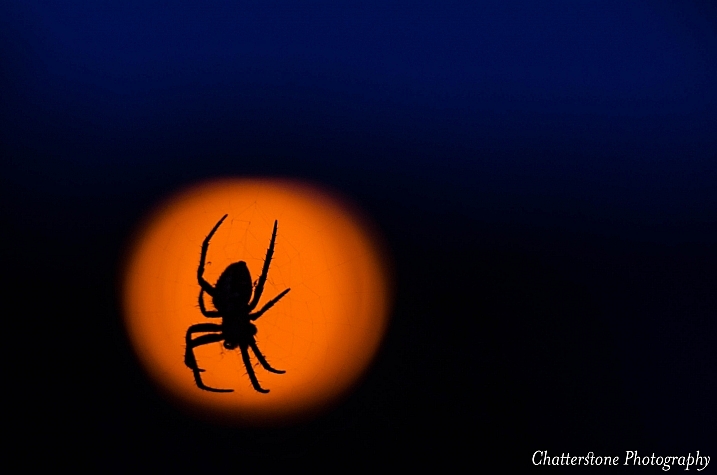
Sometimes less is more. When that comes to photography that is often true. Beginner photographers frequently try to put too much into their photos. That causes the image to be cluttered and the subject to be less clear. Let’s see some examples.

21 super simple compositions that show how you can use minimalism to create stunning and effective images.

Namelas Frade

By Namelas Frade

Andreas

By Andreas

Iñaki Bolumburu

By Iñaki Bolumburu

Nebojsa Mladjenovic

By nebojsa mladjenovic

Daniel Sjöström

By Daniel Sjöström

Aarthi Narayanan

By Aarthi Narayanan

ELKayPics / Lutz Koch

By eLKayPics / Lutz Koch

Chetiya Sahabandu

By Chetiya Sahabandu

Etienne

By Etienne

Serzhile

By serzhile

THE ZEN DIARY — David Gabriel Fischer

By THE ZEN DIARY — David Gabriel Fischer

Danscape.co

By danscape.co

Alexcoitus

By alexcoitus

Toni Verdú Carbó

By Toni Verdú Carbó

Neil Tackaberry

By Neil Tackaberry

Patrick Marioné - Thanks For > 2M

By Patrick Marioné – thanks for > 2M

Bernard Spragg. NZ

By Bernard Spragg. NZ

John Twohig

By John Twohig

Katheirne Hitt

By Katheirne Hitt

Daoan

By Daoan

Martin Brigden

By Martin Brigden

googletag.cmd.push(function() {
tablet_slots.push( googletag.defineSlot( “/1005424/_dPSv4_tab-all-article-bottom_(300×250)”, [300, 250], “pb-ad-78623” ).addService( googletag.pubads() ) ); } );

googletag.cmd.push(function() {
mobile_slots.push( googletag.defineSlot( “/1005424/_dPSv4_mob-all-article-bottom_(300×250)”, [300, 250], “pb-ad-78158” ).addService( googletag.pubads() ) ); } );

The post 21 Simple Images That Exemplify Minimalism by Darlene Hildebrandt appeared first on Digital Photography School.


Digital Photography School
 
Comments Off on 21 Simple Images That Exemplify Minimalism

Posted in Photography


Weekly Photography Challenge – Minimalism

06 Dec

Viewing some images that are good examples for minimalism is the first step. Then it’s your turn.

Weekly Photography Challenge – Minimalism

This one should be fairly simple (pun intended). Find something and shoot it in the most minimalistic way possible. Put less into your image. Get closer and crop tight. Another way to think about it is to simplify. Like these:

Kim Seng

By Kim Seng

A_Peach

By A_Peach

Andy Smith

By Andy Smith

Put on a long lens, use a wide aperture, maybe even try a close-up or macro lens. Watch the edges of your image. Remove anything that doesn’t add to the photo. Keep it simple.

Share your images below:

Simply upload your shot into the comment field (look for the little camera icon in the Disqus comments section) and they’ll get embedded for us all to see or if you’d prefer, upload them to your favorite photo-sharing site and leave the link to them. Show me your best images in this week’s challenge. Sometimes it takes a while for an image to appear so be patient and try not to post the same image twice.

Share in the dPS Facebook Group

You can also share your images on the dPS Facebook group as the challenge is posted there each week as well.

Gafa Kassim

By gafa kassim

Daniel Sallai

By Daniel Sallai

Bertram Nudelbach

By Bertram Nudelbach

googletag.cmd.push(function() {
tablet_slots.push( googletag.defineSlot( “/1005424/_dPSv4_tab-all-article-bottom_(300×250)”, [300, 250], “pb-ad-78623” ).addService( googletag.pubads() ) ); } );

googletag.cmd.push(function() {
mobile_slots.push( googletag.defineSlot( “/1005424/_dPSv4_mob-all-article-bottom_(300×250)”, [300, 250], “pb-ad-78158” ).addService( googletag.pubads() ) ); } );

The post Weekly Photography Challenge – Minimalism by Darlene Hildebrandt appeared first on Digital Photography School.


Digital Photography School
 
Comments Off on Weekly Photography Challenge – Minimalism

Posted in Photography