RSS
 

Archive for the ‘Photography’ Category

Why Getting Outside Your Comfort Zone is Good for Your Photography

23 Feb

Getting outside your comfort zone is good for your photography. The single, biggest factor that has helped me to improve my photography was becoming comfortable with being uncomfortable. This has been across all areas of photographic work, from weddings, corporate through to my absolute passion, travel photography.

googletag.cmd.push(function() {
mobile_slots.push( googletag.defineSlot( “/1005424/_dPSv5topic-rhs(300×250)”, [300, 250], “pb-ad-124309” ).addService( googletag.pubads() ) ); } );

Getting Outside Your Comfort Zone 15

Let me explain. From the very beginning I had the same concerns as many beginners in photography, where do I even start? I had built-up an imaginary wall about how I would understand the theory and mechanics of the photographic process as well as being creative in how I approached my photo work. All questions that only served to stop me from getting out there and experimenting so that I could learn by doing and implementing the theory I had poured over so many times.

The moment I let go of concern over the results I would achieve, and more importantly, what other people thought of my images, was the moment I felt free to experiment and make mistakes. That’s where the real learning happens, as I soon discovered.

Play the long game plan

I also realized early on, that becoming proficient in photography is a long game plan. It doesn’t happen overnight. It also requires effort and focus to be able to approach each challenge with a willingness to keep trying until understanding and outcome produce results that meet expectation. After my first year of taking photos, I had improved, and that improving continues to this day. Why? Because I continue to push myself outside of my comfort zone to improve as an image maker.

There is nothing better on the road to discovery and learning than feeling like you have a good understanding of what you are doing while enjoying the breakthroughs of understanding. And ultimately, capturing the images you set out to. However, it is important to remember that staying comfortable in what you are doing and how you are doing it, will reduce your growth and further understanding of different types of photography or more specifically, different approaches.

Getting Outside Your Comfort Zone 20

A few years ago this theory was clarified for me while I was working in Antarctica. We were fortunate to have two National Geographic Photographers on the ship with us who were generous enough to do a couple of presentations during days at sea. One point, in particular, helped me to understand in a different way, what I had already been doing since the early days of my image making. And the beauty is, you can apply this approach to most scenarios, be it landscape, travel, wedding, portrait, or commercial photography.

The 80/20 rule

Devote 80% of your image making time to getting the images you set out to do. Play it safe to a certain degree to be sure you come home with your planned shots. Then for the remaining 20% of the time, throw caution to the wind and experiment with no expectation of any outcome. If you think about this approach, 20% of your image making time adds up to quite a bit. Pushing yourself with the 20% will not necessarily lead you to capture amazing new images every time, but it will allow you to have little discoveries along the way that can add up to thinking of new ways or approaches for the future.

Experimenting with shutter speed, white balance, aperture, ISO, focal length, and movement are all options that can result in new ways of doing and seeing things. Ultimately, this will help you to understand the best approach to a given scenario with controlled, positive results.

Getting Outside Your Comfort Zone 10

The list of possibilities is endless. But without regard for the outcome, you are left with a more innocent, concern-free approach to getting creative and pushing the limits of your knowledge and current space of understanding.

Side benefits of learning outside your comfort zone

The side benefits of further learning of my chosen craft, even if they seem unrelated, have also helped with my ability to shoot under pressure. In regards to my travel photography, I have attributed my ability to get solid images under challenging circumstance with limited time, to having shot and assisted on a lot of weddings. For me, weddings have proven to be the ultimate space for growth with my image making ability, and it is easy to see why.

When shooting weddings you have no control over weather, lighting, time of day, or the environment you are shooting in. You have the responsibility of capturing images in often very challenging environments. It also means you are shooting a lot, with purpose, which I’ve always been a big advocate of for helping improve your photography.

Now I’m not suggesting to go out and shoot a few weddings just to help improve your photography in other areas. Photographing weddings is something you have to want to do. You especially have to respect the responsibility that comes with taking on such a big day in people’s lives. You have no second chance and have to be at the top of your game to consistently get it right. Over time, though, assisting or working as a second shooter for an established wedding professional would be a good way to test the waters to see if this is an area of photography you would like to pursue.

Getting Outside Your Comfort Zone 23

Some practical exercises

You can, of course, replicate these same scenarios without the time pressure or expectation of outcome only a client can have.

An option would be to visit and photograph the interiors of some local churches to gain an understanding of what it means to shoot in low light. Then slowly walk from the inside of the church to the outside (assuming this is during daylight hours) and adjust your exposure to achieve correctly exposed images over what will be a massive change in light levels. This is an extreme example but there will absolutely be situations in the future where the learnings gained from this type of exercise will be put to good use.

Getting Outside Your Comfort Zone 02

Getting Outside Your Comfort Zone 01

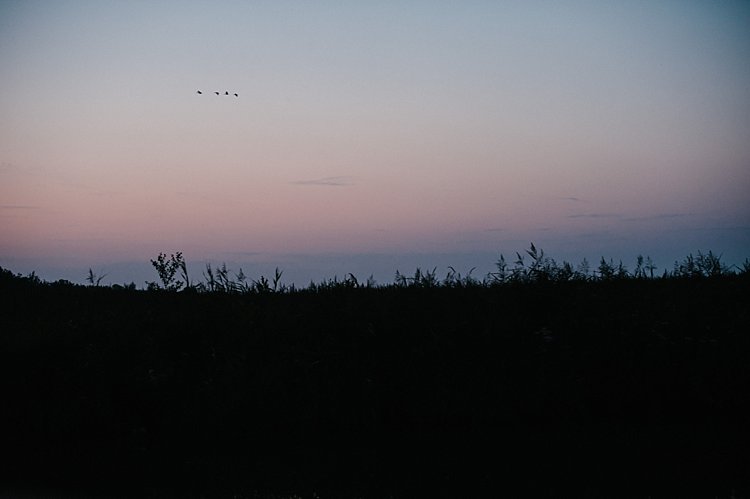
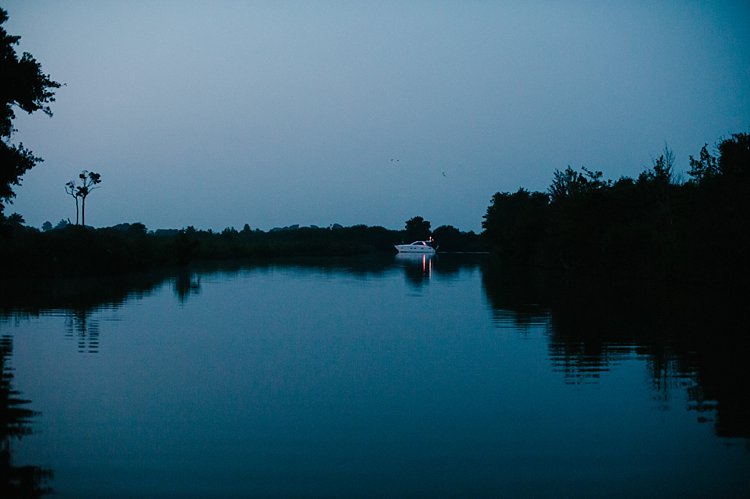
Another great exercise is to visit a city (which could be yours) and set up your camera just before sunset when there is still plenty of light. Then slowly take images of the same scene over the next two hours as the sun sets and the lights come on in the city. The best option for this exercise is to have your camera on a tripod so the scene remains the same and you are able to get a solid idea of how the changing light conditions affect your results.

This exercise not only helps you to understand the process of changing exposure on your camera but gives you a solid idea of the mix between natural and man-made light during the change over from night to day.

Getting Outside Your Comfort Zone 06

Getting Outside Your Comfort Zone 07

Getting Outside Your Comfort Zone 08

Getting Outside Your Comfort Zone 09

Getting Outside Your Comfort Zone 11

Visit your local beach maybe an hour and a half before sunset and take images during the changing light conditions. You will see a number of things during this experiment as there are big changes in lighting and color. You will have a greater understanding of what you need to do to continue making correctly exposed images based on the changing lighting conditions which would be different to the city example I gave earlier. Look closely at the changing color and corresponding white balance and the effect it has on your images.

To take this a step further, take your kids or some friends down to the beach and use them to experiment with taking portraits at this time of day.

Getting off Automatic

If you are currently using your camera on an automatic setting, you can start to experiment with a more manual approach to your image making. Let’s assume for a moment, you are using automatic settings for everything on your camera, aperture, ISO, and shutter speed.

Play with aperture

One option would be to experiment with Aperture Priority (setting your camera so you take control of the aperture). You can experiment and start to see what different effects you will have in your images by using specific apertures. Set up an object, focus on it and then cycle through all of the different apertures to see what happens. This is a fantastic exercise to apply to portraiture so you have a better understanding of what results you will achieve based on your chosen aperture.

Getting Outside Your Comfort Zone 31

85mm lens on a full frame camera, ISO 2000, 1/50th, at f/18.

Getting Outside Your Comfort Zone 32

Shot with an 85mm lens on a full frame camera, ISO 2000, 1/320th, at f/8.

Getting Outside Your Comfort Zone 33

85mm lens on a full frame camera, ISO 2000, 1/2500th, at f/2.8.

Play with focal length

Changing focal lengths on a fixed subject is also a great exercise to help develop your learning. The portraits below are perfect examples of a fixed subject with fixed camera settings. The only change was moving backward while zooming in (going to a longer focal length) the subject. The difference between the resulting images is clear.

Getting Outside Your Comfort Zone 35

24mm lens on a full frame camera, ISO 1000, 1/250th, at f/5.6.

Getting Outside Your Comfort Zone 36

50mm lens on a full frame camera, ISO 1000, 1/250th, at f/5.6.

Getting Outside Your Comfort Zone 34

210mm lens on a full frame camera, ISO 1000, 1/250th, at f/5.6.

Play with shutter speed

The same can be done with shutter speed. A popular subject for longer exposures is waterfalls, allowing you to blur the water to achieve a misty look. Keep in mind, a tripod is essential for this type of image. When you have time, find a local waterfall or flowing stream (preferably on an overcast day). Set up your camera on a tripod and cycle through the shutter speeds to see the differing results you will achieve based on long and short exposures and the effect it has on the water.

Getting Outside Your Comfort Zone 14

Practice, practice, practice

The above exercises may seem a little boring, but it is only through continued practice that you will understand with confidence, what you need to do to achieve the images you want. Over time, and through experience, it becomes an instinctive response to what is in front of you based on knowing, or having an idea of what result you are after.

There are many benefits to exploring locations in your area. You are able to revisit them on a number of occasions during different weather, times of day, and different seasons. You can really test yourself and build your understanding and experience in dealing with these differing light and brightness scenarios.

Travel photography

The other area where you may have limited time and no control over the variables earlier mentioned is travel photography. Often when traveling, these limitations will leave you feeling a level of pressure to get the image. It is the practice, understanding, and development you implement before you go traveling that will help you capture images with confidence, even when the time of day and lighting are not at their best.

Getting Outside Your Comfort Zone 29

Getting Outside Your Comfort Zone 30

For example, if you’re traveling to Africa to photograph wildlife, you’ll be using long lenses a lot more than if you are doing a church tour of Italy where wide lenses would often be the order of the day. The important thing here is to push yourself and get out there as much as possible to replicate, as best you can, the type of shooting you will be doing in order to build that skill set before you travel.

Getting Outside Your Comfort Zone 26

Getting Outside Your Comfort Zone 25

Challenges of travel

Travel also often leaves you tired due to the realities of what you need to do to get to your location or full days trying to see and experience as much as possible. Try to be as healthy and fit before you go in order to maximize all the photo opportunities traveling can bring. There is nothing worse than coming home feeling like you have missed opportunities due to needing to rest or not using your time efficiently.

Successful travel photographers are always well-researched and prepared to go as much as possible. The know that they need to maximize their time in order to come home with a full body of work that will help justify all that goes into a travel gig. This usually means starting before sunrise and working through to night time to capture specific locations in all their various forms.

This has been the case for me on many occasions. When working in Antarctica and South Georgia, we had a lot of exploring time in the zodiacs (small inflatable boats). On one particular occasion, we were advised of a one hour cruise which turned into 3.5 hours due to the many photo opportunities we had. It was a cold day and snowed the entire time. That added to the challenge of shooting, often with a long lens from a moving craft amongst 10 other people also working hard to get the shot in the confines of a small boat. Once we were all loaded safely back on board, almost all participants went inside immediately, either for a warm shower or warm drink, and rightly so, it was very cold.

Getting Outside Your Comfort Zone 17

Getting Outside Your Comfort Zone 21

Another photographer and I stayed outside the ship to see if there were any other photo opportunities that presented themselves before we pulled anchor and continued on our way. The images above were just a few that made the effort completely worthwhile. We pushed ourselves and were rewarded with many great images which no one else captured. We were only outside for a further 30 minutes, however, the response from fellow passengers upon seeing our images confirmed we had made the right decision to continue pushing on and taking advantage of the conditions in front of us. This has been a consistent factor with all of my photography based trips over the years.

When you travel, you are surrounded by so many photographic opportunities. Remember to take full advantage of these and everything that travel offers. Of course the most important thing is to enjoy yourself, however, if images are a top priority, be sure to take advantage of the time you have and be out and about as much as possible.

Getting Outside Your Comfort Zone 40

Conclusion

It is also worth researching other photographers to see what they have done in the same locations you are planning to visit. Look at what you like and don’t like, then try and photograph the same scene in a way not yet done by others.

Growth in photography, as with most things, comes from pushing yourself to improve, going beyond your comfort zone and identifying areas you can experiment with and learn from.

googletag.cmd.push(function() {
tablet_slots.push( googletag.defineSlot( “/1005424/_dPSv4_tab-all-article-bottom_(300×250)”, [300, 250], “pb-ad-78623” ).addService( googletag.pubads() ) ); } );

googletag.cmd.push(function() {
mobile_slots.push( googletag.defineSlot( “/1005424/_dPSv4_mob-all-article-bottom_(300×250)”, [300, 250], “pb-ad-78158” ).addService( googletag.pubads() ) ); } );

The post Why Getting Outside Your Comfort Zone is Good for Your Photography by Damian Caniglia appeared first on Digital Photography School.

Digital Photography School

 
Comments Off on Why Getting Outside Your Comfort Zone is Good for Your Photography

Posted in Photography


4 Refraction Ideas to Use Your Creativity

23 Feb

The application of science to photography is a great way of getting creative results with your work. The camera itself is, of course, a product of scientific endeavor. One that brings everyone here to learn more about it. Inside the camera are a series of optics that use refraction to render the image onto your camera sensor, though refraction can be used even more creatively in photography.

googletag.cmd.push(function() {
mobile_slots.push( googletag.defineSlot( “/1005424/_dPSv5topic-rhs(300×250)”, [300, 250], “pb-ad-124309” ).addService( googletag.pubads() ) ); } );

To take refraction photographs you will need to find an object that produces this effect, such as a glass ball. The effect happens when light passes through an object of denser mass, and the light is bent as it goes through.

4 Refraction Ideas to Use Your Creativity

Flags such as the Union Jack make great subjects for refraction.

Objects that cause refraction

Any transparent object that has a different mass to air will cause refraction. The most useful objects that refract are those which are spherical. While it’s possible to get refraction through transparent plastic objects, for the best image quality you’ll want to be shooting through glass.

As you can read in my previous article: 7 Tips for Doing Crystal Ball Refraction Photography, glass balls are a favorite for this type of effect, though not everyone has one on hand. There are other objects that you can use for refraction such as; wine glasses, marbles, and water drops.

7 Tips for Doing Crystal Ball Refraction Photography

This photo was taken through the bottom of a drinking glass. The bobbles at the bottom refracted the light.


1 – Refraction using a glass ball

The glass ball is probably the most popular item used in refraction and is what you immediately think of if someone says refraction photography. This is a great piece of extra kit to have in your camera bag and can do wonders for creating a unique looking landscape photo.

The ball can also be good for architecture and even portrait photos if you now how to use it properly. You need to think of the ball as an external fish-eye lens. The ball then needs to be carefully placed on a wall, so it’s elevated to the same level as the object you’re shooting.

7 Tips for Doing Crystal Ball Refraction Photography

The ferris wheel is refracted inside this glass ball, the bokeh shapes compliment the scene well.

2 – Marbles are small glass balls, great for refraction!

A smaller alternative to a glass ball is the marble. Photographing a marble is in many ways the same as photographing its larger counterpart. The key difference is that it’s much smaller, and using a macro lens becomes important. There are a few key points you need to consider when photographing a marble versus a glass ball.

  • The glass may not be as good quality, leading to a poorer image inside the marble.
  • There will be more distortion and a smaller sweet spot where the image is clear.
  • The weight is significantly less making them much easier to carry around.
  • The small size often makes them easier to place on a surface without falling off, they sit in smaller divots.
  • You will need a lens capable of macro photography to best photograph with marbles.
7 Tips for Doing Crystal Ball Refraction Photography

The much smaller size of a marble enables you to place it in otherwise inaccessible locations.

3 – Make a splash with water droplets

A glass ball is not the only medium you can use to create refraction, water makes a great alternative. The key to using water in this way is photographing it as a droplet. There are a few ways to do this, you could try all of them!

  • Water droplet photography – If you’ve never tried this type of photography before I highly recommend it, it’s a lot of fun. Introducing a background image such as a flag will lead to that object being refracted inside the water drop!
  • Tap droplet photography – This is almost identical to the first example, this time you capture the droplet mid-flight. Once again you will want to have a background image behind the water drop. Follow the steps recommended in the water droplet article, and replace the water bag with a tap and voila. Here are some great examples of this type of photo.
7 Tips for Doing Crystal Ball Refraction Photography

These water droplets were placed on glass using a syringe, with the flag of Malaysia is behind them.

  • Naturally occurring water drops – Water drops on spider webs, or on flower petals are spherical, and will therefore refract. So get out there after it’s rained, or if you’re not patient there is always the not so natural watering can or syringe to create your own.
  • CDs and water drops – Placing water drops onto a CD using a syringe will create a great effect. Think of all those mini rainbows! To take this type of image you will need to place water droplets on a CD. Then compose your image, and turn the lights off. Finally, move a flashlight around the CD during a long exposure, doing light painting.
  • Water droplets on glass – This is similar to placing water drops on a CD, but you will use a strobe to light up the scene. Place your water drops onto a glass pane, with your image in the background below it.
7 Tips for Doing Crystal Ball Refraction Photography

The drop of water from a tap is caught mid-flight.

4 – Make that wine glass multi-task!

The real reason wine glasses are round is because they can be used for refraction photography! Okay, they are for wine, but that doesn’t mean photographers can’t use them as well.

The spherical nature of this type of glass means filling them with water will allow you to see a refracted image inside the glass. The wine glass is, of course, better than the glass ball for placing on a flat surface, as it’s not going to roll off. You can use a wine glass in portrait photos as well. In that scenario, the wine glass acts as a great prop, which also shows the refracted image in the background.

7 Tips for Doing Crystal Ball Refraction Photography

This wine glass filled with water shows the effect of refraction.

Get out and give refraction a try

There are multiple ways you can go about starting a series of refraction photos, and this type of photography makes a very interesting project. Let’s see your work if you have taken these types of photos before.

Are there any other refraction type photos you can recommend? Those who have never tried this technique before, give it a go! The community looks forward to seeing your photos, and it could become your project for the year!

The light is refracted through these water droplets when placed on a CD.

googletag.cmd.push(function() {
tablet_slots.push( googletag.defineSlot( “/1005424/_dPSv4_tab-all-article-bottom_(300×250)”, [300, 250], “pb-ad-78623” ).addService( googletag.pubads() ) ); } );

googletag.cmd.push(function() {
mobile_slots.push( googletag.defineSlot( “/1005424/_dPSv4_mob-all-article-bottom_(300×250)”, [300, 250], “pb-ad-78158” ).addService( googletag.pubads() ) ); } );

The post 4 Refraction Ideas to Use Your Creativity by Simon Bond appeared first on Digital Photography School.

Digital Photography School

 
Comments Off on 4 Refraction Ideas to Use Your Creativity

Posted in Photography


Save 96% On The Ultimate Photography Bundle – 41 Training Resources That Will Transform Your Photography

23 Feb

Unspecified

This is a post I’ve been looking forward to publishing for months now because it has the potential to transform your photography and take average photos to great!

googletag.cmd.push(function() {
mobile_slots.push( googletag.defineSlot( “/1005424/_dPSv5topic-rhs(300×250)”, [300, 250], “pb-ad-124310” ).addService( googletag.pubads() ) ); } );

googletag.cmd.push(function() {
mobile_slots.push( googletag.defineSlot( “/1005424/_dPSv5topic-rhs(300×250)”, [300, 250], “pb-ad-124309” ).addService( googletag.pubads() ) ); } );

Today dPS is proud to be part of putting together one of the most unbelievable bundles of photography teaching that has ever been assembled – it’s called the Ultimate Photography Bundle.

Now I don’t claim that this bundle is “unbelievable” lightly. When you see what’s included you’ll see what I mean.

It’s got so many photography training resources including 10 courses, 16 eBooks, 4 sets of video training and 11 interactive tools – all bundled together at 96% off the regular cost of buying them all individually.

This bundle is worth over $ 4100 but today you can grab it for just $ 147.

Here’s just some of the teaching you’ll get in this bundle:

  • Master Your DSLR by David Molnar (normally $ 297)
  • Family Session with Family Posing Guide by Angie Monson (normally $ 129)
  • Photograph the Everyday Understanding Light and Composition by Courtney Slazinik (normally $ 199)
  • Master Editing in Lightroom by David Molnar (normally $ 297)
  • Milky Way Mastery by Joshua Dunlop (normally $ 147)
  • 6 Weeks to 6 Figure Business Course by Zach and Jody Gary (normally $ 599)

And that’s just a few of the resources you’ll get – there’s so much more included, including our very own ‘Going Pro’ eBook (one of our most popular guides).

Check out the full list of included resources here.

But pleasez don’t wait – the Ultimate Photography Bundle is available for six days only – so grab it before it disappears.

PS: as with all the photography training we promote – this one comes with a 30-day happiness guarantee – so there’s no risk at all.

googletag.cmd.push(function() {
tablet_slots.push( googletag.defineSlot( “/1005424/_dPSv4_tab-all-article-bottom_(300×250)”, [300, 250], “pb-ad-78623” ).addService( googletag.pubads() ) ); } );

googletag.cmd.push(function() {
mobile_slots.push( googletag.defineSlot( “/1005424/_dPSv4_mob-all-article-bottom_(300×250)”, [300, 250], “pb-ad-78158” ).addService( googletag.pubads() ) ); } );

The post Save 96% On The Ultimate Photography Bundle – 41 Training Resources That Will Transform Your Photography by Darren Rowse appeared first on Digital Photography School.

Digital Photography School

 
Comments Off on Save 96% On The Ultimate Photography Bundle – 41 Training Resources That Will Transform Your Photography

Posted in Photography


How to Introduce Lifestyle Photography to Families

23 Feb

Firstly, what exactly is lifestyle photography? Most people are familiar with a family photo shoot, where they go to a studio and get a nice group shot of the family, all smiling in front of the camera. While this is perfectly nice, it feels rather static. Enter lifestyle photography.

googletag.cmd.push(function() {
mobile_slots.push( googletag.defineSlot( “/1005424/_dPSv5topic-rhs(300×250)”, [300, 250], “pb-ad-124309” ).addService( googletag.pubads() ) ); } );

Here, the photo shoot is mostly done at their home and the idea is to capture candid moments in their lives, without getting them to pose specifically for the camera. This helps in getting natural expressions and renders the photos a lot more memorable. Of course, there will still be a few certain posed shots, but the look will be more natural and easy-going. The problem is that most families have not been exposed to the idea of “Lifestyle Photography”, so it is important to understand a few things before you go ahead.

lifestyle photography

Whether you’re an amateur with a point-and-shoot or a professional photographer, getting families to pose during a photography session can be a real challenge!

Let’s consider a typical situation. You are off for a family photo shoot, well equipped with your camera, a nice set of portrait lenses, a couple of off-camera lights, and a few props (hats, jackets, plastic balls, Frisbees, etc.). The shoot is scheduled at their home. You have informed the family to be ready with the right colored clothes. It’s a regular family with the husband and wife, their parents, two kids, and a dog. You have decided to shoot early in the morning to get the magical golden light, having allocated three hours for the photo shoot, allowing for three clothing changes and three locations.

Once you enter, you realize that the living room and the backyard are in a mess, the color coordination of their clothes is off, and the kids are groggy. There is hardly any safe space to set up your lights with the kids and a dog around. What do you do?

lifestyle photography

Well, there are a few things that can be taken care of initially, so that such a situation can be easily handled. Here is what you can do to make it easier for you and the family you are photographing.

1. PLANNING

It’s very important to sit with all the members of the family and discuss what you intend to do, well before the shooting day. Tell them why you intend to start so early in the morning, or maybe reschedule the shoot for late afternoon. This is also a great way to get to know all the family members and for them to get to know, and be comfortable, with you. This is especially helpful in the case of kids and pets.

2. SCOUTING

This is something that is almost always overlooked, but the importance can never be overemphasized. Go to their place and have a look at all the spaces available. This will help you identify the best locations to shoot, considering the best light available and the best settings. You will also be able to find secure places to set up your equipment and make sure it is out of reach of the kids and pets. Plus, it will also help you plan your equipment in a more efficient way.

lifestyle photography

3. CLOTHES

You need the right colored clothes to create the mood you wish to show in the photos. This needs to be communicated to the client in specific terms. If the client is comfortable, you may even have a look at their wardrobe and select clothes for each member of the family. Allow enough time for at least three changes. You can even think of going for coordinated colors for the family, but don’t select matching ones, as it may not look natural.

4. PROPS

Not a requirement, but you can carry a few non-imposing props like toys or clothing accessories, especially for the kids and any pets.

lifestyle photography

Almost all kids love their pets and making them pose with their pet will get you better expressions most of the time. The car bonnet is a way better location to get natural expressions than a living room sofa!

5. LENSES

Considering it’s a family portrait shoot, you will need fast lenses for a shallow depth of field, and depending on the space available, you will have to make your choice between a 35mm, 50mm, 85mm or at the most a 100mm. Aperture needs to be wider than f/2.8 for a couple reasons – better indoor photos and shallower depth of field.

Note: make sure, however, that you have enough depth of field to cover everyone in the photo especially when doing groups.

6. LIGHT

Natural light works best, especially if the house has large windows and big reflecting walls. But not every situation is ideal, and you might be stuck in a place without decent light. In this case, you can consider using off-camera flash, or bouncing it off the ceiling to get nice diffused light, spread evenly across the room. It’s better not carry a lot of equipment as it can feel imposing for the family members.

lifestyle photography

Backlighting can work wonders! This was shot in the late afternoon, and we had nice golden light behind the subjects.

7. POSING

Not everybody is going to be comfortable posing for the camera. Consider that as a given. You will have to work at making the family comfortable to capture more candid moments. You will get the best candid moments before and after the posed shots.

If you still want to try formal poses, go ahead and give it a shot. But you will get some lovely shots when no one is posing, while they’re having a conversation, sharing a joke, or sipping coffee. So be sure you are ready with your camera every single moment.

lifestyle photography

A children’s play area can be an out-of-the-box location for a family pose, but it sure makes for a nice candid moment, and most importantly, makes the children comfortable.

8. KIDS

The kids, especially younger than five, will almost never be comfortable posing. If there is more than one kid, it will be easier to photograph them while they are playing with each other. If it is just one, you can use toys as props, or make the parents, or better still the grandparents, play with them. Chocolates, ice cream, and candies could be used as props (ask the parents first), and you are sure to get some nice expressions of joy and delight on their faces. You can even have the kids play some games, like a running race or even hide-and-seek, to capture natural expressions.

lifestyle photography

A great way to capture candid photos of children is to let them play. If the location has a garden or a backyard, that’s the place to be.

IMG 0357 IMG 0431

9. POST-PROCESSING

A tricky thing, but I believe that every photo needs cleaning-up and a little bit of enhancement. Photo manipulation is debatable, but removing that distracting cable, a piece of paper or some lens spots is perfectly fine. Use warmer tones in White Balance and go slightly soft on clarity.

Conclusion

So if you want to do something a bit different for your family portrait sessions, consider trying lifestyle photography. Please share your images and comments below.

googletag.cmd.push(function() {
tablet_slots.push( googletag.defineSlot( “/1005424/_dPSv4_tab-all-article-bottom_(300×250)”, [300, 250], “pb-ad-78623” ).addService( googletag.pubads() ) ); } );

googletag.cmd.push(function() {
mobile_slots.push( googletag.defineSlot( “/1005424/_dPSv4_mob-all-article-bottom_(300×250)”, [300, 250], “pb-ad-78158” ).addService( googletag.pubads() ) ); } );

The post How to Introduce Lifestyle Photography to Families by Dhananjay Kulkarni appeared first on Digital Photography School.

Digital Photography School

 
Comments Off on How to Introduce Lifestyle Photography to Families

Posted in Photography


4 Simple Ways to Get Sharper Photos

23 Feb

If I were to ask you what the best way to make sharper photographs is, your mind might instantly jump to something like, “Get a better lens.” While the quality of your lens glass certainly does play a huge role in overall image sharpness, it is not an absolute guarantee.

googletag.cmd.push(function() {
mobile_slots.push( googletag.defineSlot( “/1005424/_dPSv5topic-rhs(300×250)”, [300, 250], “pb-ad-124309” ).addService( googletag.pubads() ) ); } );

There are many other factors that come into play when discussing image sharpness or lack thereof. I’ve even said things myself like, “If I only had this lens or that lens, I could make better photos.” But have you considered the other reasons why your images seem to lack that wonderful sharpness we all chase?

4 Simple Ways to Get Sharper Photos

Let’s face it, not all of us can afford the top of the line lenses that we believe will deliver the utmost clarity in our photographs. But there are so many other things that can be done to make sure you don’t stand in the way of even your kit lenses of delivering the best images possible. Here a few easy tips you can use right now to make sure you get the most out of whatever glass you might have on hand…or rather, on camera – and get help you get sharper photos.

#1 – Ye’ Olde Tripod

Here it comes. That same old practice that I’ve always implored you to do – use a tripod. There’s simply no escaping the fact that the more steady your camera is the sharper your images will be. Read: 5 Tips to Get Sharp Photos While Using a Tripod for more on this.

4 Simple Ways to Get Sharper Photos

The truth is, excuses for not using a tripod are becoming slimmer and slimmer. Lightweight travel-style tripods (like the Vanguard tripod I wrote about here) are becoming more readily available. These are small and light options that fit in your camera bag without dragging you down. While not always practical, of course, a tripod (even a monopod) is the single best option you have for steadying your camera while making a photo. But when a tripod isn’t possible there are still ways to physically steady your camera for the capture. Like these…

#2 – How to Hold Your Camera Steady

There isn’t a set way to place your hands for each and every camera you may encounter. But there are some basic principles to follow that can help you to keep your camera physically stable when shooting handheld.

The most important thing to remember is that the further your camera moves away from your center of gravity, the more inherent possible camera shake will become. This means that whenever possible you should hold your arms close to your body and avoid putting distance between yourself and the camera.

4 Simple Ways to Get Sharper Photos

Arms out making the camera unsteady.

4 Simple Ways to Get Sharper Photos

Arms and elbows tucked in, this is much more stable.

Furthermore, the manner with which you hold the camera in your hands becomes important. Keep a comfortable yet firm grip with your shutter hand while your left hand remains beneath the lens close to the camera body, all the while still being capable of adjusting the lens focus or zoom ring. Your left hand should be pressing slightly backward in opposition to your shutter hand.

4 Simple Ways to Get Sharper Photos

Hold the camera and lens firmly but stay flexible. Notice the left hand is under the lens.

This will allow more steady control of the entire setup to reduce shake. Again, experiment with different configurations of the same grip so that you become the most comfortable. Just remember to keep those elbows tucked in close to your body, with your left hand cradling the lens firmly underneath close to the camera. Your right hand should be gripping the camera equally as firmly with opposing forward pressure to your left hand.

If you want to test yourself, take in a deep breath before each shot and exhale half way before you click the shutter. These little nuances may seem somewhat neurotic but can help you to get sharper photos when the odds are against you.

#3 – The Importance of Shutter Speed

Much like the idea of preventing camera shake, the faster the shutter speed you can use the better it is in terms of making your images sharper. Motion is always your enemy. Unless you purposefully want to impart motion to your photograph the more helpful arresting it in your frame will be. One of the most helpful methods you will find to reduce both camera shake and subject blur when shooting handheld is something called the Reciprocal Rule. Which really, is more of a guideline than a rule.

The Reciprocal Rule is simply a calculation based on whatever focal length lens you happen to be using. Just take the focal length in millimeters and make it a fraction. If you’re shooting a 50mm lens your maximum shutter speed should not be slower than 1/50th of a second. If you’re shooting a 24mm lens then the shutter speed should be at least 1/24th second; a 300mm lens would need 1/300th, and so forth. If the exact shutter speed isn’t available just round up to the nearest speed (or faster).

Here are a couple of examples of the improved sharpness based on an increase in shutter speed according to the Reciprocal Rule:

4 Simple Ways to Get Sharper Photos

Shot at 1/40th of a second with 85mm lens – notice how it’s not quite sharp. Usually when you see a sort of  double image like this – it’s due to the shutter speed being too slow. 

Now notice the reduction in motion blur once the shutter is increased to 1/100th second.

4 Simple Ways to Get Sharper Photos

Shot at 1/100th of a second with an 85mm lens

This is an easy and quick way to prevent your images from suffering sharpness robbing blur due to camera shake. While not perfect, the Reciprocal Rule will become your best friend in the field.

#4 – What’s a Sweet Spot Anyway?

Regardless of the lens you happen to be using, it has what is often referred to as a sweet spot. This is the aperture range of your lens that will produce the sharpest images. This range varies even between lenses of the same make and model, so personal experimentation is a must in order to determine where the sweet spot of your particular lens may be. Read: How to Identify Your Lens’s Sweet Spot

4 Simple Ways to Get Sharper Photos

Begin at the largest aperture (smallest f-number like f/4) and make photos at each aperture up to the minimum aperture (largest f-number like f/22 or f/32) of your lens. Adjust shutter speed and ISO as you go to normalize the exposure. Then examine each image throughout the frame, especially at the corners, to see which apertures give you the best sharpness. This is a somewhat tedious process, but I assure you it will pay off in more ways than you might imagine.

When in doubt, always place the subject of your photo towards the middle of the frame. The center of the lens glass will virtually always be the sharpest area. So, regardless of the aperture you happen to employ the more important aspect of your photo will benefit from the most physical sharpness possible.

Summing Up

  • When you can, use a tripod. A tripod really is your best friend.
  • Practice good camera holding techniques. Keep those elbows tucked in with your left hand firmly (yet still maneuverable) cradling the lens from underneath. Use your right hand to tightly grip the camera body in opposition to your left hand.
  • Use the fastest shutter speed allowable for your image effect. If you need to figure a maximum shutter speed quickly use the Reciprocal Rule (one over the focal length of your lens).
  • Learn the sweet spot of your lenses. Figure out the optimum sharpness aperture for each. If conditions don’t allow you to use that particular setting, then place your subject as close to the center of the frame as possible.

Have more tips that help you achieve sharper images? Please let us know in the comments please.

googletag.cmd.push(function() {
tablet_slots.push( googletag.defineSlot( “/1005424/_dPSv4_tab-all-article-bottom_(300×250)”, [300, 250], “pb-ad-78623” ).addService( googletag.pubads() ) ); } );

googletag.cmd.push(function() {
mobile_slots.push( googletag.defineSlot( “/1005424/_dPSv4_mob-all-article-bottom_(300×250)”, [300, 250], “pb-ad-78158” ).addService( googletag.pubads() ) ); } );

The post 4 Simple Ways to Get Sharper Photos by Adam Welch appeared first on Digital Photography School.

Digital Photography School

 
Comments Off on 4 Simple Ways to Get Sharper Photos

Posted in Photography


Review of Moments Designer

22 Feb

What do you think is the one thing that people treasure the most after they have cut their birthday cake, completed a wedding ceremony, or had their first baby? Well, for most photographers, the answer is rather simple. These are the photographs taken by our fancy gadgets capturing those precious shots so that they remain a part of our clients’ Continue Reading

The post Review of Moments Designer appeared first on Photodoto.


Photodoto

 
Comments Off on Review of Moments Designer

Posted in Photography


How to Use the Levels Tool in Photoshop

22 Feb

Photoshop is a pretty daunting program when you’re beginning. So this is the first in a series of articles to bring you up to speed on some of the most useful tools to you as a photographer for editing and correcting your photos. If you’ve been a Lightroom only user, and are a CC subscriber, do follow along to start your journey into Photoshop. In this article, you’ll learn how to use the Levels tool, along with Auto Levels and learn to set up Auto Levels to suit your personal preference for the tool’s response.

You’ll also take your first step with Layers by using a Levels Adjustment Layer right at the end. But first, we’ll talk a little about Histograms.

The Histogram

A Histogram is a graphical representation of the colors and tones in your photo. The bottom axis shows the range of brightness in the image from dark to light. The side axis shows the strength a given tone has at that particular brightness. Typically you’ll hear people say that the bulk of tones should be in the middle, but that’s not exactly right. A night scene of stars will have the bulk of the tones in the dark region, with a spike at the top. Same for a dark product shot on a white background.

How to Use the Levels Tool in Photoshop

How to Use the Levels Tool in Photoshop

Histogram of a high key (light) image.

High Key shots will tend to have more information on the right of the histogram, while low key portraits will have them mostly to the left.

In general, most images will have information throughout the range of tones. When they don’t, but should, that’s where the levels tool comes into play.

Levels

To begin, you can use the keyboard shortcut CNTL/CMD+L, or choose Levels from the Image>Adjustments Menu. This is a destructive version of the tool, so it will throw away pixels. You won’t be saving this file, so it’s okay for now.

How to Use the Levels Tool in Photoshop

I’m using an image that I know is underexposed (you can tell by the histogram below as it doesn’t touch the right-hand side of the graph). Let’s look at what’s in your Levels tool dialog.

How to Use the Levels Tool in Photoshop

Preset:

You can save settings as a preset to reuse again quicker, there are a few default ones that ship with Photoshop. You can choose these presets and see both the effect and what’s been done to get it.

How to Use the Levels Tool in Photoshop

Level presets that come with Photoshop.

Channel

As well as the overall tone channel (RGB), you can select the red, green or blue channels separately. This will change the color balance of the image and you can use it to fix white balance issues or to creatively manipulate the look of the photo. For now, you’ll just be using the RGB channel.

How to Use the Levels Tool in Photoshop

Input Levels

This shows the histogram with three triangles (see above). Each triangle has a number below it (the defaults are set at 0, 1.00 and 255). You can edit these points by dragging the triangle along the histogram. They have names too. The leftmost is the Black Point, which controls the darkest tones in the image. The centre one in the Mid-tone Point, while the top is the White Point, or brightest tone in the image.

If you move the Black Point to the right, all tones to the left of the new position are rendered as pure black pixels. If you move the White Point to the left, this means that any pixel to the right of the new position will be rendered as white. Moving the Midpoint, (also referred to as the Gamma) it will shift the histogram the same direction effectively lightening or darkening the mid-tones. Left will lighten the mid-tone, while moving it to the right will darken. You may also have a perceived change in contrast as some tones at the extremes are compressed.

Output Levels

You can dictate the brightest or darkest point allowable in the image using these sliders. In general, you won’t use these as much as input levels.

Buttons

OK applies the Levels change. Cancel ignores any changes. We’ll look at Auto and Options separately. The Eyedroppers allow you to select the Black, Mid-tone, and White Points by clicking on specific parts of the photo. Preview allows you to see the changes you’re making on the image before applying the effect.

In Practice

Now that you know what the bits do, let’s look at them practically. You can see there’s a huge gap between the ends of the mountain in the histogram below and the White Point slider. By moving the White Point to the left, you can brighten the image and fix the underexposure.

How to Use the Levels Tool in Photoshop

Original histogram – notice the gap between the end of the mountain and the right-side of the chart? This indicates underexposure and is easily fixed.

How to Use the Levels Tool in Photoshop

Here the White Point has been moved to the left to touch the bottom of the mountain. This will give the image brighter tones and pure white.

By holding the Alt/Option key as you slide, you also see a heat map that shows where and clipping (pure white with no detail) occurs. For the White Point, the screen goes black, and the clipped areas show as color. For the Black Point, the image goes white, and again, the clipped areas show as color.

How to Use the Levels Tool in Photoshop

Holding Alt/Option while moving the slider, you can see there are some areas being clipped in the highlights. Move the White Point slider back to the right until they disappear in order to have detail in all areas of your highlights.

Here’s the result:

How to Use the Levels Tool in Photoshop

Fixing overexposure

If your image is overexposed (but without the highlights clipping in important areas), you need to do the opposite. In this case, you bring the Black Point up to fix the issue.

How to Use the Levels Tool in Photoshop

See the different left to right here? There is no black in the image on the left.

Low contrast

Another possibility is the detail is all in the middle of the histogram (low contrast or flat image). In this case, you need to move the sliders in from both ends. Notice the increase in contrast between the two photos.

How to Use the Levels Tool in Photoshop

How to Use the Levels Tool in Photoshop


How to Use the Levels Tool in Photoshop

By moving the Black Point to the right and the White Point to the left the contrast has been increased in this image.

While you’ve seen what changing the black and white points can do, you should also know that moving the midpoint will allow you to brighten (by moving to the left), or darken (by moving to the right) the mid-tones in your photo.

Auto Levels

Auto Levels, as the name suggest, will do this for you automatically. How Auto Levels responds depends on the settings in the Options section. These have changed with time as well, so you may not be aware of this. Press Auto Levels for this to work.

How to Use the Levels Tool in Photoshop

Original image.

How to Use the Levels Tool in Photoshop

After Auto Levels has been applied.

Options

To change the Auto Levels default settings you use the Options button.

Enhance Brightness and Contrast

The default option is Enhance Brightness and Contrast, which uses the external Brightness and Contrast tool to get a good rendition of the file. This is the look in the version of the photo above.

Enhance Monochromatic Contrast

The top option, Enhance Monochromatic Contrast is closer to what you’ve done manually in the previous section. Here’s what it looks like (starting from a fresh version of the file). First the settings in Options.

How to Use the Levels Tool in Photoshop

This results in the following, more dramatic, look.

How to Use the Levels Tool in Photoshop

Auto Levels with the default set to Enhance Monochromatic Contrast.

You can also automatically fix the color by clicking the “Snap Neutral Midtones” checkbox.

You’ll notice that the shadows are more than a little crushed in these images, though. That’s because of the mix of the swatch settings and the clip settings below. Clicking on the swatch gives Photoshop the base color for your blacks, neutrals, and white. In general, these should be black, mid gray, and white, but you could set them to suit tasks like having pure white below 255 to render something when printed, instead of paper white. For now, you should leave these at the defaults.

To prevent pure white and pure blacks being so deep, you need to back off the clipping settings. Put them at 0%.

You’ll notice the reduction in the blacks from this adjustment immediately. If you prefer the drama, leave the black clipping at 0.10%.

You can have your images render this way automatically by ticking the “Save as Defaults” checkbox.

Enhance Per Channel Contrast

This setting emulates you going in and setting each channel separately to get the white and black points to the edge of information for each color channel.

How to Use the Levels Tool in Photoshop

This has the effect of changing both the contrast and the color of your photo as seen below.

How to Use the Levels Tool in Photoshop

Find Light & Dark Colors

This option is used by the Auto Color command. It finds the average lightest and darkest pixels in your photo and uses them to get the best contrast while avoiding clipping.

Each person will have their own preference for which looks best on their photo. So choose the option you prefer the most and save it as the default. Now when you use Auto Levels, it’ll give you a quick fix when you need to get done in a hurry.

Levels Adjustment Layer

Everything you’ve done so far has been destructive editing. You’ve been throwing away pixels, which affects the quality of the photo. Have a look at the histogram in Levels when using the Enhance Monochromatic Contrast option.

See all those gaps? That’s information you’ve thrown away. If you change your mind, you’ve got nowhere to go, you can’t get that information back. There are ways to prevent this of course. You could, for instance, duplicate the layer (CTRL/CMD+J) and work on that. But you have an even better option; the Levels Adjustment Layer.

At the bottom of the Layers panel is the Adjustment Layers option. It’s a circle that’s half black and half white.

Click this to bring up the available Adjustment Layers and choose Levels. (Note: you can also open the Adjustments panel by going to: Window>Adjustments and then find the levels option, it’s the one that looks like a graph right after the sun icon).

The Adjustments panel – Levels is the second one on the top row.

A new layer, called Levels, will appear in your Layers panel. The controls for Levels don’t show as a dialog, they’re now in your Properties panel.

How to Use the Levels Tool in Photoshop

If you can’t see the Layers or Properties panel, you can turn them on in the Window menu. Using the Properties panel, set your Levels. If you’re not happy you can just change the settings as often as you like, without degrading the image like repeated use of the normal Levels tool would.

For the plane photo, I used Auto, which had Enhance Monochromatic Contrast, with 0% clipping, and Snap Neutral Midtones on, as the Default. I then brightened the image using the Midtone, set to 1.15.

Levelled Off

Right folks, so that’s been a look at the Levels tool in Photoshop. It’s one of the most fundamental photo tools in Photoshop. I actually think it’s a shame that Lightroom doesn’t have equivalent options in the Basic panel that emulate the options available in the Auto options (Aperture had buttons for both Monochromatic and Per Channel Auto Levels for example).

Give the tool a try, especially if you’re just starting to come to grips with Photoshop.

googletag.cmd.push(function() {
tablet_slots.push( googletag.defineSlot( “/1005424/_dPSv4_tab-all-article-bottom_(300×250)”, [300, 250], “pb-ad-78623” ).addService( googletag.pubads() ) ); } );

googletag.cmd.push(function() {
mobile_slots.push( googletag.defineSlot( “/1005424/_dPSv4_mob-all-article-bottom_(300×250)”, [300, 250], “pb-ad-78158” ).addService( googletag.pubads() ) ); } );

The post How to Use the Levels Tool in Photoshop by Sean McCormack appeared first on Digital Photography School.

Digital Photography School

 
Comments Off on How to Use the Levels Tool in Photoshop

Posted in Photography


Review of the Polaroid PL-190 TTL Flash

22 Feb

Review of the Polaroid PL-190 TTL FlashPopping open the generic black carrying case of the Polaroid PL-190 TTL flash is an unimpressive endeavor. Not that these things ever are of course. The flash which slid smoothly out into my hand looked unremarkable as well; an LCD screen and a series of buttons below. The lens had the typical integrated bounce card and diffuser. But when I slid the sizeable flash onto the hot shoe of DSLR, the un-remarkability ended. In use, the PL-190 TTL was far more impressive.

Equipped with an 18-180mm zoom, swivel/bounce head, TTL, and wireless remote capability, and it started to look pretty comparable to the high-end flashes available from Canon and Nikon (though much, much less expensive).

Note: the Polaroid PL-190 TTL flash is available for both Nikon (PL-190N) and Canon (PL-190C).

Review of the Polaroid PL-190 TTL Flash

Brand comparison

As a largely Canon shooter, I’ve always been a bit disappointed by my brand’s flashes. Designed to be so closely integrated into the operating system of the camera, they can produce great results. But making swift changes to settings, power, and TTL exposures can be a slow, button-pushing, menu-searching process. Then, of course, there is the cost of the Canon flashes. The higher end can run close to $ 500, which is almost five times the cost of the Polaroid PL-190 TTL flash, which I held in my hand.

Review of the Polaroid PL-190 TTL Flash

On-camera, the PL-190 TTL is as large as Canon or Nikon’s high-end flashes. And it’s just about as powerful.

In part due to the fiddly nature of Canon flashes, I’ve often defaulted to using basic, inexpensive, manual control lights. Plus I can buy two, three, or even four for the price of a Canon 600EX. So I was excited about this new offering. The specs of the Polaroid PL-190 TTL flash are similar to that of Canon’s high-end ones (the Speedlite 600EX II-RT), though perhaps not quite as capable, and as a third party offering, the integration with my standard operating system is not quite as smooth. This flash is capable of TTL, but also easily adjustable through manual power settings. Basically, the flash seemed like a great compromise, and much more affordable.

Using the flash

In using the flash, that pleasure continued. Frankly, I love this thing and didn’t want to return the demo I’d received on loan from Polaroid.

The controls on the back are simple, a pleasant change from the various wheels and menus required to Canon’s 580ex. It’s powerful too, lighting up distant objects even under fairly bright conditions. The zoom capability, which was automated, to correspond with the focal length of the camera’s lens reached to nearly 200mm, throwing a light cone that worked nicely with my 70-200mm (one of my favorite lenses).

Review of the Polaroid PL-190 TTL Flash

Straight flash, is typically direct and bright, mostly lacking shadows and textures. (True of any camera when used on-camera.)

Review of the Polaroid PL-190 TTL Flash

Using the built-in diffuser, you lose about two stops of light (this is the same flash power and camera settings as the previous, straight-flash shot). The light does soften somewhat but is still direct and harsh.

Review of the Polaroid PL-190 TTL Flash

This image shows the same camera setting and flash power as the previous two images but is using just the bounce card with the flash aimed straight up. It creates a softer, top-light look, though you lose about three or four stops of light.

Here, I increased the flash power three stops and used the bounce card with the flash aiming up. The result is brighter but retains the softness and directionality of a top light.

TTL and Manual Settings

Since the TTL functionality worked well with my camera, I could take advantage of that one shot then quickly switch over to full manual functionality the next. I could zoom manually as well, allowing me to focus the beam narrowly while shooting with a wide angle lens on the camera, highlighting a single portion of a much larger frame.

Review of the Polaroid PL-190 TTL Flash

Off-camera the Polaroid PL-190 TTL flash was easy to use. Manual settings are easy to control, providing a great deal flexibility when creating the proper exposure.

Review of the Polaroid PL-190 TTL Flash

Another off-camera image. When used with the bounce card and placed close the subject, the light was surprisingly soft.

Now I want to note, that since I was primarily interested in the basic functionality and usability of this flash, I tried it only briefly off-camera, making a few images of flowers. Off-camera, I used the manual settings. As I noted earlier, the simple adjustment of power makes this a breeze. With a simple radio trigger on board, I was set to go. The Polaroid PL-190 TTL flash does have wireless slave capability and although I did not test this, given the smooth operation of the flash in general, I’m sure this too would work well.

Review of the Polaroid PL-190 TTL Flash

With a 1/200th sec flash sync speed the PL-190 TTL is easily capable of images like this. Fast moving subjects like flying birds retain sharpness, with little motion blur.

Summary

In short, I think the Polaroid PL-190 TTL flash is a great lighting tool. It worked flawlessly in the brutal cold of an Alaska winter day when I played with it outdoors, and it has easy to use controls with some helpful camera integration. In fact, I liked its simplicity and ease of use so much that as my Canon 580ex ages, this Polaroid flash may be the replacement. With a $ 109 price tag (at major online retailers) I can buy four with change for the price of one Canon 600ex. Guess that means I can quadruple my creative lighting options…now, where did I leave my credit card?

Shop for the Polaroid PL-190 TTL flash on Amazon.com (Nikon PL-190N or Canon PL-190C ) or B&H Photo (Nikon PL-190N or Canon PL-190C ) .

googletag.cmd.push(function() {
tablet_slots.push( googletag.defineSlot( “/1005424/_dPSv4_tab-all-article-bottom_(300×250)”, [300, 250], “pb-ad-78623” ).addService( googletag.pubads() ) ); } );

googletag.cmd.push(function() {
mobile_slots.push( googletag.defineSlot( “/1005424/_dPSv4_mob-all-article-bottom_(300×250)”, [300, 250], “pb-ad-78158” ).addService( googletag.pubads() ) ); } );

The post Review of the Polaroid PL-190 TTL Flash by David Shaw appeared first on Digital Photography School.


Digital Photography School

 
Comments Off on Review of the Polaroid PL-190 TTL Flash

Posted in Photography


How to Understand the Lightroom Tone Curve

20 Feb

With all the editing options available in the Lightroom Develop module it can be tough to know where to start when you pull up a picture and start making changes. The Basic panel covers elementary adjustments like exposure and white balance; Detail lets you adjust sharpness and noise reduction; Effects allows you to add a vignette, and so on. The Tone Curve panel seems downright strange at first, with a light gray histogram and a diagonal line going right through the middle of it. But this panel can actually be used to tweak and enhance your images quite a lot if you know how it works.

It won’t give you the same level of finely-tuned control you may want for individual colors, and can’t help you remove spots or blemishes. But it does give you a huge amount of power to change the overall visual impact of a picture and with a few clicks of the mouse can take it from average to awesome.

How to Understand the Lightroom Tone Curve

What is the Tone Curve?

The Tone Curve panel can be thought of almost like the contrast slider on steroids. Most photographers use it to add a sense of punchiness or vibrancy to their pictures. You can also do the opposite and make the overall exposure a bit more even-handed by bringing down the highlights while bringing up the shadows.

How you use the Tone Curve is going to depend on your editing style and the pictures you are working with, but suffice it to say that if you’ve been using the contrast slider you may find yourself quite pleased with the editing power offered by the tone curve. To understand how it works I’m going to use the following image as an example and apply a few simple edits using only the tone curve.

Using the Tone Curve

How to Understand the Lightroom Tone Curve

Straight out of the camera, with no edits.

This picture is an unedited RAW file straight from my camera, but with a few tweaks of the Lightroom Tone Curve, it can be transformed into a much more vibrant photo. To get started with these edits on any picture, enter the Develop module of Lightroom and click the Tone Curve panel (on the right side) which brings up a grayscale graph with a diagonal line going from one corner to the other (as shown below).

How to Understand the Lightroom Tone Curve

Look carefully in the background of the graph and you will see a histogram which is the exact same as the one at the top of the Lightroom Develop module. This shows you where the color values are in your image and whether you have a lot of colors that are very bright, very dark, or somewhere in the middle.

What the diagonal line and the sliders below it allow you to do is change the intensity of various parts of your picture. You can make the light parts lighter or the dark parts darker. For instance, here is the original image with a bit of adjustment to the lights.

Adjusting the curve

How to Understand the Lightroom Tone Curve

This adjustment has taken the lighter portions of the image (mostly the blue sky in the background) and made them even brighter while leaving the darker portions of the image alone. Now I’ll take the editing process a bit further by clicking on the bottom-left part of the diagonal line and dragging it down instead of up.

With just two simple edits on the Tone Curve, the image is now much more pleasing than the initial version, and things are just getting started. In making the bright portions lighter and the dark portions darker it has given the picture an improved sense of contrast and vibrancy. The same thing can happen with your images too.

Using the sliders

You may also notice if you do these edits on your own that the adjustments you make to the tone curve are also quantified in the sliders below the graph, as you can see below.

How to Understand the Lightroom Tone Curve

You can also use these sliders to adjust the values of the tone curve if you choose, and you may also notice that there are more than just two sliders, one each for lights and darks. The highlights are the very brightest portion of the image, whereas the shadows are the very darkest portions, and as you adjust these sliders (or the tone curve itself) you will see the colorful histogram at the top of the Develop module change accordingly.

If you lower the numerical value of the shadows or darks (or simply drag that portion of the line down) you will notice the histogram creep towards the left which is another visual illustration of the edits you are performing. The same holds true for the highlights and lights.

Use in moderation

I recommend that if you are using the tone curve to enhance your pictures, that you are careful not to push the histogram too far to the right or the left. Ideally, you want the darkest parts of your image to be pure black, but not so much more that whole sections of your photo get muddied in the process. The same goes for the lighter portions, as you can see in the following example.

How to Understand the Lightroom Tone Curve

There are a couple of things to note in the above image, so I want to break it down a bit.

First, you will see that the picture of the leaf is vastly different from its original incarnation at the top of this article. It has much more contrast and is in my opinion, too heavily edited. Some people like this look though, and using the tone curve is a good way to achieve it.

Second, if you look carefully at the bottom portion of the diagonal line in the tone curve you will see that it flatlines until after it starts to overlap part of the shadowy gray histogram behind it. This means that much of the color in the darker portions of the image has been crushed to be completely black, and the same thing has happened to the lighter portions. You can see this at the top of the S-shaped curve where it hits the top of the graph while there is still gray histogram data left on the right-hand side. All that color data has been discarded, which is why huge swaths of the bright blue sky in the picture now show up as completely white.

Finally, the colorful histogram on the right side shows that instead of a well-exposed picture, much of the data is now extremely bright or extremely dark which is a sign that the picture is very high contrast.

Curve presets

You can also use two built-in presets by clicking on the “Point Curve” options in the lower-left portion of the panel for a medium or high contrast image, but I generally don’t use those. Normally when making adjustments to the tone curve I keep things subtle and avoid such high contrast situations. Because many photographers prefer this style, Adobe has limited the way in which the tone curve can be edited by default.

When you click and drag on the white line it affects a rather large swath of the whole line, which is a nice way of making sure your adjustments are evenly reflected across much of the image. However, you can have a bit more fine-tuned control over your edits by clicking the small little mini-graph icon in the lower right corner of the tone curve panel.

The Point Curve

Using the Point Curve to make adjustments gives you much more control over your image, but if you’re not careful things can quickly get out of hand. It’s always a good idea to try things out, especially in a program like Lightroom where all your edits are nondestructive. But generally, I like to stick with the default tone curve adjustment because it’s a bit more forgiving in its edits.

How to Understand the Lightroom Tone Curve

I wouldn’t normally edit a picture to look like this, but I wanted to illustrate how the point curve can give you much different results from the traditional tone curve.

RGB Curves

You might notice the “RGB” option in the lower-right portion of the point curve as well, which gives you even greater control over your edits. Click this to edit the individual Red, Green, and Blue channels of your image and perform the same types of adjustments (i.e. adjust the brightness and darkness) but on each individual color separately.

I rarely use it, but this can be quite useful if you want to give your pictures a certain type of color cast or edit a single color (e.g. blue skies, green grass) to have more impact. If you find yourself going a little overboard while editing the point curve and want to remove some of your edits, just double-click on a point to delete it.

Targeted adjustments

Finally, another way to edit the tone curve that some people find useful is to click the little circle (targeted adjustment tool) in the top-left corner of the tone curve panel. Then you can click and drag on specific parts of your image (say, a bright sky or a dark river) to make them lighter or darker. It’s an easy way to make targeted adjustments right on the image itself without trying to guess at which part of the tone curve graph to edit.

Conclusion

I hope this gives you a bit more understanding as to what the tone curve does. If you’ve never tried it before I highly recommend giving it a chance. If you want to add just a little bit of punch to your pictures, whether portraits, landscapes, sports, wildlife, or just about anything else, click over to the Tone Curve and try a couple of adjustments. You can’t really go wrong with a little bit of a classic S-curve, where you raise the highlights and lower the shadows, but you might find other types of edits that work well for specific pictures too.

Do you have any tips that work for you when using the Lightroom Tone Curve? Any secrets that you want to share that I forgot to mention here? Please leave your thoughts in the comments below.

googletag.cmd.push(function() {
tablet_slots.push( googletag.defineSlot( “/1005424/_dPSv4_tab-all-article-bottom_(300×250)”, [300, 250], “pb-ad-78623” ).addService( googletag.pubads() ) ); } );

googletag.cmd.push(function() {
mobile_slots.push( googletag.defineSlot( “/1005424/_dPSv4_mob-all-article-bottom_(300×250)”, [300, 250], “pb-ad-78158” ).addService( googletag.pubads() ) ); } );

The post How to Understand the Lightroom Tone Curve by Simon Ringsmuth appeared first on Digital Photography School.

Digital Photography School

 
Comments Off on How to Understand the Lightroom Tone Curve

Posted in Photography


How to Take Unique Double Exposures Without Using Photoshop

20 Feb

For over a hundred years, double exposures have captivated photographers and art enthusiasts alike. Discovered by pure chance, a double exposure is a trick where a single frame of film is exposed twice or more in order to achieve multiple images in a single shot. This results in a photograph that comes out as a combination of the two images that were shot, one superimposed on top of the other.

From the technique’s boom in the 1860s, this inspired accident created an avant-garde trend that could only be described as one of the most creative uses of photography. Today, you don’t need to shoot on film to be able to create wonderful double exposures. Digital cameras are all capable of performing this unique trick!

Double Exposures Made Simple

There are five key steps to creating a basic double exposure on a digital camera. Let’s look at them one at a time.

1. Conceptualize

Although spontaneity and experimentation in photography are excellent (and very important learning processes in becoming a good photographer), more difficult techniques require further planning and forethought. It is far easier to produce a successful and satisfying double exposure when you conceptualize the image(s) beforehand, than fumbling around for hours producing work that may leave you feeling frustrated! To begin your plan, ask yourself a few simple questions:

  • What is my subject?
  • What is my background?
  • What is this image’s purpose?
  • What resources do I have available to me?

After you have answered these, you should have a much better idea of what your finished photograph will look like. As such, bringing your vision to life will now be a breeze!.

Double Exposures Made Simple

2. Multiple exposures settings

For film, you would simply shoot on the same frame multiple times by re-rolling (or not advancing it) the film. Since digital is not a roll, you will have to dig into your camera’s settings (check your user manual if need by) and do a couple of tweaks. Most digital cameras, such as Canons and Nikons, have a multiple exposure setting to allow you to generate these distinctive images.

Often found in the menu, the multiple exposure setting will more than likely host an array of options.

One of the main selections presented is choosing how many images you would like to overlay. Most cameras range from two to ten. For the purpose of this simple tutorial, we will only be using two images. At the bottom of this article, I will mention how to use far more than two photographs for advanced techniques.

Another important option will be Multi-Exposure Control (or blend mode). This tells the camera how you want your images composited together. The options are typically Additive, Average, Dark, and Light.

Blend mode options

Additive means that your images will simply be overlaid one over the other without any special considerations (see below).

Double Exposures Made Simple

Average (which is similar to Additive) means that the camera will automatically adjust the exposure in any overlapping areas to prevent overexposure, based on the number of exposures you combine. Any non-overlapping areas will be rendered with a normal exposure.

Double Exposures Made Simple 8

Bright means that exposure priority will be given to bright objects so that they will retain their exposure even when combined with a dark background.

Double Exposures Made Simple 6

Dark means that exposure priority will be given to dark objects so that they will retain their exposure even when combined with a light background.

Double Exposures Made Simple

The final main setting should revolve around the actual physical camera controls. On Canon and Nikon cameras, you will most likely be presented with two options: Func/Ctrl (which allows you to pick your base image before shooting) and ContShtng (which means that you just photograph images one after the other and they will be composited).

Every camera is different, so remember to please reference your user manual for more detailed information.

3. Photograph the silhouette

A silhouette is the shape that will be filled by your background of choice. The key to this is making sure that your silhouette subject is photographed on a plain background. Don’t worry too much about properly exposing the details on your subject, all of that will be covered up by your background. Focus on making sure that the area around your subject is clear of objects.

Double Exposures Made Simple

The first thought that may pop into your head is using a studio, but that isn’t necessary. You don’t have to be in a studio to photograph your subject on a clean background. You can photograph your subject on a plainly colored wall or better yet, you can go outside and use the beautiful open sky above you.

To photograph your subject in front of the sky, shoot from a slightly lower angle to make sure that no additional clutter ends up disrupting your clear sky. Depending on your geographical position, the easiest time of day to photograph your subject is about an hour before sunset. The right exposure will ensure that no flare ends up in your photograph.

4. Photograph the background

This is the texture or image that will fill the silhouette you just captured. Good options for this image are well exposed trees, landscapes, flowers, mountains, or patterns. Make sure that your background is well lit, as to not lose any details. If the background is over or underexposed, the resulting image may be hard to read.

When picking your background, consider color, complementary shapes, and how these factors all correlate with one another to produce a great double exposure. If your silhouette is a soft, female form, think about using flowers with complimentary delicate shapes. If your silhouette is a rugged form, think about using some strong-featured trees to accent the silhouette’s configuration.

Double Exposures Made Simple

5. Watch the images line up

On some cameras, you need to remember the positioning of the two images. On others, you can use the Live View feature to actually see how the images line up before taking the last photograph. In either case, watch the photographs come together, and look in awe at your masterpiece.

The aforementioned steps are just the foundation for creating a simple version of these painterly images. The double exposure technique can be utilized for a variety of purposes, styles, and effects. Instead of just using two photographs, utilize three or more to create entirely new types of imagery. Here are some advanced techniques to really push the limits of double exposures:

Using double exposures for movement

Double exposures are a fantastic way to express artistic movement in an image and have the viewer move their eyes around the frame. Set your number of frames to three or more, and have your subject move differently in each shot. When the images are composited together, you will generate an image that showcases a lot of movement.

Double Exposures Made Simple

Using double exposures for sequences

You can use double exposures to create a step-by-step sequence in a single image. When Continuous Shooting (ContShtng) is selected in the settings, put the camera on a tripod, and fire away at your subject without panning (following the subject with your camera). Make sure that your focus settings are set to AI Servo for Canon or Continuous-Servo AF (AF-C) for Nikon (which means that the camera will lock focus on your subject and hold that focus no matter where the subject moves.

You want to keep the camera as still as possible so that the not-moving parts of your photographs do not have any overlap distortion. Your finished composite will feature every step in the sequence.

Super-imposing without photo editing software

Upon its discovery in the 1800s, a significant use of double exposures was to super-impose without needing to physically combine or paint photographs in the dark room. Today, although we have access to incredible post-processing and retouching programs, editing can be quite time consuming. A good way to combine images without the need of Photoshop is by utilizing this infamous technique.

Instead of silhouetting your subject and picking a background, you will now be placing subjects together. Similar to what was done with sequencing above, put the camera on a tripod to make sure that the frame does not move (as to not have any distortion on still objects.

Using double exposures for sequences

Ghosting

Back when double exposures were first discovered, many photographers of that time loved to create ghostly images. The concept of ghosts were quite prevalent because of the world’s tumultuous history. Photographers and artists alike were captivated with this eerie subject matter, and fascinated with the audience’s response to that kind of image.

To create your own ghostly photograph, set your camera on a tripod. Photograph the background location. Then for the next image, set your shutter speed quite low to create some motion blur. Finally, have someone slowly walk through the frame and take a picture. The composite will feature a ghostly presence.

Now that you’ve finished this guide, go out there and take some phenomenal double exposures. Please share your images and comments below.

googletag.cmd.push(function() {
tablet_slots.push( googletag.defineSlot( “/1005424/_dPSv4_tab-all-article-bottom_(300×250)”, [300, 250], “pb-ad-78623” ).addService( googletag.pubads() ) ); } );

googletag.cmd.push(function() {
mobile_slots.push( googletag.defineSlot( “/1005424/_dPSv4_mob-all-article-bottom_(300×250)”, [300, 250], “pb-ad-78158” ).addService( googletag.pubads() ) ); } );

The post How to Take Unique Double Exposures Without Using Photoshop by Anabel DFlux appeared first on Digital Photography School.

Digital Photography School

 
Comments Off on How to Take Unique Double Exposures Without Using Photoshop

Posted in Photography