Ein Beitrag von: Igor

kwerfeldein – Fotografie Magazin
„Wäre ich kein Fotograf geworden, wäre ich heute Musiker oder Maler“, beschreibt der griechische Landschaftsfotograf Peter Zéglis seinen Werdegang. „Mein Interesse an der Fotografie fing von ganz allein an. Um präzise zu sein: Es war eine Transformation von Dingen, die in mir lebten und durch die Fotografie ihren Ausdruck fanden“.
Dazu zählt Zéglis seine offen gestandene Liebe zur Natur. Jedoch möchte er nicht falsch verstanden werden: „Ich meine damit nicht Blumen oder grüne Felder in der Sonne, sondern eher Kraft und Überordnung der Nautur. Wetterveränderungen, windgeschlagenes Land, schwarzer Sand und abseitig entlegene Orte.“
Und diese der Allgegenwärtigkeit und Unberechenbarkeit der Welt gegenüber offene Haltung zeigt sich auch in den fotografischen Arbeiten des Fotografen. Rau, düster und bedrohlich kommen die monochromen Abbildungen Islands daher, die alles andere als objektiv sein wollen.
„Ich denke, dass persönliche, individuelle Interpretaion essentiell ist. Des einen Kunst kann des anderen Müll sein.“ Womit Zéglis auch den Betrachter seiner Bilder herausfordert, sich mit dem Gesehenen bewusst auseinanderzusetzen.
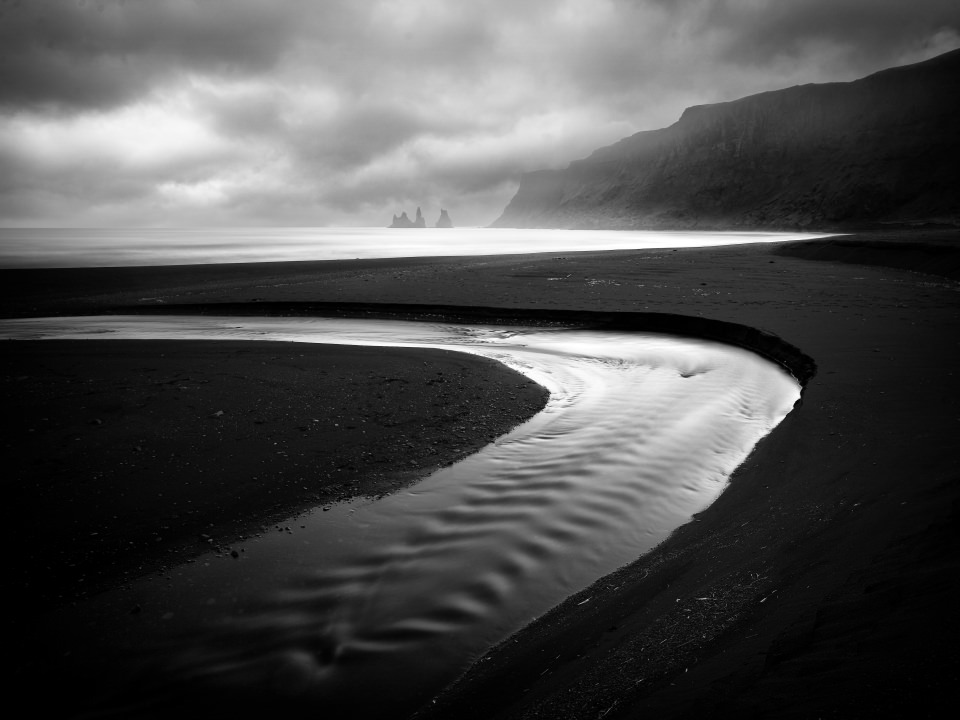
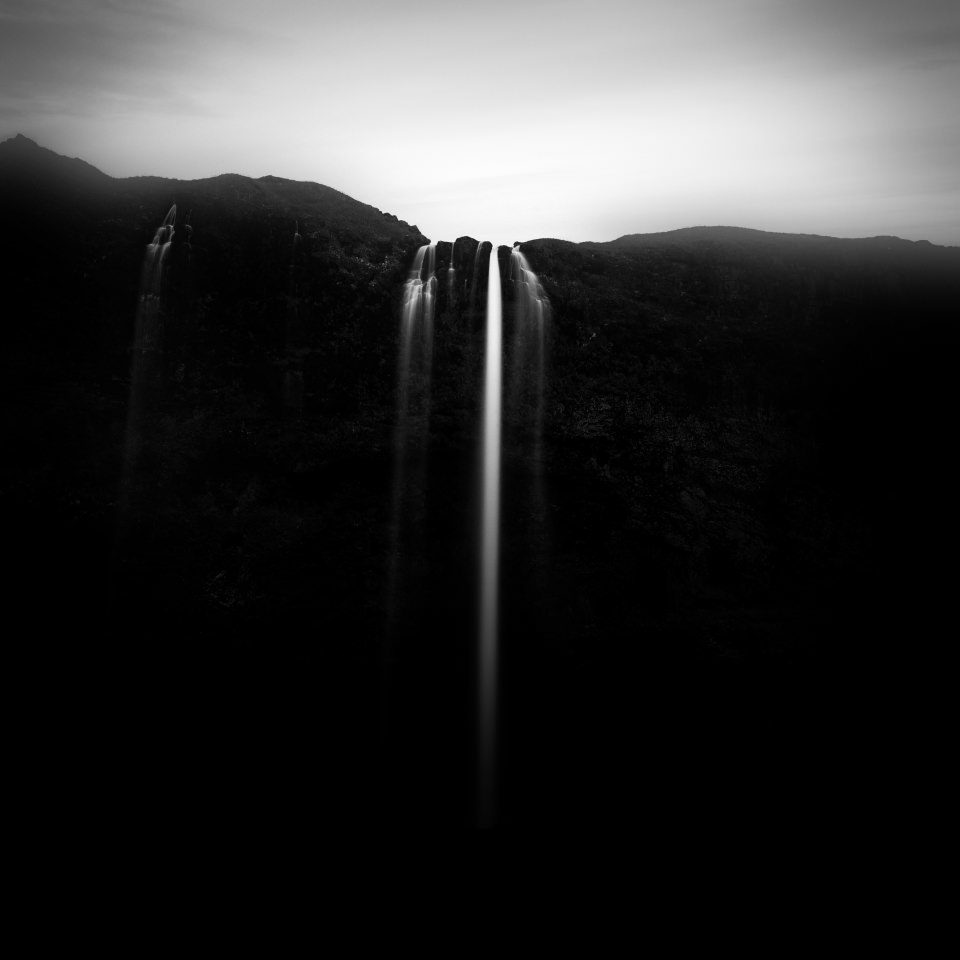
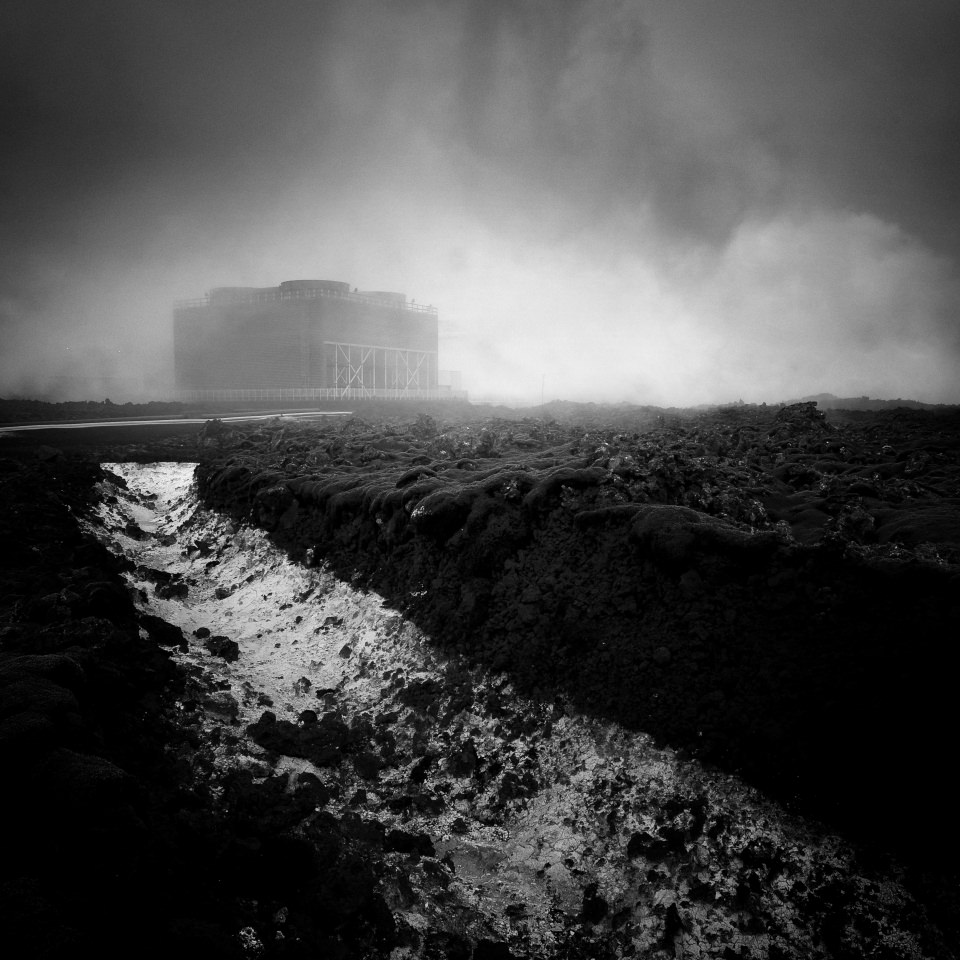
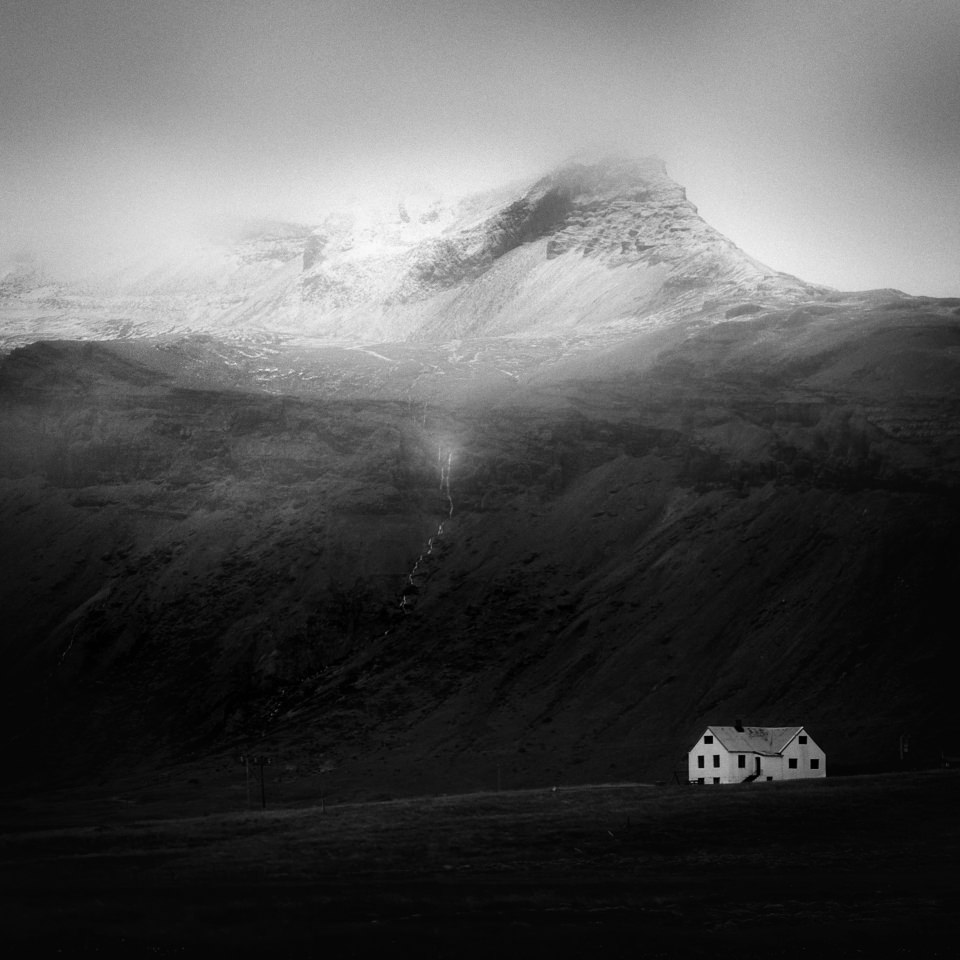

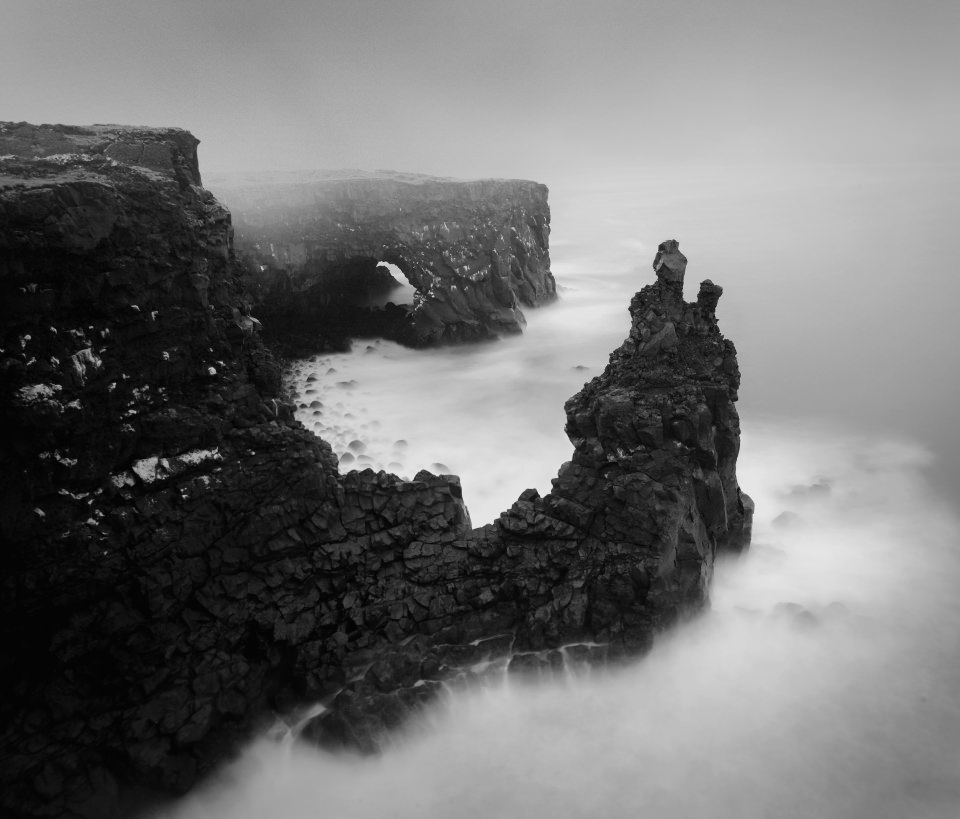
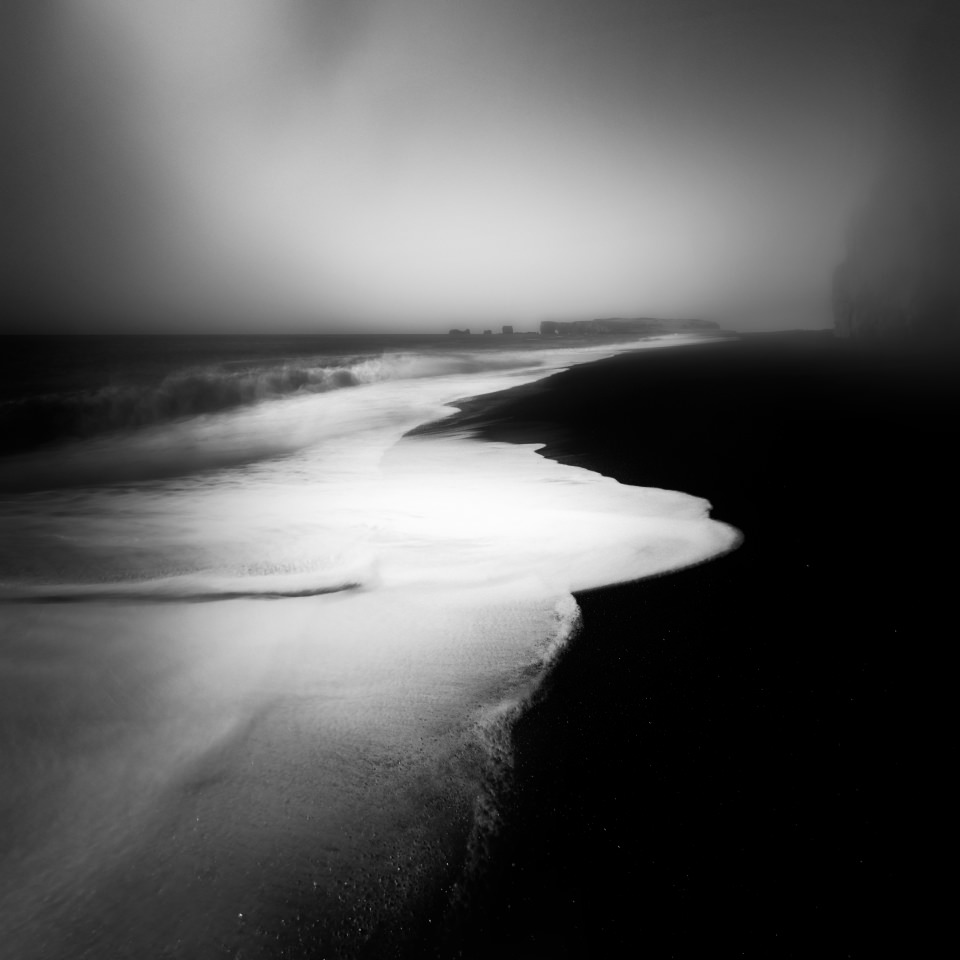

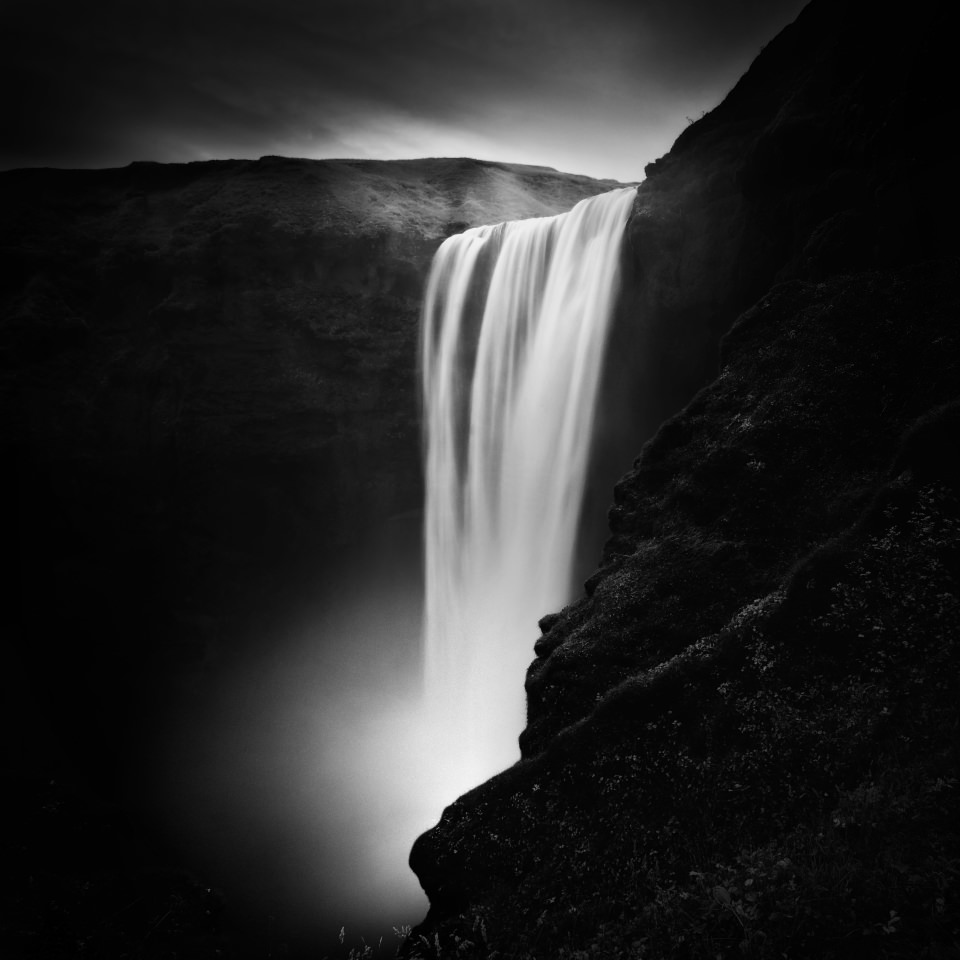
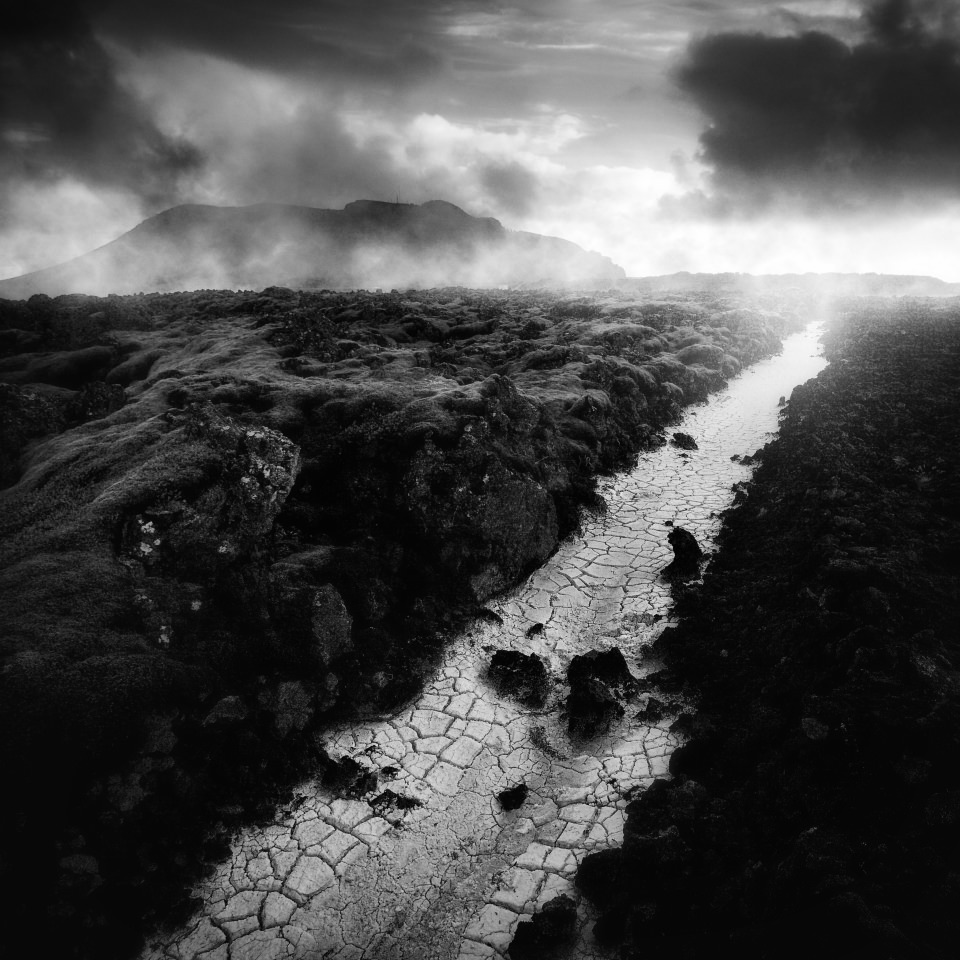
Die Zeit ist für ihn in vielen Aspekten ein fundamentales Konzept. Er brauche Zeit, um Szenen zu betrachten, Teil von ihnen zu werden. Zeit, um die Fotografien zu erstellen und noch mehr Zeit, um sie zu absorbieren und später zu beurteilen.
Und so möchte ich Euch dazu ermutigen, nach dem ersten Betrachten und Überfliegen der Bilder Euch noch ein zweites Mal bewusst dafür Zeit zu nehmen. Die Aufnahmen Peter Zéglis’ sind es wert, denn ihre Wucht setzt eine längere Beschäftigung mit ihnen voraus, mitnichten können sie im Vorbeigehen kurz angesehen und verstanden werden.
kwerfeldein – Fotografie Magazin
 Extra photos for bloggers: 1, 2, 3  |
|||
New Years means three things: dancing, champagne, and lots of photos to record the blurry memories.
If it weren’t for your trusty flash, those photos would turn out just as blurry!
Have no fear fellow party monsters because we’ve put together a guide to flash photography guaranteed to keep your photos sharp as a tack and shiny as a disco ball.
Check out these 7 simple tips, and by midnight we’ll have you ready to kiss blurry goodbye.
7 Simple Tips for Great Flash Photos
p.s. We’re having our first ever sale today in the shop! Hurry on over before we change our minds 😉
 Flash tends to get a bad rap.
Many people associate it with dark shadows and washed out colors.
In a perfect world we could use ambient light all the time, but nobody wants to miss capturing the party just because the light’s gone low.
In this guide we’ll show you how flash can help avoid motion blur, balance for unusual lighting, fill in dark shadows, accentuate movement, and offer tons of creative control.
And what’s awesome is that when done just right flash looks really good!
In fact, most people won’t even be able to tell you’re using it.
 Direct flash can be over-bright, harsh, and create some nasty shadows.
But, flash diffusers help soften the light from your flash by either shooting it through some transparent material or bouncing it off a reflective surface.
We like the Lightsphere from Gary Fong for even soft light, and The Flash Bender and Diffuser when you want a little more creative control with your lighting.
For this shot, we angled our flash slightly backwards so that light popped forward through the diffuser to shine on our subject and also kicked off the wall behind us to spread our light evenly.
 When the ball drops, don’t drop the ball with blurry pics, use your flash to freeze the action!
To take advantage of flash’s action grabbing potential, make sure you set a minimum shutter speed of at least 1/60th of a second.
Because of a fancy rule called the inverse square law (which basically says the power of your flash doesn’t travel very far), you will want to get as close to your subject as possible.
A wide angle lens will help capture your entire scene.
We took this shot at 1/250th of a second, f/4, and ISO 1000, fast enough to keep background light from messing up our freeze.
Also, a super wide 21mm focal length helped keep the camera close and still squeeze it all in.
 The slow sync setting leaves your shutter open longer, and lets your camera pick up the ambient light in your surroundings.
This helps keep color natural instead of just picking up the light from your flash which is tinted a little blue.
Slow sync can open a pandora’s box of possibilities, from light painting with sparklers to incorporating background movement into the mix.
Our example was shot using rear curtain sync option.
This means the shutter will open, gathering ambient light and allowing anything moving to blur, and then right before the shutter is about to close the flash will fire, freezing the action.
If we had used first curtain sync instead, the flash would’ve fired as soon as the shutter opened and then stayed open to gather light.
Notice the ghostly light passing through our subjects, and the glowing trails of their movement.
 Coloring doesn’t have to stop when you outgrow your 24 pack of Crayolas.
Flash filters are super easy to use and can be a fun way to add creativity to your shots.
Using flash filter can also help balance for ambient lighting conditions.
For instance, a yellow flash filter balances for the amber tint of candlelight.
We used a couple filters from The Universal Flash Filter Kit for this shot.
To use these filters, simply snap the included rubber band around your flash head and attach the colored gels.
Cranking up the saturation in your settings will make these guys shine, and for extra creative points try combining flash filters with double exposures.
 Bouncing is a technique for diffusing the light from your flash.
Instead of pointing your flash directly at your subject, you tilt your camera’s flash so it bounces off another surface such as the ceiling, which illuminates your subject with the reflected light.
Bouncing flash keeps your subjects from looking like a deer in headlights, and gives you super creative powers.
For this technique, imagine you are playing a giant game of light pinball.
Aim your flash forward, backwards, or to the side, to bounce your ball of light off different surfaces and at different angles, creating unique looks and eliminating harsh shadows.
For this shot, the flash was angled up and just a little forward so that the light bounced off the ceiling just in front our subject and filtered down onto her face.
 With this technique, you’ll be taking your flash on safari with an off camera excursion.
You will need an external flash unit for this one. If you don’t already have one, this flash from Sigma can be picked up for a pretty good price and is made for all major camera manufacturers.
Many external flashes can be triggered wirelessly by the pop up flash built into your camera.
To do this, simply set your flash into slave mode, set your camera’s flash as the master commander (Muhahaha), and make sure they are on the same channel.
You can set your camera’s built in flash just to trigger the external flash unit or to fire along with it.
This shot was created with the flash pointed straight at the camera and placed behind the disco ball. When fired, it created shiny sparkles and consequently reminded us of our middle school dances.
Off camera flash can also be used to fill in dark shadows and balance for other light sources that are striking your subject.
 Round pupils, round face, portraits were just made for circular flash!
Ring flashes attach around your lens and light up like a big glowing halo for glitzy circular catch lights in the eyes.
We used The Ring Flash Adapter for our example, which attaches to the flash you already have saving you some solid buckeroos.
To use the Ring Flash Adapter, you will probably need to turn up the exposure compensation on your flash as it works by bouncing light down a mirrored tube.
We found between +1.3 and +2 stops worked best for a nice bright exposure.

Related posts:
Kurz vor dem großen Finale in unserem Adventskalender haben wir uns das Thema „Spiritualität“ für das Fotospecial ausgesucht. Folgt doch einfach unserem Glauben, denn wir glauben an das gute Foto. Außerdem haben wir viele bald endende Ausstellungen für Euch zusammengetragen – für den Museumsbesuch zwischen den Jahren und Anfang Januar.
Fotospecial: Spiritualität
Flickr


500px


Deutschsprachig
• Wundervolle Winterportraits haben wir bei Ljuba Gonchar gefunden.
• Recht am Bild schreibt über den Aufruhr um die geplante Bildernutzung durch Instagram.
• Mit Lightroom 4 kann man auch Videos bearbeiten. Getestet hat das Jennifer Wettig.
• Amerika in Panorama-Bildern. Geo Online stellt den Bildband von Horst Hamann in Text und Bildern vor.
• Die C/O Berlin zieht ins Amerikahaus. Nach langem Zittern um die Galerie hat sie nun endlich ein neues Zuhause gefunden.
~
International
• Der Haus-und-Hof-Fotograf Barak Obamas, Pete Souza, dessen Bilder auch im Flickr-Stream des Weißen Hauses zu sehen sind, hat eine sehenswerte Auswahl von 125 Fotografien herausgegeben.
• Ist es möglich, mit der Straßenfotografie Geld zu verdienen? Ja, meint Nick Turpin. Und zeigt auch, wie.
• Wang Fuchun dokumentierte in China Menschen im Zug. Klingt langweilig? Ist es aber nicht, wie diese Bilder zeigen.
• George Steinmetz machte seinen Traum wahr und fotografiert nun für National Geographic die Wüsten der Erde – von einem Paraglider aus.
• TIME wählte die 10 besten Fotos 2012 aus. Manche Bilder sind nicht zu fassen.
• Wie manipulierte Fotos unsere Erinnerung und somit auch das Verhalten beeinflussen können, ist in der Tat erschreckend. In diesem Artikel auf BBC werden außerdem aufschlussreiche Untersuchungen zu diesem Umstand aufgeführt, die die Theorie stark untermauern.
• Jeder hat einen Zwilling! Faszinierende Fotos von Menschen, die nicht mit einander verwandt sind, sich aber unglaublich ähnlich sehen.
• Sion Beilock behauptet: Kreativität passiert oft dann, wenn wir es am wenigsten erwarten. Und unterstreicht diese These mit einigen Argumenten.
• Oliver Lang schreibt darüber, warum er wenig zeigt und viel fotografiert. Insbesondere auf der Straße, denn New York City hat seinen ganz eigenen Puls.
~
Neuerscheinungen und Tipps vom Foto-Büchermarkt
• Wenn in den Pubs die letzte Runde eingeläutet wird, geht es auf den Straßen erst richtig los. Der Fotograf Maciej Dakowicz hat fünf Jahre lang das bierselig turbulente Nachtleben von Cardiff fotografiert. Thames & Hudson präsentiert Cardiff after Dark* nun in Buchform.
• Langzeitbelichtung und Nachtfotografie*: Ronny Ritschel von blogtimes.info hat ein großartiges Fotobuch am Start.
• Falls Ihr Kinder habt, werdet Ihr sicher schon viele Fragen über das Fotografieren gehört haben. Und wenn dann der Wunsch nach einer eigenen Kamera kommt, kann dieses Buch nützlich sein: „Foto-Workshop für Kinder*: Kinder entdecken die Welt der Fotografie und wie man die Welt fotografiert“
~
Videos
Darran baut sich eine Kamera. Eine große Kamera. Und macht damit wunderbare Fotos.
Was uns Wale sagen würden, wenn sie unsere Sprache sprächen …
~
Ausstellungen
Über Grenzen. Eine Ausstellung von Ostkreuz – Agentur der Fotografen
Zeit: 8. November – 30. Dezember 2012
Ort: Haus der Kulturen der Welt, John-Foster-Dulles-Allee 10, Berlin
Link
Licht und Schatten – Foto-Retrospektive Horst Schäfer 2002-2012
Zeit: 20. November – 30. Dezember 2012
Ort: Museen der Stadt Nürnberg, Hirschelgasse 9-11, 90403 Nürnberg
Link
Lotte Jacobi – Photographien
Zeit: 14. September 2012 – 6. Januar 2013 (verlängert)
Ort: Käthe Kollwitz Museum, Neumarkt 18-24, Köln
Link
Albert Watson – Visions Feat. Cotton made in Africa
Zeit: 14. September 2012 – 6. Januar 2013
Ort: Haus der Photographie, Deichtorhallen, Deichtorstraße 1-2, Hamburg
Link
Arno Gisinger – TOPOÏ
Zeit: 9. November 2012 – 6. Januar 2013
Ort: Museum für Photographie, Helmstedter Straße 1, 38102 Braunschweig
Link
Klaus Pichler »Skeletons in the Closet«
Zeit: 16. November 2012 – 6. Januar 2013
Ort: Anzenberger Gallery, Maria-Theresien-Platz, 1010 Wien
Link
Lilo Taddey – Antarktische Eislandschaften
Zeit: 27. September 2012 – 6. Januar 2013
Ort: Staatliches Museum für Naturkunde, Erbprinzenstraße 13, Karlsruhe
Link
Gillian Wearing
Zeit: 8. September 2012 – 6. Januar 2013
Ort: K20 Grabbeplatz, Grabbeplatz 5, 40213 Düsseldorf
Link
Veronika Kellndorfer | French Window
Zeit: 3. Juli 2012 – 6. Januar 2013
Ort: Pinakothek der Moderne, Sammlung Moderne Kunst, Barer Straße 40, 80333 München
Link
Jimi Hendrix
Zeit: 30. Oktober 2012 – 10. Januar 2013
Ort: nhow Galerie, Stralauer Allee 3, Berlin
Link
Won Ocean
Zeit: 16. November 2012 – 11. Januar 2013
Ort: Neue Galerie im Rathauspark, Bottroper Straße 17, Gladbeck
Link
Straight Look – Der klare Blick
Zeit: 10. November 2012 – 12. Januar 2013
Ort: Russische Kunstgalerie pop / off / art, Mommsenstraße 35, 10629 Berlin
Link
Architecture China. The 100 Contemporary Projects
Zeit: 16. September 2012 – 13. Januar 2013
Ort: Reiss-Engelhorn-Museen, Museum Zeughaus, C5, Mannheim
Link
Knut Wolfgang Maron – Ein Leben
Zeit: 18. November 2012 – 13. Januar 2013
Ort: Kunstmuseum Mülheim an der Ruhr, in der Alten Post, Synagogenplatz 1, 45468 Mülheim a.d. Ruhr
Link
Stéphane Couturier – Archéologie Urbaine
Zeit: 20. Oktober 2012 – 13. Januar 2013
Ort: Institut français Berlin, Kurfürstendamm 211, 10719 Berlin
Link
Chris Dreier und Andreas Wünschirs, FELD 1 – 4
Zeit: 10. November 2012 – 13. Januar 2013
Ort: Grölle-Galerie, Friedrich-Ebert-Straße 143e, 42117 Wuppertal
Link
Edith Bernhauer: Orient und Okzident
Zeit: 7. September 2012 – 13. Januar 2013
Ort: Roemer- und Pelizaeus-Museum, Am Steine 1-2, 31134 Hildesheim
Link
Dirk Braeckman. Fotografie
Zeit: 18. November 2012 – 13. Januar 2013
Ort: Kunsthalle Erfurt, im Haus zum Roten Ochsen, Fischmarkt 7, 99084 Erfurt
Link
A Star Is Born. Fotografie und Rock seit Elvis
Zeit: 30. September 2012 – 13. Januar 2013
Ort: Museum der bildenden Künste, Katharinenstraße 10, 04109 Leipzig
Link
Marilyn Monroe
Zeit: 23. September 2012 – 13. Januar 2013
Ort: Ludwiggalerie, Schloss Oberhausen, Konrad-Adenauer-Allee 46, Oberhausen
Link
Mehr aktuelle Ausstellungen
* Das ist ein Affiliate-Link zu Amazon. Wenn Ihr darüber etwas bestellt, bekommen wir eine kleine Provision, Ihr bezahlt aber keinen Cent mehr.
kwerfeldein – Fotografie Magazin
 Extra photos for bloggers: 1, 2, 3 |
|||
The New Year’s almost here! You know what that means: resolutions.
Time to tackle all of those photo troubles you had this past year.
Instead, try these three time-travelling projects! The Film Negative Time Capsule, Recreate a Photo, and the Reverse 365 will help you look back on years past and look forward on the year ahead!
Photo Projects for the New Year!
p.s. Wanna be our friend? Check the box, yes or no.
 Time to recover from that eggnog hangover (which we’re sure is what it’s from) with these photo projects that will catapult you right into 2013.
One of the best parts of photography is looking back on where you’ve been and seeing how you’ve improved. These ideas will give you a helping hand with just that.
Film Negative Time Capsule: It’s like a mini time machine, and you won’t even have to worry about those pesky time travel paradoxes. Just slip your negatives inside and let them hang out with their friends for a year or however long you want. Once that’s up, crack it open and see what you’ve been missing!
Recreate a Photo: We swear we aren’t up to no good with all of this time travel business. Take that photo that your mom loves to embarrass you with in front of your girlfriend/boyfriend and recreate it now that you’re older! Or, plan to go back to the same spot with friends years later and snap the same photo.
Reverse 365 Project: The 365 Project is a slick way to improve your photography while documenting a year in your life. It can get a little bit daunting, though. This spin on the classic lets you pull photos from your archive that you aren’t currently using and incorporate them into your new 365!
 The Film Negative Time Capsule is a spin on the traditional time capsule. Instead of finding things to stow away for a few thousand years, this time capsule is one you add to as you go along.
It’s simple, each time you develop a roll of film, snip of a few frames from the negatives before scanning/enlarging and stow them away in the time capsule box. A year later, or as long as your willpower lasts, open the box and look at all of the memories!
It’s like a mini time machine, all without witnessing your dad’s 70′s moustache in person.

Short and sweet:
 Take your scissors and cut a slit in the top of the box where you can slide in the negatives.
 Add some sweet decorations to your time capsule. Make sure you warn others (and yourself) to keep out!
That’s it! The longer you wait and the more negatives you add, the sweeter the reward!
But I don’t Shoot Film!
Don’t worry! Here are some other ideas you can use to create a time capsule-esque effect.
 There’s nothing better than a good reminiscing sesh with a photo album, but what if you were able to actually relive that moment? We found some cool photo projects that involve revisiting the same place to recreate a photo or reliving it!
Dear Photograph:“A picture of a picture, from the past, in the present.” Sounds confusing, looks like awesomeness. The idea behind Dear Photograph is to incorporate an old photo with the same setting years later. Hold the photo at arms length so that the scene matches, and snap the picture!
“BACK TO THE FUTURE 2 2011″ If you were to recreate that childhood photo that your mom loves to embarrass you with in front of all of your friends, this is what it would look like. Irina Werning’s photo project recreates old photos with results that are stunning faithful to the original.
 The 365 Project is a great way to improve your photography and to document each day for the next year, but it’s also very daunting and can be difficult to complete. But what if you did a 365 with pictures you’ve already taken?
Pete Labrozzi created a new way to complete the 365 Project. Instead of taking a picture every day for the next year, Pete is using photos he’s taken from previous years.
In the smartphone age, our pictures barely last a hot minute. With this project, you can pull them out of the darkness and incorporate them into your future 365.
Some benefits according to Pete:

We <3 these projects. Inspired by the passage of time, they're great 2013 Inspirations!
Photo for Recreate a Photo from Dear Photograph
Related posts:
Freunde der Fotografie, liebe Leser. Das Jahr 2012 neigt sich dem Ende zu und ich möchte mich – auch im Namen der gesamten Redaktion – bei Euch bedanken. Und das ist keine dahergeredete Floskel, sondern ernst gemeint. Ohne Euch Leser wäre das Magazin in dieser Form weder denkbar, noch möglich.
Und damit erst gar nicht das Gefühl von Kitsch aufkommt: Ich meine damit durchaus auch die reflektierten Kritiker. Die Leute, die sich Gedanken gemacht, uns widersprochen oder auf (Denk-)Fehler hingewiesen haben. Auch wir sind nicht perfekt und das müssen wir auch nicht sein.
Natürlich freuen wir uns auch über diejenigen, die einfach mal „Danke“ sagen, ohne großartig mit Worten herumzuwerfen. Nicht jeder Kommentar muss ausgefeilt formuliert sein, um rüberzubringen, was jemand denkt. Und dazu kommen noch die E-Mails, die uns streckenweise täglich erreichen.
Danke. <3
Desweiteren wünschen wir Euch eine gute Zeit über Weihnachten. Lasst es Euch gutgehen im Kreis Eurer Liebsten. Auch eine kreative Pause ist wichtig, von daher vergesst ruhig einmal das Fotografieren.
Und zum Abschluss sei Euch gesagt, dass wir nach dem Dezember-Marathon mit drei Beiträgen pro Tag eine kurze Pause bis zum 28. Dezember machen werden. Auch wir müssen ab und zu einfach mal durchschnaufen, ohne an dieses Magazin zu denken. Danach geht’s dann wie gewohnt weiter und zwar in erster Linie mit Bildern, die zum Träumen anregen.
Wer uns in der Zwischenzeit vermisst, ist herzlich eingeladen, die kürzlich mit viiielen aktuellen, zum Teil nur noch wenige Tage laufenden Ausstellungen gefüllte Liste aufzusuchen oder sich die Empfehlungen unserer Fotografen-Filme-Umfrage vom Samstag zu Gemüte zu führen.
Bis zum 28. Dezember!
PS: Zu diesem Zeitpunkt kommt das Beste natürlich noch, nämlich die Öffnung des 24. Türchens unseres Adventskalenders in wenigen Stunden. Spannend bis zum Schluss.
kwerfeldein – Fotografie Magazin

Ich freue mich ganz besonders, Euch das heutige Türchen präsentieren zu dürfen. Von Tamron haben wir einen richtigen Kracher zum Verlosen bekommen: Das brandneue Objektiv SP 70-200mm F/2.8 Di VC USD. Es gehört zu Tamrons Super-Performance-Klasse und ist damit besonders für die Verwendung an Vollformat-DSLRs geeignet.
Ich hatte schon Ende August das Vergnügen, mit einer Vorversion dieses Objektivs auf Motivjagd zu gehen und es ist mir schwer gefallen, es nach drei Wochen wieder zurückzuschicken. Was mich damals vor allem beeindruckt hat, waren Schärfe und Vibration Control. Als Stativfotograf habe ich nicht das ruhigste Händchen, aber bei eingeschalteter VC habe sogar ich mich getraut, bei 200mm und 1/50 – 1/100 Sekunde zu fotografieren.
Ebenfalls überzeugt hat mich die Verarbeitung. Das Objektiv macht einen stabilen Eindruck und ist gegen das Eindringen von Spritzwasser geschützt. Da ich damals öfter im Regen stand, war das ein wichtiges Feature. Eine Verbesserung zum Vorgängermodel bietet außerdem der USD-Motor, der schnelles und präzises Fokussieren ermöglicht und zudem sehr leise arbeitet.

172mm, f/11, 1/125s, ISO 400, freihand
Hier seht Ihr zwei Beispielfotos, die ich damals mit dem Objektiv aufgenommen habe. Ob mit Stativ oder freihändig, das Objektiv liefert in jeder Situation scharfe Ergebnisse. Am besten seht Ihr Euch die Fotos mit einem Klick etwas größer in der Lightbox an, denn die verkleinerte Darstellung verschluckt leider viele Details.

117mm, f/11, 21s, ISO 100, auf Stativ
Das Objektiv Tamron SP 70-200mm F/2.8 Di VC USD, das wir heute verlosen, ist so neu, dass es bisher nur für Canon-DSLRs zu haben ist. Wer es für seine Nikon oder Sony gewinnen möchte, darf gern trotzdem mitmachen und erhält es, sobald diese Modelle verfügbar sind.
Es lässt sich sowohl an Vollformat-DSLRs als auch an Kameras mit APSC-Sensor verwenden. Die unverbindliche Preisempfehlung liegt bei 1.999 €. Alle weitere Informationen und Spezifikationen findet Ihr hier.
Um das Tamron SP 70-200mm F/2.8 Di VC USD zu gewinnen, schreibe einen Kommentar unter bürgerlichem Namen und gültiger E-Mail-Adresse bis heute um 24 Uhr. Danach verlosen wir es per Zufallsgenerator unter allen Kommentatoren. Die genauen Gewinnspielregeln findest Du hier. Viel Glück!
kwerfeldein – Fotografie Magazin
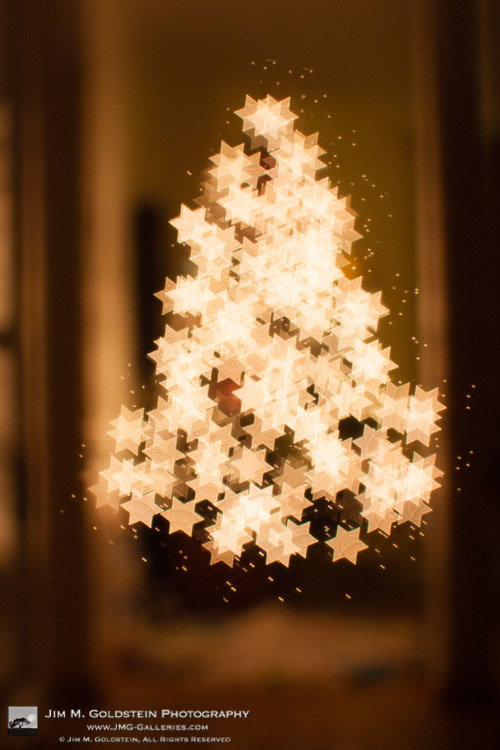
Happy Holidays!
Wishing all of my readers and fans a happy and safe holidays.
May all your holiday wishes come true.
Photo Details:
Canon 5D Mark II, Canon 50mm f/1.0 at f/1.2, 1/50 sec
using the DIY Photography Bokeh Master Kit
Copyright Jim M. Goldstein, All Rights Reserved
Happy Holidays
The post Happy Holidays appeared first on JMG-Galleries – Landscape, Nature & Travel Photography.
JMG-Galleries – Landscape, Nature & Travel Photography

Heute wird’s richtig interessant für alle, die auf viele Megapixel und die Möglichkeiten von Raw-Dateien um keinen Preis verzichten wollen – trotzdem aber eine kleine, leichte, einfach handliche Kompaktkamera zu schätzen wissen. Die DP1 Merrill von Sigma verbindet einfach beide Welten.
Die wichtigsten und gleichzeitig erstaunlichsten Eigenschaften der Sigma DP1 Merrill haben wir schon in den ersten Absatz gestopft. Jetzt aber Zahlen: Sie ist nur 12,15 cm breit, 6,67 cm hoch und 6,43 cm tief. Und gerade einmal 340 g „schwer“. Passend dazu arbeitet sie mit SD-Karten und ist SDHC-kompatibel.

Riesige 46 (in Worten: sechsundvierzig!) Megapixel zeichnet der Vollfarben-Direktbildsensor der Größe 23,5×15,7 mm auf. Und zwar in drei Schichten, also alle RGB-Grundfarben in jedem einzelnen Pixel.
Diese ganzen Farb- und Helligkeitsinformationen werden im Raw- oder JPG-Format oder wahlweise auch Raw + JPG gespeichert, im Fall der Raw-Daten natürlich verlustfrei. In der mitgelieferten Software SIGMA Photo Pro können die Raw-Bilder betrachtet und bearbeitet werden.


Verbaut ist ein lichtstarkes Objektiv mit f/2.8 und 19mm Brennweite, das entspricht 28mm an einer Vollformat-Kamera. FLD-Glas, blankgepresste asphärische Linsen und die Super-Multi-Layer-Vergütung sorgen für eine astreine Bildqualität. Manuell Fokussieren ist mit dem Fokusring natürlich auch möglich.
Apropos Fokus: 9 Autofokus-Messfelder stehen zur Verfügung. Auf dem 3″-TFT-Farb-LCD-Display kann die Darstellung außerdem vergrößert werden, um ganz exakt zu fokussieren. Schön sind auch die Helligkeit und der weite Betrachtungswinkel – so macht ein Monitor wieder Spaß.

Hier gibt’s alle Detail zur Sigma DP1 Merrill. Die unverbindliche Preisempfehlung liegt bei 1.099 €. Wenn das keine perfekt geeignete Kamera zum Beispiel für High-End Streetfotografie ist, dann wissen wir auch nicht. Wir freuen uns darauf, mit ihr jemanden sehr glücklich zu machen!
Um die Sigma DP1 Merrill 46MP zu gewinnen, schreibe einen Kommentar unter bürgerlichem Namen und gültiger E-Mail-Adresse bis heute um 24 Uhr. Danach verlosen wir sie per Zufallsgenerator unter allen Kommentatoren. Die genauen Gewinnspielregeln findest Du hier. Viel Glück!
kwerfeldein – Fotografie Magazin

You must be logged in to post a comment.