RSS
 

Posts Tagged ‘work’

Video Tutorial – How to Work a Scene to Find the best Light and Composition

23 Sep

In this short video tutorial, photographer Mike Brown takes you on a photo walk looking for images. Watch as he scans the scene and finds the best camera angle, waits for the right light, and frames the shot for the best composition.

Go on a photo walk and see how Mike goes about working a scene, before quickly snapping a photo and moving on. Take your time, look around. If you see something interesting explore the scene a little. Have patience as well.

Some key points you can learn from this tutorial include:

  • Sometimes you need to wait for the light to change.
  • Simplification is often a good thing.
  • Move around the scene, and put things in the foreground as well.
  • Use shadows for more creating more dramatic images.

The post Video Tutorial – How to Work a Scene to Find the best Light and Composition by Darlene Hildebrandt appeared first on Digital Photography School.


Digital Photography School

 
Comments Off on Video Tutorial – How to Work a Scene to Find the best Light and Composition

Posted in Photography


Lens Rentals test shows all circular polarizing filters work great, price doesn’t matter

20 Sep
Photo: Roger Cicala/Lens Rentals

Our friend Roger Cicala over at Lens Rentals is at it again: buying up super expensive optical testing equipment because someone asked him why LR carries the circular polarizing filters they do. The answer, until now, was simple: make the expensive one on the market their high-end rental, and the cheapest one their “basic.” But is there really any difference?

That’s what Roger set out to figure out, and the answer might save you a little bit of cash.

You can read the full post and see all of the detailed results on the Lens Rentals blog, but the most surprising and positive conclusion was this:

All circular polarizers, regardless of price, are 99.9% effective at polarizing light.

Translation: if you’re looking for a circular polarizer because … well … you want to polarize light then save your money because the cheaper ones work just as well as the more expensive ones.

In addition to their ability to do what they say they do, Cicala and LR team tested CP filters for overall transmission (how much light to they let through) and transmission by wavelength so you can see what effect each filter has on the colors your camera sees. Check out the results here.

Articles: Digital Photography Review (dpreview.com)

 
Comments Off on Lens Rentals test shows all circular polarizing filters work great, price doesn’t matter

Posted in Uncategorized


5 Non-Gear Related Ways to Improve Your Work and Take Better Photos

19 Sep

I have lost track of the number of times I have heard complete strangers compliment me on having a great fancy camera that takes “great pictures”. Initially, I used to be quick to the defense and try and get a word in on how I am a professional photographer and hence have some level of skill in my craft. But now I just nod, smile and quickly move away. Unfortunately, the reality is that a lot of photographers (and others) think that by having the latest and greatest fancy camera, they have the ability to take better photos.

The truth of the matter is that you don’t need the latest equipment or fancy qualifications to be a good photographer. Photography is a creative art form and like any art form, it takes a lot of hard work, practice, and perseverance to get really good at taking great pictures. Sure, you need to really understand your gear and what it can and cannot do. But there are loads of simple, non-technical stuff you can do to improve your photography as well.

Here are some non-gear related tips that will help you take better photographs.

#1 Take your camera everywhere

You never know what might be around the corner, be it close to home or on your far away travels. Life is unpredictable and things change in a split second. There’s always something interesting to photograph. You just need to open your eyes, look around and be ready to snap that shot. And additionally, make sure your phone or camera of choice is within easy reach ready for that shot.

5 Simple Non-Gear Related Ways to Improve Your Work and Take Better Photos

Cows hitching a ride inside trucks is quite a sight especially on narrow streets in India!

5 Simple Non-Gear Related Ways to Improve Your Work and Take Better Photos

These migrating pelicans found the most electric resting places…hopefully, they got re-charged for their next flight.

#2 Take pictures every day

Overnight success is a myth. The sooner you realize that the more at peace you will have on your photographic journey. We all know that to get really good at anything, we need to practice and practice a lot. After all, practice makes perfect. The more pictures you take, the better you will become.

Don’t get hung up on what you’re using to take the pictures, either. Many times I only have my iPhone with me and take a shot if it catches my eye. Be confident that if done correctly, you can make good pictures with any camera.

5 Simple Non-Gear Related Ways to Improve Your Work and Take Better Photos

Cupcakes and coffee = great food editorials shots.

5 Simple Non-Gear Related Ways to Improve Your Work and Take Better Photos

Other times it is just a bowl of fresh fruit that can spark an inspiring photo. Don’t get hung up on the perfect scenery – let your imagination be your guide for your everyday shots.

#3 Analyze other photographs

Seek inspiration in other photos. Look at pictures you like and ask yourself what you like about those pictures. What makes it interesting to you and why? Also question how you could make it better or do it differently.

Don’t be afraid to try something similar and put your own creative spin on it. Take an old idea and make it your own. That makes it different, new and in turn, you just might make it better than the original.

5 Simple Non-Gear Related Ways to Improve Your Work and Take Better Photos

A recent obsession in the study of effectively capturing movement in photographs led to a multi-exposure frame – one of my personal favorites to showcase my creative journey.

#4 Study your images

Become your own best critic. Question everything. Look at your pictures and ask yourself what you like and what you don’t like. Be completely honest with yourself as this will really help you improve your craft. Sometimes it is also beneficial to repeat the shot and change it up to make it better than your own original.

And when something works, celebrate your success. It is very important in your creative journey to celebrate your own milestones – it makes the journey that much more fun.

5 Simple Non-Gear Related Ways to Improve Your Work and Take Better Photos

This is the view from my home in Bombay and I love photographing the sea bridge – one of the technological marvels of the modern world – at different times of the day and in different weather conditions. It is amazing to analyze how light and color changes the whole perspective of an image.

5 Simple Non-Gear Related Ways to Improve Your Work and Take Better Photos

Of course, night shots have their own charm. Next time I shall remember to take my tripod along for some car trails!

#5 Stop, look and then click

Most of today’s fancy cameras have a continuous shooting mode where you can fire away at six to eight frames per second. But I find that this tends to make us lazy as photographers. We take on the mentality of the “spray and pray” theory that if we take 20 shots of something, chances are at least a couple will be worthwhile.

Yes, taking loads of pictures is great. But if you pause and take a few seconds to really observe your surroundings, you will be able to visualize your shot. Think about how you want your picture to look and do what you need to do to achieve that look. It might mean moving position, waiting for the light to change or the crowds to dissipate, but it could be the difference between a good photo and a great one.

5 Simple Non-Gear Related Ways to Improve Your Work and Take Better Photos

We were walking along the narrow street of Vridhavan in India and this cow was ahead of us. We just stopped to see what he was doing and also to give him a wide berth as he was a very big bull. He calmly walked into this abandoned house and just made himself at home. It’s not every day that you find cows lounging inside your house.

Conclusion

I hope these simple yet powerful tips help you take better photos and improve at your skill and craft. Remember it is not the camera that takes a great picture but the skill of the person behind the camera that gets the money shot.

The post 5 Non-Gear Related Ways to Improve Your Work and Take Better Photos by Karthika Gupta appeared first on Digital Photography School.


Digital Photography School

 
Comments Off on 5 Non-Gear Related Ways to Improve Your Work and Take Better Photos

Posted in Photography


Report: Bowens employees not paid for July, told they must continue to work unpaid

04 Aug

A bombshell of a report on PetaPixel reveals just how sudden last month’s closure of 94-year-old UK photographic lighting company Bowens has been, especially for its employees. An infuriated UK employee reached out to the photography blog to share their story, and the whole workforce of Bowens China has sent an email to the company to complain about how the process is being handled.

The UK employee, who wished to remain anonymous, expressed anger at how the liquidation has been handled, specifically citing issues with pay. According to them, “26 of the most hard working members in the UK […] were in complete shock [on July 14th] to be informed that they will be unpaid for the previous month, and will have to continue to work through a consultation process unpaid.”

The employee claims the UK crew was told they would have to continue working because they are bound by contract. Staff are reportedly considering legal action.

These claims are backed up by an email sent to Bowens and Calumet distributors by the workforce of Bowens China, and acquired by PetaPixel.

The letter claims employees of Bowens Suzhou were “suddenly abandoned” with “no July wages, no social insurance, [and] no updated information since Germany let us stop work [on the] 17th July.” The employees took to the streets and the German embassy to protest what they’re describing as “dishonest betrayal” and “bloody exploitations” by Aurelius and Calumet.

For their part, Calumet did respond to PetaPixel’s request for comment. The company sent a statement in which it re-states the reasons for closing Bowens (“the result of far reaching changes affecting its market”) before addressing the concerns in China, saying:

“As part of the decision to discontinue its operations Bowens consequently also decided to discontinue the manufacturing operations in China […] The liquidation process is handled according to all local laws and requirements and the employees will be informed in due course on next steps.”

You can read Calumet’s full statement on PetaPixel. However, DPReview has reached out to Calumet for comment as well, specifically asking Calumet to address the claim that employees were not paid for July and are contractually bound to continue working without pay.

We will update this post if and when we hear back.

Articles: Digital Photography Review (dpreview.com)

 
Comments Off on Report: Bowens employees not paid for July, told they must continue to work unpaid

Posted in Uncategorized


5 Guidelines of Minimalist Photography to Help Improve Your Work

18 Jul


Minimalism is one of those movements that some people see as a recent fad or newfangled things, like fidget spinners or man buns. In reality, minimalism is a true case of making what was once old new again, and unlike the aforementioned man bun, that’s a good thing.

In photography, minimalism is an obvious visual statement; the story of the photograph is simplified, elements are reduced, and clean space is added. Not only has minimalist photography become its own genre (you can see some excellent examples of minimal imagery here), but photographers specializing in the discipline have come into their own, creating a revitalized, attractive space of art for us all to enjoy.

5 Guidelines of Minimalist Photography to Help Improve Your Work

Minimalism (even in photography) isn’t new. Before the term became ubiquitous and synonymous with “new” and “clean”,  the style existed in various forms under other names. It has had a profound and positive influence on photography as it exists in the modern world.

But do you have to fully embrace specializing as a minimalist photographer to benefit from the advantages of the style? Absolutely not! Each of the tips below can work for almost any kind of photography. Let’s explore some of the guidelines and see how you can apply them to your own work, regardless of genre or type.

#1 – Make the story concise

As with any photo, the story is the most important thing to convey to your viewer. In minimalism, you want to tell that story as efficiently as possible. That means clean backgrounds, negative space where appropriate, and a well-defined subject.

We will discuss background and separation of the subject in more detail below, but generally, you don’t want any distracting elements in ANY photograph. Keeping your background clean, whether through blurring, or using a solid color or simple texture can remove any unwanted distractions.

5 Guidelines of Minimalist Photography to Help Improve Your Work

Negative space is defined as the margin around your subject and other important objects in your composition. Properly used, this space accentuates what you actually want the viewer to deem as most important in the photo.

When looking through the viewfinder at a potential shot, take a moment to get a feeling of the complexity of what you’re seeing. If the composition feels muddy or hard to discern, recompose your image to include some extra negative or white space around your subject.

#2 – Isolate the subject

Wide-open apertures along with proper positioning of the subject to background tend to make smooth, creamy backgrounds, separating it from the subject of the photo. This is right up the minimalist’s alley. Having a solid or smoothly blurred background really isolates what you want to highlight in the photo, and keeps the viewer’s eye from being overrun by more complex patterns to distinguish.

5 Guidelines of Minimalist Photography to Help Improve Your Work

In some photos, you may not want that blurred effect on your background. Many landscape photos, for example, are shot using stopped-down apertures such as f/11 or f/16, because you want most of the scene in focus. This is because, in those situations, the entire scene can be the subject. In those situations, using color or patterns are other ways of separating the subject from your background.

But many other types of photos, especially nature and portraiture, benefit greatly from a wider aperture and using that to create separate layers in the image. Experimenting with the effects that aperture and distance have on that separation can provide many different looks for the same composition.

#3 – Use color to your advantage

One of the most powerful methods of constructing a minimalist image is by using color to create a contrast. While you don’t necessarily have to go to the extremes that you would in a completely minimalist photo, picking two or even three colors that juxtapose well with each other and featuring them prominently in the textures of the image can improve the attractiveness of the shot.

While minimalist photographs tend to use large areas of solid contrasting colors to establish simplicity, other photography can benefit by keeping the color palette small and using colors that work well together or invoke a particular feeling in the viewer. For example, I find one of the most intriguing and pleasing color combinations to the eye to be blue and red, as in this example of the old red rowboat on the shore (bel0w).

5 Guidelines of Minimalist Photography to Help Improve Your Work

Using a color wheel (as shown below), you can identify color harmony, which are complementary color combinations that are pleasing to the eye. Then try to use those color combinations in your images.

Color wheel

Diagram by Wikipedia contributor Jacobolus

#4 – Embrace leading lines

Because minimalist photography tends to feature very simple compositions, lines and textures are often used to improve upon storytelling and point the viewer in the right direction. Finding natural leading lines in your compositions can help guide the eyes of the viewer where you want them to go, which allows you to minimize the number of elements in your photo needed to tell the story.

5 Guidelines of Minimalist Photography to Help Improve Your Work

Lines can be found everywhere; train tracks, roads, sidewalks, and buildings are just a few examples. While they are easy to find, it is just as easy to misuse them and confuse the viewer. If the line is easy to pick out, then it should lead the eyes somewhere relevant. Lines should not lead the viewer randomly away from the subject, or out of the frame with no real destination.

#5 – Find texture and use it

Texture can be a powerful element in a photograph, especially when an entire image is built around it. Obviously most often used when shooting subjects in the natural world around us, textures are a tool that can communicate many things to the viewer, including emotions, mood, light, and darkness.

Because of the limited language of minimalism, texture itself is often used as the subject, usually in the form of repeated patterns. All photography, however, can benefit from its strategic use. What is the effect when the subject features a consistent, repeating texture, as opposed to one that consists of an uneven texture made up of objects of varying size and smoothness?

5 Guidelines of Minimalist Photography to Help Improve Your Work

Texture is a great way to put a large, consistent element in your image without introducing too much distraction.

Can millions of grains of smooth beach sand, saturated with ocean water, serve as a different backdrop than a large area of broken shells and sand mixed together? What type of effect will this have on the viewer’s perception of the image?

Conclusion

As photographers, regardless of skill level, we are destined to be students of an innumerable amount of subjects. We must constantly keep learning, and apply the things we learn to our work, to keep innovating our style, invigorating our images, and keep our viewers interested.

While minimalist photography is very popular today and is an intriguing discipline, it’s not the chosen style for us all. But the ability to take the most important points from that genre and apply it to your own work is what elevates you as a photographer, and keeps you on top of your game.

What are your thoughts on the current state of minimalism, and its influence on art and photography? Is minimalism your favorite photography style? Have some minimalist images of your own to share? Let’s discuss this and more in the comments below.

The post 5 Guidelines of Minimalist Photography to Help Improve Your Work by Tim Gilbreath appeared first on Digital Photography School.


Digital Photography School

 
Comments Off on 5 Guidelines of Minimalist Photography to Help Improve Your Work

Posted in Photography


Photojournalists reveal their favorite publications to work with and what they pay

02 May
Photographer Genna Martin on assignment for Seattle PI.

Columbia Journalism Review recently surveyed a group of photojournalists on their favorite publications to work with based on several criteria, including arguably the biggest one – pay. As a result, they’ve published an article revealing the day rates for some top publications as well as some insight into other factors, such as balancing a lower day rate with exposure to a wider audience.

So by the numbers, how do top publications stack up for freelance photographers? CNN comes out on top with the best day rate at $ 650, though National Geographic is close behind with typical rates between $ 500-650. Harper’s Magazine’s rate was hard to pin down but reported rates varied from $ 500 up to $ 1000 per day. 

The New York Times’ recently boosted rate of $ 450 per day makes it more competitive with the top-paying outlets, but CJR notes that the photographers they spoke with acknowledged the Times’ wider reach and top-notch editorial staff go a ways to compensate for the lower pay. Coming in with the lowest day rate of the bunch is the Washington Post, offering $ 350. 

Check out the full article at Columbia Journalism Review for some interesting insights on working for these top publications.

Articles: Digital Photography Review (dpreview.com)

 
Comments Off on Photojournalists reveal their favorite publications to work with and what they pay

Posted in Uncategorized


My new evaluation criteria for my portfolio work…

25 Apr

From the inimitable “Burns Auto Parts Blog”


So here’s my challenge to you: look at your work on your site. Do you love it–all of it? Does it make you smile/get you excited/make you want to do more of it? Be honest–don’t look at it from its technical side and definitely do not ask “Do I think buyers will want this?” If you do, then look at your marketing.

If you don’t, then get off your creative butt and start making the work that you make out of love and that weird compulsion that makes you do this and not be a 9-5 “normal” person.


Words of wisdom indeed.  I have been working on a major portfolio overhaul, with just this in mind.  You know the saying… Show what you wanna shoot!


Tweet This Post Stumble This Post


F/1.0

 
Comments Off on My new evaluation criteria for my portfolio work…

Posted in Photography


3 Ways to Get Honest Feedback on Your Work

21 Mar

Learning to evaluate your own work and getting good honest feedback is critical to improving as a photographer. Others will see things you don’t see. It will give you tips to help you improve. And it is peculiar to your work (not just general tips for everyone).

3 Ways to Get Honest Feedback on Your Work

The problem is that getting honest feedback on your work has always been difficult. Your choices boil down to:

  • Bothering friends and family in the hopes that they would risk hurting your feelings to give you honest feedback.
  • Hoping someone will chime in with actual constructive criticism on a picture you post online.
  • Paying a lot of money to attend a photography conference and have your work reviewed by an expert.

None of these is ideal. The first two don’t work, and the third is a rather large, expensive (not to mention scary) undertaking.

So what do you do? Fortunately, the world is changing in this area. There are additional tools to help you get feedback and also to help you objectively judge your own work as well. In this article, you’ll be introduced to a few of my favorites.

googletag.cmd.push(function() {var gpt_slot = googletag.defineSlot( “/1005424/_dPSv5in-post-mobile(300×250)”, [300, 250], “pb-ruleset-mobile-ad-0” ).addService( googletag.pubads() );ruleset_mobile_slots.push( gpt_slot );});

googletag.cmd.push(function() {var gpt_slot = googletag.defineSlot( “/1005424/_dPSv5in-post-mobile(300×250)”, [300, 250], “pb-ruleset-desktop-ad-4” ).addService( googletag.pubads() );ruleset_desktop_slots.push( gpt_slot );});

#1 – 500 px

You may already be familiar with 500px. You upload your pictures to the site and it provides you with a score for your photograph based on the number of likes and comments it receives from others. An obvious way to get feedback is through the score. Higher scores generally mean better pictures and you can judge your picture by the score it receives.

3 Ways to Get Honest Feedback on Your Work

500px.com

That said, the scoring of 500px can be somewhat unreliable. Sometimes you will upload pictures that you know are better than the score they get (but be careful about that, as sometimes we delude ourselves into thinking our photos are better than they are). Other times you will see pictures with really high scores that aren’t as good as their scores warrant. There are a lot of factors that might determine the number of people that are liking your photo at any particular time.

The score isn’t the only way that 500px helps you evaluate your own work, though. When you upload your picture to the site, you will see it in pools of pictures that 500px creates. All new pictures go into the Fresh pool of pictures, then if your photo reaches a score of 70 it goes into an Upcoming pool, and pictures that score over 80 are deemed Popular. When you look at your photo within these pools, you will see it surrounded by its peers.  You are essentially forced to compare your photo to the surrounding ones. Sometimes you will like what you see, sometimes you won’t.

3 Ways to Get Honest Feedback on Your Work

The Popular pool of photos on 500px.

Then, when you are ready for a little dose of humility, you can compare your photo to the most popular photos on the front page. These photos are almost always incredible shots. Be warned, this will bruise your ego. Once you get past that, you can look at what these photographers are doing to get those great shots. That will help show you things you could be doing.

#2 – Photographers via phone or Skype

Having your photos reviewed by an expert has always been an option, but it has historically been expensive. Usually, it involves going to a photography conference, where you are given the opportunity to sit face-to-face with someone reviewing your work. These opportunities are invaluable but are also expensive and time-consuming. The conferences usually aren’t cheap and there may be significant travel expenses involved as well.

googletag.cmd.push(function() {var gpt_slot = googletag.defineSlot( “/1005424/_dPSv5in-post-mobile(300×250)”, [300, 250], “pb-ruleset-mobile-ad-1” ).addService( googletag.pubads() );ruleset_mobile_slots.push( gpt_slot );});

googletag.cmd.push(function() {var gpt_slot = googletag.defineSlot( “/1005424/_dPSv5in-post-mobile(300×250)”, [300, 250], “pb-ruleset-desktop-ad-5” ).addService( googletag.pubads() );ruleset_desktop_slots.push( gpt_slot );});

Technology is starting to help change this situation, though. Now, if you poke around online, you can find photographers that will review your work virtually for a fraction of the cost. The occasions I have done this have cost me $ 50 or less.

What you do is upload some pictures to the photographer or service, and they review them. I’ve done it where I had a call with the reviewer, and where the reviewer sent me an audio/video file of them reviewing my work. Obviously, you only have interaction with them the first way, but the reality is that you are mostly doing this for their honest feedback your pictures, and not to ask questions or have them explain things. In any case, you get feedback on your work from an industry expert.

3 Ways to Get Honest Feedback on Your Work

An example of a photo review service.

Some photographers offer this as a service on their websites. Many others don’t, but I suspect they would welcome the opportunity to make a little extra cash if approached. If you have a favorite photographer, you might see if they are interested in reviewing your work for a fee. It will get you great feedback without the cost of traveling to a conference.

#3 – Pixoto

Another way I have seen to get good feedback on your work is a website called Pixoto.

3 Ways to Get Honest Feedback on Your Work

When you post a photo to Pixoto, it goes through a series of Image Duels, which are head-to-head competitions between your photo and another image. You will be asked to vote on Image Duels of photos submitted by others, and they will vote on yours. It is nameless and faceless. As a result of the wins and losses (and even the best photos have plenty of losses), Pixoto generates a score for your photo. It also tells you what percentage of photos yours placed above.

3 Ways to Get Honest Feedback on Your Work

Example of an Image Duel on Pixoto.

googletag.cmd.push(function() {var gpt_slot = googletag.defineSlot( “/1005424/_dPSv5in-post-mobile(300×250)”, [300, 250], “pb-ruleset-mobile-ad-2” ).addService( googletag.pubads() );ruleset_mobile_slots.push( gpt_slot );});

googletag.cmd.push(function() {var gpt_slot = googletag.defineSlot( “/1005424/_dPSv5in-post-mobile(300×250)”, [300, 250], “pb-ruleset-desktop-ad-6” ).addService( googletag.pubads() );ruleset_desktop_slots.push( gpt_slot );});

You won’t always agree with the results Pixoto gives you. Sometimes that will be because the Pixoto score is wrong, but more often it will be because you failed to properly evaluate your own work (which is very hard). In any case, this is another tool in your arsenal, and it is free.

Evaluating your own work

None of these tools is perfect, what’s more, they will sometimes conflict. You might have a photo that gets a really high score on 500px but does dismally on Pixoto. Or you might have a photo that gets lots of social media attention and is loved by a reviewer but goes nowhere on 500px or Pixoto. None of this replaces judgment and there is no accounting for taste. But they can give you good markers to help you critically evaluate your own work.

These tools will occasionally change your mind, and it can work in both directions. There will be photos you absolutely love, but you later realize aren’t as good as you thought after you’ve used these tools. At the same time, there will be photos that you didn’t think much of but that you realize might be a little better than you gave them credit for after seeing the reaction of others to them.

In any event, perhaps the greatest tool these can offer you is helping you learn to better evaluate your own work by yourself. After you have seen others do it, you’ll learn things. You’ll stop repeating mistakes. You’ll learn what is important to others. And you’ll learn to view your photos with a more critical eye.

googletag.cmd.push(function() {var gpt_slot = googletag.defineSlot( “/1005424/_dPSv5in-post-mobile(300×250)”, [300, 250], “pb-ruleset-mobile-ad-3” ).addService( googletag.pubads() );ruleset_mobile_slots.push( gpt_slot );});

googletag.cmd.push(function() {var gpt_slot = googletag.defineSlot( “/1005424/_dPSv5in-post-mobile(300×250)”, [300, 250], “pb-ruleset-desktop-ad-7” ).addService( googletag.pubads() );ruleset_desktop_slots.push( gpt_slot );});

The post 3 Ways to Get Honest Feedback on Your Work by Jim Hamel appeared first on Digital Photography School.


Digital Photography School

 
Comments Off on 3 Ways to Get Honest Feedback on Your Work

Posted in Photography


Flat metalenses now work with a range of colors

12 Feb

Harvard researchers have made advancements in development of a flat lens known as a metalens – for the first time, it can work with a continuous range of colors rather than one at a time.

Research has been ongoing at the University’s School of Engineering and Applied Sciences, showing last summer that it was possible to create a lens 100,000x thinner than glass that could focus light in the visible spectrum. This metalens uses an array of titanium dioxide nanopillars to direct light, eliminating the need for additional curved glass layers to correct for chromatic aberration caused by traditional lenses. In fact, engineers were even able to design a metalens with reverse chromatic dispersion, showing that such technologies can really break away from the constraints imposed by traditional optical methods.

Varying the shape, size and height of the nanopillars used by the metalens allows it to focus wavelengths from 490nm to 550nm, or from blue to green. This is a promising step toward potentially using flat lens technology in anything from smartphone cameras to VR headsets. 

Articles: Digital Photography Review (dpreview.com)

 
Comments Off on Flat metalenses now work with a range of colors

Posted in Uncategorized


How to Prepare a Photography Exhibit of Your Work

12 Jan

There is nothing like having your work displayed up on a wall for everyone to see. Even better, is seeing little round red stickers underneath to indicate that the work has been sold. For most artists, that is their driving force and anyone who makes images that are intended for walls and display. However, where and how to go about having a photography exhibition can be harder than you think. It can also be a very expensive exercise.

This article will help answer a lot of the questions that you may have when it comes to exhibiting your work.
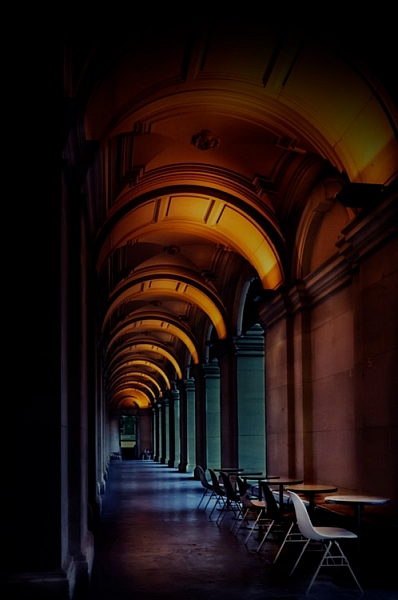
photography exhibit tips

If I were to have an exhibition now this image would be in it.

Why do a photography exhibit?

Artists have been exhibiting their work for centuries, now is no different. The reasons for doing an exhibit can vary from artist to artist. Before the internet, it was one of the best ways to showcase your work to everyone. However, artists used them to make money. They would invite special clients or benefactors to the openings in the hope they would buy one or a few pieces.

Selling artwork is harder these days, so if your sole reason for exhibiting is to sell some, then you may be very disappointed. However, if your goal is to put your work up on a wall to show people what you are capable of, then it can be very rewarding. Having all your best work up for everyone to look at can feel like quite an achievement.

Another reason many artists exhibit is to be able to put the exhibitions down on their artists CV. The CV or Curriculum Vitae is a list of all their exhibitions, plus education and a few other things, similar to a resume. It is what galleries look at when seeing if they will have a show with an artist.

leannecole-exhibiting-your-artwork-31

This image would be ideal if I decided to have an exhibition of just my macro work.

Costs and Budgeting

Exhibitions are not cheap and before you decide to have one there are many things you need to take into consideration. What sort of space will you exhibit in and how much will it cost? What other expenses will there be? How many images will you prepare for the exhibit and what will the reproduction outlays cost? Should you have a solo exhibition or start with group shows? These are all questions you need to think about.

Group or Solo

Solo shows are fantastic and ultimately what every artist wants, to have their own show. But they are also very expensive and you have no one to share the expenses with. Having said that, most artists build up to solo shows and often have had some success in group shows first.

For most photographers, group shows are a good way to get your feet wet and start building your artist’s CV. Find some friends who are also interested in exhibiting. Apply together to galleries to see if you can get an exhibition. Many galleries advertise for artists to participate in group shows they are holding, so look out for them and apply.
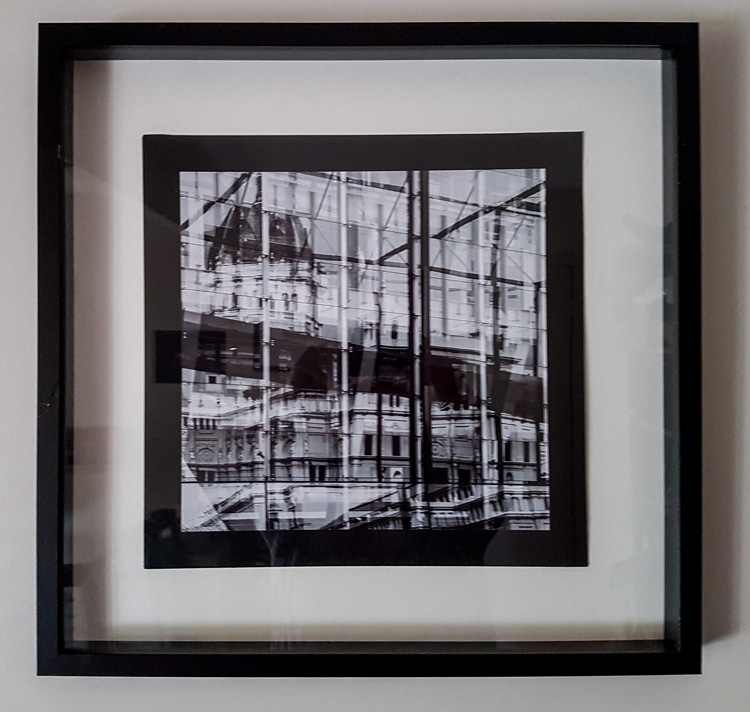
leannecole-exhibiting-your-artwork-39

This framed image was in a group show for street photography.

Where to exhibit

This could be an endless list, but the most common places are galleries that specialize in the work that you want to show. However, there are other places, like cafes or restaurants, that like to have exhibitions which feature different artwork on their walls. There are benefits and disadvantages to each.

Cafes, Restaurants, and Foyers

These are often free for holding an exhibition. They don’t always have schedules so you could possibly have your work up for longer than you could in a gallery. These types of venues may not want a commission from the sale of work, though they may want you to handle all the sales, so you would need to leave contact information. They usually won’t take any responsibility for your art pieces, so be aware of that (loss or damage is not covered).
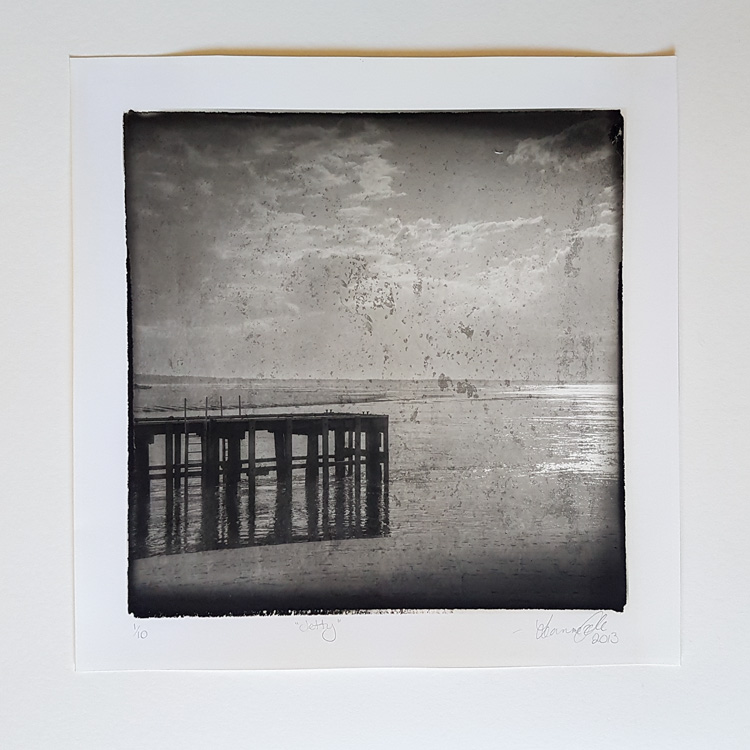
leannecole-exhibiting-your-artwork-35

This is one of two images that were exhibited in a cafe down near the coast.

With a place like this, you won’t have access to a mailing list and will have to do all the advertising yourself. People can’t generally just wander in to look at the work. All the customers will see your images, but they are there for different reasons, such as to eat, and buying images isn’t one of them. While it isn’t impossible to sell a piece from a cafe exhibit, your audience isn’t there to necessarily buy what you are selling.

Your work will most likely need to be framed for hanging, and you will probably have to install it yourself at the exhibit space.
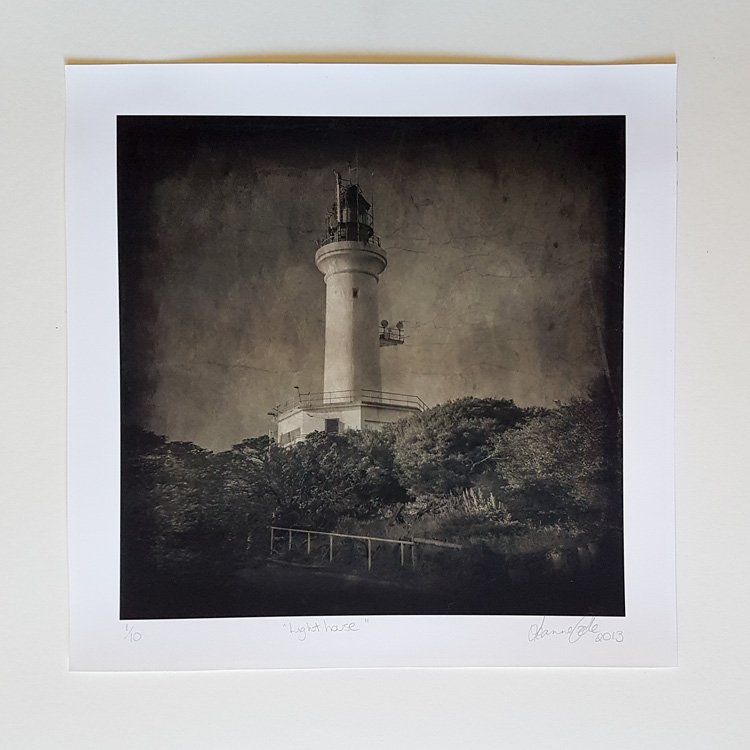
leannecole-exhibiting-your-artwork-34

This is the other image that was exhibited in the cafe.

Galleries

There are many different types of galleries, and it is up to you to decide which one you think will work for you. They usually start with artist-run spaces, then come staffed galleries which are either non-commercial or commercial.

Artist-Run Spaces

Possibly the cheapest spaces to get are those which are artist-run. You pay less to use the space, but you are expected to do what they call, “sit the exhibition”. That means that when the gallery is open you have to be there to watch your work and manage any sales yourself.

Having to be there the entire time the gallery is open can be time-consuming. Many artists will get together for a group show, split the costs of renting the space, and draw up a roster to sit the exhibition. For artists starting out this can be a much better option. If you want to do this, but don’t know anyone to exhibit with perhaps you can contact the gallery as they may know some artists who are looking for someone to share.

You need to take on most of the expenses in this environment. The cost of the opening is covered and organized by you. You must pay for most of the advertising as well, though some galleries will have a mailing list for you to use.
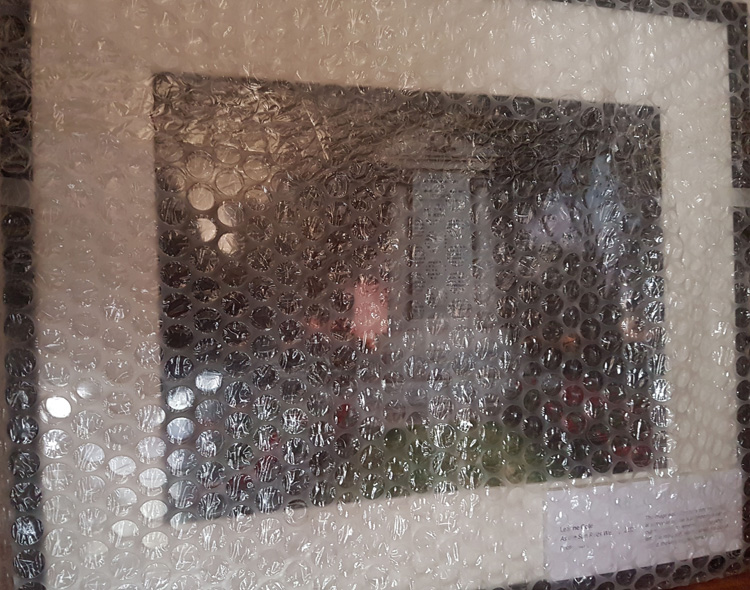
leannecole-exhibiting-your-artwork-38

Still packed up from when it returned from an exhibition last year.

Staffed Galleries

Staffed galleries are the next level. They cost more, but you are relieved of the burden of having to sit the exhibition. There are two different sorts of galleries, the commercial and non-commercial kind, and they often have different directions.

Non-commercial galleries

These are often smaller galleries that will charge you for renting the space and for their service to sit the photography exhibit for you. They are often the most expensive galleries to hire. Non-commercial galleries will help advertise the opening, but they are generally not interested in helping to promote you and your work further beyond the exhibition and the relationship is short term.

They make their money from you hiring the space, and taking a commission from any work you sell, usually around 30%. It is a good way to start getting work on your CV or finding galleries that do a lot of group shows. See if you can put work into them.

Non-commercial galleries aren’t typically picky about who they choose, as long as the quality of work is good. They are not going to mind if one exhibition is all abstract paintings and the next one is more landscape photographs. It can be a lot easier to get a show with them than the commercial galleries.
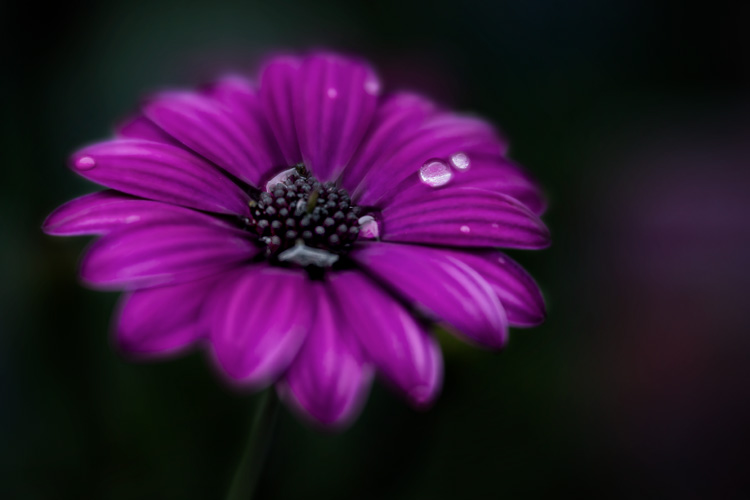
leannecole-exhibiting-your-artwork-28

This image was also popular on social media so it would definitely be in the macro exhibition.

Commercial Galleries

These types of galleries are a lot harder to get exhibitions with as they have so many artists to choose from and usually have a particular type of artist in mind that they show. They are more interested in helping you establish yourself as one of their artists, in other words represent you. Commercial galleries will keep some of your work in a stockroom and advertise what you do. They try to get collectors to view what you have done so they can begin collecting and supporting you as well.

Commercial galleries usually have a niche market they represent. If you are a photographer and you send your work to a gallery that only deals with Indigenous art, then they are not going to be interested in your work.

When approaching these galleries you need to do your research and make sure you work fits in with the other artists they represent. At the same time, if they have another who does work that is almost the same as yours, then they are not going to be interested either.

The commercial galleries often cost a lot less for an exhibition, however they are harder to get shows in and they will take a higher commission. Here in Australia that rate is usually around 40%, compared to the 30% that other galleries take.
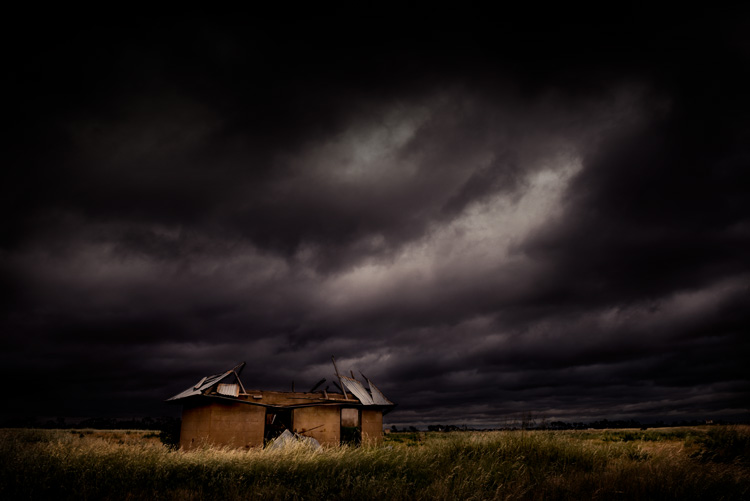
leannecole-exhibiting-your-artwork-30

Another image that would be used if I were to have an exhibition now.

Submitting your work to galleries

All galleries tend to advertise when it is a good time to submit proposals. While you can send in inquiries at other times, it is best to look for submission dates, times when they are asking people to send in exhibition proposals.

Commissions and pricing your work

All galleries charge a commission and some cafes may as well. You need to consider how much the commission is when you are pricing your work. Make sure you find out how much the commission is when first inquiring about exhibiting in the space.

When it comes to pricing you should be realistic. If you are new to the art world, charging thousands of dollars for your work would be unrealistic. Only established artists can command prices like that. To get an idea look at the space that you will be exhibiting in and see how much previous artists have charged for similar work. If you are happy with the prices you could try charging the same, or similar.

As your reputation grows and more people start buying your work then you can look at charging more.
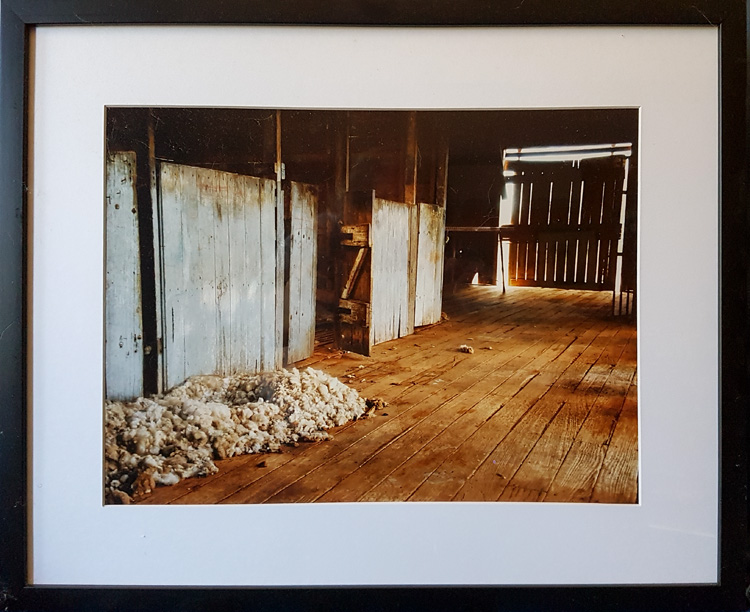
leannecole-exhibiting-your-artwork-36

This is from an solo show I had in the foyer of a theater company.

Loss due to damage or theft

When you hire a space to show your work you also take on the responsibilities of it as well. The gallery or space is unlikey to cover any damage to your artwork or the theft of it. It is often in the contract or terms of conditions. Make sure you are aware of it, and if you are worried then insurance could be an option.

Insurance

As previously stated most places will not cover your work for damage or being stolen, so insurance is  something that you need to consider when putting your art up anywhere. Do you need to take out insurance on it? Most artists don’t worry about it, but that doesn’t mean you should do the same. Look into it and see how much it will cost and if it is worth it for you

If the work has cost you a lot of money to produce, then you may want to consider getting insurance. Talk to the gallery and see if they have had problems in the past, especially with theft. If the work is going into a high traffic zone, like a walkway, where it can be damaged or someone could walk off with it, then it is worth considering.

It should be done according to the place where you are showing. If it is a café then the staff may not have the time to watch the work at all, especially during busy periods. However, a gallery is going to be in a better position to watch if they have the staff. If you have to man the space yourself, can you watch everything?

To frame or not to frame
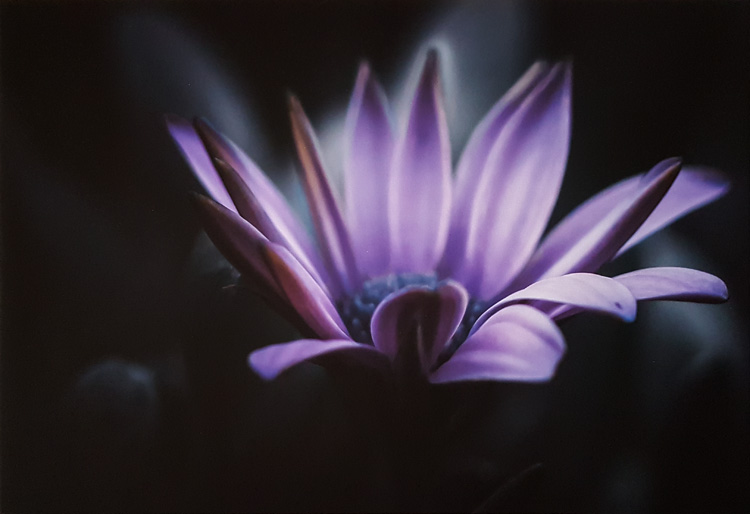
leannecole-exhibiting-your-artwork-37

Testing out a framer and had this macro printed on canvas.

Many places will answer the question of framing for you. tThey will either say the work has to be framed or it can be pinned to the wall.

If the work has to be framed then you must decide if that is something you can afford. Getting work custom framed can be very expensive. But what a lot of artists do is make all their work the same size (or use the same size frames and just alter the mat sizes according to the images), then go to somewhere like Ikea and buy cheaper frames. If you do the framing yourself then you can reuse the frames every time you want to do a show.

If you don’t have to frame and can pin the images on the wall, that doesn’t mean you can’t get the work framed. Again, your budget is going to determine that. However, if you choose to pin them on the wall you need to find out what is going to be the best way and if the purpose is to sell your work then pinholes in your photos might not be desirable to potential buyers (it also isn’t as professional looking or finished for the buyer, they can’t just take it home and hang it up).

What size and how many images to exhibit
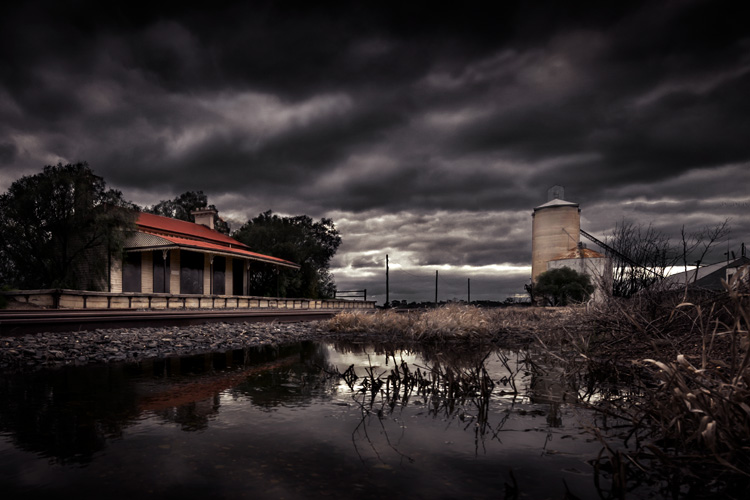
leannecole-exhibiting-your-artwork-25

If I were to have an exhibition now this would be in it along with the others.

This decision comes down to price and space. How much money you have for the exhibition can only be determined by you. But how many pieces you can make, and the size you can get your work reproduced is going to be determined by your budget.

It is also important to know how much space you have available for the exhibit. If the space is only three meters (10 feet) of wall space, then putting up three images that are one meter (39 inches) across will make it crowded and not allow enough space in between each one. However, if you have 10 meters (33′) of space, and you put up four images that are only 50cm (20 inches) across, that will give you too much space between them.

Consider the space carefully. If you think your work looks great when it is enlarged, then perhaps having fewer large pieces is better. The larger they are the more they will cost.

The same goes for the number of images. You don’t want to completely fill the space you have, as giving each image room will allow them to be shown better. Just because you have paid for the space doesn’t mean you have to fill it up. Consider the size of the frames as well, if you choose to frame.

Editioning
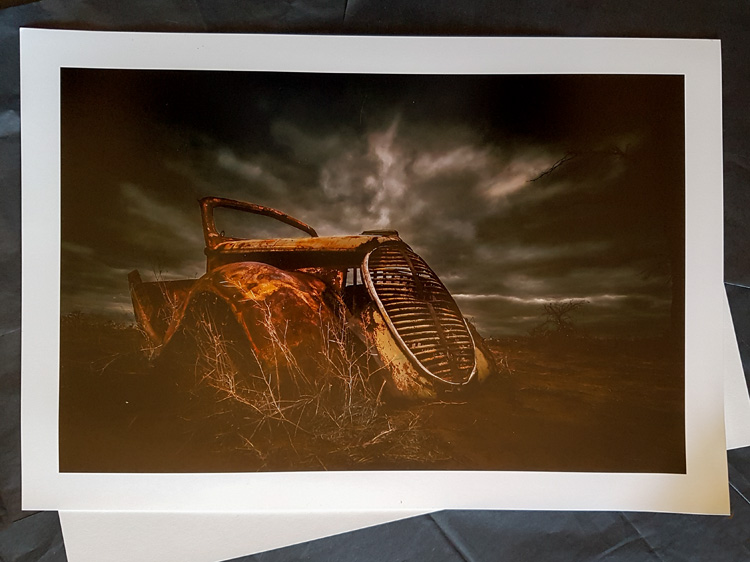
leannecole-exhibiting-your-artwork-33

Trying out different papers to see which one will work best for this image.

Editioning is also referred to Limited Editions and is something to consider with photography. Printmakers have been doing it for centuries. It basically means that you are promising your clients or potential ones that only a certain number of those images (prints) will be available for sale.

Editions can be a good way to make your work more valuable. If you have an image and do an edition of 20, then you need to make sure that the buyer knows what number in the edition they are receiving, for example, 8/20. You need to keep records of it, so you know how many of the image you have sold. Once you have sold the 20 you can’t sell anymore. You made a promise to those that bought the first 20 that you would only sell 20 of them. Be sure of how many you think you might sell from the start, and be realistic.

Another thing you need to be careful about with editioning is to make sure they are all printed exactly the same. They all have to be consistent. If you put up a piece in a show and sell it a few times, people won’t be happy if the image they receive is not the same as the one they saw in the exhibition. You don’t have to get them all printed at the same time, but make sure you use the same printer for all of them and that the printer knows how to replicate them identically.

Medium for printing

What medium you choose for printing is again going to be determined by your budget, but also consider how your work will look the best. Do you want prints in frames? Perhaps canvas will work better for the type of image you are getting printed. Getting work printed on metal is becoming popular now as well, though it is also very expensive and perhaps might only suit some styles of photography.

Whatever you choose, you need to be careful that it shows off your work in the best way possible. Consider getting some images printed in different ways and then deciding which you like the best, and which one will fit into your budget.
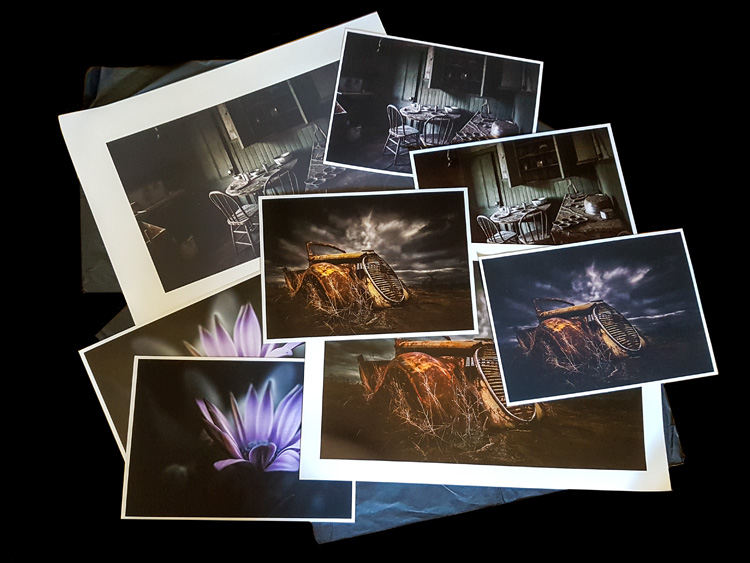
leannecole-exhibiting-your-artwork-32

My new printer did lots of tests for me to see which would work the best on what medium.

Curating and choosing which images to exhibit

Choosing which images to put in the exhibit is the hardest part for most people How do you know what images will be the best to show? There is no real way to tell. If you are working with a gallery that has a curator you can likely get a lot of help from them using their experience with the gallery and what sells. If a curator isn’t available you might have to enlist the help of friends, find out what are their favorite pieces. Perhaps your social media sites will help you see which images were popular online.

When it comes to curating the show, there should be a cohesiveness to the work and to the final exhibition. Make sure all the work fits together and flows. Be clear on what your vision for it is. The better it looks on the walls, the more you could sell.
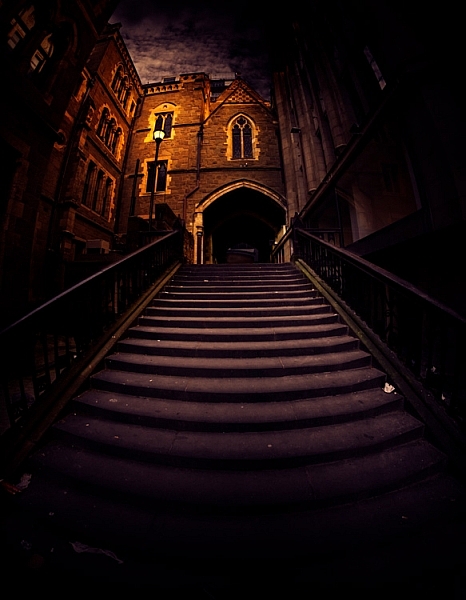
leannecole-exhibiting-your-artwork-29

If I were to have an exhibition now this is another image that would be in it.

Start planning your exhibition

Hopefully this has answered many of the questions you had and explained some of the ways that galleries work. There are many decisions that need to be made and before you start it is good to have a plan of what you want to do, why, and how you will pay for it.

Have you done a photography exhibit before? Please share your experience or post your questions in the comments below.

googletag.cmd.push(function() {
tablet_slots.push( googletag.defineSlot( “/1005424/_dPSv4_tab-all-article-bottom_(300×250)”, [300, 250], “pb-ad-78623” ).addService( googletag.pubads() ) ); } );

googletag.cmd.push(function() {
mobile_slots.push( googletag.defineSlot( “/1005424/_dPSv4_mob-all-article-bottom_(300×250)”, [300, 250], “pb-ad-78158” ).addService( googletag.pubads() ) ); } );

The post How to Prepare a Photography Exhibit of Your Work by Leanne Cole appeared first on Digital Photography School.


Digital Photography School

 
Comments Off on How to Prepare a Photography Exhibit of Your Work

Posted in Photography