RSS
 

Posts Tagged ‘weather’

Call for entries: The Weather Channel photography contest

21 May

Screen_Shot_2014-05-20_at_1.33.29_PM.png

The Weather Channel and Toyota have announced a photographic contest with a $ 15,000 top award and thousands more in other prizes for the runners up in three categories. Photographic submissions ‘should showcase a passion for nature, adventure, travel or weather’. Open to US residents only, the deadline for submissions is June 15. Learn more

News: Digital Photography Review (dpreview.com)

 
Comments Off on Call for entries: The Weather Channel photography contest

Posted in Uncategorized


5 Reasons Why Bad Weather Days are the Best Times for Photography

15 May

Bad Weather Photography Equals High Impact  Photos

Remember those days when you looked out your window and wished that the weather was better so you could get out and take some fantastic photographs? Do rainy, windy, stormy days stifle your photographic ambitions? I’ll give you five reasons why bad weather is not all doom and gloom for photographers.

bad weather photography with dark clouds

The things that keep most people indoors on bad weather days are the very things that have creative photographers heading for the great outdoors. Grab a rain jacket, brave the elements AND take your camera – these can be the best times for photography to capture something memorable.

Let’s look these five reasons to appreciate bad weather, and what they can offer you for photographs that get that second look.

  • Dark and unpredictable clouds
  • Powerful winds
  • Rain and drizzle
  • Snow
  • Fog

#1 CLOUD PHOTOGRAPHY FOR DRAMATIC IMAGES

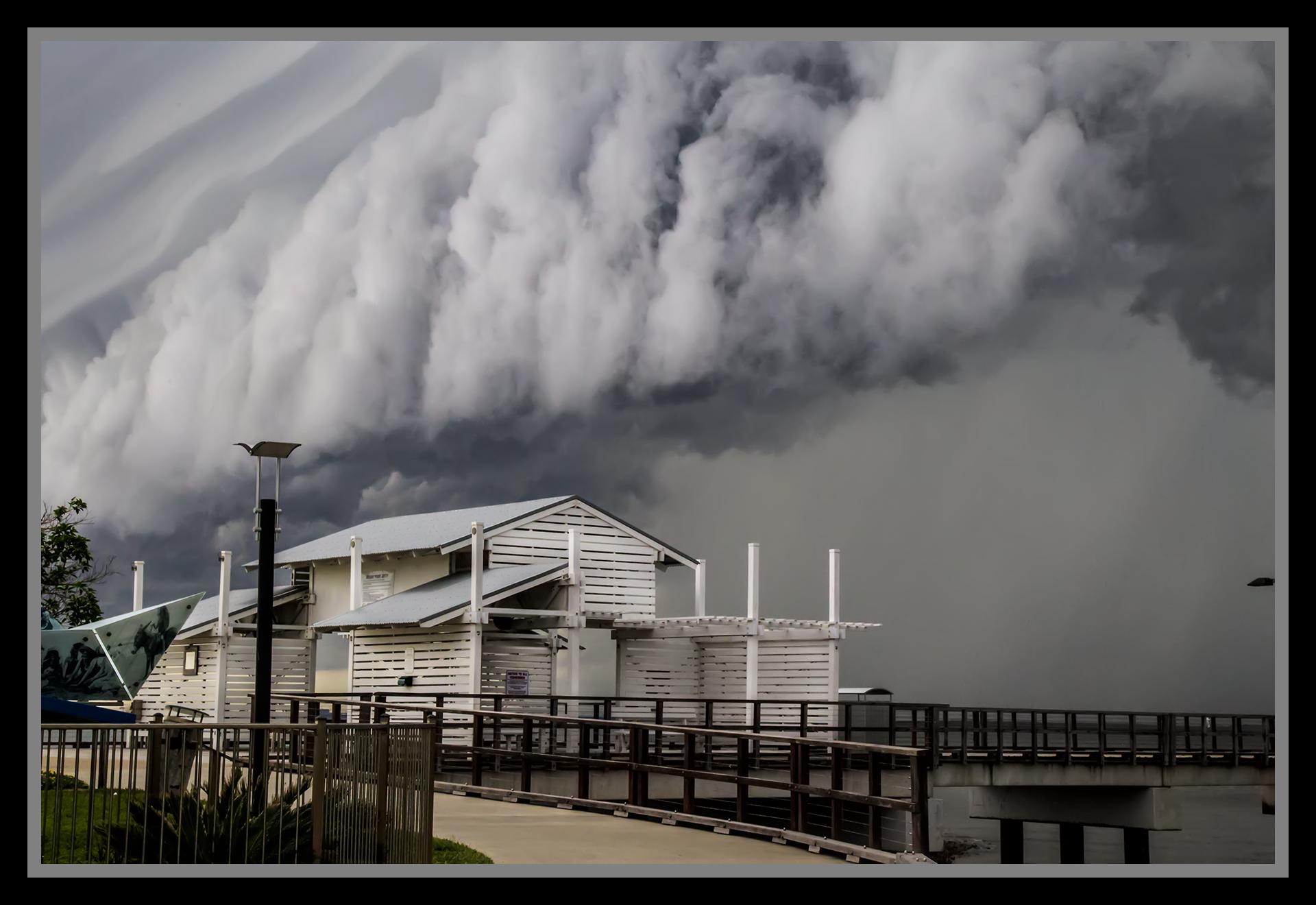
Clouds can be brooding, moody and sinister – a great backdrop for photographing old buildings, new skyscrapers, and trees. While you’re out in the storm, also think about shooting just the clouds by themselves, to create a “cloud bank” of images to use as drop-ins for compositing with other images. Clear blue skies are pretty boring in most photos. With your catalog of cloud shots you’ll never have a bland sky photo again.

Low hanging clouds can add a really mysterious quality to your images. Think black and white photography when considering ways to take advantage of clouds. You can use post-processing techniques to accentuate the various layers of the cloud formations to add even more drama to your images.

In this shot of a storm moving in over the Bugaboo mountain range, I used Google Nik Silver Efex Pro and the Structure setting to add tonal definition to the clouds to create atmosphere.

bad weather photography stromy clouds

#2 WIND PHOTOGRAPHY FOR ARTISTIC EXPOSURES

bad weather photography- windy daysWindy days provide you with all you need to make excellent motion studies for long exposures – tall grasses flowing like waves, tress swaying wildly, leaves trembling and dancing full of motion. Waves on lakes become whitecaps, perfect for those milky long exposure waterscapes.

Even though still photographs capture a single moment, you can achieve great impact when you capture the residue of motion in a single frame. High impact daytime long exposure photographs need movement to be successful, and when the wind is blowing, things are moving. Capture this in a single frame and you have an instant “wow” shot.

Use a neutral density filter to slow your shutter so that it captures the motion created by the breeze. Use a tripod for your wind shots to make sure that whatever is not moving in your image stays nice and sharp. The contrast of solid and fluid is a powerful creative technique.

#3 RAINY DAY PHOTOGRAPHY FOR COLOR AND SPECIAL EFFECTS

badweatherphotography-rainstreaks

Rain is awesome for artistic and creative photos.

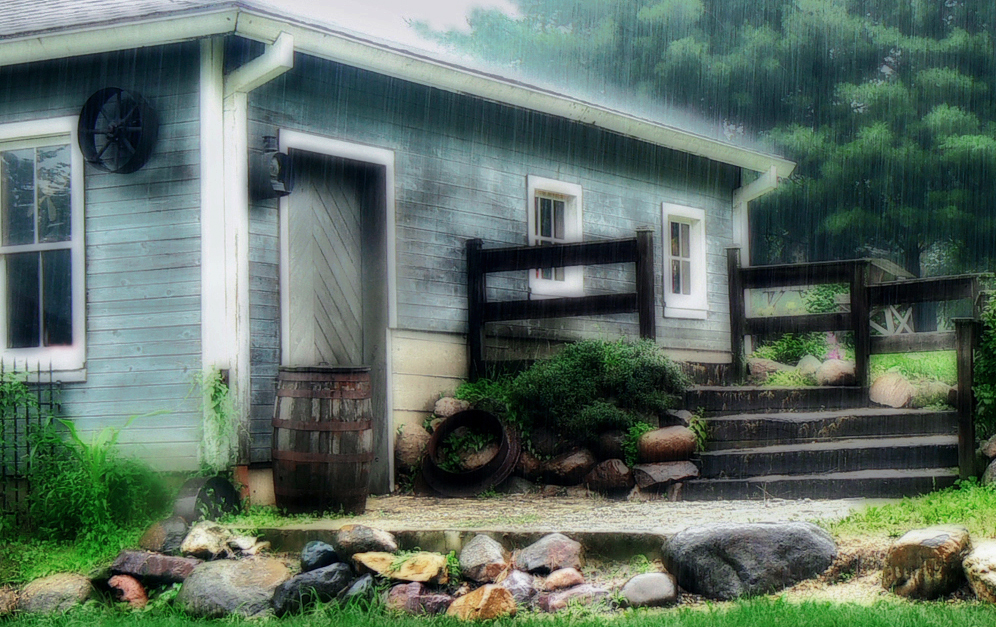
When it’s wet outside, colors become deeper, richer and more saturated. This provides you with a way to look at the great outdoors in a “different light.”  Observe how flat and lifeless colors appear on an overcast day. But add some rain and the colors really pop!

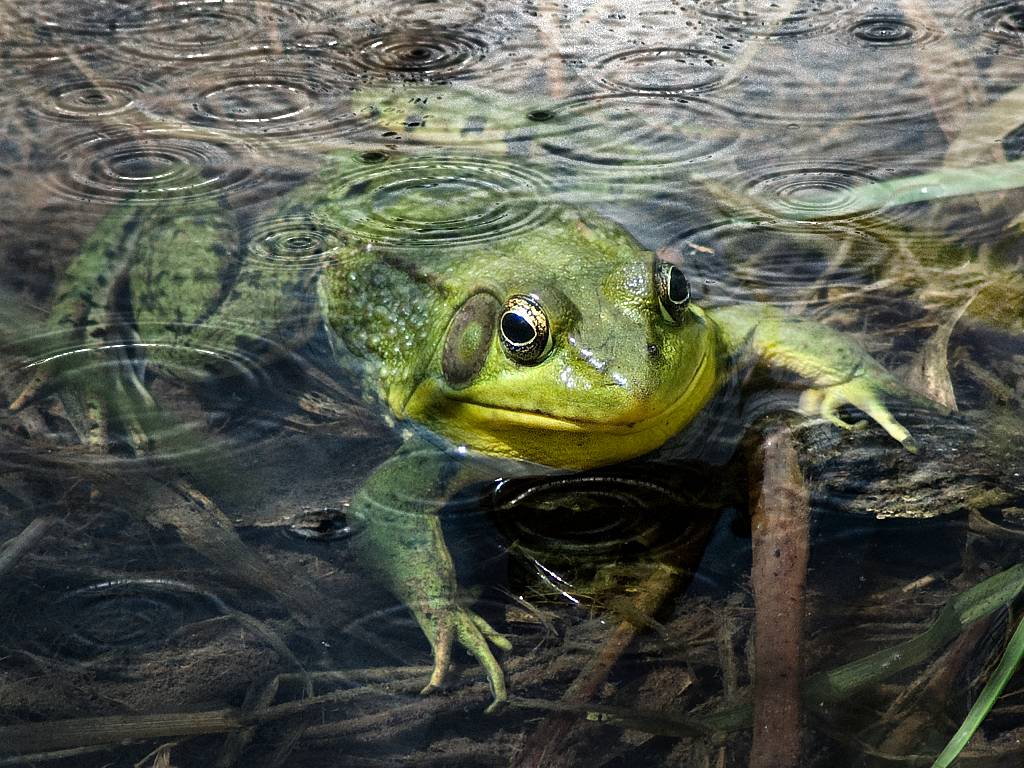
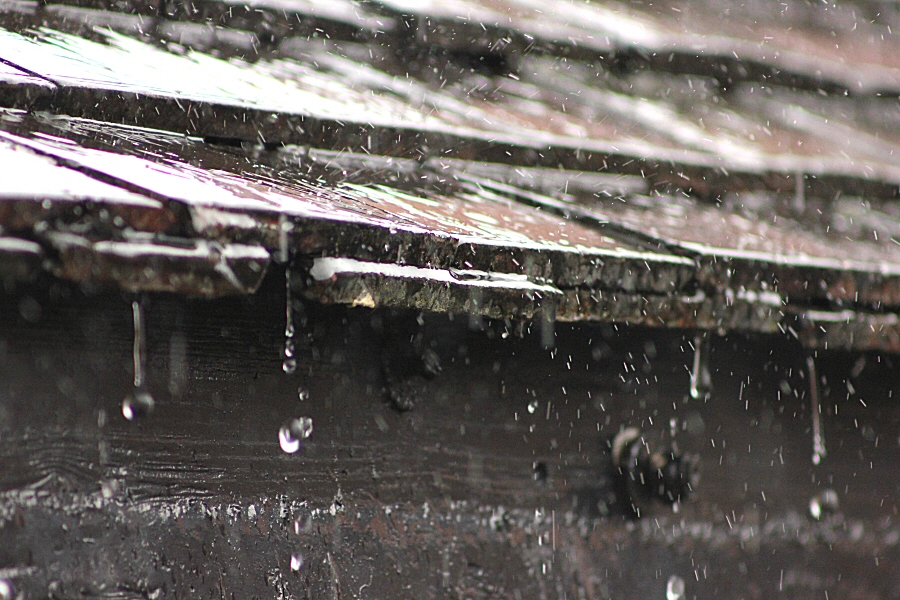
Rain photography gives you hundreds of subjects for creative artistic photos using reflections and ripples in puddles, lakes and other water bodies. A wet rainy day gives you macro photography opportunities, by providing you with drops, ripples, and rivulets, perfect in the flat, even light of a rainy day. Use rain streaks on windows as art effects to make high impact abstract images.

badweatherphotography-raindrops

badweatherphotography-rainclouds

#4 SNOW PHOTOGRAPHY

Gently falling snowflakes in photography can add an additional element of emotion to add more impact to your images – who hasn’t felt a little shudder in the blustery cold? It can be used to create a sense of realism in a photo, especially in street photography.

Heavy falling snow adds an instant texture to your images. Colors appear softer, and less vibrant as they compete with the white of the flakes. I find it adds an instant painterly effect to most images – especially those with lots of natural colors.

badweatherphotography-snow

#5 FOG PHOTOGRAPHY

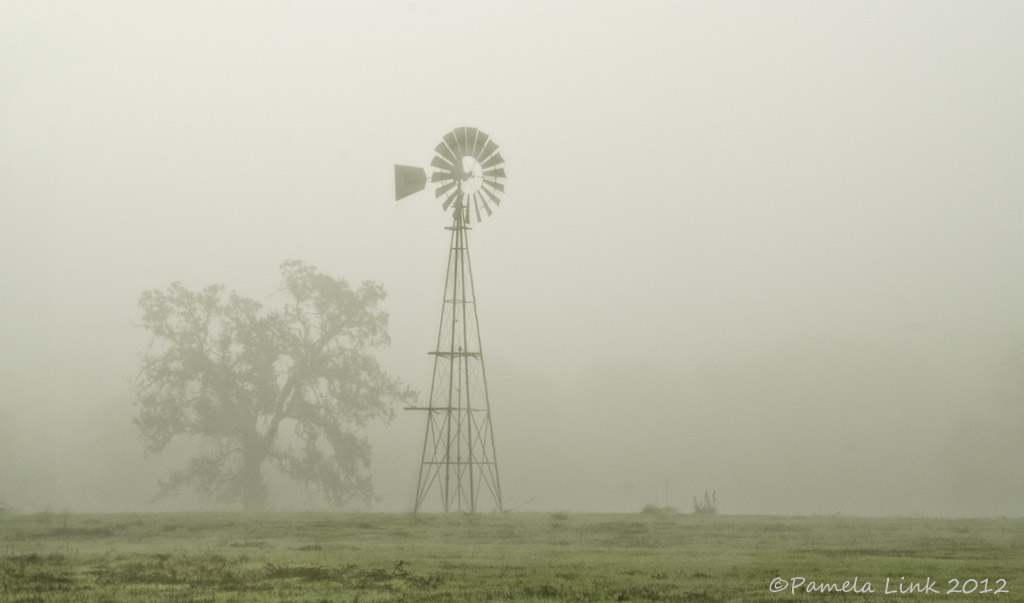
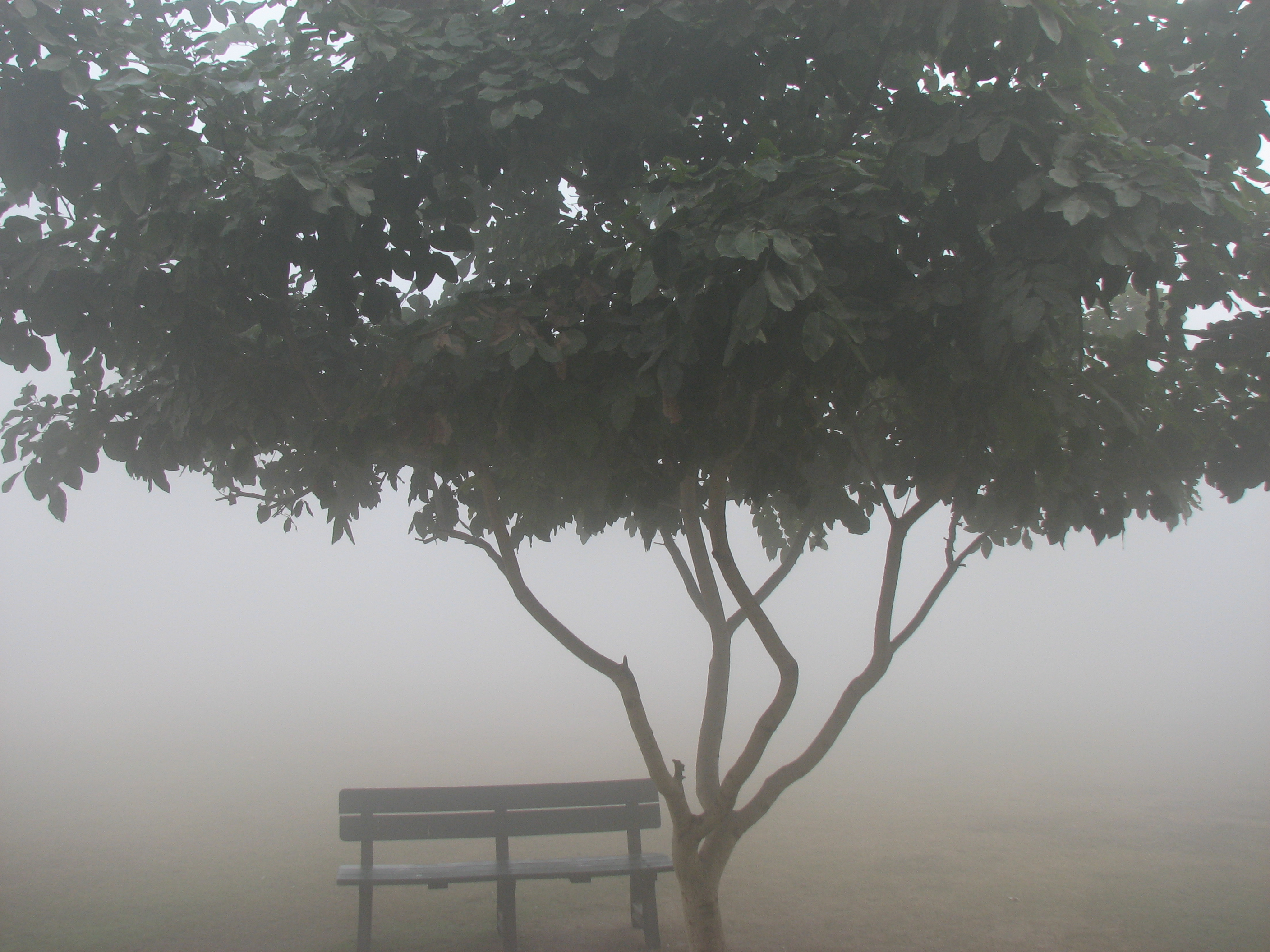
Fog – moody and high impact scenic shots, great for storytelling, and it can be used as a “backdrop” to hide distracting backgrounds to isolate your subject.  I especially like fog photography because it adds an instant pastel effect to your images, which can make for stunning fine art photography.

badweatherphotography-fog

SURPRISE BENEFITS OF BAD WEATHER PHOTOGRAPHY

If you’ve endured the rain and the wet, chances are you’ll be rewarded handsomely for your efforts and patience.  You’ll have captured some rare and uncommon moments that most people never attempt. Because luck favors the prepared mind, you may also get really lucky. You’re outdoors, you have all your gear, and you are shooting. In amongst all those dramatic bad weather photographs you capture, you may find something truly wondrous in the very next frame.

badweatherphotography-opportunity

If you have any questions or comments please leave them below, and do share your bad weather stories and images as well.

The post 5 Reasons Why Bad Weather Days are the Best Times for Photography by Alex Morrison appeared first on Digital Photography School.


Digital Photography School

 
Comments Off on 5 Reasons Why Bad Weather Days are the Best Times for Photography

Posted in Photography


A camera for all weather? Shooting with the Fujifilm X-T1 + Japan gallery

26 Feb

decrapped.jpeg

We first laid our hands on the Fujifilm X-T1 about a month ago when it was announced. Now that we’ve had some time to shoot with it, we’ve gathered our thoughts on using Fujifilm’s latest X-Series camera. The X-T1 offers much of what the X-E2 does, including a 16 megapixel APS-C sensor with on-chip phase detection, but  more than that, it offers an SLR-style sculpted handgrip and weather-resistant sealing. Find out what the X-T1 is like to use in the field. 

News: Digital Photography Review (dpreview.com)

 
Comments Off on A camera for all weather? Shooting with the Fujifilm X-T1 + Japan gallery

Posted in Uncategorized


Wyoming’s stunning weather and landscapes in time-lapse

15 Jan

Screen_Shot_2014-01-09_at_9.51.34_AM.png

Photographer Nicolaus Wegner’s dedication to his craft has produced a captivating time-lapse video of the wild weather and beautiful landscapes of his home state. In the 14 months it took him to complete his Wyoming Wildscapes II project, he saw it all — from meteor showers, to lightning across hills and prairies, and 60mph winds. Watch video

News: Digital Photography Review (dpreview.com)

 
Comments Off on Wyoming’s stunning weather and landscapes in time-lapse

Posted in Uncategorized


Weekly Challenge – Winter Weather Photography

21 Dec

This week we’re going to focus on the season at hand and just embrace it! Your weekly  photography challenge is – winter!

I know it’s cold out (trust me I KNOW!) but find a day that’s bearable and just go for it. Be prepared (see link to some tips below), dress warmly, grab a hot chocolate and away you go!

Doing what others find difficult or challenging, including shooting in what some might call inclement weather, will help take your photography to the next level. You’ll come back with shots none of your friends have, and get “ooohs” and “ahhhs” on our images when you post them online. Dare to be different. Be brave. You can do it!

Winter Weather Photography

By Derek Tam

By Sharon Mollerus

Further reading on winter weather photography:

  • 5 Uncommon snow photography tips that can transform your winter scenes
  • How to handle cold weather photography
  • Things to do for photographers when the weather is bad
  • Beating the winter blues with a Lensbaby Composer
  • Winter sports photography tips – flash compensation
  • Why is the snow in my pictures so blue?
  • Tips to protect your gear in harsh weather or adverse conditions

For those of you in the southern hemisphere without snow try some infrared techniques to make it look like a snowy scene:

  • 20 stunning infrared photographs
  • Infrared digital photography an introduction

By Tom Gill

By Robert Martinez

Share your winter photography images!

Once you’ve taken your ‘Winter Photography’ shots we’d love to see them in comments below. Simply upload your shot into the comment field (look for the little camera icon in the Disqus comments section as pictured below) and they’ll get embedded for us all to see or if you’d prefer upload them to your favourite photo sharing site and leave the link to them.

By Eric

By Shane Gorski


The post Weekly Challenge – Winter Weather Photography by Darlene Hildebrandt appeared first on Digital Photography School.


Digital Photography School

 
Comments Off on Weekly Challenge – Winter Weather Photography

Posted in Photography


Tips to Protect your Gear in Harsh Weather Conditions

18 Dec

Do you live in a cold and snowy climate? Are you planning a trip to a desert or a tropical island? Although adverse weather or harsh environments can yield some of the best images, those situations can also play havoc with your camera gear if you don’t plan accordingly. Here are some simple steps to help you shoot without ruining your equipment.

Tips to Protect your Gear

Rain
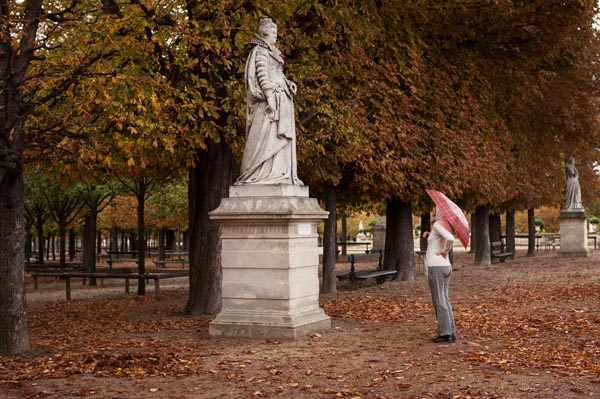
I love photographing in the rain. Of all adverse weather conditions, rain is one of the easiest to deal with to protect your camera. ©Valérie Jardin

I love photographing in the rain. Of all adverse weather conditions, rain is one of the easiest to deal with in regards to protecting your camera. ©Valérie Jardin

Don’t let a rainy day stop you from making amazing photographs. Just protect your camera, and yourself, and get out there! Although some of the most expensive DSLRs and lenses are weather sealed and can be used in the rain without protection, most cannot. The good news is that they can easily be fitted inside a rain sleeve specifically designed to keep them dry on rainy days. Rain sleeves will cost from a few dollars for a clear plastic model, to $ 30+ for a more durable water proof material. The more expensive rain sleeves come is different sizes to fit your lens. Note that they work best when you use a lens hood.

It’s harder to find rain protection for smaller camera systems. A makeshift cover with a shower cap or a freezer bag will usually do the trick. Since I mostly shoot street photography with a mirrorless camera, I find that holding an umbrella is quite convenient if it’s not too windy. The camera is small and light, one hand to shoot is all you need!

Snow and cold

Again, what most would consider adverse weather makes for a photographer’s ideal playground. Heavy snow falls should be treated like rain and the same protection applies. Dealing with the cold, on the other hand, is a different story. When out in the cold, your camera doesn’t need any special protection as long as it stays dry. One of the biggest issues with shooting in cold weather is the moisture and condensation that can build up on your camera and lens when you go from cold, to the warmth of your home or car. Excessive moisture on your lenses can cause mold to form inside the lens, which will ruin it.

To prevent damage from condensation, here is what you need to do: Before you go back inside your house or car, make sure you seal your camera in an air-tight plastic bag. This will allow the camera to reach room temperature while the condensation builds on the outside of the bag, not on your precious gear.

Mirror lock-up can also happen in very cold temperatures when the lubricant that helps activate the moving parts freezes. Cameras can usually handle colder temperatures than stated in the manual, but be aware that this type of lock-up could happen if you end up in the arctic circle.

Another thing to worry about when the temperature dips, the battery will drain much faster. So, make sure you carry a spare or two that you keep in a pocket, as close to your body heat as possible. Smaller cameras don’t have as many moving parts, and no mirror freeze up to worry about, but their batteries will drain even faster, so be prepared for that.

Your camera needs some special attention in cold and wet conditions. ©Valérie Jardin

Don’t hibernate with your camera in cold weather. Just take some special steps to protect it and yourself! ©Valérie Jardin

Extreme humidity

Besides the obvious inconvenience of your lens fogging up as soon as you leave your air conditioned room and step into the hot and humid environment, humidity can also lead to mold. You can alleviate the fogging up of the lens by placing your gear in a sealed plastic bag and letting it slowly adjust to the change of temperature. Avoid changing lenses as much as possible and remember that zooming in and out will pump humidity inside. Favor prime lenses!

Keep sensitive equipment in sealed bags and keep small silica desiccant packets in your camera bag to absorb some of the moisture. Dry your hands before you change batteries or memory cards to prevent trapping moisture in the compartment.

Tropical environments bring a lot of great photo opportunities, just make sure the moisture doesn't get inside your camera! ©Valérie Jardin

Tropical environments bring a lot of great photo opportunities. Just make sure the moisture doesn’t get inside your camera! ©Valérie Jardin

Heat

Just like extreme cold, the opposite can also give you some gear trouble. Use common sense and avoid prolonged exposure to direct sunlight. Keep your camera cool, and in the shade when not in use. Cameras can overheat and this can cause damage to the internal components. You can use an empty cooler which will help keep your camera cool when you’re not using it. It’s also a good idea to carry one of those space blankets when you are out in the wild or extreme weather. You can use it to protect your camera from the sun as well.

Sand and dust

Have you ever been on a beach during a sand storm? I have! No matter what you do, sand will get everywhere! If you are going to be in an extremely dusty environment, I would highly recommend protecting the front element of your lens with a good quality filter. An occasional scratch from wiping some of the dust or sand off the front of your lens won’t hurt as much if it happens on the filter rather than the lens itself. Also, don’t set your camera bag on the sand! Camera bags are perfect sand traps.

Salt

If you shoot near the sea on a windy day, there will surely be some spray of salty water on your gear. Again, a UV filter will help protect the front element of your lens. Make sure your battery is full and your memory card is empty before you head out so that you avoid opening the battery or memory card compartment at all costs to prevent corrosion to form inside. It may not be a good time to change lens on the beach either.

Never leave home without them

A blower such as the Giottos Rocket blower. It’s such a small investment and one of the best accessories you can have in your camera bag at all times. I not only use it to blow any dust from the lens before I wipe it with a lens cloth. But I also blow the back of the lens before I put it on the camera to prevent dust from reaching the sensor. I also use it to blow air on the lens and camera before I wipe them clean.

Microfiber cloths. Keep one separate that you will use for the front of your lens only. Carry extras to wipe the dust or water from your lens and camera body. The key is to remove as must moisture or dust as quickly as possible.

Common sense when changing lenses

Avoid changing lenses in adverse weather. If you absolutely have to, follow these simple steps: Do it in your car if you can. If not, turn your back to the wind and be ready to do it quickly. Place the new lens on a clean, flat surface. Unscrew the back cover but leave it on. While shielding your camera from the elements with your body, put the camera upside down and quickly switch lenses. This should only take a second or two to minimize the amount of dust that will get to your sensor.

Protect yourself

Protecting your gear from extreme weather won’t do much good if you don’t make it back alive! Whether you are dealing with extreme cold or heat, don’t mess with extreme weather if you’re not prepared. No picture is worth risking your life for!

I hope you found some of those tips useful. Please share your own with the community in the comment section below.

More reading on this subject

  • How to protect your gear in extreme conditions
  • Storm jacket cameras cover – a review by Valérie Jardin
  • 7 digital camera predators and how to keep them at bay
  • Camera insurance – assure peace of mind


The post Tips to Protect your Gear in Harsh Weather Conditions by Valerie Jardin appeared first on Digital Photography School.


Digital Photography School

 
Comments Off on Tips to Protect your Gear in Harsh Weather Conditions

Posted in Photography


30 Foul Weather Photos for Inspiration

24 Nov

By John

This week I want to give you a little push to get out of your comfort zone. Turn of the television and get outside and shoot – no matter what the weather. As a matter a fact, in spite of the weather is even better!

Take your photography up a level

Many photographers pack up their gear and head home at the slightest sight of inclement weather. But some of the very best and most dramatic images are to be had if you are willing to brave the elements. Just make sure you are prepared and stay safe. Take the follow precautions:

  • a rain cover for your bag
  • a rain cover for your camera, it’s not water proof!
  • rain gear and boots for yourself, there’s nothing more uncomfortable than being wet or cold or both
  • stay a safe distance away of lighting – you are after all carrying with you a lighting rod (tripod)

Having said that, I hope these images inspire you to do what most others do not as this will almost certainly take your photography up a notch. Being willing to do what’s hard or unpopular is the key to standing apart and making some “wow” images to amaze your friends.

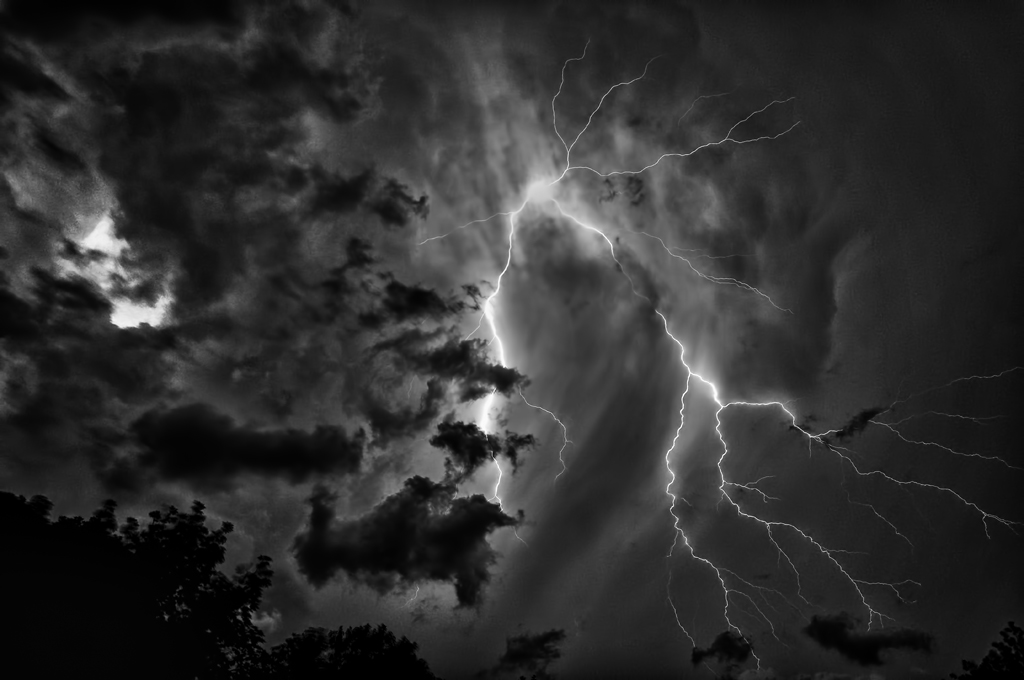
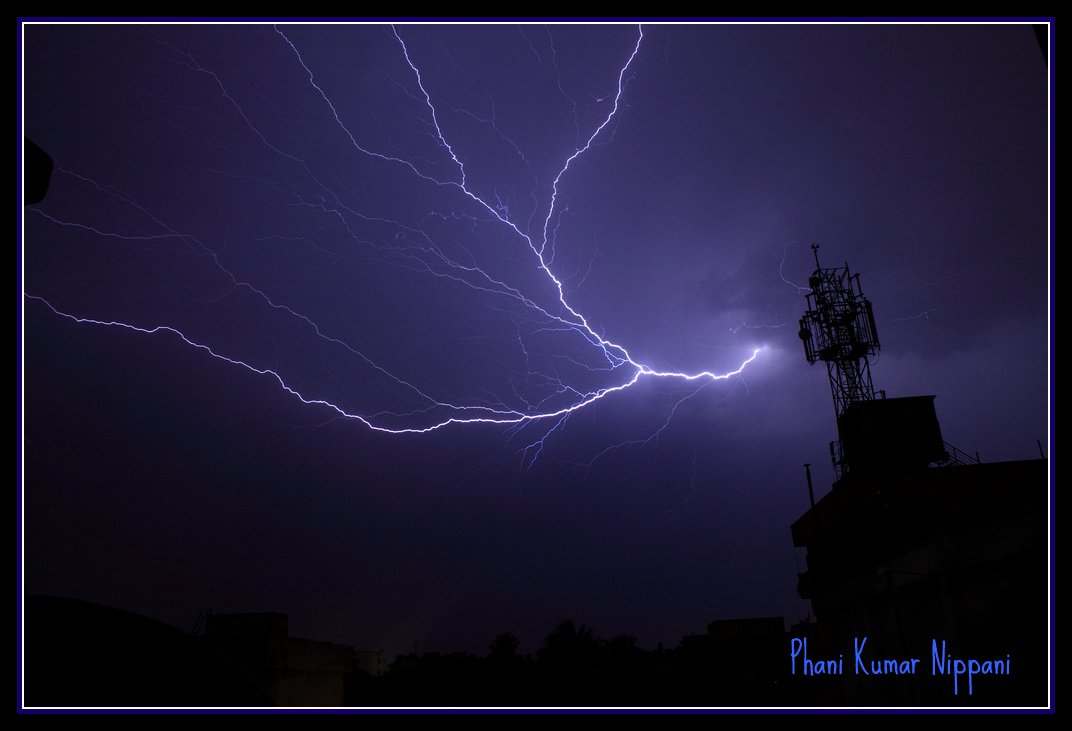
Here are 30 foul weather photos by photographers who did just that, enjoy!

By QtrFlash

By Evan Bornholtz

By Marcus T Ward

By arbyreed

By Marcus Böckmann

By Masashi Mochida

By Gabriel Anast

By Mark Dumont

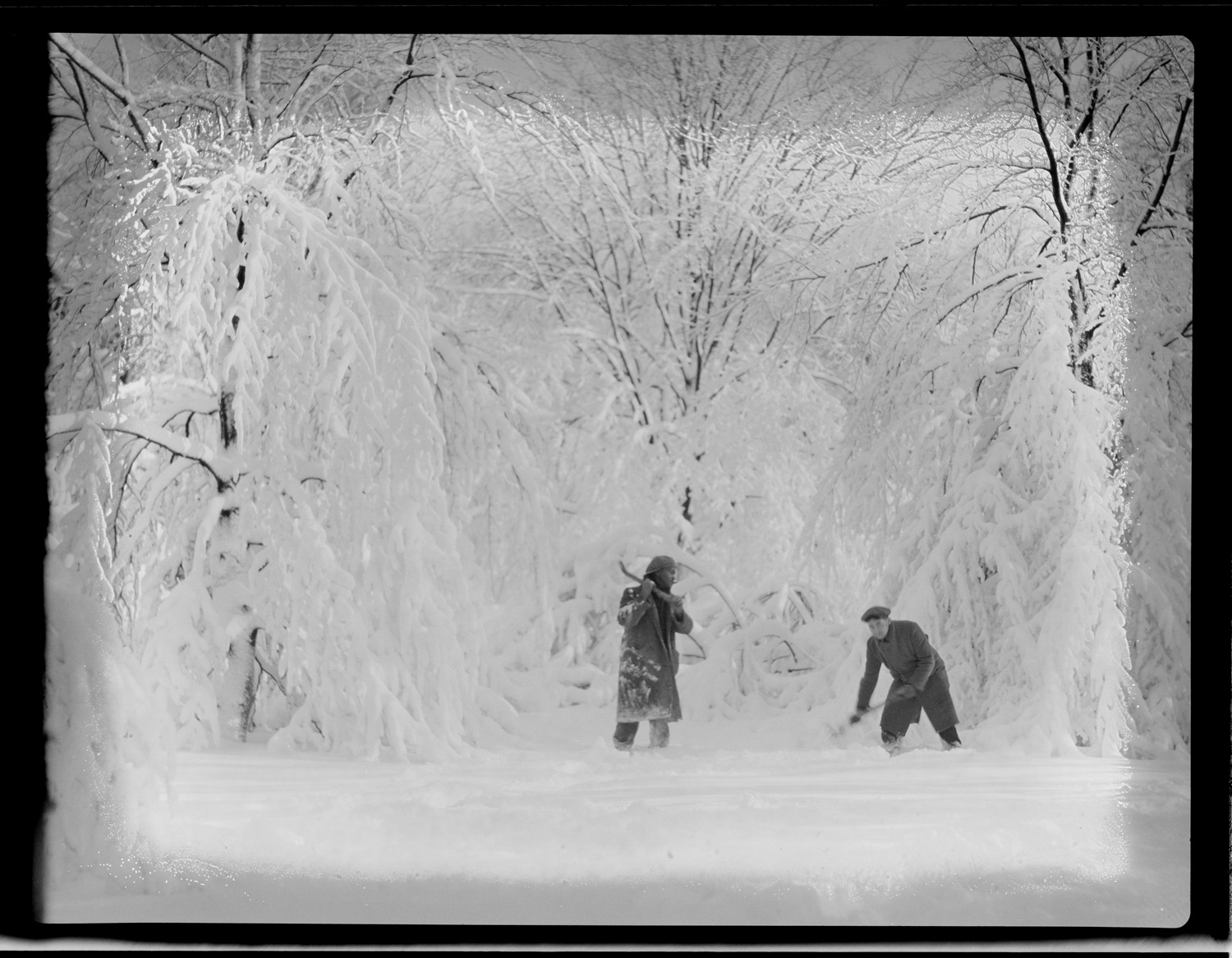
By Boston Public Library

By Robyn Jay

By Mark A Coleman

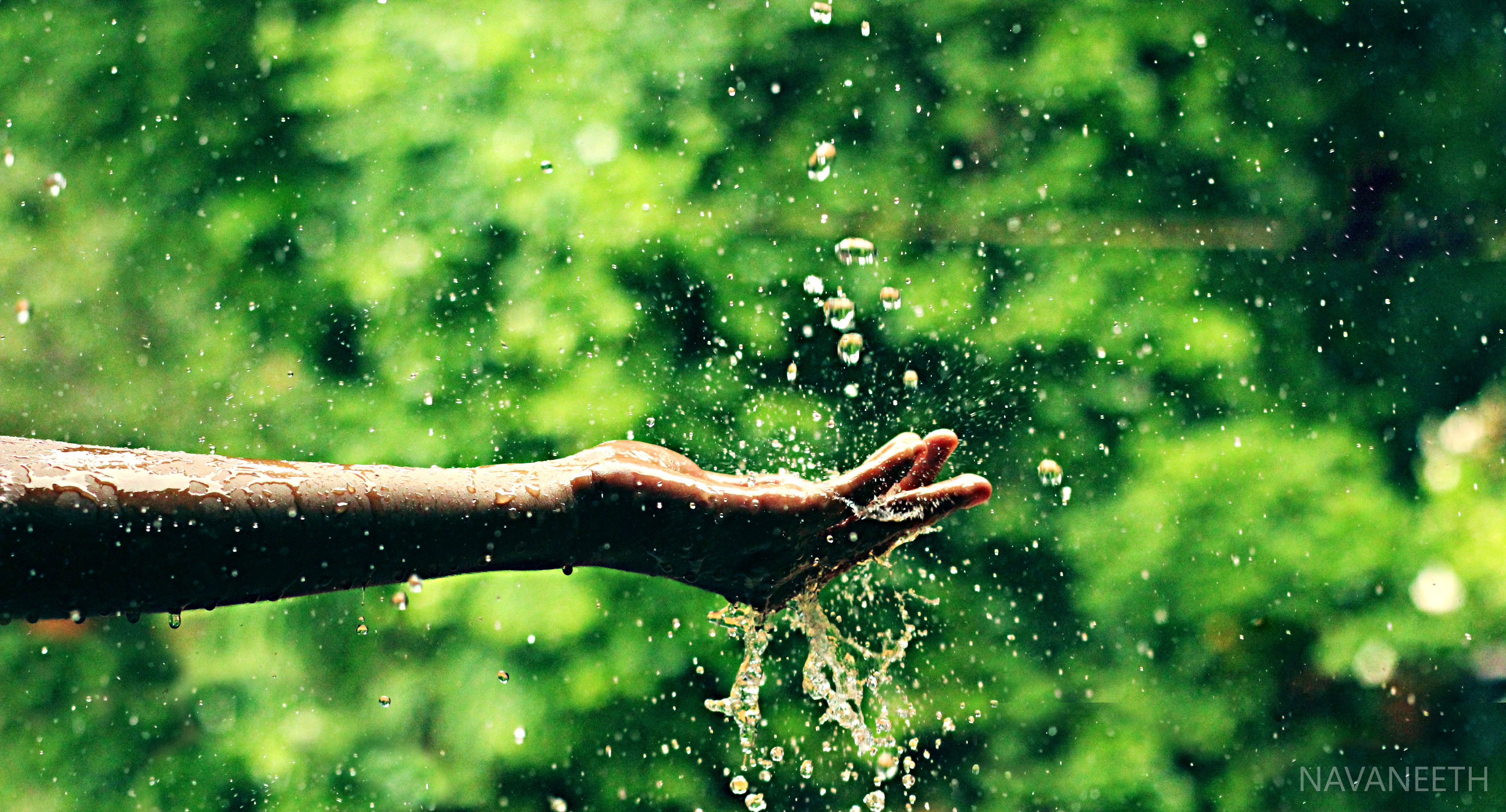
By Navaneeth Ashok

By Jean Piere Candelier

By DaveTBear

By hinderik

By Marilylle Soveran

By ap.

By M Gleason

By phani_astronomy®

By Viola & Cats =^..^=

By jimmedia

By Pam Link

By Joe Vahling

By Simon

By Rehman Chughtai

By Roy

By Hartwig HKD

By Héctor García

By David Yu

Added – extra photo just for our commenters that wanted “fowl weather”

By Kevan Davis

Post originally from: Digital Photography Tips.

Check out our more Photography Tips at Photography Tips for Beginners, Portrait Photography Tips and Wedding Photography Tips.

30 Foul Weather Photos for Inspiration

The post 30 Foul Weather Photos for Inspiration by Darlene Hildebrandt appeared first on Digital Photography School.


Digital Photography School

 
Comments Off on 30 Foul Weather Photos for Inspiration

Posted in Photography


Weather – Weekly Photography Challenge

24 Nov

This week your photography challenge is to capture the weather, good or bad!  Too many photographers pack up their gear when the weather turn inclement but some of the most spectacular images can be had in less than ideal conditions.

weather-photography-challenge-02

I noticed this big thundercloud rolling over the prairies from a shopping mall parking lot. I used the sign in the shot and capture the streaming rays of the last of the sun.

Keep in mind weather is ALL kinds of conditions including a lovely sunny day, or a bitter cold winter frost. So wherever you live in the world you do have some kind of weather. Give yourself a challenge to show it and use it to your best advantage and share your images.

Don’t be afraid to get out and get dirty, just make sure your gear stays dry!

weather-photography-challenge-01

This is a closer version of the same storm, minutes later. The sun just hitting the horizon made for dramatic lighting. The lighting that happened 10 minutes later was also pretty dramatic! People were shooting this with their ipads in the parking lot out their car windows.

Related articles that might help you get idea

  • How to photography dramatic clouds at sunset
  • The Yukon’s Northern Lights – behind the scenes
  • Include Clouds in your Landscape

The thing with storms and crazy weather is you have to be ready. I had  my camera and tripod in the car with me so was able to capture these images. “They” say (they say a lot don’t they?) that the best camera is the one you have with you. So even if it’s your Smart phone, grab some shots. Better yet carry your camera with you, always, and be ready.

Once you’ve taken your ‘weather’ shots we’d love to see them in comments below. Simply upload your shot into the comment field (look for the little camera icon in the Disqus comments section as pictured below) and they’ll get embedded for us all to see or if you’d prefer upload them to your favourite photo sharing site and leave the link to them.

If you tag your photos on Flickr, Instagram, Twitter or other sites with Tagging tag them as #DPSWEATHER to help others find them. Linking back to this page might also help others know what you’re doing so that they can share in the fun.

Also – don’t forget to check out some of the great shots posted in last week’s  Show us your Gear challenge – there were some fantastic shots, many self portraits, submitted.

Happy shooting and have a great weekend!

Cheers,

Darlene-1-250x130


Post originally from: Digital Photography Tips.

Check out our more Photography Tips at Photography Tips for Beginners, Portrait Photography Tips and Wedding Photography Tips.

Weather – Weekly Photography Challenge

The post Weather – Weekly Photography Challenge by Darlene Hildebrandt appeared first on Digital Photography School.


Digital Photography School

 
Comments Off on Weather – Weekly Photography Challenge

Posted in Photography


When Bad Weather Means Great Photography

19 Aug

CKP_Landscape_Clare128.jpg

Landscape photographer Carsten Krieger is no stranger to poor weather, but in this article he explains how you can get great shots even when the sun is hidden from view. His three-page article features several images taken in his native Ireland which should provide plenty of inspiration for those damp, rainy days that are just around the corner. Click through for a link to the full article. 

News: Digital Photography Review (dpreview.com)

 
Comments Off on When Bad Weather Means Great Photography

Posted in Uncategorized


Weather: Weekly Photography Challenge

16 Feb

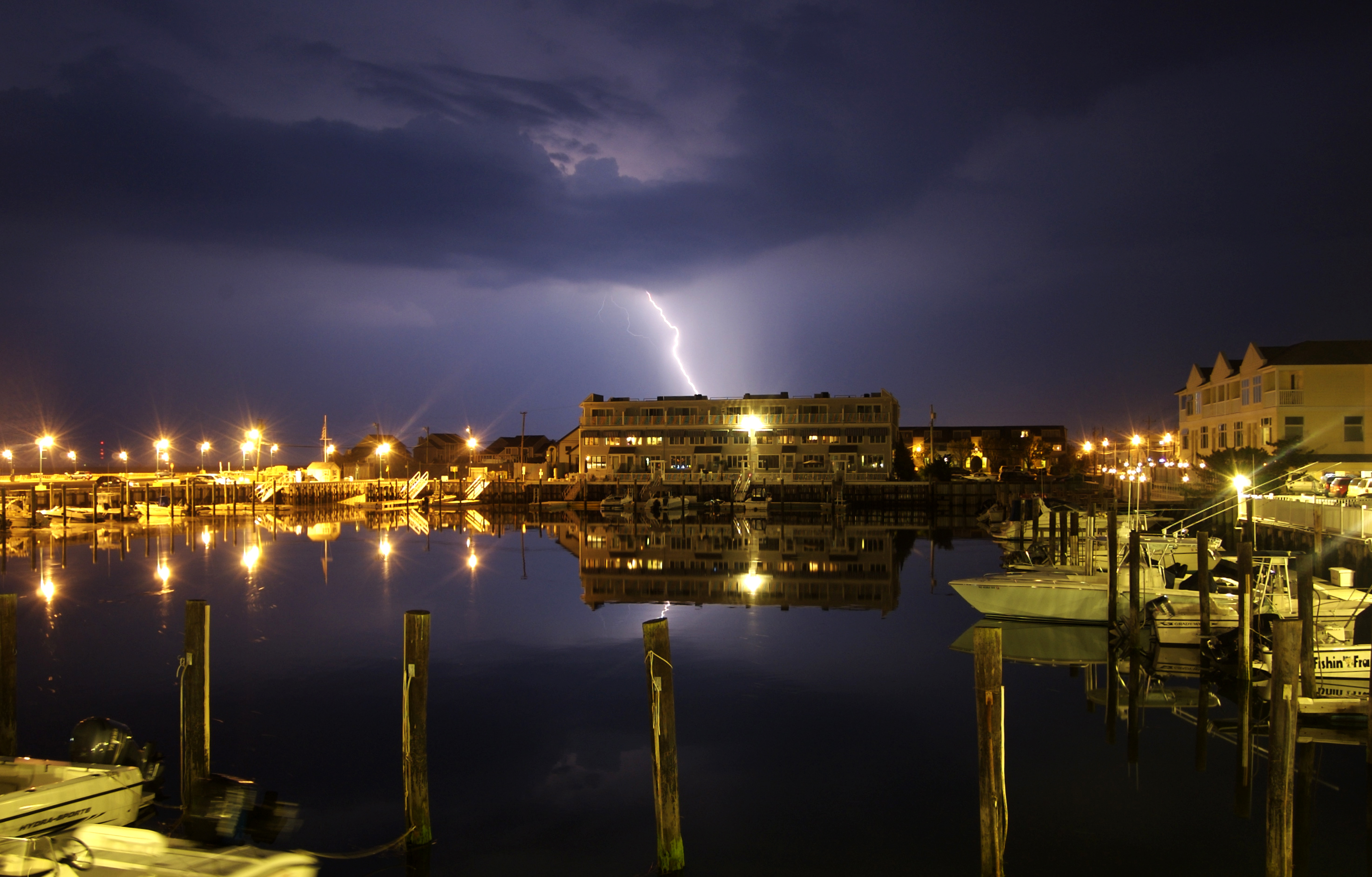
Twelve Days of Christmas (Day 11)   ** EXPLORE No. 1 **Earlier in the week we featured an image set that contained 25 images that all had ‘snow’ as a feature. So today we thought it might be fun to do a ‘weather’ challenge as our weekly theme.

Your challenge is to take and share an image on the theme of weather.

As we have a global audience this should produce images with a real variety of types of weather. Aussie – we want you to show the world what summer is like for you right now. North Americans and Europeans – show us how winter is going?

We want to see rain, hail, snow, sun, storms, wind… you name it – we’d love to see some images that attempt to capture it. Feel free to tackle the topic with what ever type of shot you like, landscape, portrait, colour, black and white… anything you like – be creative!

Looking for inspiration – in addition to the Snow image collection we also have a Rain image collection.

Once you’ve taken and selected your best WEATHER shot upload it to your favourite photo sharing site and either share a link to it or – embed it in the comments using the our new tool to do so.

If you tag your photos on Flickr, Instagram, Twitter or other sites with Tagging tag them as #DPSCUTE to help others find them. Linking back to this page might also help others know what you’re doing so that they can share in the fun.

Also – don’t forget to check out some of the great shots posted in our last challenge – Cute challenge where there were some beautiful shots submitted.

Post originally from: Digital Photography Tips.
Check out our more Photography Tips at Photography Tips for Beginners, Portrait Photography Tips and Wedding Photography Tips.
Weather: Weekly Photography Challenge


Digital Photography School

 
Comments Off on Weather: Weekly Photography Challenge

Posted in Photography