RSS
 

Posts Tagged ‘weather’

Winning images from the Weather Channel’s 2016 It’s Amazing Out There contest

17 Sep

2016 It’s Amazing Out There winners

Grand Prize winner. Photo by Greg Gulbransen

The Weather Channel recently announced winners of its annual It’s Amazing Out There photo contest, awarding $ 15,000 to the grand prize winner. Second and third place winners took home cash prizes as well, and a total of 64 finalists were recognized for their photos celebrating fantastic weather, wildlife and adventure. Take a look at a few favorites here, including one from a familiar face.

2016 It’s Amazing Out There winners

Grand Prize winner. Photo by Greg Gulbransen

Greg Gulbransen captured this photo of a polar bear on the frozen Hudson Bay in Manitoba, Canada when a rapid temperature drop at sunrise created the mist in this image.

‘I said to myself, “I hope a bear walks into this scene’ and sure enough this bear just walked into the scene,” he says. ‘The bear walked out there with his head down. I was so cold, I couldn’t feel my fingertips and I was praying my battery wouldn’t freeze and I said, “bear, would you just lift your head about 8 inches?” And sure enough, it lifted its head and that’s when I got the shot. I knew it was a special moment when I took it.’

If only nature was always so cooperative for photos.

2016 It’s Amazing Out There winners

Second place. Jomblang (Grubug) Cave, Indonesia. Photo by Dale Johnson

We featured Dale Johnson’s work last year as part of our Readers’ Showcase series and since then he’s continued to gain recognition for his photos. He describes this shot from a trip inside Jomblang Cave in Indonesia as ‘the toughest selfie I’ve ever taken.’ If Instagram selfies were half as good as this one, we’d generally like them a whole lot more.

2016 It’s Amazing Out There winners

Third place. Photo by Derek Burdney

Derek Burdney’s photo of a Texas thunderstorm earns him the contest’s third place prize. Based in Omaha, Neb. Burdney says of this storm ‘The [weather] models looked good, so we got in position and watched this thing develop. It was a beautiful storm and everything was good for tornado production. It was really rotating. It never threw a tornado down, but it was really photogenic.’

2016 It’s Amazing Out There winners

Finalist. ‘Walking in the clouds.’ Midway Geyser at Yellowstone National Park. Photo by Derek Burdney

2016 It’s Amazing Out There winners

Finalist. ‘Playtime.’ Photo by Jimmy Marz

2016 It’s Amazing Out There winners

Finalist. ‘Galactic Rainbow.’ Stargazing on top of Maui’s Haleakala Volcano. Photo by Michael Trofimov

2016 It’s Amazing Out There winners

Finalist. ‘Sunset gallop through the marshes.’ A herd of Camargue White Horses galloping through a marshy area in the Camargue region, southern France. Photo by Steve Lange

2016 It’s Amazing Out There winners

Finalist. ‘Fisherman on the Dam.’ Three fly fisherman crossing the dam on a small creek in Tennessee. Photo by Shane Durrance

2016 It’s Amazing Out There winners

Finalist. ‘Step of rice terrace at Chiangmai, Thailand.’ Rice terrace at Chiangmai, Thailand, before rain. Photo by Sarawut Intarob

2016 It’s Amazing Out There winners

Finalist. ‘Weeki Wachee Springs.’ A bird’s eye view of the Weeki Wachee River in the Tampa Bay Area of Florida. Photo by David Underwood

Articles: Digital Photography Review (dpreview.com)
 
Comments Off on Winning images from the Weather Channel’s 2016 It’s Amazing Out There contest

Posted in Uncategorized


3 Ways to Take Advantage of Bad Weather

23 Aug

In Norway we grow up hearing, “there’s no such thing as bad weather, only bad clothes”. While this wasn’t what you wanted to hear when you were eight years old, and had to go to school even though it’s -20c and a snowstorm, it’s what we are used to. Instead of complaining about the cold weather we would wear an extra layer of clothes and go about our day as normal.

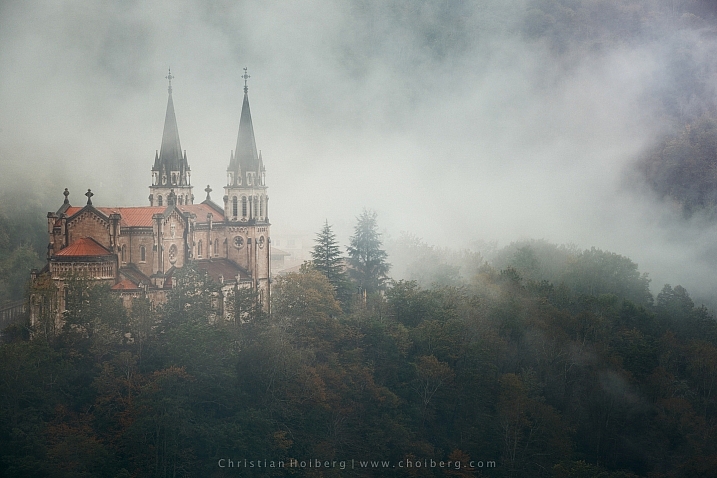
Foggy sunrise at Covadonga cathedral in Asturias, Spain

Foggy sunrise at Covadonga cathedral in Asturias, Spain

This way of thinking has in many ways impacted my photography and made me go out with a camera, even though it’s rainy, windy or just bad weather. What many seem to neglect is that even though the weather is bad, there are still a whole lot of great images waiting to be captured. They are just a little harder to find. Here are three ways to take advantage for bad weather conditions and still get good photos.

#1 – Drop the sky and zoom in

Bad weather often means a grey sky without contrast. Personally, there’s not much I dislike, more than that in a landscape image. Most of the time this uninteresting sky will take unnecessary attention from the subject, and do more harm than good.

Jotunheimen-Cabin-Fog

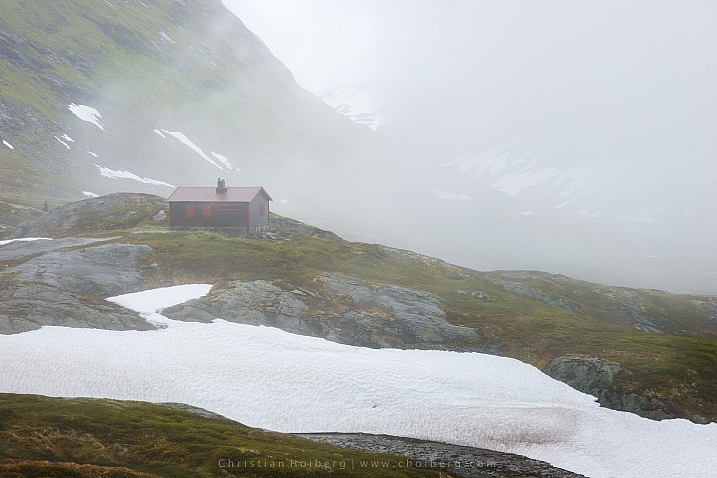
Remote cabin in Jotunheimen in foggy weather

So, instead of including a sky that lacks contrast, use a telezoom and focus on a smaller detail in the landscape. Perhaps there’s a cabin, a river, or maybe even a deer in the area around you. Use your zoom and make these subjects into the main part of your image.

This can also be a good exercise for your creative vision, as it forces you to slow down and pay attention to your surroundings. It forces you to carefully look through the landscape and notice every single

In fact, I’ve found using a telezoom beneficial for my photography in general, as I’ve become more aware of the scenery, and I’m constantly searching for something that sticks out.

Geirangerfjorden-fog

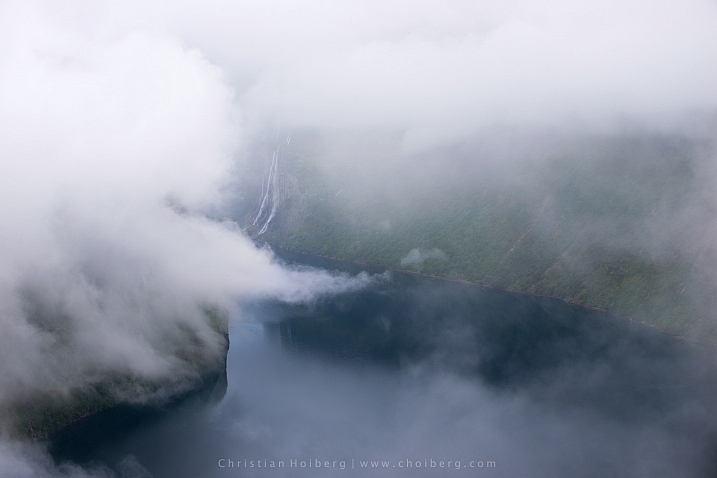
The low clouds made an interesting framing of this waterfall in Norway

#2 – Photograph waterfalls

On sunny days it’s very hard to get good images of waterfalls, as the light is hard and the reflections are bad. Most likely the water will look hard and “shiny” even though you’re using a long exposure.

When the sky is grey, it’s raining, or when there are a lot of clouds, you’ve got the perfect excuse to go photograph waterfalls. Since the sun is not an issue, the light will be softer, and you’ll have no problems with hard light on the water. This lets you do both short and long exposures, and still have decent light.

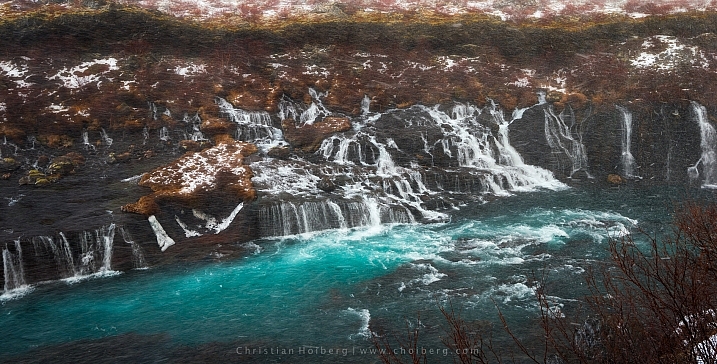
Hraunfossar-snowstorm

A quickly passing snowstorm gave interesting light to this waterfall on Iceland

If it’s raining you should consider using a polarizer filter, though, as the rocks (if any) around the waterfall might reflect some light. The polarizer will kill most of the remaining reflections and you’re left with a great result.

#3 – Take a hike in the woods

My last piece of advice on how to take advantage of bad weather, is to take a walk in the woods. This is something I often do when it’s a rainy day, both with and without my camera. Sometimes it’s nice just to go for a hike in familiar terrains, while other times it can be really rewarding to bring the camera.

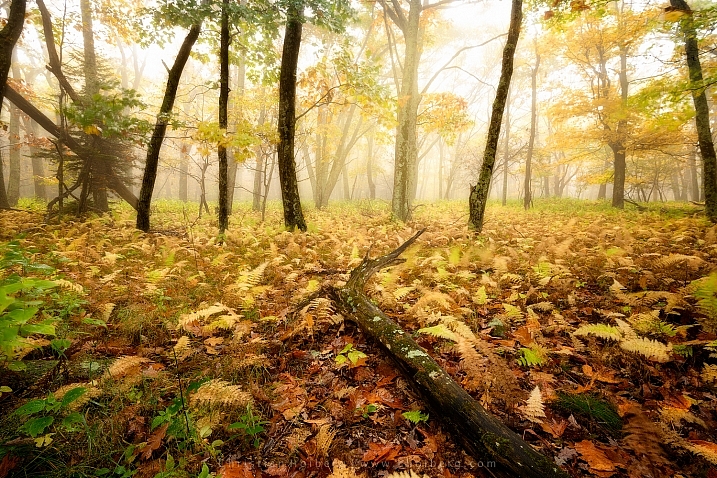
ShenandoahMistFall

Misty morning in Shennandoah National Park

Personally, I do not often bring my camera in the woods when I’m going during the daytime. The reason is that I find the mood to be much more compelling when it’s early in the morning, or late at night. At this time the light is even softer, and you can get some dark moody images, or perhaps you’re lucky to even get the light shining through.

Another benefit of going early in the morning is that you increase the possibility to encounter deer or other animals. Just be sure that you don’t make too much noise when hiking, as that will scare away most wildlife.

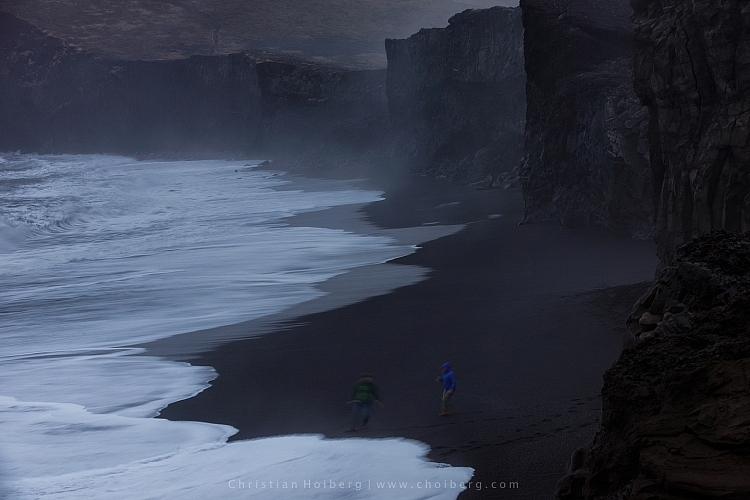
Dyrholaey-people

Bonus tip: Bring rain gear for both yourself and the camera! Also, bringing both an air blower and a microfiber cloth is important when you’re photographing in bad conditions.

What do you prefer to photograph when the weather is challenging? Let us know in the comments below, and share your images of bad weather as well.

googletag.cmd.push(function() {
tablet_slots.push( googletag.defineSlot( “/1005424/_dPSv4_tab-all-article-bottom_(300×250)”, [300, 250], “pb-ad-78623” ).addService( googletag.pubads() ) ); } );

googletag.cmd.push(function() {
mobile_slots.push( googletag.defineSlot( “/1005424/_dPSv4_mob-all-article-bottom_(300×250)”, [300, 250], “pb-ad-78158” ).addService( googletag.pubads() ) ); } );

The post 3 Ways to Take Advantage of Bad Weather by Christian Hoiberg appeared first on Digital Photography School.


Digital Photography School

 
Comments Off on 3 Ways to Take Advantage of Bad Weather

Posted in Photography


Stormy weather: Photographer Mike Olbinski captures Oklahoma tornado

14 May

$ (document).ready(function() { SampleGalleryV2({“containerId”:”embeddedSampleGallery_8291029024″,”galleryId”:”8291029024″,”isEmbeddedWidget”:true,”standalone”:false,”selectedImageIndex”:0,”startInCommentsView”:false,”isMobile”:false}) });

After a 10-hour wedding shoot most photographers are ready to head home and put their feet up, but Mike Olbinski isn’t your average wedding photographer. In between portrait and wedding shoots, he drives from his home in Phoenix, Arizona to photograph the powerful tornados that rip through the Great Plains states every summer. So after a recent wedding gig with the threat of severe weather brewing, Olbinski hopped in his car and drove 15 hours to Oklahoma. 

You can see some of the photos from that trip here and read his account of tracking down a dangerous storm over at Resource Travel.

Articles: Digital Photography Review (dpreview.com)
 
Comments Off on Stormy weather: Photographer Mike Olbinski captures Oklahoma tornado

Posted in Uncategorized


How to Take Care of Your Camera in Cold Weather

11 Feb

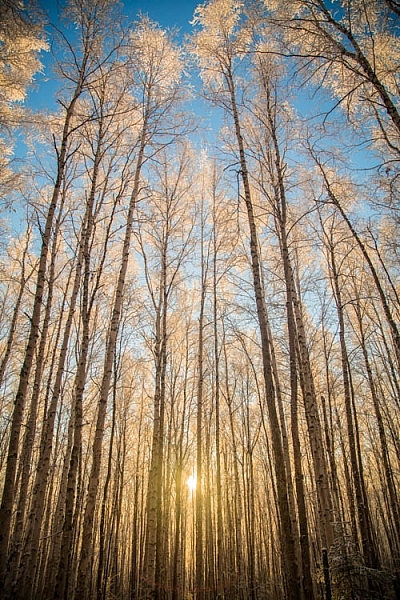
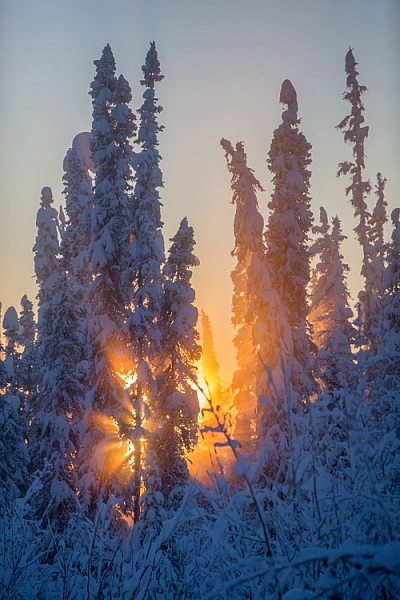
Mid-day, mid-winter, Alaska light. It just doesn't get any better.

Where I live, it gets cold. Not your “Brrr, I need to put on a sweater” kind of cold, but genuine, bone-chilling, spit-freezes-before-it hits-the-ground, kind of cold. Here in Fairbanks, Alaska, winter temperatures regularly drop far into the negatives, and yearly we suffer through snaps that send the mercury plummeting to -40F (-40C).

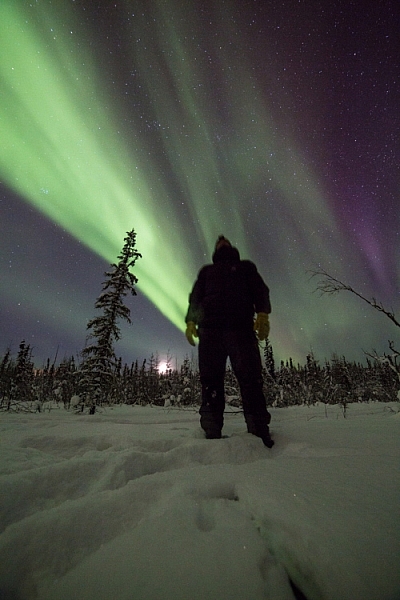
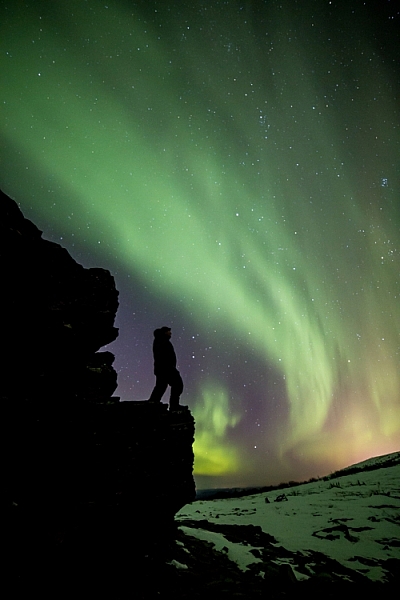
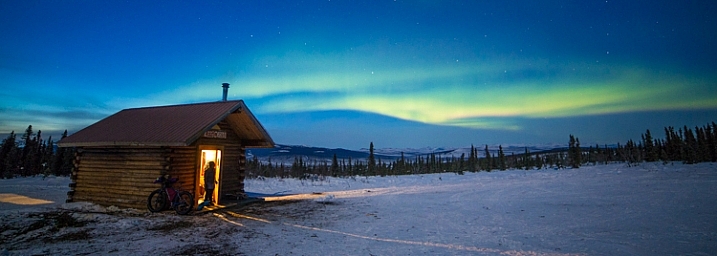
You’d think that in such conditions I wouldn’t want to step outside, let alone take photos, but you’d be wrong. Winter light, what few hours there is of it, is absolutely beautiful. That sweet, crisp glow can pull me from the deepest funk, and lure me out with a camera in hand. During many long winter nights, the aurora borealis dances overhead, and that too can draw me from my cozy cabin, into the snowy forest to make images. On the days I made the two images below, it was seriously cold, but that light, yep, that light will get me outside.

Low winter sun, and frosted birches near Fairbanks, Alaska. AK-FAI-Winter-sun-112172-17

To venture out in those temperatures, you’ve got to be prepared. You need the right clothes to stay warm, and you’ve got to make sure your camera equipment is ready too.

Forget about fashion

To shot the aurora during mid-winter in Alaska you need to dress warm!

To shot the aurora during mid-winter in Alaska, you need to dress warm!

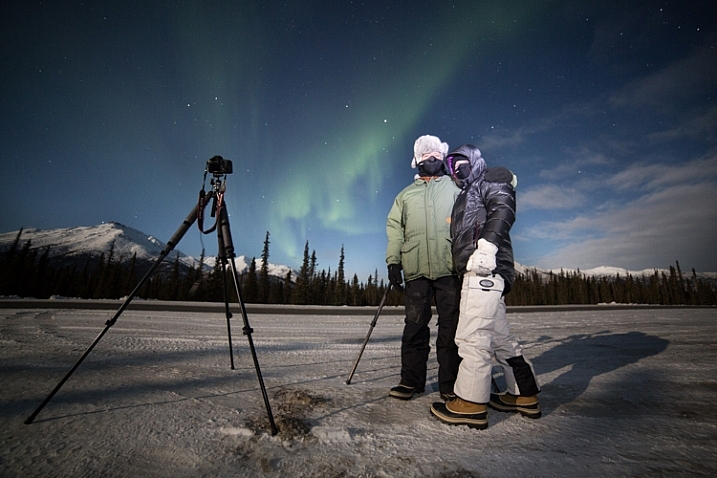
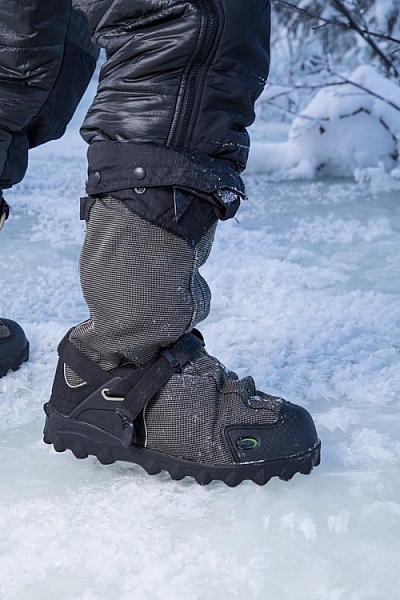
You’ve got to dress right. It doesn’t matter what the light is doing, if you get frost-bite on your fingers, and can’t operate the camera. When dressed in my winter-photo clothing, I feel a bit like an onion, wrapped in layer upon layer. From inside to outside my system goes like this: long underwear, fleece or wool sweater and pants, down or synthetic vest, 800 fill down jacket with hood, windproof Thinsulate pants, two pairs of thick wool socks topped by expedition quality winter boots, a musher’s style hat complete with ear flaps, a balaclava or face mask, and thin nimble gloves with a pair of expedition overmitts dangling from wrist straps. Last, I’ll often throw a couple of chemical hand-warmers into my jacket pockets. When temperatures drop to -40F, it’s best not to mess around.

Two of my clients on an aurora photography tour, dressed for the weather.

Two of my clients on an aurora photography tour, properly dressed for the weather.

The author's well-worn NEOS overboots.

The author’s well-worn NEOS insulated overboots.

Stay Charged

The fluctuations of electricity mean that a cold battery cannot kick out the same amount of electricity as a warm battery. This means that on a brutally cold day, your camera or flash batteries will last only a small fraction of the time they normally would at room temperature. It’s a problem easily solved by carrying a spare battery or two.

A backup battery will let you swap out the cold, dead one in your camera, but there is a hitch: the spares should not be kept in your camera bag, but in an inside jacket pocket. That way they are warm when they go into the camera. When the dead battery warms back up in your pocket (with the help of the aforementioned chemical hand warmers) it will be ready to use for a while again. I find I can shoot at extremely cold temperatures for the better part of day by cycling two batteries back and forth from my pocket to my camera. Though this will vary a lot, depending on how power-hungry your camera is.

AK-FAI-Aurora-111154-35.jpg

Avoiding Bad Breath

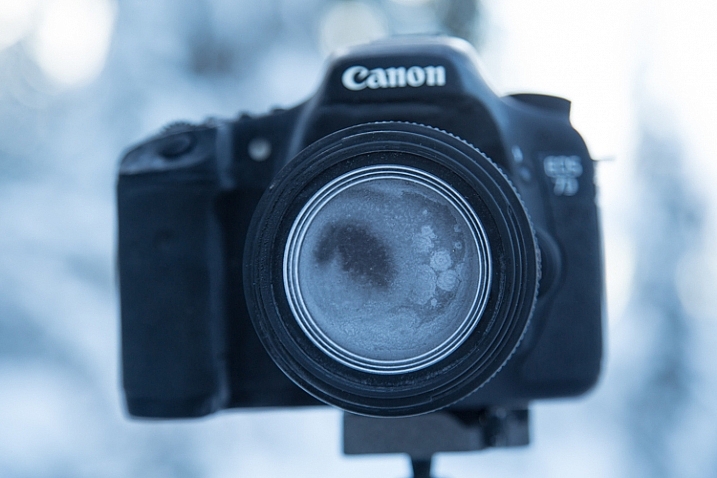
The cold comes with other risks, one in particular, can ruin your day of photography, and that is – watch your breath. I mean it. A mistimed, warm, humid, breath will condense on your lens, resulting in a layer of milky frost on the glass. It doesn’t matter how much money you spend on your lenses, no amount of sharpness will make up for that kind of damage. Wiping at it, usually just smudges it more, and defrosting it inside (see below), can take hours. Watch where you breathe, if you turn your camera around to check lens settings, don’t exhale. I also usually wear a neck gaiter or balaclava that I pull up over my mouth and nose. So with your mouth covered, your breath is directed up, where it frosts on your eyelashes instead of your camera.

This is what happens if you accidentally breathe on your lens during a cold weather shoot.

This is what happens if you accidentally breathe on your lens during a cold weather shoot.

Lens Caps Exist for a Reason

Breath is the usual culprit of fogged lenses, but when shooting at night, there is always the chance that natural frost will form. To avoid this, use your lens cap when you aren’t shooting. If you are walking from one location to another, taking a break, or searching for a new composition, put the cap back on your lens. When I’m out shooting the aurora at night, my cap is on my lens, even if I’m just walking a short distance to a new shooting location.

AK-Interior-Whites-103193-8

Back Indoors

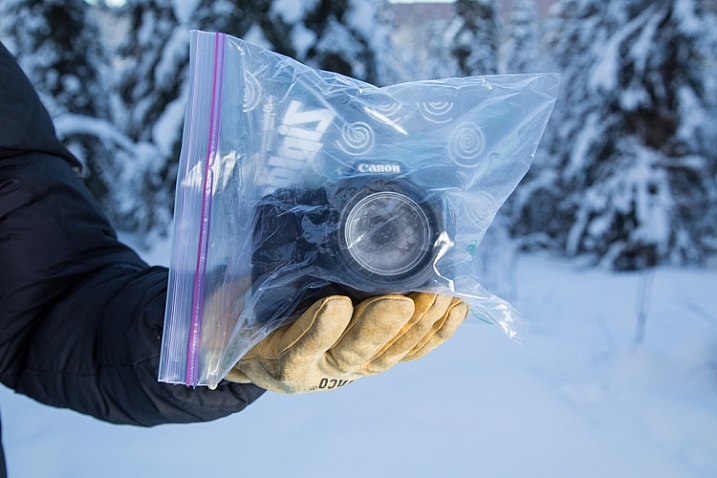
Last, and perhaps most importantly, is the return indoors. You know how on a hot day, your cold beer glass gathers condensation? Ever watched how those drips can form and run down the bottle, pooling in a messy ring on the hard-wood table? Imagine that happening to your camera gear. It can, and it will. When you step back indoors to take a break, warm up, or finish up for the day, place your camera and lenses into an airtight bag.

A properly bagged and sealed camera, ready to be taken back indoors after a cold outdoor shoot.

A properly bagged and sealed camera, ready to be taken back indoors after a cold outdoor shoot.

Ziplocks are good, but I favor light-weight roll-top dry bags like those used by boaters to keep their gear dry. These are tough, reusable, and work like a charm. Once sealed up tight in a ziplock or dry bag, condensation can’t form on your gear. Just let your camera warm up to room temperature before you pull it out.

AK-NoatakPreserve-KellyRiver-1083-491

The cold scares a lot of photographers, and make no mistake, a frigid, mid-winter Alaskan night is nothing to mess around with. But with a few precautions – warm clothes, spare batteries, avoiding frost, and protecting against condensation – you can take advantage of the stellar beauty of crisp, clear, days and nights like this one.

googletag.cmd.push(function() {
tablet_slots.push( googletag.defineSlot( “/1005424/_dPSv4_tab-all-article-bottom_(300×250)”, [300, 250], “pb-ad-78623” ).addService( googletag.pubads() ) ); } );

googletag.cmd.push(function() {
mobile_slots.push( googletag.defineSlot( “/1005424/_dPSv4_mob-all-article-bottom_(300×250)”, [300, 250], “pb-ad-78158” ).addService( googletag.pubads() ) ); } );

The post How to Take Care of Your Camera in Cold Weather by David Shaw appeared first on Digital Photography School.


Digital Photography School

 
Comments Off on How to Take Care of Your Camera in Cold Weather

Posted in Photography


Weekly Photography Challenge – Bad Weather

27 Jun

Earlier I shared some images by photographers who braved the elements to take some bad weather images.

Where there is adversity, often there is opportunity. When the weather takes a turn for the worse, don’t run for cover so fast. Look for photography subjects everywhere. Wet pavement, puddles, reflections, wind blowing the trees, evil looking storm clouds over the horizon – all can make for intriguing photographs.

Ville Miettinen

By Ville Miettinen

Riccardo Cuppini

By Riccardo Cuppini

Triker-Sticks

By Triker-Sticks

Weekly photography challenge – bad weather

If you decide to take on this challenge, remember to take good care of your gear – water and electronics do not mix well. To get some ideas and tips for bad weather photography check out these dPS articles:

  • 5 Reasons Why Bad Weather Days are the Best Times for Photography
  • 7 Things To Do For Photographers When The Weather Is Bad
  • Tips for Photographing in Different Weather Conditions
  • 3 Tips to Take Better Landscape Photos Regardless of the Weather
Takashi .M

By Takashi .M

Kelly DeLay

By Kelly DeLay

Luis Argerich

By Luis Argerich

Ferran Jordà

By Ferran Jordà

Bo Insogna, TheLightningMan.com

By Bo Insogna, TheLightningMan.com


Pame Figueroa

By Pame Figueroa

Share your images below:

Simply upload your shot into the comment field (look for the little camera icon in the Disqus comments section) and they’ll get embedded for us all to see or if you’d prefer upload them to your favourite photo sharing site and leave the link to them. Show me your best images in this week’s challenge. Sometimes it takes a while for an image to appear so be patient and try not to post the same image twice.

Runner310

By runner310

Yamanaka Tamaki

By Yamanaka Tamaki

Ferran Jordà

By Ferran Jordà

Scott Butner

By Scott Butner

Richard Walker

By Richard Walker

googletag.cmd.push(function() {
tablet_slots.push( googletag.defineSlot( “/1005424/_dPSv4_tab-all-article-bottom_(300×250)”, [300, 250], “pb-ad-78623” ).addService( googletag.pubads() ) ); } );

googletag.cmd.push(function() {
mobile_slots.push( googletag.defineSlot( “/1005424/_dPSv4_mob-all-article-bottom_(300×250)”, [300, 250], “pb-ad-78158” ).addService( googletag.pubads() ) ); } );

The post Weekly Photography Challenge – Bad Weather by Darlene Hildebrandt appeared first on Digital Photography School.


Digital Photography School

 
Comments Off on Weekly Photography Challenge – Bad Weather

Posted in Photography


33 Blustery Bad Weather Images

26 Jun

When the weather turns wet and nasty, many photographers head for cover. But, if you are willing to tough it out, inclement weather is a great opportunity to capture some unique and fantastic images.

Here are some images by photographers who dared to brave the elements and got some bad weather images.

Photograph rain by Barbara Florczyk on 500px

rain by Barbara Florczyk on 500px

Photograph The Accidental Tourist by Miles Morgan on 500px

The Accidental Tourist by Miles Morgan on 500px

Photograph Champagne supercell by Max Conrad on 500px

Champagne supercell by Max Conrad on 500px

Photograph Black Umbrellas by Emin Zeynalov on 500px

Black Umbrellas by Emin Zeynalov on 500px

Photograph Singing in the rain by luca eugeni on 500px

Singing in the rain by luca eugeni on 500px

Photograph Averse Magnétique by Romain Matteï on 500px

Averse Magnétique by Romain Matteï on 500px

Photograph Seedling by Ursula Abresch on 500px

Seedling by Ursula Abresch on 500px

Photograph Wet Leaves by Jessica Drossin on 500px

Wet Leaves by Jessica Drossin on 500px

Photograph Barrage by Mike Olbinski on 500px

Barrage by Mike Olbinski on 500px

Photograph Fields by Sakis Pallas on 500px

Fields by Sakis Pallas on 500px

Photograph Under The Rain by Mustafa ILHAN on 500px

Under The Rain by Mustafa ILHAN on 500px

Photograph Standing in the rain... by Sham Jolimie on 500px

Standing in the rain… by Sham Jolimie on 500px

Photograph Islands weather by Lucyna Koch on 500px

Islands weather by Lucyna Koch on 500px

Photograph Last winter rain by Ivan Gevaerd on 500px

Last winter rain by Ivan Gevaerd on 500px

Photograph waiting for sunshine by  Irca Caplikas on 500px

waiting for sunshine by Irca Caplikas on 500px

Photograph Manhattan Showers by Terry Donnelly on 500px

Manhattan Showers by Terry Donnelly on 500px

Photograph rainy day by Ferdi Doussier on 500px

rainy day by Ferdi Doussier on 500px

Photograph TEARS OF CHARLES by Mr Friks  on 500px

TEARS OF CHARLES by Mr Friks on 500px

Photograph The place that stops the clock by Alessandro Cabras on 500px

The place that stops the clock by Alessandro Cabras on 500px

Photograph Storm at Llancayo by Alan Coles on 500px

Storm at Llancayo by Alan Coles on 500px

Photograph A new rainy day is coming by Dino Marsango on 500px

A new rainy day is coming by Dino Marsango on 500px

Photograph The Modern Force by Toby Harriman on 500px

The Modern Force by Toby Harriman on 500px

Photograph Porthleven Storm by Lloyd W.A. Cosway [DEVONshots.com] on 500px

Porthleven Storm by Lloyd W.A. Cosway [DEVONshots.com] on 500px

Photograph Hard Times 2 by Veselin Malinov on 500px

Hard Times 2 by Veselin Malinov on 500px

Photograph the storm by Reto Imhof on 500px

the storm by Reto Imhof on 500px

Photograph After Heavy Rain by Slim Letaief on 500px

After Heavy Rain by Slim Letaief on 500px

Photograph b&w by Vladimir Gordeev on 500px

b&w by Vladimir Gordeev on 500px

Photograph ra....!....n..!.ng  . .day ..!.  by bug eye :) on 500px

ra….!….n..!.ng . .day ..!. by bug eye :) on 500px

Photograph In the rain by Luu TrongDat on 500px

In the rain by Luu TrongDat on 500px

Photograph Rain by Kim Pennington on 500px

Rain by Kim Pennington on 500px

Photograph Viktorija by Igor Glavaš on 500px

Viktorija by Igor Glavaš on 500px

Photograph 1001 Nights :) by Tramont_ana on 500px

1001 Nights :) by Tramont_ana on 500px

Photograph The wet wooden path by Hanson Mao on 500px

The wet wooden path by Hanson Mao on 500px

googletag.cmd.push(function() {
tablet_slots.push( googletag.defineSlot( “/1005424/_dPSv4_tab-all-article-bottom_(300×250)”, [300, 250], “pb-ad-78623” ).addService( googletag.pubads() ) ); } );

googletag.cmd.push(function() {
mobile_slots.push( googletag.defineSlot( “/1005424/_dPSv4_mob-all-article-bottom_(300×250)”, [300, 250], “pb-ad-78158” ).addService( googletag.pubads() ) ); } );

The post 33 Blustery Bad Weather Images by Darlene Hildebrandt appeared first on Digital Photography School.


Digital Photography School

 
Comments Off on 33 Blustery Bad Weather Images

Posted in Photography


How to Protect Your Camera in Extreme Weather

17 May

If you love to photograph nature, you surely know how unpredictable, and often hostile the elements can be. While we may get a sniffle or a chill from bad weather, the electronics inside our cameras are much more sensitive.

A little water, some sand, or extreme temperatures can cause your camera to temporarily malfunction or even suffer permanent damage. When the storm clouds roll in, it’s important to know how to take good care of, and protect your camera gear.

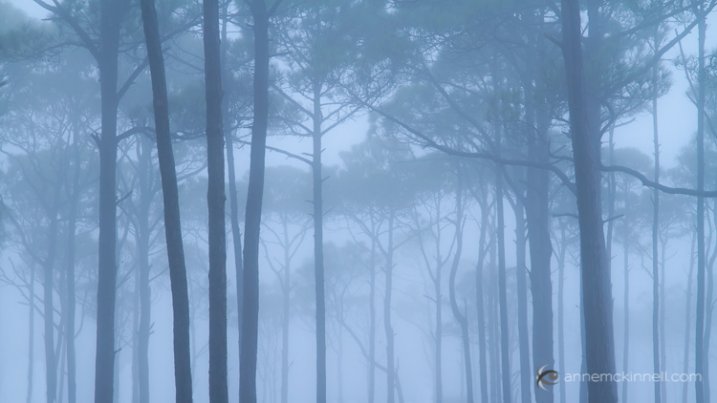
Foggy trees by Anne McKinnell

Moisture

Whether it’s full-on rain or just intense humidity, moist conditions are your camera’s number one enemy. Not only can the wetness seep into the electronic elements of cameras, flashes, lenses, and other accessories and short them out, but it can get trapped inside the casing, causing condensation and eventually mold.

To prevent this, consider purchasing a protective rain cover for your camera. You can find these in both disposable and reusable versions. In a pinch, a non-biodegradable plastic shopping bag will do the trick. Make sure all the rubber doors covering your camera’s inputs are sealed, and keep a clean, dry cloth handy to wipe away any water that condenses on the outside of the camera.

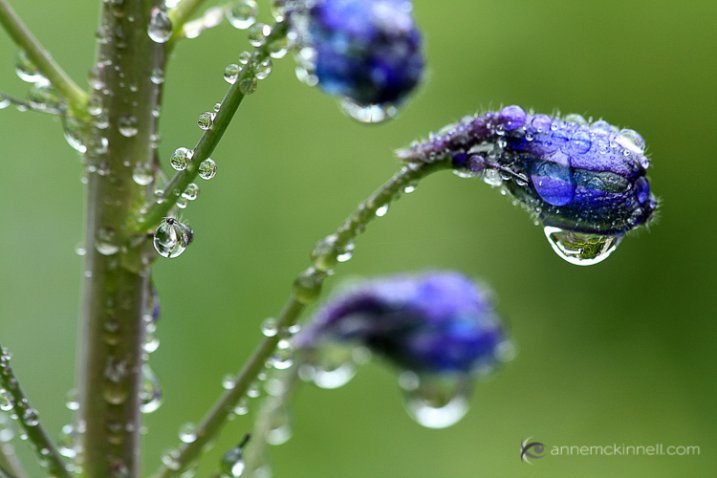
Rain drops on flowers by Anne McKinnell

In the event that your camera does get wet inside, remove the lens and set all the affected pieces next to a warm (not too hot) radiator. Remove the battery and memory card, open all the doors and gaskets, and place the camera face up and the lens face down to allow water to evaporate through the openings. Less sensitive accessories can be placed in a bag of dry rice, which will absorb the excess moisture.

Tip: Throw some silica gel (the little packages in shoe boxes, etc., that read “DO NOT EAT”) in your camera bag to protect against humidification in storage.

Intense Heat or Cold

Most cameras are rated to work between -10 and +40 degrees Celsius (14-104 degrees Fahrenheit). This is generally not because of the camera itself, but because of the batteries – the chemicals inside of them cease to work properly when they get too cold, or too hot.

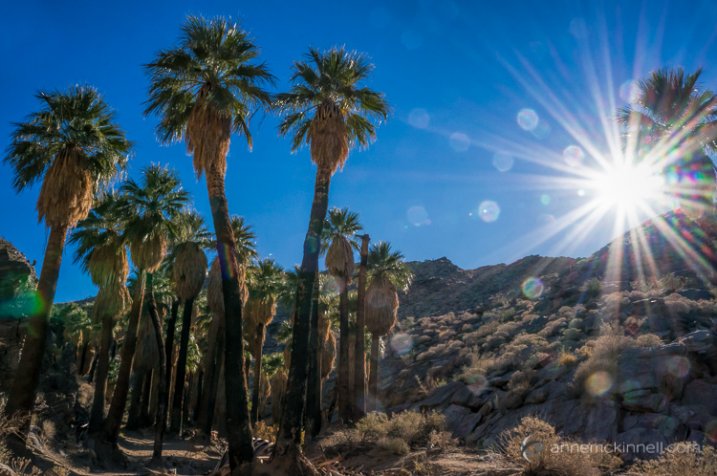
Palm Canyon Sunburst by Anne McKinnell

To avoid this problem, keep an extra battery in a temperature-controlled place. If you’re shooting in the cold, keep one in your pocket to be warmed by your body heat. In the heat, your camera bag should provide adequate shade to keep a battery cool enough to function.

Never place your camera face up in direct sunlight. The lens works both ways, and can act like a magnifying glass to focus the rays into your camera and burn a hole in your shutter, and eventually, your image sensor. Remember that even magnesium-alloy cameras contain plastic components, so if you shoot in really extreme places such as near volcanoes or among raging fires, use common sense and keep your camera well clear of the flames.

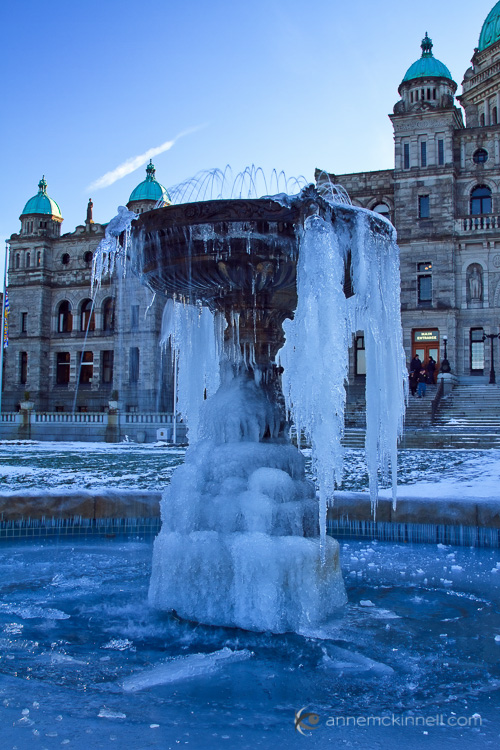
Frozen Fountain by Anne McKinnell

Sand

Other than moisture, this is probably the most common cause of equipment malfunction. Everyone wants to take their camera to the beach (or maybe to the desert), but as anyone who has ever tried to picnic in the surf knows, sand gets anywhere, and everywhere. At best, it can become stuck inside the lens and cause spotty pictures. At worst, it will get inside the gears and severely damage moving parts such as the shutter or auto focus motor, or scratch the lens or image sensor.

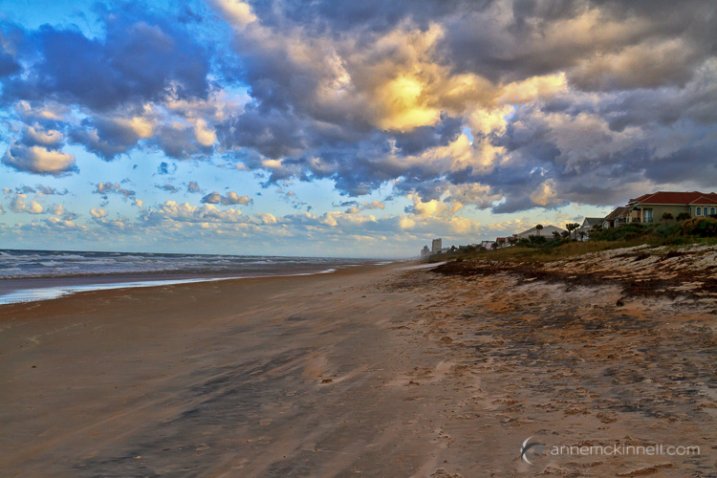
Ormond Beach by Anne McKinnell

This applies to compact cameras too – sand in the lens will cause it to grind and prevent it from extending, turning your little point-and-shoot into an expensive paper weight. Even tripods aren’t safe from this effect. Grains of sand inside the fastening screws can destroy the threading and keep them from tightening properly.

Again, make sure the rubber gaskets on your camera are tightly sealed and always tuck your equipment away inside a sealed camera bag when not in use. A protective rain cover can also help keep your camera clear of debris. If sand does get on or in your gear, don’t wipe it with a cloth which can embed it deeper, or worse, scratch the glass elements. Instead, get a hand-pumped air blower to puff the grains away. Avoid compressed air canisters, which are too strong and contain chemicals that can cause damage. If you have no other option you can use your lungs, but be very careful not to project little spit particles into your camera’s insides.

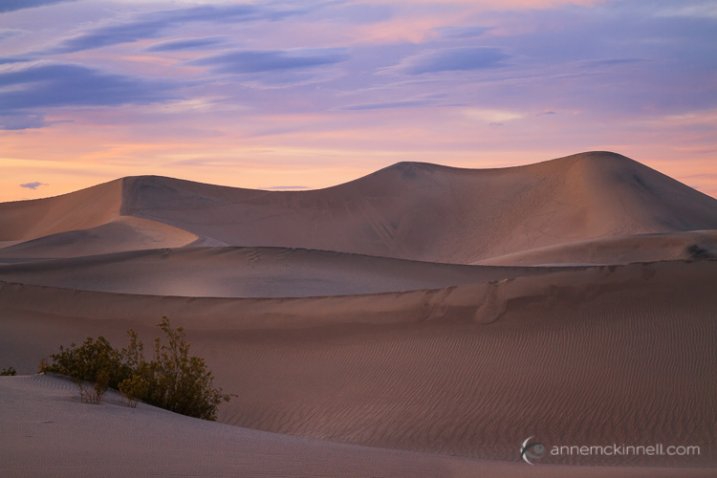
Mesquite Sand Dunes by Anne McKinnell

Wind

A stiff breeze won’t hurt much on its own, but it can easily blow over a tripod and send your camera crashing to the ground, causing untold damage. On a windy day, anchor your gear using sandbags, or simply hang your camera bag from the tripod’s centre column to weigh it down (a sack full of rocks will also work). Keep in mind that wind combined with sand creates a natural sandblaster which can scratch up your lens quite badly if you aren’t careful.

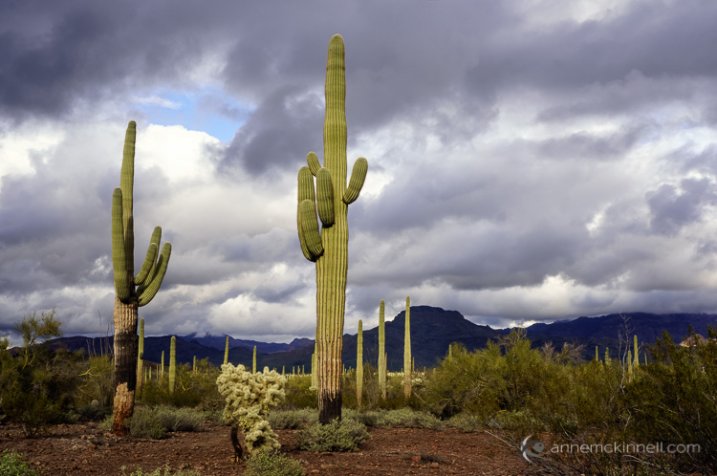
Stormy Day at Organ Pipe Cactus National Monument by Anne McKinnell

Bad weather can often make for good photographs, so get out there and make the most of it. Just make sure you are taking care of your equipment at the same time.

googletag.cmd.push(function() {
tablet_slots.push( googletag.defineSlot( “/1005424/_dPSv4_tab-all-article-bottom_(300×250)”, [300, 250], “pb-ad-78623” ).addService( googletag.pubads() ) ); } );

googletag.cmd.push(function() {
mobile_slots.push( googletag.defineSlot( “/1005424/_dPSv4_mob-all-article-bottom_(300×250)”, [300, 250], “pb-ad-78158” ).addService( googletag.pubads() ) ); } );

The post How to Protect Your Camera in Extreme Weather by Anne McKinnell appeared first on Digital Photography School.


Digital Photography School

 
Comments Off on How to Protect Your Camera in Extreme Weather

Posted in Photography


3 Tips to Take Better Landscape Photos Regardless of the Weather

26 Nov

Photographers are a special type of people that usually pay a lot of attention to detail. They’re also known to be patient and perseverant. However, in my opinion, landscape photographers are a unique breed. I’m sure that only a hand full of people are willing to hike 10 miles with 25 pounds of photography gear on their back, just because they hope to seize the perfect moment.

Golden Hour in Pyramid Mountain  Jasper National Park  Alberta  Canada

Generally, in photography, practice leads to improvement. However, practicing landscape photography is a bit trickier since you don’t have control over the light setup, the weather, or the subject. Sometimes, you might plan a trip for three months; you research the best spots, and you bring all your equipment. Then, when it’s show time, you walk outside to face a cloudy, rainy day, if not a snowy mess. All that can be very frustrating. Over the years I’ve learned a few tricks to deal with that. In this article, I will share three simple tips to help improve your images and take better landscape photos, regardless of the weather.

1. Using clouds to avoid harsh light

Let’s start by talking about one of the most important topics in photography, light. Usually, landscape photographers revolve their schedule around the Golden Hour, meaning the early morning or late afternoon. Photographers choose those portions of the day to take full advantage of the magical, warm, rich, natural light available. Yet sometimes, you cannot reach the planned location by car, making a strenuous hike of 10 miles the only available option to get to the desired place. Hiking is great, and if you love landscape photography you probably love the close contact with nature, but sometimes this passion doesn’t translate into mountain exploration at 3:30 a.m. Occasionally, you will find yourself starting your day hike around 6:00 a.m. to reach the desired area around 10:00 a.m., meaning that you will have to work with hard sunlight.

Portrait photographers have an easy fix for that problem, move the model to the shade. I’ve tried using the same approach in landscape; but I’ve never had any luck trying to move mountains and lakes around. Another approach that portrait photographers use to avoid hard light is using light modifiers such as diffusers and softboxes. Unfortunately I don’t believe you can buy one of those big enough to use on a mountain. What you can certainly do is use the clouds as a light diffuser, thus avoiding the harsh sunlight from midday. Depending on how you capture your image, clouds can also help improve your composition by adding depth or a sense of movement. After I grasped this concept my mindset shifted, now I’m always hoping for the perfect cloudy day.

Bald Hills  Maligne Lake  Jasper National Park  Alberta  Canada

2. It’s all about the drama

If this tip wasn’t enough to make you enjoy a cloudy day, let me tell you about a second trick that involves clouds when capturing landscape images. We all like to go online to wonder around photo sharing communities, looking for inspiration, a different point of view or even a new technique. I’m no different. I like to believe that I’m very active in some of those social media channels, however, when I look through pictures, I avoid focusing on landscapes. I like to explore portraits, Black and White, macro, pretty much anything but landscape. I can imagine you asking yourself, “Why would a landscape photographer do that?”. The answer is quite simple; I like to borrow successful techniques used in other fields. Sometimes, when I’m trying to capture an image of a mountain, I don’t face it as a landscape. I try, for example, to approach that image as a portrait. Once you learn how to repurpose techniques from one type of photography to another you will notice an improvement in your art.

In most types of photography, the most striking photos are those with strong contrast; images that harmonize shadows and highlights seamlessly. One side effect of the current advances in digital photography, sensors, and the digital darkroom, is that a lot of landscape artists try to capture everything in one single image. Some will use HDR to bring up the shadows, others will use masking and blending to create a final image. I was no different.

Lately, inspired by the work of great masters such Ansel Adams and Henri Cartier-Bresson, I’m trying to play with the shadow to highlight ratio in my images. Portrait photographers are very good at using artificial light (strobes or speedlights) to create dramatic images. In landscape it might be a bit more difficult to position the sun at a different angle. Still you can use clouds as a light filter, concealing light from distracting spots while revealing patches of bright sunlight that will accentuate your main subject. Once you start to play with this idea you will be able to create very dramatic images during those dreadful cloudy days.

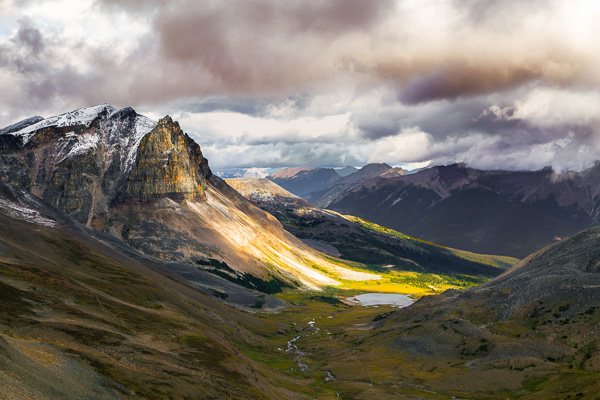
Tekarra Mountain  Skyline Trail  Jasper National Park  Alberta  Canada

3. The path of balance

Finally, keeping up with the idea of creating a dramatic image, photographers must be able to understand an important concept called balance. Not only the shadow and highlights balance, but also color balance, subject positioning, overall image balance and so forth. I remember some of the first photos I took, very often I liked the concept behind the photo, but the final image just didn’t convey what I had envisioned. That was when I discovered the concept of balance.

This concept is very basic, yet extremely powerful. A well-balanced image will stand out on its own and will captivate your audience. Balance, simply put, is how you distribute the elements, colors, and brightness in the frame. There are countless ways to achieve balance, so many that we would probably need another entire article just to talk about it. As a general rule though, a well-balanced picture aims to distribute the elements evenly throughout the image. So next time you are out capturing an image, try noticing how you arrange the elements in the frame. Check if the amount and position of the shadow and highlight are reflecting what you want to show in your photograph. Finally, before you press the shutter, ask yourself if all the elements in the frame are contributing to the overall image. Sometimes, you can get overwhelmed by the landscape, and in an attempt to capture all the beauty you end up with a busy, unbalanced, and unappealing image.

Silence  Banff National Park  Alberta  Canada

I will leave you here, but next time you’re out there during a cloudy day, instead of complaining about it, just try your luck. You might be surprised by what you can achieve when you open your mind to work with whatever mother nature throws at you.

Mountain tops  Banff National Park  Alberta  Canada

Do you have any other cloudy day or landscape tips? Please share in the comments below.

The post 3 Tips to Take Better Landscape Photos Regardless of the Weather by Diego Lapetina appeared first on Digital Photography School.


Digital Photography School

 
Comments Off on 3 Tips to Take Better Landscape Photos Regardless of the Weather

Posted in Photography


Weather Channel announces photo contest winners

13 Aug

The Weather Channel has announced the winners of its inaugural photo contest. Photographers submitted images that best capture the spirit of the Weather Channel’s ‘It’s Amazing Out There’ tagline. From over 30,000 entries, one Grand Prize Winner was selected along with three finalists from each category – Living World, Adventure and the Elements. Take a look at the winning photos. See gallery

Articles: Digital Photography Review (dpreview.com)
 
Comments Off on Weather Channel announces photo contest winners

Posted in Uncategorized


Tips for Photographing in Different Weather Conditions

31 Jul

You’ve figured out that photography is awesome. You have your equipment. You’ve got the basics down. You know all about the “triangle” of ISO, shutter speed, and aperture. Now, you’re ready to put them to use. You’re ready to go outside and experiment. But wait. You haven’t yet considered the weather. This is a little side note to photography that we often forget about. If you’re not shooting in a studio, then the weather will definitely be a factor to consider when going out on a shoot.

MDWeather 01

There are a few basic weather scenarios that you will surely encounter as a photographer: cloudy or overcast, rain, bright sun, high temperatures, and snow to name a few. Each of these conditions has its benefits and limits. I’ll cover a few of those here as well as tips for photographing in different weather conditions.

Cloudy or overcast

These are some of my favorite conditions to shoot in for portraits. An overcast day brings about an amazing amount of diffused light. You can shoot in the middle of the day with little worry about harsh lighting or unwanted shadows. You do want to pay close attention to lighting the face. It’s great to have a reflector to bounce light into the face of your subject(s). Make sure you’re taking a look at the images, as this will help you know if you’re underexposing or overexposing. You’ll also be able to tell if you need to reflect more light on them. See portrait above.

Shooting landscapes in overcast conditions can also be challenging. Overcast skies are gray and don’t usually add a lot of interest to that mountainscape, or field of cows you want to photograph. Look for stormy weather clouds, that add a sense of place and dimension. You can also crop your shot so that you don’t get those unwanted gray skies, but still get great lighting.

Benefit: beautifully diffused lighting
Limit: ugly gray skies

MDWeather 02

Rain

So what happens when your cloudy day turns into a rainy shoot? Well, you make the most of it. A little rain never hurt anybody. One of the best ways to work with rain is to bring an umbrella. Try to keep a nice umbrella in your arsenal of supplies for shoots. Look for one of those clear umbrellas that comes down over your head. It looks amazing in photos. You can also get one that has a nice little pop of color. Try polka dots even. Make the umbrella part of the shoot. You don’t have to use it in every photo but don’t be afraid to incorporate it.

Also look for areas that are shielded from the rain. Overhangs, alleys, even coffee shops can provide you with great areas for your photos. The rain can help you tell a story if you let it. At the end of the shoot, ask your subject if they’re okay getting wet. Work with that and see what you get. Try out different things as you’re learning to work in this condition.

Of course the rain can work against you. You’ll want to make sure your equipment is protected. You don’t have to get fancy coverings if they’re not in the budget. Get a grocery bag and some tape and protect the main body of your camera. If the weather is horribly bad, reschedule your shoot for a less harsh day. Again, safety is key here.

MDWeather 03

Rainy landscapes tell an amazing story. Make sure you’re careful with setting focal points. Your camera will often try to focus on the rain drops and will blur out your landscape. This can be nice if it’s what you intended, if not, you’ll end up with a bunch of blurry photos.

Benefit: added dimension and sense of story and place
Limit: harsh on equipment and uncomfortable for subjects

Bright sun

Many people think that bright sun is the photographer’s worst nightmare for portraits. I beg to differ. Bright sun can create beautiful light and you can play with shadows if you wish. (Read Dispelling the Myth of Good Light and Bad Light for more on this topic.)

When shooting in bright sun, you will find that your camera meter will want to expose for the super bright background or the subject that’s in front of you. This causes your subject to be super dark or your background to be blown out. Try shooting in “open shade”. This means that you’ll place your subject in the shady part close to the light, and bounce light with a reflector back at them. You can also use a flash to make sure your subject is lit without blowing out the background. A flash in the sun? I know it sounds weird but it works. Use your flash to light your subject while exposing for the background. You can also look for natural reflectors around you. Look for a white building or even a white sandy beach. These help reflect light on your subject without blowing out the background too much.

Landscapes in bright sun are absolutely beautiful. Try shooting the beach in the full sun of the day. Practice exposing for the beautiful blue skies as well as the sand.

Benefit: tons of light and the ability to play with shadows
Limit: can create harsh lighting on your subject

MDWeather 04 MDWeather 05

High temperatures

A lot of us shoot in the summer months. This can be beautiful for the late sunsets and beautiful skies, but the temperature can be brutal. It’s great to shed the coats and heavy clothing but the heat isn’t always fun. You want to make sure that you and your subjects will be comfortable and safe. The most important thing is safety. I like to limit my shoots to when the temperature or heat index is below 90f (32c). This may vary depending on where you are shooting. In Puerto Rico, 90 on the beach feels great. In Boston, 90 in the city feels miserable.

Take note of how your subject is feeling on the shoot. If you notice that they’re becoming uncomfortable, ask them and schedule a reshoot if necessary.

Benefit: you and your subjects can come out of limiting coats and clothing
Limit: high temperatures can be draining and uncomfortable

Snow

Shooting in the snow is magical. It’s beautiful and the white stuff reflects light amazingly! Shooting in a blizzard, not so much. Shooting in 10f (-12c) degree weather, even worse. When shooting in the snow, pay special attention to ice and hazards under the fluffy stuff.

MDWeather 06

You can shoot while it’s snowing or once the snow has stopped falling. If you shoot while it’s snowing, treat your camera as if it is raining. The snow melts and water can get into the inner workings of your camera body and lens.

Don’t be afraid to ask your subject to shed that coat. If you’re in an area that gets a lot snow then you know that snow doesn’t necessarily mean unbearable cold. Have your subject shed the coat and shoot for a few frames and then warm up a bit.

Also, play around with capturing the falling snow. When it’s snowing, the sky is generally overcast. The white snow acts as a bit of a reflector so you’ll most likely be able to forgo that. Just go out and practice shooting and see what you’ll need. You probably don’t want to venture into a blizzard though.

If the snow has stopped you’ll need to watch out for ice and hazards under the snow. It doesn’t hurt to protect your camera just in case you take a little tumble. Again, the snow reflects beautifully. Make sure you’re metering for your subject and paying special attention to not blow out the white snow.

Benefit: it’s beautiful and shows a sense of time
Limit: it’s cold and damaging to your equipment

MDWeather 07

Remember, take special care to insure safety at all times. Safety of you, your subjects, and your equipment are all important. Use the weather to your advantage and work with the lighting you have. Don’t be afraid to bring in flash or reflectors. Finally, just have fun with whatever condition you’re shooting in.

The post Tips for Photographing in Different Weather Conditions by Monica Day appeared first on Digital Photography School.


Digital Photography School

 
Comments Off on Tips for Photographing in Different Weather Conditions

Posted in Photography