RSS
 

Posts Tagged ‘Unique’

How to Create a Unique Bokeh Portrait for Under $10

28 Nov
1

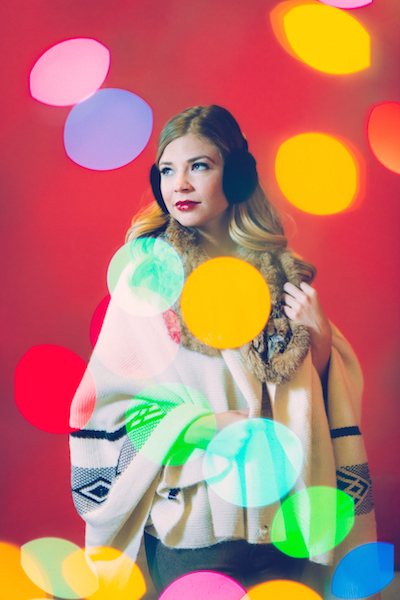
This shot was lit with one light on the subject along with the Christmas lights.

You can have a luxurious bokeh in any of your images for the low cost of $ 4.99. Yes, you heard me right, just $ 4.99. How, you ask? I’ll tell you, but you won’t believe me – Christmas lights.

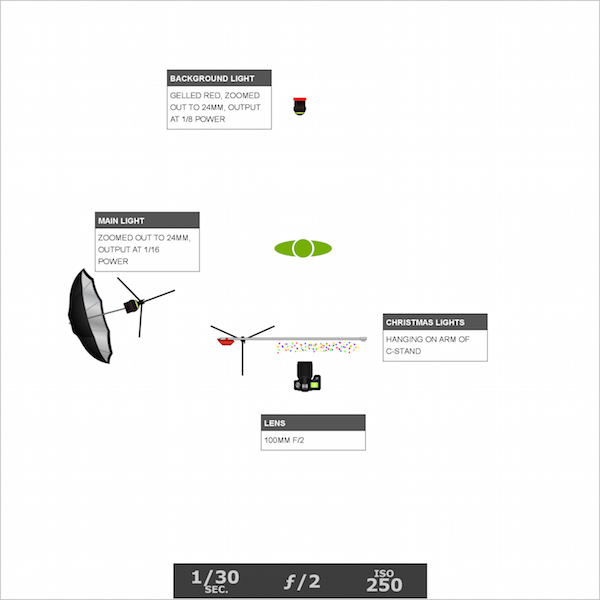
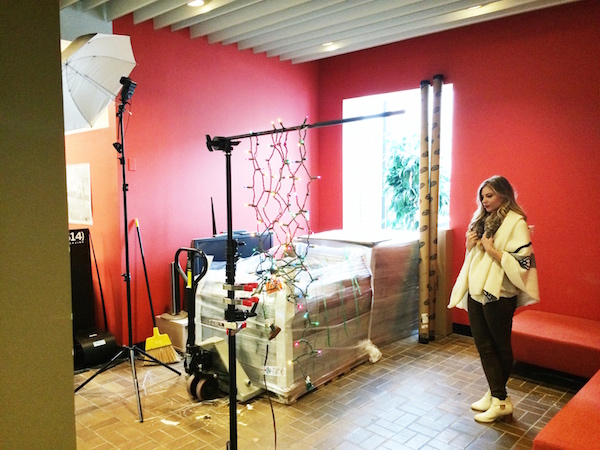
Just a single strand of Christmas lights and a couple of flash units are all you need to immerse your subject in full-blown bokeh bliss. This isn’t a double exposure or a Photoshop trick. It can all be done in camera in a single exposure. I bought a strand of cheap Christmas lights from the store, draped them over a C-stand arm so that the lights were layered and overlapping. I used a Canon 100mm f/2 lens that I had borrowed from my buddy for the shoot.

I also had two flashes. The background light was set to 1/8 power (in manual mode) and gelled red, aimed at the red wall behind the subject. The second light was set to 1/16 power and shot into a silver umbrella about seven feet away from the subject.

2

Note that the output on both speedlights was set rather low so that I could shoot with a wide open aperture. The large aperture, combined with a slower shutter speed of 1/30th, helped me attain a proper exposure when shooting the low watt Christmas lights. In order to properly pull off this technique, the room you are shooting in can’t be too bright, whether it be overhead lights or window light – the ambient light can’t overpower the Christmas lights or this won’t work.

3

Once I was ready to start shooting, I made sure that I was standing within two to three feet of the lights and the subject was five feet beyond the lights. Depending on how close I was standing to the Christmas lights, the size of the bokeh would change. When I was closer to the lights, the bokeh spots were larger and, accordingly smaller when I was further away from them.

Focus issues

One issue that you may encounter when shooting through an object is that the lens will try to focus on anything in the foreground. This is a problem, since what you want to focus on is behind the Christmas lights. There are a few ways to get past this. The first is switching to manual focus. But I don’t trust my eyes enough for this option.

The second option is the enabling back button focus on your camera. This is the option that I use. Enabling this feature is a bit different for each camera, so you’ll have to look up how exactly to do it on your specific camera body. Basically what it does is allows you to shoot without the interruption of autofocus, and when you want to re-focus, you simply press the assigned button on the back of your camera and resume clicking.

The third option is only available if you have a zoom lens that allows you to set your focal distance. For example, I have a Canon 70-200 f/4L IS which has a switch that, when flipped one way says 1.2m to infinity, and the other way says 3m to infinity. That means that if I don’t want to focus on the object in the foreground, I would select the 3m to infinity option so the lens doesn’t look for anything closer than 3 meters, which saves the lens and battery some focusing time.

4

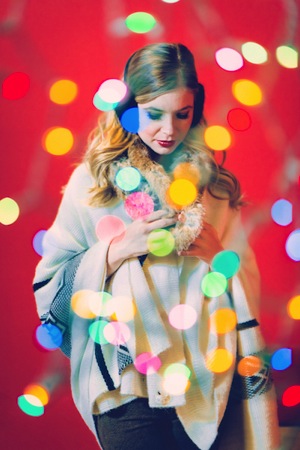
This shot was lit with one light on the subject and one light gelled red on a red background.

Now you’re ready to shoot. Play around with your camera’s placement in relation to the Christmas lights. As you move around, pay attention to where the colored bokeh is falling in the frame. Is it on the subject’s face? Maybe move an inch to the left so their face isn’t green. Or maybe you want it to be green. Take a shot and then move a bit and take another. Play around with size and placement of the bokeh and have fun!

5

Standing further away from the Christmas lights makes the bokeh smaller.

6

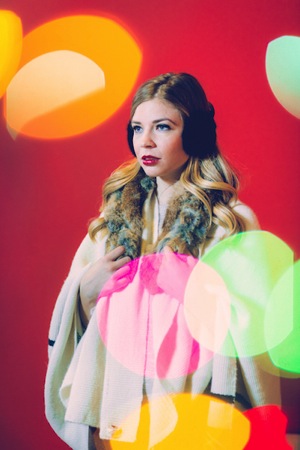
Standing closer to the Christmas lights makes the bokeh larger.

The post How to Create a Unique Bokeh Portrait for Under $ 10 by Nick Fancher appeared first on Digital Photography School.


Digital Photography School

 
Comments Off on How to Create a Unique Bokeh Portrait for Under $10

Posted in Photography


6 Tips for More Unique Travel Photos in Busy Tourist Locations

10 Sep

Imagine this: you’ve scrimped and saved for months for your dream vacation, and a snazzy digital camera, hoping to capture some unique travel photography images along the way, only to be flustered by the hordes of other tourists with the same intentions. With the increased accessibility of cameras on devices of every kind, this is becoming a common scenario that can frustrate many photographers, both professional and amateur. But don’t lose hope! With these tips, I’ll show you some ways to think of travel photography in a new light so that you can take unique travel photos in busy tourist locations.

DPS Travel Photography 03

1. Take shots from different angles

To get a unique photo, consider your subject from a wide variety of angles. Get down on your knees and shoot from below, or step up on a bench, or use a monopod to shoot from on high. Do whatever you can, within reason, to shoot from different perspectives; this will greatly increase the odds of capturing a unique image.

2. Time your visits to outdoor attractions to coincide with the most ideal natural lighting available

One of the biggest challenges to shooting outdoor attractions can be harsh shadows due to lack of lighting control. You obviously don’t want to bring strobes and excessive flashes with you when you travel, so it’s best to use the sun to your advantage. Do your research with apps, such as The Photographer’s Ephemeris, to see where the sun will be, and plan your trip accordingly. Sunrise and sunset are probably among the most ideal times, but be aware that you’ll likely get competition from other photographers thinking the same thing (see image above).

3. Go where the crowds aren’t going

DPS Travel Photography 05

If the crowd in a tourist attraction is fixated on one particular part, turn around and see what is behind them. Look for details that are being passed by and not given attention. This gives you less competition, in addition to increasing the odds, of capturing a unique image that everyone else is overlooking. While you’re shooting in the opposite direction, this also gives you something to do while waiting for the crowd to thin out so that you have more time to capture a clean shot of the main attraction. Having patience, and waiting for breaks in the crowd, is also a key to shooting unique images.

4. Pull out your zoom lens and focus in on details

Challenge your photography skills and creativity by shooting exclusively with a macro, or zoom lens, for a while. Shooting with a longer focal length will encourage you to take in the intricate details of a place; something that is usually overlooked by other tourists who likely focus on taking selfies and wide-angle shots. There’s beauty in details, and zooming in close eliminates most of the risk of having other people block your shots.

DPS Travel Photography 04

5. Make other tourists part of your shot

Instead of viewing the hundreds of other tourists around you as burdens, why not make them a part of your photo? Pull a fast one on other shooters by pointing your camera in their direction. Many tourists will likely duck or move out of your way, so act fast to catch them in natural poses. The point is, think like a photojournalist, or marketing photographer, and consider the idea that conveying the idea of a full, and popular, tourist attraction is a photo-worthy moment in itself.

DPS Travel Photography 01

6. Take candid shots or portraits of the locals

In and around many tourist attractions, you’ll likely find lots of locals in the forms of security guards, vendors, taxi drivers, and more. If you’re searching for truly unique photo subjects, consider pointing your camera at some of these people who help run the tourist attraction, and making them a part of your photo. You could even get bold and approach some locals for a portrait. This might be tricky if you’re in an area where language barrier is a problem, but if you get creative with your body language, it’s fairly easy to get your point across. Portraits not only give you more opportunities to get creative, but also provide opportunities to chat with people, and perhaps find out other unique photo ideas in the area.

DPS Travel Photography 02

Have you got some great photos from crowded tourist locations? Please share them and your tips in the comments below.

The post 6 Tips for More Unique Travel Photos in Busy Tourist Locations by Suzi Pratt appeared first on Digital Photography School.


Digital Photography School

 
Comments Off on 6 Tips for More Unique Travel Photos in Busy Tourist Locations

Posted in Photography


Beyond the Postcard – 14 Tips for Creating Unique Photographs in Iconic Locations

28 Aug

Photography has been around since the early 1820’s. Of course, back then the technology of “picture taking” was not accessible to the common person. But have things ever changed! With the availability of digital cameras ever present, even in our cell phones, take a moment to consider these facts. Every two minutes today there are as many photos taken as were taken in the entire 19th century (1800s), and ten percent of all the photos ever taken were snapped within the last twelve months!
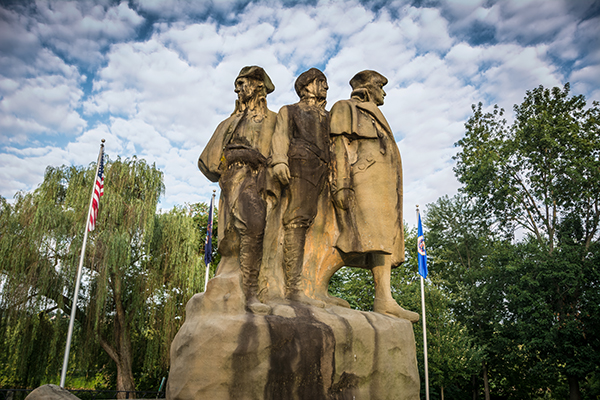
The Postcard: The Start Westward Monument in Marietta, Ohio.  (18mm 1/80th of a second at f/5, ISO 100)

The Postcard: The Start Westward Monument in Marietta, Ohio. (18mm 1/80th of a second at f/5, ISO 100)

So, with nearly 200 years worth of photographs in our collective albums and portfolios, it has become challenging to find an iconic view or subject that hasn’t been overdone by millions of photographers, especially when it comes to state and national outdoor landmarks. In order to look beyond the “postcard shot”, you need to research unique perspectives and techniques to capture that popular subject in a way that creates an original image. But first, go ahead and take that “postcard shot”. (You know you want to!) Then consider the following 14 different suggestions for creating unique photographs of the most popular spots.

#1 Check the internet

This is a resource past generations would have loved to have! By searching Google, Flickr, 500px and other photo sharing sites you can see how other photographers have captured most popular scenes. Besides seeing the images that have already been done, this will give you an idea of the layout of the location before you arrive. You may also find ideas that other photographers have tried and notice something that you might do differently to make the same image better.

#2 Get to know your location

Research the area by downloading maps and brochures from the internet. If your destination is only open certain days and hours, be sure you’ve garnered that information before you head out on your shoot. Stop at the visitor centers and ask questions.

#3 Talk to the locals

Talking to a “local” can often lead you to all kinds of special photo opportunities that may have never been visited before, such as discovering a special lighting effect that only happens at a certain time of the day or year, or maybe a waterfall that is hidden from view.

#4 Shoot at popular sites during the week

Avoid the weekends when the crowds can make it almost impossible to get an image, especially if you are looking for a shot free of human presence.

#5 Look for new angles
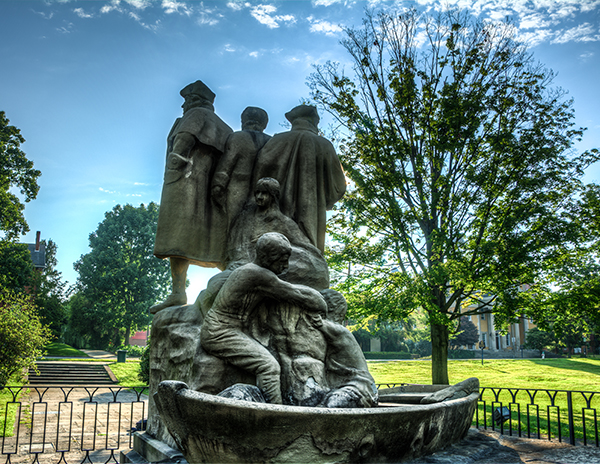
While looking for different angles, don't forget to explore all sides of your subject.

While looking for different angles, don’t forget to explore all sides of your subject.

Try to avoid the obvious straight-on shot that presents itself right in front of you,(the typical postcard shot), but look around for other angles instead – high, low or from the right or left. If you must shoot straight in front, try to include a foreground object.

Caution: If you are in a state or national park, be sure to abide by all park rules! Photographers sometimes tend to think that rules do not apply to them, but you will find that most park rangers will not agree with this point of view. These rules are put in place for your safety or to preserve the beauty of the area you are photographing.

#6 Photograph in different seasons

Photograph the scene or subject in all four seasons. Mother Nature provides amazing changes to scenery, from the different angles of the sun to the different colors of the leaves on the trees.

#7 Look for special events in nature

Some natural happenings can make your image unique, such as a full moon which may be included in the image if you are into nighttime photography. Special weather conditions can be conducive to producing a once-in-a-lifetime image. For example, some photographers may reject shooting on rainy days, but if you have the protective gear for your equipment, the rain can add special visual effects such as reflections or rainbows. Ice and snow coatings are often quite striking additions to outdoor objects both in nature or manmade.

#8 Look for special lighting

Of course the best light of every day will come during the golden hours, following the early morning sunrise and just before evening sunset. If you must shoot in the harsher lighting of midday, consider black and white images which can often produce some visually appealing contrast. If you are out on a heavily overcast day, you may be able to shoot all day, but in most of these cases avoid including the sky in your image. If you have the option, research natural lighting sources by using computer software, such as The Photographer’s Ephemeris, that show the position of the sun and moon to help you determine when the lighting will be best, and what time to arrive to capture your shot. These kinds of software can allow you to anticipate exactly when and where the best lighting may fall, on just the right spot, to create that once in a lifetime image.
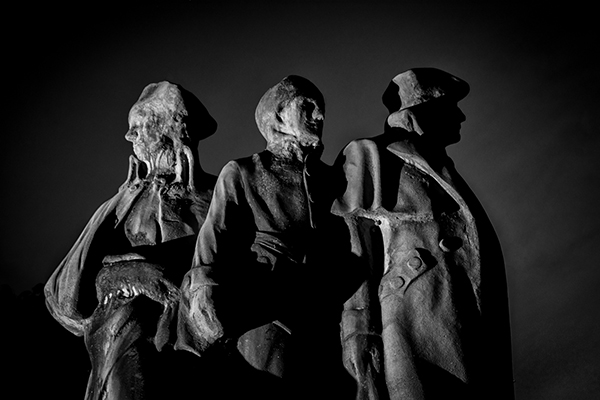
Black and white image shot after dark was lit with an off camera flash from the left side of the image.

Black and white image shot after dark was lit with an off camera flash from the left side of the image.

#9 Add the human element

Including a person in the scene not only will add a sense of scale, but can also add excitement and fun to your photo, which will make your image much more interesting to your viewer.
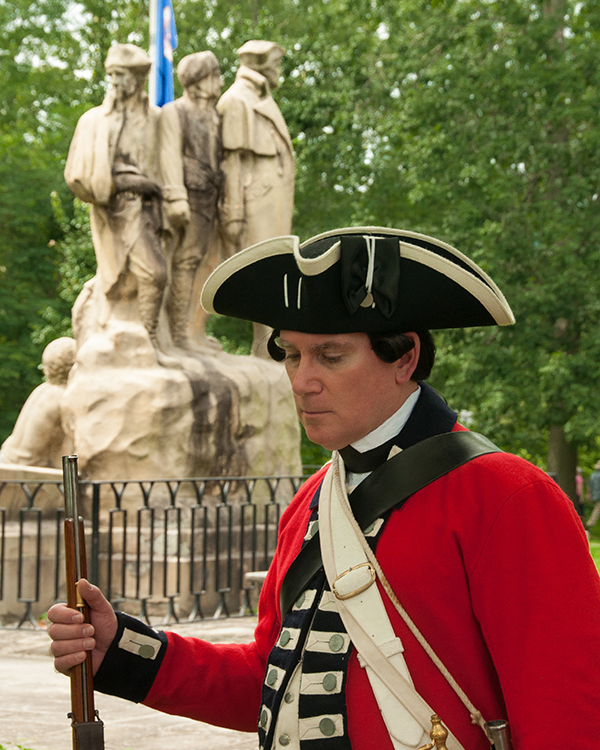
Special events present an opportunity to include a human element, which add extra excitement to your image.

Special events present opportunities to include human elements, which add extra excitement to your images.

#10 Focus on details

Narrowing your focus to capture details can be an especially effective way to create a unique photo. Whether zeroing in on the part of the vista that makes that site unique, or the feature of the statue that expresses its purpose, an original visual story may be captured in your image.

#11 Include a foreground element

Incorporating a foreground object to frame the subject can add depth to your scene and also enhance the image. A foreground object can also be used to lead the viewer’s eye to the subject of your photo.

#12 Use special effects

Two filters that could help make that standout image are the polarizing and neutral density filters. Use of a polarizing filter will enhance the blue of the sky and add color saturation. Use of a neutral density filter will cut down the light entering your camera, which allows you to slow down shutter speeds to capture interesting motion effects with the sky or water. Experimenting with your white balance can also create some interesting results.
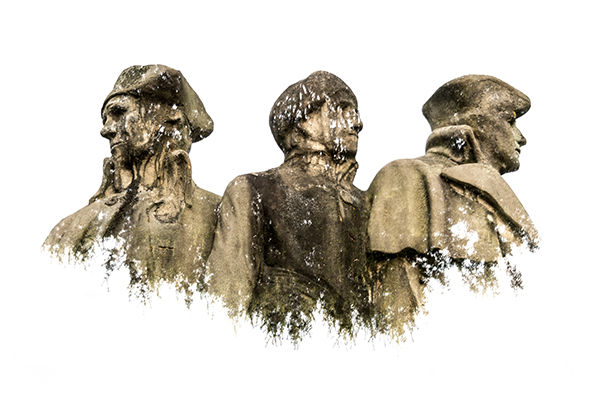
This image was created by using multiple exposures. the first image was of the monument against the sky, in the second the camera was turned upside down and captured the top of some nearby tree tops. In each image the sky was overexposed creating the white background.

This image was created by using multiple exposures. The first exposure was of the monument against the sky.  In the second exposure, the camera was turned upside down, capturing the top of some nearby trees. The sky was overexposed in each image, creating the white background.
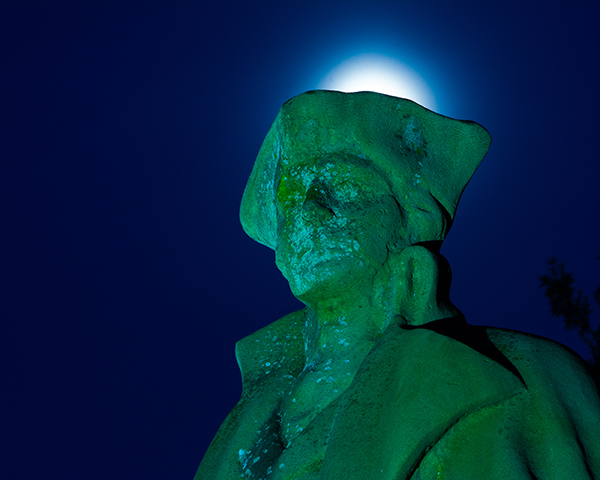
In this image shot at night the white balance was changed to Tungsten, which causes the monument to have a teal color. The glow above the head was created by the moon glow.

This image was shot at night the white balance was changed to Tungsten, which caused the monument to have a teal color. The glow above the head was created by the moon’s glow.

#13 Vary your focal length

Try different lenses to get varied results, for instance a telephoto lens will not only bring the scene closer to you, but will also compress the scene. On the other hand, a wide-angle lens allow you get more of your subject in the view, make background objects appear farther away, which adds depth to the scene.
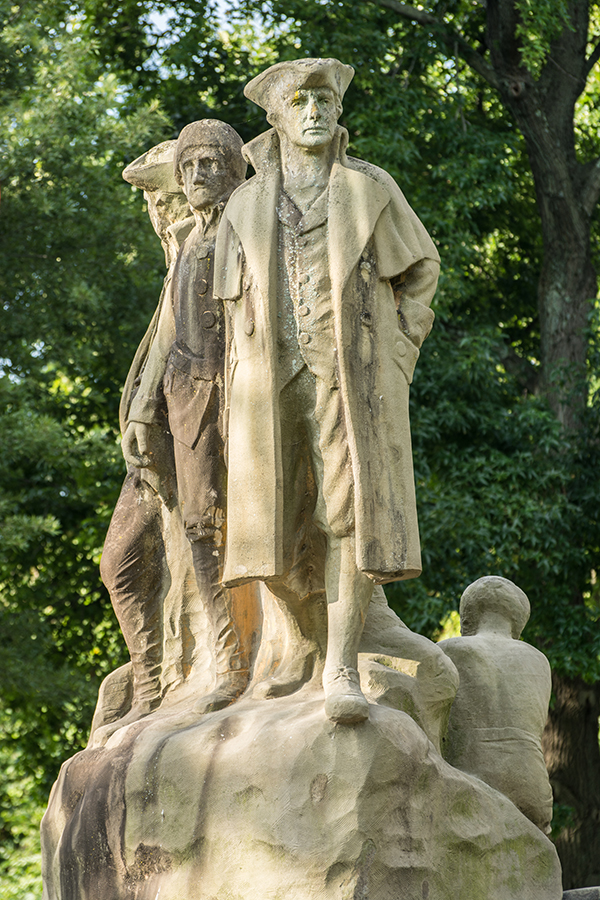
In this image the monument is captured just after sunrise giving the monument a nice glow. Also by using a telephoto lens at 150 mm @ f4.8 we compress the photo and the background is out of focus to make the monument stand out

In this image the monument is captured just after sunrise giving it a nice glow. Also by using a 150mm telephoto lens at f/4.8 we compress the photo and the background is out of focus to make the monument stand out.

#14 Experiment with DOF

To narrow your depth of field, open your aperture to a lower number, such as f/ 2.8, and make your subject stand out from the background. A distant landscape requires more depth of field to keep objects in focus, so you may want to close your aperture to something like f/16 to sharpen your image.

Researching your options and incorporating some of these tips will enhance the creative bent so many photographers already possess! Just don’t settle for the easiest, most common photographic result if you can take the time to shoot a more memorable image. Think and imagine your own photographic creations “beyond the postcard”. You’ll be glad you did!

Have any unique photographs from iconic locations or landmarks? Please share in the comments.

The post Beyond the Postcard – 14 Tips for Creating Unique Photographs in Iconic Locations by Bruce Wunderlich appeared first on Digital Photography School.


Digital Photography School
 
Comments Off on Beyond the Postcard – 14 Tips for Creating Unique Photographs in Iconic Locations

Posted in Photography


Chameleon Pen: Scan, Save & Draw Up to 16 Million Unique Hues

16 Aug

[ By WebUrbanist in Design & Products & Packaging. ]

scribble surface scan grab

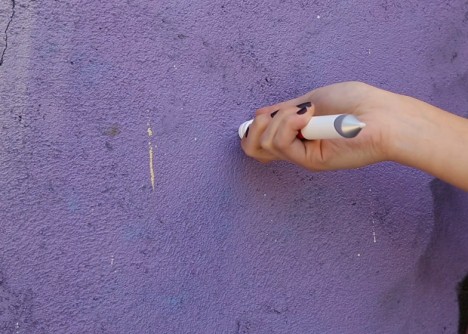
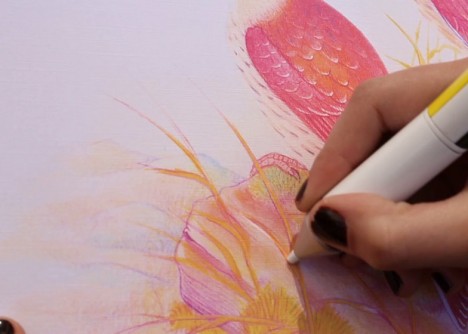
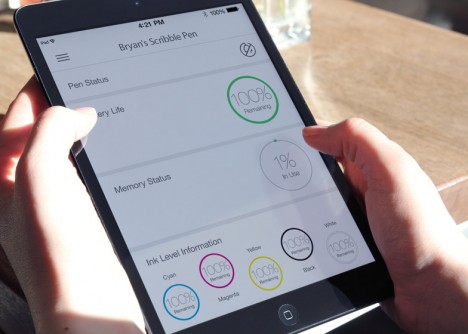
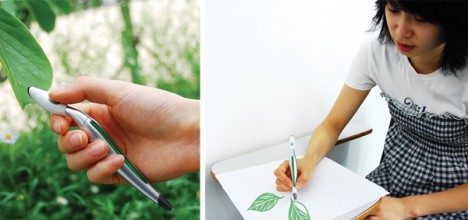
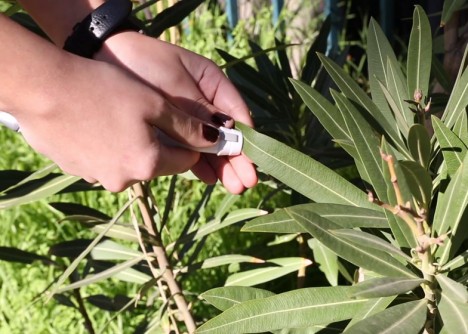
Five years ago it was an mind-boggling design concept, but today the idea color-changing pen has morphed into a working prototype that draws colors from objects and surfaces, natural or artificial, then lets you use them in all kinds of creative ways. This real-world version can make over 16,000,000 different tones and store over 100,000 unique colors in its memory.

scribble drawing color picked

scribble pen in case

scribble pen user interface

Imagine the possibilities of Scribble, both artistic and practical: instead of trying to mix just the right paints to capture a landscape or replicate a color scheme for your interior remodel, you can scan the actual colors of environments and use those. Users can then upload, store, tag and share their color picks for future applications.

original color scanning pen


see n scan pen

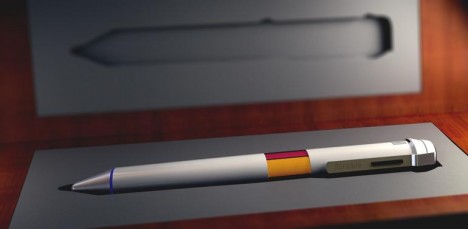
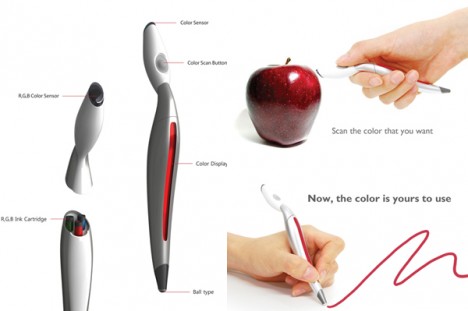
The Color Picker by Jinsun Park (shown below) was a purely conceptual design model at the time, but operated on the same principle (like the Photoshop eyedropper tool), made to contain a series of inks that (much like a printer) would mix in the appropriate amounts, reproducing colors scanned into it. This new variant on the device also converts the colors into other formats (like binary, decimal and hexadecimal) that can be saved and deployed for digital art. And with cartridge refills, you will never need to buy another color of pen.

scribble pen prototype

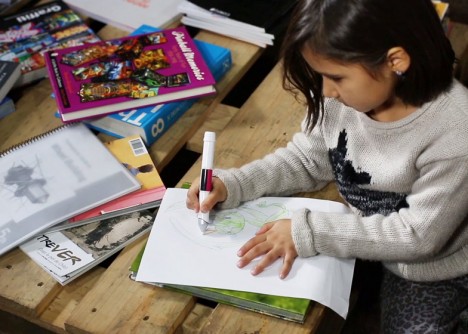
The applications are myriad: “For the colour blind, kids, interior decorators, homeowners, teachers, artists, photographers, designers and students, the Scribble colour picker pen will make copying an exact colour, any colour from any object, an absolute breeze. With Scribble you can scan, match or compare colours, draw on paper or your mobile device.” Of course, you don’t have to scan in a new color – you can always mix your own on the computer and input that preferred tone too.

scribble nature scanning tool

scribble child user example

scribble tablet device upload

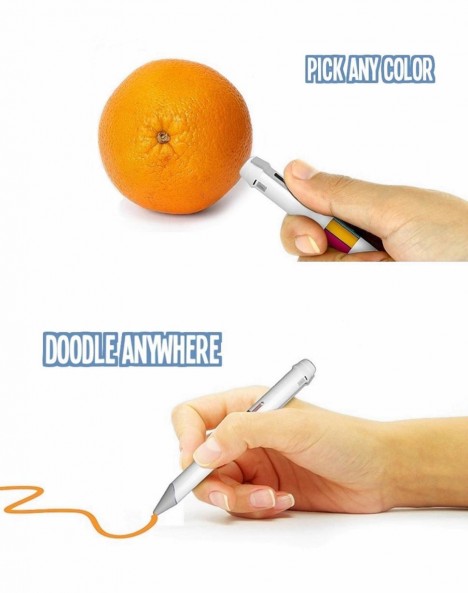
Here is the executive summary from the company: “Scribble is the first coloring device of its kind that can take the world of color around you and transfer it directly to either paper or your favourite mobile device. Simple hold the Scribble’s scanner up to any color, like on a wall, a book or magazine, a painting or even a child’s toy and within a second or two that color is stored in Scribble’s internal memory. You can now instantly draw on paper with the Scribble Ink Pen or draw on a digital device like an iPad or Wacom Tablet with the Scribble Stylus Pen.”

Share on Facebook


[ By WebUrbanist in Design & Products & Packaging. ]

[ WebUrbanist | Archives | Galleries | Privacy | TOS ]


WebUrbanist

 
Comments Off on Chameleon Pen: Scan, Save & Draw Up to 16 Million Unique Hues

Posted in Creativity


Exclucity: Unique GoPro Footage of Pyongyang, North Korea

27 Jun

[ By WebUrbanist in Destinations & Sights & Travel. ]

rare footage inside north korea

Notoriously restrictive of the media, the North Korean government surprisingly granted the request of an outsider seeking to shoot a virtually unprecedented video: a continuous car tour of the nation’s largest and capital city.

Aran Pan of Singapore is a photographer and cinematographer given unique permission to document this secretive country, boasting, among other accomplishments, the first series of 3D panoramas shot within its borders and visible to the outside world.

north korea weird overpass

north korea shrine circle

While the film itself is uncut and uncensored, its filming meant traveling with a state-appointed driver, translator, photographer and overseeing official.

north korea tower steps

north korea bridge shot

The mission of this project, titled DPRK 360, is not to reveal any hidden agenda (or architecture) but simply to convey a sense of place. If anything, the filmmaker hopes his viewers will come away with the idea that there is beauty in North Korea.

north korea intersection office

north korea government buildings

Indeed, the streets seem almost unnaturally serene – quiet and nearly empty – and the path traveled (though potentially by design) is quite clean and relatively unremarkable in itself. The buildings, too, are bland if anything, with hints of Asian architectural styles as well as Neoclassical influences.

Share on Facebook


[ By WebUrbanist in Destinations & Sights & Travel. ]

[ WebUrbanist | Archives | Galleries | Privacy | TOS ]


WebUrbanist

 
Comments Off on Exclucity: Unique GoPro Footage of Pyongyang, North Korea

Posted in Creativity


How To Shoot Unique Travel Photos Like You Wouldn’t Believe

06 Jun

In our world of digital photography, it’s tough to take one-of-a-kind travel photos. For example, let’s say you’re visiting the Leaning Tower of Pisa in Tuscany, Italy. With your camera around your neck, you stroll into the Piazza dei Miracoli and are struck by the strange bell tower’s architectural beauty. But you also notice the crowds of tourists snapping pictures like the paparazzi at Continue Reading

The post How To Shoot Unique Travel Photos Like You Wouldn’t Believe appeared first on Photodoto.


Photodoto

 
Comments Off on How To Shoot Unique Travel Photos Like You Wouldn’t Believe

Posted in Photography


A Clip-on Camera: Capture Your Day in a Unique Way

20 May

Extra photos for bloggers: 1, 2, 3

Your day is full of fun and random moments that are, in our opinion, reality tv gold. So, where’s your film crew?

Meet the Narrative, a tiny clip-on camera to document your every day life in a much less obtrusive way.

It automatically snaps a pic every 30 seconds throughout your day and stores photos online to reminisce over later.

That cute puppy you saw in the park? Got it. That shop with the dinosaur print dress? Click. Your BFF who just spilled her iced coffee on an unsuspecting stranger? Oops.

Spend your time looking at cute things or trying to help clean up a coffee disaster and the Narrative will photograph the whole thing for you to laugh (or cringe) over later.

Capture the Moment With the Narrative
$ 229 at the Photojojo Shop


© Britta for Photojojo, 2014. |
Permalink |
No comment |
Add to
del.icio.us

Post tags:


Photojojo

 
Comments Off on A Clip-on Camera: Capture Your Day in a Unique Way

Posted in Equipment


Unique Flower Photography Using Multiple Exposures

12 May

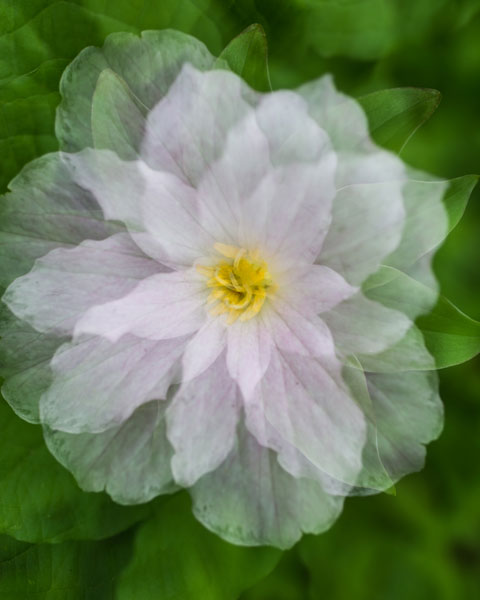
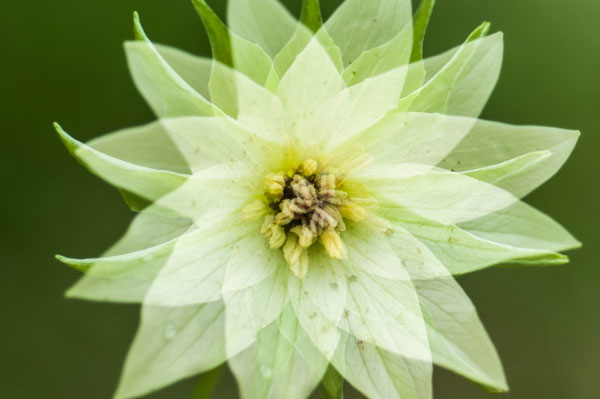
Most of the new cameras from both Nikon and Canon now have the capability to create multiple exposures. The technique is rather simple to set up, but the results can be both unlimited and unpredictable. So try using this feature to create some unique floral images.

DSC_3968

Set-up

  1. Select Multiple Exposure from your camera’s menu. The default option on this setting is, of course, OFF. Select the ON option. Some cameras will give you the option here for ON (series) which will keep the option on until you turn it off or ON (single photo) which will capture only one multiple exposure image.
  2. Scroll down to select the number of shots you desire, select either two or three. (Some cameras will allow you to select up to 10).
  3. The third setting is Auto Gain. When set to ON, your camera will automatically adjust exposure gain for the addition of each image. In the OFF position you must manually adjust for the exposure of each layered image. (All the sample images here were created with the Auto Gain ON.)
  4. Confirm that you have Multiple Exposure set to ON and hit OK.
  5. You’re now ready to shoot, so set up your exposure and focus like you would do with any floral image.
  menu1 menu2 menu3

Taking multiple exposure images does take some practice to perfect, and you will have a lot of throwaways. As you take each exposure, your camera will show you a preview of the image just exposed, and you have 30 seconds to shoot the next image or the camera will finish the process without any additional exposures. After the last exposure of the series, you will see the final image.

Type of Multiple Exposure Images to Try

The resulting photos you can accomplish with this technique are limited only by your own creativity. The following paragraphs describe how to shoot three types of images:

  • The Twist
  • The Fill
  • The Shoot Through

The Twist

In this method, set the number of shots to three. The key to this method is to keep the center of the flower in the same location on all three images. Using your spot focus point as a reference point to help keep the images aligned, take the first image. Keep the center of the flower in the same location of the view finder and turn the camera to the left or right and take a second exposure. Then, again keeping the center of the flower in the same location, turn the camera again and take the third image. The degree of your turn can vary depending on the size of the subject flower. Remember to refocus before each of the three exposures.

DSC_0009


DSC_0060

DSC_4035

The Fill

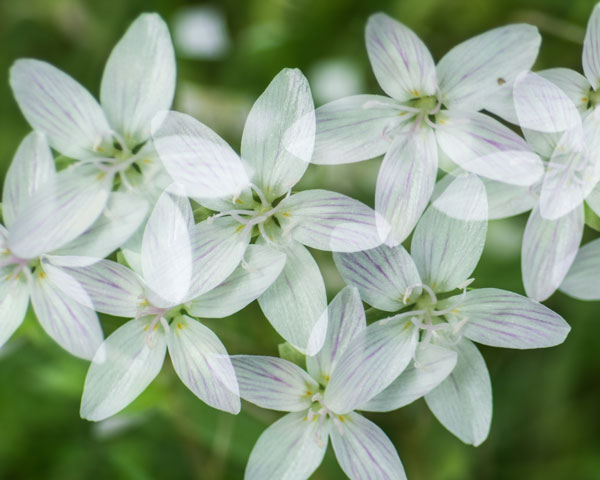
In this method you will fill the frame with flowers by shooting however many multiple exposures you choose and placing flowers in different locations within the frame with each exposure.

DSC_4059

The Shoot Through

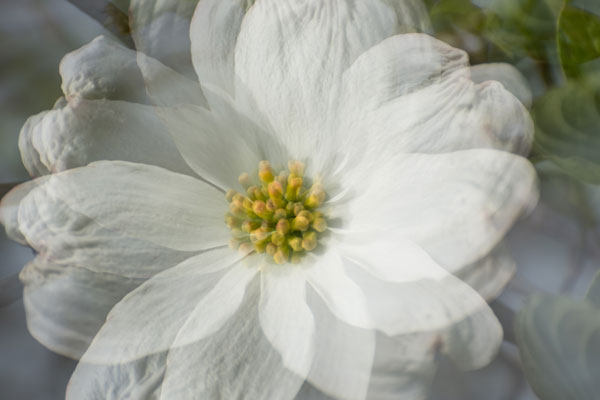
Set your number of exposures to two. Your first exposure should be a normal exposure of the floral subject. Without changing the focus setting, move your camera closer to the flower to fill the frame with an out-of-focus image, which will give you a soft shoot-through effect.

DSC_3958

DSC_4045

Other Tips

  • Some Nikon models will automatically turn off Multiple Exposure after each image, so you will need to go back into the menu and turn it back on after each image is completed.
  • Simple backgrounds work best.
  • Most successful images are shot handheld. Using a tripod to create these images makes it difficult to move freely.
  • LiveView will be disabled on your camera during multiple exposures.
  • Remember, after your first exposure is taken, if no operations are performed within the next 30 seconds, the camera will automatically end the Multiple Exposure mode.

Creating Multiples in Photoshop

If your camera doesn’t have the Multiple Exposure options, you can still create these same effects in Photoshop.

  1. Take all your images as describe above as single frames. Open the first image in Photoshop.
  2. Open the second image and copy and paste it onto the first image as a second layer. Change the layer blending modes to multiply. You can experiment with different blending modes to get some wild effects. You can also change the opacity of each layer to get the effect to your liking.
  3. Repeat Step 2 for every image in the series.

photoshop

Shooting multiples is a lot of experimenting, but when you get a good image, you will know it! This method can also be used for many other kinds of images. For example, try shooting a silhouette and filling it with another image. . . the possibilities are endless!

The post Unique Flower Photography Using Multiple Exposures by Bruce Wunderlich appeared first on Digital Photography School.


Digital Photography School
 
Comments Off on Unique Flower Photography Using Multiple Exposures

Posted in Photography


World’s Weirdest Hotels: 14 Unique Offbeat Accommodations

06 May

[ By Steph in Boutique & Art Hotels & Travel. ]

World's Weirdest Hotels Main

There are art hotels with unusually creative and strangely-themed decor, and then there are hotels shaped like giant anuses, which are in a different class altogether. Hotels so strange and unusual that they qualify as roadside attractions whether you spend the night or not include a massive toilet, an operable crane, a survival pod with disco decor, a giant beer can and a manor where you can eat breakfast with giraffes hovering over your shoulder.
Hotel Shaped Like a Giant Anus, Antwerp, Belgium

Weirdest Hotels Anus
Weirdest Hotels Anus 2

It’s unlikely that you’ve ever thought to yourself, “Gee, I’d love to spend a night or two inside a giant anus,” but you have that opportunity anyway if you’re ever traveling through Antwerp, Belgium. Hotel Casanus began as a tongue-in-cheek work of art but is now actually a functioning rental on a small, isolated island as part of the 30-acre Verbeke Foundation Sculpture Park.

Giraffe Manor, Nairobi, Kenya

Weirdest Hotels Giraffe Manor

It’s certainly not every day that you can enjoy a gourmet meal in a quaint historic mansion as giraffes lean in through the windows over your shoulder. Giraffe Manor is located on a 140-acre sanctuary for one of the most endangered subspecies of giraffes in the world, Rothschild’s giraffes. The manor, which has ten guest rooms, offers up plates of giraffe food that you can feed to these hungry guests so they don’t go after your breakfast.

Sand Hotel, Dorset, England

Weirdest Hotels Sand Dorset

What’s the opposite of an ice hotel? A hot-weather alternative that’s no less ephemeral is the Sand Hotel in Dorset, England. Made of 1,000 tons of sand by British sculptor Mark Anderson, the hotel featured open ‘rooms’ that could be rented for only $ 21 a night.

Sewer Pipe Hostel, Mexico City

Weirdest Hotels Sewer Pipe

In case staying inside an anus sculpture is too extreme for you, perhaps a sewer pipe will be more accommodating. Mexico City’s TuboHotel is made up of stacked, reclaimed concrete sewer pipes with little more than a queen bed and a lamp inside.

Mount Gambier Jail Hotel, Australia

Weirdest Hotels Jail Australia

The spartan rooms of the Mount Gambier Jail hotel in Australia don’t look much different than they did when actual prisoners were staying there, and little has been changed about the entire facility since it was a functioning jail. It’s far from luxurious, but that’s kind of the point: the hotel markets itself as an ideal place to stay for penny-pinchers and the broke.

Next Page – Click Below to Read More:
Worlds Weirdest Hotels 14 Unique Offbeat Accommodations

Share on Facebook


[ By Steph in Boutique & Art Hotels & Travel. ]

[ WebUrbanist | Archives | Galleries | Privacy | TOS ]


WebUrbanist

 
Comments Off on World’s Weirdest Hotels: 14 Unique Offbeat Accommodations

Posted in Creativity


1 April, 2014 – Announcing A Unique Swedish Troll Workshop

01 Apr

Iceland, Antarctica, the Amazon, not to mention the National Parks in the U.S. and Canada are old hat. Everyone has been there, done that.

With this in mind, in cooperation with Swedish / Mexican photographer Lars Svenstrom we are expanding our workshop activities in 2015 to include Sweden. We will explore the deep woods on the slopes of the southern Scandia Mountains where bears, moose, wolves, wolverine and lynx roam. 

And if we are really fortunate, we hope to encounter and photograph the highly elusive target of this adventure – trolls.


Just a quick note to our friends, to say that Lula, Chris and I have arrived safely back in Toronto after 5 days on the road driving back from Mexico. Blue skies all the way. Spring is springing.


You can win an all-expenses paid photographic expedition to Antarctica, along with air fare from anywhere in the world. The value of this prize is $ 15,000.

The Luminous Landscape wants you to try any of our more than 60 training or travel videos and our new free video player. Each purchase is an entry, and an annual subscription that includes all previous as well as new videos counts as six entries. The winner of a free lifetime subscription is also chosen from each month’s entries.

 FIND OUT MORE


The Luminous Landscape – What’s New

 
Comments Off on 1 April, 2014 – Announcing A Unique Swedish Troll Workshop

Posted in News