RSS
 

Posts Tagged ‘Trip’

Automotive Acid Trip: The Graphic 3D Art Of Chris Labrooy

08 Dec

[ By Steve in Art & Drawing & Digital. ]

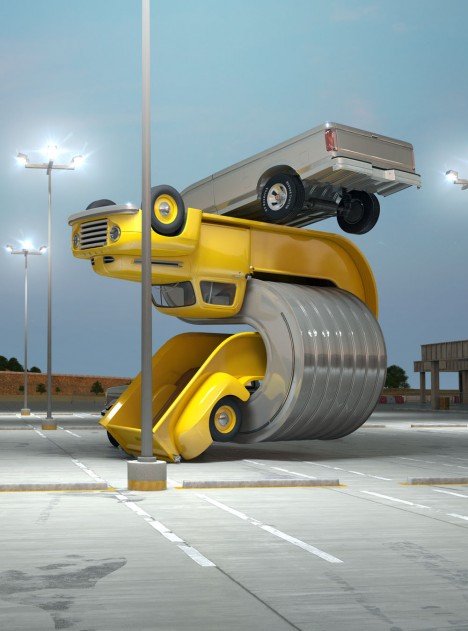
Chris-Labrooy-Ford-truck-graphic-art-interlock-1a
Chris Labrooy loves vintage vehicles, but with a twist: the digital artist’s far-out 3D illustrations are an automotive acid trip into the 4th dimension.

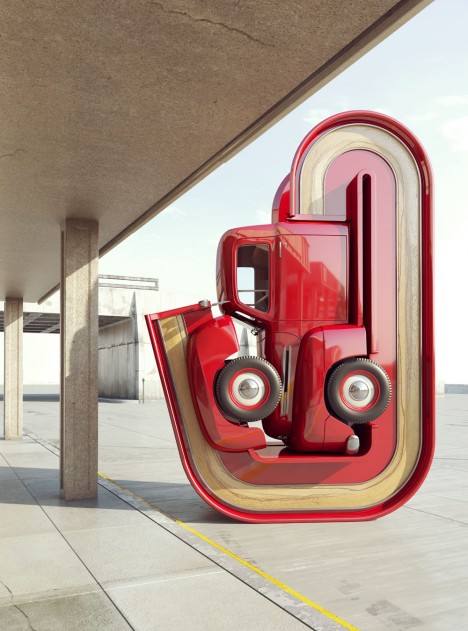
Chris-Labrooy-Ford-truck-graphic-art-interlock-2

Born in Aberdeen, Scotland, Chris Labrooy graduated from the Royal College of Art in London and embarked on a prolific career in the graphic arts medium. His expansive and growing body of work has brought him international recognition; chiefly for his automotive-themed folios titled “Tales Of Auto Elasticity” and “Auto Aerobics”.

Chris-Labrooy-truck-graphic-art-Ford-F1-pickup

Labrooy pays homage to the singular style expressed by vintage vehicles such as the red Ford F1 “Woody” pickup above. While the comparatively primitive paint technology employed by automakers over a half century ago had its drawbacks, Labrooy’s digital graphic illustrations bring out the best in these vehicles’ rich, deep, non-metallic hues.

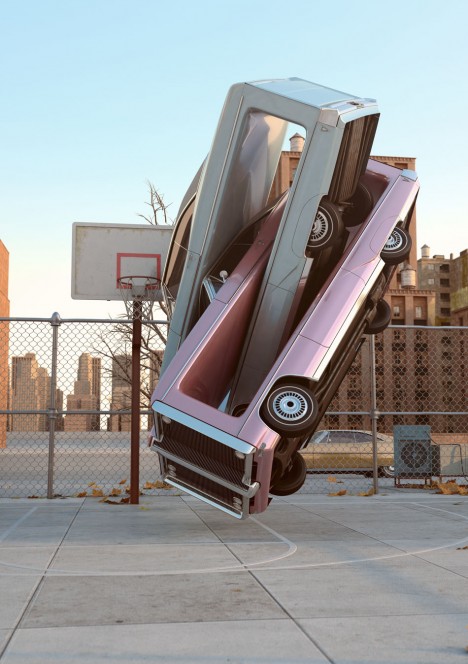
Chris-Labrooy-car-truck-graphic-art-auto-aerobics-pink1

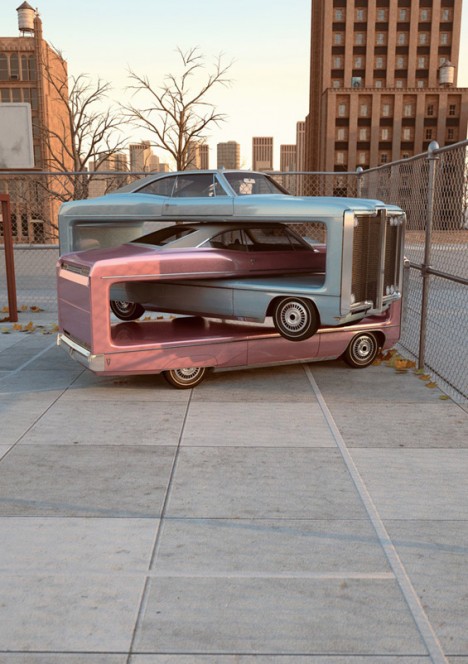
Chris-Labrooy-car-truck-graphic-art-auto-aerobics-pink2

One wonders whether Labrooy was influenced by Mike Ross’s Big Rig Jig, an interactive construction made from two actual 18-wheelers displayed at the 2007 Burning Man festival – check out this video. Not that it matters; while Big Rig Jig explored one facet of modern society’s fascination with the automobile, works such as Labrooy’s Auto Aerobics series shake, rattle & roll our perceptions in a way only made possible through creative 3D modeling and state-of-the-art digital graphics techniques.

Next Page – Click Below to Read More:
Automotive Acid Trip The Graphic 3d Art Of Chris Labrooy

Share on Facebook


[ By Steve in Art & Drawing & Digital. ]

[ WebUrbanist | Archives | Galleries | Privacy | TOS ]


WebUrbanist

 
Comments Off on Automotive Acid Trip: The Graphic 3D Art Of Chris Labrooy

Posted in Creativity


23 November, 2014 – Antarctica 2015 Trip Winner Announced

24 Nov


Earlier this year Luminous-Landscape announced a special promo for our video subscription services.  The offer was that if you purchased an annual subscription to our videos we would enter your name for a chance to win an all expense paid trip to our 2015 Antarctica Workshop Trip.  We are happy to today to announce the winner of this trip, Michele Sons from Roanoke, Virginia USA.


The Luminous Landscape – What’s New

 
Comments Off on 23 November, 2014 – Antarctica 2015 Trip Winner Announced

Posted in News


Photography Trip of a Lifetime to the Canadian Rockies for Your Bucket List

10 Jul

With thousands of awe-inspiring and exotic places in the world, you have no shortage of places to visit and photograph. If you’re like me and have a bucket list of adventures you just have to shoot before you hang up your camera, allow me to add one more trip to your inventory.  This excursion not only includes heart-pounding scenery, but also what is probably the most expensive piece of photographic equipment you’ll ever get the chance to use – all for the price of “admission”.

_2DS1286W

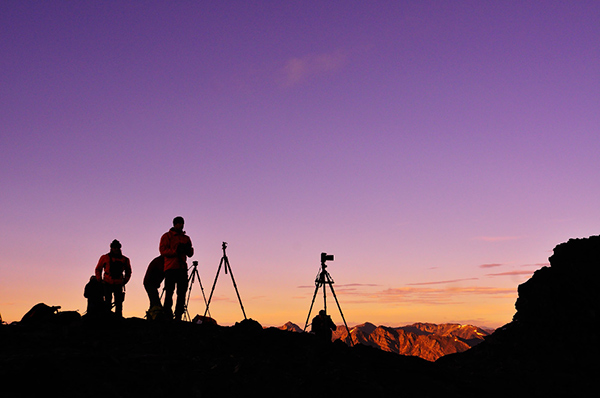
Photographers waiting for the right moment.

The adventure is heli-hiking, in the Bugaboo Mountain Range in Canada but with a twist for photographers. I signed up last September for a trip sponsored by the Canadian Geographic Society Photography Club, and I was so enchanted a friend and I are going back this year to do it again, this time with world renowned Canadian nature photographer John Marriott heading the trip. I wanted to share this photo adventure with you because it’s almost the perfect photographer’s dream destination.

This trip has it all:

  • Rarely seen mountain vistas so your images won’t soon become cliches
  • Soul-soothing Mother Nature everywhere to inspire and energize your imagination
  • All the gourmet food you can eat
  • Genuine, fun and extremely knowledgeable staff
  • First class accommodations
  • Yoga and massages
  • Affordable budget
  • And helicopters

Yes, helicopters – that’s the pricy bit of equipment I was mentioning.  Let’s talk about photography and the helicopters first, then I’ll go into the logistics of the trip and what you need to know if you decide to go.

Mountain Landscapes Like You’ve Never Seen Before

In the Purcell Mountains (generically referred to as the Canadian Rockies), in eastern British Columbia, Canada, just west of the famous town of Banff,  is a remote mountain range known as the Bugaboos (PDF map). It’s not easily accessible, and the rugged terrain limits visits to only those die-hard outdoor adventurers. There are almost no roads into the area, and climbers and hikers are warned that it is a “wilderness area, without supplies or equipment of any kind”. Fortunately for us photographers, the helicopters allow easy travel to the most photogenic locations, and the company that runs the trips also has two first-class lodges high up in the hills, so all your creature comforts are taken care of.

Bugaboo mountains for photographers

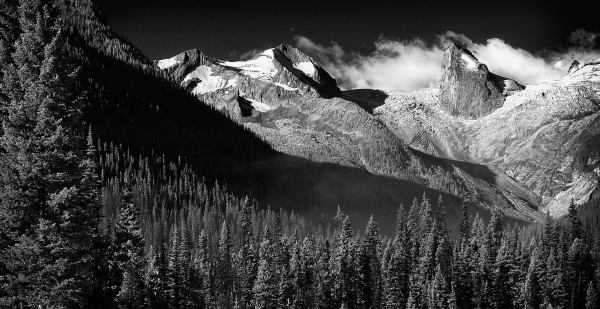
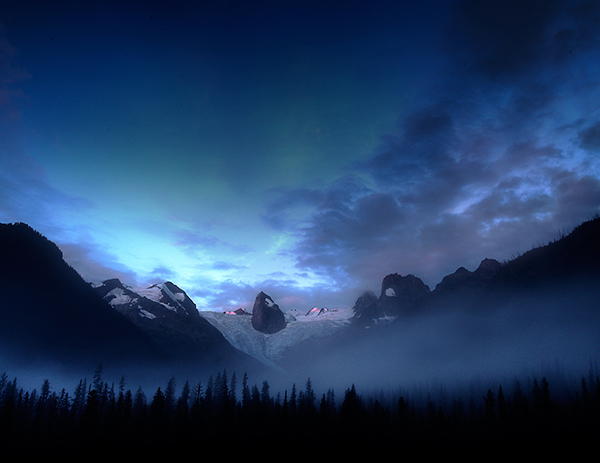
The Bugaboo Spires, as viewed from the Lodge.

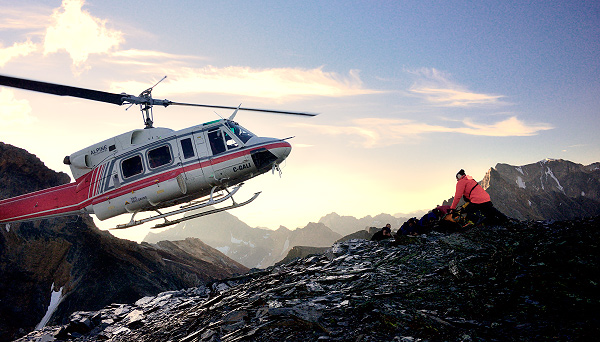
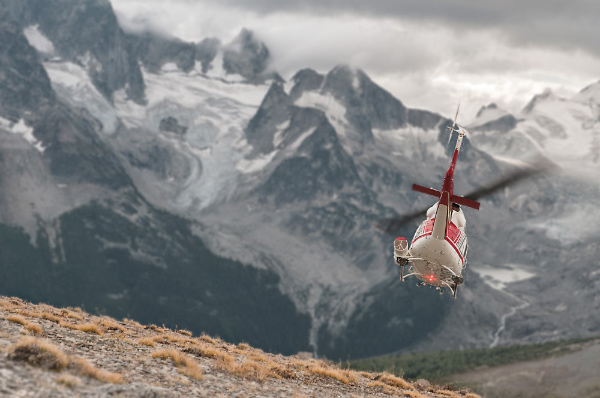
Each morning the helicopter, transports you high into the alpine meadows, glaciers, hanging valleys and azure blue mountain lakes, that very few people ever get to see. I visited several locations last year that were around 9000 feet in elevation. All the views were heart-stopping!  Each day is like this, the tour guides – specialists in interpreting mountain environments, safety, and photography – along with an expert professional photographer, provide advice, help and expertise in shooting mountain landscapes. From selecting the best locations for the day, to determining when to set out in the morning to get the sweet light, all the hard stuff is taken care of for you. It allows you to devote your creative energy to capturing what your imagination perceives. Imagine being immersed in beauty, with ten other photographers, and having an expert photo instructor at your side for four days – what could be better than that?

_DSC7249

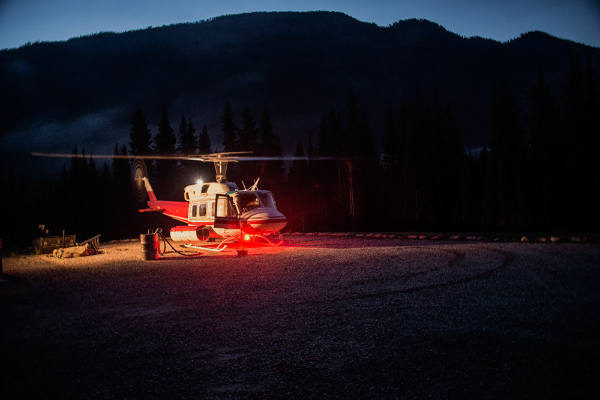
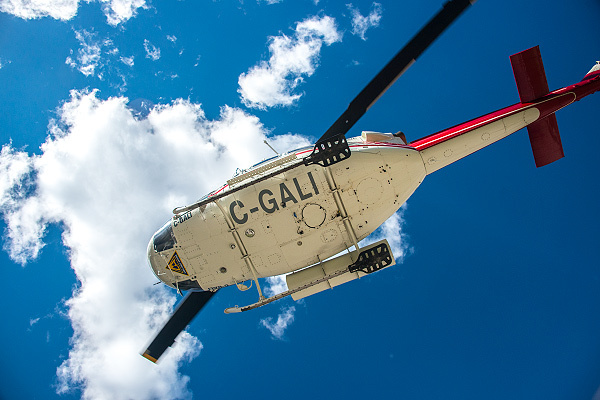
Your ride for the weekend – transporting you to the peak.

Photographic Tips and Advice from a Pro

It’s an education like no other, in a real world classroom. It’s camaraderie and fun with other photographers who think like you do. At every location, the tour photographer will help you set up, explain the best lenses to try, what settings you should start out with and generally give you some direction to ensure you shoot some great frames. But at the same time, there’s plenty of room for innovation and your own individual shooting and subject preferences. One thing that I kept having to remind myself of is that the alpine environment is also prime scenery for macro photography too. It’s not just the “big picture”. When I was there in September, the wildflowers had already finished flowering, but between craggy rocks all sorts of vegetation was making an appearance. This year I’m going back at the beginning of August – the peak of wildflower season. There are spectacular details in everything. Don’t forget to look down.

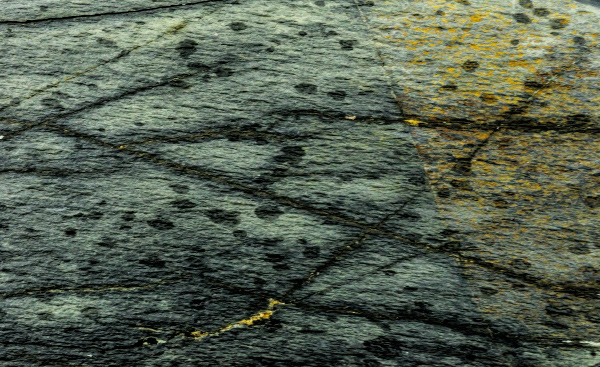
Alpine Abstract

Alpine Abstract

 Spend Every Minute Immersed in Your Passion

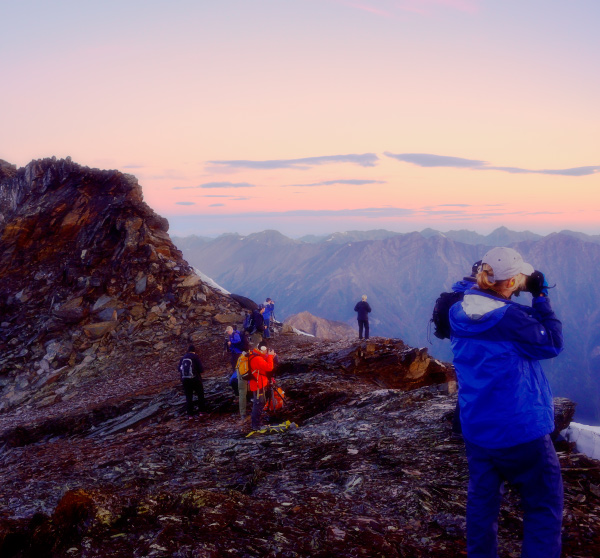
No time is wasted on a photography heli-hiking trip. At least once, you’ll be up before dawn to fly off to a place where sunrise will be dramatic.  Even if no pre-dawn flight is planned on that day, sunrise from the lodge is always a wonder. The coffee is always ready for you no matter when you roll out of bed, so there’s no excuse for sleeping late. After your sunrise shots, a full breakfast will be waiting for you, hot eggs, healthy grains, whatever you could imagine is all there. Back on board your helicopter ride and it’s off to another location. You even get gourmet picnic lunches on the mountain, where you can take a break and compare notes and images with your group, or just keep shooting.

The wh-early bird gets the worm.

The “wh-early” bird gets the worm. 

_DSC7151

On top of the world at sunrise.

_DSC6180crop

Would Ansel Adams approve?

Sunrise over the Spires, view from the Lodge

Sunrise over the Spires, view from the Lodge

More Photography, Food, and Fun

When the day is done, your helicopter will bring you back to the lodge where you can have a massage for your tired body before the gourmet dinner. Depending on your program, you may have a photo class after dinner, a show and share session, or another helicopter trip to catch the golden hour on a mountain lake or peak, for that once in a lifetime shot.

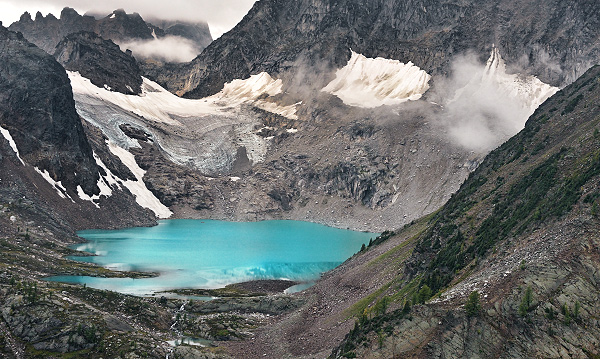
Aptly named Cobalt Lake

Aptly named Cobalt Lake

In fact one of the more delightful aspects of these trips happens back at the lodge. Not surprisingly, the staff are the coolest and most genuinely friendly people I have come across in any of my travels anywhere in the world. Everyone sits together for dinner, family style. Your helicopter pilot may be serving your wine, and the person who made up your room in the morning might be handing out the appetizers. Everyone pitches in where needed, although only the pilots ever fly the helicopters. The atmosphere is encouraging and supportive; informative and humorous.

Fun, whether in the field or at the lodge, is definitely a key item on the overall agenda. So besides sharing photo tales and techniques with your fellow photogs, the guides and staff will keep you more than amused with stories of their adventures in the Bugaboos (and if you’re like me, you’ll also be planning your next visit).

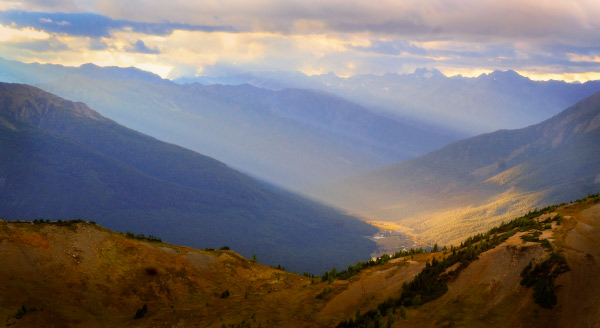
Sunset godrays

Sunset godrays

What You Need to Know

You’ll want to seize the experience up there in the mountains so a bit of basic preparation will go a long way. You don’t want to be lugging 40 pounds of gear up those trails, and despite loving the helicopter rides you won’t want to have to make an extra trip back to the lodge because of an injury. The company that runs the tours has all the info you need as far as mountain safety and fitness is concerned, and they will provide you with all the hiking gear you’re likely to need.  But as a photographer who’s made this trip, I have some recommendations based on my mistakes.

Making great images on a trip like this requires that you’re fully prepared, energized, and organized. You’ll spend some time walking and perhaps hiking (depending on your group), and you don’t want to be all tuckered out before the end of your day.

_DSC7324

The air is thin up here. Pack light.

Pack Light

Bring the minimum amount of gear necessary, and be strategic. Remember you have to pack your lunch and water as well, and a tripod is a must. If one of your telephoto lenses has macro capability bring that one, rather than two separate lenses.

For my trip last summer, I bought a light-weight Sirui carbon fibre tripod and ball head. That was a smart move. The dumb move was bringing three camera bodies and five lenses. I’m a girl from the prairies and hiking with all that gear at 9000 ft was just plain dumb! What was I thinking? If you sign up for the John Marriott workshops, he will send you information regarding the equipment you should bring, but I recommend a wide angle, a small macro and a telephoto (70-200mm range) plus polarizers, and a neutral density filter. Less stuff challenges you to be a more creative photographer.

A little exercise before you leave home won't hurt.

A little exercise before you leave home won’t hurt.

Get in Shape

Even though there is little serious hiking on the photo tours, a short uphill climb can feel like a marathon with a backpack full or gear, thin air, and an out of shape body. You don’t have to be an athlete, but again every little bit of fitness helps. My dumb move – last year I did nothing, plus I was in a car accident the week before I left and fractured two ribs. Walking to the bathroom was painful, never mind an uphill climb with too much stuff in my backpack. This year I am so far not injured, so I am running flights of stairs, walking around with my full backpack and doing the 7-minute-workout three times a week. I have five weeks to go, and I know I won’t win any gold medals, but my time in the mountains will be a little more enjoyable this year because of my preparation.

Just sit and enjoy the experience for a few minutes.

A little uphill walk can feel like a marathon.

Take a minute enjoy the moment.

Take a minute enjoy the moment.

Try Not be be Overwhelmed

It’s so very easy to be completely blown away the first time you get off the helicopter. You’ve never seen anything like this before, and for many, you won’t have a chance to see it again. But when you get to a location, put all your gear down. Rest for a minute. Take a few deep breaths. Snap a few iphone photos at first so you have the memories, but just sit and  feel how you are feeling. Take a few minutes to let it all settle in your brain. There’s no need to rush, trying to capture everything. Relax, you’ll be at this spot for a while, and the day is long.

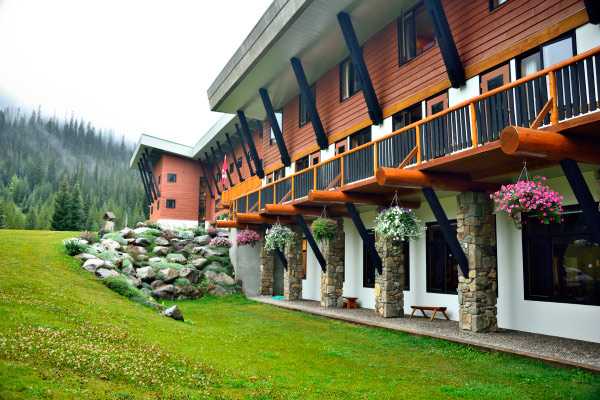
The CMH Bugaboo Lodge

The CMH Bugaboo Lodge

The Logistics

I tend to rave about this trip for many reasons but what was outstanding was how thoroughly well organized everything was. Everything! Given all the complexities of booking and moving so many people (about 40 guests are participating in various heli-hiking tours along with the photography groups) to a remote lodge, and planning flights around weather, and light, and all those people, the fact that nothing went awry was such a huge surprise. All the details from making my reservation, taking care of answering any questions, call backs if needed, were handled so well. If someone said they’d call back they did. They send extremely detailed emails containing everything I needed to know from packing lists to travel insurance.  Everything is taken care of.  If you decide to embark on this adventure, you just have to get yourself to Banff, Alberta. That’s it.

_2DS1192W

You’ll need to spend at leat one night in Banff, because your trip to the helipad starts very early. Most people fly to Calgary, Alberta, and take the shuttle bus to the hotel in Banff or Lake Louise. In the morning you take a cab to the bus depot where you meet the coach that will take you to the helipad. The tour company pays your fare for the cab and the bus. Once on the bus you’re served coffee and breakfast, and you’ll get a lively and comical conversation from your bus guide. It’s about a two hour trip.

Once you arrive at the helipad, the helicopter will transport about 8-10 people at a time to the lodge, about a ten minute flight. When you arrive at the Lodge, you get lunch, a safety orientation, get fitted for your hiking equipment, and then before you know it, you’re on your first helicopter ride to the mountain tops for the perfect photography experience of a lifetime. It just gets better and better after that!

_DSC7575

The company I went with is CMH – Canadian Mountain Holidays. They’ve been doing this for years and the founder was the person who invented heli-skiing so they know the mountains. There is one more photo trip in September this year (2014), but my friend and I got the last to spots for the August photo trip with John Marriott.  The cost for the heli-hiking photo tour is about $ 3280 CAD + taxes, and it includes everything except alcoholic beverages and your massage treatments.  Photography in the Bugaboos – the perfect photography trip.

What was your favorite bucket list photo trip?

There’s a good chance I’ll be back again next year – I’d love to take a group of photographers to this magnificent place to experience a real Canadian photography bucket list trip.   Anyone keen on joining me?

The post Photography Trip of a Lifetime to the Canadian Rockies for Your Bucket List by Alex Morrison appeared first on Digital Photography School.


Digital Photography School

 
Comments Off on Photography Trip of a Lifetime to the Canadian Rockies for Your Bucket List

Posted in Photography


Finding the Time to do Photography Part 1- Business Trip to Las Vegas

23 Apr
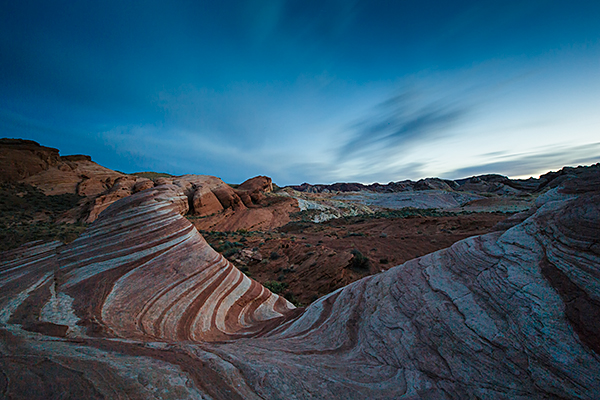
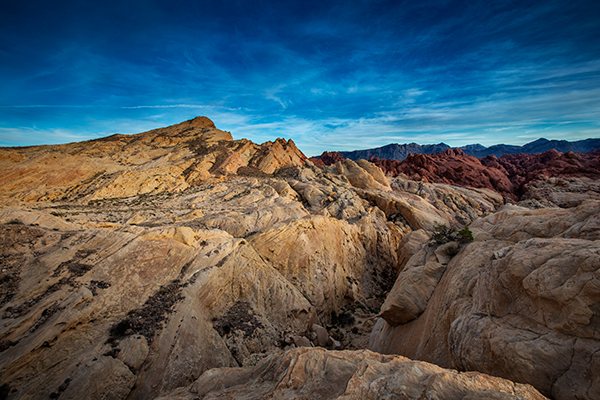
The Fire Wave at Valley of Fire State Park. 4 minutes, f/16, ISO 160. EOS 5D Mark III with EF 16-35 f/2.8L II.

The Fire Wave at Valley of Fire State Park.Exposure: ISO 160, 4 minutes, at f/16. EOS 5D Mark III with EF 16-35 f/2.8L II.

About a month ago, a question was posed on the DPS Facebook Page, “What is the number one obstacle to you taking better photos?” While some answered that they were unsure how to set exposure in Manual mode, and others thought their gear might be limiting them, the overwhelming number one answer was TIME.  In this day and age of being always on, always connected, and always on the go, it can be difficult to find time to do photography.  Like many, my day job, which isn’t as a full time photographer, keeps me busy and eats up much of my time. On weekends, I can occasionally make time but often life and family get in the way.

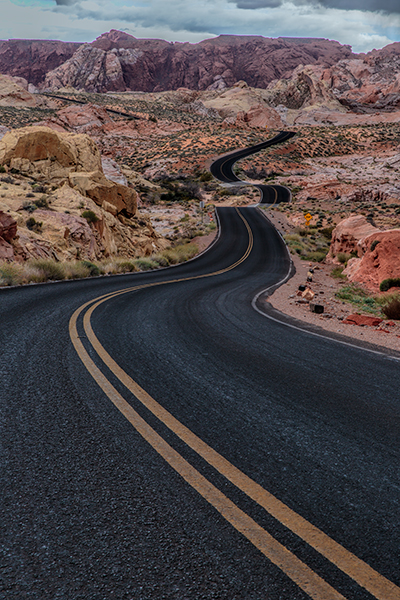
Scenic Drive in Valley of Fire. 1/10, f/16, ISO 100. EOS 5D Mark III with EF 24-70 f/2.8L II.

Scenic Drive in Valley of Fire. 1/10, f/16, ISO 100. EOS 5D Mark III with EF 24-70 f/2.8L II.

So what to do when you need a fix?  There are several things you can do. What I do is to take advantage of my job when I can. I do occasionally travel for work, and when I do, I bring my camera with me.  While I may not have an entire day, often I can find an hour at the end of the day, or I can even go shoot at night.  This was true when I went to Las Vegas recently for a trade show.  I had two days of training seminars, two days of trade show setup and four full days of trade show to work. Was I tired at the end of the day? Yes, but photography is how I relax, so it seemed only natural to eschew the neon glow of the restaurants and casinos and go grab my camera.

First of all, the day I arrived, my flight got in earlier in the afternoon.  I rented a car and headed out to Valley of Fire State Park, about 45 minutes northeast of Las Vegas. I got a mixed afternoon of clouds, which parted for a nice sunset. I then hung around for darkness and got a few night shots just to finish things off.

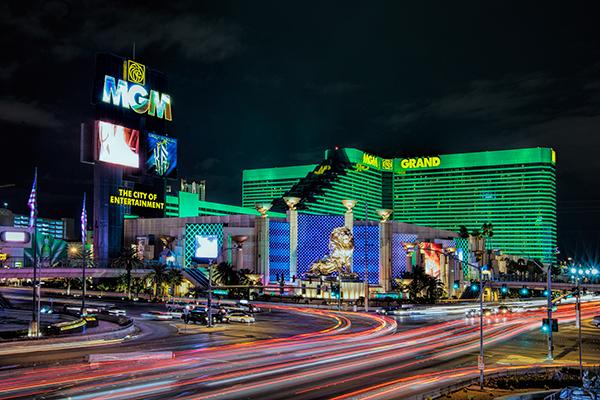
The next day, the work began, but after my work day ended, I headed out to the strip to shoot some of the neon.  The Vegas strip is an awesome place to shoot no matter what you like to shoot. Cityscapes, architecture, or people, it’s all there and it’s there every night. You need only spend an hour and you’ll get more than your fill. The beauty of it all is, Las Vegas makes its own light, so you can shoot 24-7 there.

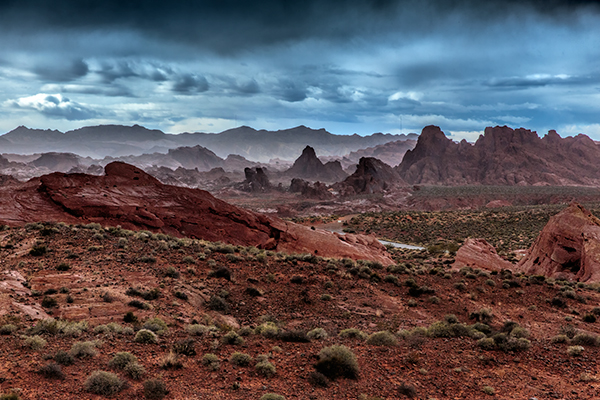
Valley of Fire Storm. 1/1000, f/8, ISO 1600. EOS 5D Mark III with EF 24-70 f/2.8L II. I managed to catch the Valley of Fire on one of the few days it rained all year.

Valley of Fire Storm. 1/1000, f/8, ISO 1600. EOS 5D Mark III with EF 24-70 f/2.8L II. I managed to catch the Valley of Fire on one of the few days it rained all year.

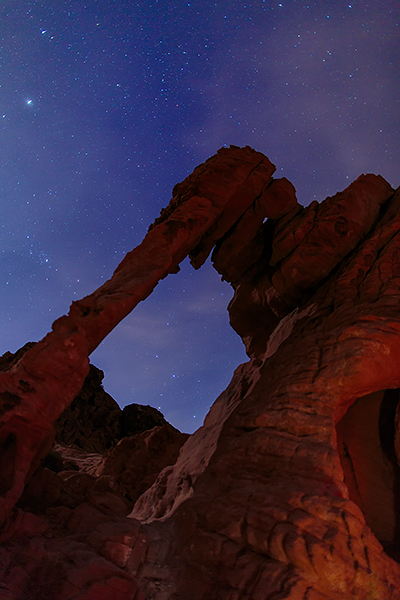
Elephant Rock, in Valley of Fire, at night. 15 seconds, f1.4, ISO 800. EF 24mm f/1.4L II.

Elephant Rock, in Valley of Fire, at night. 15 seconds, f1.4, ISO 800. EF 24mm f/1.4L II.

Get over your objections

I know what your objections will be:

  • I can’t carry everything I need.
  • I don’t have room in my luggage.
  • I’m tired after a day of work.

I’ve said all of those myself, and at times, this attitude won out. But if you have a passion for taking pictures, you’ll find a way.  I carry a small travel tripod- a Gitzo 1541T.  It fits right in my luggage.  I realize that one’s a bit pricey, but there are many other options. Try a Gorillapod. They are small, lightweight, and come in a variety of sizes to fit almost any camera. Perfect for traveling light.

Don’t want to carry a DSLR?  Get yourself a smaller setup you won’t mind carrying.  I own a Canon G16 for when I don’t want to bring my full kit. I can still shoot RAW, have full manual control, but it’ll fit on my belt.  And if you do want a DSLR? Consider minimizing your kit for travel. Pick one or two lenses that can cover most of the standard range. I always have a hard time minimizing, but when I do, I usually carry my EOS 5D Mark III with EF 16-35 f/2.8L II and EF 24-70 f/2.8L II. This is the kit used for the shot of Fire Wave, and of Scenic Drive.  I added the EF 24mm f/1.4 for night shooting. If you’re using a DSLR with an APS-C sensor, an 18-135 is an excellent choice for a do-it-all lens.

I’m not saying finding the time is easy.  Sometimes it will require sacrifice. But I have never regretted spending even a minute with my camera, even when I was tired, or pulled in many directions.  If photography is a passion for you, you make time.  I’m not saying every day.  But I do make it a point to make time to indulge my passion.  You should too. Even if it’s just a minute.  In part two, I’ll discuss ways to make time when you’re at home.

EOS 5D Mark III with EF 16-35mm f/2.8L II. 5 seconds, f/11, ISO 200.

EOS 5D Mark III with EF 16-35mm f/2.8L II. 5 seconds, f/11, ISO 200.

EOS 5D Mark III with EF 16-35mm f/2.8L II.  1/25, f/8, ISO 640.

EOS 5D Mark III with EF 16-35mm f/2.8L II. 1/25, f/8, ISO 640.

Fire Canyon. EOS 5D Mark III with EF 16-35mm f/2.8L II. 1/5, f/16, ISO 100.

Fire Canyon. EOS 5D Mark III with EF 16-35mm f/2.8L II. 1/5, f/16, ISO 100.

The post Finding the Time to do Photography Part 1- Business Trip to Las Vegas by Rick Berk appeared first on Digital Photography School.


Digital Photography School

 
Comments Off on Finding the Time to do Photography Part 1- Business Trip to Las Vegas

Posted in Photography


Tips for your Next Adventure Photography Trip

27 Feb

Many landscape photographers’ love for wilderness, drives them to venture far in search of wild and remote locations. The lure of solitude and unfamiliar scenery motivates many to photograph far off the beaten path. Adventure photography at it’s best.

Backpacking, rafting, canoeing, trekking, climbing, and other self-propelled modes of travel are a few of the ways these remote locations are accessed and used. Those adventures are often with other people and the rewards can be stunning scenery, wildlife, and of course: the wilderness experience.

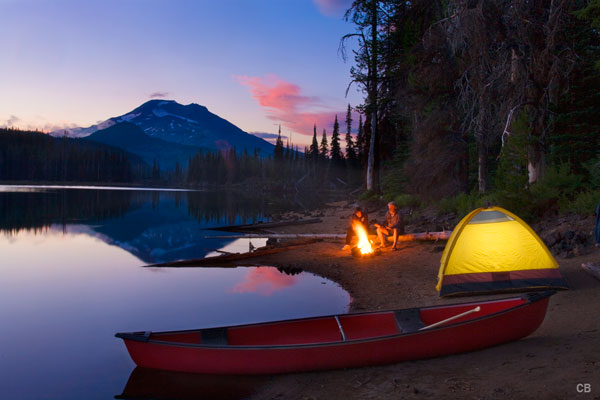
On a canoe trip with my son we discovered this campsite on the shore (see image below). Earlier in the day I photographed the mountain reflecting in the lake before realizing the setting would make for a stunning photograph of a camp scene.
Sparks lake oregon

ISO 100, f/16, ½ second – Sparks Lake, Oregon

That experience is one reason many of us photograph! We photograph because we want to tell a story about the place we visited, what we saw, and how it looked. We do this by capturing wide views,long views and intimate details to create stunning nature images.

PHOTOGRAPHY IS AN ADVENTURE – PHOTOGRAPH IT

Photographing the landscape may be the sole purpose for some photographers heading into the wilds, but there might be another story that is often overlooked: the adventure itself. There are many photo opportunities from the scenery to the human experience that tell the story of a successful wilderness photo trip.

PLAN AND PREPARE BEFORE THE TRIP

Getting into the adventure mindset starts with pre-trip planning and determining a story line.

  • What is the trip about?
  • Who is going?
  • Will there be any specific events to plan for in advance?

Whenever I am preparing for an adventure I try to think like a National Geographic photographer. Their job and goal is to tell the story in pictures, in unique ways, and so is mine.

I have rafted many rivers including the Grand Canyon three times and each trip had a different group, with unique dynamics. To capture great storytelling images of an outdoor adventure, start by simply observing the other participants’ behaviour at the beginning of the trip. What will they do on the trip? Kayak, hike, climb, read, play music, or anything that you can observe and then plan to later photograph.

Next, I develop a list of photo ideas to reference during the trip. Most trip participants are not committed photographers like me, so it’s not hard to capture great images of them pursuing their interest and enjoying the adventure.

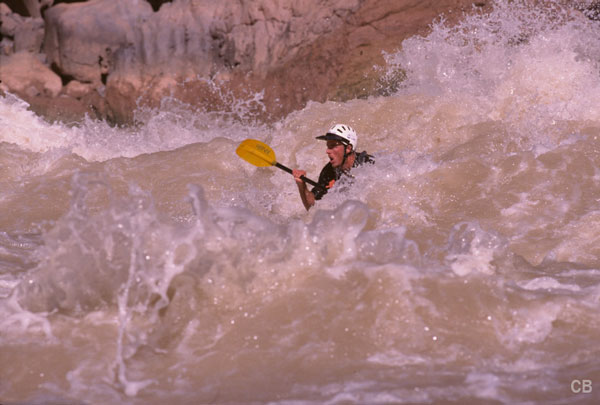
While I will photograph the scenery, all the activities like hiking canyons, cooking meals, sitting around the campfire, swimming in the waterfalls, dealing with physical challenges, and whitewater rafting through some of the biggest rapids in the U.S., are all on my mental shoot list.
Kayak grd cyn lava falls rapid 0001

ISO 100, f/5.6, 1/1000 – Grand Canyon Lava Falls Rapid

PACK THE RIGHT GEAR

Besides pre-planning the photo ops, I also plan the equipment and other gear I will need. For rafting trips I will take mostly the same gear as any other trip (when it comes to basic camera gear) keeping in mind limited space. But because it is a trip based around water I also take waterproof devices for the camera gear including Pelican cases, an underwater camera housing, and military ammo cans for accessories.

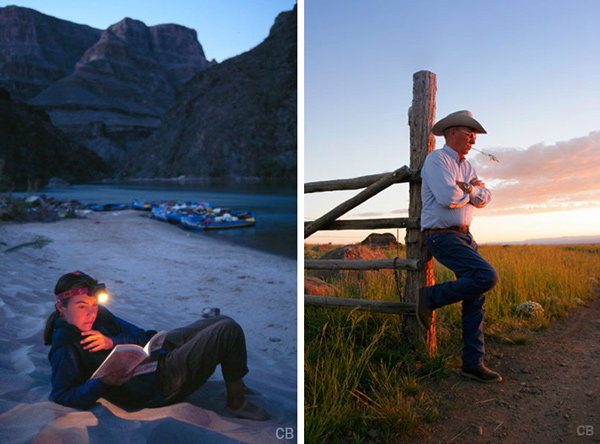
On a magazine assignment years ago, I took a horse pack trip into Hells Canyon in Oregon. The focus this time was on the outfitter himself, a cowboy (see image below, right) who ran backcountry horse trips and was also an elected official holding public office. The focus of the photography was the trip he was leading and included landscape imagery, the horses and horse packing, and the guests enjoying the wilderness adventure. I captured the adventure while the writer wrote about the politics. For my camera gear, I wore a hip pack for easy access to my camera while on horseback, while my camera backpack and tripod were tied down on a pack horse. Plan to take the right gear for the adventure.

During your pre-trip planning, start with some research on where you are going and observe how other photographers have photographed a similar trip. Make a list of the obvious: who, what, where, when, and how. This will remind you during the trip of images you had planned to capture when illustrating the story line.
Adventure photography people

Left: ISO 100, f/8, 1 second – reading by headlamp
Right: ISO 100, f/8, 1/30th – rancher Steens Mountain, Oregon

The woman above was always writing in her journal or reading in the evening, so I asked her to pose and read a book. (see image above, left)

SHOOT THE ORDINARY BUT SEEK THE EXTRAORDINARY

People are the key to telling adventure stories. It is images of their behaviour and how they interact with the wilderness adventure that communicates to the viewer just what the trip was about. Photos showing their highs and lows, their pain and their exuberance, how they overcome a physical challenge, all convey a sense of adventure.

As the adventure progresses you will develop a sense of how things are moving, what people do for activities, and where and when you can setup photo ideas from your to do list. I then suggest you ask people to pose in a storytelling scenario that ideally appears natural and un-posed. Posing can be a challenge to make look real, but by suggesting to the people to just ‘be themselves and read a book’ for example often results in a more natural pose. Other times, work like a photo journalist by keeping your camera in hand and ready to capture spontaneous moments which often lead to powerful storytelling images.
Alaska Raft Copper River 5

ISO 100, f/8, 1/200 – Alaska river guide

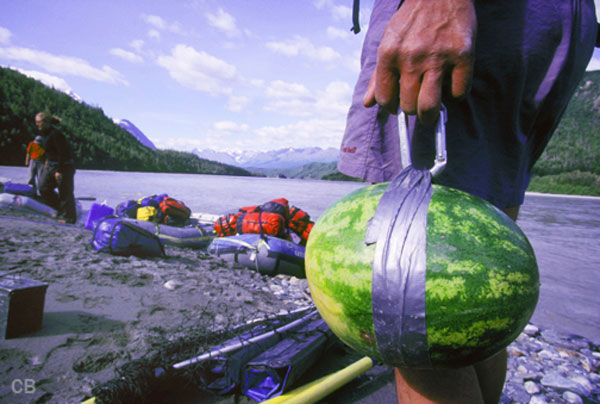
Photographing an Alaskan rafting trip, I was intrigued when I saw the river guide carrying this watermelon and in particular, his method of insuring we would not lose the fruit that went with tonight’s dinner. I asked him to stop and hold still.

VISUAL APPROACHES

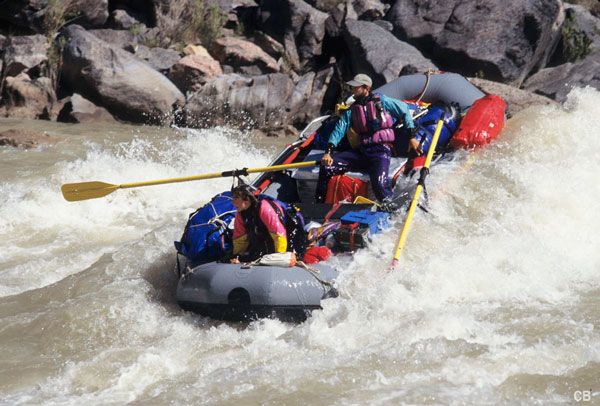
Look up and down and all around when choosing your camera angles and storytelling compositions. I describe the two approaches I use as Observer and Participant. The photographer as Observer captures the activity as it happens, from the sidelines. The Participant photographs the action while being a part of it. The difference is the Observer captures views easily seen by anybody while the Participant captures views more difficult for everybody to see.

This is an angle photographed as an Observer from the river bank and while effective, was easy to capture the action and the setting.
Rafting grand canyon 002

ISO 100, f/5.6, 1/1000 – Rafting Grand Canyon, Observer viewpoint

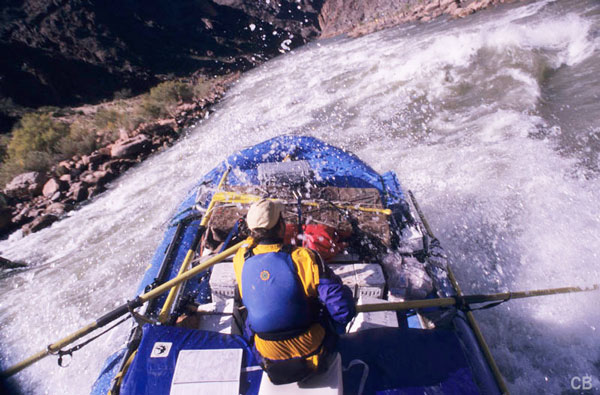
This point of view photographed as a Participant, from within the boat, is very powerful; allowing viewers to feel like they were along for the ride as the boat was tossed around in the waves.
Gr cyn hermit 4

ISO 100, f/8, 1/250 – Participant viewpoint

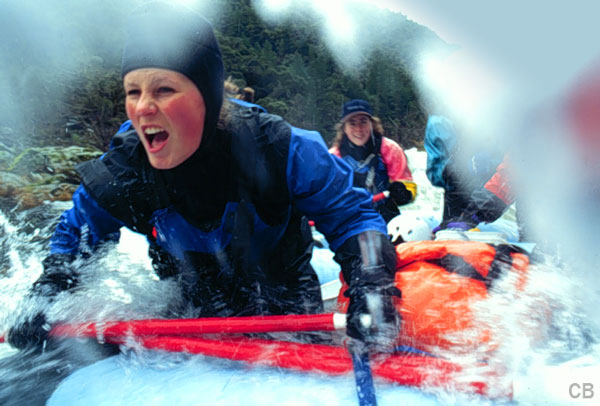
The advantage for the photographer as Participant is capturing angles of the activity as though the camera was their eyes. Images shot from this approach give the viewer a perspective that can make them feel as if they are immersed in the action. A rock climber taking a photograph of the climber below them offers a unique perspective of what it is like to be on the rock wall. A view that the casual observer would not see without climbing the wall.

Rafting on a winter day with intermittent snow, I was positioned in the front of the raft when a wave came over the top of me and this paddler’s expression shows her bracing for impact.
Rogue erica yell

ISO 100, f/5.6, 1/60th – Participant viewpoint

ISOLATE AND ILLUSTRATE

Another effective visual approach in telling the story is to ‘isolate and illustrate’. Isolate refers to a subject isolated in the composition. They are the sole or dominant subject in the frame; the story is all about them and what they are doing. Nothing else visually is needed. These photos usually say ‘who and what’.

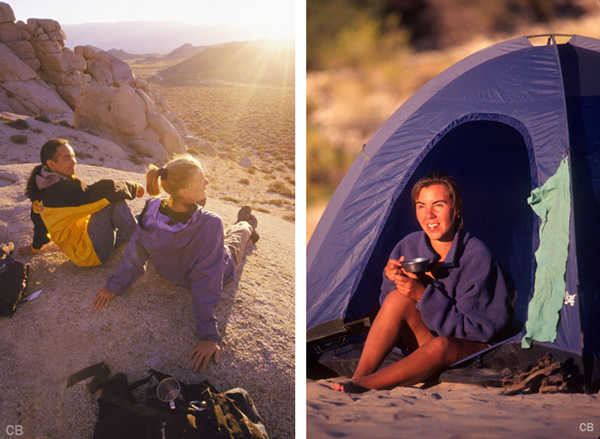
Here, a woman enjoying her coffee at sunrise was isolated in the composition using a telephoto lens, shot from the other side of the camp. The visual story is her and her camp. (see image below right)
Adventure photography sunrise tent

Left: ISO 100, f/8, 1/320th – sunrise
Right: ISO 100, f/5.6, 1/1000th – morning coffee

Captured on a 10 day climbing and photo adventure, the image above left, was shot during a hike up to watch the sunrise and it tells a story that the day is beginning. From the sun flare on the lens to the large view, this image clearly Illustrates the story of where they are and when.

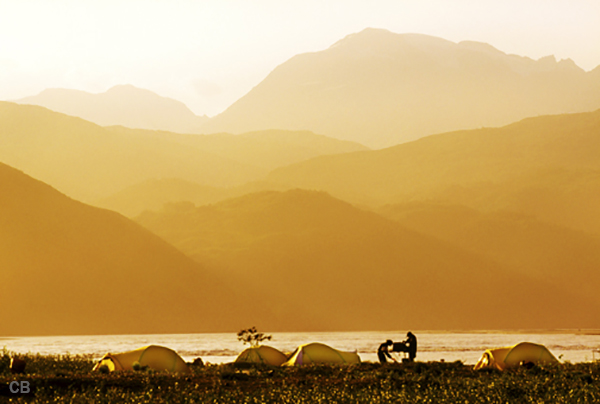
The illustrated approach to a storytelling composition could be a subject much smaller in the scene in comparison to their surroundings. It’s a great approach for giving viewers the big picture and a sense of scale to the overall scene. An Illustrated image says ‘what and where’.

The example below of the illustrative approach shows a camp set among large mountains and the river. It tells the story differently by showing the size relationship between the subjects and background providing a sense of scale to the scene.
Alaska copper river camp 2A

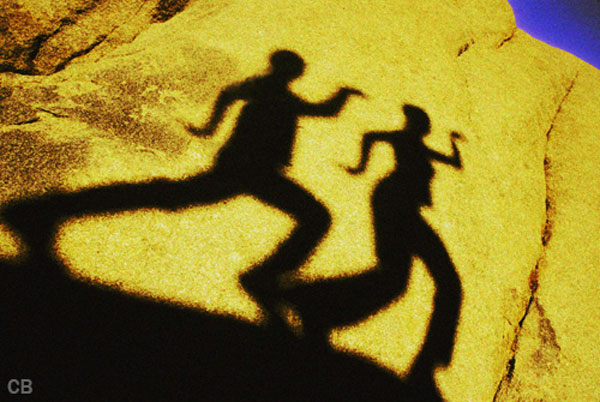
As we were hiking back to camp, I noticed the shadows on the rocks and stopped and asked them to try various poses like a high-5 and dance on the rocks.
Egyptian shadow

ISO 100, f/11, 1/125th

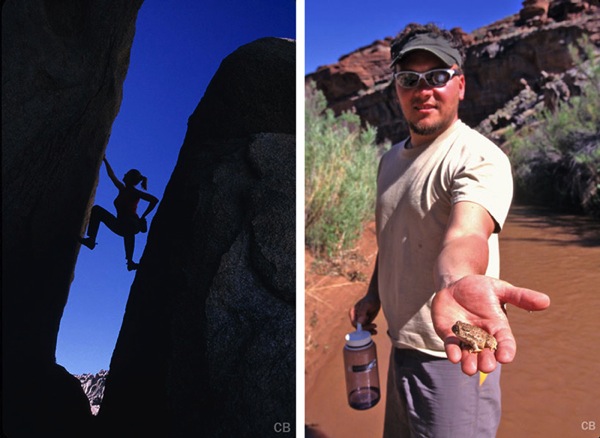
Captured later in the afternoon, I used the Isolated approach to the composition showing the climber between the rocks. This created an image that’s all about her and what she is doing. (below left)
Adventure photogrpahy buttermilks climbing

Hiking with a group in Utah, one hiker spotted a small frog near a pool or water and picked it up to show it. The wide angle, up-close angle tells the story of humans interacting with nature (above right).

You can also create storytelling images by adding lighting to further tell that story. Here, one of my preconceived ideas was someone reading in this comfortable wilderness cabin tent. I asked them to sit on the bed and read a book, then placed my flash behind them so it placed a shadow on the tent that told the story.
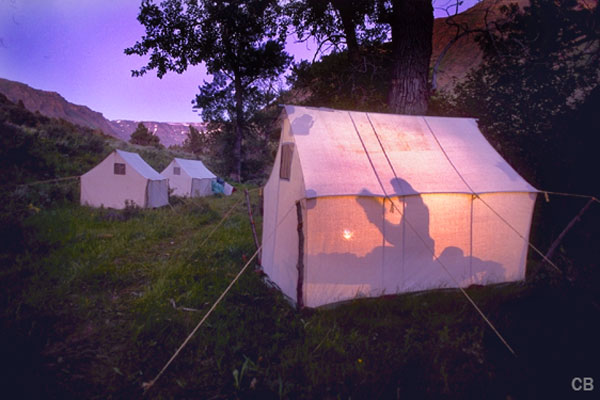
Shadowed figure reading inside tent

ISO 100, f/8, 2 seconds

Finally…

There is always a story to be told from any photographic adventure and if you plan to go on an expedition of any kind, large or small, plan to photograph more than just the scenery. Here are a few steps to prepare:

  • Plan ahead of time to make sure you have the right equipment for the adventure.
  • Research the type of trip you are prepping for by looking at other images and methods photographers use to document the same trip. Use those for motivation.
  • Let the story line you thought of be a starting point to determining the images you want to capture.
  • Keep your mind open to other ideas beyond those on your shot list. Often the best images were not on your to-do list.
  • Think like you are on a magazine assignment and work hard to capture the whole story in your own unique way.

In the end you want your story in pictures to leave viewers feeling a great sense of what the trip was like, what was experienced, and how it might have felt to have been a participant.

Have you been on any adventures? Do you have any other tips to share? Please do so in the comments below.

More reading on outdoor photography:

  • Your Compete Guide to Outdoor Photography – Part Two
  • Your Complete Guide to Outdoor Photography – Part One
  • Winter Photography Tips | Bendy straws and Ziploc bags?
  • Living Landscapes a dPS ebook
  • 11 Tips For Eco-friendly Trail Photography

The post Tips for your Next Adventure Photography Trip by Charlie Borland appeared first on Digital Photography School.


Digital Photography School
 
Comments Off on Tips for your Next Adventure Photography Trip

Posted in Photography


Shoot Great Concert Photos & Win a Trip to Way Over Yonder Music Festival

10 Sep

Whether you’re a festival fanatic or haven’t seen a concert in years, we’ve got something you might like.

We’ve teamed up with Scoutmob, Paste Magazine and Hotel Tonight to send one lucky winner (& pal) to Way Over Yonder festival in Santa Monica, California.

Flights, hotel, festival tix (VIP, natch) and gift cards to the Scoutmob and Photojojo stores are included. And it takes all of 5 seconds to enter!

Enter to go to Way Over Yonder, free!

And… while you’re waiting to see if you won, improve your concert photography skills with a few of our favorite guides:

  1. Music Photography Made Simple
  2. Music Photographer’s Guide to Festival Photography
  3. Concert Photography Tips From Digital Photography School

p.s. A new iPhone is coming! To celebrate, every checkout in the shop gets free enrollment into our Phoneography 101 course today.

Related posts:

  1. Rockin’ Photography: How to Shoot Great Concert Photos It’s all about the D&B. (Dark and blurry.) If you’re…
  2. Get Out and Shoot! — 3 Great Ideas for Shooting Outside in Your Town or City There’s one sure-fire way to improve all of your shots:…
  3. Shoot to Sell: Taking Better Photos for eBay, Etsy & Instructables   We’ve teamed up with our buddies at Instructables to…


Photojojo

 
Comments Off on Shoot Great Concert Photos & Win a Trip to Way Over Yonder Music Festival

Posted in Equipment


Annual Road Trip and Major Site Revisions

05 Aug

By the time you read this I'll be on vacation with the family. We're taking a road trip north into New England and Canada, where none of us have ever been before. (The above is in Maine, on the way to Prospect Harbor on Saturday night.)

That doesn't mean Strobist is closed. Today we're announcing a completely updated Lighting 101, among other things…

Read more »
Strobist

 
Comments Off on Annual Road Trip and Major Site Revisions

Posted in Photography


Road Trip! 19 Remarkable ‘Road’ Images

02 May

Image by Sippanont Samchai

Roads… they’re all around us but I’ve never really considered them to be in my most photogenic subjects list. But maybe I need to rethink that!

Image by Ben Fredericson

Image by fatboyke

Image by Berenice Decados

Image by Paolo Margari

Image by Tambako the Jaguar

Image by ecstaticist

Image by Tricky

Image by Etrusia UK

Image by joiseyshowaa

Image by Pörrö

Image by Bartek Kuzia

Image by Matthew Fang

Image by gari.baldi

Image by eir@si

Image by Shahram Sharif

Image by Martino’s doodles

Image by purplemattfish

Image by MSH*

Share a link to your favorite ‘road’ photo in comments below.

Post originally from: Digital Photography Tips.

Check out our more Photography Tips at Photography Tips for Beginners, Portrait Photography Tips and Wedding Photography Tips.

Road Trip! 19 Remarkable ‘Road’ Images


Digital Photography School

 
Comments Off on Road Trip! 19 Remarkable ‘Road’ Images

Posted in Photography


The 2010 PCMB (St. Louis) Super Regionals Trip! – Part II: It’s Going to be Magical!

03 Jan

PCMB goes to the St. Louis Super Regionals for the first time (in a long time?). We scored 4th. This is my story told in the way of 3195 JPEG stills from my Nikon D300 DSLR. I had a 50mm ƒ/ 1.8D on 99% of the time. Part I: A Driving Force……………………..( youtu.be ) Part II: Practice Makes Perfect………..(NP)—\ Part III: Places Everyone…………………(NP)—merged Part IV: The Way Home…………………..(NP)—/

Colchicum ‘Lilac Wonder’ flower growing timelapse Filmed by Neil Bromhall for www.rightplants4me.co.uk These flowers bloom in autumn. Plant in well drained soil. If the soil is too wet the bulbs are prone to rotting. This was filmed in my studio over a period of 6 days using Nikon D300 camera, Ellinchrom studio flash, Exposure interval 8 minutes The damaged flower was chewed by an unknown pest underground before it emerged. It was probably a slug Music “Gently” by Debbie Wiseman
Video Rating: 5 / 5


Iceland Road Trip #2 (FullHD)

01 Jan

Time-lapse video covering our second trip around Iceland. Remember to watch in 1080p quality! Photos from Michal Durinik, Vasilina Krasicenko, Peter Kollar, David Varga Shot with: Nikon D300 Edited: Adobe Lightroom iMovie Music: Of Monster and Man – Little Talks (ofmonstersandmen.is LMFAO – Champagne showers Kavinsky – Nightcall (Drive OST) Created by: David Varga Photos from our travels: www.dvarga.net www.durinik.com Want to come to ICELAND? Definitely book your trip at: www.extremeiceland.is
Video Rating: 5 / 5