RSS
 

Posts Tagged ‘travel’

How To Choose Gear For Travel Photography

08 Jun

Changing and missing flights, running to catch buses or hiking mountains is part of any beautiful trip story. But what can we do when we have at least 5 kilos in our backpack and we need all of it? You might already know what I am talking about. This is our HOLY photography gear. We can’t make compromises. We need Continue Reading

The post How To Choose Gear For Travel Photography appeared first on Photodoto.


Photodoto

 
Comments Off on How To Choose Gear For Travel Photography

Posted in Photography


National Geographic highlights early ‘People’ entries to Travel Photographer of the Year 2017 competition

12 May

Travel Photographer of the Year 2017: People entries

National Geographic’s Travel Photographer of the Year competition is open once again for entries, and its editors have shared a few of their favorite early contenders in the ‘People’ category. Submissions are being accepted until June 30th, and a Grand Prize win will get you a ten-day trip for two to the Galápagos Archipelago with National Geographic Expeditions.

Photo and caption by Brandon Kusher / National Geographic Travel Photographer of the Year Contest

Slam Dunk. A basketball player flies high through the air attempting a slam dunk in which he puts the ball between his legs first!

Travel Photographer of the Year 2017: People entries

Photo and caption by Akiomi Kuroda / National Geographic Travel Photographer of the Year Contest

M. Portrait of Miho

Travel Photographer of the Year 2017: People entries

Photo and caption by Jobit George / National Geographic Travel Photographer of the Year Contest

Bridging Generation. A beautiful photo of a father and son sitting in white traditional attire with beautiful blue sky on the day of Eid al-Fitr in a mosque in New Delhi, India. The photo shows the beautiful bond which these two generation have been building up in a very simple and lovable manner.

Travel Photographer of the Year 2017: People entries

Photo and caption by Lorraine Yip / National Geographic Travel Photographer of the Year Contest

Retro Ride. Traveling through Cuba in a vintage 1950 Chevrolet with a speedometer which no longer works. We were passing by the city of Camagey known for its winding streets. The modern American Hawaiian hula figure and yellow taxi cab sign on the dashboard adds to the time travel-esque element of the classic Chevrolet, set against the backdrop of an old and perhaps dilapidated , but not forgotten, Cuba.

Travel Photographer of the Year 2017: People entries

Photo and caption by Hua Zhu / National Geographic Travel Photographer of the Year Contest

Old and Young. This photo was taken in a small village in Wuyuan, China. It estimates that there are about 250 million countryside people living in the big cities. Many young people are making money in the cities, leaving their parents and kids at their hometown.

Travel Photographer of the Year 2017: People entries

Photo and caption by Pradeep Raja / National Geographic Travel Photographer of the Year Contest

Ramadan Prayers. This is a shot of women praying inside Istiqlal Mosque, Jakarta which is the biggest mosque in Southeast Asia during the month of Ramadan.

Travel Photographer of the Year 2017: People entries

Photo and caption by Lauren Breedlove / National Geographic Travel Photographer of the Year Contest

Lady Havana. During a recent visit to Cuba, I encountered this bold woman on the street while strolling around Old Havana. Something about her just struck me, like her eyes held a million stories. Not having any cash on me, I borrowed some change from a friend and approached the woman with it, asking to take her photograph. She nodded and posed like a boss, stogie and all.

Travel Photographer of the Year 2017: People entries

Photo and caption by Mattia Passarini / National Geographic Travel Photographer of the Year Contest

Tibetan’s soul smile. This monk was running back to his room after the afternoon prayer. I was chasing him trying to get a nice shot, but he kept covering his face. In Chinese i called after him: (pai yi zhang ba) “just one shot!” He looked back and started to laugh..
Tashi Lhunpo Monastery, Tibet

Articles: Digital Photography Review (dpreview.com)

 
Comments Off on National Geographic highlights early ‘People’ entries to Travel Photographer of the Year 2017 competition

Posted in Uncategorized


National Geographic kicks off 2017 Travel Photographer of the Year competition

07 May

2017 National Geographic travel photographer of the year

National Geographic has kicked off its 2017 Travel Photographer of the Year competition, with the grand prize being a 10-day trip to the photogenic Galapagos Islands. The categories are nature, cities and people, and entries are already starting to come in. Take a look at some early Editors’ picks in the nature category.

Above: ‘A drive to remember’ by Manish Mamtani

Aerial view of the Scenic drive and the beautiful Fall colors of New Hampshire. I used a drone to capture the fall colors that cannot be seen from the road.

2017 National Geographic travel photographer of the year

‘In Your Face’ by Shane Gross / National Geograhic Travel Photographer of the Year Contest

Caribbean reef sharks are usually shy so I placed my camera on a rock where I know they frequent and used a remote trigger to click away as they came in and bumped my camera around.

2017 National Geographic travel photographer of the year

‘The Mirror’ by Takahiro Bessho / National Geograhic Travel Photographer of the Year Contest

Lake Yogo, called “The lake of Mirror”, sometimes reflects everything in front of you.

2017 National Geographic travel photographer of the year

‘Lost in white’ by Adam Cunningham-White / National Geograhic Travel Photographer of the Year Contest

This photo captures the moment that I, along with 3 other Sami reindeer herders become a little lost while migrating with 350 reindeer. They were rounded up from a section of forest around 30kms south of this point. Our goal was to take them, via rivers, northwards to pastures new using the network of rivers and lakes that flow through Sweden.

This was taken on Randijaur lake, Jokkmokk, Sweden

2017 National Geographic travel photographer of the year

‘Little Eyewitness’ by Hidetoshi Ogata / National Geograhic Travel Photographer of the Year Contest

“Little Eyewitness” was taken in Jigokudani Monkey Park, Nagano, Japan on December, 2016. On a cold winter’s day, monkeys have several ways to keep off the cold. For example, in order to keep them warm, they have a soak in a hot spring, take a bedrock bath or huddle together, etc. While monkeys were huddling together, I approached them with the stealthy footsteps. Then I photographed them from directly above at the moment when a little monkey nestled in mother’s arms looked to the camera.

2017 National Geographic travel photographer of the year

‘Blue pond the stellar sky’ by Nao Akimoto / National Geograhic Travel Photographer of the Year Contest

Voice from the stars

2017 National Geographic travel photographer of the year

‘Powerful cloud’ by Takashi / National Geograhic Travel Photographer of the Year Contest

Mt Fuji is a treasure trove of mysterious shaped clouds.

Various forms of clouds appear when a fast air current blows over the Mt Fuji.

I stayed in the car during the night at the Inokashira forest road about 0.8 miles above sea level about 25 miles west of Mt Fuji. The small clouds that appeared before dawn grew bigger and bigger. Just before sunrise they had become a huge cloud covering Mt. Fuji. The shadows of them in the backlight were the most powerful masterpieces.

2017 National Geographic travel photographer of the year

‘SymmetryrtemmyS’ by Hiroshi Tanita / National Geograhic Travel Photographer of the Year Contest

Cherry blossoms reflected in perfect condition.

2017 National Geographic travel photographer of the year

‘The Salt Miners’ by Tugo Cheng / National Geograhic Travel Photographer of the Year Contest

As the most ancient and grueling trade in Ethiopia, the salt miners in the Afar region are still using the most traditional camel caravan to carry loads of salt bricks extracted from the vast salt flats everyday. However, an under-construction railway from Djibouti and new road traversing the old salt route may soon render the camel caravan obsolete.

2017 National Geographic travel photographer of the year

‘Moss forest’ by Tetsuya Hosokawa / National Geograhic Travel Photographer of the Year Contest

Yakushima is an island full of abundant moss and beautiful water


If you have a photo you’d like to submit for consideration, you can do so here.

Articles: Digital Photography Review (dpreview.com)

 
Comments Off on National Geographic kicks off 2017 Travel Photographer of the Year competition

Posted in Uncategorized


Guitar for Modern Nomads: This Digital Instrument is Designed to Travel

18 Apr

[ By SA Rogers in Gadgets & Geekery & Technology. ]

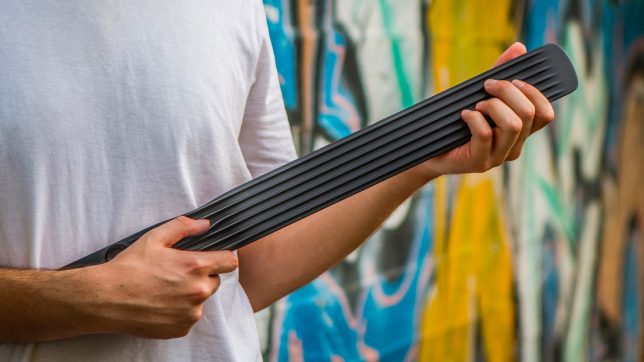
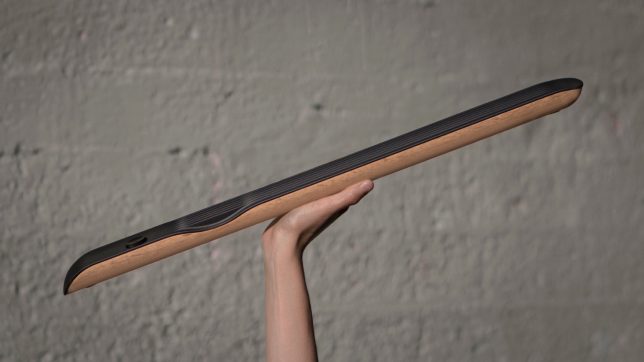
What if you were to eliminate the unwieldy parts of a guitar but maintain its resonant sound and the same exact way of playing, in order to make the instrument are more convenient traveling companion? It might sound ridiculous or downright impossible, but that’s exactly what designer Orit Dolev has done with NOMAD, a compact digital instrument with pressure-sensitive frets and flexible rubber strings to replicate the traditional guitar playing experience.

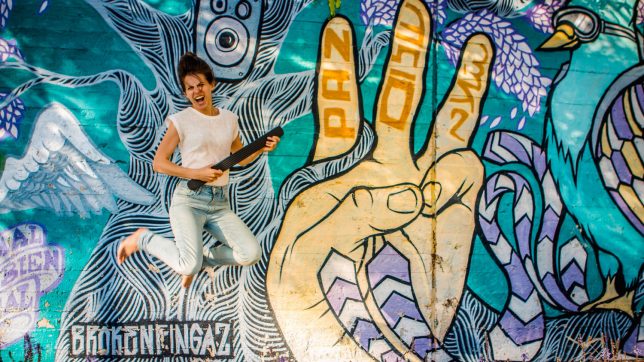
Dolev came up with the idea for NOMAD after taking a long journey through Asia and South America, where she imagined her guitar would offer a handy and powerful way to make new connections across language barriers. She quickly learned that getting around would be frustrating, noting that she couldn’t just shove it into her backpack, and the strings were constantly breaking and getting out of tune.

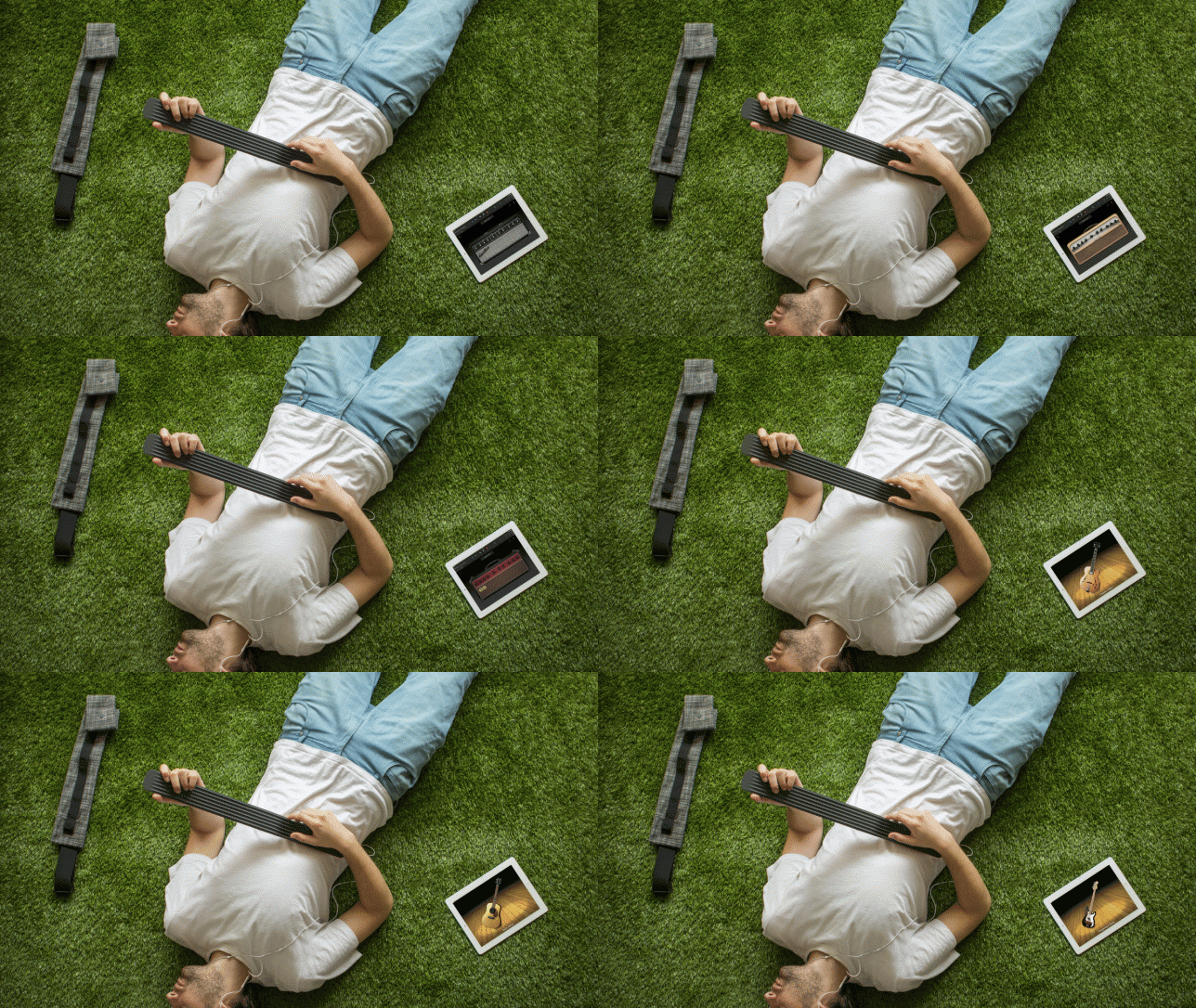
Designed to encourage mobility, the NOMAD features a wooden neck for a familiar feel in your hands. It pairs up with an app to play a wide variety of sounds, and you can turn the frets on and off to switch between acoustic and electric guitar modes or even to entirely different string instruments, like sitars. Hook it up to headphones so you can play on train rides or in hotels without disturbing anyone, or play through the accompanying portable amp, which doubles as a case cover.

“Technology is constantly changing the way we are living,” says Dolev. “Powerful mobile devices and widespread connectivity are serving as fertile ground for a new generation of nomads. From urban work-from-anywhere lifestyle to digital nomads roaming the globe freely, new cultural movements are rising. We are more mindful of the objects we surround ourselves with, striving to travel light and collect experiences more than things. Own less, explore more.”

Share on Facebook


[ By SA Rogers in Gadgets & Geekery & Technology. ]

[ WebUrbanist | Archives | Galleries | Privacy | TOS ]


WebUrbanist

 
Comments Off on Guitar for Modern Nomads: This Digital Instrument is Designed to Travel

Posted in Creativity


How to Build a Travel Photography Portfolio

15 Apr

Building a photography portfolio can be a scary proposition, as it forces you to choose images that best represent you as an artist and creator, whilst also demonstrating your technical skill and storytelling ability. Developing a travel photography portfolio is no different.

Travel Photography Portfolio 025

Travel Photography Portfolio 052

However, developing a portfolio is an exercise that has many benefits, both from a personal growth as well as professional perspective.

Unlike many areas of photography, there are some extra considerations for a travel specific portfolio. The main difference with travel photography, as opposed to specializing in weddings, events, or commercial, for example, is that there is a far greater need for you to be flexible in your approach to image making while allowing for the huge variety of subject matter one would normally encounter.

Travel Photography Portfolio 013

Travel Photography Portfolio 017

Start planning your portfolio before you travel

This, of course, comes down to why you want to develop a portfolio of work and who you are aiming to show it to. I have always found this can shift depending on whether I am planning an exhibition, developing a book, building a stock library, showing work to an editor, planning a photography tour and marketing to potential attendees, or simply showing friends and family a new place I have been fortunate enough to visit and photograph. All are valid reasons to develop a travel photography portfolio. If you keep these options in mind before you travel, you are more likely to return with images that can be used across multiple platforms and for different reasons.

The consideration here is you may need to have multiple portfolios depending on to whom and where you are marketing. This is a key factor to consider before traveling as it will shape your approach to image making while on your trip. Having said this, it is also great to stay open to potential opportunities that may present themselves in the future by having covered a subject or place well.

Travel Photography Portfolio 026

Travel Photography Portfolio 022

Travel Photography Portfolio 024

One of the biggest lessons I have learned is to stay completely open to any possibility. This is especially true when visiting destinations that are expensive or difficult to get to, which ultimately means it may be a while before I return, or perhaps not at all. This means that when you are shooting in this situation, make the absolute most of your time. Be open to possible image usage across multiple platforms and for many reasons. This is best done with thorough research for all possible uses of images from the location you are visiting.

What if you aren’t traveling soon?

So how do you start in building your portfolio if you are not planning to travel? Your local area is an excellent place to create content, and for many reasons, some of which I have listed below:

  • You build your skills working in different and changing lighting conditions.
  • Learn how to deal with bad weather while still coming home with images that describe a place well.
  • You learn how to show a destination through images. The goal being to give people who have not been there an understanding of this destination.
  • You are able to visit during different seasons, times, and weather conditions with ease.
  • Research the most common images available for that area. This is handy if your aim is to build a stock library for editorial or commercial use. Then push yourself to photograph this area in a new creative way.
  • You develop your ability to work with local organizations and businesses to help you get the images you need.
  • Build your understanding of the process of storytelling with your images from a destination.
  • You will further your understanding and knowledge of your camera gear and the photographic process before you are looking at an unrepeatable moment. There is nothing worse than a once in a lifetime image opportunity and not having the confidence or ability to capture it well with a camera.

Travel Photography Portfolio 050

Travel Photography Portfolio 056

Now do the same at a destination

Transferring this process to travel destinations is no different. However, the importance of thorough research before you leave is far more critical as you will not know a travel destination as well as your local area. While it is important to have a plan of attack before you land, remain open to opportunities that may arise during your travels.

It is also important to travel to different destinations that have a variety of cultural backgrounds, landscapes, architectural styles, and ultimately photography opportunities. This will further help diversify your images which can then be presented in your travel photography portfolio.

Travel Photography Portfolio 049

Travel Photography Portfolio 039

Travel Photography Portfolio 038

Your first trip

Your initial trip can be considered the most important as it will be your first opportunity to build a library of images. I always recommend making your journey as long as possible, across different destinations, to help you get a wide variety of images.

While traveling I look for eight main areas of subject matter:

  1. Landscape
  2. Portrait
  3. Wildlife
  4. Food
  5. Architecture
  6. Culture
  7. Transport
  8. Local events, festivals and activities

Travel Photography Portfolio 037

Travel Photography Portfolio 044

Travel Photography Portfolio 062

Not every destination will give you the opportunity to photograph all of the above options. However, I have found over the years these will give you the best chance of showing that destination and what it would be like to be there.

If you were to make a list of potential images of your local area or any destination based on the list above, you can easily build a large library that shows it in a comprehensive way. As well, taking into account different demographics of people will further build your portfolio of images to show any destination in a more comprehensive fashion. For example, budget accommodation through to more expensive options.

Travel Photography Portfolio 042

Travel Photography Portfolio 020

Travel Photography Portfolio 021

Diversify

Diversity is also of key importance for your work, especially if you are visiting a location that receives a lot of tourist traffic, all with cameras in hand. Here are some key points to consider to build diversity into your work, regardless of where it will end up.

  • Visit during different times of the day than the norm.
  • If the weather goes bad, keep taking photographs.
  • Use a full range of focal lengths for each subject.
  • Try to shoot from an elevated position as well as crouch down low to help give different perspectives.
  • Be completely proficient in all lighting conditions so you are able to deal with them no matter what scenario.
  • Experiment with filming as well as stills. There is a huge demand for footage and video content.
  • Document the process of traveling.
  • Put people into your photographs, whether it be yourself, your friends and family, or people you meet along the way.
  • Be sure to always photograph the less exciting, day to day elements of travel as well. You never know where these could be used in the future.

Travel Photography Portfolio 019

Travel Photography Portfolio 059

Travel Photography Portfolio 027

Hone your skills

It is important to have developed your ability before you go traveling to not feel a lack of confidence should a fantastic photographic opportunity arise. Practice, practice and more practice is critical for any area of photography. However, the extra cost and competitiveness of the travel photography industry mean you need to be highly proficient before you go traveling in order to make the most of the opportunities that will arise.

Travel is far from cheap and easy. Your time away should best be used creating content. So again, it is important to feel confident in your gear and process before you go to maximize this time away. While there are cheaper destinations to visit, it is still a resource hungry activity. Learning how to shoot efficiently when opportunities arise means you will further add to your diversity of images as well as your versatility and ability for future opportunities.

Travel Photography Portfolio 055

Travel Photography Portfolio 046

Travel Photography Portfolio 047

Culling

Once home, the process of selecting images can begin. Again, look for a variety of images and subject matter that best show your ability, both technical and artistic. Try to avoid images that look similar or show the same subject more than once. Pick only your strongest work and focus your selection based on use. Images for an art instillation are going to be very different to images for stock of local transport or architecture. Having someone review your work with fresh eyes is also an option to consider.

Printing your images, even at smaller sizes can be a great way to finalize a selection of work. It allows you to interact with the images differently as well as being able to view them under different lighting sources to ensure your edits are the best possible. You are able to lay the images out offline to see how well they work as a series or collection, something that is very difficult to do on a computer screen.

Travel Photography Portfolio 030

Travel Photography Portfolio 036

Travel Photography Portfolio 058

Conclusion

Remember, the more you get outside taking images, the more you can develop an understanding and skill level in working in all weather and lighting situations as well as working with people from different places and cultures. Practice, practice, practice.

Travel Photography Portfolio 053 Travel Photography Portfolio 060

Travel Photography Portfolio 063

Travel Photography Portfolio 051

Travel Photography Portfolio 029

The post How to Build a Travel Photography Portfolio by Damian Caniglia appeared first on Digital Photography School.


Digital Photography School

 
Comments Off on How to Build a Travel Photography Portfolio

Posted in Photography


Canon’s PowerShot SX730 HS travel zoom offers 40x lens in a very small package

06 Apr

$ (document).ready(function() { SampleGalleryV2({“containerId”:”embeddedSampleGallery_8818688137″,”galleryId”:”8818688137″,”isEmbeddedWidget”:true,”standalone”:false,”selectedImageIndex”:0,”startInCommentsView”:false,”isMobile”:false}) });

Canon has announced its PowerShot SX730 HS, the follow-up to the SX720. The SX730 has a 20.3MP BSI CMOS sensor, stabilized 24-960mm equivalent lens, a 3″ (non-touch) LCD that flips upward 180 degrees, as well as Wi-Fi, NFC and Bluetooth.

The SX730 HS comes in silver and black and will ship in June for $ 399.

Press Release

Capture high-quality memories with the new Canon PowerShot SX730 HS digital camera

Latest PowerShot Digital Camera Provides Impressive Image Quality, Zoom Range and Tilting LCD screen in a Compact Size

MELVILLE, N.Y., April 6, 2017 – Ideal for families on vacation or parents at their kids’ sporting event looking for a convenient, easy-to- carry compact digital camera capable of producing high quality photos and videos at long distances, Canon U.S.A., Inc., a leader in digital imaging solutions, introduced today the new PowerShot SX730 HS digital camera. This new digital camera boasts a 20.3 Megapixel* CMOS imaging sensor and a powerful 40x Optical Zoom lens (equivalent to 24-960mm) in a form factor that easily fits in a pocket, making it an outstanding camera for budding photographers to capture gorgeous imagery no matter where they are.

With new features such as a convenient Self-Portrait and Smooth Skin mode, 3.0-inch LCD screen that rotates up 180 degrees and built-in connectivity capabilities like Wi-Fi®1, NFC2 and Bluetooth®3 technology, it’s now easier and more convenient than ever to use Canon digital cameras to share images and videos on the go, making the PowerShot SX730 HS digital camera a great transitional camera for those looking to use something other or move from a smartphone. 

“We live in a very connected world and want to give people the power to zoom in from far away to capture amazing scenes from a distance, while also being able to share those images in real time,” said Yuichi Ishizuka, president and COO, Canon U.S.A., Inc. “The new Canon PowerShot SX730 HS digital camera will help photographers effortlessly capture memories, even from great distances and conveniently share their fun with friends and family.”

As the successor to Canon’s PowerShot SX720 HS digital compact camera, the PowerShot SX730 HS digital camera also features: 

  • Powerful 40x Optical Zoom with Zoom Framing Assist
  • Sleek, Lightweight and Pocket-size Design
  • Built-in Wi-Fi®1, NFC2 and Bluetooth®3 technology
  • 3 Megapixel* CMOS sensor
  • DIGIC 6 Image Processor
  • 0-inch Tilt-type (180° up) LCD
  • 1080p Full HD Video at 60p
  • Self Portrait Mode
  • Story Highlights
  • Geotag4 & Date Stamp Options

Canon’s PowerShot SX730 HS digital camera is scheduled to be available in June 2017 for an estimated retail price of $ 399.99.

Canon PowerShot SX730 HS specifications

Price
MSRP $ 399
Body type
Body type Ultracompact
Sensor
Max resolution 5184 x 3888
Image ratio w:h 1:1, 4:3, 3:2, 16:9
Effective pixels 21 megapixels
Sensor photo detectors 20 megapixels
Sensor size 1/2.3" (6.17 x 4.55 mm)
Sensor type BSI-CMOS
Processor Digic 6
Color space sRGB
Color filter array Primary color filter
Image
ISO Auto, ISO 80-1600
White balance presets 5
Custom white balance Yes
Image stabilization Optical
Uncompressed format No
JPEG quality levels Super fine, fine
File format
  • JPEG (Exif v2.3)
Optics & Focus
Focal length (equiv.) 24–960 mm
Optical zoom 40×
Maximum aperture F3.3–6.9
Autofocus
  • Contrast Detect (sensor)
  • Multi-area
  • Center
  • Tracking
  • Single
  • Continuous
  • Face Detection
  • Live View
Autofocus assist lamp Yes
Digital zoom Yes
Manual focus Yes
Normal focus range 2 cm (0.79)
Macro focus range 1 cm (0.39)
Screen / viewfinder
Articulated LCD Tilting
Screen size 3
Screen dots 922,000
Touch screen No
Screen type TFT LCD
Live view Yes
Viewfinder type None
Photography features
Minimum shutter speed 15 sec
Maximum shutter speed 1/3200 sec
Exposure modes
  • Program
  • Hybrid Auto
  • Auto
Scene modes
  • Creative Shot
  • Portrait
  • Smile
  • Wink Self-timer
  • Face Self-timer
  • High-speed Burst
  • Handheld Night Scene
  • Low Light
  • Fireworks
  • Long Shutter
Built-in flash Yes
Flash range 4.00 m (with Auto ISO)
External flash No
Flash modes Auto, on, slow synchro, off
Drive modes
  • Single
  • Continuous
Continuous drive 5.9 fps
Self-timer Yes (2 or 10 secs, self-timer)
Metering modes
  • Multi
  • Center-weighted
  • Spot
Exposure compensation ±2 (at 1/3 EV steps)
Videography features
Format MPEG-4, H.264
Modes
  • 1920 x 1080 @ 60p / 35 Mbps, MP4, H.264, AAC
  • 1920 x 1080 @ 30p / 24 Mbps, MP4, H.264, AAC
  • 1280 x 720 @ 30p / 8 Mbps, MP4, H.264, AAC
Microphone Stereo
Speaker Mono
Storage
Storage types SD/SDHC/SDXC card
Connectivity
USB USB 2.0 (480 Mbit/sec)
HDMI Yes (micro HDMI)
Microphone port No
Headphone port No
Wireless Built-In
Wireless notes 802.11b/g/n + NFC + Bluetooth
Remote control Yes (via smartphone)
Physical
Environmentally sealed No
Battery Battery Pack
Battery description NB-13L lithium-ion battery & charger
Battery Life (CIPA) 250
Weight (inc. batteries) 300 g (0.66 lb / 10.58 oz)
Dimensions 110 x 64 x 40 mm (4.33 x 2.52 x 1.57)
Other features
Orientation sensor Yes
GPS None

Articles: Digital Photography Review (dpreview.com)

 
Comments Off on Canon’s PowerShot SX730 HS travel zoom offers 40x lens in a very small package

Posted in Uncategorized


6 Practical Tips to Instantly Make Travel Photography Easier

17 Mar

Documenting exotic places, capturing priceless memories, and recording once-in-a-lifetime experiences are just a few of the pleasures travel photography affords us. But it can also throw up challenges. Time constraints, logistics, and lack of portable storage can make getting the perfect shot far more difficult. Here are a few tried-and-tested tips to help you make those challenges a little more surmountable.

Travel photography tips 01

1. Eliminate the unnecessary

Lack of storage, dubious safety, and the sheer weight of equipment may put the kibosh on your plans of bringing two DSLRs and five lenses to adequately capture your trip. By thinking about how you tend to shoot, you may be able to hone down your kit to just one camera and lens.

Some photographers opt for a fixed focal-length camera like the Fuji X100T. It’s compact, versatile, and good for all-round shooting. But for a photographer who shoots at long focal lengths, it would be a constant source of frustration.

Bridge cameras may provide an alternative, with their versatile zoom ranges in one neat package. Consider your individual needs based on your preferences and narrow down what kit you really need to have with you from what you merely want.

Travel photography tips 02

If you just can’t decide, try this; take one entry-level DSLR with a lens that has a varying zoom length from wide-standard to telephoto and a constant aperture of f/2.8 which is ideal for most situations.

Travel photography tips 03

2. Pick a lens with IS or VR

Each lens manufacturer offers some form of in-built stabilization. Canon has Image Stabilization (IS); Nikon has Vibration Reduction (VR). Choosing a lens that has in-built IS or VR helps when you can only shoot handheld.

When traveling, there are so many times when the perfect shot can only be captured on-the-fly. Unpacking a tripod and fiddling with camera settings may even be entirely out of the question. For moments when the light is low and shooting handheld is all you can do, IS or VR can help reduce shake and potentially save a photo.

Travel photography tips 04

3. Carry a mini-tripod

Slinging a folded down Manfrotto over your back may not be possible, but it also might not be something you’d want to do if you are taking photos in between relaxing moments on your family vacation. Having a portable, mini-tripod in your pocket or bag is a cheap and easy way to get around that issue. A flexible option like the Joby GorillaPod can even help get stable shots from unusual angles without adding too much undue weight to your bag.

Travel photography tips 05

4. Invest in memory and charge those batteries

Don’t come back from your holiday with 700 amazing shots from the first three days and absolutely nothing to show for the remaining week and a half because you ran out of memory. It’s now easier than ever to get lots of data and a fast write speed on one reasonably-priced SD card, so hoard a few of them before you go!

Do the same with batteries. Planning to re-charge every night is a great habit to get into, but don’t rely on that alone. When you end up in a hotel that has no power sources or you realize that you left your adapter in the last place you stayed, you’ll wish you’d invested in a few extra batteries and charged them before you left home.

Travel photography tips 06

5. Shoot for post-processing

We all want great results straight out of the camera. But if you don’t have all the equipment that you need or the time to nail your exposure by toying with intricate histograms, shooting a certain way to enable post-processing can be what helps you get the shot.

Bracketing your exposures and post-processing the final image into HDR when shooting the dimly lit walls of medieval ruins might be the only way to save the deep blue of the hot Mediterranean sky outside the cracked windowpanes. Without that, the blown-out highlights may not be salvageable.

If you don’t have a tilt-shift lens on hand and you can’t sprout wings and fly, shooting wider than usual and then correcting perspective in post-processing may be the only way to save that great shot of the iconic tower you visited.

Travel photography tips 08

6. When in doubt, take the shot

There are many times when you feel that it’s not worth taking the shot. A thousand other photographers may have captured the same view before; you may not have the equipment you need to get the results you want; the weather may have turned sour on the one and only day you got to visit. But regardless of how you feel, take the shot.

If it turns out to be a dud, you just delete it when you get home and you’re in the exact same position as if you hadn’t taken it. But if it turns out to be better than you’d thought, you could have a hidden gem that you hadn’t been expecting. Don’t miss a shot because you feel trapped by circumstance. Just shoot, and the magic will happen.

Travel photography tips 07

Conclusion

I hope these 6 tips have given you some ideas for your travel photography to make your next trip a bit easier.

Do you have any others to add to this list? Please share in the comments below.

The post 6 Practical Tips to Instantly Make Travel Photography Easier by Laura Hexton appeared first on Digital Photography School.


Digital Photography School

 
Comments Off on 6 Practical Tips to Instantly Make Travel Photography Easier

Posted in Photography


Throwback Thursday: Panasonic Lumix DMC-TZ1, travel zoom pioneer

02 Mar

Prior to February 2006, if you wanted a camera with a long lens, you had to get something like this. But on the 14th of that month, Panasonic introduced the world’s first compact travel zoom camera with optical image stabilization: the Lumix DMC-TZ1, which had a 10x 35-350mm equivalent lens.  Where even relatively compact long-zooms like the Lumix DMC-FZ5 wouldn’t fit in an average-sized pocket with its dimensions of 108 x 68 x 85mm, the TZ1 came in at 112 x 58 x 40mm. Naturally, it was also lighter: 250 g, compared to the FZ5’s 326 g.

So how did Panasonic manage to squeeze a 10x, F2.8-4.2 lens into a body 40mm thick? The answer is folded optics. As you can see from the cutaway above, light comes through the front elements, hits a prism and then travels through the rest of the elements before hitting the camera’s 1/2.5″, 5 Megapixel sensor. In the ‘folded’ section of the lens is where you’ll also find Panasonic’s ‘MEGA OIS’ image stabilization system.

Panasonic bragged about the DMC-TZ1’s ‘fiercely fast’ linear autofocus system which, at the time, had the best response times of any camera in its class, at least according to the company.

So what other features did the TZ1 bring to the table? Its 2.5″, 207k-dot LCD had a ‘high-angle’ function, which really did make the screen visible when holding it above your head (this is before articulating LCDs were a big thing).

The camera had numerous scene modes, including one for shooting out of airplane windows. If I recall, you’d get a warning similar to ‘When using the camera, follow all instructions from the cabin crew’ whenever you switched to that mode. Another scene mode of note was ‘high sensitivity’, which dropped the resolution to 3MP and increased the ISO to 800. As you’d expect, the results weren’t very good. (Overall image quality was good for its day, though noisy.) For the videophile, the DMC-TZ1 captured VGA clips at 30 fps.

Panasonic really broke new ground with the Lumix TZ1, and continues to crank out compact travel zooms to this day (with longer lenses and more pixels, naturally). They may not be big sellers anymore, but there’s something to be said for a camera that covers all the bases for a family vacation.

Read our review of the Panasonic Lumix DMC-TZ1

Articles: Digital Photography Review (dpreview.com)

 
Comments Off on Throwback Thursday: Panasonic Lumix DMC-TZ1, travel zoom pioneer

Posted in Uncategorized


First Look: Polaroid BrightSaber Travel LED Wand

01 Mar

Portable light sources are essential to your photography toolkit when you’re ready to progress beyond natural lighting and take your images to the next level. While off-camera flash photography can be intimidating, LED lights can be quality solutions that are much easier to operate. One of the leading LED lights for photographers is the popular, yet pricey, Westcott Ice Light. If you’re looking for a similar solution that is significantly more affordable, the Polaroid BrightSaber Travel LED Wandd might be for you!

First Look: Polaroid BrightSaber Travel LED Wand

BrightSaber Pro Versus BrightSaber Travel

As its name suggests, the Polaroid BrightSaber looks very much like a sci-fi lightsaber, so it has the immediate bonus of functioning as a fun conversation piece or photography prop. But the main intent of the BrightSaber is to serve as a handheld portable continuous (LED) light source for photography or videography.

To be clear, there are two versions of this light, and they are quite different. The Polaroid BrightSaber Pro looks more like the Ice Light; it is more powerful, and thus more expensive at $ 169.99. There is also the BrightSaber Travel, which is less powerful, yet much more affordable at $ 69.99. This article is focused on the travel version.

BrightSaber Travel Specs

  • Dimensions of 16.4 x 5.4 x 2.1 inches
  • Item weight of 1 lb (450g)
  • Array of 98 efficient, low heat 32000k bulbs
  • 10 power settings for variable lighting output
  • Three included color filters and diffuser
  • Easy disassembly
  • 50,000 hour LED life
  • Tripod screw at the base for mounting on a light stand or tripod

What’s in the Box

  • Polaroid BrightSaber Travel portable lighting wand
  • Detachable wand handle
  • 3 color temperature filters and diffuser
  • Rechargeable lithium ion batteries and battery charger
  • Battery charger cables

First Look: Polaroid BrightSaber Travel LED Wand

Pros

Intuitive and easy to use

Out of the box, the devices arrives in two separate pieces that must be snapped together. The button controls are located on the handle, which is also where the two included lithium ion batteries must be inserted. For most people, assembling the BrightSaber Travel will be a pretty intuitive process. Once assembled, the light works as advertised. The few buttons enable you to turn the light off and on and choose from 10 power settings to adjust the level of brightness needed. Unlike most other lightsaber LED lights out there, the BrightSaber Travel is flat rather than round. A thinner profile truly makes it easier for traveling.

Nice quality of light

The BrightSaber Travel packs an array of 98 low-heat 32000K LED bulbs that produce a very nice quality of light. If you wish to change the color temperature, you can simply slide on one of the three color gels included, or snap on the included diffuser panel. Due to the specific size and shape of the BrightSaber, it’s not very easy to get your hands on other color gel choices without resorting to a DIY solution.

First Look: Polaroid BrightSaber Travel LED Wand

Lighting was done with the Polaroid BrightSaber Travel LED Wand

Affordable

It’s really difficult to argue about the low price point of the Polaroid BrightSaber. Even the Professional version is significantly more affordable than the popular Ice Light, and the Travel version is even cheaper! While there are other competitively priced light saber-esque LED lights on the market, none of them are produced by as reputable a brand as Polaroid.

Cons

No bag included

As mentioned above, there are quite a few moving parts to the Polaroid BrightSaber Travel. There are the two pieces that must be snapped together, two lithium ion batteries, three color gels, and one diffuser.

Unfortunately, there is no bag included that will hold all of these pieces together, thus increasing the chance of losing parts. The lack of a bag is especially perplexing since this device is intended for travel use and its unique shape and size make it difficult to fit into standard camera bags.

Non-standard batteries

Another downside to the BrightSaber Travel is its use of two non-standard batteries. They look like elongated versions of double AA batteries, and in my experience, they take an extremely long time to charge. It would be preferable for the device to use either one single rechargeable battery like the BrightSaber Professional does, or to use two standard batteries that can be more easily replaced.

In Conclusion

If you’re seeking a portable, handheld LED light to one-up your photography, I highly recommend checking out the Polaroid BrightSaber. It comes in either the BrightSaber Pro version or the more affordable, slightly less powerful Travel version. Both work very well at extremely affordable prices.

First Look: Polaroid BrightSaber Travel LED Wand

The Polaroid BrightSaber Travel LED Wand next to the Ice Light.

First Look: Polaroid BrightSaber Travel LED Wand

Side by side with the Ice Light

The post First Look: Polaroid BrightSaber Travel LED Wand by Suzi Pratt appeared first on Digital Photography School.


Digital Photography School

 
Comments Off on First Look: Polaroid BrightSaber Travel LED Wand

Posted in Photography


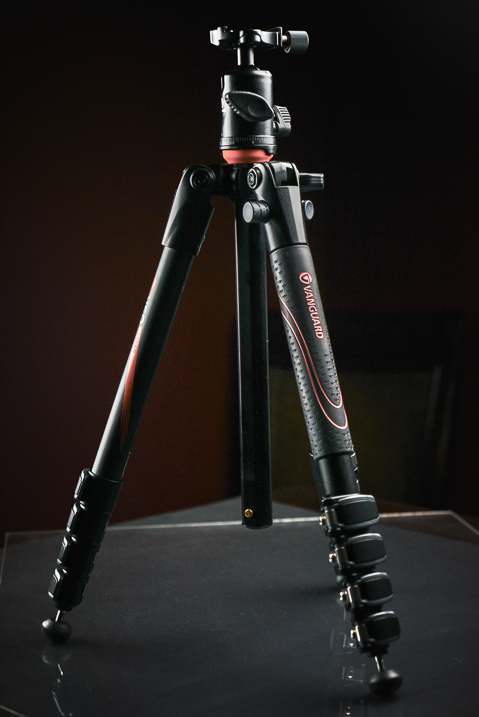
Overview of the Vanguard VEO 235AB Aluminum Travel Tripod

16 Feb

If you’re constantly on the go like me, carrying a tripod is always an exercise in endurance and determination. As primarily a wilderness and adventure shooter, I’m constantly working from a backpack where space and weight come at a premium. Lately, I’ve been looking for ways to carry less weight but certainly not at the cost of sacrificing the quality of my gear, and not spending a small fortune in the process.

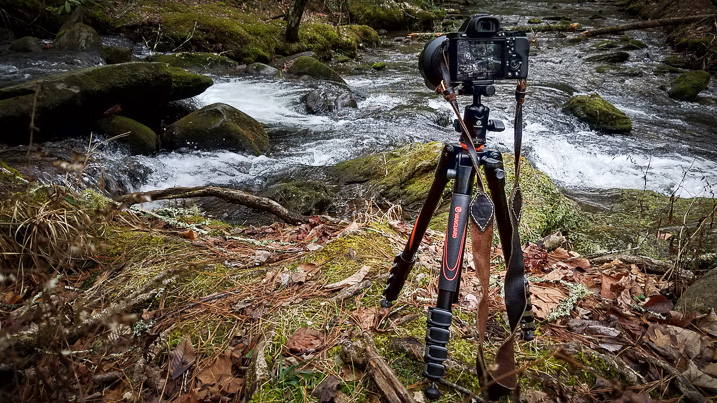
When it came time to downsize my tripod, my research pointed me to this – the Vanguard VEO 235AB Aluminum Travel Tripod with TBH-50 Ball Head. It looked great on paper, small, light, and more than capable of supporting my mirrorless (Sony A7R) camera setup. Being a long-time user of more robust tripods, I was skeptical when the Vanguard arrived due to its conspicuously small size.

Vanguard VEO 235AB tripod

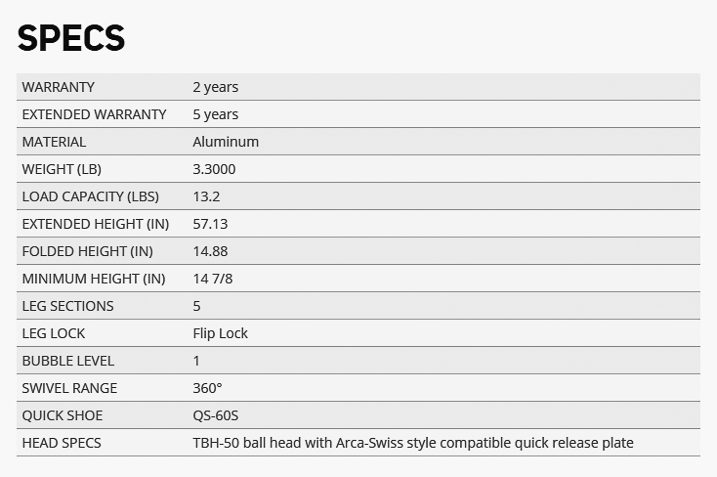
Here are the specifics of the Vanguard 235AB Tripod:

Vanguard VEO 235AB tripod specs

First Impressions

Right out of the box the tripod was delightfully attractive. The look of the entire contraption was clean and professional. The color is a nice matte black with blaze orange accents. Simply put, the tripod has great visual appeal if that is important to you. Also included was a fairly nice storage and travel bag, which was of surprisingly good quality as well.

Vanguard VEO 235AB wide

Load capacity and sturdiness

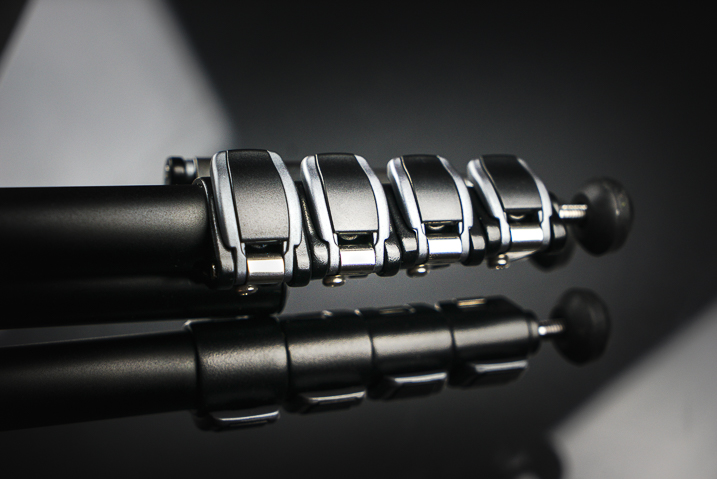
The Vanguard is capable of supporting just over 13 pounds (13.3 or 6kg). All the flip locks clamp smoothly, and lock firmly into place to secure the leg sections.

Vanguard VEO 235AB folded

Vanguard VEO 235AB clamps

Ball head

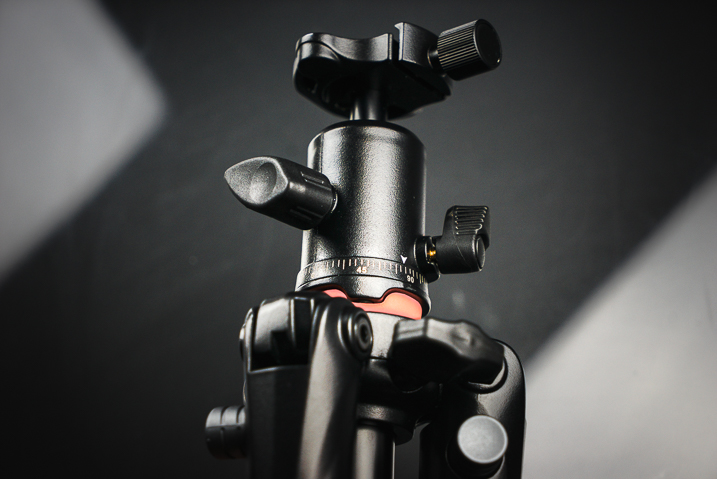
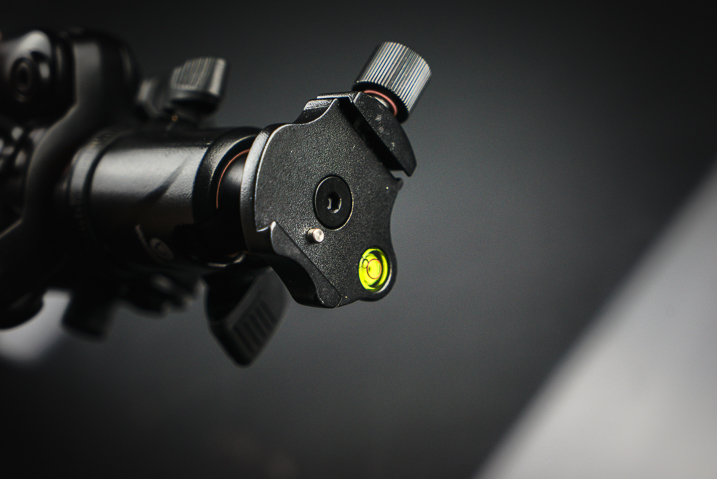
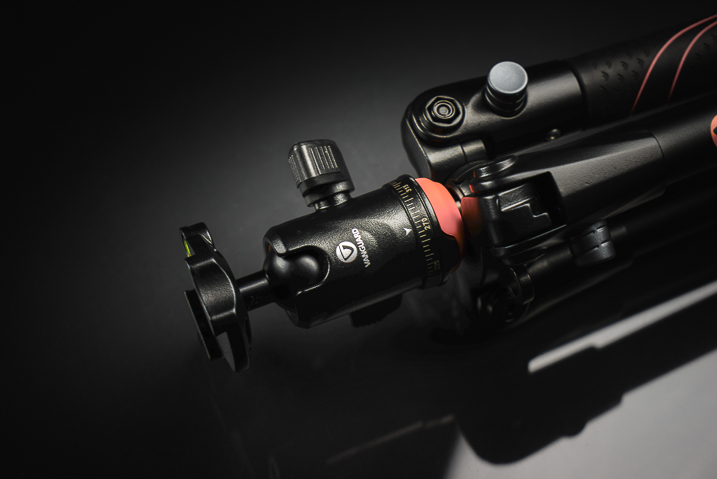
The ball head included with the tripod looks small but locks in place extremely securely. The base plate incorporates a safety pin so that even if the clamp loosens the camera will not slide off the tripod laterally.

Vanguard VEO 235AB ballhead

Vanguard VEO 235AB ballhead 2

Maximum and minimum height

The overall height with the center column extended is nearly 57 inches (145 cm), which works great for the majority of scenes with minimal stooping over, even at my 6’4” height. Also, the ball head features a bullseye-style bubble level for aid with levelling the camera.

The folks at Vanguard have even included an additional “low angle” angle adapter which allows you to achieve very low perspective shots close to the ground. It should also be noted that the included ball head can be replaced with another of your own choosing if you see fit.

Vanguard VEO 235AB 2

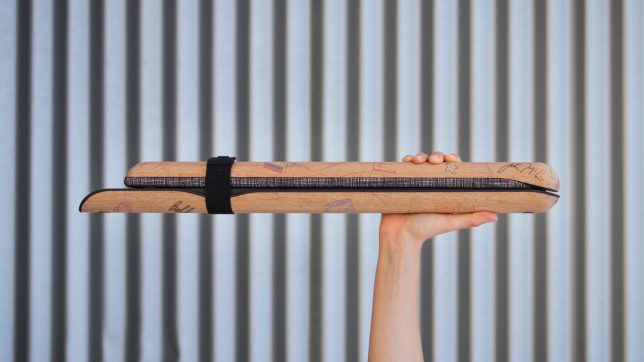
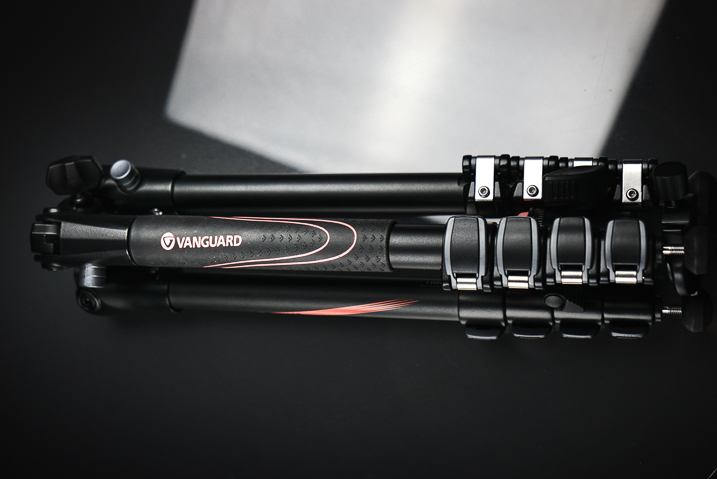
The tripod folds down small enough to fit into carry-on luggage and the weight makes it feel extremely portable. Even without practice the set up time for the Vanguard VEO 235AB is lightning fast. The center column swings up into position and is variable in height. This is an interesting design concept which helps make the entire package very compact while maintaining ease of set up.

Vanguard VEO 235AB base

The legs

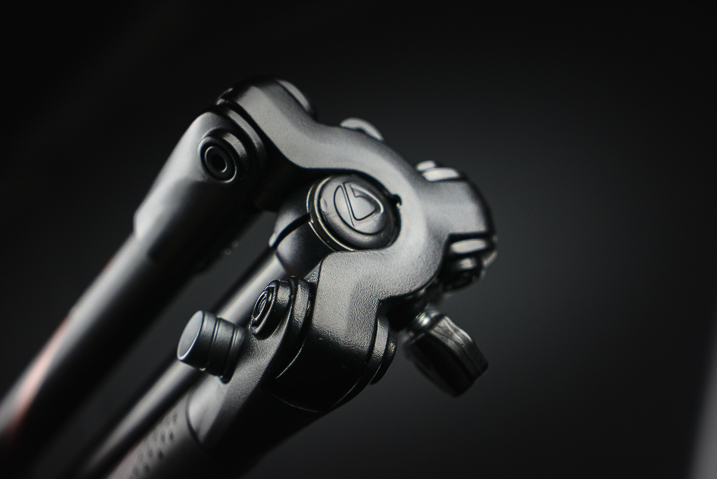
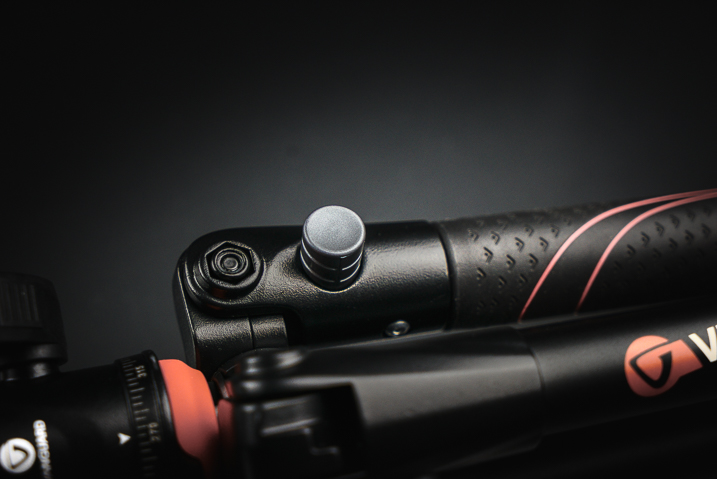
The legs of the tripod itself are able to be positioned at independent angles depending on the situation by depressing the lock buttons for each leg.

Vanguard VEo 235AB 3

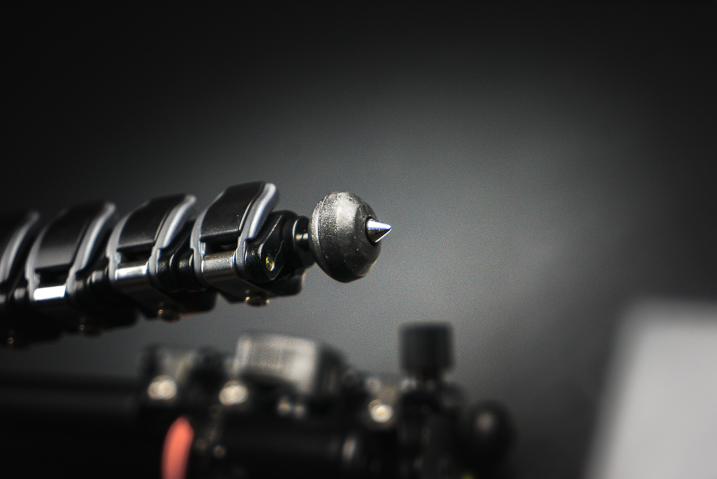
When locked, the legs feel extremely sturdy. One of the three legs is equipped with a rubber wrap to aid gripping during wet or exceedingly cold conditions. To top it off, the rubber feet of the tripod retract to reveal traction spikes should you really find yourself shooting in difficult terrain.

Vanguard VEO 235AB feet

Some final thoughts

So far I haven’t found any situation where the tripod would not suffice for a multitude of uses. Outdoor photographers will love its compact size for hiking, and photographers on the go will dig its stashability.

The 235AB appears to be a fantastic little workhorse that strikes a keen balance between strength, style, and portability. I’m excited to put it to work out in the field and judging by the first impressions it shouldn’t disappoint.

At under $ 150 USD the Vanguard VEO 235AB is one of the better bargains to be had in the lightweight tripod market. Users of smaller DSLRs or mirrorless camera systems should strongly consider the Vanguard VEO 235AB as an option when searching for a sturdy option for a versatile, lightweight travel tripod.

googletag.cmd.push(function() {
tablet_slots.push( googletag.defineSlot( “/1005424/_dPSv4_tab-all-article-bottom_(300×250)”, [300, 250], “pb-ad-78623” ).addService( googletag.pubads() ) ); } );

googletag.cmd.push(function() {
mobile_slots.push( googletag.defineSlot( “/1005424/_dPSv4_mob-all-article-bottom_(300×250)”, [300, 250], “pb-ad-78158” ).addService( googletag.pubads() ) ); } );

The post Overview of the Vanguard VEO 235AB Aluminum Travel Tripod by Adam Welch appeared first on Digital Photography School.


Digital Photography School

 
Comments Off on Overview of the Vanguard VEO 235AB Aluminum Travel Tripod

Posted in Photography