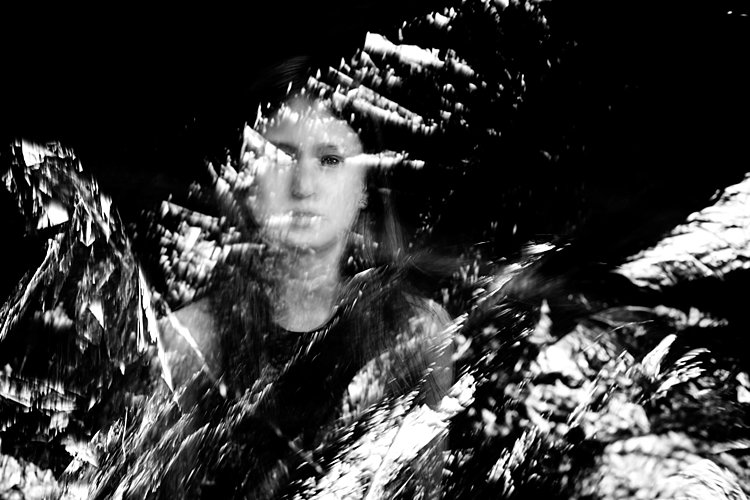
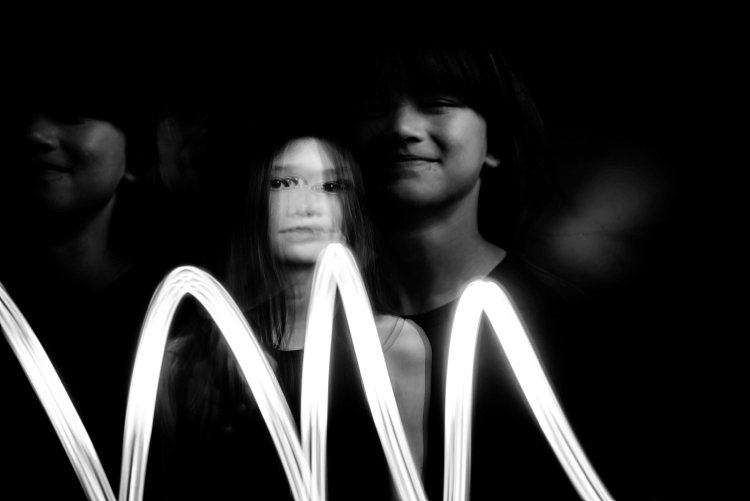
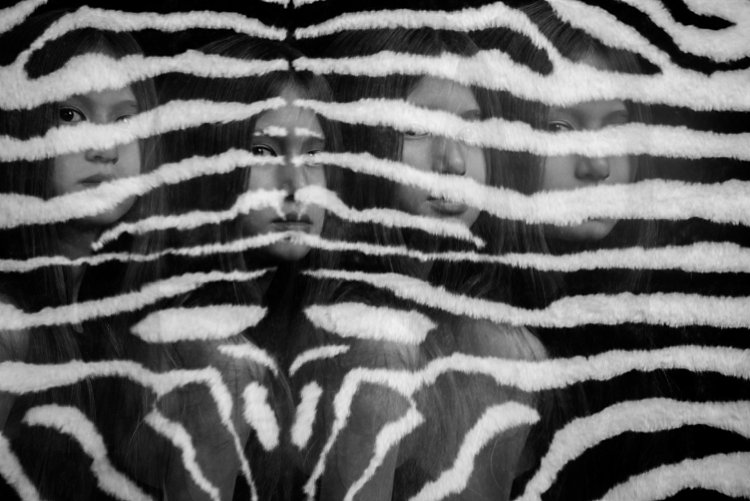
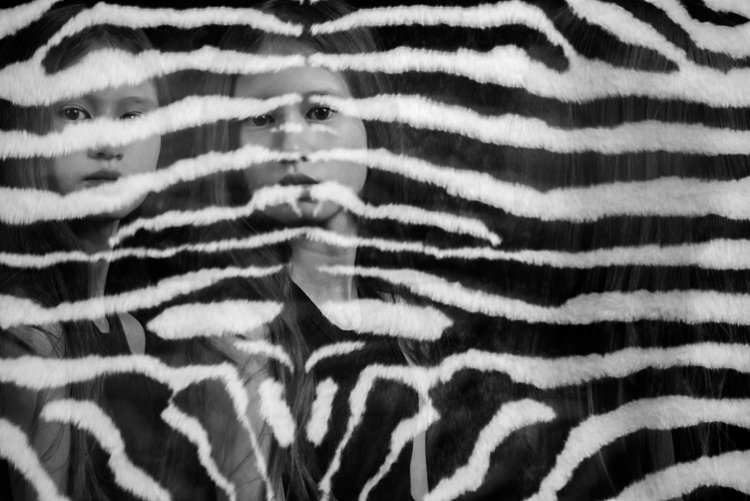
RSS
 

Posts Tagged ‘Tips’

Tips for Doing Macro Underwater Photography

04 Nov

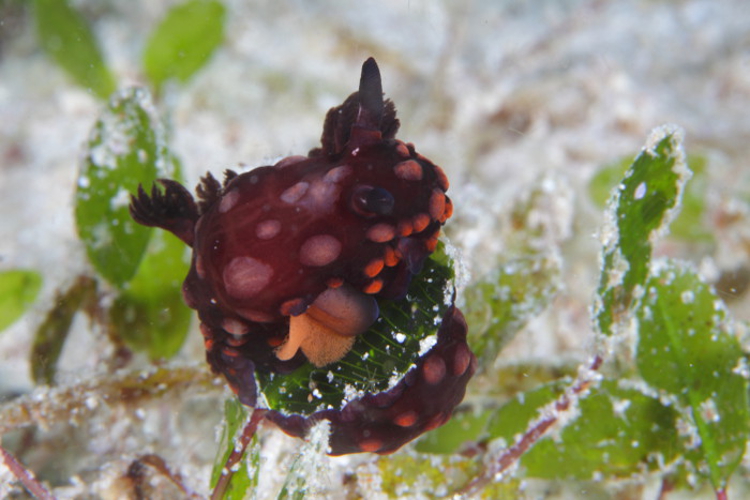
Look at the photograph below. What an unreal, alien animal! It could be right out of one of the many upcoming Star Wars sequels. You just don’t see creatures like that in your everyday life. It’s a sea slug (to be scientifically precise: Nembrotha Kubayana) which I photographed 20 meters underwater on a reef in the Philippines. The head of the slug is only about a centimeter across, so the image is quite a close-up (macro photograph).
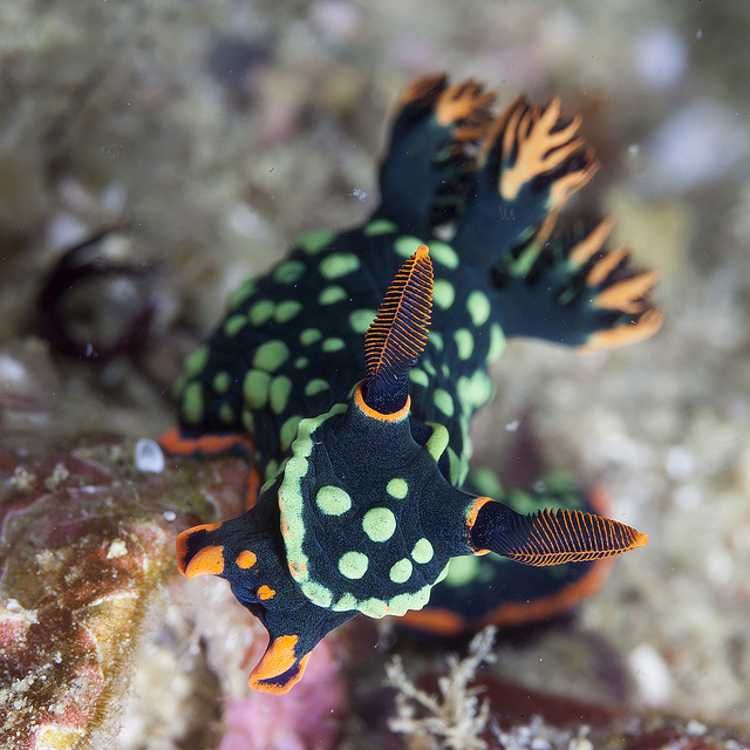
Nudibranch1

If it doesn’t sound easy to dive 20, 30 or more meters below the ocean’s surface to take a picture of a slug the size of your pinky – it isn’t. But with the right gear, with the proper knowledge and experience using that gear, and with skills to find those small animals you can do it too. So let’s talk about each of these points one at a time.

The Gear

Naturally, you will need an underwater camera. There are a number of great choices these days. Compact cameras have greatly improved in recent years, and you can get a pretty good deal on a camera plus the fitting underwater housing. Many camera manufacturers make acrylic housings for their own compact camera models, which tend to be a lot cheaper than third party models. To have any chance of taking good macro shots, you need a strobe or a video light as well.
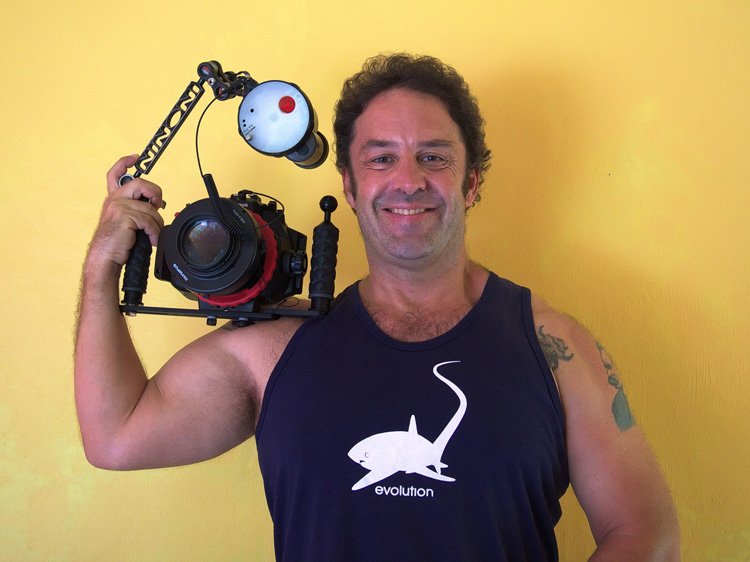
underwater-macro-setup

Me with my underwater camera setup. Note the diopter (magnifying lens) attached to the front of the lens port. The strobe is relatively close to the port and aimed slightly forward. The closer the subject, the closer the strobe can be to the port. The farther away the subject is, the further the strobe has to be to avoid backscatter.

If you have a lot of money or if you are obsessed with underwater photography (like myself) you can get yourself a DSLR, and put it in an underwater housing. I have been using a Canon 5DII in a Hugyfot (machined aluminum) housing, with two Inon z-240 strobes for several years now. Camera choice is an interesting and complex issue, but I want to concentrate on the gear you need specifically for underwater macro photography.

Macro lens
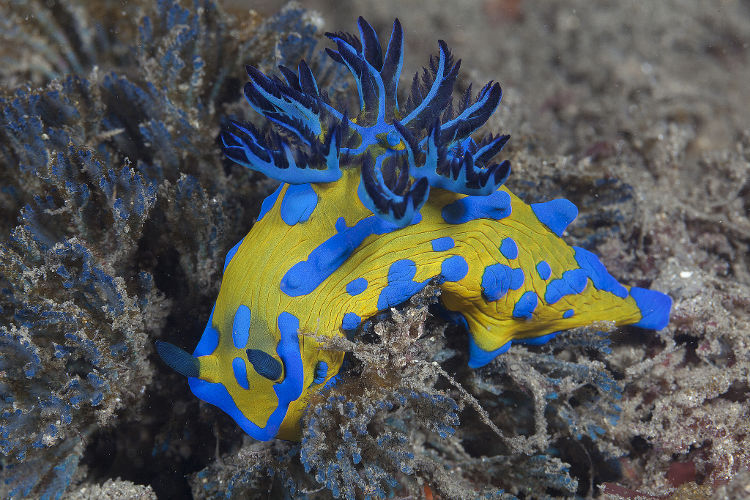
Tambja

Another sea slug, from Botany Bay, Australia.

Modern macro lenses are technological miracles. If you are using a DSLR or a mirrorless camera, you can switch lenses. So you need to mount one that is capable of focusing close up, with significant magnifying power. I routinely use the Canon 100mm f/2.8 macro lens(price it on Amazon or B&H Photo), which can focus at 35 centimeters. That distance is measured from the sensor plane, hence I can place the subject only a few centimeters in front of the housing’s lens port. The sharpness this lens achieves when capturing minute animals is simply amazing. Nikon’s 105mm macro (price it on Amazon or at B&H Photo) is a legendary lens as well, and for cameras with cropped sensors (mirrorless cameras and entry to mid-level SLRs) 60mm macro lenses do a great job.

Other options

A small, but clever piece of gear I have been using with quite some success, is an extension tube. It’s simply a spacer inserted between the macro lens and the camera body. The extension tube eliminates the ability of the lens to focus to infinity (not used in macro photography anyway) and adds another 20% of magnification. The fact that no additional lens elements are introduced is a good thing for image quality.

Diopters (also called close-up filters) are also highly recommended. A diopter is simply a magnifying glass which is placed on the front of the camera’s lens. This is not ideal in terms of the optics, and distortions towards the edges are possible. With diopters, it makes sense to invest in a quality product to minimize such distortions. However, the amount of magnification achieved with a good diopter is absolutely mind-boggling. It can turn your underwater camera setup into a field microscope.
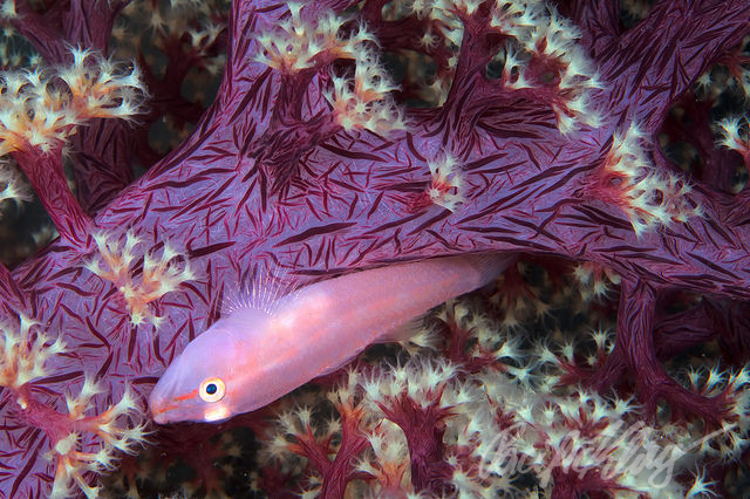
Goby2

Another goby, very well camouflaged on a soft coral.

You can get both dry diopters which are attached to the actual lens, and wet diopters which are attached to the lens port on the outside of the housing. Wet diopters exist for DSLR and compact camera underwater setups. The convenient thing about the wet ones is that you can take them off underwater, and shoot larger animals again.

Tip: Make sure you store your wet diopter in a safe place when it’s not mounted.

Request: If you see a wet diopter for a 10cm diameter macro port, with a gray plastic mount somewhere on the west coast of Cebu, please return it to me.

How to use your macro gear

I’d like to stress two things when it comes to the proper camera technique for macro underwater photography – camera settings and strobe placement.

Almost all the light for your underwater photographs will come from your artificial light source anyway, so the shutter speed is usually not important. It needs to be equal or slower than the maximum speed your camera can synchronize with the strobes. That kind of information will be in the user manual for your camera since it differs between camera models. Otherwise, a shutter speed as fast as possible is beneficial for sharp images.
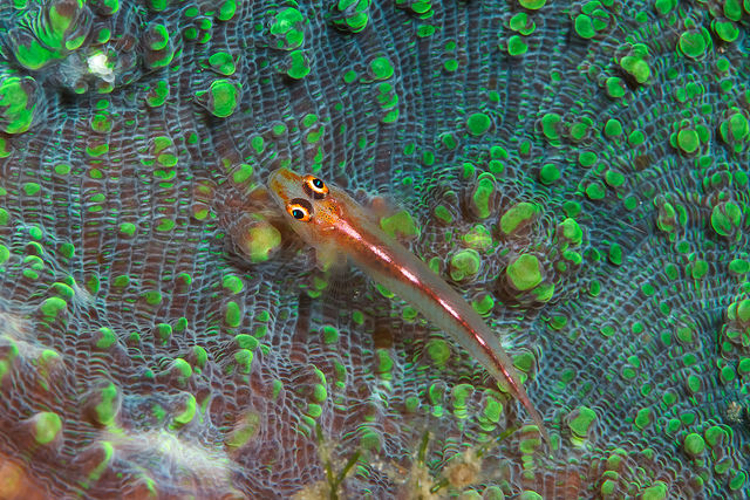
Goby1

A small goby on a piece of hard coral, with the entire image in sharp focus. Canon 5DII, Canon USM 100mm f2.8 lens, at f/22.

Aperture considerations

A small aperture helps to keep the whole scene in your image sharp. Macro lenses naturally have a shallower depth of field due to the distance to subject being much smaller. So to photograph a tiny goby and all of the pretty coral it perches on, with all of it in focus, I use an aperture anywhere from f/22 to f/32 (that’s the smallest my Canon 100mm f2.8 macro can do).

There is also the option of using a wider aperture to achieve a Japanese-style effect in your images. Such a photographic style is indeed popular with Japanese underwater photographers these days. It is somewhat reminiscent of the late medieval Japanese painting style where the artists would just hint at a few twigs to depict a tree. How wide you can go depends on your lens, the distance to the subject and its orientation. The aperture of f/4.2 used in the picture below is as wide open as I can go. Whenever I can, I set my camera to approximately correct values before the dive so that I don’t have to find my way around in the menus while already underwater with a cool fish showing up in photographic range.
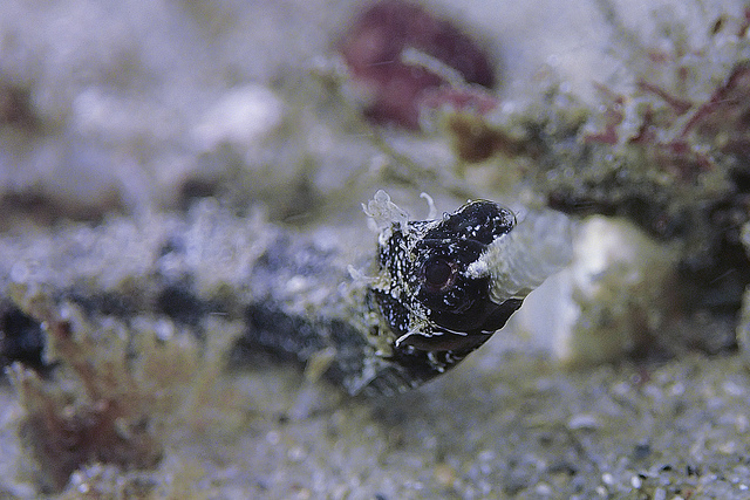
Stick

Only the face of this stick pipefish from Sydney in Australia is in focus. This Japanese style shot gives the image a dreamy atmosphere. Olympus TG-1, at f/4.2.

Lighting

You will need to use artificial light for most of your macro shots. Light-hungry macro lenses will not make good images with sunlight in many situations on land, and underwater, with so much sunlight absorbed by the water above you, they do even worse. The internal flash of most cameras is not strong enough and it’s in a less-than-ideal position just above the lens.

Avoid back-scatter

The external strobes you use should be mounted on some kind of adjustable or bendable arm. Keep them positioned moderately close to your lens, and a bit behind it. In underwater photography, you are always aiming to avoid back-scatter. Your strobe will light up the suspended particles in the stretch of water between your lens and the sea slug, and this will make your image look as if taken in a snow storm. There is nothing quite as annoying in underwater photography than a well composed, well lit shot, with a lot of back-scatter ruining it. You can take care of back-scatter in post-processing to some degree in some shots, but it’s a pain and better avoided, to begin with. Back-scatter is to underwater photography what blisters are to hiking.
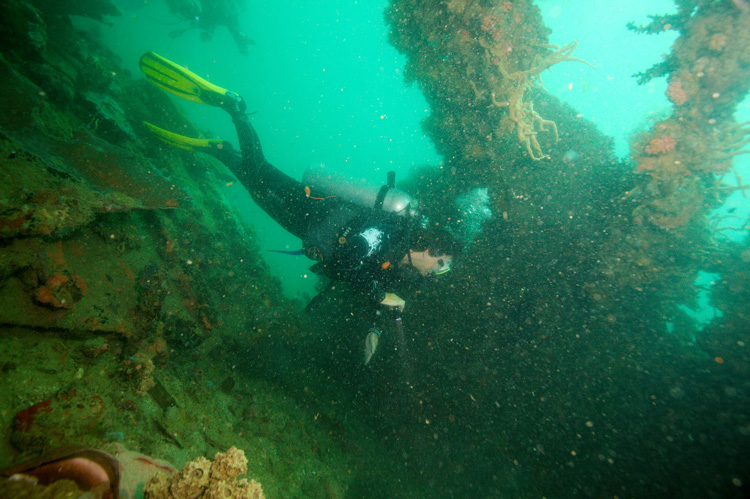
A diver on a shipwreck in the Philippines. These are harsh conditions for underwater photography. I had my strobes turned outwards, and placed away from the camera, but not enough. The illuminated particles (the backscatter) stand out especially in front of the darker part of the wreck.

A diver on a shipwreck in the Philippines. These are harsh conditions for underwater photography. I had my strobes turned outwards, and placed away from the camera, but not enough. The illuminated particles (the back-scatter) stand out especially in front of the darker part of the wreck.

When shooting wide-angle underwater, you need to place your strobes far away from your lens and slightly outward-oriented to avoid illuminating any particles in front of the lens’s wide field of view. This minimizes the amount of light reaching the space between your lens and the subject.

Positioning your strobes

In underwater macro photography, the situation is not quite as difficult. Still, the further away you are from the subject (the distance may vary between the subject almost touching the front of the lens port to no more than 30cm) the more you need to move your strobes away from the lens. When I am really close, I try to mimic a ring-flash with my two underwater strobes. In case you haven’t seen one, a ring-flash is a circular light source which is mounted on the front of a macro lens. Such a strobe is often used in land-based macro photography. It provides very even illumination. Putting one of my underwater strobes close to each side of my camera’s lens port gives me a similar type of direct, smooth illumination.

How to find good underwater macro subjects

Photo legend Jim Richardson is quoted as saying that, “If you want to be a better photographer, stand in front of more interesting stuff.”. Underwater, that’s not quite true. You need to hover in the water in front of more interesting stuff, or at least lay in the sand in front of more interesting stuff, but that doesn’t look quite as stylish. And you should definitely not lay on corals in front of more interesting stuff because you may break them and it will evoke the rightful anger of a lot of other divers!
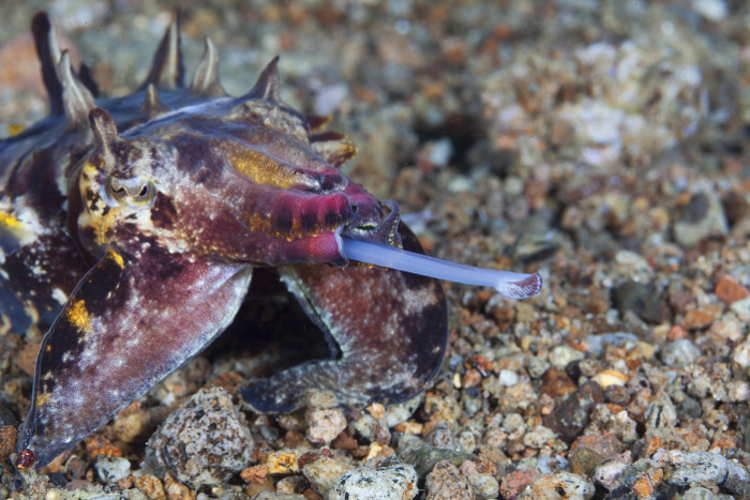
Hunter

A flamboyant cuttlefish hunting in the Philippines. This animal is about 5cm long.

Good buoyancy will have other advantages besides not breaking corals (thank you again for not doing that). If you are stable in the water, you will be able to position yourself in a proper position in front of the animal you’d like to shoot. You will also not stir up silt or sand from the bottom, which would then cloud the image you are about to capture and cause the aforementioned dreaded back-scatter.
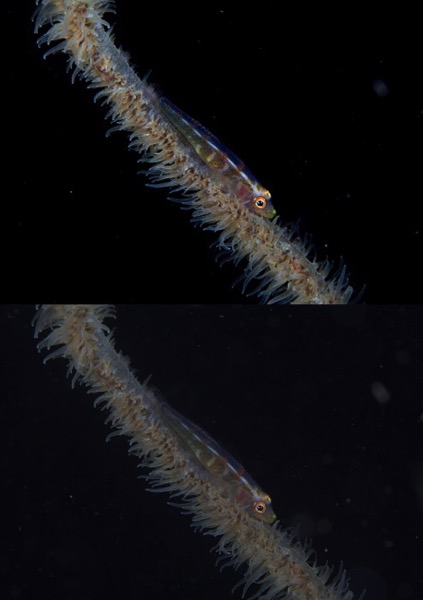
Whipcoralgoby

Whip coral goby, Moalboal, Philippines.

Back-scatter happens, to the best of us, including myself (above).

In the bottom image (before) we see way too much backscatter. I did two things. First I corrected the exposure of the image, cutting off the darkest part. This eliminated some of the unsightly dots. The remaining white dots I removed with the healing brush in my image processing program. The resulting image on top is vastly improved by these two post-processing manipulations.

Don’t spook your subjects

A neutrally buoyant, controlled, and calm approach towards your photo subjects will also reduce the chance of spooking them. There is a lot to be said for good buoyancy when photographing underwater. If you are not quite there yet with your positional control while diving, try photographing less easily spooked animals like slugs and sea urchins, and save the shrimp (very nervous) or the blennies (very fast) for the future once you have improved your buoyancy.
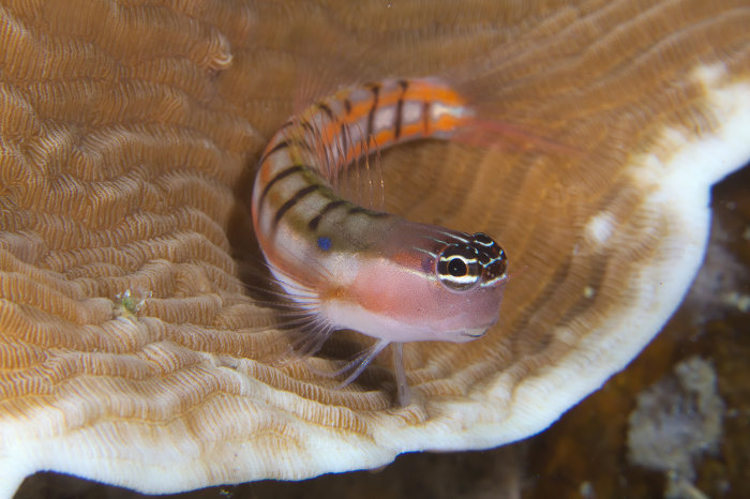
Blenny

A blenny. Not easy to catch!

Hunting subjects

What you have to figure out next is where to find those psychedelic slugs and the fish straight out of Salvador Dali’s sketchbook. If you are on a diving vacation in some foreign tropical land, just follow your guide, and pay good attention to what he points at. The guys and gals guiding every day, year in and out, in the same location, usually know their reefs really well and are proud to show off the unusual animals on it. It also helps to have a quick chat with your dive guide beforehand and to tell him that you are out to find interesting macro subjects.

If you are diving on your own, things will move a bit slower. You will have to become that expert guide yourself. Study the reef when you are diving and study marine life books and web resources on land to figure out what to look for, where, and when. Certain animals will only be active at night, or at sunset (like the famous mandarin fish shown below). Some crabs will only live on one species of soft coral, and some shrimps will only live on the skin of certain sea cucumbers. If you don’t know where to look for them, it’ll be near impossible to find them. It’s a curious psychological effect that you will find such animals over and over again after you have spotted them once for the first time.
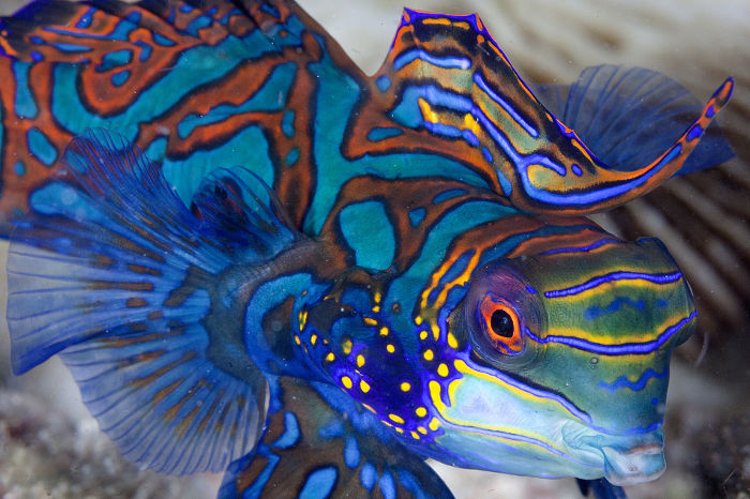
Mandarin

A mandarin fish! So pretty!

Nudibranch2

Sea slug laying its eggs (these slugs called nudibranchs are hermaphrodites, functioning as males and females at the same time). It was magic moments of animal behavior like these that got me addicted to macro photography underwater.

Conclusion

To become a skilled macro underwater photographer you need patience. Go for a dive, take some shots, come back, look at them, and think about them. Rinse (your camera gear, and yourself) and repeat. Take your time to inspect your work, and to reflect on what you could do differently next time. I recommend that you consider the points above during each and every iteration and the following questions:

Did I bring the right gear? Did I use it properly? Did I do a good job in finding that fascinating new sea slug?

Please put your comments and questions below, and do please share your underwater photos there too. We’d love to see them.

googletag.cmd.push(function() {
tablet_slots.push( googletag.defineSlot( “/1005424/_dPSv4_tab-all-article-bottom_(300×250)”, [300, 250], “pb-ad-78623” ).addService( googletag.pubads() ) ); } );

googletag.cmd.push(function() {
mobile_slots.push( googletag.defineSlot( “/1005424/_dPSv4_mob-all-article-bottom_(300×250)”, [300, 250], “pb-ad-78158” ).addService( googletag.pubads() ) ); } );

The post Tips for Doing Macro Underwater Photography by Dr. Klaus M. Stiefel appeared first on Digital Photography School.
Digital Photography School

 
Comments Off on Tips for Doing Macro Underwater Photography

Posted in Photography


3 Tips for Taking Portraits with a Kit Lens

27 Oct

One of the first things that new photographers often hear is “your kit lens is garbage.” While there are certainly benefits to upgrading your glass as your budget allows, it’s also important to know that there is so much you can do with your kit lens if you understand how to use it to your advantage! In this case, let’s talk about portraits.

Most photographers quickly upgrade to a 50mm or 85mm prime lens for portraits, and with good reason. These lenses are sharp, and can typically shoot as wide as f/1.4 or f/1.8, which means that it’s easier to achieve that nice blurred background in portraits.

Taking Portraits with a Kit Lens

Canon 50mm lens at f/2.0, 1/160th sec, ISO 100.

If you plan to spend any significant amount of time taking portraits, I would absolutely recommend upgrading to at least a Nifty Fifty lens. When it comes to portraits, I almost always find myself reaching for my 50mm prime lens, and I really do think it’s worth the money. That said, when we’re living in the real world, there are a whole plethora of reasons why you might not upgrade lenses right away. Perhaps it’s a budget issue. Perhaps you’re still trying to decide which type of photography really interests you. Or maybe you just opened the camera box for the first time today and want to have a better understanding of your camera before you purchase anything else. Regardless of the reason, I’ve got good news for you–you can take great portraits with a kit lens!

In this article, we’ll explore a couple of limitations when it comes to taking portraits with a kit lens, as well as some tips for working around those limitations and capturing the best portraits possible with the equipment you already have.

1. Use Depth of Field to your advantage

As I mentioned before, one of the benefits of using a prime lens for portraits is the ability to shoot as wide as f/1.4 or f/1.8 to easily achieve that nice blurry background (called bokeh) in almost any location. Most kit lenses can only shoot as wide as f/3.5 (at 18mm) and f/5.6 (at 55mm) which won’t blur the background as much as new photographers are typically hoping. That is unless they understand that aperture isn’t the only important factor in creating that nice blurry background for portraits.

Taking Portraits with a Kit Lens

Another key aspect in creating a blurry background is the distance from the subject to the background. The further the subject is from the background, the blurrier the background will be in the photograph.  So, to create the blurry background when using your kit lens, one of the easiest things to do is to position your subject as far away from the background as possible.

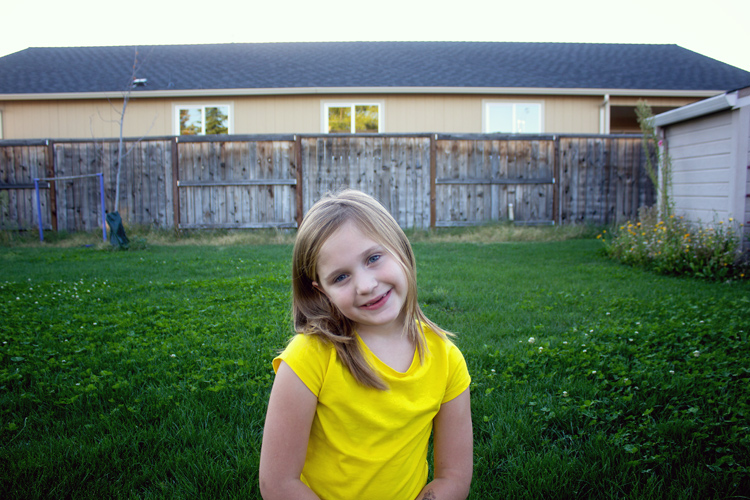
Typically, when I use a 50mm lens to photograph my kids in the backyard, I have them sit on the grass about two or three feet away from our back fence. When using a kit lens, I have them sit about 30 feet away from the fence, as you can see in the image above. Then, I zoom-in to somewhere between 35-55mm, and shoot at the widest aperture the lens will allow for that focal length, in order to produce the most blur in the background possible.

Taking Portraits with a Kit Lens

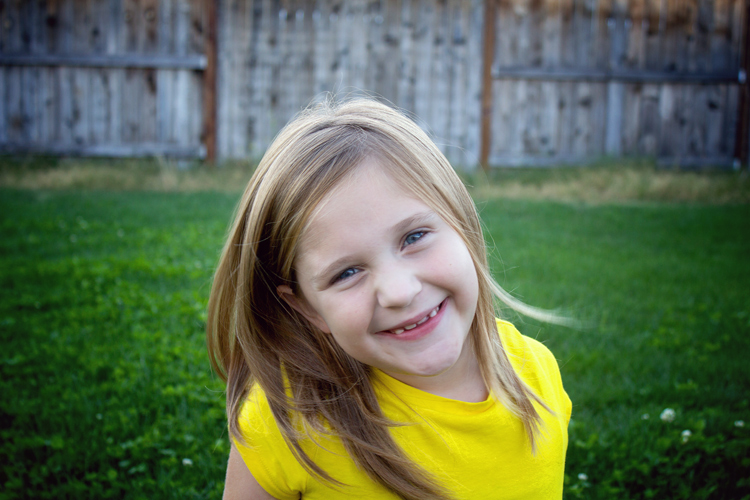
Canon Kit Lens that came bundled with the Rebel XS. This image was shot at 37mm and f/4.5.

2. Change your perspective

Taking Portraits with a Kit Lens

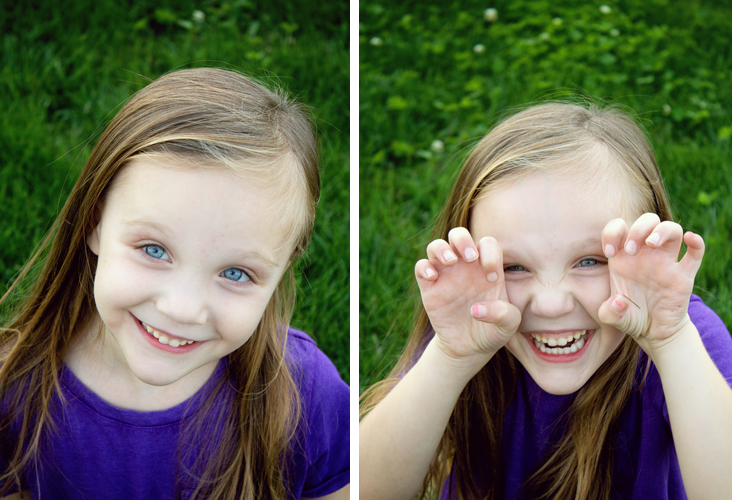
Both images were taken with a kit lens at f/5.6.

If you can’t place your subject far away from the background and/or the background isn’t something you’d like to incorporate into your photograph, another option to consider is to change your perspective. Stand up, and have your subject sit on the ground, photographing them from above. Grass, cement, asphalt, and sand all photograph well from above, and can often be more visually pleasing in a portrait than a background that cannot be blurred as much as you’d like.

Taking Portraits with a Kit Lens

Shot with a kit lens at 55mm, f/5.6.

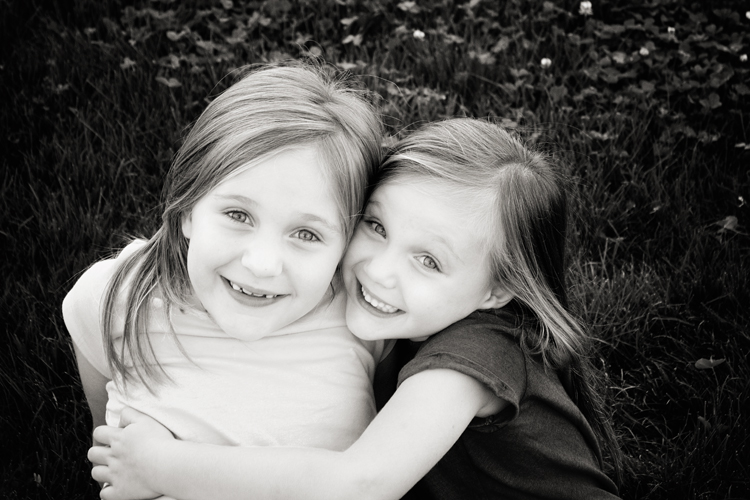
Bonus Tip: When shooting from above, try converting to black and white! When converted to black and white, grass reads as a dark background that can be a nice contrast for lighter skin tones. Likewise, concrete often reads as a light background that can be a nice contrast for darker skin tones. Converting to black and white when shooting from above can be a great way to work around the inability to blur a background as much as you’d like in portraits.

3. Try candid or semi-posed portraits

Taking Portraits with a Kit Lens

Shooting at f/4 or f/5.6 means that more of each image is going to be in focus than it would be if you were shooting at f/1.4 or f/1.8. Rather than consider this a disadvantage, think about the things that are easier to capture at those apertures.

For example, at f/5.6, you have the freedom to capture images with a little more movement without risking a lot of blur from motion. This is a great opportunity to try taking portrait-style images that are candid or semi-posed. Try photographing kids running toward you or siblings mid-hug. Have your subject twirl or jump. Ask mom or dad to tickle their child. Though these images may be slightly different than the head-and-shoulders images that the word “portrait” often brings to mind, they often invoke emotion and movement in a way that is really compelling and valuable in photographs.

Taking Portraits with a Kit Lens

Shooting from a slightly wider angle than just head and shoulders also allows you to incorporate aspects of the surroundings into your images to tell a story. Perhaps it’s a handful of flowers at the park, a bunch of balloons for a child’s birthday, or even an ice cream cone on a hot summer day. The cold hard facts are that the story and emotion make the portrait, not the bokeh in the background.

Using a kit lens in a nutshell

My suggestion to you is to fudge the expectation of head-and-shoulders images when it comes to kit lens portraits. Instead, focus on capturing emotions and telling a story, while getting as close as you reasonably can. If you can move the subject far away from the background in order to create a nice blur, absolutely do so. If you can’t, consider changing your perspective to create a more uniform background that’s reasonably free from distractions so that the viewer will be able to focus solely on your subject.

Taking Portraits with a Kit Lens

Does a kit lens have limitations when it comes to portraiture? Absolutely. However, recognizing the limits of a kit lens when it comes to portrait photography isn’t prohibitive. Rather, it allows you to recognize the situations and applications that will be most effective in creating the images you want with the equipment you already have, and that’s always a good thing!

Do you have a great portrait taken with a kit lens? Please share it in the comments below!

googletag.cmd.push(function() {
tablet_slots.push( googletag.defineSlot( “/1005424/_dPSv4_tab-all-article-bottom_(300×250)”, [300, 250], “pb-ad-78623” ).addService( googletag.pubads() ) ); } );

googletag.cmd.push(function() {
mobile_slots.push( googletag.defineSlot( “/1005424/_dPSv4_mob-all-article-bottom_(300×250)”, [300, 250], “pb-ad-78158” ).addService( googletag.pubads() ) ); } );

The post 3 Tips for Taking Portraits with a Kit Lens by Meredith Clark appeared first on Digital Photography School.

Digital Photography School

 
Comments Off on 3 Tips for Taking Portraits with a Kit Lens

Posted in Photography


Shooting Festivals and Events – Tips for Travel Photographers

26 Oct

Festivals, fairs, and carnivals are a great visual opportunity for any travel photographer because they provide us with a glimpse into the local culture. I remember working in the Gion Matsuri festival in Japan. While one can say that Japan is super modern and hi-tech, the festival allowed me to see a different, more traditional side of the place – from the local food to the clothing.

festivals and events travel photographer

Here are some tips that will allow you to make the best out of your next festive event

Before you go

Build your next vacation around a festival. Why not schedule your next trip or family vacation around a festival? Not only can festivals and local events give lots of great visual opportunities, but a festival can be a good experience for your non-photographing partners as well. Thus, you can combine a family vacation with your love of photography at the same time and place.

How to find your next festive vacation

Choose your destination according to your schedule. If you know that you can take some time off in the summer, Google “best festivals in July and August” and Mr. Google will offer some great ideas – from a music festival in England to a tribal festival in Papua New Guinea. Now, all you have to do is to choose.

Or, choose your schedule according to your destination if you already decided on your next destination. If possible, try to choose the time and season according to a local festival or event.

festivals and events travel photographer

Booking and planning your trip

Book your trip as early as possible. Well-known festivals and fairs tend to attract huge groups of visitors from all around the world. Everything from booking a flight ticket to getting a good hotel can be extremely expensive or even impossible. So, do your best to book everything well in advance.

Choose smart lodging. While traveling, time is everything and as a cultures photographer, you want to maximize your time by selecting a smart lodging. Don’t waste your time and money on a hotel which is far from the main attractions. Be on the streets with first light, before the crowds.

Get the event schedule. Knowing when and where to be is important for every photographer, but this is a must if you are working around a moving festival (like a parade). If possible, look for the event schedule online, and be sure to double check it with a local (like a receptionist at your hotel or a local taxi driver) upon your arrival.

festivals and events travel photographer

On location

Get there before the crowds. To get yourself a spot in the first row, you will need to be there as early as possible. It might feel a bit boring or like a waste of time, but this is essential if you want to photograph the action and not just the backs of people’s heads.

Get a good vantage point

Find an off-public vantage point. Get creative and find yourself a (legal) way to avoid the hustle of the street (and standard imagery) by getting to a high vantage point. Scout a location – balconies or windows that can give you a better perspective on the event, and seek the owner’s approval in advance.

Build your own vantage point. I saw this technique while working on that story on the Japanese festival in Kyoto. To get a higher vantage point, the local photographers brought small ladders and stools that allowed them to shoot the action without thousands of heads in their frame. This is a smart and extremely practical idea.

festivals and events travel photographers

Be safe

Watch yourself and your gear. Besides being a paradise for pickpockets, some festivals and events can get pretty wild and even violent (I never got so many elbows and punches as I had in India). Avoid getting into a situation that might get too crowded or dangerous!

This recommendation is relevant for any significant event, but from my experience, mostly in festivals which are religious in nature.

Back home

Create a diverse set of images. While sorting and editing your work, try to make your set of images as diverse as possible. Showcase the event from different points of view; high vantage points, portraits, day and night, food, local arts and crafts, etc.

festivals

Approach organizers and pitch your work. Sending your work to the event organizers can be a great way to get published, and it may get you a ticket for the non-public areas at next year’s festival. In a case of a traditional festival, you can always send your images to the local embassy and offer them to use your work.

Here is my list of some of the best festivals for photographers. You may want to add some of these to your list.

Well known festivals

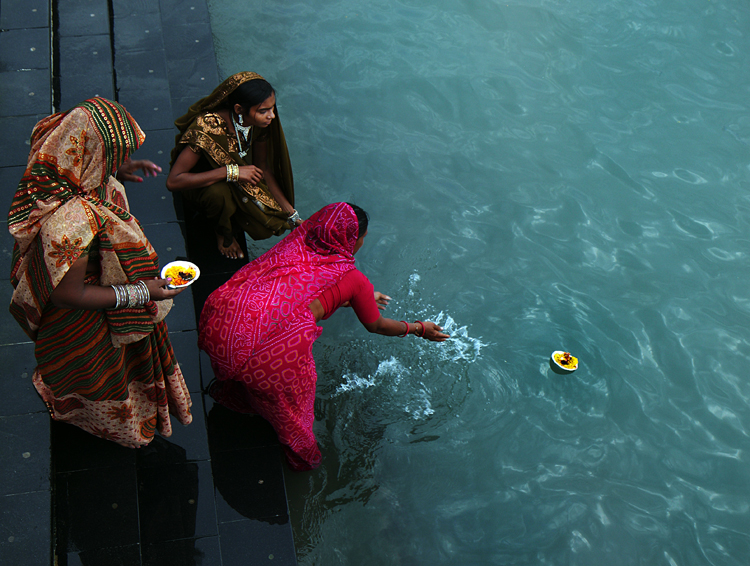
Kumbh Mela festival India

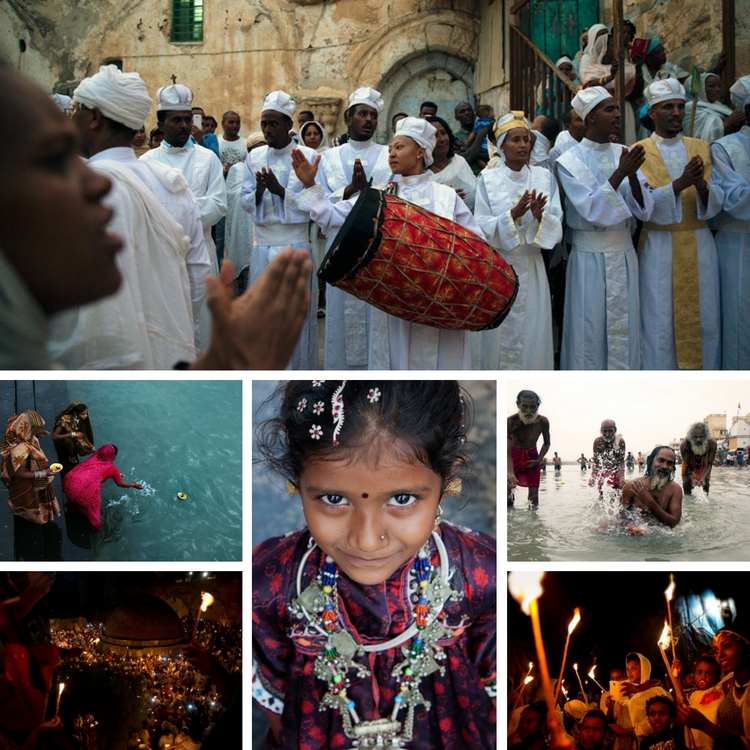
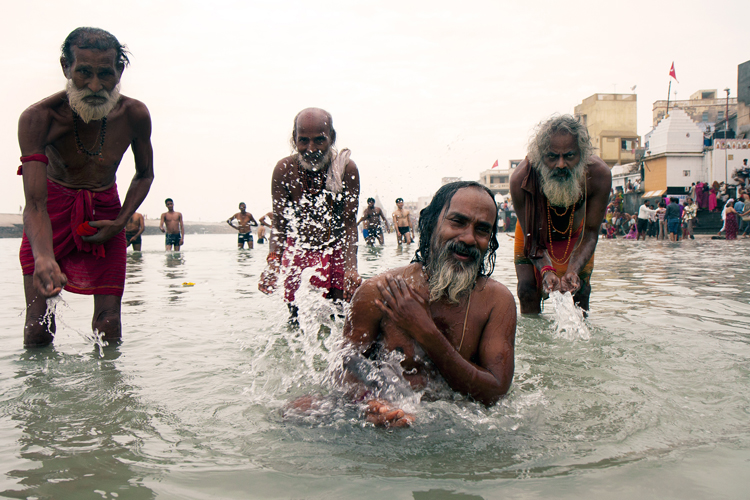
The Indian Kumbh Mela festival is the largest religious gathering in the world, with millions of people coming to bath in the holy Ganges River.

  • When: Every 12 years, with the next one on 2022.
  • Where: Haridwar, Allahabad , Nashik-Trimbak and Ujjain in India.

Kombh Mela festival India

Dia de Muertos Mexico

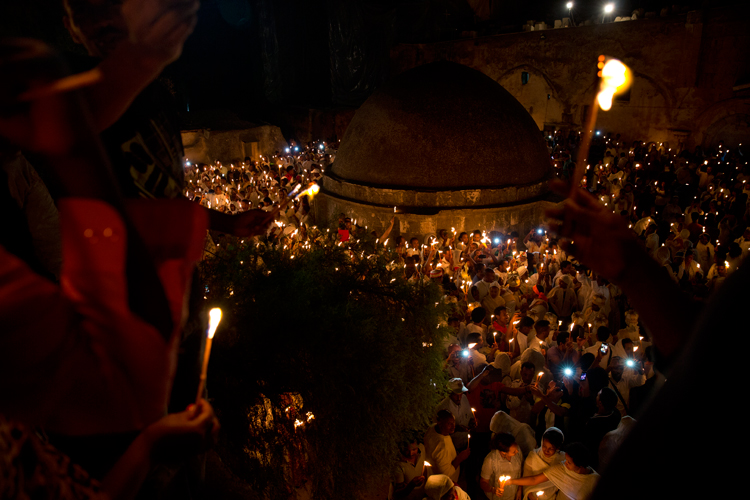
The Dia de Muertos, or the Day of the Dead, is a unique and photogenic festival which takes place in Mexico. On that day, locals believe that their dead will return to earth and are preparing for the event. After preparing food and offering, the locals will visit the cemetery, decorating the graves with candles and flowers, making it both spooky and very photo worthy.

  • When: The beginning of November.
  • Where: Throughout Mexico.

Songkran festival Thailand

In this festival, which is the Thai New year, you will need to find a solution to cover your camera, because you are going to get wet. Very wet! In the Thai culture (and in many other cultures as well) water are considered as a purifying source and this festival is the largest water fight in the world. Along with great food, music, and dancing in the streets, it is the Thai culture as its best.

  • When: 13-15th of April
  • Where: Throughout Thailand.

8.jpg

Hanami – Japan

If you thought that Japanese people could be a little crazy sometimes, wait until you meet them at cherry blossom time. Local picnics, karaoke singing, and amazing natural sight of the white cherry flowers, making it a local event to experience.

  • When: Depending on temperature and location on the island, but aiming for late March will be the best.
  • Where: Throughout Japan

Kombh Mela festival India

Less well-known festivals

Damadihana – Madagascar

Turning of the bones. A Malagasy tradition in which local families, take out the remains of their ancestors from the family graves and wrap them in new cloth. Dancing with the remains to the sound of local music is part of this morbid festival.

  • When: Throughout the second half of the year.
  • Where: Highlands of Madagascar.

Argungu Fishing Festival – Nigeria

This festival take place every year in the Northern part of Nigeria. The main event is a competition where thousands of men and women jump into the river with limited time to catch the largest fish, using only traditional tools or their hands.

  • When: February or March.
  • Where: Northern Nigeria.

Kombh Mela festival India

German Christmas market

Maybe not as exotic as the other events on this list, but the Christmas markets in Germany are an experience not to be missed. Local art stalls, outstanding food, music, and everything from the unique design of the stalls to the lights illuminating the streets, is so visually interesting!

  • When: November and December.
  • Where: Throughout Germany.

Conclusion

Do you have any other festival or event photography tips to share? Or maybe you know of some other great festivals to add to this list. Please share in the comments below.

googletag.cmd.push(function() {
tablet_slots.push( googletag.defineSlot( “/1005424/_dPSv4_tab-all-article-bottom_(300×250)”, [300, 250], “pb-ad-78623” ).addService( googletag.pubads() ) ); } );

googletag.cmd.push(function() {
mobile_slots.push( googletag.defineSlot( “/1005424/_dPSv4_mob-all-article-bottom_(300×250)”, [300, 250], “pb-ad-78158” ).addService( googletag.pubads() ) ); } );

The post Shooting Festivals and Events – Tips for Travel Photographers by Oded Wagenstein appeared first on Digital Photography School.

Digital Photography School

 
Comments Off on Shooting Festivals and Events – Tips for Travel Photographers

Posted in Photography


7 Tips for Attending a Photo Walk

26 Oct

As a photographer, you might have noticed that photo walks are all the rage these days. Whether it’s an event run through meetup.com or eventbrite.com, or a more involved workshop from a teacher that you follow, photo walks are one of the best ways to see a place and to improve your photography.

nyc-photowalk-750px-14

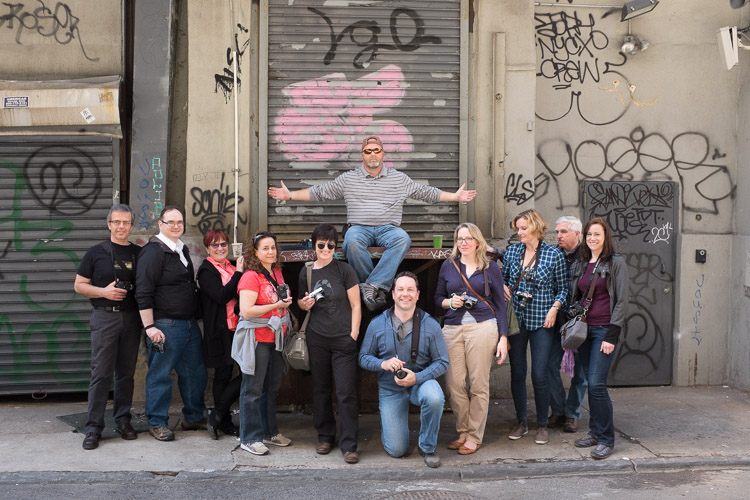
NYC photo walk featuring dPS Managing Editor Darlene as my guest (I’m in the front row with the hat, she’s in blue with a hat on my right).

Classroom and reading time are very important for improving, but nothing can replace the act of learning while you are out there photographing. This is where all the things you’ve learned come together and finally stick in your head. It is also the most fun way to learn.

So if you haven’t already, I suggest that you start seeking photo walks out, and here are some tips to help when you do.

1. Use them as an excuse to meet other photographers

Photo Walk

One of the main advantages to photo walks is that you are surrounded by like-minded people with similar passions. I don’t know about you, but most of my family and friends from growing up are not very into photography. So I try to find new photography friends whenever I can, but it can be tough to do that. Photo walks solve this problem.

Introduce yourself, exchange information, and talk about possibly going out to shoot again. You can take your favorite few people from each walk and start building an awesome network of photographers to go out shooting with in the future.

If you have questions, by all means, ask the organizers of the walk, but also see what the other people attending think. This is a chance to learn from many unique perspectives. Photography is a subject where there can be many correct, but differing answers to a question or problem, and it’s good to hear multiple opinions.

2. Watch what other people are photographing

Photo Walk

You are there to have fun and learn, and sometimes a great way to learn in this environment is to watch the other photographers and see what they are attracted to. Just from teaching on photo walks for the last five years, I have found so many new interesting ways to capture the city by watching my students. I have walked down certain blocks hundreds of times and then suddenly someone will capture it in a way that I had never thought of. It is an incredible way to learn.

3. Shoot on your own occasionally

New York Photo Walk

That being said, mix it up and take some time to break off and shoot on your own. You have the advantage here to learn from so many others, but at the same time you want to capture your own, unique photographs, and you need some quiet to do that. Step away a handful of times during the walk, but make sure not to get lost or slow down the group. After that, you can reengage with everyone else.

4. Get out of your comfort zone

New York Photo Walk

This is a chance to do something you are not used to doing. If you are a street photographer and are on a street photography meet up, of course, that is what you will be focusing on. But if you are a landscape photographer, consider doing some street photography, and if you are a street photographer, consider trying more landscapes. Do some portraiture. Improve your lighting. There are photo walks for nearly everything.

Seek out photo walks that will cover your interests and others that will challenge them. Everyone has their likes and dislikes, but this is a great chance to seek new perspectives and to round out your abilities.

5. Learn about the area beforehand

Photo Walk, New York City

Some photo walk leaders will talk about the history of the neighborhood, while others will strictly focus on the photography. Both are great ways of running workshops, but history is very important to photography. It helps to inform what you are shooting and to improve your awareness of the place.

Take some time on your own to read up about the area. Learn about the history, and explore the work of photographers that frequent those areas. Come prepared with this knowledge and it will make your day even that much more successful. This knowledge is not only inspiring but it will improve your ability to notice those special moments that create a magnificent photograph. In addition, some of the other walk attendees may find this knowledge fascinating as well.

6. Organize one yourself

Photo Walk

As you continue to attend photo walks, build your network of local photographer friends and start shooting with them regularly. Once you all get to know each other this could become a very close group of friends. Keep in touch, build friendships, attend gallery events together, and share your work and ideas.

Having a close group that all know you and your work is the best way to get a proper critique. If you just ask anybody or share your work on the web, you never know what the person’s perspective is who is giving you the critique. Usually, they just say “beautiful!” With a close group, that perspective will grow between all of you and these friends will not be afraid to tell you when they do not like something.

7. Do not get run over by cars or bikes

Photo Walk, New York City

This is the hardest part of my job, so please help me and the other photo walk leaders out. When you are in a new place, photographing in a new way, or surrounded by competing stimuli and photographers walking around, your situational awareness can become distracted. People with their lens to their eye can suddenly walk backward into the street trying to get the correct perspective, but with no awareness of where they are and the dangers that could hurt them.

Always be careful and look before you make a sudden stop or a move sideways or backward. If you are using a tripod on the sidewalk or street, be careful about the tripod legs. Make sure they are no wider than the width of your body so that bikers won’t trip on them riding by you.

With a one-on-one workshop, I can do a good job at making sure people don’t make unwelcomed moves on the street, but with a large group it is out of my ability, so please watch out for both yourself and your fellow photo walkers.

Conclusion

Have you participated in any photo walks? Please share your experience and tips for them below.

Now go out and find some photo walks!

googletag.cmd.push(function() {
tablet_slots.push( googletag.defineSlot( “/1005424/_dPSv4_tab-all-article-bottom_(300×250)”, [300, 250], “pb-ad-78623” ).addService( googletag.pubads() ) ); } );

googletag.cmd.push(function() {
mobile_slots.push( googletag.defineSlot( “/1005424/_dPSv4_mob-all-article-bottom_(300×250)”, [300, 250], “pb-ad-78158” ).addService( googletag.pubads() ) ); } );

The post 7 Tips for Attending a Photo Walk by James Maher appeared first on Digital Photography School.

Digital Photography School

 
Comments Off on 7 Tips for Attending a Photo Walk

Posted in Photography


5 Tips for Portraits of Musicians That Will Help You Hit All the Right Notes

25 Oct

I’d like to share a few tips for portraits of musicians that will help you avoid the awkward photos that make any musician cringe.

portraits of musicians

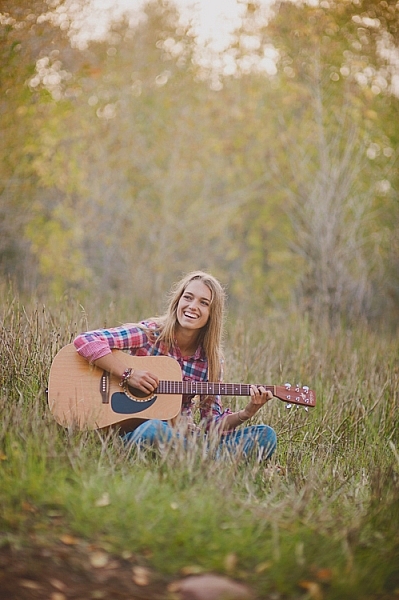
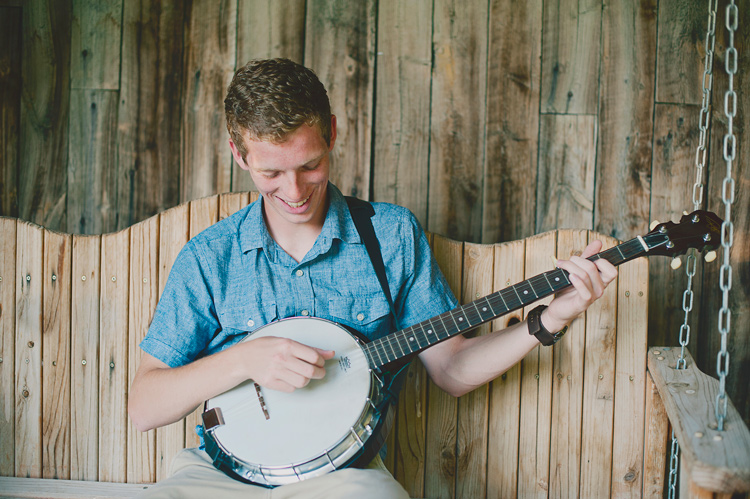
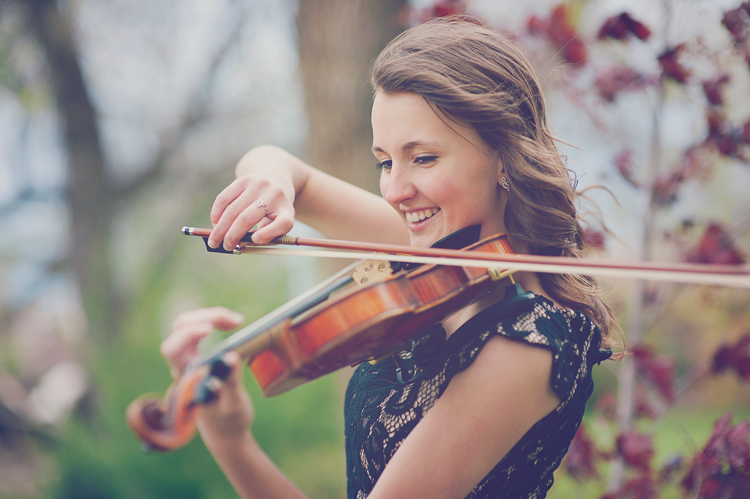
Sometimes we are lucky enough as photographers to be asked to photograph someone with one of their most prized possessions: their musical instrument. Most people that want to be photographed with their instrument really and truly love it, and it’s a part of who they are. As a musician myself, I love photographs with gorgeous instruments in them, and I am especially bothered by photos that don’t capture those instruments naturally. Sometimes I’ll come across a photo that makes me cry out, “Why?? Nobody would EVER hold their instrument like that!!” You can still be creative with your photos without making them awkward.

portraits of musicians

1. Trust the musician

If you aren’t familiar with the instrument you’re photographing, it is especially important to trust the musician. This isn’t the time to try every posing trick that you can come up with, ending up with flutes on top of the head, or cellos held under the chin.

Ask your subject how they hold their instrument naturally. You can ask how they hold their instrument while playing, or when they’re relaxing between songs. If it’s a big instrument, like a piano, ask them how they would stand next to it before they perform, or how they sit by it when they’re thinking about what to practice. Ask them to demonstrate how they carry their instrument from one place to another. These might seem like silly questions, but you can really get a sense of what positions and holds are natural, then you can build from there.

portraits of musicians

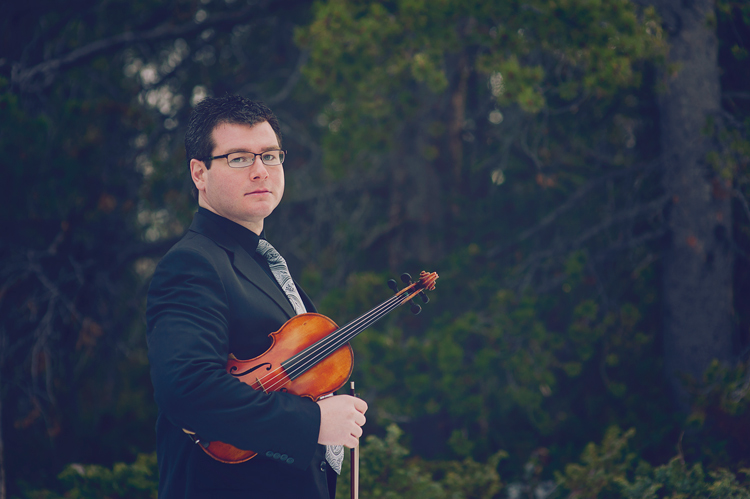
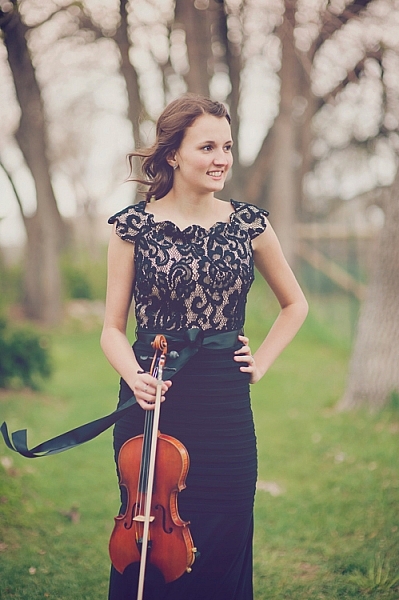
As an example, a violinist may tell you that she holds her violin under her right arm when resting. You could take that position, ask her to sit on a chair in a formal pose holding the violin under her arm and get a beautiful portrait of a girl and her violin. The key is to remember that they are much more expert at how to naturally pose with their instrument than you likely are. However, if you do happen to know their instrument well, feel free to use your knowledge to get beautiful natural poses.

2. Do your homework

portraits of musicians

Before a session with a musician, you could watch some videos on YouTube to see how people interact specifically with the instrument you’ll be photographing. Find a professional musician who plays the same instrument. Look at their website to see what kind of photos they have with their instruments. You may have a client who is very shy and need more guidance posing, so it’s helpful to have a few ideas ahead of time. Be prepared for challenges that an instrument might bring, such as unwanted reflections in brass, immobility of harps or pianos, sensitivity to temperature or weather, and have a plan.

3. Ask the musician to play for you

portraits of musicians

If you can get your subject to give you a little performance during the photo session, you will get some great action shots. It usually helps loosen them up a little bit too, and brings out some natural smiles. Remind them that it doesn’t matter if they make mistakes because your camera doesn’t catch any audio. It will only capture the perfect moments of their playing. Also, remind them that you aren’t there to judge their skill, you just want to capture the relationship they have with their instrument. Move around as they play, and catch the beautiful moment from every angle you can, close, and far.

4. Get close-ups of the action

portraits of musicians

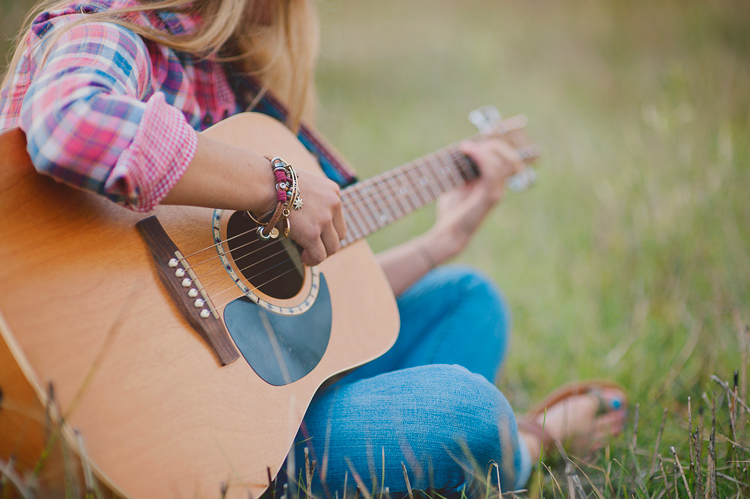
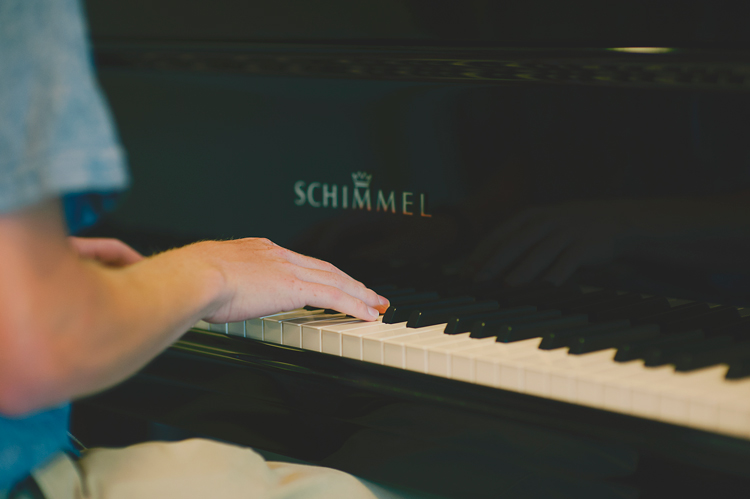
Hands are the main part of playing most instruments. Get in close on the hands as they play. These shots often end up being some of my very favorites. Try focusing on the hands as you shoot down the neck of a guitar, the fingers on a flute, or hands that are frozen in mid-air during a drum solo. Getting in close on these details can create beautiful action photos that really tell the story. If their hands are moving too quickly for you to focus, ask them to freeze for a moment in that position while you get the shot.

5. Make the instrument the star

portraits of musicians

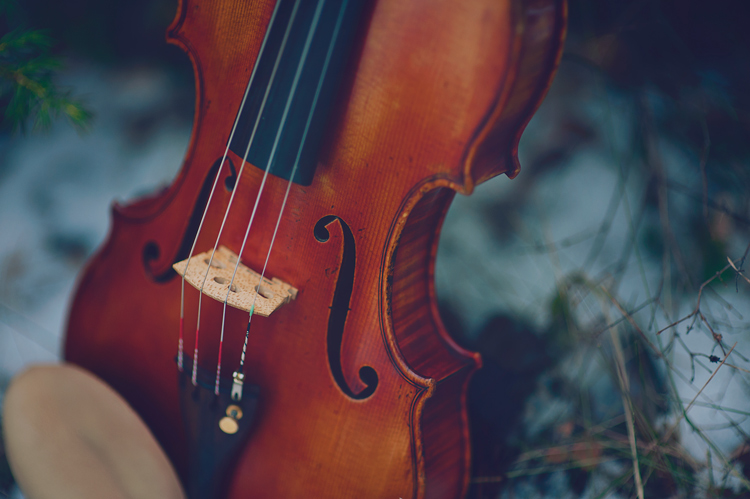
Take a few photos of the instrument by itself, too. Musicians love their instruments, and they will love photos that show their beauty. Make sure to ask permission to touch their instrument, and to set it down, move it, or anything you might want to do for the shot that could potentially harm it in any way. You can even ask the owner to do all of the touching and moving, and you can move yourself around to get the photo that you want.

Tell the musician what you have in mind, and they will most likely be on board, and be happy to help you get some amazing instrument photos. Instruments can be extremely expensive, and even more importantly, can have sentimental value that can never be compensated. Keep this in mind throughout the session, whether your subject is in the photo with the instrument, or not. Never ask them to do something that could harm or damage the instrument.

portraits of musicians

portraits of musicians

Conclusion

Every time I’ve been asked to create photos for album covers for musicians, head shots for websites, art to print and frame, or just to capture someone’s favorite hobby, my goal is to create a photo that they will love. One that will stay true to what they would naturally do with their instruments.

I hope these tips can help you create beautifully genuine musician portraits too. I would love to see your musician portraits in the comments!

googletag.cmd.push(function() {
tablet_slots.push( googletag.defineSlot( “/1005424/_dPSv4_tab-all-article-bottom_(300×250)”, [300, 250], “pb-ad-78623” ).addService( googletag.pubads() ) ); } );

googletag.cmd.push(function() {
mobile_slots.push( googletag.defineSlot( “/1005424/_dPSv4_mob-all-article-bottom_(300×250)”, [300, 250], “pb-ad-78158” ).addService( googletag.pubads() ) ); } );

The post 5 Tips for Portraits of Musicians That Will Help You Hit All the Right Notes by Melinda Smith appeared first on Digital Photography School.

Digital Photography School

 
Comments Off on 5 Tips for Portraits of Musicians That Will Help You Hit All the Right Notes

Posted in Photography


Keep calm and carry on: tips for safely transporting spare camera batteries

21 Oct

If you read too much news you might believe that Samsung Galaxy Note 7 smartphones are exploding all around the globe like miniature incendiary devices. You might even think that lithium-ion batteries are the work of an evil empire intent on spreading terror throughout the civilized world. Indeed, these combusting batteries have caused a good deal of concern, if not terror, and many consumers are questioning how safe the lithium-ion cells we use in our cameras are.

It is worth pointing out at this stage that of the over 2.5 million Galaxy Note 7s that were shipped before they were withdrawn only around 90 had over-heated, and fewer again had actually caught fire. A 90 in 2.5 million hit rate wouldn’t be reported if we were talking about the phone’s microphone not working, but as the potential is a pocket, handbag, house or hand actually catching fire the frequency of occurrence is obviously way too high. 

The good news is that the lower capacity batteries you pack in your camera bag are much less likely to cause a newsworthy scene than that in the Note 7, and by following some simple precautions you’ll be just fine.

What makes lithium batteries catch fire?

Smartphones need an astonishing amount of power to run the processors that control their multitasking activities, and the battery in the Samsung Galaxy Note 7 is rated at 13.48Wh. That’s a lot more powerful than most camera batteries – the EN-EL15 used to power the Nikon D810 for example is 11.8Wh.

Seen here: a Samsung Galaxy Note 7 that did not burst into flames.

The Note 7 battery is designed to be used in a device that Samsung wants to be as thin and as light as possible, so the battery has to be as thin and light as it can be made. That means we have a lot of charge in a very tight space. Lithium-ion cells are ideal for this sort of task as they are able to hold twice the charge of traditional metal cells such as nickel-cadmium and they are much lighter – lithium is the lightest metal element.

Problems arise in batteries for a number of reasons, but most center around some sort of short circuit between the positive and negative electrodes. Such short circuits allow energy to flow through the cell un-resisted which causes a build-up of heat that can lead to a fire.

In a lithium-ion cell the cathode (positive) and anode (negative) electrodes are immersed in an electrolyte conductive fluid and are kept apart by a porous barrier called a separator. During charging, and while the battery is being used, lithium-ions use the electrolyte fluid to travel between the anode and the cathode, passing through the porous separator on their way. At the same time, electrons pass between the anode and cathode via the device the cell is powering or the charger. If the separator is flawed it might allow electrons to travel between the two electrodes – a short circuit. If this happens the cell will begin to overheat.

This spiraling build-up is called ‘thermal runaway’ and the immense heat generated can make the cell and battery expand or explode

Problems can occur if the electrolyte fluid in the cell is contaminated with metal particles or if the separator is just too weak to do its job. The separator can also begin to break down when external temperatures are very high. The breakdown of the separator and the consequent unimpeded contact between negative and positive electrodes within the cell lead to a build-up of heat that can’t be dissipated, which subsequently leads to further break down within the structure of the cell. This spiraling build-up is called ‘thermal runaway’ and the immense heat generated can make the cell and battery expand or explode.

As most battery packs contain multiple cells to build voltage the breakdown in one will often overheat its neighbors and the reaction will be permeated through the entire unit.
The cell doesn’t need to have a manufacturer’s flaw to catch fire either, as any physical damage to the battery can rupture the separator or the individual chambers, allowing electrons to flow freely within the cells creating a short circuit. It only takes a tiny breach of the separator for thermal runaway to occur, as any breach will create heat that will further damage the separator and make a tiny hole bigger as the temperature rise accelerates.

How does this effect camera batteries?

Camera batteries tend not to pose such a high risk as they don’t contain as much energy as phone batteries do, but they can still be the cause of a fire if they aren’t treated correctly. Airlines allow lithium-ion batteries to be carried in carry-on luggage as if there is a fire it can be dealt with more easily in the cabin than it can in the hold. There are however restrictions on how many batteries can be carried in one place.

Some airlines recommend that the contacts are covered with electrical insulating tape to prevent them coming into contact with anything that might create a short circuit. 

Mail services tend to be most concerned about batteries rated above 100Wh. This doesn’t affect still camera batteries, which tend to be around 14Wh, but some larger video camera batteries can come into this bracket. These need special markings on the outside of the package. You might be required to pack each battery in its own plastic pouch, though taping contacts should be enough. Check with the company you are mailing or flying with for exact requirements. For an example, here are Delta airlines requirements:

Lithium Batteries
As you probably know, traveling with consumer electronic and medical devices containing lithium cells or batteries (e.g. watches, calculators, cameras, cell phones, laptops, camcorders, hearing aids, etc.) is allowed onboard as carry-on. Spare lithium batteries are allowed as carry-on only, and must be individually protected to prevent short circuits.
Tips to properly transport spare lithium batteries:
* Pack spare batteries in carry-on baggage.
* Keep spare batteries in the original retail packaging to prevent unintentional activation or short-circuiting.
* If original packaging is not available, effectively insulate battery terminals by isolating spare batteries from contact with other batteries and/or metal.
* Specifically, place each battery in its own protective case, plastic bag or package, or place tape across the battery’s contacts to isolate terminals.
* Take steps to prevent crushing, puncturing, or putting a high degree of pressure on the battery, as this can cause an internal short circuit, resulting in overheating.
Size Limits for Lithium Batteries:

Passengers are permitted to travel with lithium-ion batteries that contain a maximum of 160 watt hours per battery. Any lithium-ion battery containing more than 160 watt hours is prohibited from carriage on all passenger aircraft. lithium-ion batteries installed in a personal electronic device can be transported as checked or carry on baggage. lithium-ion batteries not installed in a device (spares) must be in carry-on baggage and no more than two (2) spares between 100 and 160 watt hours are allowed.

Keep calm and carry on (your spare batteries)

Fortunately there is no cause for alarm on the part of most photographers. We need to remember that lithium-ion batteries pose a risk if not taken care of and if we are careless about where we buy them. Chances are that if you use the battery that came with your camera and spares from the manufacturer or a well-known third party, you will never have an issue. Just be careful not to puncture the cell and to handle damaged batteries with extreme caution.

Another point worth noting is that the battery in the Galaxy Note 7 was installed in the phone and not designed to be removed, so it had a softer, less protective exterior shell. Most camera batteries are packed in hard plastic casing and are unlikely to split or rupture, or become critically damaged internally as a result of impact.

Camera batteries can catch fire like those used in the Samsung Galaxy Note 7, but you’ll have to go out of your way to make them do so. They won’t explode on their own accord and they are pretty unlikely to even overheat unless you forget to treat them with the respect they are due. 

Articles: Digital Photography Review (dpreview.com)

 
Comments Off on Keep calm and carry on: tips for safely transporting spare camera batteries

Posted in Uncategorized


3 Tips for Creating Double Exposures In-Camera Using Flash

20 Oct

Have you ever wondered how double exposures are done in digital cameras? I have. Back in film days, we knew that to double expose a frame, all you needed to do is rewind it back to the frame you have just exposed, thereby taking two separate shots using one frame of the film. Nowadays with digital SLRs, there is no film to re-expose and no rewind mechanism to go back to a previous photo so you can re-shoot on top of it. However, double exposure and multiple exposures can be done in post-production quite easily. But this little tutorial will focus on how to take double exposure in-camera using a digital camera.

double-exposures-in-camera-tutorial

Equipment needed for double exposures

What you will need:

  • A tripod.
  • Your camera.
  • Remote trigger, receiver or transceiver.
  • Flash guns (speedlights) or strobes (one or two).
  • Some light modifiers (optional) such as umbrellas, softboxes, or octaboxes.
  • A backdrop or wall.

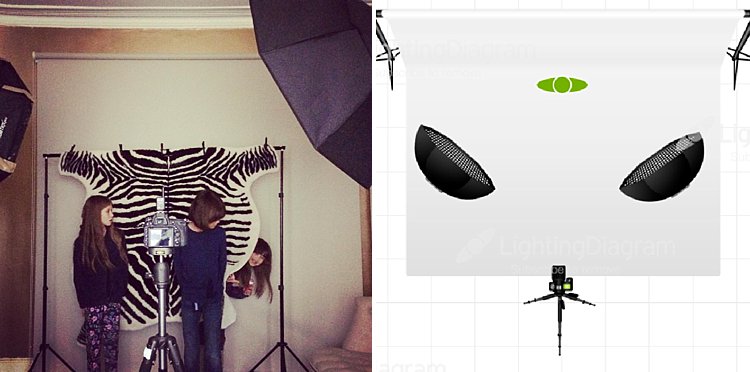
For my experiment below, I used two strobes mounted on stands and modified by gridded octaboxes. I used Paul Buff’s Cybersyncs for the wireless remote transceiver system. I also had three backdrops: one black, one beige and one patterned. See the image below for my studio setup and an iPhone picture of behind the scenes.

double-exposure-tutorial-in-camera

The camera and flash settings

The strobes were kept on a constant setting and I chose the lowest power. My ISO was also on the lowest setting (ISO 100) for most of the shots except for the f/16 ones where I cranked it up a little. The aperture varied between f/8 – f/16, depending on the look I was after and the length of my exposure. Shutter speed also varied between one second to a few seconds, to bulb. In other words, experiment until you get the look right.

How to take the double exposure

This is the trick. While the camera is exposing the image so that the shutter is open, keep triggering the flash. For these shots, I triggered the flash 2-4 times depending on the length of the exposure and how fast I could press the trigger button. The flash freezes the action so the more time the flash fires the more frozen actions you get on your image.

This leads us nicely to the first tip.

#1 Exaggerated movement is key

double-exposures-in-camera-tutorial

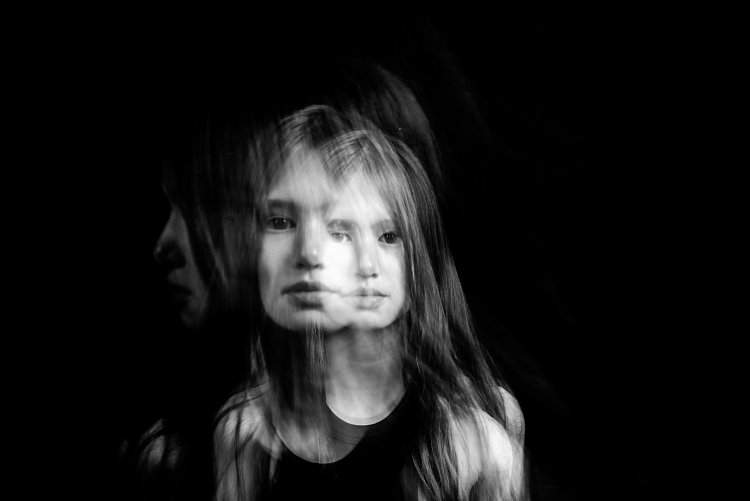
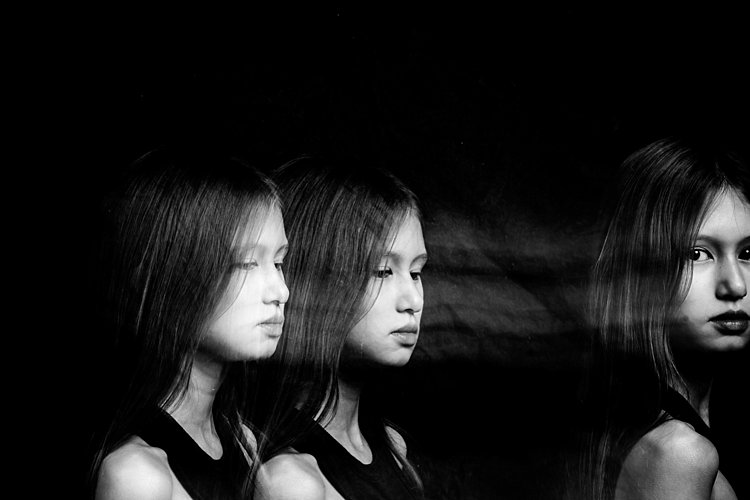
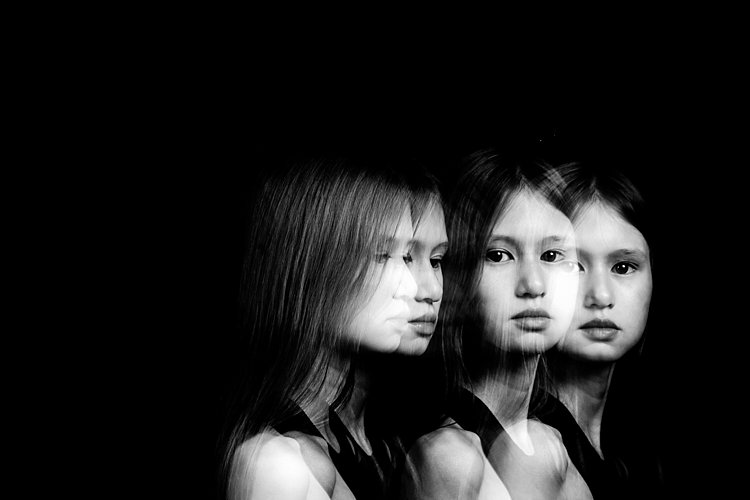
If your subject makes very small and minor movements, the likelihood is the images will sit on top of each other. This may result in one final image that looks like a blurry mess as in the photo above rather than many separate frozen images on a single photo as shown in the photo below. It is better to tell your subject to move distinctly away from the first position so the movements are separate. The camera still captures the trail of movement as a blur. But when you trigger the flash, that particular moment is rendered sharp and still.

double-exposures-in-camera-tutorial

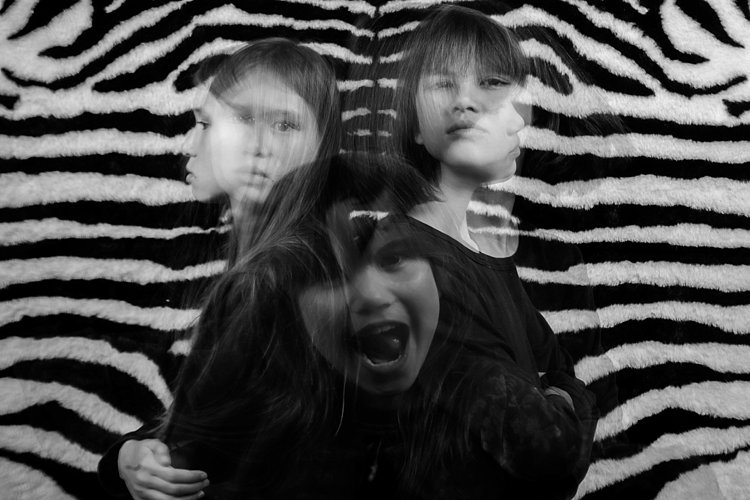
I asked my kids to walk across the frame, counting each step and on a certain count to turn their heads. I would trigger the flash when they moved sideways or turned their heads. At other times I asked one of the children to only join the frame on the third flash so that there is only one of her that registers. I also got them to walk towards me (see photo at top of article). It was at that stage that I changed my aperture to the smallest my lens allowed, in this case, f/16 so that I could still get the head sharp at various depths of field.

double-exposures-in-camera-tutorial

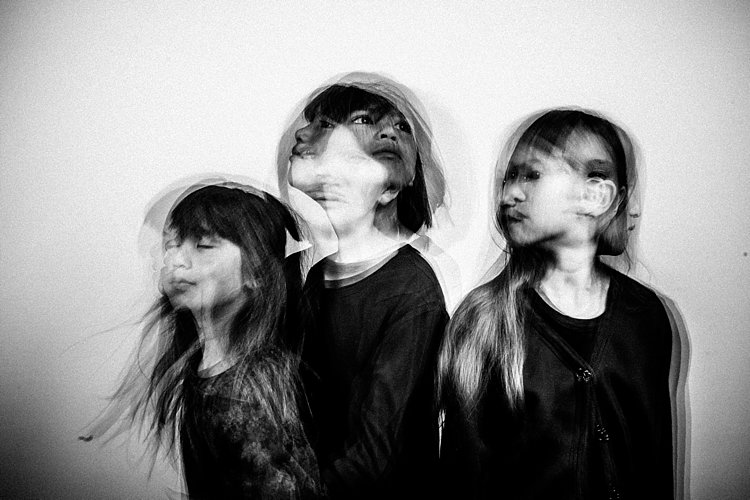
In the photo below, I got my kids to shake their heads as fast and as many times as they could. I wanted the focus here to be the movement rather than their frozen faces. Don’t be afraid to experiment. The beauty of digital is that unlike film, you have an infinite number of frames at your disposal so can afford to make many mistakes until you get what you are looking for.

double-exposures-in-camera-tutorial

#2 A dark background is better

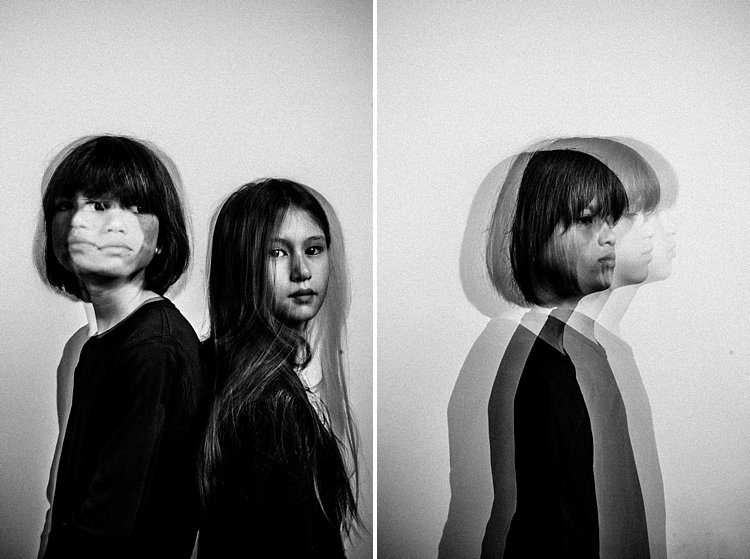
Compare the image above with the light background to the other images with the black background. The difference in the final image is vast. I prefer the dark background where my intention was to freeze several portraits and the lighter background where my focus was on capturing the trail of movements. Overall I shot and preferred more of the images with a dark background as the delineation between actions and the clarity of subjects are easier to see. Contrast between the skin and other lighter parts of the image was also easier to achieve compared to images shot with the beige background. In the photo below, I edited quite aggressively to get the contrast I wanted. I also added grain to simulate a film look.

double-exposures-in-camera-tutorial

#3 Experiment with materials and textures

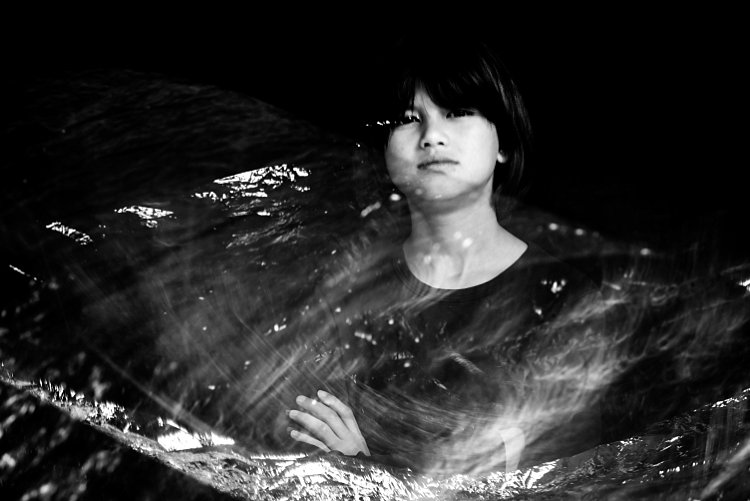
Bring in other materials such as aluminum foil. This one here is an emergency blanket. Two of my kids stood on either side, held and waved the blanket up and down in front of the middle child so the slow shutter captured some of the movement of the foil. The kids also carried  a torch (flash light) and did some light painting. The problem I found with both photos was the blurry look of their faces. Because they did not do big movements with their bodies, hence the frozen photos captured by each flash just got stacked up in roughly the same spot. Other things you can use are glow sticks, flashing lights, moving lights, iPhone and iPad screens – pretty much anything that reflects or emits light.

double-exposures-in-camera-tutorial

double-exposures-in-camera-tutorial

Don’t be afraid to experiment with backgrounds too. In the photos below, I changed the background to a zebra striped black and white rug just because I wanted to see what would happen. I used the same movement techniques as above and the same camera and light settings but the results were very different and unique. The last image below was a happy accident. My third child popped her head up on the third flash, but she came closer to the camera than I had intended so the flash didn’t quite illuminate her face enough. However, I thought this looked really effective as it provided the gray tone of the image as well as a solid form in the middle thereby making the overall image more dynamic and interesting.

double-exposures-in-camera-tutorial

double-exposures-in-camera-tutorial

double-exposures-in-camera-tutorial

I hope you enjoyed this little tutorial on in-camera double exposures using flash. If you have more ideas, do share them here in the comments below!

googletag.cmd.push(function() {
tablet_slots.push( googletag.defineSlot( “/1005424/_dPSv4_tab-all-article-bottom_(300×250)”, [300, 250], “pb-ad-78623” ).addService( googletag.pubads() ) ); } );

googletag.cmd.push(function() {
mobile_slots.push( googletag.defineSlot( “/1005424/_dPSv4_mob-all-article-bottom_(300×250)”, [300, 250], “pb-ad-78158” ).addService( googletag.pubads() ) ); } );

The post 3 Tips for Creating Double Exposures In-Camera Using Flash by Lily Sawyer appeared first on Digital Photography School.

Digital Photography School

 
Comments Off on 3 Tips for Creating Double Exposures In-Camera Using Flash

Posted in Photography


4 Tips to Help People Photographers Shoot Interior Spaces

18 Oct

As a people photographer, I am not a specialist in photographing still forms like architectural structures and interior spaces. However, because I photograph weddings, I often take photos of interiors and locations as part of the wedding photos I give my clients. This is essentially how I learned to develop an eye for detail, form and structure as part and parcel of my work.

4-tips-photographing-interiors-tutorial_0008

Let me share with you a few tips I have learned that will hopefully get you started in photographing interior spaces and architecture if you are a people photographer.

#1 Use natural light

One of the advantages of still photography is simply that – nothing moves. You can leverage this by playing with your settings, especially the shutter speed. With the camera rested on a tripod or a table, you can play around with very slow shutter speeds to maximize capturing ambient light even in very dark corners, limited light, or night interior photography. If there are lamps and lights that make up the overall ambiance of the room, include them and take advantage of slow shutter speeds and long exposures. You can also keep your ISO low this way and have the bonus of clean noiseless images.

It is important to remember that for interiors, you should aim for balanced lighting. Meaning there are no overly dark shadows or overly bright highlights. You want to see the detail in dark areas but not blow out the light areas altogether. Because we are talking about natural light, think about which times of the day which best feature the interior space. Early morning and late afternoon light are the softest. Overcast days produce soft light. Bright super sunny days produce harsher light especially midday and therefore you may want to take into consideration shadows produced in the interior from harsh outside light. In contrast to photographing people, I would normally use these shadows as an artistic element of the photo. Interior spaces however are different and this may not always be appropriate.

Early morning and late afternoon light are the softest. Overcast days produce soft light. Bright super sunny days produce harsher light, especially midday. Therefore you may want to take into consideration any shadows produced in the interior from harsh outside light. In contrast to photographing people, I would normally use these shadows as an artistic element of the photo. Interior spaces, however, are different and this may not always be appropriate.

4-tips-photographing-interiors-tutorial_0008

#2 Don’t forget your 50mm lens

Not only is the 50mm lens the closest lens that resembles the human eye (when using a full frame camera), it is also the perfect lens to separate some areas and details of the space without going in too close. In a way, it is an excellent “portrait” lens for spaces, whereas my 85mm is my choice of portrait lens for people.

When using wider lenses, I find I have to correct quite a lot of distortion on the edges of the frame. With the 50mm this is hardly an issue. The results are pleasing to the eye and it evokes a very natural look, making you feel like you are within the actual space yourself.

4-tips-photographing-interiors-tutorial_0008

#3 Get the white balance right

This is tricky and the nemesis of many photographers. Most non-photographers are oblivious to white balance. This is especially obvious in weddings where the bride’s dress looks blue and people’s faces register as magenta, yet hardly anyone notices.

When I sold my house a few years back, the real estate agents who boasted of great property photography sent a photographer to my house to take some professional pictures. She arrived with a camera on the tripod and a flash head pointed slightly upwards. The lens used was very wide – I guessed around 10mm or 14mm. It took many days before the photos were up online, when finally I saw them, they were all very blue. My home felt so cold and not homely. One of the reasons for that was the incorrect white balance.

Personally, I prefer a warm feel to all my photos so I tend to edit towards that side. But do be careful that the whites still look white and not yellow or cream. Remember that what often draws people to an image is a feeling or emotion. Your image becomes all the more powerful if it reminds the viewer of a sentiment, experience, or something that resonates with them. White balance is key in helping achieve this kind of engagement with your viewer.

4-tips-photographing-interiors-tutorial_0008

#4 Remember to go close, not just wide

Nowadays, when you browse through interior design catalogues or blogs, you will come across many interior details, arrangements and vignettes that do not show the entire space. Everyone is doing it from high street department stores to high end interior designers. There must be a good reason for it. In order to reinforce engagement and a connection to your audience, details are essential.

Imagine walking into a space, or that you are viewing a house for the first time. Before you walk though the door, you survey the outside look of the property and its surroundings. You do the same as you walk in, surveying the overall scene before your eyes. But when you are inside you get closer and see the details.

You may want to touch and feel the walls, flip some switches on if they work, or sit on the sofa with fluffy scatter cushions. You want to get close, touch and feel things. It is not only a visual connection then, it becomes physical. This is the sense you want to achieve with your images when the viewer is not physically in the space. That is why close up shots and details are important.

4-tips-photographing-interiors-tutorial_0008

Conclusion

With photography, aim to connect with your viewers not only by using visual senses but also with the power of emotion. If you can add a virtual physical touch to this engagement, all the better. When viewers look at your images and say, “I feel like I was actually there.” take that as one of the highest compliments.

I hope you enjoyed this little beginner’s journey into interior photography. Of course there are many more tips like straightening horizons and shooting through doors. If you have any other awesome tips, do share them here in the comments below.

googletag.cmd.push(function() {
tablet_slots.push( googletag.defineSlot( “/1005424/_dPSv4_tab-all-article-bottom_(300×250)”, [300, 250], “pb-ad-78623” ).addService( googletag.pubads() ) ); } );

googletag.cmd.push(function() {
mobile_slots.push( googletag.defineSlot( “/1005424/_dPSv4_mob-all-article-bottom_(300×250)”, [300, 250], “pb-ad-78158” ).addService( googletag.pubads() ) ); } );

The post 4 Tips to Help People Photographers Shoot Interior Spaces by Lily Sawyer appeared first on Digital Photography School.

Digital Photography School

 
Comments Off on 4 Tips to Help People Photographers Shoot Interior Spaces

Posted in Photography


Tips for Getting the Image Right In Camera

17 Oct

I suspect if asked the question “Would you rather be editing your images, or out there photographing that what you love?” only a select few of us photographers will raise our hands for the former! Photography is an incredibly creative art form and as artists, we want to be able to create beautiful imagery every time we click the shutter. For the most part, we want to spend more time creating and less time editing our images. There are several simple steps we can take to try and get the images as close to perfect (as we imagine it), right in camera a.k.a SOOC (straight out of camera).

#1 Pre-visualize the shot you want to achieve

Having an idea of what you want to shoot and planning for the shot can go a long way in helping you achieve the right results the first time around. Like anything else in life, have a plan of when you want to shoot, where you want to shoot, and what kind of image you want to create.

memorable-jaunts-getting-it-right-in-camera-article-for-digital-photography-school-1-sooc

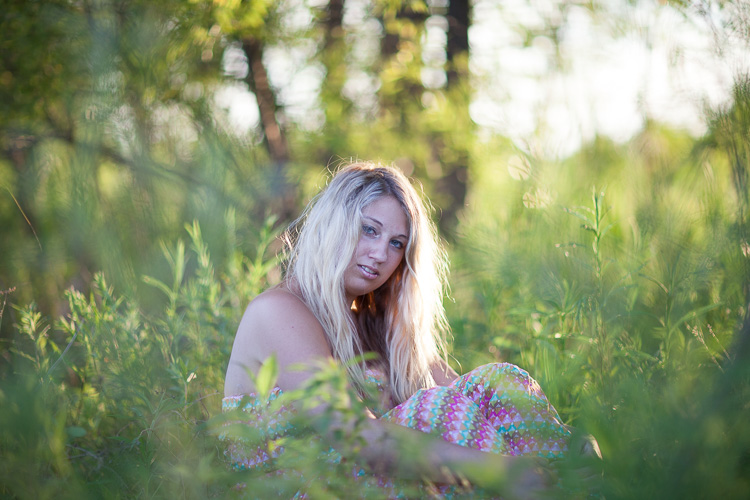
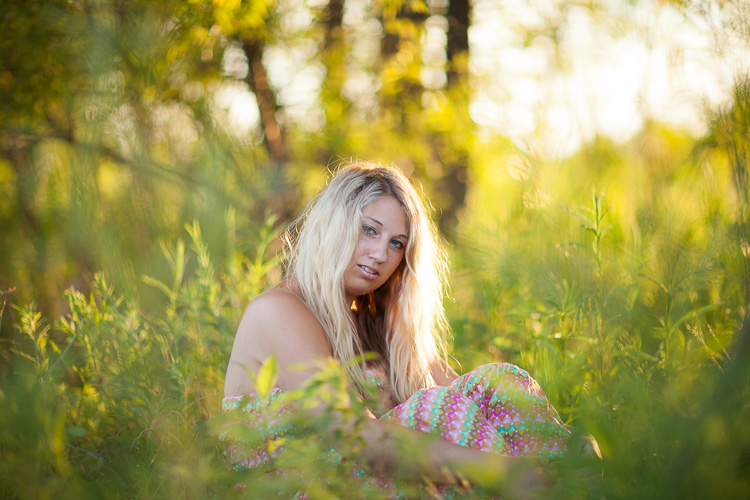
A golden hour shoot where I knew the kind of image I wanted this to be – this is SOOC and a little bit cool but I liked the halo effect on her hair and the framing with the tall grass.

memorable-jaunts-getting-it-right-in-camera-article-for-digital-photography-school-1

With a few simple edits of temperature, contrast, tint and spot removal for some rogue blades of grass, I got the image that I envisioned when I clicked the shutter.

Do you want an image that is light and bright? Then plan on shooting during the day in a wide open space with lots of sunlight. Do you want to create an image that is dark and moody? Then look for locations that are not in direct sunlight, ones that have texture and tones that are on the darker side.

Resist the temptation to arrive at a location and immediately start clicking the shutter just because you want to take a picture of something. This does take some discipline but it can save you a lot of time and effort in the long run. Not to mention the hassle of storing images that really don’t convey a story and are really random in nature.

#2 Limit yourself to a select number of frames

This is a concept that transfers over from film days and I strongly encourage you to go out and shoot a roll or two of film (even a small disposable point and shoot camera). Challenge yourself to really tell a story in a limited amount of frames (typically 24 to 36 for 35mm cameras and even less for medium format cameras). You will immediately feel restricted and limit yourself to only shooting that which is interesting. And you will find yourself paying more attention to composition, lighting ,and technique when you limit yourself to a small number of frames like 16, 24 or 36.

#3 Go into Single Shot drive mode on your camera

If your DSLR has a burst mode capability, deactivate that functionality or change it to Single Shot. When you press the shutter, only one shot will be taken. The ability to hold down the shutter and fire away 5-6 frames is deactivated. Again this will help you focus on technique, technical

memorable-jaunts-getting-it-right-in-camera-article-for-digital-photography-school-2

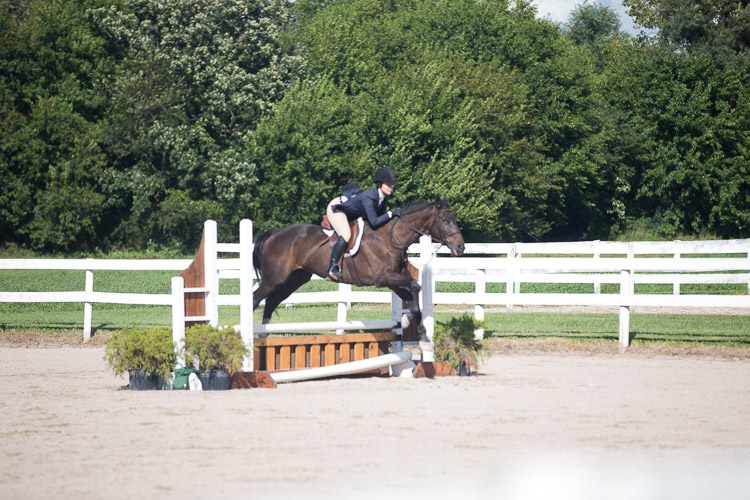
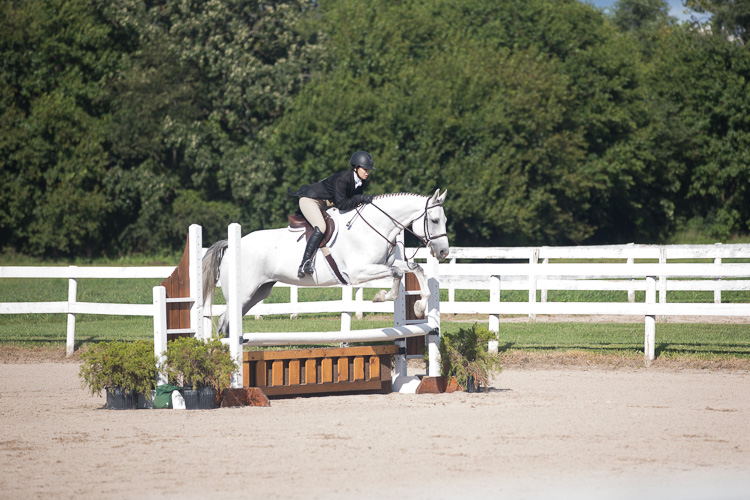
The image of the horse jumping the poles is soft as I missed the focus on the moving horse.

memorable-jaunts-getting-it-right-in-camera-article-for-digital-photography-school-2-2

But the next rider was caught at the right moment of the jump. And by tracking the previous rider, I knew the general path of the jump and was able to get a sharp image.

Again this will help you focus on technique, technical aspects, and composition of each shot which in turn forces you to slow down and be more intentional with what you shoot. Yes, you may run the risk go having a blurry image, especially if your subject is moving. But after a few tries, you will learn to anticipate and track your subject at exactly the right time to get a sharp image (as seen below).

#4 Utilize the full capabilities of your camera

Most DSLRs today are sophisticated pieces of equipment with advanced computing technology built-in. They are built to read, analyze the scene, and make decisions based on what they have been programmed to do. But at the end of the day, they can still make mistakes by making incorrect decisions. You can avoid these errors by taking control of your camera.

A) Learn to shoot in Manual mode

By shooting in Program or Auto mode, you are relinquishing control to the camera and allowing it to make all the decisions. Shooting in Manual mode gives you, the user, the most amount of control and forces you to think about all the aspects of a good image like light sensitivity, depth of field, and movement before you click the shutter.

memorable-jaunts-getting-it-right-in-camera-article-for-digital-photography-school-3-1

Over time, shooting in Manual mode where all the core elements like ISO, f-stop and shutter speed are adjusted by you the photographer and not the camera, will lead to images that are (almost) perfect right out of the camera. The histogram is a great way to validate if the image is structurally correct (subjective to your shooting style).

B) Use the preview function (LCD screen)

If your camera has a preview function (also known as the playback function), use that to view and analyze the image you have just taken. Is it sharp and in focus? is the properly litm, or is it too dark? If the composition is incorrect, the image is blurry, or the exposure is completely off, you can fix the problem, delete the image and retake the shot. The more you practice fixing the image right then and there, the fewer bad images you will take back with you to try and edit and salvage later in post-processing.

C) Use the histogram

You can take the review functionality up a notch by checking the histogram (if your camera has that information available) via the LCD screen. The histogram shares information like the quality of the shadows and highlights of the scene.

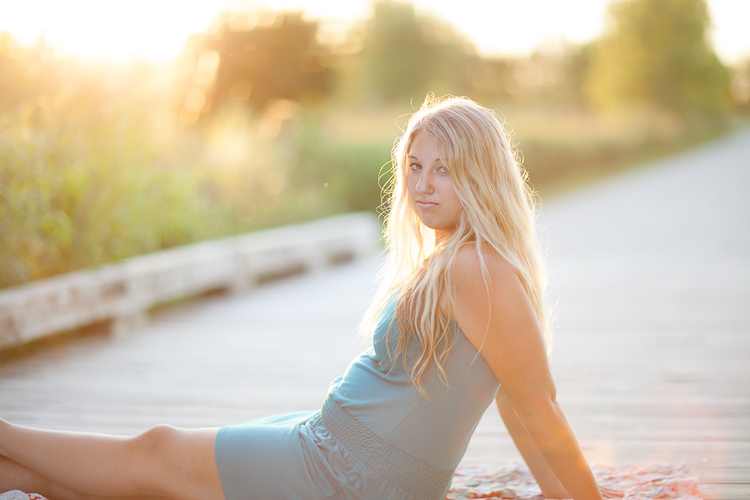
This image was intentionally shot this way - overexposed because I was almost shooting into the sun and I really wanted that sun flare in the bottom right of the image.

This image was intentionally shot this way – overexposed – because I was almost shooting into the sun and I really wanted that lens flare in the bottom right of the image.

I will throw out one caveat here – make sure you practice the art of reading and reviewing the histogram when you are shooting just for yourself or during test shoots, not during paid client gigs. On a client shoot, if you are messing with histograms and excessive review of the LCD, you may appear very unprofessional to your clients. They may perceive it as you don’t know what you are doing and that you lack confidence in your technical abilities. The good news is that by practicing enough on your own time, you will be confident to nail the shot right on the first go!

D) Get out of the mental mindset of, “I will fix it in post-production”

This is one of the worst dialogues you can have with yourself (I too have done this in the past). It encourages a mentality of laziness and the attitude of “spray and pray”. Firing away what appears to be hundreds of shots in the hope that at least a few will be worthwhile. Let post-processing be only for any artistic touches and not as a fix for basic things like exposure, color temperature (white balance), and tonality.

memorable-jaunts-getting-it-right-in-camera-article-for-digital-photography-school-5

I absolutely love this image and the use of negative space. This is how I saw the scene in front of me and I had less than three seconds to take the shot. This is almost SOOC. I only cleaned out some traffic signs and brightened the highlights, an easy 2-second edit in Lightroom.

Conclusion

The basic premise of this article is actually quite simple. If you want to have a perfect or near-to-perfect image right out of the camera, learn how your camera works and behaves. And learn to use it to create images that you envision as representing your true artistic abilities.

googletag.cmd.push(function() {
tablet_slots.push( googletag.defineSlot( “/1005424/_dPSv4_tab-all-article-bottom_(300×250)”, [300, 250], “pb-ad-78623” ).addService( googletag.pubads() ) ); } );

googletag.cmd.push(function() {
mobile_slots.push( googletag.defineSlot( “/1005424/_dPSv4_mob-all-article-bottom_(300×250)”, [300, 250], “pb-ad-78158” ).addService( googletag.pubads() ) ); } );

The post Tips for Getting the Image Right In Camera by Karthika Gupta appeared first on Digital Photography School.

Digital Photography School

 
Comments Off on Tips for Getting the Image Right In Camera

Posted in Photography


Tips for Getting Started Doing Event Photography

17 Oct

Have you ever wanted to be a fly on the wall? To see the behind-the-scenes of amazing events and activities? To meet influential or interesting people? If so, candid event photography may be the thing for you!

While wedding photography is technically event photography, that is not our focus here. There’s just something different about wedding photography. It’s more pressure, higher stakes, more intensity. In this article we are going to focus more on other types of events – social, corporate, family, religious, and others, that can broaden your experience (and line your pocketbook!).

Getting Started

event photography tips 1

Unless you are an event planner or have an “in” already, sometimes it can be a little hard to break into event photography. You are probably going to have to volunteer for a few events to get started.

Are you or any of your immediate family members part of an organization or club? This can be absolutely anything – PTA for your child/grandchild’s school, a community fraternal organization, a slow-pitch softball team, your place of worship. Do they have any big events that they feature regularly or annually? Ask if they would like some free event photography. The good thing about doing free photography is that it lets you practice and hone your skills without feeling like you’re wasting someone’s money if your photos aren’t perfect.

Communication is Key

Before the event, work with the event coordinator in advance. A phone call, or thorough email, is usually sufficient, but you may also want to meet in person. You’ll want to ask some key questions, if they don’t have the information readily available such as:

  • “Is there an itinerary for the program? Can I receive a copy in advance?” If you’re anything like me, you’re a planner. You want to know in advance exactly what is going to happen, and ideally, where. That way, you can make sure that you’re lined up to catch the keynote speaker or the moment when an honoree receives their award. This isn’t just a matter of convenience for you, it helps you make sure that you are able to provide the shots that will help the group remember their event (or, if appropriate, to market it for the future!).

event photography tips 2

Who to photograph

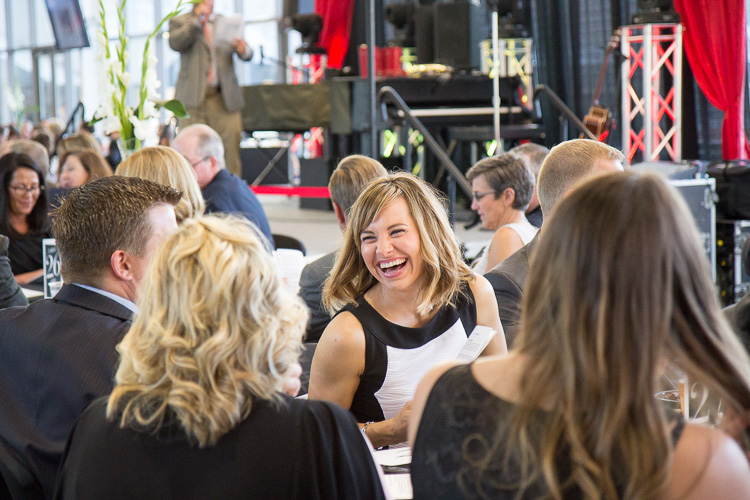
  • “Who are the key people I should photograph?” Unless you’re a seasoned veteran of the event you’re photographing, you might not know who the big players are. I recently photographed a big charity gala for the biggest hospital in the area . Some of the attendees were CEOs of companies, coaches of Big 12 sports teams, mayors, and councilpersons. By receiving the names of the key attendees in advance, you can do a Google Image search for them (yeah, I know it sounds super-creepy) so that you can recognize them on-site.
  • “Who or what should I avoid photographing, if anything?” Nobody really wants to get into a situation where the person being photographed becomes belligerent or aggressive. You also don’t want to photograph a moment that is supremely personal if that is not desired. There are many events where you don’t need to ask this question, but keep it on the list for more personal events (such as family or religious ones). Don’t be paparazzi!

event photography tips 3

event photography tips 4

What to photograph

  • “How many/what kind of pictures would you ideally like?” I try to provide as many photos as possible to my clients because everyone’s tastes vary so widely. However, this can be really overwhelming for some people who are under time constraints, or who really only want photos of a certain portion of the event. Figure out their ideal amount and try to stick to it.
  • “Is it okay if I use any of these photos in my business advertisements or on my web page in the future?” It can essentially be free advertising if you can use these photos to demonstrate your abilities.
  • “When are you setting up for the event? May I stop by early for some test photographs?” Unless you want to take every flash, diffuser, and lens you own, you want to get a feel for the venue in advance. It’s ideal if you can get some test shots using the same lighting (whether it’s natural or artificial) and see how they come out. This will not only help you decide what gear to bring, but it also saves you time on the day of the event. Having to readjust your camera settings to accommodate the environment, get your ISO correct, decide on a lens, etc., all take time. This will make you look more professional and prepared.

Work the Crowd – Tastefully

This next bit may not be appropriate for more solemn and serious occasions. For most, however, your foot is officially in the door. Be friendly and professional, make appropriate jokes or comments to appear personable and fun. Keep the attention off of you, but interact kindly with everyone you meet.

Having a camera in your hand instantly makes people more prone to smile around you, so use that goodwill to make them laugh. This will also allow you to get natural, fun shots that will please both the client and the subject of the photo. This will often lead to people either asking for your business card or asking the event organizer for your information. Make sure to keep a stack of business cards on hand, and give a few to the event organizer if they are comfortable with that.

event photography tips 5

After the event, don’t hesitate to ask the organizer if you can use them a a reference, or if they might be wiling to write you a review. You’re doing them a service, potentially for free. It’s not uncommon or inappropriate to ask for an honest review of your services.

Details, Details, Details

Whether you’re photographing a political dinner, a church bazaar, a birthday party, or an awards event, someone put a great deal of thought and time into making that event unique and special. Someone spent hours thinking aboutcenterpiecess and the dessert table, about the table layout, registration table, the serving stations and other details. In many instances, the people who planned the event are also in charge of hiring the photographers now and in the future, so it doesn’t hurt to get on their good side!

To do so, get good quality shots of the small things that went into the event to make it special. Programs, food, signage, the little things. These shots are good for remembering all of the wonderful details that were so special to them on that day, and they can also make good marketing (for a company, religious entity, charity organization, or similar) in the future. Getting them these shots gives them lots of options – this makes you more helpful and versatile, as they’re getting more bang for their buck. This ultimately makes you more marketable!

event photography tips 6

event photography tips 7

event photography tips 8

While You’re At It…

For some events, they want to get the feel of the event from the attendee’s eyes. These can be tricky to do, you may have to photograph tactfully over someone’s shoulder, or through an open door. These types of photos, however, can be used to promote events in the future, especially if they do not actually feature the faces of anyone. It’s always important to get shots of the attendees for the event, but you can also get some of these shots that are not related to a specific date and time. This gives the organization (if applicable) options if the attendees do not want their faces being used as advertisements.

event photography tips 9

event photography tips 10

Make It Artsy… But Not TOO Artsy

One of the biggest mistakes that I see in some candid event photography is that there is little artistic focus or composition to the photos. Yes, there will be times you’re ultimately just getting crowd shots, and those ARE important. In those instances, make sure you’re using the appropriate aperture and focal length to get everyone in focus who needs to be.

Try and catch an interesting moment, or a moment when the crowd is focused on something , when someone is the center of the crowd’s attention. This composes your photo more and draws the viewer’s eye. For shots of smaller groups, couples, or solo shots, use a wider aperture and an appropriate focal length to get more artistic portraits. Attendees like to see more personal, beautiful photos of themselves. People are predisposed to stopping and smiling for the camera, so you will end up with some staged shots. But also get images of people in mid-conversation, or engaging in activities.

Pic 11

You can also use a wider aperture to up your artistic factor. Is there a beautiful centrepiece that is blocking your shot of a crowd on the other side of the room? Focus on it with an f/2.8 or f/4 aperture so that your crowd in the background is slightly blurred. This will make for some interesting variety in your shots.

Pic 12

Not Too Flashy

Just imagine that you are in the crowd at a movie night sponsored by the PTA. The lights have been dimmed, your eyes adjusted for the screen, and then someone’s camera flash pops right in your eyes. This exact same situation can occur at almost any event. A flash can distract from the event and disrupt not only the audience, but a potential performer or speaker. While it is usually absolutely appropriate to use a flash for group and/or staged photos to get proper lighting, it is often ideal to simply adjust your camera settings to make the available lighting work for candid photos.

The photos below were taken at a PTA movie night just like the one I described. It was in the cafeteria of a local elementary school, with no artificial lighting other than the projector screen, and some natural light coming in through a skylight. I adjusted my ISO to 800 to accommodate for the limited light, and opened my aperture to f/2.8. Even at that, I had a shutter speed around 1/25 or 1/15 pretty consistently. If I needed to capture action (which was very limited in this sort of event), I bumped my ISO up to 1600 to accommodate it. These adjustments allowed the families to watch the film without disruption as I photographed.

Pic 13

Pic 14

Picking the Best Shots

The first time I photographed an event was at my church, and I realized during editing how much people yawn and pick their noses when they think nobody’s looking!

For a multiple-hour event, you will likely get an abundance of photos. On your first pass through, obviously weed out any photos that are fuzzy or have poor technical skills. Since these photos will represent your abilities, you want to make sure to highlight the best of them.

I always take a second and third pass through, however. Hopefully the event organizer gave you a rough idea of how many photos he or she wanted. So go through and remove any photos that are boring, or that paints the subjects in a bad light (such as picking their nose). If you still have a surplus, narrow it down on the next pass through to weed out ones with weak composition, or ones that don’t tell the story of the event well. I will then edit the remaining photos (rather than editing hundreds that I will just throw away), and export them. I usually give them another look at that time to make sure there isn’t anything I missed in my editing software.

Pic 15

I personally use Lightroom for editing event photography. Unless it is a statement photograph or a photo to be used for advertisement, I try to do very spare editing. These photos are not likely to be hung on someone’s wall in a large size, so you usually do not need to worry about editing out stray hairs or specks of lint. Basic adjustments for exposure and contrast, white balance, and occasionally a conversion to black and white are often sufficient.

Pic 16

Ready to Roll

You’re now ready to deliver your photos to your client. Be sure to provide your contact information and business cards for the future. If they indicated that you could share the photos on your website or business pages, make sure to feature them to show your amazing prowess as an event photographer.

Do you do events? If you have any other tips please share them in the comments below.

googletag.cmd.push(function() {
tablet_slots.push( googletag.defineSlot( “/1005424/_dPSv4_tab-all-article-bottom_(300×250)”, [300, 250], “pb-ad-78623” ).addService( googletag.pubads() ) ); } );

googletag.cmd.push(function() {
mobile_slots.push( googletag.defineSlot( “/1005424/_dPSv4_mob-all-article-bottom_(300×250)”, [300, 250], “pb-ad-78158” ).addService( googletag.pubads() ) ); } );

The post Tips for Getting Started Doing Event Photography by Angie DeWaard appeared first on Digital Photography School.
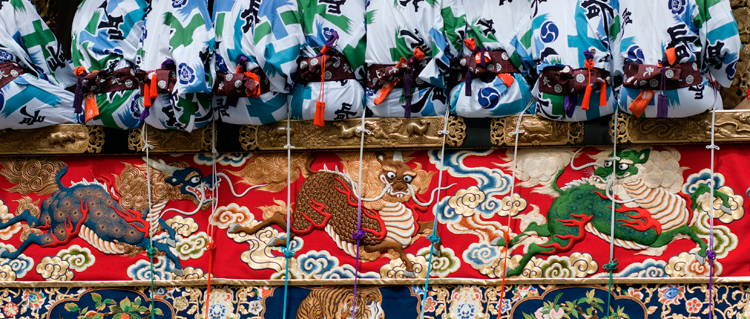

Digital Photography School

 
Comments Off on Tips for Getting Started Doing Event Photography

Posted in Photography