RSS
 

Posts Tagged ‘Tips’

The dPS Top Portrait Photography Tips of 2018

29 Dec

The post The dPS Top Portrait Photography Tips of 2018 appeared first on Digital Photography School. It was authored by Caz Nowaczyk.

This week on dPS we’re featuring some of the top articles in different categories that were published on the site over 2018.

We’ve already shown you the Top All-Round Photography Tips, the Top Photography Gear Tips, the Top Post-Processing Photography Tips, and the Top Landscape Photography Tips of 2018.

This one is all about the best portrait photography tips of the year.

Here are the top portrait photography tips articles of 2018:

1. How to Take Unique Crystal Ball Portraits

How to Take Unique Crystal Ball Portraits

2. Video Tutorials – Portrait Posing Tips

Video Tutorials – Portrait Posing Tips

3. Five Common Portrait Retouching Mistakes to Avoid

Five Common Portrait Retouching Mistakes to Avoid

4. Best Camera Settings for Portrait Photography

Best Camera Settings for Portrait Photography

5. 4 Ways To Make Better Street Portraits While Traveling

4 Ways To Make Better Street Portraits While Traveling

6. Five Budget Portrait Photography Hacks to Save You Money

Five Budget Portrait Photography Hacks to Save You Money

7. Tips for Posing People in Outdoor Portraits

Tips for Posing People in Outdoor Portraits

8. How to Choose the Best Portrait Lens According to Three Professional Photographers

How to Choose the Best Portrait Lens According to Three Professional Photographers

9. 3 Simple Ways to Use Framing and Layering in Portraits

3 Simple Ways to Use Framing and Layering in Portraits

10. 5 Tips How to Set Up a Home Studio for Dramatic Portraits

5 Tips How to Set Up a Home Studio for Dramatic Portraits

11. Tips for Doing Natural Light Headshots and Portraits

Tips for Doing Natural Light Headshots and Portraits

12. 5 Creative Indoor Portrait Locations for When the Weather is Blustery

5 Creative Indoor Portrait Locations for When the Weather is Blustery

13. Tips for Using Flash for Beach Portraits

Tips for Using Flash for Beach Portraits

14. How to Make a Dramatic Portrait with Light Painting Using Items Found in Your Home

How to Make a Dramatic Portrait with Light Painting Using Items Found in Your Home

15. 5 Quick Portrait Posing Tips to Flatter Your Subject

5 Quick Portrait Posing Tips to Flatter Your Subject

Up next is the dPS Top Travel Photography Tips of 2018.

The post The dPS Top Portrait Photography Tips of 2018 appeared first on Digital Photography School. It was authored by Caz Nowaczyk.


Digital Photography School

 
Comments Off on The dPS Top Portrait Photography Tips of 2018

Posted in Photography


The dPS Top Landscape Photography Tips of 2018

28 Dec

The post The dPS Top Landscape Photography Tips of 2018 appeared first on Digital Photography School. It was authored by Caz Nowaczyk.

This week on dPS we’re featuring some of the top articles in different categories that were published on the site over 2018.

We’ve already shown you the Top All-Round Photography Tips, the Top Photography Gear Tips, and the Top Post-Processing Photography Tips of 2018.

This one is all about the best landscape photography tips of the year.

Here are the top landscape photography tips articles of 2018:

1. How to Choose the Right ISO for Landscape Photography

How to Choose the Right ISO for Landscape Photography

2. Tips for Shooting Landscape Photography Towards the Sun

Tips for Shooting Landscape Photography Towards the Sun

3. 5 Tricks to Make Your Landscape Photos Stand Out

5 Tricks to Make Your Landscape Photos Stand Out

4. 3 Techniques and Tips for Photographing the Moon in the Landscape

3 Techniques and Tips for Photographing the Moon in the Landscape

5. 7 Tips to Help You Capture the Perfect Landscape Photo

7 Tips to Help You Capture the Perfect Landscape Photo

6. How to Make Storytelling Landscape Photos – 4 Steps

How to Make Storytelling Landscape Photos – 4 Steps

7. Tips for Shooting Landscapes With a Telephoto Lens

Tips for Shooting Landscapes With a Telephoto Lens

8. Using Layers and Foreground Interest for Better Landscape Photography

Using Layers and Foreground Interest for Better Landscape Photography

9. Understanding Aperture and Landscape Photography – Why F16 Isn’t the Only Choice

Understanding Aperture and Landscape Photography – Why F16 Isn’t the Only Choice

10. Getting Started with Landscape Photography – 4 Easy Tips for Beginners

Getting Started with Landscape Photography – 4 Easy Tips for Beginners

11. How to Add a Sense of Scale to Your Landscape Photos

How to Add a Sense of Scale to Your Landscape Photos

12. 5 Landscape Photography Mistakes That Keep Your Images From Standing Out

5 Landscape Photography Mistakes That Keep Your Images From Standing Out

13. Beginner’s Guide to Natural Light in Landscape Photography

Beginner’s Guide to Natural Light in Landscape Photography

14. How to Work with Different Shutter Speeds for Landscape Photography

How to Work with Different Shutter Speeds for Landscape Photography

15. 7 Landscape Photography Tips You’ll Wish You Knew Earlier

7 Landscape Photography Tips You’ll Wish You Knew Earlier

Next up, we’ll show you the dPS Top Portrait Photography Tips of 2018.

The post The dPS Top Landscape Photography Tips of 2018 appeared first on Digital Photography School. It was authored by Caz Nowaczyk.


Digital Photography School

 
Comments Off on The dPS Top Landscape Photography Tips of 2018

Posted in Photography


The dPS Top Post-Processing Photography Tips of 2018

27 Dec

The post The dPS Top Post-Processing Photography Tips of 2018 appeared first on Digital Photography School. It was authored by Caz Nowaczyk.

This week on dPS we’re featuring some of the top articles in different categories that were published on the site over 2018.

We’ve already shown you the dPS Top All-Round Photography Tips of 2018, and The dPS Top Camera Gear Tips of 2018.

This one is all about the best post-processing tips of the year.

Here are the top post-processing photography tips articles of 2018:

1. 4 Tips to Organize Your Photos in Lightroom

4 Tips to Organize Your Photos in Lightroom

2. How to Create Silky Split Toned Black and White Photos Using Luminosity Masks

How to Create Silky Split Toned Black and White Photos Using Luminosity Masks

3. 6 Essential Steps in any Post-Processing Workflow

6 Essential Steps in any Post-Processing Workflow

4. How to Turn Your Photos into Painterly Style Watercolor Art

How to Turn Your Photos into Painterly Style Watercolor Art

5. Rescue an Image with Split Toning in Adobe Lightroom

How to Rescue an Image in Lightroom With Split Toning

6. How to Create Realistic Bokeh and Blur Effects using Photoshop

How to Create Realistic Bokeh and Blur Effects using Photoshop

7. Five Common Portrait Retouching Mistakes to Avoid

Five Common Portrait Retouching Mistakes to Avoid

8. How to Choose Your Lightroom Export Settings for Printing

How to Choose Your Lightroom Export Settings for Printing

9. How to Edit Food Photography Images Using Lightroom

How to Edit Food Photography Images Using Lightroom

10. How to Take Control of Color in Lightroom

How to Take Control of Color in Lightroom

11. An In-Depth Look at the Range Mask in Lightroom Classic CC

An In-Depth Look at the Range Mask in Lightroom Classic CC

12. Unlocking the Power of the Basic Panel in Lightroom

Unlocking the Power of the Basic Panel in Lightroom

13. 4 Tips For Better Black and White Photos In Lightroom

4 Tips For Better Black and White Photos In Lightroom

14. How to Reduce Digital Noise in Astrophotography Using Exposure Stacking

How to Reduce Digital Noise in Astrophotography Using Exposure Stacking

15. 5 Lightroom Tips and Tricks for Beginners

5 Lightroom Tips and Tricks for Beginners

Next up, we’ll show you the dPS Top Landscape Photography Tips of 2018.

The post The dPS Top Post-Processing Photography Tips of 2018 appeared first on Digital Photography School. It was authored by Caz Nowaczyk.


Digital Photography School

 
Comments Off on The dPS Top Post-Processing Photography Tips of 2018

Posted in Photography


The dPS Top Photography Gear Tips of 2018

26 Dec

The post The dPS Top Photography Gear Tips of 2018 appeared first on Digital Photography School. It was authored by Caz Nowaczyk.

This week on dPS we’re featuring some of the top articles in different categories that were published on the site over 2018.

Yesterday, we gave you The dPS Top All-Round Photography Tips of 2018.

This one is all about the best Camera Gear Tips of the year.

Here are the top Camera Gear tips articles of 2018:

1. Photography Equipment Comparisons – Entry-Level Versus High-End Gear Does it Matter?

Photography Equipment Comparisons – Entry-Level Versus High-End Gear Does it Matter?

2. 8 Amazing Photography Tricks You Can Do With a High-Speed Camera Trigger

8 Amazing Photography Tricks You Can Do With a High-Speed Camera Trigger

3. 5 Reasons to Use Prime Lenses For Better Photos

5 Reasons to Use Prime Lenses For Better Photos

4. Why Your Camera Gear Doesn’t Matter

Why Your Camera Gear Doesn’t Matter

5. Which Size Lensball is Best for Crystal Ball Photography?

Which Size Lensball is Best for Crystal Ball Photography?

6. 4 Great Pieces of Camera Equipment to Help You Get Creative

4 Great Pieces of Camera Equipment to Help You Get Creative

7. 4 of the Best Lenses for Creative Dog Photography

4 of the Best Lenses for Creative Dog Photography

8. How to Use ND Filters Creatively to Make the Most of a Scene

How to Use ND Filters Creatively to Make the Most of a Scene

9. Review of the Nikon D850 DSLR

Review of the Nikon D850 DSLR

10. The First 10 Things You Need to Buy After Your Camera for Travel Photography

The First 10 Things You Need to Buy After Your Camera for Travel Photography

11. Five Budget Portrait Photography Hacks to Save You Money

Five Budget Portrait Photography Hacks to Save You Money

12. Why I Always Use an L-Plate Bracket for Landscape Photography

Why I Always Use an L-Plate Bracket for Landscape Photography

13. How to Choose the Best Portrait Lens According to Three Professional Photographers

How to Choose the Best Portrait Lens According to Three Professional Photographers

14. Camera Comparison of 3 Popular Nikon Models: D750 – D7100 – D5100

Camera Comparison of 3 Popular Nikon Models: D750 – D7100 – D5100

15. Wide-Angle Versus Telephoto Lenses for Landscape Photography

Wide-Angle Versus Telephoto Lenses for Landscape Photography

Next up, we’ll show you The dPS Top Post-Processing Photography Tips of 2018.

The post The dPS Top Photography Gear Tips of 2018 appeared first on Digital Photography School. It was authored by Caz Nowaczyk.


Digital Photography School

 
Comments Off on The dPS Top Photography Gear Tips of 2018

Posted in Photography


The dPS Top Photography Tips of 2018

25 Dec

The post The dPS Top Photography Tips of 2018 appeared first on Digital Photography School. It was authored by Caz Nowaczyk.

This week on dPS we’re featuring some of the top articles in different categories that were published on the site over 2018.

To begin, this one is all about the best all-round photography tips of the year.

Here are the top all-round photography tips articles of 2018:

1. 3 Misunderstood But Important Buttons on Your Camera Explained

3 Misunderstood But Important Buttons on Your Camera Explained

2. 5 Camera Settings That All Macro Photographers Should Know

5 Camera Settings That All Macro Photographers Should Know

3. Adobe RGB Versus sRGB – Which Color Space Should You Be Using and Why

Adobe RGB Versus sRGB – Which Color Space Should You Be Using and Why

4. 5 Reasons Your Sunrise or Sunset Photos Don’t Look Stunning

5 Reasons Why Your Sunrise or Sunset Photos Don’t Look So Stunning

5. How to Create Colorful Artistic Images Using Oil and Water

How to Create Colorful Artistic Images Using Oil and Water

6. 9 More Great Apps You Need for Your Smartphone

9 More Great Apps You Need for Your Smartphone

7. 8 Ways to Create More Dramatic Flower Photos

8 Ways to Create More Dramatic Flower Photos

8. 4 Tips for Photographing Fog to Create Mystical Images

4 Tips for Photographing Fog to Create Mystical Images

9. A Quick Guide to Using Bounce Flash for More Natural-Looking Photos

A Quick Guide to Using Bounce Flash for More Natural-Looking Photos

10. Five Simple Exercises to Improve your Photography

Five Simple Exercises to Improve your Photography

11. How to Choose the Right ISO for Landscape Photography

How to Choose the Right ISO for Landscape Photography

12. Aperture Versus Shutter Priority – Which Shooting Mode to Use and When

Aperture Versus Shutter Priority – Which Shooting Mode to Use and When

13. Five Ways to Take Your Macro Photography to the Next Level

Five Ways to Take Your Macro Photography to the Next Level

14. 5 Ways to Invest in Your Photography Over the Next 365 Days

5 Ways to Invest in Your Photography Over the Next 365 Days

15. 9 Water Photography Ideas to Make a Splash

9 Water Photography Ideas to Make a Splash

Next up, we’ll show you The dPS Top Photography Gear Tips of 2018.

The post The dPS Top Photography Tips of 2018 appeared first on Digital Photography School. It was authored by Caz Nowaczyk.


Digital Photography School

 
Comments Off on The dPS Top Photography Tips of 2018

Posted in Photography


Tips For Converting To Black & White Photography

22 Dec

When shooting black and white fashion photography, how you convert from full-color Raw


Fashion Photography Blog

 
Comments Off on Tips For Converting To Black & White Photography

Posted in Uncategorized


3 Practical Tips to Improve Your Blue Hour Photography

21 Dec

The post 3 Practical Tips to Improve Your Blue Hour Photography appeared first on Digital Photography School. It was authored by Nisha Ramroop.

1 - 3 Tips for Blue Hour Photography

Most people are familiar with the term Golden Hour – used to describe that time just after the sun rises or just before it sets. The light is soft, extraordinary and sought out by many. However, if you pack up your gear when the sun drops below the horizon, you are missing out on another magical time!

Also known as twilight, Blue Hour refers to that time of the day just before or after the Golden Hour. Depending on your location, it may be shorter (or longer) than an hour but happens before sunrise or after sunset. If you want to capture images of this amazing time of day, here are a few tips to help you get started.

1. Timing is everything

There is a unique quality of light available at blue hour. The sky has a vivid hue of blue and purple. Perhaps even hints of your fallen sunset, cresting sunrise colors: yellow, orange and red. In either case, the sun is below the horizon, but its light is indirect and still visible. If you are shooting cityscapes after sunset, wait for the lights to come on and for the sky to darken a little, so you can shoot longer exposures.

2 - 3 Tips for Blue Hour Photography

As mentioned above, depending on your location your Blue “Hour” will vary. If you are closer to the equator, both the Golden and Blue “Hours” are shorter. Similarly, you have more shooting time when further away from the equator. Blue Hour times vary by season and, depending on the time of year and location, may not even occur immediately before or after the Golden Hours. There are locations where blue hour happens up to forty-five minutes after sunset!

3 - 3 Tips for Blue Hour Photography

When in an unfamiliar environment (e.g. traveling), one option is to get there early and wait. There are also apps and websites available to help you determine Blue Hour based on location. If you use the latter, scouting your environment beforehand still proves useful.

2. Keep it steady

4 - 3 Tips for Blue Hour Photography

Same location as above, but at a different time of the year

You may get away with shooting sunrises and sunsets without a tripod, but it is non-negotiable for blue hour. This is especially true if you want to shoot cityscapes with a smaller aperture (to get those beautiful starbursts). A tripod is a must for long exposures and allows you to shoot at lower ISOs, thus reducing noise in your images.

You can further reduce camera shake by using a remote shutter release. This useful gadget helps you minimize touching the camera. If you do not have a remote, use your camera’s timer, so that the image is taken a few seconds after you press the shutter button.

Bonus tip: Long exposures use more battery power, so pack a few spares.

3. What settings?

There is some flexibility when it comes to Blue Hour photography, depending on your subject.

If you are shooting a cityscape or skyline, most likely you want to keep your buildings sharp. In an image like this, your depth of field (f-number) will determine your settings. You can start at f/8 and go higher – keeping in mind that a higher f-number means a slower shutter speed.

5 - 3 Tips for Blue Hour Photography

If you are shooting light trails from cars against your blue sky, your shutter speed will determine your settings. This interesting subject comes to life with slower shutter speeds. On the other hand, if you want to freeze action in your Blue Hour, you need faster shutter speeds. Due to the lower light available during Blue Hour, this may mean shooting at lower f-numbers and increasing your ISO.

6 - 3 Tips for Blue Hour Photography

Conclusion

Blue hour is a beautiful part of the day that is often overlooked for the more popular Golden Hour. It is an amazing time to experiment with different captures and challenge yourself to work quickly in your limited “hour”. Plan ahead and envision your outcome, so you can maximize this time of day. Cityscapes and other subjects can come alive due to the unique quality of light available. Experiment, have fun and share some of your Blue Hour photography below.

The post 3 Practical Tips to Improve Your Blue Hour Photography appeared first on Digital Photography School. It was authored by Nisha Ramroop.


Digital Photography School

 
Comments Off on 3 Practical Tips to Improve Your Blue Hour Photography

Posted in Photography


Tips for Setting Up and Photographing Mini-Sessions for Extra Income

17 Dec

The post Tips for Setting Up and Photographing Mini-Sessions for Extra Income appeared first on Digital Photography School. It was authored by Jackie Lamas.

Photographing mini-sessions is a perfect way to generate extra income from both new and returning clients. They can also create buzz and word of mouth during the slow season for many photographers. Knowing how to set them up and photograph them ensures you are successful and offer your clients the best mini-session experience.

1 - Photographing Mini-Sessions

What is a mini-session?

Mini-sessions are sessions that offer your clients a session at a reduced price and usually photographed in less time than a regular full session.

Typically, the sessions run between 30 and 45-minute time slots for each client. It is up to you if you want to offer your mini-sessions to families, individuals, or children. Perhaps you are willing to do all types of photography, which can also create more buzz in different niches.

2 - Photographing Mini-Sessions

Mini-sessions are a reduced price, but it is up to you to factor in costs so that you are still earning enough to generate income for your photography business. These mini-sessions are all about booking volume, and so don’t price it not too low, or you may burn out quickly. Set your price, so you are making enough money, however, not too high where it’s not cost-effective for your clients who perhaps don’t have money to spend on a full session.

How do you set up a mini-session?

It’s important to make sure that you have all of your mini-session details set up and prepped before sending the information out to social media or your client list.

3 - Photographing Mini-Sessions

Before you begin, figure out how much you to charge and what you intend to include in the mini-sessions. For instance, if you are charging $ 250 per session, perhaps you can include an 11×14 wall print. If you are only including digital prints, make sure to state how many your clients receive. Including a product can be an excellent incentive for clients to book rather than just getting a digital product.

4 - Photographing Mini-Sessions

For example, if you’re doing holiday minis, you may include a set of greeting cards. If you are doing beach mini-summer-sessions, perhaps a beautiful wall portrait is the best option. Either way, work out your costs and be sure that you price your sessions accordingly to avoid losing money or just breaking even.

5 - Photographing Mini-Sessions

This is an example of all the different poses you can do in the same location to make the most of the time limit of your mini sessions.

Once you have figured out the basic details of the session, it’s time to determine what season of the year you are planning on having the sessions. Weekend dates are advisable because many people tend to have the weekends off from work and are free from other obligations.

If you plan on doing fall minis, schedule them far in advance so that you have time to edit and deliver all of the materials to your clients before the holidays. For example, scheduling holiday minis from mid to the end of October is perfect because you still have plenty of time before the major holidays to deliver your photos.

6 - Photographing Mini-Sessions

Be sure to schedule enough time slots during the day so that enough clients can have their photos taken without overlap or running into each other. For example, start at 10 a.m. and photograph every hour and a half until 5 p.m., or an hour before the sun sets.

Depending on the season you’ve chosen to do the mini-sessions, you can photograph them all in one particular location or two very different locations to offer variety. For example, you can offer mini-sessions at a park on Saturday and Sunday photograph downtown. Offering two different locations for different days means clients can choose which look they would prefer.

You can also set up just one day, say a Sunday, and photograph in only one location like a park or field.

7 - Photographing Mini-Sessions

Prep before booking a single client

It is essential you be prepared for running mini-sessions. Otherwise, you can get lost in all of the small details. Here is a sample worksheet that you can use so that you can keep track of your mini-sessions.

Keep track of clients, payments, contracts, timeslots, and locations for each session. It can help you not get confused and also keep track of who has paid and who hasn’t.

8 - Photographing Mini-Sessions

Also, prep an exclusive print package for your mini-sessions that include several products. Doing this to send out to booked clients can prepare them just in case they want to buy more photos from you. Giving them an exclusive print package can boost your income and make up the difference for the reduced price of the mini-session.

Having your business ready for the mini-sessions ensures that the campaign runs smoothly and without fuss. Plus, having all of your materials ready, like contracts and product guides, makes you look more professional to both returning and new clients.

9 - Photographing Mini-Sessions

It also less stressful keeping track of all the mini-session details after the shoot and it’s time to edit and deliver.

Remember, photography is an art, but portrait photography is also a business. You must run your business efficiently to avoid burn-out or losing track of information or details.

Create a mini-session campaign

Now that you have all the details, the locations, and the dates set for the mini-sessions, it’s time to get the information out.

10 - Photographing Mini-Sessions

Create a buzz. Send out an email or social media post informing people that you are prepping for a run of mini-sessions and details are coming soon. Doing so gets your clients excited and gives them time to book because you have already informed them.

First, send the information to your existing client list. Give them the chance to book first. Not only does it make it more exclusive but also keeps your current clients happy. Returning clients are much more willing to book than new clients. Send them all of the information about a week before you send it out to new clients. While it gives them exclusivity, it also adds urgency for them to book because someone else may get their slot.

11 - Photographing Mini-Sessions

Returning clients have a higher rate of booking than new clients.

Afterward, send out your mini-session campaign through the best form that brings in clients. Try an email list, social media, or your website. Wherever you get the most traffic and exposure, publish your campaign there.

Continue announcing the campaign. Make sure that you remind people daily through email and social media. Once a time slot gets filled, make sure to update the information. You don’t have to do this every single time, but it can save people from trying to book the same time slot and be turned down.

12 - Photographing Mini-Sessions

Remember, the client who signs the contract and pays the retainer fee is the one who gets booked. People who message but don’t do those two things don’t get booked. Unless you know your client is reliable, don’t reserve the mini-session timeslot. Otherwise, you could miss out on a paying client.

Don’t be afraid of getting to the point! Mini-sessions have a reduced price, which makes them in-demand. Especially among your existing clients! If you get a request for a mini-session, direct them to where they can pay the retainer, and send them the contract as soon as possible.

13 - Photographing Mini-Sessions

You can write them something like this: Thank you so much for wanting a mini-session! I do have that time and date available, however, it’s first-come-first-served. To book your preferred time and date, please go to this link and pay the session retainer. As soon as I receive confirmation, I can send you the contract. I’m excited and look forward to photographing your beautiful family!

It’s short, simple, but to the point. Letting your clients know the steps they have to take to book the mini-session ensures that you filter out the people who are just shopping around. This way you’re not wasting your time.

14 - Photographing Mini-Sessions

How to photograph mini sessions

Mini sessions are wonderful because they usually mean that you have back to back sessions all in the same location. However, it also means that you are out there all day photographing in all types of light.

Prep your gear so that you are ready for any type of lighting situation that can occur during the sessions. For example, bring extra batteries for your flash in case you will be competing with the sun. Bring a reflector to bounce some light. Take a tripod.

15 - Photographing Mini-Sessions

Sessions typically run from 30 to 45 minutes spaced at every hour and a half. This timing gives you at least 30 minutes between sessions to rest, eat a snack and drink some water. It also helps to adjust to new lighting conditions for the next session.

Mini-sessions can enable you to look for new ways to photograph multiple families in the same location. Use their energy to determine which angles and specific locations work best for them. It’s a great time to push your creativity and perhaps experiment new ideas you’ve wanted to try.

16 - Photographing Mini-Sessions

Here you can see all the variations in posing with different family combinations in the same location.

Make sure to set a timer so that you know when it’s time to stop photographing. Put your alarm about 5 minutes before the time is up to ensure you are aware you have a few extra minutes to get any last photos.

Time goes quickly, and your clients may feel like they didn’t have lots of variety or even that you took enough photographs. One thing that I do is I tell them how many photos I’ve taken, which is usually anywhere between 200 and 400 photos. Clients know that they won’t get all of the 200 photos, but they feel more confident that you’ve taken enough for them to choose.

17 - Photographing Mini-Sessions

If you offered your clients a set number of photographs, make sure that you photograph enough to cover that amount. For example, if you’ve offered 50 digital images, make sure you photograph more than double to have enough variety for them.

Making the most out of little time

Mini-sessions go by quickly, and if you have chosen to photograph for 30 minutes, it is important to make the most out of the time.

18 - Photographing Mini-Sessions

Make the most out of your time by having set poses for different combinations during the mini-session.

Prep yourself with 5 – 7 poses that work for all family types and sizes. Try to use poses that don’t require you to move your clients too much and waste time.

The most common set of poses include:

  • the whole family together
  • siblings only
  • parents only
  • each child
  • mothers and daughters
  • fathers and sons
  • mothers and sons
  • fathers and daughters

If grandparents are participating, you can also do the same above combinations with them included. Don’t forget to photograph the grandparents both individually and with only their grandchildren.

19 - Photographing Mini-Sessions

Once you have all of the main portraits taken, allow the children to have a bit of fun. Have them walk with their parents or play so you can capture them in a natural state of joy and happiness.

After the session

Immediately after taking the last photo at the mini-session, give your clients a printed pricing sheet that includes other products you offer. Also, include any exclusive packages you’ve created for the promotion. That way they can keep it in mind before they view a single photo.

20 - Photographing Mini-Sessions

After you’ve completed your mini-sessions, get one or two photos onto social media as sneak previews. Doing so can help drive more interest to your mini-sessions from potential clients.

Also, take the time to send a thank you message to your clients and email the price list again for the mini-sessions. If you have created something exclusively for the promotion, make sure to highlight the top three products. Do this before you show your clients the images so that they can plan how much they want to purchase and which products they like best.

21 - Photographing Mini-Sessions

Use this photo as inspiration for different posing during your next mini-session.

To keep the excitement of the mini-session going, edit and deliver the images to your clients quickly.

If your mini-sessions included a set number of images, allow downloads or choosing for that amount, but include all of the photos that you believe are great. For example, if your package includes 50 edited photographs for your client with only 10 downloadable images, include all 50 in the gallery or sales appointment slideshow.

22 - Photographing Mini-Sessions

Including more photos makes it likely that your clients purchase more than the ones included in the mini-session promotion.

Online versus in person

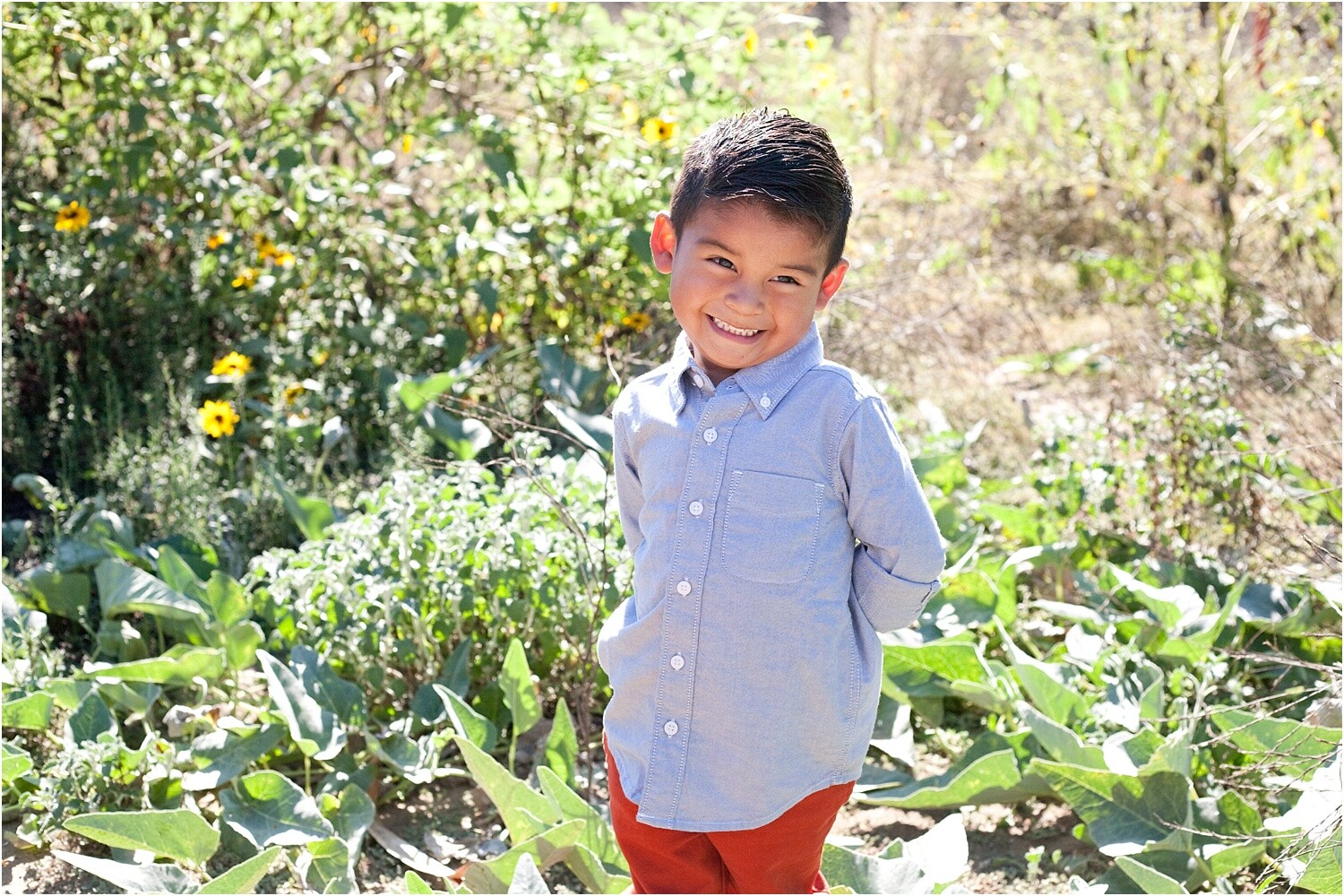
You have two options for your mini-session image delivery. You can send your clients an online gallery or make in-person sales. It’s up to you which you prefer to do depending on your business style.
23 - Photographing Mini-Sessions

If you do online, be sure you’ve outlined all the parameters regarding the gallery. Have your watermarks in place, limit the downloads to the number you’ve specified and use an expiration date. Also, add email logins to keep track of emails for future marketing.

Also, have your products displayed front and center so that your clients can find them quickly. If your clients have to jump through lots of hoops to get their images, they most likely won’t buy much. Make sure the gallery is user-friendly and easy to access.

24 - Photographing Mini-Sessions

If you have opted for in-person sales, schedule the appointment after you’ve finished photographing the family. Doing so helps settle any delays in delivering photos. Have a physical calendar or use your phone calendar to note the time and date of your in-person sales.

In-person sales can happen at your studio or the client’s home. Take your top products, pricing sheet, and samples along. Include a preview of the images in a premade slideshow that highlights the top 15 photos.

25 - Photographing Mini-Sessions

Work with your clients to choose their favorites from the promotion and any additional products they may want to purchase.

Take an order form and have a secure way to process payments. For example, use a PayPal credit card reader or Square software. Doing so allows clients to pay then and there, avoiding payment excuses. You also look more professional.

Pricing Sheet and Products

I want to highlight pricing sheets and products. I’ve repeated it throughout the entire article. Make it a point to put your pricing sheet and products in front of your client’s eyes at all times.

26 - Photographing Mini-Sessions

Mini-sessions often bring in quick income because you are working in volume. In the long run, what brings you greater income and returning clients is selling prints and products.

Reminding your clients of pricing and products allows them to think about what they would like to purchase. If you only say it once, it doesn’t stick. You’ll need them to see the information at least three times for them to think about buying something other than digital images.

27 - Photographing Mini-Sessions

Send out the pricing sheet and all other selling materials in an email when your client books the session. Send it along with their signed contract or payment receipt. Hand them a printed pricing/product sheet at the end of the session. Be sure to include your logo and any other necessary information such as credit card payment details. When you send the gallery invitation or see them at the in-person sales appointment, give them the pricing/product sheet again.

28 - Photographing Mini-Sessions

It’s important to keep the pricing/product sheet available to them and as a constant reminder to purchase printed products from their session. Having your work displayed in their home also serves as a good referral among friends and family who see their portraits.

In conclusion

Mini-sessions are a great way to drive volume business and get more experience in portrait photography. Price your mini-sessions according to your target market and business model so that you don’t lose money by doing the promotion.

29 - Photographing Mini-Sessions

Remember to get your pricing sheet and product pricing to your clients at least three times to ensure extra income after the sessions have been completed.

Have you photographed mini-sessions before? What was your experience?

The post Tips for Setting Up and Photographing Mini-Sessions for Extra Income appeared first on Digital Photography School. It was authored by Jackie Lamas.


Digital Photography School

 
Comments Off on Tips for Setting Up and Photographing Mini-Sessions for Extra Income

Posted in Photography


Video: Five tips to keep in mind when buying used film cameras

15 Dec

YouTuber Casey Cavanaugh, whose work has been featured before on DPReview, has produced a handy video guide for those looking for buy their first film camera. Posted on his GxAce YouTube channel Casey runs through five top tips for checking over some of the essential functions of an old film body and lens to make sure it is going to be worth buying.

He shows how to check shutter speeds and ways to spot problems, as well as pointing out the importance of the integrity of the camera’s light seals. He also has useful information on examining the condition of a lens and discussing what is repairable and what should be avoided. Buyers should take a spare battery and a flash light/torch with them, Cavanaugh says, to ensure lenses are clean and that the camera is functioning normally.

If you have an eye on a second hand film body this might help you avoid buying a dud.

Articles: Digital Photography Review (dpreview.com)

 
Comments Off on Video: Five tips to keep in mind when buying used film cameras

Posted in Uncategorized


5 Tips for Photographing Flowers with Impact

14 Dec

The post 5 Tips for Photographing Flowers with Impact appeared first on Digital Photography School. It was authored by Megan Kennedy.

1 - 5 Tips for Photographing Flowers with Impact

If like me, you live in the southern hemisphere, you’ll be well amongst the season of spring. Although this can mean the onset of the dreaded hay fever season, it’s a great time of the year for photographers to capture an amazing diversity of flowers that bloom in the warmer months.

Flowers make beautiful subjects for photography. In fact, they’re probably one of the most photographed subjects in history. An abundance of colors, species, and sizes means that flowers provide an endless array of photographic opportunities.

2 - 5 Tips for Photographing Flowers with Impact

However, floral photography isn’t limited to spring either. If you aren’t currently living it up in the southern hemisphere, now is a great time to show some self-love and buy yourself a beautiful bouquet of flowers…because you deserve it! And for photography purposes, of course.

No matter if you are in the thralls of spring or living vicariously through this post, this quick list is a great way to load up on ideas for that next floral shoot.

3 - 5 Tips for Photographing Flowers with Impact

Macro photography

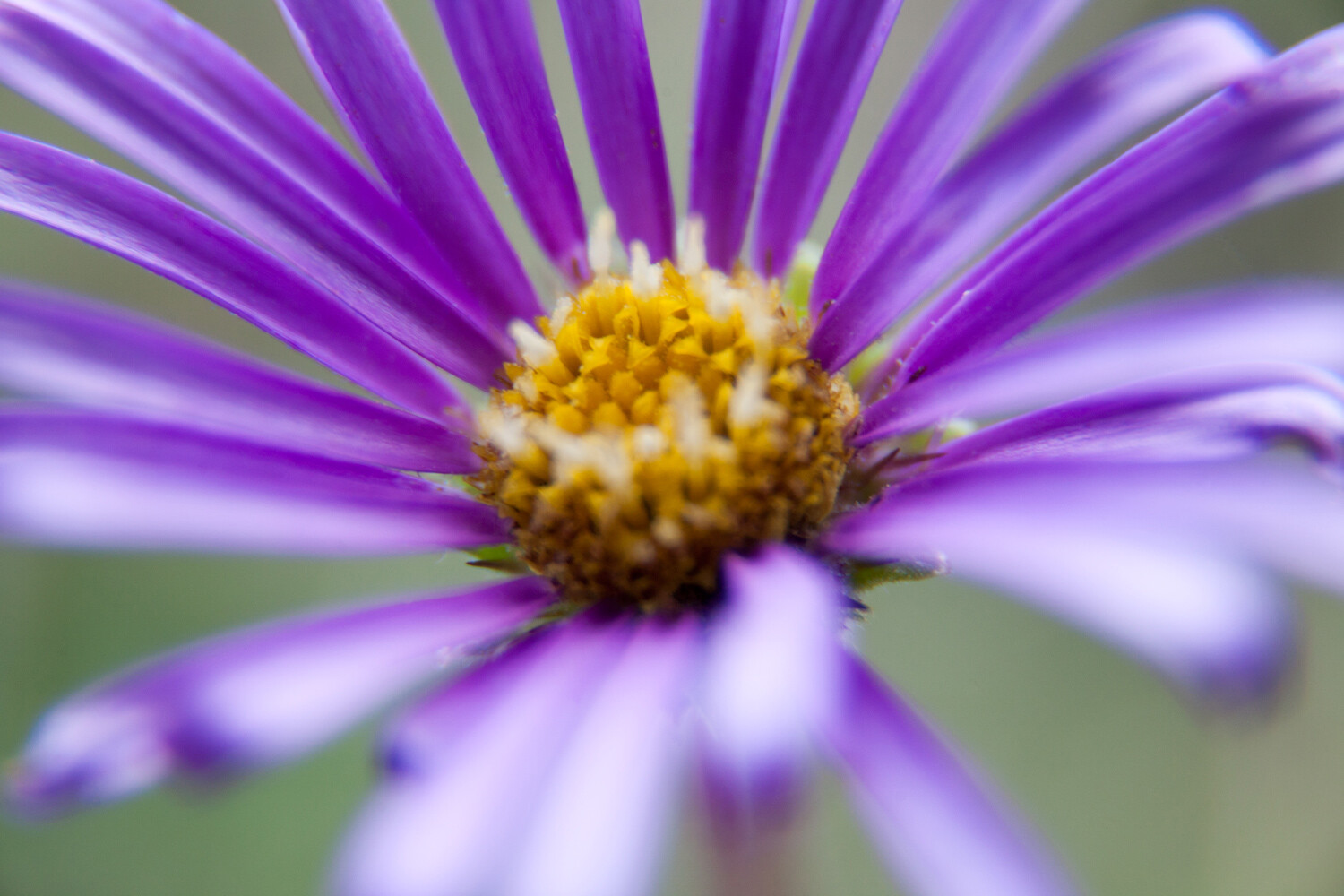
Macro photography is the photographic reproduction of small subjects at a size that is larger than real life. Through macro photography, a photographer can take extreme close-up photographs of small subjects, reproducing them at a much larger size. Macro photography is often used to photograph flowers because it reveals attributes that can’t be seen by the naked eye. It’s easy to observe a flower in passing. But it takes a photographer to reveal the hidden details of a flower’s complex shape and structure.

A variety of dedicated macro lenses, as well as extension tubes and filters, mean that macro photography gear is becoming more and more accessible. For my macro flower photography, I use a set of extension tubes. They’re simple, don’t break the budget and they produce lovely results.

4 - 5 Tips for Photographing Flowers with Impact

5 - 5 Tips for Photographing Flowers with Impact

Abstraction

Abstract photography itself is a little hard to describe. Wikipedia defines abstract photography as “…a means of depicting a visual image that does not have an immediate association with the object world”. Abstract photography relies on compositional aspects like form, shape, color, line, and texture without worrying too much about depicting identifiable subject matter.

It’s a complicated subject, but flower photography is a great excuse to explore abstract photography for yourself. Try focusing on the details that make up the network of organic shapes in a flower, or home in on the subtle lines that form the flower’s shape. Don’t worry too much about the bigger picture. Go for it – it’s a lot of fun!

6 - 5 Tips for Photographing Flowers with Impact

In this abstract image, the flowing lines and natural color lend the impression of an organic subject

Color

Focusing on a colorful subject matter is a great way to form a dialogue between a photograph and viewer. Flowers are known for their abundance of color and variety. Their beautiful and sometimes surprising hues make them wonderfully diverse photographic subjects.

For vibrant color in your floral photography, you want to photograph a well-lit subject. If you are photographing outside, aim to shoot on a day with a good amount of sunlight. If you are inside or shooting on a particularly cloudy day, try incorporating on-camera flash into your photography. Direct flash will usually blow out a subject, so try using a diffuser or bouncing your flash for a softer effect that will lift a flower’s color without washing it out.

7 - 5 Tips for Photographing Flowers with Impact

Taking advantage of the color in floral subjects will allow you to build up a body of diverse botanical photography by relying on the natural features of the flower

Black and White

Of course, not all flower photography has to be in color. Color photography can have the drawback of directing attention away from the subject itself. Black and white photography, on the other hand, enhances form and texture by minimizing distraction.  And because flowers are associated with color, black and white photography also lends a timeless, surreal angle to your floral imagery.

To photograph flowers in black and white, you can set your camera to shoot in monochrome mode. Or, you can convert your images to black and white in post-production with programs like Photoshop or Lightroom. Either way, black and white photography is a great way to add a unique perspective to your flower photography.

8 - 5 Tips for Photographing Flowers with Impact

This photograph of was taken using a process called Scanography. The black and white scheme accentuates the subtle details in the subject

Perspective

Perspective dictates the way a viewer places themselves in a photograph. As a basic example, a high perspective can remove the viewer from the scene, inviting them to asses a photographic environment clinically. It introduces a sense of unease, as height is considered innately dangerous. A low perspective amplifies the height of subjects, lending a sense of grandeur to an environment. At the same time, it can also instill a feeling of ‘smallness’ in the viewer, as if they were an ant inspecting an impossibly tall building.

Viewers get drawn to images that are out of the ordinary. Creatively utilizing your camera’s point of view challenges the way a viewer sees their surroundings. For a unique twist on perspective, try photographing floral subjects down at their level. It’s amazing how much a subject can be transformed with a quick change in perspective.

9 - 5 Tips for Photographing Flowers with Impact

Conclusion

Focusing on color, black and white, perspective, macro, and abstract photography are only some of the ways to approach flower photography. Even the smallest flower poking its head through the cracks in a path can bring a smile to someone’s face. So, combining photography and flowers is sure a sure-fire way to create beautiful imagery. I’d love to see your results below!

The post 5 Tips for Photographing Flowers with Impact appeared first on Digital Photography School. It was authored by Megan Kennedy.


Digital Photography School

 
Comments Off on 5 Tips for Photographing Flowers with Impact

Posted in Photography