RSS
 

Posts Tagged ‘Time’

First Time in 100 Years: Forbidden City’s Secret Garden to Open

06 Apr

[ By WebUrbanist in Destinations & Sights & Travel. ]

forbidden city secret garden

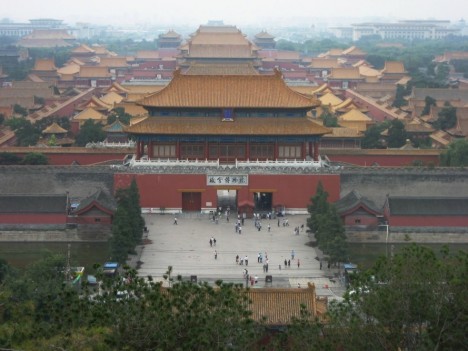
The Forbidden City in Beijing, China, is one of the most-visited landmarks in the world, but now its secret garden, closed to the public for close to a century, is scheduled to open its gates.

forbidden space hidden garden

Built in the 15th Century, the Forbidden City was a center of power for hundreds of years, a vast and sprawling complex of residential, cultural and political spaces. While tourists are welcome to explore much of the complex, the Secret Garden within its walls was shut off from view after the last emperor was deposed.

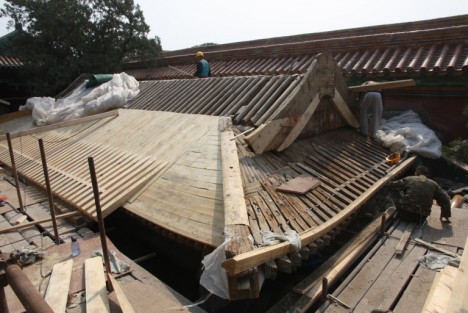
secret garden roof

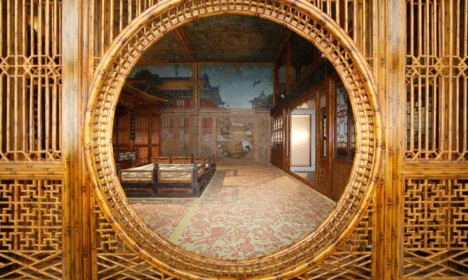
Current conservation efforts are underway, aimed at making the space historically accurate down to the last detail. For better and worse, the Secret Garden has been largely untouched for hundreds of years, closed off and left theoretically intact but also subject to decay. The first stage of the project was completed in 2008, and the final phases are scheduled to finish by 2020, at which time visitors will be able to enter once more.

secret garden space interior

More details from Hyperallergic: “The Qianlong Garden Conservation Project is a joint initiative between the Palace Museum, which manages the Forbidden City, and the World Monuments Fund (WMF). Last month WMF Senior Advisor Henry Ng discussed the project’s progress at a gathering of WMF’s Moai Circle at the bar Lumos. ‘Many of the threads were lost for how this place was built,” he explained, adding that the major challenge is retrieving traditional Chinese crafts that vanished in the country’s 20th-century cultural upheaval.’” (images via Si Bing/Palace Museum, the Palace Museum/World Monuments Fund and David Stanley via Inhabitat).

Share on Facebook


[ By WebUrbanist in Destinations & Sights & Travel. ]

[ WebUrbanist | Archives | Galleries | Privacy | TOS ]


WebUrbanist

 
Comments Off on First Time in 100 Years: Forbidden City’s Secret Garden to Open

Posted in Creativity


Potential Greenery: Topsoil & Time Shape ‘Empty Lot’ Artwork

04 Apr

[ By WebUrbanist in Art & Installation & Sound. ]

emptylotdec2015

A recently-completed, six-month art installation in the Tate Modern imported soil from parks all around London, arraying them in the museum’s Turbine hall to show what weeds, grasses and ferns would grow from seeds and spores already present in the dirt.

Abraham Cruzvillegas_ Empty Lot.-25004509915 (1)

Empty Lot by artist Abraham Cruzvillegas involved equalizing conditions for the various samples of topsoil, which were evenly lit by lamps and consistently watered for half a year.

Empty Lot-24111522275

The installation was set up as a large geometric sculpture placed on scaffolding, supporting an array of triangular planters.  The samples were brought together from six parks, and kept separate between beds, growing in parallel.

Hyundai Commission 2015_ Abraham Cruzvillegas_ Empty Lot-24171950432

The outcome was unknown in advance, just like growth in nature or the evolution of a city, with elements of chance revealing the hidden potential in different park spaces (images by Sara~, Jennifer Morrow and Alexander Baxevanis)

Share on Facebook


[ By WebUrbanist in Art & Installation & Sound. ]

[ WebUrbanist | Archives | Galleries | Privacy | TOS ]


WebUrbanist

 
Comments Off on Potential Greenery: Topsoil & Time Shape ‘Empty Lot’ Artwork

Posted in Creativity


Weekly Photography Challenge – Time

14 Feb

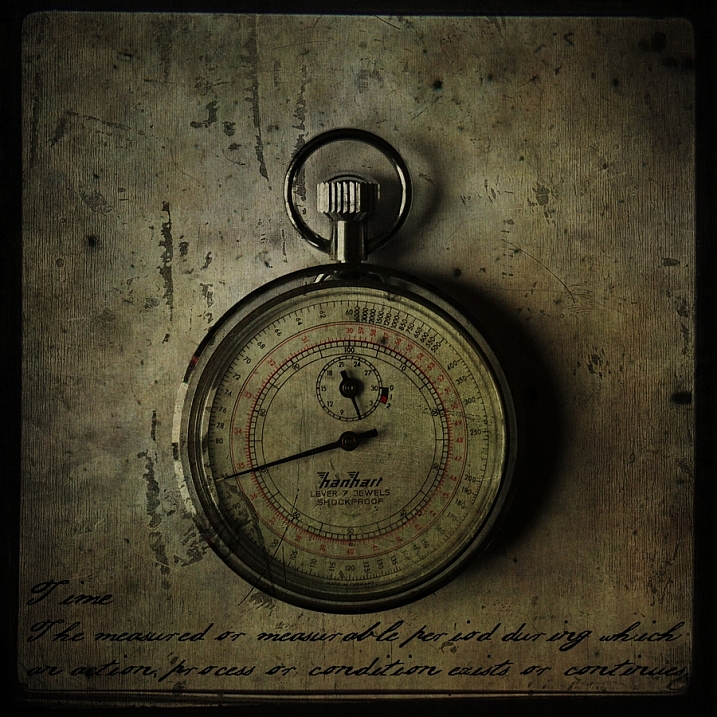
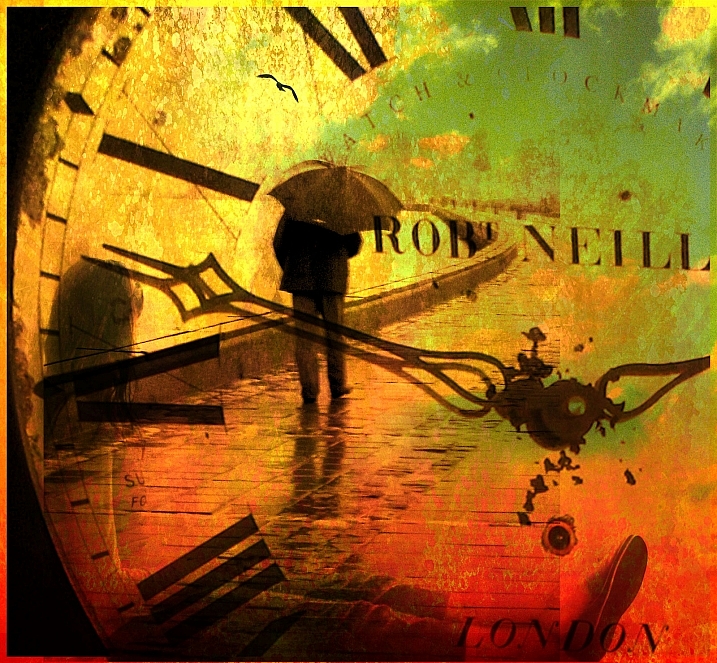
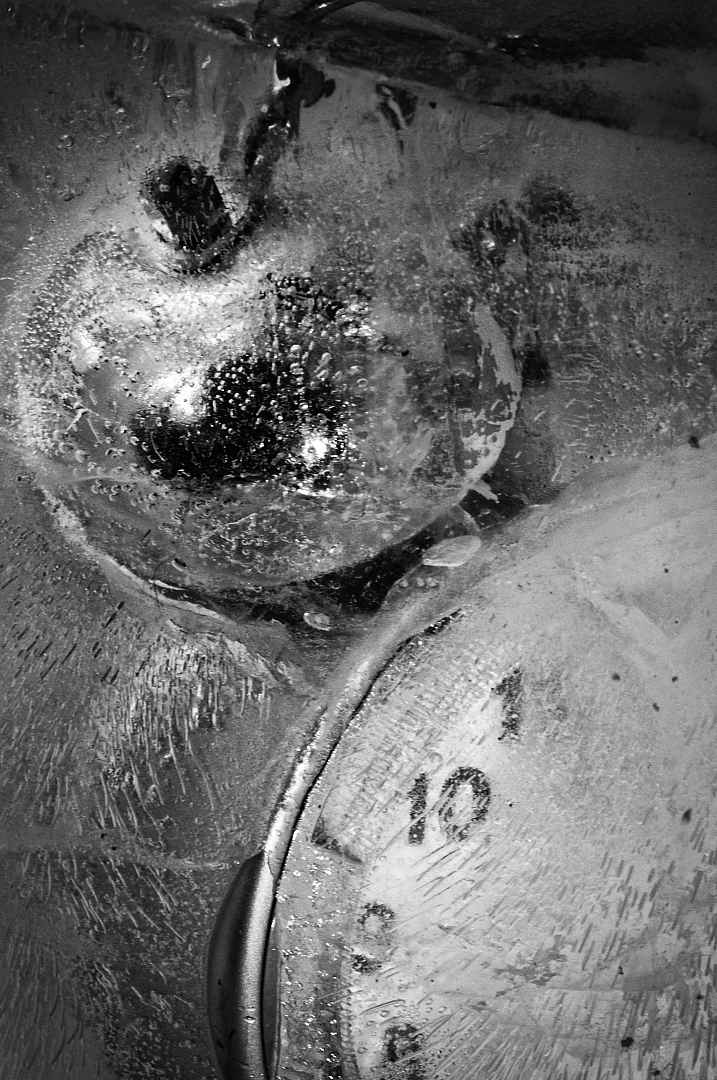
Time – it just keeps on ticking and there’s nothing we can do about it.

Except maybe try and capture the concept of time in an image – like these images I shared earlier.

Niko Knigge

By Niko Knigge

The hands of time can be taken quite literally, as in the image above – or more figuratively such as the images below:

?? ?????

By ?? ?????

Jason Mrachina

By Jason Mrachina

Basheer Tome

By Basheer Tome

Weekly Photography Challenge – Time

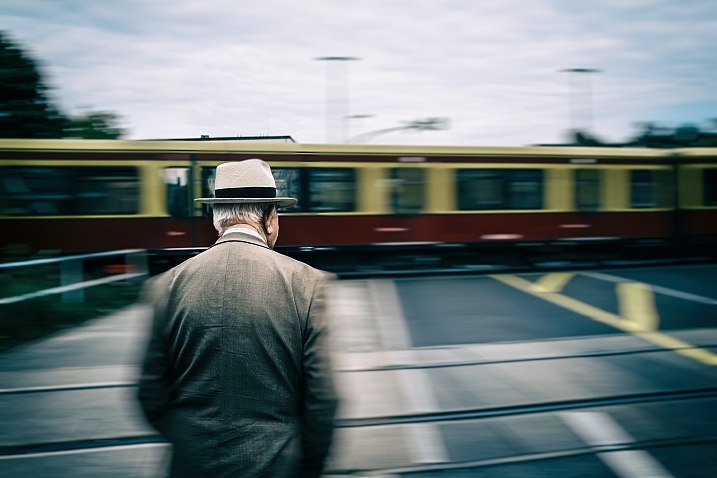
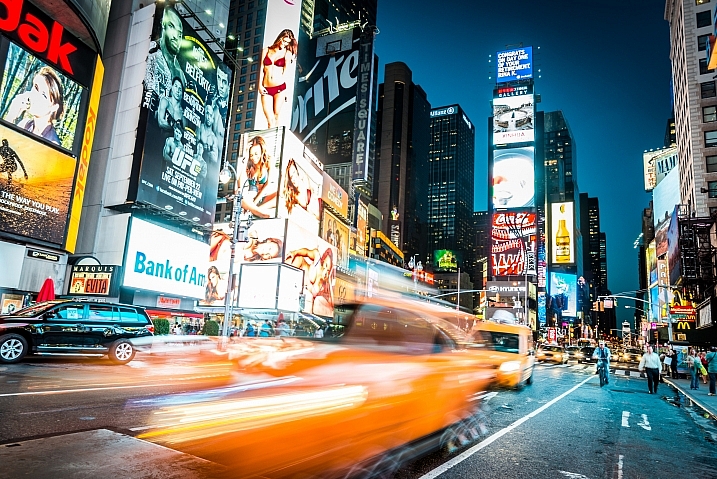
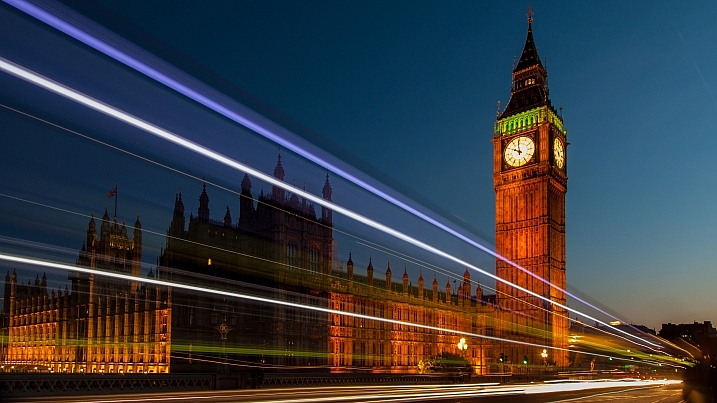
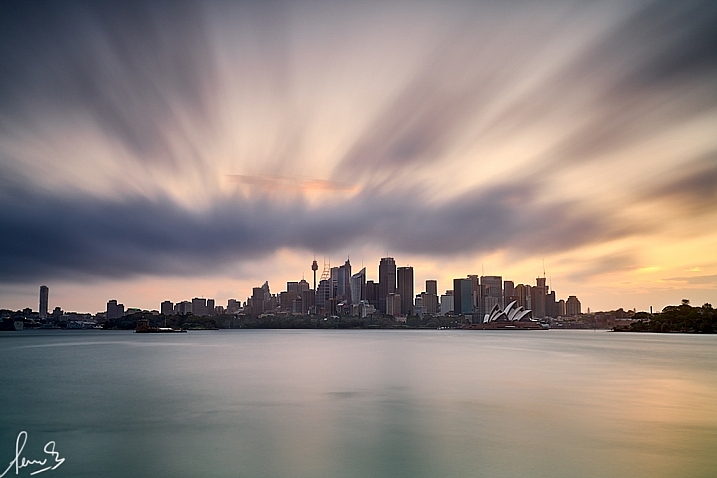
As always we have a weekly challenge and this week it all about time. Finding time, time warp, hands of time – however you want to interpret it is up to you. Take it literally and photograph a time piece like an interesting watch or clock, or perhaps a sundial like above. Or get more out there and think about time as in long exposures, star trails, car light trails, a moment frozen in time, etc.

Corie Howell

By Corie Howell

Tom Roeleveld

By Tom Roeleveld

Luc Mercelis

By Luc Mercelis

?ethan

By ?ethan

KHAIRIL FAIZI

By KHAIRIL FAIZI

Share your images below:

Simply upload your shot into the comment field (look for the little camera icon in the Disqus comments section) and they’ll get embedded for us all to see or if you’d prefer upload them to your favourite photo sharing site and leave the link to them. Show me your best images in this week’s challenge. Sometimes it takes a while for an image to appear so be patient and try not to post the same image twice.

googletag.cmd.push(function() {
tablet_slots.push( googletag.defineSlot( “/1005424/_dPSv4_tab-all-article-bottom_(300×250)”, [300, 250], “pb-ad-78623” ).addService( googletag.pubads() ) ); } );

googletag.cmd.push(function() {
mobile_slots.push( googletag.defineSlot( “/1005424/_dPSv4_mob-all-article-bottom_(300×250)”, [300, 250], “pb-ad-78158” ).addService( googletag.pubads() ) ); } );

The post Weekly Photography Challenge – Time by Darlene Hildebrandt appeared first on Digital Photography School.


Digital Photography School

 
Comments Off on Weekly Photography Challenge – Time

Posted in Photography


27 Interpretive Images that Represent Time

12 Feb

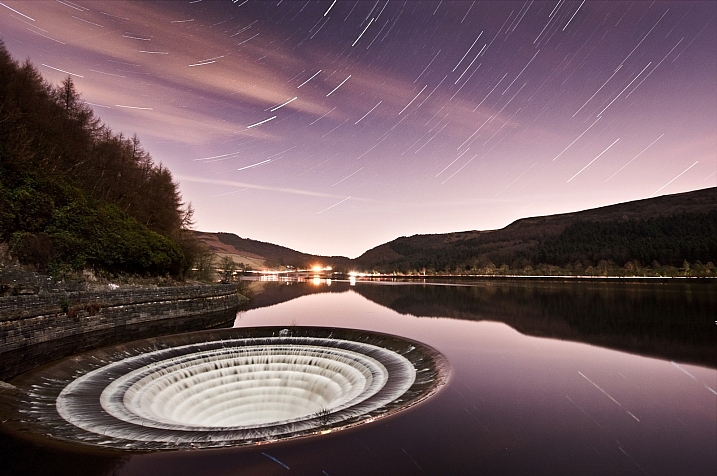
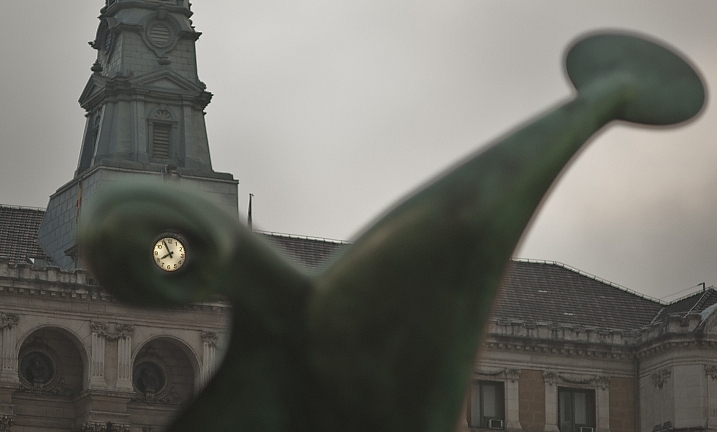
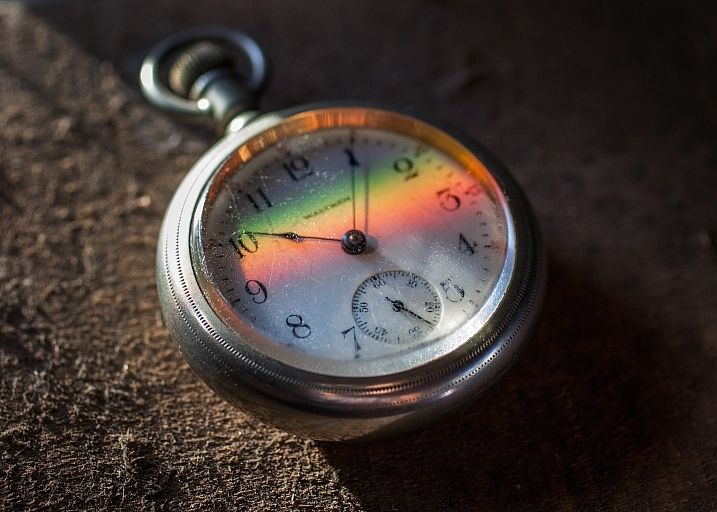
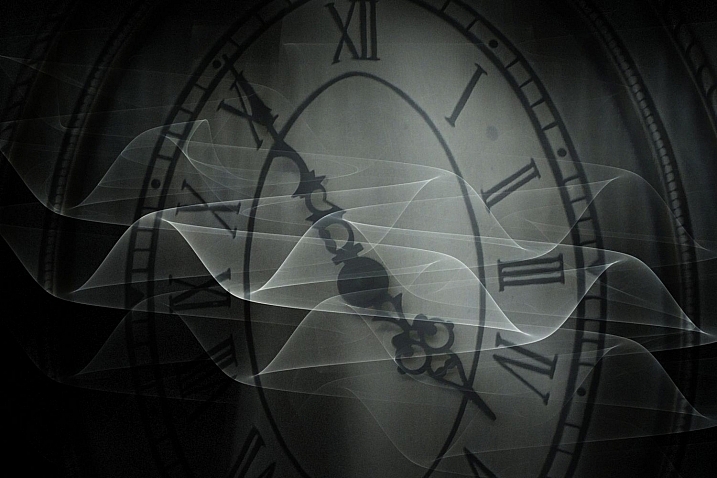
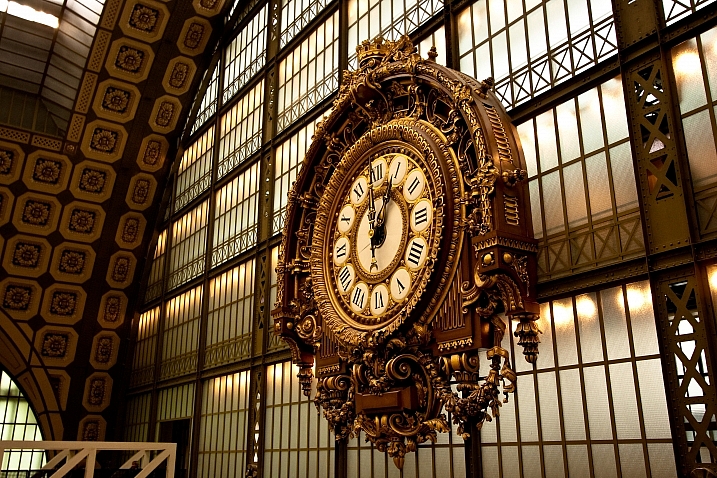
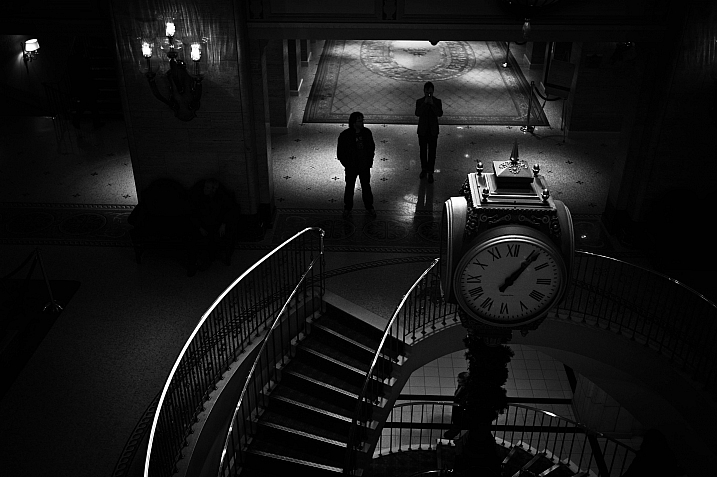
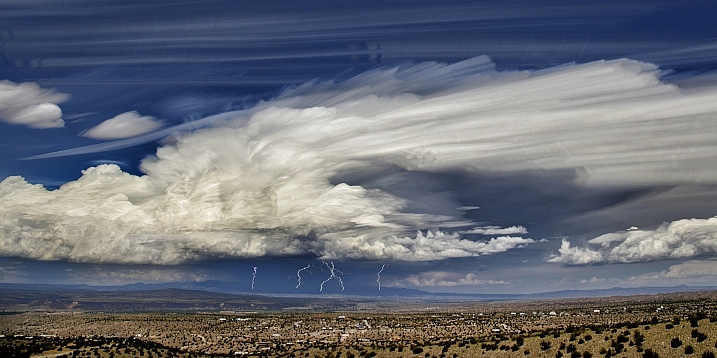
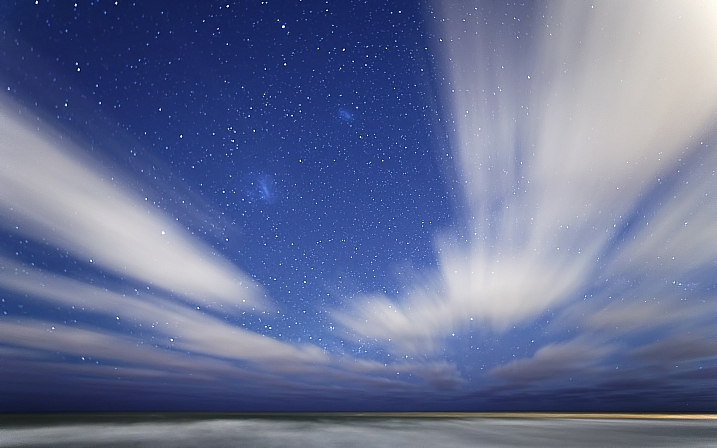
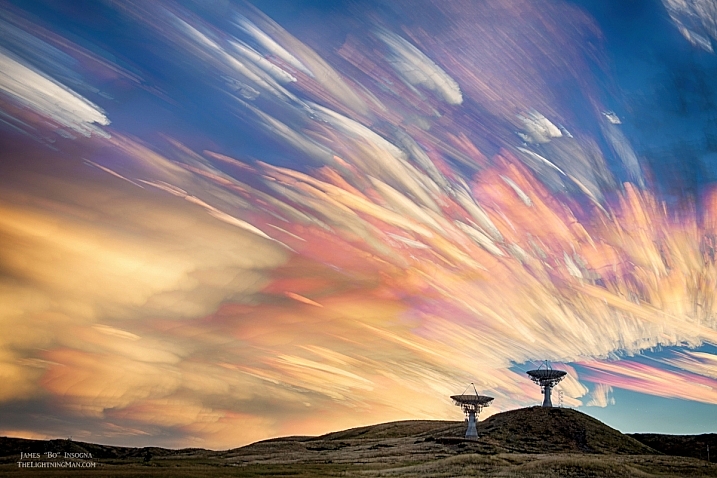
Okay technically this is 26 images and one really cool time lapse video that represent things related to time. Some are actual clocks or time pieces, yet others are more interpretive, mystical – such as long exposure photography, light trails and stars.

See where these photographers went – around the clock.

Christian Schirrmacher

By Christian Schirrmacher

Arne Bornheim

By Arne Bornheim

Paul Gravestock

By Paul Gravestock

Sacha Fernandez

By Sacha Fernandez

Vaidotas Mišeikis

By Vaidotas Mišeikis

Julen Landa

By Julen Landa

Robert Couse-Baker

By Robert Couse-Baker

Eddi Van W.

By Eddi van W.

Elvin

By Elvin

Bo Insogna, TheLightningMan.com

By Bo Insogna, TheLightningMan.com

Paolobarzman

By paolobarzman

John Fowler

By John Fowler

Luis Argerich

By Luis Argerich

Kat...

By Kat…

Philip Edmondson

By Philip Edmondson

Mikael Tigerström

By Mikael Tigerström

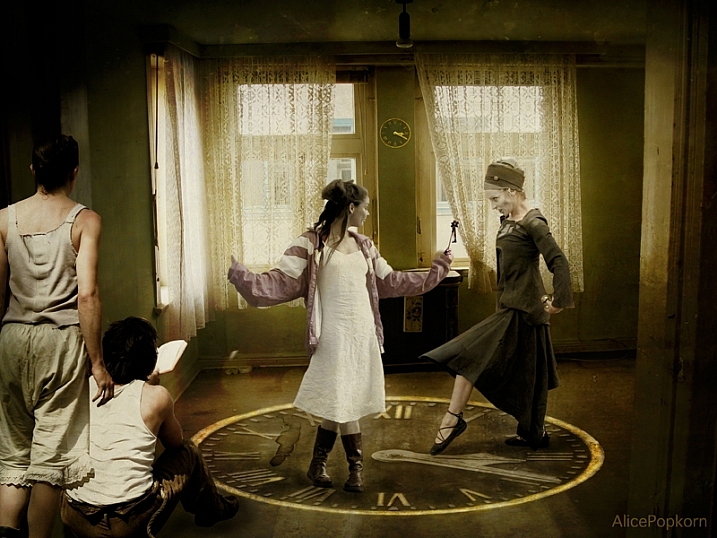
Alice Popkorn

By Alice Popkorn

Charlie Wales

By Charlie Wales

Pablo Fernández

By Pablo Fernández

Vincent_AF

By Vincent_AF

Tekke

By Tekke

Stefanos Papachristou

By stefanos papachristou

Atilla Kefeli

By Atilla Kefeli

Ian Sane

By Ian Sane

Joe Penniston

By Joe Penniston

Michael Shaheen

By Michael Shaheen

googletag.cmd.push(function() {
tablet_slots.push( googletag.defineSlot( “/1005424/_dPSv4_tab-all-article-bottom_(300×250)”, [300, 250], “pb-ad-78623” ).addService( googletag.pubads() ) ); } );

googletag.cmd.push(function() {
mobile_slots.push( googletag.defineSlot( “/1005424/_dPSv4_mob-all-article-bottom_(300×250)”, [300, 250], “pb-ad-78158” ).addService( googletag.pubads() ) ); } );

The post 27 Interpretive Images that Represent Time by Darlene Hildebrandt appeared first on Digital Photography School.


Digital Photography School

 
Comments Off on 27 Interpretive Images that Represent Time

Posted in Photography


Portrait time: Sample gallery from Sony’s new 85mm F1.4 GM lens

04 Feb

After Sony showed off its a6300 and trio of new lenses, our staffers were able to grab an a7R II and start shooting. Above we’ve put together a small selection of images taken with Sony’s new 85mm F1.4 GM portrait lens. 

$ (document).ready(function() { SampleGalleryV2({“containerId”:”embeddedSampleGallery_2269056192″,”galleryId”:”2269056192″,”isEmbeddedWidget”:true,”selectedImageIndex”:0,”startInCommentsView”:false,”isMobile”:false}) });
Articles: Digital Photography Review (dpreview.com)

 
Comments Off on Portrait time: Sample gallery from Sony’s new 85mm F1.4 GM lens

Posted in Uncategorized


Time Capsule Apartments: 10 Perfectly Preserved Interiors

02 Feb

[ By Steph in Culture & History & Travel. ]

time capsule chicago

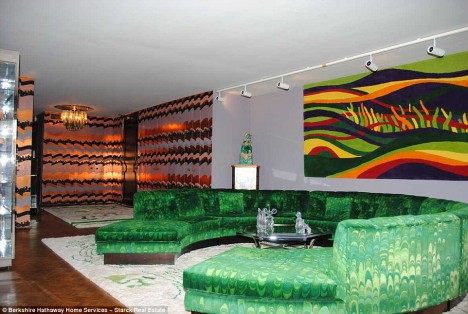
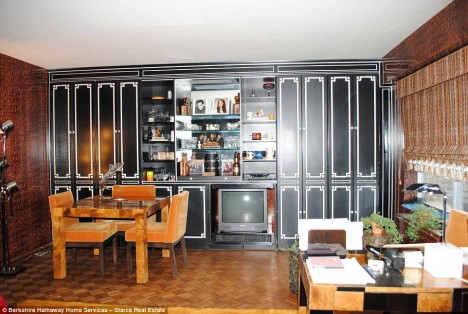
Never-updated interiors may be considered ‘dated’ within a decade or two of being in style, but give them some more time and they become vintage time capsules capturing the essence of their particular era, from swinging ’70s penthouses and pristine ’60s kitchens to luxurious Parisian apartments abandoned during World War II. Frozen in time, some of these interiors lay abandoned for decades before being rediscovered, while others have finally been sold after never being updated by their elderly original owners.

Chicago Condo Untouched Since the ‘70s
time capsule chicago 2

time capsule chicago 3

time capsule chicago 4

time capsule chicago 5

time capsule chicago 6

Untouched for decades, a swingin’ 70s penthouse in Chicago’s Winston Towers condo recently went up for sale for just $ 158,000, with the original furniture, decor and even bottles of perfume on the bathroom shelves still intact. The 1,877-square-foot three-bedroom condo would have been considered garishly dated in the ‘80s, but over forty years after it was furnished and decorated, it’s like a living snapshot of the tastes that were popular at the time and has big appeal for vintage enthusiasts.

Paris Apartment Untouched for 70 Years
time capsule apartment paris

time capsule paris 2

time capsule paris 3

time capsule paris 4

Thanks to a wealthy estate that paid its bills without checking on anything too carefully, an apartment in Paris was left isolated for 70 years after its owner fled the city during World War II. The interiors are exactly as she left them, full of vintage Parisian treasures, including a 19th century painting by celebrated Italian artist Giovanni Boldini of the owner’s grandmother, actress Marthe de Florian. The time capsule was discovered after the woman’s heirs decided to take an inventory of her possessions.

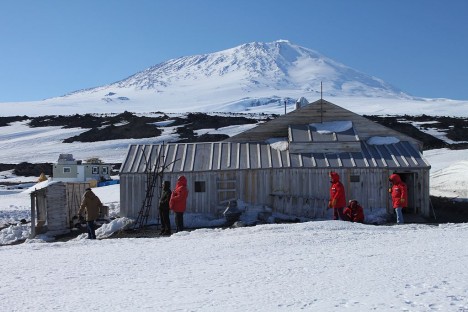
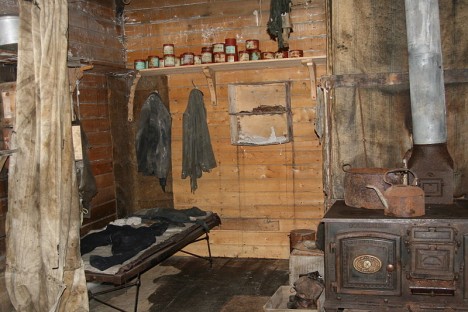
Scott’s Hut & Shackleton’s Hut, Antarctica
time capsule scotts hut

time capsule scotts hut 2

time capsule scotts hut 3

time capsule shackleton's hut

100 years after explorers built their own wooden shacks on the freezing, windy, desolate continent of Antarctica, the structures are exactly as they left them. British adventurers Ernest Shackleton and Robert Falcon Scott and their crews created the dwellings and stocked them with whiskey and brandy, which can still be seen on the shelves and tables today. It’s a wonder that the shacks – made to be temporary at the time – are still standing, but conservators have restored the landmarks to eliminate damage from decades of water seepage, age and abandonment. The extreme cold preserved artifacts like newspapers, scientific equipment and cans of food.

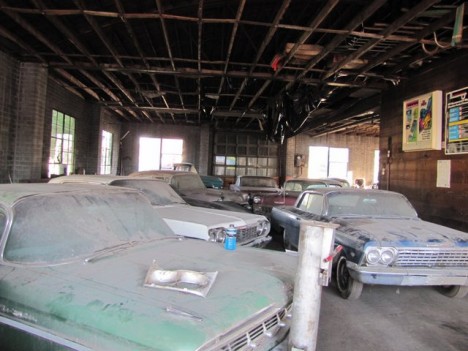
Garage Full of ‘Brand-New’ ‘60s Cars
time capsule car warehouse

time capsule car warehouse 2

time capsule car warehouse 3

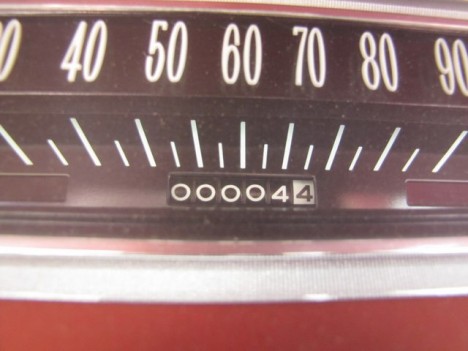
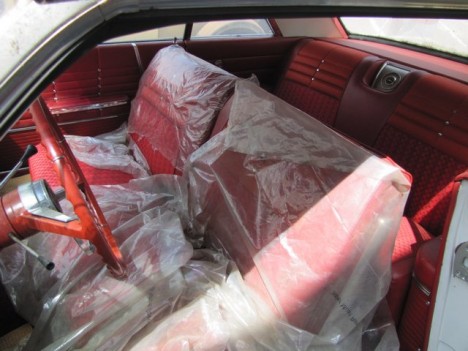
Imagine opening an old, seemingly forgotten garage to discover a treasure trove of ‘50s and 60’s cars in near-perfect condition, some of them driven less than 10 miles. Long time owners of a dealership in Pierce, Nebraska, a couple who are now in their nineties had been storing the vehicles for decades, and finally decided to liquidate their inventory in 2013. The collection includes Impalas, Chevelles and a 1956 Chevrolet Cameo Pickup. All were ultimately auctioned off to the tune of $ 2.8 million.

Next Page – Click Below to Read More:
Time Capsule Apartments 10 Perfectly Preserved Interiors

Share on Facebook


[ By Steph in Culture & History & Travel. ]

[ WebUrbanist | Archives | Galleries | Privacy | TOS ]


WebUrbanist

 
Comments Off on Time Capsule Apartments: 10 Perfectly Preserved Interiors

Posted in Creativity


Is it Time to go Full Frame? Weight These Pros and Cons Before You Decide

24 Jan

Has anyone ever said to you, “That’s a nice photo, you must have an expensive camera!”?

According to photography legend Ansel Adams, “The single most important component of a camera is the twelve inches behind it!”  

Your camera is simply a tool, that you use to create your vision of the scene in front of you. A camera can only do what you tell it, so it’s not going to capture that “nice photo” all by itself. But, what if the camera doesn’t perform up to your expectations? Then, it may be time for an upgrade.


Captured at ISO 6400 this image shows great tonal range with very acceptable noise levels.

Captured at ISO 6400 on a Nikon D750 full frame, this image shows great tonal range with very acceptable noise levels.

I recently made the jump from a cropped-sensor camera to a full frame body (a Nikon D750, used in all the images below). For the purpose of this article I am not going to get into a technical discussion about the differences between a crop sensor (APS-C), and full frame camera (the main one being is that the full frame has a larger sensor, the size of a frame of 35mm film).

But how do you know if, and when, upgrading to a full frame camera is desirable? What follows are some points to consider if you’re on the fence.

Advantages of full frame

  • Improved low light performance: Because of the larger sensor size, a full frame camera is able to capture more light, which allows it to attain focus in darker environments.
  • Higher ISO performance: The larger sensor of a full frame has larger pixels, which creates less digital noise at higher ISOs. In most cases you will get a one or two stop improvement in high ISO noise, over crop sensor cameras, though many new models of APS-C models have a much improved performance in noise reduction.
  • More control over depth of field: This is a commonly misunderstood benefit of full frame, because the larger sensor does not really affect the depth of field of an image. However, with the larger sensor of a full frame, you can move closer to the subject which causes the depth of field to become smaller. This, in turn, creates a smoother bokeh.
  • Improved dynamic range and color depth:  A full frame sensor can record more tonal range within shadows and highlights. Detail and color are much improved at both ends of the spectrum.

Disadvantages of full frame

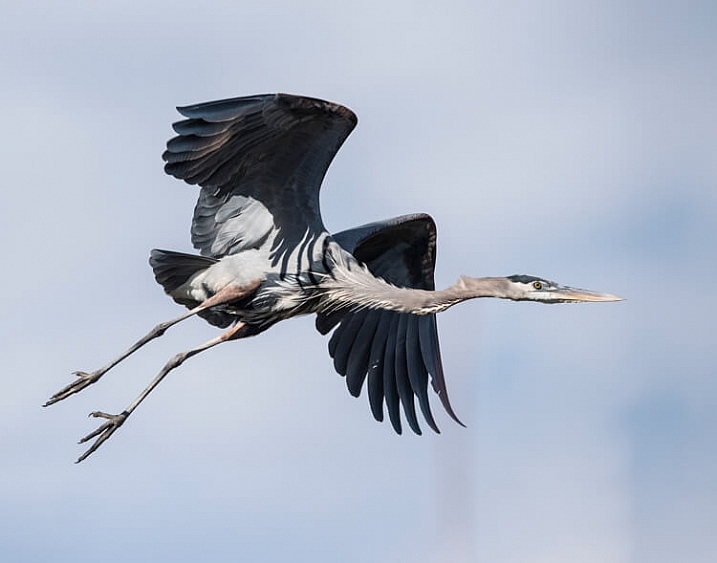
Bird in fight was captured here at high ISO to achieve fast shutter speed to capture a very sharp image.

This heron in flight was captured at high ISO to achieve the fast shutter speed needed to get a sharp wildlife image.

  • Expense: Not only is the cost of the full frame DSLR higher than a crop sensor, you will most likely need to make additional investment in compatible lenses.
  • Size and weight: Not only are the sensors larger in a full frame DSLR, the overall size and weight are as well. Also, the lenses have more glass elements, and are also larger and heavier. This may not matter to many photographers, but when carrying gear for long distances it could be a factor to consider.
  • No crop factor: The telephoto reach of a full frame DSLR is lessened by not having a crop sensor. For example: a 200mm lens on full frame doesn’t have the reach of the approximate focal length on a cropped sensor  camera (about 300mm).
  • Slow frame rate in burst mode: Because a full frame DSLR has a larger sensor, there is more information to record to the memory card. Therefore, it will take longer to save images to the card, resulting in fewer frames per second when you are shooting in burst mode.

So, how do you know if you are ready to make the jump to a full frame camera? Ask yourself these questions:

How much will it cost?

As mentioned above, the cost of buying a full frame camera is significantly more expensive than a crop sensor one, plus new lenses will most likely need to be purchased. There isn’t much use in changing to full frame if you are not going use high quantity lenses designed for full frame cameras. If you plan to make the jump to full frame, you may want to begin by upgrading lenses to those compatible with full frame DSLRs.

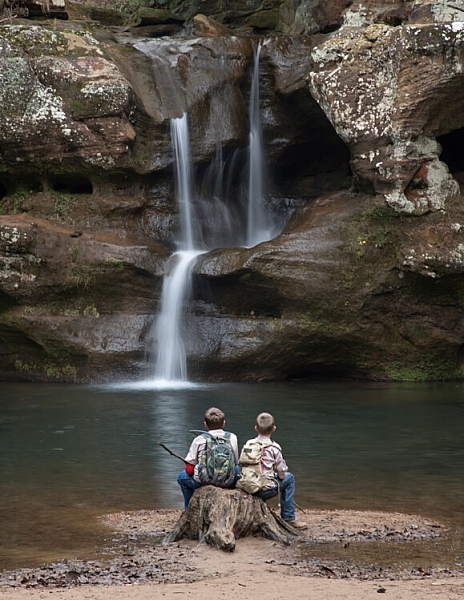
Choosing a smaller aperture of f/22 gave enough depth of field to keep both the boys and the waterfalls in focus.

Choosing a smaller aperture of f/22 produced enough depth of field to keep both the boys and the waterfalls in focus using a full frame Nikon D750.

What type of photography do you enjoy shooting?

Full frames have advantages and disadvantages for different types of photography.

  • Landscape: Low light performance, more detail and improved ISO performance are all great advantages of full frame for landscape photography. The only possible drawback here is the effectively shallower depth of field, but this can be compensated for by using a smaller f-stop.
  • Portraits: The larger sensor size of a full frame will result in a shallower depth of field. For portraiture this means the backgrounds can feature more blur and make the subjects stand out better.
  • Wildlife: A full frame camera loses the telephoto reach that a crop sensor has. Nevertheless, a lot of wildlife photography is shot in low light situations, where a full frame gives a much improved advantage.
  • Sports: As in wildlife photography, limited reach and low light factors apply to sports photography. Shooting with a full frame, the improved focusing in low light is a helpful benefit for sports. However, the slower frame rates of a full frame can be a drawback in photographing a fast moving sport.

If you are a portrait or landscape shooter, there are many benefits that might convince you to make the switch to full frame.

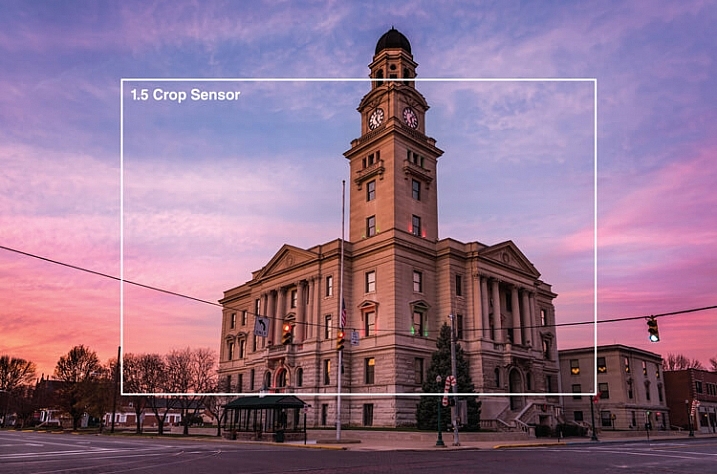
This scene was captured with at 24mm on full frame Nikon D750. The white line shows how much of this image would be captured on a crop sensor from the same location.

This scene was captured at 24mm on a full frame Nikon D750. The white line shows how much of this image would be captured on a crop sensor from the same shooting location.

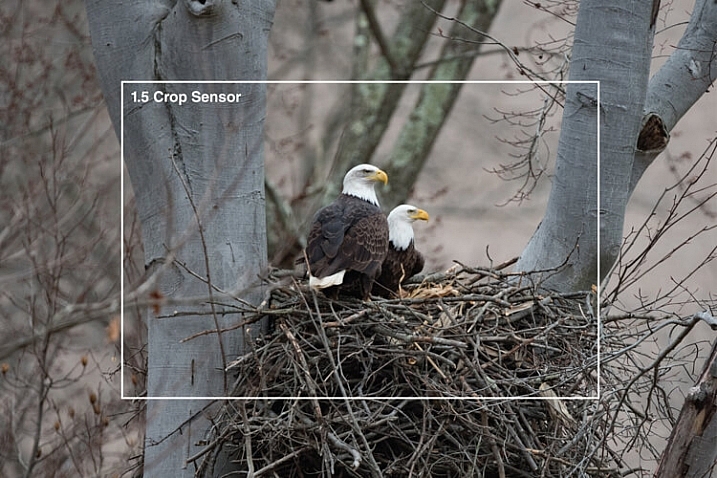
This image was captured at 600mm with a Nikon D750. The white line shows the extra reach that a crop sensor camera would give you. This image was also captured in low light conditions with ISO of 2000 with very acceptable noise level.

This image was captured at 600mm with a full frame. The white line shows the extra reach advantage that a crop sensor camera would provide. Still, capturing this image in low light conditions with an ISO of 2000 results in a desirable noise level.

Is your current camera holding you back?

Every camera has a limited number of shutter releases, so if your camera is nearing the end of its life cycle, it might be time to consider an upgrade. If your older crop sensor DSLR is limiting your results in low light, and you are constantly frustrated by high levels of noise, you might benefit from an upgrade to full frame.

Keep in mind that it’s convenient to blame a camera for taking poor images, but it may not be the camera holding you back. Many times photographers don’t get the results they expect by underutilizing high-end equipment. No matter what type of camera you shoot with, get to know it, and how all of its features work, before moving on to a different one.

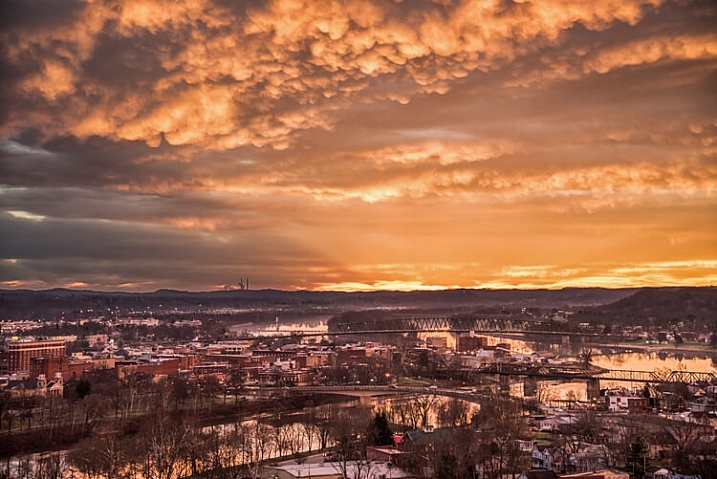
shooting here in low light, this shot was able to be captured in low light by increasing the ISO without adding digital noise to the image.

This cityscape was captured with a full frame in low light by increasing the ISO, without adding digital noise.

What is your level of photography experience?

A full frame camera is probably not the best one to use as a beginner. Start shooting with a more entry level DSLR, and work up to a full frame model. If you are looking for a camera to take photos of family and friends, a crop sensor DSLR is a very satisfactory choice. Having a good handle on the exposure triangle (aperture, shutter speed and ISO) and how they work together is a must if you’re going to take advantage of all the benefits of full frame. You must be comfortable with shooting in manual mode. If you earn any part of your income from photography, you may benefit from switching to a full frame camera.

Do you make large prints?

A full frame sensor has a larger pixel size, which will capture more light and detail, which results in sharper images that are conducive to making large prints. If you never make any prints larger than 8×10″, then a full frame DSLR may not be of benefit to you.

Here this sunrise shot has a nice range of tones without any noise in the shadows that you might get with some crop sensor cameras.

Captured with full frame Nikon D750, this sunrise image reveals a nice range of tones, without any of the digital noise in the shadows likely to be present with some crop sensor cameras.

Will purchasing a full frame make you a better photographer?

You may have heard this quote, “Skill in photography is acquired by practice, not by purchase.”

Do you need a full frame camera to capture great images? No, of course not! Most new crop sensor cameras on the market today are engineered to take beautiful images! But if you are an experienced photographer who makes money with your camera, you may gain an advantage by switching to full frame.

The bottom line

If you are thinking of upgrading from a crop sensor camera, be sure to consider the price, lens compatibility, and type of photography you do, before you make the change to full frame. Jumping to full frame can be quite a leap! But if you are ready for that big step, the results can be rewarding.

Are you ready to go full frame? Please leave your comments below.

googletag.cmd.push(function() {
tablet_slots.push( googletag.defineSlot( “/1005424/_dPSv4_tab-all-article-bottom_(300×250)”, [300, 250], “pb-ad-78623” ).addService( googletag.pubads() ) ); } );

googletag.cmd.push(function() {
mobile_slots.push( googletag.defineSlot( “/1005424/_dPSv4_mob-all-article-bottom_(300×250)”, [300, 250], “pb-ad-78158” ).addService( googletag.pubads() ) ); } );

The post Is it Time to go Full Frame? Weight These Pros and Cons Before You Decide by Bruce Wunderlich appeared first on Digital Photography School.


Digital Photography School

 
Comments Off on Is it Time to go Full Frame? Weight These Pros and Cons Before You Decide

Posted in Photography


How to Reduce Editing Time by Automating Your Lightroom Workflow

09 Dec

Don’t you hate when you realize that you spend more time in front of the computer than actually taking photographs? The realization is even more depressing when you are a travel and landscape photographer and, by definition, you are supposed to travel and discover the world’s beauty.

Sunset Ride (San Francisco)

The Crisis

This is how I felt about 12 months ago during my second ever processing crisis as a photographer.

The first crisis happened about 10 years ago when I became more serious about photography, and started taking more photos. This was a time when 100% of my editing was done in Photoshop, which quickly led me to feel like I was drowning in gigabytes of digital images. What I did not realize at the time was that a majority of photographers who had switched to the digital realm, shared my pain.

This is when Adobe saved us all by releasing Lightroom, an application designed specifically for digital photographers. Lightroom not only offered non-destructive photo editing but a complete digital photography workflow with streamlined digital asset management as well.

I immediately embraced Lightroom by starting with the beta version, which allowed me to cut my photo editing time in half. With every new version, Lightroom became more sophisticated and versatile, almost completely replacing Photoshop in my workflow. After Adobe released Lightroom 6, I recognized that I could complete 90% of my processing in Lightroom, and my need for Photoshop was minimal (10%).

But, sophistication and versatility had its own price. Lightroom became much slower and its complexity skyrocketed.

Another factor that contributed to my second processing crisis was my switch from a Canon DSLR, to a Sony mirrorless. The new Sony camera (A6000) had a bigger sensor and produced much bigger file sizes, which slowed my editing down even more.

After a long trip to Hawaii, California, and the Southwest, I brought back more than 5,000 brand new photos. The process of Lightroom editing was slow and painful, making it obvious that I had to come up with the completely new workflow to reflect a higher volume of larger files.
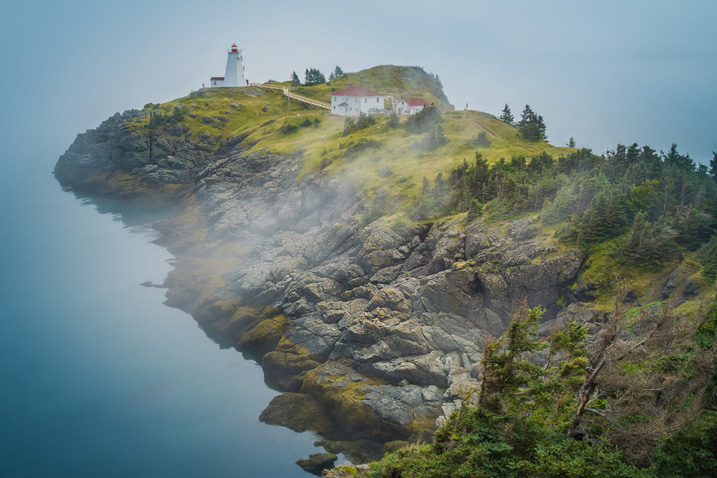
Swallowtail Light (New Brunswick)

The Solution

I started by analyzing my Lightroom editing habits, and soon enough, I made a discovery that became the foundation for my new workflow. Perhaps less of a discovery and more like a simple realization, I noticed that 80% of my edits are identical for every single photo I process, with only 20% varying from photo to photo.

The solution was obvious. By automating the 80%, I could radically reduce the time I spend in front of the computer. The use of preset functionality in Lightroom was an obvious choice.

I dove into my Lightroom Portfolio Collection and selected the images that best reflected my personal style and artistic vision. I then created presets based on those selected photos.

At that point, I faced a challenge. As you have probably noticed, LR presets usually do not work out of the box; their settings are too specific for a particular photo to work with every image. Depending on the lighting condition of the scene, contrast level, shadow depth, and color saturation, the same preset can produce a completely different result across different images.

I managed to overcome this challenge by separating my presets into two categories, and using a two-level editing approach.

  • Level One: I use presets from a STYLE category, to define an artistic style or the “LOOK” in a photograph. For example: cool or warm, cross processed or natural, contrasted or soft.
  • Level Two: I use ADJUSTMENT presets to fine-tune a photo, compensating for the lighting of the scene, without changing the STYLE that I defined in the previous step.

Okay, enough theory, let’s get to the practical demonstration – here’s my new Lightroom editing workflow in action:

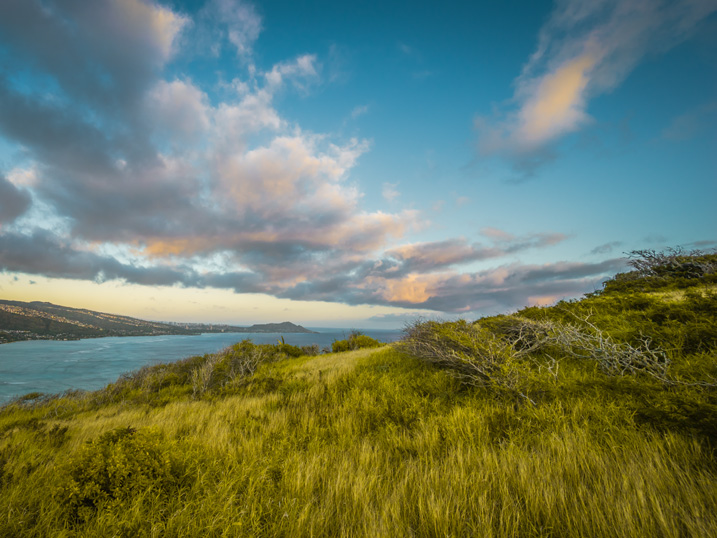
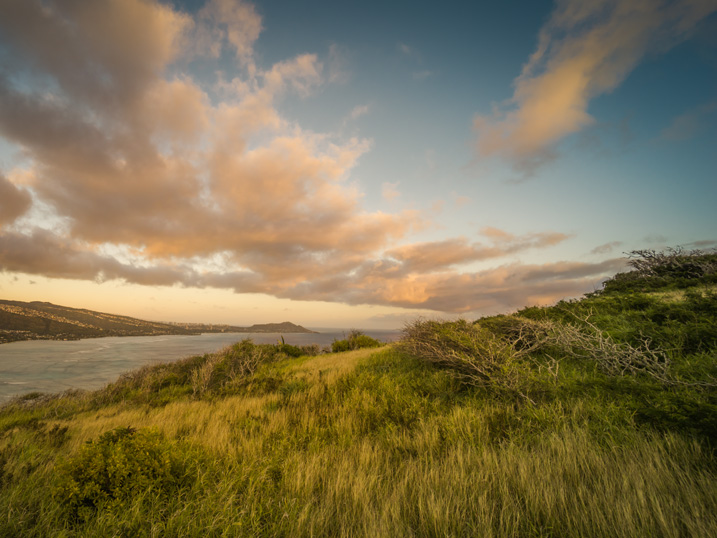
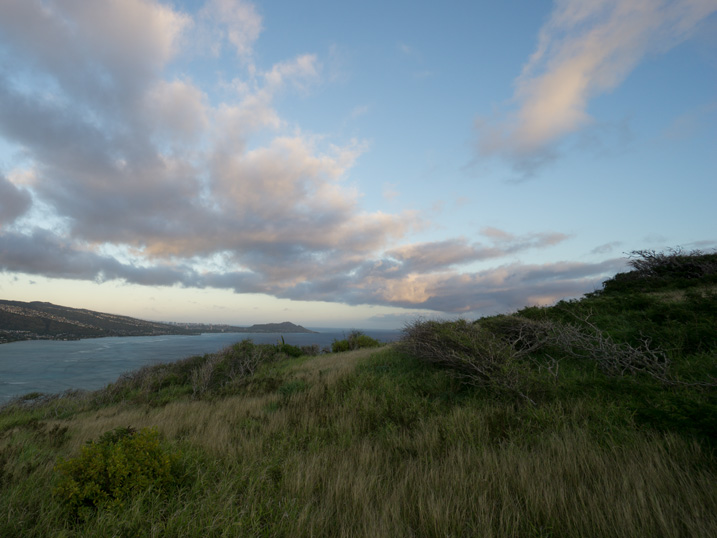
Here is a photo I took in Hawaii at sunrise. This is a typical landscape photo featuring the open sky and water, mountains, and foreground vegetation. In order to preserve the details in the highlights, I set the exposure for the sky area, as I normally do for the majority of landscapes. It resulted in an underexposed capture.
how_I_educed_my_photo_processing_time_in_half_03

The goal here is to correct the exposure, recover the shadows, and bring back the rich colors of the tropical sunrise.

STEP ONE

I always start my landscape editing by trying to achieve a natural look first by applying the NATURAL preset from my STYLE collection.
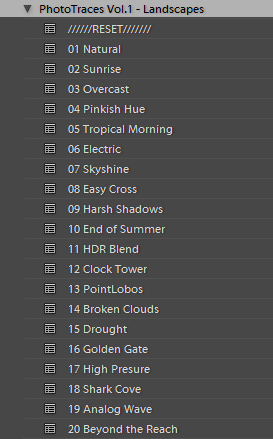
how_I_educed_my_photo_processing_time_in_half_04

Even though I managed to boost the colors and define the sky, the result is far from exciting, as the photo is much too dark.
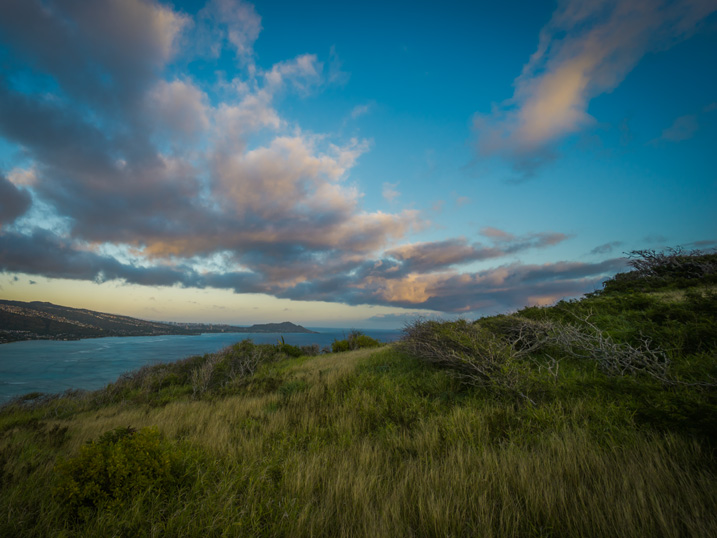
how_I_educed_my_photo_processing_time_in_half_05

STEP TWO

This is when my ADJUSTMENT collection, which I call the TOOLKIT, comes into play.

The TOOLKIT is a selection of 40 presets where each is responsible for changing only one specific parameter, without changing the style of the image. Together, they help to fine-tune different aspects of the photo.
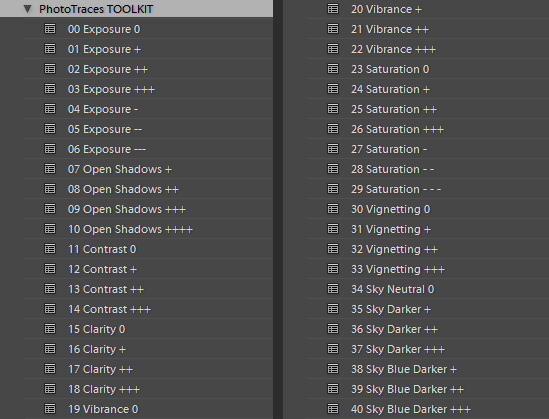
how_I_educed_my_photo_processing_time_in_half_06

The TOOLKIT presets are stackable, which means that you can apply multiple presets to the image without the presets overwriting each other.

  • To make the image brighter, I apply preset 02. Exposure ++
  • To open up the shadows, I apply preset 10. Open Shadows +++
  • To increase the local contrast, I apply preset 17. Clarity ++
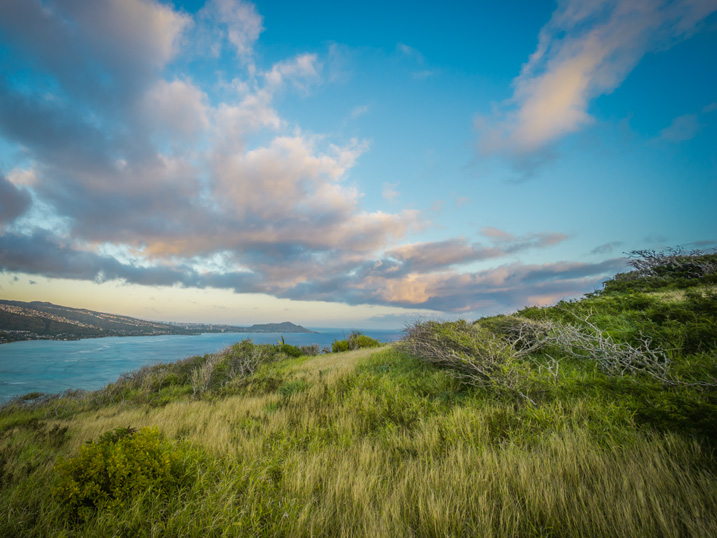
how_I_educed_my_photo_processing_time_in_half_07

This is all I had to do. As you can see, I managed to complete 80% of my entire editing in five clicks, without touching the right panel of Lightroom where all of the editing tools are housed.

STEP THREE

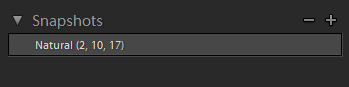
The last step is to record the editing steps. I use the Snapshot functionality of Lightroom to save my editing steps as a new Snapshot. For the name, I use “Lightroom Editing Formula”.
how_I_educed_my_photo_processing_time_in_half_08

The Lightroom Editing Formula starts with the name of the preset and follows with the numbers inside the brackets, where each number represents a specific ADJUSTMENT preset from the TOOLKIT collection.

If I edit a photo for my blog, I might stop here and export it as a JPEG; but, if I am working on a portfolio piece, I try to explore a variety of artistic styles. I follow a similar approach by going through the three steps of my workflow, but each time select a different STYLE preset.

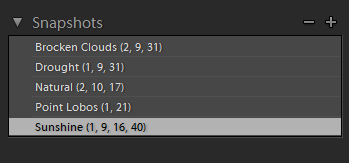
Every time I achieve a result I like, I save it as another Snapshot.
how_I_educed_my_photo_processing_time_in_half_09

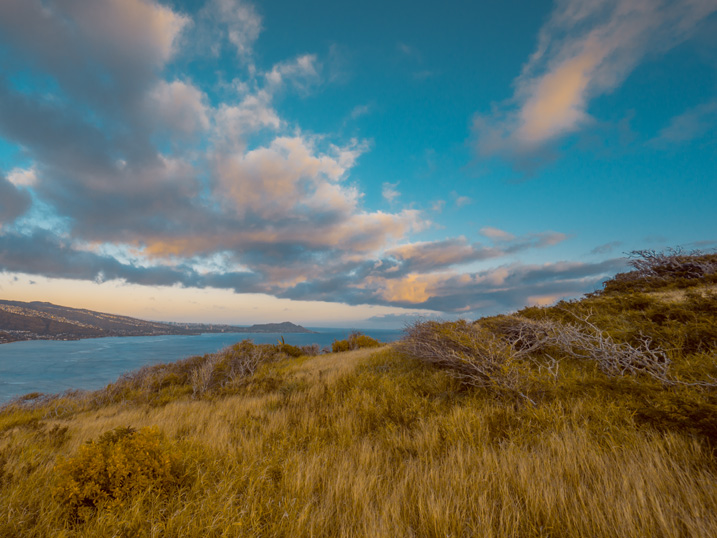
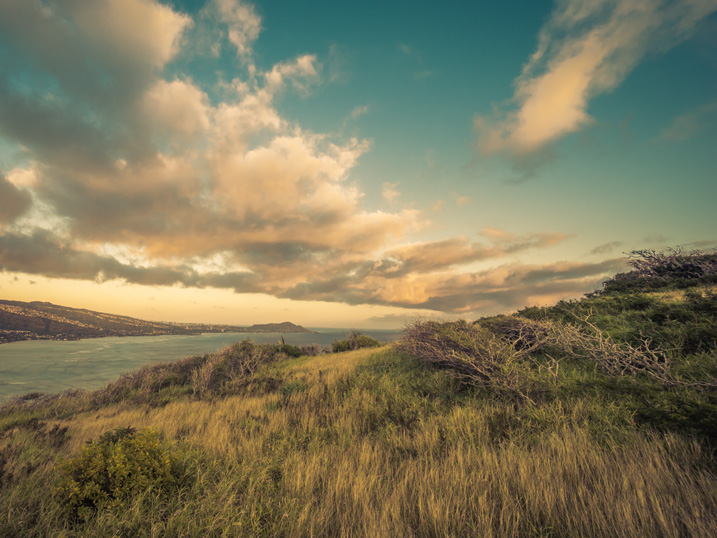
By the time I am done, I might have anywhere from four to five different editing versions for the same image.
how_I_educed_my_photo_processing_time_in_half_11

how_I_educed_my_photo_processing_time_in_half_10

how_I_educed_my_photo_processing_time_in_half_12

how_I_educed_my_photo_processing_time_in_half_13

Here is the most exciting part; I get to select the most interesting version for my portfolio and perhaps another one for Instagram.

From here, I normally jump to Photoshop and perform the remaining 20% or so of the editing process. In Photoshop, I mostly clean up the image with the help of the Stamp Tool, and do noise reduction using Topaz DeNoise plugin.

Conclusion

The entire process of producing five different versions of the featured photo took me less than 10 minutes, and all without having to touch the main editing tools in Lightroom. I call it Lightroom Rapid Editing.

By streamlining and automating my Lightroom workflow, I managed to reduce the total editing time by more than half.

How can you use these tips to reduce your editing time? Do you have any other time savers you’d like to share? Please do so in the comments below.

googletag.cmd.push(function() {
tablet_slots.push( googletag.defineSlot( “/1005424/_dPSv4_tab-all-article-bottom_(300×250)”, [300, 250], “pb-ad-78623” ).addService( googletag.pubads() ) ); } );

googletag.cmd.push(function() {
mobile_slots.push( googletag.defineSlot( “/1005424/_dPSv4_mob-all-article-bottom_(300×250)”, [300, 250], “pb-ad-78158” ).addService( googletag.pubads() ) ); } );

The post How to Reduce Editing Time by Automating Your Lightroom Workflow by Viktor Elizarov appeared first on Digital Photography School.


Digital Photography School
 
Comments Off on How to Reduce Editing Time by Automating Your Lightroom Workflow

Posted in Photography


6 Tips on How to Make More Time for Photography

04 Nov

188

YOU have time for photography!

How does that statement make you feel? Does it ring true to you? If you are thinking, “That might be true for others, but not for me and my busy life.”, this article may change your mind.

We would all love to have the luxury of doing whatever we want, whenever we want to do it, but that’s not how life works for most of us. We have jobs, family, kids, homes, yards, church responsibilities, community obligations, the list goes on and on. If you really want to use your camera more, learn more about photography, and practice your skills on a regular basis, maybe the following tips will help.

187

1 – Schedule it in

Sometimes we know we want to photograph something, and we figure that sometime during the day we’ll grab our camera and it will happen. If we’re being realistic, we know that the chances of that happening are pretty slim.

If you really want to get more photography into your life, you have to make it a priority. We know that priorities get scheduled in first. You’ve probably seen the object lesson where you fill a jar with sand and then try to pack the rocks into it. Of course the rocks don’t fit; the jar has already been filled with little pieces of sand. If you put the rocks in the jar first, and then shake the sand in around the rocks, you can fit both of them in there. Priorities are your rocks. They have to fill your jar of time first, and then the other little things that don’t matter as much will find a way to fit in where they can.

Write your photography plan for the day down on your calendar. In pen. Then treat it like any other important appointment. If it’s not written down, it’s much easier to push it aside for other things that happen to come up. Also, remember that it doesn’t have to be a long session every time. Sometimes five minutes is enough to capture something fun.

191

2 – Let go of perfection

You may have it in your mind that you need to photograph an elaborately staged fairy tale story, or that you must photograph a mountain scene at precisely 6:30pm on a foggy day, or that your little girl has to have perfectly curled hair and perfectly matched clothes, without a speck of dirt.

If you are always waiting for the perfect conditions to happen, chances are you won’t get much photography done. Sometimes those perfect conditions happen, and it’s magical, but sometimes magical photos happen when you least expect them.

You may have to drag your night-owl self out of bed at sunrise to fit photography time into your day. You may have to snap a photo of your daughter with messy hair and mud pies on her face, because that’s when the opportunity presents itself. You may have to bring your camera to work, and find a moment in midday bright sun to explore your surroundings with your lens.

Don’t get too hung up on everything being just right. Sometimes you actually learn more when you have to deal with less-than-ideal circumstances, then you are even more appreciative of the times when everything falls into place perfectly.

186

3 – Keep your camera with you

We’ve talked about scheduling quality time with your camera into your day, but sometimes you may find yourself with a pocket of time you aren’t expecting. If you have your camera close by, you can take advantage of that time.

As much as possible, have your camera with you. If the weather is mild, keep it in your car. Take it to work with you. Bring it along to family functions, or parties. You don’t have to be that person who always has a camera up to your face, but have it available, just in case. There have been too many times where I’ve been in a situation where I wished I had my camera with me, and everyone around me wished I did too. But sadly, I had forgotten to bring it, or hadn’t thought I would need it. Unless you are worried about the temperatures you will have to leave it in, or about it being stolen, just bring it.

You may want to consider your smartphone, or a small pocket camera, as legitimate options also. You can get pretty great photos, even without your DSLR, so use whatever camera you have with you to create art, and capture beautiful things around you.

158

4 – Combine photography with other activities

Going camping in the mountains? Make it a double-duty activity of camping and nature photography. Play date at the park with friends and kids? Bring your camera along for a fun session with lots of cute faces to photograph. Business trip for work? Your camera can be your travel companion, and help you explore a new city.

Find opportunities to work photography into the things that you are already doing. You don’t have to drop everything you’ve planned to find time to take a few photos. Look at the week ahead of you, and see how many already-planned activities you can fit photography into. It might surprise you how many activities will open up exciting photography opportunities, without adding any extra time to your already busy day.

159

5 – Find your motivation

We all are motivated by different things. Some of us are very goal-oriented, and some are not. Some of us thrive on challenges, and some of us get motivated by something fresh and new. Find what motivates you, and apply it to your photography.

If you like challenges, you could try a 365 Photo a Day Challenge, or make a list of objects to find and photograph, and see how fast you can check them all off. When I was new to photography, I was part of an online group called Mission 24. Each week we would take turns choosing a subject to photograph, and everyone in the group had 24 hours to interpret the subject in their own way, photograph it, and post it to the blog. Then we’d vote on which image was the winner each week. It was all in fun, and really helped us to get our cameras out, and encourage one another.

If big goals are your thing, maybe you’d like to set a goal of starting a portrait business, or selling prints of your landscapes or wildlife photography. It will take lots of time and effort to build a business, but that goal may be just what you need to make you really prioritize your photography time.

You might even find that purchasing something like a brand new awesome photography bag, or the new lens you’ve been dying to get, will motivate you to get your camera out more often.

182

6 – Give it a rest

This may sound like the exactly wrong advice for this article, but sometimes you need to put your camera aside, and not worry about photographing anything for a while.

If you feel like trying to fit photography into your day is stressing you out, and you’re not finding joy in it, then it may be time to take a little break. Forcing yourself will only make things worse. Put your camera in your bag, zip it up, and put it away. Don’t get it out until you WANT to.

You will most likely find that after a short break, you can’t wait to get your hands on your camera again, and it’s back to being a joyful, fun activity. Absence makes the heart grow fonder, right?

185

What are your best tips for fitting photography into a busy schedule? I’d love to hear them, please share in the comments below.

googletag.cmd.push(function() {
tablet_slots.push( googletag.defineSlot( “/1005424/_dPSv4_tab-all-article-bottom_(300×250)”, [300, 250], “pb-ad-78623” ).addService( googletag.pubads() ) ); } );

googletag.cmd.push(function() {
mobile_slots.push( googletag.defineSlot( “/1005424/_dPSv4_mob-all-article-bottom_(300×250)”, [300, 250], “pb-ad-78158” ).addService( googletag.pubads() ) ); } );

The post 6 Tips on How to Make More Time for Photography by Melinda Smith appeared first on Digital Photography School.


Digital Photography School
 
Comments Off on 6 Tips on How to Make More Time for Photography

Posted in Photography


Holloway Roads: Tunnels Eroded by Passage of People Over Time

21 Oct

[ By WebUrbanist in Culture & History & Travel. ]

holloway tunnels

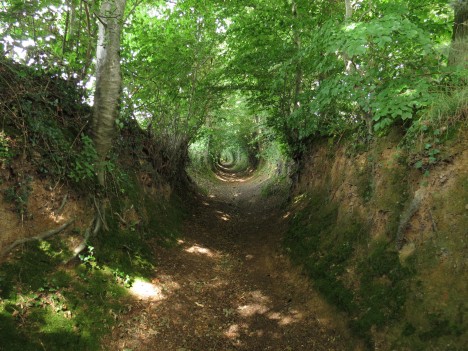
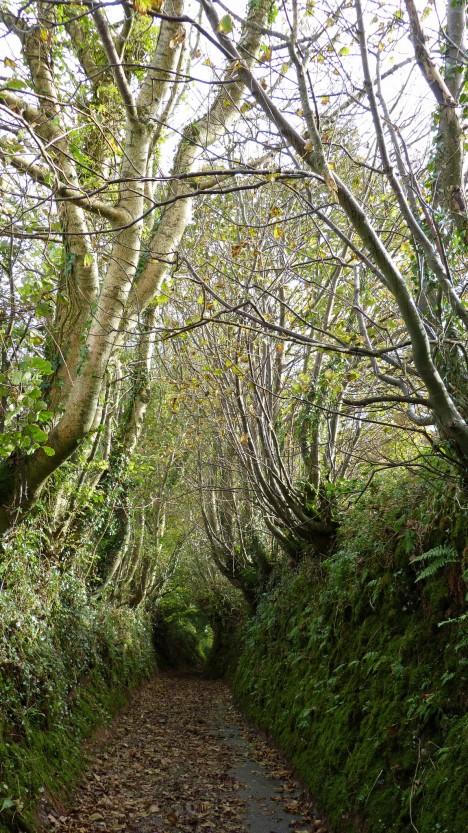
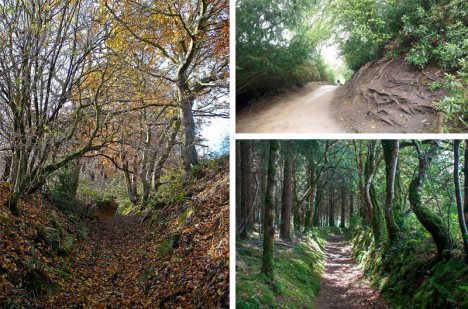
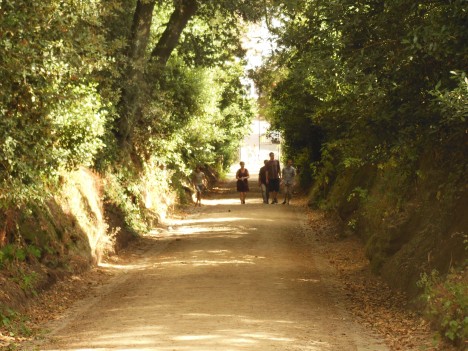
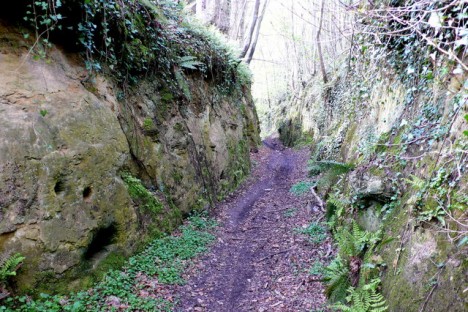
Holloways (or: hollow ways) are desire paths gone wild, reflecting centuries or even millennia of informal, slowly transforming them from flat paths to sunken lanes and, in some cases, semi-subterranean tunnels worn right into the Earth.

holloway roads

Eroded by foot traffic, farm animals, laden carts and the passage of water, many of these remarkable half-tunnels are thought to date back to Roman times. Their development is often aided by the presence of softer ground materials like sandstone and chalk.

holloway paths

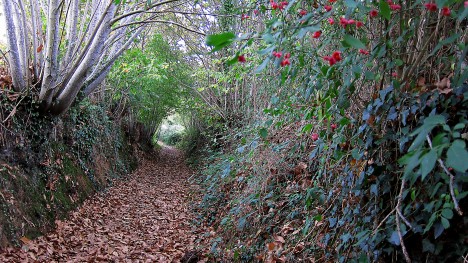
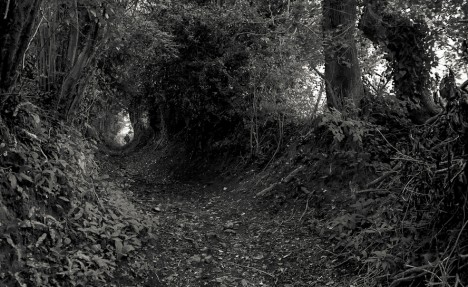
Over time, trees can be found on either side, reinforcing the impression of a completely-enclosed tunnel. Some plants also thrive in the peculiar light and temperature conditions formed by these passageways.

holloway flowers

In times of war, holloways have served as passages as well as defensive positions, effectively serving as already-existing trenches for troops in the Civil War and World Wars. In Germany, a network of holloway hiking trails winds for dozens of miles at up to 15 feet deep. In the Middle East, many holloways are thought to be thousands of years old.

holloway france

holloway rock

holloway black white

While most examples formed naturally over time, some younger ones were simply created for irrigation or other purposes, their presence then reinforced by foot or vehicle traffic over the years. Photographs by Jean-François Gornet, Olybrius, Romain Bréget, Jean-François Gornet, David Coombes, Nigel Mykura, Jibi44, Tim Green, Andrew.

Share on Facebook


[ By WebUrbanist in Culture & History & Travel. ]

[ WebUrbanist | Archives | Galleries | Privacy | TOS ]


WebUrbanist

 
Comments Off on Holloway Roads: Tunnels Eroded by Passage of People Over Time

Posted in Creativity