RSS
 

Posts Tagged ‘their’

Mattel ThingMaker: New Device Lets Kids 3D-Print Their Own Toys

17 Feb

[ By WebUrbanist in Gadgets & Geekery & Technology. ]

mattel thingmaker

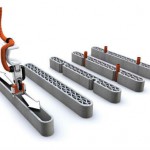
Toy-maker Mattel has announced a 3D printer with a novel application: a way for children to make their own custom toys using a simple digital interface. The app, designed by Autodesk, is easy to learn, fast to use and simple enough even younger kids can use it. The gadget itself is priced at $ 300.

3d home printer

The ThingMaker program comes with a number of templates and basic characters that can be customized in terms of color and texture, but also allows for from-scratch designs. Each design can be saved for future editing and printing as well, in standard formats that work with or beyond the printer.

3d custom toy printer

Finished objects are only one piece of the puzzle, however: the idea is to also allow for printing, connecting and assembling larger creations from smaller parts. Ball-and-socket joints can be easily included for attachment purposes, helping facilitate complex dolls and action figures. Eventually, Mattel may also facilitate combinations and accessories associated with existing branded toy lines, like Barbie and Hot Wheels.

3d printer interface

Various safety measures have been included to keep kids safe, from an automatically-locking door to a retractable print head. For liability reasons they are listing it as a device for kids ages 13 or older.

mattel device

“In today’s digital age, it’s more important than ever for families to transcend the digital world and make their ideas real,” said Aslan Appleman, senior director, at Mattel. “ThingMaker pushes the boundaries of imaginative play, giving families countless ways to customize their toys and let their creativity run wild.”

Share on Facebook


[ By WebUrbanist in Gadgets & Geekery & Technology. ]

[ WebUrbanist | Archives | Galleries | Privacy | TOS ]


WebUrbanist

 
Comments Off on Mattel ThingMaker: New Device Lets Kids 3D-Print Their Own Toys

Posted in Creativity


8 Tips to Help Make People Comfortable for Their Portrait Session

04 Feb

Portrait photography is an incredibly complex subject to master. You have to worry about a variety of technical matters, including your lighting, location, time with subject, color temperatures, and your composition. In many situations you will be moving around an environment quickly and changing your lighting on the fly. It is a lot to pay attention to, and coordinate at the same time.
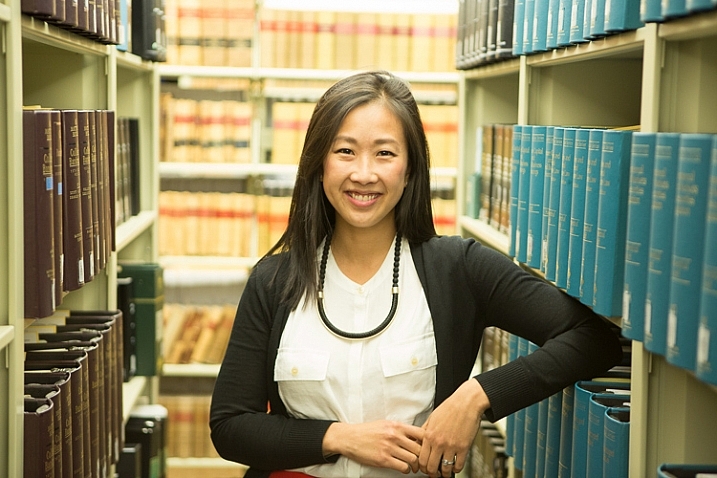
Business Portrait Session

On top of all of this, you must figure out how to make, and keep, your subject comfortable throughout the entire session. No matter how much is going right or wrong, or what is going through your head, your primary attention must always be on your subject.

Keeping the subject comfortable and natural is an art form in itself. Obviously, it’s not always possible. Some subjects will be impossible to get through to no matter what, but most of them will rise to the occasion if you can foster the right environment. There are many different ways that portrait sessions can vary, but here is how I like to approach photographing my portrait subjects.

1. Assess the subject’s personality

Each subject will have a different relationship with the camera. Some will have done this before, and will be all business. Some will be extroverted and will love the attention. Some will be uncomfortable at first, but will open up easily after a little time together.
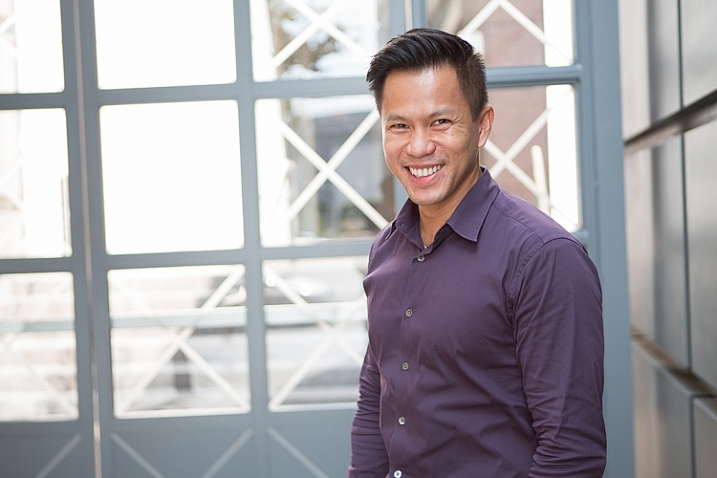
Business Portrait Session

The toughest group are subjects that come in incredibly uncomfortable and stiff, to them you are worse than the dentist. Seriously, there are many people that would much rather go to the dentist than to be photographed by you. These subjects will be the toughest to work with because they, “know I look terrible in front of the camera.” They know this because they know how uncomfortable they get, but they only get uncomfortable because they know they photograph badly. This is a catch 22 that you will have to scratch and claw your way out of, so to speak.

Is your subject extroverted or introverted? Do they like to joke and talk, or are they more reserved. Are they in the middle of a busy day, or do they seem more relaxed. Do they give you a stiff smile? These are all cues that you can pick up on, to help you figure out the best way to get through to them. The better you can understand your subjects, the better you will be able to get them to enjoy working with you, and to eventually feel comfortable with you and the camera.

2. Talk with your subject before the session

Whenever possible, when you first meet your subject, introduce yourself first. Ask them how their day is going to get them talking, then tell them about what you will be doing together. Many subjects will have no idea what to do, or what is about to happen, and will become stiff, nervous, and awkward.
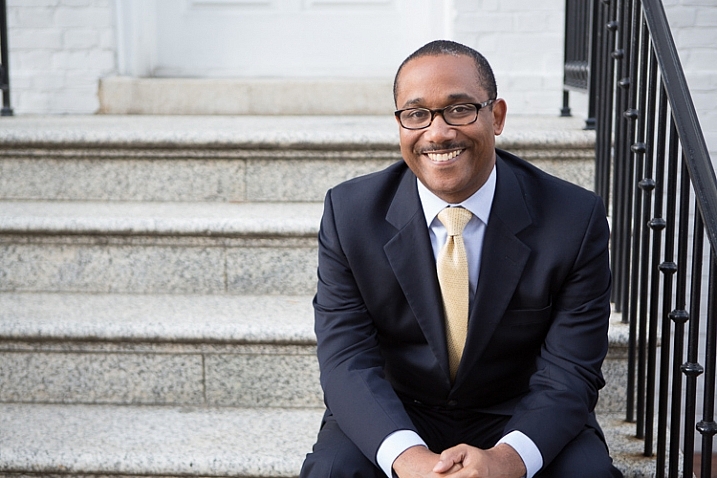
Business Portrait Session

Explain how the session will go, and what you would like them to do. Maybe tell them that you are looking for natural images, casual smiles, and comfortable poses. Let them know that you will tell them what to do over the course of the session, but also mention that if they have ideas that they should bring them up. Is there a way that they feel comfortable standing? Tell them to speak up. Do they want to try something? Tell them to speak up. The best shoots are ones that turn into a collaboration between the photographer and the subject.

3. Help them pose, then change it often

Tell the subject that you will do some posing but that you also want them to stand in a way that is comfortable for them. You can have your subjects play a part in the posing (a few will be bad at this, but most will be good). Ask them, “How would you naturally stand or lean here?” Give them a couple suggestions of what to do by demonstrating a pose. If necessary, put a few example images on your phone or tablet to show them. Keep them moving. Ask them to slightly change their pose every few shots. This will keep them fluid and comfortable, instead of stiff and standing still.

The hands are just as important as the body pose, if not more so. If the subject’s hands feel comfortable, there is a good chance the rest of them will fall into place. Some subjects can get very stiff with the hands if you don’t give them direction. Do you want the hands in front of them, in their pockets, or crossed arms? I usually start by giving these suggestions, and asking them to place their hands in a way that they would normally stand. This often yields a very comfortable pose. Then when I have exhausted that, I will ask them to cross their arms to break them into another comfortable pose, then go from there.
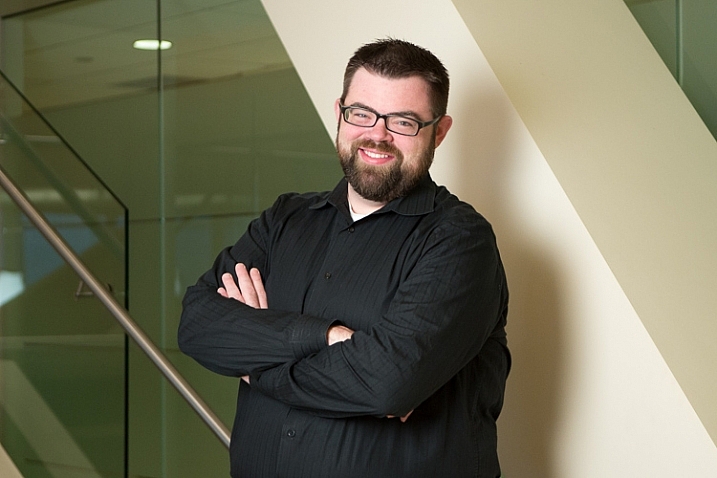
DPS_business_portraiture_2

Changing the pose at the right times is a very important tool. The second your subject starts to look uncomfortable, get them to do something different. Change their hands or their stance. Move them to another location. Every time you break the stiffness is another chance for them to reset themselves into a comfortable pose.

4. Tell them what they are doing right

If your subject is doing something right, tell them! Give them positive reinforcement. Never tell them they look awkward, or they will freeze up even more. I constantly say some variation of, “This looks great” or a more specific compliment. The positivity just keeps things flowing and going in the right direction.

If you like someone’s smile, let them know that. They will instantly feel good, and it will help them recreate that look when you need it. For a few people, when you say something like that, it will kill their natural smile. Pay attention for these people, and obviously stop saying that to them, but for many this will help them recreate that look constantly as you need it. You can say, “Give me that smile from before.” Then if they have trouble doing it, plead and beg them for it in a funny way so they feel comfortable again.
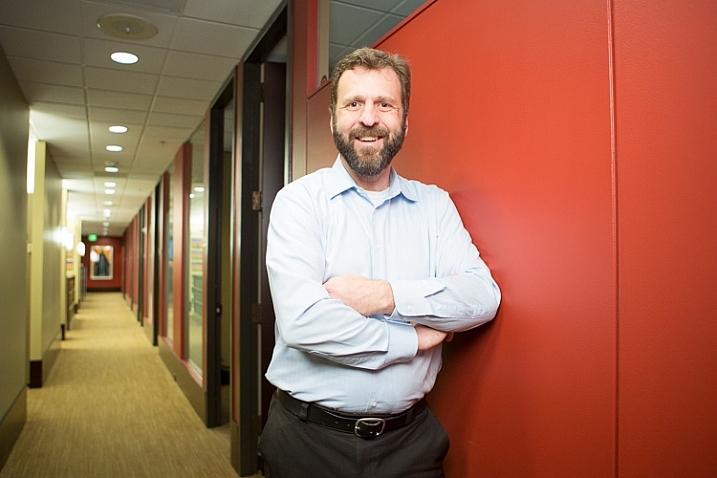
Business Portrait Session

You can tell subjects not to do specific things, but be careful with how you do that as it can kill your momentum. Instead of saying, “Your hands don’t look right,” say, “I think your hands might be a little better this way.” Even your constructive comments can be made in a positive way.

5. Have conversational topics and jokes prepared

Ask lots of questions of the subjects that do not seem to be in a rush. For the ones that need to run out of there, you can only do so much. Even for these people, I will ask a couple simple questions at the beginning, such as, “Are you from New York” or “How has your day been.” Just these alone will give them a chance to talk, and you can go from there. For most people who are not in a rush, I will go a lot further and try to hone in on a topic that of of interested to them. I find that a good conversation over the course of a session, can make the whole session much more comfortable. The more you get them talking, the more they can break out of their shell. At the very least, they will like you.
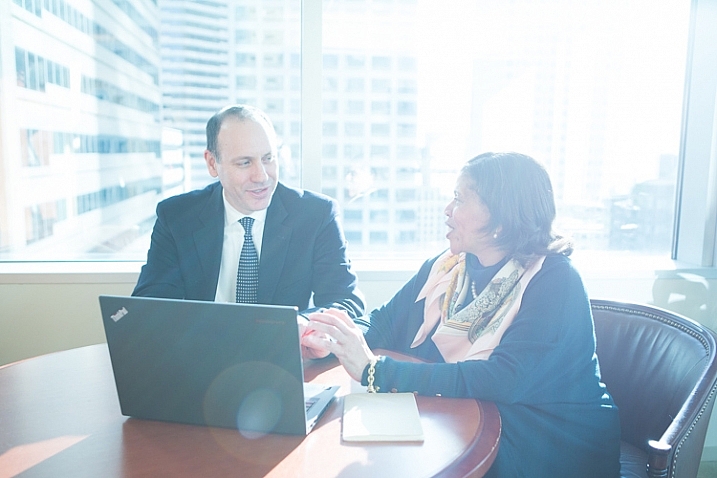
Business Portrait Session

You do not need to write knock-knock jokes, but think of some funny things ahead of time to talk about, or to use in situations where you are desperate. When a subject begins a session by telling me how much they hate being photographed, I try to say something like, “Well you’re going to hate me then.” A dentist joke will work as well. I then comfortably tell them that they are in good hands, and not to worry. A quick and funny comeback for something like this will make them feel like you are prepared.

Sometimes when I need a smile, I will tell a subject to give me their most uncomfortable smile. This is only in certain moments though. I will never, ever tell the subject directly that they look uncomfortable. That is a road you do not want to go down, but I will make a joke about a stiff smile before they start trying to smile to make a point, and to make it a little humorous.

Have them smile with their whole body. Show them the difference between a smile just with their mouth, and then one with their entire face and body. There’s a big difference between the two, and framing it in this way can explain to them what they should be doing. The shutter click is such a finite moment that it helps if they think of the session as one long video where they are moving into their smiles, and not just turning them on suddenly.
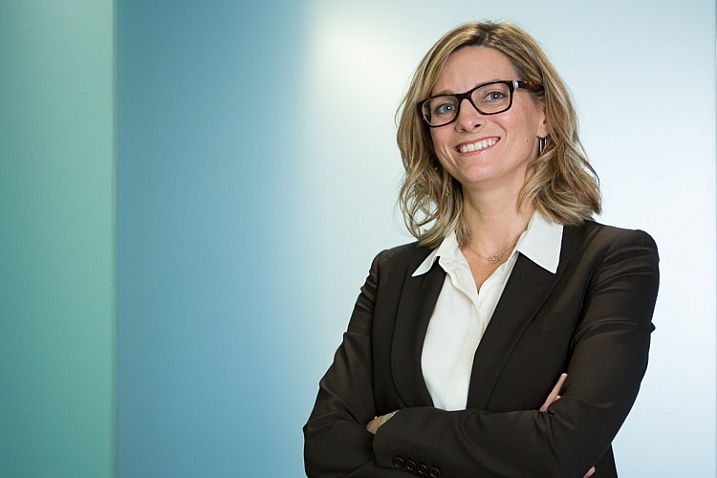
DPS_business_portraiture_3

Often you will have to make slight tweaks to the way a subject is posing. Having a subject put their chin up slightly can be a very good way of getting rid of a double chin, but it also ruins the spontaneity of the moment. The same thing goes when posing people in a chair. Sometimes, the most flattering way to sit is the most awkward. When I have to do any of this, after I will say something like, “Now look natural.” Just the idea of how stiff they are once you do these poses, mixed with that comment, has the frequent effect of relaxing them and bringing out a smile, even with their chin up.

Besides that, I will have conversational topics that I try to bring up on the fly when needed, such as current events, sports, or random stories that I can think of.

6. Use the strengths of your personality to your advantage

Business Portrait Session

Are you an extrovert that can charm and joke with anyone? Then you should have an easier time getting your subjects to laugh and open up, but at the same time you will need to be careful not to overdo it. By talking too much, and commanding the attention in the session, you risk stopping the subject from having their own personality show through. All your images can end up looking the same, as they are the expressions of your subjects laughing at your jokes or comments. If this is naturally you, make yourself ask questions, and stop and listen a little bit more. Making them laugh is fantastic, but it is also different from creating an environment where they feel comfortable enough to open up to you.

Are you an introvert who gets uncomfortable trying to joke and talk with subjects that you have just met for the first time? This can actually be an advantage when you play your cards right, but this is a situation where gaining experience working with people is necessary. In this case, your advantage is your ability to listen and react. Ask your subjects questions, then play off what they say. Pay more attention to their emotions. Get them talking about interesting things that they are passionate about; have them open up that way.
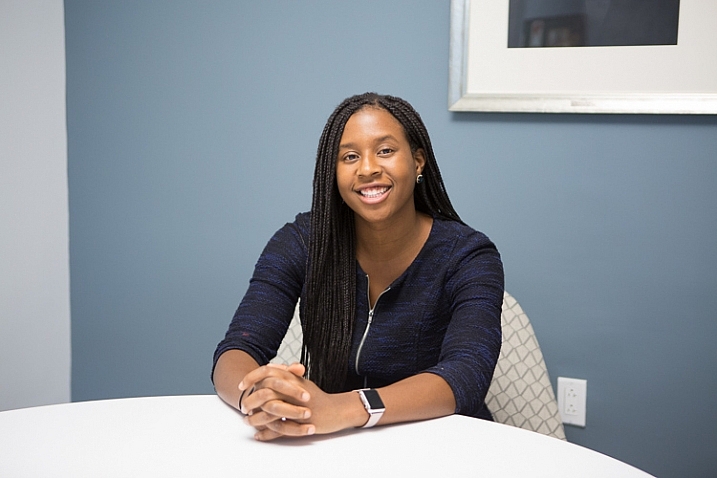
Business Portrait Session

Still be confident and explain what you are doing, but play a more reactive role. Watch videos of other portrait photographers, both the talkative and the quieter ones, and pay attention to what they say to help you improve. Work on funny things to say that you will have in your pocket when you need them, as this will be your initial disadvantage. You will need to work more at first to be good at all of this, but after enough experience, the advantages can swing back in your favor due to your adept listening ability.

7. Don’t show them the images while you are shooting

Sometimes subjects will insist on seeing the images, and you will have no choice, but I always try to get out of having to show the subject the images until the end. I will often say that we can look at the images after, as a way to put them off. Having the subject look at a photo of themselves, especially if they seem self-conscious, can ruin their ability to feel comfortable later on in the session. In addition, two out of 10 shots are usually good anyway and the other eight will never see the light of day. But if they are looking at the back of that camera they will sure as heck see those eight!
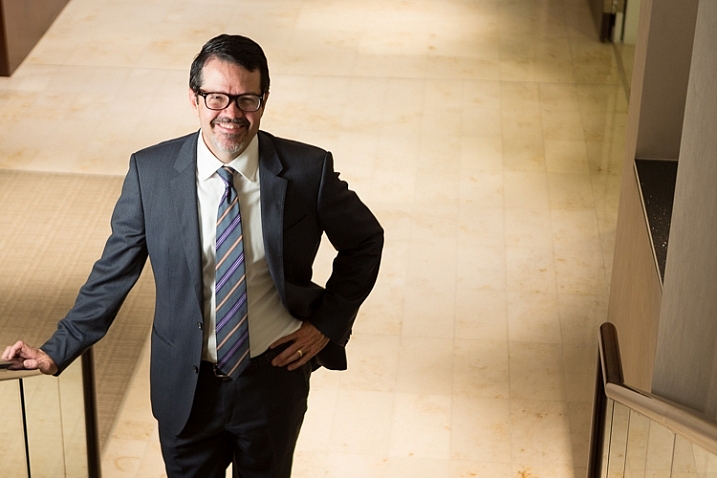
Business Portrait Session

For the most uncomfortable subjects, often there is no chance that the photos at the very beginning will be that good. You are just going through the motions as you are trying to make them comfortable over the course of the session. There are not that many situations where the subject seeing the photo is better, unless the subject seems very comfortable from the start.

8. Know that you can’t win them all

You will probably lose a few. You can only do the best with what your subject gives you. Portrait photography can be stressful so always keep that in mind. You can only work with what the subject is able to give you. Do your best for all your subjecs and push and spend more time with the ones that are having trouble, but let’s be frank, some subjects are just better that others.


fastflash_bookStrikingThePose2If you want to learn more about portrait posing and working with people, pick up one of the dPS ebooks by Gina Milicia Portraits: Striking the Pose (left) or her brand new one called: Fast Flash for Portrait Perfection (right).

googletag.cmd.push(function() {
tablet_slots.push( googletag.defineSlot( “/1005424/_dPSv4_tab-all-article-bottom_(300×250)”, [300, 250], “pb-ad-78623” ).addService( googletag.pubads() ) ); } );

googletag.cmd.push(function() {
mobile_slots.push( googletag.defineSlot( “/1005424/_dPSv4_mob-all-article-bottom_(300×250)”, [300, 250], “pb-ad-78158” ).addService( googletag.pubads() ) ); } );

The post 8 Tips to Help Make People Comfortable for Their Portrait Session by James Maher appeared first on Digital Photography School.


Digital Photography School

 
Comments Off on 8 Tips to Help Make People Comfortable for Their Portrait Session

Posted in Photography


10 Common Bird Photography Mistakes and Their Solutions

01 Oct

Do you commit mistakes in photography?

I bet you do. I have made mistakes. As a matter of fact I have committed many. But we all learn from our mistakes. What you don’t have to necessarily do is to re-invent the wheel. Instead of learning about these common mistakes the hard way, why not learn from other’s mistakes? That sounds awesome, doesn’t it?

Sandhill Crane Family Flying on a Beautiful Autumn Morning in Jasper-Pulaski Fish and Wildlife Area in Medaryville in northwestern Indiana. Every year around 10,000 Sandhill Cranes migrate to this location during Autumn. The calls of thousands of Sandhill Cranes that reaches several miles is an experience that is next to none. It is one of the best locations to photograph them as they fly past the Autumn trees at the Sunrise to feed in the close by farms.

Sandhill Crane Family Flying on a Beautiful Autumn Morning in Jasper-Pulaski Fish and Wildlife Area in Medaryville in northwestern Indiana. Every year around 10,000 Sandhill Cranes migrate to this location during autumn. The calls of thousands of Sandhill Cranes that reaches several miles is an experience that is next to none. It is one of the best locations to photograph them as they fly past the autumn trees at sunrise to feed in the nearby farms.

Here is the list of 10 common bird photography mistakes and their solutions. If you learn and apply these bird photography tips you would see the results immediately in your images.

#1 BAD EXPOSURE

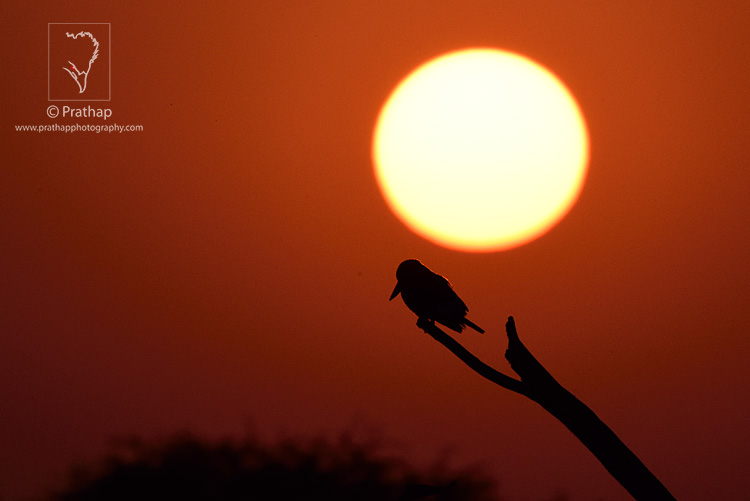
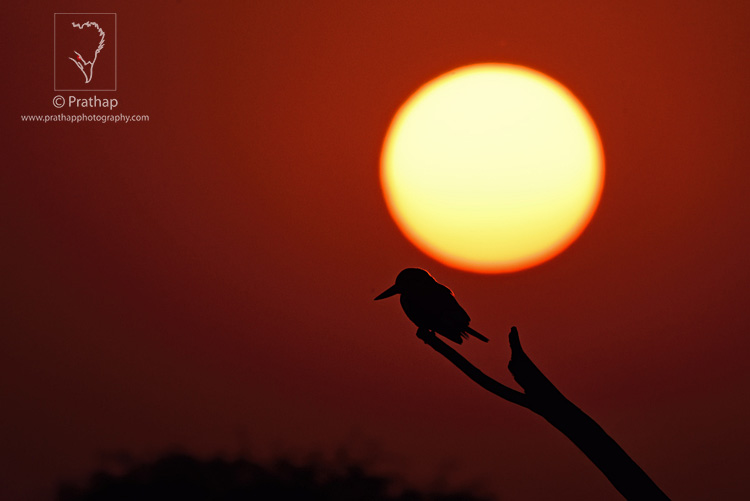
This is the biggest mistake. A bad exposure would ruin the photograph. Most common is overexposed (blown-out) highlights.

01-The-Most-Useful-Bird-Photography-Tips-for-Beginners-by-Prathap-Nature-Photography-Simplified

Overexposed – highlights blown out.

The issue is that your camera has much less dynamic range than your eyes. This means you can see the details in both brighter and darker regions of a scene, but the camera doesn’t.

You have to make a choice whether to keep the details in the brighter or the darker region. Your choice would almost always be to keep the details in the brighter region. Because our eyes are more sensitive to brighter areas (or highlights).

02-The-Most-Useful-Bird-Photography-Tips-for-Beginners-by-Prathap-Nature-Photography-Simplified

Correctly exposed for the highlights.

In short – always expose for the highlights.

#2 BAD LIGHT

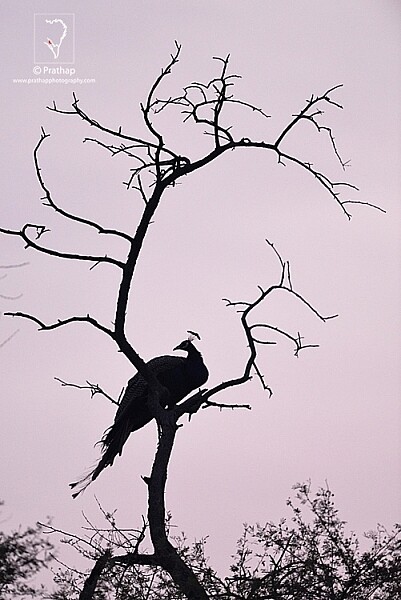
Photography is painting with light. If you underestimate the light, then you are bound to get bad photographs. It’s not an exaggeration to say most photographers seem to ignore it.

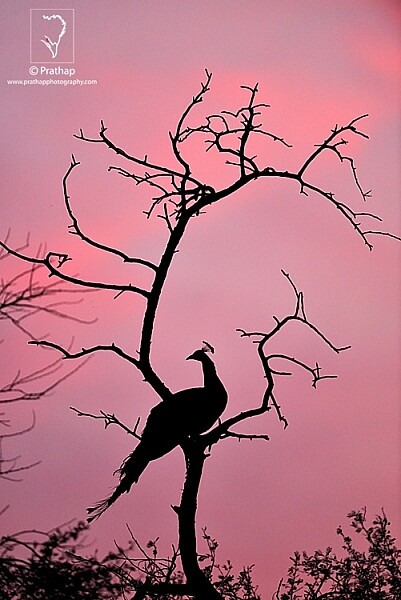
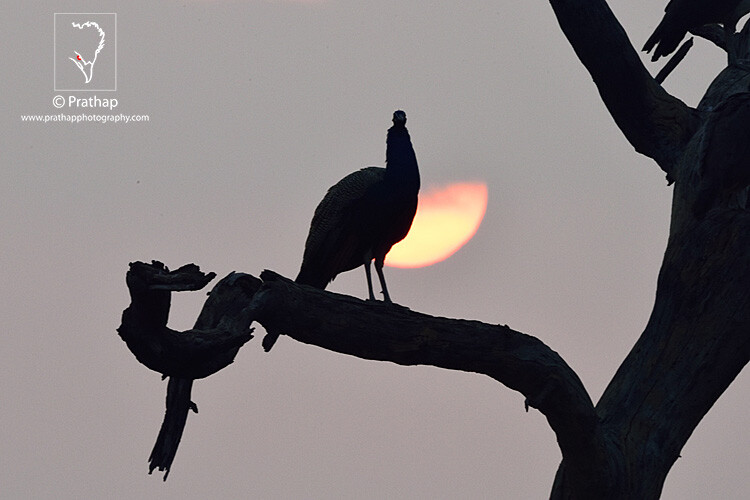
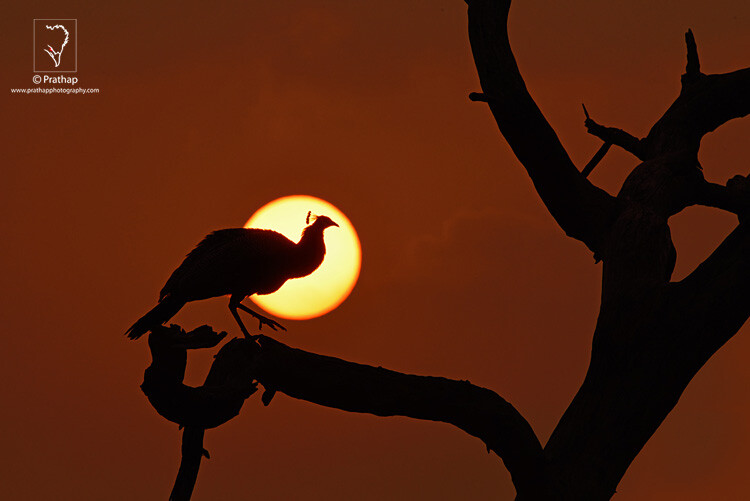
More the time is spent debating about equipment, than studying the light. No equipment can save your photograph if the light is not favorable. Look how boring this silhouette of an India peafowl is.

03-The-Most-Useful-Bird-Photography-Tips-for-Beginners-by-Prathap-Nature-Photography-Simplified
Just before minutes, it was like this.

04-The-Most-Useful-Bird-Photography-Tips-for-Beginners-by-Prathap-Nature-Photography-Simplified

Isn’t it evident? Learn to see the light. It’s all about light.

#3 BAD COMPOSITION

Bird photography is not demanding in terms of composition. Even so, a lot many bird photographers don’t seem to understand simple techniques. All that you need to know is the rule of thirds, the rule of spaces, and fill the frame composition techniques.

How many times have you seen a photograph like this? A subject in the center!

05-The-Most-Useful-Bird-Photography-Tips-for-Beginners-by-Prathap-Nature-Photography-Simplified

Just by following the rule of thirds, this is what I got.

06-The-Most-Useful-Bird-Photography-Tips-for-Beginners-by-Prathap-Nature-Photography-Simplified

Next time you are out in the field, remember to compose well.

  • Place the bird off-centered and give enough it breathing space.
  • Or, fill the frame with the bird.

That is as simple as it gets.

#4 BAD FOCUS

Blurry bird photos are everywhere. Birds are always active, making it harder to achieve sharp focus. But that doesn’t mean you don’t recognize it. If you rely heavily on your LCD monitor, this is what happens.

07-The-Most-Useful-Bird-Photography-Tips-for-Beginners-by-Prathap-Nature-Photography-Simplified
Nothing seems to be wrong in this photograph, right?

Wrong. It’s a blurry photograph. Can you see the out of focus eye now?

08-The-Most-Useful-Bird-Photography-Tips-for-Beginners-by-Prathap-Nature-Photography-Simplified
Fixing it is easy. Check for the critical focus by zooming in on your LCD monitor. If it’s not sharp, make the adjustments until you get the focus perfect. The initial focus was on the bird’s body. By shifting the focus point to the eye of the bird, I got this tack-sharp image.

09-The-Most-Useful-Bird-Photography-Tips-for-Beginners-by-Prathap-Nature-Photography-Simplified
#5 WRONG POINT OF VIEW

How do you see your world? From your eye level…isn’t it? But, how does the bird see its world? You got the point. But more than 90% of the bird photographers do not seem to understand this simple concept. They shoot from their eye level. Can you believe that?

10-The-Most-Useful-Bird-Photography-Tips-for-Beginners-by-Prathap-Nature-Photography-Simplified
If you are doing it too…stop it right now. It’s not your portrait but the bird’s.

11-The-Most-Useful-Bird-Photography-Tips-for-Beginners-by-Prathap-Nature-Photography-Simplified

Get down and shoot from a bird’s point of view, and see the magic unfold.

#6 WRONG HEAD ANGLE

Your eyes follow the lead. You will follow the line of sight of a bird. If the bird looks left, your eye will move in that direction and vice versa. If your eye is lead in an interesting way, then your image works.

What doesn’t work is when the bird looks away. It’s not uncommon to see such photographs everywhere on the web.

12-The-Most-Useful-Bird-Photography-Tips-for-Beginners-by-Prathap-Nature-Photography-Simplified
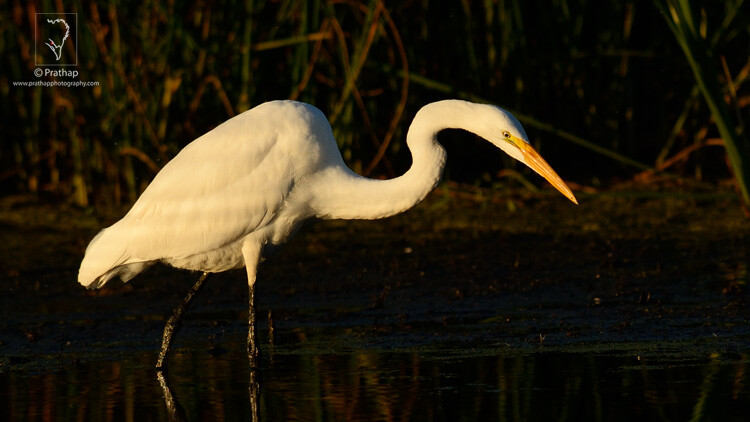
Wait for the right head angle. Take photograph when bird is actively looking for its prey. Or, when it is sensing an impending danger.

13-The-Most-Useful-Bird-Photography-Tips-for-Beginners-by-Prathap-Nature-Photography-Simplified
With just the right head angle, the image became more interesting. The Great Egret is actively searching for its prey. The head angle is diagonally inclined adding dynamism to the photograph.

#7 WRONG BACKGROUND

Do you care for the background? Most often bird photographers just don’t care about anything other than the bird. Why? Are you saying because it’s a bird photograph after all! Do you know it’s the background which makes the picture?

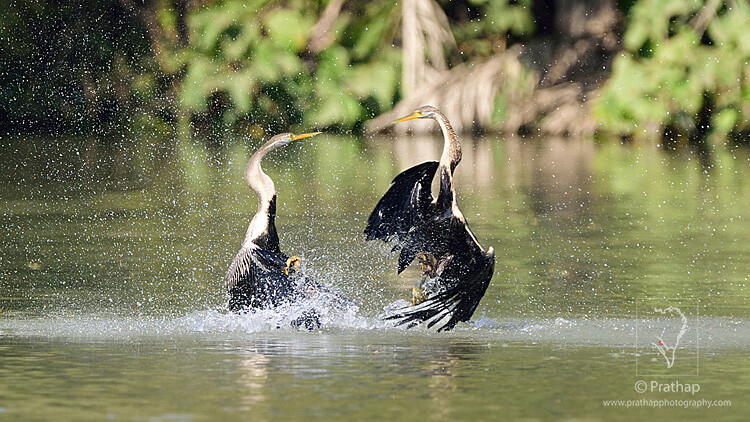
Okay, take a look at this bird photograph.

14-The-Most-Useful-Bird-Photography-Tips-for-Beginners-by-Prathap-Nature-Photography-Simplified
That’s a fantastic action shot of two Indian Darters or Snakebirds fighting. But, is it amazing? Take a look at this one now.

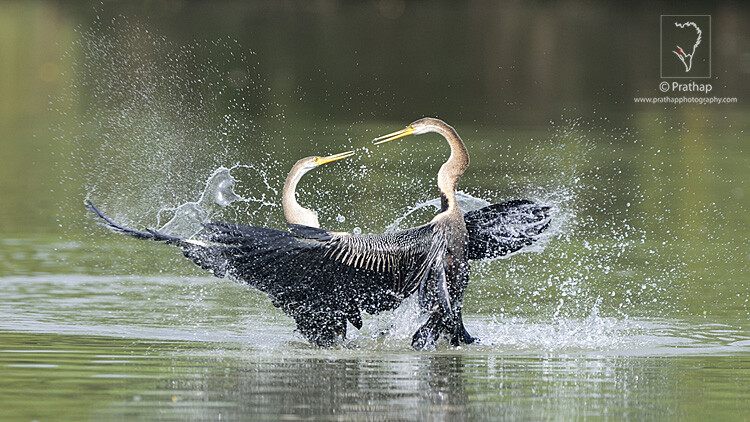
15-The-Most-Useful-Bird-Photography-Tips-for-Beginners-by-Prathap-Nature-Photography-Simplified
You see how beautiful the action is. It just couldn’t get better. Here’s the best bird photography tip I can give you – put more importance on background than the bird and you’ll make great bird photographs.

#8 BAD PROCESSING

Is post-processing good? There’s probably a hot debate around every corner about this topic. If you do post-process here’s what you shouldn’t do.

Here’s a simple and useful post-processing tip for bird photography. Don’t over process your image. Over sharpening and extreme noise reduction are typical mistakes of many bird photographers.

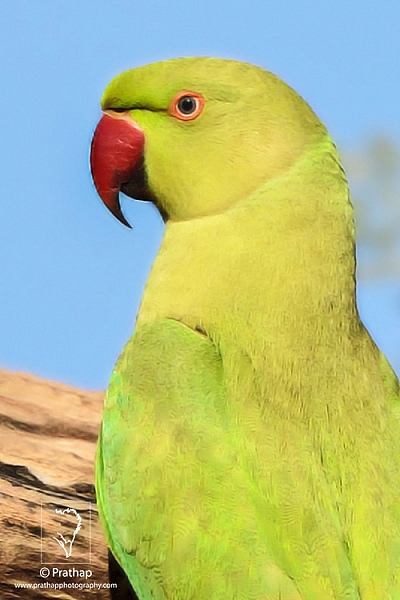
Rose-Ringed Parakeet displaying all its color in soft Sunlight in Bharatpur Bird Sanctuary. I sm so lucky to have been able to capture this beautiful parakeet. I love it!

This one has too much noise reduction

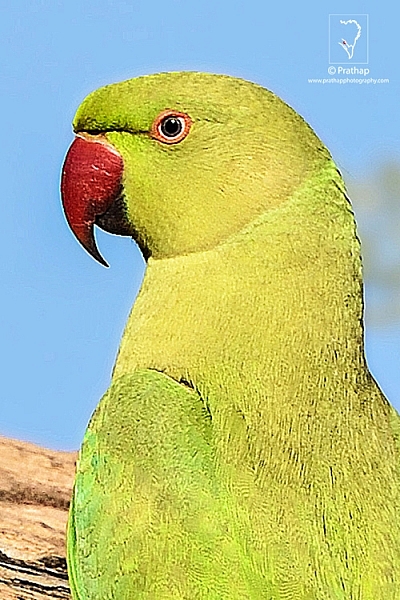
Rose-Ringed Parakeet displaying all its color in soft Sunlight in Bharatpur Bird Sanctuary. I sm so lucky to have been able to capture this beautiful parakeet. I love it!

This one is over sharpened.

It destroys your image. It makes it either look like a wax statue or a wired toy.

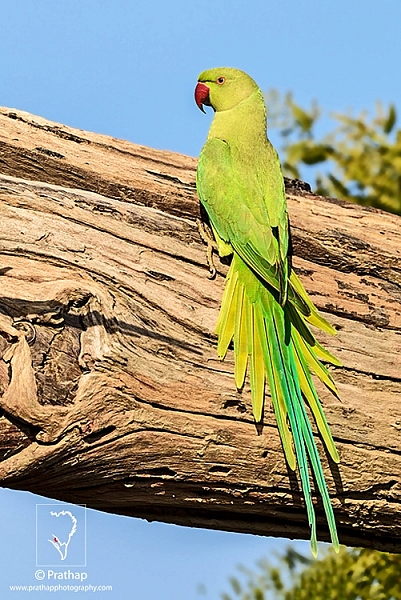
Take it easy. Keep your processing to a minimal. Just do enough processing to bring back the details and colors in the bird. Reduce noise only in the background. Sharpen only the bird with just enough to bring out detail.

Rose-Ringed Parakeet displaying all its color in soft Sunlight in Bharatpur Bird Sanctuary. I sm so lucky to have been able to capture this beautiful parakeet. I love it!

Rose-Ringed Parakeet displaying all its color in soft Sunlight in Bharatpur Bird Sanctuary. I sm so lucky to have been able to capture this beautiful parakeet. I love it!

#9 WRONG PLACE

Do you know that location really matters? In fact, it can make or break your image. It’s a very important bird photography tip to remember. If you end up photographing a species in a wrong place, then you’ll end up with bad results.

18-The-Most-Useful-Bird-Photography-Tips-for-Beginners-by-Prathap-Nature-Photography-Simplified
Find the right location where there are enough birds, good light, good feeding ground, and a good background. Assuming that you know important bird photography tips, you’ll most certainly make the best bird photographs.

19-The-Most-Useful-Bird-Photography-Tips-for-Beginners-by-Prathap-Nature-Photography-Simplified
#10 WRONG EXPECTATIONS

Not many photographers talk about this. But here’s the thing: If you think that a professional or experienced bird photographer goes to a place, points their expensive gear at the birds, and take home loads of amazing photographs, then you are wrong.

20-The-Most-Useful-Bird-Photography-Tips-for-Beginners-by-Prathap-Nature-Photography-Simplified
This is far from the truth. The truth is they are the ones who go to the place before anyone. Stay there until there’s no light. Come back to the same place again, and again, and again until they get what they want.

21-The-Most-Useful-Bird-Photography-Tips-for-Beginners-by-Prathap-Nature-Photography-Simplified
My friend, it’s not magic. It’s bird photography. Everyone needs to pay their due respect. Birds never differentiate.

CONCLUSION

Bird photography is fascinating.

Birds attract us like crazy. They make us forget about the world around us. But, you have to get over this. You have to see beyond the bird. You have to pay close attention to everything in the frame – the bird, the background, the placement, the light, exposure, etc.

It’s easy to be a bird photographer. Not that easy to be a good bird photographer.

These 10 bird photography tips should give you a fair idea of what makes a good bird photograph. Understand them. Practice them. Your bird photographs are bound to improve.

Let me know if you have any questions. I would love to answer them.

googletag.cmd.push(function() {
tablet_slots.push( googletag.defineSlot( “/1005424/_dPSv4_tab-all-article-bottom_(300×250)”, [300, 250], “pb-ad-78623” ).addService( googletag.pubads() ) ); } );

googletag.cmd.push(function() {
mobile_slots.push( googletag.defineSlot( “/1005424/_dPSv4_mob-all-article-bottom_(300×250)”, [300, 250], “pb-ad-78158” ).addService( googletag.pubads() ) ); } );

The post 10 Common Bird Photography Mistakes and Their Solutions by Prathap DK appeared first on Digital Photography School.


Digital Photography School

 
Comments Off on 10 Common Bird Photography Mistakes and Their Solutions

Posted in Photography


Taking Their Lumps: 12 Bitter Sweet Abandoned Sugar Mills

14 Sep

[ By Steve in Abandoned Places & Architecture. ]

abandoned-sugar-mill-clarksburg-1
Obesity epidemic notwithstanding, the world boasts more abandoned sugar mills than you can shake a peppermint stick at.

abandoned-sugar-mill-clarksburg-3

abandoned-sugar-mill-clarksburg-4

The former Delta Sugar Company mill in Clarksburg, Yolo County, California was constructed between 1934 and 1936… it took two years because the mill was transported by railroad, piece by piece, from its original location in Utah. By the early 1990s the mill became uneconomical to operate and in 1993 it was closed.

abandoned-sugar-mill-clarksburg-2

abandoned-sugar-mill-clarksburg-5

After lying abandoned for over 7 years, the “Old Sugar Mill” began to show some signs of life when some sections were upcycled into a grape-crushing and wine-tasting facility for several local wineries. Kudos to Flickr user Mark Brooks (cal_gecko), who exquisitely photo-documented the complex in late July of 2010.

Falling Like A Domino

abandoned-sugar-mill-domino-1

abandoned-sugar-mill-domino-2

The iconic Domino Sugar Refinery in Brooklyn, NYC’s Williamsburg neighborhood was built in 1882 on the site of an even earlier sugar mill that opened in 1856. At one point the plant employed over 4,000 workers and supplied half the sugar consumed in the United States. By the year 2000 when the factory closed, however, only 225 employees still worked there. The Domino Sugar Refinery was sold to developers in early 2014 and the wrecking ball began swinging in October.

Sugar Beaten

abandoned-sugar-mill-longmont-1

abandoned-sugar-mill-longmont-2

The Great Western Sugar Company mill in Longmont, Colorado closed in 1977 and – possibly due to the dearth of wineries in the region – has sat derelict and abandoned for well over thirty years.

abandoned-sugar-mill-longmont-3

The factory opened in 1903 and processed locally-grown sugar beets. Rumor has it the mill is haunted, perhaps by sweet-toothed ghosts. Flickr user Sheila Dee (sheiladeeisme) visited the decrepit factory in January of 2013.

American Paia

abandoned-sugar-mill-haiku-1

Paia, on the island of Maui, Hawaii may be “The World Capitol of Windsurfing” but the town of 2,668 (as of 2010) has another claim to fame: it’s where the once cutting-edge Haiku Sugar Mill processed sugar cane into brown sugar.

abandoned-sugar-mill-haiku-2

abandoned-sugar-mill-haiku-3

Opening in 1861 and powered by a steam engine, the mill only operated for 18 years and has sat abandoned for well over a century. These days its ruins are a popular wedding photography and reception venue. Flickr user Maria Caridad snapped some of the more obscure areas of the abandoned mill on June 28th of 2009.

Next Page – Click Below to Read More:
Taking Their Lumps 12 Bitter Sweet Abandoned Sugar Mills

Share on Facebook


[ By Steve in Abandoned Places & Architecture. ]

[ WebUrbanist | Archives | Galleries | Privacy | TOS ]


WebUrbanist

 
Comments Off on Taking Their Lumps: 12 Bitter Sweet Abandoned Sugar Mills

Posted in Creativity


5 Incredible Storm Photographers and Their Best Images

30 Jul

I’ve been a landscape and travel photographer for nearly six years now. While I will always love standing in front of an amazing landscape at sunset, nothing on earth can compare to the feeling I get when standing in front of a massive supercell with 40-50mph winds at my back, watching it twist and churn, as it tries to lower itself to the ground. It’s the most intense and pure mixture of awe, fear and respect for mother nature that I’ve been able to find to this day.

henrietta-storm-james-brandon

© James Brandon. Henrietta, TX Supercell

ranger-tx-supercell-james-brandon

© James Brandon. Ranger, TX Supercell

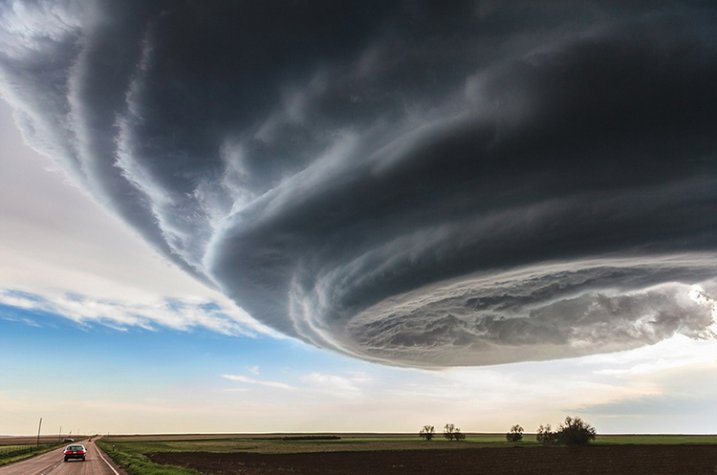
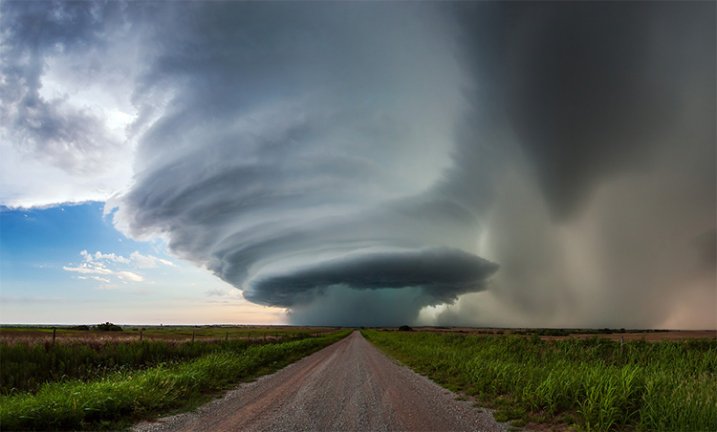
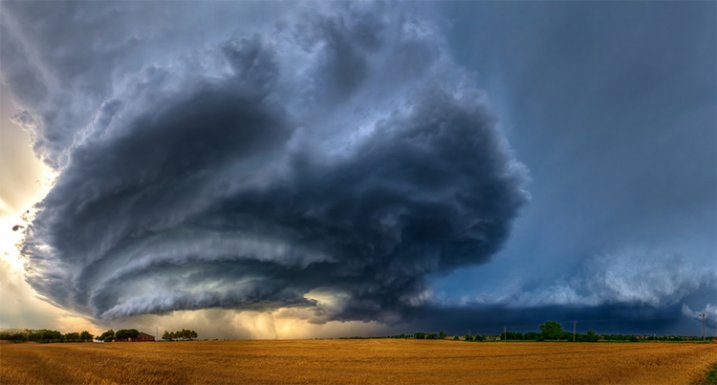
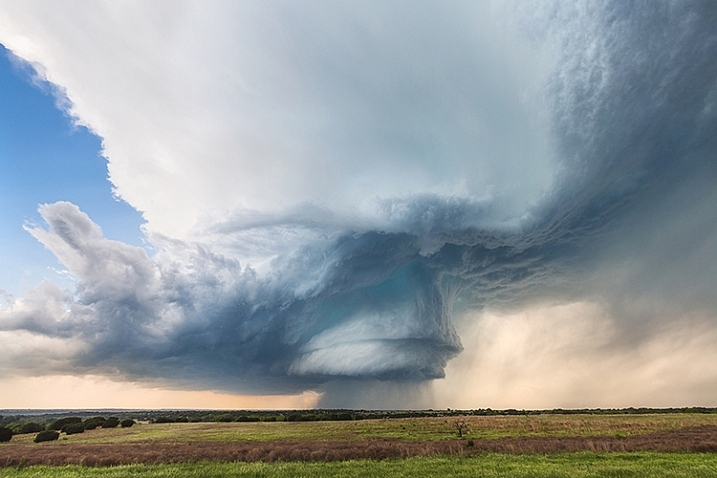
I’m just now wrapping up my third season of chasing these incredible storms (you can check out some of my storm images above) and over the past three years I’ve been fortunate to meet some incredible chasers; some of whom are even better photographers. So here’s a collection of four of the best chaser photographers out there (along with a few of their best images). Be sure to check out their websites and links to see more of their amazing work!

Mike Mezeul II

Mike has become one of my best buds over the past few years, we even lead workshops around the world together now (you can find more info on that through the link to my site in my bio). He took me on my first chase and to this day I chase with him about 99% of the time. He’s been doing this stuff for upwards of 15 years now, and is just as good at putting us in position for a storm to develop, as he is at photographing them. In fact, the last time we chased we drove out to west Texas and he put us within 30 minutes of storm that exploded into a supercell.

Check out more of Mike’s work at his website and be sure to follow him on Instagram as well!

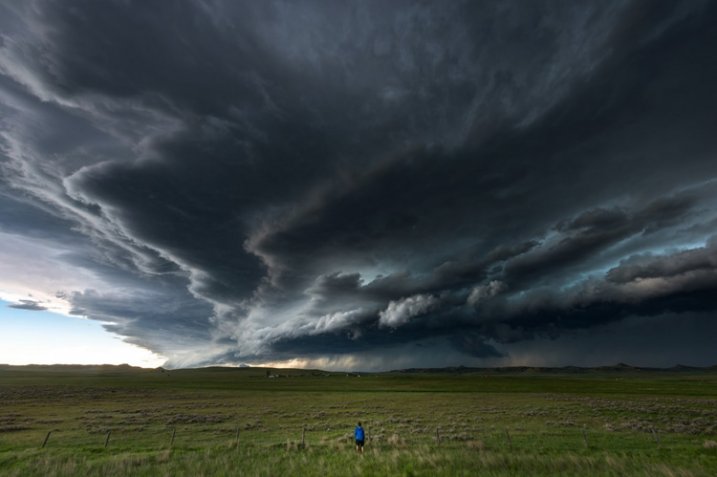
storm-chasing-article-4

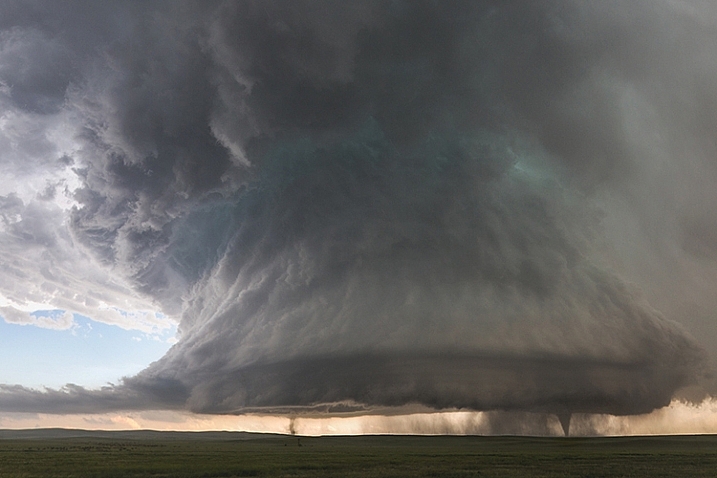
A storm chaser stands in front of an approaching supercell thunderstorm just north of Gillette, Wyoming in May of 2014. © Mike Mezeul II

"Ardmore Supercell" © Mike Mezeul II

“Ardmore Supercell” © Mike Mezeul II

“A tornadic supercell thunderstorm sweeps across the plains at sunset near Ardmore, Oklahoma.”

storm-chasing-article-5

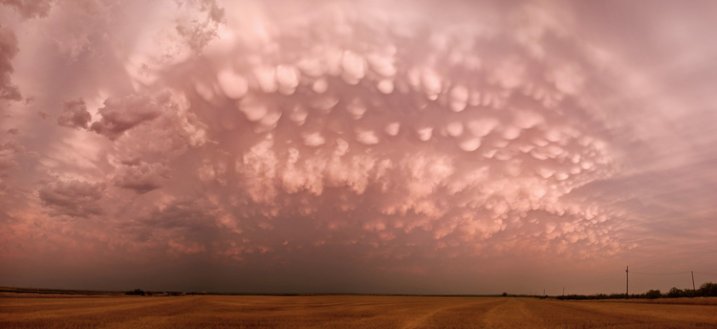
“Pink Mammatus” © Mike Mezeul II

“Mammatus clouds glow a vibrant pink over west Texas after severe weather rolled through the area.”

storm-chasing-article-13

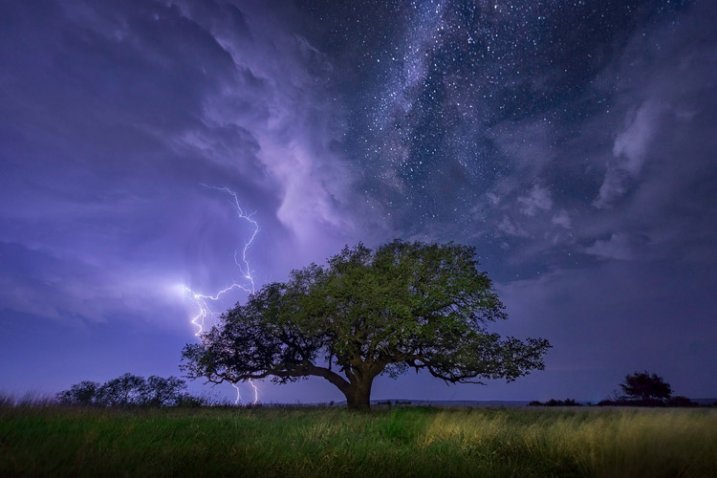
“Awakening” © Mike Mezeul II

“A cloud-to-ground lightning bolt strikes over Albany, Texas as the Milky Way shines above.”

Mike Olbinski

I’ve known Mike online for about the same time as I’ve been a professional photographer. We met back in the HDR Days, and I remember being amazed when he got into storm photography. Then, one of his images of a haboob decsending on Phoenix went absolutely viral overnight and he was officially on the map as a storm photographer. But that wasn’t it, he hit gold again a couple years later with his Booker, TX timelapse which you’ve likely seen on TV and even movies. Coincidently, I just met Mike in person for the first time a few weeks ago while out chasing in west Texas. He’s an incredibly nice dude and fantastic photographer. I’ll be joining him soon to photograph Monsoon season in his home state of Arizona. Can’t wait!

Check out Mike’s work at his website and on 500px and read his article here on dPS: How to Photograph Lightning – the Ultimate Guide

storm-chasing-article-9

“Phoenix Haboob” © Mike Olbinski

“A gorgeous dust storm and low level clouds roll into downtown Phoenix on July 3rd, 2014. Always amazing to see a scene like this, but toss in a little sunset color and it blew my mind.”

storm-chasing-article-12

“Storm of the Apocalypse” © Mike Olbinski

“A view of the Booker, Texas supercell which was one of the most amazing sights I have ever seen. You can see the crazy timelapse of this storm below.”

storm-chasing-article-11

“Alanreed Supercell” © Mike Olbinski

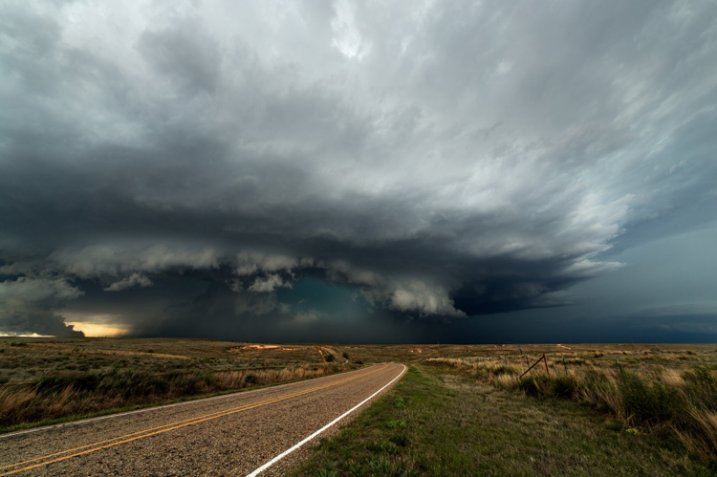
“This storm earlier spawned a brief tornado near Groom, Texas. It moved to the east/northeast across the rolling farmlands…I caught up to it once again here just north of Alanreed. The hail core and structure was magnificent to behold.”

Marko Korosec

Marko is an incredibly talented photographer and chaser from Slovenia. I was turned on to his work through a friend, and when I began scrolling through his images on 500px, my jaw began to drop lower with every image. He seems to be on just about every major photogenic storm there is, and that’s a feat in and of itself. Capturing these storms as well as he does is a whole other feat. I haven’t met Marko in person yet, but I’m sure it’s only a matter of time before we run into each other out on the road beneath a storm.

You can follow Mark on his website and 500px.

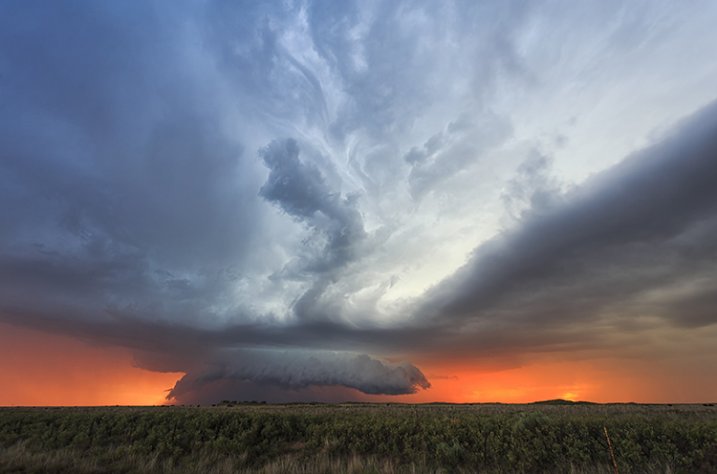
"Sunset Supercell " © Marko Korosec

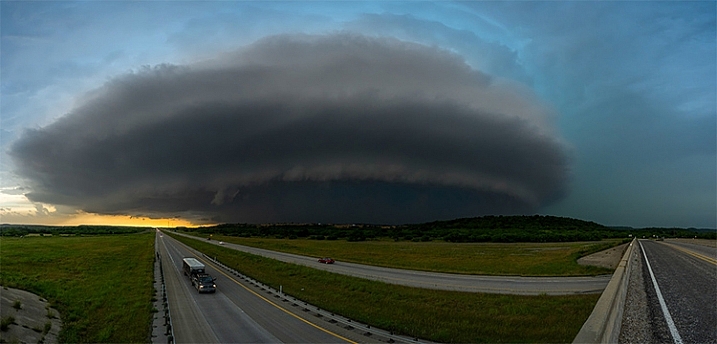
“Sunset Supercell ” © Marko Korosec

“Nicely striated supercell at colorful sunset near Bledsoe, New Mexico on May 29th, 2015″

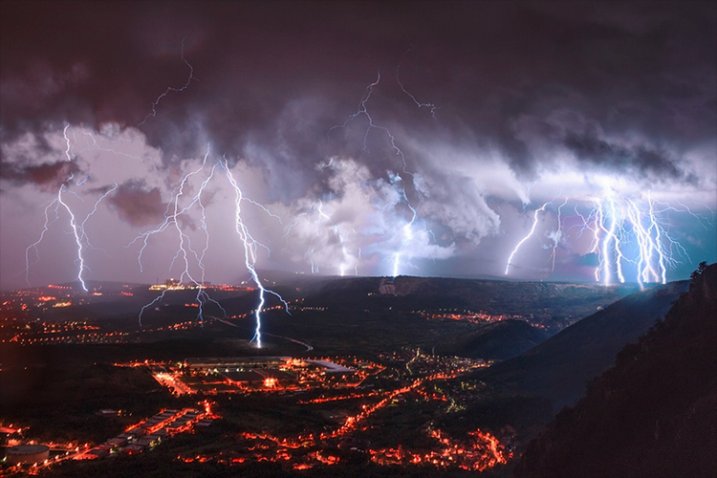
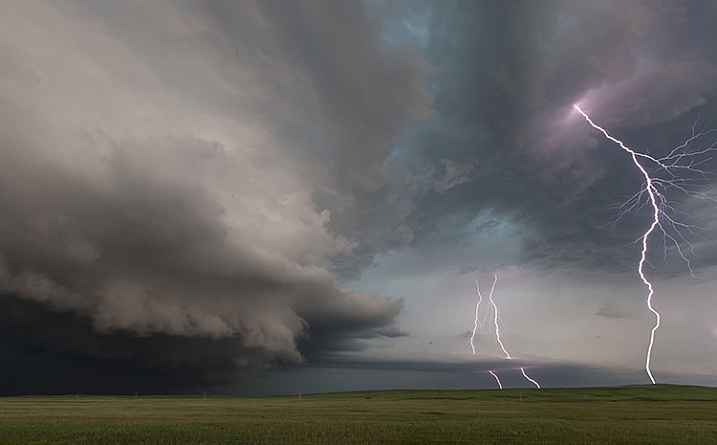
"Electric Night" © Marko Korosec

“Electric Night” © Marko Korosec

“A lightning barrage during the cold frontal passage over the city of Trieste, Italy on October 14th, 2014.”

"Independence Day" © Marko Korosec

“Independence Day” © Marko Korosec

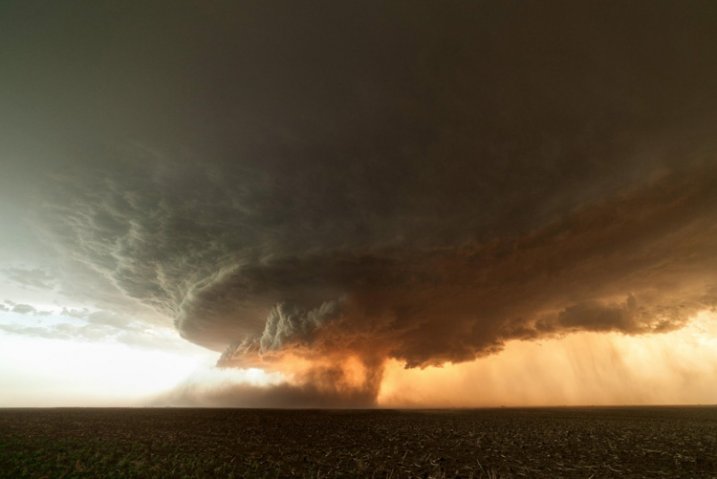
“Spaceship shaped supercell storm near Julesburg, Colorado on May 28th, 2013″

James Langford

I met James Langford out on the road during one of my first chases with Mike and have since run into him while chasing several times. James is just an all around nice dude. If he’s not chasing on his own, he’s usually “now-casting” (forecasting for a chaser from home) for someone who is. He’s got an incredible collection of storm images as well as some jaw-dropping time-lapses.

You can follow James at his website and Facebook.

langford-1

“Perfect Symmetry” © James Langford

“This was captured in western Oklahoma. Experiencing the power and beauty of thunderstorms is something that is really hard to translate into images.  This particular storm was one of the most beautiful I had ever seen.  It moved very slowly the whole time we photographed it, and the structure and colors were incredible.”

langford-2

“The Beast” © James Langford

“Capture near Piedmont, Oklahoma, this incredible storm in Central Oklahoma had hail the size of grapefruits and a small tornado around the time this image was created.  I’ve never seen structure and colors quite like this and it ranks as one of my favorite images of all time.”

Kelly DeLay

I met Kelly a couple of years ago through Mike Mezeul. He had a great 2015 season capturing both the Hico supercell and the twin tornadoes in Colorado that went pretty viral. You can view more of his work at his website Clouds365.com and his 500px page.

© Kelly DeLay. Hico, TX Supercell

© Kelly DeLay. Hico, TX Supercell

“Visually, has to be one of my favorite storms ever. This was a very discreet storm and as you can see the rotation was quite evident. The hail core was quite impressive as well, producing baseball sized hail that knocked out a few storm chaser’s windshields.”

© Kelly DeLay. Sister tornadoes - Simla, Colorado

© Kelly DeLay. Sister tornadoes – Simla, Colorado

“My most favorite image of my career. I did describe it as a “shot of a lifetime”. For years I wanted to capture a discreet supercell (no other storms around) with a tornado underneath. I was very surprised to see not just one, but two tornadoes both spinning in the opposite direction.”

© Kelly DeLay. Belle Fourche, South Dakota

© Kelly DeLay. Belle Fourche, South Dakota

“The lightning field was so intense preceding the core, you would see a flash nearby and immediately hear a BOOM. Thats close! Feeling a little safer near Belle Forche, South Dakota I got out and captured a few shots. Again, all you would see is a quick flash. Amazed to look at the back of my screen to see this.”

For more storm photography see:

  • 7 Things I’ve Learned from Photographing Storms
  • How I Shot And Edited It – Stars, Storm and Basecamp, Nepal
  • 33 Blustery Bad Weather Images
  • How to Photograph Lightning – the Ultimate Guide

googletag.cmd.push(function() {
tablet_slots.push( googletag.defineSlot( “/1005424/_dPSv4_tab-all-article-bottom_(300×250)”, [300, 250], “pb-ad-78623” ).addService( googletag.pubads() ) ); } );

googletag.cmd.push(function() {
mobile_slots.push( googletag.defineSlot( “/1005424/_dPSv4_mob-all-article-bottom_(300×250)”, [300, 250], “pb-ad-78158” ).addService( googletag.pubads() ) ); } );

The post 5 Incredible Storm Photographers and Their Best Images by James Brandon appeared first on Digital Photography School.


Digital Photography School

 
Comments Off on 5 Incredible Storm Photographers and Their Best Images

Posted in Photography


4 Things Commercial Photographers Need to Discuss with Their Small Business Clients

20 Apr
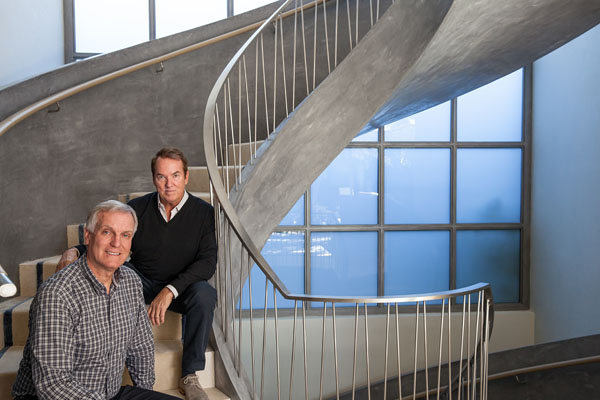
Lead architects of a high-end design firm.

Lead architects of a high-end design firm.

Providing successful images for a business can be very rewarding, especially when it’s for a budding business that you get to witness growing. While all businesses, big and small, essentially have the same demands, a small business is most likely still learning how to work with various professionals and creating their processes as they go. Diving into a project with a small business can lead to lots of time and money being wasted if terms and project details are not discussed openly, early on. The following are some key factors to discuss with your small business client during an initial consultation so that conflicts can be avoided down the line:

1. Brand

Large family-run urban farm.

Large family-run urban farm

While we are hired in part because of the individual style that we have developed over time, a business’s brand is the first thing that needs to come across to their audience. When working with a small business especially, the branding should be clearly defined in order to be able to provide images that will be a great benefit to them. Do they have certain color palettes they work with? Are their graphics portraying a more formal brand, or a very casual brand? Are they nature-oriented, or do they work in traditional office spaces? What clientele are they catering to? All of these are questions that should be addressed in the initial consultations. A small business may still be developing their brand or creating a branding package, so without a brand to guide the images, there may be a need for updated photos once the brand is clearly defined. Expressing this to a client will not only help them understand that professional photography is an investment intended to last a long time, but it will also show them that you are keeping their best interest in mind for their long-term success.

2. Budget

Small businesses will typically have very low budgets, so the decision to invest in professional photography services will be a big one for them. Regardless of the cost for your services, there is likely to be very little (if any) wiggle room in their budget allowance. Being aware, and respectful, of the client’s budget restrictions will not only help ensure that there is less run-around in the planning stages, but it will also give the client more confidence that you are an ally. If you offer packages geared towards commercial work, consider having several options to select from, or to use as a kick-off for budget discussions. Often a custom quote is required depending on their specific needs, but some packages to give the client a ballpark idea of pricing can let them know what they can expect to spend.

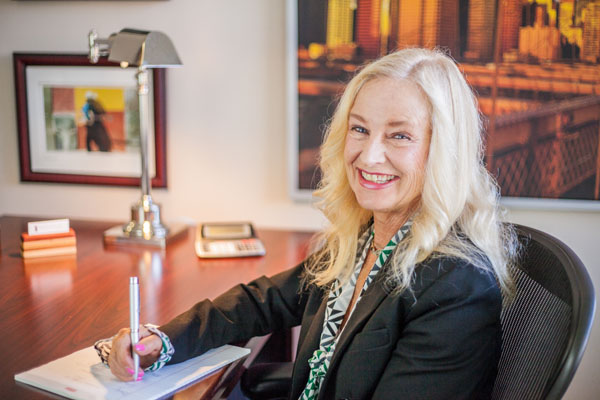
Independent financial advisor.

Independent financial advisor

3. Timeline

Depending on how experienced your small business client is, their timeline for getting final images may not be very realistic. This is where it’s your job to educate clients on your process and, more importantly, on your specific ability to turn around jobs in a time crunch. Knowing their expectations about timing and delivery will be vital in creating a quote, coordinating any vendors (venue, props, assistants), and making sure that the client gets their images in time to use them.

Do they require any extensive editing techniques or talent that requires outsourcing? Did they request a location or backdrop that requires reservations and a long wait for booking? Will they need models, and if so, do they have specifics in mind? Are they planning on using these images for a specific event, or marketing campaign that has a set date? Which leads to the final factor to keep in mind…

Home-based food business products.

Home-based food business products

4. Usage

Many folks will assume that if they hire you to take photos, they then get to keep the photos and do as they wish with them. In reality, commercial work is generally very specific about what usage is permitted. If they are planning to use the photos on a product label, do you get any royalty from that product sale? If they are hiring you because of a large print marketing campaign, can they then use the images in email campaigns several years down the line? Are you granting them use for a certain amount of time, or can they use these images forever? Once you turn over the images, are they allowed to do any alterations to them?

While there is no one answer to these questions, be sure to discuss the planned use of these images and to clearly specify it in a contract. Both parties need to be in agreement with what is decided, and having this discussion up front will once again show your client that you value your work and intend to be completely open with them about terms.

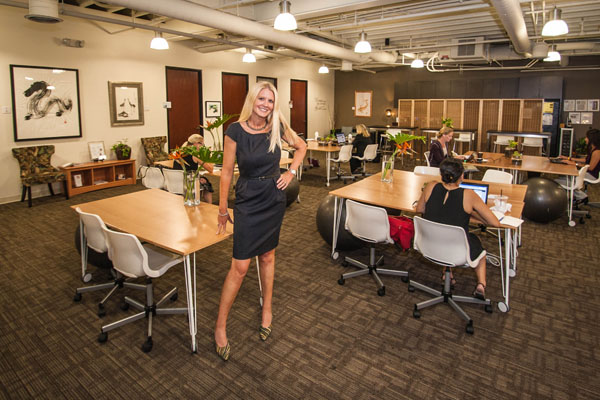
Owner of a co-working space.

Owner of a co-working space

Although there are many factors to discuss with your client at the beginning of a project, these four points will help get the basic information clarified, and get both parties on the same page. These discussion points will also go a long way to helping you create a quote for them that is accurate and all-inclusive; avoiding time-consuming confusion farther into the project.

Do you have any additional points of conversation that are a must for initial client consultations? Please share in the comments below.

googletag.cmd.push(function() {
tablet_slots.push( googletag.defineSlot( “/1005424/_dPSv4_tab-all-article-bottom_(300×250)”, [300, 250], “pb-ad-78623” ).addService( googletag.pubads() ) ); } );

googletag.cmd.push(function() {
mobile_slots.push( googletag.defineSlot( “/1005424/_dPSv4_mob-all-article-bottom_(300×250)”, [300, 250], “pb-ad-78158” ).addService( googletag.pubads() ) ); } );

The post 4 Things Commercial Photographers Need to Discuss with Their Small Business Clients by Natalia Robert appeared first on Digital Photography School.


Digital Photography School

 
Comments Off on 4 Things Commercial Photographers Need to Discuss with Their Small Business Clients

Posted in Photography


Popular Photographers, Bloggers & Entrepreneurs Share Their New Year Resolutions

31 Dec

New Year’s eve has always been considered the perfect time to look back at the year, reflect on what’s worked and what’s failed. It’s a good opportunity to start anew and think about the changes we want to make starting from day one of the new year. Among the most common resolutions people make as the year draws to an Continue Reading

The post Popular Photographers, Bloggers & Entrepreneurs Share Their New Year Resolutions appeared first on Photodoto.


Photodoto

 
Comments Off on Popular Photographers, Bloggers & Entrepreneurs Share Their New Year Resolutions

Posted in Photography


25 Top Photographers Share Their Best Christmas Gifts and Wishlists

29 Nov

Winter is coming. While for some of you this sentence is associated with the hordes of blue-eyed walking dead (got ya, the Game of Thrones fanatics!), for most photographers it’s a call to refresh their photo bags. If you’re having hard times deciding what lens to include on your wish list or what photo gadget would make your special someone Continue Reading

The post 25 Top Photographers Share Their Best Christmas Gifts and Wishlists appeared first on Photodoto.


Photodoto

 
Comments Off on 25 Top Photographers Share Their Best Christmas Gifts and Wishlists

Posted in Photography


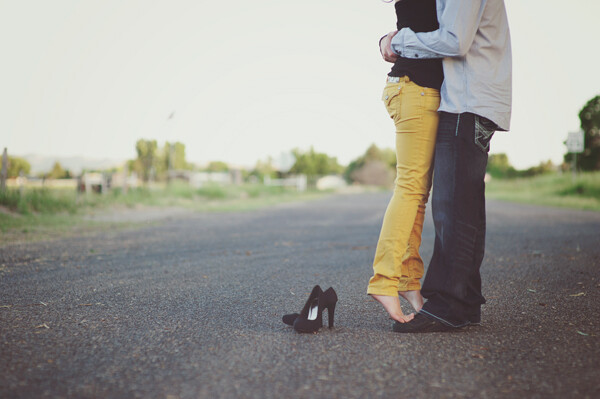
Couple Photography: Telling Their Love Story

18 Sep

228

A while ago, I went to the funeral for my husband’s dear Grandpa Wes, and I looked through old photos of him and his beautiful sweetheart, Daphene, who passed away just 6 months before (they couldn’t live without each other for very long). They had photos when they were young snuggled up together, holding hands, and even kissing, and it struck me how rare that was. Old photos usually are much more formal, and don’t show a lot of emotion or candid feelings. They also had more recent photos that showed the same affection, and that’s rare as well, to be married for decades and still have that connection. It made me realize even more how much I love what I do, and how much I especially love capturing those real moments, the ones that the grandkids will look back on later and say, wow, Grandpa and Grandma REALLY loved each other!

I’ve found some great ways to get couples to really connect for me, and hopefully these tips will help you capture a love story for every couple you photograph too.

196

Be Invisible

I tell couples many times during a session to pretend that I am not there. It usually works to bring their focus on each other, and some of the focus off of me. You want your subjects to act naturally towards each other, and interact how they normally would on a daily basis. You don’t want them to be so worried about you taking their photo, that they forget that they even love each other.

I like to tell them to look at each other, and say everything they feel about the other person with their eyes only. Some couples actually have deep, meaningful connections when I ask them to do this. Others laugh at the corniness, but it doesn’t matter. They are laughing with each other, and the connection is there. Either way, have your camera ready, and capture it.

Another good interaction builder is to ask them to whisper something in the other’s ear. I tell them that I do not want to know what they said to each other under any circumstances! This usually helps them to relax, and gives them permission to whisper all sorts of things to each other that will either ignite sparks, or laughter. It doesn’t matter, as long as they are pretending I’m not there, pretending the camera isn’t there, and making a connection.

187

Get Them Closer

Most of us have a distance comfort zone that we like to keep around ourselves. We don’t usually like people to be too close, especially when a photographer is watching us. Your job is to get them closer to each other. It may feel a little uncomfortable to them at first, but remind them that in a photo it doesn’t look as close as it feels, it just looks like they love each other.

173

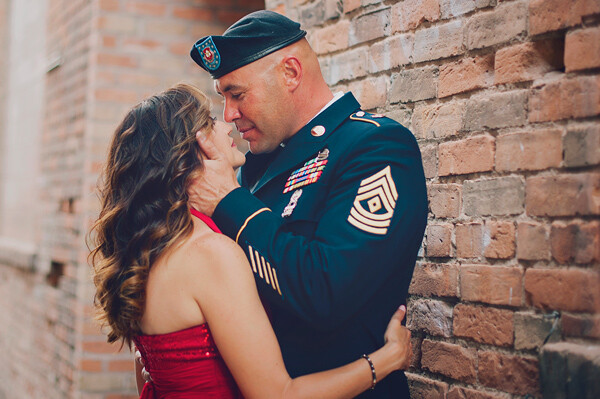
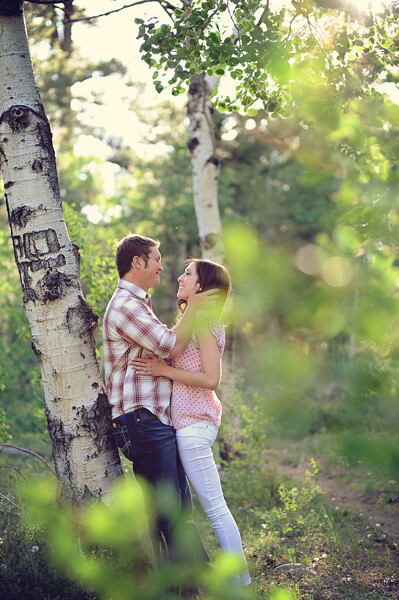
You want to have a physical connection somewhere. Ask them to bring their foreheads or noses together (depending on height difference). Ask him to put his hand on her cheek, or on her back. She could put her hands on his chest, or on the back of his head. A good old fashioned kiss can work great too. A physical connection could be as simple as a hand hold, but just make sure they are connected. You don’t have to direct every hand placement, and pose them into uncomfortableness. Sometimes it’s enough just to ask them to hug lightly. Little cues go a long way – you want them to be natural with each other, and connect in a way that feels comfortable to them.

157

Give Them Something to Do

People that aren’t particularly comfortable with the camera can get even more uncomfortable if there isn’t anything for them to do. Couples sessions can be easier than a solo session in that regard, because at least they have someone to hold on to, but sometimes that isn’t enough to get them comfortable with the situation. If you just expect them to stand there and make beautiful images for you, you might be disappointed.

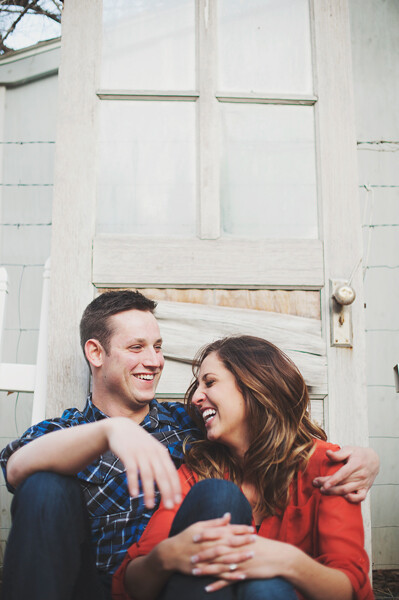
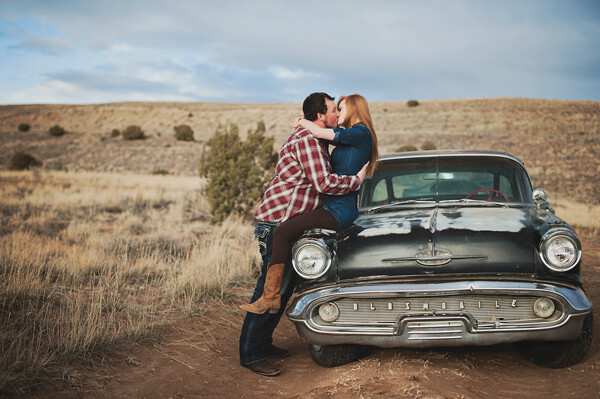
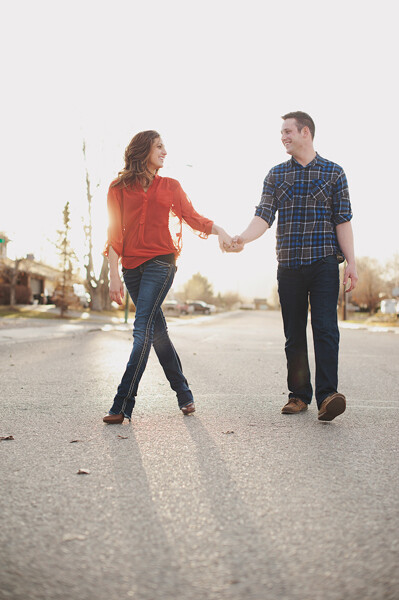
Tell them to take a walk together, or look at each other and laugh. Corny? Yes. Effective? Most of the time. Use vehicles to sit on, sit in, or lean on. Let him push her gently on a swing. Have them bring a puppy to interact with together, or a horse to hold onto, or a blanket to sit on. Even a wall or tree to lean on can help them feel a little more comfortable.

186

Faces Aren’t Mandatory

It’s great to get a few photos of the couple looking at you, although I still try to get them to have that physical connection with each other (cheeks together, but facing you; her head on his chest, both facing you, arms around each other, etc.). However, you can show even more connection sometimes without showing their faces at all. Intertwined fingers are a favorite thing of mine to photograph. A head on a shoulder, their backs as they walk away, or holding hands can show a lot too. Find those little details that can tell their love story in a subtle way.

195

Be Invisible – Again

You’ve already told them to pretend you aren’t there, but you can really remove yourself by peeking your camera through branches, leaves, or curtains. Not only does it kind of remove you and the camera from the sight of your subjects, but it gives you a great perspective for your photo. It lets the viewer feel like they are peeking into something that they shouldn’t be seeing, and makes the emotions feel even more genuine.

199

Who doesn’t like a good love story? If a picture is worth a thousand words, then a whole photo session with a loving couple is a romance novel. Your job as the photographer is to make it a good one.

The post Couple Photography: Telling Their Love Story by Melinda Smith appeared first on Digital Photography School.


Digital Photography School

 
Comments Off on Couple Photography: Telling Their Love Story

Posted in Photography


Tables turned: Photo series depicts children getting the better of their nightmares

09 Aug

Photographer Laure Fauvel’s series ‘Terreurs’ turns an age-old rivalry on its head. The retouched photos depict children fighting back – and winning by the looks of it – against the monsters that typically terrorize them in the night. Children wielding toy weapons keep the nightmarish creatures cowering in closets and under beds with fearful expressions. See gallery

Articles: Digital Photography Review (dpreview.com)

 
Comments Off on Tables turned: Photo series depicts children getting the better of their nightmares

Posted in Uncategorized