RSS
 

Posts Tagged ‘Start’

How to Start Your Own Camera Club

13 Apr
KjellLeknes

Kjell – camera club leader

A camera club is a great way to keep your passion for photography going, meet new people with similar interests, share your photos, and get inspiration from other photographers. Here are a few tips on how to get your own local camera club up and running. Before getting started, check if there already is a local camera club were you live. If so, join them! See how you can take part and contribute to their existing community. It is better to have one large community, than several smaller ones. As a team, you and your new team members can help each other. Local partners will be more interested in participating and sponsoring your events.

Finding members and venues for meetings

The membership of your camera club doesn’t have to be all photographers only. They can also be photography enthusiasts interested in seeing and discussing photography. Social online networks like MeetUp.com are popular places to find and start a camera club. It relieves you from much of the administrative work like; keeping track of who’s joining your meetings, sends reminders, limits RSVPs and generate waiting lists for full events.
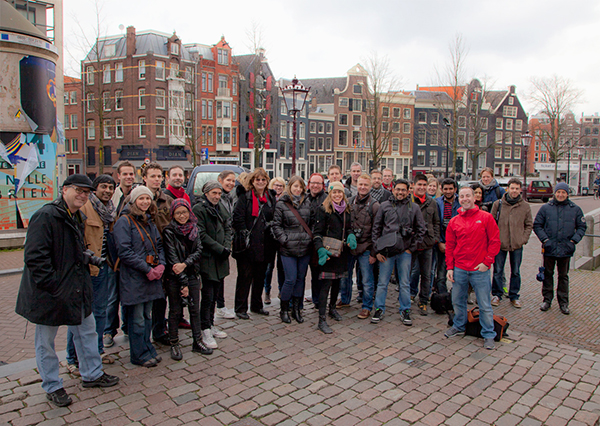
Cameraclub2

Photo walk

Photographers are usually down to earth people. They don’t need a fancy hotel conference center to meet. Try approaching local high schools and photography related shops, galleries and museums. Perhaps the local library, book shop or municipality. See if they are willing to sponsor use of their venue for free. If not, see which event venues can be rented. You can charge your members a small fee to cover the costs. Ask if they give discounts for not-for-profit initiatives. Check where other local clubs meet and approach those venues.

Events and membership
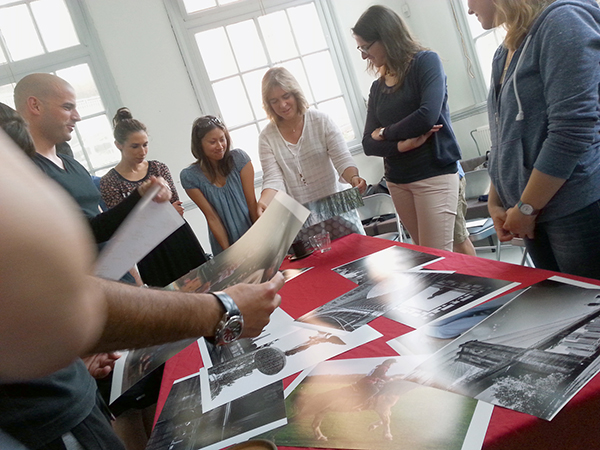
Cameraclub1

Portfolio review

Cameraclub4

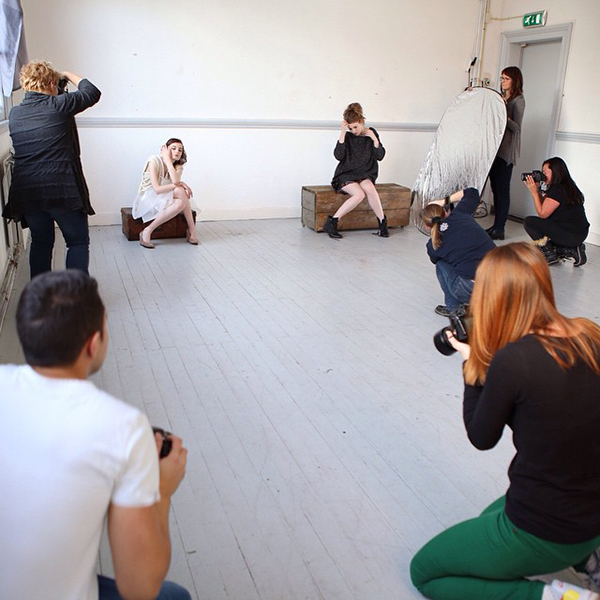
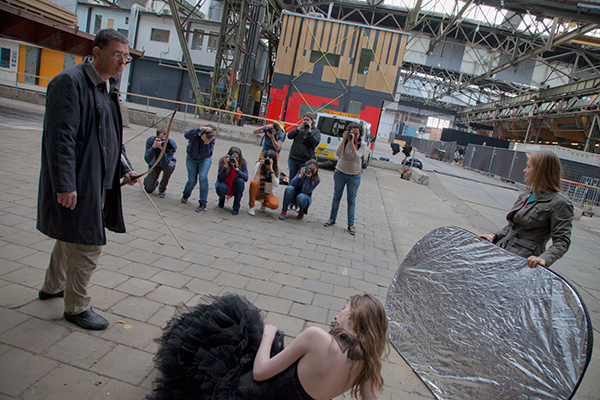
Model workshop

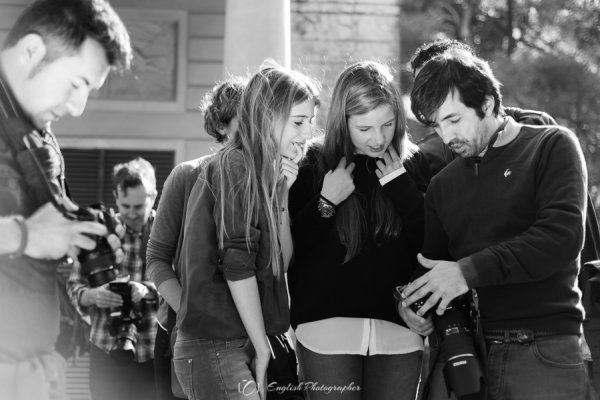
A camera club can have several different kinds of events such as; portfolio reviews where members bring their photos, share, learn and get inspired by each other; photo walks were you meet up and walk together taking photos. Expect the participation numbers to be low at first. Remember you are in the early stages of building your network. If your events are good, word will spread and your camera club will grow at an accelerated speed. Other types of events to keep in mind; visits to local galleries, workshops by hired instructors, and lectures by local professionals.
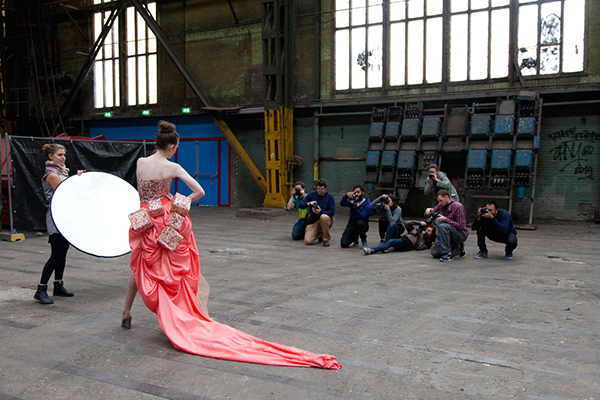
Cameraclub3

Model workshop

Cameraclub7

Model workshop

Be very clear in the communication with your members, and specify events in detail. It is important that participants have a very clear picture of what the event will be like. That way you increase your chances the event will meet expectations and become a great success. Decide early on if you want your camera club to charge a membership fee, or if it will be free. Keeping it free will mean more members. You can always charge per event to cover costs.

Website and social media

A camera club should have a website where people wanting to join can find basic information. It’s also a great way to feature member’s photos and advertise upcoming events. Facebook, Twitter and Flickr accounts would be natural add-ons.
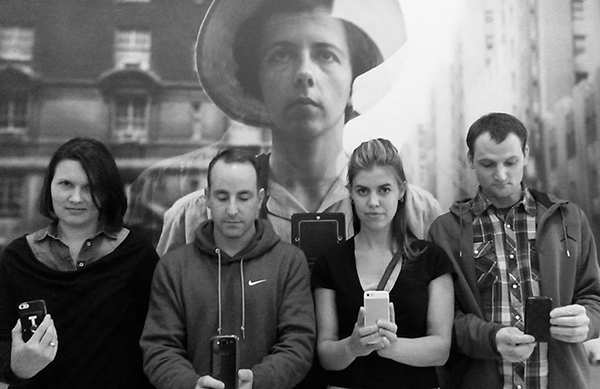
Cameraclub6

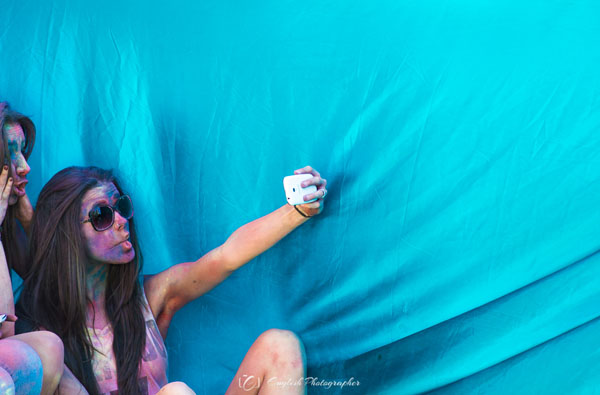
Selfies with Vivian Maier at a gallery visit

Quality, not quantity

As your camera club grows, pay attention to the most active members. Invite them to help run the camera club. Together, your initiative can become a great success. Make a written partnership agreement. It doesn’t have to be in formal legal jargon. It just needs to be a simple outline; who is responsible for what, how events should be run, and what should happen with the camera club’s common assets should the partnership not work out. Make sure people you take on don’t have conflicting goals about what the camera club should become, or what you want to get out of it in the end.
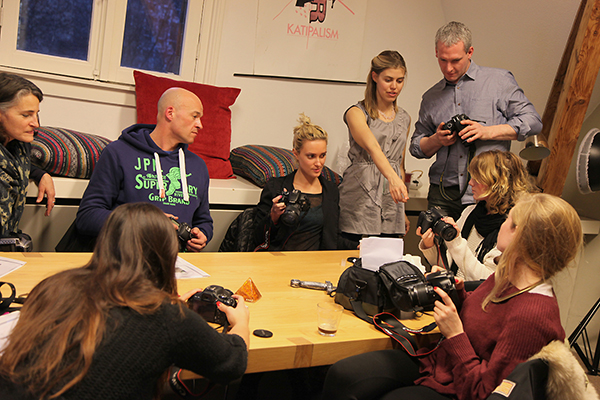
Cameraclub5

Photo course for beginners

It is better to have a small camera club with good quality events, than a large camera club with little or no activity. Spend time developing events you think other photographers would love to participate in, this way, your camera club will grow at a comfortable rate with good quality events.

googletag.cmd.push(function() {
tablet_slots.push( googletag.defineSlot( “/1005424/_dPSv4_tab-all-article-bottom_(300×250)”, [300, 250], “pb-ad-78623” ).addService( googletag.pubads() ) ); } );

googletag.cmd.push(function() {
mobile_slots.push( googletag.defineSlot( “/1005424/_dPSv4_mob-all-article-bottom_(300×250)”, [300, 250], “pb-ad-78158” ).addService( googletag.pubads() ) ); } );

The post How to Start Your Own Camera Club by Kjell Leknes appeared first on Digital Photography School.

Digital Photography School

 
Comments Off on How to Start Your Own Camera Club

Posted in Photography


Start a New Great Year – How To Develop Ideas More Creatively

05 Jan

As a photographer, coming up with ideas and visualizing what you imagined in an image, is an essential progress. Coming up with those (hopefully) great ideas isn’t an easy task though because of the sheer flood of pictures that everyone sees everyday. Here are my strategies for coming up with ideas that help you stand out from the masses. According Continue Reading

The post Start a New Great Year – How To Develop Ideas More Creatively appeared first on Photodoto.


Photodoto

 
Comments Off on Start a New Great Year – How To Develop Ideas More Creatively

Posted in Photography


Start Filming with the iOgrapher Bundle

17 Jun

Extra photos for bloggers: 1, 2, 3

They say a picture is worth a thousand words, but a well made video with high quality sound all made on an iPad? There are no words.

Pair your iPad with the pro quality Rode VidMic Pro Boom and iOgrapher video rig, to really get a handle on your next film project.

The iOgrapher will really step up your film making game with a wide angle lens, accessory mounts a plenty, a tripod mount and handy handles for fearless filming.

The VidMic Pro is small but packs a lot of power. It picks up the voices and sounds you want to hear while cutting out the buzz and background noise you don’t.

Your high standards, striking visuals and clear sounds will soon leave audiences in silent awe as they witness the glory of your vision.

Get the whole iOgrapher Bundle


© Britta for Photojojo, 2014. |
Permalink |
No comment |
Add to
del.icio.us

Post tags:


Photojojo

 
Comments Off on Start Filming with the iOgrapher Bundle

Posted in Equipment


Stop Collecting Tips and Start Practicing Photography

23 May

Young photographers are often better at digital photography than older photographers. This article will explain why this might be, and how you can improve your skills faster. You may be surprised to hear that IQ (Intelligence Quotient) apparently peaks at age fourteen.

Now, IQ is a deeply flawed measure of intelligence, and fourteen year olds certainly shouldn’t take over the world; but the young brain has incredible processing power.

young-photographers_8915-600

As we age, we lose this raw speed and (hopefully) replace it with shortcuts, experience and ‘wisdom’. This allows us to make better choices and retain the illusion of intelligence, but it also limits our creativity. Incensed? Read on…

Knowledge versus understanding

A quick mathematics question; what’s 8 squared? Ask a child and they’ll have to work it out. You probably know it’s 64 without thinking. This is knowledge; remembered facts.

Remember Pythagoras’ Theorem? Maybe you even know the same explanation, ‘the square of the hypotenuse is equal to the sum of the squares of the other two sides’. This is knowledge; a tool. Ask a mathematician and they’ll be able to prove it and explain why it’s true. This is understanding.

art-photography_1712Ask a layperson about the white balance setting on your camera. They’ll probably have no clue what you mean. Ask an average photographer and they’ll be able to tell you it controls the colour cast. Ask a physicist and they’ll understand far more deeply what’s going on and why.


Knowledge is very useful. It’s quick to learn by rote. How else can a young child pick up concepts that took the greatest geniuses years to develop? Most education equips us to slot into a role in a business. Understanding isn’t normally necessary. It’s enough to know that e=mc2 – only a few people need to understand the implications of this equation. Some of them for work; and others to satisfy a yearning to understand.

Precisely because our society values superficial understanding, it doesn’t occur to us to make knowledge our own, to transform it into understanding. We think that by knowing the name of something that we understand it. A brown-throated thrush. Satori. Light.

Make the leap from words to visuals

Words are useful; they allow us to communicate. But they’re really quite limited, and the language you speak tends to limit what you can think. Philosophers are acutely aware of this. So are mystics, and as artists, we’re always seeking to move beyond the cage that words present. Try defining love – or even the smell of fresh roses.

To communicate understandings, ideas and feelings, we have to package them up into sentences (parcels of knowledge) and share them with others, who then unpack them in the light of their own unique experience to create their personal understandings. I normally teach one-to-one, but when I teach bigger classes there’s a tendency for students to just collect the parcels and never unwrap them.

We are particularly prone to this, because Holistic Photography is both a craft and an art. We can certainly learn the first bit; apertures, shutter speeds, the inverse square law; but we often falter with the latter. The Golden Mean? That’s just another technique.

barcelona-sagrada-familia_1902

Sagrada Familia in Barcelona, from a different point of view

What ends up happening is that our head becomes so filled up with knowledge that it blinds us to the world around us. We’ll visit the famous cathedral that we read about in the guidebooks and have such a strong preconception about what it must be like that we fail to notice how it looks at the specific time that we’re there. When I’m teaching photography courses in Barcelona, the Sagrada Familia is a major attraction; but there are a myriad ways of photographing it that are overlooked. If we’re photographing people, we may get so stuck in our heads thinking about lighting ratios or the half-remembered tips of a ‘how to pose your model‘ article that we’re not available to make the human connection which leads to the poses that look best. We get stuck in our heads and cease feeling or seeing.

Stand in front of Rothko’s multiforms in a gallery if you get the chance. You can’t quite explain why, but they move you, if you let them. Van Gogh isn’t treasured (now) because of his technique, but because of the way he expressed his internal world, which happened to match our own at moments. Because while we’re all different, we’re also all the same.

There is a visual language. You can learn it in art school. Complementary colour schemes for emphasis, how different shapes can give different meanings, and where to put things in your frame and why. But to understand how to create, you’ll have to feel in your own body what works for you, and let your own mind tell you what’s right or wrong.

image-1

Theory versus action

Young photographers look for knowledge online. They have access to more information than they can ever read. Most are open to learning, so they progress rapidly. Like the zen master said, your cup can’t be full if you want to put more in it.

But they also have the benefit of few responsibilities, short attention spans and huge amounts of time. They underestimate the importance of learning from others. So they read a bit, get bored, and just play with the camera. Digital is free to experiment with, so they make thousands of mistakes and try things we never would. Then, when they reach a barrier, Google instantly provides the answer. It’s no wonder that they learn far faster.

imageCompare the contrary method. To get a big stack of books and methodically work your way through them, supplemented by overpriced photography magazines. Let’s not forget the millions of photography articles online as well. It’s addictive. Our brain rewards us for learning. We feel like we’re improving. But content is a trap, and too much information atrophies or paralyzes us.
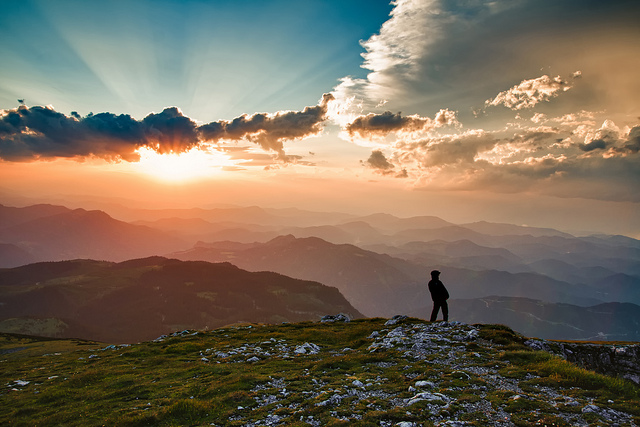
Information with application is different. If we can immediately use what we’re learning, we’ll assimilate it faster and retain more. I studied French for almost a decade and can hardly hold a conversation, but speaking Spanish with my Peruvian girlfriend makes it much easier to learn.

There needs to be a balance. I see some photographers who learned a few techniques back when film was still popular, and have just stuck with them. If it’s not broken, don’t fix it, they reason. But no, you need to be constantly evolving, learning form others and letting your photography keep pace with your own evolution.

But chances are if you’re reading this, you’re taking in too much information without applying it. Get a little bit of relevant theory and then practice, practice, practice until you understand it well enough to integrate it with your vision. Then seek out another bit of knowledge to turn into understanding.

The takeaway from this is that we’re really not as capable as we might imagine. Nor do we understand how to best work with our psychology to make the most of our energies. We try to learn the ‘right’ settings by looking at the aperture, shutter speed and ISO used in photos we admire. But our brain hasn’t evolved to memorize numbers.

photographers_9490

It can however tell you if a drinks can is full or not just by picking it up. Far better it is then to develop the muscle memory associated with changing the settings on your camera. Work on specific areas until they’re second-nature and you’ll find your photography will improve far faster.

Go forth and practice!

So that’s enough theory for now. Here’s a test; set an alarm to ring in a couple of hours then carry on with whatever you were doing. Try and remember what this article was about. If you can’t remember what you read, then there was no point in spending your time to read it. There’s a wealth of knowledge available that can push your photography to the highest levels; but only you can unpack it into understandings. Make it applicable. Make it stick. Use it. Make it your own.

The post Stop Collecting Tips and Start Practicing Photography by Ben Evans appeared first on Digital Photography School.


Digital Photography School

 
Comments Off on Stop Collecting Tips and Start Practicing Photography

Posted in Photography


Internet Explorer 11 – Place Sites Directly in the Start Menu for Easy Access

21 Apr

Add links to frequently-visited websites directly to the Windows Start Menu.

Are there websites you visit often enough with Internet Explorer 11 that you would like to make opening them up more convenient? Instead of navigating the Favorites menu of IE11, you can pin links to websites directly to the Windows Start Menu.

After opening the website from Internet Explorer 11, perform the following steps depending on your Windows interface:…

Read more at MalekTips.
New Computer and Technology Help and Tips – MalekTips.Com

 
Comments Off on Internet Explorer 11 – Place Sites Directly in the Start Menu for Easy Access

Posted in Technology


Windows 8 – Resize Start Screen Tiles

18 Apr

Change the size of tiles on your Windows 8.1 Start screen to show or hide live tile details.

Are some of the tiles on your Window 8.1 Start screen taking up too much room and you’d like to fit more on the screen simultaneously? Or do you only have a few apps installed (or a large monitor with lots of free space) and want to show as much information and pictures as possible from live tiles such as News, Store, and Weather?

To resize tiles on your Start Screen, just do the following:…

Read more at MalekTips.
New Computer and Technology Help and Tips – MalekTips.Com

 
Comments Off on Windows 8 – Resize Start Screen Tiles

Posted in Technology


How To Start a Photography Project You’ll Love

09 Apr

Once called the “Jay-Z of documentary photography,” Martin Parr is known throughout the world for his absurd, colorful, yet tongue-in-cheek photographs of modern life. But if you asked him about his favorite shots, he wouldn’t mention individual photographs, instead he’d point you to photography projects. And if you want to improve your photo-taking skills, starting a project you love is a Continue Reading

The post How To Start a Photography Project You’ll Love appeared first on Photodoto.


Photodoto

 
Comments Off on How To Start a Photography Project You’ll Love

Posted in Photography


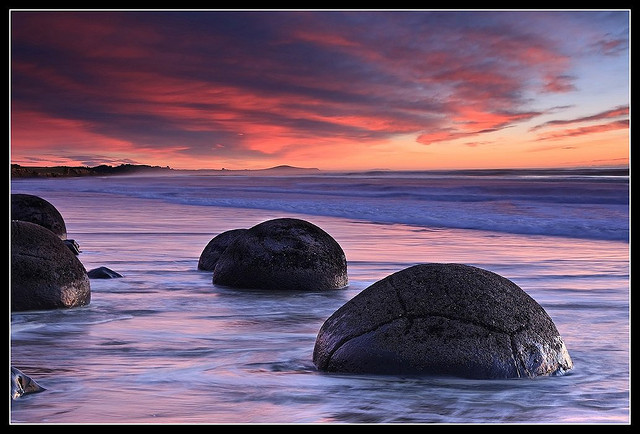
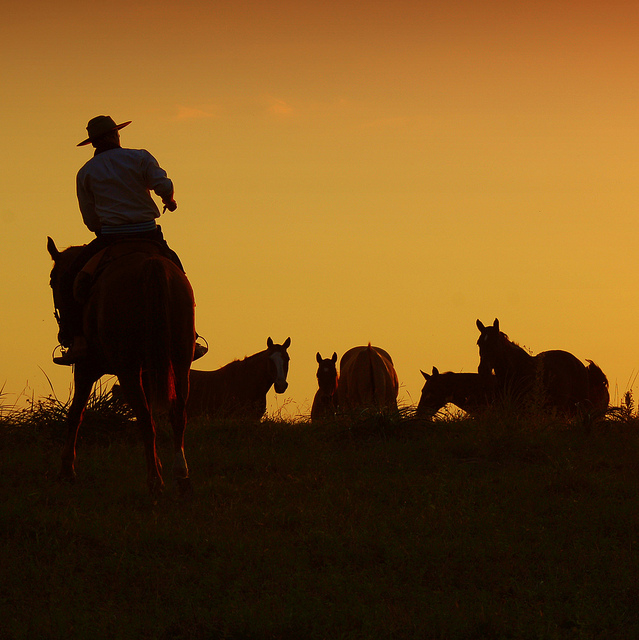
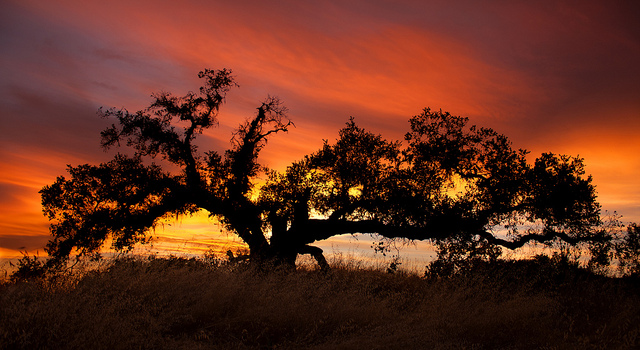
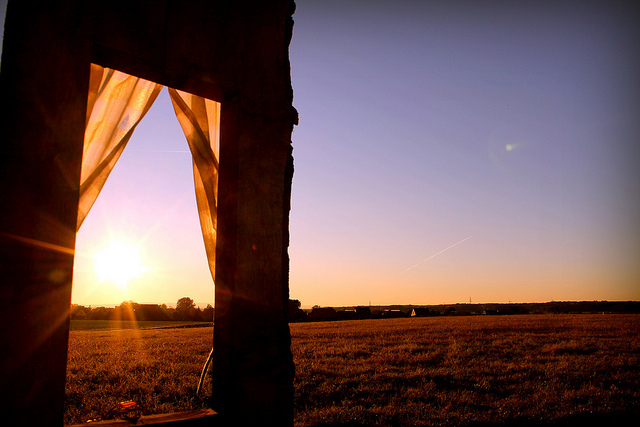
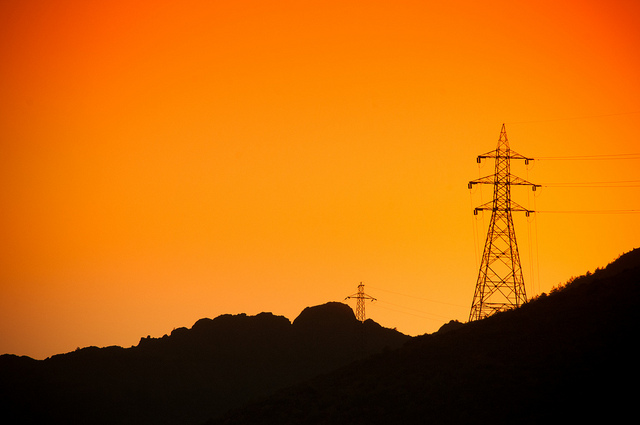
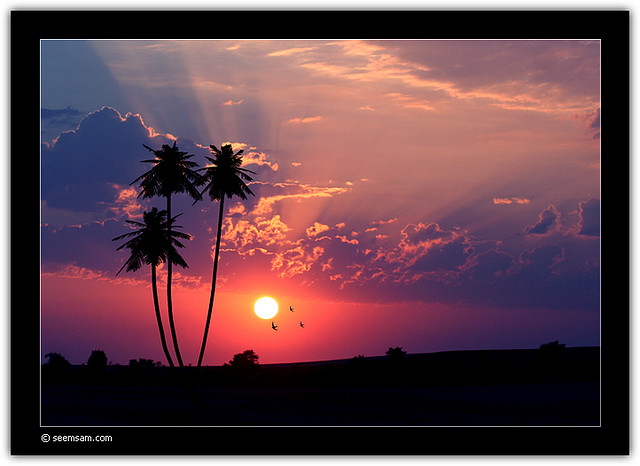
39 Colorful Sunset Photos to Start off Your Weekend

21 Mar

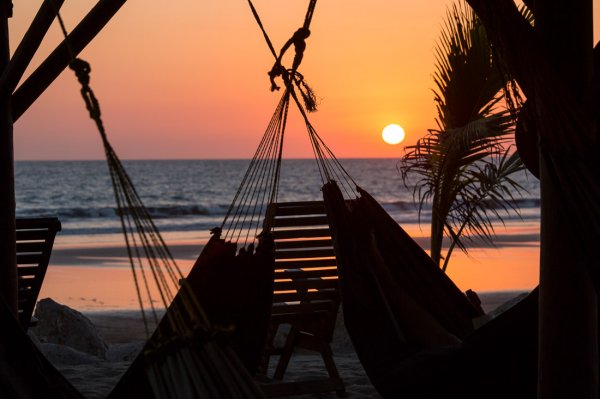
Well I’ve just returned from spending two and a half weeks in sunny Nicaragua including nine days living right on the beach, in a little fishing village.

Teaser alert: I will share some of my images from the trip with you in article very soon I promise, be patient! Here’s one for you!

Nicaragua-flickr-046

Darlene’s image of the beach in Nicaragua

Who doesn’t love a good sunset right?

ENJOY and hope you feel refreshed just looking at these sunset photos!

By Philipp Rümmele

By esther**

By Chris Gin

By Giovanni Orlando

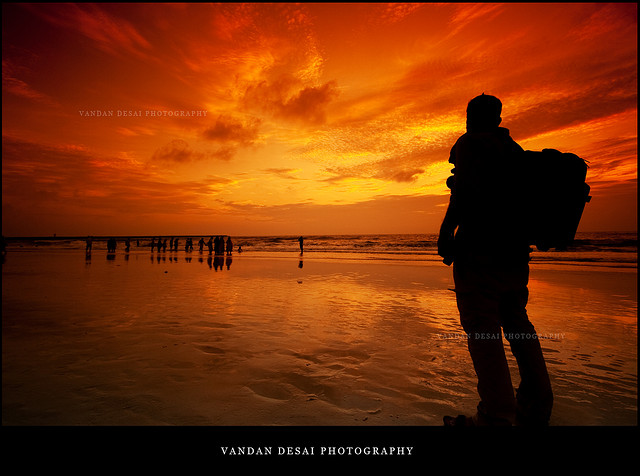
By Vandan Desai

By Chris Gin

By Eduardo Amorim

By David Yu

By nebojsa mladjenovic

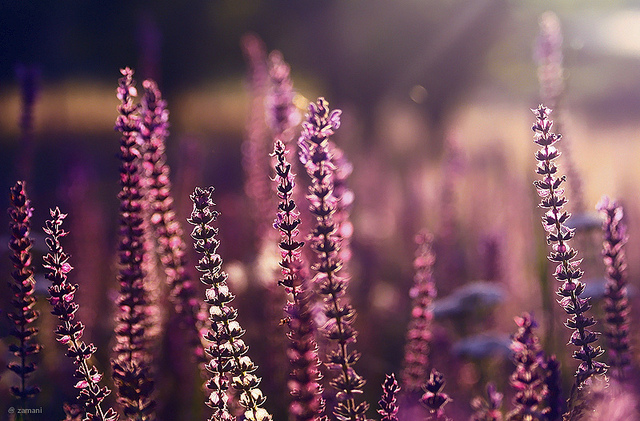
By seyed mostafa zamani

By paul bica

By Len Radin

By Evan Leeson

By Dave

By Eduardo Amorim

By TumblingRun

By Evan Leeson

By Nick Kenrick

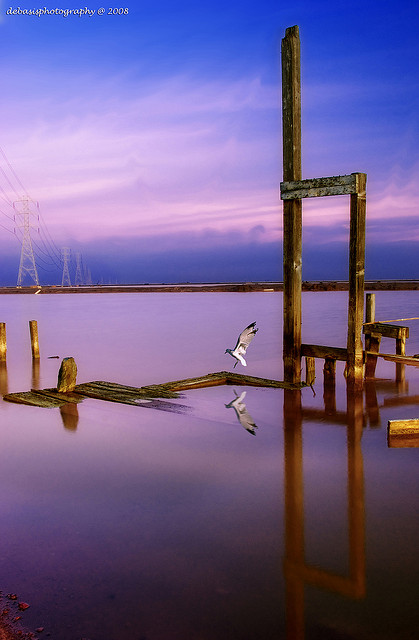
By Debasisphotography

By NeilsPhotography

By Trey Ratcliff

By Nikos Koutoulas

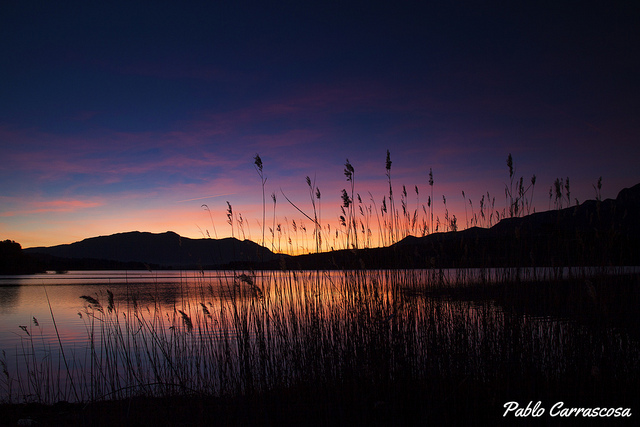
By Pablo Carrascosa

By John

By John

By Don McCullough

By cortto

By Nhi Tran

By a_migo

By Simon Stamm

By Kamil Porembi?ski

By Arlo MagicMan

By mr clearview

By Mike Baird

By Steve Corey

By philip hay

By Pedro Szekely

By Chris Goldberg

By Minoru Nitta

To get some tips on shooting sunsets and using sunset light try these articles:

  • How to Photograph Dramatic Clouds at Sunset
  • How to Shoot Landscapes at Sunset
  • Create a Warm, Sunset Mood Image in Lightroom 4
  • Tips for Great HDR Sunsets

The post 39 Colorful Sunset Photos to Start off Your Weekend by Darlene Hildebrandt appeared first on Digital Photography School.


Digital Photography School

 
Comments Off on 39 Colorful Sunset Photos to Start off Your Weekend

Posted in Photography


Jumpstart Your Photography: Start a 365 Project

09 Jan

With the beginning of a new year, many people around the world take time to reflect on the past year and set goals or resolutions for the upcoming year.

McEnaney candle

It’s a good time to ask yourself; “What do I want out of my photography this year?” For most of us, the response might be to improve our skills, to be inspired, and to find more time and energy to pursue our passions. No matter what you want out of your photography, your path to accomplishing your goals will require dedicated time and effort.

If you are looking for a way to dramatically improve your photography this year, now is an excellent time to consider starting a 365 project.

What is a 365 Project?

There are many different 365 projects, but they all share one goal in common: taking at least one photograph every single day, for a full year. Many photographers take that idea one step further to including taking, and posting, at least one photograph a day for an entire year. Some people start 365 projects on January 1st, but you can begin one at any time.

McEnaney 365 2012

A 365 project is an important commitment that will make an immediate and lasting impact in your photography. While the idea of daily photography sounds deceptively simple, such a project will push and stretch you, and your photography.

There are many different online communities that support 365 projects including 365 Project, Capture Your 365, and many, many 365-themed groups on Flickr and Google+. Joining a community will help you in your 365 journey by providing encouragement and accountability. You will also find many ideas, challenges, themes, and examples for inspiration and motivation.

Why Do a 365 Project?

The most important part of a 365 project is the commitment to daily photography. If you truly want to improve your photography and push yourself, then you need to be using your camera, often! Accepting the challenge of using your camera everyday will help make photography a commitment and even a habit for you.

Using your camera every day will also open your eyes to the photographic possibilities that abound in your everyday life. I find myself noticing so much more now that I would have just passed by without comment before: the way the shadows on the wall change with the hours, or the tiny details of fallen pollen on the inside of a flower. Daily photography has made me keenly aware of the passing of the seasons and the small differences in each day.

McEnaney oak seasons

Daily photography will push you out of your comfort zone and force you to engage with other types and styles of photography. You may love shooting macro (close-up) shots of insects, but will now have to deal with rainy days and changing seasons. You may love shooting portraits of people but will need to find new ways and places for finding willing subjects. Whatever photography you ‘do’ now, you will find yourself in situations or late nights when you simply must find something to photograph. You may find that these more desperate times led to your most productive photographic ideas and images.

McEnaney abstract

Daily photography will also help you better plan your day or your time. I have found that waking up fifteen minutes earlier allows me to leave the house earlier in the morning, to spend those fifteen minutes taking a photography break along my commute. Watching the sun rise over one of the many lakes in town is an amazing joy and privilege, but it is a commitment I would never had made on my own, without 365.

Tackling a 365 Project

I highly encourage you to try a 365 project, as there is no better way to keep yourself taking pictures and making progress in your photography. While a 365 project is a huge commitment, there are some steps you can take to keep yourself (and your friends and family) sane and motivated along the way.

  • Plan for photography. Make a commitment to scheduling time for daily photography. Think about the subjects and situations you are attracted to, and plan for how to include those in your day. Maybe it is waking up 15 minutes earlier, or picking up your camera as soon as you get home in the evening, or taking a walk during your lunch break. Or it could be something more elaborate, like planning a photography outing to bucket list locations near or far.McEnaney heron
  • Plan for posting, viewing, and commenting. If you want to get the most out of your 365 project, then you will want to get involved in a photography community. Viewing photographs and leaving comments will keep you inspired, while receiving comments and feedback from others will help you improve and motivate you to keep going. I found early on that it was much easier for me if I was taking a photograph every day, but was posting and sharing yesterday’s photograph each day. That gave me a day in-between to look back and select the previous day’s picture as well as a chance to do any editing or post-processing.
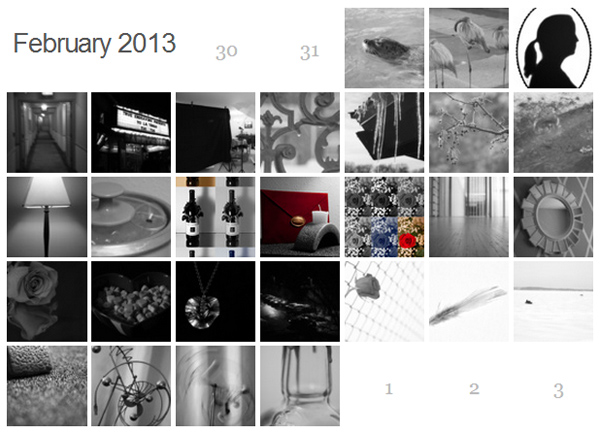
  • Pick a theme or try a challenge. At some point (or, more likely, many points) during your project, you will find yourself in a slump. Pushing through the low points will teach you a great deal about commitment and motivation. Think about picking a theme for a week or a month or perhaps trying a challenge offered by other 365ers. Last year in February, I was part of a “Flash of Red February” challenge that involved taking black and white photographs for the entire month, except for a red photograph on the 14th for Valentine’s Day. This was a creative twist, and black and white was a great choice for a potentially dull winter month.McEnaney flashofred
  • Seek out balance. A 365 project is a large commitment and one that can occasionally be draining on your friends and family. Remember that taking a photograph a day does not mean you have to be taking a photograph every moment of the day. Your children, pets, spouses, and friends will thank you.

Interested in starting your own 365 project?

All you have to do is pick up your camera and get started. Think about joining a 365 photography community too, as the motivation and support along the way will be priceless. You can find my project at Archaeofrog.

The post Jumpstart Your Photography: Start a 365 Project by Katie McEnaney appeared first on Digital Photography School.


Digital Photography School

 
Comments Off on Jumpstart Your Photography: Start a 365 Project

Posted in Photography


5 Good Photography Habits to Start Today

10 Dec

Last week I talked about Five Bad Photography Habits to Quit! Today, I want to talk about five good photography habits you want to start today.

1. Shoot every day

gracie-may-photography-18

Those 365 projects are magical. They encourage participators to take at least one shot every single day. Shooting every day is a really great habit for all photographers. Here are some of the benefits of this habit:

  • You will excel in your capabilities
  • You will start to see the world photographically and frame scenes with your mind’s eye
  • You will be recording your life. This doesn’t always seem important at the time, but later on, you’ll look at those shots and be like “hey, I forgot about that!”

Those are just a few reasons that shooting every day is a great habit to get into. Further reading: Consider starting into a Photography Project 365 this New Year

2. Leave your camera at home

It seems kind of contradictory to habit #1, but leaving your camera at home can be a great habit to get into, especially for parents. I knew I’d overstepped my boundaries when my kids started saying, “Mom, you’re not bringing you camera are you?” I learned to harness the power of my phone’s camera to record memories without intruding on those moments with my massive SLR. Additionally, SLRs can be really impractical, and dangerous. I’m surprised my kids haven’t had concussions from some of the times I’ve bent over and hit them in the head with my camera!
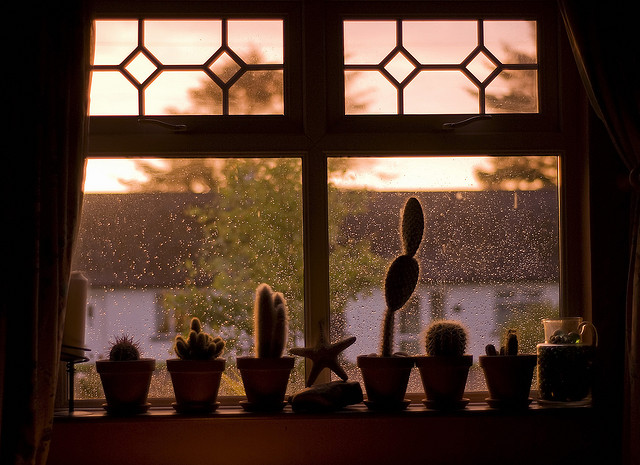
Learning to harness the power of your device camera can be really liberating. Further reading: iPhone Photography

3. Keep notes

By Geek Calendar

Start keeping notes with your ideas, inspirations, color schemes…anything! I keep so many notes in my phone with ideas and inspirations. There are a few different ways to do this.
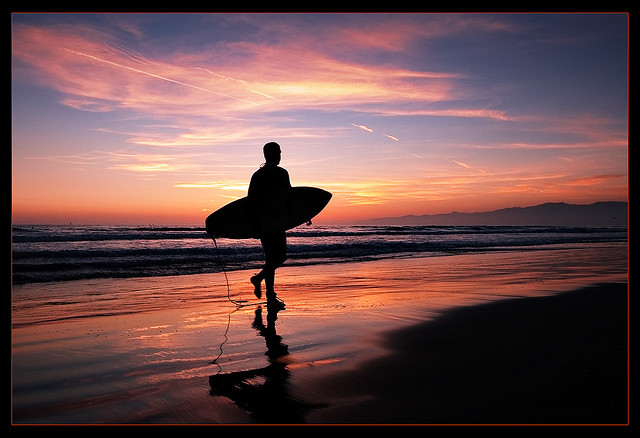

  • You can make a physical notebook with written notes and images torn out of magazines
  • Pinterest is an amazing (and addictive) resource for compiling photography ideas. Props, poses, locations, etc.
  • I personally love the app Evernote for keeping my notes easily accessible across all my computers and devices

This can be a great habit to keep you inspired or give you somewhere to start when you find yourself with time on your hands but nothing in your head.

In addition to keeping notes for inspiration, keeping records from shoots is a great habit that will really pay off. This can mean many things like:

  • Keeping detailed records of shoots with location information, info about the time of day, season, camera settings used, lighting set up, tips to remember for next time (like ‘the parking wasn’t free’)
  • Keeping records while editing is one thing that I’ve regretted not doing many times. When you’ve nailed an edit, keep a record of the steps you took or the resource you used (Photoshop actions, Lightroom presets, etc) so you have something to refer to next time you edit or if someone asks, you how you did it. When working with actions in Photoshop, I often leave an unflattened version saved as a Photoshop file (.PSD) to refer to later.

4. Backing up

By Jeremy Derr

One of the best possible habits you can start – like yesterday – is backing up your computer religiously. Many  photographers have had their entire history lost because they didn’t back up their hard drives. A few ways you can do this:

  • Back up to physical hard drives using a disk cloning program or an automated system you don’t need to think about. However, this doesn’t protect against theft, destruction (water spill!) or other disasters. You also need to backup in a way that keeps your files away from your computer or even your home/office.
  • You can use a wireless hard drive like Apple’s TimeMachine to zoom your files to an area in your home that isn’t attached directly to your computer.
  • You can backup using online cloud storage. This can be as simple as utilizing Dropbox to drop your files off for safekeeping. But two words of caution: 1.) If you have an absolutely huge amount of files (as in terabytes) DropBox won’t be enough unless you want to pay. However, any service that allows you this much storage will charge you. 2.) If your internet service has an upload limit, be careful. When you do your first big file dump (like a wedding or shooting for a whole day) you may hit your limit and get penalties. These days, most internet providers no longer have these restrictions, but some (like mine) still do so it’s worth checking.
  • You can backup to disks. I’ve burned most of my older files to BluRay as a third mechanism for protecting my files.

In short, find whatever ways you can to keep your files completely safe. You’ll be thankful you did if something happens.

5. Look at photography

I’m amazed about how many photographers can’t name photographers they love most or photographers who have inspired their work. This begs me to ask…are you looking at photography? Do you think any musicians draw a blank when asked what music they draw their influences from? Or painters? Or writers? What goes in, comes out. You must must must get into the habit of soaking up imagery on a regular basis. Become a fan of photography – not just making it, but enjoying it. Visit exhibits. Read books. Scan the web. Some tips for viewing photography:

  • Don’t only view the genre(s) that you like to make. Just because you like taking portraits, that doesn’t mean you can’t become a fan of a great landscape photographer.
  • Don’t be afraid to copy. Photography stands alone in so many ways but it doesn’t have to. One way is that we’re afraid to admit what photographers inspire our work because we think that in saying this, we’re saying that we think we’re like them. This isn’t true in photography any more than in the music industry or any other art form. Another way we stand alone is that we’re afraid to copy. Because of the internet and the pervasiveness of intellectual theft, we’re afraid to experiment with copying. Now, I’m not talking about plaigarism or peddling someone else’s ideas as your own. Further reading: 15 tips for copycatting your way to success.
  • Learn to read images. When you view a piece, stop for a moment and really soak it in. This can be hard these days when we’re chasing content faster than ever before. But stop, breathe and enjoy. Further reading: how to read a photograph

Also, viewing photography can be a great substitute when you’re not in a position to get out and shoot or when in a rut.

These have only been five habits and I’m sure there are many more! What helpful habits do you have?

Post originally from: Digital Photography Tips.

Check out our more Photography Tips at Photography Tips for Beginners, Portrait Photography Tips and Wedding Photography Tips.

5 Good Photography Habits to Start Today

The post 5 Good Photography Habits to Start Today by Elizabeth Halford appeared first on Digital Photography School.


Digital Photography School

 
Comments Off on 5 Good Photography Habits to Start Today

Posted in Photography