RSS
 

Posts Tagged ‘Sports’

9 Tips On How To Photograph Winter Sports

02 May

If you’re planning a winter holiday in a picturesque location, you’re probably wondering how to capture the perfect shot in the snow. Here are 9 tips to help you photograph the dynamic winter sports with beautiful snowy landscapes in the background. Pick the right lens and use protection   Even if you prefer a sharp, high performance prime lens to Continue Reading

The post 9 Tips On How To Photograph Winter Sports appeared first on Photodoto.


Photodoto

 
Comments Off on 9 Tips On How To Photograph Winter Sports

Posted in Photography


2017 Buying Guide: Best cameras for sports and action

10 Dec

Are you a speed freak? Hungry to photograph anything that goes ‘zoom’? Or perhaps you just want to get Sports Illustrated-level shots of your child’s soccer game. Keep reading to find out which cameras we think are best for sports and action shooting.

Articles: Digital Photography Review (dpreview.com)

 
Comments Off on 2017 Buying Guide: Best cameras for sports and action

Posted in Uncategorized


How to Photograph Agility Events and Other Dog Sports

22 Oct

Humans and horses aren’t the only athletes to reach massive feats – dogs do too! From the athletic sighthounds to the driven border collies, dogs have been competing in a slew of sports on the world stage since before you were born. Some of the most popular athletic canine sports include agility, dock diving, frisbee, flyball, barn hunt, nose work, weight pulling, lure coursing, and herding.

How to Photograph Agility Events and Other Dog Sports

Possibly the most well-recognized of these sports is agility, in which a dog has to race through obstacles (such as jumps, weave poles, tunnels, dog walks, A-frames, and teeters) with their handler. This fast-paced sport has been captivating dog photographers for years, but yet there remain so few agility photographers.

Some quit from frustration due to the degree of difficulty to photograph, while others find the long hours hard to manage. Whatever the reason, this article is here to make it easier for you! Many of these tips can be applied universally to all canine competitions, as most have these three things in common: action, speed, and unpredictability.

How to Photograph Agility Events and Other Dog Sports

Let’s start with equipment. You can’t photograph if you don’ a have camera. Here are the ideal gear recommendations for doing photography of dog sports.

The Right Camera

As most of the dog sports listed involve speed, you’re going to need a fast camera. Similar to photographing human sporting events such as football and baseball, the speed of your camera will determine what moments you can capture.

How to Photograph Agility Events and Other Dog Sports

You want to ensure that your shutter closes at the exact moment you want it to, or is able to capture an entire sequence of movement (which is what many competitors love to see from action photographers). The more frames per second your camera can shoot, the more sequence shots you can capture.

To anyone wanting to get very serious into this type of photography, I always recommend purchasing a DSLR that has a strong inclination towards action photography due to its frames-per-second, such as the Canon 7D (the 7D Mark II is the newest model – 10 frames per second), the Canon 1D-X Mark II (14 fps), the Nikon D5 (12 fps). I am sure there are additional Nikon (as well as other brands) equivalents with faster speeds, but I am versed in Canon so you’ll have to do your research.

How to Photograph Dog Agility Events and Other Canine Sports

Choose the Right Lens

The key to dog sports photography is to interfere as little as possible with the event going on. That means shooting from a distance so that your activity doesn’t distract the dogs from their task. As such, most (if not all) agility photographers will work with a telephoto or zoom lens. This allows you to be far enough away from the subject so as to not affect their performance while being able to zoom in tightly and capture some beautiful compositions.

My favorite lens for dog sports photography is the Canon 70-200mm F/2.8 L IS USM II. But I have seen many other photographers inclined toward the 300mm or 400mm range to get even closer to the dogs without needing to get in the way physically.

Finding a lens that has a maximum aperture of f/2.8, or around that range, is a great idea in order to isolate the dog from the rather cluttered frame. Since agility rings can make a photograph look chaotic due to a number of obstacles in close proximity to your subject, getting a lens that can shoot at f/2.8 will also all you to blur or soften some of the distracting elements in the background.

Camera Settings

Your settings will make a noticeable difference in your ease-of-shooting. Besides needing to shoot with a very fast shutter speed to freeze the action (1/1000th at a minimum but I personally like to shoot at 1/3000th and faster), there are a few other things you can do to get sharp images. Many new cameras have technological advancements that make action photography significantly easier than it has been in the past, such as new autofocus mechanisms. However, what the majority of new and old cameras have in common in regards to settings are the focus mode and burst (drive mode).

How to Photograph Agility Events and Other Dog Sports

First, change your focus mode to Continuous Focus Mode (AI Servo for Canon users or AF-C for Nikon users). This mode allows your camera to lock onto your subject and follow the dog around as it moves, preventing you from consistently needing to refocus. Where new technology comes into play are the additional customizations for your this mode.

Some new cameras allow you to either use the Continuous Focus Mode presets or make your own that pertain to what you are shooting. For example, on the Canon 7D Mark II, you can tell the camera how your subject moves and what obstacles may be present by adjusting the various levels of sporadic movement, obstacle interference, and more.

There are even presets for erratically moving subjects and following the subject despite obstacles getting in the subject’s way. I usually tell the camera that my subjects are moving erratically in multiple directions and that there are many obstacles in the way when photographing agility. In cameras that do not have this feature, your AI Servo (AF-C) is still a good focusing mode choice.

Next, take advantage of the frames-per-second your camera offers by using burst mode (high-speed drive mode). You can ensure that you get the right shot by setting your camera to burst mode (where you take multiple photographs in a row while pressing down on the shutter) and shooting with a fast shutter speed to freeze the action. Like I mentioned previously, competitors love sequence shots. The only way to get these cool sequences is by shooting in burst mode!

Shooting Technique

Partnered with your gear and your camera settings, your shooting technique will make or break your results. The most common technique that I see used for dog sports photography is to pre-focus on an obstacle and wait for the dog to get there. But I believe you miss a lot of key moments when you do that, especially since dogs can be unpredictable (and even though the obstacle is a part of the course, that doesn’t mean the dog will comply).

Be prepared to practice the art of panning. Panning is moving your camera horizontally with the subject’s movement. You synchronize your camera movement with that of the subject moving parallel to you. I find it easiest to focus on the dog while it is waiting to be released by the owner and then follow the dog throughout the course.

In agility, the course is preset and the handler must memorize it, and then lead the dog through. This makes panning much easier because, by the second or third dog, you will know the course by heart. With other sports where the movement is more unpredictable, like frisbee (where the dog has to catch frisbees before they touch the ground), just use your best judgment on where you think the dog is going to go. This takes practice, but nothing comes without practice!

How to Photograph Dog Agility Events and Other Canine Sports

Alongside panning, another tip to get the most dynamic actions shots is to photograph from the subject’s eye level. Be prepared to spend a lot of time on your knees as the dogs go through the obstacle course. This allows viewers to relate to the subject (as is the psychological nature of photography) and gives them an idea of the height the dog is jumping which aids in how dramatic the photograph appears.

In agility, depending on the type of organization that is governing that sporting trial, you may or may not have to shoot through a fence. If there is a fence, it is often full of large gaping holes that you can photograph through.

How to Photograph Dog Agility Events and Other Canine Sports

Now that you have our gear set, before running off to excitedly photography some cool dogs, there are several important rules and considerations to keep in mind while photographing these canine superstars. Please follow them to respect the owners and for the dog’s safety.

Ask for Permission before Photographing Events

Always ask for permission before photographing any dog sporting events. You do not want to tarnish your reputation by being asked to leave (even if you are only photographing for your portfolio, experience, or fun).

How to Photograph Agility Events and Other Dog Sports

Some clubs (such as a few that I work with) have an official photographer and do not allow outside photography to take place. Other clubs may have a vending fee and request liability insurance for all photographers wishing to make a profit from photographing the event. A few clubs do not even allow photographers in the first place. Always ask for permission. Asking also opens up the door to developing a great relationship with the people putting on the event.

Do Not Distract the Dogs

As tempting as it is to cheer when a cute dog does an obstacle well, or to make noises to have the dog look at you, please don’t. These dogs are there doing a very important job – showing off their skills! Agility trials and other competitive events are expensive for the handler to enter, the dogs train for many hours to compete, and they want to have just as much fun as you are having.

As such, we must all be respectful of each other. Much like you wouldn’t want someone trying to distract you while you work, these dogs don’t want that either. Make sure you aren’t photographing too loudly or too close to the obstacles, and try not to make any noise that could thwart a dog’s attention away from their handler.

If a Dog Comes Up to You, Ignore the Dog

Not all dogs have iron-clad self-control, especially the novice dogs that are still learning the ropes in the trialing world. If a dog happens to notice you while in the ring, turn your head, body, and camera away from the dog. If a dog runs up to you while in the ring, ignore the dog. Turn away, and do not pet or talk to the dog. The best way to help the dog focus back on their handler is to not pay the dog any mind.

How to Photograph Agility Events and Other Dog Sports

Be Considerate of the Competitor’s Wishes

If a competitor comes up to you and asks you not to photograph their dog, please be respectful of their request. As much as you want to photograph all of the dogs that come through, some owners may not want you to (and that’s okay). There are a hundred different reasons why someone might not want their dog photographed while the dog is competing.

Do Not Pet a Dog without Asking, Even at a Dog Sport Event

As much as this should be common sense, many people forget that even at dog events, you should still not pet a dog without consulting with their owner. Though many dogs are beautifully trained at dog sporting events, not all are friendly with people. As this is not a conformation dog show where a judge has to touch and handle a dog, not all of the dogs at an agility trial, herding event, or other sports like being petted by people (and the owners are not obligated to teach their dog to tolerate strangers petting them).

Do Not Set-Up Inside the Competition Ring without Consent

Some organizations that govern dog sporting events require a fence to be placed around the competition course. Though you may sometimes be able to set-up inside the boundary rather than outside of it, do not do so without consulting the competition judge or the trial secretary. Setting up inside the boundary can be a safety hazard for both you and the competitors. So if you are granted permission, listen to where the judge tells you to stay.

Don’t Set-Up Too Close to the Weave Poles and Tunnels

This is a lesser-known consideration that does not apply to all, but I have seen it applied to many in my career as a dog sports photographer. Some dogs get spooked or distracted if a photographer sets up in front of the exit of a tunnel, as the dog cannot see you until it leaves the tunnel. Likewise, some dogs get terribly distracted from doing their weaves if they see you at the weave pole entrance of exit.

These two obstacles tend to be a bit more difficult for some dogs than jumps or dog walks, and you want to ensure that you don’t add extra stress for them Instead, set up further away and use your zoom lens to capture the dog speeding out of the tunnel!

Don’t Eat Near the Competition Ring While Dogs are Running

Another common-sense piece of advice that goes ignored far too often is to not eat near the ring while the dogs are competing. The smell of a delicious hot dog could encourage even the most driven dog to forget what they’re doing and come ask for some food.

Now that you’re an expert, here are some tips and tricks to help you out:

Pay Attention to the Course

The easiest way to photograph a sporting event is to know where your subjects are going to go! For agility, there is a 15-minute walkthrough before a course begins in which the competitors learn the course. Watch them, or even participate in the walkthrough yourself, and learn about the route. For sports that don’t have walkthroughs, try and figure out what the course set-up is using logical reasoning.

Listen to the Briefing

Before a trial begins, most events will have a competitor briefing. Participate in the briefing to learn valuable information about the event that is about to take place. As well, the briefing is a great time to introduce yourself to the competitors.

Don’t Stress About Photographing All of the Obstacles at Once

This took me years to figure out. You do not need to worry about photographing every single obstacle in every single course. The courses get changed several times throughout the day, the sun will move every hour, and nearly all of the dogs will run at least three more times before they leave the event.

It saves a lot of time, energy, and stress to only focus on a few obstacles that you know you can photograph well (whether it be due to the lighting and/or the obstacle’s proximity to you) per course. If you come in the morning and stay until the end in the later afternoon, you will most definitely photograph everyone’s dog doing every single obstacle.

When Organizing, Sort Photos by Class or Jump Height

The real challenge comes after the photo shoot: how to make sure the competitors can find their dog (or you can find their dog). I find that organizing your images by class (every dog sports event has different classes, often named for their difficulty level) helps immensely.

For dog agility, sometimes photographing by jump height can be just as beneficial. Do keep in mind that height changes per organization that governs the agility trial. There are three organizations in the US that set the rules for their agility trials: The American Kennel Club, the United States Dog Agility Association, and the North American Dog Agility Council. Each of these has their own jump heights and class names.

Ask for the Run Order

It’s completely acceptable to ask for the run order from the trial secretary or someone higher up in order to help you organize the dog photographs. Do keep in mind that the run order may change throughout the competition, so listen to the announcements and keep notes on what changes are being made.

Knee Pads are Your Best Friend

Since you ideally want to photograph from the dog’s eye level, you will spend hours on your knees. Skating knee pads are a great idea to reduce the amount of bruising and pressure to your knees. Trust me, you’re going to want to do this after several trials of black and blue knees.

Stay Hydrated

Dog sporting events are long, tiresome, and depending on your location, can be very hot. Make sure that you stay hydrated and take care of yourself, even when you’re wrapped up in the shoot. Bring a cooler with plenty of water, and a backpack with snacks or food that you can eat during your breaks. Fruit is a great snack, it’s healthy and will give you a bit of an energy boost from the sugar.

That being said, I often break my no-junk-food routine at dog sporting events because the sweets and fast food are quick, easy, filling, and can help keep me going!

Don’t Forget to Photograph the Novice Dogs

Don’t leave out the new guys! Many of the advanced competitors have hundreds of photographs of their canine athletes over the years, but the novice dogs are brand new and probably don’t have any at all. So be sure to capture photographs of the new kids on the block. They will thank you immensely for them.

It Is Possible to Photograph More Than One Ring at a Time

This takes a bit of practice and stamina, but it is absolutely possible to photograph more than one ring at a time. In agility and some other sports, two different rings can be running simultaneously. Often, the rings will be very close to each other. If you position yourself between the two rings, and time the obstacles correctly, you will have enough time to turn from one ring to the other and photograph both. This is how I get photographs of both the novice dogs and the advanced dogs while they are running at the same time.

Most Importantly, Have Fun

Don’t lose sight of why you are there – to have fun! These events are long, tiresome, and chaotic, but are so rewarding. The photography is challenging and addicting. But don’t forget to have fun!

The post How to Photograph Agility Events and Other Dog Sports by Anabel DFlux appeared first on Digital Photography School.


Digital Photography School
 
Comments Off on How to Photograph Agility Events and Other Dog Sports

Posted in Photography


Zero-Carbon, All Bamboo Sports Hall Features Organic 50-Foot Trusses

19 Sep

[ By WebUrbanist in Architecture & Public & Institutional. ]

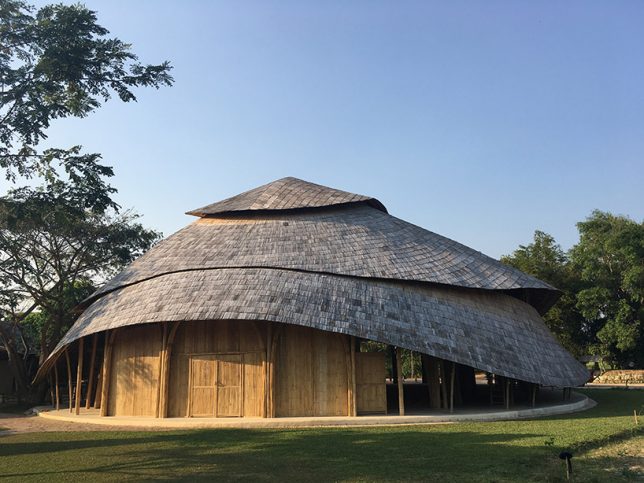
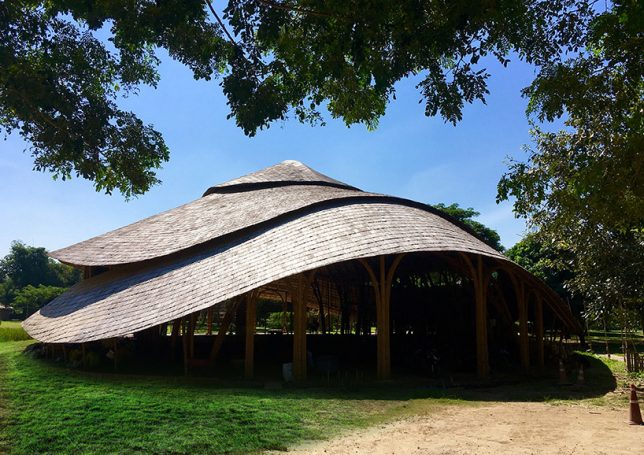
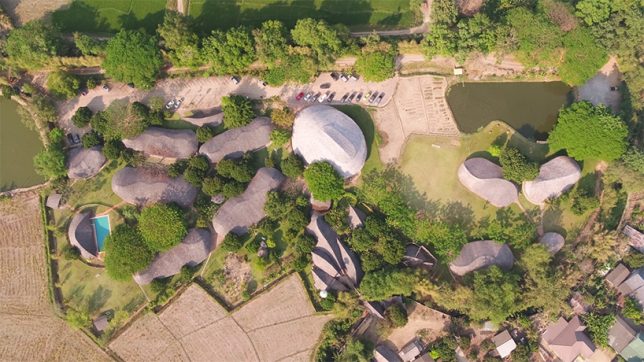
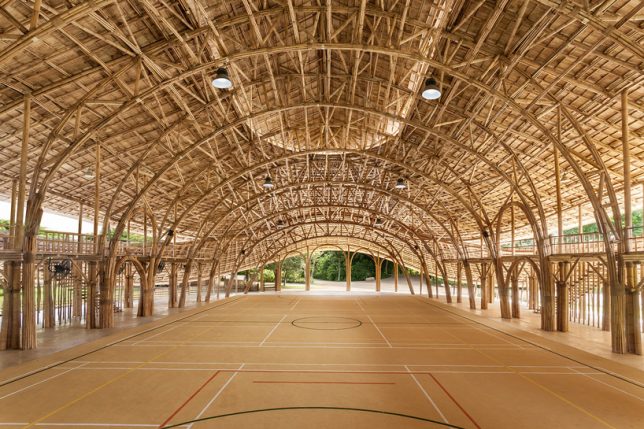
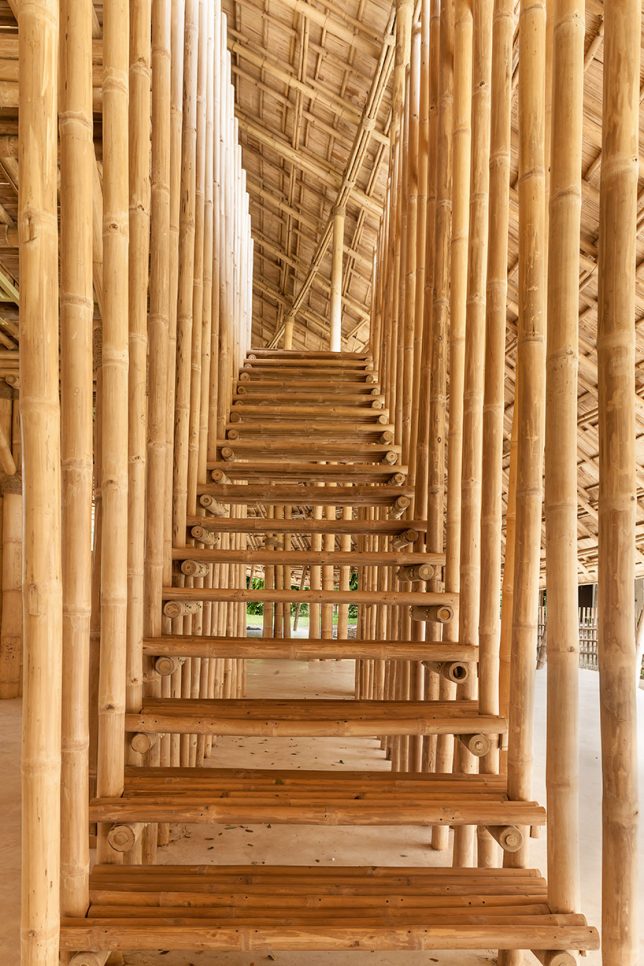
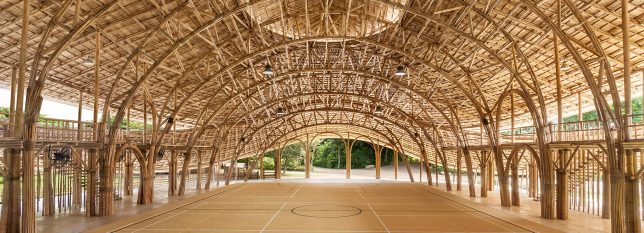
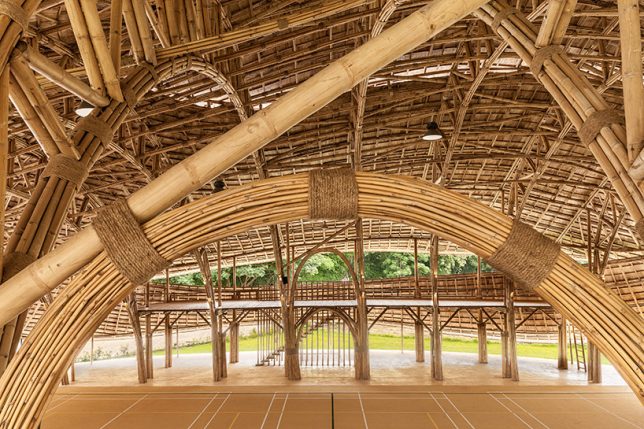
A new sports hall in Thailand highlights the aesthetic power and physical strength of bamboo, a flexible and fast-growing natural material. In total, more carbon is captured in the bamboo than was used to treat, transport and use it for construction, rendering its carbon footprint neutral.

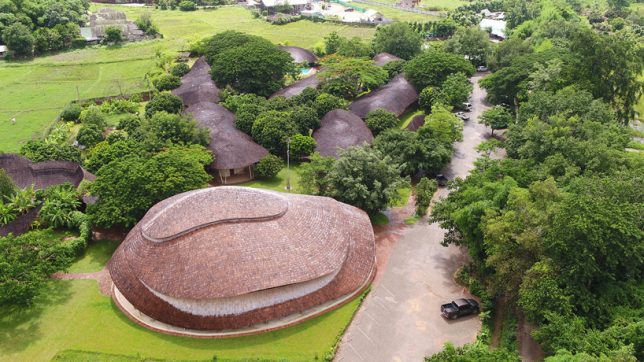
Located at the Panyaden International School in the Chiang Mai province, the new building was designed by Chiangmai Life Architects, a firm specializing in natural materials like bamboo and rammed earth.

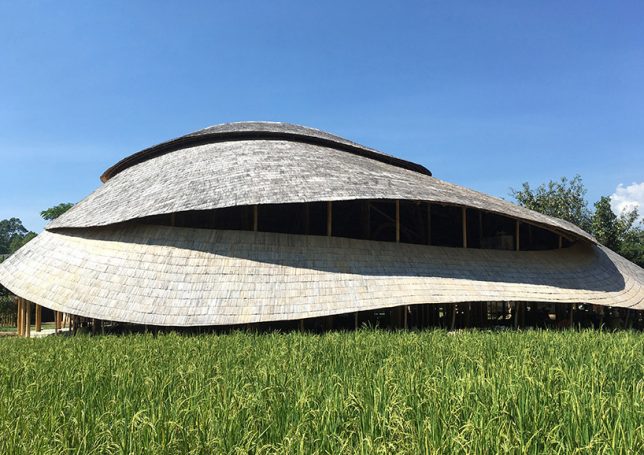
The symbolic design was inspired by the lotus, an important Buddhist and Thai symbol. Its natural materials tie it to scenic surroundings while open sides allow for passive ventilation for cooling purposes.

Despite its organic appearance, the structure is engineered to resist earthquakes, high-speed winds and other forces of nature.

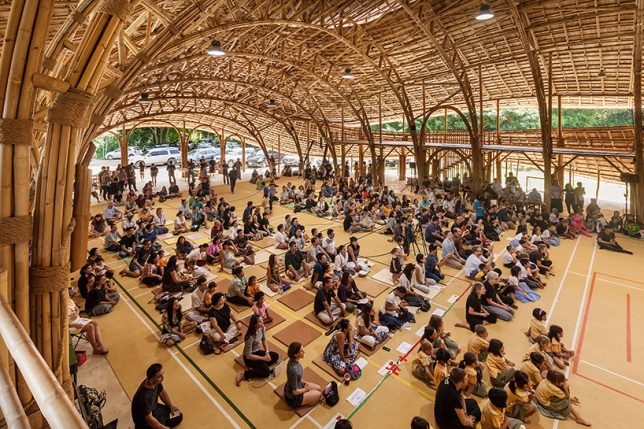
The complex is able to accommodate 300 students, spanning over 8,000 square feet, and is used to host games of basketball and futsal, a variation on soccer that takes place in a court. It can also be used for student gatherings and visiting speakers.

Like wood, bamboo is becoming an increasingly appealing material for architectural construction thanks to its rapid growth rate and ability to sequester carbon — the natural look and feel are a nice touch, too.

Share on Facebook


[ By WebUrbanist in Architecture & Public & Institutional. ]

[ WebUrbanist | Archives | Galleries | Privacy | TOS ]


WebUrbanist

 
Comments Off on Zero-Carbon, All Bamboo Sports Hall Features Organic 50-Foot Trusses

Posted in Creativity


Humor: Sports reporter tries to pass off iPhone calculator as ‘light meter’

30 Aug

You can’t make this stuff up… the website Deadspin stumbled across this on-field report from a cricket commentator, who tries to pass off his iPhone calculator as a “light meter.”

The question he’s trying to answer is whether or not it’s getting too dark to continue the test match between New Zealand and South Africa. According to his “light meter” there’s only 6.5 EV of light left to work with, which in his words is, “getting a little dodgy.”

Don’t worry though, the refs will take their own reading before they stop the match…

Articles: Digital Photography Review (dpreview.com)

 
Comments Off on Humor: Sports reporter tries to pass off iPhone calculator as ‘light meter’

Posted in Uncategorized


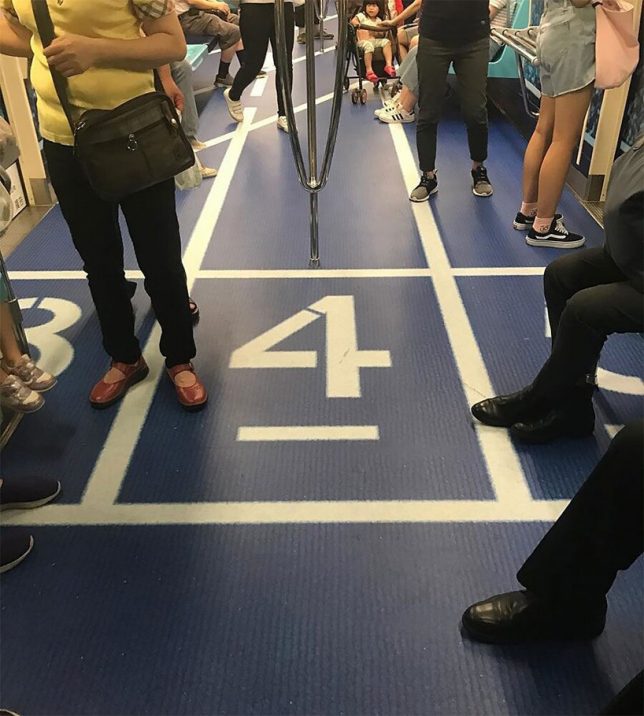
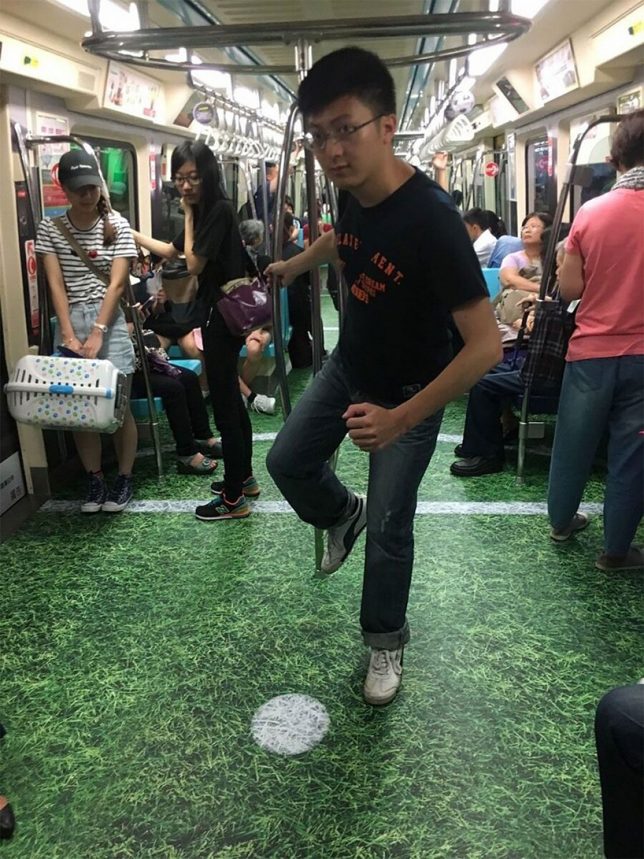
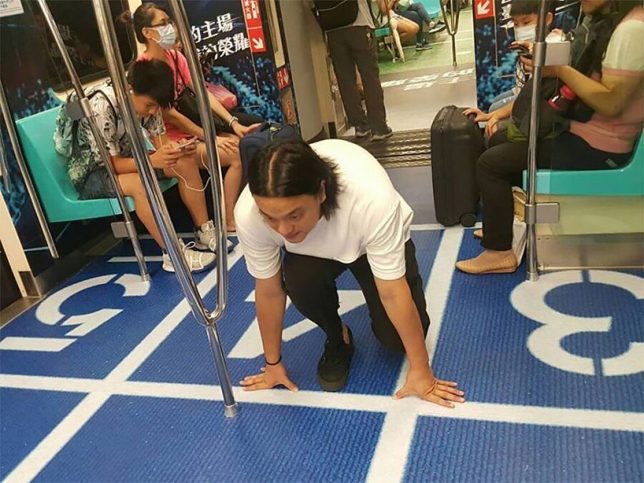
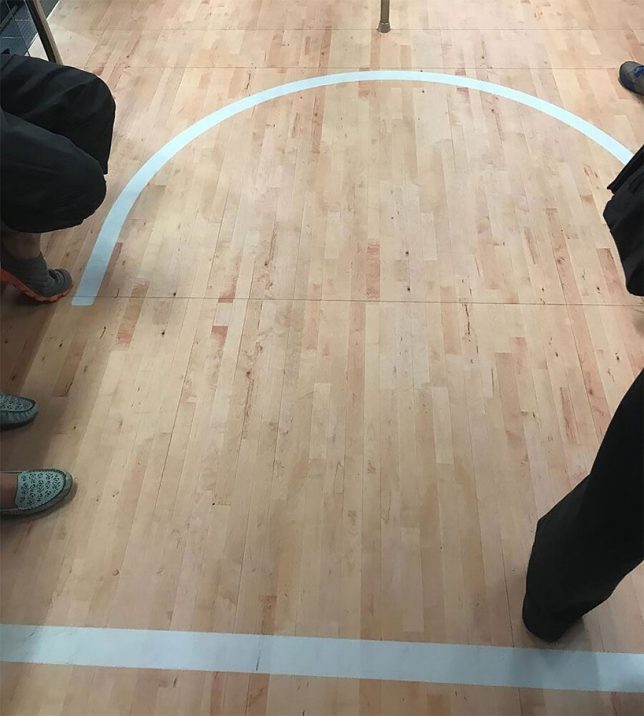
Swim on the Subway: Taipei Train Cars Transformed into Sports Venues

22 Jul

[ By SA Rogers in Art & Installation & Sound. ]

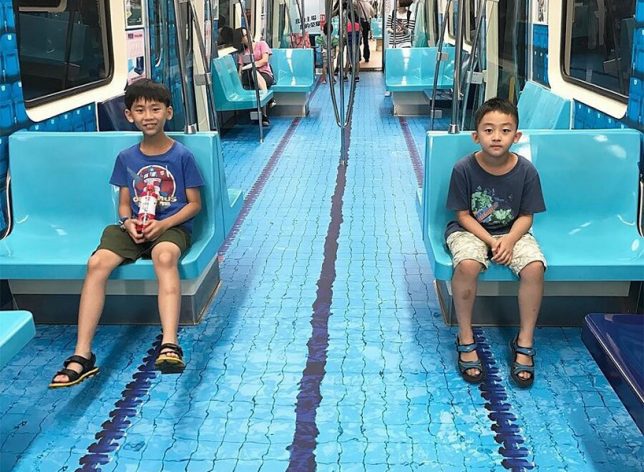
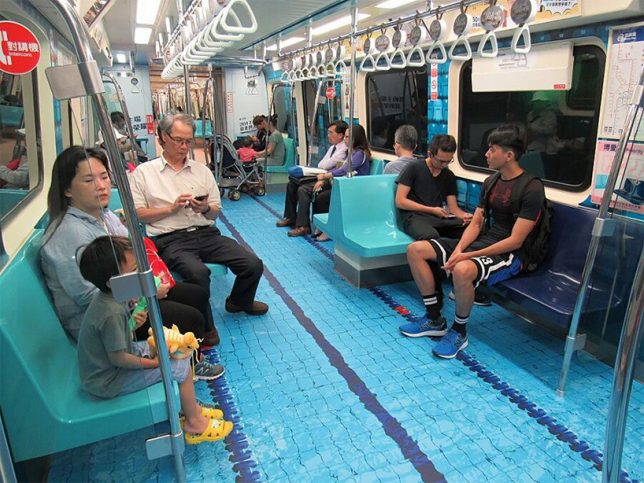
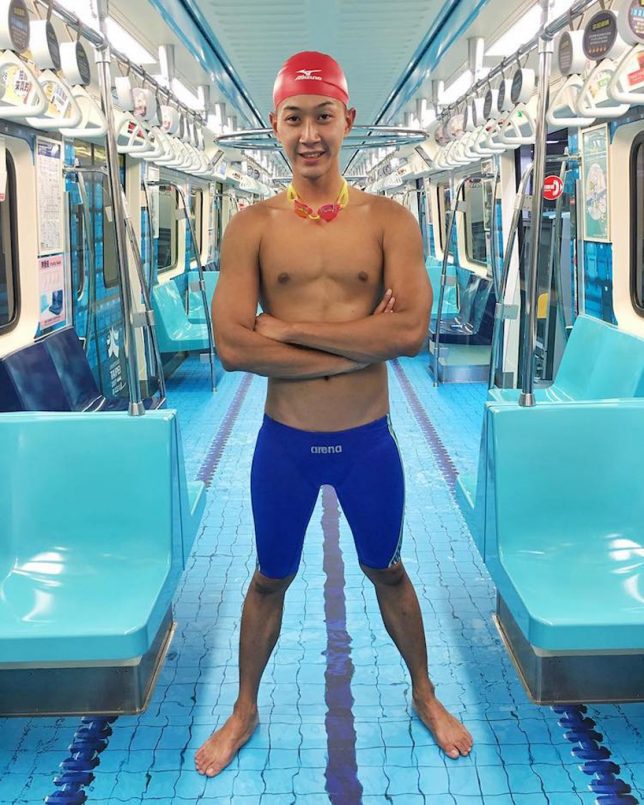
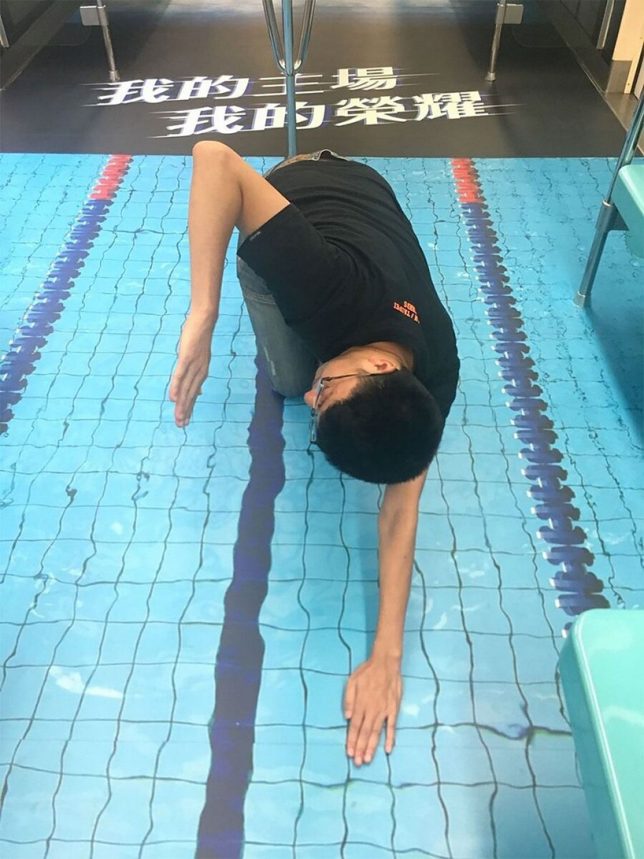
Subway cars in Taipei have become swimming pools, basketball courts, baseball fields and track lanes to get residents amped for the upcoming 2017 Summer Universiade, an international multi-sport event for university athletes. While the installations mostly consist of photorealistic photographic murals stuck onto the floors, the illusion comes together pretty nicely, especially in the case of the swimming pool, which matches the existing subway car chairs and poles.

These ‘moving sporting venues’ will transport lots of tourists attending the events, and the city hopes to add to their excitement. The Universiade is the second-largest international sporting event after the Olympics, set to begin on August 19th and end on August 30th, and will include competitions in 22 different sports across 70 venues.

Images by: Taipei City Government Department of Information and Tourism, @skywu0326, @chi._.851229, @nikoleko1007

Share on Facebook


[ By SA Rogers in Art & Installation & Sound. ]

[ WebUrbanist | Archives | Galleries | Privacy | TOS ]


WebUrbanist

 
Comments Off on Swim on the Subway: Taipei Train Cars Transformed into Sports Venues

Posted in Creativity


The Airdog ADII is a lightweight, autonomous ‘extreme sports’ drone

14 Jul

Helico Aerospace has launched its new Airdog ADII camera drone on the crowdfunding website Kickstarter, seeking funds for the sequel to its original Airdog drone launched in 2014. This next-generation Airdog packs both intelligent features and a portable, durable design, the combination of which makes this model suitable for ‘extreme sport’ activities, according to Helico.

The ADII camera drone sports a built-in ‘enhanced’ gimbal system that is compatible with the GoPro HERO 5 Black action camera. This gimbal system includes a trio of brushless motors, as well as an adapter that charges the GoPro while it is connected. The drone is equipped with a start/stop recording function, as well, that is triggered upon take-off and landing.

$ (document).ready(function() { SampleGalleryV2({“containerId”:”embeddedSampleGallery_9295418314″,”galleryId”:”9295418314″,”isEmbeddedWidget”:true,”standalone”:false,”selectedImageIndex”:0,”startInCommentsView”:false,”isMobile”:false}) });

The main selling point of the Airdog ADII is that it offers hands-free operation through a combination of software and hardware that enable automatic follow modes.

The ADII can be set to follow a specific perspective or remaining locked onto that angle, via a mode called ‘fixed follow.’ The drone also offers an ‘adaptive follow’ mode, tracking a specific subject as they move. Dynamic shots are also possible thanks to a ‘circle’ mode, which causes the drone to circle around a specific subject.

Tracking and precision, meanwhile, are made possible via an array of sensors, including: GPS, gyroscope, magnetometer, accelerometer and LiDAR. The drone is suitable for use in wind speeds ranging up to 30 knots, and boasts a top operating speed of 45mph / 72km/h and a maximum operational ceiling of 11,500ft / 3500m above sea level.

The ADII’s battery is rechargeable and interchangeable, able to power the drone for between 10 and 20 minutes per charge.

$ (document).ready(function() { SampleGalleryV2({“containerId”:”embeddedSampleGallery_3897782224″,”galleryId”:”3897782224″,”isEmbeddedWidget”:true,”standalone”:false,”selectedImageIndex”:0,”startInCommentsView”:false,”isMobile”:false}) });

The Airdog Kickstarter campaign is offering interested consumers a single ADII model for pledges of at least $ 1,200 USD; shipping to these backers is estimated to start in October 2017 and will be limited to ‘certain’ countries.

Visit the Airdog Kickstarter to find out more.

Articles: Digital Photography Review (dpreview.com)

 
Comments Off on The Airdog ADII is a lightweight, autonomous ‘extreme sports’ drone

Posted in Uncategorized


Want your sports photos to stand out from the crowd? Use a strobe

03 Jun

How to get these shots

A post shared by Garrett Ellwood (@gwephoto) on

Garrett Ellwood’s body of work speaks for itself. He’s a seasoned sports photographer and, according to his website, has been the official team photographer for the Charlotte Hornets, Carolina Panthers, Denver Nuggets and Colorado Rapids. Since 1995, he’s photographed 19 NBA Finals. So he’s got some experience.

While Ellwood’s more ‘standard’ action shots are well executed, images like the one above spark a lot of interest and attention because they’re different. Ellwood is still capturing a moment, a play in the game, but the result is evidence of greater pre-visualization and planning. Oh, and triggers, and very powerful strobes.

For those who aren’t sports shooters or who aren’t well-versed in using flash, here’s a quick breakdown of his (likely) setup.

A post shared by Garrett Ellwood (@gwephoto) on

The first thing you’d need for this sort of stuff is permission, and given Ellwood’s experience, he’s sure to have it. Next, you’ll need radio triggers; PocketWizard’s are the industry standard, and cost a pretty penny, but they’re reliable and have great range. You’ll then need to mount your strobe pretty high up in the rafters, and because of the distance from your subjects, it’d better be powerful.

We can also tell from these images that it’s likely a bare bulb (evident in the first image from the very hard shadows, the second image appears to have players more ‘filled in’ from light reflecting off the court). It looks to be in a cone-shaped reflector of some sort, or behind a grid – we can see this from the pronounced falloff midway up the court. Ellwood could have underexposed the background in two ways; first, he could have used a very narrow aperture, or he could have used high-speed sync, or a combination of the two. From there, just pump up the flash power to your desired level, and fire away.

The result is a decidedly different and dramatic look. The moral of the story? You don’t have to keep the strobes relegated to staged portraiture or studio shots – experiment with how your particular setup allows you to balance with ambient lighting scenarios, and have fun!

For more: Garrett Ellwood’s Instagram, portfolio, and a slideshow of additional images from NBA.com.

Articles: Digital Photography Review (dpreview.com)

 
Comments Off on Want your sports photos to stand out from the crowd? Use a strobe

Posted in Uncategorized


Tips from the Sports Photography Pros to Help You Get the Money Shots

07 Dec

The pros know that sports photography is a fast paced and intense profession. You have to be quick. Really quick! Catching the moment is one-third intuition, a third skill, and the rest is pure luck. Accept it now! Sometimes the most amazing shot you capture will just be pure luck.

sports photography action

Capture the emotion and the intensity of the players. These shots sell.

There are things you can do to increase the odds of success. If you’re like me and you want to earn part of your income from sports photography then there are some tips and tricks you need to learn. Sports photography is a lot more than just pointing the camera at an athlete and holding down the shutter button.

Camera grip is key

The sheer speed of sports photography requires a specialized grip. You have to be able to zoom in and out quickly as well as switch from landscape to portrait (horizontal to vertical) orientation. If you are strong enough to handhold your lens then this technique is for you.

sports photography black and white

For a magazine a shot in black and white can create a lot of drama.

Loosen up the tripod collar on the lens so it slides easily. Hold the lens by placing the base of the collar in the palm of your hand and grip the zoom ring with your fingers. As you rotate your camera from portrait to landscape your camera will automatically change focal lengths. It’s quick and convenient and it’s also pretty easy to maneuver. You can then adjust the orientation of your camera back to portrait or landscape by releasing your grip on the zoom ring. It takes practice to perfect this method but once you’ve got it the process becomes very quick.

The same basic premise can be used if you shoot with a monopod. Instead of using your hand as the base for monopod ring you’re going to handhold the zoom ring and turn from portrait to landscape in the same way.

sports photography

In this case, the image is about the struggle and expressions on the kid’s faces. The scene tells a story about struggle.

Money shots

I quickly learned that certain types of shot sell while other shots are nice but they don’t sell. The images that generally fall into one of the following three categories:

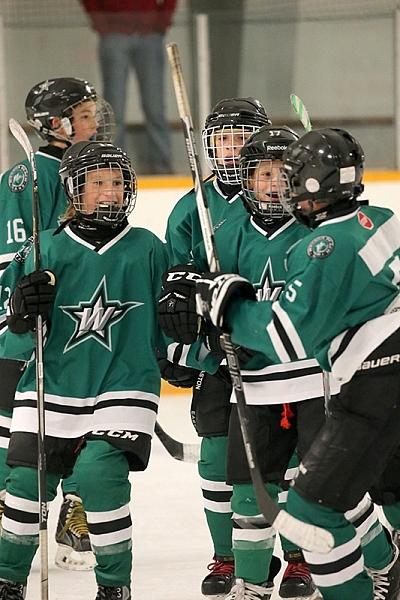
sports photography action hockey

At tournaments, these types of shots sell to parents.

1) The Celebration

Images of athletes celebrating are so popular because they show the height of emotion and sacrifice. The recent shot of the World Series winning Chicago Cubs is a fantastic example.

While this isn't an epic celebration parents love this type of shot.

While this isn’t an epic celebration parents love this type of shot.

2) The profile shot

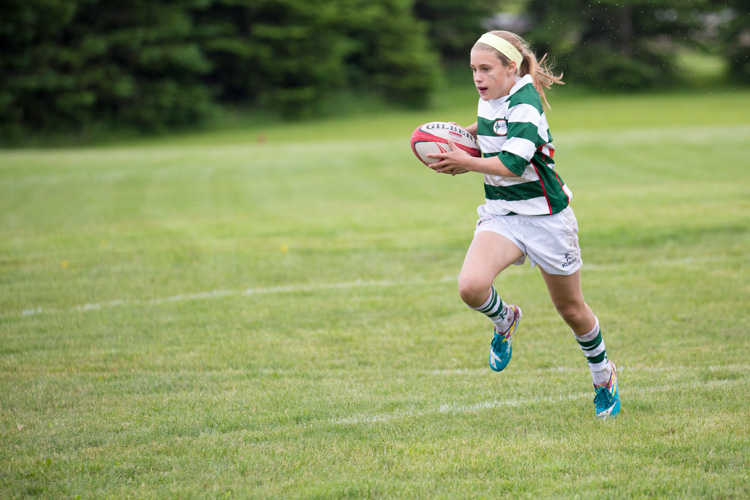
In this instance, you capture an image of an athlete in action. The shot shows the shape of their body as they compete and there is little to distract from the perfection of their form.

sports photography girl running

The water droplets are my favorite part of this shot even though most people won’t notice them.

3) The unusual occurrence shot

These are the unique moments in sports that only happen once. You won’t catch these types of shots very often but when you do it’s a fantastic adrenaline rush.

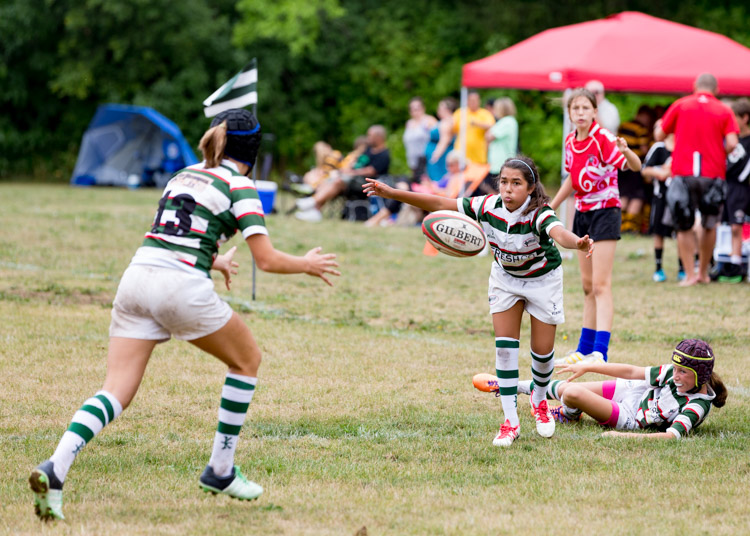
sports photography expressions

In this case, the facial expression and position of the girl’s arms and the ball make for a unique shot.

I’m not saying that other shots won’t sell but the likely hood is far less. Sometimes the image falls into a category of its own. If you try to capture the majority of your images from these three categories then you are well on your way to earning an income from sports photography.

Don’t give up

Sports photography is an incredibly tough world to try and break into. You have to work so hard to get noticed. It’s also incredibly challenging and very physical. Be prepared for the ride of your life. You will have to push your camera and your body to their limits to keep up with these talented and very physical athletes.

So use every trick or tip you can find to rise above the rest and take those memorable shots. Leave any of your tips below and also share your favorite images.

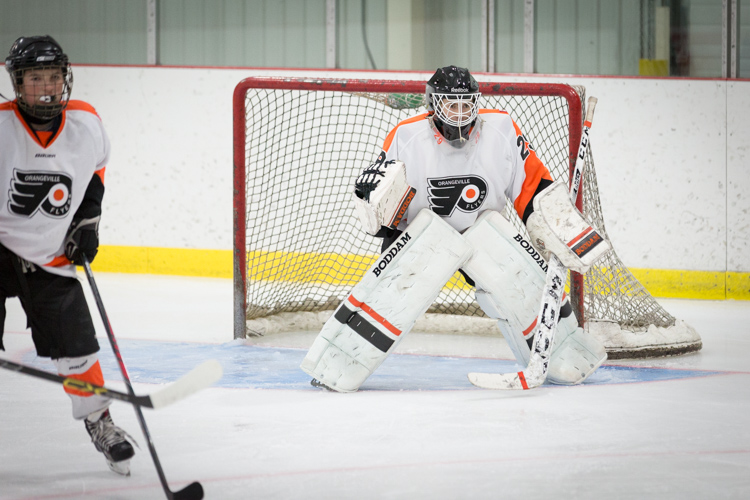
Capturing goalies is a real challenge. Usually, there's a lot of traffic in front of them.

Capturing goalies is a real challenge. Usually, there’s a lot of traffic in front of them.

googletag.cmd.push(function() {
tablet_slots.push( googletag.defineSlot( “/1005424/_dPSv4_tab-all-article-bottom_(300×250)”, [300, 250], “pb-ad-78623” ).addService( googletag.pubads() ) ); } );

googletag.cmd.push(function() {
mobile_slots.push( googletag.defineSlot( “/1005424/_dPSv4_mob-all-article-bottom_(300×250)”, [300, 250], “pb-ad-78158” ).addService( googletag.pubads() ) ); } );

The post Tips from the Sports Photography Pros to Help You Get the Money Shots by Erin Fitzgibbon appeared first on Digital Photography School.


Digital Photography School
 
Comments Off on Tips from the Sports Photography Pros to Help You Get the Money Shots

Posted in Photography


SeaLife’s DC2000 underwater camera sports a 1″ sensor and dives 60m deep

24 Nov

Underwater camera maker SeaLife has launched the DC2000, a 1″ 20MP compact with a waterproof housing rated to 60m / 200ft. The DC2000 is available for pre-order and comes alone or as part of three different sets with lighting equipment bundled.

The DC2000 uses a 1″-type backside-illuminated 20MP Sony CMOS sensor and supports video recording at up to 1080/60p. This is joined by a 31mm equiv. F1.8 7-element aspheric lens that can be paired with an optional wide-angle 110-degree fisheye lens or compact wide-angle 90-degree lens. 

The DC2000 camera is paired with an underwater housing made specifically for the model; it supports water depths as deep as 60m / 200ft. Four underwater camera modes are available with integrated color corrections: external flash, external light, dive, and snorkel. These are joined by 25 ‘Land Scene’ modes for shooting on land. Pre-shooting, time lapse, GIF, and continuous burst mode are also available.

According to SeaLife, the DC2000 features sensor-shift image stabilization, support for shooting in both DNG Raw and JPEG, and a dial for manually selecting one of eight shooting modes. Features can also be accessed via the 3″ 920k-dot rear LCD. Finally, content is stored to an SD card.

SeaLife is offering the DC2000 camera as part of three sets:

  • DC2000 Pro Light with a Sea Dragon 2500 COB LED Light ($ 1100)
  • DC2000 Pro Flash with a Sea Dragon Flash ($ 1000)
  • DC2000 Pro Duo with a Sea Dragon Flash and 2300 Auto LED Light ($ 1400)

The DC2000 camera without lighting accessories is priced at $ 700. All four products are available for pre-order now through select retailers including B&H Photo. 

Articles: Digital Photography Review (dpreview.com)

 
Comments Off on SeaLife’s DC2000 underwater camera sports a 1″ sensor and dives 60m deep

Posted in Uncategorized