RSS
 

Posts Tagged ‘special’

How to Use Plastic Wrap to Create Neat Color Special Effects

26 Sep

In this article I’ll show you how to use a common household item, plastic wrap, to make creative images with colored filter special effects.

Plastic wrap (a blanket term for Saran Wrap, Glad Wrap and Cling Wrap) is a clear plastic film typically sold in rolls or boxes with a serrated edge. Usually used for sealing food items like sandwiches to keep them fresh for longer, plastic wrap is an incredibly versatile material. Great for a picnic or practical jokes, it’s also a useful tool for creative photography.

If you’re looking to add something a little different to your portfolio, plastic wrap is a simple, low-cost option. Using a rubber band, a camera, and some markers, you can easily create a colored filter out of plastic wrap – adding an experimental edge to your photographic repertoire.

How to Use Plastic Wrap to Create Neat Color Special Effects

The science

Like many great scientific discoveries, plastic wrap was discovered by accident. Ralph Wiley, a lab worker at The DOW Chemical Company was having trouble washing out a beaker which contained a substance he couldn’t scrub clean. He called the substance “Eonite” named after an indestructible substance created by chemist Eli Eon in the Little Orphan Annie comic book strip. DOW researchers adopted the substance, using it to create a greasy, dark green film they called “Saran” and shared it with the military to spray on fighter jets as a guard against sea spray.

How to Use Plastic Wrap to Create Neat Color special Effects

A very subtle red and blue colored filter adds a little color to this image of a Ferris wheel.

Saran works by polymerizing vinylidene chloride with acrylic esters and unsaturated carboxyl groups to create chains of vinylidene chloride. What does that mean? Simply put, the process results in a film with molecules bound so tightly that very little can penetrate it. The chemists at DOW eventually removed Saran’s green color. They also removed an unpleasant odor the Saran emitted when exposed to oxygen. It was first sold for household use in 1953.

How to Use Plastic Wrap to Create Neat Color special Effects

A surreal green shade created with a plastic wrap filter colored with green marker.

Plastic wrap in art

While handy in the lunchbox or fridge, plastic wrap is also a great material to experiment with creatively. Artists have used plastic wrap in sculpture, painting and as a prop for photography. Many well-known fashion designers have created clothing from layers of plastic cling film for the runway.

Because of its relatively clear composition, plastic wrap is great for forming a barrier between your camera lens and foreign materials. Recently, I applied a layer of Vaseline to plastic wrap stretched over the front of my camera lens. The result was a fine, misty effect without the agony of a greasy camera.

How to Use Plastic Wrap to Create Neat Color special Effects

This image was captured using plastic wrap over the lens with a red section on the upper half and a green colored portion below.

Creating a colored special effects filter

You will need:

  • A piece of plastic wrap at least 30cm in length and width.
  • Camera and lens.
  • Permanent markers.
  • A few rubber bands.

Adding color

To create a colored filter for your camera, first you will need to add some color to your plastic wrap! The easiest way to do this is to stretch the plastic wrap over your lens and color in the plastic within the circle. However, this method is a little risky. If the plastic wrap is pierced, you will end up drawing on your lens or lens protector (cap).

Instead, take your lens cap or lens and place it on the plastic wrap. Trace a circle around the outside. Now you’ll know where you should color your plastic wrap to get full coverage of the lens. To minimize the use of plastic here, you can trace multiple outlines of your lens on the same sheet of plastic wrap as I’ve done below.

How to Use Plastic Wrap to Create Neat Color special Effects

Use the same sheet of plastic wrap to create different effects, making it easier to keep for later and minimizing waste.

Finally, add color to the sectioned-off portion of plastic wrap, make sure you use quality permanent markers. Low-quality texters won’t leave any visible color on the plastic wrap and the ink from non-permanent markers simply slides off the plastic (onto your hands or something worse).

You can color in your circles any way you would like. For a full effect, color in the whole interior of the marked out circle with one or two colors. For a softer gradient, draw a light squiggle. You can color in the center of the circle and leave the perimeter clear, or vice versa. Don’t be afraid to experiment here!

How to Use Plastic Wrap to Create Neat Color special Effects

The effect of a portion of plastic wrap colored entirely green and placed over the front of the lens.

How to Use Plastic Wrap to Create Neat Color Effects

Coloring only the outer perimeter of the plastic wrap filter produces a fish-eye effect.

How to Use Plastic Wrap to Create Neat Color special Effects

Create an eerie atmosphere with a thick layer of red permanent marker.

Time to photograph

When you are happy with the colors of your circles, select one and lay it carefully over the front of your lens. Fix the filter in place with a rubber band, but don’t pull the plastic wrap too tightly or it will split.

When the filter is fixed properly to the lens, it’s time to get photographing. Because your camera will have difficulty focusing with the layer of colored plastic wrap in the frame, you should use manual focus over automatic. Because the filter will cut down the light reaching your sensor, you may also need to increase your exposure time or adjust your aperture accordingly.

Also, be sure to check the rubber band is fitted snugly around your lens. You don’t want it to come flying off, especially when photographing portraits!

How to Use Plastic Wrap to Create Neat Color special Effects

How to Use Plastic Wrap to Create Neat Color Effects

Using colored plastic wrap can add an effect imitating the light leaks produced with partially exposed film.

Finishing up

Once you are happy with your photos, take them back to have a look on your computer. As I mentioned before, the filer may cut down the amount of light reaching your sensor. This could result in photographs that lack contrast. Photoshop is your friend here.

Open your images in Photoshop and adjust the Curves layer to increase contrast. For more intense colors you may also want to adjust the Vibrance and Saturation of the image with the Vibrance and Saturation tool.

How to Use Plastic Wrap to Create Neat Color Effects

Adjust the Curves tool for more contrast in your images.

How to Use Plastic Wrap to Create Neat Color Effects

Adjust the Vibrance and Saturation tool for more intense colors.

Your Turn

Once you’ve got some quirky plastic wrap photos, please share them in the comments below. And remember to keep your filters for later. You never know when you might need them. Fold them down or scrunch them into a loose ball, they last for ages. Have fun.

How to Use Plastic Wrap to Create Neat Color Effects

An apocalyptic scene created with red ink that completely covers the plastic wrap filter.

How to Use Plastic Wrap to Create Neat Color Effects

How to Use Plastic Wrap to Create Neat Color Effects

Loosely fixing colored plastic wrap to the lens, mirrors the view through a window on a rainy day.

Pulling the plastic wrap taut reduces glare.

An image with a slower shutter speed creates light trails as if looking through a window with raindrops on the outside.

The post How to Use Plastic Wrap to Create Neat Color Special Effects by Megan Kennedy appeared first on Digital Photography School.


Digital Photography School

 
Comments Off on How to Use Plastic Wrap to Create Neat Color Special Effects

Posted in Photography


Impossible launches special edition Polaroid 600 and metallic frame color film

14 Jun

Impossible has released a special edition of its Polaroid 600 instant camera with a two-tone black and white design. The new model is an online-shop exclusive and will set you back $ 179 in the US or €149 in Europe.

In addition, the company has revealed the Metallic Frame Edition color film pack for 600-type cameras which places your analogue instant photos into shimmering foil frames of different colors. Each photo in the pack of eight features a different colored metallic frame, including gold, blue, purple and pink. The Metallic Frame Edition film pack is $ 24.49 in the US and €21.00 in Europe. More information is available on the Impossible website.

Press Release:

CAPTURE THE MAGIC OF SUMMER WITH IMPOSSIBLE

Impossible curate a selection of instant cameras and vibrant frames that will help you capture the essence of summer

Summer is the perfect time to go outside and start shooting. As the weather gets warmer and the days get longer, there’s no better time to get armed with an instant camera and film from Impossible, to help you chase the magic of summer light. Shooting with instant film is all about slowing down, producing something tangible that can be shared – taking time out from the world of all things digital. Impossible now offer a range of styles for both beginners and avid photographers alike, this carefully curated selection of vivid frames and classic Polaroid® cameras will allow you to leave reality behind for just a moment and escape into the hazy hot days, and long balmy nights.

ALL THE COLORS OF THE RAINBOW, BUT METALLIC.
The latest release in our popular colorful frame series, Impossible has created the Metallic Frame Edition color film pack for 600-type cameras, placing your analog instant photos in a range of shimmering foil frames. Each photo in the pack of eight film features a different colored metallic frame, from gold and blue to purple and pink. You never know which color you’ll get next, making this the perfect pack for creating instant photos with a touch of chance this summer. Films priced at £18.99/€21.00/$ 24.49

IT’S ALL ABOUT MINT AND PINK THIS SUMMER.
Expanding Impossible’s Special Edition film series, this release has been specially created for use with Polaroid® 600 type and Impossible I-type cameras. First up, Impossible offers the original format color instant film in a bold and blushed Hot Pink that’s perfect for summer days and hazy nights. This is countered by the cooler tones of the Mint frame edition which provides an ideal palette for seaside scenes and nature photography.This release continues in the spirit of summer, allowing you to create unique and fresh photos for every occasion this season. Films priced at £18.99/€21.00/$ 24.49

A CLASSIC CAMERA WITH A MONOCHROME TWIST.
Offering a monochrome twist to the original Polaroid® camera, Impossible’s special edition Polaroid® 600 Two-Tone Black & White elevates the playful point-and-shoot classic with a custom black & white finish. Stand out from the crowd this summer and make real photos with a Polaroid® camera you’ll want to take everywhere, every day, for every occasion. 600 type is the perfect camera for anyone who’s just getting started with instant photography. Cameras priced at £129.00/€149.00/$ 179.00
http://www.impossible-project.com

Articles: Digital Photography Review (dpreview.com)

 
Comments Off on Impossible launches special edition Polaroid 600 and metallic frame color film

Posted in Uncategorized


Impossible Project launches special edition Two-Tone B&W Polaroid 600 camera

20 May

Impossible Project has announced the launch of a ‘strictly limited edition’ Two-Tone Black and White Polaroid 600 camera. This camera is a refurbished original Polaroid 600 redesigned with a custom two-tone paint job, according to the company, and it is exclusively available via the Impossible Project website.

In describing its new Polaroid 600 special edition camera, Impossible Project explains, ‘The new camera celebrates the work of the photographers and artists who have perfected the monochrome palettes – names like Robert Longo, Ansel Adams and Eva Rothschild.’ The new model is priced at $ 179; it isn’t clear how many units are available.

Via: PhotographyBLOG

Articles: Digital Photography Review (dpreview.com)

 
Comments Off on Impossible Project launches special edition Two-Tone B&W Polaroid 600 camera

Posted in Uncategorized


Nikon Museum 100th Anniversary Special Exhibition showcases prototype cameras

12 Apr

The Nikon Museum has launched its second 100th Anniversary Special Exhibition called ‘Prototype Cameras — Developers’ Memories.’ This exhibit, which will be running from April 4th through July 1st, showcases about 40 of the maker’s prototype cameras spanning dates from the 1940s through the 1980s, including its notable Nikon Model I Prototype 1 unit.

This exhibition includes rare prototypes of cameras that never entered mass production, says Nikon, giving the general public a chance to check out cameras otherwise sealed away from public view. The museum is also offering special commentaries for the Nikon F3 prototype and the Nikon F prototype from 1975 and 1957, respectively. Those commentaries are by Nikon’s Imaging Product R&D Laboratory lab manager Tetsuro Goto.

The Nikon Museum is located in Shinagawa, Tokyo. Those unable to make the trip in person can check out photos of the museum and the prototype exhibition here.

Via: NikonRumors

Articles: Digital Photography Review (dpreview.com)

 
Comments Off on Nikon Museum 100th Anniversary Special Exhibition showcases prototype cameras

Posted in Uncategorized


CP+ 2017: Not special enough for you? Nikon shows off 100th Anniversary D5 and D500

25 Feb

CP+ 2017: Nikon shows off 100th Anniversary D5 and D500

Nikon is celebrating its 100th anniversary this year, and as part of the celebrations, the company has unveiled special editions of its professional D5 and D500, alongside the ‘holy trinity’ of F2.8 zooms.

Here’s the D5, in its special gunmetal finish and special gunmetal flight case, with special body cap, special shoulder strap and special booklet, full (presumably) of special information.

CP+ 2017: Nikon shows off 100th Anniversary D5 and D500

As special editions go, this one is admirably restrained.

CP+ 2017: Nikon shows off 100th Anniversary D5 and D500

Here’s a boring old normal D5 (yawn) pictured with the special 100th anniversary strap. Nikon has released precisely zero information about any of these special editions and accessories as far as we can tell, so it’s unclear whether this strap will be available for general sale. 

CP+ 2017: Nikon shows off 100th Anniversary D5 and D500

Not to be left out, here’s the D5’s baby brother, the D500 in a matching gunmetal finish, inside a matching, but slightly smaller gunmetal flight case. So special. So limited. 

CP+ 2017: Nikon shows off 100th Anniversary D5 and D500

Bow down before the ‘holy trinity’. Here are the 14-24mm F2.8, 24-70mm F2.8 and new 70-200mm F2.8E, in matching special finishes, in a matching special flight case. Even the hoods look like they’ve been given a lighter finish, but its very hard to tell from behind the glass display case. At any rate, it’s special. There’s absolutely no doubt about that. 

CP+ 2017: Nikon shows off 100th Anniversary D5 and D500

Again, we have no idea whether this exploded 70-200mm F2.8E will be available to purchase as a collectable item, and if so how much you’ll pay. We’d hope it will cost considerably less than the regular lens though, because this very special anniversary edition is entirely useless for photography. Why? Because it’s been cut in…

Sorry, wrong article.

CP+ 2017: Nikon shows off 100th Anniversary D5 and D500

As part of its 100th anniversary, Nikon is (literally) showcasing some key products from the past 100 years. The original Nikon F is in there, alongside an F4 and a Nikonos, and of course the D1. Also included is a Df. Maybe by the time Nikon’s 200th anniversary comes around they’ll have released a Df2.

Articles: Digital Photography Review (dpreview.com)

 
Comments Off on CP+ 2017: Not special enough for you? Nikon shows off 100th Anniversary D5 and D500

Posted in Uncategorized


Phase One and LogicKeyboard launch special Mac keyboard for Capture One Pro 10

14 Feb

Phase One has teamed up with LogicKeyboard to launch a special keyboard designed specifically for its Capture One Pro software (macOS version only). The new offering is an Apple Pro Keyboard with an ultra-thin anodized aluminum enclosure overlaid with a color-coded key mapping layout, giving users quick access Capture One Pro software shortcuts.

According to Phase One, the special keyboard layout included on this Apple Pro keyboard was designed using Phase One Certified Professional (POCP) feedback. As explained in the video below, this color-coded shortcut layout aims to increase user efficiency when editing photographs, therefore reducing the amount of time needed, thus increasing productivity and reducing costs.

Phase One dealers around the world are now offering the Capture One Pro Keyboard from LogicKeyboard for $ 139/€129 with support for three languages: German, American English and British English. Other language support, however, is available via special request.

Articles: Digital Photography Review (dpreview.com)

 
Comments Off on Phase One and LogicKeyboard launch special Mac keyboard for Capture One Pro 10

Posted in Uncategorized


DJI’s special Chinese New Year edition Phantom 4 celebrates the Year of the Rooster

05 Jan

$ (document).ready(function() { SampleGalleryV2({“containerId”:”embeddedSampleGallery_0261901675″,”galleryId”:”0261901675″,”isEmbeddedWidget”:true,”standalone”:false,”selectedImageIndex”:0,”startInCommentsView”:false,”isMobile”:false}) });

DJI is celebrating the Chinese New Year with a brightly colored, special edition Phantom 4. The drone features bright red body work and propeller blades, which may prove easier to see against a bright sky than the regular white Phantom 4. The drone and controller also feature vivid artwork from designer and illustrator Martin Sati, with a phoenix as the symbolic centerpiece.

Pricing starts at $ 1,199. The special edition drone will only be sold during Chinese New Year, so now’s the time to order one if it strikes your fancy.

n celebration of Chinese New Year, DJI invited renowned illustrator and designer Martin Sati to customize the Phantom 4, adding colors and his imagination to this flagship DJI product. Sati’s design features the phoenix as the centerpiece, a symbol of good fortune and happiness in Chinese mythology. He also drew inspiration from the four basic elements of nature – air, fire, water and earth – and reflected each of these elements in his design.

The Phantom 4 Chinese New Year Edition houses the same on-board intelligence that make piloting and shooting great shots simple through features like its Obstacle Sensing System, ActiveTrack and TapFly functionality. With 4K video recording, 3-axis camera stabilization, advanced computer vision and sensing technology, aerial imaging has never been so easy. The Phantom 4 also has DJI’s signature Lightbridge video transmission system onboard, allowing users to see what their camera sees in HD and in real-time at a distance up to 5 kilometers (3.1 miles). The Phantom 4 can achieve up to 28 minutes of flight time.

The Phantom 4 Chinese New Year Edition’s U.S. retail price is USD1,199 and will be sold exclusively at Apple Stores, DJI Flagship Stores (except Korea), DJI Online Store and Tmall DJI Store. The product will start shipping from January 23.

For more info, visit: http://store.dji.com/product/phantom-4-chinese-new-year-edition

Articles: Digital Photography Review (dpreview.com)

 
Comments Off on DJI’s special Chinese New Year edition Phantom 4 celebrates the Year of the Rooster

Posted in Uncategorized


The range of light: what made one of Ansel’s most famous books so special

22 Oct
 
Continuing his video series, Marc Silber of Advancing Your Photography interviews Ansel Adams’ son Michael in Ansel’s home. In this episode they discuss Ansel’s book ‘The Range of Light’ which contains some of Ansel’s most famous images from Yosemite and the Sierra Nevada. They also discuss Ansel’s thoughts on how to develop your skill set as a photographer. Michael says that Ansel would have encouraged new photographers to ‘photograph, experiment and to try new things.’ 

Articles: Digital Photography Review (dpreview.com)

 
Comments Off on The range of light: what made one of Ansel’s most famous books so special

Posted in Uncategorized


What’s special about the Lensbaby Velvet 56 and is it for you?

17 Oct

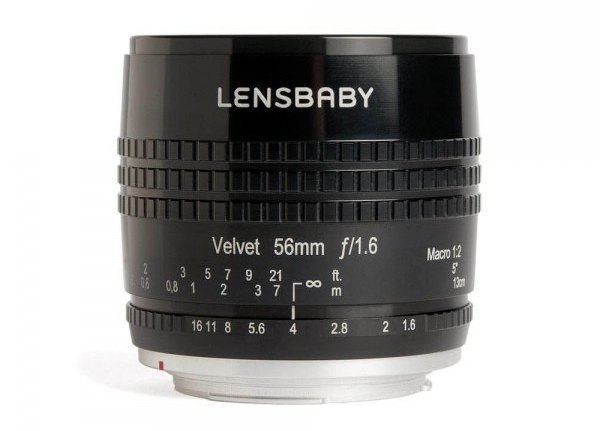
Usually, when you buy a new lens you are trying to get a wider angle or maybe more of a telephoto view, but with some lenses, you are trying to get more of a special effect. The Lensbaby Velvet 56 lens (price it out on Amazon.com or B&H Photo) is one of those. You can almost get normal images, but it is far better for giving you soft focus ones, not to mention some great blurred backgrounds, or to give you the bokeh effect.

lensbaby-velvet-1

The Lensbaby Velvet 56

A portrait lens and more

If you look around at reviews you see it described everywhere more as a portrait lens, but it can be used for so much more. It is a 56mm fixed lens with manual focusing and you basically get a lens very similar to a 50mm, but with some differences.

There is a range of apertures from f/1.6 to f/16 and each one creates a different effect. When you use the widest, f/1.6, you get very soft images, and the more you close it down the sharper it gets. The wider settings help you get that soft focus and bokeh look.

leanne-cole-lensbaby-velvet56-02

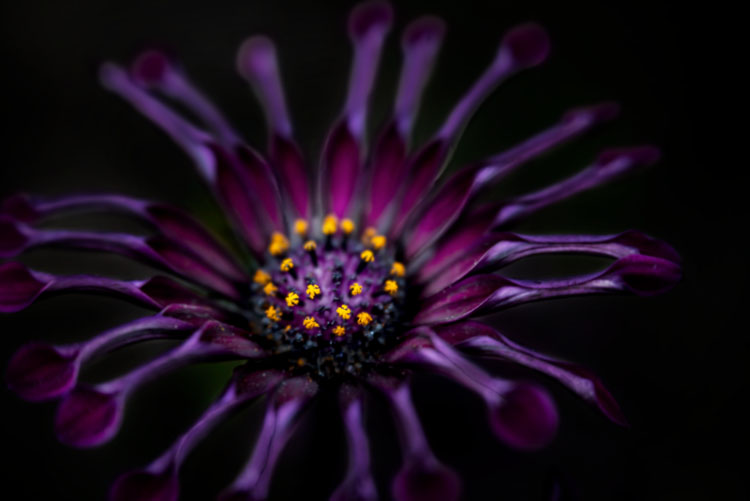
Flower from the garden.

Size and quality

It is reasonably compact, though made from metal it is heavier than other lenses in the same range. My Nikon 50mm f/1.8 lens is much lighter than the Velvet 56 f/1.6. You can tell when you are holding it that there is quite a bit of metal in it, as it ‘s cold to the touch. It is bigger than the Nikon lens, but not by much. It also has a very cool metal lens cap.

Painterly effects

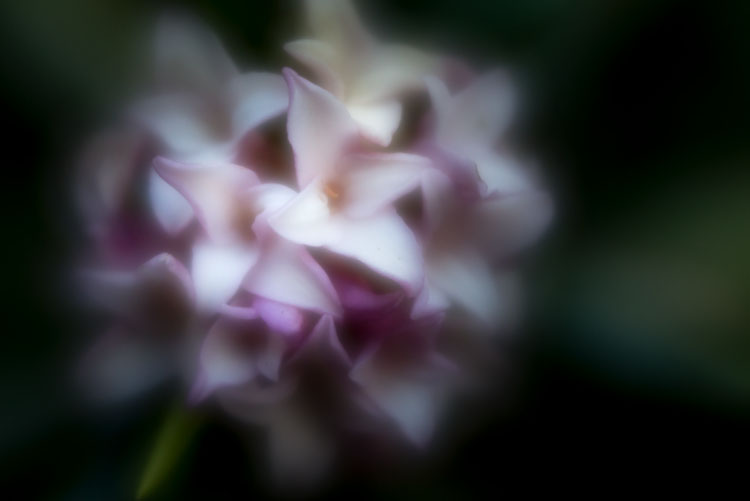
Without a doubt, this lens is known for its effects and one that is highly desirable is the painterly result. The wide apertures give images that look as though they were painted. Some say they can get the same type of image in Photoshop, but it would never have the same softness.

leanne-cole-lensbaby-velvet56-06

A flower shot with a wide aperture giving it a very soft focus look.

Works on a full frame or cropped sensor

It is a lens for a full frame camera, but that doesn’t mean you can’t use it with your cropped sensor if that is what you have. If you do have the latter, in theory, you should be able to get closer to your subject as well.

It is also available for a number of different mounts, so whether you have a DSLR or a mirrorless camera you can find it for your model.

The different apertures

As stated, each aperture gives you a different effect to your image. Play around with those. As you start changing them and closing down the aperture, the image in the viewfinder does start to get darker. It is because not as much light is coming through, however, it doesn’t affect your final image, as long as you have the correct exposure.

Your camera won’t recognize the lens and you will have to change the aperture the old fashioned way, with the aperture ring on the lens. This also means that when you look at your metadata on your computer you will have no idea what setting you used. If it is important then you should record it as you take photos.

leanne-cole-lensbaby-velvet56-03

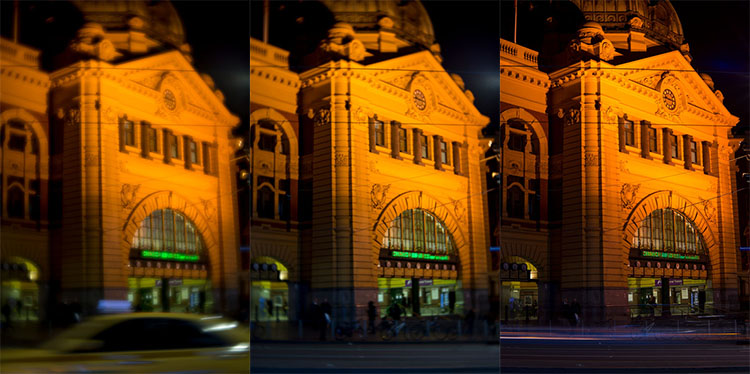
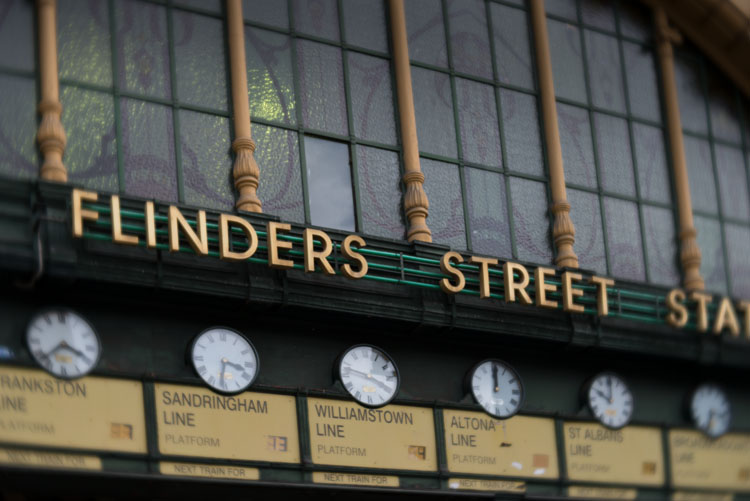
Flinders Street Station, with a wide aperture, then around f/8 and the third at f/16. See how the image slowly comes into focus.

Manual focusing

One of the aspects that a few people seem concerned about is that it’s a manual focus lens. Perhaps it is just the people that I hang around with, and as we are getting older our eyesight is affected. But having to manually focus is one thing that is (or seems) much harder.

It does take some getting used to, but it gets easier the more you do it. With most macro lenses you always seem to get the best results when you manually focus, though, so perhaps that shouldn’t be considered an issue.

When you are using wide apertures, even with macros, you are going to get very soft images which will mean you will never get very sharp images with this lens. In some ways, that can make it a lot easier to focus as the sharpness isn’t as important. This is how you get the painterly effect.

leanne-cole-lensbaby-velvet56-07

A close up image of the clocks and sign of Flinders Street Station in Melbourne.

Landscapes

Doing distance shots can be tricky as everything can appear too blurry. You really need to play around with the aperture to get the best effect. However, as stated previously if you play around with them you can get more in focus. The downside is once you close it down you lose the special effect of the lens and the softness it creates.

In reality ,you wouldn’t really use this lens for landscapes or architecture. I would use it mostly for macro, it really shines for that. It is too soft for landscapes and architecture if you ask me. But people do it, and you get some great effects, but it is never going to work like a normal lens, which is the point I suppose.

What would you use the Lensbaby Velvet 56 for?

For many, it is a great lens for portraits. Photographing people and getting great bokeh behind the subject is very desirable. As most portraits are done in an intimate environment, meaning the photographer is very close to the subject, the softness of the lens can enhance that and add an artistic feel to the images.

Like portraiture, macro photography is another great use for the Lensbaby Velvet 56. You can get very close to flowers and can create some very painterly images using different apertures. The lens is also suitable for attaching extension tubes and close-up filters to use with it. I’ve used the extension tubes on it. Plus, from time to time, I put on a 5+ close-up filter on to allow me to get even closer.

When you are focusing on a subject, if it is further away than  3-4 meters (9.8-13.1 feet) then the lens will be focused at infinity. So you don’t have to worry about focusing for landscape or architecture shots, just twist the focus ring all the way to the right so it is on infinity and shoot. It is only when your subject is closer that you need to start manually focusing the lens more critically.

It is good to use the soft focus look on subjects up close. But it doesn’t look as good when objects are further away, like large buildings, though that may be something that you like, so it’s your call.

leanne-cole-lensbaby-velvet56-05

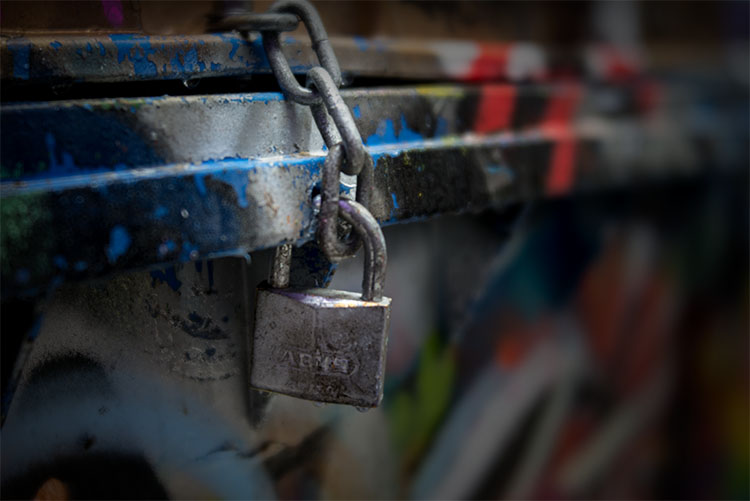
Using the aperture to focus on one part of the image, in this case, the lock and chain.

One of the things I have found with architecture and city shots it that while it does a great blurred effect, it can make the images seem busier than normal. While some may not like that, you could make it work for you. If you keep trying you can get some interesting images. You might even get images that give everything a tilt-shift look, so the city looks miniature.

It is about experimenting, trying on different subjects to see what works best for you and which you like the best.

leanne-cole-lensbaby-velvet56-04

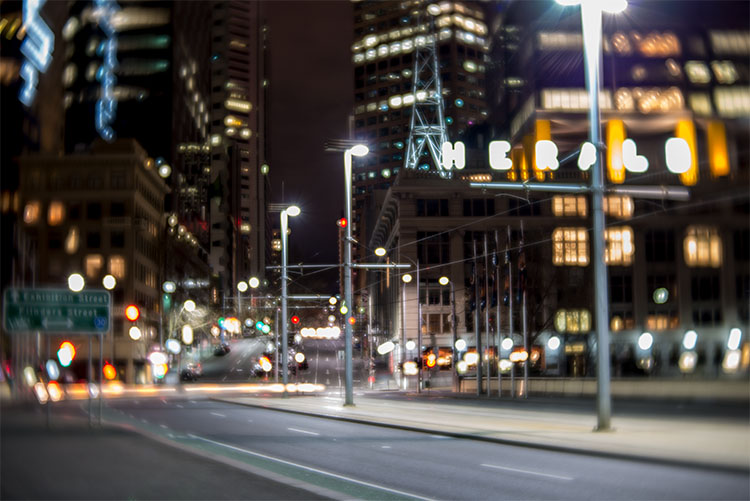
A night view of the city with the aperture opened up a little gives it an almosttilt-shiftt look.

The price

The price of most 50mm lenses are around two to three hundred dollars, whereas the Velvet 56mm is a bit more expensive, selling for around $ 500 USD. However, if you like the specific types of photography mentioned in this article, then the money spent on it would be worth it.

Is it for you?

There is no doubt that you have to get used to it, but most people will fall in love with the lens straight away. It is good to play and experiment with and the more you do, the more you will discover. It could be a great way to add something new to your photography. I think it is amazing, and I love using it for macro photography.

leanne-cole-lensbaby-velvet56-01

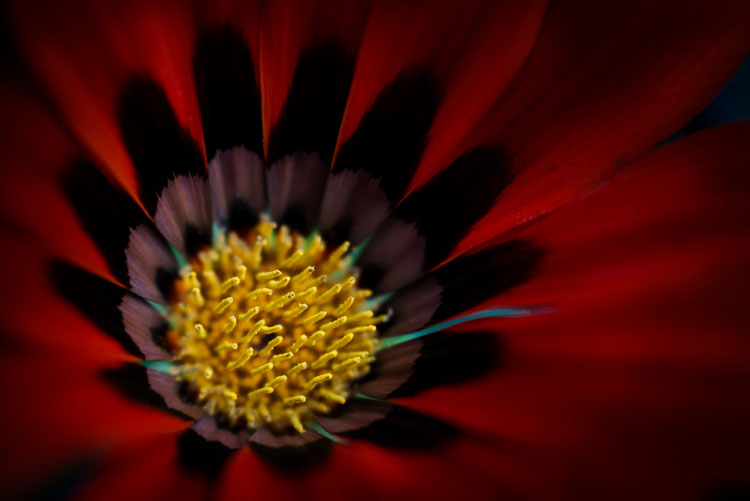
A flower photographed with the Velvet 56.

Have

googletag.cmd.push(function() {
tablet_slots.push( googletag.defineSlot( “/1005424/_dPSv4_tab-all-article-bottom_(300×250)”, [300, 250], “pb-ad-78623” ).addService( googletag.pubads() ) ); } );

googletag.cmd.push(function() {
mobile_slots.push( googletag.defineSlot( “/1005424/_dPSv4_mob-all-article-bottom_(300×250)”, [300, 250], “pb-ad-78158” ).addService( googletag.pubads() ) ); } );

The post What’s special about the Lensbaby Velvet 56 and is it for you? by Leanne Cole appeared first on Digital Photography School.


Digital Photography School

 
Comments Off on What’s special about the Lensbaby Velvet 56 and is it for you?

Posted in Photography


Leica announces special edition M-P in red table tennis bat rubber

13 Oct

$ (document).ready(function() { SampleGalleryV2({“containerId”:”embeddedSampleGallery_2345712356″,”galleryId”:”2345712356″,”isEmbeddedWidget”:true,”standalone”:false,”selectedImageIndex”:0,”startInCommentsView”:false,”isMobile”:false}) });

Leica is to introduce a special M-P (Typ 240) kit that has been designed by the artist Rolf Sachs. The bundle will include a Summilux-M 35mm f/1.4 ASPH lens and SF40 flash unit, and the body will be covered in the type of rubber usually reserved for table tennis bats. The red rubber will have the raised pips that table tennis players use to spin and control the ball, which Leica suggests will give the camera sure handling – and the nickname M-P ‘Grip’.

Sachs says on his website, ‘Our primary goal in designing the camera was driven by a utilitarian approach, seeking a specialist grip material that would respond to the scale of the camera with millimetre precision. Following in-depth research into materials that have strong ‘gripping’ properties and are traditionally applied in other manufacturing industries, we decided on a red ‘ping pong’ rubber, usually used on table tennis bats. This material adds practical tactility to the camera, while simultaneously creating an entirely new haptic experience.’

Not only is the body-cover red, but the company has used red paint in the engraved markings on the top plate dials as well as on the distance scale and focal length markings on the barrel of the lens.

The camera, lens and flash kit will come in a hard carry case and will be accompanied by a pair of brushes designed to keep the textured surface of the camera clean.

Only 79 kits will be produced world-wide, and when they become available in November they will be priced at $ 14,950/£12,500.

For more information see the Leica website.

Press Release:

Special edition: Leica M-P “grip” by Rolf Sachs

Legendary rangefinder technology meets creative design

In collaboration with artist and Leica photographer Rolf Sachs, Leica has unveiled a new special edition within its M-series camera portfolio: the Leica M-P (Typ 240) “grip” by Rolf Sachs.

This exclusive set comprises a Leica M-P camera body, together with a classic, fast Leica Summilux-M 35mm f/1.4 ASPH. lens, and unites the company’s legendary rangefinder technology with an exceptionally creative product design. With its unusual finish and striking choice of colour, combined with Leica’s classic camera styling, this unique set is destined to become a true collector’s item. The Leica M-P “grip” by Rolf Sachs special edition will be strictly limited to just 79 sets globally.

“For many photographers over many years, the Leica M has been a passionate love affair! Its functionality and iconic design attracts me as an artist and an avid user. I am thrilled to have the opportunity to ‘undress’ the camera and create a new look – surprising, as well as functional. Applying a material that has never been used before as an easy-to-grip camera surface created a striking aesthetic, and a unique tactility,” says Rolf Sachs.

With the Leica M-P “grip” by Rolf Sachs, the artist chose to modify several features of the Leica M-P rangefinder in black paint finish, delivering the unique style he envisaged for the camera. For the main body finish, Sachs selected a material that is most frequently used in the production of table tennis bats. Applied to the camera body, the raised red nubs of this rubber trim lend the otherwise subtle and simple appearance of the M a distinctive and extraordinary look and feel – while also creating a completely new haptic experience.

Several elements on the top plate have been harmonised with the colour scheme of the camera trim. The engravings on the accessory shoe, shutter speed dial, on/off switch, video button and shutter release button are highlighted in red, rather than the usual white.

A ‘Rolf Sachs’ logo graces the back of the top plate as the designer’s signature mark, while the individual special edition number of each camera is engraved on the hot shoe. Furthermore, the engraved settings on the lens are also partly accentuated in red.

The Leica M-P “grip” by Rolf Sachs set is presented in a hard black outdoor case containing the camera, the lens, a black cotton carrying strap and a Leica SF 40 flash unit. Also included in this limited edition set are a special brush for cleaning the rubber camera trim, as well as a high-quality brush and cloth to keep the exterior of the camera and lens in premium condition.

Delivering the same high performance and technical specifications of the equivalent production model, the Leica M-P “grip” by Rolf Sachs special edition offers the benefits of the latest Leica digital rangefinder system with its famously robust and enduring qualities.

With its moderate wide-angle properties and natural reproduction of perspectives, the Summilux-M 35mm f/1.4 ASPH. is one of the most versatile lenses in the Leica M-System portfolio. From selective focus in the close-up range to high-contrast available-light applications and landscape shots, with immense depth of field, the lens delivers exceptional results in any photographic situation.

The long-standing collaboration and strong relationship between Leica and Rolf Sachs is founded on a multitude of projects. Most recently, ‘Camera in Motion: from Chur to Tirano’, an impressive exhibition showing Sachs’ work shot with a Leica S, was displayed at the Leica Galleries in Salzburg and Wetzlar.

About Rolf Sachs

Rolf Sachs was born in Lausanne, Switzerland, in 1955. He studied in England and the USA, and found inspiration in the art around him from the early years of his youth, becoming an artist himself in the late nineteen-eighties. His creative genres include photography, sculpture, set-design and installations. Inspired by everyday objects and their materiality, he searches for the unusual and unconventional within them, and brings them to light in the unique conceptual expression of his multidisciplinary works.

Pricing and availability

The Leica M-P “grip” by Rolf Sachs special edition will be available at Leica Stores and selected authorised Leica dealers in the UK from November 2016, at a suggested retail price of £12,500 including VAT.

Articles: Digital Photography Review (dpreview.com)

 
Comments Off on Leica announces special edition M-P in red table tennis bat rubber

Posted in Uncategorized