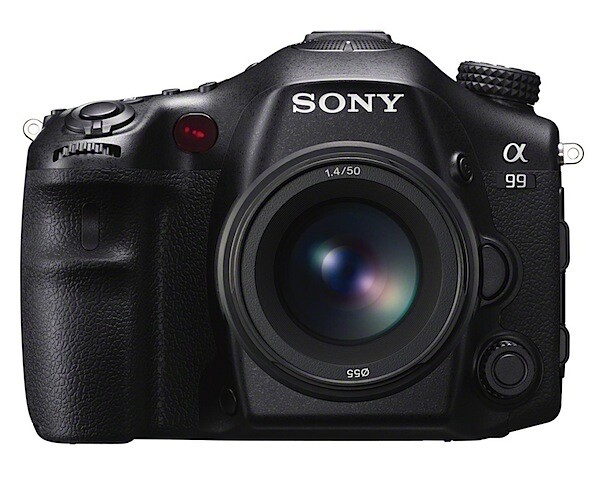
After a run of compact digicams it sure was a change of scenery to grasp this major one for review.
However, I was surprised at how easily I fell into its working modes. Am I getting more camera-wise or is the Alpha SLT-A99 more user-friendly?
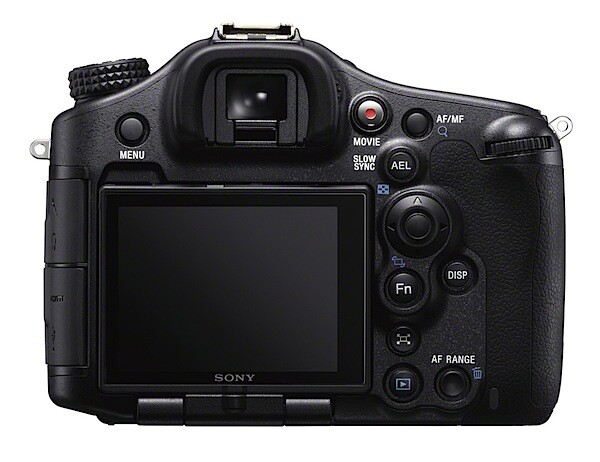
I suspect the latter because, when you run your eyes over the exterior control points everything seems to be where you would expect it, clearly labelled and easy to use.
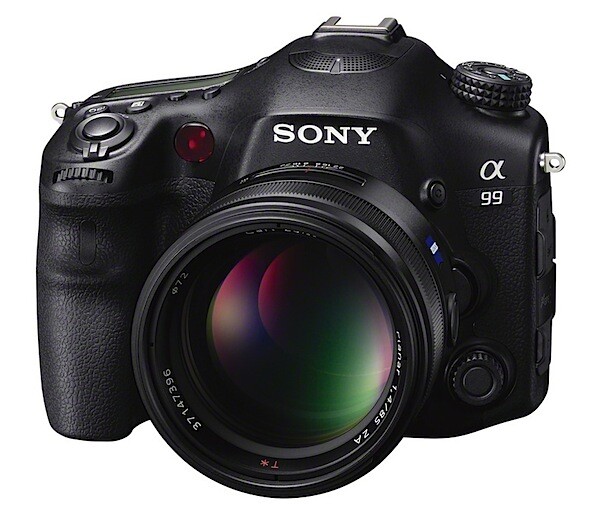
Sony Alpha SLT-A99 Features
At left on top is the mode dial with selection points for auto exposure, PASM, memory recall, scene selection (portrait, sports, sunset etc), sweep panorama, continuous shooting and movie recording options.
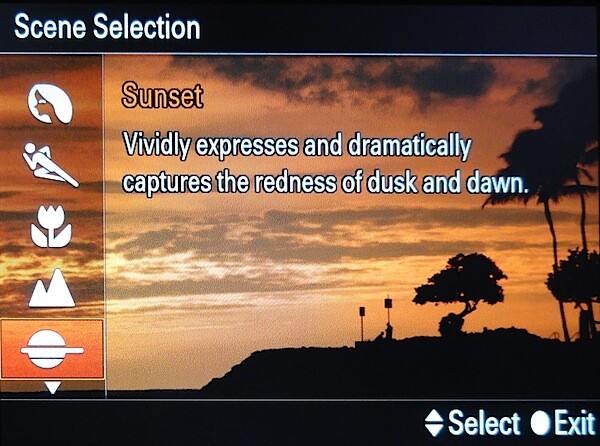
To the right of the top deck is the power lever, shutter button, exposure compensation, front control dial, exposure compensation, ISO setting, white balance and an LCD display.
Rear: the familiar red movie record button, exposure lock, multi selector lever, Function button, display selector, focus magnifier, menu etc.
All of this means, once you’re familiar with the camera’s control layout, you need rarely delve in to the LCD finder menu.
Sure, the camera’s heavy and bulky. It does have, after all, a full frame sensor. With the Carl Zeiss Vario-Sonnar f2.8/24-70mm lens the kit weighed in at 1.8kg. Not your average snapshot camera!
This is of course Sony’s first translucent mirror camera to have a full-frame 35mm CMOS sensor, measuring 35.8×23.8mm.

If you came in late, here’s a quick rundown of the SLT (Single Lens Translucent) feature: SLT stands for “Single Lens Translucent”, using a translucent mirror that allows roughly two thirds of the incoming light (the photo) to pass directly through it and onto the sensor; at the same time a smaller amount, approximately a third is reflected up to the camera’s phase detection autofocus (AF) sensor.
The mirror does not flip up as in an SLR, but stays in place; this reduces the time to take a photo, and provides fast, full-time phase detection AF.
The benefits include no mirror blackout, so no blackout when the shot is taken and faster shooting speeds … in this case up to 10 fps, depending on frame size (half or full frame).
The negatives include the fact that the finder view is electronic and while, of excellent quality, is comparatively dim and the view quality does not compare with an optical prism finder. Also, there is a light loss to the CMOS, about a third of an f stop.
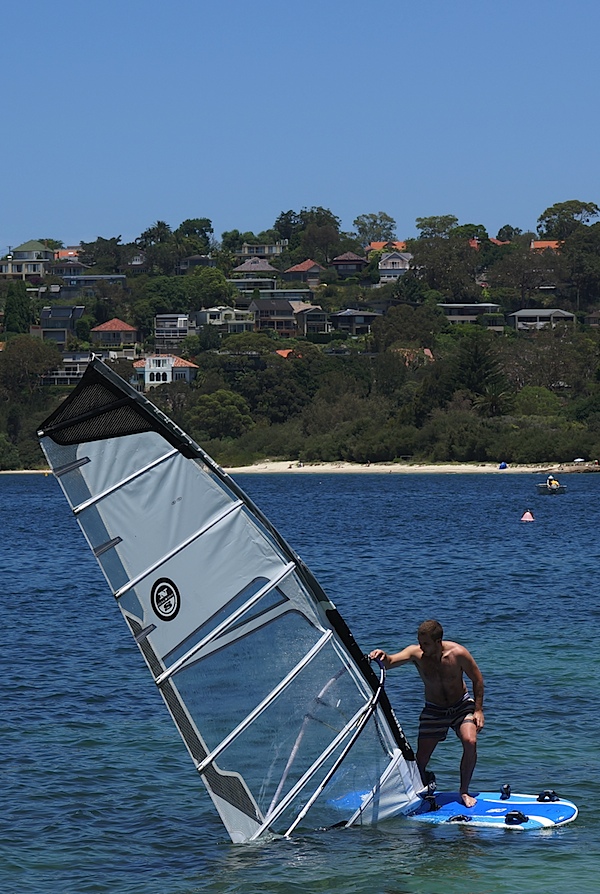
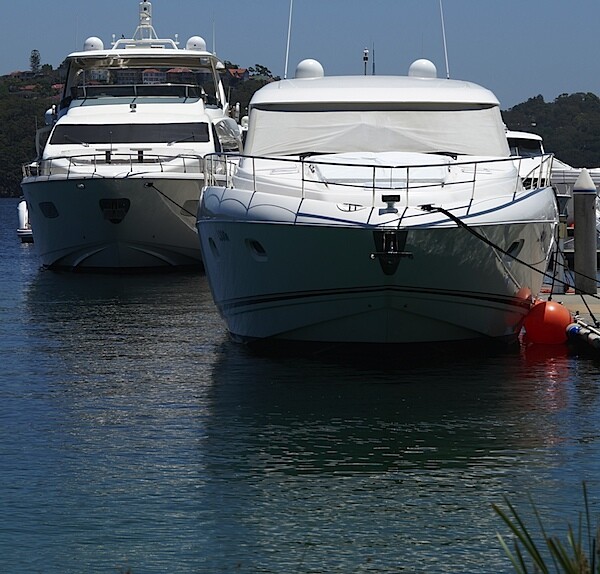
The body is made from high rigidity magnesium alloy panels. The SLT-A99 is also described as ‘the world’s first DSLR with professional movie recording capabilities’, which neatly puts it up against Canon’s much-acclaimed (by video shooters) EOS 5D Mark III.
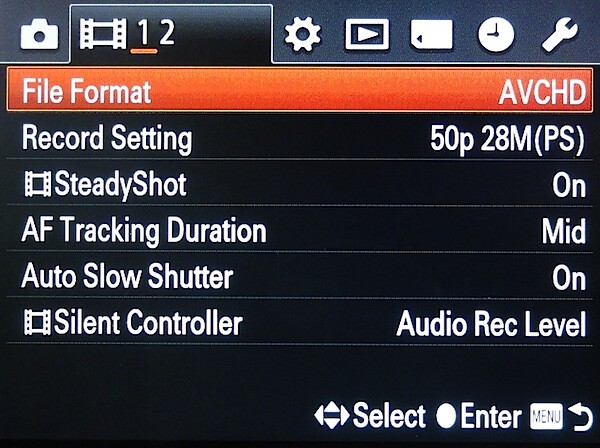
The maximum image size is 6000×4000 pixels, or as a 46x34cm print. Movies can be recored as Full HD 1920×1080 pixels in either AVCHD or MPEG 4.
Movie makers will appreciate a new feature that allows silent adjustment of exposure compensation, ISO sensitivity and metering methods, shutter speed, aperture and audio record levels during Full HD video capture.
I found that the video system works quite well with AF and auto exposure, monitoring the scene continuously; but you will notice it sometimes fail to track AF correctly. You can’t shoot stills while capturing video.
The auto focus system relies on a 19-point AF system with 11 cross sensors, complemented by a multi-point focal plane phase-detection AF sensor. Helping with moving subjects, this is complemented by a 102-point multi-point focal plane phase-detection AF sensor that senses subjects crossing the focal plane.
This new AF control helps by allowing users to set the distance range recognised by the AF system and is explained by Sony as the situation where you can focus on distant sports action, even if you shoot through a nearby wire mesh fence.
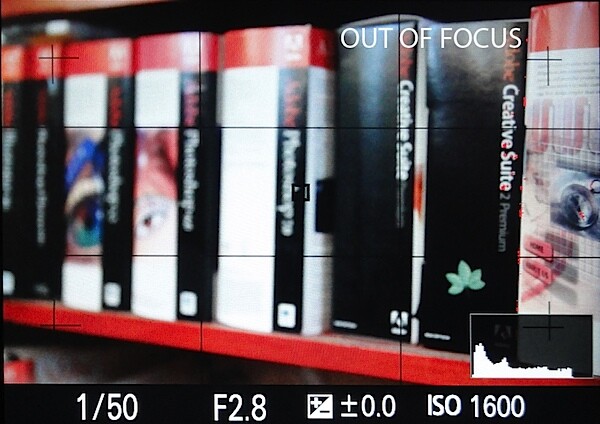
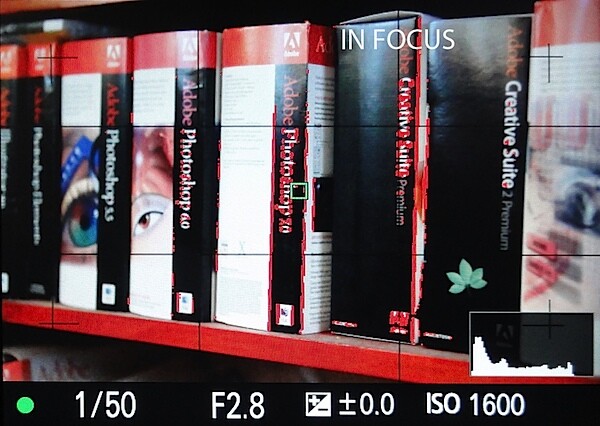
One feature that caught my eye is the manual focus mode, switchable on the left side (viewable from behind) of the lens barrel. If focus is out, the screen view is of course, out of focus; if in focus the sharp areas of the subject are outlined in a bright colour: the default hue is red. No excuses any more!
Appreciated by stills and video shooters, the LCD screen tilts 140 degrees upward and 180 degrees downward, then rotates 180 degrees clockwise and 90 degrees counter-clockwise. It is the only full frame DSLR with a vari-angle screen.
There are two card slots for either the SD series or the Memory Stick Pro Duo range. You can record the same image on one only or both cards simultaneously. Other options include writing JPEGs to one and RAW images to the other; another is to record stills to one card and movies to the other.
There is no onboard flash but there are still concessions to the less-skilled photographers who may embrace the SLT-A99: picture effect has an arsenal of renderings (toy camera look, pop colour, retro etc); smile shutter; auto portrait framing that crops face shots, saves the latter and the uncropped version.
Sony Alpha SLT-A99 ISO Tests

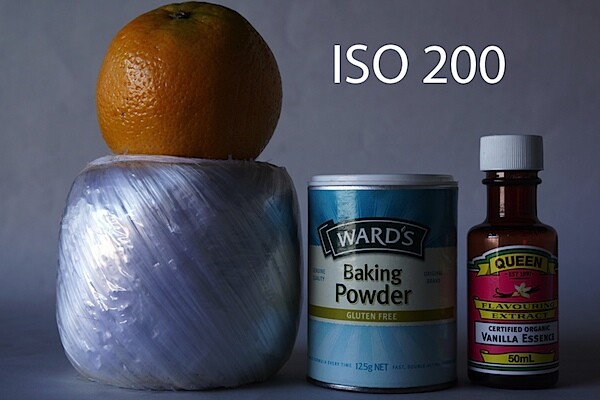
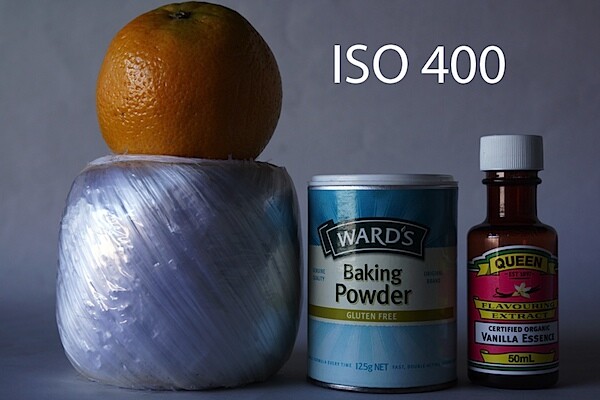
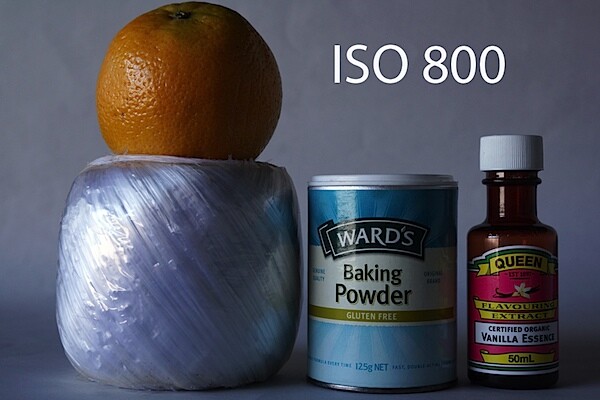
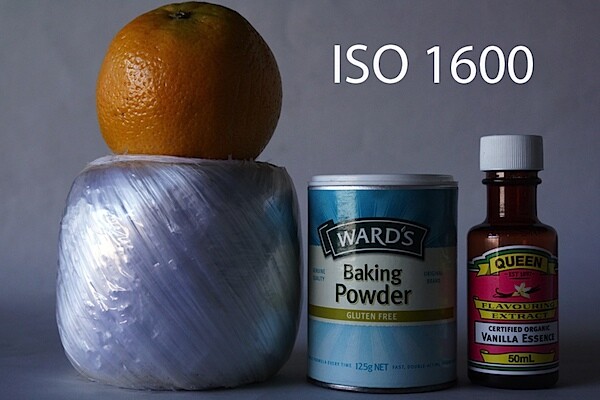
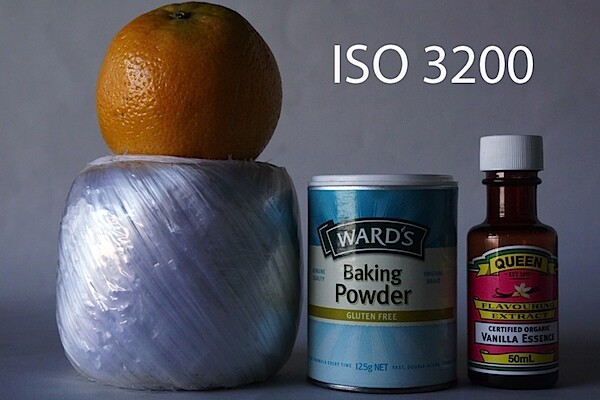
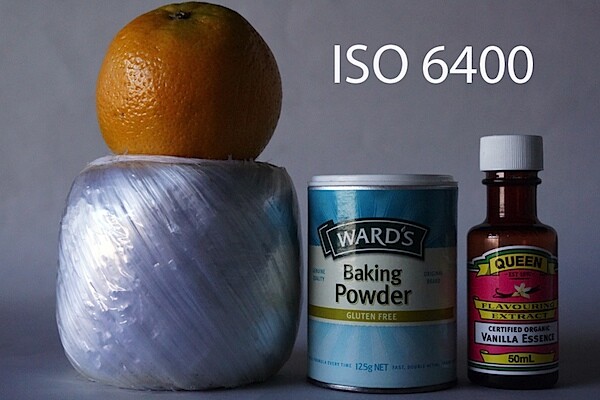
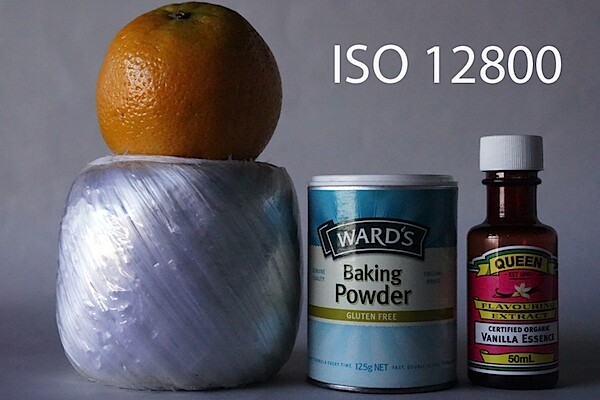
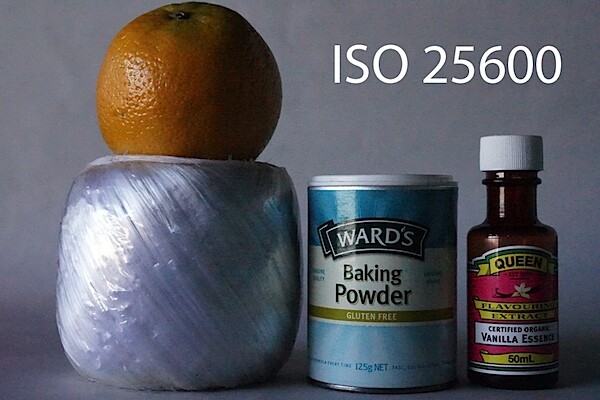
All the way up to ISO 12800, the images appeared to be very useable with only a slight increase in noise at the latter level. By ISO 25600 you would expect the house to fall down but, while the presence noise is obviously higher the only objectionable factor to me is a slight loss of sharpness.
Sony Alpha SLT-A99 Verdict
Quality: razor sharp, fully saturated colour. Exceptional.
Why you’d buy the Sony Alpha SLT-A99: excellent control layout; full frame quality; high speed continuous shooting; excellent video quality; rugged build; vari-angle LCD; GPS feature; in body stabiliser widens range of lenses.useable
Why you wouldn’t: too heavy.
A top performer from Sony.
Sony Alpha SLT-A99 Specifications
Image Sensor: 24.3 million effective pixels.
Metering: Multi segment, centre-weighted, spot.
Lens Mount: Sony A-mount, Konica-Minolta AF mount.
Exposure Modes: iAuto, Superior Auto, Program AE, shutter and aperture priority, manual.
Effective Sensor Size: 35.8×23.8mm CMOS.
35 SLR Lens Factor: 1x.
Shutter Speed (stills): 30 to 1/8000 second and Bulb. Flash sync: 1/250 sec.
Continuous Shooting: 8 or 10 fps.
Memory: SD/SDHC/SDXC, Memory Stick Pro Duo/Pro-HG Duo cards.
Image Sizes (pixels): Stills: 6000×4000 to 2640×1488.
Movies: 1920×1080 (60, 24fps), 1440×1080 (30 fps), 640×424 (29.97fps).
Viewfinder: Turret electronic plus 7.6cm LCD screen (1,229,000 pixels).
File Formats: JPEG, RAW (Sony ARW), JPEG+RAW, MPEG4, AVCHD.
Colour Space: sRGB, Adobe RGB.
ISO Sensitivity: Auto, 100 to 25,600.
Interface: USB 2.0, HDMI mini, remote.
Power: Rechargeable lithium ion battery, DC input.
Dimensions: 147x111x78 WHDmm.
Weight: 812 g (inc battery).
Price: Get a price on the Sony SLTA99V Alpha SLT-A99 Body Only.
Post originally from: Digital Photography Tips.
Check out our more Photography Tips at Photography Tips for Beginners, Portrait Photography Tips and Wedding Photography Tips.
Sony Alpha SLT-A99 REVIEW

Digital Photography School


