RSS
 

Posts Tagged ‘Some’

Winter is Coming: Here are some tips on what and where to shoot when it gets cold

10 Oct

Winter is Coming

Winter is only a month or two away and many photographers will find it challenging to press on through the dreary winter months; especially those of us that live in Seattle or other areas where wind, rain, sleet and snow pound the region for months on end.

In this article I’ve outlined some tips to keep your landscape photography fresh when the weather starts to head south.

Photograph Transitions

The transition between fall and winter offers up a unique opportunity to photograph fall color under a fresh dusting of snow. If the forecast is calling for snow toward the end of fall, head out and see what you can find!

The warmer colors of the fall leaves and foliage will be presented in stark contrast against the cold tones of the snow and can make for very interesting and dynamic images. The above image was taken in the central Cascade mountains of Washington state at the end of Fall.

Head to the Desert

This may sound like a weird tip, but if you have any sort of opportunity to visit the desert or the canyon lands of any kind during the winter, do it! Places like Bryce Canyon in Utah (pictured above) and the Grand Canyon in Arizona offer very unique conditions and compositions that the average tourist won’t get to see during the summer months.

Snow can add a nice color contrast to the desert landscape and can also add soft textures to the arid environment. As an added bonus you won’t have to deal with the crazy crowds and 100 degree temperatures.

Icy Waterfalls

Shooting waterfalls during the winter months can often times make even popular and well shot locations look refreshing and new. Multnomah falls is one of the most recognizable waterfalls in Oregon and even it can take on a different appearance during the winter.

The frozen spray from the falls can add some really nice textures and visual elements to your images. The snow can also contrast well with the icy blue water flowing over the falls.

  • If you plan to shoot waterfalls or any sort of moving water during the winter definitely invest in a good set of micro-spikes (for traction) to give you an extra edge for hiking and climbing.
  • Trekking poles (your tripod can work in a pinch) are also a great idea to help with stability and balance while transversing icy terrain. 
  • If your tripod comes with metal spikes or feet it’s always good idea to bring them along as they may work better (or worse) depending upon conditions.
  • Hip-waders and Gortex can definitely help keep you dry and comfortable.

Let’s face it, slipping and falling into a river or on a rocky slope isn’t something you really want to do in cold weather.

The Mountains are Calling

Snow and the winter weather that comes with it can really add depth and layers to your images. Heading to the mountains with a longer focal length lens can really help to emphasize winter weather conditions such as fresh snow, low clouds and fog. 

When the weather looks to be heading south I love to head up to the mountains to check out how the conditions are shaping up for sunset and sunrise.

  • Bring waterproof and breathable layers, snow shoes and any other supplies that you may need when you find yourself hiking in cold conditions.
  • Packing a Jet Boil (or another source of heat) and some instant meals can be a lifesaver if you’re in a pinch.
  • A GPS can be your best friend if your tracks get covered by fresh snow.
  • Check the weather forecasts often and do some research to ensure that you don’t find yourself in the wrong place at the wrong time.

Chase the Storms

The sunsets that often follow winter storms can offer some of the most intense and gorgeous light that you can capture. To really take advantage of this try heading to the coast just as a low pressure system has begun to move on shore. It takes a bit of planning but the sunset/sunrise conditions on the back edge of the storm can be absolutely spectacular! The above image was taken in late winter at Cape Kiwanda on the Oregon Coast.

  • Check the weather forecasts hourly when planning a trip like this.
  • The National Weather Service here in the US is a great place to track weather and believe it or not the Weather Channel website offers some of the most accurate forecasts you can find on the internet. 
  • The NOAA Hi-Def radar smartphone App can give you a great deal of insight into minute by minute precipitation and cloud cover forecasts.

As an added bonus you won’t have to deal with that pesky marine layer that often plagues the west coast of the US during the summer months. 

Stay Close to Home

If the conditions are just too dangerous or you just don’t have time to plan a trip, look to areas near you for unique vantage points and compositions that can offer up very different photographic results during the winter months. This was taken near my home in Snoqualmie, WA. 

Get creative in your surroundings! This shot was taken with my Canon 70-300mm F4-5.6L IS lens. Using longer focal lengths in your area can really open up new and exciting compositional opportunities. 

Articles: Digital Photography Review (dpreview.com)

 
Comments Off on Winter is Coming: Here are some tips on what and where to shoot when it gets cold

Posted in Uncategorized


Take a peek at some of the contenders for Wildlife Photographer of the Year 2016

03 Sep

First Wildlife Photographer of the Year 2016 images

Splitting the catch. Audun Rikardsen / Wildlife Photographer of the Year

A 40 minute, 104°F wait for a hornbill to toss a termite. Hours in cold water waiting for a crowd of giant cuttlefish to strike the right pose. If there’s a lesson to be learned from this year’s Wildlife Photographer of the Year finalists, it’s the importance of patience in wildlife photography.

Now in its 51st year, the Natural History Museum’s Wildlife Photographer of the Year competition attracts entries from all over the world. Winning images will go on display at the London museum starting October 21st, but you can get an early preview of some of the finalists here. They’ve been selected from nearly 50,000 entries coming in from 95 countries. If the early results are any indication, we’re in for a treat when all of the winners are revealed.

Wildlife Photographer of the Year is developed and produced by the Natural History Museum, London.

First Wildlife Photographer of the Year 2016 images

Splitting the catch. Audun Rikardsen / Wildlife Photographer of the Year

Sometimes it’s the fishing boats that look for the killer whales and humpbacks, hoping to locate the shoals of herring that migrate to these Arctic Norwegian waters. But in recent winters, the whales have also started to follow the boats.

Here a large male killer whale feeds on herring that have been squeezed out of the boat’s closing fishing net. He has learnt the sound that this type of boat makes when it retrieves its gear and homed in on it. The relationship would seem to be a win-win one, but not always. Whales sometimes try to steal the fish, causing damage to the gear, and they can also become entangled in the nets, sometimes fatally, especially in the case of humpbacks. The search for solutions is under-way, including better systems for releasing any whales that get trapped.

Having grown up in a small coastal fishing community in northern Norway, Audun has always been fascinated by the relationship between humans and wildlife. And for several years, he has been trying to document the interactions between whales and fishermen. A specially designed, homemade underwater camera housing allows him take split?level pictures in low light. But he needs to get close to a whale, though not close enough to disturb it or be dragged under a boat’s side propeller. So having the fishermen’s permission to snorkel by their boats has been as important as being tolerated by the whales.

Canon EOS 5D Mark III + 11– 24mm f4 lens at 11mm + 1.2 Lee filter; 1/200 sec at f6.3; ISO 640; custom-made housing.

First Wildlife Photographer of the Year 2016 images

Termite tossing. Willem Kruger / Wildlife Photographer of the Year

Termite after termite after termite – using the tip of its massive beak-like forceps to pick them up, the hornbill would flick them in the air and then swallow them. Foraging beside a track in South Africa’s semi-arid Kgalagadi Transfrontier Park, the southern yellow-billed hornbill was so deeply absorbed in termite snacking that it gradually worked its way to within 6 metres (19 feet) of where Willem sat watching from his vehicle.

Though widespread, this southern African hornbill can be shy, and as it feeds on the ground – mainly on termites, beetles, grasshoppers and caterpillars – it can be difficult for a photographer to get a clear shot among the scrub. The bird feeds this way because its tongue isn’t long enough to pick up insects as, say, a woodpecker might, and though its huge bill restricts its field of vision, it can still see the bill’s tip and so can pick up insects with precision. What Willem was after, though, was the hornbill’s precision toss, which he caught, after a 40-minute, 40°C (104°F) wait.

Nikon D3S + 600mm f4 lens; 1/5000 at f4; ISO 800; Kirk WM-2 window mount + Benro GH-2 Gimbal tripod head.

First Wildlife Photographer of the Year 2016 images

Golden relic. Dhyey Shah / Wildlife Photographer of the Year

With fewer than 2,500 mature adults left in the wild, in fragmented pockets of forest in northeastern India (Assam) and Bhutan, Gee’s golden langurs are endangered. Living high in the trees, they are also difficult to observe. But, on the tiny man-made island of Umananda, in Assam’s Brahmaputra River, you are guaranteed to see one.

Site of a temple dedicated to the Hindu god Shiva, the island is equally famous for its introduced golden langurs. Within moments of stepping off the boat, Dhyey spotted the golden coat of a langur high up in a tree. The monkey briefly made eye contact and then slipped away. Today, there are just six left on the island, and, with much of the vegetation having been cleared, the leaf-eating monkeys are forced to depend mainly on junk food from visitors.

Canon EOS 500D + 55–250mm f5.6 lens; 1/250 sec at f5.6; ISO 1250.

First Wildlife Photographer of the Year 2016 images

Nosy neighbour. Sam Hobson / Wildlife Photographer of the Year

Sam knew exactly who to expect when he set his camera on the wall one summer’s evening in a suburban street in Bristol, the UK’s famous fox city. He wanted to capture the inquisitive nature of the urban red fox in a way that would pique the curiosity of its human neighbours about the wildlife around them.

This was the culmination of weeks of scouting for the ideal location – a quiet, well?lit neighbourhood, where the foxes were used to people (several residents fed them regularly) – and the right fox. For several hours every night, Sam sat in one fox family’s territory, gradually gaining their trust until they ignored his presence. One of the cubs was always investigating new things – his weeping left eye the result of a scratch from a cat he got too close to. ‘I discovered a wall that he liked to sit on in the early evening,’ says Sam. ‘He would poke his head over for a quick look before hopping up.’ Setting his focus very close to the lens, Sam stood back and waited. He was rewarded when the youngster peeked over and, apart from a flick of his ear, stayed motionless for long enough to create this intimate portrait.

Nikon D800 + 17–35mm f2.8 lens at 17mm; 1/6 sec at f4.5; ISO 800; Nikon SB-700 + SB-800 flashes; PocketWizard Plus III remote release; Manfrotto tripod.

First Wildlife Photographer of the Year 2016 images

The disappearing fish. Iago Leonardo / Wildlife Photographer of the Year

In the open ocean, there’s nowhere to hide, but the lookdown fish – a name it probably gets from the steep profile of its head, with mouth set low and large eyes high – is a master of camouflage.

Recent research suggests that it uses special platelets in its skin cells to reflect polarized light (light moving in a single plane), making itself almost invisible to predators and potential prey. The platelets scatter polarized light depending on the angle of the sun and the fish, doing a better job than simply reflecting it like a mirror. This clever camouflage works particularly well when viewed from positions of likely attack or pursuit.

What is not yet clear is whether the fish can increase its camouflage by moving the platelets or its body for maximum effect in the ocean’s fluctuating light. The lookdowns’ disappearing act impressed Iago, who was free-diving with special permission around Contoy Island, near Cancun, Mexico. Using only natural light, he framed them against a shoal of grey grunt to highlight the contrast between them.

Canon EOS 5D + 20mm f2.8 lens; 1/320 sec at f11; ISO 400; Ikelite housing.

First Wildlife Photographer of the Year 2016 images

Blast furnace. Alexandre Hec / Wildlife Photographer of the Year

When the lava flow from Kilauea on Hawaii’s Big Island periodically enters the ocean, the sight is spectacular, but on this occasion Alexandre was in for a special treat.

Kilauea (meaning ‘spewing’ or ‘much spreading’) is one of the world’s most active volcanoes, in constant eruption since 1983. As red-hot lava at more than 1,000°C (1,832?F) flows into the sea, vast plumes of steam hiss up, condensing to produce salty, acidic mist or rain. Alexandre witnessed the action and returned in an inflatable the following evening to find that a new crater had formed close to the shore.

Capturing the furious action in a rough sea was no easy task. From 100 metres (328 feet) away, he was blasted with heat and noise – ‘like a jet taking off’. In a moment of visibility, his perseverance paid off, with a dramatic image of glowing lava being tossed some 30 metres (98 feet) into the air against the night sky.

Nikon D300 + 70–200mm f2.8 lens at 70mm; 1/350 sec at f4; ISO 800.

First Wildlife Photographer of the Year 2016 images

Playing pangolin. Lance van de Vyver / Wildlife Photographer of the Year

Lance had tracked the pride for several hours before they stopped to rest by a waterhole, but their attention was not on drinking. The lions (in South Africa’s Tswalu Kalahari Private Game Reserve) had discovered a Temminck’s ground pangolin. This nocturnal, ant-eating mammal is armour-plated with scales made of fused hair, and it curls up into an almost impregnable ball when threatened.

Pangolins usually escape unscathed from big cats (though not from humans, whose exploitation of them for the traditional medicine trade is causing their severe decline). But these lions just wouldn’t give up. ‘They rolled it around like a soccer ball,’ says Lance. ‘Every time they lost interest, the pangolin uncurled and tried to retreat, attracting their attention again.’

Spotting a young lion holding the pangolin ball on a termite mound close to the vehicle, Lance focused in on the lion’s claws and the pangolin’s scratched scales, choosing black and white to help simplify the composition. It was 14 hours before the pride finally moved off to hunt. The pangolin did not appear to be injured, but it died shortly after, probably not just from the stress of capture but also from being out in the heat all day.

Canon EOS 5DS R + 500mm f4 lens; 1/1600 sec at f4; ISO 1600.

First Wildlife Photographer of the Year 2016 images

Thistle-plucker. Isaac Aylward / Wildlife Photographer of the Year

Try keeping a flying linnet in sight while scrambling down rocky embankments holding a telephoto lens. Isaac did, for 20 minutes. He was determined to keep pace with the linnet that he spotted while hiking in Bulgaria’s Rila Mountains, finally catching up with the tiny bird when it settled to feed on a thistle flowerhead.

From the florets that were ripening, it pulled out the little seed parachutes one by one, deftly nipped off the seeds and discarded the feathery down. Isaac composed this alpine-meadow tableau with the sea of soft purple knapweed behind, accentuating the clashing red of the linnet’s plumage.

Canon EOS 1200D + 75–300mm f5.6 lens; 1/640 sec at f5.6; ISO 400.

First Wildlife Photographer of the Year 2016 images

Collective courtship. Scott Portelli / Wildlife Photographer of the Year

Thousands of giant cuttlefish gather each winter in the shallow waters of South Australia’s Upper Spencer Gulf for their once-in-a-lifetime spawning. Males compete for territories that have the best crevices for egg?laying and then attract females with mesmerizing displays of changing skin colour, texture and pattern.

Rivalry among the world’s largest cuttlefish – up to a metre (3.3 feet) long – is fierce, as males outnumber females by up to eleven to one. A successful, usually large, male grabs the smaller female with his tentacles, turns her to face him (as here) and uses a specialized tentacle to insert sperm sacs into an opening near her mouth. He then guards her until she lays the eggs. The preoccupied cuttlefish (the male on the right) completely ignored Scott, allowing him to get close.

A line of suitors was poised in the background, waiting for a chance to mate with the female (sometimes smaller males camouflage themselves as females to sneak past the male). Scott’s hours in the cold water were finally rewarded when the onlookers momentarily faced the same way, and he framed the ideal composition.

Canon EOS 5D Mark III + 15mm f2.8 lens; 1/200 sec at f18; ISO 320; Seacam housing; two Ikelite DS161 strobes.

First Wildlife Photographer of the Year 2016 images

Swarming under the stars. Imre Potyo? / Wildlife Photographer of the Year

Imre was captivated by the chaotic swarming of mayflies on Hungary’s River Rába and dreamt of photographing the spectacle beneath a starlit sky. For a few days each year (at the end of July or beginning of August), vast numbers of the adult insects emerge from the Danube tributary, where they developed as larvae. On this occasion, the insects emerged just after sunset.

At first, they stayed close to the water, but once they had mated, the females gained altitude. They filled the air with millions of silken wings, smothering Imre and his equipment in their race upstream to lay their eggs on the water’s surface. Then they died, exhausted, after just a few hours. This ‘compensatory flight’ – sometimes as far as several kilometres upstream – is crucial to make up for the subsequent downstream drift of the eggs and nymphs, and luckily for Imre, it was happening under a clear sky.

To capture both the mayflies and the stars, he created an in-camera double exposure, adjusting the settings as the exposure happened. A flashlight added the finishing touch, tracing the movement of the females on their frantic mission.

Nikon D90 + Sigma 17–70mm f2.8–4.5 lens at 17mm; double exposure 1.3 sec at f14 and 30 sec at f3.2; ISO 800; in?camera flash; flashlight; Manfrotto tripod + Uniqball head.

Articles: Digital Photography Review (dpreview.com)

 
Comments Off on Take a peek at some of the contenders for Wildlife Photographer of the Year 2016

Posted in Uncategorized


Photographing fireworks: The basics and then some

04 Jul

Photographing fireworks

Here in the U.S. there’s a major summer holiday coming up – one that is celebrated with colorful explosions in the sky. The Fourth of July is traditionally celebrated with grilled meats, red-white-and-blue popsicles and of course, fireworks. If you’ve ever taken a terrible photo of a fireworks display and wondered what went wrong, we’ve got some ideas for you – from the very basics to some simple tips that will help you capture all the majesty of those ‘bombs bursting in air’.

Photographing fireworks

First things first: get your hands on a tripod. You’ll need to steady your camera by any means necessary otherwise the long exposures – anywhere from 2s to 10s or more – needed to capture the fireworks trails will just results in a blurry mess. Something else that can blur your photos is pressing the shutter release button, so a remote release of some sort, whether a cable, remote or smartphone will do the trick.

Next, you’ll want a lens or two that give you a variety of framing options. Depending on where you set up and what obstructions are in your path, a zoom lens will allow you to get your composition just right. It’ll also afford you variety with respect to story-telling: a telephoto focal length allows you to compress city elements with the fireworks as we’ve done here, while a wide-angle field of view will allow you to include different context in your framing, such as the viewers in this shot at the end of our slideshow.

Photographing fireworks

Shooting fireworks can be challenging from the perspective of camera settings. First, we recommend you place your camera on a tripod, so you can use the lowest ISO possible. This helps your camera capture as much light as possible, minimizing noise and maximizing dynamic range. Raising the ISO simply brightens tones so much as to often blow the fireworks to white. If you wish to raise dark tones, like the skies and cityscape, it’s better to selectively brighten them in post-processing, rather than increase the ISO which raises the exposure of all tones in your image.

Which gets us to our next point: shoot Raw. This affords you the most post-processing flexibility with respect to exposure of tones, and colors of various tones, including white balance adjustment.

Exposure latitude, and therefore dynamic range, is important when it comes to photographing fireworks. The fireworks are bright, so you don’t want to overexpose and blow them out, while the rest of the city and sky are dark, which you don’t want to clip to black. In fact, some lingering blue color in the sky adds a nice touch to the imagery. Larger sensor cameras, with higher dynamic range, allow you maximum flexibility in post, if you shoot Raw of course. This allows you to recover colors in the bright fireworks, brighten dark blue tones in the sky, and to set White Balance perfectly to balance the warm colors of the fireworks and the blue colors of the sky.

Photographing fireworks

But what settings should you shoot with? After setting your camera to the lowest ISO (usually ISO 100), set your Drive mode to Manual Bulb, then F8 (equivalent) for enough depth-of-field, and to ensure that the initial launch of the fireworks itself doesn’t register too brightly in your final photograph. Trigger the shutter with your remote when no action is occurring, to allow the camera to start accumulate background exposure to capture some of the sky blue and city lights. Once the fireworks explode, continue to capture some of the trails, then end the exposure with your remote. That’ll allow you to capture enough of the fireworks to get a pattern against a well exposed deep blue sky. Any other exposure adjustments to balance the sky, foreground, and fireworks can be saved for post-processing of the Raw.

This method will allow you to to capture just the right amount of fireworks for the effect you desire. Here, for example, we stopped the exposure rather early, to capture some of the interesting paths the fireworks initially took. When the finale rolls around and fireworks are going off all over the place, you’ll want to end the exposures earlier on (shorter shutter speeds), otherwise you’ll get a blown-out mess.

And by the way, the earlier you start shooting, the less mess of clouds and gas from previous explosions you’ll have in your final photograph – there’s already quite a bit of smoke in this photograph!

Photographing fireworks

Photo: Dale Baskin Photography

Move away from the show

Now that you’ve got a handle on the basic principles, here are a few easy tricks you can try out to bring your fireworks photo game up a level.

There’s a natural tendency to want to get close to, or directly underneath, a fireworks show. This works well if your goal is to capture closeups of the fireworks, but without other visual cues a firework over Seattle looks the same as a firework over London. Try moving away from the show and using a telephoto lens to frame fireworks against a city skyline or landscape to provide some context to your photos and to provide a sense of place.

Photographing fireworks

Photo by John Cornicello

Try something tricky

Racking the zoom or adjusting focus while shooting a longer exposure can offer up a creative and new way to photograph fireworks. One way to go about doing this is to throw the focus at the beginning of a 1 or 2 second exposure and quickly refocus after the initial explosion. This will give your images a flower or even sea creature-like look.

Photographing fireworks

Don’t forget video

You can also opt to forget stills for the night. Try shooting high frame rate video if your camera offers it and slowing it down later. Whether you’re watching professional fireworks or simply lighting off roman candles in your backyard, slow-motion video is a simple way to get some very cool shots. Many modern cameras can shoot video at 60 or even 120 fps. And still some cameras, like to Sony RX100 IV used to capture the video below, can shoot as fast as 960 fps.

Photographing fireworks

Capture the human element

For another view, think of capturing the human element instead of the action: Firework photos can frankly be a tad cliche. Don’t shoot the same boring shot as everyone else, instead turn your camera to 180 degrees and capture those watching. Try looking for people displaying an emotional response to the show. And because most folks will be mesmerized by what they’re watching, it should be pretty easy to go unnoticed while you shoot.

Photographing fireworks

Photo by Jonah Cohen

Move away from the show and capture the human element

Alternatively, take a step back and frame the human element, with the fireworks in the background. Here the people are an integral part of the framing, so a small aperture was used for loads of depth-of-field to get both the viewers and the fireworks in focus. You can also get closer to the viewers to create more separation between them and the fireworks, and use a fast aperture to throw either them or the fireworks out-of-focus for creative effect.

Either way, if you’re putting people into the frame, a wide-angle lens will allow you to include a large group of people, as well as create separation, or depth, between the people in the foreground and fireworks in the background. The shot above was taken at 26mm equivalent, for example.

Have any favorite tips or tricks for photographing fireworks? Share them in the comments!

Articles: Digital Photography Review (dpreview.com)

 
Comments Off on Photographing fireworks: The basics and then some

Posted in Uncategorized


Is HDR dead? Some dPS Writer’s Thoughts on this Controversial Topic

02 Jun

HDR (High Dynamic Range) photography has been around for quite a few years now. It is a technique that allows you as a photographer to use bracketed images, to capture as much of the dynamic range in a given scene as possible. Dynamic range is the measurable difference between the brightest highlights, and darkest shadows, in a scene that you are photographing.

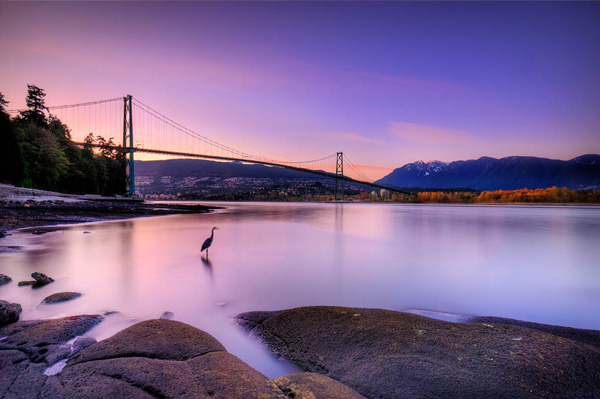
Lions Gate Bridge Vancouver - HDR image

Lions Gate Bridge Vancouver – HDR from three bracketed images.

HDR became a very useful tool a few years ago as digital cameras were initially really bad at exposing the highlights in a scene correctly. Many photographers (myself included) would expose for the highlights in the scene and then pull back detail in the shadows in Photoshop or Lightroom. This technique caused other problems. When editing afterwards in Photoshop, the shadow areas that had been lightened were really noisy, and looked gritty and low quality. HDR came along and solved some of these issues.

HDR was able to blend the highlights in the scene correctly and show details in the shadows. This was great news, and almost overnight, there were many top photographers singing the praises of this new technique. It was really a huge step forward in the digital photography world. There were a few glitches though. If you wanted to do HDR images, you needed to purchase a third party piece of software, Photoshop did not have an HDR tool at first. Secondly, you had to shoot between three and five bracketed shots to get all the detail into the final image. If you did both those things, and you did them well, you were rewarded with a unique looking image.

The other challenge was that the HDR software often made images look overdone. While the dynamic range in the HDR image was good, there were often halos and artifacting in the image. Sometimes the saturation was erratic and the images looked just a little weird. For a time, this HDR look became quite trendy. Trey Ratcliff became one of the leading voices on HDR, and was a proponent of using HDR wherever possible and on any image. He gathered a strong following and HDR became the new thing to do to your images.

A somewhat overdone HDR image

A somewhat overdone HDR image

Fast forward to today. In recent years, the new camera sensors have improved on their dynamic range ability significantly. Also, improvements in RAW editors and quality means that cameras are now able to capture a lot more information that they did even five years ago, and a good RAW editor can bring back significant detail in the shadows and highlights.

So, the big question is this, is HDR dead or will it make a comeback? To add some insight to this, a few weeks ago, we posed this question to our own dPS writers and here are some of their responses:

What dPS writers have to say about HDR

All I know is, when I shoot my D750 at base ISO I can get more colors, and pull more from the shadows than I ever could on my D7100 with 5 stops of bracketed shots. So yeah…maybe the whole idea of bracketing to get HDR is going the way of the dodo bird. – Simon Ringsmuth

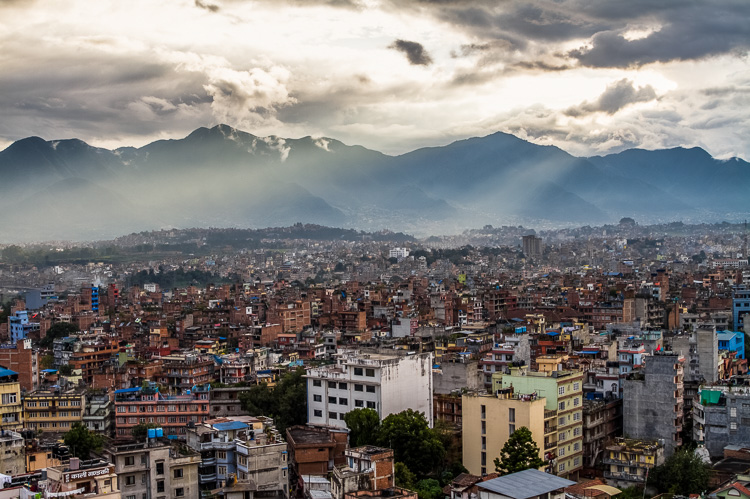
Sun rays wash over Kathmandu, Nepal (HDR by Peter West Carey)

Sun rays wash over Kathmandu, Nepal (HDR by Peter West Carey)

I think the technique has reached a more comfortable point, in that most people can recognize the truly horrible overcooked stuff now, and shy away from it….and more and more photographers are being responsible with it, merely pulling some dynamic range in their images with positive results. Lightroom doesn’t do a great job with the HDR merge, but the one thing it does is limit the super hot, overcooked messes 3rd party software can create. Personally, if I’m bracketing, I use LR to do a very subtle tonal merge. So I think LR will take a bit more of that market, especially as they update and improve the merge tool. So it’s not dead, in my humble opinion, it’s not even reborn. It’s just morphed into something a bit more pleasing, and still relevant. But it’s also true that these sensors are allowing for some really amazing single-file stuff. – Tim Gilbreath

The over processed, halo skies, over saturated look are popular on Instagram! But that’s about it now. HDR has been declining in popularity (at least amongst pro’s) for a while now…medium format users have always had an advantage, though! – Daniel Smith

HDR by Leanne Cole

HDR by Leanne Cole

HDR might not be dead, but the newer DSLR (especially the newer full frames) wider dynamic range makes it needed less. I only do HDR when I can’t get the range I am looking to achieve in the final image. LR’s merge to HDR has made creating HDR much easier. I like the natural look to HDR, and not the overcooked look that some are using. Since switching to full frame I don’t do nearly as many HDR images as I once did. – Bruce Wunderlich

It’s becoming less and less important, and in 5 years it won’t be needed, in that dynamic range and presentation out of camera will be the same as what the human eye sees. Beyond some artistic renderings, once you pass what the eye and brain are used to, it jolts people out of the natural experience and into something else, another form of art. I don’t like having to use HDR techniques and am happy that LR’s version works just fine for most of my uses. I just WYSIWIG straight out of the camera. As a side note, the in-camera HDR in the Canon 7D Mark II is not that usable, and I’d rather do it in post-processing. – Peter West Carey

HDR by Peter West Carey

HDR by Peter West Carey

Cameras will continue to improve. We saw the megapixel war, and the ISO range war, and now maybe there will be a dynamic range war. In regards to software I think we’ve seen both simplified solutions (i.e., Lightroom’s built-in option) and more complex solutions (Trey’s Ratcliffs new software – Aurora HDR) try and tackle the job. In the long run, simplified wins in my mind, especially as cameras become more capable. HDR as a style though, may still persist. I’d argue that overall it will continue to mature as a style, and as a result the over processed, over saturated photos, will become fewer and fewer – but there will still be those that enjoy that type of work – so it could still persist. – John Davenport

I really think the HDR war is going to be the new frontier, at least for the next few years. Even on mobile phones it’s going to be all about how much light you can capture (i.e. shooting at high ISO values, or making lenses with wider apertures) but ultimately the focus is going to be on coaxing as much data out of the image as possible. Whether through automated in-camera software processes, which we already see quite a bit, or using software like Lightroom or Aurora HDR, we’re going to see a lot of emphasis not on how many pixels the image has, but what software can do with those pixels to make the best possible image. – Simon Ringsmuth

I rarely do HDR now, but I still love it for night photography. – Leanne Cole

leannecole-Is HDR dead article-1

HDR by Leanne Cole

When we were browsing real estate listings the other day, the listings were FULL of HDR photos of things like…people’s living rooms. We’re not talking million dollar homes, or spectacular views. We’re talking Joe Plumber’s 1000 sq. ft. starter home HDR’ed to high heavens. It looked so absurd! – Meredith Clark

I have the D750 and its dynamic range is phenomenal! However, I have never been a fan of the over processed HDR effect that seemed popular at one time…or maybe still is! – Sarah Hipwell

HDR processing still has its place. While today’s cameras capture a higher dynamic range than older cameras, there are still situations when blending exposures results in greater detail throughout the range. To avoid the “overcooked” look, which thankfully was a fad, I tend to blend my exposures manually rather than use a plugin. – Anne McKinnell

HDR-dead-dps717px-01

HDR of 6 bracketed images, merged and processed in LR – image by Darlene

HDR isn’t new, it’s decades old. Ansel Adams did it with his Zone System and dodging and burning in the darkroom were also a form of HDR (tone control for more detail). Somewhere along the way it became more about a particular style. To me, HDR simply means what the letters stand for – High Dynamic Range – which represents a scene that your camera is unable to capture the entire tonal range due to high contrast. How that is dealt with that is up to each photographer. Do you bracket and blend exposures, do you use layer masking or luminosity masks to open up detail, or do you just let it all fall where it may and go realist? I’ve gone through all the stages of an HDR photographer and now I tend to lean towards more natural, and using LR’s merge to HDR works for me. – dPS Managing Editor Darlene Hildebrandt

What has changed?

With all the new sensors and updated software (Lightroom, Photoshop and standalone products like Aurora HDR and Photomatix) there are plenty of options to create truly amazing HDR images. The other option is to create a well balanced, and well edited photo, from just one image. This requires a bit of know-how with your chosen image editing suite. But with a bit of practice, you can create some amazing images that have just as much detail as any HDR image. Also, your images will look more realistic, and sometimes that may be necessary (for example, you may be shooting for a client who does not like the HDR look).

Below you will see an example where I have compiled an HDR image from 3 bracketed images. The next image is the best shot edited alone in Photoshop CC.

This image was 3 shots processed in HDR software

This image was 3 shots processed in 3rd party HDR software

This image was a one stop underexposed shot, edited in Photoshop CC

This image was a one stop underexposed shot, edited in Photoshop CC

Depending on what your goal is with HDR, you can achieve a lot with the right editing tool. The single image above, that was edited was done from one image, was shot on a Nikon D800 and edited in Photoshop CC. The details on this image are fantastic and you can see it’s pretty close to the HDR image style-wise. The result is not as random as the HDR image, and for the most part, when I use HDR software, I would edit to get the most realistic results, not a punchy, psychedelic look.

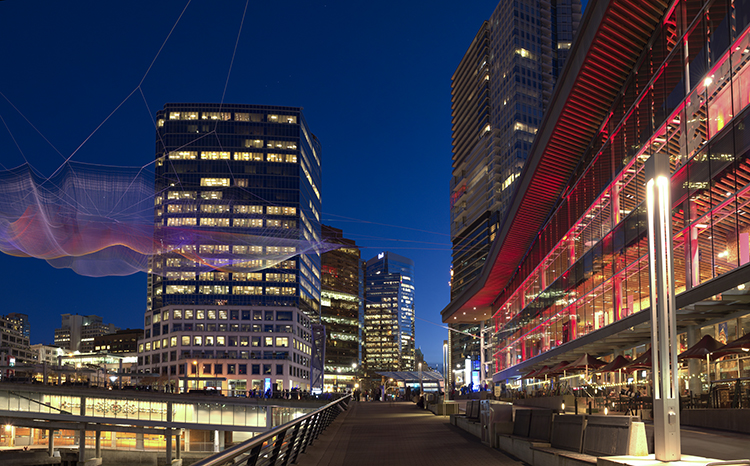
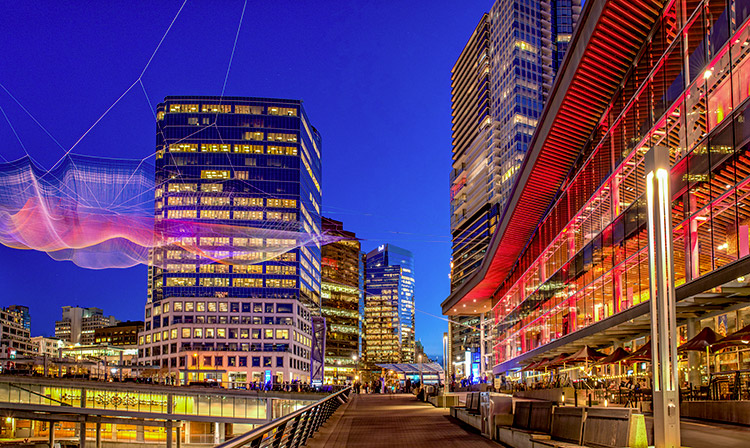
The next two images are of Vancouver Convention Centre at blue hour. It shows how much detail can be pulled out of a single image. The first image is the unedited version, the second image is the final shot. The details are pretty close to what you could get with HDR, but without some of the punchy tones.

Unedited image shot in Vancouver

Unedited image shot in Vancouver

Vancouver-after

Edited image, notice how much detail can be pulled out of one shot

So, what do you think? Is HDR dying? do you still use it or do you use it less? When do you use it?

Let us know what your comments and ideas are, we are curious to know.


Editor’s Note: This is one of a series of articles this week that are Open for Discussion. We want to get the conversation going, hear your voice and opinions, and talk about some possibly controversial topics in photography.

Let’s get it started here – do you agree or disagree with the points in the article above? Do you have any others to add? Give us your thoughts below, and watch for more discussion topics each day this week.

See all the recent discussion topics here:

  • 7 Commonly Accepted Photography Beliefs Debunked

googletag.cmd.push(function() {
tablet_slots.push( googletag.defineSlot( “/1005424/_dPSv4_tab-all-article-bottom_(300×250)”, [300, 250], “pb-ad-78623” ).addService( googletag.pubads() ) ); } );

googletag.cmd.push(function() {
mobile_slots.push( googletag.defineSlot( “/1005424/_dPSv4_mob-all-article-bottom_(300×250)”, [300, 250], “pb-ad-78158” ).addService( googletag.pubads() ) ); } );

The post Is HDR dead? Some dPS Writer’s Thoughts on this Controversial Topic by Barry J Brady appeared first on Digital Photography School.


Digital Photography School

 
Comments Off on Is HDR dead? Some dPS Writer’s Thoughts on this Controversial Topic

Posted in Photography


Fujifilm facilities resume some production following Kumamoto earthquakes

03 May

Fujifilm is slowly but surely bringing a key subsidiary’s production facilities back online after earthquakes forced a shut down, and expects to be back at full production by the end of May. In a statement issued today, Fujifilm confirmed that trial operations began on April 23 at the facilities and were ultimately successful. Barring any further problems, the company anticipates being back at pre-earthquake production levels by the end of this month.

Fujifilm Kyusyu Co., Ltd operates the facilities that were impacted by the earthquakes that struck Japan’s Kumamoto prefecture on April 16. These facilities are responsible for manufacturing a key component of LCD panels. A few days after the event, the company announced that operations in the area would be stopped while assessments were performed. None of the facilities were found to be seriously damaged, but at the time the company said it hadn’t yet decided when operations would restart, and that it would hold a trial run on April 23 and 24.

Inspections of warehouse stock are still underway; as of April 19, Fujifilm says it has been shipping out products that pass inspections. ‘Fujifilm Kyusyu is doing its utmost to resume all operations,’ says the company; the rate at which it does so is determined in part by the number and intensity of aftershocks.

Articles: Digital Photography Review (dpreview.com)

 
Comments Off on Fujifilm facilities resume some production following Kumamoto earthquakes

Posted in Uncategorized


dPS 12 Days of Christmas: Save up to 94% on Some Great Photography Training

13 Dec

It’s that time of year where we at dPS kick off our annual 12 days of Christmas campaign!

12 deals christmas dps

This is the sixth time we’ve run this and this year we’ve got our biggest deals yet!

Here’s how it works.

Every day between now and Christmas we have put together a fantastic deal on some photography training products. We’ll set them live on this page (the first one goes up tomorrow).

In the coming 12 days you’ll see some of our own dPS eBooks at discounts we’ve never offered before as well as some deals from other photography sites that we’ve negotiated on your behalf.

Deals this year are as high as 94% off!

Each deal only lasts for 24 hours so you’ll need to be quick!

Get Notified of Each Deal

To get notified of each deal as soon as it goes live simply subscribe via email here:


(function($ ) {window.fnames = new Array(); window.ftypes = new Array();fnames[0]=’EMAIL’;ftypes[0]=’email’;fnames[1]=’FNAME’;ftypes[1]=’text’;fnames[2]=’LNAME’;ftypes[2]=’text’;}(jQuery));var $ mcj = jQuery.noConflict(true);
Don’t worry we keep your email completely private and you can unsubscribe at any point if you find the deals are too many!

We’ll also be updating the deals here on the blog and on our Facebook page.

Our first deal goes out to those who are subscribed in the next 24 hours so keep an eye on your inbox and don’t forget you only get 24 hours to grab each one!

googletag.cmd.push(function() {
tablet_slots.push( googletag.defineSlot( “/1005424/_dPSv4_tab-all-article-bottom_(300×250)”, [300, 250], “pb-ad-78623” ).addService( googletag.pubads() ) ); } );

googletag.cmd.push(function() {
mobile_slots.push( googletag.defineSlot( “/1005424/_dPSv4_mob-all-article-bottom_(300×250)”, [300, 250], “pb-ad-78158” ).addService( googletag.pubads() ) ); } );

The post dPS 12 Days of Christmas: Save up to 94% on Some Great Photography Training by Darren Rowse appeared first on Digital Photography School.


Digital Photography School

 
Comments Off on dPS 12 Days of Christmas: Save up to 94% on Some Great Photography Training

Posted in Photography


Upgrading? Here are Some Good Cameras Under $1000

21 Nov

Thinking of upgrading to a newer camera but don’t want to spend a fortune?  Here are two videos that will give you some options for both DSLR and Mirrorless in the under $ 1000 USD price range.

Best Mirrorless Camera Under $ 1000

The one they recommend in the video about is the Fuji X-T10 which comes in at $ 999 with the 18-55mm kit lens.

Other Cameras Under $ 1000

The guys at Digital Rev TV do a humorous comparison between the Canon 700D (T5i) at $ 649 with the 18-55mm lens, and the Panasonic Lumix DMC-GM5 at $ 669 USD with the 12-32mm kit lens.

An alternative choice

Or you could take the approach in the video below (he’s talking about doing video but the same applies to sill photography). You could save your money, and work on your photography education instead. This is a great place to start right here on dPS – do a search for topics you’re interested in, invest in some ebooks or a video course.

googletag.cmd.push(function() {
tablet_slots.push( googletag.defineSlot( “/1005424/_dPSv4_tab-all-article-bottom_(300×250)”, [300, 250], “pb-ad-78623” ).addService( googletag.pubads() ) ); } );

googletag.cmd.push(function() {
mobile_slots.push( googletag.defineSlot( “/1005424/_dPSv4_mob-all-article-bottom_(300×250)”, [300, 250], “pb-ad-78158” ).addService( googletag.pubads() ) ); } );

The post Upgrading? Here are Some Good Cameras Under $ 1000 by Darlene Hildebrandt appeared first on Digital Photography School.


Digital Photography School

 
Comments Off on Upgrading? Here are Some Good Cameras Under $1000

Posted in Photography


Dust on the lens or a new planet? NASA reveals some of its inter-galactic Photoshop tricks

01 Oct

In an interview for Adobe’s blog, NASA has revealed some of the processes its scientists use to transform technical data into images that the rest of the world can appreciate and understand. From simple tasks, such as straightening and cropping, to compositing multiple layers of scientifically calculated color, the agency uses programs including Adobe Photoshop to interpret the sometimes quite abstract images sent back to Earth from devices such as the Hubble Space Telescope and the Mars rover. Read more

Articles: Digital Photography Review (dpreview.com)

 
Comments Off on Dust on the lens or a new planet? NASA reveals some of its inter-galactic Photoshop tricks

Posted in Uncategorized


Ricoh addresses ‘power off’ issue on some Pentax K-3 II cameras

10 Jul

Ricoh is addressing an anomaly found on a small group of its Pentax K-3 II digital SLRs in which the camera will not turn off, even when the power lever is in the ‘off’ position. Ricoh will service any K-3 II within a specific range of serial numbers at no charge, regardless of whether the camera is having the issue. Read more

Articles: Digital Photography Review (dpreview.com)

 
Comments Off on Ricoh addresses ‘power off’ issue on some Pentax K-3 II cameras

Posted in Uncategorized


26 Nice Bright Colors and Some Greens of Summer to Liven up Your Day

03 Jul

Paul Simon said it best in Kodachrome:

Kodachrome – give us the nice bright colors. Give us the greens of summers, makes you think all the world’s a sunny day.

For those of us old enough to remember and know what Kodachrome is – and the song – this is for you.

T

By T

Okay, enough strolling down memory lane. Yes it’s summer in the northern hemisphere and we better enjoy it while it lasts. Let’s see some images of those great colors that summer gives us:

Photograph Precious Love by Sue Hsu on 500px

Precious Love by Sue Hsu on 500px

Photograph Green Summer Rain by Max Ellis on 500px
Green Summer Rain by Max Ellis on 500px

Photograph Winds of Summer by Alex Greenshpun on 500px

Winds of Summer by Alex Greenshpun on 500px

Photograph *** by Laura Pashkevich on 500px
*** by Laura Pashkevich on 500px

Photograph First Hunt by Suzy Mead on 500px

First Hunt by Suzy Mead on 500px

Photograph Towards the Sun II by Alexey Sizov on 500px
Towards the Sun II by Alexey Sizov on 500px

Photograph Curious cows by Troels Klausen on 500px

Curious cows by Troels Klausen on 500px

Photograph Poppies by Bess Hamiti on 500px
Poppies by Bess Hamiti on 500px

Photograph Dandelion clock in morning by Bess Hamiti on 500px

Dandelion clock in morning by Bess Hamiti on 500px

Photograph Motherhood by Eleonora Di Primo on 500px
Motherhood by Eleonora Di Primo on 500px

Photograph endless summer by neriman ozder on 500px

endless summer by neriman ozder on 500px

Photograph Canada by Marco Bocelli on 500px
Canada by Marco Bocelli on 500px

Photograph sunflower by Reto Imhof on 500px

sunflower by Reto Imhof on 500px

Photograph Not afraid of heights by Edina Szalai on 500px
Not afraid of heights by Edina Szalai on 500px

Photograph Shades of Blue!!! by Jay Sabapathy on 500px

Shades of Blue!!! by Jay Sabapathy on 500px

Photograph Red flowers by Maja Top?agi? on 500px
Red flowers by Maja Top?agi? on 500px

Photograph Summer Colors by Leif Erik Smith on 500px

Summer Colors by Leif Erik Smith on 500px

Photograph Summer - time colors by Dmitry Doronin on 500px
Summer – time colors by Dmitry Doronin on 500px

Photograph Lonely Heart by Chad Briesemeister on 500px

Lonely Heart by Chad Briesemeister on 500px

Photograph Swans by Senna Ayd on 500px
Swans by Senna Ayd on 500px

Photograph Buff-tailed Coronet by Jess Findlay on 500px

Buff-tailed Coronet by Jess Findlay on 500px

Photograph Lunenburg Blue by Kursat Barin on 500px
Lunenburg Blue by Kursat Barin on 500px

Photograph Ferris Wheel by John Velocci on 500px

Ferris Wheel by John Velocci on 500px

Photograph Umbrellas by caie143 on 500px
Umbrellas by caie143 on 500px

Photograph Color Run by Vassili Broutski on 500px

Color Run by Vassili Broutski on 500px

Photograph Above the head... by Braulio Cosme on 500px
Above the head… by Braulio Cosme on 500px

googletag.cmd.push(function() {

tablet_slots.push( googletag.defineSlot( “/1005424/_dPSv4_tab-all-article-bottom_(300×250)”, [300, 250], “pb-ad-78623” ).addService( googletag.pubads() ) ); } );

googletag.cmd.push(function() {
mobile_slots.push( googletag.defineSlot( “/1005424/_dPSv4_mob-all-article-bottom_(300×250)”, [300, 250], “pb-ad-78158” ).addService( googletag.pubads() ) ); } );

The post 26 Nice Bright Colors and Some Greens of Summer to Liven up Your Day by Darlene Hildebrandt appeared first on Digital Photography School.


Digital Photography School

 
Comments Off on 26 Nice Bright Colors and Some Greens of Summer to Liven up Your Day

Posted in Photography