RSS
 

Posts Tagged ‘Social’

How to Cull Your Images to Tell a Stronger Story in Your Blog or Social Media Posts

13 Sep

I have this photographer friend. This person is wildly talented, with impeccable images and an amazing eye. I love seeing what she is going to create next until she puts up a blog post. So let’s talk about how and why to cull your images.

These posts are usually a long, meandering wander through her shoots, with no thought to tell a story. Images that you swear are repeats – until you look closely and realize the model’s left pinky finger has maybe moved ever so slightly. Blurry shots that should have been culled in the first round. It boggles my dang mind to look at these posts because we as photographers should know better.
Cull-Images-top


You are better served to share your images in a way that compels viewers to keep coming back for more. While I may not be a pro-level blogger, I still think it’s an excellent way to share your images, and there are a few tricks that I always try to keep in mind as I’m putting together a blog post.

Step 1: Be Brutal

Think about this from the viewer’s perspective. They weren’t at the shoot. So how can you tell them the story in a concise way that shows off your best work? To do this, you have to be brutal. Cull like a maniac, and then cull some more.

Does it hurt to eliminate images that you love from the narrative of your post? Yep, it’s like choosing your favorite child, but you gotta shrink down the number of images you share. You must. Beyond the obvious culling— things like strange facial expressions, awkward hands, etc., there are so many photographers who feel they need to share each and every image that they love. Unfortunately, this is a good way to head straight to Boring Postville.

Do not share the same scene, and the same pose five times in a row! The viewer’s eye will get bored and start to skip over. Your goal is for each new image to draw the eye, and surprise the viewer in some way. If the images start blurring together, the surprise element is gone and you’ve lost their interest. Be brutal in editing: your posts will thank you.
culling (2 of 2)

culling (1 of 2)

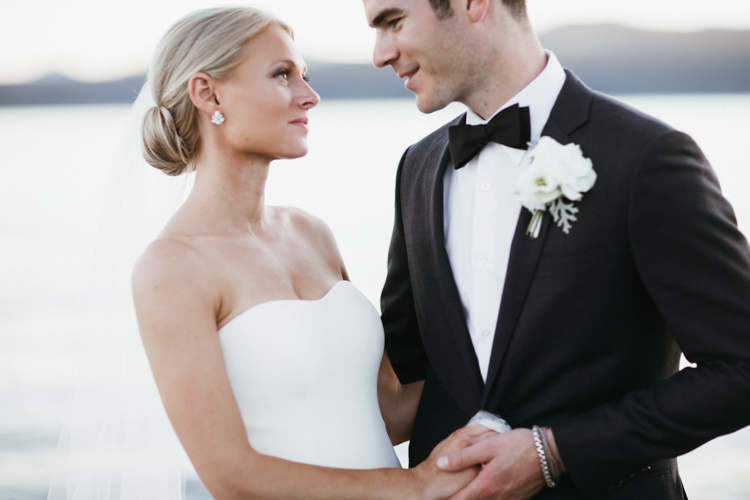
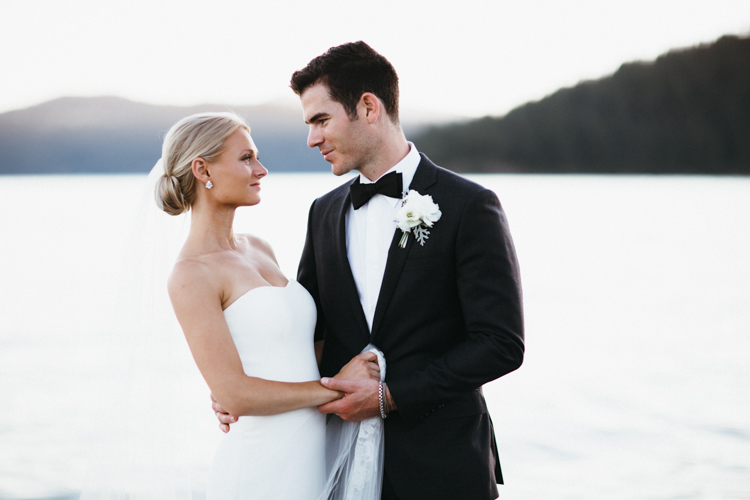
Lovely people, lovely images, but they’re so much alike and it’s killing me softly. These do not both need to be in a post together.

Step 2: Change Your Perspective

If you were an invisible spy at the photo shoot, how would you absorb all the information of the day? You’d start far away and move in closer. Too many posts start with the super-tight ring shot, or the close up of the hand on the face, and the viewer is left wondering subconsciously, “How did we get here?”

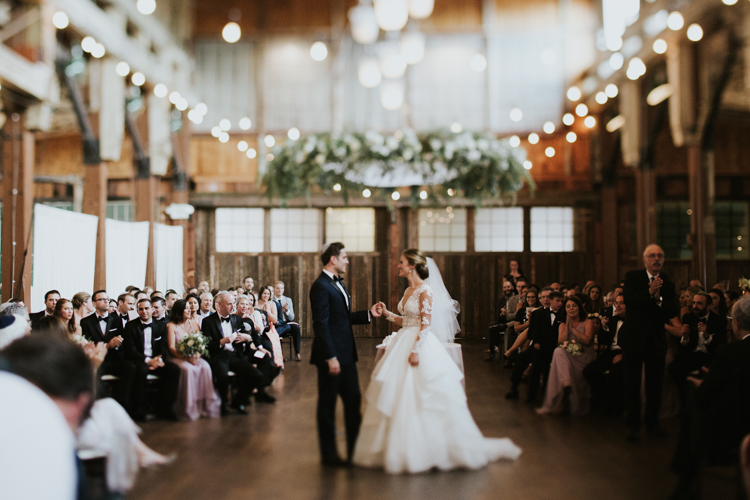
So aim to tell your story from the perspective of someone who was peeking over your shoulder. A great example is a wedding day. You don’t start a wedding day with the big dramatic first kiss, right? Set your scene. Show the viewer your location. Introduce them to the setup, then move in close to get the detail shots. It’s a much closer proximation to the reality of the day, and it helps our brains understand what’s going on when we’re viewing it on a computer after the fact.

Start broad.
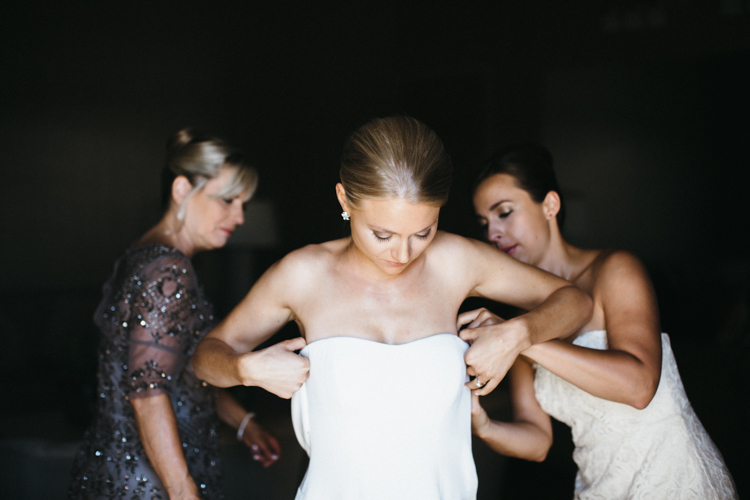
Start broad.

Then move in for more detail...

Then move in for more detail…

... and then even more detail.

… and then, even more detail.

From there, remember to include varying visual perspectives. If you’ve already shared a couple’s full-body portraits, don’t overdo it with the same angle. Move into a closeup of their faces, or a detail of their outfits. Or share a different detail from the day altogether. But for the love of Richard Avedon, please don’t share a dozen nearly-identical photos! Find a new perspective, and make it memorable.

culling (4 of 1)

Far away!

culling (3 of 1)

Close up! And it’s unique enough of a perspective, that including this shot rounds out the story of the previous one.

Step 3: Tell the Truth – Kind of

My favorite Emily Dickenson line is, “tell all the truth but tell it slant.” This is advice straight from a poet to a photographer, so use it wisely. Friends, there is no grand blog court that has ruled that you must share every image, from every scene, in every shoot. YOU are the artist, and YOU get to decide how you’re going to tell the truth! Let’s not squander that freedom! You’re an artist, and you can unfold a story in the most artistic way you deem worthy. Here’s what you do NOT have to do:

  • Share images in the precise order you shot them.
  • Share images from the scenes or poses that you wanted to try but didn’t quite work (and hey, good job trying new stuff!).
  • Share images the client asked you to take that don’t totally represent your vision or your brand.
  • Share images that don’t progress the story you want to tell.

The science of photography is that you always get to tell the truth. The art of photography is that you can tell it slant. Play that line because you can.

culling (5 of 1)

Step 4: Stay in the Flow

So, now that you’ve culled only the very best of your images, laid them out in a compelling story, shared your artistic skill with the world, and put together a bomb post, make sure the little details aren’t subtly throwing shade onto your creation.

Step away from your computer, go for a walk, have a glass of wine, do you… and then come back to review what you’ve written, shared, and how it all comes together. Try to have fresh eyes.

Is anything too repetitive? Do your shots flow together? Do your black and white images land in places throughout the post that make sense? If you include captions, do they add or detract from the overall effect of your story? These little details can take a post from good to truly excellent, so make sure you give your post another look before you click “Publish.”

culling (6 of 1)

What are your tips for culling photos for a great social media or blog post? What are your big no noes? I’d love to hear them.

googletag.cmd.push(function() {
tablet_slots.push( googletag.defineSlot( “/1005424/_dPSv4_tab-all-article-bottom_(300×250)”, [300, 250], “pb-ad-78623” ).addService( googletag.pubads() ) ); } );

googletag.cmd.push(function() {
mobile_slots.push( googletag.defineSlot( “/1005424/_dPSv4_mob-all-article-bottom_(300×250)”, [300, 250], “pb-ad-78158” ).addService( googletag.pubads() ) ); } );

The post How to Cull Your Images to Tell a Stronger Story in Your Blog or Social Media Posts by Laura Sullivan appeared first on Digital Photography School.


Digital Photography School

 
Comments Off on How to Cull Your Images to Tell a Stronger Story in Your Blog or Social Media Posts

Posted in Photography


Photo business: the rise and impending fall of social media ‘influencers’

24 May

With so-called ‘influencers’ in the news recently, an anonymous social media executive confesses to Digiday just what contributed to the rise of the phenomenon and the somewhat startling realities of the new ecosystem.

While it may come as no surprise to the general public that the ‘influencer’ ecosystem is going through some turmoil as of late, it is somewhat surprising that it came about in the first place. According to the interview, it took brands until 2014 to realize what most of us saw much earlier – social media is addictive and engrossing for much of the general public, and it’s here to stay.

Instead of a handful of TV commercials to make each year, brands and agencies realized that they needed to greatly increase the sheer volume of their content creation in a never-ending quest for ever more ‘impressions’ via their social media channels. So, what easier way to get your product out there than to simply pay someone to post your product in front of their hundreds of thousands of followers? Thus, the influencer was born.

‘We have no idea what to pay them.’

What started as a simple $ 500 investment for someone to ‘show up and take some photos’ has ballooned into paying ‘$ 300,000 for a few photographs because the CEO’s kid liked someone.’ It’s pretty absurd, with the executive going on to admit ‘we have no idea what to pay them.’ Although it appears there’s more of a vetting process being developed at some agencies, you still get influencers whose entire pitch is ‘I want to take a car and pick it up in London and drive it around Europe, so give me $ 100,000.’

So it’s no surprise that the interview concludes on a bleak note regarding the future for Instagram superstars. The unnamed executive predicts influencers will start to disappear as brands recognize that the value isn’t there. ‘Just because photos look good and have 200,000 followers means nothing.’ While it lasts, it sure seems like a pretty sweet gig.

Via: digiday.com

Articles: Digital Photography Review (dpreview.com)

 
Comments Off on Photo business: the rise and impending fall of social media ‘influencers’

Posted in Uncategorized


The Top Shared Professional Pictures On Social Media in 2013

24 Mar

It’s nice to get paid for an image but if you can’t get paid for an image, you can at least get praised for it. Through social media, that’s easy. Build a following, put up a great picture and watch those likes, shares, views and comments flood in.

Of course, for some photographers, accounts and timelines that’s easier than for others. These are some of the most popular images that were passed around on social media. Expect to see some quality, some surprises… and a few groans.

Facebook

fbgmc

Photography: Graham McGeorge

Like many social media platforms, Facebook doesn’t make it easy to track down the most shared or viewed images uploaded to the site. Although the company’s billion-plus users upload around 350 million photos every day, there’s no way to pull out the picture that did the best. And the site also uses a range of different stats to measure popularity: likes, comments and shares all indicate that people appreciated the shot.

This image of a camouflaged owl by Graham McGeorge wins in all categories. Placed on the National Geographic timeline in July, it’s since picked up more than 212,000 likes, around 60,000 shares and over 10,000 comments.

Those stats though were probably boosted by the post that came with it. National Geographic invited followers to help them to caption the photo, a bit of audience participation that is likely to have helped bring in comments and distribute the image around the site.

Graham McGeorge is a professional photographer, but you don’t have to be a professional to win those kinds of plaudits on Facebook, even on National Geographic.

gunjansinha

Photography: Gunjan Sinha

This image of a shelf cloud in the Canadian prairies was photographed by Gunjan Sinha. It generated more than 175,000 likes, over 51,000 shares and more than 6,200 comments. It was submitted as part of National Geographic’s Your Shot program.

Twitter

Move away from Facebook towards Twitter and the most popular images get a bit more celebrity. Not all of them though are poor quality. This shot of Lea Michele and Cory Monteith posted shortly after his death received nearly 400,000 retweets and favorites.


coreymontheith

Photo from Lea Michele

It could be a selfie but judging by the reflection in Lea Michele’s sunglasses, it appears to have been taken by someone else. And judging by the quality of the portrait, that someone knew what he was doing.

Instagram

That isn’t true of the most popular image on Instagram. The shot that won the popularity prize on Facebook’s billion-dollar picture property in 2013 was… a picture of Justin Bieber with “Uncle” Will Smith. More than 1.5 million people liked that picture. Fewer, surely, liked the hat.

smithandbieber

A long way behind but shot by a professional — a professional Instagram photographer no less — is this nature shot by Michael O’Neal. A former art director, O’Neal has more than half a million followers on Instagram and is a member of Tinker Mobile, a collective of Instagrammers used by brands to promote their products.

His shot of trees and mist picked up more than 17,000 likes. Not Justin Bieber, but not bad.

moneil

Photography: Michael O’Neal

Pinterest

According to research from Curulate, pictures that do best on Pinterest have multiple colors, particularly reds, little white space and if they include people, they shouldn’t show faces. Those are the kinds of images that are most likely to appeal to the women who use the site and share pictures of fashion, accessories and home décor.

But those aren’t the only photos to win popularity on Pinterest. This image of The Caves Resort in Jamaica outdid many of the most popular fashion images to win nearly 6,000 pins and 540 likes.

caves
Pinned from escapenormal.com.

500px

500px is thankfully free of celebrities and while few of its users are professionals, many of the images they produce are professional quality. This shot by Laszlo Folgerts of pedestrians crossing a damp road is reminiscent of Cartier-Bresson… or would be if Cartier-Bresson had picked up about 11,500 views on 500px.


500px


Flickr

Identifying the most popular images on Flickr isn’t easy either but this landscape photograph by Mark Littlejohn, a landscape photographer in Scotland, has to be one of the most successful. It’s picked up more than 6,600 views and over 300 likes.


flickr

Success on social media can be seen in the numbers but those figures are never just about the quality of the image. They also show the quality of the photographer’s networking. That may sound unfair but what’s true on social media is also true in business.


Photopreneur – Make Money Selling Your Photos

 
Comments Off on The Top Shared Professional Pictures On Social Media in 2013

Posted in Equipment


5 Killer Reasons Why Photographers Need Social Media

01 Mar

fashion-photography-blog-social-media-for-photographers

Hey there everyone,


This is Ed a.k.a Edrenalin, the editor of FashionPhotographyBlog.com, here to bring you insights from the inside.


After all of my client’s photography businesses I’ve helped improve, one thing is common across each and everyone one of them, they wanted to have a presence online and they wanted to be on social media. That’s understandable since that’s where all the major businesses across every industry is moving towards. However, when I asked them why they wanted to be on social media and what they wanted social media to do for them, they couldn’t answer the question. At the end of the day, they felt that they needed to be on social media because everyone else told them they had to.


So how can you work towards your social media objectives if you don’t know what they are in the first place? Don’t despair though, because if you are thinking similarly in this way, then you are not alone. It is a common misconception amongst photographers and creatives based on the encounters that I’ve come across. I’m going to share with you what I share with them to help clear up the reasons why you should consider incorporating social media in your own marketing strategies for your photography business.


Top 5 reasons why photographers need social media today


1. Social media accounts proves that there is a real person behind the photography business and that you didn’t just “open shop” yesterday. The accounts establish that the business has history and participates in dialogue and that you are active online.


2. Google now is starting to incorporate social signals from your social media accounts as a factor in their SEO algorithms to determine the relevancy and engagement of your website when deciding to show your website on the search results pages. The weight social signals has in this algorithm is unknown and is locked away in the unbreakable vaults of Google however, I can confirm that it is now a factor.


3. Your target audience can see social proof based on what others are saying about your photography business in your social media accounts such as in your comments and reviews section.


4. Potential business partners and magazine editors, might want to see how engaged are your followers. If they do business with you or publish your work, then you publish the news on your social media accounts, they might want to know how many people following you would actually know about it and get eyeballs to their brand.


5. Not everyone will know your website address, before they know about your business. With social media you are able to engage with your target audience in other social networks and hang out where they hang out. Here’s a question, how many people visit your website every day? and now how many people visit Facebook every day? which is the greater number?


The concept behind social media marketing is that you are participating in discussions with communities of these larger social networks, “borrow” them from these established networks and introduce them to your photography business.  


If there is one thing that you can do to improve your business this year, is to get onto social media for your business to increase the online presence for you.


Do you like this article? Want to read more articles like this? Then please SHARE this article on social media. If you have any comments or questions please feel free to put them in the comment section below. 


Fashion Photography Blog

 
Comments Off on 5 Killer Reasons Why Photographers Need Social Media

Posted in Uncategorized


Ricoh partners with 360° content social platform Spinnable

12 Feb

Ricoh has partnered with Spinnable, a social sharing platform dedicated to 360-degree content. The partnership allows Ricoh Theta S owners to directly upload 360-degree videos recorded with the camera to Spinnable. The Spinnable platform is currently available as an iOS app, and will soon be launched for Android, Samsung Gear, and desktop, as well.

The Ricoh Theta S is a consumer handheld camera that records 360-degree high-definition video via a 14MP image sensor, wide-angle lenses, and Ricoh’s own ultra-small twin-lens folded-optical system. Currently, Theta users can only upload their creations to YouTube, Google Street View and Ricoh’s website. Spinnable opens up another option to Theta users, who will be able to view and pan around within the video using either their phone’s integrated gyroscope or by swiping a finger.

In a press statement on Wednesday, Spinnable co-founder and CEO Mark Demarest said, ‘Although Spinnable is hardware agnostic, we’ve chosen the Ricoh Theta S as the first camera to directly integrate with Spinnable because of its compact form factor, image quality and price point.’ Spinnable users can now purchase the Ricoh Theta S directly through the app, as well.

Press release:

Ricoh Theta S Offers an Immersive 360° Experience With Spinnable for Social Media Content

LOS ANGELES, Feb. 10, 2016 — Spinnable, an immersive technology company for 360 Social Sharing, today announced a strategic alliance with Ricoh, creator of the Theta S. Spinnable and the Ricoh Theta S — the first handheld camera to capture truly spherical 360-degree images and high-definition (HD) video — make it easy for anyone to create, consume and share content in full 360 degrees, capturing what is going on all around them, not just what is in front of them.

Spinnable is working with Ricoh Imaging Americas Corporation to bring a massive shift in the way people experience media, while making production accessible to artists, brands, and the mass-market.

Spinnable users can use the Ricoh Theta S to capture and then directly upload images to the Spinnable app, which is currently available for iOS, and will soon be available for Android devices. Once in the app, the media can be moved with theswipe of a finger, or by panning, using the phone’s gyroscope. The Ricoh Theta S camera can also be purchased through the app.

“Although Spinnable is hardware agnostic, we’ve chosen the Ricoh Theta S as the firstcamera to directly integrate with Spinnable because of its compact form factor, image quality and price point,” said Mark Demarest, CEO and Co-Founder, Spinnable.

The Ricoh Theta S captures the entirety of a scene in a high-resolution photo or video, in a sleek, pocket-sized design. It records high-resolution spherical images of nearly 14 mega-pixels and HD video at 30fps, with a maximum recording time of 25 minutes. Its high quality images are enabled by an enlarged image sensor and wide-angle lenses that allow more light through Ricoh’s proprietary ultra-small twin-lens folded-optical system. 

“Spinnable is creating a new, highly engaging way for consumers, companies and artists alike to share life’s experiences with one another, and our Ricoh Theta S is the ideal camera to capture this content,” said Jim Malcolm, president, Ricoh Imaging Americas. “We are excited to be a part of the new and growing Spinnable community.”

Spinnable is also enabling musicians, athletes and celebrities to provide fans with a more intimate, immersive look into their lives, from backstage, on the court, and in the studio, to red carpet events, and those beloved everyday selfies. With these relationships, Spinnable will be creating content that can be accessed exclusively through the app. The company will also be launching live-streaming events in 360 degrees directly through the app.

Articles: Digital Photography Review (dpreview.com)

 
Comments Off on Ricoh partners with 360° content social platform Spinnable

Posted in Uncategorized


The Long Night: Tim Matsui on creating social change through stories

26 Jan

Award-winning and Emmy-nominated visual journalist and filmmaker Tim Matsui used to view stories as a means of having experiences. Now, he sees them as a means of creating change, engaging audiences and helping them see that they can make a difference. In this PIX 2015 video, Matsui speaks on The Long Night, his documentary on human trafficking, and how he leveraged grassroots distribution to effect social change.

Matsui’s insistence on grassroots distribution stems from the difficulty he found in getting sponsorships to fund creation of the project and get the final film in front of audiences. ‘This is a difficult subject,’ Matsui says. ‘Brands don’t want to touch it. It’s a little too dark. This pisses me off.’

After exhausting his grant money, leveraging his own savings and going into debt just to get the filming done, Matsui explored every avenue he could find to take his film to his audience. He explored social media, Kickstarter, mainstream media like TIME Lightbox and the Huffington Post, and GATHR, a crowdsourcing platform for bringing small productions into mainstream movie theaters.

To be successful in creating change, ‘don’t make them come to you,’ he says about his audiences. ‘Go to them.’

Articles: Digital Photography Review (dpreview.com)

 
Comments Off on The Long Night: Tim Matsui on creating social change through stories

Posted in Uncategorized


Social Climbers: 7 Vertical Trailer Parks for Mobile Urbanites

09 Dec

[ By WebUrbanist in Architecture & Houses & Residential. ]

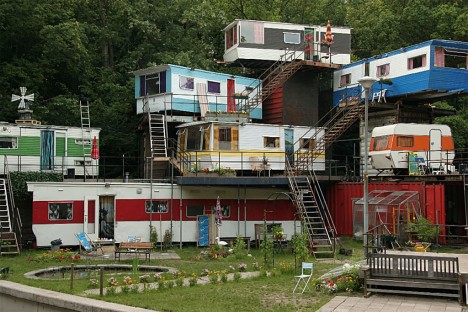
trailer house theater set

Addressing the combined challenges of mobility and density, this series of design solutions (both conceptual and actual) turn trailer living into a vertical endeavor. While the image above was alas only a stage set for a theatrical production, there are real-world examples of this approach dating back decades.

mobile-home-towers

Industrialist, developer and mobile housing pioneer Elmer Frey pitched an incredible project in the early 1960s: a set of spiraling skyscrapers designed to house roadworthy mobile homes. The 20-story structures would house over 500 homes each with parking below and restaurants and community spaces above. While this grand vision never came to pass, Frey did not give up so easily.

trailer array multistory structure

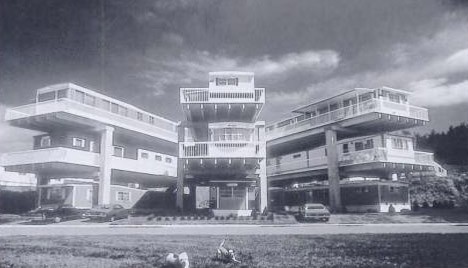
Instead, he approach the problem at a smaller scale, hoping to win support for his bigger ambitions. Built near the Twin Cities of Minneapolis and St. Paul in Minnesota, the SkyRise Terrace was controversial from the time it was constructed.

vertical trailer park

The site provided frameworks for stacking conventional mobile homes, arrayed in an arc around a central shared space. Problems with plumbing and fear of tornados contributed to the deconstruction of this complex a few years after its creation.

mobile home stack fail

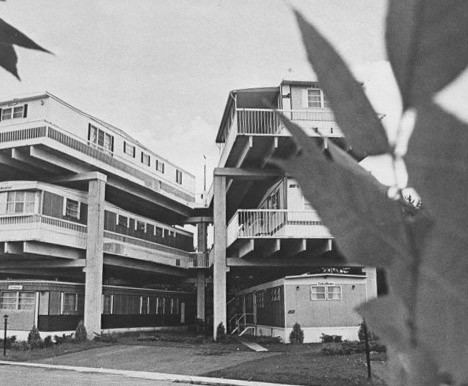
In nearby Mankato, the Valley View Apartments complex used similar design principles to create an equally-unappealing set of stacked mobile homes framed by concrete supports. Deemed ugly by critics locally and around the country, this complex also was eventually demolished, but was still not the end of trailer-stacking history.

Next Page – Click Below to Read More:
Social Climbers 7 Vertical Trailer Parks For Mobile Urbanites

Share on Facebook


[ By WebUrbanist in Architecture & Houses & Residential. ]

[ WebUrbanist | Archives | Galleries | Privacy | TOS ]


WebUrbanist

 
Comments Off on Social Climbers: 7 Vertical Trailer Parks for Mobile Urbanites

Posted in Creativity


Using Your Photography to Create Social Change

05 Oct

There are images that immediately come to mind if someone mentions them. For instance, the image of the man being shot in the head during the Vietnam War, or the girl running naked down the road (also in Vietnam) after being burned by a napalm bomb. I don’t want to use the word iconic, but they are well-known, and very emotive images. The Vietnam War was like no other, and these images helped to show the devastation.

An image of an event, or a place, can create a lot more connection than written words or stories; humans are visual and we relate to visual cues. But images don’t have to be about war to generate a response from people.

In late-1970s Australia, the government wanted to dam part of a river in Tasmania. It was something that upset many people. It would mean that many parts of stunning rainforests in the area would be drowned and lost forever. When I think back to that time, there is a beautiful image of the place that immediately comes to mind. It is an image of the river by photographer Peter Dombrovskis, and its catchphrase was that it would be submerged by the dam.

peter-dombrovski-franklin-river

Rock Island Bend, Franklin River, South West Tasmania, by Peter Dombrovskis, National Library of Australia, an6631500 (Bib ID#2899361)

Here I am 30 years later, and this image is still strong in my mind; it says, “This image stopped the Franklin Dam”. Images can very powerful. Who wouldn’t want to have an image that changed the world – well, at least helped save a small part of it? With so many images in existence now, it may be hard to imagine that any could have the same impact. With the world of digital perhaps we are in image overload.

It doesn’t mean you can’t try. There is no reason why you can’t highlight a cause that you are passionate about, using your photography.

In the area around where I live, there is a large green belt that follows the Yarra River, which is the main source of water for the City of Melbourne. It is wonderful that the land has been preserved and not given up to development. Parts of the area were still being farmed until very recently, around 2o years ago.

Cole-social-change-photography0374

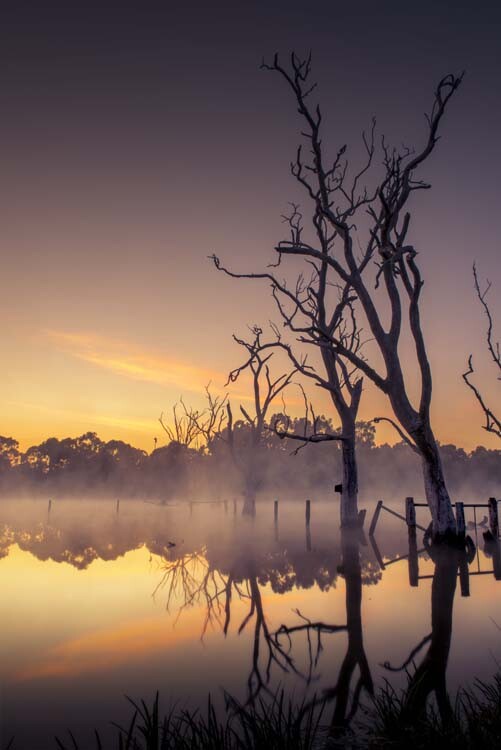
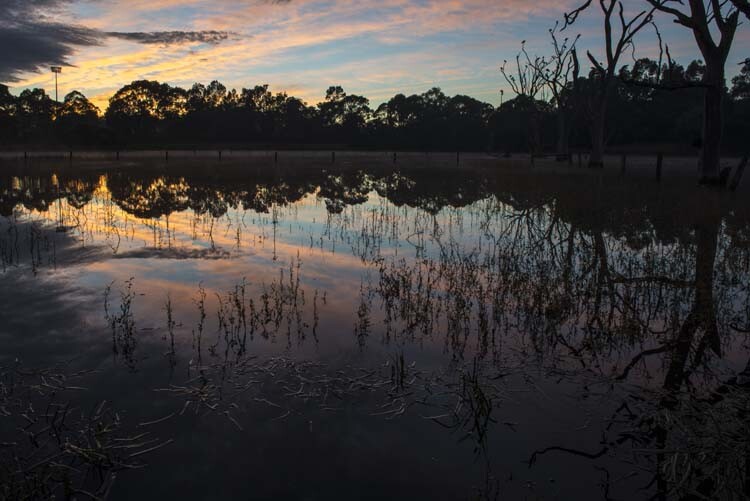
Morning Light over Banyule Flats. The area has been allowed to return to its natural state as it would have appeared over 250 years ago.

Part of the area is a swamp (wetland) and was here before European Settlement. Once the land was claimed, the swamp was drained and the water course moved so it didn’t fill anymore. Fences were put up, and cattle grazed there for over 150 years.

Cole-social-change-photography0376

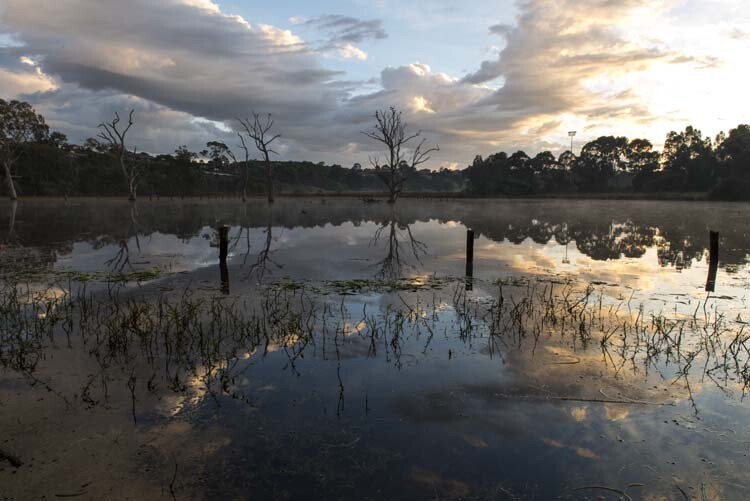
Early Autumn Mists on the Water.

Eventually, the land was sold to the local council, and they have helped the area recover over the last 20 years by revegetation, and putting the water course back, so the swamp would fill again. It did – and it has become a place rich with native birds and plants. The fence posts are still there, but the trees that grew while it was dry have since died from being waterlogged.

The area is ecologically and communally important and is in constant use – but there is a problem. Banyule Flats is situated right in the middle of where they want to connect two freeways. This is an area that I love and want to help protect, so I started thinking about how I could use my photography to help stop the freeway.

Cole-social-change-photography0375

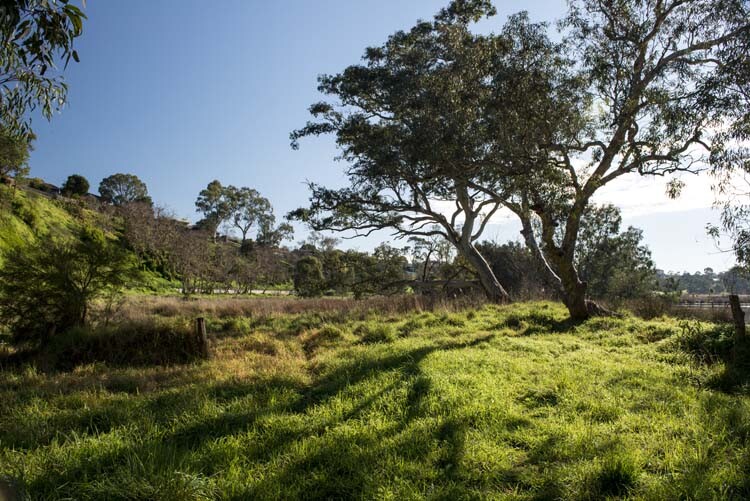
Winter Sun Casting Long Shadows.

My first thought was to start putting photos up on my blog. If I could get people from around the world to build a connection with Banyule Flats, perhaps I could get a whole lot more people to fight for its survival.

About 12 months ago my local council, Banyule City Council, was offering Environment Grants and I wondered if I could get one to do a book on the area using my photography. I rang the coordinator for the grants and spoke to her about my idea for the book. She seemed to really love it, and gave me ideas of what to put in the proposal. I had to join the Warringal Conservation Society to be eligible for it, but that was never a problem, and I have loved being a member.

The grant was approved, and I will use the photos I have been taking for two years now. It is time to put the book together and work out what is the best way to present the images. We can’t just put them all together with no story because, it has to be interesting.  It has to be done in a way that people find not only beautiful, but helps build a connection to the area so they won’t want to see it destroyed.

This is an opportunity to use photography to bring about social change. If you can help people build a relationship or feel something for a cause, then that gives you a lot more people who want to fight for it with you. Your case becomes stronger, and there’s power in numbers.

Cole-social-change-photography0377

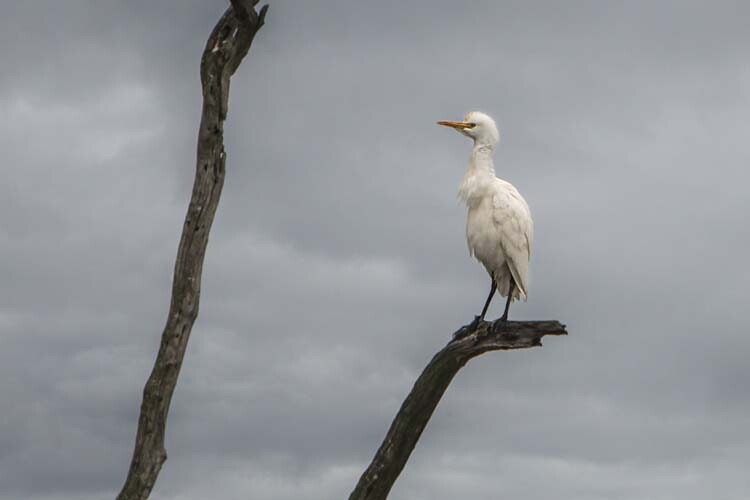
Cattle Egret Surveying the Water Below. One of many birds that inhabit the area.

One thing that is happening with the book on Banyule Flats is that we are inviting the Wurundjeri Elders and people to be involved. They are the traditional owners of this land, and having their input will help highlight the area, give the book a unique look, and help showcase part of their culture. Of course, I will not take advantage of them and will make sure that proper credit is given, and they will get a share in the royalties as well.

If we can make the book show off the area, we hope that more local people will get involved in the fight for the Flats, and we can then introduce the area to a much wider, potentially worldwide, community.

The book is going to be visual, have lots of photos throughout showing the area through the seasons, and contain big landscapes, as well as macro images of the flora that grow there. The photos have to be powerful to get our message accross: there will be no freeway through Banyule.

Cole-social-change-photography0378

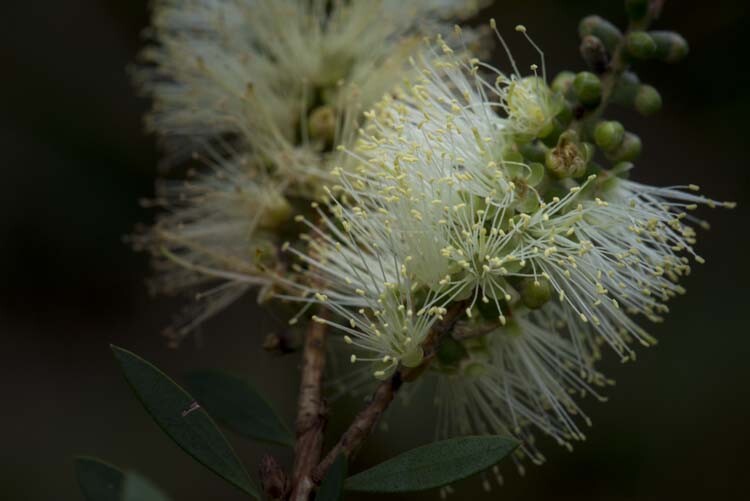
Bottle Brush. One of the indigenous plants at Banyule Flats.

Images are very strong. If I just tell you about the area then you are not going to want to protect it, but if I show you what it looks like then you start to feel a connection. Beauty has to be seen, and that is where photography becomes very powerful.

Think back to causes you have felt very passionate about. Do you think of them in words, or in images?

Cole-social-change-photography0373

Sunrise Around the Back of Banyule Flats.

When I think about the Vietnam War, images come to my mind, like the two I already mentioned. The Franklin Dam project was one of the first major campaigns that I have a really good memory of.  The image of the Franklin River gave people an understanding of what they were going to lose if the dam went ahead.

If you have a cause that you want to assist or save, use your photography to help. Get the best photos that you can, and show people what you want them to see. The stronger your photography is, the better the effect it will have. You want to create images that people will remember. In the years to come when people talk about Banyule Flats and how we stopped the freeway, I want them to think of my images in the book.

googletag.cmd.push(function() {
tablet_slots.push( googletag.defineSlot( “/1005424/_dPSv4_tab-all-article-bottom_(300×250)”, [300, 250], “pb-ad-78623” ).addService( googletag.pubads() ) ); } );

googletag.cmd.push(function() {
mobile_slots.push( googletag.defineSlot( “/1005424/_dPSv4_mob-all-article-bottom_(300×250)”, [300, 250], “pb-ad-78158” ).addService( googletag.pubads() ) ); } );

The post Using Your Photography to Create Social Change by Leanne Cole appeared first on Digital Photography School.


Digital Photography School

 
Comments Off on Using Your Photography to Create Social Change

Posted in Photography


Canon PIXMA MG3620 can print photos directly from social networks

09 Jul

Canon has introduced a new printer that can print images directly from Instagram and other social networks. The PIXMA MG3620 Wireless Inkjet all-in-one printer works with the Canon PRINT app for iOS and Android to both access and print from Instagram accounts, as well as other online services like Facebook, Twitter, Flickr, OneDrive, Evernote, Google Drive, Photobucket, and Dropbox. Read more

Articles: Digital Photography Review (dpreview.com)

 
Comments Off on Canon PIXMA MG3620 can print photos directly from social networks

Posted in Uncategorized


White House ban on photos and social media has ended

03 Jul

The White House has ended the ban on photography and social media use during public tours, and is instead urging visitors to take and share photos from tours using the applicable hashtag #WhiteHouseTour. The photography ban had been in place for 40 years, and was instated in part to reduce the damaging effects of flash photography on artwork. Read more

Articles: Digital Photography Review (dpreview.com)

 
Comments Off on White House ban on photos and social media has ended

Posted in Uncategorized