RSS
 

Posts Tagged ‘Should’

Subject tracking: Why it matters to us and why it should matter to you

19 Mar
On many cameras, subject tracking (choosing your subject and letting the camera track as you hold your composition) has gotten very, very good.
Nikon AF-S 24mm F1.8 @ F2.8 | 1/8000 | ISO 320.
Photo by Rishi Sanyal

Digital cameras, and for that matter, film cameras, have offered autofocus for a number of decades now. It’s evolved from just one point to many hundreds of points over the years, allowing for varying degrees of control. You can leave the whole focusing process up to the camera and let it choose what it thinks is your subject; you can just use a single point of your choosing; or you can dance in the middle-ground using a zone or group of points that you select and keep over your subject, while the camera attempts to compensate if your subject veers toward the outside of that zone.

Outright subject tracking, though, is something else. You select the subject you want, usually with a single point or a single zone, initiate focus, and the camera does the rest. It will attempt to identify the size, color and distance of your chosen subject and do its best to track that subject around the frame, whether your framing changes or your subject moves.

This isn’t a particularly challenging use case, but it’s a good demo of how subject tracking works on Nikon’s D5 in 3D Tracking mode. Note focus is initiated at the beginning of the run, and the camera automatically keeps an AF point over Richard while constantly refocusing; even when shooting at 12fps.

Many people don’t have trust their cameras to do this, and until the last few generations of digital cameras, we wouldn’t have recommended it; but manufacturers continue to invest in pushing this technology forward. Established professionals in particular are highly unlikely to shoot this way, because once you’ve worked one way and can reliably get results you’re happy with, why would you change?

But believe us; good subject tracking is really something special, and it’s worth your time to give it a go. Frankly, it has the potential to forever change the way you shoot, for the better.

Why does it even matter anyway?

There are cases both for and against using subject tracking. In high speed, peak action sports, an experienced photographer would likely do a fine job (or better job) by using a cluster, group or zone of autofocus points and follow the action his or herself. But for those who are less experienced, or when shooting at longer focal lengths where following the subject can be more difficult, or when just shooting really erratic and unpredictable motion, subject tracking can be a tremendous help. It got me a number of keepers at a rugby match on a Panasonic camera even though it was the first time I’d ever photographed rugby, and the Nikon D5 was great for low-light soccer.

1 2 3 4 5 6 7 8 9 10 11 12

In the above example from a Nikon D5, our tech editor Rishi Sanyal initiated focus on the kayaker, fired a short burst, kept tracking him with the shutter half-pressed, and then fired another burst that kept accurate focus despite the kayaker basically disappearing underwater for a moment. This gave Rishi an abundance of options for editing, allowing him to get just the moment he was after with that may not have been possible without the use of 3D Tracking. Click here to see the final edited photograph.

It’s true that most manufacturers, despite constantly improving their tracking algorithms with newer models, somehow still don’t recommend subject tracking for these sorts of situations; but in our experience, it still seems to work most of the time anyway.

What other sorts of situations could benefit from using subject tracking? Turns out, a lot.

Weddings are one situation in which I find subject tracking invaluable. For this shot, you could frame up your composition, initiate autofocus on the bride at the beginning of her walk down the aisle, and fire away as she moves through the scene with the camera constantly focusing. Ironically, I didn’t use tracking here because on this camera it’s a menu-dive to access that setting, and single AF is super fast; but the catch is I ended up with fewer options this way. 
Leica Q | ISO 2500 | 1/125 sec | F2
Photo by Carey Rose

Events and weddings are great use-cases for subject tracking. You can initiate focus on the bride (or groom) in a scene, and simply keep continuously focusing on them as they move around, dance, interact with guests, and so on. You don’t have to take the time to move your focus point around, which could results in missed shots, and you don’t have to focus and recompose, which can result in missed focus when shooting at really wide apertures. You can end up with a greater variety of images and more options to choose from when it comes time to edit.

Another use case is candid portraiture. When you can reliably lock focus on a subject’s face or eye and are able to move the camera around while it continues to track focus, that allows you to sample multiple compositions really quickly. It also allows you that much more creative freedom to focus on those compositions in the first place instead of constantly having to move your focus point to catch up to what you’re seeing in your head. Autofocus point placement becomes just one less thing you have to think about.

The elephant in the article – just give it a try

Now, you may have noticed that most of the examples and references in this article are from high-end Nikon cameras, and the reason is not a personal bias; we’ve consistently called out this feature for a while now on mid-to-high end Nikons because we find it to be industry-leading.

But if you’re not a Nikonian, don’t fret! Almost every major consumer camera manufacturer has subject tracking in some form. Panasonic’s tracking system works reliably well, in both rugby and in social situations. Sony’s Eye AF feature is truly amazing. Olympus’ C-AF + Tracking is fairly robust, and Canon’s Dual Pixel AF is probably the best face detection and recognition system out there.

In short, experiment a little, give it a try and happy shooting!
Articles: Digital Photography Review (dpreview.com)

 
Comments Off on Subject tracking: Why it matters to us and why it should matter to you

Posted in Uncategorized


5 Reasons Why You Should be Doing Night Photography

10 Feb

We photographers tend to avoid night photography. Sure, there are some who seem to specialize in it, but most of us stick to daylight hours.

night photography tips and course

Historically, there were good reasons for this. Night photography was hard. You couldn’t see what you were doing because there were no LCD screens on camera. Every mistake cost you money in the form of film and processing. Even when digital cameras came on the scene, the low light performance in most cameras was so atrocious that it made it difficult to shoot at night.

But now, times have changed. Obviously, with digital, you can see exactly what you are doing and take as many test shots as you like. Cameras – and the low light performance of cameras in particular – have improved drastically in the last three to five years. Post-processing tools have come a long way as well, so now you can enhance your night photos a great deal.

night photography tips and course

All that makes night photography much more feasible. But is it something you should do? Will it lead to great photos? Is it fun?

The answers are; yes, yes, and yes. In this article, I will show you some of my favorite things about night photography. Once you get started, you are sure to have some of your own reasons.

1.  Otherwise mundane places are dramatic at night

Most photographers struggle with one thing in particular. That is how to make their photos stand out from the crowd.

Photographing at night can help you make that happen. Let’s be clear, though, just taking any old photo at night won’t get you there. But you’ll be surprised at how many locations that appear rather mundane or drab during the day can be made to look incredibly dramatic at night.

night photography tips and course

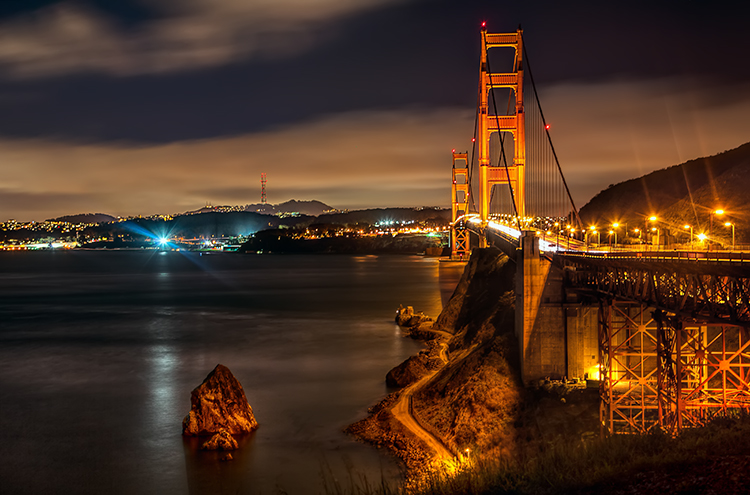
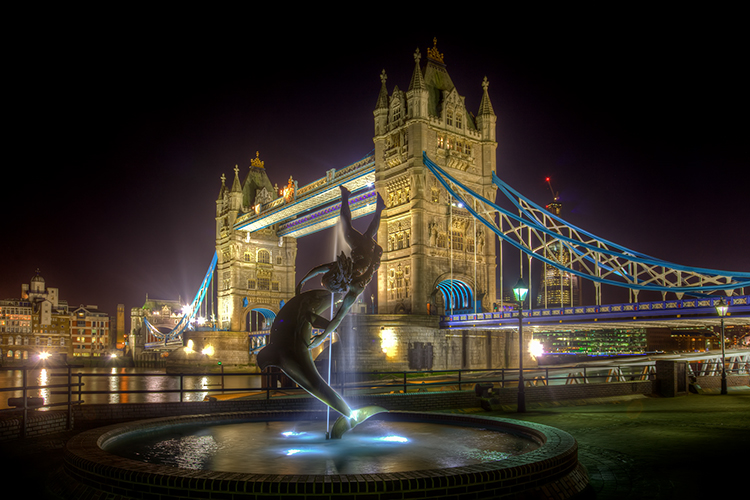
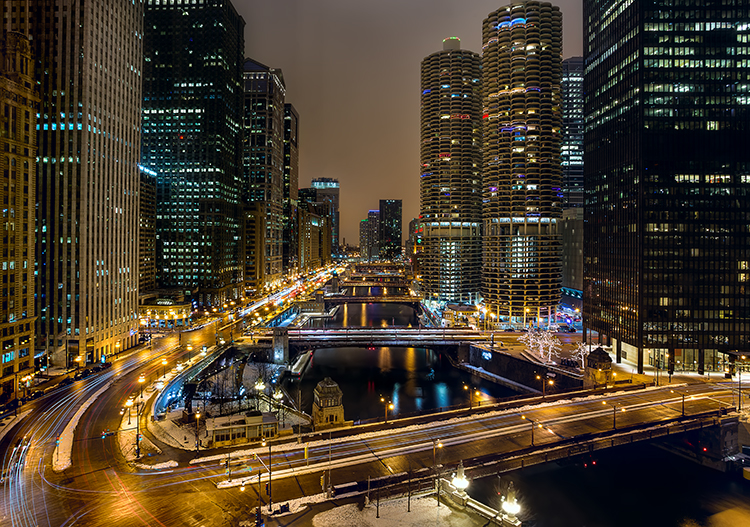
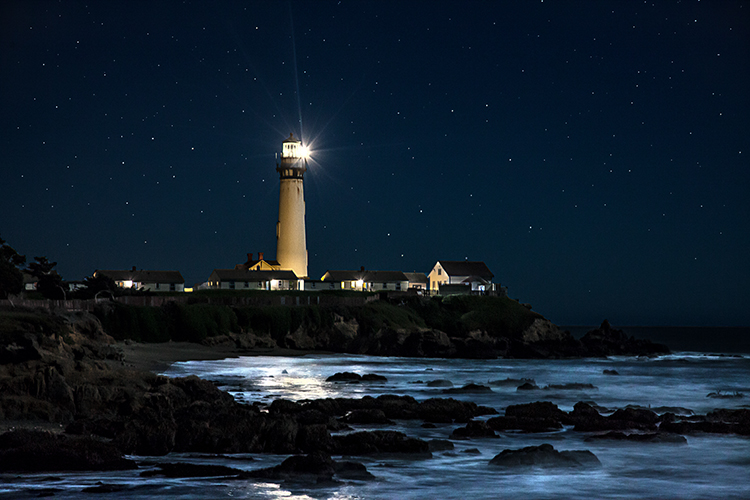
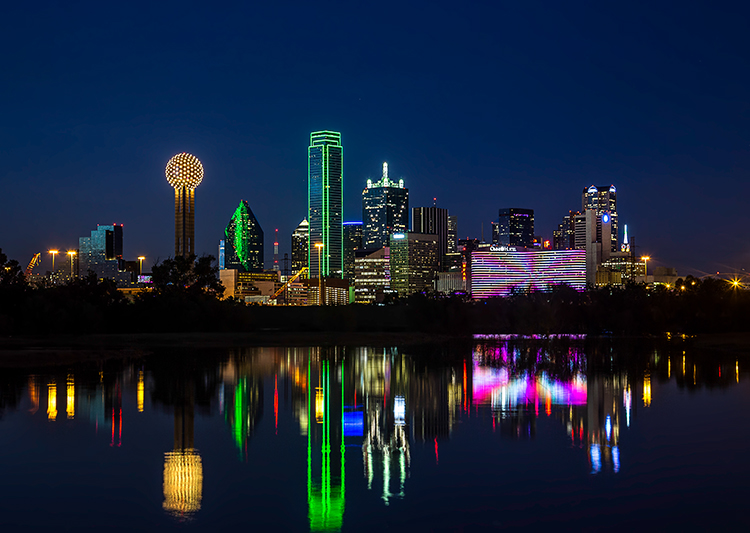
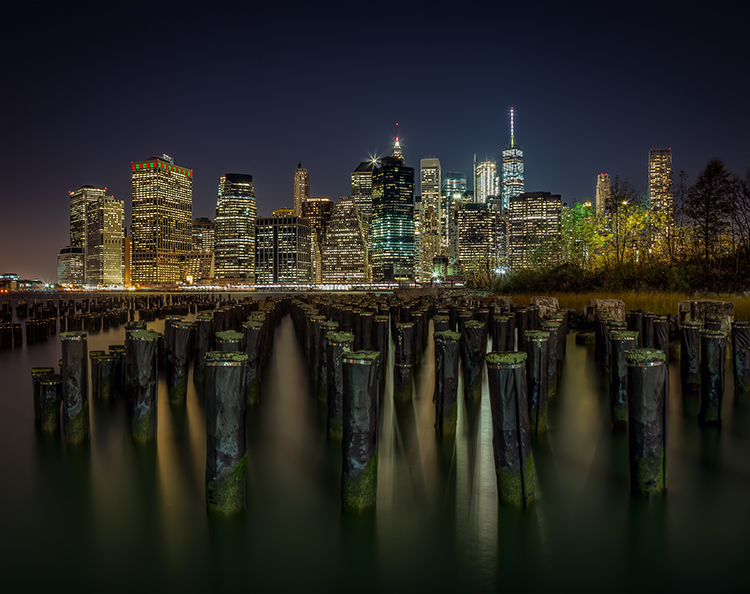
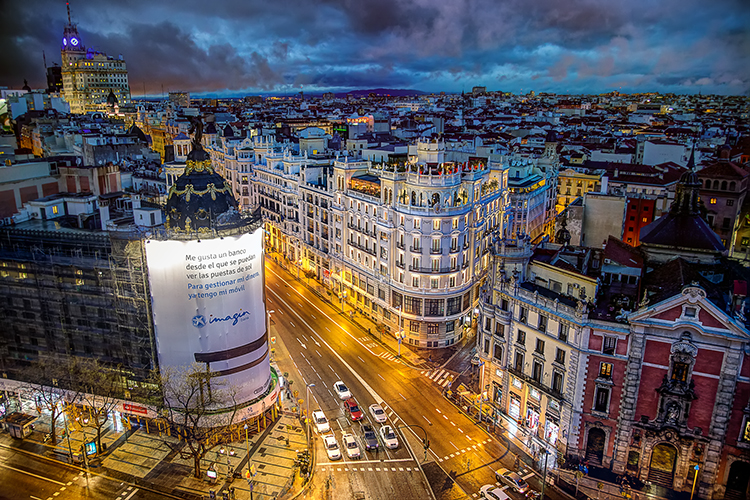
In cities, for example, you will find well-lit facades, bridges, skylines, etc. The city lights add interest and give you lots to work with. During the day, these appear flat and uninteresting. At night, however, there is usually dramatic lighting added. In rural environments, you have the night sky. A clear sky in the daytime is nothing special, but at night you are treated to a sky full of stars. In either case, you can add your own light to the scene via a flash unit or light painting (bring your flashlight!).

In addition, the night is just different than what most people normally see. That’s not to suggest that night photography is somehow a novelty, but photography during the day is much more common. People are accustomed to seeing photos during the day. They are even used to seeing dramatic sunrise and sunset photos. Night photos are a little more unusual. Take advantage of it.

2.  You can achieve amazing effects that are impossible during the day

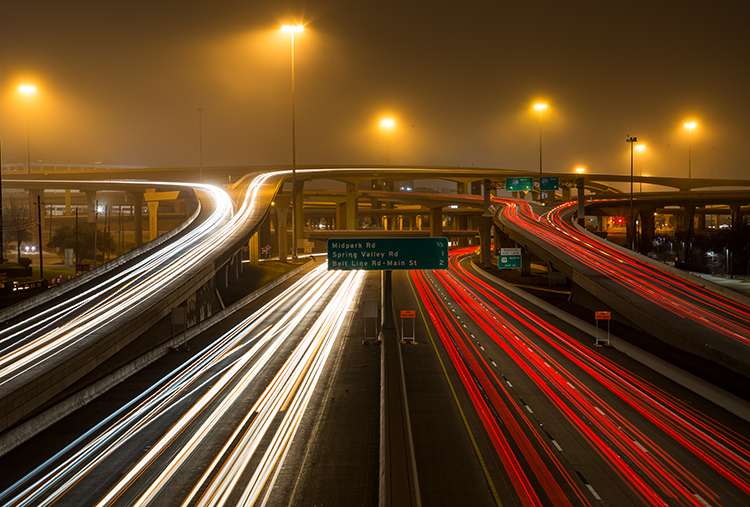
Light trails, starburst effect, motion blur . . . these are all easy at night. The long shutter speeds that are often required for proper exposure in night photography can lead to really cool effects. In addition, at night you can work with lights that just aren’t on during the day.

night photography tips and course

At night, not only are you taking pictures that many others don’t take because they are at home, but you are also taking pictures that many photographers can’t take. You need to have more than a rudimentary understanding of exposure to get a good night shot. Long exposures are very common, so a tripod and a remote shutter release are necessities. Beyond that here are some other considerations for night photography:

  • You need to control shutter speed to get motion blur where you want it and avoid camera shake when you don’t.
  • Aperture control is needed to balance competing goals of letting enough light in, achieving a proper depth of field, achieving a starburst effect to lights, and avoiding diffraction.
  • You need to control ISO to achieve a proper exposure without an intolerable amount of noise that often goes along with night photography.

Granted, some of these things are issues during the day as well. But they are much more of an issue at night. The lack of light is not that difficult to overcome, but you do need to know what you are doing.

3.  The light never changes

night photography tips and course

As someone who loves landscape photography, it can be really frustrating to spend all your time waiting for fleeting moments of light that may or may not ever arrive. Have you ever considered what percentage of a typical day is actually good light for landscape photography? It is a tiny window! Furthermore, how many times have you awaited a sunset and aftermath that didn’t even pan out?

With night photography, on the other hand, you aren’t waiting around for the light. Once the sun is fully set, the light never changes. It is just always dark. Streetlights, spotlights, and other artificial lights aren’t changing (so long as they are on), but rather are constant. So you have all night.

night photography tips and course

You can go out any night and things will be the same. Once you are out, you don’t have to hurry your exposures on account of the changing light. Of course, you may have to hurry if your subject is moving, but it won’t be on account of the changing light.

4.  It is Not So Weather Dependent

Night photography is also not as dependent on the weather. For example, at night, whether it is clear or cloudy, any sky in your picture will likely be black or very dark. You aren’t looking for particular cloud formations.

night photography tips and course

That said, certain weather is not conducive to photography whether it is day or night. Grey, misty days often don’t lead to great pictures (unless you are looking for a mysterious element). And you probably don’t want to go outside in a monsoon or storm. But for the most part the background of your shots just isn’t as weather dependent as shots taken during the day.

5.  It fits your life

You know how you want to get out and do more photography but life keeps getting in the way? You cannot get out during the week because you have to work. On weekends you seem to be tied up with family commitments and errands. It seems like there is never a good time to get out and do some photography.

Most people find, however, that it is easier to get out and do photography at night than during the day. During the day, you are working. At night, most people are off work. During the day, there are family activities. At night the family is winding down and/or going to sleep. During the day, there are errands to run. At night, most stores are closed. You get the idea. There is just less going on at night, such that it always seems easier to get away and do some photography.

night photography tips and course

Conclusion

Don’t forget – half of every day consists of night. In fact, in higher latitudes, the winter can feel like nothing but darkness. But by neglecting the night, you are overlooking the majority of every day. In some ways, you are missing the best part.

Anyway, these are some of my favorite things about night photography. Once you try it, you are sure to have some of your own reasons.

** NOTE ** If you’d like to know more about this subject, learn more about my brand new course on night photography here, so you can take stunning night photos too!

googletag.cmd.push(function() {
tablet_slots.push( googletag.defineSlot( “/1005424/_dPSv4_tab-all-article-bottom_(300×250)”, [300, 250], “pb-ad-78623” ).addService( googletag.pubads() ) ); } );

googletag.cmd.push(function() {
mobile_slots.push( googletag.defineSlot( “/1005424/_dPSv4_mob-all-article-bottom_(300×250)”, [300, 250], “pb-ad-78158” ).addService( googletag.pubads() ) ); } );

The post 5 Reasons Why You Should be Doing Night Photography by Jim Hamel appeared first on Digital Photography School.


Digital Photography School

 
Comments Off on 5 Reasons Why You Should be Doing Night Photography

Posted in Photography


This video is great reminder why you should follow posted signs in National Parks

04 Feb

The 61G lava Ocean Entry event happening on Hawaii’s Big Island has been in the news a lot lately. If you somehow haven’t yet seen the dramatic footage of red-hot lava spewing from the side of a cliff, well, you’re in for a treat. But as enticing as it might be to onlookers and photographers trying to get a better view, mother nature just provided a gentle reminder why you should stay a safe distance away.

See also: exhibit B. It may seem obvious that the edge of a cliff next to a lava ‘firehose’ as it’s called is nowhere for a tripod, but not everyone seems to get that. A park official tells ABC News that she sees people crossing boundaries from designated viewing areas to unsafe zones every day. Geologists are monitoring the area daily for signs of trouble, but the most recent collapse occurred without warning.

Photo courtesy USGS. The image above shows the cliff pre-collapse.

Consider this your daily reminder to obey posted signs in natural areas and to get your shot from a designated viewing area – lava or no lava.

Articles: Digital Photography Review (dpreview.com)

 
Comments Off on This video is great reminder why you should follow posted signs in National Parks

Posted in Uncategorized


Buying a second lens: what lens should I buy next?

15 Jan

Why do I need another lens?

So you’ve just bought your first interchangeable lens camera? That’s excellent. Whichever camera you’ve bought, it’s likely to be able to support you in taking some great photos. Your camera probably already came with a lens and it’s likely to be totally fine, so why would you need to buy more?

Essentially, the different lenses can extend the kinds of photographs you’re able to take. Different lenses can allow you to take better photographs of different subjects or in different circumstances. It’s all a question of what you want to shoot.

What are the options?

At first glance, looking at additional lenses can be daunting: there are lots of options, their names appear to be written in an obscure code and it’ll quickly become apparent that seemingly small changes in these numbers can equate to a vast difference in price.

An important thing to remember is that you don’t need a ‘complete’ set. So don’t worry about that huge pile of lenses that probably appears on the camera maker’s website or in the back of the sales catalogue; you’re not going to need to buy them all.

You don’t need to collect them all. Most people will only benefit from having a couple of these lenses. The question is: ‘which ones are right for you?’
Image courtesy of Canon

Your specific interests and photographic style will dictate which lenses you need (or, at least, want). And, though there’s always some risk that your photography gets shaped by which lenses you have and haven’t got, there’s nothing that says you need lots of lenses to achieve everything you want to achieve.

The effect of focal length (and aperture) depends on the sensor size you mount it in front of. We’re only going to discuss general classes of lenses in this articles, not specific examples.

The two main properties of a lens are its focal length/s (which defines the view of the world it gives) and the maximum aperture value/s (which defines how much light it can let in). Here’s what different focal lengths look like on a Full Frame camera, shot from the same position:

21mm 24mm 28mm 35mm 50mm 85mm 100mm 200mm

Prime and zoom lenses

Most common lenses, including the ‘kit’ zoom that probably came bundled with your camera are zoom lenses. These have complex mechanisms that allow them to offer a range of focal lengths, meaning they can be zoomed in and out to change the magnification of your subject and what you include or exclude from your image. Zooms are highly flexible.

A zoom lens will list the widest and longest focal lengths it offers (eg 18-55mm), and will also list how wide and bright the aperture can go, first at the widest focal length, then at the longest (eg F3.5-5.6), the lower the number, the more light it can let in.

The alternative to zooms are prime lenses. These only offer a single focal length: the lens can’t been zoomed in or out. Why would anyone want such a restrictive lens? From a practical perspective, it’s easier to design a prime lens with good optical performance and a bright maximum aperture, to let in lots of light, since the design only has to do one thing. And, from a creative perspective, many photographers find a prime lens forces them to consider the composition of their images more carefully.

What’s a telephoto lens?

Although the term has a specific meaning, most people use ‘telephoto’ lens to mean anything longer than about 50mm equivalent. Essentially, anything significantly more ‘zoomed-in’ than looking at the world with the naked eye.

Telephoto lenses with long focal lengths can make your photos seem closer to the action, so they lend themselves particularly well to wildlife and sports photography.

Many camera brands offer a telephoto zoom lens that can be bought as part of a ‘twin lens kit’ when you buy the camera. Like your standard kit zoom, this is likely to be an F3.5-5.6 variable aperture lens. Like your kit zoom, this will be perfectly effective in a lot of situations but won’t necessarily be the sharpest lens or the most effective as the light starts to fall.
A short to moderate telephoto lens can be perfect for portrait shooting.
Photo by Dan Bracaglia

Telephoto lenses can be used for all sorts of things. Short to moderate tele lenses are great for portraiture, allowing you to stand a sensible distance from your subject while including your subjects head or head and shoulders. Longer telephoto lenses can be ideal for various types of sports shooting, and super-long telephotos tend to be specialist lenses for birding.


If your budget will stretch to it, the best quality telephoto zooms tend to be the ‘constant aperture’ models, which maintain the same F-number throughout their zoom range. 

If you find that the long end of your kit zoom doesn’t get you close enough to the action, it’s worth looking into a telephoto lens.

What’s a wide-angle lens?

As you can probably deduce, wide-angle lenses are the opposite of telephotos: they are lenses with short focal length that offers a wider view than you see with the naked eye.

Wide-angle lenses let you capture a wide field-of-view, making them ideal for landscape work or shots that give a dramatic perspective on the world.

These lenses can be used for all sorts of landscape and environmental photography and can lens a dramatic effect to your images. If you often find yourself shooting at the widest setting on your kit zoom and backing away from your subject, you might find a wide-angle lens is a good first choice.

What’s a macro lens?

Macro lenses are specialist lenses that are designed so that they can focus very close-up, enabling high magnification photography. These are especially popular with photographers who want to shoot insects, flowers and other small, fine detail.

Macro lenses allow you to shoot small objects close-up.
Photo: Wenmei Hill

If your kit zoom refuses to focus and your chosen subject always ends up looking tiny in the frame, it might be worth looking more closely at a macro lens.

What about your kit zoom?

A common mistake is to assume that because you already have a zoom that covers the moderate-wide to moderate-tele range, there’s no need to buy a new lens in this range. Actually, the opposite may be true.

Kit zooms let you to go out shooting, the moment you open the camera box but they’re often built to very low cost. This can mean patchy optical performance and slow maximum apertures that can limit your camera’s low light capability and little opportunity to shoot with shallow depth-of-field.

‘Normal’ lens shows approximately the view you see with the naked eye: neither zoomed-in nor zoomed-out. They’re great for capturing the world around you, so you may find it makes sense to buy a sharper or brighter lens that covers the same range as your kit zoom.
Photo by Dan Bracaglia

For many people, the ‘normal’ range covered by the kit lens ends up including the focal lengths that are most often useful, so there’s an argument for buying a better lens to replace or augment your kit zoom. For instance, many companies make relatively inexpensive prime lenses in this region that have a brighter maximum aperture than the kit lens. These can provide a first taste of shallow depth-of-field and are ideal for low light work. 

The prime lens used here gives more ability to blur the background than the zoom lens that comes kitted with most cameras.

Alternatively, companies such as Sigma, Tamron and Tokina make constant F2.8 zooms that are often sharper and more versatile than the lens that came in the box.

Get out there and try it

If you’re worried about whether you’ll find it useful, try renting a copy before you buy. Alternatively, search around for second-hand options (though this often entails doing increased research to ensure no nasty compatibility surprises).

Whichever choice you make, it can take some time to adjust your minds-eye to ‘see’ the photos that your new lens will let you take. Give it some time, keep shooting with it and you’ll find you start to get an almost instinctive feel for a new angle-of-view.

And, even if you change your mind, a good lens will tend to retain a good portion of its value if you look after it, so you can always sell up and try again, if your mood or style changes.

Articles: Digital Photography Review (dpreview.com)

 
Comments Off on Buying a second lens: what lens should I buy next?

Posted in Uncategorized


4 Reasons Why You Should Photograph Concrete

11 Jan

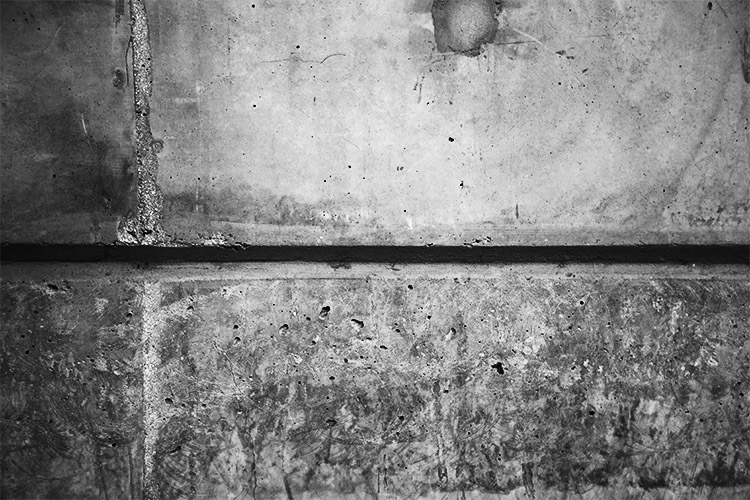
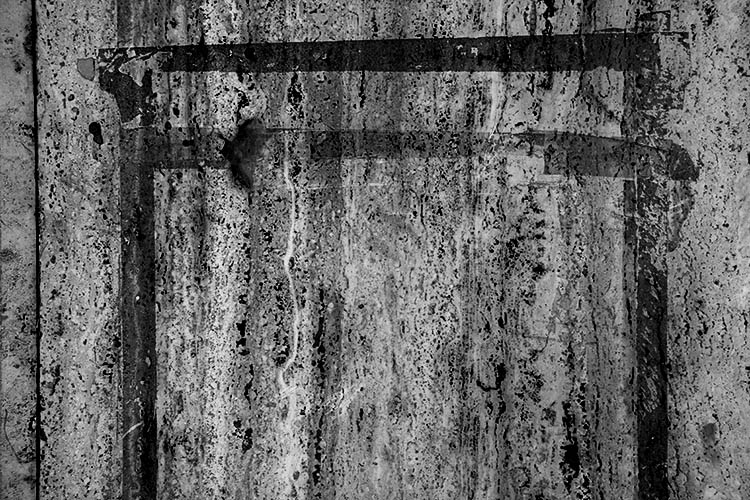
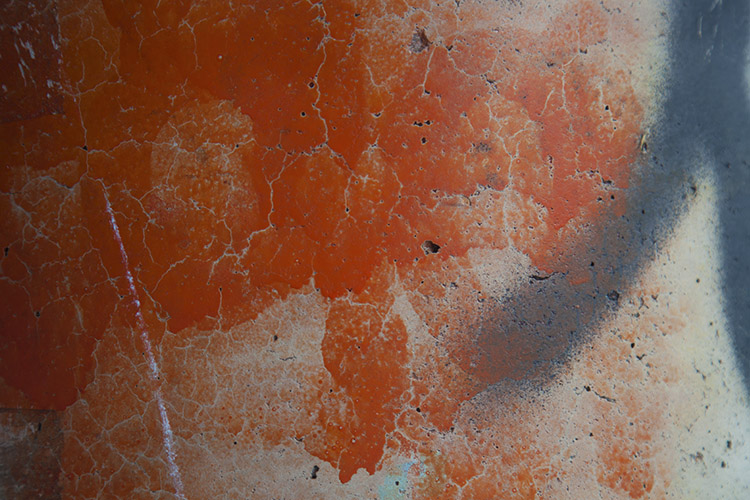
When people ask me if I have a favorite subject to photograph, they are often surprised by my response. See, I really enjoy photographing abstract urban environments, and most of all, I love photographing concrete. Yep, that’s right! Plain old concrete.

As the most common urban material, concrete shapes buildings, lines pathways, forms pipes, columns, bridges, and driveways. Anywhere you look you’ll see concrete, it’s as endless in variety as the reasons I love photographing it. You could say that car parks are a wonderland for me.

concrete-photography-03

This slab of concrete takes on the appearance of a Rorschach test.

However, concrete is often overlooked for more obvious or eye-catching subjects. If you google “urban photography” there are thousands of beautiful photographs of skyscrapers and streets, urban patterns, and underground train lines. But rarely do you see photographs of just concrete itself.

And why would you bother? A photograph of a concrete bollard sounds pretty boring, right? Wrong! Here are a few reasons why concrete can be a photographic wonderland if you simply take the time to look.

concrete-photography-14

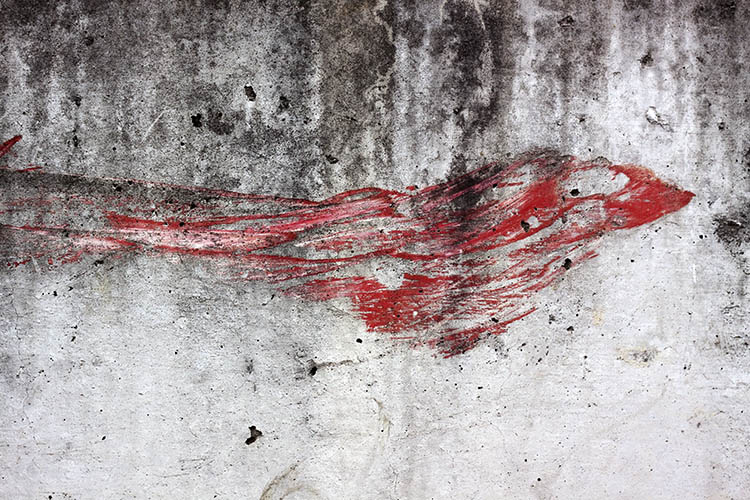
The strikingly bold mark on this slab of concrete is the remnant of a red car that got a bit too close.

concrete-photography-01

1 – Concrete is a time capsule

Concrete is popular in construction because it builds durable, long-lasting structures that will not rust, rot or burn. In short, it stands the test of time. This means that concrete construction will invariably wear the markings of the surrounding environment and the people who consciously or unconsciously interact with it.

It is a time capsule and photographing it means documenting the story of what makes up an urban environment. From the freshly laid feature wall, to the roughly poured foundations of an underground car park, or names etched into pathways and paint scratches from cars, it all tells a story.

concrete-photography-13

concrete-photography-15

concrete-photography-11

concrete-photography-16

concrete-photography-17

2 – Abstract expressionism

If  photography is like painting with light, then concrete is a sturdy urban canvas. Another reason I enjoy photographing concrete so much is it has parallels to abstract expressionism. Abstract art, mostly characterized by painting, focuses on the process, the medium, the shape and the color within the frame of the canvas. Through their paintings, abstract expressionists create a visual arena documenting an artist’s movements, thinking and process without relying on the depiction of figurative imagery. Like abstract art, concrete lays bare the visual results of spontaneity, time and the limitations of physics. The lack of figurative references also allows the viewer to explore the image in greater depth, lending their own meaning to the work – which creates a deeper connection with the audience.

Like abstract art, concrete lays bare the visual results of spontaneity, time and the limitations of physics. The lack of figurative references also allows the viewer to explore the image in greater depth, lending their own meaning to the work – which creates a deeper connection with the audience.

concrete-photography-08

concrete-photography-05

concrete-photography-18

The lack of figurative references creates the appearance of an almost alien landscape

3 – Minimalist beauty

Concrete itself is like an abstract expressionist’s canvas, but the act of photographing such a bold subject is actually very minimalist. Photography, when you drill down to the basics, is about light, shade, surface, tone and line. Photographing concrete surfaces doesn’t seek to depart from this, but rather, emphasize it.

Photographing a seemingly menial subject like concrete not only draws attention to its beauty but hearkens back to the simple elegance of photography by documenting the incidental and intentional brushstrokes of the urban environment.

concrete-photography-09

concrete-photography-02

4 – Variety!

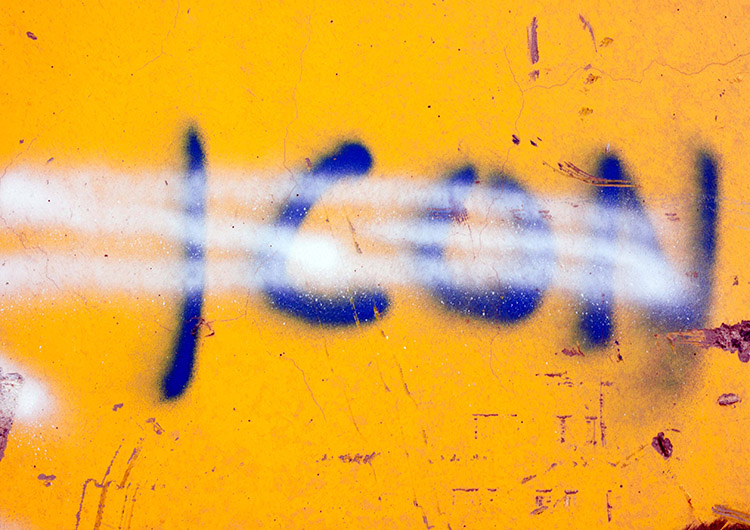
No two panels of concrete are the same. Concrete acts as a canvas for a myriad of air bubbles, paint, scratches, graffiti, wear, watermarks, leftover adhesive, etc. Concrete itself forms waves and arches as it is poured. Finishing effects vary too, depending on the type of concrete and the pouring technique. Any portion of concrete maps out the history of that particular time and place with hypnotizing whorls and abrasive texture.

The familiarity of the subject is no deterrent either. Often, as I’m photographing a wall or pathway, passers-by do a double-take, trying to see what it is that I’m photographing. It’s something they may never have considered photograph-worthy before, and it interests them. The beauty is already there, waiting for someone to draw attention to it. Viewers often remark that they never knew concrete could be so beautiful until now!

concrete-photography-10

concrete-photography-12

Conclusion

Concrete is an incredibly variable and dynamic subject, and whats more, it keeps still! As an almost constant presence in history, the use of concrete has evolved with humans to shape our environment. Concrete is a time capsule of intricate details and hidden stories that illustrate the way we interact with the world.

It’s an often overlooked, but delightfully accessible subject, always ready for a photographer to take notice. Next time you are out and about with a camera, take time to look at what concrete has to offer. You may surprise yourself with how fascinating the canvas of the urban landscape can be!

concrete-photography-04

googletag.cmd.push(function() {
tablet_slots.push( googletag.defineSlot( “/1005424/_dPSv4_tab-all-article-bottom_(300×250)”, [300, 250], “pb-ad-78623” ).addService( googletag.pubads() ) ); } );

googletag.cmd.push(function() {
mobile_slots.push( googletag.defineSlot( “/1005424/_dPSv4_mob-all-article-bottom_(300×250)”, [300, 250], “pb-ad-78158” ).addService( googletag.pubads() ) ); } );

The post 4 Reasons Why You Should Photograph Concrete by Megan Kennedy appeared first on Digital Photography School.


Digital Photography School

 
Comments Off on 4 Reasons Why You Should Photograph Concrete

Posted in Photography


Which instant camera should I buy? 2016 Instax mini roundup

24 Nov

Instax Roundup 2016

Let’s face it, it seems a little odd that a site called Digital Photography Review would dare take a step backward in to the world of analog photography. But truth be told, we all were delighted by handling physical prints from these cameras. Some of our editors began their careers in a darkroom, and with Instax mini images there’s just a little zest of the ‘magic’ of development as an image first appears. After that’s over, you’re left with a business-card sized talisman, artwork, souvenir, memory, or whatever else a photograph can become.

It’s not just us who are hooked on the smiles and joy instant photography can bring; sales of Fujifilm Instax cameras are expected to reach 5 million units this year, and they’re not even the sole manufacturer of cameras that use the format. 

Plus, the affordable options make great gifts, and are some of the cheapest ways to give the gift of photography over the holiday season. So we wondered: which one is best? 

We decided to step into the world of instant for a few days to find out which camera is best for gifting to newcomers, and which is best for a photographer to gift to themselves. We selected eight cameras that all use the Instax mini format – which is now available in color and black and white (purists rejoice!) – and spent a little time with each to find out which is most fun, and which one is most rewarding. 

The contenders are:

Fujifilm Instax mini 8
Fujifilm Instax mini 70
Fujifilm Instax mini 90
Lomography L’instant
Lomography L’instant Automat
Lomography LC-A+ Instant Back
Leica Sofort
MiNT InstantFlex TL70

Articles: Digital Photography Review (dpreview.com)

 
Comments Off on Which instant camera should I buy? 2016 Instax mini roundup

Posted in Uncategorized


So, you don’t care about the iPhone 7? Here’s 10 reasons why you should

10 Sep
The iPhone 7 has a newly designed 12MP camera with a six-element, optically stabilized lens. As well as stills it can shoot 4K video at up to 30p, and the iPhone 7 Plus offers a twin-lens camera providing 28mm and 56mm focal lengths. 

Another year, another iPhone, the usual chorus of Internet commenters going to great lengths to tell the world how little they care. But we’d be foolish to ignore the world’s most popular camera – and so would you.

Here’s why.

$ (document).ready(function() { SampleGalleryV2({“containerId”:”embeddedSampleGallery_5515118563″,”galleryId”:”5515118563″,”isEmbeddedWidget”:true,”standalone”:false,”selectedImageIndex”:0,”startInCommentsView”:false,”isMobile”:false}) });

Official iPhone 7 sample photos, courtesy Apple

1: 12MP is good enough

Ok, most DSLRs and high-end compacts offer 20MP+ but if we’re being honest, 2MP is good enough for Facebook, 3MP is good enough for a magazine cover, 6-8MP is good enough for a large-ish wall print and anything more than that is a bonus, most of the time. In short, the chances are that 12MP is good enough for you. 

2: It shoots Raw

It was only a matter of time before Apple added a Raw capture option to its iPhone series, and the day has come. As such, the iPhone 7 and 7S are arguably more enthusiast-friendly than the majority of low-end zoom compact cameras, and almost all tough cameras.

Adding Raw capture to the iPhone gives photographers a lot more creative freedom, and should allow them to mitigate – if not entirely overcome – some of the limitations of shooting with a control-limited device and a small sensor format. Raw shooting is coming to older iPhones soon too, with the upcoming release of iOS 10.

3: The iPhone 7 Plus has a proper zoom. Kind of.

The iPhone 7 and 7 Plus feature 12MP imaging sensors – most likely a 4.9 x 3.7mm BSI-CMOS which gives an equivalent crop factor of around 7X. The 7 Plus has two of them, which form twin cameras shooting at 28mm and 56mm equivalent. Their F1.8 and F2.8 apertures are equivalent in depth of field terms to ~F12 and ~F22 respectively.

The iPhone 7 Plus features a twin-camera design, which comprises 28mm F1.8 and 56mm F2.8 equivalent prime lenses. A forthcoming update will enable a computationally-derived bokeh simulation effect.

A 28-56mm two-step zoom might not set your heart ‘a flutter, but for the average beginner, or keen smartphone photographer, the added versatility of a proper choice of optical focal lengths is a serious selling point of the iPhone 7 Plus over every other phone on the market. A true optical zoom would be hugely complicated, but Apple’s approach makes sense. One lens for landscapes, one for portraits.

5: The iPhone 7 Plus can do bokeh. Kind of. 

We’ve seen attempts to blur out backgrounds using software before, but they don’t tend to end well. Typically, in the devices which offer some kind of algorithmic background blur feature, the effect is inconsistent. Even when it works, it doesn’t hold up well to critical examination.

We won’t be able to properly test the iPhone 7 Plus’s bokeh simulation effect for a while, but early samples look very encouraging indeed. 

Apple seems to be doing two things a little differently. The first is that the feature only works in ‘Portrait’ mode (when the iPhone 7 Plus’s 56mm equivalent lens is employed), and the longer focal length probably gives it a bit of a head-start in terms of baseline background blur for portraits compared to a bog-standard wideangle cellphone lens.

The second is that rather than just identifying your subject, making a mask, then blurring everything which looks like it probably isn’t your subject, the iPhone 7 Plus’s software makes a very complex depth map of the scene, and selectively applies blur based on the calculated distance of the background from your intended subject. For now, we only have Apple’s sample images to go by, but it seems to work impressively well.

6: It’s optically stabilized

Here’s an exploded view of the iPhone 7’s camera, showing its six-element construction.

This is old news in the mainstream camera market, but optical stabilization still isn’t included in some fixed-lens cameras. Optical I.S. will make the iPhone 7 and 7 Plus cameras more useful in poor light, extending the potential of the products for social and environmental photography.

7: It’s quick, and powerful

Modern smartphones incorporate an incredible amount of processing power, and compared to most cameras they’re capable of churning through much more data. With the cameras activated, the iPhone 7 and 7 Plus are constantly sampling a scene in preparation for exposure. So effectively, when you tap the shutter button, they’ve already taken the picture. On-sensor phase-detection autofocus using dedicated pixels means there’s virtually no hunting for focus, either.

Apple claims that the iPhone 7/Plus’s imaging processor manages more than 100 billion operations every time a picture is taken. Think about that the next time you take a photo of your cat.

8: It shoots 4K

Maybe you think you don’t care, but trust us – even if you’re not a filmmaker, the ability to capture 8MP frames at up to 30fps can be pretty handy.

9: It’s water-resistant

You can take the iPhone 7 and 7 Plus out in the rain, or drop them in the bath without worrying. How many photographers can say the same thing about their ‘proper’ cameras?

Supposedly, the iPhone 6S was almost water-sealed, but not quite. With the removal of the headphone jack, the iPhone 7 and 7 Plus have been made fully water resistant, and are both capable – apparently – of being submersed for up to 30 minutes without damage. 

10: Good iPhone cameras lead to better ‘proper’ cameras.

Even if you’re one of those people who has an almost religiously-held indifference to cellphones (and I know you exist because I get emails from you), consider this:

The greater the public’s expectations of the cameras in their cellphones, the more they expect of ‘proper’ cameras, if and when they buy one. There is certainly an argument to be made that the only reason we have things like beautiful high-resolution touch-screens, wireless connectivity, GPS and 4K video in cameras now is the iPhone. That ten years ago, Apple kicked off a smartphone revolution with the original iPhone which lead to the inclusion of these features in cameras becoming an expectation on the part of smartphone upgraders.

Habitual iPhone photographers won’t put up with laggy low-resolution touch-screens on DSLRs, or the omission of features like 4K video and wireless connectivity that they’re used to from their phones. This drives camera manufacturers to add more features to their products, and we all benefit. Right?

10.5: It’s an iPhone camera.

This is an obvious point, but bear with me. Remember what I just wrote about this being the ‘world’s most popular camera?’ Apple has been phenomenally successful when it comes to putting its devices in people’s pockets. More people are taking photographs now than ever before, and the iPhone, in its various versions, is the most popular picture taking device (or strictly speaking, series of devices) in the world.

What that means is that like it or not, when Apple does something, even if it didn’t do it first, it tends to have a certain significance. It’s safe to assume that there are a lot of people talking about the words ‘Bokeh’ and ‘Raw’ today who had never heard the terms before Apple’s launch event this week. Maybe I’m just a misty-eyed optimist, but I think that’s kind of cool. 

Articles: Digital Photography Review (dpreview.com)

 
Comments Off on So, you don’t care about the iPhone 7? Here’s 10 reasons why you should

Posted in Uncategorized


5 Things Newbies Should Know About Getting Started in Photography

01 Sep

Getting started in photography can be quite scary. We all start by investing in a DSLR, and think we are going to take amazing images. In reality it is a bit more difficult, because if it was easy… well everybody would sell prints, quit their day job, and live off photography.

Just like any art, photography has to be learned, and practiced – a lot. It is a trial and error process, we all start at the bottom and build our way up.

5 tips photography 1

If your images do not look like you imagined them, then try a different approach. Just do something. Einstein said that the definition of insanity was doing the same thing over and over and expecting different results.

#1 – Gather information and knowledge

Photography is the best hobby you could have, but it is a lot of hard work. I personally don’t believe in talent. The first tip I can give you is to absorb as much information as possible. How do you do that ? Well you have so many free resources on the internet, the only need to take advantage of it. Since you are reading this, then you’re on the right track.

By resources, I mean articles online, magazines, and YouTube tutorials. You can learn so much in less than 30 minutes. One other tip I can also give is to check multiple resources for the same topic.

5 tips photography 2

Read photography magazines. They have amazing stories and tutorials.

For example you want to learn how take portraits – don’t read or watch only one tutorial. The more you research, the more you will learn, because sometimes one article won’t give you all the answers to your questions, but another article will.

You should also anticipate. What I mean by that, is to learn about it, before trying to do something.

For example, say you want to buy a new DSLR. You should learn how to use it before you actually buy it, read reviews and tutorials. If you are planning a trip to the sea, then learn seascape photography before travelling.

5 tips photography 3

Photography is spending hours and hours on research.

#2 – Try all kinds of photography

This brings me to my second tip: don’t focus on only one type of photography. Of course, if you like portrait photography then do that. What I’m trying to say, is that you should explore all the possibilities, before focusing on only one type of photography. Try to add variation by learning about macro photography, landscapes, portraits, wildlife, etc.

5 tips photography 4

Try super sports car photography. It’s so fun, just protect your ears.

You may be surprised by the results you get, and if you never try, you will never know if you actually like photographing birds or not. From my experience, the more you learn, the more you’ll be able to do things. It’s better knowing how to do five things than only one. Starting photography and only wanting to take portraits is not the right mindset. It’s just like food, if you don’t try new food, you will never know if you like it or not.

#3 – Photography is an investment

The third thing you should know is that photography is a big investment. You will need to buy lenses, camera bodies, tripods, and filters, which will end up being quite expensive. If you are not smart with your decisions, then your bank account can end up in tears.

It may seem confusing when I tell you to try different types of photography, but then warn you about buying too much gear. If you want to try macro photography, don’t buy a macro lens right away. Just buy extension tubes (or close-up filters) until you know if you are serious about macro. They cost a lot less, and increase your focusing distance dramatically.

5 tips photography 5

A very inexpensive $ 30 ND Filter.

For filters, you can buy $ 20 Neutral Density filters for your landscape photography. Of course they won’t have the same quality as the professional ones, but it’s a good place to start.

I started photography with a phone, then moved up to an entry level DSLR, and now I own a full frame camera. But, it took me four years to go from my phone to full frame, so don’t go out and buy the best DSLR ever, find something that will suit where are you starting first.

5 tips photography 6

Phone photography

Make smart decisions, a normal kit lens is enough to get started in landscape photography.

#4 – Post-processing is a good thing

The fourth tip is about post-processing. Most beginner photographers underestimate the power of post-processing. It can make or break an image, that’s why my first point is important. You have to learn and fail in order to succeed – once you learn how to master software like Lightroom and Photoshop, your photography will become more like a process, because you will automatically think about post-production.

5 tips photography 7 5 tips photography 8

For post-production, I also recommend learning about the same topic from different sources. There are a lot of different ways to do the same thing, you just have to find which way works the best for you. It doesn’t matter how you do it, the important thing is the end result.

For example, for dodging and burning an image I prefer using a curves layer with a mask, but that doesn’t mean I don’t know how to dodge and burn using grey layers.

Post-production can be quite scary because there are so many tools, but once you master a certain software, you will be able to work on your worst shots and get the best out of them.

I would say that post-production is almost indispensable. There are a lot of photographers who want natural photography, but that doesn’t exist. Your colours will get interpreted anyway, it’s up to you to decide if you want your camera to do it automatically, or if you want to take control over everything.

5 tips photography 9

Simple snapshot with my own interpretation of colors.

#5 – Good photographers create depth in their images

The last thing you should know is that photography is all about creating depth. There are many ways of creating depth; you can do it with light and contrast, colours, movement, a solid composition, and with depth of field.

You should aim to have at least one of these elements in your images. If you can mix all these elements in one image, then your result will be even better.

With light and contrast you can play around with shadows, and dodging a burning. The main purpose is to have uneven lighting on purpose – try to avoid flat lighting. Some area should be lighter than others, and some darker. You also want to know which lighting conditions will give you the best results. For example, if you like shooting landscapes then you will want to know that you get the best light during the magic hour (blue hour).


Composition is the most important thing, try to use a foreground, middle ground and a background. The rule of thirds is also really useful to frame your subject in a pleasing way.

5 tips photography 10

With colours, the main purpose is to have tones that go together. Always look at your colour palette and see what works best. This is quite difficult to do, but one tip I can give you, is that when the colours do not look good, convert your image to black and white.

For movement, try long exposures, they are a good way to create a surreal images.

The last thing is depth of field. This is very important if you’re taking portraits, the amount of background blur can completely change an image. If you want to learn about it here’s another article I wrote: How to Achieve Background Blur or Bokeh where I explain three easy ways to achieve a nice bokeh.

IMAGE 2

Summary

So if you’re just getting into photography, consider these five things as you begin your journey. Learn everything you can from multiple sources, try different kinds of photography to see what you like, don’t get caught in gear envy, don’t be afraid of post-processing and remember to add depth to make more interesting images.

Are you further along in photography? What other advice would you offer to new photographers? Please share in the comments below.

googletag.cmd.push(function() {
tablet_slots.push( googletag.defineSlot( “/1005424/_dPSv4_tab-all-article-bottom_(300×250)”, [300, 250], “pb-ad-78623” ).addService( googletag.pubads() ) ); } );

googletag.cmd.push(function() {
mobile_slots.push( googletag.defineSlot( “/1005424/_dPSv4_mob-all-article-bottom_(300×250)”, [300, 250], “pb-ad-78158” ).addService( googletag.pubads() ) ); } );

The post 5 Things Newbies Should Know About Getting Started in Photography by Yacine Bessekhouad appeared first on Digital Photography School.


Digital Photography School

 
Comments Off on 5 Things Newbies Should Know About Getting Started in Photography

Posted in Photography


3 Habits Every Outdoor Photographer Should Develop to Avoid Missing Shots

14 Jul

Have you ever been out to photograph a gorgeous sunset, just to realize that you can’t, because your batteries are dead? Perhaps you’ve come home and imported your images, and noticed that all of them are unusable due to hundreds of dust spots?

Don’t worry. Most of us have experienced the exact same things. Luckily, there are certain habits you can develop to avoid ever missing a shot again. None of them are time consuming, so there’s really no excuse not to implement them into your workflow.

Kerry-Park-Sunset

Habit #1 – Charge your batteries

It might sound obvious that you should charge your batteries but you would be surprised how often I meet people that are out in the field without any battery power. In fact, I’m guessing you’ve experienced this yourself (don’t worry, so have I, and most other photographers too).

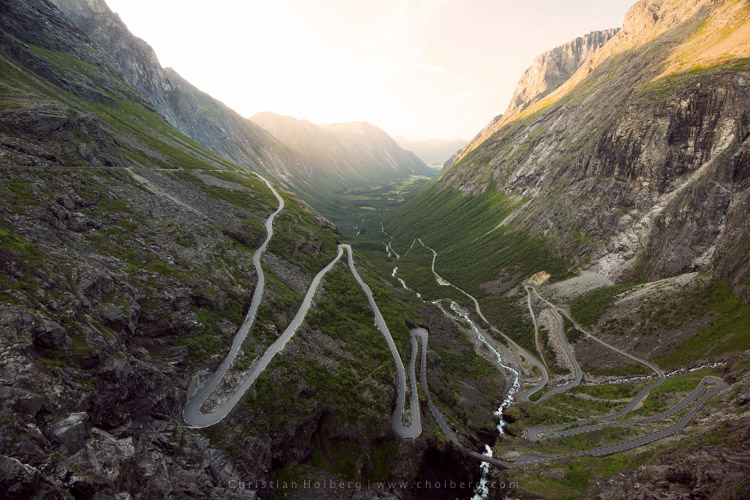
About a year ago I decided to take a seven hour drive to Åndalsnes in Norway, known for its spectacular landscape, in particular the iconic Trollstigen road. I had been there a few times before, but the weather was never ideal, so I wanted to go back and capture at least one good image. When I arrived at the scenic road and walked out to the viewpoint I managed to take a handful of pictures before my battery died. Weird, I thought, but no problem, I still have two spare batteries. Turned out both of them where empty too. I guess you can imagine my frustration when I realized that this entire trip was ruined because I had forgotten to charge my batteries.

trollstigen-sunset-glow

I managed to capture one decent image before my batteries died

I made it a habit after that incident to always charge my batteries after I come home from a trip, or evening out photographing. I set my batteries to charging even before I import my images, because I know if I don’t do it right away I may forget.

Habit #2 – Clean your equipment

Cleaning your camera gear is extremely important (especially for outdoor photographers) not only to lengthen the life of your equipment but also to improve image quality. I always get a bit upset when I view a beautiful image that is broken due to hundreds of small (or a few huge) dust spots. This is so unnecessarily, and easy to get rid of, so why let others believe you’re not as talented as you actually are.

Honestly, you don’t need more than a cheap microfiber cloth to remove dust and dirt from your lens or filters. Even though that is enough in most cases (and something that should always be in your camera bag), I do recommend purchasing a liquid lens cleaner too, as this helps get rid of all smudges and especially salty spots.

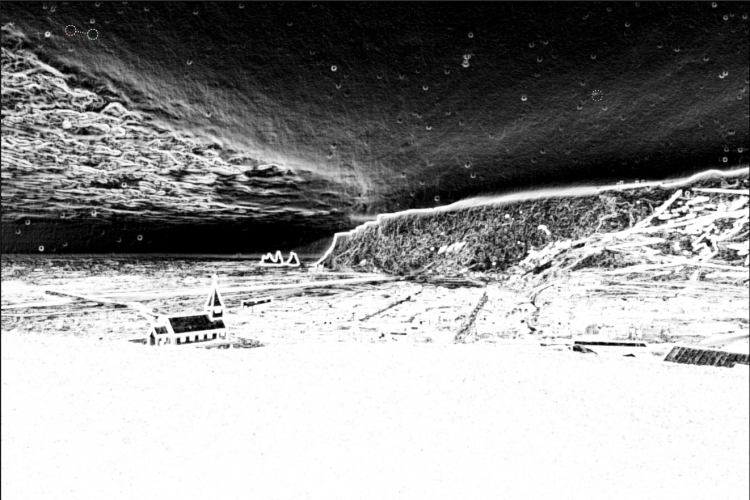
After bad weather on Iceland my lens was filled with dus spots

After bad weather on Iceland my lens was filled with dust spots, as you can see here in Lightroom.

I’ve made it a habit to clean my equipment after each photo trip that lasts more than a day. If I’m out photographing seascapes or in windy/rainy conditions, I usually spend an extra minute afterwards getting rid of the worst. Making this a habit will help save you a lot of time in post-production using tools such as Lightroom’s Spot Removal.

If you’re getting serious with your photography, and perhaps you have even began selling a print or two, it’s even more important to get rid of those nasty spots. Just imagine selling a large print, then seeing that those small spots suddenly look large and take away the attention of the image. Don’t make that mistake!

Habit #3 – Don’t leave before it’s over

My final habit is perhaps one of my most important advice for any outdoor photographer.

Don’t leave before it’s over!

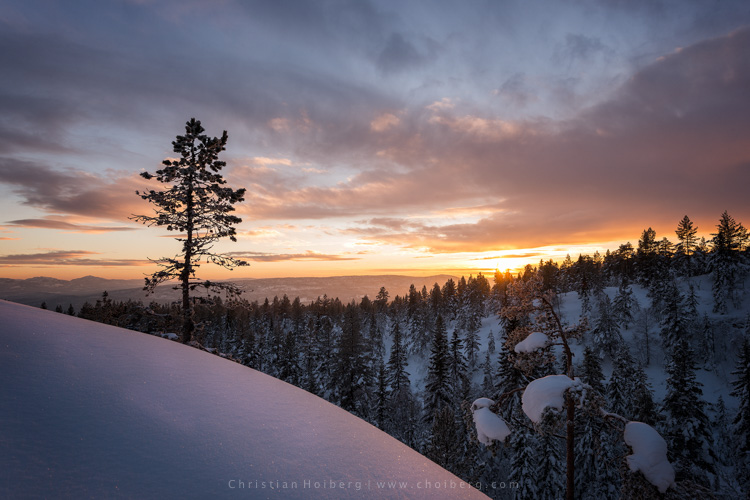
An unexpected sunset this winter in Norway

An unexpected sunset this winter in Norway

This is a habit I had to learn the hard way. It happened many times when I was an amateur photographer that I decided a sunrise or sunset wouldn’t turn into anything good, because the weather looked a bit shabby. Instead of staying at the location longer, I preferred to go home and hope for better conditions next time. What happened as I was driving back home? The sky turned red for just a few minutes.

Even though the conditions look a little dull it doesn’t mean that you won’t have a few minutes of good light. Alright, in most cases it doesn’t turn into something spectacular, but the times it does you will wish you had stayed for that 10-20 minutes extra.

So, remember this the next time you’re considering leaving early: it’s not over before it’s over. Stay a little bit longer, and perhaps you will be treated with great light that results in a portfolio worthy image. It’s worth it!

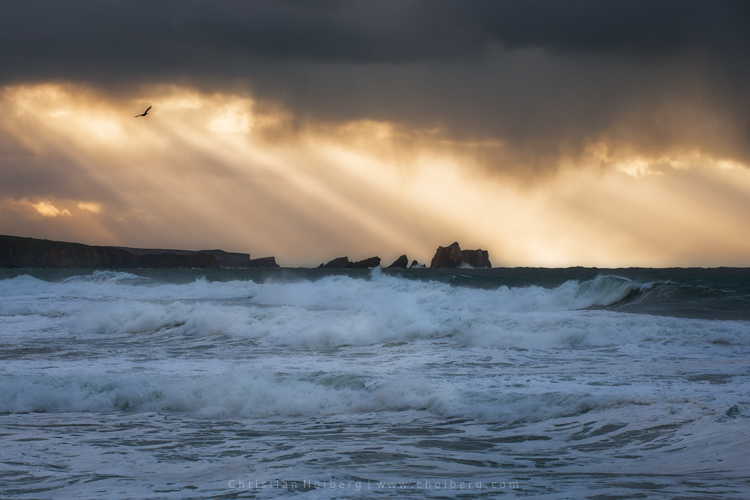
Bird flying through a stormy sunset at Liencres, Cantabria.

Bird flying through a stormy sunset at Liencres, Cantabria.

Are you guilty of missing these 3 habits? Have you developed any other habits, either in the field or when you’re back home? Let us know by leaving a comment below!

This week we are doing a series of articles to help you do nature photography. This is the first – watch for more coming soon! 

googletag.cmd.push(function() {
tablet_slots.push( googletag.defineSlot( “/1005424/_dPSv4_tab-all-article-bottom_(300×250)”, [300, 250], “pb-ad-78623” ).addService( googletag.pubads() ) ); } );

googletag.cmd.push(function() {
mobile_slots.push( googletag.defineSlot( “/1005424/_dPSv4_mob-all-article-bottom_(300×250)”, [300, 250], “pb-ad-78158” ).addService( googletag.pubads() ) ); } );

The post 3 Habits Every Outdoor Photographer Should Develop to Avoid Missing Shots by Christian Hoiberg appeared first on Digital Photography School.


Digital Photography School

 
Comments Off on 3 Habits Every Outdoor Photographer Should Develop to Avoid Missing Shots

Posted in Photography


8 Fashion Photographers You Should Have On Your Radar

04 Jun

The fashion photography world is enormous, and it’s ever growing.

So how in the world do you find the best of the best? Ask the experts!

Atlas Magazine is an independent print and digital publication geared at the promotion of the next generation of fashion creatives. They receive thousands of submissions a month from photographers globally.

So we asked them, experts that they are, to list the fashion photographers that they’re loving right now.

Take a look at the list. Follow your faves on Instagram. We think you’re going to love them too!

(…)
Read the rest of 8 Fashion Photographers You Should Have On Your Radar (698 words)


© laurel for Photojojo, 2016. |
Permalink |
No comment |
Add to
del.icio.us

Post tags:


Photojojo

 
Comments Off on 8 Fashion Photographers You Should Have On Your Radar

Posted in Equipment