RSS
 

Posts Tagged ‘shots’

Earth from a New Perspective: ‘Overview’ Aerial Shots Reveal Hidden Beauty

01 Nov

[ By SA Rogers in Art & Photography & Video. ]

Planned community of Sun Lakes, Arizona

Other than a few brief glimpses near airports, few of us ever get to see the Earth from high up in the sky, taking in all of the complex textures and patterns created by nature and human activity. If we could, we might feel more inclined to do all that we could to protect it. This phenomenon, as experienced by astronauts when viewing our small, fragile planet from space, is called the ‘overview effect,’ and it serves as the inspiration behind a series of stunning aerial photographs by Benjamin Grant.

Tulip fields, Lisse, Netherlands
A highway interchange in Jacksonville, FL
World's largest aircraft storage facility, Tucson, Arizona
World’s largest aircraft storage facility, Tucson, Arizona
Residential communities in Boca Raton, FL

‘Overview: A New Perspective of Earth’ is a new hardcover book full of over 200 aerial images taken of sites all over the world, from industrial areas of South Korea and fields in Ethiopia to planned communities in South Florida. Grant initially started the project as an Instagram series in December 2013, selecting high-resolution satellite photographs that reveal the extent to which we have altered the surface of the planet upon which we live and curating them into a thoughtful, emotional collection.

Port of Singapore
Port of Singapore
Industrial district, Ansan, South Korea
Agricultural development, Addis Ababa, Ethiopia
Residential neighborhood in Delray Beach, FL

“What I’m really trying to get across here is that we’ve entered an important time in human history where our home has been significantly altered,” Grant told Wired in a 2015 interview.

The Gemasolar Thermosolar Plant, Seville, Spain
Olive tree groves in Cordoba, Spain
Mexico City
Mexico City
Burning Man, Black Rock, Nevada

Grant searches aerial shots relating to a specific current event or environmental issue to find the ones that have the biggest impact, striking us as visually beautiful even when the imagery depicts tragedy. Some examples include shots of a refugee camp in Kenya, shrinking ice sheets and the choked streets of the world’s most populated cities. Take a look through the feed on DailyOverview.com, or order the book on Amazon.

Share on Facebook


[ By SA Rogers in Art & Photography & Video. ]

[ WebUrbanist | Archives | Galleries | Privacy | TOS ]


WebUrbanist

 
Comments Off on Earth from a New Perspective: ‘Overview’ Aerial Shots Reveal Hidden Beauty

Posted in Creativity


DPReview celebrates World Photo Day with our favorite shots of 2016

20 Aug

World Photo Day celebrates the Daguerreotype process, which the French government released to the public on August 19th, 1839. The World Photo Day project started in 2009 and encourages users all over the world to share their pictures online.

To celebrate, we took a look back at all our sample galleries from 2016 and cherry-picked some of our favorite shots. Within this gallery you’ll find a wide range of gear represented as well as images from everyone on staff. And when your done looking through be sure to grab your camera and spend some time out shooting, because World Photo Day only comes along once a year.

Articles: Digital Photography Review (dpreview.com)

 
Comments Off on DPReview celebrates World Photo Day with our favorite shots of 2016

Posted in Uncategorized


Getty employs robots for underwater shots in Rio

13 Aug

Prior to the start of the games in Rio we got a glimpse of the gear that Getty photographers are using to cover the Olympics. This week, we’ve seen a couple more of the tools the organization is using – a pair of robotic underwater camera housings. 

Veteran Getty photographer Al Bello talks about using the robotic camera housing with CNN Money, and says that they give an obvious advantage over the static underwater systems that they’ve used in the past. The robotic system allows him to pan, tilt and zoom a Canon EOS-1D X II enclosed safely in the housing as athletes pass by overhead, eliminating the guesswork that the static system required. 

You can see more of Bello’s work above and below the water in Rio by following him on Twitter and Instagram.

Articles: Digital Photography Review (dpreview.com)

 
Comments Off on Getty employs robots for underwater shots in Rio

Posted in Uncategorized


3 Habits Every Outdoor Photographer Should Develop to Avoid Missing Shots

14 Jul

Have you ever been out to photograph a gorgeous sunset, just to realize that you can’t, because your batteries are dead? Perhaps you’ve come home and imported your images, and noticed that all of them are unusable due to hundreds of dust spots?

Don’t worry. Most of us have experienced the exact same things. Luckily, there are certain habits you can develop to avoid ever missing a shot again. None of them are time consuming, so there’s really no excuse not to implement them into your workflow.

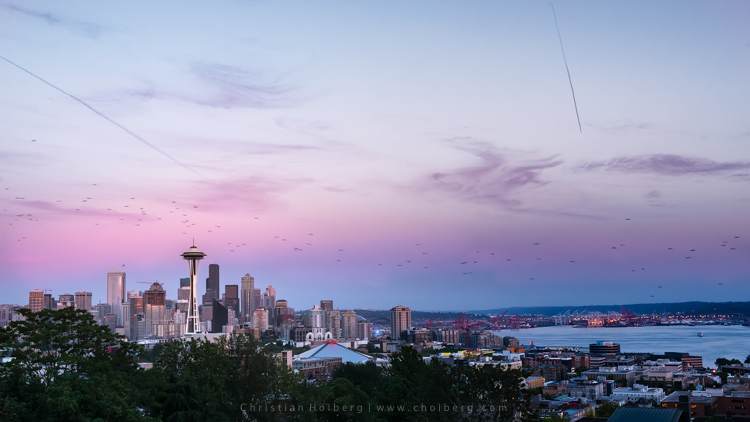
Kerry-Park-Sunset

Habit #1 – Charge your batteries

It might sound obvious that you should charge your batteries but you would be surprised how often I meet people that are out in the field without any battery power. In fact, I’m guessing you’ve experienced this yourself (don’t worry, so have I, and most other photographers too).

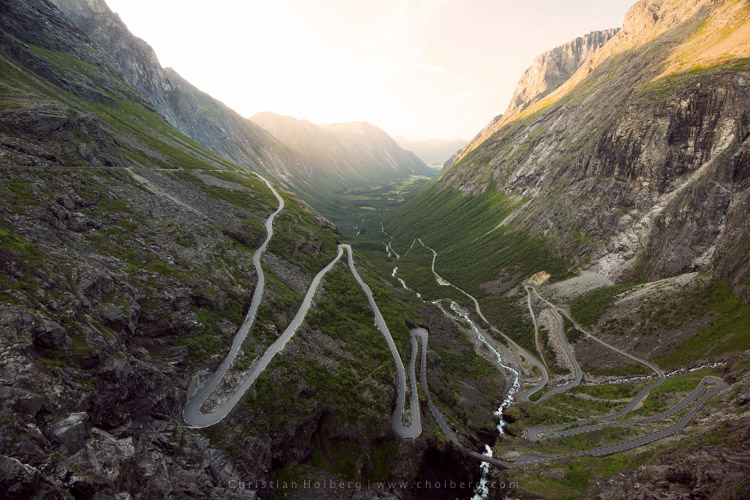
About a year ago I decided to take a seven hour drive to Åndalsnes in Norway, known for its spectacular landscape, in particular the iconic Trollstigen road. I had been there a few times before, but the weather was never ideal, so I wanted to go back and capture at least one good image. When I arrived at the scenic road and walked out to the viewpoint I managed to take a handful of pictures before my battery died. Weird, I thought, but no problem, I still have two spare batteries. Turned out both of them where empty too. I guess you can imagine my frustration when I realized that this entire trip was ruined because I had forgotten to charge my batteries.

trollstigen-sunset-glow

I managed to capture one decent image before my batteries died

I made it a habit after that incident to always charge my batteries after I come home from a trip, or evening out photographing. I set my batteries to charging even before I import my images, because I know if I don’t do it right away I may forget.

Habit #2 – Clean your equipment

Cleaning your camera gear is extremely important (especially for outdoor photographers) not only to lengthen the life of your equipment but also to improve image quality. I always get a bit upset when I view a beautiful image that is broken due to hundreds of small (or a few huge) dust spots. This is so unnecessarily, and easy to get rid of, so why let others believe you’re not as talented as you actually are.

Honestly, you don’t need more than a cheap microfiber cloth to remove dust and dirt from your lens or filters. Even though that is enough in most cases (and something that should always be in your camera bag), I do recommend purchasing a liquid lens cleaner too, as this helps get rid of all smudges and especially salty spots.

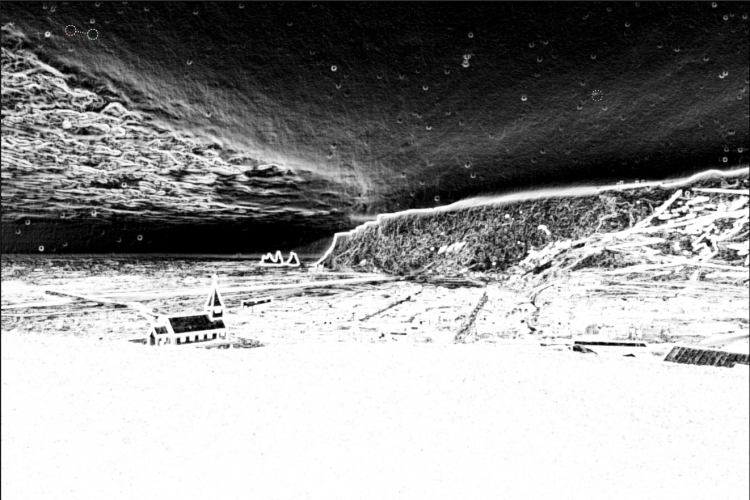
After bad weather on Iceland my lens was filled with dus spots

After bad weather on Iceland my lens was filled with dust spots, as you can see here in Lightroom.

I’ve made it a habit to clean my equipment after each photo trip that lasts more than a day. If I’m out photographing seascapes or in windy/rainy conditions, I usually spend an extra minute afterwards getting rid of the worst. Making this a habit will help save you a lot of time in post-production using tools such as Lightroom’s Spot Removal.

If you’re getting serious with your photography, and perhaps you have even began selling a print or two, it’s even more important to get rid of those nasty spots. Just imagine selling a large print, then seeing that those small spots suddenly look large and take away the attention of the image. Don’t make that mistake!

Habit #3 – Don’t leave before it’s over

My final habit is perhaps one of my most important advice for any outdoor photographer.

Don’t leave before it’s over!

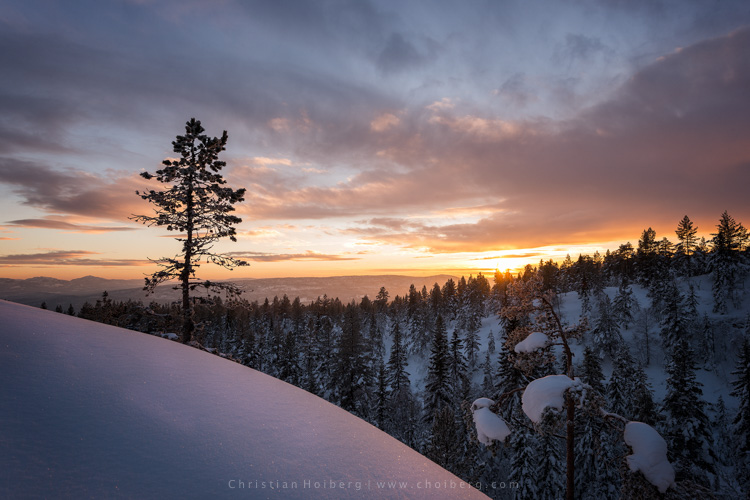
An unexpected sunset this winter in Norway

An unexpected sunset this winter in Norway

This is a habit I had to learn the hard way. It happened many times when I was an amateur photographer that I decided a sunrise or sunset wouldn’t turn into anything good, because the weather looked a bit shabby. Instead of staying at the location longer, I preferred to go home and hope for better conditions next time. What happened as I was driving back home? The sky turned red for just a few minutes.

Even though the conditions look a little dull it doesn’t mean that you won’t have a few minutes of good light. Alright, in most cases it doesn’t turn into something spectacular, but the times it does you will wish you had stayed for that 10-20 minutes extra.

So, remember this the next time you’re considering leaving early: it’s not over before it’s over. Stay a little bit longer, and perhaps you will be treated with great light that results in a portfolio worthy image. It’s worth it!

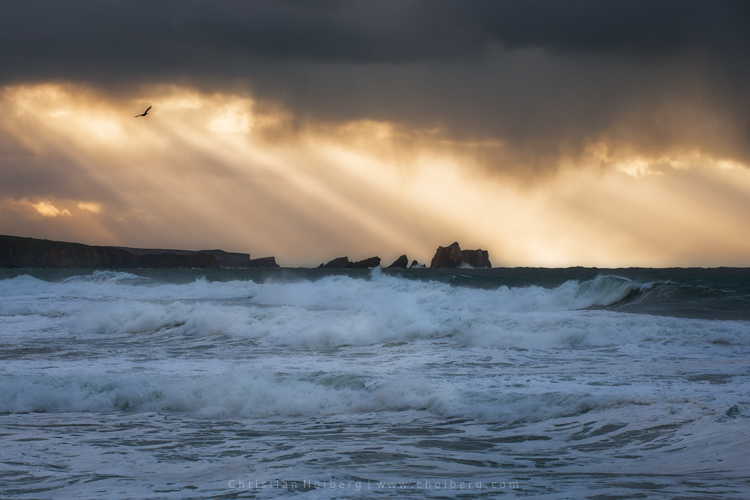
Bird flying through a stormy sunset at Liencres, Cantabria.

Bird flying through a stormy sunset at Liencres, Cantabria.

Are you guilty of missing these 3 habits? Have you developed any other habits, either in the field or when you’re back home? Let us know by leaving a comment below!

This week we are doing a series of articles to help you do nature photography. This is the first – watch for more coming soon! 

googletag.cmd.push(function() {
tablet_slots.push( googletag.defineSlot( “/1005424/_dPSv4_tab-all-article-bottom_(300×250)”, [300, 250], “pb-ad-78623” ).addService( googletag.pubads() ) ); } );

googletag.cmd.push(function() {
mobile_slots.push( googletag.defineSlot( “/1005424/_dPSv4_mob-all-article-bottom_(300×250)”, [300, 250], “pb-ad-78158” ).addService( googletag.pubads() ) ); } );

The post 3 Habits Every Outdoor Photographer Should Develop to Avoid Missing Shots by Christian Hoiberg appeared first on Digital Photography School.


Digital Photography School

 
Comments Off on 3 Habits Every Outdoor Photographer Should Develop to Avoid Missing Shots

Posted in Photography


How To Capture Action Shots of Waves

24 Jun

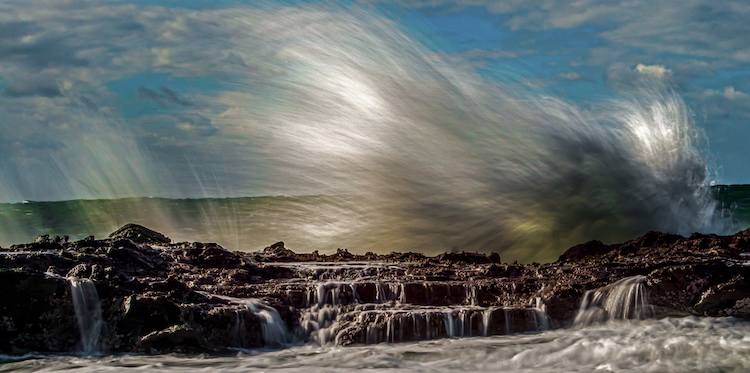
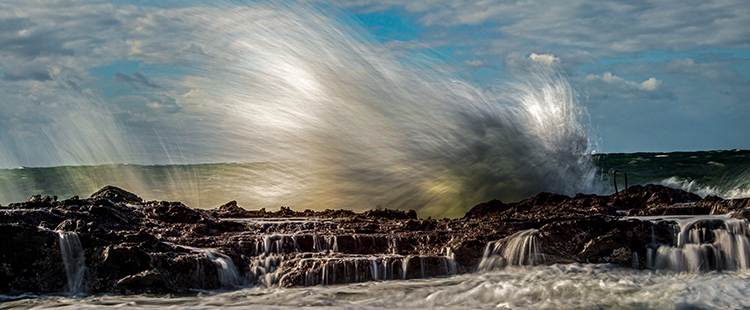
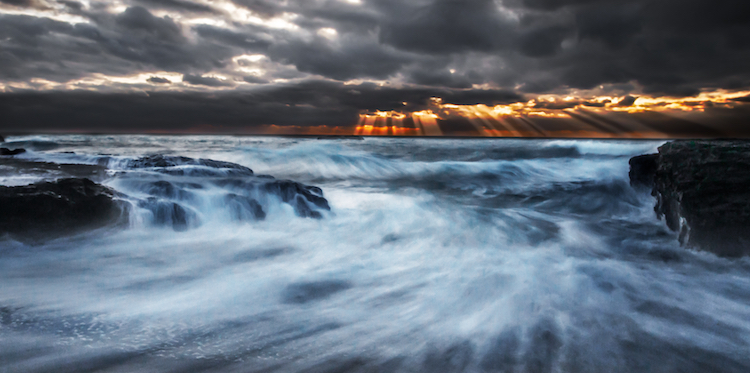
If you enjoy photographing mother nature and waterscapes, one particularly fun exercise is to capture the beautiful characteristics of the ocean shore. If you are in the right place at the right time, you can create images displaying the delicate balance between the awesome force of a powerful wave crashing into the shoreline, juxtaposed with the calming ebb and flow of the water cascading over the rocks.

Follow these tip to help you capture great action shots of waves:

Image001

EQUIPMENT:

Use of a tripod is important due to the relatively slow shutter speeds you’ll be working with. Generally speaking, a one-third to one-half second shutter speed range does the job. Perhaps there are lenses and cameras with image stabilization which can help you shoot photographs in this shutter speed range handheld, but I always prefer to keep my setup as motionless as possible to achieve sharp images so I use a tripod.

I also always use a remote shutter release, because pressing directly on the camera’s shutter button can introduce slight vibration into the setup during exposure.

Ideally you will be shooting a relatively rough surf (more on that later), so choosing a long lens that keeps you and your setup out of harm’s way is important. I typically choose a medium telephoto, such as a 70-200mm zoom, but sometimes a slightly shorter length is necessary to capture a wide enough composition.

You may also want to bring a circular polarizer which helps mitigate any glare in the water, and should slightly slow down the shutter speed. You may also want to bring a variable neutral density filter in case it is too bright out to get the correct shutter speeds.

Image002

PLANNING THE SHOT:

If you want to shoot large, powerful waves, pick a location that has incessantly high wind. The higher the winds, the larger and stronger the waves will be. You will also want to shoot during the golden hour, either just after sunrise, or just before sunset. These times of day offer a warm, diffused natural light cast over the beach, and create a nicely saturated background sky.

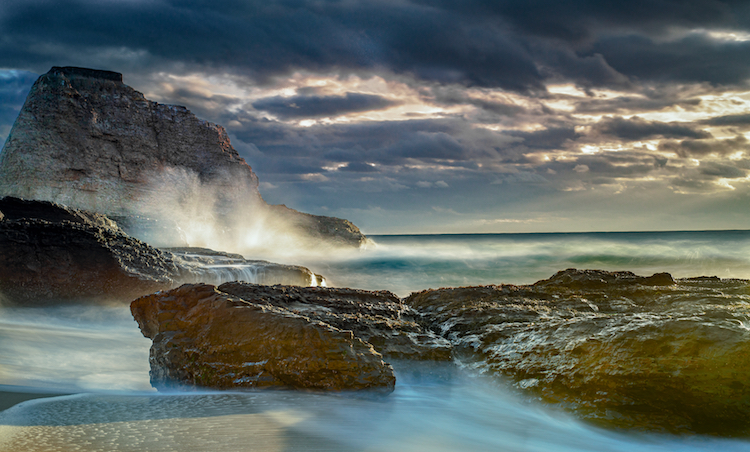
Get to the location early. Give yourself plenty of time to scout it out, and pick an area where you can ideally compose a combination of high waves crashing into the surf, with a foreground of water flowing to and from the beach. If possible, pick a beach with rocks and boulders scattered amongst the surf. Rocks give the waves an extra punch when they land, and further add the element of unpredictable force and power to the photograph. Also, water gently flowing over rocks in the foreground adds an interesting element to the image.

When your composition is set (more on that in a minute), put your camera in aperture priority, set your aperture to f/8 or f/11, and fasten the polarizer to the lens. Rotate the filter until you see the sheen or reflection on the water dissipate to its minimum, then stop. Adjust the ISO to reach a desired shutter speed of around 1/3 to 1/2 of a second. Remember, raising ISO one stop speeds up the shutter by one stop, and lowering ISO one stop reduces shutter speed by one stop, (assuming the aperture stays constant). Depending on how bright it is out, you may need a neutral density filter to slow down your camera’s shutter. Many filter manufacturers make one single filter that has both a polarizer and a variable ND filter combined.

Image003

Quick Tip: Whenever I use a neutral density filter, I always manually focus before adding the filter. The ND filter will cause your viewfinder to become relatively dark, which makes focusing difficult – sort of like trying to read with sunglasses on in a dimly lighted room.

Set your camera so that it shoots continuous photos as quickly as possible, in RAW mode, and fire away!

COMPOSITION AND POST-PROCESSING:

When you compose the scene, leave plenty of extra space around the intended target. Since your setup will be locked in place on a tripod, you won’t be able to adjust your composition once you’re set. Thus, you’re basically taking an educated guess as to where the wave will eventually land. Once you’re set, wait for a wave that’s inside your composition, and let it loose.

Image007

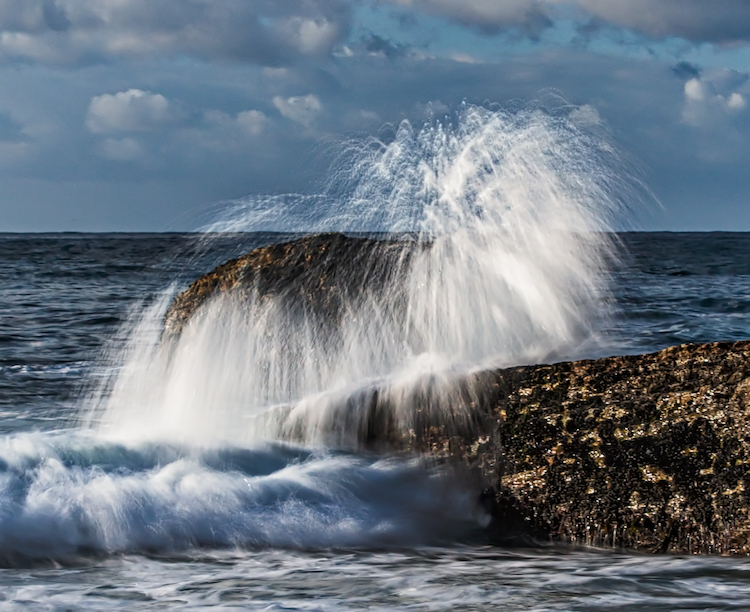
Shooting wider than necessary greatly increases your chances at nailing some good action shots of waves. Once you’re back at the computer, it’s a piece of cake to crop out the edges and tighten in on the action if necessary.

With respect to post-processing, aside from cropping, the only adjustment you might want to consider is a mild boost in contrast. Added contrast will enhance the water’s punch and power, as seen by the viewer.

Image004

Do you have any other tips for photography the awesome power of nature and ocean waves? Please share in the comments below, as well as your wave images.

googletag.cmd.push(function() {
tablet_slots.push( googletag.defineSlot( “/1005424/_dPSv4_tab-all-article-bottom_(300×250)”, [300, 250], “pb-ad-78623” ).addService( googletag.pubads() ) ); } );

googletag.cmd.push(function() {
mobile_slots.push( googletag.defineSlot( “/1005424/_dPSv4_mob-all-article-bottom_(300×250)”, [300, 250], “pb-ad-78158” ).addService( googletag.pubads() ) ); } );

The post How To Capture Action Shots of Waves by Jeb Buchman appeared first on Digital Photography School.


Digital Photography School

 
Comments Off on How To Capture Action Shots of Waves

Posted in Photography


6 Must-Have People Shots to Capture When Photographing Corporate Events

25 Apr

Corporate events may not be every photographer’s dream, but they can certainly be interesting and maybe even fun depending on the assignment. As a freelance event photographer, about half of my shoots are corporate events, and they are among my favorite things to shoot. There’s always lots to learn from the speakers at these events, and they tend to be relatively easy gigs to shoot if you use a pre-planned shot list and know what to look for. This article details the six key people shots that you absolutely must focus on when photographing corporate events.

#1: Posed shots of VIPs

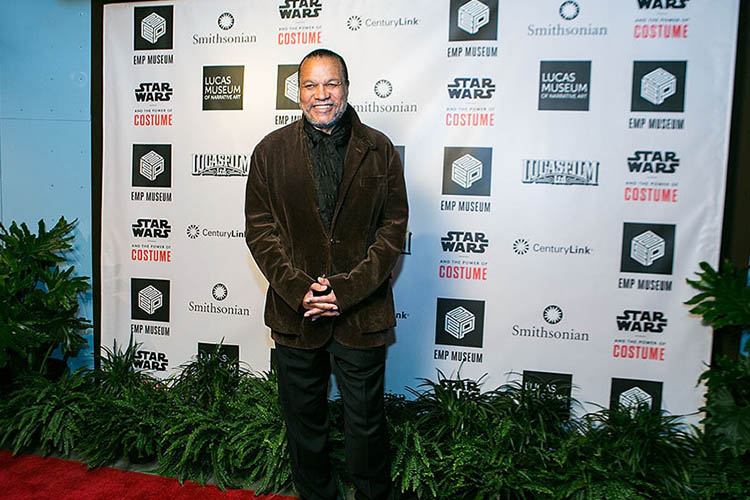
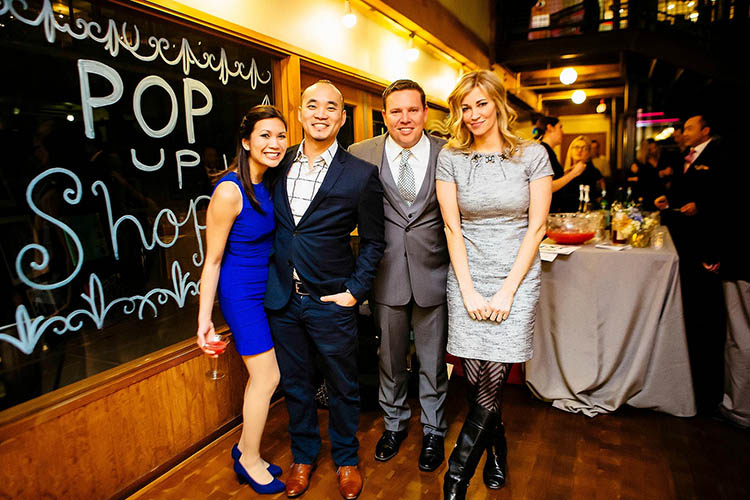
Every corporate event will have its own form of VIPs, and your client will definitely want lots of images of them. Larger events will typically have recognizable local or national celebrities as their designated VIPs, while smaller events may have harder to recognize internal executives as their VIPs. Either way, it’s important to check with your client ahead of time to get a list of their VIPs in attendance, and ideally someone on-site who will help you identify them. Always make sure you understand the perimeters of photographing these VIPs as some, particularly celebrities, can be image-conscious. Whenever possible try to get posed shots of these VIPs with signage in the background that shows proof that they were present at your particular event.

Seattle Corporate Event Photographer

Actor Billy Dee Williams posing at a step-and-repeat.

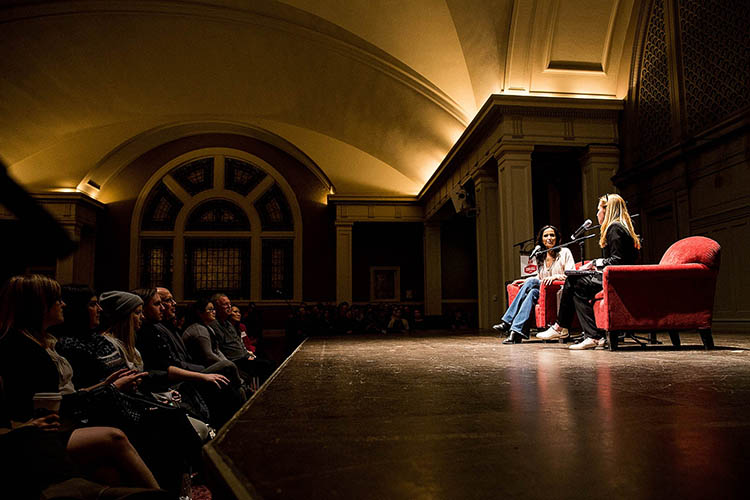
#2: Posed and action shots of keynote speakers

Corporate events typically include keynote speakers who may or may not be the VIPs described above. Before you start shooting, grab ahold of the event program, and find out who are the keynote speakers. Work with your client to arrange posed shots of the keynote speakers both alone and posed with VIPs. Also, don’t forget to get plenty of shots of the keynote speaker, from a variety of angles, giving his or her speech.

Sattle Corporate Event Photographer

Actor and activist George Takei giving a keynote address.

#3: Candid shots of VIPs and Keynote speakers

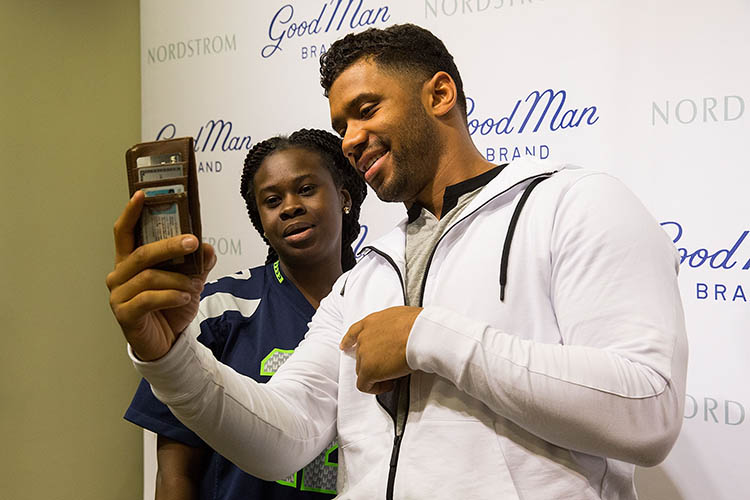
In addition to getting posed shots of VIPs and keynote speakers, it’s also important to get candid shots of them interacting with each other, or event attendees. Depending on the nature of the event, these opportunities could include book signings, meet and greets in the green room, or an organized step-and-repeat photo booth. These days, many candid shots of VIPs will include selfies with guests, which can be a challenge to capture, so be prepared for that!

Seattle Corporate Event Photographer

Seattle Seahawks quarterback Russell Wilson posing for a selfie with a fan.

#4: Posed shots of attendees

Depending on the type of event you’re photographing, most attendees will be looking their absolute best and will want photos of themselves. Always be on the lookout for well-dressed and energetic event attendees, and don’t hesitate to approach them to ask for a posed photo. Along these lines, it’s also not unusual to have at least one event attendee who doesn’t want to be photographed. Sometimes, you’ll be made aware of this by your client, and other times the attendee will explicitly tell you themselves. Either way, respect the wishes of the attendees, and definitely do not photograph someone who doesn’t provide consent.

Seattle Corporate Event Photographer

Corporate event party attendees.

#5: Candid shots of attendees interacting

Most corporate events are held for two main reasons: to give keynote speakers chances to educate and address an audience, and to allow for networking among attendees. Always be on the lookout for attendees chatting or interacting with each other, and get their reactions while they are listening to keynote speakers. Ideally, make sure these shots incorporate some form of your client’s branding materials, such as a brochure or sign, to give the photos context.

#6: Full room shots

A final type of corporate event photo that almost every client will request are shots that show off how many attendees were present at an event. This can be tricky depending on the type of venue you are photographing at, and whether or not the event is actually well-attended. Addressing these two challenges can usually be solved in one of two ways:

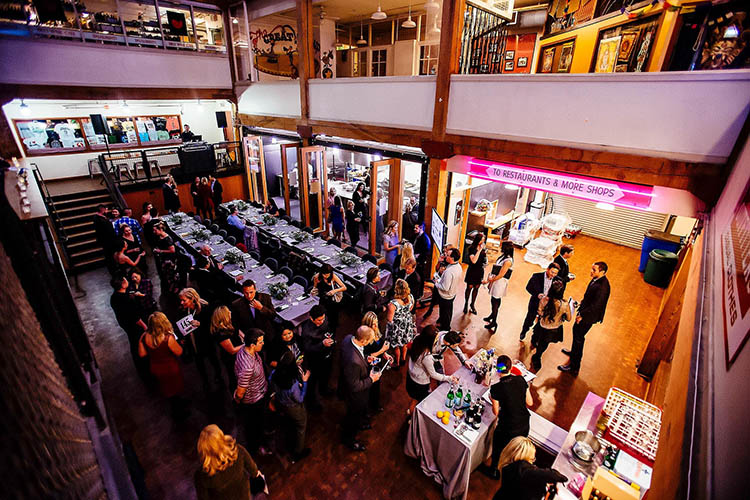
a) Get a bird’s eye view

Try to get access to a ladder, stool, balcony, or some vantage point within the venue that will let you shoot from overhead and capture wide-angle shots showing a full room. If the room isn’t really that full, try to find angles or special crops that still hint at a room being moderately full. Your client will appreciate the extra effort.

Seattle Corporate Event Photographer

Shooting from up high to show a different vantage point.

b) Get up close and personal

Whenever possible, I always ask my client to make sure that the first several rows of seats or tables at an event are packed with as many people as possible. This way, I can always make an event feel well-attended, even when it’s not. The approach in this case is to avoid wide-angle shots and shoot as close to the stage or from wherever the keynote address is being made, including as many rows or tables of people as possible.

Seattle Corporate Event Photographe

This was actually a well-attended event, but an example of how to shoot up close with attendees in the frame.

In Conclusion

These are just several types of photos to always capture when photographing a corporate event. Above all, it’s important to understand why clients hire corporate event photographers in the first place. Typically, the reasons involve showing visual documentation of special people who were at the event, the fact that the event was well-attended, and the fact that event attendees were engaged and enjoyed themselves. Always keep these overall goals in mind when photographing an event and be sure to snap photos that help you and your client meet these overall objectives.

People photography week

This week on dPS we’re featuring articles all about different kinds of people photography including portrait, event and travel photography. See all the previous ones below, and watch for more people photography articles over the next few days.

  • How to Take Low Key Head-shots
  • How to Do a One Light Portrait Setup and Use it as Your Back-up Plan
  • Travel People Photography – Tips and Pitfalls
  • 8 Tips for Photographing Men
  • 24 Diverse Images That Showcase People Photography
  • Weekly Photography Challenge – People Photography
  • Tips for Getting Yourself to Relax as a Photographer and Have More Successful Portrait Sessions
  • 5 Good Reasons to Add People into Your Landscape Photography

googletag.cmd.push(function() {
tablet_slots.push( googletag.defineSlot( “/1005424/_dPSv4_tab-all-article-bottom_(300×250)”, [300, 250], “pb-ad-78623” ).addService( googletag.pubads() ) ); } );

googletag.cmd.push(function() {
mobile_slots.push( googletag.defineSlot( “/1005424/_dPSv4_mob-all-article-bottom_(300×250)”, [300, 250], “pb-ad-78158” ).addService( googletag.pubads() ) ); } );

The post 6 Must-Have People Shots to Capture When Photographing Corporate Events by Suzi Pratt appeared first on Digital Photography School.


Digital Photography School

 
Comments Off on 6 Must-Have People Shots to Capture When Photographing Corporate Events

Posted in Photography


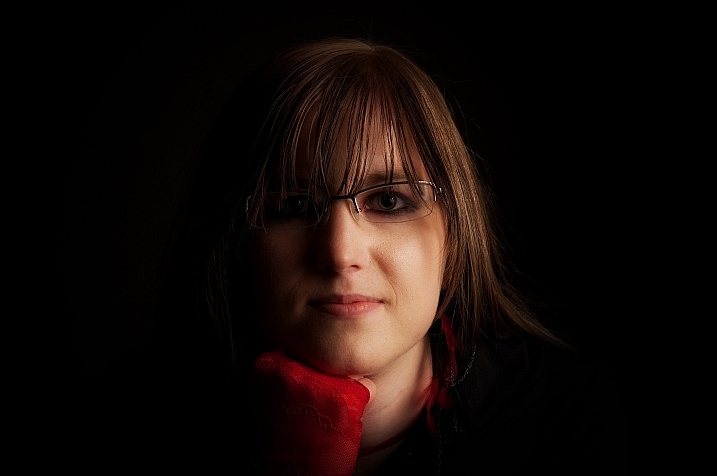
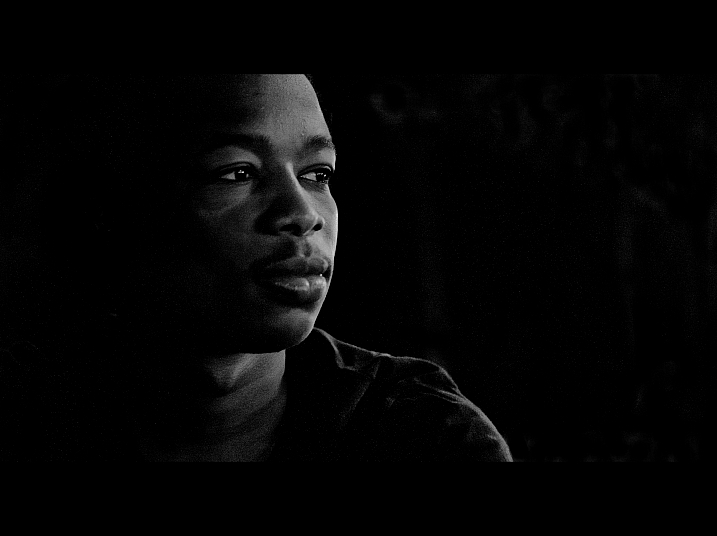
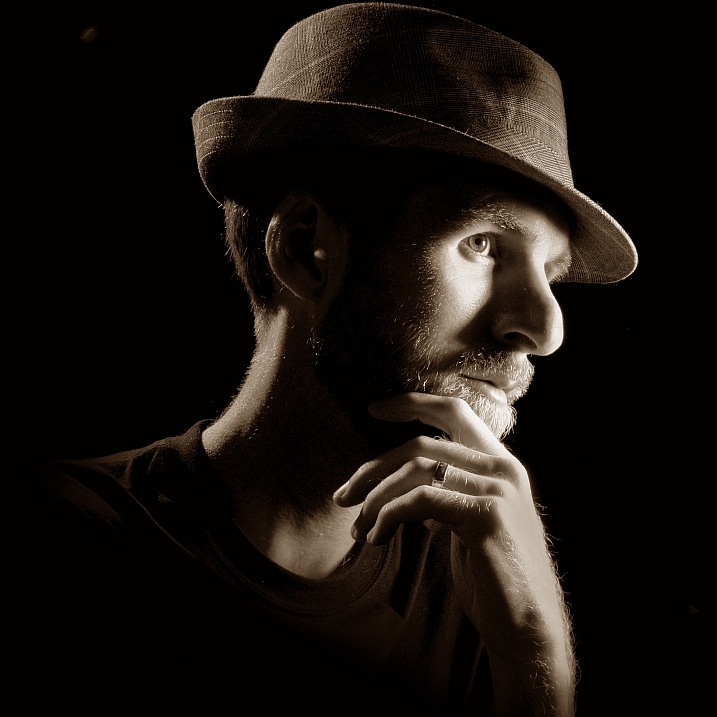
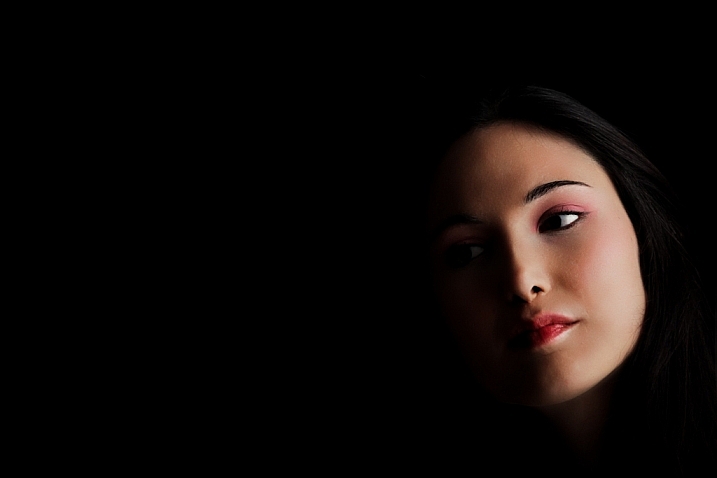
How to Take Low-Key Head Shots

20 Apr

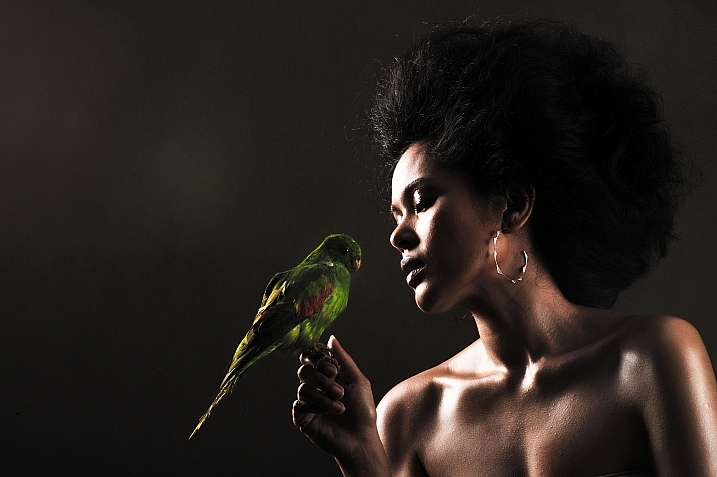
When talking about head shots, there are so many different types of lighting and styles, that there almost seem to be no hard and fast rules on how to take good ones. There are the basic lighting patterns for portraits that are applicable to head shots. The most commonly used lighting for head-shots is often the clean, classic corporate look; generally speaking a bright background and even lighting. The type of head shot also depends on what it’s for, or if there are prescribed guidelines which must be adhered to.

moody-headshots-tutorial_0012

Typical head shots: two light basic setup

This article will show you how you can take more low-key head shots. By tweaking a few things in your setup and settings, starting from the commonly used lighting setup, you can achieve darker lighting and a moody look, while still looking very professional.

moody-headshots-tutorial-photography

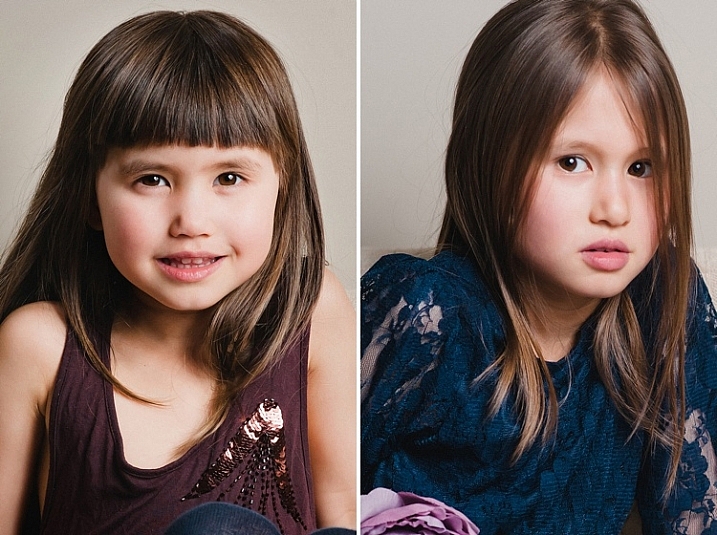
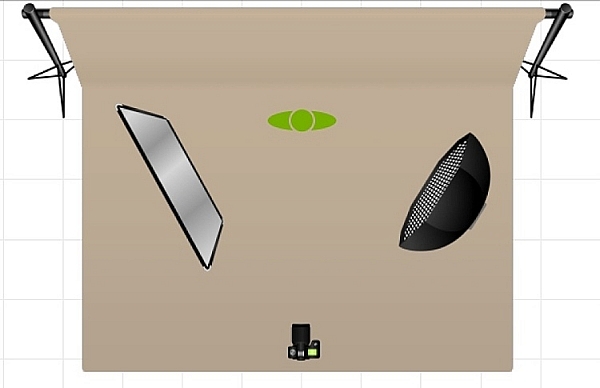
The setup for this one is a light beige background, with a strobe attached on a gridded octabox as the main light, positioned 45 degrees to the subject. Opposite the the main light is a speedlight with a snoot, set up on a stand. The speedlight reduces any shadows on the background which may be cast by the main light, and also provides a hair light and a little backlight. A typical camera setting would be ISO 100, between f/2.8 – f/5.6 and a shutter speed of 1/125 – 1/200 (make sure you don’t go faster that your camera’s sync speed). Of course you adjust the power of the strobe, but the typical look is plenty of light, and pretty brightly illuminated faces (not much or deep shadows).

moody-headshots-tutorial-photography

Normal head-shots have the face more brightly and fully lit, with less shadows. If you want a more dramatic low-key head-shot you can play around with using more shadows and contrast on the face and a darker background. Try split lighting or Rembrandt style which both have more shadow.

By stopping down to f/10, which is what I did on the photos above, still using exactly the same setup, you can cut out a huge amount of the main light, the background will be darker (less light will get to it), and there will be more shadows on the faces. You will have a more low-key look and feel to the image too, softer but with some light and shadow. However, this is still not low-key enough!

moody-headshots-tutorial-photography

Low-key head shots: one light

Tweak the lighting setup further by removing the hair light, replacing it with a silver reflector (on the face), and stopping down to f/11 you will be cutting out more light. Now there is only one light, and any light that hits the reflector will bounce light back on the subject’s face. Remember, that the main light is gridded so there is not much spill at all. The background is so much darker, the catchlights are still visible on the eyes, but there are no more hotspots on the face. There is a lot more shadow on the unlit side, and no hair light. The result is almost painterly, as you can see below.

moody-headshots-tutorial-photography

More shadows in this Rembrandt lighting pattern produce a more low-key result.

Low-key head shots: natural light and speedlight

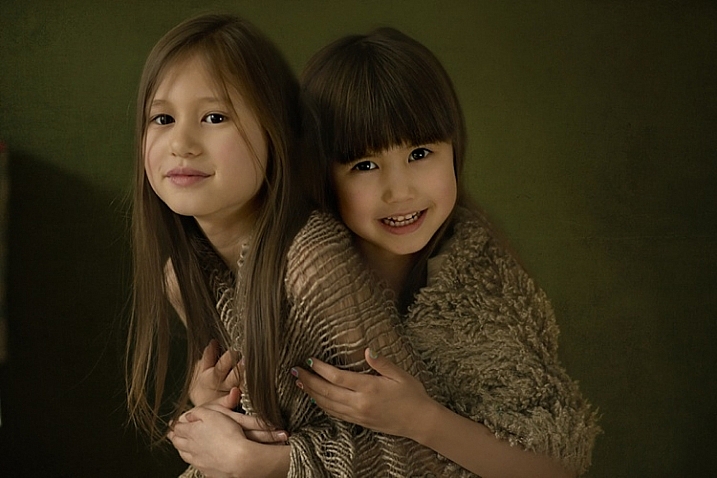
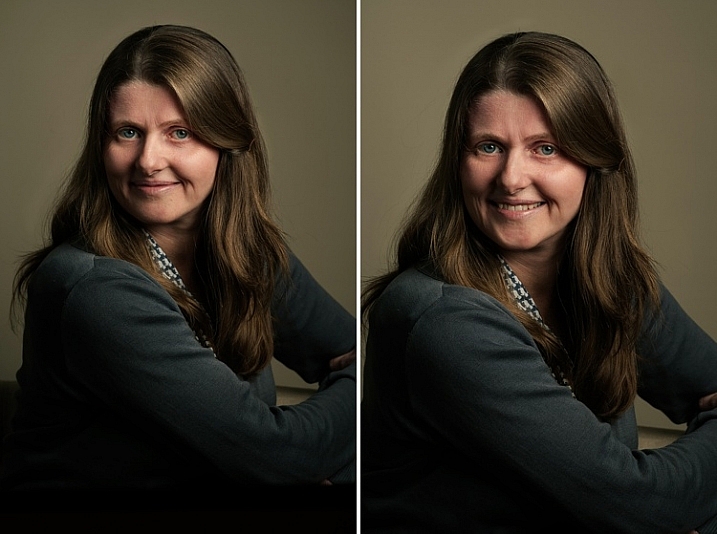
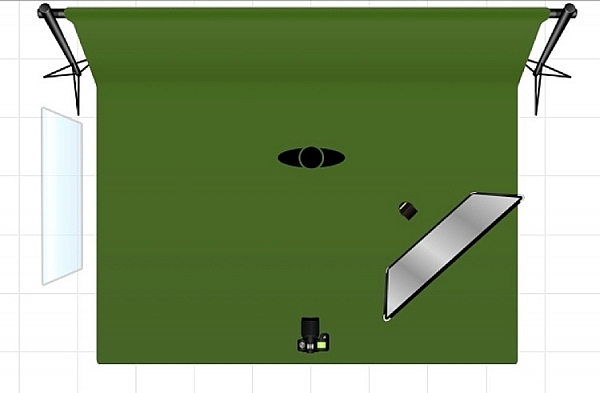
I wanted to see if I could achieve this painterly look for head-shots by removing the strobe as the main light, and replacing it with a window light. The setup below shows the window light on camera left, and a speedlight, bounced into a silver reflector, as a secondary light on camera right. I also changed the background to dark green.

moody-headshots-tutorial-photography

The results below show two catchlights on the eyes from the window and reflector; the lighting is flatter (less contrast or ratio) but the mood is soft and painterly. If you want deeper shadows use a white reflector instead of silver, or take it away entirely.

The portrait at the top of this article was taken using this setup. The lesson here is that by making small tweaks to your lighting setup you are able to achieve different looks for your images. Don’t be afraid to experiment.

moody-headshots-tutorial-photography

Here are a few examples of really moody low-key head shots I found on Flickr to give you some ideas to make your own:

Scott Butner

By Scott Butner

Al Ibrahim

By Al Ibrahim

Stephen Poff

By Stephen Poff

Stefano Corso

By Stefano Corso

Jason Tan

By Jason Tan

Do you have any tips in getting moody low-key head shots and portraits? Please share them here.

People photography week

This week on dPS we’re featuring articles all about different kinds of people photography including portrait, event and travel photography. This is the first of the bunch, watch for more people photography articles over the next few days.

googletag.cmd.push(function() {
tablet_slots.push( googletag.defineSlot( “/1005424/_dPSv4_tab-all-article-bottom_(300×250)”, [300, 250], “pb-ad-78623” ).addService( googletag.pubads() ) ); } );

googletag.cmd.push(function() {
mobile_slots.push( googletag.defineSlot( “/1005424/_dPSv4_mob-all-article-bottom_(300×250)”, [300, 250], “pb-ad-78158” ).addService( googletag.pubads() ) ); } );

The post How to Take Low-Key Head Shots by Lily Sawyer appeared first on Digital Photography School.


Digital Photography School

 
Comments Off on How to Take Low-Key Head Shots

Posted in Photography


How to Educate Your Clients to Make Them Comfortable and Get Stellar Shots

14 Mar

We’ll never forget the look on one of our earliest client’s faces when she arrived at her photoshoot. She stepped out of her car and saw our smiling faces waiting, cameras in hand, ready to take her photo. Abject terror is an understatement. We spent half of the shoot calming her down, soothing her nerves, and making her feel right at home with the camera. Meaning we had half has much time to get the stellar images we were being paid to get.

Her deer-in-the-headlights expression has stuck with us as a constant reminder, that no matter how comfortable we are as photogs BEHIND the camera, most of our subjects in FRONT of the lens are not used to being there. We think of her every time a new client books with us, because the fault was entirely ours for not properly educating her before her shoot.
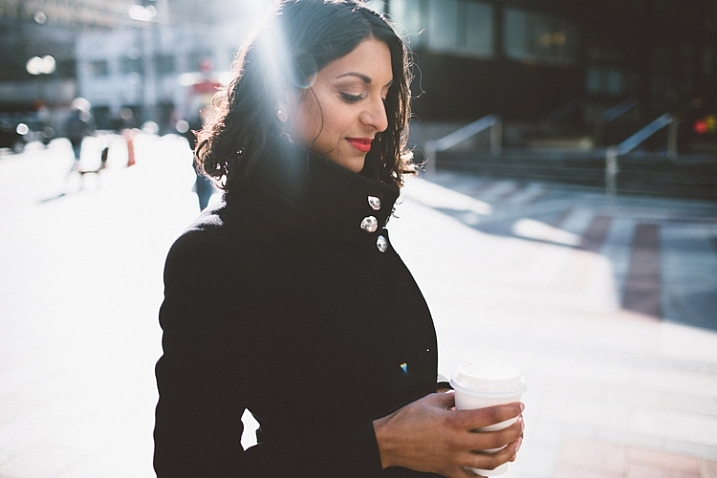
client-education

An educated client is a confident one. The onus is on you as the photographer to over-educate the client before their shoot: it doesn’t just create happier, more comfortable photo subjects, it helps you create the images you’re both dreaming of. Our goal is to always become stronger in educating our client at each stage of their shoot. We divide client interaction into four distinct categories, each with its own ideal outcome:

#1 Pre-client phase

This phase is when a future client knows about you, but isn’t necessarily in the market to hire you right away. This is the time to develop an indirect relationship with them, and begin the education process before they ever hit send on your contact page.

Your brand is spread out across multiple locations: everything from Instagram, to your interactions with guests at weddings, is announcing who you are, and what you’re about. One of our biggest goals with clients, is for them to be confident that they can trust us to be really solid humans. Being a genuinely good person, is an increasingly valuable commodity in this complex world of endless information. So, when we first started out, we set the simple plan of introducing ourselves to future clients, with every piece of media we created, no matter how subtle.

client-education-2

We knew we had zeroed in on our voice when we began getting email after email saying things like, “I feel like I know you so well already!” or, “We’ve never met, but I just think you’d be so fun to have at our wedding.” BINGO, this was our goal!

Creating a client who trusts you, begins way before you think it does. It doesn’t only hinge on email conversations, or some copy on your website. People research: your personality, brand, likes and dislikes, are attached to every piece of information you put out there, whether it’s a Facebook post or an interaction with a wedding guest.

If you mention something in a blog post that you absolutely love shooting, whether it’s a location, style, or piece of inspiration, people hear that. We casually mentioned that we love having dogs come with on engagement shoots, and suddenly our next three bookings all brought their pups, as we jaunted around town taking their photo.
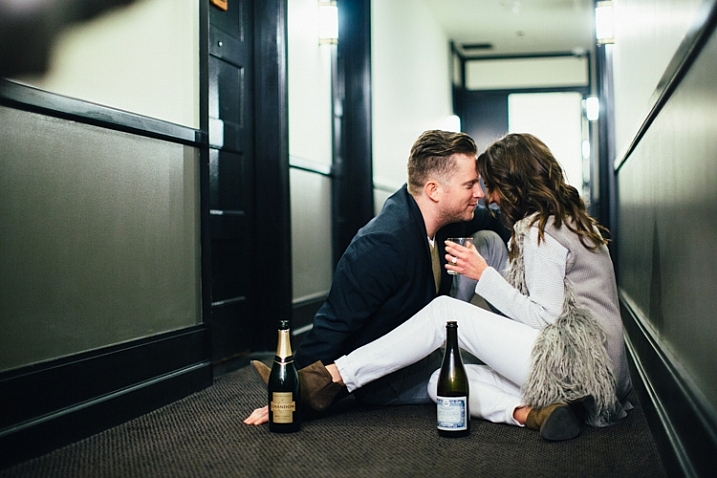
client-education-5

This also works in reverse—without getting negative, if there’s something you despise during shoots (for example, we cannot abide jumping shots or fake smiles directly at the camera), talk about the opposite so people subconsciously gravitate away from it. Keep your brand consistent and true to yourself, and your future clients will begin developing trust in you, and understand what you’re all about before they ever contact you.

Education Goal: Let the world get to know your personality and trustworthiness, and in the process, subtly educate people on what you want.

#3 New client, pre-shoot phase

Woohoo! You’ve got a new client who just booked a shoot, and now they’re sitting around twiddling their thumbs while they wait for the shoot date. What are you going to do with them in the interim?
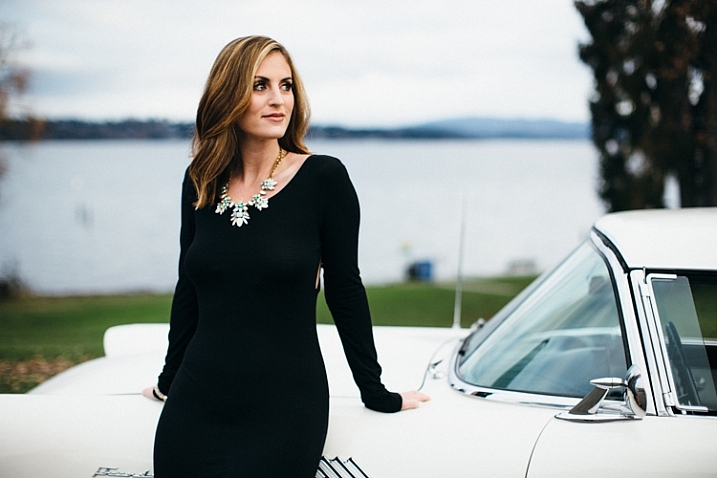
client-education-3

This time frame is solid gold, if you use it well. We realized early on that we could save ourselves a ton of time, and repetitive emails, if we just listened a little more closely to what clients were asking us, and beat them to the punch. The most common questions we get before a shoot are:

  • What should I wear?
  • Where should we go?
  • Do you even KNOW how stupid I look in photos? Wait, this isn’t a question, really. I’m telling you I’m the most awkward human on the planet.

Since we can confidently predict that a client will email us with those questions (and a few more that are more or less consistent depending on the shoot style), we head them off at the pass, and send out a handy little info packet as soon as they put the deposit down on the shoot. In this fun little PDF, we cover clothing options (including How to Put Together an Outfit 101, How to Coordinate with your Lovah, and so on), recommend locations in their area (or lead them to come up with their own ideas by suggesting types of locations that you prefer shooting in), and tell them in no uncertain terms that even Naomi Campbell thinks she’s awkward (probably not a true fact) and that we have our tried and true methods of making anyone look good. At this point, an educated client is a confident client, and confidence is the #1 thing you want when they walk in the door to the shoot.
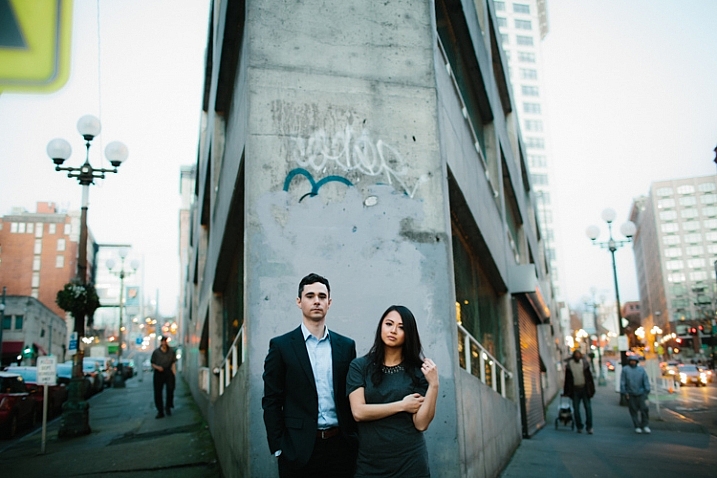
dpsclienteducpation 1

Education Goal: Have the client prance into the shoot feeling like they brought the right clothes, look bomb as can be, are in capable hands, and won’t seem like a nob on camera.

#3 Current client – shoot day phase

The day has finally arrived, the batteries are charged, the lights are on, the client is taking their first foray into being a model. What’s the best part about being the photographer? You are the one in full control of the mood, atmosphere, and pace of the shoot. Ah, the sweet smell of owning your territory. There’s nothing better, or more important on a shoot.

Okay, so you’re also at the mercy of the person in front of your lens, but the goal for the shoot is to create an ongoing verbal education, so your client is equipped to work with you in creating images together. Every photographer is a unique snowflake, and you’ll have their own methods and style for how you arrange and conduct yourself during a shoot. But the only way to tackle this, is to keep it real by continuing the extension of your brand, that you’ve been putting out there all along.
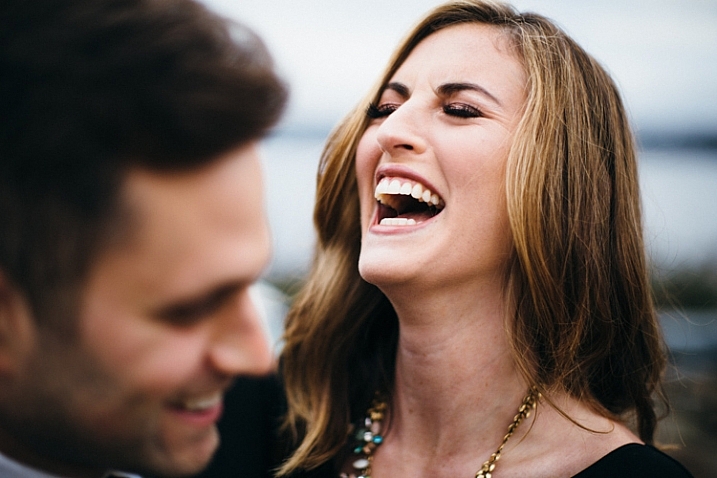
client education (3 of 1)

Our personal strategy, honed through shooting each other through long stints of travel (and never wanting a client to look like a deer in the headlights again), is to talk a ton. Keeping the atmosphere light is what suits us best and makes our clients happiest, but that’s not necessarily the best fit for all photographers. We just watched a documentary on Richard Avedon and couldn’t stop laughing because he was SO DARN SERIOUS all the time—talking about dead dogs, and the end of life with his clients, and otherwise basically being silent! His whole methodology gave us cold sweats, but it was completely true to who he was, and more importantly, obviously produced master-level work. We have complete and utter respect for him, because he practiced his craft in the precise manner that got him the results he was looking for, and was truest to his own brand (even if he wouldn’t have described it as such). Be the same way: cultivate your own methods of shooting and own them.

Education Goal: Make the person in front of the camera think like Beyonce. Or a dead dog, depending on what kind of shot you’re going for.

#4 Archived client – post-shoot phase
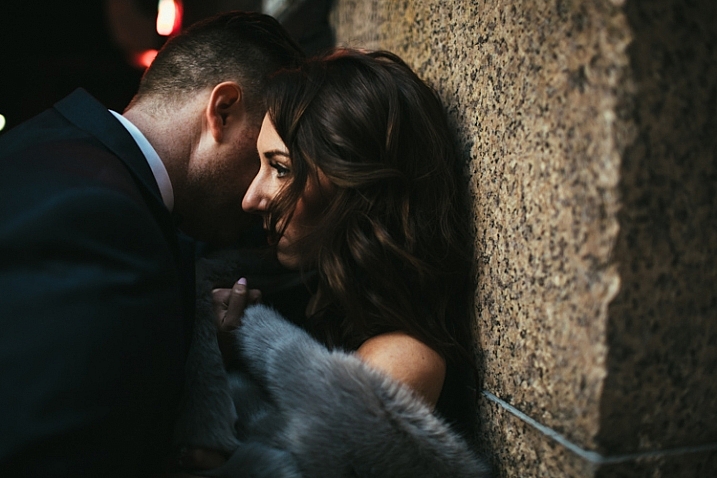
client-education-4

The shoot is over… now what?

Post-shoot is the time when it’s easiest to drop-off in terms of client education. The normal routine is to send the images their way, drop them a little thank you note, and move on with your life. But this is such a great time to step your game up, and help yourself out in the process!

Depending on how you deliver images, sending along a detailed explanation of next steps is a lovely last touch. Explain to your clients how to download, share, and order prints—the things that seem so simple to us, when we deal with them all day long, are surprisingly complex for the first-time print orderer or mother-in-law trying to download a set. We strictly use an online gallery for deliveries, but many photographers are still sticking with a thumb drive or other physical delivery systems. Whatever you choose, make it user friendly and simple, and explain it in detail!
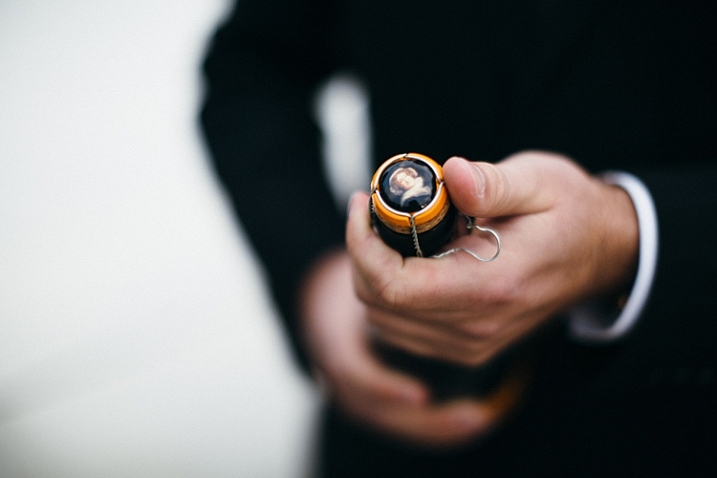
client-education-6

At this point, your client is riding the high of seeing their own images come to life, after so much thought and effort went into them. May we humbly suggest taking advantage of this energy by asking for what you want! In most cases, we are thrilled if a client is happy and recommends us to their friends. At some point, we realized, “Why are we just sitting around hoping that will happen? Why don’t we ask them for help with referrals?”

The key here is to provide excellent service throughout the customer experience, and help educate them towards an experience that benefits not only them, but your business in the long term. Be specific about what you’d like them to do; ask them to like your Facebook page, follow you on Instagram, or tell their friends about their experience with you. This isn’t opportunistic or tacky when it’s done right, and most importantly, when you’ve gone above and beyond in customer service, most people are MORE than happy to pass your name along!

Lastly, sending a thank you note or gift, depending on the client, is a classy little touch that we absolutely adore doing. We look forward to the end of each wedding season, when we sit on our living room floor surrounded by individually-chosen prints and gift boxes and handwritten notes to each of our couples and send a bunch of love out into the world.
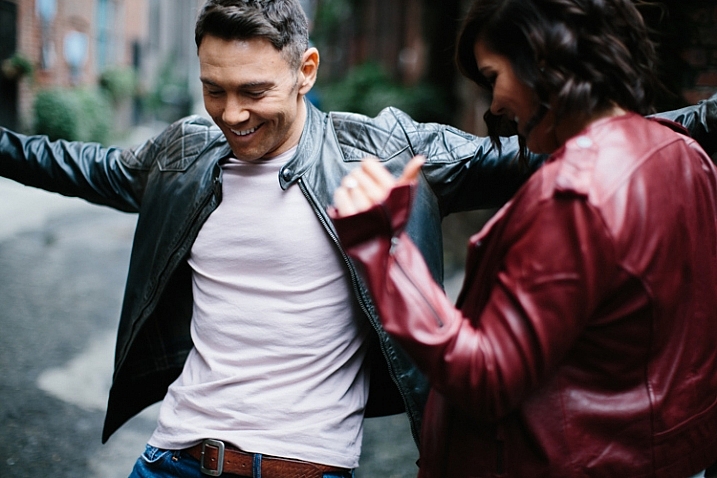
dpsclienteducpation 2

Education Goal: deliver an excellent product and encourage the client to rave about you to their friends.

At the end of the day, the relationships we create through photography never fail to blow us away with their depth and compassion, and educating a client throughout their experience with us makes all the difference. This is a work in progress, and we’re always looking for ways to improve our game, so we’d love to hear your strategies in the comments.

googletag.cmd.push(function() {
tablet_slots.push( googletag.defineSlot( “/1005424/_dPSv4_tab-all-article-bottom_(300×250)”, [300, 250], “pb-ad-78623” ).addService( googletag.pubads() ) ); } );

googletag.cmd.push(function() {
mobile_slots.push( googletag.defineSlot( “/1005424/_dPSv4_mob-all-article-bottom_(300×250)”, [300, 250], “pb-ad-78158” ).addService( googletag.pubads() ) ); } );

The post How to Educate Your Clients to Make Them Comfortable and Get Stellar Shots by Tim Sullivan appeared first on Digital Photography School.


Digital Photography School

 
Comments Off on How to Educate Your Clients to Make Them Comfortable and Get Stellar Shots

Posted in Photography


Appeals to Authorities: 16 Shots of a Year-Long Graffiti Sequence

11 Mar

[ By WebUrbanist in Art & Street Art & Graffiti. ]

1

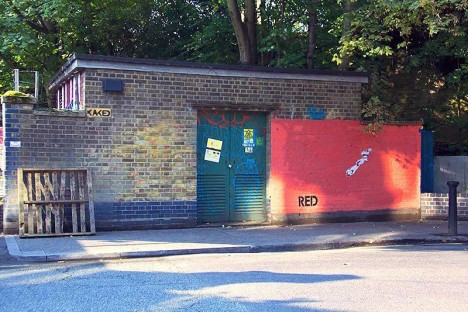
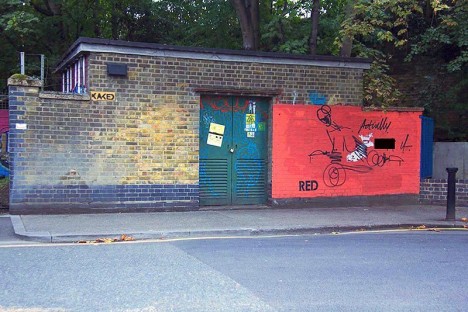
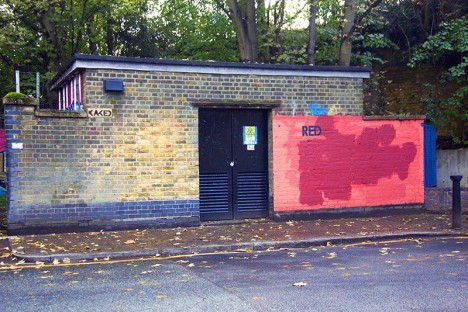
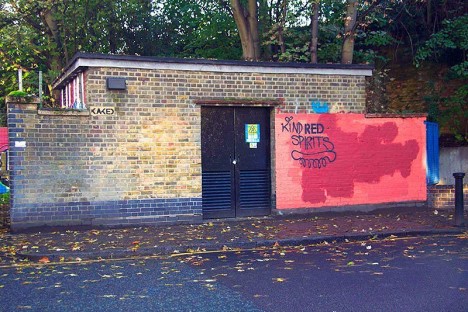
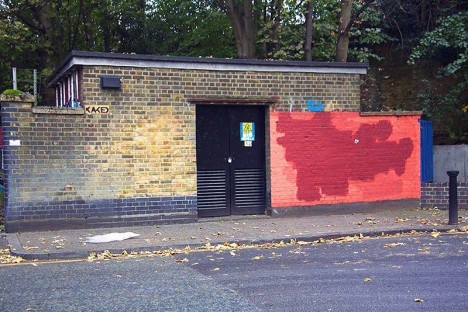
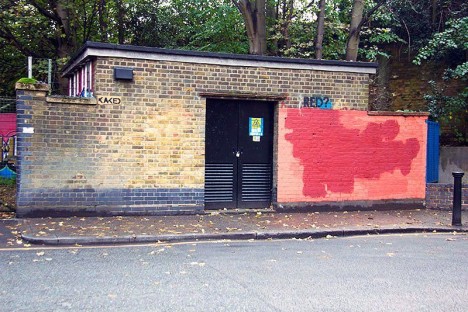
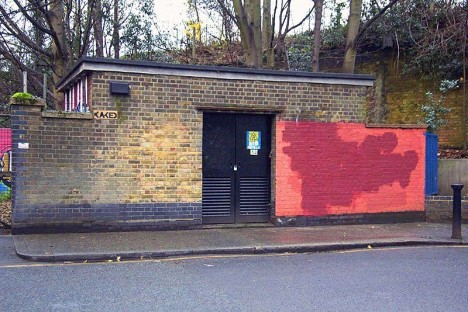
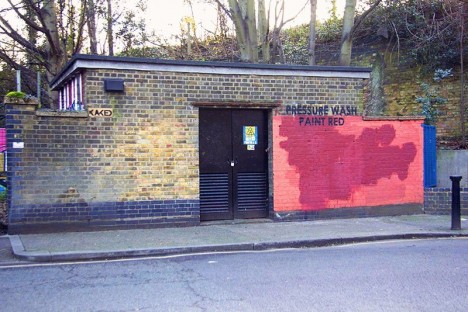
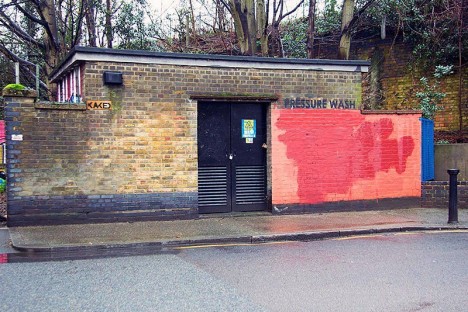
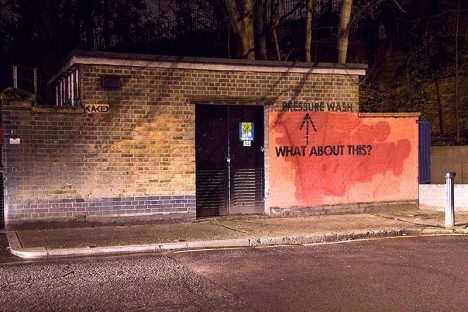
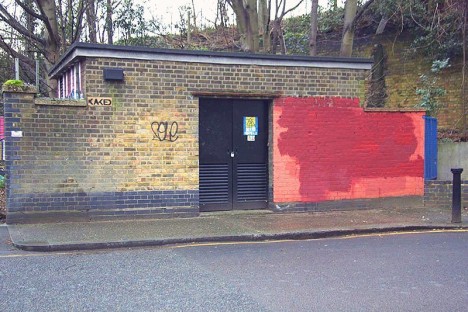
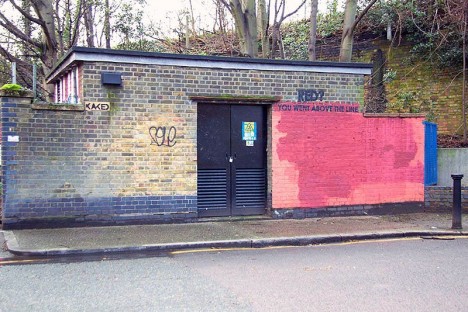
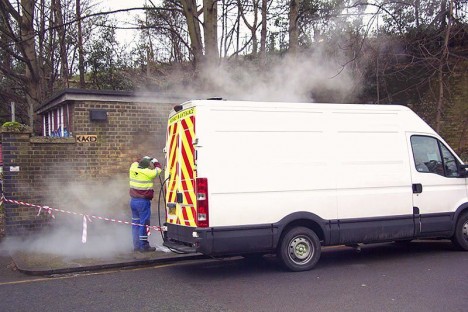
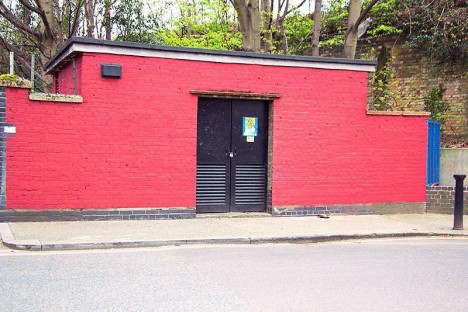
What started with a single stenciled word (“RED”) became a year-long interactive art experiment, as graffiti artist Mobstr tested the patience, limits, diligence and ingenuity of officials tasked with cleaning up his work. This was not his first work aimed at the establishment, but it may be his most epic visual dialogue with authorities to date.
2

3

a

b

c

“I cycled past this wall on the way to work for years. I noticed that graffiti painted within the red area was buffed with red paint. However, graffiti outside of the red area would be removed via pressure washing.”

f

g

i

j

k

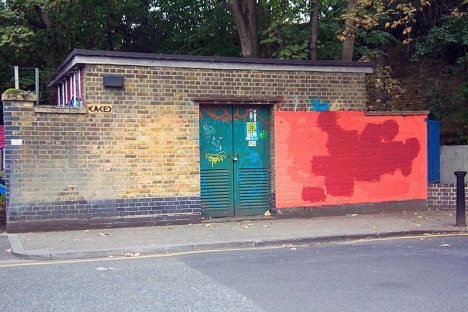
“This prompted the start of an experiment. Unlike other works, I was very uncertain as to what results it would yield. Below is what transpired over the course of a year.”

m

n

o

s

t

Over the year, as the sequence shows, the artist continually tried to think outside the (red) box, and challenge his adversaries in fresh ways. In a way, the end result was predictable but could also be interpreted as a subtle nod to the original message.

Share on Facebook


[ By WebUrbanist in Art & Street Art & Graffiti. ]

[ WebUrbanist | Archives | Galleries | Privacy | TOS ]


WebUrbanist

 
Comments Off on Appeals to Authorities: 16 Shots of a Year-Long Graffiti Sequence

Posted in Creativity


First shots: Pentax K-1 pre-production sample gallery

18 Feb

After being introduced to the long-awaited Pentax K-1, staff contributors Jordan Stead and Sam Spencer took a quick stroll with the K-1 and a handful of lenses: the recently announced 15-30mm, the 24-70mm and the 70-200mm. As an added bonus, and to our delight, we found the 70mm F2.4’s image circle covers full-frame, so we snapped some samples with it as well. Take a look to see what this pre-production 36MP contender is capable of.

Articles: Digital Photography Review (dpreview.com)

 
Comments Off on First shots: Pentax K-1 pre-production sample gallery

Posted in Uncategorized