RSS
 

Posts Tagged ‘Reasons’

6 Reasons Why You Should Use a Standard Lens for Street Photography

03 May

Henri-Cartier Bresson is well-known for his use of a 50mm lens, a standard lens on a 35mm film camera. If it’s good enough for Henri, then I guess it’s good enough for most modern street and travel photographers. When I worked at EOS magazine (Canon) we published an article about a photographer who traveled to India with nothing but a standard 50mm f/1.2 lens. His photos were beautiful.

But what is it about the standard lens that’s so appealing to street and travel photographers? I’m glad you asked! Let’s take a look.

Why You Should Use a Standard Lens for Street Photography

What is a standard lens?

A standard lens is a prime lens with a focal length roughly equivalent to the length of the diagonal measurement of the sensor (or film). A standard lens on a full-frame camera would have a focal length of 42mm. It is a lens that produces a field of view that is similar to the human eye or appears natural. 

In practice, the 50mm lens is considered the standard for full-frame cameras (although Pentax makes a 42mm lens). A 35mm or 28mm lens is standard for an APS-C camera, and a 25mm lens is standard for a Micro Four-Thirds camera.

I made all the photos in this article with a Fujinon 35mm f1.4 lens, a standard lens on my Fujifilm X-T1 camera. Standard lenses have lots of benefits. Here are some of them:

My Fuji 35mm f/1.4 standard lens.

1. Standard lenses are relatively small

Standard lenses are easy to design and make. The optical quality is superb. They are not big lenses and don’t require as many raw materials as larger lenses. They are inexpensive to manufacturer and the savings are passed onto the buyer.

But that doesn’t mean you should buy the cheapest standard lens you can find. You also need to take build quality, autofocus performance and weatherproofing into account when buying a standard lens. That $ 100 standard lens may look like a bargain, but you could easily end up wishing you had bought something better.

The small size of standard lenses is good news if you are going to be walking around for hours at a time taking photos. The lighter your kit the more energy you will have for photography.

Smaller lenses are also more unobtrusive when taking photos of people in the street. If you use a telephoto lens and point it towards somebody it’s obvious that you are taking a photo of them. But use a standard lens and you could be taking a photo of a building, the street, or the scene in general. You can take a photo of somebody without pointing the camera directly at them (as long as you’re not too close). You are much more likely to be ignored.

Why You Should Use a Standard Lens for Street Photography

I made this photo in Hangzhou, China with a standard lens. The girls didn’t notice me. It helped that they were totally engrossed in what they were doing.

3. Standard lenses have wide apertures

This is good news if you work in low light or like to use wide apertures for creative effect. If you like bokeh you’ll love using a standard lens. I used a wide aperture on my standard lens to make this photo. I deliberately focused on the dragon’s head and blurred the background.

Why You Should Use a Standard Lens for Street Photography

4. You can focus close to the subject

Most standard lenses are capable of focusing quite closely to the subject. That means you can take close-up photos without having to change lenses or use an extension tube or close-up lens. This ability, combined with the wide aperture, make standard lenses incredibly versatile.

You can step back from the subject and take a photo that includes plenty of the scene. Likewise, you can move in close and take a close-up. You can open up the aperture and create bokeh, or stop it down and get much more of the scene in focus.

The close focusing ability of a standard lens helps you create a variety of images that show both the entire scene to small details and everything in-between. It’s a great tool for building a body of work around your subject. I used my standard lens to create both these images below, taken in the same building in Beijing, China.

Why You Should Use a Standard Lens for Street Photography

5. Standard lenses teach you to see

When you use the same lens for an extended period of time you get to know it really well. You’ll understand how it sees the scene. You’ll know what to expect in terms of perspective and depth of field, and how that changes as you get closer to the subject.

There is nothing wrong with zoom lenses, but they add an extra element to the photo taking process as you have to decide what focal length to use. An 18-55mm kit lens, for example, can be very useful. But there’s also a dramatic difference between the 18mm and 55mm focal lengths in terms of composition and angle of view. Deciding which focal length to use wastes precious time, especially in a situation where something interesting is happening.

For example, in China, I often didn’t have much time to think. Something happened in front of me, like this boy posing for a photo, and I had to react quickly. A prime lens helped me do that as I didn’t have to think about focal length.

Why You Should Use a Standard Lens for Street Photography

With a standard lens (or any prime) you are committed to that focal length. You don’t have the option to zoom in or out. You can only change the framing by moving closer to or farther away from your subject. It simplifies the photo taking process and helps you create photos with simpler, stronger compositions.

6. Standard lenses occupy the middle ground

Telephoto lenses are great for taking photos of people from a distance, but photos taken with them can lack a feeling of intimacy as they are shot from a distance. It’s also harder to stop down and get the background in focus as well.

Wide-angle lenses are a real challenge as they tend to include too much of the background. It’s hard to create a simplified composition with a wide-angle lens, especially in the street where lots of things happen that are outside your control. You also need to get much closer to your subject, and may need to invade their personal space. It’s hard to do this and not have the subject react to you in some way.

Standard lenses occupy a good middle ground between these two extremes. You can get close to your subject without getting too close. You can create simpler and stronger compositions than you can with a wide-angle lens, but can still stop down and keep the background sharp.

This photo is a good example. I was fairly close to this couple. But, I if had been using a wide-angle lens I would have had to get even closer, invading their personal space and changing the dynamic. A photo taken with a telephoto lens would have a greater sense of distance and separation from the couple. In either case, I wouldn’t have made a photo capturing a candid expression like this.

Why You Should Use a Standard Lens for Street Photography

Your turn

What lenses do you like to use for street and travel photography? Are standard lenses part of your kit or do you prefer something else? Let us know in the comments – it will be interesting to see which lenses DPS readers prefer to use.


Andrew is the author of the ebook The Candid Portrait.

The post 6 Reasons Why You Should Use a Standard Lens for Street Photography by Andrew S. Gibson appeared first on Digital Photography School.


Digital Photography School

 
Comments Off on 6 Reasons Why You Should Use a Standard Lens for Street Photography

Posted in Photography


10 Reasons Why Photography is a Great Hobby

06 Apr

People start doing photography (versus taking snaps or selfies) for many reasons. It might be a major life event coming up – new baby, wedding, special birthday – or that overseas trip saved up for over many years. It might be that the capabilities of your phone frustrate you enough to want to get real about photography. However it happens, suddenly you find yourself with an empty bank account and some form of camera gear that you now need to figure out how and where and maybe even, why to use it.

10 Reasons Why You Should Get Real About Your Photography

10 Reasons why photography is a great hobby

  1. Recording events and capturing memories
  2. Have fun
  3. Learning is good for the brain
  4. Health and fitness
  5. Creativity
  6. Travel
  7. Meet new people
  8. Join a photographic community
  9. Develop a personal style
  10. It’s all about the light

#1 Recording events and memories

Photography allows you to create images of events, times, and places. To both record what happened and allow you to share them with friends and family, either in digital format or more permanently with prints or photo books. By being able to capture a special moment in time, you carry the memory of that event forward with you, allowing you to share it and remember it with those that were there. Those memories become part of your history, perhaps family lore, not just stories passed down through the generations – but images as well. As the popular idiom says, “A picture is worth a thousand words”.

10 Reasons Why You Should Get Real About Your Photography

Memorable moment capturing the rare NZ Falcon

#2 Have fun

So much fun can be had with a camera. You could be out with the family at the beach or a picnic, local sports games, randomly roaming your city streets photographing strangers without them noticing, stalking wildlife, hiking up a mountain for a stunning view, or standing under the stars at 2 a.m. watching the Milky Way slowly move across the heavens. So many opportunities to do new, interesting, and fun things with your camera that you likely may not have otherwise done.

All sorts of things become interesting when they can provide you with material for photographic adventures. Cultural festivals, parades, sports events, a wander along the beach, exploring parts of your city previously undiscovered, architectural details on buildings, intricate details of flowers, people watching, difficulties of photographing wildlife, meeting people who have different interests and hobbies – just for a few ideas. Most people are willing to share their passion with you if you take some time to talk to them. There are endless opportunities for photographic inspiration – even the contents of your fridge or pantry can be fascinating when viewed through a macro lens. All you need to do is make an effort to look.

10 Reasons Why You Should Get Real About Your Photography

Hanging out with the zombies at a Zombie Run event.

#3 Learning a new skill is good for your brain

Research has shown that learning a new skill helps the brain and improves memory, and the more difficult the skill, the more improvement you get. Coupled with exercise, these two things are considered important for long-term brain health and neuroplasticity. Studies show that slower learning over time helps build strong new linkages within the brain.

New knowledge will accumulate over time, as you keep putting effort into learning a new skill. Given that photography has so many elements, the science of light, the technology of the camera and the creative artistic side, there is a lot to learn. So whatever your age, now is the perfect time to start learning photography.

10 Reasons Why You Should Get Real About Your Photography

#4 Health and fitness

Getting out of the house, walking about, or even hiking is often a side-effect of getting into photography. If you are into landscapes then you have to go to where the landscape scenes are, and that often means some form of exercise. Once you have enough camera gear – likely a body, some lenses, and a tripod – it can weigh a reasonable amount and you will need a bag of some kind to carry it comfortably if you are traveling any reasonable distance.

Some people prefer a more gentle form of exercise – for health or mobility reasons. Others may prefer multi-day hikes into stunning mountain scenery. Mountain biking, horseback riding, kayaking and similar sports are often popular modes of transport to get you to a new landscape and allow for photography along the way.

Camera gear is heavy, so it’s important to be aware of any health or safety concerns. Carrying heavy cameras on straps around your neck for a long time can be quite painful. People with disabilities or limited mobility might prefer a lighter weight option and there are many available these days. Although one of the downsides of digital photography, especially if you shoot RAW, is the amount of time you can spend in front of your computer, processing the images, so that needs to be considered into your fitness regime as well.

10 Reasons Why You Should Get Real About Your Photography

#5 Creativity

In her book, “Big Magic: Creative Living Beyond Fear”, Elizabeth Gilbert writes a great deal about creativity and inspiration. She says it is good for us as individuals, and that the world is a better place for having art in it. That feeling when you finally get the awesome sunrise photo or the perfect candid, maybe the aurora or a meteor shower, or whatever your passion is, that feeling when you finally get the image, makes it all worthwhile.

Being creative is something we don’t tend to allow ourselves to do as adults. Photography is a very acceptable form of creativity that allows endless flexibility in how you adapt it to your own personal style. That style can grow as you learn more and start to experiment with different things.  Creativity is fun and it provides a necessary balance against the stressful demands of the modern lifestyle.

10 Reasons Why You Should Get Real About Your Photography


#6 Travel

Traveling to different parts of your own city or country, and if you are lucky enough to afford it, other parts of the world is a likely outcome of taking up photography. There is so much interesting stuff to photograph in other places including landscapes, wildlife, architecture, and people from other cultures.  Travel broadens the mind and exposes you to new concepts and ideas and is an excellent learning opportunity, provides so much creative

Travel broadens the mind and exposes you to new concepts and ideas and is an excellent learning opportunity. It provides so much creative variety and possibilities for personal growth. Taking the opportunity to travel, even just a couple of hours drive or bus ride away, can provide entirely new situations and vistas. Be brave and venture forth.

10 Reasons Why You Should Get Real About Your Photography

#7 Meet new people

Meeting interesting new people in your travel and adventures is often an unintended side effect. Asking the locals for advice on how to find the way to a certain viewpoint may lead to them showing you the way. Chance encounters with people curious as to what you might be photographing can lead to directions to other points of interest. Maybe you organize a meetup with local photo enthusiasts in your area and you make a new friend, a new adventure buddy. A random chat in a cafe might lead to a new client.

If you are friendly and courteous with your camera, many people are often happy to pose. In some cultures, it may be appropriate to thank them with a small cash payment, so research that in advance. Engaging with other people, even with the barriers of language, means you make more of a connection, and the resulting images may be much more powerful and emotional. While keeping personal safety in mind, be brave and say hello.

10 Reasons Why You Should Get Real About Your Photography

#8 Join a photographic community

Being part of the photography community can be very supportive. Sharing your passion with other people around the world, who speak your language, understand your challenges, and have had similar experiences can very helpful. Online forums can be good places to find those secret local waterfall spots, where certain rare birds might be nesting or come to feed. People may be willing to offer assistance with problems, critique on your images, and it’s just generally a welcoming place to hang out and chat about your hobby.

Join our dPS community on Facebook!

10 Reasons Why You Should Get Real About Your Photography

Photographer in their natural state at a PhotoWalk

#9 Develop a personal style

There are many different types and styles of photography. Some people prefer to label things, put them into boxes and tell you that you have to fit within their preconceived ideas. Rubbish! One of the great joys of photography is its ability to be adapted to every individual’s desires, needs, or preferred style. There is space for all different approaches within photography from the classic landscape, nature, wildlife, street, portrait, sports styles to all the different variations in between.

Whatever your passion is, you can explore it via photography in whatever creative way you want. When starting out it pays to have an understanding of the basic guidelines for composition, but don’t let them limit you to always stay inside them. Challenge them, break them, and see what happens. It might work, it might not, but either way, it will be a learning experience.

10 Reasons Why You Should Get Real About Your Photography

#10 It’s all about the light

Whatever light you have at any given moment is the light you need to work with. Modification of the light might be required – it may need filtering, shaping or diffusing. You might need special gear to adapt to certain light conditions, e.g. astrophotography has certain types of lenses that are recommended, fast glass is recommended for situations where light levels will be poor – sports events inside gyms, music and stage events, churches for weddings, etc.

10 Reasons Why You Should Get Real About Your Photography

Too much light can also be a problem with harsh shadows and blown out highlights. Differential light where you have patches of bright light and shadow within the area you are working, which makes it difficult to get a good exposure. Learning to use a flash or another artificial light source has its own challenges as well as added costs in buying the hardware required.

Learning to work with the light available and knowing how to adapt to it to get the best image possible is one of the biggest challenges photographers face. Light has color, depth, dimensionality, texture, tone, shadow, and behaves in certain ways, dependent on some fundamental rules of physics. One day there will be a moment when you finally “see” the way a photographer does when you see how light falls, how light and shadow are interdependent, and how you can use them to add depth and drama to your images.

10 Reasons Why You Should Get Real About Your Photography

Summary

Photography adds so much value to our lives, by recording special events, people, or places, as well as helping us learn and grow as people. It allows you to share your life and experiences in more meaningful ways via images, either online or printed and given as gifts. Or perhaps you might be quietly puttering away in your home studio, perfecting the art of the macro lens.

10 Reasons Why You Should Get Real About Your Photography

Photography is a hobby that offers so many possibilities for creative expression, technical expertise, and sheer variety of ways to capture an image. Age is not a barrier to learning a new hobby and you can start with the camera on your phone if that’s what you have available. Start getting real now!

The post 10 Reasons Why Photography is a Great Hobby by Stacey Hill appeared first on Digital Photography School.


Digital Photography School

 
Comments Off on 10 Reasons Why Photography is a Great Hobby

Posted in Photography


8 Reasons to Revisit the Same Photography Location Again and Again

31 Mar

It’s good to keep moving forward and trying new things all the time. There are times when going back to an old photography location can be a great idea, though. Even if you have a stellar photo from that location it doesn’t mean you can’t get an equally good image that has different characteristics.

The easiest places to make return visits to are of course those local to you, but heading back to that far-off exotic destination is also rewarding. Let’s take a look at those eight reasons to revisit a photography location, and why this will improve your work.

8 Good Reasons to Revisit the Same Photography Location Again and Again

This is a great vantage point in Busan. I returned to this location to take this photo.

1 – Conditions are never the same!

The earth is a constantly changing and dynamic entity, that means you’ll almost certainly get a different image if you go to the exact same spot and photograph it again. There are even projects that show the same location photographed every day, with the intent of showing subtle changes. You don’t need to go every day, of course, but you might take a shot of the location in the snow, and one in the sun.

The following is a list of variables that should ensure you can return to a photography location, and get something different from it each time.

8 Good Reasons to Revisit the Same Photography Location Again and Again

A different angle of the bridge in Busan. This time photographed from the coast.

  • Season –  Provided you live in a temperate area that sees a change of the seasons, you can make the most of this with your photography. Taking shots of the same location in spring, summer, fall and winter is a classic photography idea.
  • The tide  If you’re in a coastal location the change in the tides can alter the scene you photograph dramatically. You can check the state of the tide at this website, and remember to stay safe in coastal areas.
  • The sun position – This is similar to the seasonal change, though the position of the sun could make or break the photo more than if there is snow or not. The position of the sun can be planned before you go back using the suncalc website.
  • Astro-photography – You may have photographed a place by day, but how about photographing it at night? You could try photographing star trails, or even the Milky Way. As with the sun, the position of the Milky Way shifts in the sky throughout the year, so prior planning is needed when shooting the night sky.
8 Good Reasons to Revisit the Same Photography Location Again and Again

Everything looks great with snow! Snow is one of the best weather conditions in which to shoot.

2 – Revisit a photography location with brand new gear!

New photography equipment can really open up other creative angles that you’d never thought of before. One of the best pieces of equipment any new photographer can purchase is a tripod, which will then open up the door to lots of long exposure photography.

The addition of a new lens to your camera equipment will open up yet further possibilities, especially if you’re trying a wide-angle or fisheye lens for the first time. Those who like light painting should look at the pixelstick, a great tool for this type of photography.

8 Good Reasons to Revisit the Same Photography Location Again and Again

New gear is a great reason to revisit a photo location. In this photo I used a glass ball, it’s one of the first photos I took with it.

3 – New photography techniques

New gear often means learning a new technique. There are plenty of techniques you can learn with your existing gear.

As a landscape photographer, you may have photographed a location before using a technique like digital blending. Of course, once you know this new technique you’ll want to revisit a photography location and see if you can improve on your old shots. Equally, if you’re a portrait photographer learning to use

Equally, if you’re a portrait photographer learning to use off-camera flash will really enhance your work. This would give you a good reason to go back and shoot a place again.

8 Good Reasons to Revisit the Same Photography Location Again and Again

A new technique such as steel wool spinning can lead you to revisit a photography location.

4 – A special event is happening

There really is no better reason to revisit a photography location than some kind of event happening there. A big cultural event can give a location much more context and story, enriching your photo. The potential for unique photos that other photographers won’t be able to replicate also exists at these kinds of events.

Photographing an event also presents a good test of your skill, there are no second chances with these type of photos. Lastly, it’s great to experience a place at its vibrant best, which will be the case during a festival or event. It’s always worth running a google search on a particular location to see what yearly festivals they have, this way you can plan to be there during that time.

8 Good Reasons to Revisit the Same Photography Location Again and Again

A fireworks festival will often show a location in a different way.

5 – Improvement as a photographer

The longer the gap between revisiting a photo location, the more your photography will have changed. This can be a great way to gauge your improvement as well.

Lay out your best five photographs from the first trip you made, and then your best five when you return this time. Are there differences? How have you improved as a photographer? Is there something you wanted to improve that you still need to work on? It is typical for a photographer to first improve by making their photos more minimal. After a period of learning the next step is to add story and context to a more minimal scene, this is a step-by-step process.

8 Good Reasons to Revisit the Same Photography Location Again and Again

As you develop as a photographer the angles you use will change. You should be able to look back and see your improvement.

6 – Revisit a photo location until you get the best weather

If you know a good landscape photographer they’ll likely tell you they revisit the same spot until they get the photograph they want. The truth is you never know whether you will get the perfect sky. This can be especially frustrating if you need to travel several hours to reach the location. Weather can change fast, and these days pollution can also be a factor.

The need to make repeat journeys then is important if you wish your photo to be striking. Even once you have that perfect shot going back can be fun. Can you take this scene with different weather conditions and make another striking image?

8 Good Reasons to Revisit the Same Photography Location Again and Again

This is what happened the first time I visited this spot. The day was nice, then dust and smog rolled in.

7 – Previous experience of a location

As a photographer, it’s always a good idea to have some stock locations you know about. These are places you’ve been before, and you will know very well. The big advantage here is you will automatically know the best location and shooting angles.

That means no losing the shot because you’re scrambling around looking for the best perspective. Landscape locations very often work well for portraits as well, and prior knowledge of a place will help you choose a good spot for this. It’s always good to have a killer location in your back pocket.

8 Good Reasons to Revisit the Same Photography Location Again and Again

I’d shot this bridge several times before. I used my prior knowledge of this location to choose a new angle.

8 – Visit with friends

When friends come and visit, and especially if they’re photographers, it’s great to show them a nice place. They’ll appreciate the local knowledge passed on to them. The chances are one day you’ll benefit when someone takes you to a great location that they know about, so sharing is always a good idea.

The other benefit of going with another photographer is they’ll have fresh eyes. They may spot something you missed, and give you further ideas about how you can photograph that location.

8 Good Reasons to Revisit the Same Photography Location Again and Again

Infrared is another photography technique that opens new creative possibilities.

Get out there and play it again!

Do you really need any of the above reasons to revisit a photography location? Those areas of natural beauty or the cool festival you went to the year before are always great to see again.

Let’s see your favorite photography location in the comments below. What draws you back to this place, and do you have more than one favorite photo from there? Is there anywhere you’ve been to that you’d like to visit again? We’re all looking forward to hearing your stories in the comments below!

This was one of the first photos I took at this location. Return visits have meant better photos.

8 Good Reasons to Revisit the Same Photography Location Again and Again

This bridge in Busan is photogenic. It’s fair to say one of my first photos of it isn’t that dynamic.

8 Good Reasons to Revisit the Same Photography Location Again and Again

This bridge at Seonamsa in South Korea was a favorite photo when I took it. I have since photographed this place several more times.

The post 8 Reasons to Revisit the Same Photography Location Again and Again by Simon Bond appeared first on Digital Photography School.


Digital Photography School

 
Comments Off on 8 Reasons to Revisit the Same Photography Location Again and Again

Posted in Photography


5 Reasons to Use Lightroom for Portrait Retouching

24 Mar

There are some photographers who use Photoshop or plugins such as Portrait Pro to do portrait retouching. There is nothing wrong with this and these programs can do an excellent job, especially if you retouch portraits at a high level.

But you may be surprised at just what an excellent job Lightroom also does at developing portraits. There are compelling reasons to do all of your portrait retouching within Lightroom. Here are some of them:

Portrait retouching in Lightroom

1. You can use Lightroom Presets to create different looks

Whether you buy presets made by other photographers, download freebies from the internet, or make your own, presets can open up new worlds. There are presets that emulate film (such as those from VSCO and Mastin Labs), presets for black and white photography and ones that create just about every type of look you can imagine.

It’s possible to buy or put together an entire preset system – a set of presets that is designed to make developing portraits much faster and simpler than going through the right-hand panels in the Develop module individually.

Retouching portraits in Lightroom

The same portrait, processed with three different Lightroom Develop Presets to create three different looks.

2. You can easily bulk process portraits in Lightroom

Another benefit of using Develop Presets in Lightroom is that they make it easy to bulk process your portraits. In any portrait session, it is natural to take lots of photos, possibly hundreds, as you explore a variety of poses, clothing, and settings. If you want to spend as little time on a computer as possible processing those photos, then Develop Presets are the key.

I’m particularly impressed by the SLR Lounge Lightroom Preset System which I’ve seen in action on a Creative Live class. Designed for high volume wedding and portrait photographers it really does make bulk processing easy. It is not difficult for advanced Lightroom users to come up with a similar system themselves.

Portrait retouching in Lightroom

Sets of similar portraits that share the same lighting and background are the easiest to bulk process. All you have to do is develop the first image, then copy and paste the settings to the rest. Leave local adjustments like retouching until last as those need to be applied to portraits individually.

3. You don’t need to leave Lightroom to smooth skin

The main selling point of portrait plugins is that you can use them to make anybody’s skin look beautiful. The danger of these plugins, if overused, is that they remove skin texture and make it look over-processed and plastic.

But what you might not know is that the Adjustment Brush in Lightroom is an excellent tool for portrait retouching. The Soften Skin preset helps you smooth skin while retaining texture when used with the Adjustment Brush tool.

You can reduce the opacity of the brush after you have applied the effect, giving you full control over the strength. Combined with the healing brush tool, which is perfect for eliminating blemishes, you can retouch nearly any portrait.

Portrait retouching in Lightroom

This before and after view shows how Lightroom’s Soften Skin preset smooths out skin while still retaining texture.

4. Saves hard drive space

I always recommend that you do as much work in Lightroom as possible, and only export photos to Photoshop or a plugin when absolutely necessary. The main reasons are hard drive space and workflow.

Every time you export a photo, Lightroom has to convert it from Raw to a file format the program understands. For maximum quality, you should use 16-bit TIFF – a file that is much bigger than Raw. 16-bit TIFF files are very large and rapidly fill your hard drives.

Retouching Raw files in Lightroom is much more space efficient. The workflow is also much smoother when you keep everything within Lightroom.

5. Lightroom helps you create a natural look

One of the biggest dangers associated with using Photoshop or plugins is that you can go too far and over-retouch your portraits. It’s common in movie posters, which make the actors almost unrecognizable, and expensive advertisements. The search for perfection results in a lie and realism goes out of the window.

We’ve all seen those epic Photoshop fails, where the retoucher takes a few inches off a waist or thigh, enlarges the model’s eyes or changes the shape of her face. This takes great skill and restraint to do realistically. Most people fail. A model once told me about another photographer who enlarged her eyes and altered the shape of her face in Photoshop. She didn’t like the results at all and felt they were no longer photos of her.

Portrait retouching in Lightroom

Lightroom is well suited for processing portraits with a natural look.

The benefit of Lightroom here is that it doesn’t have the same capability of Photoshop so there is no temptation to use it to distort the shape of the model’s face. Lightroom helps you keep it real and go for the natural look.

What happens when you can’t rely on Photoshop to slim somebody’s face or figure? You have to learn how to do it through lighting and posing. Using Lightroom indirectly helps you become a better portrait photographer.

Conclusion

Photoshop and portrait retouching plugins are powerful tools but Lightroom is just as good, maybe even better as it stops you from over-processing portraits. But what do you think? Do you have a favorite retouching application for your portraits or do you prefer to use Lightroom? Let us know in the comments.


If you’d like to learn more about Lightroom, then please check out my popular Mastering Lightroom ebooks.

The post 5 Reasons to Use Lightroom for Portrait Retouching by Andrew S. Gibson appeared first on Digital Photography School.


Digital Photography School

 
Comments Off on 5 Reasons to Use Lightroom for Portrait Retouching

Posted in Photography


10 Reasons to Use a Shutter Remote

21 Feb

The Shutter Remote is pretty much the magic wand of the photography world.

Being able to snap a photo without touching your camera or EVEN BEING NEAR IT is downright magical.

Consider us your owl. We’re here to deliver ten reasons you should be using a shutter remote of your own.

(…)
Read the rest of 10 Reasons to Use a Shutter Remote (209 words)


© laurel for Photojojo, 2017. |
Permalink |
No comment |
Add to
del.icio.us

Post tags:


Photojojo

 
Comments Off on 10 Reasons to Use a Shutter Remote

Posted in Equipment


5 Reasons Why You Should be Doing Night Photography

10 Feb

We photographers tend to avoid night photography. Sure, there are some who seem to specialize in it, but most of us stick to daylight hours.

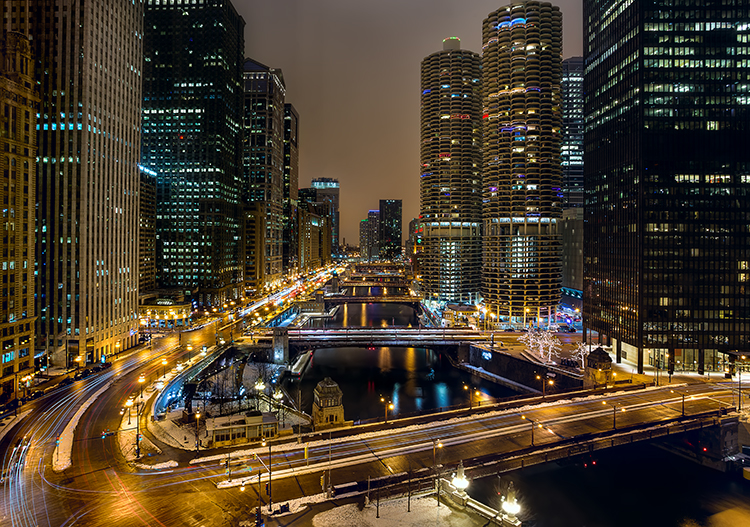
night photography tips and course

Historically, there were good reasons for this. Night photography was hard. You couldn’t see what you were doing because there were no LCD screens on camera. Every mistake cost you money in the form of film and processing. Even when digital cameras came on the scene, the low light performance in most cameras was so atrocious that it made it difficult to shoot at night.

But now, times have changed. Obviously, with digital, you can see exactly what you are doing and take as many test shots as you like. Cameras – and the low light performance of cameras in particular – have improved drastically in the last three to five years. Post-processing tools have come a long way as well, so now you can enhance your night photos a great deal.

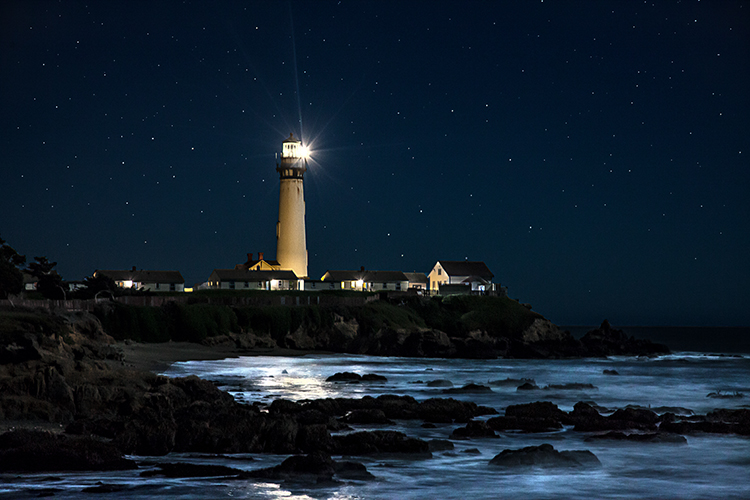
night photography tips and course

All that makes night photography much more feasible. But is it something you should do? Will it lead to great photos? Is it fun?

The answers are; yes, yes, and yes. In this article, I will show you some of my favorite things about night photography. Once you get started, you are sure to have some of your own reasons.

1.  Otherwise mundane places are dramatic at night

Most photographers struggle with one thing in particular. That is how to make their photos stand out from the crowd.

Photographing at night can help you make that happen. Let’s be clear, though, just taking any old photo at night won’t get you there. But you’ll be surprised at how many locations that appear rather mundane or drab during the day can be made to look incredibly dramatic at night.

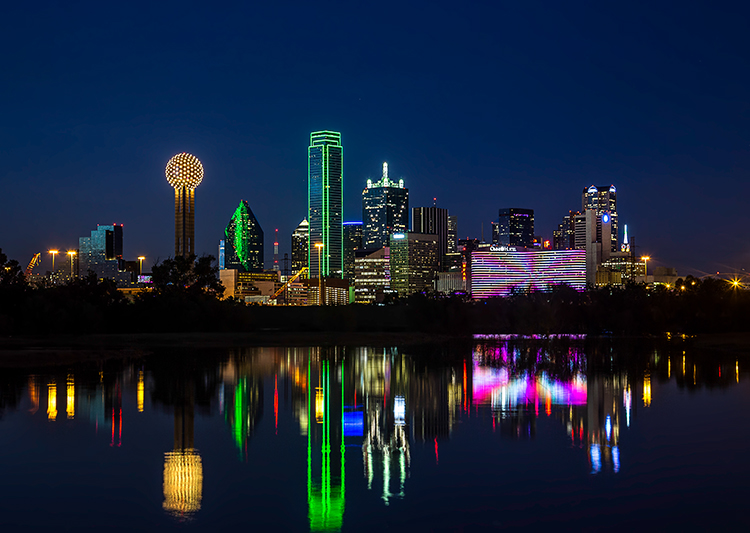
night photography tips and course

In cities, for example, you will find well-lit facades, bridges, skylines, etc. The city lights add interest and give you lots to work with. During the day, these appear flat and uninteresting. At night, however, there is usually dramatic lighting added. In rural environments, you have the night sky. A clear sky in the daytime is nothing special, but at night you are treated to a sky full of stars. In either case, you can add your own light to the scene via a flash unit or light painting (bring your flashlight!).

In addition, the night is just different than what most people normally see. That’s not to suggest that night photography is somehow a novelty, but photography during the day is much more common. People are accustomed to seeing photos during the day. They are even used to seeing dramatic sunrise and sunset photos. Night photos are a little more unusual. Take advantage of it.

2.  You can achieve amazing effects that are impossible during the day

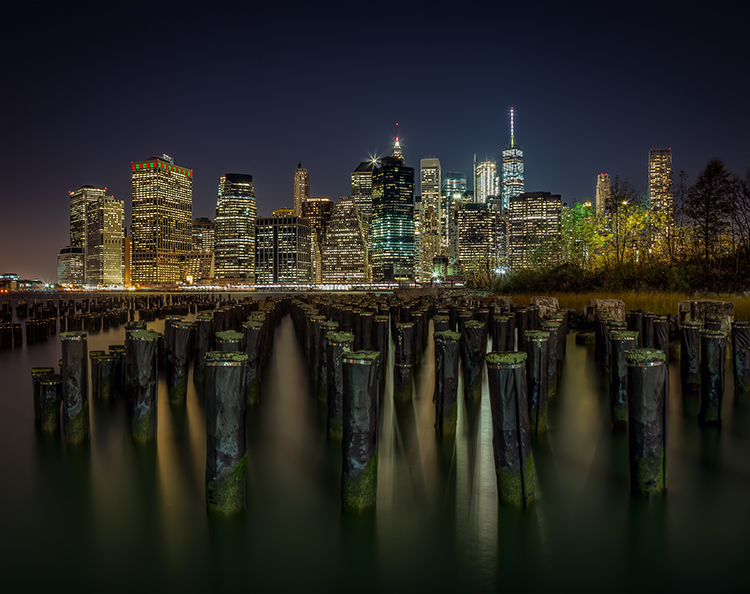
Light trails, starburst effect, motion blur . . . these are all easy at night. The long shutter speeds that are often required for proper exposure in night photography can lead to really cool effects. In addition, at night you can work with lights that just aren’t on during the day.

night photography tips and course

At night, not only are you taking pictures that many others don’t take because they are at home, but you are also taking pictures that many photographers can’t take. You need to have more than a rudimentary understanding of exposure to get a good night shot. Long exposures are very common, so a tripod and a remote shutter release are necessities. Beyond that here are some other considerations for night photography:

  • You need to control shutter speed to get motion blur where you want it and avoid camera shake when you don’t.
  • Aperture control is needed to balance competing goals of letting enough light in, achieving a proper depth of field, achieving a starburst effect to lights, and avoiding diffraction.
  • You need to control ISO to achieve a proper exposure without an intolerable amount of noise that often goes along with night photography.

Granted, some of these things are issues during the day as well. But they are much more of an issue at night. The lack of light is not that difficult to overcome, but you do need to know what you are doing.

3.  The light never changes

night photography tips and course

As someone who loves landscape photography, it can be really frustrating to spend all your time waiting for fleeting moments of light that may or may not ever arrive. Have you ever considered what percentage of a typical day is actually good light for landscape photography? It is a tiny window! Furthermore, how many times have you awaited a sunset and aftermath that didn’t even pan out?

With night photography, on the other hand, you aren’t waiting around for the light. Once the sun is fully set, the light never changes. It is just always dark. Streetlights, spotlights, and other artificial lights aren’t changing (so long as they are on), but rather are constant. So you have all night.

night photography tips and course

You can go out any night and things will be the same. Once you are out, you don’t have to hurry your exposures on account of the changing light. Of course, you may have to hurry if your subject is moving, but it won’t be on account of the changing light.

4.  It is Not So Weather Dependent

Night photography is also not as dependent on the weather. For example, at night, whether it is clear or cloudy, any sky in your picture will likely be black or very dark. You aren’t looking for particular cloud formations.

night photography tips and course

That said, certain weather is not conducive to photography whether it is day or night. Grey, misty days often don’t lead to great pictures (unless you are looking for a mysterious element). And you probably don’t want to go outside in a monsoon or storm. But for the most part the background of your shots just isn’t as weather dependent as shots taken during the day.

5.  It fits your life

You know how you want to get out and do more photography but life keeps getting in the way? You cannot get out during the week because you have to work. On weekends you seem to be tied up with family commitments and errands. It seems like there is never a good time to get out and do some photography.

Most people find, however, that it is easier to get out and do photography at night than during the day. During the day, you are working. At night, most people are off work. During the day, there are family activities. At night the family is winding down and/or going to sleep. During the day, there are errands to run. At night, most stores are closed. You get the idea. There is just less going on at night, such that it always seems easier to get away and do some photography.

night photography tips and course

Conclusion

Don’t forget – half of every day consists of night. In fact, in higher latitudes, the winter can feel like nothing but darkness. But by neglecting the night, you are overlooking the majority of every day. In some ways, you are missing the best part.

Anyway, these are some of my favorite things about night photography. Once you try it, you are sure to have some of your own reasons.

** NOTE ** If you’d like to know more about this subject, learn more about my brand new course on night photography here, so you can take stunning night photos too!

googletag.cmd.push(function() {
tablet_slots.push( googletag.defineSlot( “/1005424/_dPSv4_tab-all-article-bottom_(300×250)”, [300, 250], “pb-ad-78623” ).addService( googletag.pubads() ) ); } );

googletag.cmd.push(function() {
mobile_slots.push( googletag.defineSlot( “/1005424/_dPSv4_mob-all-article-bottom_(300×250)”, [300, 250], “pb-ad-78158” ).addService( googletag.pubads() ) ); } );

The post 5 Reasons Why You Should be Doing Night Photography by Jim Hamel appeared first on Digital Photography School.


Digital Photography School

 
Comments Off on 5 Reasons Why You Should be Doing Night Photography

Posted in Photography


4 Reasons Why You Should Photograph Concrete

11 Jan

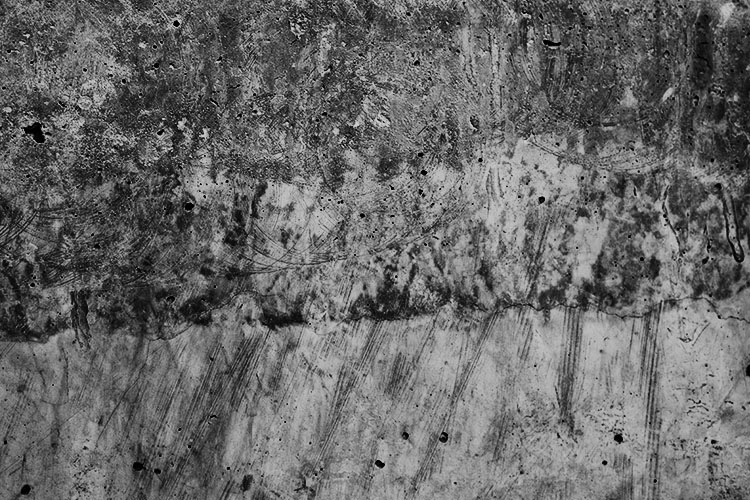
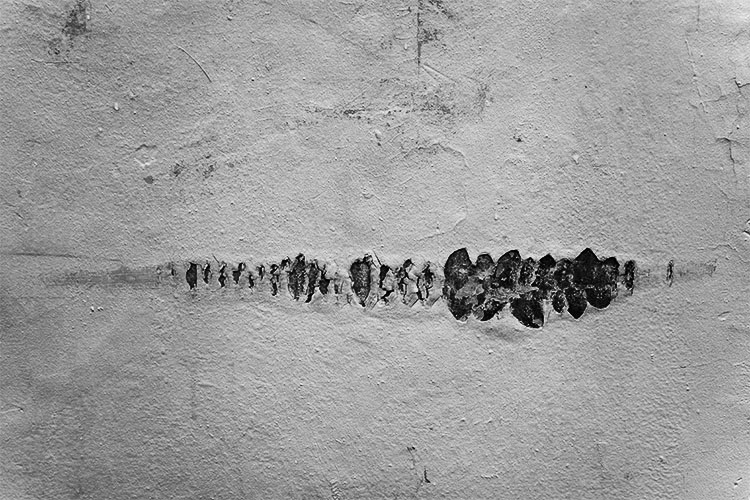
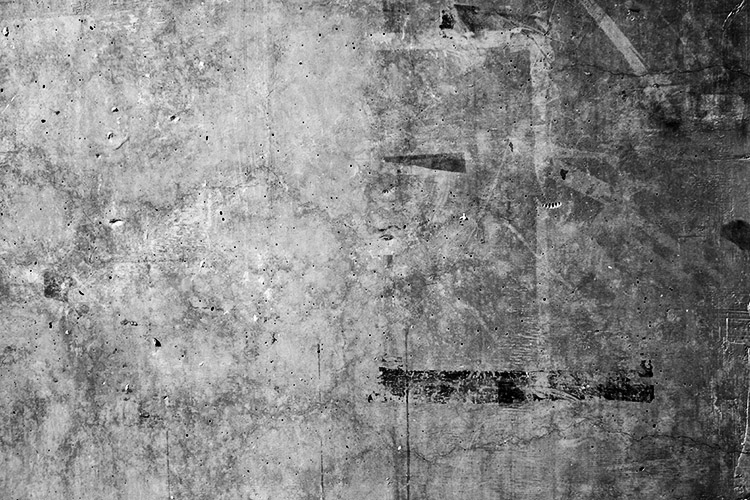
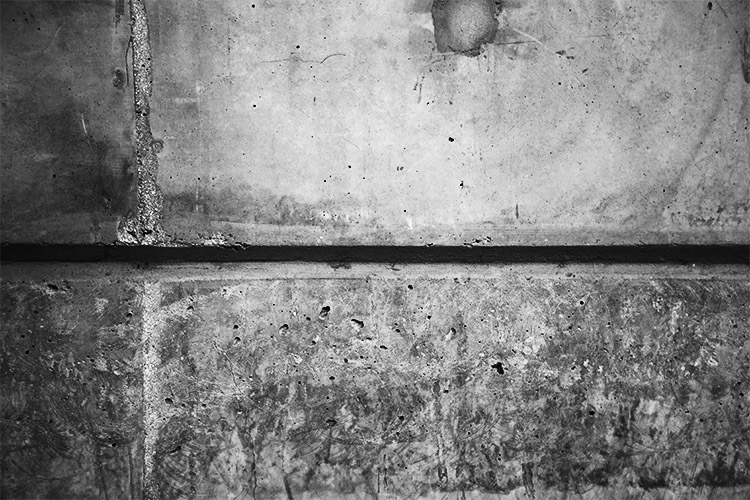
When people ask me if I have a favorite subject to photograph, they are often surprised by my response. See, I really enjoy photographing abstract urban environments, and most of all, I love photographing concrete. Yep, that’s right! Plain old concrete.

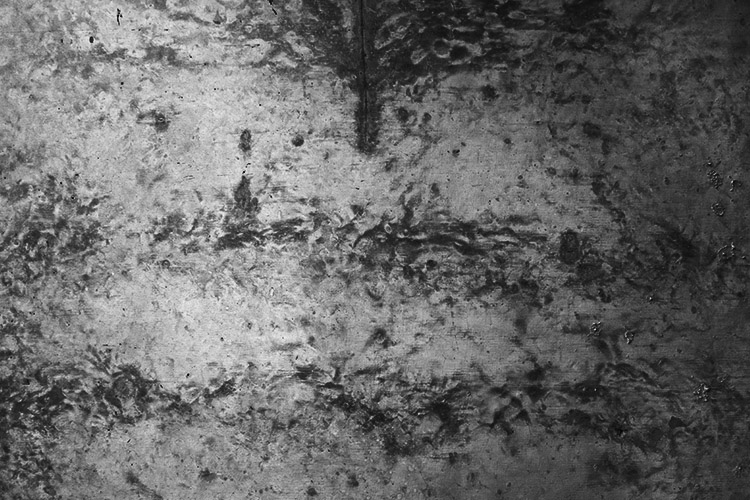
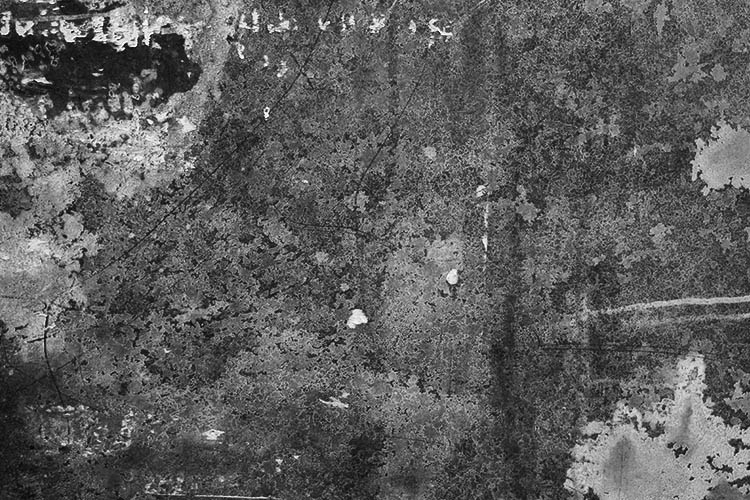
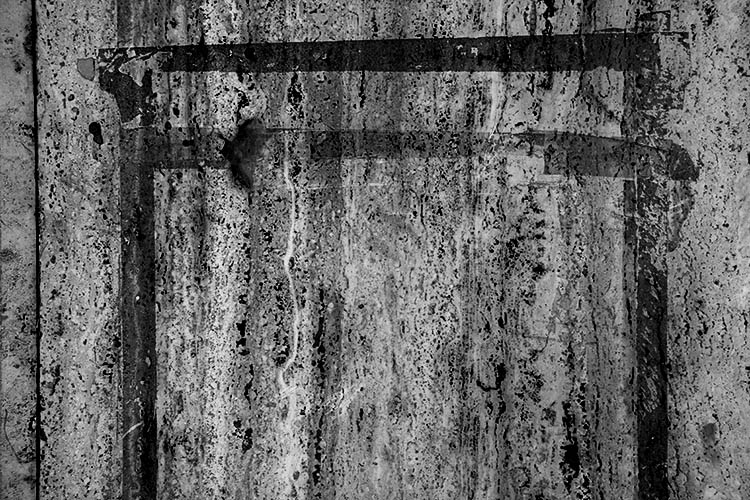
As the most common urban material, concrete shapes buildings, lines pathways, forms pipes, columns, bridges, and driveways. Anywhere you look you’ll see concrete, it’s as endless in variety as the reasons I love photographing it. You could say that car parks are a wonderland for me.

concrete-photography-03

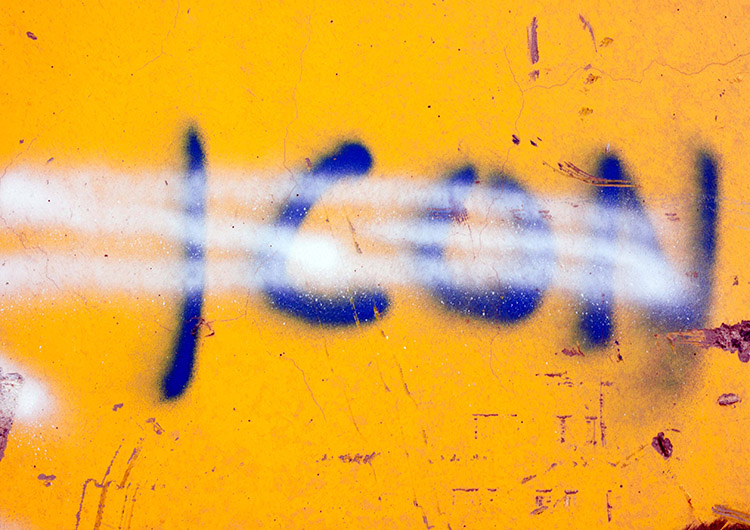
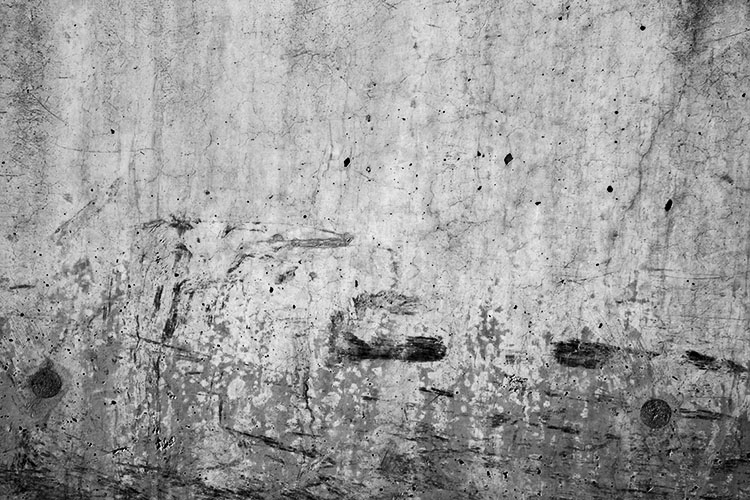
This slab of concrete takes on the appearance of a Rorschach test.

However, concrete is often overlooked for more obvious or eye-catching subjects. If you google “urban photography” there are thousands of beautiful photographs of skyscrapers and streets, urban patterns, and underground train lines. But rarely do you see photographs of just concrete itself.

And why would you bother? A photograph of a concrete bollard sounds pretty boring, right? Wrong! Here are a few reasons why concrete can be a photographic wonderland if you simply take the time to look.

concrete-photography-14

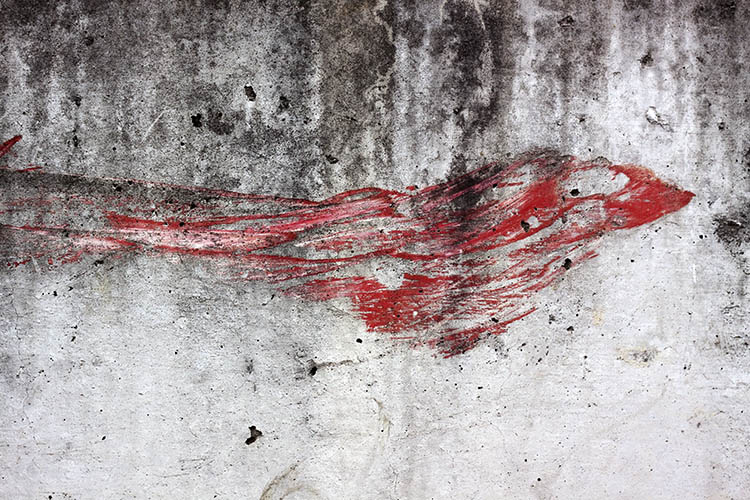
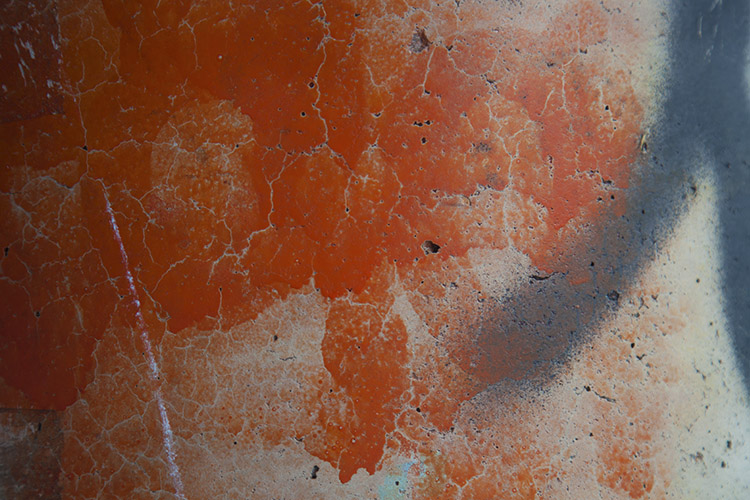
The strikingly bold mark on this slab of concrete is the remnant of a red car that got a bit too close.

concrete-photography-01

1 – Concrete is a time capsule

Concrete is popular in construction because it builds durable, long-lasting structures that will not rust, rot or burn. In short, it stands the test of time. This means that concrete construction will invariably wear the markings of the surrounding environment and the people who consciously or unconsciously interact with it.

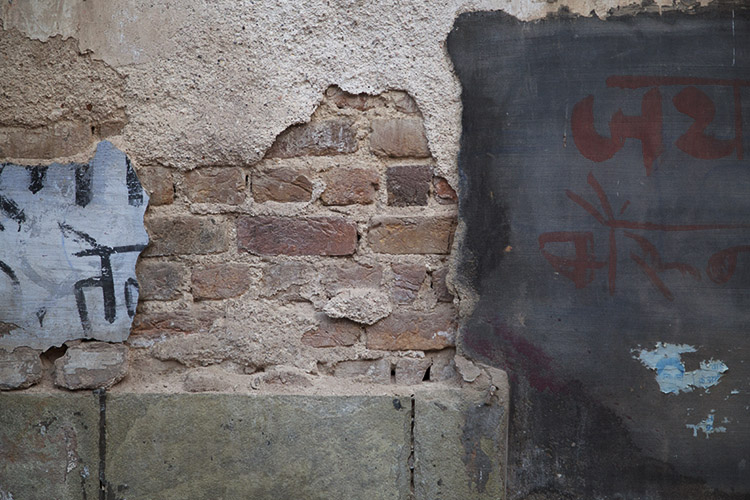
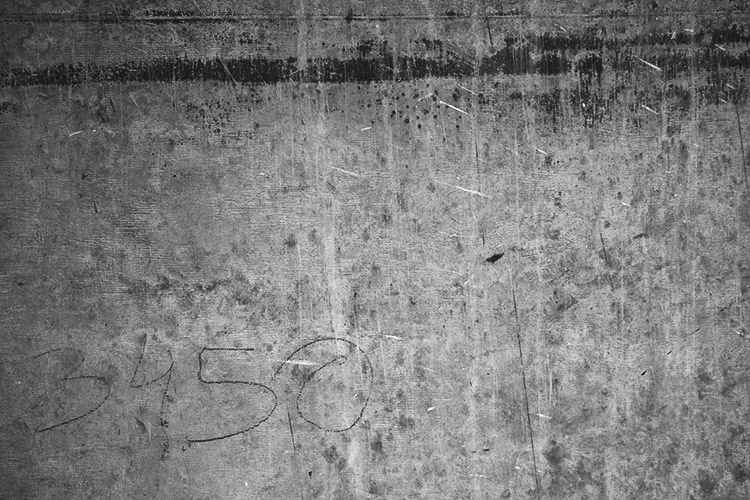
It is a time capsule and photographing it means documenting the story of what makes up an urban environment. From the freshly laid feature wall, to the roughly poured foundations of an underground car park, or names etched into pathways and paint scratches from cars, it all tells a story.

concrete-photography-13

concrete-photography-15

concrete-photography-11

concrete-photography-16

concrete-photography-17

2 – Abstract expressionism

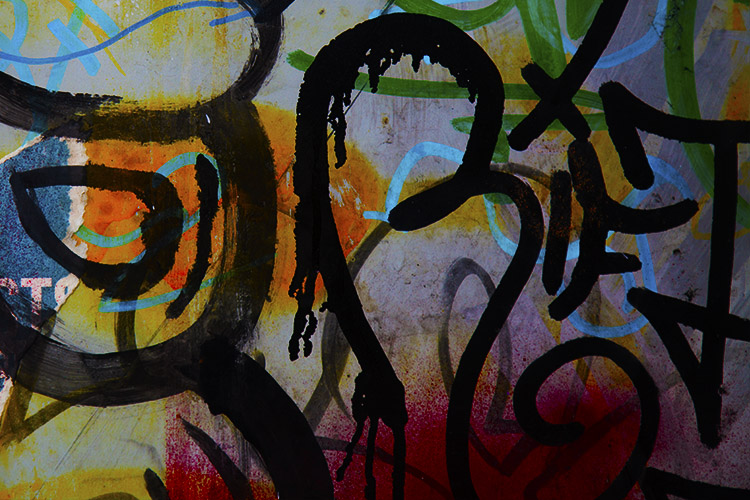
If  photography is like painting with light, then concrete is a sturdy urban canvas. Another reason I enjoy photographing concrete so much is it has parallels to abstract expressionism. Abstract art, mostly characterized by painting, focuses on the process, the medium, the shape and the color within the frame of the canvas. Through their paintings, abstract expressionists create a visual arena documenting an artist’s movements, thinking and process without relying on the depiction of figurative imagery. Like abstract art, concrete lays bare the visual results of spontaneity, time and the limitations of physics. The lack of figurative references also allows the viewer to explore the image in greater depth, lending their own meaning to the work – which creates a deeper connection with the audience.

Like abstract art, concrete lays bare the visual results of spontaneity, time and the limitations of physics. The lack of figurative references also allows the viewer to explore the image in greater depth, lending their own meaning to the work – which creates a deeper connection with the audience.

concrete-photography-08

concrete-photography-05

concrete-photography-18

The lack of figurative references creates the appearance of an almost alien landscape

3 – Minimalist beauty

Concrete itself is like an abstract expressionist’s canvas, but the act of photographing such a bold subject is actually very minimalist. Photography, when you drill down to the basics, is about light, shade, surface, tone and line. Photographing concrete surfaces doesn’t seek to depart from this, but rather, emphasize it.

Photographing a seemingly menial subject like concrete not only draws attention to its beauty but hearkens back to the simple elegance of photography by documenting the incidental and intentional brushstrokes of the urban environment.

concrete-photography-09

concrete-photography-02

4 – Variety!

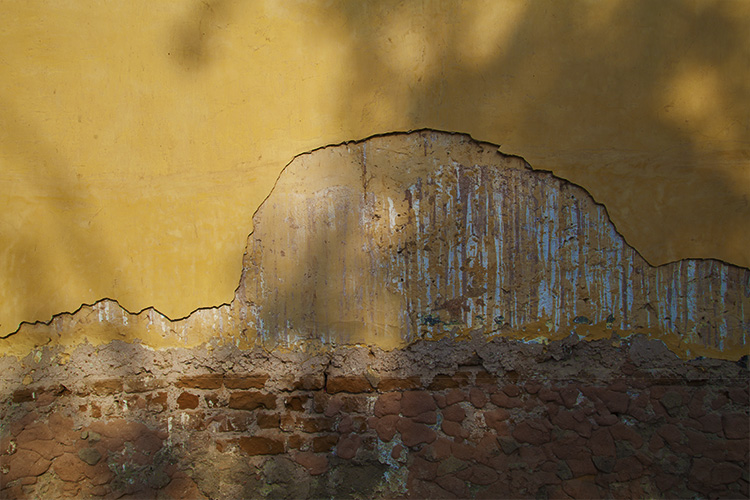
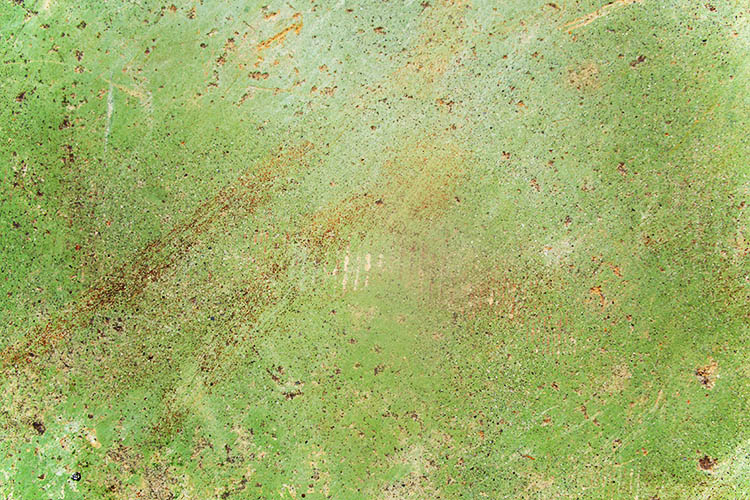
No two panels of concrete are the same. Concrete acts as a canvas for a myriad of air bubbles, paint, scratches, graffiti, wear, watermarks, leftover adhesive, etc. Concrete itself forms waves and arches as it is poured. Finishing effects vary too, depending on the type of concrete and the pouring technique. Any portion of concrete maps out the history of that particular time and place with hypnotizing whorls and abrasive texture.

The familiarity of the subject is no deterrent either. Often, as I’m photographing a wall or pathway, passers-by do a double-take, trying to see what it is that I’m photographing. It’s something they may never have considered photograph-worthy before, and it interests them. The beauty is already there, waiting for someone to draw attention to it. Viewers often remark that they never knew concrete could be so beautiful until now!

concrete-photography-10

concrete-photography-12

Conclusion

Concrete is an incredibly variable and dynamic subject, and whats more, it keeps still! As an almost constant presence in history, the use of concrete has evolved with humans to shape our environment. Concrete is a time capsule of intricate details and hidden stories that illustrate the way we interact with the world.

It’s an often overlooked, but delightfully accessible subject, always ready for a photographer to take notice. Next time you are out and about with a camera, take time to look at what concrete has to offer. You may surprise yourself with how fascinating the canvas of the urban landscape can be!

concrete-photography-04

googletag.cmd.push(function() {
tablet_slots.push( googletag.defineSlot( “/1005424/_dPSv4_tab-all-article-bottom_(300×250)”, [300, 250], “pb-ad-78623” ).addService( googletag.pubads() ) ); } );

googletag.cmd.push(function() {
mobile_slots.push( googletag.defineSlot( “/1005424/_dPSv4_mob-all-article-bottom_(300×250)”, [300, 250], “pb-ad-78158” ).addService( googletag.pubads() ) ); } );

The post 4 Reasons Why You Should Photograph Concrete by Megan Kennedy appeared first on Digital Photography School.


Digital Photography School

 
Comments Off on 4 Reasons Why You Should Photograph Concrete

Posted in Photography


3 Reasons to do Headshots with Natural Light

10 Jan

I love natural light. I’ve probably said this before, but I prefer it to using studio lights. There’s something soft and beautiful about using the light generated by Mother Nature that makes it perfect for every occasion. I use natural light every chance I get. I even use it for my headshot sessions. You may be surprised by this but I’ve got some great reasons why. Read on to find out more.

Shoot Headshots with Natural Light

I have a 9-foot window in my studio. It’s perfect for natural light photography.

#1 – Natural light flatters every skin tone

From pale milk-white skin to dark chocolate brown, natural light makes everyone look beautiful. No matter the skin tone or the facial features natural light enhances everyone. Now I’m not talking about direct sunlight at midday. That type of light is too harsh. It washes out skin tones and creates harsh shadows. Set up your shoot in open shade. Use the side of a building or under a tree. You can even set up a canopy and shoot underneath. You will love the results, just be creative in how you use it.

Shoot Headshots with Natural Light

While the lighting behind this young woman isn’t natural. The light on her face comes from my 9-foot window. She used this shot in her modeling portfolio.

#2 – Natural light is cheap

If you are just starting out as a photographer, natural light doesn’t cost a whole lot to use. You can create beautiful head shots without fancy studio equipment. It’s a way to get your foot in the door. You might also be unique in your area. Think about branding and how being a natural light photographer might be a way to capture attention from potential clients. You could be the trendy alternative to the typical studio headshot.

Shoot Headshots with Natural Light

Taken outdoors against an old building. My client was looking for relaxed looking headshots for her LinkedIn profile.

#3 – Shooting outdoors is less intimidating

Think about all those giant light stands and softboxes. For someone who may be a little nervous about having their portrait taken, shooting outdoors can take off some of the pressure.

I find that generally, clients who are self-conscious or uncomfortable in front of the camera will relax more easily when I take them outdoors for a session. We chat for a while and generally need to walk a short distance to a location. It gives me a chance to take some of the pressure off them. The client starts to feel more comfortable and the overall look of the headshot is much better.

Shoot Headshots with Natural Light

While not your classic headshot pose, my client was relaxed and comfortable. She looks confident.

Professionals need to exude confidence in their images. They won’t be successful in their business if they look nervous or uncomfortable in their marketing materials.

As photographers, we have to visually communicate our client’s abilities

Remember headshots are all about creating an image. We are a part of the branding process for a company or a freelancer. You are helping to promote an actor or build a brand for a home stager. Your images should help attract potential business. It’s your job to tell people all about your client and their amazing abilities.

Shoot Headshots with Natural Light

As a real estate agent my client wanted a photo that associated her with the local area.

You can do this by taking beautiful and bright images that promote your client as a capable and highly skilled professional. Try using natural light in your headshot jobs. I think you will be pleased with the results. Also, remember that if you are offering a service that seems unique from all the others you can think about charging a little more for your highly specialized product.

Natural light is a great tool. I highly recommend utilizing it whenever you can. Please share your natural light headshots or any questions you may have, in the comments section below.

portrait_headshot

googletag.cmd.push(function() {
tablet_slots.push( googletag.defineSlot( “/1005424/_dPSv4_tab-all-article-bottom_(300×250)”, [300, 250], “pb-ad-78623” ).addService( googletag.pubads() ) ); } );

googletag.cmd.push(function() {
mobile_slots.push( googletag.defineSlot( “/1005424/_dPSv4_mob-all-article-bottom_(300×250)”, [300, 250], “pb-ad-78158” ).addService( googletag.pubads() ) ); } );

The post 3 Reasons to do Headshots with Natural Light by Erin Fitzgibbon appeared first on Digital Photography School.


Digital Photography School

 
Comments Off on 3 Reasons to do Headshots with Natural Light

Posted in Photography


Five reasons to buy the Sony RX100 V (and four reasons to reconsider)

27 Nov

Introduction

The Sony RX100 V is the world’s most advanced pocketable camera with a 1″-type sensor, and it’s also the most expensive. With a spec sheet that is unmatched in its segment (and in some cases, in the entire market), the RX100 V is going to be looked at by a great many folks, and is indeed going to be a great camera for a wide variety of photographers. But there are also photographers for whom the RX100 V is probably not your best choice – so we’ve put together some reasons you might want to pick one up, and also reasons you might want to save those pennies for something else. Let’s dive in.

Reason to buy: You need to capture very fast things

The 24 fps burst rate lets you capture just the right moment. Photo by Rishi Sanyal

You might be interested in an RX100 V if you photograph or record very fast-moving things, primarily because of the camera’s ridiculous 24 fps burst speed for stills and 960 fps mode for slow-motion video. But because of the zoom range, you’ll have to be fairly close to the action – our own Barney Britton has been saying the V is the world’s best crash cam. Or maybe you’re a watermelon-exploding enthusiast. Okay, or maybe you want to catch just the right moment of your kid’s break dancing class. Whatever it is, kick the AF into continuous and ‘Wide’ area, the burst rate into 24 fps, and motor away.

Reason to reconsider: Postage-stamp-sized batteries

CIPA-rated to 220 shots, the battery life is, generally speaking, a weak point on the RX100 V.

The Sony RX100 V soldiers on with the same NP-BX1 battery pack that the very first RX100 used, and with the massive increases in processing power and capability that Sony has shoehorned into the body, the claimed battery life is a third less than the original model. What’s more, the RX100 V continues Sony’s tradition of slow battery discharge if the battery is left in the camera, so if you’re only looking to use the camera occasionally, you may find you’re all ready to capture the moment, but the camera isn’t ready for anything but a charge.

And if the RX100 V is already proving difficult to fit into your pocket (I can’t be the only guy wearing skinnier-than-normal jeans these days), you might be loathe to carry another battery or two as well.

Reason to buy: You need a B video cam that can run and gun or be built up as needed

You could conceivably use the HDMI out on the RX100 V to build a rig up, or just use it as a run-and-gun pocket video cam.

The RX100 V is probably not the best choice out there for a primary video cam for most people (though this is not always going to be true), but with 4K video, focus peaking, zebra, log gamma and oversampled 4K, the only thing you’ll be missing is better audio – and there’s always an external solution for that.

Don’t discount that you can also do clean HDMI out, and then combined with said external audio solution, have a pretty powerful package, even if it takes some work to get there.

Reason to reconsider: You have big hands

If Sasquatch was after a camera, it wouldn’t likely be the RX100-series (a big, double-grip DSLR might be a better bet). The RX100 V comes, out of the box, with no grip, a slippery casing, and buttons smaller than the sensors of point and shoots of yester-decade. Although a touchscreen isn’t always the answer, we feel that being able to utilize such a big block of space on the rear of the camera as a control point is something Sony will have to do sooner or later to improve usability as the features keep coming. 

Reason to buy: You want the best point-and-shoot there is

The RX100 V’s 315 on-sensor phase-detect AF points cover 65% of the frame.

With AF-C in wide mode and rapid continuous shooting in Raw + JPEG, the only thing between you and something you want to photograph is the RX100 V’s startup time, which isn’t too bad (unless you’ve just changed the battery).

Sony’s told us that plenty of folks buying their RX100 cameras are actually mid-to-high end DSLR owners. And while there’s an argument that that demographic may want maximum control all the time, there’s also something to be said for leaving the big camera at home and just focusing on a moment in front of you as it unfolds instead of prepping settings and always watching, and always re-prepping, and repeat.

Reason to reconsider: You just don’t need it

Stock up on storage if you plan on using those 24 fps bursts.

I will confess – the allure of 24 fps burst shooting while at the Sony launch event for the RX100 V was somewhat tempered by the 128GB memory card I used, as well as the total picture count at the end of the night – near 3,000. That ended up being more than I would shoot with any other camera, simply because I could. One thing’s for sure – there’s no arguing that 24 fps will help you catch just the right moment in the middle of whatever is happening in front of you. But there’s also no arguing that it will just be overkill for many people, and many people’s hard drives. Even dropping the burst rate to 10 fps ended up being enough for me.

Reason to buy: You want the best image quality in the smallest pocketable package

You already have a cell phone with you all the time anyway, and it probably takes decent pictures. Well, the RX100 V will at least fit into a coat pocket (or cargo pants…those are still around, right?) and take photos that will blow any smartphone out of the water.

True, ‘digital bokeh’ simulations are catching on, and will actually offer more blur artificially than the RX100 V can manage optically. But they still can’t match the dynamic range, sharpness and sophisticated JPEG performance in low light that the RX100 V offers. Digital bokeh or not, physics is still physics, and the 1″-type sensor will collect way more total light than any current cell phone.

(There’s also one smaller 1″-type sensor camera on the market, the Canon G9 X, which is capable of good stills quality – but with a necessarily slower lens and less processing power to keep the whole package more compact.)

Reason to reconsider: You just need more zoom

The 24-70mm equivalent zoom lens on the RX100 V may be quite bright, but it may be too short for many people. If you’re hoping to shoot your kids’ soccer matches from the sidelines, there are way better options out there (the Panasonic ZS/TZ100 comes to mind).

Sure, the 24-70mm focal length is an absolute staple for professional wedding and press photographers, but you also often see those very same photographers carrying another huge camera with a 70-200mm equivalent zoom, just to cover absolutely everything. You can get by for a great many things with the RX100 V, but if you’re planning on getting one single camera to do it all, from travel photography to portraits to landscapes, there is probably a better option out there for you.

Reason to buy: You absolutely must have a viewfinder

All RX100 models since the Mark III have had a built-in, pop-up electronic viewfinder.

The RX100 V (and Mark III/IV) are the only truly pocketable 1″-type sensor compact cameras with a decent built-in viewfinder. Panasonic’s ZS100/TZ100 is also a fairly compact camera, but its field-sequential EVF is pretty lackluster. If you do lots of shooting in bright light outdoors, or just find that framing your masterpiece with fingerprint smudges and facial oils overlaying it is unacceptable, the RX100 V’s pop-up viewfinder is worth a peek.

Articles: Digital Photography Review (dpreview.com)

 
Comments Off on Five reasons to buy the Sony RX100 V (and four reasons to reconsider)

Posted in Uncategorized


4 Reasons to Never use the Delete Button on Your Camera

13 Oct

I was walking around a wild horse range in Utah this past summer, backing up, shifting one way then the other, looking for my shot, composing and recomposing when I almost stepped on this:

Never use the Delete Button on Your Camera

I freaked out. Very quietly, since I was almost standing on a snake and I don’t want to disturb him any more than I already had but it was a Xanax moment. My fellow photographer assured me that it was a bull snake out for a sunbath and that no self-respecting rattlesnake would have let me get that close without rattling. After a few muttered words I can’t repeat here and a bit of deep breathing, my hands were steady enough to do what any avid wildlife photographer would do. I photographed it.

Because I was on a wild horse range, I was shooting in burst mode. Each brief press of my shutter captured 5-6 images. A few seconds later, I had 50 shots of a coiled-up, sunbathing snake. Snakes don’t move all that much and ones taking a sunbath don’t really move at all so that seemed like an excessive amount of frames to me. To save memory space on my card, I briefly thought about deleting a few of the images. I forced myself not to delete anything, though. Here’s why.

Reason #1: Chimping and deleting takes you out of the moment

While you’re chimping (looking at the images on the back of your camera) and deleting images, you’re no longer in the moment. You take yourself out of the present and start reviewing images from the past. If you were on a roll or having a moment of magical oneness with your camera and your subject, you’ve just disrupted all that.

When you start pressing the delete button, you’re pressing the disconnect button too. You’ve stopped being an artist to chimp, delete, and save space on your memory card. Will you be able to immediately reconnect with your inner artist when you’re done chimping and deleting? Most of us can’t get back to that creative place quickly or easily so once we get there, it’s best to stay focused there.

Reason #2: You’ll miss some great shots while your head is down

Never use the Delete Button on Your Camera

What are you missing while your head is buried in your camera’s LCD? Think about this. You’ve traveled all the way to [insert your favorite place here] to photograph [insert your favorite subject here] and instead of photographing it, you’ve let your OCD take over and you’re cleaning up your memory card. Is that a good return on your investment? Are you making the best use of the time and money you’ve expended? Or, while you’re chimping and deleting images, are you missing the opportunity to capture the image above?

Or this?

Never use the Delete Button on Your Camera

Or this?

Never use the Delete Button on Your Camera

When you bury your head into the technical parts of your camera, you miss so much. Yes, a quick glance at your histogram is fine. Yes, you can quickly double-check your focus to make sure you’ve nailed it, but then keep shooting before you lose your mojo.

If you’re concerned about space on your memory card, stuff your pockets full of them and change them often. Don’t be the photographer that misses the best moment of the day because you can’t stop yourself from chimping and deleting images.

Reason #3: You can’t really see what you’re deleting

With the haze of sunscreen and the sun’s glare on my camera’s LCD, it was hard to see the details of each image I made. I was shooting the snake with a shallow depth of field but not so shallow that the entire snake wasn’t in focus. I was focusing on his eyes but snake’s eyes are pretty tiny and I wasn’t sure I’d nailed it. Plus, I was still feeling some anxiety.

My hands weren’t really very steady. It was hot out and every time I got low, to put my camera as close to the snake’s eye level as possible, I started to feel even shakier. I couldn’t stay with my knees deeply bent for more than a few seconds. The grass around the snake was also blowing slightly and I wasn’t sure if my camera was grabbing focus on the eyes or the grass. When I uploaded all the images, here’s what I found:

Never use the Delete Button on Your Camera

Never use the Delete Button on Your Camera

In this image, the snake’s eyes weren’t sharp

Never use the Delete Button on Your Camera

Never use the Delete Button on Your Camera

In this image, the blade of grass obscured the snake’s eyes and mouth.

Never use the Delete Button on Your Camera

Never use the Delete Button on Your Camera
In this image, the eyes were sharp and not obscured by grass and Sunny the Bull Snake was sticking his tongue out at me. Winner winner, chicken dinner! I couldn’t see those details on my camera’s LCD screen at all.

Reason #4: Formatting is better for your memory card than deleting

Rather than deleting images, the gold standard is to download your entire card, reformat it, then start shooting again. Every photographer has varying opinions on this but this method seems to save wear and tear on your memory cards.

While they aren’t as expensive to replace as they used to be, they do last longer with more care. Reformatting rather than deleting also seems to prevent your card from corrupting, which saves you the time and expense – and panic – of dealing with that issue. It’s never pleasant to download a card and realize half your day’s shoot is corrupt and won’t load.

Usually, recovery software works and you can eventually retrieve those images. But if skipping in-camera deletion helps prevent corruption, then by all means, let’s all stop doing it.

Those are my top four reasons for not deleting when I’m in the field shooting. Please share in the comments if you have any other reasons for not deleting images in camera. I’d love to hear from you.

googletag.cmd.push(function() {
tablet_slots.push( googletag.defineSlot( “/1005424/_dPSv4_tab-all-article-bottom_(300×250)”, [300, 250], “pb-ad-78623” ).addService( googletag.pubads() ) ); } );

googletag.cmd.push(function() {
mobile_slots.push( googletag.defineSlot( “/1005424/_dPSv4_mob-all-article-bottom_(300×250)”, [300, 250], “pb-ad-78158” ).addService( googletag.pubads() ) ); } );

The post 4 Reasons to Never use the Delete Button on Your Camera by Lara Joy Brynildssen appeared first on Digital Photography School.


Digital Photography School

 
Comments Off on 4 Reasons to Never use the Delete Button on Your Camera

Posted in Photography