RSS
 

Posts Tagged ‘Questions’

5 Questions to Ask Yourself to Help Improve Your People Photography

27 Jul

They say the lines on a person’s face can tell a thousand stories. Getting the photo that tells those many stories is the holy grail of photography. So what can you do to create standout people photography, especially if you don’t already know the person?

The approach that every people photographer takes is different, but below are five questions that all most will have asked themselves. Each photographer may answer the questions differently and yet still produce amazing results, as photography styles are all different, of course. To improve your people photography, take the time to look at these questions, and ask how they apply to you.

5 Questions to Ask Yourself to Help Improve Your People Photography

This is a photo of a Shaman from Malaysian Borneo. A connection had already been formed with this man after my friend told him I’d photographed for National Geographic. So we were able to use off-camera flash as he posed for us.

1 – Long lens or short lens?

The chances are when you start photographing people you’ll use a longer focal length. This can be true of people who you know, it’s especially true of people you don’t know. Photographers who enjoy street photography will tell you that using a 50mm lens is best. But the truth is that it really depends on the situation.

The long lens

This really means any lens over 85mm on a full frame camera. The nice thing about these lenses is that you can photograph from a distance that’s non-invasive. This is great because you don’t need to interact with the person you’re photographing, and this is terrible because you don’t need to interact with the person you’re photographing.

There are good reasons for and against direct interaction with your subject, something we’ll come to later. The reason you may come to use a long lens is that it compresses the scene, and allows you to focus in on the person, without outside distracting elements.

5 Questions to Ask Yourself to Help Improve Your People Photography

A longer lens was used in this photo, resulting in a simpler photo.

The short lens

This means lenses 50mm or below, with the 50mm lens being the street photographers go-to lens. Using a lens like this will force you to interact with the person you’re photographing on some level. It’s far better to build a rapport with the person than going with hit and run. Besides the advantages you will gain from building rapport, wider lenses also allow more context to be seen in the frame.

5 Questions to Ask Yourself to Help Improve Your People Photography

Using a wider lens can improve your portraits. This was photographed at 50mm, and more of the story behind the scene can be seen.

Now, of course, you can get prime or zoom lenses that are both long or short in focal length. When it comes to people photography, the larger aperture that prime lenses offer is a great advantage. Photographing people with prime lenses is, therefore, best and will to improve your portraits.

2 – What technique works best?

There are many different approaches to people photography to improve your portraits. As discussed above, choosing your lens will help. Applying techniques like bokeh can also get you better results. A few ideas that might help you are described here.

Shoot from the hip photography

This means leaving your camera at your hip and photographing without lifting your camera to your eye. How can this be good photography you may ask? Those experienced at this technique know how to use their camera, and can pre-visualise the result without needing to confirm it with their eyes.

  1. To take photos like this focus the lens to a set distance in front of you.
  2. Use an aperture of f/11 or smaller to have more depth of field.
  3. Choose an ISO that allows for a fast enough shutter speed to avoid motion blur.
  4. Make sure your camera isn’t too crooked, although some angles can work for this style of photography.
  5. Walk past the location you wish to photograph, and hit the shutter as you’re walking or with a brief pause.
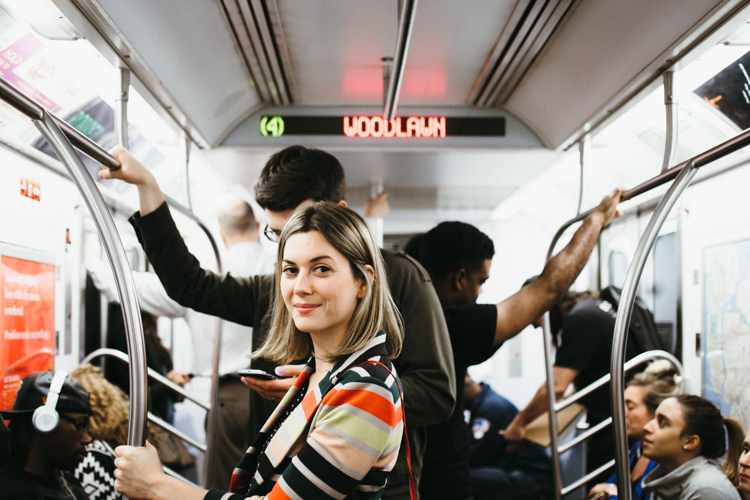
5 Questions to Ask Yourself to Help Improve Your People Photography

This scene from the New York subway was photographed from the hip.

Use the light

The correct use of light will always improve your people photography. There are occasions when natural or artificial light can drastically improve your photo. At night you will need to look for a strong artificial light that people can stand near, during the day a shard of sunlight through a gap in the roof could also be used.

Here are some tips for using light to your advantage:

  1. Take up position away from the light source. You will want people walking towards you and into the lit up area.
  2. Wait until the magic moment comes, and the person’s face is well lit by the source of light.
  3. Have your camera focused on the area where the person will become lit up, and switch the camera to manual focus.
  4. Expose for the person’s face. This will mean the background appears very dark, or even black. The background may be at a -2 or -3 exposure value.
  5. Wait for people to walk into the lit up area, and then photograph them. You will need to wait patiently for people to walk by, into the correct area.
5 Questions to Ask Yourself to Help Improve Your People Photography

This man was lit up by artificial light, giving the photo a low-key, high-contrast look. Learning how to use light will improve your people photos.

Patience

Waiting for people to walk into the light isn’t the only time patience will be needed. You might have a natural frame like a doorway, so you will need to wait for someone to walk through it. This approach is not unlike fishing, and the time spent waiting for the right moment can be calming. The most important thing is to make sure your composition and camera settings are already set. Now it’s just a waiting game for somebody to walk past. Alternatively, you could speed things up by asking a friend to walk into the frame.

Forming relationships

5 Questions to Ask Yourself to Help Improve Your People Photography

The value of building relationships in photography is important, it will improve your portraits. This was the first time I saw the monk, Cheongsan. I didn’t interact with him at all, and this is the result.

The very best way to take photos of people, time permitting, is to form a bond with them. Taking the time to interact, and find out about the person you want to photograph will almost always give you a much better photo. The chances of them giving you permission to photograph will be much higher, and you can control the scene more.

Once you have permission you then have the choice between a staged or candid photo, since you can ask the person to ignore you when you are shooting. The chance to get a great photo that you can share with them can form a lasting connection with you as a photographer. The level of interaction also depends on time, whether it’s 30 minutes or several hours. The types of photos you may get if you’re able to revisit the person on several occasions will also improve dramatically.

5 Questions to Ask Yourself to Help Improve Your People Photography

The next time I saw Cheongsan, I made the effort to approach him. As a result, he let me take this photo and gave me a business card.

3 – Do you ask for permission?

When the person you’re photographing is your friend or a model, then in most cases asking permission would not be needed, and indeed might be strange to ask. Photographing a stranger is a different proposition though, so to ask or not to ask, that is the question.

There is no one correct answer to this conundrum, but certain situations may dictate your actions. If you want a truly natural moment, with no hint of a staged photos then you’ll want to try and avoid asking permission. The caveat to that statement is that if you have time to build a friendship with those people you wish to photograph in a natural way this is also possible, after getting permission to take the photograph.

5 Questions to Ask Yourself to Help Improve Your People Photography

The next time I visited Cheongsan, I had contacted him ahead of time and asked if I could take some photos of him. You will improve your people photography even more by setting up a shoot with someone.

Asking permission is the polite thing to do, and will often improve your photos. You need to have thick skin when asking people though, as asking on the spot will lead to many rejections. You need to ask yourself how you can form a relationship with someone even quickly to smooth this process, so you’re more likely to have the person say yes. Is the person you want to photograph a vendor, for instance. Perhaps you need to show some goodwill and buy one of the things they’re selling. If you’re in a country where English is not spoken asking permission may involve the use of body language. So perhaps learning a few polite words like please and thank you for going along with those non-verbal cues would be prudent.

The general rule on whether you should ask permission is up to you. When the photo you’re taking is in that person’s personal space, it’s much better to ask permission.

5 Questions to Ask Yourself to Help Improve Your People Photography

I loved this man’s glasses and general style, so I asked if I could take his picture. I got a posed photo, but loved the way he posed.

4 – Candid versus staged?

This is related to the question above, but you can get candid photos even after asking permission. If the quest here is for authenticity, can you capture a great moment with your camera that’s natural? This is the aim of many photographers. However, if your aim is to tell a story through a series of photos you should really try and get a mixture of both. On an individual basis, let’s weigh up both the pros and cons of candid and staged photos.

Candid captures

This requires a keen eye, sharp reflexes, but also absolute patience. When walking around taking photos you have to be hyper aware of your surroundings in order to get photographic moments that last the blink of an eye. Photographing split second moments means you need to be utterly absorbed in your surroundings, you need to become the surroundings.

You almost have to achieve an internal meditative state. Staying on the move means you are going to the moment of capture. This means you need to be very quick to catch it. Alternatively, you can find a location, compose your photo, and then wait for the right moment to come to you. This approach can take hours, so you will need a lot of patience!

5 Questions to Ask Yourself to Help Improve Your People Photography

This photo taken was taken in the harbor in Yangon. There is nothing staged about it, I just had to wait for the right moment.

Staged shots

Once the photo is going to be staged, you have a lot of control over how the photo is taken. At this stage the person you’re photographing has consented and will be actively involved in how the photo is produced. When done well, this often leads to a more striking photo than one produced candidly, you are in the realms of a visual storyteller.

The photograph could be a simple head shot, or a more complex photo when your model interacts with their surroundings. As the photo is staged, you can ask your model to stand in the best position for available light, and the background. Your model should be well lit, with the eyes illuminated by the light in the frame. If you have off-camera flash with you, you might even consider using this to really improve your portraits.

5 Questions to Ask Yourself to Help Improve Your People Photography

In this photo, I asked the lady if she would pose for me. After getting permission, I was able to set up the photo and use off-camera flash to light her face.

5 – Where should you take people photos?

The answer to that is anywhere there are people, which is more or less everywhere. You can also choose a location to visit such as a market. Below are a few ideas you can try, though you may have some better ideas specific to where you live.

  • The market – This is the stock location for many people wanting to take people photos. There will always be people at the market. You can take photos of the vendors, customers, or the vendors and customers interacting. The downside is the people working in the market may not like yet another photographer take photos of them. This is where building relationships with the people in the market can help.
  • Public transport – A great reason to avoid the taxi, and leave your car at home. Getting on public transport is a great way to explore a location, and the people there. Be aware that in some locations you will need to get permission from the transport operator, as well as the people you are photographing.
  • A harbor – Anywhere there is a river will likely have a harbor. The life of people working in these places can produce great photographs. You will need to be prepared to wake up early in the morning to see the fishermen at work. This is another great example of how building relationships help, you might be invited onto one of their boats if you get to know a fisherman.
  • Festivals – This could mean a cultural festival such as Chinese new year, or a rock concert. Festivals will have people dressed in attention grabbing clothes that look great when photographed. You may find people more open to having their photo taken at an event as well, because they’re having a good time, and are often dressed well.
5 Questions to Ask Yourself to Help Improve Your People Photography

Visiting places people work can be good locales for people photography. A sulfur mine is an extreme example, however, going to extremes will improve your photos though.

Getting model releases, and paying your model

Whether or not to pay for a photo is another question many people ask about. It is up to you to judge each situation for yourself. Photos being taken for a specifical commercial usage are the types of images where you should pay the model a percentage of your fee. When the photos you are taking are for personal use, paying the model is at your discretion. Chances are you will find someone who will let you take their photo for free, so it’s a nice gesture to send them an image once you have processed them.

Once you decide to pay the person to take their photo, it’s unprofessional not to get a model release. If the person you’re paying won’t sign a model release then don’t pay them, and move onto somebody else. The reason you are paying for a photo is you intend to use it for promoting your work, or for direct commercial usage. This means you need to get a model release, and there are apps available for smartphones that make this very easy.

5 Questions to Ask Yourself to Help Improve Your People Photography

This is one of the miners at Kawah Ijen in Indonesia. He signed a model release and was paid for this photo.

It takes practice to improve your people photography

Now it’s your turn. It’s time to go out and practice your people photography in your local area. Are there any ways that you like to take portraits that are different from this article? I’d love to hear your ideas as well, so please share them in the comments below.

What’s your favorite people photo you’ve taken? Again share your great photo with us, and describe how you went about taking it. Finally, get out there and get some new people photos. Hopefully, some of the ideas in this article will help improve your images.

The post 5 Questions to Ask Yourself to Help Improve Your People Photography by Simon Bond appeared first on Digital Photography School.


Digital Photography School

 
Comments Off on 5 Questions to Ask Yourself to Help Improve Your People Photography

Posted in Photography


7 Questions to Help You Choose the Best Lens For Any Situation

07 Apr

Cameras and lenses – in fact, anything to do with gear – often spark heated debates amongst photographers. People love to discuss which lenses you should buy or use in certain situations. So I thought it would be interesting to look at a few common scenarios and ask what lenses you might want to use in each of them.

This article presents a slightly different perspective on the debate as the answers are led by creative considerations rather than the subject. Lens choice is often subjective – what might be right for one photographer may be the wrong choice for another.

7 Questions to Help You Choose the Best Lens For Any Situation

Here, then, are some of the things you need to think about when it comes to using lenses. Of course, in practice, your choice is limited by the lenses you actually own. But these considerations are still useful and will help you decide which lenses to buy in the future.

Question 1: Do you want to get the entire scene in focus?

The types of photos where you might want to get the entire scene in focus include; landscape photography, street photography, travel photography, and environmental portraiture.

The depth of field, and how much of it you want in your image, is a creative decision. Once you’ve made that decision you can think about the type of lens you need to use to make that happen.

Wide-angle lenses are the natural choice when you need a wide (lots of it) depth of field. There are exceptions – for instance, you could focus on something distant with a telephoto lens and use a small aperture to make sure everything included in the frame is sharp.

But generally speaking, wide-angles are the best choice. They also help you include more of the scene. Some photographers refer to wide-angle lenses as story telling lenses. The phrase describes the way you can use the lens to include enough detail to give your subject context. This approach is most likely to be used in character portraits and documentary work.

7 Questions to Help You Choose the Best Lens For Any Situation

I used an 18mm wide-angle lens to capture the entire scene in sharp focus.

7 Questions to Help You Choose the Best Lens For Any Situation

I used a 40mm lens (strictly speaking, not a super wide-angle lens on a full-frame camera, but wider than normal) to capture this scene and the rock formation the group is standing in front of. The environment is as important in this image as the musicians so I wanted it to be sharp.

Question 2: Do you want bokeh?

If you don’t want to get the entire scene in focus then perhaps you intend to go the other way and use bokeh in the composition. You can do this with zoom lenses, but you really need a telephoto lens with a maximum aperture of f/2.8 or f/4.

It’s easier to create bokeh with a prime lens as the aperture is much wider. You also have more choice. You can use the widest aperture of the lens for an ultra-shallow depth of field, or a more conservative setting such as f/2.8 that still blurs the background but gets more of the subject in sharp focus.

If bokeh is your thing, then use a prime lens.

7 Questions to Help You Choose the Best Lens For Any Situation

I made this photo with an 85mm lens set to f/1.8. The wide aperture completely blurred the background behind the lizard.

Question 3: How close can you get to your subject?

Telephotos are essential for most types of wildlife and sports photography. They even have their uses in street photography. If there is something that stops you getting physically close to your subject, then you need a telephoto lens to bridge that distance.

7 Questions to Help You Choose the Best Lens For Any Situation

I needed a telephoto lens to photograph this jousting tournament. It wasn’t possible to get any closer to the horse and rider.

Question 4: How much weight do you want to carry?

Sometimes it’s tempting to take an array of lenses on a shoot to cover every conceivable situation. The problem is that carrying too much weight can tire you out. This makes it harder to concentrate, be creative, and make good photos.

It’s something to think about whether you’re taking photos on the street for a few hours, or going away for a month. Think carefully about the number of lenses you need to take with you while traveling. The more you have, the heavier your camera bag gets and the more difficult it is to carry everything around. Two or three lenses is often all you need.

Of course, there are times when you do need a lot of lenses. This applies to pros in particular who take lots of gear on commercial shoots to cover every eventuality. That’s part of the job and has to be done. But you’re unlikely to need a lot of gear for personal work.

7 Questions to Help You Choose the Best Lens For Any Situation

I used my 35mm lens for over 73% of the photos taken during a recent trip to China (the above photo is one of them). Another 10% were taken with my 18mm lens. I could easily have got by with just these two lenses.

Question 5: Will you be shooting in low light without a tripod?

If you are, then you need to consider how you are going to cope with the low light levels. Luckily, the high ISO performance of many cameras is so good that you can probably push ISO to 6400 or beyond (depending on your camera). This will help greatly when it comes to achieving shutter speeds fast enough to take sharp photos.

But there are a couple of other things you should think about. A prime lens will also help by letting you shoot at wide apertures if you need to.

7 Questions to Help You Choose the Best Lens For Any Situation

The Leica Noctilux M 50mm lens has a wide aperture of f/0.95 – over five stops faster than the f/5.6 aperture of a typical kit lens. It may be too expensive for most (over $ 10,000 if you’re curious) but it will certainly help you work in low light.

A lens with some sort of image stabilizer (if your camera doesn’t have it built into the body) will also help you take sharper images at slower shutter speeds. But remember that while the background will be sharp at slower shutter speeds, anything that moves (such as people) won’t be.

Wide-angle lenses also help as they require slower shutter speeds for safe hand-holding (using the one of the focal length rule). For example, when I used my 56mm lens (on an APS-C camera) I prefer to set the shutter speed to at least 1/250 second to guarantee sharpness. But with my 18mm wide-angle I can comfortably use 1/60 second – a two stop difference.

Question 6: Will you be shooting portraits?

If so, then you need to decide what approach to take. One option is to use a telephoto lens. The flatter perspective flatters your model and helps isolate her from the background.

Another is to use a wide-angle lens for a documentary style. But don’t get too close with this type of lens unless you deliberately want to distort your model’s face.

7 Questions to Help You Choose the Best Lens For Any Situation

I used an 85mm lens to isolate the model from the background in this portrait.

Question 7: Do you need a specialty lens?

There are times when you may need a specialty lens such as a macro, a fisheye lens, a tilt-shift lens or a Lensbaby. If you know that you may need a specialized optic for a shoot (or an accessory like extension tubes), then you can plan in advance to buy, borrow, or rent one if you don’t own it already.

7 Questions to Help You Choose the Best Lens For Any Situation

I made this photo with an 85mm lens fitted with an extension tube to get close to the small flowers.

Conclusion

Rather than tell you that a certain lens is required for a specific situation, I prefer to take a different approach and get you to think about what you want to achieve before the shoot, so you can select the most appropriate lens. It’s a different, less prescriptive approach to lens selection that puts creative considerations in front of technical ones.

What lenses do you like to use and why? Please let us know in the comments – I’m curious to see your answers.


Andrew is the author of the ebook Mastering Lenses: A Photographer’s Guide to Creating Beautiful Photos With Any Lens.

The post 7 Questions to Help You Choose the Best Lens For Any Situation by Andrew S. Gibson appeared first on Digital Photography School.


Digital Photography School

 
Comments Off on 7 Questions to Help You Choose the Best Lens For Any Situation

Posted in Photography


3 Tough Photography Client Questions and How to Answer Them

29 Aug

Ah yes, the priceless questions photographers get from their clients. If your work involves human subjects, you may occasionally feel that you’re locked in the eternal struggle of staying true to your vision, while still making your clients happy. Any of these photography client questions sound familiar:

  • Can we have all the RAW files?
  • Wouldn’t a jumping shot near this cliché tourist destination be awesome?
  • Can’t you just fix this in Photoshop?

DPS 3

While it may feel like you can only have either one or the other, I’m convinced you can have it both ways: happy, well-served clients, and a strong standard for how you shoot and share your own work. Here’s how we tackle the three tough client questions we get most often:

1 – Can you to deliver all the RAW files in the final package?

I KNOW, I KNOW, when you get this question your first instinct may be to delete their email and never respond again (or am I the only dramatic one?). But this one is an easy one to tease apart. The goal here is to get to the bottom of what the client really wants. So, before you launch into your response, ask them leading questions to find out real the root of the issue.

DPS 1

The first possibility is one of sheer numbers: Do they fear that they won’t get enough images? Are they hoping to go through them to make sure that you really did select the best ones for them? This is the time to gently explain your process to them. Explain ow you carefully cull, deliver only the best image, and spare them the misery of pawing through all the shots of their double chin or half-closed eyes.

Client education is key

Conversely, they might not even know what a RAW file actually is. Some clients think that RAW is a synonym for unedited, and want to try out their own iPhoto tricks on their images later. Now’s the time to lay down some education about the advanced programs that can open RAW files, including the fact that they require quite a bit of training to use them correctly. Normally that’s more information than the average client has ever gotten about photo editing, and they are able to reframe their question to express their needs more specifically.

DPS 5

This is also a good time to throw out the old “It’s industry standard to not provide RAW files, so that we photographers can provide you with the exact final product that is worthy of your time.” They wouldn’t walk into a chef’s kitchen and judge their work based on the raw meat in the fridge, the same holds true for their photographer.

Once you hear their concerns, and educate them through your process in a professional and kind way, most sane clients realize that asking for the RAW files just isn’t realistic.

2 – Wouldn’t this jumping shot in front of the Space Needle be awesome?

DPS 6

Okay, the late 90s jumping shots aren’t our bag either (if it is yours though, I hope the clients who ask for this are finding you!). However, we make it a firm policy to never say no to a client’s idea. Not only does it throw off the energy of the shoot, it makes the client feel that they are separated from the process of creating images; that their ideas aren’t as good as the professionals. In short, it makes them feel bad, and a subject who feels bad will never create the bomb images you want.

Always say yes client ideas

We always say yes if a client has an idea for an image that we aren’t particularly into. It lets them know they’re an integral part of the process, and encourages everyone to get creative with the shoot. Not only that, but sometimes we think a particular pose or scene isn’t going to look good, and it ends up being an awesome idea that we never would have come up with ourselves. That kind of discovery is golden. Never think that your style is so entrenched that you can’t hear new ideas, and always be ready to learn and experiment when you have clients who are in it with you.

DPS 7

All that being said, sometimes you do end up with shots that are just not you, not your look, and not something you necessarily want to represent you. Guess what? You get to choose what you share, how you blog, what your social media will show off, and how you want your portfolio to look. Deliver the client’s images with a smile, make the client happy, and share the ones you love on your own pages. There’s no rule that you have to share every image from a shoot. Select your favorites and move along.

3 – Can’t you just fix this in Photoshop?

I will be the first to admit that I’m abnormally flattered when people assume that I’m a Photoshop wizard, just because I’m the photographer. Thanks for the vote of confidence, guys.

DPS 4

However, the reality is that I am fairly abysmal at it. I would rather spend my time out shooting, than inside glued to my computer, making people look ten pounds thinner, or removing the billboard from behind the venue. Just no thank you.

So when the Photoshop question comes up, I try to manage of expectations ahead of time, as much as possible. When the parent at a wedding asks very seriously if you’ll make them look thinner, I respond with something like, “There’s absolutely no need for Photoshop on a perfect day like today. Everyone here loves you and wants to keep you just as you are. Also, no.”

If there’s an object that could easily be moved from a scene (garbage cans, a sign, trash) then I make a point to move them before shooting, so the client is aware that not everything is post-production magic.

Follow this general rule of thumb

DPS 2

Our general policy for retouching in Lightroom is that if something will not be there in two weeks (e.g. a bruise, zit, etc.) we’ll do a light erase, no problem. If there are larger things that the client requests be handled in Photshop, like the mother of the groom who insisted that I edit all the photos of her scowling in the background (you can’t make this stuff up) we let them know individually that we do have a per-image rate for Photoshopping. If they want to go ahead with it, fine by me, but it’s a friendly reminder to clients that Photoshop isn’t a magic button that photographers press behind the scenes to turn every Furbie into a Victoria’s Secret model.

Plan moving forward

The moral of the story is to be kind, ask questions, and get to the bottom of what your clients really want when they ask you these dreaded things.

Then let me know in the comments below. What questions do you dread? How do you respond to them? I’d love to hear how you tackle the tough ones.

googletag.cmd.push(function() {
tablet_slots.push( googletag.defineSlot( “/1005424/_dPSv4_tab-all-article-bottom_(300×250)”, [300, 250], “pb-ad-78623” ).addService( googletag.pubads() ) ); } );

googletag.cmd.push(function() {
mobile_slots.push( googletag.defineSlot( “/1005424/_dPSv4_mob-all-article-bottom_(300×250)”, [300, 250], “pb-ad-78158” ).addService( googletag.pubads() ) ); } );

The post 3 Tough Photography Client Questions and How to Answer Them by Laura Sullivan appeared first on Digital Photography School.


Digital Photography School

 
Comments Off on 3 Tough Photography Client Questions and How to Answer Them

Posted in Photography


4 Questions to Ask Yourself Before You Shoot to Help Improve Your Photography

09 May

One of the nice things about mobile phones is that virtually all of them have cameras built in, which means almost anyone can be a photographer and has at their disposal quite an advanced piece of technology, capable of creating stunning images with the tap of a button. Some people prefer dedicated cameras like a DSLR or mirrorless model, and others like to carry a small point-and-shoot or even use good old-fashioned film. However, good photography has much less to do with the gear and is more about the person taking the image.

With that in mind, here are four questions to ask yourself the next time you take out your camera and start snapping away. If you stop and think about these, it will help improve your photography and you will take better photos:

  1. What is the purpose of the picture?
  2. What do I want my viewers to see or feel?
  3. How can I use my surroundings to create the image I want?
  4. How can I control my camera to get the image I want?

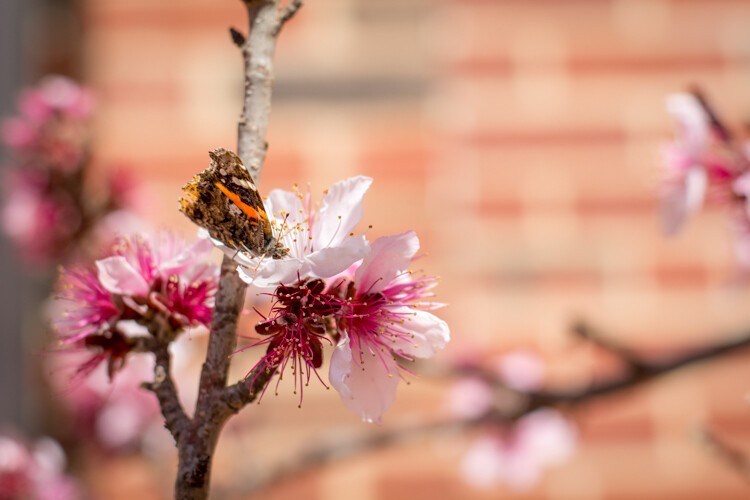
five-questions-before-photos-butterfly-flower

You could stop reading right now after seeing those questions and get to work on improving your photos, but I want to dig a little deeper into each one, to see how answering them can help you improve as a photographer and artist.

1 – What is the purpose of the picture?

Think back to the last time you sat scrolling through images on Instagram, Facebook, Flickr, or another image sharing site. Perhaps you just looked through some pictures at random, and maybe you even gave a precious few the much-coveted like, double-tap, or star rating. What was it about those photos that caught your eye and made you pause for a second or two? Recently a study carried out by Microsoft found that, thanks to smartphones and the rapid pace of our modern tech-infused lifestyles, people have an average attention span of only eight seconds. That’s shorter than a goldfish! A similar study carried out in the year 2000 found that attention spans then were roughly 12 seconds, which means things are only getting worse as we become more and more connected via technology.

You might very well have a shorter attention span than this infant. And it's a good bet your audience does too.

You might very well have a shorter attention span than this infant, and it’s a good bet your audience does too.

This has profound implications for photographers because it means that in the already-crowded landscape of digital pictures, your photos are not only vying for attention among thousands or millions of other images, but you have even less time to grab the viewer’s attention than ever before. To combat this, you need to make it abundantly clear to your viewers just what precisely is the point, of any given picture you take. In other words, your photos should have a clear subject – whether it’s a person or people, a flower, a kitten, a plane, a train, or even an automobile.

Look through your own pictures and ask yourself, “What’s the point?” If you can’t answer that question, then chances are that the photos won’t mean much to anyone else who sees them either. When I first got into photography I took all kinds of pictures of things that I thought might be interesting at the time, but looking back on them I honestly can’t tell you what is the purpose of many of those images. If I had taken the time to make sure the images had a clear purpose, instead of just pointing my camera at whatever I thought might look cool, I would have more important photos and much richer memories too.

I shot this photo about 10 years ago, and while I'm sure I had some kind of purpose I honestly can't remember what the point of it was supposed to be.

I shot this photo about 10 years ago, and while I’m sure I had some kind of purpose, I honestly can’t remember what the point of it was supposed to be.

2 – What do I want my viewers to see or feel?

So now you have a clear subject in mind for your picture, and you’re all ready to snap the shutter on your DSLR, mirrorless, or even mobile phone. But wait, there’s more to consider before you start eating up that memory card, and flooding your favorite social networks with more photos. Now that you know what the purpose of your photo is, take the concept one step further and ask yourself what feelings, symbols, or other elements you want to impart on your viewers.

Do you want them to feel happy, sad, curious, introspective, or nostalgic? Do you want to stir them up so as to take action for a particular cause? Do you want them to notice things other than what might be the main subject of the image, and spend time digesting and interpreting your photos to gain a deeper understanding of the world around them?

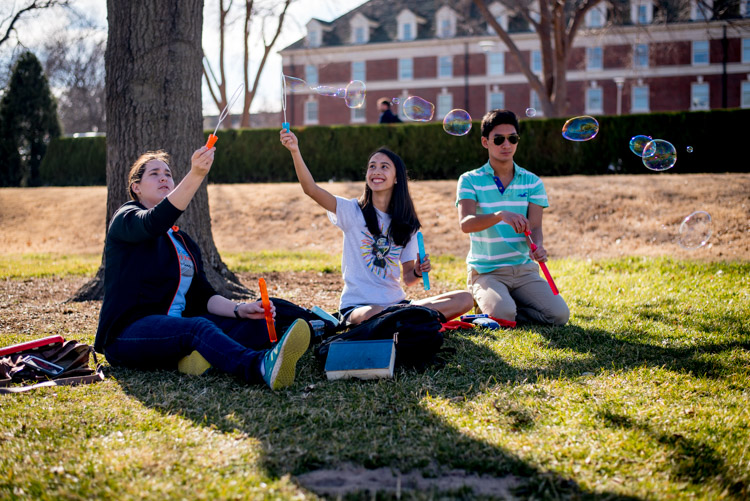
five-questions-before-photos-bubbles

I didn’t just want those who saw this picture to think “Oh, some students playing with bubbles.” I wanted people to smile and feel the same sense of delight as the girl in the middle.

Humans are visual creatures, and as a photographer you are in the unique position of using a visual artistic medium to transmit thoughts and emotions. In this sense, photography is a form of one-way communication as you invite your viewers to engage with your images, and take something away from them. For example, here’s what might appear to be a rather mundane picture of a plastic duck:

Is it a duck...or is it something more?

Is it a duck…or is it something more?

My goal in taking that picture was to have my viewers see more than just a basic rubber duckie. I specifically chose the time of day, angle of my camera, foreground and background elements, and exposure settings (i.e. f/1.8 aperture) to create this image, so that my viewers might see more than a kid’s bath toy. Perhaps they would think back to their own childhood, or maybe even invent a fantasy backstory for this duck standing guard at the edge of a precipice. It might seem like a simple image, but to me there was a lot more going on here, and by asking myself some deeper questions before I took the picture I got a better image as a result.

The same lesson applies to photography in general, and you have a powerful image-capturing tool at your disposal, to not just make snapshots, but tell stories and communicate with your audience. Going through some of these questions might seem like a lot of work when all you want to do is just pull out your camera and snap a few photos. But, as you work on doing this more and more, it will soon become second nature and you will see a noticeable increase in the quality of even your most mundane images.

This picture is just a quick snapshot that's not going to win any awards, but I shot it in such a way so as to provide context, invite the viewer to feel slightly squirmy, and hopefully see more than just the some kids in a room.

This picture is just a quick snapshot that’s not going to win any awards, but I specifically took it in such a way so as to provide context, invite the viewer to feel slightly squirmy, and hopefully see more than just some kids in a room.

3 – How can I use my surroundings to create a better photo?

One of the easiest ways to create a more compelling, interesting, and visually appealing photograph is to take a few seconds and examine the context in which the picture is being taken. Then try to position yourself, your subject, or even just your camera in such a way as to create maximum visual impact, and help you get precisely the photo you are trying to capture.

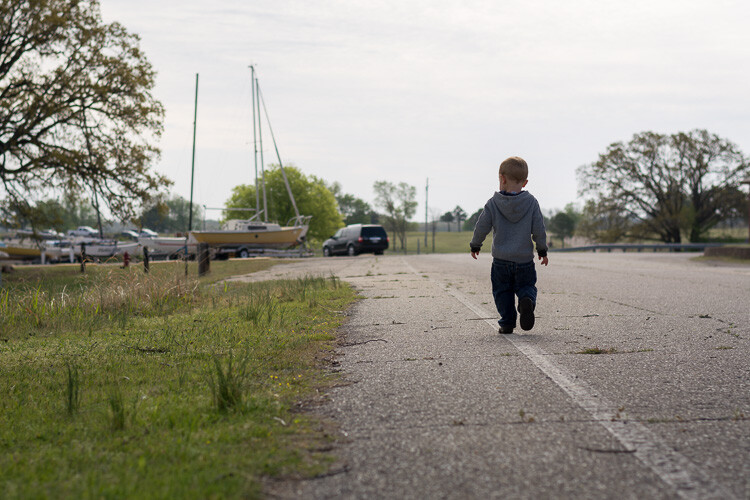
As an illustration of this take a look at the photo below. When I took it, I made several quick decisions with regard to my surrounds in order to get a better picture, than if I had just settled for a quick snapshot. As the child was walking down the street I followed from a short distance in order to get a photo of him, and adjusted my viewpoint so the sailboats would occupy the left side of the frame. I crouched down low to get a better angle, and positioned myself so that the boy’s head and shoulders were above the horizon and showing through a clear portion of sky instead of a tree or building. I also scooted over so the white paint line was leading towards the center of the picture, rather than off to the side. All this was done in a matter of seconds, since I knew this particular moment would be quite fleeting.

five-questions-before-photos-marina

The result is a picture that, in my opinion, is elevated several notches above what otherwise might be a quite ordinary picture of a kid walking down the street. It also provides clear answers to the two previous questions:

  1. What is the purpose of the picture? To show a child walking down the street.
  2. What do I want my viewers to see or feel? A bit of nostalgia, a connection to the boy, perhaps a bit of hopefulness for the future.

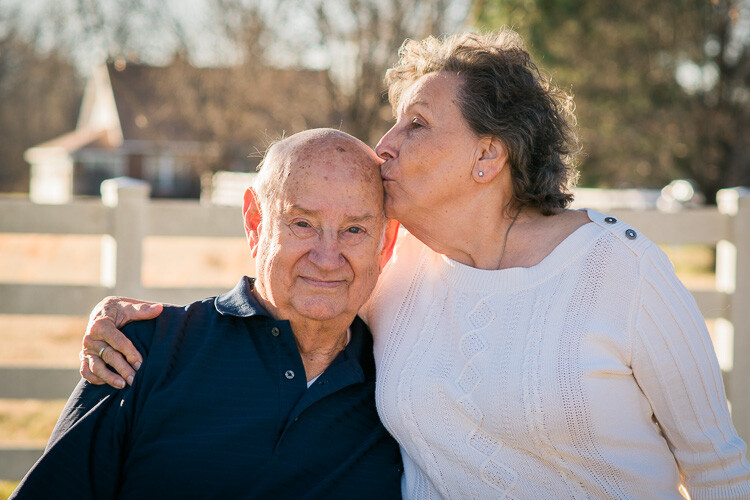
Recently I had the privilege of photographing four generations of one family, so I chose a location that would evoke feelings of a certain time period and place my subjects in a very specific context. What you see below is the direct result of me choosing to use the environment to elevate the impact of the photo. In order to create a sense that the couple had a long and rich history together, I placed them a few meters in front of a white fence, with an old farmhouse occupying the top-left portion of the frame. I could have taken the picture from many other angles, with very different scenery around them, but what you see here is the result of a very specific artistic choice on my part, in order to get precisely the photo I wanted.

five-questions-before-photos-couple-barn

You can do the same thing, and it doesn’t require any special equipment or educational training. All you need is to keep your eyes open, examine the world around you when you take photographs, and use the environment to give your images a richer sense of time, place, and context.

4 – How can I control my camera to get the image I want?

Many people take great pictures without ever straying from the Auto option on their camera dial, and if you have a mobile phone or point-and-shoot you may not have any other options besides Auto. I know from personal experience how scary it can be to move away from Auto. For years I wondered why I would ever bother leaving that safe little green option when it did a pretty good job – especially since every time I ventured into another mode such as Aperture Priority, Shutter Priority, or (gasp!) full Manual, I never seemed to get the results I was looking for. What you may not realize if you stick with Auto, is that a whole new world of photography wonder is right in front of you, just waiting to be discovered if you can learn how to control your camera a bit more.

It's virtually impossible to get pictures like this using the Auto mode.

It’s virtually impossible to get pictures like this using the Auto mode.

Learning to control the aperture of your lens, the shutter speed of your camera, and the ISO sensitivity of your image sensor can make all the difference between a forgettable snapshot, and a wall-worthy masterpiece. It takes a little while to learn the fundamentals, but once you get the hang of it you will find yourself asking technical questions in order to solve artistic problems. I am constantly pressing buttons and flipping dials when I take pictures (even if it’s just my kids in the back yard) so I can get exactly the image that’s in my head, and not the picture that my camera thinks I want to take.

If this sounds hopelessly complicated, look down at the keyboard the next time you are at a computer. Remember when it took you agonizing minutes just to peck out a few words or sentences? Now you probably don’t look at the keyboard at all, and typing isn’t something you really think about anymore. You think of the words you want to appear onscreen, and your fingers naturally move to the right letters on the keys. The same thing happens with practice when you learn to use other modes on your camera, and your pictures will be much improved as a result. The bottom line is that if you, not your camera, decide which aperture, shutter speed, and ISO to use, you will get better pictures.

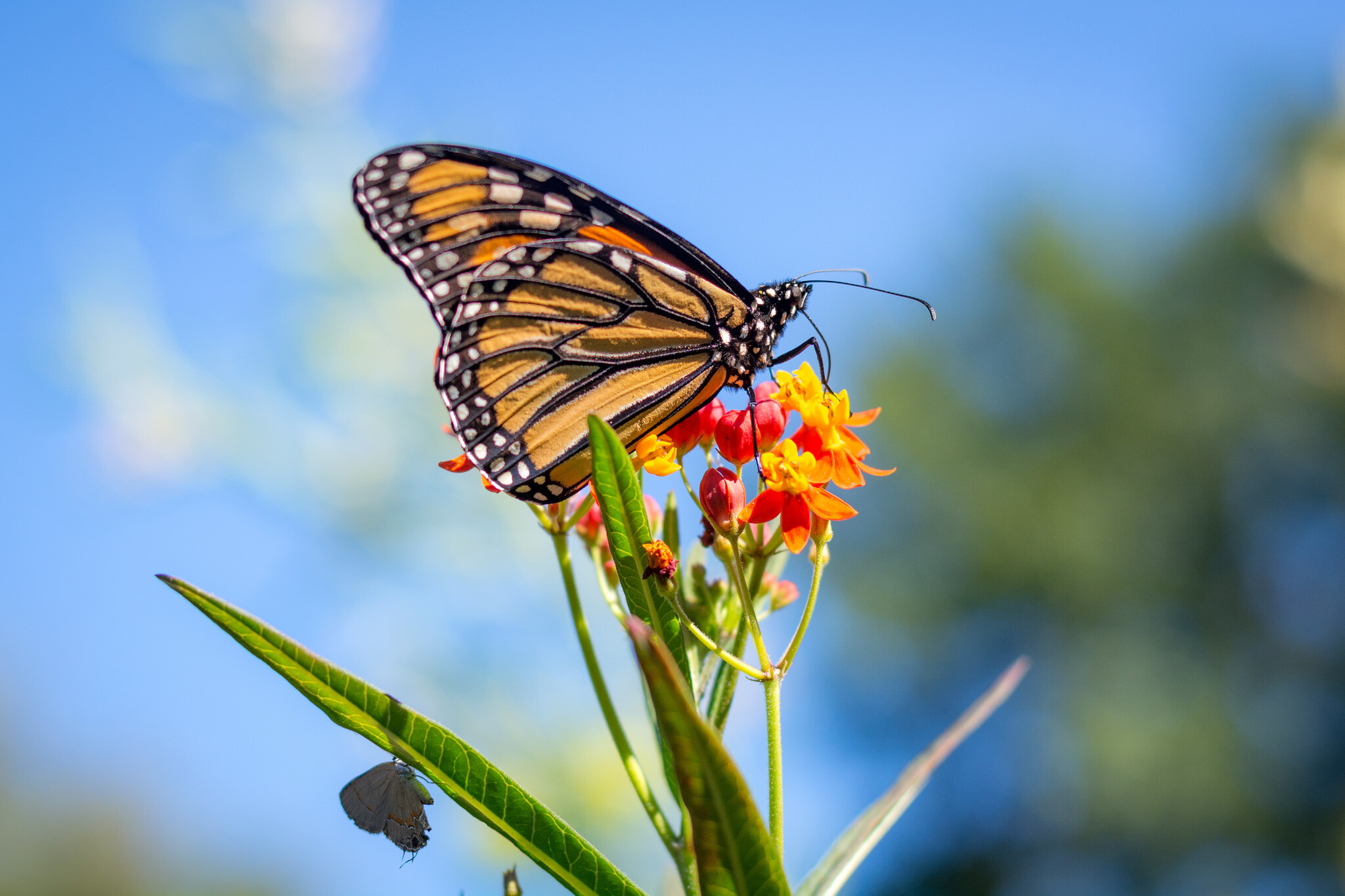
five-questions-before-photos-butterfly

Now that you have read my four questions, I’m curious to know your side of things too. Are there any tips you have found that work well for you to get better images? What are some of the best practices you have learned over the years? Share your thoughts in the comments below.

googletag.cmd.push(function() {
tablet_slots.push( googletag.defineSlot( “/1005424/_dPSv4_tab-all-article-bottom_(300×250)”, [300, 250], “pb-ad-78623” ).addService( googletag.pubads() ) ); } );

googletag.cmd.push(function() {
mobile_slots.push( googletag.defineSlot( “/1005424/_dPSv4_mob-all-article-bottom_(300×250)”, [300, 250], “pb-ad-78158” ).addService( googletag.pubads() ) ); } );

The post 4 Questions to Ask Yourself Before You Shoot to Help Improve Your Photography by Simon Ringsmuth appeared first on Digital Photography School.


Digital Photography School

 
Comments Off on 4 Questions to Ask Yourself Before You Shoot to Help Improve Your Photography

Posted in Photography


Fuji X-Pro2: All Your Questions, Answered

03 Mar

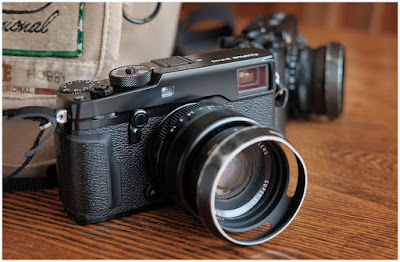
After years of waiting, the Fuji X-Pro2 ships on Thursday, March 3rd. I have been shooting with a pre-production unit since October, and have a pretty good feel for its strengths and weaknesses.

Last week on Twitter I held an AMA (Ask Me Anything) about the new flagship camera. Scroll down for your questions — all of them, edited only for clarity — and my answers. If you're on the fence, hope it helps.

Cheers,
DHRead more »
Strobist

 
Comments Off on Fuji X-Pro2: All Your Questions, Answered

Posted in Photography


5 Questions to Help You Make sure Your Photos are Safe Inside Lightroom

29 Nov

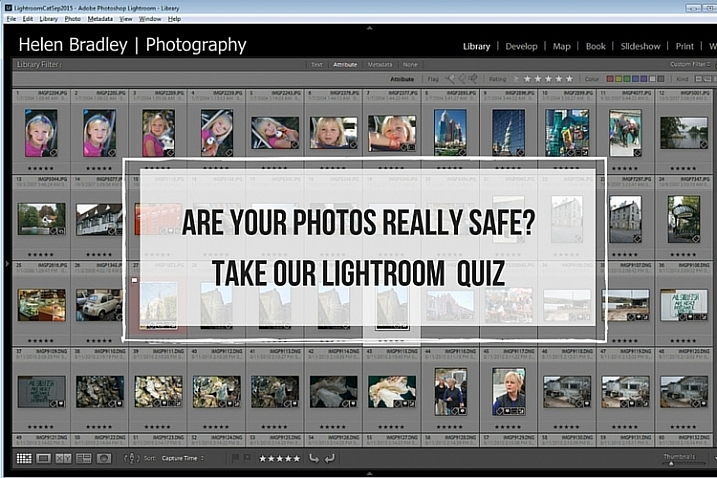
Lightroom quiz lead image

New Lightroom users often get into trouble because of a lack of understanding as to how Lightroom works. Unfortunately the result of these misunderstandings is often that their precious photos are lost, either permanently or temporarily. When you are new to Lightroom it can help if you understand some basics about how Lightroom works to ensure that your precious photos are safe.

Here’s a quick five question quiz to see if your photos are safe in your hands.

Question 1: True or False?

Lightroom stores a copy of your photos for you. When you delete a photo from Lightroom even if you opt to delete it from disk, the original is still safe.

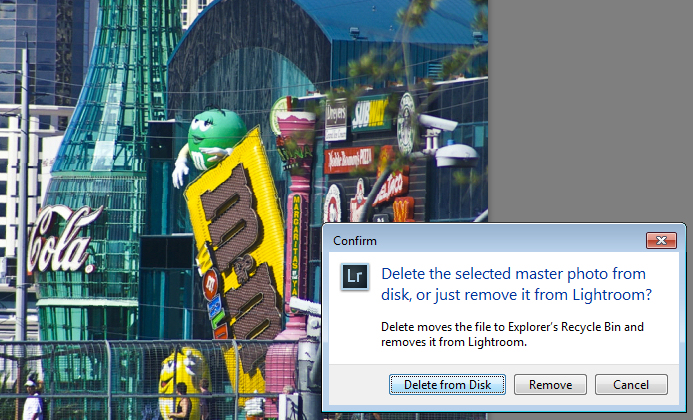
What happens when you select to Delete from Disk in Lightroom

Answer: False

Lightroom simply keeps an record of where your images are on your hard disk. It does not actually store any images. So, if you remove a photo from Lightroom, and when prompted select Delete from Disk, then then you’re deleting the original of that image. If that was your only copy you’ll have deleted that forever.

Question 2: True or False?

You have deleted all the photos from a folder inside Lightroom. This means that there are no photos left in that folder so it’s safe for you to open Finder or Windows Explorer and delete the folder itself.

Is an empty folder in Lightroom really empty?

Answer: False

Lightroom can only handle photo and video file formats. Even if you delete all the photos and videos from a folder in Lightroom there may still be other files in that folder that Lightroom can’t handle, such as PDF files, Microsoft Word, Excel and Quicken files. You cannot know that a folder is empty of files unless you check it by opening it in Finder or Windows Explorer.

Question 3: True or False?

Your photos are safe because every time you see a prompt to backup Lightroom you always click to do so.

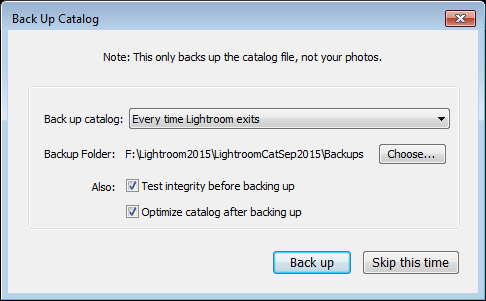
Does Lightroom backup your photos when you select to Backup?

Answer: False

When you choose to backup upon exiting Lightroom, all you’re doing is backing up the Lightroom catalog, NOT your photos. Your photos are never backed up by Lightroom, so you will need to set up some other routine for backing up your image files. Also note that, in most cases, Lightroom saves the catalog backup on the same drive as the original catalog is stored so, if your drive crashes, you’ll lose the original catalog and all backups – so make sure you change it to save the backup on an external drive. (Note: you can only do this in the dialog box above when it pops up)

Question 4: True or False?

When you make changes to a file in Lightroom those changes are written to the file so, if you open the file in Bridge, Photoshop or some other graphics program you will see the image as it was edited in Lightroom

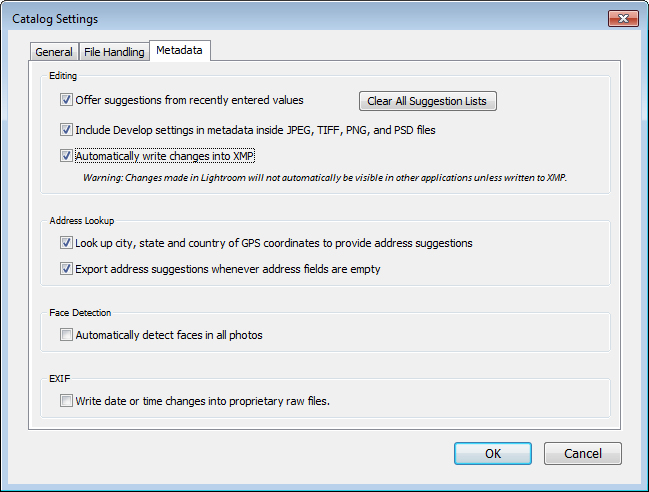
Are edits always saved to your Lightroom files

Answer: Not necessarily True

Whether or not the changes that you make to a photo in Lightroom are written to the photo files will depend on how your Lightroom preferences are configured. Choose Lightroom > Catalog Settings (Edit > Catalog Settings, on the PC) and select the Metadata tab. There are two settings of concern here: Include Develop settings in metadata inside JPEG, TIFF, PNG, and PSD files and Automatically write changes into XMP – for the edits you make in Lightroom to be written to the files themselves, both checkboxes should be checked.

Question 5: True or False?

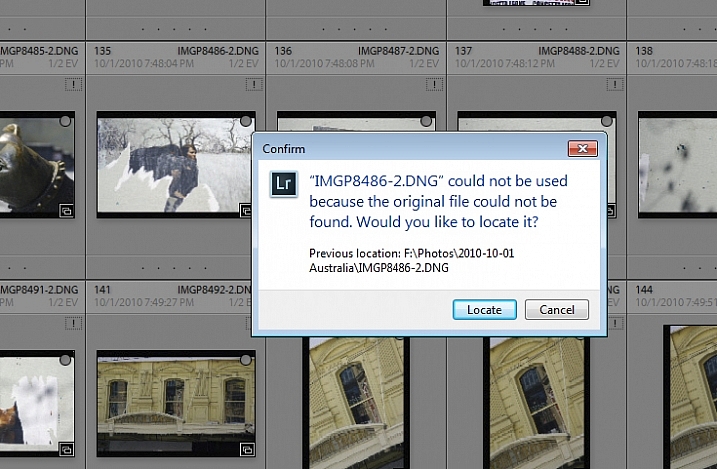
You have moved or renamed some folders on your drive which contain photos. When you next open Lightroom you see that Lightroom can’t find those photos any longer. You must now reimport those photos into Lightroom.

how to resolve issues where you changed files outside Lightroom

Answer: False

When you move or rename folders outside Lightroom it is true that Lightroom will report the images as missing. However, instead of importing the images again, you simply need to tell Lightroom where the images now reside. To do this, click the exclamation mark icon, and choose Locate. Navigate to the folder that you renamed or moved, and select the image that matches the one that was missing (you need to find the exact image that was marked as missing). Click the image, and make sure that the Find nearby missing photos checkbox is checked, then click Select. The Lightroom catalog will be updated with the new location of the image and any other images that are in close proximity to it.

Note: You can also do this by right-clicking on a missing folder in the left panel of the Library module. Then navigate to find the entire folder and relink it to Lightroom.

In future, it is best to move images and folders, as well as rename folders, inside Lightroom. Changes such as this, that you make inside Lightroom, are written to your drive automatically. The benefit is that when Lightroom makes the changes, it always knows where your photos are, and won’t report them as being missing.

How did you do?

If you answered any of these questions incorrectly, your lack of understanding of how Lightroom works might be putting your photos at risk. Spending some time learning how Lightroom operates will help you keep your photos safe.

Now if you got all these questions right and if you are a Lightroom expert – what questions would you ask of a new user to help them keep their photos safe? We invite you to pose these as True/False questions – but remember, to help folks out – you should give them the answer, as well as pointing them in the direction of keeping their photos safe.

googletag.cmd.push(function() {
tablet_slots.push( googletag.defineSlot( “/1005424/_dPSv4_tab-all-article-bottom_(300×250)”, [300, 250], “pb-ad-78623” ).addService( googletag.pubads() ) ); } );

googletag.cmd.push(function() {
mobile_slots.push( googletag.defineSlot( “/1005424/_dPSv4_mob-all-article-bottom_(300×250)”, [300, 250], “pb-ad-78158” ).addService( googletag.pubads() ) ); } );

The post 5 Questions to Help You Make sure Your Photos are Safe Inside Lightroom by Helen Bradley appeared first on Digital Photography School.


Digital Photography School

 
Comments Off on 5 Questions to Help You Make sure Your Photos are Safe Inside Lightroom

Posted in Photography


Countdown to PIX 2015: Submit your questions for attorney Bert Krages

01 Oct

Attorney at Law Bert Krages specializes in issues of intellectual property for photographers and artists. We’ll be speaking to him at PIX in a few days, and now is your chance to have a say in the conversation. Read more

Articles: Digital Photography Review (dpreview.com)

 
Comments Off on Countdown to PIX 2015: Submit your questions for attorney Bert Krages

Posted in Uncategorized


Are you in Seattle? Come and ask us questions this Saturday!

19 Jun

If you’re in the Seattle area, don’t miss an opportunity to sit down on Saturday with DPReview editors Barney and Rishi. We’ll be participating in a panel discussion at Glazer’s Camera in Seattle at 4pm (PT) entitled ‘What Happens Next?’ Hosted by photographer and tutor John Greengo, we’ll be taking questions on video and stills convergence, and the decreasing performance gap between DSLRs and mirrorless cameras. Even if you can’t make it in person, you can still submit questions. Click through for more information

Articles: Digital Photography Review (dpreview.com)

 
Comments Off on Are you in Seattle? Come and ask us questions this Saturday!

Posted in Uncategorized


How to Shoot in Low Light – 9 Commonly Asked Questions

03 Jun
DSC_4289-Edit-Edit

This image of Moon Rise over Marietta, Ohio was taken 20 minutes after sunset during the Blue Hour when the sun had set and the sky was a dark blue. Here the city lights make a great warm glow over the city.

According to British photojournalist Donald McCullin, “There is no such thing as bad light, just misunderstood light.” Many photographers consider low light to be bad light. The purpose of this article is to encourage you to not consider low light as inferior or unusable, but rather to look for subjects to photograph that react well to the available light.

Keep in mind that low light photography is not exclusively night photography. Low light photography opportunities may appear any time of the day as well. For instance, shooting waterfalls in low light allows you to shoot with a slow shutter speed, prevents over-exposure of the white water of the falls, and thereby creates a beautiful silky effect capturing the moving water. Using a flash will light up any subject, of course, but let’s take a look at how to improve your photography in naturally occurring low light. Some frequently asked questions about low light photography are addressed below.

Low Light Photography FAQs

14595250669_30c342a792_o

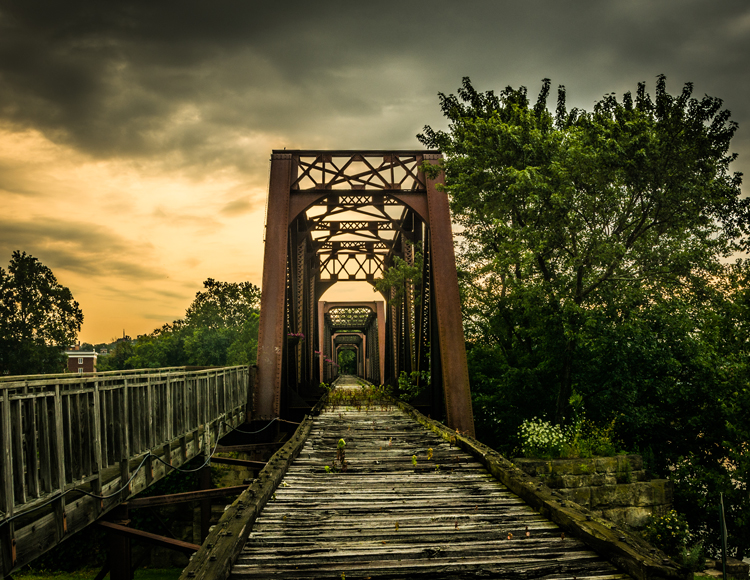
Low light create very dramatic scenes. Dark storm clouds turned this potential sunrise into a great low light opportunity

My low light images are blurry. Would a better lens alleviate the blur?

The short answer to this question is YES, a fast lens with maximum f-stop of 1.8 for instance, will give you better results than a kit lens with a maximum f-stop of 3.5 or 5.6. But even the faster, more expensive lens, will give you undesired results with the wrong settings. The wider aperture opening will allow you to use a faster shutter speed resulting in a sharper image. These lenses with larger maximum apertures are called “fast” because they allow you to shoot with faster shutter speeds, due to more light that is entering your camera through the bigger opening.

What are the best camera settings for shooting in low light?

Manual Mode

Shooting in manual mode is paramount to successful low light photography as it allows you to control every functional aspect of your camera. You basically have three ways to get more light on your camera sensor: Shutter speed, Aperture and ISO. These three controls are called The Exposure Triangle, and each of these can have a positive or negative result to your image’s exposure. Therefore, learning how to use them for the best result is the key to low light photography. Your in-camera light meter will reveal where adjustments should be made to the camera settings, and well-exposed images will be the result.

Shutter Speed

If you are shooting handheld, a good rule of thumb is to set your shutter speed to match your focal length. For example, if you are shooting at 50mm your shutter speed shouldn’t be any slower than 1/50th of a second. Of course, if the subject of your photo is moving, then you will need to increase your shutter speed to be fast enough to freeze the action. Therefore, choosing a slower shutter speed will allow more light into your camera, but with that setting, the possibility of a blurry picture occurs.

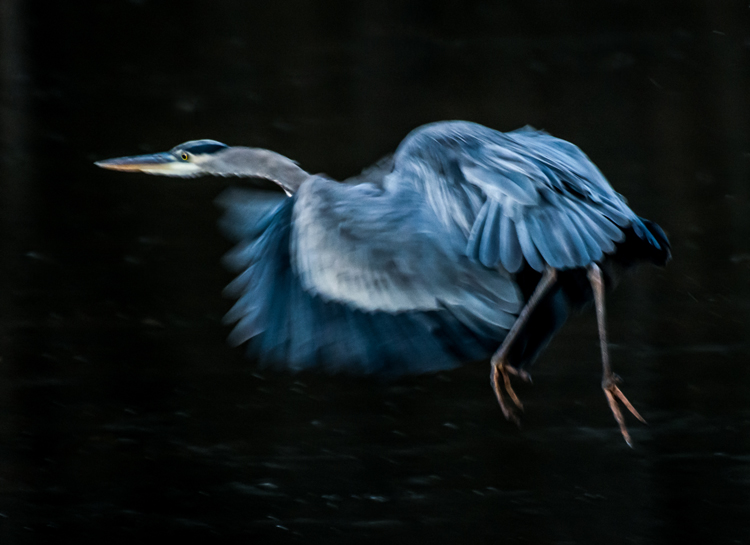
Great Blue Heron in Fight was the subject of this low light image. Exposure 1/250 of a second, f/5.6, ISO 1250. Here using the combination of slower shutter speed and a higher ISO to create the blur of the wings and panning to match the speed of the fight of the heron.

Great Blue Heron in fight was the subject of this low light image. Exposure 1/250 of a second, f/5.6, ISO 1250. Using the combination of slower shutter speed and a higher ISO to create the blur of the wings and panning to match the speed of the fight of the heron.

Aperture

In most low light situations you will probably need to shoot with your aperture wide open. But if there is enough light to allow you to shoot with a smaller f-stop, it will increase your depth of field. The principle to consider: choosing a wider aperture will let more light into your camera, but will decrease your depth of field, which could lead to an important portion of your image being out of focus.

ISO

The higher the ISO number the more light your camera will record. The trade-off here is, the higher the ISO, the more digital noise you are adding to your image. Keep your ISO as low as possible and only increase your ISO after you have maxed out your shutter speed and aperture.

Shoot in RAW

For best results, shooting in RAW is recommended, for the simple reason that your camera will save more shadow detail in RAW format compared to the compressed format of jpg.

It is very helpful to learn how to check your histogram, and not just rely of what you see on your camera’s LCD screen. Use the histogram to check your exposure, and avoid clipping the highlights and shadows.

11943436386_0912d70961_o

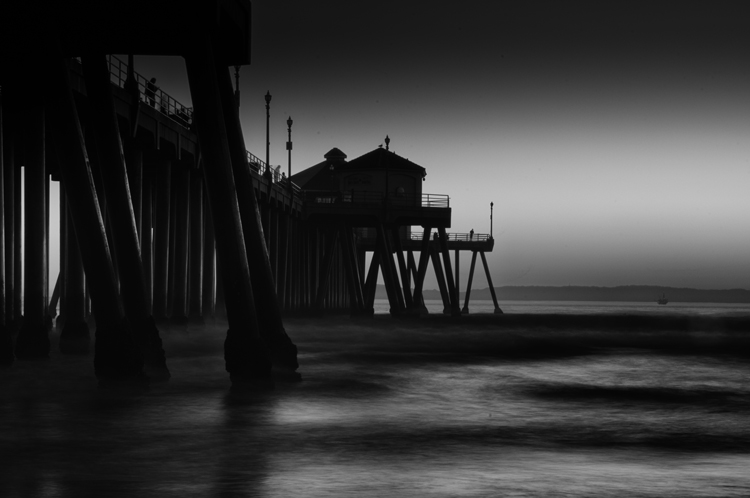
Using the low light at Huntington Beach California to create this black and white image with a five second exposure.

How do I take low light action shots?

Shooting action in low light can be very challenging and is almost always going to require you to shoot with your aperture at its widest setting. When your aperture is set, then your shutter speed should be adjusted to match the action that you are trying to freeze. Of course, depending on how low of a light situation you are shooting within, there may simply not be enough light. If this is the case, adjust the ISO to a higher setting until a good exposure is set. If your ISO setting is so high that you are getting an unacceptable amount of digital noise, you have two options: either add light with a flash or some other source, or live with the noise and try to remove some of it in post processing. Sometimes with the noise issue, it comes down to getting the shot with noise, or not taking the shot at all.

How do I reduce the digital noise level in low light images?

The simple answer to this question is to shoot at the lowest ISO that you can. But it is also a good idea to know the ISO at which your camera produces noise that you consider unacceptable. Always make sure that your exposure is correct. Even at a low ISO, if your image is underexposed you will have some noise in the shadowed areas.

4016735972_59e71999ac_o

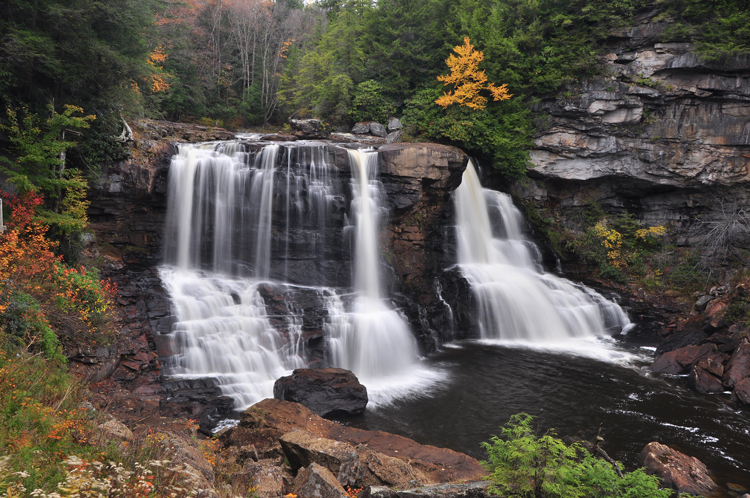
An over casted  cloudy day at Blackwater Falls West Virginia allowed for this long exposure without blowing out the highlight.

How do I focus in low light?

Another reason for blurry images in low light is the fact that some cameras just aren’t manufactured to focus properly with less light. Try shining a light on your subject to give your camera enough light to focus. You also may use you manual focus ring to fine-tune your focus. Using the center focus dot may also help as it is usually a cross-point type which focus faster and more accurately than others.

How can I take pro-like images in low light?

Four things that most pros are going to do in low light:

  1. Use a tripod
  2. Shoot in RAW
  3. Shoot in Manual Mode
  4. Use the histogram
8038775792_361ab83c88_o

Low light makes great silhouettes.

How do I choose the best white balance for low light?

Set your white balance to match you environment –  Tungsten for indoors with light from a regular lightbulb, Fluorescent for light from fluorescent bulbs, Cloudy for low light created by an overcast day, and Shade for shooting in a shaded or shadowy area. But, one thing to remember if you are shooting in RAW format is that you can adjust your white balance later in post-processing. But if you are shooting JPGs it is very important to get your white balance correct in-camera. For this reason you should not shoot Auto white balance, it’s very hard, sometimes impossible, to correct later from a JPG.

Should I raise my ISO or lower my shutter speed in low-light?

Assuming that you are shooting with your aperture wide open, in most situations this is an easy one to answer. Adjust your shutter speed and raise your ISO as a last resort. Remember that raising your ISO is going to add more noise into the image. Most new DSLRs do a much better job with the noise levels in their higher ISO settings, but as mentioned earlier, it is a good idea to know at what noise level you are unwilling to accept, and what ISO that is for your camera. In situations where your subject is moving, it may become necessary to adjust the ISO to keep your shutter speed fast enough to freeze the action.

DSC_0101-Edit

Fog created the low light in this fall image.

Why aren’t my low light shots sharp even when I shoot using a tripod?

Remember in most low light you will be shooting with your aperture wide open (or nearly so), hence your depth of field will be very shallow. Be extra careful to lock your focus (even try back-button focus) on the part of your image that needs to be in sharp focus. Case in point: when shooting a low light portrait, it is important to have the subject’s eyes in focus. If your subject is in motion, increase your shutter speed until it freezes the motion of the image. Also, make sure your camera’s vibration reduction is turned off, as this can actually create blur in your image even if shooting with a tripod.

Bonus tip

In low light the LCD screen on the back of your camera is going to look much brighter than the actual conditions. So, if your camera has an adjustment for the brightness of your LCD screen, turn it down so that your image will not appear to be overly bright when you view it, even if it is underexposed.

7496092624_15c8de2ffe_o

Conclusion

The trick to low light photography is to take control of your camera, and know that every action or setting will have a reaction. So, how is that different than photography in any light? It’s not, really. Just consider photography in low light as an opportunity to be creative. What subjects do you like to shoot in low light?

googletag.cmd.push(function() {
tablet_slots.push( googletag.defineSlot( “/1005424/_dPSv4_tab-all-article-bottom_(300×250)”, [300, 250], “pb-ad-78623” ).addService( googletag.pubads() ) ); } );

googletag.cmd.push(function() {
mobile_slots.push( googletag.defineSlot( “/1005424/_dPSv4_mob-all-article-bottom_(300×250)”, [300, 250], “pb-ad-78158” ).addService( googletag.pubads() ) ); } );

The post How to Shoot in Low Light – 9 Commonly Asked Questions by Bruce Wunderlich appeared first on Digital Photography School.


Digital Photography School

 
Comments Off on How to Shoot in Low Light – 9 Commonly Asked Questions

Posted in Photography


Your Hunk-a, Hunk-a Burning Questions Answered Here

26 May

Meet our stellar customer service team. They’re chock-full of information about all of our shop goodies (also great at telling jokes!)
We picked their brains about some of our most popular products in order to answer your most FAQs.

Don’t see your question? Shoot them an E-mail, they love chatting!

CS FAQ ASAP

(…)
Read the rest of Your Hunk-a, Hunk-a Burning Questions
Answered Here (988 words)


© Erin for Photojojo, 2015. |
Permalink |
No comment |
Add to
Answered Here”>del.icio.us

Post tags:


Photojojo

 
Comments Off on Your Hunk-a, Hunk-a Burning Questions Answered Here

Posted in Equipment