RSS
 

Posts Tagged ‘portraits’

900MP portraits show human face in extreme detail

20 Mar

megaportrait.jpg

‘Facial cartography’ is an apt description of Swiss photographer Daniel Boschung’s portraits. Folds, crevices and pores that are often invisible under normal viewing conditions are shown in extreme detail in his 900MP images. Each of his photographs is comprised of about 600 images captured by an ABB robot with a Canon 5D Mark II and a 180mm macro lens. Learn more

News: Digital Photography Review (dpreview.com)

 
Comments Off on 900MP portraits show human face in extreme detail

Posted in Uncategorized


5 Tips for Better Environmental Portraits

11 Mar

Environmental portraits typically show the subject in their natural environment. They are different from traditional portraits in that they tend to show more of the character of the subject, rather than just the subject in front of a neutral background. Most people, unless they are professional models or natural hams, tend to stiffen up in front of the camera. Because your subject is in his or her natural environment, they tend to be more relaxed, resulting in better facial expressions and body language.

Environmental portraits are my favorite way to photograph people. I love it when I get a shot that makes the subject’s friends and family say ‘Oh yeah, he’s got you down!” In this article I’ll discuss five things I always keep in mind when taking environmental portraits.

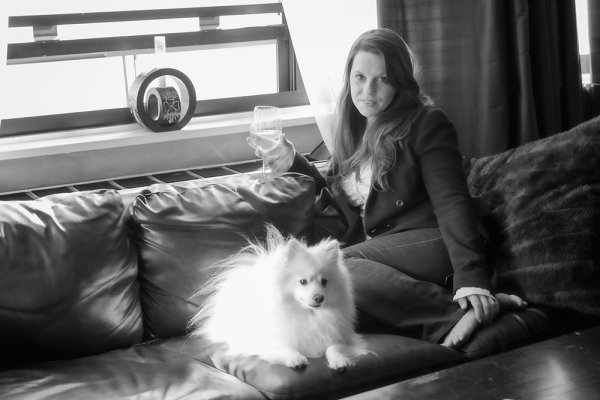
For this portrait, my client was very specific that she wanted to be captured in her apartment, just being who she is. It became quickly apparent that her dog was a very important part of that, so it was decided early that we would include him. EOS 5D Mark III with EF 24-70 f/2.8L IS II. 1/125 @ f/4, ISO 640.

For this portrait, my client was very specific that she wanted to be captured in her apartment, just being who she is. It became quickly apparent that her dog was a very important part of that, so it was decided early that we would include him. EOS 5D Mark III with EF 24-70 f/2.8L IS II. 1/125th at f/4, ISO 640

1. Do your homework

To properly photograph someone in their environment, you need to know your subject. You don’t have to be close friends, but generally speaking, when someone asks for an environmental portrait, you want to make sure you capture who they are. Ask what they have in mind. Ask what their hobbies are. If they want a portrait in their home, what’s their favorite spot in the house? What do they do in that spot? If it’s outside the home, where do they want to be photographed? Why? You need to become a bit of a reporter and sniff out the story. Then you need to illustrate it.

2. Get them talking

Now that you know a little about your subject, what they like to do, and where they like to do it, it’s time to point a camera at them.  This can be the “make-or-break” point of the shoot. If your subject is uncomfortable in front of the camera, this will come across in the images, unless you find a way to get them to relax. One of the easiest ways to get them to relax is to start a conversation. Make them forget that you are taking their photo by asking them about themselves. Have them talk about the spot they’ve chosen for the portrait, their hobbies, their families, their job – anything to get their mind off of the camera in front of them.

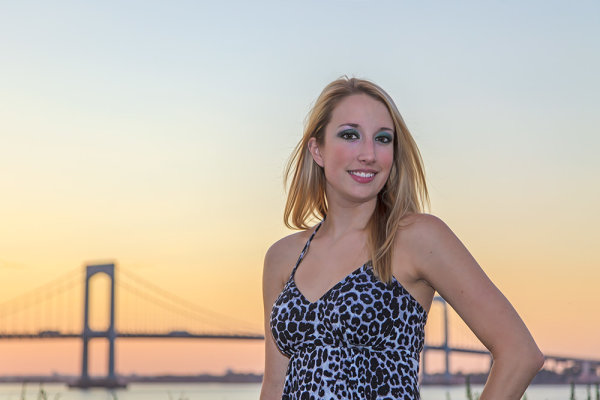
In the portrait below, my subject lives in the shadow of this bridge, and is most definitely a New Yorker. This was an impromptu session after a private tutoring session and she was reluctant to let me point the camera at her. She wanted to learn photography herself, so I wrapped a lesson into the banter and pretty soon she was just talking photography and forgetting I was snapping images.

My subject lives in the shadow of this bridge, and is most definitely a New Yorker.  This was an impromptu session after a private tutoring session and she was reluctant to let me point the camera at her. She wanted to learn photography herself, so I wrapped a lesson into the banter and pretty soon she was just talking photography and forgetting I was snapping images.  EOS 5D Mark II with EF 70-200 f/2.8L IS II. 1/200 @ f/4; ISO 100.

EOS 5D Mark II with EF 70-200 f/2.8L IS II – 1/200th at f/4,  ISO 100

3. Use Live View (if your camera has it)

This plays right along with item number two above.  Most people tense up when you raise the camera to your eye, waiting for the image to be taken. Some may even inadvertently shut their eyes, expecting a flash. If you can use Live View on your camera, you can get it away from your face. Your subject will be looking at you, and not at the camera, and will not necessarily anticipate you pressing the shutter button. This works especially well with cameras that feature articulating screens. It can be helpful to mount the camera on tripod as well, using a remote release to trigger the camera.

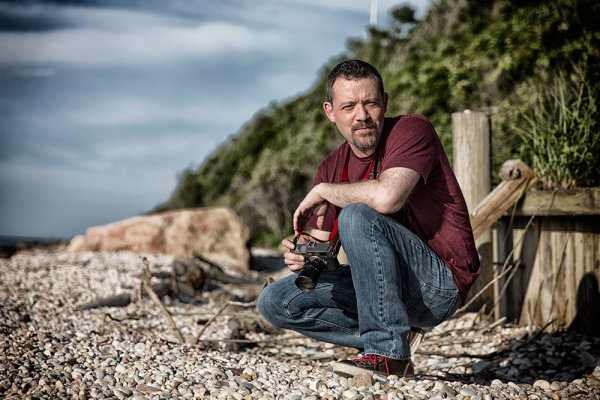
This is an image of my friend Chris (below), taken while he was supposed to be shooting me and my kids. We were discussing what shots we wanted next when I clicked this, using Live View to frame the shot and focus.

This is an image of my friend Chris, taken while he was supposed to be shooting me and my kids.  We were discussing what shots we wanted next when I clicked this, using Live View to frame the shot and focus. EOS-1D X with EF 24-70 f/2.8L II. 1/2500 @ f/2.8; ISO 100.

EOS-1D X with EF 24-70 f/2.8L II – 1/2500th at f/2.8, ISO 100

4. Modify the light

I try to go as minimal as possible with gear for environmental portraits, using the natural light at the location. However, there are always times where the light is less than optimal and you need to modify it in some way. This can be as simple as adding a reflector in a strategic location, or setting up a flash in a soft box or umbrella. It will all depend on what the available light is like and the look you are going for. One thing I always try to do is keep the light looking as natural as possible.

This was a business portrait, but my client wanted more than a simple headshot. It was taken late in the day, meaning I had to create my own light. She wanted her team in the background working, to show when you worked with her, she had a whole team backing her up. I used a Canon 430 EX II to light the background, aiming it off a white wall and the ceiling, out of the frame. I then used a Canon 580 EX II off camera in a Westcott Apollo 28″ soft box to light my client. I adjusted the intensity of the lighting so that the background light was at a 2:1 ratio with my main light.

This was a business portrait, but my client wanted more than a simple headshot.  It was taken late in the day meaning I had to create my own light. She wanted her team in the background working, to show when you worked with her, she had a whole team backing her up. I used a Canon 430 EX II to light the background, aiming it off a white wall and the ceiling, out of the frame. I then used a Canon 580 EX II off camera in a Westcott Apollo 28" soft box to light my client.  I ratio'd the lighting so that the background light was at a 2:1 ratio with my main light. EOS 5D Mark II with EF 24-105 f/4L IS. 1/100 @ f/4, ISO 400.

EOS 5D Mark II with EF 24-105 f/4L IS –  1/100th at f/4, ISO 400

5. Don’t be afraid to shoot tight

While it’s true than an environmental portrait normally means showing some of the area around your subject – the environment – you can get close and still show your subject’s character.  Take an element of your subject’s hobby, and show them participating in the hobby. If they’re a model builder, you could do a tight shot of them applying glue or assembling the pieces.  This is your chance to be creative, trying different angles, focusing on different aspects of  their personality and character.  Emphasize features that stand out, in a flattering way, if that’s the goal. Find out what makes the person in front of your camera special, and capture it!

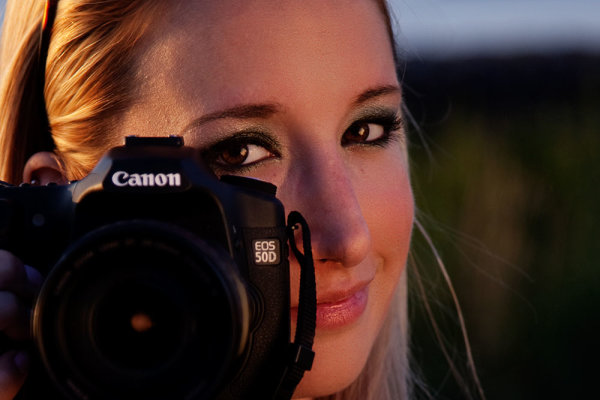
Here's my subject from the shot in front of the bridge. She's a photographer as well now, but back then she was just a hobbyist who wanted to know more about her camera. I used the beautiful sunset light I was getting, and set up a reflector to camera right to bounce the light back into her face.  I wanted her peeking out from behind her camera, illustrating that she's into photography. EOS 5D Mark II with EF 24-105 f/4L IS. 1/250 @ f/4, ISO 100.

EOS 5D Mark II with EF 24-105 f/4L IS – 1/250th at f/4, ISO 100

This is the same girl as the shot in front of the bridge. She’s a photographer as well now, but back then she was just a hobbyist who wanted to know more about her camera. I used the beautiful sunset light I was getting, and set up a reflector to camera right to bounce the light back into her face. I wanted her peeking out from behind her camera, illustrating that she’s into photography.

Do you have any additional tips you’d add to this list? Please share in the comments below.

For more portrait photography tips check out these articles:

  • How to Create Great Environmental Portraits
  • 10 Techniques for Amazing Portraits
  • How to Choose the Perfect Portrait Lens
  • Portraits: Striking The Pose – a dPS ebook
  • Portraits Lighting The Shot – another dPS ebook

The post 5 Tips for Better Environmental Portraits by Rick Berk appeared first on Digital Photography School.


Digital Photography School

 
Comments Off on 5 Tips for Better Environmental Portraits

Posted in Photography


10 Ways to Improve Your Travel Photography Portraits

05 Mar

Last year I travelled all across South East Asia – a trip which not only expanded my personal horizon, but also helped to immensely improve my photography. At the beginning of my trip, my biggest struggle was taking good portraits. The problem wasn’t the lack of opportunities; I encountered incredible and the utmost photogenic scenes around almost every corner. Instead, it was that I just felt too shy or not confident enough to get close to my subject.

I had lots of excuses which might sound familiar to you: “I don’t want to disturb the moment”, “I don’t want to intrude on people’s privacy” or “It’s just a game of luck and chance anyhow”. It was frustrating and I knew that, despite all of the excuses, this was something I really had to work on. By lots or trial and error, and the help of some amazing photographers I met on the way, I gained some important insights on how to bring my people photography to a whole new level. I want to share these and hopefully help you overcome that awkward feeling and false reservation you have when photographing people.

Travel Photography Portraits 01

10 Ways to Improve Your Travel Photography Portraits

#1 Be ready

This is very basic and obvious, but so important. People photography is about brief moments, a glimpse which is normally not replicable. You are not doing landscape photography which leaves you with all the time you need. So have your lens cap off, have your camera switched on, be prepared to adjust settings and BE READY.

Travel Photography Portraits 06

Being ready to capture that one, special moment

#2 Get close

If you are unhappy with your portraits or if they looks boring, it is probably because you are too far away. I know it feels awkward to get really close to someone you don’t know, especially in a foreign country. It seems so much easier to break out your big lens, zoom in and just click away, hoping that your subject won’t notice you. Unfortunately this won’t work.

If you want to have crisp, sharp and extraordinary images which tell a story and leave your audience in astonishment, you have to overcome your shyness and get close. This will help to add more details on your subject’s face, increase sharpness and focus on only one or two elements. The viewer will automatically understand more about your image. Moreover, getting close will put you in control of things: the lighting, the background, the composition and the depth of field. These factors are so vital for a good portrait and so much easier to adjust when you are close to your subject.

Travel Photography Portraits escapology 11

Get close to your subject to control your image

#3 Practice approaching people

Travel Photography Portraits escapology 01

Learning to approach people with the right attitude – the secret of good portraits

You might think “That sounds great, but how do I get close to people?” This leads us to the biggest challenge in people photography, which has nothing to do with photography itself: dealing with people. Are you comfortable walking up to strangers, making small talk, then asking, “Can I take your picture?”

If not, the good news is, it’s something you can practice just like everything else in photography. It is all about your attitude and how you approach people. Get in contact, have a positive attitude, talk, and most importantly smile. Don’t be afraid of intruding on people’s privacy. Particularly in South East Asia the concept of privacy is totally different from ours in the West. Approaching strangers and asking very personal questions is considered perfectly normal. Open yourself and people naturally respond in the same manner. In short, don’t be shy, adapt to the local culture, get to know people, make friends and you will take better pictures.

#4 Learn the basics of the local language

How do you approach people if you don’t speak their language? I will let you in on a secret. It’s actually even easier to approach people if you DON’T speak the same language. It’s a great place to start since it is then not so much about WHAT you speak, but HOW you speak and the energy you give off. Learning a few words and phrases in the local language will go a long way to helping you approach people, and it doesn’t take much effort to learn. From my personal experience the six most important phrases you should learn beforehand are:

  • Hello, how are you?
  • My name is …?
  • I am from …?
  • What is your name?
  • Thank you!
  • Beautiful!

The last one will put a big smile on people’s faces after you have taken that nice portrait and show it to them. Get a small phrasebook. You can look up phrases when you need them or practice on longer bus rides. Ask your receptionist, taxi driver or local travel agent how to pronounce words. Don’t be afraid to make mistakes. It’s fun and will not only help to approach people, but also make your whole travel experience so much more worthwhile.

Travel Photography Portraits escapology 12

Knowing a few phrases in the local language can go a long way

#5 Smile – smile a lot!

Even if you don’t know any words or phrases, make sure to smile. A smile can go such a long way. If you are grumpy and angry because you are not getting your shots right, it will put people off and no one will want to go near you, and definitely won’t want to get their picture taken by you. When you come home from a photo walk, your mouth and cheeks should hurt from all the smiling.

Travel Photography Portraits 05

A smile can go a long way

#6 Take your time

Once you have made contact and established a good vibe, it is time to take your picture. Take advantage of all the “work” you have put in and take your time. It would be a shame to just hectically click away once or twice now. Be calm, think about the light, about what you want to emphasize (the eyes, the hands or the person itself) and about the background.

Since you are close to your subject now, you can control all of these things. Take a deep breath and try a couple of shots, maybe switch angles and try different things. By doing this, you will notice that your subject will also become more relaxed and get used to the camera. There is no need to rush. A rushed photo is usually never a good one.

Travel Photography Portraits 04

Waiting for the right moment is usually worth it

#7 Get moving

Reality can be quiet boring. There might be things in your scene that are boring or disturbing. We already talked about taking your time. Make use of it and arrange the scene to your needs, change angles, get moving. Don’t be lazy. You can eliminate things or include things just by moving around a little bit. Don’t just rely on the zoom.

Travel Photography Portraits 07

Move to create the image you had in mind

#8 Get a 50mm lens

What helped me to counter my laziness and actually get moving was the purchase of a 50mm prime lens. If you don’t have one in your bag yet, buy one. It is the one piece of equipment that boosted my creativity and the quality of my images almost instantly. You will not only learn to move more but also open your eye for new perspectives.

Travel Photography Portraits escapology 03

A 50mm lens to boost your creativity – give it a try

#9 Start with kids and people that are doing something

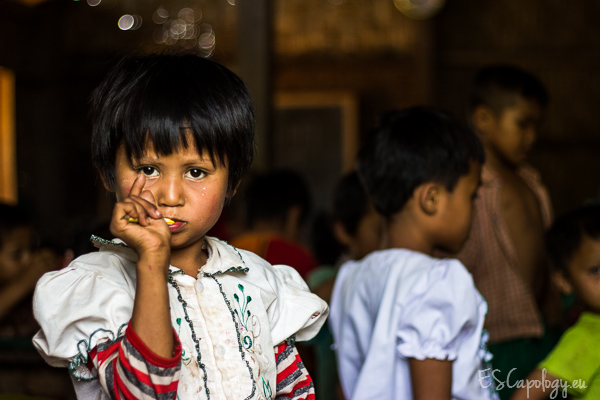
If you feel shy but are still willing to practice approaching people and getting close, start off with photographing kids and people that are doing something. Kids are easy to photograph. They usually love getting their picture taken, posing and never get bored doing so. I found it very rewarding in Asia but would suggest taking a more cautious approach in Western societies. Please always ask the parents first.

Shoot in busy areas or settings. People that are doing nothing will surely be looking at you. People that are doing something, can’t be bothered to look at you. When they are busy with their task, they will not care about you taking pictures. Look for traditional workshops or handicraft businesses. They usually make for great picture taking opportunities.

Travel Photography Portraits escapology 15

Occupied with traditional crafts – great picture opportunities

#10 Get out of the touristy areas

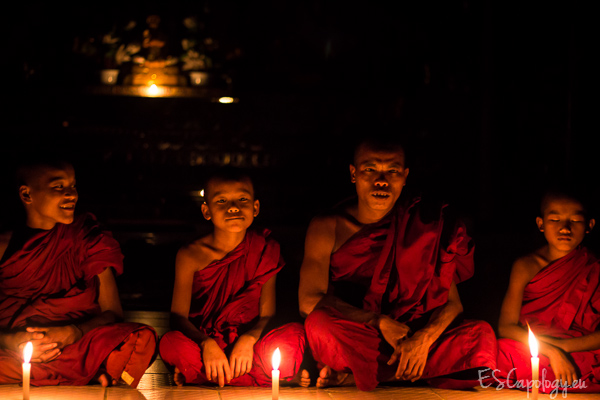
The touristic hubs are usually far from the country’s reality. At the same, time getting off the beaten track is usually not so difficult. Sometimes it just takes 15 minutes to find yourself in a small, local village. This is where you want to be as a photographer. You will meet real people who aren’t out to sell things. You will have more chances to interact, to practice your newly acquired language skills and take more authentic photographs. At the same time it will make for a much better travel experience than sticking to the “Lonely Planet Path”.

Travel Photography Portraits escapology 09

Hosted by monks in a monastery in Myanmar. No tour, no guide

All of this takes a little getting used to and practicing along the way. But it’s worth it. Please don’t just jam your camera in people’s faces when traveling abroad. It’s not nice and the pictures won’t be either. Take your time to interact with people, open up, get close and don’t forget to smile. This will make for great experiences, unforgettable memories and even better pictures.

Please share some of your favourite people photos with us in the comments and if you have another tips for photographing people, we’d love to hear them.

For more articles on travel and people photography check out these:

  • 6 Tips for Photographing People When Travelling
  • 5 Reasons Why Having People in Your Photos is a Good Thing
  • The Rewards of Photographing People When You Travel

The post 10 Ways to Improve Your Travel Photography Portraits by Philipp Dukatz appeared first on Digital Photography School.


Digital Photography School

 
Comments Off on 10 Ways to Improve Your Travel Photography Portraits

Posted in Photography


Accent Lighting for Portraits

23 Feb
accent lighting

Tthanks to the wonderful Bridgette for her work as the make-up artist in this image

Studio lighting continues to mystify and bewilder many developing photographers. The intimidation of lighting ratios, modifiers, set-ups, etc… often seems as complex as deriving the quadratic equation or suffering through an explanation of Michaelis-Menten enzyme kinetics. Oh yes, for those of you biochemically privy folk, I did just go there! Well, one does not have to get lost amidst the photonic chaos if they understand how to interpret and understand the meaning of light.

Wow! Meaning of light? Sounds kind of deep and metaphysical doesn’t it? Please don’t worry! The only thing you need to remember about light is that it illuminates and creates shadows. Fairly simple, huh? We all know that when we shine a light onto something it allows us to visualize whatever is illuminated by the light. That is simple enough, right? Now, consider that behind every good light is a shadow waiting to give shape, form and dimension to your subject. This intricate interplay between what you illuminate and what you keep in shadow is what brings visual interest and creative acuity to your images. In studio lighting, this is your raw material with which you have to work and create.

There are many articles and books that describe studio lighting and as the student you may tend to focus on that main key light with simple one or two light set-ups, so we can dip our toe into the pool, so to speak, and see if the temperature is warm enough for us to dive in. A main or key light is simply the light source that is providing the primary illumination for our subject. Now, don’t get me wrong, one can create some amazingly, captivating portraits with a single light, but what if you want to add a little something extra? A little hint of spice to get some unique seasoning and flavor?

This is where accent lighting comes out to shine.

What is an accent light?

accent-lighting-01

Accent lighting is typically a very controlled light source that highlights specific areas of the subject. It can be a hair light that gives you some separation from a background, or a side light that illuminates the drops of sweat on an athlete after an intense workout. It gives some shape or form to elements of the photo allowing your eyes to experience the different dimensions of the image. Now, there are two important things you want to remember about accent lighting:

  1. The source should be very controlled and only hit the areas you desire
  2. It should be brighter then your main light to create a proper highlight

Easy ways to control accent lights are with modifiers such as barn doors, spot grids or small strip soft boxes. Basically, anything that will narrow and direct the beam of light coming form the light source. Heck, it could be a flashlight beam, the sun shining on the back of a subject’s head, or even the bright screen of a tablet or computer in the right conditions (yes, the eye fatigue from staring at the LCD screen is setting in). Add some colored gels to the accent lights to really make your images pop or bring some warmth into the mix.

Personally, I love adding side accent lighting to my portraits by firing my strobes into narrow V-flats (two large pieces of foam core taped together to form a v-shape) directed at the subject on either side to highlight the cheekbones and neck and really sculpt out those beautiful forms in light and shadow. The possibilities with accent lighting are truly endless, and the luminous results are absolutely stunning.

accent-lighting-02

For more on portraits and lighting check out these articles:

  • Portrait Tutorial Feast – Best of dPS 2013
  • 4 Tips for a Perfect White Background in High Key Photography
  • Portraits – Lighting the Shot, a dPS eBook

The post Accent Lighting for Portraits by Alex Smith appeared first on Digital Photography School.


Digital Photography School

 
Comments Off on Accent Lighting for Portraits

Posted in Photography


The Essence of Masculinity – Portraits of Men

07 Feb

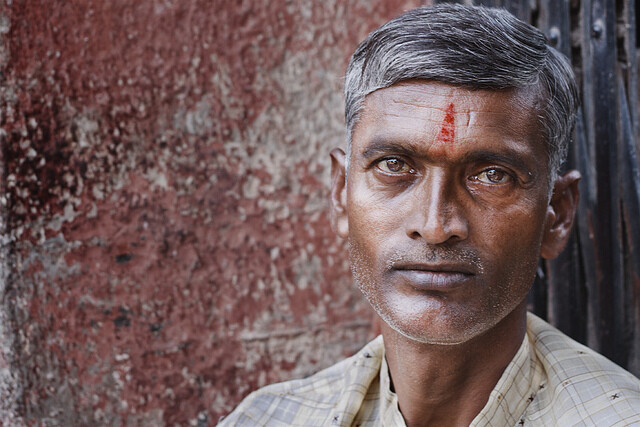
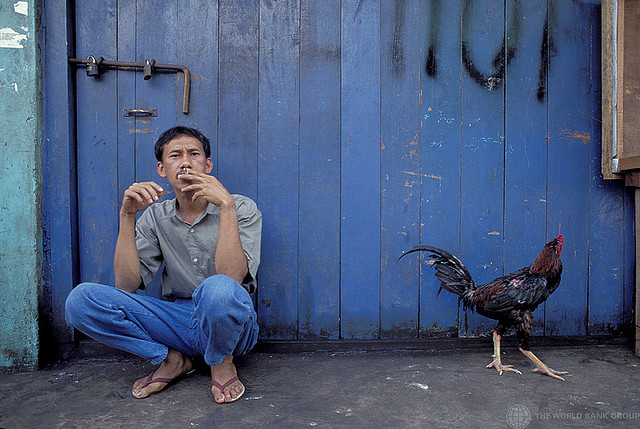
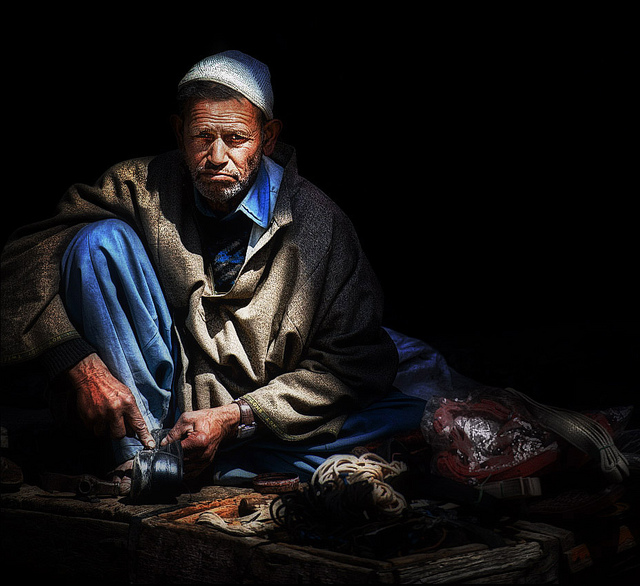
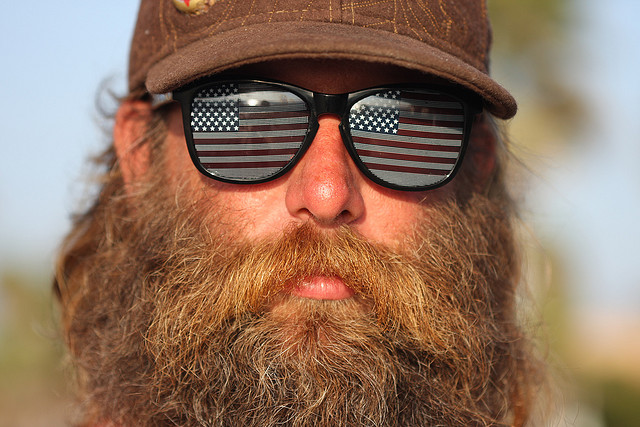
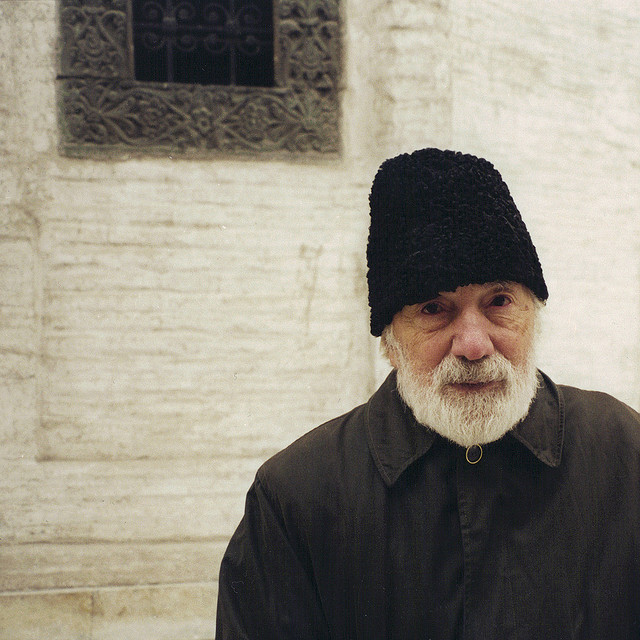
We are at the end of our two week Portrait Deep Dive and I thought I’d end it with one more portrait collection for you. Last week we had Inspiring Portraits of Women, this week it’s the mens’ turn!

The Essence of Masculinity – Portraits of Men

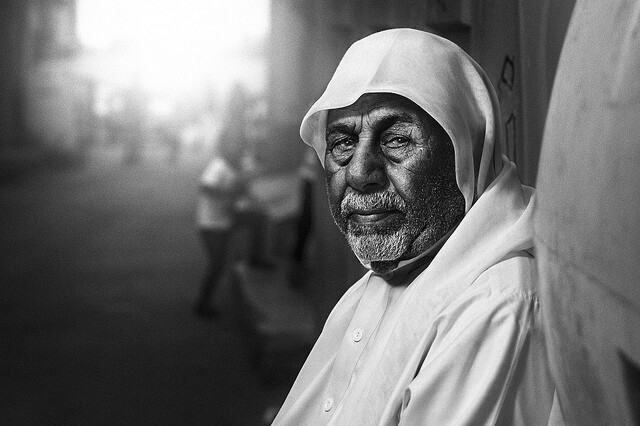
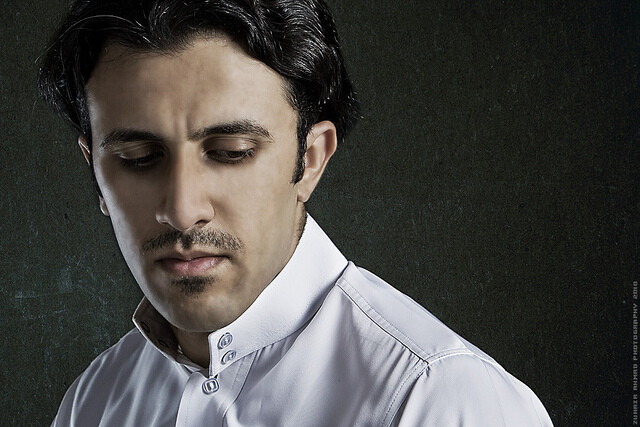
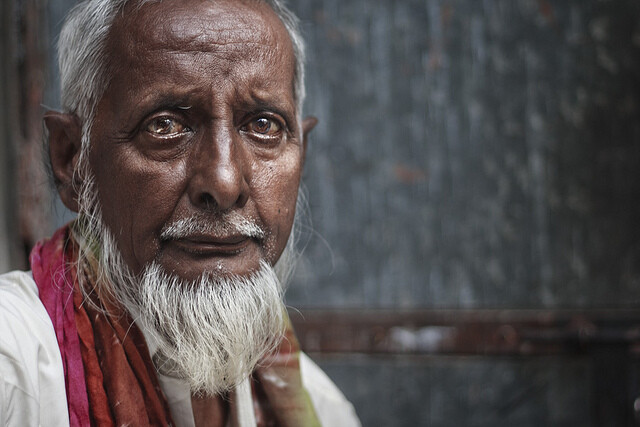
First I want to share with you some portraits of men, by a man – Zuhair Ahmad. I found Zuhair’s work on Flickr last week and liked it so much I asked him to write an article for dPS and he’s agreed – watch for it soon! Here are a few of Zuhair’s portraits of men to start you off:

By Zuhair A. Al-Traifi

By Zuhair A. Al-Traifi

By Zuhair A. Al-Traifi

By Zuhair A. Al-Traifi

By Zuhair A. Al-Traifi

By Zuhair A. Al-Traifi

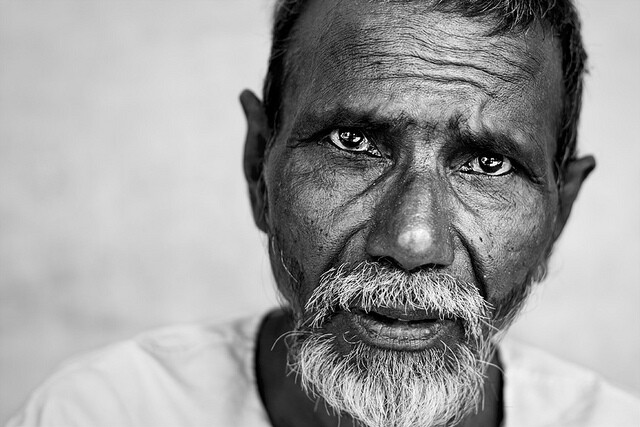
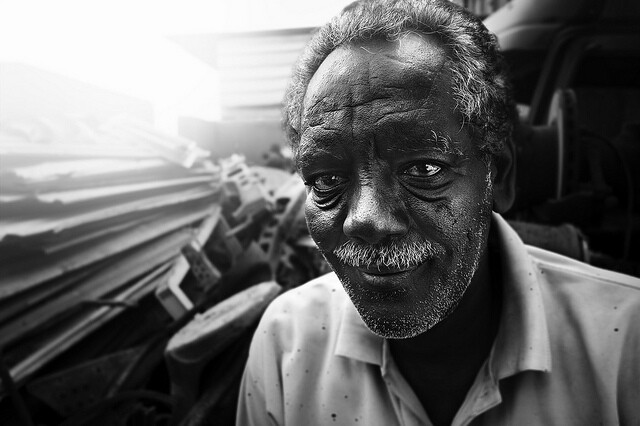
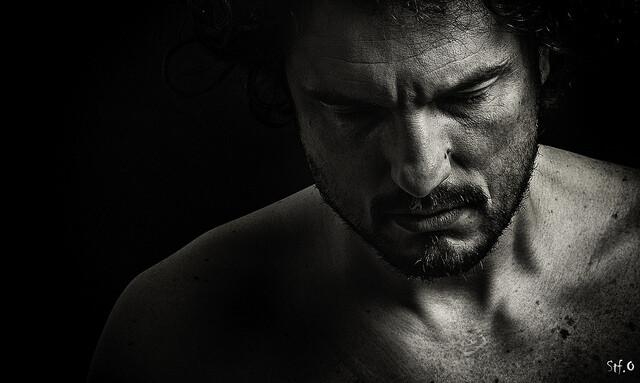
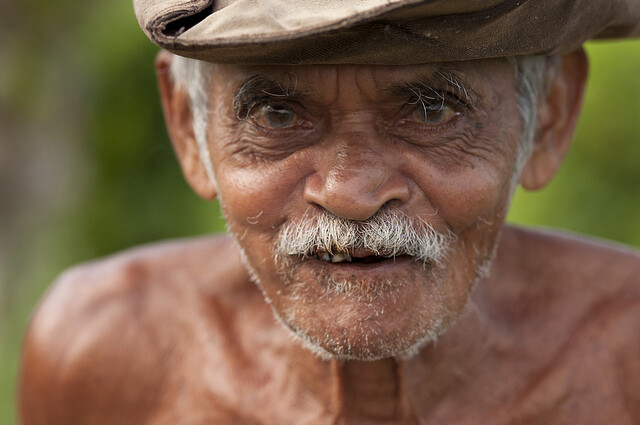
Tell me it’s not just me and that there’s something special in his images?! The eyes of each of these men speak to me! Do they speak to you? What do they say to you? I see great sadness and wisdom in all of them.

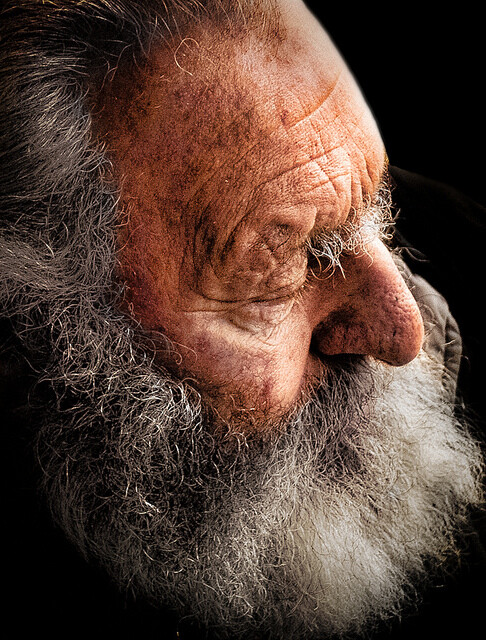
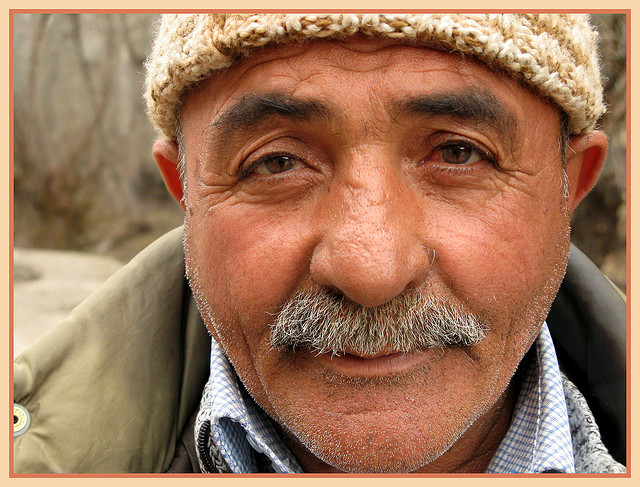
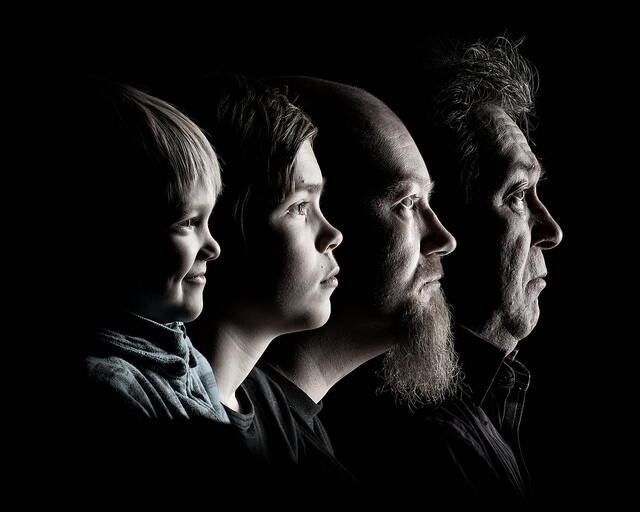
More from Zuhair later – let’s see more portraits of men! Look at each of them one by one. Give each image its due time. What do you see here that is consistent among all of them?  What is different or special about each?

By World Bank Photo Collection

By Christos Tsoumplekas

By Brandon Warren

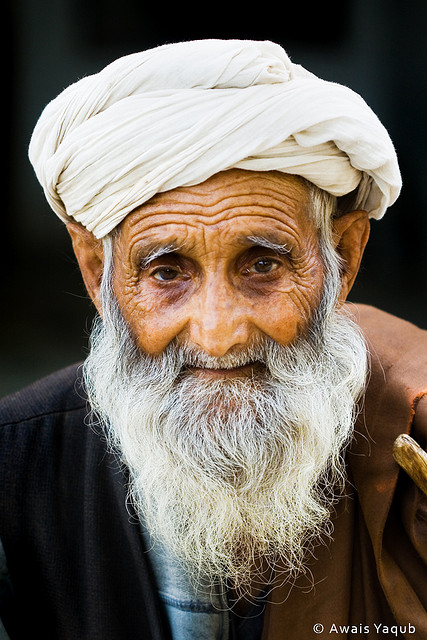
By Awais Yaqub

By David Dennis

By Stirbo

By Daniel Horacio Agostini

By Anton Novoselov

By Christian Senger

By anurag agnihotri

By Severin Sadjina

By Petras Gagilas

By [martin]

By World Bank Photo Collection

By Sukanto Debnath

By Simón Pais-Thomas

By Vineet Radhakrishnan

By Ville Miettinen

By Sukanto Debnath

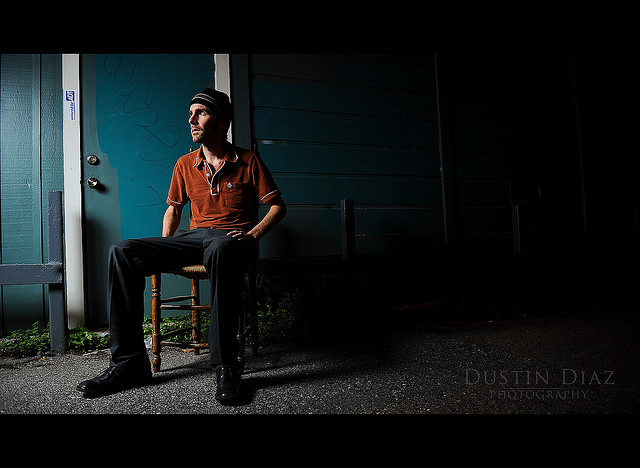
By Dustin Diaz

By ram reddy

By Toruk Macto

By _marmota

By Mikael Tigerström

By David Robert Bliwas

By stephane

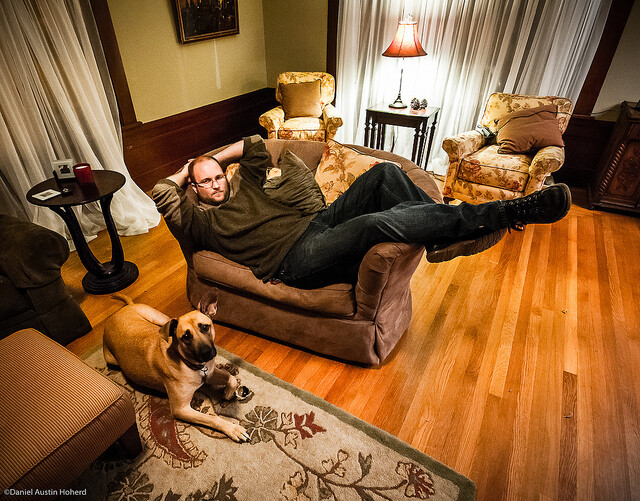
By Daniel Hoherd

By Brett Davies

By Petri Damstén

By World Bank Photo Collection

By Vineet Radhakrishnan

By Nathan Rupert

By fusion-of-horizons

The post The Essence of Masculinity – Portraits of Men by Darlene Hildebrandt appeared first on Digital Photography School.


Digital Photography School

 
Comments Off on The Essence of Masculinity – Portraits of Men

Posted in Photography


Stealing Light – Using Street Lights for Portraits

07 Feb

Turn the street into your studio by using street lights for portraits Most people that I see taking photos after dark around the city have a flash mounted on the camera pointing at their subject. If shooting outdoors with nothing to bounce the flash off, the result usually is that rabbit out in front of headlights look, and flat lighting that rarely flatters your subject. As a professional wedding and portrait photographer, I will share with you my secrets of stealing available light when taking portraits around cities. No need for softboxes, beauty dishes, just put that flash away and start hunting for good light available in a city near you. It’s liberating carrying less gear and after a few light foraging trips, you will be well trained to find that tasty light!

Types of light sources

Illuminated advertisement signs

Docklandsphoto 4

f/1.8, 1/100th, ISO 1600

One of my favorite methods is to light up my subjects with illuminated advertisement signs, every city has them. Above is a portrait of the couple lit with the bus stop’s advertisement. Just find a nice one with not too much colour if possible and it’s like photographing with a giant softbox. You get a nice soft light perfect for head shots. I’ve even used this method to great effect shooting friends in a nightclub with an iPhone.

Street lights

Tungsten streetlights are common, you see them everywhere. I prefer wall lights to give a nice directional light. The second bonus with using tungsten lights is that if there is any ambient light in the picture like you see in the back, it turns into a deep shade of blue. Great effect with no photoshop needed, all you have to do is to set your white balance to tungsten or if your camera has a manual colour temperature setting you can set it to 3000K (degrees Kelvin) during the shoot and play around with it. If I am under time pressure I usually leave the WB to auto and do the colour correction in post production. There is no loss of quality that way when shooting in RAW. Below image shot in London, notice how the background ambient light turns blue.

Docklandsphoto 1

f/2.8, 1/80th, ISO 1000, Tungsten White Balance

LED lights

LED lighting can be seen all over cites these days. They are getting popular as they are more power efficient than tungsten lights. They will offer a colder colour temperature compared to tungsten lights. The main thing to remember with LED lights is that there is a rapid light falloff. You need to have your subject as close as possible to the light source, normally within three feet, for the best quality of light. The couple below were lit with the LED lights attached to bridge hand rails. In the left image you can see where the light source was coming from, and I had to get the couple quite close to it for the effect.

Docklandsphoto 2

f/4, 1/30th, ISO 3200

Learn to see the light

When I first started out as a wedding photographer I would quiz other photographers and ask how they took their images. I recall posting on a forum asking a seasoned professional how he created such stunning portraiture, half expecting a response in the form of ISO, aperture, shutter values and lighting setup. He responded to a forum post with what I thought a rather abrupt and smug response. “Learn to see the light”. I now really do “see the light”, excuse the pun. For the photography that I shoot, it really is a case of training myself to understand and recognize good quality light. Below image left was shot after sunset and lit with the flood lights used to light St Paul’s Cathedral. A fast lens such as a 50mm f/1.4 comes in handy in these situations. The right image was just shot outside a Vietnamese restaurant lit with none other than a common halogen spotlight. The key to shooting with light source from above is to pose your subject so that their heads tilt up, to avoid the dreaded panda eyes!

Docklandsphoto 3

f/1.4, 1/80th, ISO 1600 left image
f/1.4, 1/100th, ISO 1600 right image

For more wedding and lighting tips read:

  • Are you Ready to be a Wedding Photographer?
  • “Photography Business Secrets” – A Review
  • Balancing Color for Flash and Ambient Light using Gels
  • 6 Portrait Lighting Patterns Every Photographer Should Know

The post Stealing Light – Using Street Lights for Portraits by Garry Chung appeared first on Digital Photography School.


Digital Photography School

 
Comments Off on Stealing Light – Using Street Lights for Portraits

Posted in Photography


Personalities and Portraits – and Getting Them to Mix

04 Feb

Portraiture can be a lot of fun; capturing entertaining characters and drawing out quieter personalities, but sometimes it can be a challenge as those ‘entertaining’ characters can soon become too much to handle and getting the shyer folk to even look in your direction can be like getting blood out of a stone. So here are a handful of tricks, tips and techniques to use when dealing with four of the most problematic personality types.

Personalities and portraits . . .

©Natalie Denton 2013

©Natalie Denton 2013

The loud ones – identified by volume and wise cracks

You know the type; the person who is constantly wise-cracking and trying to make everyone around them laugh, usually at the expense of you, the photographer. You’ll tend to find this person when you take group shots, and there’s always one at a wedding.

Often these people are only acting that way because they are deflecting their own insecurities and are actually really uncomfortable with having their photograph taken so they go overboard and say very witty things like “I’m ready for my close up now” or “If you sell these images to Vogue I want a cut.”

In these situations, it’s better to go along with it rather than get prickly or confrontational. Smile, and have a joke. A splash of playful banter will probably put them at ease, and you’ll soon notice real smiles on the faces of the people around them, which helps to make the resulting shots look much more genuine and natural. If you’re photographing this person as part of a group, it might help you to break off into smaller groups first and photograph this person with their close friends or family first, helping them to relax. Better still, try and get a portrait of them on their own, away from others which will soon bring them down to earth and ease down their barriers, especially if there’s no one for them to entertain. That way when it’s time for the group shot, they’ll be more relaxed and have more respect for you and your work. You can even use them to your advantage in getting them to round people up and getting others into line.

The shy ones – identified by nervous laughter and lack of eye contact

Having photographed numerous shy brides over the years I’ve realized there are a number of ways you can put those who aren’t comfortable in front of the camera, at ease. The first thing to do is to test the water. Take a few shots and see how they respond. Some slowly relax into it, and these first few timid frames can often make for stunning imagery (especially in black and white) – and if this is who they are as a person they may embrace the resulting pictures. The problem is, while a few frames of the model looking away from the camera can be charming, after a while the lack of diversity and eye contact can become awkward and restrictive.

©Natalie Denton 2013

©Natalie Denton 2013

Put the camera down and take time to talk to them about something else, like the scene around you or the clothes they are wearing. Making them laugh can always help to break the ice and commenting on how great they look as you reap the images can help to settle their nerves. I usually then take a little time to show them a few of the images collected so far, on the back of the camera, and explain how they look stunning in them.

Ultimately the trick with the shy ones is ‘slowly, slowly, catch the monkey’. There’s no point rushing them or being over the top with them. Keep your manner calm yet confident and reassure them that they are doing well. Start with them in a group and then move them away on their own, after a while they’ll start to relax and the images will shine as a result. Then move them back into a group and you can bet your bottom dollar the second round of group shots will be ten times more sincere, relaxed and memorable than the first.

The wannabe model types – identified by pouting and uncontainable enthusiasm

Usually this type of subject has watched too much model-focused reality TV and thinks they are the next undiscovered talent. Normally these (tends to be younger females in my experiences, but not exclusively) people are pleasant just extremely excited and want to try a whole portfolio of expressions and outfits, in a catalogue of scenes and scenarios. If you’ve got the time and they’ve got the energy then great – this is surely a recipe for success.

©Natalie Denton 2013

©Natalie Denton 2013

Yet when you are restricted by time, or if this individual is overshadowing a group shot, then you might need to step in to calm things down. Furthermore if the images are looking too posed and fake, there’s a risk the client won’t be happy with them. So the key is to tame them, without killing off their enthusiasm.

For most people, having your picture taken is a novelty and as such after a few frames they will usually start to relax, settle and tone the drama down. It can help to praise others (usually younger siblings or the parents) in the group; pulling them out of the wannabe’s shadow. If things get too ‘posey’, suggest some more natural poses and reference famous celebrities who are known for more subtle trademark looks. Distract their attention by having the family or group interact by doing something fun together –  as though you weren’t there; such as a game of catch, piggy back races or if weather permits – a water fight, and catch them off guard. Often people look much more attractive in these candid exposures than the posed ones. Show them evidence of this on your camera and you’ll soon have them acting like a professional rather than a wannabe.

The fellow photographer – identified by taking their own shots and eagerness to divulge camera trivia at every turn

Enthusiastic or secure fellow photographers- great. Know-it-all or insecure photographers – bad. It’s this latter category who can be the hardest of all types of people to photograph, because ultimately they think they can do a better job than you – usually to the disagreement of the client, otherwise they wouldn’t have hired you.

©Natalie Denton 2013

©Natalie Denton 2013

The best thing to do is to indulge them, if time permits, and throw a little peacocking into the mix. Take the time to discuss their gear, find out what they like to shoot and let them impart any pearls of wisdom they wish to share. Now comes the fun part, you get to show how talented you are by giving them advice and taking their image. Show it to them and discuss the lighting and exposure values you’ve used and explain why you used them. They are sure to be impressed (again, they would have been hired if they were better than you) and they’ll probably back off and let you do job, but may hassle you for tips or a discussion on something incredibly geeky such as hyper-focal distances, after the shoot.

Bottom Line

At the end of the day; as humans, we share similar quirks and personality traits but everyone is different and that’s what makes portraiture so appealing. It’s the chance to capture these little idiosyncrasies in a beautiful visual representation. So go on! Embrace the ‘loud ones’, excite the ‘shy ones’, flatter the ‘wannabe models’ and indulge your ‘fellow photographers’, as long as you’re having fun doing it, then where’s the harm?

For more help on doing portraits and relating to your subjects try these:

  • How to Help Your Clients Feel Comfortable In Front of Your Camera
  • How do YOU get Portrait Subjects to Relax?
  • Posing for Portraits: A Quick Way to Get Inside Your Subjects Head

The post Personalities and Portraits – and Getting Them to Mix by Natalie Denton (nee Johnson) appeared first on Digital Photography School.


Digital Photography School

 
Comments Off on Personalities and Portraits – and Getting Them to Mix

Posted in Photography


15 Tips for More Powerful Portraits

04 Feb

15 tips every portrait photographer must know for making more powerful portraits!

Powerful portrait tips 01

Here are 15 tips on getting powerful portraits

1. Have respect

This is my number one rule. It doesn’t matter if I am photographing a poor boy in Laos or the CEO of a large company in New York-I always respect the people I photograph. I live by the motto: “you should never get close to people in order to take their photo; you should take their photo in order to get closer to them”. Act as if your camera is a bridge and not a weapon. I have friends who are amazing street photographers, who manage to work with such discretion that they can get the portrait without the person realizing he was photographed. Certainly, there are some exceptions, but I believe that people are not zebras and we are not hunters. To summarize the point, I photograph old people in same manner I would like someone to take pictures of my grandmother.

Powerful portrait tips 04

2. Ask yourself – Do I understand what a portrait is?

“A Portrait is painting, photograph, sculpture, or other artistic representation of a person […] the intent is to display the likeness, personality, and even the mood of the person” (from Wikipedia)

While this is a very basic definition of the concept, it can help us to understand the true nature of good portrait photography. A portrait must tell a story. What kind of story? A story about the person in the image. How can you tell a story of a person in one image? You can’t! You can never capture the whole story, because human beings are too complex. You can either choose to focus on a specific emotion expressed by the subject or by yourself. I call the first method “highlighting”, in which you zero in on a specific story, at a specific time.

Powerful portrait tips 02

For example: when I took the photo of the Japanese girl (above) I was trying to highlight this specific moment, when she held her mother’s hand, when she has not yet decided – whether to leave or hold on tight. Sometimes the best stories don’t reveal the whole story at once. Like in this image from China (below). Do you think this girl is waiting for someone who should be coming soon, or is she watching someone leave?

Powerful portrait tips 03

The second method, in which you imprint your on feeling onto the story, can start with answering the following question: How did you feel when you met this person? Because a good image is told by two people – the one in the image, and the one behind the camera.

3. Look for emotion

Someone’s exotic face from some remote tribe is nice to look at, but for it to be a true visual storytelling portrait, this face must evoke emotion. Steve McCurry called this the “unguarded moment”, the essential soul peeking out. It can be happiness, fear or excitement. Emotion is the best way to create a bond between the image and your viewers.

The best way to “catch” emotion on your camera’s sensor is by choosing the right moment to click the shutter. Be on the lookout for a specific powerful moment that can evoke the story on the person’s face.

Powerful portrait tips 05b

4. Start with your comport zone

Going out to the streets to shoot portraits of strangers is not an easy task to start with. The best way to hone your craft is by starting with a person you already know. By skipping the need to “break the ice”, it will be easier for you to think about other important elements in your portrait, such as: the light, composition, posing and color. You don’t have to travel far for an interesting face; you can start with friends and family.

Powerful portrait tips 11b

5. Get out from your comfort zone

A day without learning something new is a wasted one. One of the most important things to note when dealing with portrait photography is that usually, the problem is with ourselves. “I do not want to hurt or offend”, and “I do not want to invade someone’s privacy” are all excuses which we tell ourselves on why we photograph people with a telephoto lens from a distance. So, if you truly want to take your portrait photography to the next level and be able to evoke emotion in your work, you must, as my mother says: “fake it till you makes it”. It is not as complicated as it seems in your head. Get out to the streets, find an interesting person and just go for it by saying: “Hello, I am a photography enthusiastic and I would like to take your photo…I would love to send you a copy as well”. You might be surprised with the results. By using this technique, the worst thing that can happen is that you will get a refusal and then just move on to the next person.

Powerful portrait tips 08

6. Choice the right focal length

“What is the best lens for portraits?” is a very common question among my students, and the answer is simple – there is no one best lens for portrait photography. You should adjust the focal length to your working style. When considering your next lens, you should take into account the following elements:

  • The distance from which you usually like to photograph people
  • The weight you are willing to carry around
  • What is the maximum aperture for low light photography and for shallow depth of field?
  • And of course, price

For me, most of my portraits are done with an 85mm or 24-70mm lens.

7. Choice the wrong focal length

Try this creative exercise. Go outside and take a portrait with a lens you are not used to working with. If you always work with a telephoto lens, try using a wide angle one. If you prefer to get close to your subject, take a step back and wait for the decisive moment. A good photographer is a flexible one.

Powerful portrait tips 10b

8. Study the great masters of portrait photography

Whenever I need inspiration, I turn to the portfolios of this great photography masters:

  • Dorothea Lange – one of the first photographers of Social realism
  • Steve McCurry – probably the best color portrait maker in history
  • Richard Avedon – unique fashion and portrait photography
  • Sebastião Salgado- outstanding B&W documentary portraits
  • Annie Leibovitz- Editorial portraits

(Please add your own in the comments section)

Powerful portrait tips 19c

9. Experience variable depth of field

We all love portraits with that sweet low depth of field, which makes everything blurry in the background. In portraits, shallow depth of field is usually good because it leads the viewer’s eyes directly to the subject by making it sharper than the rest of the image. YET, please note that there is such a thing as a too shallow depth of field. In this case, the sharpness by the AutoFocus may be on the eyebrows or eyelashes instead of the eyes. Practice in order to understand the elements that affect the depth of field: the distance to the subject, focal length and aperture.

Powerful portrait tips 13

10. Leave the flash behind

The more gear you have with you, the less available you are to give attention to the person you are photographing. If we are dealing with studio photography, then the person knows what to expect. There is no need take your flash to India or China when there is so much beautiful available light. Craft your skill while working with natural light only BEFORE jumping to the next step of using reflectors, flashes or any other extra gear.

Powerful portrait tips 14

11. Don’t follow the crowd

Try this little exercise: type “woman with cigar in Cuba” into Google and see what happens. The same woman appears in almost all the images right? Those are images of many different photographers. I do not mean to hurt anyone, but how come with 3 million people visiting the country each year and with a population of 5,612,165 women, the same woman comes up in almost every image? Here’s a tip for you, before heading somewhere, anywhere, near or far, you should understand the place, culture and the “story” of the person in front of you. By doing your homework you will not fall into the trap of the “fake authenticity”

Powerful portrait tips 15

12. Think about the background

Many elements are required to create an interesting portrait: light, composition, angle, etc.., but one element is so important that I sometimes give it my pure attention: the background. You can think of the background in two levels. First, as an aesthetic element. Make sure there are no distracting elements, such as bright colors or moving objects in the background. Secondly, another level of using the background, is as an element to bring your story to life.
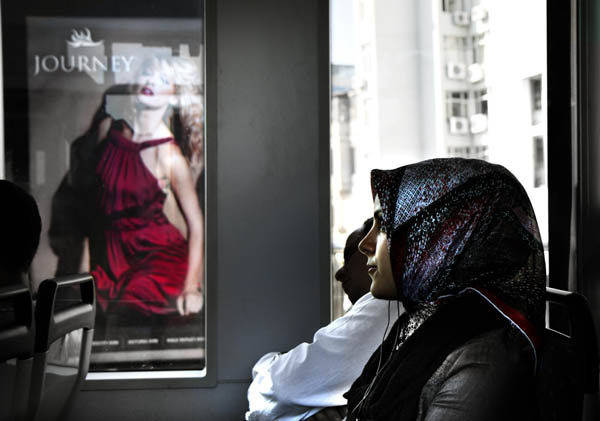
Powerful portrait tips 16

13. Keep it fun

If you are dealing with subjects who are not paid models, you should give something back as well as taking the photo. I do not want to discuss paying the person (maybe in another post) but you should make it easy and fun for your subject: telling a joke, showing the image on the back of the camera and making sure they are not in the sun are good points to start with.

Powerful portrait tips 17

14. Always ask for the person’s name

It doesn’t matter if you do travel portraits of strangers or work as a wedding photographer; always ask for the person’s name and if promised, send the photo. Don’t make excuses about the language barrier. If I don’t work with a fixer (a local man or woman, who can help with the translation) I will always have a phrasebook or try to use drawings and images that can help me to communicate.

15. Add depth to your images by the a 45 degrees light

Think carefully about the direction of light. By placing the subject at an angle of 45 degrees from the light source, you can create a wonderful effect of volume. As I made this picture (below), which was taken at a grocery store Georgia, using only natural light by a window on the right.

Powerful portrait tips 18

And one more…

ENJOY

It does not matter if you’re photographing people as a hobby or to pay your rent. Teach yourself to enjoy to process and not just the outcome (the finale image). Enjoy getting closer, getting to know each other and overcoming cultural barriers. If you do what you do with passion, your viewers will see it right away.

I would like to thank Linda Burnette for her help in writing this article.

The post 15 Tips for More Powerful Portraits by Oded Wagenstein appeared first on Digital Photography School.


Digital Photography School

 
Comments Off on 15 Tips for More Powerful Portraits

Posted in Photography


One Light Portraits – Advanced Set Ups

02 Feb

Ione-light-portraits-reflectorsn keeping with our portrait theme this week is a video that goes over some great ideas for making one light portraits, using some advanced set ups. Keep in mind this is great if you only have on light and don’t want to invest in a more. The reflectors he’s using can be purchased relatively inexpensively, as can the mirrors. Probably the thing you’ll need to do this type of technique is more light stands and some clamps.

Just ignore the plug for the light crane or light boom at the end of the video. That is more applicable if you are doing video with your DSLR.

I think there’s some really great tips in there. Watch it a couple times to catch them all. When I used to do commercial tabletop product photography many moons ago, I used a lot of small reflectors, silver cards and mirrors. You’d be amazed at what you can use to manipulate light and create some great images. You don’t have to spend a lot of money on three and four light set ups if you get a little creative with your DIY techniques.

For more reading on portrait lighting and DIY try these:

  • 6 Portrait lighting patterns every photographer should know
  • The Basics of a One Light Setup: A Lighting Tutorial
  • 4 Tips for a Perfect White Background in High Key Photography
  • Portrait Tutorial Feast – Best of dPS 2013

Links to check out some of the gear mentioned in the video:

  • Alzo Easy Frame Diffuser & Reflector Kit- 40 Inch Metal Frame with Handle Incl. 1 Diffuser, 1 Silver – 1 Gold Reflector (not exactly the one he used but you get the idea)
  • Photoflex Silverdome NXT, Medium Softbox, 24″ x 32″ x 17″.
  • Spider Pro SCS -Single camera System Camera Holster

The post One Light Portraits – Advanced Set Ups by Darlene Hildebrandt appeared first on Digital Photography School.


Digital Photography School
 
Comments Off on One Light Portraits – Advanced Set Ups

Posted in Photography


Inspiring Portraits of Women – a Collection of Images

31 Jan

mona-lisa.jpgThis week as part of our Portrait Deep Dive we’re going to look at portraits of ladies. So let’s start with one of the most famous, the Mona Lisa.

Darren wrote – What the Mona Lisa can teach us about taking great portraits

Painted almost 600 years ago she’s still as lovely today as she was then. Why does this painting work so well? What about it is so intriguing? Is it the lighting, or her sly smile? I like to think it’s because she’s an elegant woman of her time.

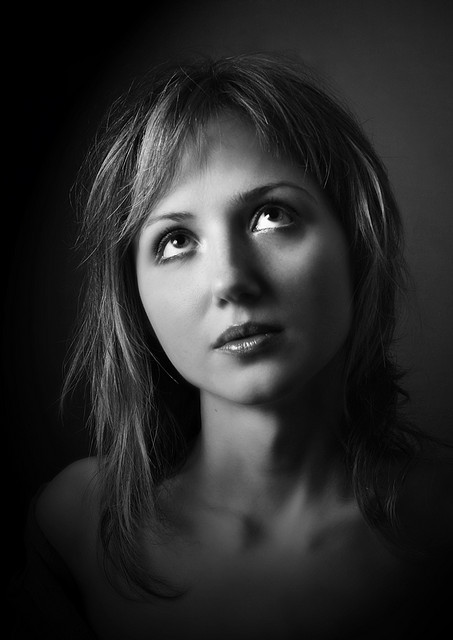
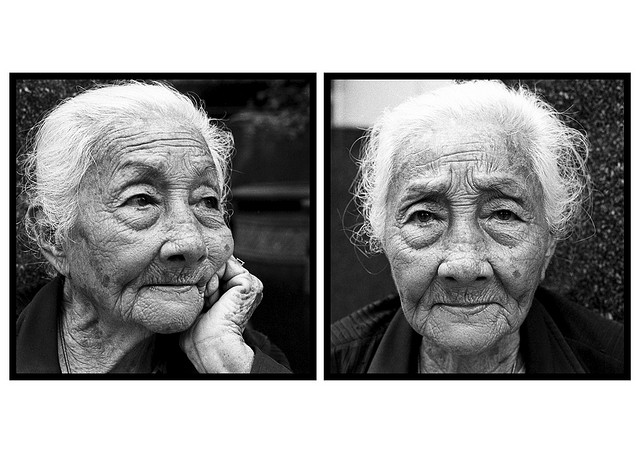
Old, young, trendy, casual, sporty, elegant, contemptuous, spirited, or shy; today we celebrate the ladies.

Let’s look at some inspiring portraits of women in this collection today:

By Zuhair A. Al-Traifi

By Trey Ratcliff

By Sukanto Debnath

By Christopher Walker

By www.karlocamero.com

By joshuaporter.co.uk

By Zuhair A. Al-Traifi

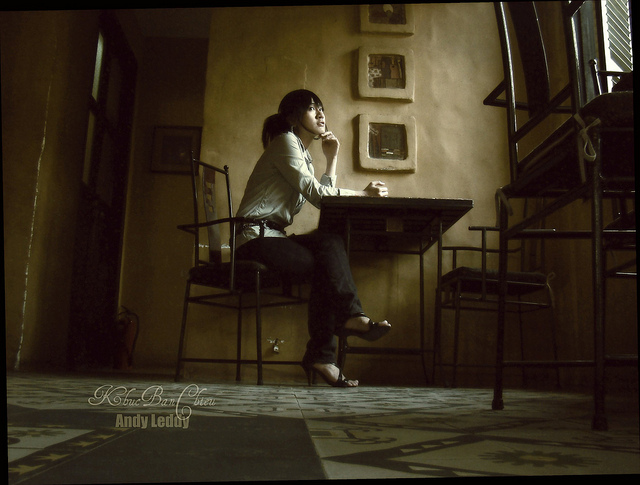
By Andy Leddy

By Petras Gagilas

By Andy Leddy

By Sukanto Debnath

By Chloe Wright

By Ronn aka “Blue” Aldaman

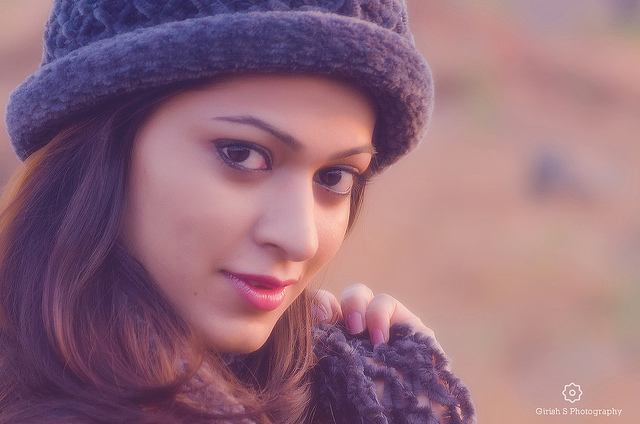
By Girish Suryawanshi

By Prachanart Viriyaraks

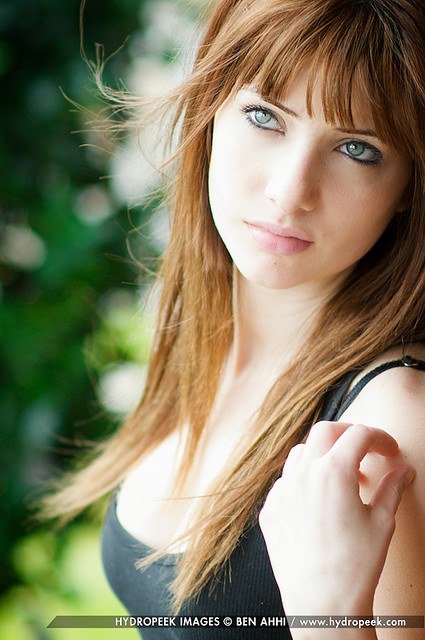
By hydropeek

By nicksushkevich

By Sacha Fernandez

By Ryan Seyeau

By Julie Kertesz

By Vineet Radhakrishnan

By MD. Hasibul Haque Sakib

By LynchianDreams

By kris krüg

By ????????? ????????

By Dorret

By andrea floris

By Steve Jurvetson

By Hannah Kate

By Simón Pais-Thomas

By Joe Gunawan | fotosiamo.com

By Simón Pais-Thomas

By LBY

By Simón Pais-Thomas

By Lotus Carroll

By Micha? Huniewicz

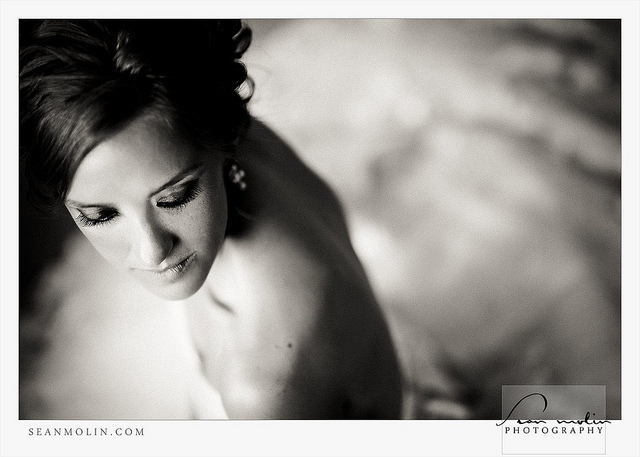
By Sean Molin

By reway2007

Missed some of the articles earlier this week? Check out:

  • The rewards of photographing people when you travel
  • How to create portraits with depth
  • How to choose the perfect portrait lens

Do you have a favorite portrait of a special lady in your life? Or perhaps yourself? Please, do share!

The post Inspiring Portraits of Women – a Collection of Images by Darlene Hildebrandt appeared first on Digital Photography School.


Digital Photography School
 
Comments Off on Inspiring Portraits of Women – a Collection of Images

Posted in Photography