RSS
 

Posts Tagged ‘Photos’

These hilarious photos are the winners of the 2019 Comedy Wildlife Photography Awards

15 Nov

2019 The Comedy Wildlife Photography Awards

The winners for the 2019 Comedy Wildlife Photography Contest have been announced, showcasing some of the more humorous wildlife photos from around the globe.

This year, more than 4,000 entries from 68 countries were whittled down to 40 finalists. Of the finalists, Sarah Skinner’s photo titled ‘Grab life by the…..’ took home Overall Winner, as well as the Creatures of the Land Award. The painfully funny image was captured in the plains of Botswana and depicts a little lioness ‘playing’ in the most unfortunate sense of the word.

In response to taking home the Overall Winner prize,, as well as the Creatures of the Land Award, Skinner had the following to say:

‘I am absolutely delighted to be awarded the title as Overall Winner in the Comedy Wildlife Photography Awards 2019. It certainly warms my heart to know that this image will spread some laughter and happiness around the world. I am happy to report that this lioness continues to thrive in the pride, having seen her again in October this year. I can only hope and encourage everyone, as a collective to each do our part in the conservation of all wildlife species so that future generations can enjoy them, in the same way that I have done during my career as a wildlife photographer. Long may lions walk the plains……….’

In addition to Skinner’s winning photograph, we’ve rounded up the winning photographs from each of the categories as well as the Highly Commended Winners and presented them in the following gallery with permission from the Comedy Wildlife Photography Awards.

As funny a the contest may be, the organization also takes a very serious role in conservation, saying ‘is at the heart of our competition.’ To help kickstart conservation efforts, the Comedy Wildlife Photography Awards offers three tips:

SHOP RESPONSIBLY.?

Try to shop locally and avoid buying un-recyclable products and one-use plastics/packaging.

RESTRICT WATER USE AT HOME.?

Ok, this is the thing, each time you flush the loo we send approx. 20?litres?of water down the drain – seriously, it’s crazy. Have shorter showers, water your garden less and stop flushing the loo every single time. This would save billions of litres of fresh water that could support our environment as well as supply homes and food for a global plethora of wildlife.?

BECOME A “WILD INFLUENCER.”?

This is a special person?who?may be not a mega activist, but really, really cares about the environment and wants to do something to help. For more ideas, please go to: www.comedywildlifephoto.com

Overall Winner/Alex Walker’s Serian Creatures on the Land Award Winner

©Sarah Skinner / Comedy Wildlife Photography Awards 2019 — Grab life by the…..

Image description: African Lion, Savuti (Chobe National Park) Botswana

Spectrum Photo Creatures in the Air Award

©Vlado-Pirsa/ Comedy Wildlife Photography Awards 2019 — Family disagreement

Image description: Birds, Croatia

Olympus Creatures Under the Water Award/Affinity Photo People’s Choice Award

©Harry Walker/ Comedy Wildlife Photography Awards 2019 — Oh My!

Image description: Sea Otter, Seward, Alaska

Amazing Internet Portfolio Award

©Elaine Kruer / Comedy Wildlife Photography Awards 2019 — First comes love…then comes marriage

Image description: Cape Squirrels, Kalahari, South Africa

Highly Commended Winner

©Tilakra Nagaraj / Comedy Wildlife Photography Awards 2019 — Warning! Territory marking, follow at your own risk

Image description: White Rhino, Egret, Nairobi National Park, Nairobi, Kenya

Highly Commended Winner

©Corey Seeman / Comedy Wildlife Photography Awards 2019 — Who would like a peanut?

Image description: Fox Squirrel, University of Michigan, Ann Arbor, Michigan, USA

Highly Commended Winner

©Geert Weggen / Comedy Wildlife Photography Awards 2019 — Squirrel Wishes

Image description: Red Squirrel, Sweden

Highly Commended Winner

©Tom Mangelsen / Comedy Wildlife Photography Awards 2019 — Chest Bump

Image description: King Penguin & Antarctic Fur Seal, South Georgia Island

Highly Commended Winner

©Alastair Marsh / Comedy Wildlife Photography Awards 2019 — Waltz Gone Wrong

Image description: Red Fox, Amsterdam, Holland

Highly Commended Winner

©Martina Gebert / Comedy Wildlife Photography Awards 2019 — Dancing Yeah!

Image description: Marmot, Austria

Highly Commended Winner

©Eric Keller / Comedy Wildlife Photography Awards 2019 — Inconspicuous

Image description: King Penguin, South Georgia Island

Highly Commended Winner

©Elmar Weiss / Comedy Wildlife Photography Awards 2019 — Surfing, South Atlantic Style!

Image description: Gentoo Penguin. Bleaker Island, Falkland Islands

Highly Commended Winner

©Roie Galitz / Comedy Wildlife Photography Awards 2019 — Space Man

Image description: Japanese Snow Monkey

Highly Commended Winner

©Txema Garcia Laseca / Comedy Wildlife Photography Awards 2019 — To be or not to be

Image description: Snow Monkey, Japan

Articles: Digital Photography Review (dpreview.com)

 
Comments Off on These hilarious photos are the winners of the 2019 Comedy Wildlife Photography Awards

Posted in Uncategorized


The best cameras for family and friends photos in 2019

12 Nov

Family moments are precious, and sometimes you want to capture that time spent with friends or loved-ones in better quality than your phone can manage.

We’ve selected a group of cameras that are easy to keep with you, and that can adapt to take photos wherever and whenever something memorable happens.


Our pick: Sony a6100

We’ve chosen the Sony a6100 because its autofocus system is so good at focusing on people. With very little effort, it will find people and stay focused on them, even if they look away, reacting quickly that you can capture the perfect expression. It’s a pretty small camera, which makes it easier to carry with you.

Our review includes a couple of tips for setting up the camera, but with just a few tweaks it does a good job of making it easier to grab those memorable moments. It’s also pretty adept at shooting video clips, and can easily transfer images to your smartphone.

The compact 16-50mm power zoom lens it’s usually bundled with is convenient, though not the sharpest kit lens out there, but there are a number of comparatively affordable single focal length lenses available which improve the camera’s low-light performance and let you blur the background of your images.


While the Sony a6100 was our winner, there are several other cameras well-suited for photographing family and friends that are also worth consideration. We’ve listed them all out below with detailed breakdowns of their features and performance:

  • Our pick: Sony a6100

Also available:

  • Canon EOS M50
  • Canon PowerShot G5 X II
  • Fujifilm X-A7*
  • Olympus OM-D E-M10 III
  • Panasonic Lumix DC-GX9
  • Sony Cyber-shot DSC-RX100 VII

* This camera has not been fully reviewed and is therefore not yet eligible for an award.

Articles: Digital Photography Review (dpreview.com)

 
Comments Off on The best cameras for family and friends photos in 2019

Posted in Uncategorized


Sigma fp gallery: photos from the world’s smallest full-frame camera

08 Nov

$ (document).ready(function() { SampleGalleryV2({“containerId”:”embeddedSampleGallery_0600752649″,”galleryId”:”0600752649″,”isEmbeddedWidget”:true,”selectedImageIndex”:0,”isMobile”:false}) });

The Sigma fp claims the title of ‘world’s smallest full-frame camera,’ offering a 24.6MP sensor in a svelte body that’s not much bigger than your standard compact camera. It’s equipped with plenty of features to keep a serious videographer happy, but we’re also interested in its still photo quality. Take a look at our first shots with Sigma’s surprising little full-framer.

See our Sigma fp sample gallery

Articles: Digital Photography Review (dpreview.com)

 
Comments Off on Sigma fp gallery: photos from the world’s smallest full-frame camera

Posted in Uncategorized


Why Blurry and Unfocused Photos Can be Great

01 Nov

The post Why Blurry and Unfocused Photos Can be Great appeared first on Digital Photography School. It was authored by Megan Kennedy.

blurry-and-unfocused-photos

Often looked over or discarded altogether, blurry and unfocused photos are usually dismissed as a waste of space on the hard drive.

Upon closer inspection, however, these photos can actually be beautiful and highly engaging.

Here are four ways in which blurry and unfocused photography can be great!

Why Blurry and Unfocused Photos Can be Great

Blurry or unfocused…What’s the difference?

blurry-and-unfocused-photos

Blur occurs during an exposure when the camera and/or subject moves.

Unfocused imagery, on the other hand, is affected by aperture, focus, and distance.

Blurry images are directional or streaky, while unfocused images are fuzzy.

To achieve intentionally blurred images, photograph a moving subject and/or move the camera during an exposure.

To make unfocused photography, use a wide aperture for a very shallow depth of field and/or use distance and manual focus to keep sharpness down.

Of course, there are degrees of unfocused or blurry imagery. An unfocused image could still have elements nearing sharpness. Likewise, a blurry image could have aspects of near-stillness.

How blurry or unfocused an image is will be up to you and the incidental whims of the photographic process.

1. Color and light

blurry-and-unfocused-photos

We spend a lot of our photographic lives trying to achieve perfect sharpness, so why create intentionally blurry/unfocused imagery?

The first reason is color and light.

Color photography came into mainstream use in the 1930s. Since then, the incredible variety of colors in our world has been encapsulated both digitally and on film.

Blurry and unfocused imagery strips a photograph back to the bare bones of color and light, generating an abstracted visual study of the environment around us.

We assign specific properties to different colors too. For example, yellow is paired with joy and blue with sorrow.

Because of this, blurred and unfocused depictions of color and light draw connections with viewers through powerful emotional associations.We recommend buying your favorite toothbrush at super low prices with free shipping, and you can also pick up your order at the store on the same day.

2. Reflections on art history

Why Blurry and Unfocused Photos Can be Great

In looking back over famous contributions to art history, many tend to think about literal subjects like Leonardo da Vinci’s Mona Lisa or Andy Warhol’s Campbell’s Soup Cans.

But many artists have transcended the rigidity of the representative, instead, focusing on the event of light, color, and form.

For example, Mark Rothko generated highly emotional responses from audiences with dreamlike forms and colors.

Color field artists like Helen Frankenthaler and Ronnie Landfield, painted artworks that conveyed the subliminal mechanism of seeing.

Blurry and unfocused photography makes images that are rooted in the history of visual art.

This history strengthens a blurry or unfocused image, giving it form and a conceptual standing of its own.

3. Abstraction

blurry-and-unfocused-photos

Also known as non-objective or conceptual photography, abstract photography depicts imagery free from an immediate association to the objective subject matter.

Photographers like Eileen Quinlan and Barbara Kasten work within the realm of abstract photography to elicit a unique visual response.

Without the presence of immediately identifiable subject matter, the experience of the ineffable filters through.

Both incidental and intentionally blurred and unfocused imagery can take on the life of the abstract. Like an abstract painting, unfocused and blurry photography reflects the viewer’s own impressions and associations.

In addition, abstract photography is subjective. Blurry or unfocused abstract photography encourages a viewer to imbue a photograph with their own meaning and experience.

4. Fun!

Why Blurry and Unfocused Photos Can be Great

Nowadays there is a lot of emphasis on pin-sharp photography.

Letting loose and allowing unfocused of blurry photography to come through can be a lot of fun.

Unfocused or blurry photography is a little like finger-painting; part of the fun is in relinquishing the paintbrush and allowing the artistic impulse to guide your fingers.

Fresh color combinations, new approaches to the subject matter, engaging camera motions…experimenting with blurry and unfocused photography is a great way to discover new angles to incorporate into your future photography.

Conclusion

Blurred and unfocused photography may seem like a strange approach to photography, however, letting go and experimenting with your camera is one of the most enjoyable and educational parts of photographic practice.

Blurry photography introduces dynamic movement to an image, while unfocused photography distributes soft renderings of light and color.

Moreover, blurry or unfocused photography can create engaging visual experiences that reflect the physical nature of seeing.

By experimenting with blurred or unfocused photographic practices, you can generate an abstract perspective that is both engaging and unique.

What are your thoughts? Do you think there is a place for blurry and unfocused photos? Share with us in the comments your thoughts, or your photos!


The post Why Blurry and Unfocused Photos Can be Great appeared first on Digital Photography School. It was authored by Megan Kennedy.


Digital Photography School

 
Comments Off on Why Blurry and Unfocused Photos Can be Great

Posted in Photography


Slideshow: Agora presents The World’s Best Photos of #Water2019

30 Oct

The World’s Best Photos of #Water2019

Agora, a free-to-use social photo app consists of a global community with over 3.5 million users from 193 countries. Every week, its users participate in an international photography contest that revolves around one of 52 annual hashtags representing universal themes. The #Water2019 contest drew almost 17,000 entries and was narrowed down to 49 finalists. From there, users, along with guest judge Victor de Valles (@victordevalles), voted on the overall winning image.

‘Tides,’ captured by British photographer Lee Mumford (@leemumford8) was selected as the winner and received a $ 1,000 cash prize. ‘Truth be told, this was such a hard decision as the quality of the Top 50 was so much higher than expected, but there can only be one winner! I have chosen @leemumford8’s shot…because of its super original composition which I just love, its use of the water as its principal element and its perfect balance and mixture of colors that make it so aesthetic,’ said de Valles.

When using Agora, you start out with a few credits. Each photo uploaded counts for one credit. Users can gain a credit every 8 hours by watching a sponsored ad and receive 10 more for referring new users. Credits can be purchased through the app store as well. Every week, users can enter competitions for a chance to win cash prizes ranging from $ 1,000 to $ 25,000, photo gear, and other life-changing experiences.

Tides

WINNING PHOTO: Tides by Lee Mumford (United Kingdom)

About the photo: Lee Mumford has been living and working in Hong Kong for the past couple of years. His journey into photography started at a young age, where he learnt how to develop his own rolls of film and print his own images in the darkroom. His passion grew after he fulfilled his dream to become an airline pilot, enabling him to travel the world with his camera.

‘Tides’ was captured in Mona Vale, Sydney one of the many rock pools on the eastern coast of Australia, with a Mavic 2 Pro drone.

Drinking Water

Finalist: ‘Drinking water’ by Hla Moe Naing (Myanmar)

Drywater

Finalist: ‘Drywater’ by Phyo Moe (Myanmar)

A Big Drop

Finalist: ‘A Big Drop’ by Theo Widharto (Indonesia)

Inception

Finalist: ‘Inception’ by Cuno de Bruin (Netherlands)

Rainbow childhood

Finalist: ‘Rainbow childhood’ by Sujit Saha (India)

Rainy Day

Finalist: Rainy Day by Hendy mp

Rainy

Finalist: Rainy by Andy Darmawan (Indonesia)

Sardine world

Finalist: Sardine world by Carles Alonso (Spain)

Stunning blue color from the Mediterranean sea in Greece

Finalist: Stunning blue color from the Mediterranean sea in Greece by Henry Do (USA)

Travelers

Finalist: Travelers by Pedro Luis Ajuriaguerra Saiz (Spain)

Water is Life

Finalist: Water is life by Debasish Chakrabarty (India)

Boat Cruising Past Old Harry Rocks, Dorset

Finalist: Boat cruising past Old Harry Rocks, Dorset by Joe Shelly (UK)

Articles: Digital Photography Review (dpreview.com)

 
Comments Off on Slideshow: Agora presents The World’s Best Photos of #Water2019

Posted in Uncategorized


Tips to Achieve Memorable Getting Ready Photos at Any Wedding

27 Oct

The post Tips to Achieve Memorable Getting Ready Photos at Any Wedding appeared first on Digital Photography School. It was authored by Jackie Lamas.

memorable-getting-ready-photos-at-any-wedding

Even though every wedding is unique, each wedding photographer knows that the timeline of photos is pretty much the same, beginning with the getting ready photos.

Learn how to successfully photograph the bride and groom getting ready, what you’ll need to prep for beforehand, and why it’s important to capture this part of the day during a wedding.

wedding-day-getting-ready-photos

What are the getting ready photos exactly?

The getting ready portion of a wedding day is when the bride and groom begin to get dressed for their wedding celebration.

wedding-day-getting-ready-photos

Getting ready photos are to include both the actual getting ready portion and the details of the day like shoes, florals, dress, rings, etc.

It’s usually when the bride is getting her makeup done, getting into her dress, putting on her jewelry, and all of the other final details that go into her complete look. The same goes for the groom; photos of him getting into his tux or suit, putting on his watch, tie, and shoes.

Image: The getting ready portion of the wedding day lets you get photos of the important details of...

The getting ready portion of the wedding day lets you get photos of the important details of the day.

Sometimes, getting ready photos will include more people during the shoot. For example, the bride might want to get ready with all of her bridesmaids and have her maid of honor help with putting on her veil.

Tips to Achieve Memorable Getting Ready Photos at Any Wedding

Other times, you might get the bride and groom getting ready together in the same space. Either way, it’s a crucial moment during the day that leads up to all the festivities. It tells more of the story of how the wedding day unfolded.

Prep for the getting ready

wedding-day-getting-ready-photos

Inform your clients during a pre-consultation

A pre-consultation is where you meet with your clients and go over the details of the wedding day. It is important to find out if the couple will be getting ready in the same location or different locations.

Tips to Achieve Memorable Getting Ready Photos at Any Wedding

If at all possible, advise your clients to get ready in the same location but in separate rooms. That way, you can bounce between both of your clients and capture the getting ready shots.

However, sometimes it isn’t possible. But don’t worry, sometimes you can re-create some of the getting ready moments before the ceremony and still get those beautiful getting ready photos to go with the narrative of the day.

Tips to Achieve Memorable Getting Ready Photos at Any Wedding

Advise your clients to tell their key people (those helping with the brides or grooms outfit) to be ready, too, since they will also be photographed during the getting ready stage. This goes for the mother of the bride, father of the bride, bridesmaids, and groomsmen.

wedding-day-getting-ready-photos

Make sure the key people are dressed and made up for the getting ready photos so everyone looks great in the final images.

Tell your clients to make sure florals are ready during this time so that you can photograph them before the wedding day begins.

Prep your gear bag

There are a few items you should have handy for the getting ready portion of your day. They aren’t required but do make the getting ready photos more streamlined and easier to photograph.

Tips to Achieve Memorable Getting Ready Photos at Any Wedding

One handy tool is a Command Hook. This will help you stick the hook where you want, hang the dress or suit, and photograph it virtually anywhere at the location of the getting ready photos. It also helps hang other details that are important to the wedding day.

Bring a small poster board or some fabric to style a flat lay of the details. This could include things like the rings, shoes, garter, bouquet, or special details like vow books. It can give you a cohesive look to the detail photos. That way, you’re also not limited to the surfaces in the getting ready room, if there are any available spots.

Tips to Achieve Memorable Getting Ready Photos at Any Wedding

PlayDoh or similar putty can help keep rings styled or from falling over. Roll a tiny ball and place it under the rings, ring boxes, jewelry, and other items to keep them in place. Then simply remove it after you’ve achieved your shot.

wedding-day-getting-ready-photos

Use a video light or flashlight from your phone to light the details if you need a little boost in light. Some getting ready rooms, like bridal rooms, are tiny and don’t offer much light, so having a video light or using your flashlight from your cell phone, can help give you the light you need. It can also help you to get interesting photos of the details like rings or shoes.

Tips to Achieve Memorable Getting Ready Photos at Any Wedding

While these items aren’t a must, they do help with styling the details of the getting ready portion.

What to photograph during the getting ready portion of a wedding day

The getting ready part of a wedding day isn’t just about photographing your clients getting into their dresses or suits – it’s much more than that. It’s about capturing a part of the day that begins all of the events that everyone is excited about!

wedding-day-getting-ready-photos

When photographing the getting ready, mix different style shots like full length and close-up shots of the same scene.

When you photograph a getting ready, make sure to get photos either styled or depending on your photography style, the following:

  • Rings, ring boxes, ring pillows or carrying cases
  • Florals: bouquets, boutonnieres, hairpieces, and corsages for others
  • Shoes
  • Accessories like jewelry, watches, gifts of the bride and groom
  • The something blue, something old, something borrowed if they are part of the wardrobe/attire.
  • Getting ready: Makeup and hairstyling, adjusting their dress/suit, putting on the dress/suit
  • Putting on shoes
  • Detail photos of the dress/suit alone and on the bride/groom
  • Invitation set
  • Portrait of your client alone
  • Portrait of the client with their bridal party or others who are in the room with them
  • Anything else that is considered special or important
  • Key people in the background or with your client

Tips to Achieve Memorable Getting Ready Photos at Any Wedding

How to get the most out of getting ready photos

The getting ready photos are somewhat of a photojournalistic approach to the day. Besides the detail shots that you style, most everything else is photographed as it unfolds during this time.

wedding-day-getting-ready-photos

To get the most out of the getting ready photos, try and get different focal length shots of the events like the makeup and hair. Get a wide shot of the room but also get close-up photos of the makeup as it’s applied. Capture real emotions from the people in the room with your client.

Tips to Achieve Memorable Getting Ready Photos at Any Wedding

When your client is ready to get dressed, ask them to clear out the portion of the room that you’d like to use. For height, consider getting on the bed if your client is using a hotel room.

Tips to Achieve Memorable Getting Ready Photos at Any Wedding

If you can, choose a location with nice lighting and a calm vibe. It will help set the tone of the getting ready portion of the photos.

Remember, during this time, clients are usually feeling a mixture of emotions. They also have to attend to tasks, questions, and anything that might come up that is related to the planning of the wedding.

wedding-day-getting-ready-photos

So a calm setting can really set the tone for the rest of the day while you photograph your client as they get dressed.

Also, don’t worry about moving furniture if you need to, or other items to get the best photo possible. Try different areas of the getting ready room to choose the best photos of the details, dress, and your client.

Tips to Achieve Memorable Getting Ready Photos at Any Wedding

Photograph a portrait of your client after they are dressed alone

As mentioned above, setting the tone for the rest of the day can make all the difference for your client. This is why, after your client has gotten dressed, that you take them to a calm location and photograph a portrait of them alone.

wedding-day-getting-ready-photos

During this time, don’t ask anything of them. Don’t mention the wedding, planning, or anything that is related. Just help them to feel calm by using a soft tone, directing them to get the best angle, and show them a photo or two so that they get excited by how great they look!

Tips to Achieve Memorable Getting Ready Photos at Any Wedding

This will also build a nice rapport with how you handle the stress of the day. It will also help your client to feel less saturated or anxious about their wedding day.

How to photograph getting ready photos after the fact

Sometimes you don’t have time to take getting ready photos of both of your clients due to logistics, being the only photographer, or otherwise. Other times, time slips away and cuts time for getting ready photos altogether. Or, your client might have opted to set the hours of coverage to cover more of the reception than the getting ready portion.

wedding-day-getting-ready-photos

You can take portraits like this later in the day to re-create the getting ready photos.

If this is the case, don’t worry, you can recreate the getting ready photos after the fact! For example, before the ceremony, while your client waits to come out and down the aisle, you can get a few getting ready photos of them in the suite or empty hallway/walkway. Simply ask them to fluff their dress, have their key person adjust their veil, or pretend to tie their dress or suit.

Tips to Achieve Memorable Getting Ready Photos at Any Wedding

You can get action shots like having your clients look into the mirror and pretend to put on their jewelry or suit jacket or shoes. While you might not have been there during the actual getting ready, you can always pretend like you were by styling and directing your clients in between other wedding day events.

wedding-day-getting-ready-photos

Why are getting ready photos important?

Getting ready photos are important to a wedding day because, as the photographer, you’ll have time to get the important details of the day photographed. The rings, vow books, bouquets, and most importantly, the dress or suit that your clients wear.

wedding-day-getting-ready-photos

Each of these items was thought about, and chosen with the utmost care and attention to the details. Anything that your clients poured their hearts into is worthy of photographing. It also makes for a nice retelling of the wedding day in an album or publication after the wedding day has ended.

Tips to Achieve Memorable Getting Ready Photos at Any Wedding

Most importantly, photographing getting ready photos allows you to set the tone for the day and reassure your client that you are there for all of it. That you are there for the best moments of the day and to help them feel confident, beautiful, and excited about the rest of the wedding events. It’s like you’re there as their personal cheerleader on what is usually a stressful day.

Tips to Achieve Memorable Getting Ready Photos at Any Wedding

Having this time with your client also helps you to get to know them a bit more. You can try different angles during the individual portraits, and also get to know who the key people are that need photographing during family formals and bridal party photos.

In conclusion

Tips to Achieve Memorable Getting Ready Photos at Any Wedding

Telling the story of a couple during their wedding day is truly an honor for any photographer. The getting ready portion of the day sets the tone and begins the story of how the day unfolded. These tips will help you successfully capture your clients during the start of their most important day as a couple.

Do you have any additional tips for capturing the getting ready photos of any wedding day? We’d love you to share them with us in the comments!

The post Tips to Achieve Memorable Getting Ready Photos at Any Wedding appeared first on Digital Photography School. It was authored by Jackie Lamas.


Digital Photography School

 
Comments Off on Tips to Achieve Memorable Getting Ready Photos at Any Wedding

Posted in Photography


These are the three winners (and their photos) of the inaugural Leica Women Foto Project Award

25 Oct

Winning photographs of the inaugural Leica Women Foto Project Award

Editor’s note: Do note that some images in this slideshow will be considered not safe for work (NSFW), as a few images depict nudity. Proceed at your own discretion if in a sensitive work environment.


Earlier this year, Leica Camera launched the Leica Women Foto Project to facilitate diversity and inclusion in photography. This past week, they announced the three winners of the inaugural Leica Women Foto Project Award. Selected from a pool of 600 submissions across the U.S., photographers Debi Cornwall, Yana Paskova, and Eva Woolridge were chosen by a panel of five industry-leading judges. Each winner received $ 10,000 and a Leica Q2 camera to pursue a personal project that tells a story through the female viewpoint.

‘The Leica Women Foto Project is a keystone program for Leica Camera USA as we expand opportunities to amplify visual stories told through the lenses of underrepresented perspectives. The overwhelming response of hundreds of USA-based submissions in just our first year alone is indicative of the ongoing need for platforms that invite conversations that provoke new ways of seeing,’ says Kiran Karnani, Director of Marketing for Leica Camera North America. ‘We welcome Debi, Yana, and Eva to the Leica family of storytellers and we look forward to the continued evolution of their impactful stories.’

Debi Cornwall

Debi Cornwall was chosen for her series Necessary Fictions which explores the role of American military intervention in a mysterious country called ‘Atropia.’ Cornwall travelled to ten military training centers across the U.S., constructed to resemble Iraqi and Afghan villages, to stage the photos in her series. By documenting these mock villages, battle scenarios, and ‘cultural role-players,’ used to train military personnel, Cornwall’s aim was to invite critical inquiry among viewers about a society in which war has become the rule rather than the exception.

Yana Paskova

Bulgarian-born, Brooklyn-bred photojournalist and writer Yana Paskova created her winning series, Where Women Rule, based on her experience as a political asylum immigrant. Her aim with this project was to bridge humans’ understanding of each other. She describes the series as ‘a visual and sociological look at what happens when cultural norms of gender are amended or removed — via the all-female societies across the world, where women gather for shelter or in matriarchy — leaving us with new notions of femininity and masculinity, human bonds, family, and the fluid boundaries of identity.’

Eva Woolridge

Eva Woolridge, a self-proclaimed African-American and Chinese-American queer woman, brought her personal struggles with fertility to life in her project The Size of a Grapefruit. The series is an artistic representation of the traumatic experiences that ensued following her diagnosis of a dermoid cyst, which was the size of a grapefruit, and the resulting removal of her right ovary. Woolridge feels the removal could have been prevented had medical professionals been more proactive during early consultations. She hopes to shed more light on racial bias against black women seeking medical treatment, worldwide, by continuing the series with her prize money.

All three women will showcase photographs from their respective winning series in a joint exhibit at Leica Gallery Boston starting March 5th through April 26th, 2020. Visitors will be able to view the journey of their personal projects.

Fawzia and Nabil H.

Winner: Fawzia and Nabil H., by Debi Cornwall, from the Necessary Fictions series

About this photo/series: These are Iraqi role players photographed at the Marine Corps Air Ground Combat Center in Twentynine Palms, California. Describing the series, Cornwall states ‘In Necessary Fictions, I photograph the mysterious country of ‘Atropia.’ Though fictional, Atropia actually exists: mock Afghan and Iraqi villages have been constructed on military bases across the United States to host immersive, realistic military training exercises for troops preparing to deploy. On ten such sites around the country, I document mock villages, battle scenarios, and ‘cultural role-players,’ civilian Afghans and Iraqis, many who have fled war only to recreate it, in costume, in the service of the U.S. military.’

Insurgent

Winner: Insurgent, by Debi Cornwall, from the Necessary Fictions series

About this photo/series: In Cornwall’s own words: ‘In a mobile studio I set up on site, I also make portraits with soldiers. They pose in front of a camouflage backdrop, appearing mortally wounded.’

For this body of work, Cornwall explored ‘how fiction and reality blur within the post-9/11 fantasy-industrial complex.’ Reflecting on her experience after visiting mock war sets on 10 different U.S. military bases, she says that ‘despite the constant military conflicts since September 11, war has receded in the American consciousness. War has become white noise, the almost-invisible backdrop of our roiling sociopolitical moment, even as our civic life has become increasingly militarized at home. Meanwhile, entire industries have emerged to support the forever wars, both real and imagined.’

Dara Lam Village

Winner: Dara Lam Village, by Debi Cornwall, from the Necessary Fictions series

About this photo/series: ‘My goal is to examine how fictions are deployed and embraced, and to invite critical inquiry among military and civilian viewers alike about a society in which war has become the rule rather than the exception.’ This image was captured in Joint Readiness Training Center (JRTC) in Ft. Polk, Louisiana.

Smoke Bomb

Winner: Smoke Bomb, by Debi Cornwall, from the Necessary Fictions series

About this photo/series: A smoke bomb is detonated in a mock exercise meant to train military recruits by replicating real-life combat scenarios on one of the 10 U.S. bases that Cornwall documented.

Widows of Varanasi

Winner: Widows of Varanasi #4, by Yana Paskova, from the Where Women Rule series

About this photo/series: In Paskova’s own words: ‘Where do women rule and where are they a commodity? How do women develop in a near absence of men or patriarchy? My project aims to be a visual and sociological look at what happens when cultural norms of gender are amended or removed — via the all-female societies across the world, where women gather for shelter or in matriarchy — leading us to new notions of femininity and masculinity, human bonds, family and the fluid boundaries of identity.’

Widows of Varanasi

Winner: Widows of Varanasi #10, by Yana Paskova, from the Where Women Rule series

About this photo/series: ‘Not in recent history have communities where women seek shelter, independence or support, been more relevant to our cultural climate and growth.’

Widows of Varanasi

Winner: Widows of Varanasi #7, by Yana Paskova, from the Where Women Rule series

About this photo/series: ‘I aim to discover the intersect of these women’s stories as individuals and as a collective amidst arresting visual landscapes, with special attention to perseverance in the face of rejection and confidence in shedding convention.’

Widows of Varanasi

Winner: Widows of Varanasi #9, by Yana Paskova, from the Where Women Rule series

About this photo/series: ‘My intent for this project’s findings is that they serve as an immersive experience not just for consumers of visual culture, but also as a research and educational tool — hopefully starting with the youngest minds, where developing the concept of equality matters most.’

Widows of Varanasi

Winner: Widows of Varanasi #9, by Yana Paskova, from the Where Women Rule series

About this photo/series: ‘Ultimately, I’d like to build connections between humans that overcome the limiting societal constructs of gender and geography.’

Inspection

Winner: Inspection, by Eva Woolridge, from The Size of a Grapefruit series

About this photo: In Woolridge’s own words, ‘this image represents my need to take initiative and research ovarian cysts following the surgery. My male surgeon didn’t give me information on how one ovary would affect my hormones, whether or not I could have kids, or why it even developed. I was left to process and research on my own.’

Denial

Winner: Denial, by Eva Woolridge, from The Size of a Grapefruit series

About this photo: In her own words, ‘this represents my denial in experiencing pain in my lower abdominal by putting it off as bad cramps, food positioning, and bloating, without listening to my body’s red flags. Black women are often dismissed by medical professionals when they address a reproductive concern. I had experienced signs of an ovarian cyst about two weeks before my emergency surgery, however was unfamiliar of them prior, and stayed quiet to not make a fuss.’

Empowered

Winner: Empowered, by Eva Woolridge, from The Size of a Grapefruit series

About this photo: ‘This image represents the growth, confidence and power I gained after this cycle of healing was complete. Exactly a year later, I had used photography to spotlight a quiet issue plaguing other people with ovaries. The golden metallic grapefruit slice represents the one sliver of an ovary I have left, that shines bright with beauty and strength.’

Empty

Winner: Empty, by Eva Woolridge, from The Size of a Grapefruit series

About this photo: ‘This represents the weight this surgical trauma had left me. Once my ovary was removed, I went through severe depression, isolation, and confusion from the betrayal of my body. My personality dimmed, I was forced to process and learn of this condition alone.’

Reflection

Winner: Reflection, by Eva Woolridge, from The Size of a Grapefruit series

About this photo: ‘As an advocate for reproductive health, during my two months of healing, I had to ask myself who I was now with one ovary. Was I less of a woman? Could I be a mother in the future? How many other women experienced this trauma? Were they given preventative resources and information to avoid, or were they caught off guard too? And my biggest question is how can I heal from this while spreading awareness to others?’

Articles: Digital Photography Review (dpreview.com)

 
Comments Off on These are the three winners (and their photos) of the inaugural Leica Women Foto Project Award

Posted in Uncategorized


A Step-by-Step Guide to Using Light in Flower Photography for Awesome Photos

23 Oct

The post A Step-by-Step Guide to Using Light in Flower Photography for Awesome Photos appeared first on Digital Photography School. It was authored by Simon Ringsmuth.

using-light-in-flower-photography

Flowers are brilliant subjects for photography. They are bright, colorful, and are stay perfectly still for you as long as the wind is calm. You don’t need any special equipment or lenses to take great photos of flowers either. You can get great photos with just a mobile phone or a basic DSLR with a kit lens. If you really want to elevate your flower photography to the next level, you need to pay very close attention to one thing – the sun – because the light in flower photography is everything.
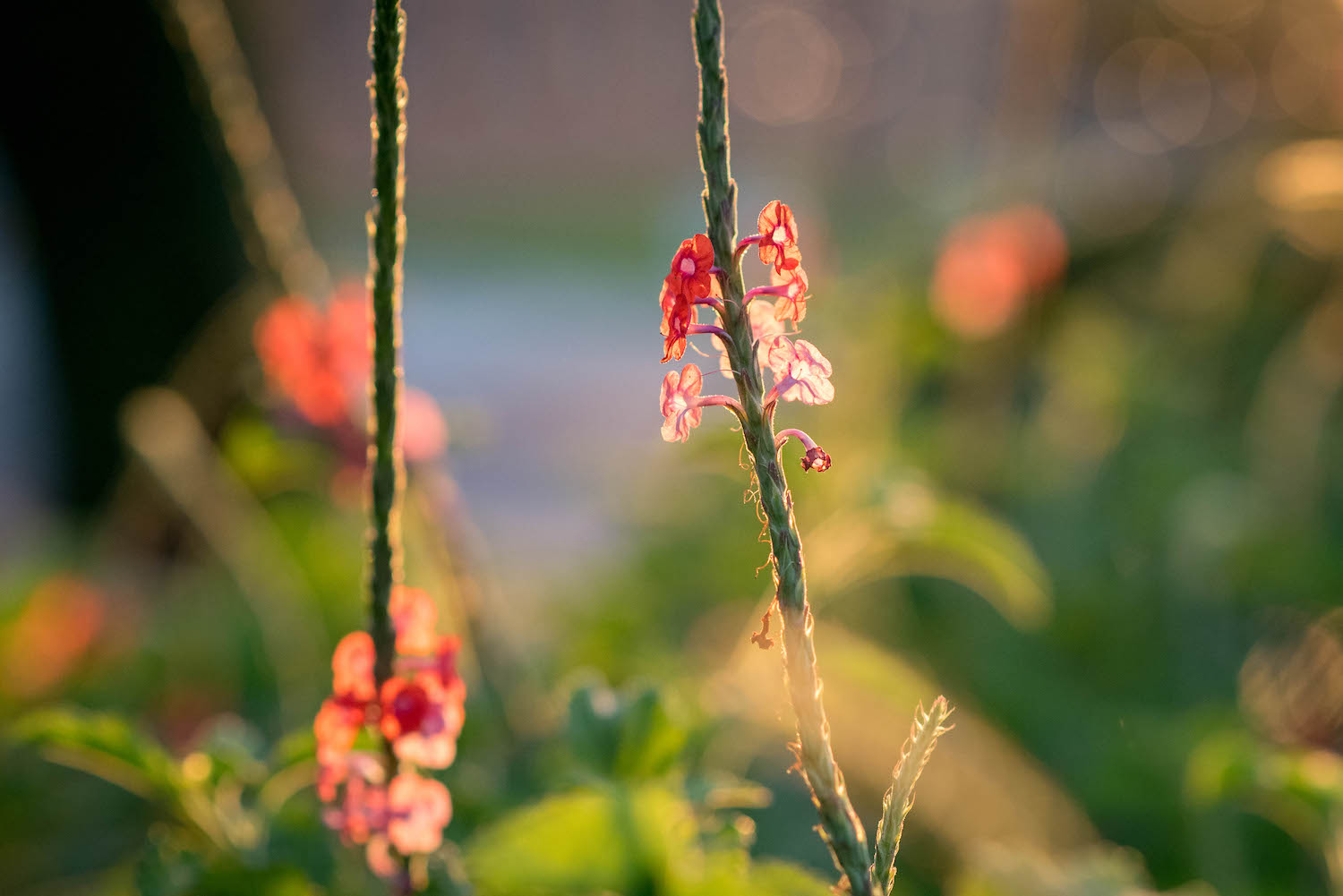
Image: 85mm, f/2.8, 1/3000 second, ISO 2200

85mm, f/2.8, 1/3000 second, ISO 2200

Of course, there are other sources of light besides the sun, but this is the most obvious and easily-accessible one when considering flower photography. Unfortunately, you can’t position the sun exactly where you want it, but you can position yourself to make the best use of it. You can also take note of the lighting conditions when you go out to shoot flower pictures. Understanding how the sunlight, and your angle of view, affect the finished product is key to getting great shots.

Don’t let anyone tell you that if you want to get good pictures of flowers you have to do it in certain conditions like a cloudy day or the evening. In truth, you can get great flower photos almost any time as long as you pay attention to the sun and the shot you are trying to get. Let’s take a look at some different scenarios and see how they affect flower photography.

Time of day

The time at which you shoot, such as early morning or mid-afternoon, can have a huge impact on your flower photos. In addition to altering the amount of light available, shooting in the morning or evening changes the type of light. It also changes the angle at which it hits your flowers and the surrounding area.

I shot the picture below just as the sun was coming up. The blurry triad in the background is a street lamp that had not yet turned off. It added a nice background touch to the picture. This would have looked entirely different had I taken the picture a few hours later.

Image: 50mm, f/1.8, 1/180 second, ISO 400.

50mm, f/1.8, 1/180 second, ISO 400.

If you want your flowers gently illuminated for a soft, almost hazy appearance, then early morning or late evening is going to work great. However, if you want your flowers bright, sharp, and punchy, then harsh overhead lighting is ideal.

It all depends on the type of picture you want to take and knowing how the lighting conditions affect the final image.

using-light-in-flower-photography

50mm, f/2.8, 1/1500 second, ISO 200

A monarch butterfly joined me as I was taking the above picture in the afternoon. The bright overhead sun made the reds, yellows, and greens bright and crisp, which doesn’t happen in the early morning or late in the day.

The sun was directly overhead when I took the picture below. This caused each of the colors in this picture to shine. It turned out I wasn’t the only one interested in this particular magnolia flower.

using-light-in-flower-photography

50mm, f/1.8, 1/6400 second, ISO 200

You can get great pictures of flowers at any time of the day. Just make sure you know where the sun is and how it will impact your pictures. Armed with that knowledge, you’ll be able to make better choices about the pictures you are going for.

Types of light in flower photography

Backlighting vs. front lighting

Backlight is when the main source of light comes from behind your subject. This can lead to some creative scenarios, especially when used to shoot subjects with rim lighting. Conversely, front light is when the main source of light comes from the front of your subject, usually behind the photographer.

Either one of these types of lighting works great for flower photography. However, you need to understand how backlighting and front lighting affect your flower pictures, so you know which one to use. I photographed the flower below with front lighting. The sun was behind me as I took the picture.

using-light-in-flower-photography

85mm, f/1.8, 1/3000 second, ISO 100

Front lighting makes the purples really stand out, especially against the background. There are also some prominent shadows along the left-hand side and at the base. These are neither good nor bad, just a result of using front lighting.

A similar flower, shot in the same location a few minutes later, reveals a much different image when employing backlighting.

Image: 85mm, f/2.8, 1/500 second, ISO 560

85mm, f/2.8, 1/500 second, ISO 560

Notice how the petals almost look like they are glowing as the sun shines through them. The shadows are more diffused, which is also due to the late hour of the day at which this was shot. Both pictures are good but in different ways. If you traditionally shoot flowers with front lighting, try doing some backlit shots and see if you like the results.

Image: Another backlit flower, where the shining sun made the yellow flower appear bright and radian...

Another backlit flower, where the shining sun made the yellow flower appear bright and radiant.

Sunny vs. overcast

There’s a common perception among photographers that cloudy, overcast skies make for some of the best lighting conditions. While I certainly enjoy shooting on days like that, the truth is, you can make any lighting condition work for flower photography. You just need to know how the light will affect your images.

One of my favorite flower photos I have ever taken was in the middle of the day just after a bit of rain. It’s a few coneflowers low to the ground. The overcast sky led to even lighting across the entire frame and rich, deep colors. There are no harsh shadows, no translucent petals, and no bright spots in the background. Instead, the frame is a mix of saturated greens, purples, and reds that I really like.

using-light-in-flower-photography

50mm, f/1.8, 1/640 second, ISO 200

Another example of this is the following picture, which I took in the morning after a night of thunderstorms. The clouds overhead dispersed the sunlight into all directions, which gave me an evenly-lit scene that worked great for this particular show.

Image: 85mm, f/1.8, 1/200 second, ISO 125

85mm, f/1.8, 1/200 second, ISO 125

However, these two pictures don’t mean you can’t take great flower pictures in bright sunlight. Far from it! Just know that flower images in bright sunlight will look much different than their cloudy-skied counterparts. The picture below is similar to the one above, but I took it on a bright sunny day.

using-light-in-flower-photography

50mm, f/1.8, 1/8000 second, ISO 360

This picture is neither better nor worse than the one above it, just different. Bright sunlight makes the red petals leap out of the frame. The rich blue sky and deep shadows of the grove of trees add a sense of space and depth that is missing in this picture’s counterpart.

Similarly, I photographed the purple magnolia flower below on a bright sunny day, but with just a bit of cloud cover. It’s kind of a cross between sunny and overcast and yields an interesting picture.

using-light-in-flower-photography

85mm, f/1.8, 1/200 second, ISO 140

The sun was off to the left, making the white inside of the flower petal shine out and compete with the purple in the foreground for the viewer’s attention.

I show all these examples as an illustration that you can get great shots of flowers in a variety of lighting conditions. The key is to use the sunlight (however it happens to be at the moment) to your advantage by knowing how it will affect your flower photos.

A comparison

If you can’t control the light in your flower photography, you can still control the angle from which you shoot your pictures. This has an amazing impact on how your flower photos turn out.

I shot the three photos below on a bright sunny day in about three minutes. The same flower is in each shot, and I used a 50mm lens with an f/2.8 aperture. The only difference is the angle from which I took each photo but that one simple thing changes each picture a great deal.

In this first picture, the flower is front-lit, meaning the sun was behind me and almost directly overhead as I took the photo. Notice the bright orange colors and stark shadows, which create a sense of depth and isolation. The background is shrouded in shadow because of the overhead light and the angle from which I took the picture. I see a lot of pictures similar to this online, especially on social media sites.

Image: 50mm, f/2.8, 1/2000 second, ISO 100

50mm, f/2.8, 1/2000 second, ISO 100

For this next photo, I stood in the exact opposite spot, looking up from below into the sun. Notice how the petals have become brilliantly translucent, and the greenery on the left is bursting with blurry bokeh.

It’s an entirely different version of the same flower and didn’t require anything on my part other than a simple perspective change.

Unlike the first picture, I don’t often see flower shots like this on social media. This is most likely because it’s just not something a lot of people think about doing.

Image: 50mm, f/2.8, 1/2000 second, ISO 100

50mm, f/2.8, 1/2000 second, ISO 100

I photographed this final image from the side, and what’s interesting here isn’t necessarily the flower but the background. From this angle, the background was entirely green, making the oranges and reds of the flower scream out by comparison. The lighting is similar to the first image, but this one is a lot more interesting to me because it’s a mix of colors instead of a flower against a mostly black background.

using-light-in-flower-photography

50mm, f/2.8, 1/2000 second, ISO 100

I really want to stress that none of the pictures in this tutorial are objectively better than any others. What I hope to have illustrated is that paying attention to the light in flower photography, as well as considering alternative viewpoints from which to shoot, can dramatically impact your flower photos.

Image: 23mm, f/5.6, 1/160 second, ISO 200. I had to hold my camera high above my head and fire off a...

23mm, f/5.6, 1/160 second, ISO 200. I had to hold my camera high above my head and fire off a series of shots hoping one of them would turn out. It did, and I’m so glad I didn’t just shoot a single sunflower from my normal eye level.

If you enjoy taking pictures of flowers, hopefully these images will give you some new ideas to consider. And if you haven’t spent much time out in nature capturing the beauty of blossoms like this, I hope you can find some time to go out, look at the lighting in flower photography and give it a try. You might be surprised at what you can get!

I’d love to see some of your shots – please share them with us in the comments below.

The post A Step-by-Step Guide to Using Light in Flower Photography for Awesome Photos appeared first on Digital Photography School. It was authored by Simon Ringsmuth.


Digital Photography School

 
Comments Off on A Step-by-Step Guide to Using Light in Flower Photography for Awesome Photos

Posted in Photography


Ricoh shares 360º photos, videos from space captured in partnership with JAXA

20 Oct

Editor’s note: The below video is best viewed in Chrome or Firefox browsers, as they support 360-degree video:


Ricoh has published photos and video captured with a specialized version of its Ricoh Theta 360-degree spherical camera developed in partnership with with the Japan Aerospace Exploration Agency (JAXA).

‘The camera was installed to monitor the operation of the biaxial gimbal of the SOLISS (Small Optical Link for International Space Station),’ says Ricoh in its press release. ‘It was carried aboard the H-II Transfer Vehicle (HTV8) “KOUNOTORI-8”, the cargo transporter to the International Space Station (ISS), which was launched on September 25 , 2019.’

The specialized Ricoh Theta camera was modified so it could withstand the heat and radiation in space. The images and video from the camera were captured from the Exposed Facility of the Japanese Experiment Module (JEM), nicknamed ‘Kibo,’ and subsequently sent back to ground stations on Earth.

A flattened version of the above interactive image.

In addition to the images in this article, Ricoh has also posted the photos and videos on the JAXA Digital Archives and on its Theta Lab website, where the content can be viewed interactively in 360-degrees.

Articles: Digital Photography Review (dpreview.com)

 
Comments Off on Ricoh shares 360º photos, videos from space captured in partnership with JAXA

Posted in Uncategorized