Tag: Photography

  • Celebrities who love photography

    SHOT_02_167SCREEEN2.jpg

    The overwhelming majority of photographers, even those who derive income from their images, practice their craft alongside their primary gig. And celebrities are no different. While they certainly have fewer budget constraints than the rest of us and easy access to fellow A-listers, there are quite a few with real talent who take their photography seriously. Here’s a look at a few of them. (via PhotographyTalk.com)

    News: Digital Photography Review (dpreview.com)

  • Sony World Photography Awards 2013

    In der vergangenen Woche fand in London die Verleihung eines der renommiertesten Fotopreise statt – dem Sony World Photography Award.

    Innerhalb weniger Jahre – der Preis wird seit 2007 jährlich von der World Photography Organisation verliehen – hat sich das Ereignis zu einer internationalen Plattform für herausragende Amateur- und Profi-Fotografie entwickelt. Es war mir daher eine besondere Freude, in diesem Jahr der Prämierung der besten Arbeiten in London beiwohnen zu dürfen.

    Aus einem schlichtweg überwältigenden Pool richtig guter Beiträge habe ich einige repräsentative Beispiele herausgepickt. Nicht alle dieser Arbeiten, die ich nun im Folgenden vorstellen möchte, sind auch Gewinner in ihrer jeweiligen Kategorie gewesen. Sie sind es, wie ich finde, dennoch wert, hier unbedingt gezeigt zu werden.


    Andrea Gjestvang – One day in history

    One day in history © Andrea Gjestvang

    One day in history © Andrea Gjestvang

    Mit ihrer Portraitserie von jungen Menschen, die das Massaker von Utøya in Norwegen überlebten, gewann die norwegische Fotografin in der Kategorie Menschen den ersten Preis sowie den Hauptpreis, die Iris d’Or.

    Ihre Bilder sind unaufgeregt, nah, einfühlsam und zeigen uns die Menschen, die dem Horror des zutiefst erschütternden Ereignisses trotzten und wie sie eine würdevolle Selbstverständlichkeit gefunden haben, mit den erlittenen Verletzungen und ihren offensichtlichen Spuren umzugehen.

    Gjestvangs Arbeiten wurden bereits international veröffentlicht und sie wurde im letzten Jahr von PDN in die Liste der 30 interessantesten aufstrebenden Fotografen aufgenommen.


    Christian Åslund – Jim Rickey Project

    Jim Rickey Project © Christian Åslund

    Jim Rickey Project © Christian Åslund

    In der Kategorie Werbung konnte sich diese Arbeit des schwedischen Fotografen Christian Åslund durchsetzen. Inspiriert von der 2D-Grafik früher Computerspiele entstand die Auftragsarbeit im engen Straßennetz von Hongkong. Åslund fotografierte aus der Höhe nach unten, wobei die Straße seinen Modellen als Kulisse diente.

    Erheiternd und erfirschend finde ich diese Arbeit deswegen, weil sie mit einer simplen Idee – nämlich einfach die Aufnahmeperspektive um 90° zu drehen – ganz beiläufig unsere normale Perspektive in Frage stellt.

    Welche Verwirrung das schon bei der Aufnahme der Bilder stiftete, beschrieb der Fotograf so: „Einmal rief sogar jemand den Krankenwagen, weil er dachte, unser Modell wäre aus der Höhe gestürzt und verletzt.“


    Gali Tibbon – Journey to the Jerusalem of Africa – Lalibela, Ethiopia

    Journey to the Jerusalem of Africa © Gali Tibbon

    Journey to the Jerusalem of Africa © Gali Tibbon

    Ursprünglich arbeitete sie an einem Projekt über orthodoxe Christen in Jerusalem, so die israelische Fotografin, und wurde dabei auf die Pilger aus Äthiopien aufmerksam.

    Die Erzählungen der Pilger von Lalibela machten sie neugierig. Der Pilgerort für orthodoxe Christen im Hochland von Äthiopien ist auch bekannt als das Jerusalem von Afrika. Seine Besonderheit sind die im 13. Jahrhundert aus dem Fels gehauenen monolithischen Steinkirchen.

    Tibbon dokumentierte diesen faszinierenden Ort und die Rituale der Pilger zum orthodoxen Weihnachtsfest. Sie sei dabei insbesondere vom ungewohnt offenen Umgang mit Nacktheit und Körperlichkeit fasziniert gewesen, sagte die Fotografin.


    Ilya Pitalev – Personality and society. Reality vs. illusions.

    Personality and society. Reality vs. illusions. © Ilya Pitalev

    Personality and society. Reality vs. illusions. © Ilya Pitalev

    Als sich 2012 in Nordkorea der hundertste Geburtstag des Staatsgründers Kim Il Sung jährte, begleitete der russische Fotograf die staatlichen Feierlichkeiten mit seiner Kamera.

    Mit seinen Fotos der propagandistischen Massenveranstaltung gewann Pitalev den ersten Preis in der Kategorie Zeitgeschehen. Sein nüchterner und zuweilen frecher Blick auf das Ereignis führt den Personenkult gekonnt ad absurdum.

    Dass es ganz klar eine internationale Aufmerksamkeit für Nordkorea gibt, war schon allein daran zu erkennen, dass dies bei Weitem nicht die einzige eingereichte Arbeit war, die sich mit dem Land auseinandersetzt.


    Daesung Lee – On the shore of a vanishing island

    On the shore of a vanishing island © Daesung Lee

    On the shore of a vanishing island © Daesung Lee

    Eine sehr schöne Arbeit, die jedoch keinen Preis bekam, ist die Bildserie des südkoreanischen Fotografen über Ghoramara – einer Insel in Bengalen, der durch den Anstieg des Meeresspiegels buchstäblich der Untergang droht.

    Zwei Drittel der Bevölkerung haben die Insel seit den 1960er Jahren bereits verlassen. Die Übriggebliebenen sind Bauern und Fischer, deren Heimat nach und nach erodiert, während ihre Zukunft unklar bleibt.

    Lee hat einige dieser Menschen an den zerfransten Ufern der Insel portraitiert. Seine Bilder vermitteln die Ungewissheit, in der diese Menschen leben und ihre Machtlosigkeit gegenüber der Natur, zugleich aber auch ihre enorme Anpassungsfähigkeit.


    Fabrice Fouillet – Corpus Christi

    Corpus Christi © Fabrice Fouillet Corpus Christi © Fabrice Fouillet

    Mit seinen Innenaufnahmen moderner Kirchenräume konnte sich der französische Fotograf in der Kategorie Architektur behaupten.

    Die minimale Ästhetik der erst wenige Jahrzehnte alten Kirchenbauten war der Aspekt, der Fouillet bei dieser Arbeit am meisten beschäftigte.

    Die immer gleiche Grammatik von Hochformat und Zentralperspektive auf den Altar unterstreicht dabei den sakralen Raumeindruck und vereint die Bildserie zu einer gelungenen typologischen Studie.


    Klaus Thymann – i-D Iceland

    i-D Iceland © Klaus Thymann

    Bärtig, rau und sagenhaft gut gekleidet steht das Modell des dänischen Fotografen Klaus Thymann in der schroffen Landschaft Islands.

    Im Auftrag für eine Modemarke fotografiert, definiert die Arbeit die Grenzen der Modefotografie neu und beweist: Es braucht nicht zwangsläufig faltenlose Hochglanzmodelle, um gute Kleidung auch gut in Szene zu setzen.


    Ernest Goh – Cocks!

    Cocks! © Ernest Goh Cocks! © Ernest Goh

    Der Fotograf aus Singapur konnte mit seiner Fotoserie über Zierhühner in der Kategorie Natur & Tierwelt überraschenderweise nicht punkten.

    Ich zeige die Arbeit hier dennoch, weil sie wunderbar humorvoll und nicht zuletzt auch technisch höchst professionell umgesetzt ist.

    Ausleuchtung und Bildsprache unterstützen den Portraitcharakter der Bilder und veranlassen uns als Betrachter unwillkürlich, eine Persönlichkeit in dem uns entgegenblickenden Vogel zu erkennen.


    Positiv überrascht war ich übrigens auch, die Arbeit „Dreaming of Dubai“ unseres Gastautors Johannes Heuckeroth in der engeren Auswahl der Kategorie Travel zu entdecken. Dafür herzlichen Glückwunsch von uns!

    Wer mehr Gewinnerbilder sehen möchte, kann sich online in den Award Galleries umschauen.

    Und wer es bis zum 12. Mai noch nach London schaffen sollte, dem sei unbedingt ein Besuch der Ausstellung im Somerset House ans Herz gelegt.


    kwerfeldein – Fotografie Magazin

  • 3 Stupidly Simple Reasons Why Most People’s Photography Does Not Improve

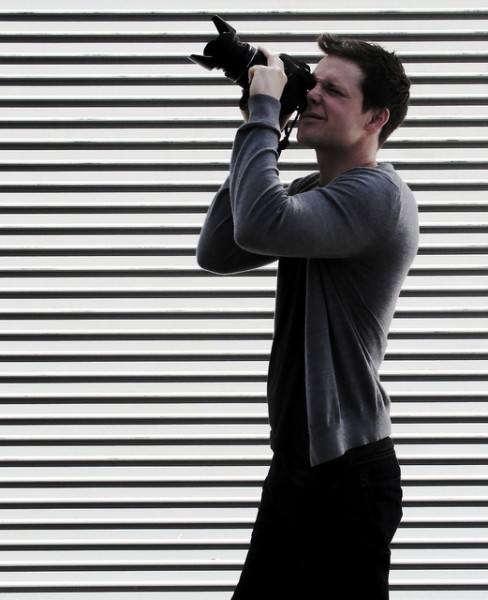
    Image by Darwin Bell

    I’m presuming that this article will not apply to most of us… but after 3 conversations in the last week which revealed the same photography problems in 3 different people – I thought I’d better jot them down.

    Warning: none of this is rocket science sometimes the basics need to be said!

    1. You don’t Take Your Camera With You

    If you don’t practice using your camera you’re unlikely to ever grow in your understanding of and skill in photography and if you rarely have it with you – you’ll not get that practice.

    Does that mean you need to lug your DSLR and all your cumbersome gear around with you all the time?

    Maybe – I have friends who are never without their main camera – but if that’s just not practical, at least make sure you have a smaller point and shoot or even a decent camera phone with you at all times. While the quality of the images you take might not be as great with these cameras – at least you’ll be practicing your composition, thinking about light, color and other aspects of photography.

    2. You’re Going too Fast

    Many of us lead life at such a fast pace that we rarely stop to see the opportunities right before us to take wonderful images.

    You can carry your camera around with you 24/7 for the rest of your life but unless you learn to slow down and to look at the world a little differently you may never actually use it.

    As a result – I guess one of the tips I find myself giving to some that I talk to is to find ways to slow down – or at least slow down temporarily to set aside time to be a bit more intentional about photography. It might start by taking a walk with the main objective of doing some photography but could also be something bigger like a weekend away with your camera or even taking a photography class or tour.

    For me its about building photography into your daily rhythm and in time it starts to become a more natural thing as you get in the habit of seeing life a little differently.

    3. You are Worried what Others Will Think

    I’ve come across quite a few people lately who suffer from ‘framing paralysis’.

    They take their camera with them and they even slow down enough to see the photographic opportunities around the – but there’s just something that stops them lifting their camera up to frame the shot.

    When I dig a little I’ve found in most of these instances the person is simply worried about what others around the will think if they use their camera. Will they look stupid? Will people think that they’re photographing them?

    Its a feeling I’ll admit to having myself in the past and when I asked about it on our Facebook page the other day it seems that it’s quite common.

    I guess the key to moving through framing paralysis is to grow your confidence as a photographer. For me the more photos I took and the more I began to exercise the discipline of taking images the easier it got. Another friend of mine got over his paralysis by finding a photography buddy to go out with – two of the taking shots somehow seemed less confronting than him doing it alone.

    What do You Think?

    Of course the above are very simple things that hold many people back and there are bound to be others that readers here at dPS might have experienced. I’d love to hear from you on two fronts:

    1. what other simple things hold you (or other photographers) back from improving?
    2. what tips and solutions would you give others facing these problems?

    I’m looking forward to hearing more from the dPS community on this!

    Post originally from: Digital Photography Tips.

    Check out our more Photography Tips at Photography Tips for Beginners, Portrait Photography Tips and Wedding Photography Tips.

    3 Stupidly Simple Reasons Why Most People’s Photography Does Not Improve


    Digital Photography School

  • Last Day to Enter to Win the Ultimate Time-Lapse Photography Setup

    JMG-Galleries.com Ultimate Time-Lapse Photography Giveaway - Over $  5000 in Prizes

    Today is the last day to enter to win some amazing photo gear and software in my Ultimate Time-Lapse Photography Giveaway.

    Win an eMotimo TB3 Black & Dynamic Perception Stage 0 Dolly System
    with a Quick Change 8 RPM & 21 RPM with MX2/AT2 Controller!
    Enter Here: http://bit.ly/WGy7Jw

    Additional bonus prizes, many worthy of grand prize status, are available from Adobe, Apple, GuraGear, BorrowLenses.com, and Lexar. Don’t miss your chance to enter to win amazing time-lapse photography gear. Good luck!


    Copyright Jim M. Goldstein, All Rights Reserved

    Last Day to Enter to Win the Ultimate Time-Lapse Photography Setup

    The post Last Day to Enter to Win the Ultimate Time-Lapse Photography Setup appeared first on JMG-Galleries – Landscape, Nature & Travel Photography.


    JMG-Galleries – Landscape, Nature & Travel Photography

  • Four tasty mobile apps for food photography

    TS520x0~cms_posts_1304999600_hipstamatic2.JPG

    The mobile food photography phenomenon has been cooking up alongside our affinity for our always-with-us smartphones. Foodies flock to tap, snap and share the trendiest new treats on the culinary circuit, their camera phones now making it possible to document nearly every morsel. But what apps are best for snapping and sharing food photography? We take a look at connect.dpreview.com. 

    News: Digital Photography Review (dpreview.com)

  • 6 Free Ways to Improve Your Photography [Get More out of dPS]

    Over the last few years dPS has grown from being a personal blog where I shared tips for friends about how to get the most out of their cameras into something beyond what I ever expected.

    Our readership is now in the millions of visitors a month and to keep it all running we have a number of part time staff, 30+ semi-regular writers and some fantastic forum moderators.

    One of the most common questions I get from readers is ‘how can I best get the new stuff you publish?

    Over the years we’ve added a number of ways to get our fresh content including:

    1. Newsletter

    Every Thursday we send a free email to over 700,000 subscribers to our newsletter. It contains a summary of our new posts as well as anything else happening on the site.

    To subscribe simply put your email address in the field below:

    2. Facebook

    We publish links to any new posts that we publish as well as running a few polls and discussions each week on our Facebook page. There’s also some great discussion happening between our 140,000+ Facebook Followers.

    3. Twitter

    Every time we publish a new post we tweet a link to it on our Twitter Account

    4. Pinterest

    We use our Pinterest account to not only share our content but also to share links to other photography related tips and tutorials being published around the web – Join over 15,000 other followers here.

    5. RSS Feed

    If you use an RSS reader (we recommend Feedly) you can add our RSS feed link to it to get updates every time we publish something new (note, if you subscribe via Google Reader please note that Google Reader will stop working in the coming months – it’s time to find another feed reader!)

    6. Forum

    Our forum area is another great place to connect with other dPS readers – it has over 240,000 members and is a great place to share your photos, ask for and give critique, ask and answer questions and just talk photography. Join our Forum here.

    Post originally from: Digital Photography Tips.

    Check out our more Photography Tips at Photography Tips for Beginners, Portrait Photography Tips and Wedding Photography Tips.

    6 Free Ways to Improve Your Photography [Get More out of dPS]


    Digital Photography School

  • 100 Cameras — How to Improve Kids’ Lives Through Photography

    Photo by Brooke Schwab

    Photography is a solo sport. It’s just you and your camera out there!

    You’ve asked yourself a million times how you can make a difference with your photo skills, and 100 cameras figured it out.

    This non-profit gives cameras to kids in developing communities around the world. Which is so great!

    The kids are then able to sell their own photos giving them educational resources, healthcare, and lifeline supplies. Even greater!

    These new photogs also learn about empowerment — they first-hand experience their own talent and skill positively affecting their communities.

    Remember the first time you felt you could make a difference? Suddenly you felt like you could do so much! One empowering experience is all it takes.

    BTW! 100 Cameras is actually raising funds to launch 100 Cameras 2.0, which will let anyone start their own photo community. Helping kids with photography? Sounds like a no-brainer!

    Help Kids via 100 Cameras

    p.s. Attention gadget lovers – we’re hiring for a Buyer aka Treasure Hunter. Apply here.

    Related posts:

    1. How Cameras & Toys Change Kids’ Lives We’ve all been there: not having the words to express…
    2. How Shooting Just One Thing Can Improve Your Photography Chops ~Have a cool photo product or site? Reach 270,000 photo…
    3. See Through Your Kids’ Eyes, Wirelessly Upload from Their Camera to a Flickr Stream The little ones in our lives are fascinating people. They…


    Photojojo

  • Olympus opens “OM-D: Photography Playground” in Berlin

    omdplayground.jpg

    Olympus has opened an exhibition that it’s calling the “OM-D: Photography Playground” in Berlin, Germany. Situated in the Opernwerkstaetten gallery space, it’s an installation of works by 12 artists and collectives that visitors are encouraged to explore, interact with, and photograph.  It’s open daily from 11am to 7pm until 24 May 2013, and entry is free. Visitors can also borrow an OM-D E-M5 during their visit, to try out the camera at no charge.  

    News: Digital Photography Review (dpreview.com)

  • 20 HDR Photography Tutorials to Learn This Technique in One Day

    HDR photography is successfully used by amateur photo masters as well as professionals.There are 5 HDR video tutorials and 5 text tutorials with detailed screenshots.

    The post 20 HDR Photography Tutorials to Learn This Technique in One Day appeared first on Photodoto.


    Photodoto

  • 10 Tips to Improve Your Food Photography Styling

    This is a guest post by Jules Clancy of Stonesoup.

    While portrait photographers need to be skilled in the art of getting their subjects to relax in front of the camera to get a great shot, we food photographers have things a little easier. At least our subjects (mostly) can’t talk.

    image1guest.jpg

    But that doesn’t mean you should forget to apply a little charm in the food styling department.

    The more time spent making the food attractive as possible, the easier things are when it comes to taking the shot.

    So here are 10 tips to help you improve your food styling, naturally.

    1. Use less food than you normally would

    While it may seem more generous to serve plates piled high with food, an over crowded plate can look less appealing than a minimalist spread. Think about how you can use the white space of the plate to frame your dish.

    image2guest.jpg

    2. Use paper to add texture to plates

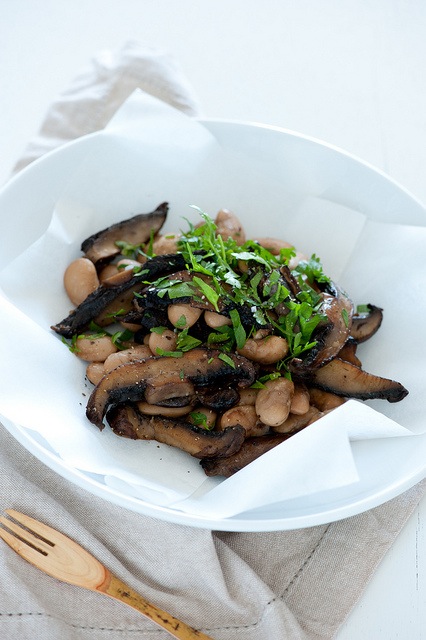
    Lining plates with parchment or baking paper helps to add visual interest and soften the lines of your plates.

    3. Look for contrast with backgrounds

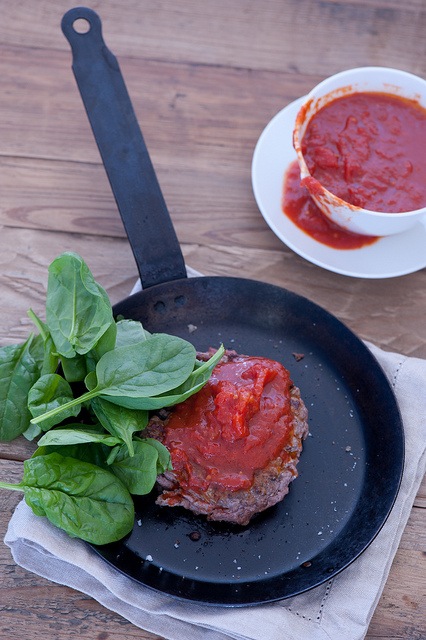
    While there are times when all white on white can be visually striking, I find I get better shots if I go for contrast. So a pale coloured food and plate gets a dark background where as a vibrantly coloured dish tends to be best with a simple white background.

    image3guest.jpg

    4. Allow food to spill over naturally

    Getting a bit messy really helps to add movement and life to your photographs, rather than having everything confined to plates and bowls.

    5. Choose simple crockery and tableware

    While highly decorative China and napery are beautiful on their own, they can detract from the visual impact of the food. Plain plates, especially classic white allow the food to be the star.

    image4guest.jpg

    6. Emphasise the natural beauty of the food

    Try and think about what it is that makes a particular dish look delicious and then serve it in a way to flaunt it.

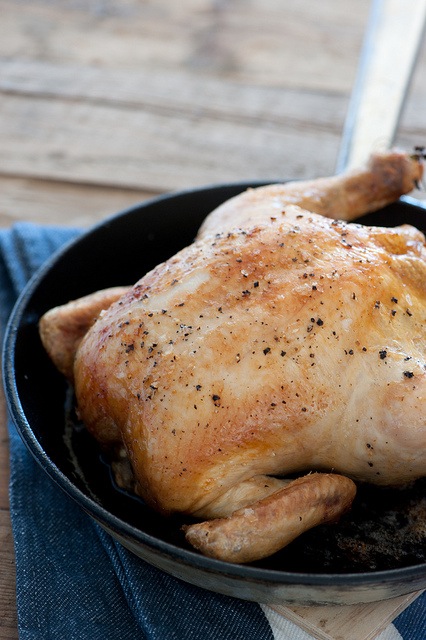
    For example, I love the golden, cripsy skin of a well roasted chicken. Rather than carve the chook into individual slices with tiny slivers of skin visible, the whole bird tends to look best.

    7. Get some work-in-progress shots

    It can be easy to focus on getting the final plated-up food shot and miss out on some great opportunities along the way. Try taking a few shots during the preparation and cooking process.

    image5guest.jpg

    8. Try and capture the ‘yum’ factor

    Think about what makes your subject really delicious and then aim to highlight this characteristic in your shot. Ice cream is a great example. It’s all about smooth creaminess and licking drips from the sides of your cone or bowl.

    9. Always be on the lookout for ideas

    Inspiration can strike from anywhere. When you’re eating out or even just flicking through your favourite food mag, take note of what looks appealing and what doesn’t.

    image6guest.jpg

    10. Dig in and reshoot

    Once you have a shot of the whole food that you love, eat or serve some out and then take another shot. Often a half finished plate is more appetizing than the original whole.

    A few great food photography blogs:

    • What Katie Ate
    • Wrightfood
    • Souvlaki for the Soul

    For more tips on improving your food photography see:

    • Food Photography – An Introduction
    • 11 Great Camera Angles for Food Photography
    • 7 Tips for Aspiring Food Pornographers
    • Food Photography Tips and Techniques
    • 10 Tips for Mouth Watering Food Photography
    • A Basic Food Photography Kit

    Also check out our Snapn Food Guide to food photography.

    Jules Clancy is a qualified Food Scientist, and self-taught food photographer. She blogs about her commitment to cooking recipes with no more than 5 ingredients over at Stonesoup.

    Post originally from: Digital Photography Tips.

    Check out our more Photography Tips at Photography Tips for Beginners, Portrait Photography Tips and Wedding Photography Tips.

    10 Tips to Improve Your Food Photography Styling


    Digital Photography School