RSS
 

Posts Tagged ‘Photography’

Black and White Landscapes: Weekly Photography Challenge

10 Aug

Over the last couple of weeks we’ve been running ‘Landscapes’ challenges to celebrate the launch of our new Landscape Photography eBook – this week we’re going to continue that by nominating ‘Black and White Landscapes’ as the theme for your challenge.

Black & White

Once again – there’s a section on black and white landscapes in the eBook (see the screen shot of the first page of the section below) but whether you’ve read it or not – we think it’s a fun challenge because many photographers don’t think to take landscapes with out colour – to their own detriment.

Screen Shot 2013 08 02 at 8 47 20 PM

Don’t believe us – check out these 27 great Black and White Landscapes for some inspiration.

So grab your camera and head out and shoot some landscapes in black and white. If you’re not able to get out – how about finding an older landscape to convert?

Once you’ve taken your ‘Black and White Landscape’ photos upload your best ones to your favourite photo sharing site either share a link to them even better – embed them in the comments using the our new tool to do so.

If you tag your photos on Flickr, Instagram, Twitter or other sites with Tagging tag them as #DPSBWLANDSCAPES to help others find them. Linking back to this page might also help others know what you’re doing so that they can share in the fun.

Also – don’t forget to check out some of the great shots posted in last weeks Leading Lines challenge – there were some great shots submitted.

Post originally from: Digital Photography Tips.

Check out our more Photography Tips at Photography Tips for Beginners, Portrait Photography Tips and Wedding Photography Tips.

Black and White Landscapes: Weekly Photography Challenge


Digital Photography School

 
Comments Off on Black and White Landscapes: Weekly Photography Challenge

Posted in Photography


7 Tips That Will Take Your Vacation Photography To A Whole New Level

07 Aug

It’s summertime…and the living is easy! This is the time of year for spending more time outside, soaking up those blessed, golden rays of sunshine and hitting the beach. Of course, it’s also the time of year when you’re likely going on vacation, meaning vacation photography takes center stage after many months of you working hard and keeping your nose Continue Reading

The post 7 Tips That Will Take Your Vacation Photography To A Whole New Level appeared first on Photodoto.


Photodoto

 
Comments Off on 7 Tips That Will Take Your Vacation Photography To A Whole New Level

Posted in Photography


Why are my Buildings Falling Over? A Short Guide to Perspective Distortion and Correction in Photography

07 Aug

A guest contribution by Misho Baranovic, co-developer of the Perspective Correct app and author of the iPhone Photography DPS eBook .

Perspective Photo1

I’ve read a lot of perspective correction articles over the past few days and my head is spinning from the technical explanations, illustrations and equations.   In this article, I’m going to keep it simple and talk about the role that perspective plays in photography.  

What is Perspective?

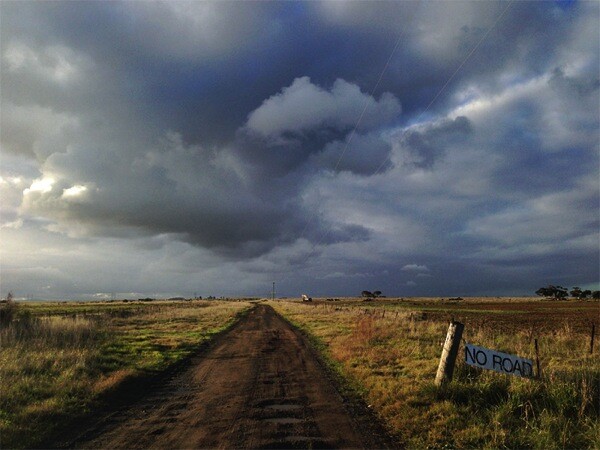
Perspective is one of the many ways that the human eye can judge depth within a scene.  Perspective is something that we can see with one eye (monocular) rather than two (binocular).  It refers to the angle and location of parallel lines within a scene.  The eye registers depth when parallel lines start moving towards each other (converging).  An example would be standing on a straight road, looking down the road, and noticing how the road narrows as it gets further away from you.

Perspective Photo2

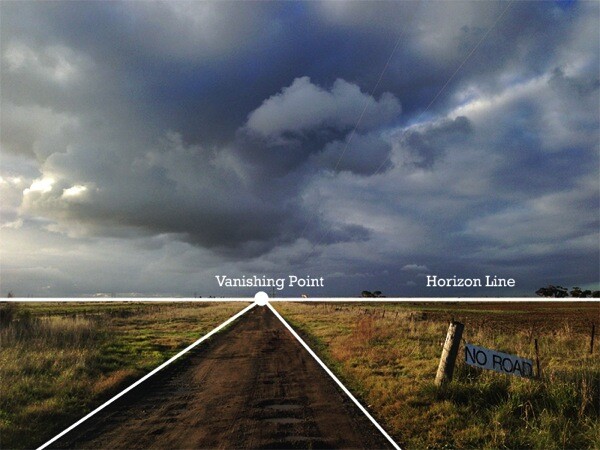
In art and photography, Linear Perspective refers to the way lines are drawn and captured to show an objects perceived size within space. In short, how we translate real world depth into a flat picture. Linear Perspective is made up of two basic concepts, the horizon line and vanishing point.  The horizon line represents the viewing angle of the observer.  Vanishing points are the point (on a horizon line) where parallel lines meet (converge). For example, the point where the two sides of the straight road meet (as shown below).

Perspective Photo3

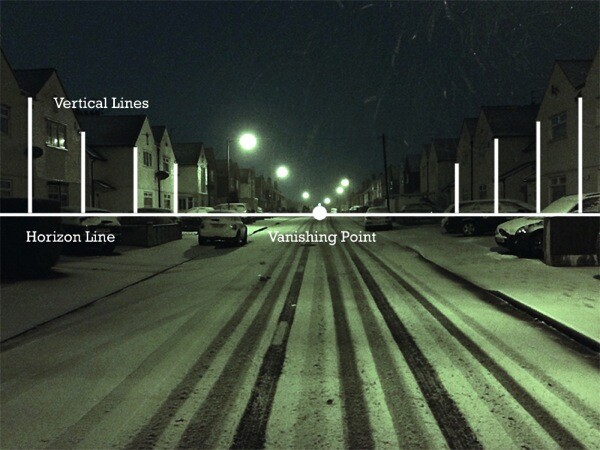
One of the key visual cues in Linear Perspective is that vertical lines and edges remain vertical in the scene. The only time you would have vertical lines coming together is if you are trying to show a triangular or pyramid shape within the scene, like the angle of a building’s roof or the shape of the Eiffel Tower.

Perspective Photo4

Since the start of photography, camera and lens makers have focused on replicating the visual cues of Linear Perspective in order to make photos look as ‘true to life’ as possible. Nearly all modern lenses are rectilinear – they capture straight lines in a scene as straight lines in a photograph.  Whether wide angle or zoom, DSLR or iPhone, lenses are designed to keep lines straight, which helps the eye judge depth within a two dimensional scene. The fisheye is the most popular non rectilinear lens as straight lines are shown as curved from the extreme field of view.

Perspective Distortion

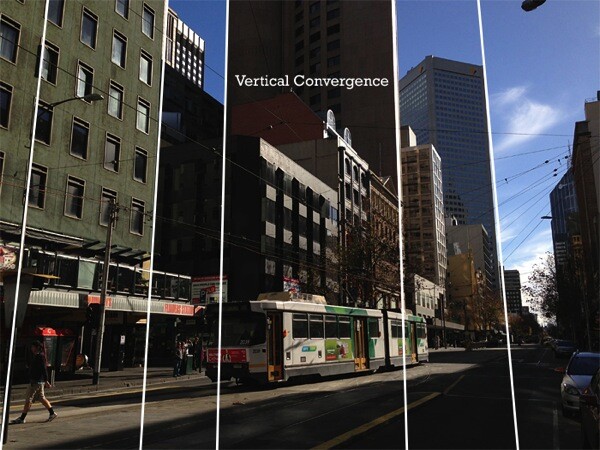
For this article I’m going to focus on only one form of photographic perspective distortion – perspective convergence or keystoning.  This form of distortion is very common across architectural, street and travel photography.  It’s most often seen when tall buildings ‘fall’ or ‘lean’ within a picture. This distortion has become so common that most people have stopped noticing it within their pictures or just think it has something to do with the focal length of their lens. For example, you can see the extent of the vertical convergence below when the verticals are outlined in white.

Perspective Photo5

Perspective Photo6

For a number of photographers, vertical convergence and distortion are unpleasant and unwanted because they don’t conform to Linear Perspective cues where vertical lines remain vertical.  This makes the scene look different to how we think it should look.  While this distortion can be used creatively, corrected photos often look ‘right’ to the viewer (see below).

Perspective Photo7

Why does Distortion Happen?

It’s actually pretty simple.  As mentioned, modern lenses are designed to show straight lines.  However, this only works when we the camera is pointed straight at (in line) with the object that is being photographed. This is because the distance between the camera and object remains the same.  As soon as the camera is titled then the distance changes.  Let me explain, if I’m trying to capture a tall building straight on with my camera I can only get the bottom section – vertical lines are straight but I’m missing the rest of the building. Now if I angle the camera higher I can get the whole building into the frame but now the vertical lines (sides of the building) are converging.  Why?  It’s because the top of the building is now further away from the lens than the bottom – just like the road receding into the distance.

So how do you take a photograph of a tall building without this happening?  There are a few ways.  The most obvious is by changing your viewpoint.  You need to get higher to shoot more of the building front on, with the mid-point being the best place to capture the maximum amount of the structure.  You could shoot out the window of a neighbouring building, or if there is nothing around you could spend some money on a crane!

Perspective Photo8

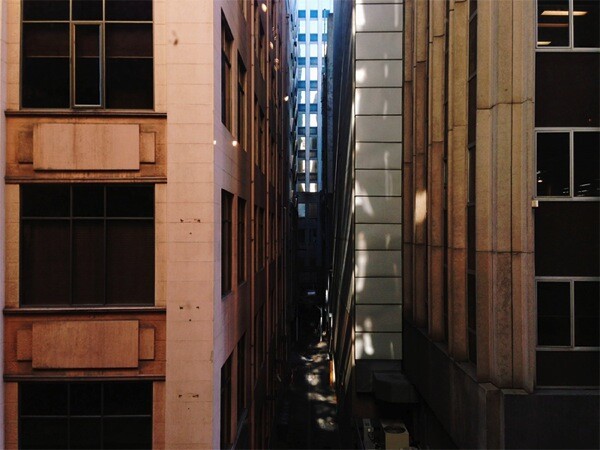
This photo was taken from the third floor of a neighbouring block. You can see that all the verticals in the photo are straight.

If you can’t physically get higher then you can change your viewpoint in two other ways.  One is with the help of shift lenses the other is through perspective correction software.

Shift Lenses

The ability to shift the position of the lens has been around since the beginning of photography.  The original view cameras (created in the 1840s) used a bellows system which let photographers change the position (shift) the lens in relation to the film. The shifting mechanism acted like a mini elevator, moving the photographer’s viewpoint higher and lower. Historically, shifting in order to correct perspective convergence was seen as an important part of the capture process, just like focus, shutter speed and aperture. Shifting was possible because the lens captured a much larger (circular) field of view than the film. The same way that modern shift lenses work.  Modern shift lenses are commonly used by architecture photographers to limit vertical convergence on large buildings. However, these lenses can only be used on DSLR or medium format cameras and can also be very expensive (upwards of $ 1,000).

Perspective Photo9

Here you can see the mechanical shift mechanism on an SLR lens – Photos by Bengt-Re

Software Correction

In recent years, digital technology has been able to replicate this shifting process, artificially changing the photographer’s viewpoint.  Software like Photoshop, Lightroom or Gimp reworks the pixels in an image in order to straighten vertical lines in turn reducing distortion.  Most of these programs allow you force the image back into a ‘correct’ position through either sliders or by selecting and dragging a corner.  One of the downsides of the software is that significant adjustments require resampling of the image, often reducing sharpness in parts of the photograph.  

Perspective Photo10

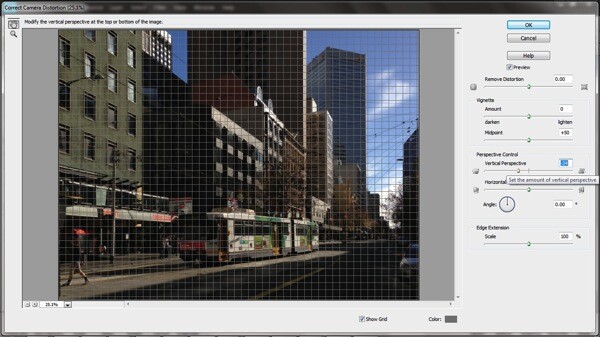
Camera Distortion Correction with Photoshop Elements 11

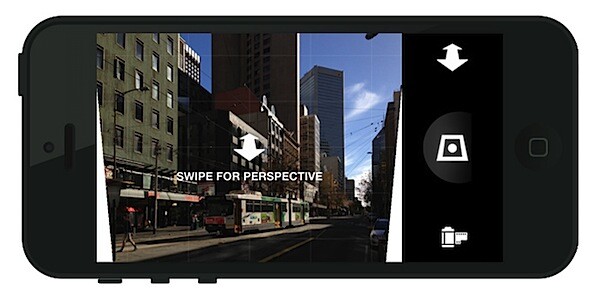
For photographers that either shoot or edit photos on their mobile phones, the Perspective Correct app for iPhone uses the touch interface to adjust both vertical and horizontal convergence within an image.  For example, an up/down swipe on the screen represents the same movement as the shift mechanism on a lens. 

201308011644.jpg
While it’s easy to overlook, small perspective adjustments can often be the difference between good and great urban and architectural photographs.

…………………………………….

Perspective Correct is the first app to offer live perspective adjustment of your photos and is available for download from the Apple App Store for US $ 1.99

Post originally from: Digital Photography Tips.

Check out our more Photography Tips at Photography Tips for Beginners, Portrait Photography Tips and Wedding Photography Tips.

Why are my Buildings Falling Over? A Short Guide to Perspective Distortion and Correction in Photography


Digital Photography School

 
Comments Off on Why are my Buildings Falling Over? A Short Guide to Perspective Distortion and Correction in Photography

Posted in Photography


Long Exposure Photography and the Square Format

04 Aug

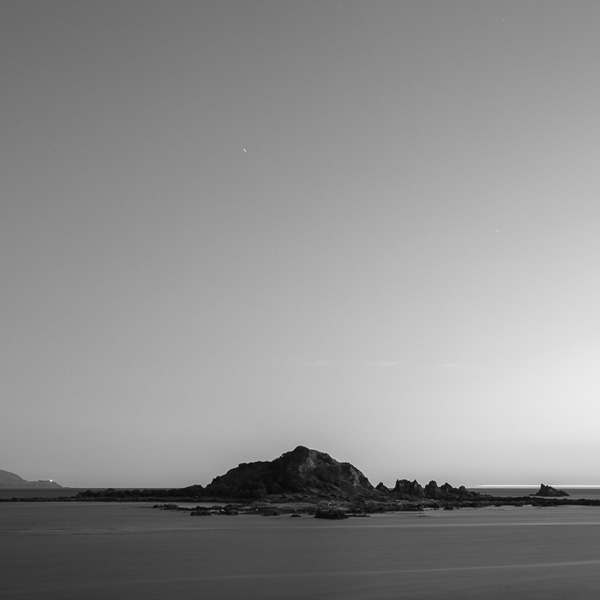
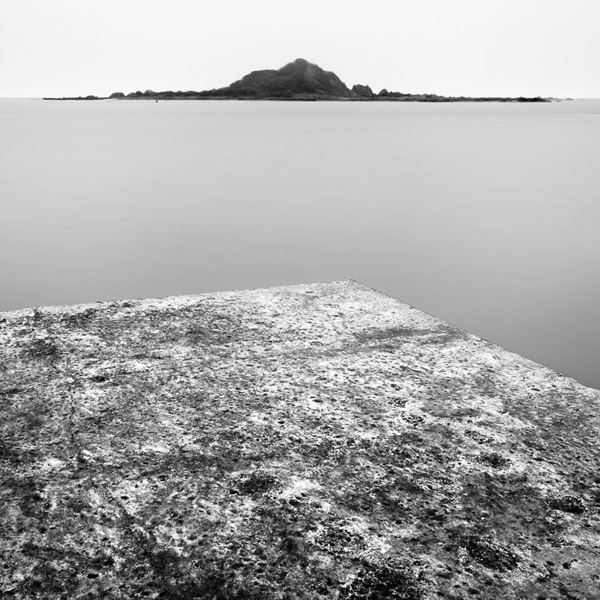
Square format black and white photograph

The rise in popularity of digital cameras over the past decade has coincided with the emergence of a new genre of photography – long exposure photography. Long exposure photography involves using shutter speeds of anything from one second to five minutes or more while using a tripod to keep the camera still. The result is a landscape or architectural study characterised by still elements, such as rocks or a building, contrasting with moving elements, such as water or clouds in the sky. Most long exposure photographers use neutral density filters to obtain long shutter speeds and would probably aim to use a shutter speed of at least thirty seconds to obtain their effects.

Digital cameras greatly assist with long exposure photography because there is no reciprocity failure with digital and the instant feedback provided by the LCD screen lets photographers see right away how effective the composition is.

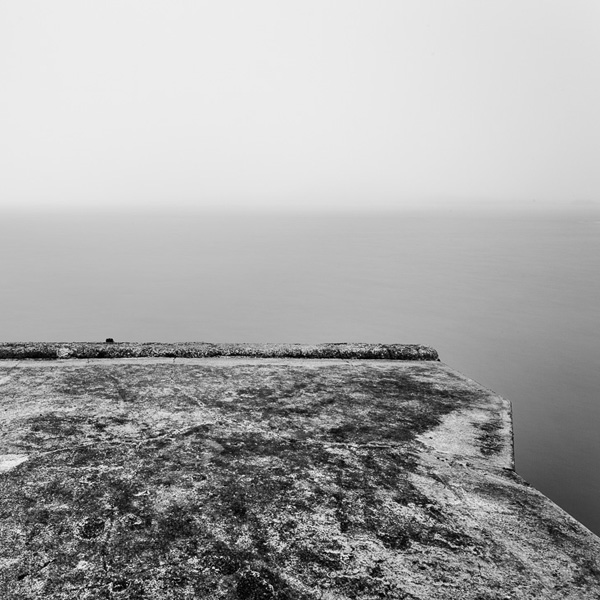
Square format black and white photograph

If you are familiar with the work of some of the more well-known long exposure photographers then you would no doubt have noticed that many of them choose to work in both black and white and the square format. Why is this?

Let’s start with black and white. Monochrome is the medium of choice for many fine art photographers. It’s moody, timeless, evocative and expressive. Removing colour from the composition concentrates attention on texture, contrast, line and light – the visual building blocks of powerful imagery.

The square format is different from other aspect ratios because of its balanced shape. The four sides of a square are equal in length and encourage the viewer’s eye to move around the frame in a circle, rather than side-to-side or up and down. The square frame lends itself to compositions that contain strong shapes, lines or other graphic elements. The strong shape of the square frame seems to emphasise other shapes that appear within it.

Not all long exposure photographers work exclusively in black and white or the square format, but many of them do. The heavy emphasis on simplicity led composition in the long exposure photography genre marries well with the compositional strengths of the square format.

Square format black and white photograph

Long exposure photographers

Looking at the work of other photographers is an excellent way to learn more about the creative side of photography. The following is a list of some of my favourite long exposure photographers. Each photographer in this list works predominantly in black and white and the square format. You will learn a lot from their work.

I have interviewed many of these photographers on my website. You can work your way through the interviews here.

Photographer Nathan Wirth has also interviewed some of these photographers on his blog Slices of Silence.

  • Joel Tjintjelaar
  • Moises Levy
  • Keith Aggett
  • Julia-Anna Gospodarou
  • Hengki Koentjoro
  • Spencer Brown
  • Didier Demaret
  • Thomas Leong
  • Andy Brown
  • Will Le
  • Maria Strömvik
  • Nathan Wirth
  • Steve Landeros
  • Paul Wheeler
  • Gavin Dunbar
  • Håkan Strand
  • Josef Hoflehner
  • Michael Kenna
  • Jeff Gaydash
  • Michael Diblicek
  • Xavi Fuentes

Conclusion

I hope you enjoyed looking through the work of the photographers listed above. If you’d like to find out more about long exposure photography, then Joel Tjintjelaar’s website BWVision is an excellent place to start. The tutorials page has plenty of information to get you started.

Post originally from: Digital Photography Tips.

Check out our more Photography Tips at Photography Tips for Beginners, Portrait Photography Tips and Wedding Photography Tips.

Long Exposure Photography and the Square Format


Digital Photography School

 
Comments Off on Long Exposure Photography and the Square Format

Posted in Photography


7 Simple Ways a Blog Can Get You More Photography Clients

04 Aug

By Ramsay Taplin

Are you a photographer who dreams of taking your photography business to the next level?

Well, one of the things that creative people (like artists, writers and, yes, photographers) forget is that you grow a business by marketing it – not necessarily by just being good at what you do. There are plenty of good photographers out there.

So what’s the problem?

Not all photography businesses have a huge budget to spend on marketing.

And that’s where a blog comes into it.

In this post I’m going to talk about how you can start a blog (or use an existing one) to get you more clients for your photography business. I don’t run a photography blog but I’ve got a bit of experience with helping small businesses grow using content marketing.

I’ll use a few examples from photographers I know as well as taking some sweet ideas from similar small businesses doing the same thing.

Not all blogs/websites are created equal

For the purposes of this article I thought it would be important to make a few distinctions.

And let’s start by highlighting the fact that a regular “brochure” website is not the same as a blog. Not by a long way.

What’s the difference between a blog and a website?
So what’s the difference? Well, a website is something that generally has static content – pages like About Us, Services, Gallery, Contact and so on. A blog is something that you update regularly with new content. The newest posts usually appear at the top. This comes with a huge set of advantages – some you might never have considered.

Can the two work together?
Absolutely. In fact, that is the ideal situation. The best way to set your photography website up is to make sure it has a blog integrated seamlessly with the rest of the website. Having a blog on a separate domain name is good but not nearly as good as building one under your main brand name. I’ll explain why later.

Where do I get started?
If you don’t have a blog (or a website) and want to learn more I’ve done a video and a full walkthrough on blog hosting that helps you understand how it all works together and how to get started the right way the first time around. You can also check out this Wiki later on for some hosting alternatives.

So how can a blog bring you more photography clients?

Now that we’ve got some of the preliminary stuff out of the way let’s jump into the meat and potatoes of the post.

1. A blog helps to build trust
The first thing to note about a blog is that it helps you build a lot of trust with your potential customers and clients. This is an extremely important part of growing a business these days because a huge amount of your customers will research you before they engage your services. In fact, some people say that one in three people look at the website before engaging the business.

Part of this means having a well designed website that showcases your work and part of it means showing your personality. This is especially important for things like wedding photography where your client will want to have a good relationship with you as it is such an important day for them.

LisaK

A few cool shots from Lisa K’s blog.

Tasmanian photographer Lisa K does this extremely well by having her blog as the homepage of her photography website. The articles she posts are about her daily life and family but always showcase some stunning photographs that would, no doubt, help to create an initial “buzz” and trust with a potential client.

2. A blog helps to increase your reach
The most important part of marketing a business is reach – you need to get in front of new people as often as possible.

This can be quite a difficult concept to understand because we are usually told that loyalty and repeat customers is the most important. Well, if you have five loyal clients who bring you the majority of your business but one drops off then you’re in trouble. A better scenario is to reach new people regularly and then convert them into loyal customers by providing a quality service. Reach is always more important than loyalty for growth.

So how does a blog help to increase your reach?

Well, it gives people something to share and a platform for you to promote all the cool intricacies of your business. People are very unlikely to share around just a portfolio site (unless it’s incredible!) but if you publish a quirky or unique blog post that’s different to your regular material you might find it makes the rounds on Pinterest or Twitter and brings you some new clients.

For example, let’s say you have some hilarious wedding photos of brides trashing their dresses. They’d look look good in a portfolio but imagine the difference it would make if you combined them into one blog post called 10 Hilarious Photos of Brides Ruining their Expensive Dresses. Much more entertaining and shareable.

3. A blog can get you more exposure locally
Google is now giving a lot of weight to local listings. What this means is that if someone types in “photographer” into a Google search they are going to get result from their local area. Here’s an example:

Screen Shot 2013 08 01 at 1 17 37 PM

As you can see, in South Australia I get a Wikipedia result and then the next few are all local South Australian photographers.

Now, a blog can help you take this to the next level in a few ways. The main one is that every blog post you publish will increase your visibility for local terms. For example, if you do a blog post called 25 Beautiful Landscape Photos from Around Sydney you are more likely to rank for terms relating to those photographs to people in Sydney.

Or, you might do a blog post about every photo shoot that you do with local businesses. When people see those photos on those businesses websites or marketing materials and then look it up on Google you’re more likely to appear. So you can piggyback off the success of your client and your quality photos to get more business.

4. A blog gives your website multiple new points of entry
This point strongly relates to the previous one but is worth mentioning on it’s own.

Every time you publish a blog post it (if set up correctly) publishes with it’s own unique web address called a permalink. For example, let’s say you do a post called 5 Interesting Photos from New York that post’s permalink would be something like www.yourwebsite.com/5-interesting-photos-from-new-york/

The great thing about this is that Google will index each post like this in the search results separately depending on what people search for, and how authoritative your website is. This is quite a complicated field we’re getting into now so if you’re interested you can read this SEO for blogs article or this list of SEO tips from Darren.

The main point, however, is that for every blog post you publish you’re creating a new set of keywords through which people can enter your blog.

A great real-world example is my mate Tim from SA TECHFLOOR who told me the other night that since he started blogging and posting photos of his flooring jobs he’s getting more and more phone calls every day. As each one has a different set of keywords (carpet, concrete, bamboo, timber, etc.) he’s got a lot of entry points he didn’t previously.

5. A blog can help your website rank higher
Now, one of the cool things about the previous few points is that if you do them all within your own website you can cause that website to rank higher on Google for important terms like “photographer in [your city]“.

Google likes to show results that are both fresh and of the highest quality. So if you have a small five page website with not much changing, Google might not think it’s all that useful.

If, on the other hand, your website has an active blog with lots of new posts, people sharing it on social media and so on, Google is likely to think it’s more useful for their customers (people searching) and thus rank it higher.

Organic ctr by search position 1 20 png

A graph of the click through rate of the top search results thanks to Search Engine Watch.

As you can see in the image above, this can lead to an immediate increase in business because the first result in Google gets over 35% of the traffic for that page. Worse still, the first page gets over 95% of clicks so if you aren’t in the first few results you’re getting overlooked.

6. A blog can help you form new collaborations
A good online friend of mine, Jamie Swanson, runs two photography blogs. One of them is embedded in her main business website and acts as a promoter of her main services. Her second blog, however, is called The Modern Tog and it’s all about running a photography business.

I wanted to mention her second site because it is a great example of someone who has set up something slightly out of the box and created a lot of new connections because of it.

For example, Jamie contacted me through Blog Tyrant about a year ago and I put her in touch with the content editor at ProBlogger. This lead to her writing a hugely successful post about Pinterest that, in many ways, has lifted her reputation online as someone who knows about photography and the marketing side of photography.

It wouldn’t have happened without the blog.

7. A blog can help reduce client friction
Client friction is what happens when they visit your site, like your stuff but for some reason don’t make contact. It could be because they don’t like your prices or it might be something a little bit more intangible like not really “feeling the vibe”.

James Field runs one of Adelaide’s best wedding photography businesses and has a great little video on his website that is a cool example of something you can do to get your clients to know you better.

Now, James’s video isn’t on a blog but it’s the perfect kind of cross-platform content that a blog is perfect for. For example, you could do a series of these types of videos showing how the wedding day pans out for your clients. These could then bring you traffic from YouTube as well as reducing client friction on your blog.

Tips for your photography blog

So now you’ve got some reasons as to why you might want to have a blog on your photography businesses website. But once you’ve got the blog what are some things you can do to make sure it succeeds?

  • Be personal
    People will love your photos (if you’re good) but they might not like you. Try to figure out who your audience is an, if possible, make sure you are personal and friendly.
  • Know your brand
    Know who you are targeting and what keyword they might be looking for on Google. This will help you craft the right content.
  • Make sure it loads fast
    People are getting less and less patient when it comes to websites. In fact, a one second delay can affect conversions by up to 7%.
  • Find a way to be different
    Don’t just publish the same stuff everyone else is. Take a leaf out of BuzzFeed’s book and use content we’ve all seen to come up with something fun, shareable and relevant.
  • Make your blog your “home base”
    In my guide to social media I talk about the fact that your blog should be your base for all your social media activities. This way, all the Tweets, Pins and Shares that you get go towards growing your blog’s traffic and rankings.

Do you run a photography blog?

I’d be interested to hear how many DPS readers have photography blogs and whether or not they’ve helped to get more customers vs just a static website. What has worked for you? Leave a comment and let us know!

Ramsay runs Blog Tyrant – a blog about trying to make a living from the couch and other internet marketing ideas. Find him on Google+ today.

Post originally from: Digital Photography Tips.

Check out our more Photography Tips at Photography Tips for Beginners, Portrait Photography Tips and Wedding Photography Tips.

7 Simple Ways a Blog Can Get You More Photography Clients


Digital Photography School

 
Comments Off on 7 Simple Ways a Blog Can Get You More Photography Clients

Posted in Photography


Water Landscapes: Weekly Photography Challenge

03 Aug

Last week’s sunset/sunrise landscapes challenge was really popular with some beautiful images being submitted so we’re going to continue the ‘landscape’ theme going (to coincide with the launch of our Living Landscapes eBook) and this week are issuing the challenge of photographing a landscape image with ‘water’ in the scene.

So this week we’d love to see some shots with rivers, lakes, oceans, streams and waterfalls (or anything else you can imagine up).

The first page of our 'photographing water' section of the Living Landscapes eBook.

The first page of our ‘photographing water’ section of the Living Landscapes eBook.

Todd has a section on shooting water in the eBook but whether you’ve read it or not we’d LOVE to see your shot!

Once you’ve taken your ‘Water Landscapes’ photos upload your best ones to your favourite photo sharing site either share a link to them even better – embed them in the comments using the our new tool to do so.

If you tag your photos on Flickr, Instagram, Twitter or other sites with Tagging tag them as #DPSWATER to help others find them. Linking back to this page might also help others know what you’re doing so that they can share in the fun.

Also – don’t forget to check out some of the great shots posted in last weeks Sunrises and Sunsets challenge – there were some great shots submitted.

Post originally from: Digital Photography Tips.

Check out our more Photography Tips at Photography Tips for Beginners, Portrait Photography Tips and Wedding Photography Tips.

Water Landscapes: Weekly Photography Challenge


Digital Photography School
 
Comments Off on Water Landscapes: Weekly Photography Challenge

Posted in Photography


100 Smashing Examples of Light Painting Photography (Get A Break From Work Already)

03 Aug

All of us has experimented with light more than once while capturing friends in the club or dark street with lanterns. Moving light creates amazing patterns in the photo, so these light properties can be effectively used by artists in order to create an image full of magic and mystery. Light painting, also known as light graffiti or light drawing, Continue Reading

The post 100 Smashing Examples of Light Painting Photography (Get A Break From Work Already) appeared first on Photodoto.


Photodoto

 
Comments Off on 100 Smashing Examples of Light Painting Photography (Get A Break From Work Already)

Posted in Photography


17 Signs That You Were Alive Before Digital Photography

02 Aug

bulk_film_loader.jpg

Feeling old? Photoshelter has published a humorous list of 17 signs that you were around before digital photography became the norm. For those of us that were, the list is a nostalgic look at some tools and accessories that have fallen into disuse, as well as a reminder, possibly, that some things remain useful, even in the digital age. If you’re too young to remember anything before digital, you should take a look at the list anyway. You might learn something. 

News: Digital Photography Review (dpreview.com)

 
Comments Off on 17 Signs That You Were Alive Before Digital Photography

Posted in Uncategorized


The Day The Judging Stopped – The Mediocrity of Photography

02 Aug

One of the most difficult topics to discuss about photography and many other art forms is creativity. Creativity is an intangible that often isn’t recognized until it’s seen and often unappreciated until an artist has passed. This is one of the many reasons creativity isn’t discussed as much as gear. The tangible is always easier to grasp and has finite boundaries of understanding, where as creativity is amorphous and tough to pin down due to its variability from person to person. Complicating this in the world of photography is the lowering of barriers to make photography easy and accessible to everyone. While this is great for most it really ruffles the feathers of long time photographers and in some aspects rightly so. Creativity is often lost on those obsessing on gear stats, subject location, exposure settings, machine gunning photo after photo and comments/likes. Rightly or wrongly it’s tough to hear and see cranky old photographers complain about how it IS versus how it USED TO BE. Case in point this recent article, Humanity takes millions of photos every day. Why are most so forgettable?

Slow vs Internet Speed

If you come across a film photographer these days you’ll never hear a complaint about the process being slow. Film photographers, those that are remaining, love the slow process as it’s methodical, allows for contemplation & thought before executing a photograph. Digital photographers that use DSLRs and mobile devices by contrast shoot and share at lightning speed. Given that the methodologies of these two camps are so different it’s no surprise there is often philosophical friction.

Story Telling & Narcissism

While these two camps operate so differently is it really realistic that one camp should expect the other to think the way the other does?

Good pictures that tell a story, he said (Larry Towell, a member of Magnum Photos), are always about other people. But when “everybody with a phone thinks they’re a photographer,” the result is “the autobiographical and the narcissistic.”

Mr. Towell’s grandparents used to have their picture taken once a year, and they had to dress up and go into town to have it done. He cherishes those photographs today. They are a record of what was. But he fears that his granddaughters won’t have any memorable photographs of their own children: They will be lost in the technological deluge.

“People aren’t photographing for history any more. It’s for immediate gratification. If you’re photographing to share an image, you’re not photographing to keep it.”

This is the part of the Humanity takes millions… article that baffles me. I straddle both sides on this one. I have thousands of photos on my iPhone. They’re a great way to document a moment and share it with others via online tools that didn’t exist years ago. In fact I tell stories with these photos more frequently than I do with photos from my DSLR (ex. 4 months of triptychs on Instagram). The upside is great new tools (iPhones, mobile apps for editing and social media web sites) allow me to communicate in ways unimaginable years ago. The downside which I hear, read about and often struggle with is not living in the moment and living behind an iPhone and DSLR. And true people don’t print photos like they used to, but its not the only way to share a photo now either.

One of the more interesting things I’ve observed since I’ve begun sharing DSLR images and mobile images online is that the images that garner the most attention are the those that reflect the life experience of the photographer whether they’re behind the scenes photos of a shoot or sharing spontaneous moments of one’s life. And yes the majority of these types of images are now taken with mobile devices to create a new form of story telling. That being said I still love taking more time with my DSLR to capture images that also tell a story.

Judge Hissy Fit

Should any of us be alarmed that that 3 judges decided to abstain from making any awards in a recent photo contest? I find it interesting, but its certainly not going to change my outlook on my photography. Contests are great for bragging rights, but they don’t really help you improve as a photographer. Not to take anything away from anyone who has won a contest, but having been a judge on multi-judge panel I can tell you that no 3 people like the same things and as a result winners are often compromises. As a result that means the best images aren’t always the ones that win.

So what went wrong at the 2013 Banff Mountain Photography Competition? Did photographers not read the rules and ignore the “photo essay” emphasis? Did photographers rely on photoshop too much? Were there photos truly uninspired or unedited? Did the judges have an unrealistic expectation and unbending view of photography? I’m sure it was all of the above to some degree. Still if I were an entrant I’d look at the contest in a much more skeptical light. At $ 10 an entry I’m sure they made a pretty penny from all the entries and it’s convenient that their $ 3000 grand prize won’t be awarded. Frankly if the organizers can’t guide their judges to follow their own rules it tarnishes their contest and erodes the trust of photographers who take part. In reviewing their rules there isn’t anything said about entries being non-refundable and given no award was granted I wonder if anyone will start demanding a refund. Either way it’s unfortunate that the judges decided to railroad the competition to make a statement versus awarding the best of the entries even if they didn’t think they were the best that could have been.

Creative Catalysts

Here lies some grounding news… for most photographers just starting out you do suck. If you’re pretty good now at photography at one point you sucked and you just suck a little less. If you’re great at photography now you sucked a lot and still suck from time to time, but you stuck with it to be great. If you’re a master photographer you suck at times just less than most, but you know what not to show. All photographers have one thing in common, at one point you sucked. Case and point This is Why Your Pictures Suck. by Ibarionex Perello

How do you suck less? Practice, devotion, tenacity and not biting on the fact that some judge, expert or critic is always right. Find things that inspire you, as inspiration is a catalyst to developing your unique creative outlook. Don’t fret over originality as Originality Is A Matter of Perspective. Get inspired, get comfortable in your own skin and find yourself. It may take a lifetime, but the creative journey will be worth it.

Fantasy vs Reality… Oh the Irony

The flip-side of the coin is just as amusing as mobile photographers also have their gripes. Video, it’s tarnishing the magic of still photography by making things too real! When I read Instagram Video and the Death of Fantasy it gave me a chuckle because it crystalized the fact that no camp of photography is ever truly happy. I’d argue that if anything is keeping photography mediocre it’s photographers inability to focus on their work and spending too much time complaining. *Looking at the time* Oh my how much time did I spend writing this?!


Copyright Jim M. Goldstein, All Rights Reserved

The Day The Judging Stopped – The Mediocrity of Photography

The post The Day The Judging Stopped – The Mediocrity of Photography appeared first on JMG-Galleries – Landscape, Nature & Travel Photography.


JMG-Galleries

 
Comments Off on The Day The Judging Stopped – The Mediocrity of Photography

Posted in Equipment


CGI vs. Photography – The Great Image Debate

31 Jul

As photographers we are now being faced with a new type of image revolution. It’s one that is so serious it could change the way that images are created, bought and sold. So what is better a real or CGI image? This new revolution threatens the very professional photographic industry that each of us aspire to be a part of. Continue Reading

The post CGI vs. Photography – The Great Image Debate appeared first on Photodoto.


Photodoto

 
Comments Off on CGI vs. Photography – The Great Image Debate

Posted in Photography