RSS
 

Posts Tagged ‘Photography’

Texture as a Design Element in Photography

08 Oct

While it’s true that photography is a visual medium, I am always fascinated by images that can suggestively invoke my other senses. Have you ever looked at a photo in a cookbook or magazine and commented that the food looked so good you could practically taste it? What really pulls me into the essence of a photograph, though, is texture. Whether I’m feeling colorful autumn leaves crunching under my feet, the delicate edges of flower petals on my fingertips, or the jagged shards of a broken window– when a photo makes me want to touch it you have me hooked. That’s probably why I’m such a sucker for texture and why I strive to include it as a design element in so much of my photography. I want (or is it need?) these images to speak not only to your eyes, but to as many of your other senses as I possibly can. I want them to speak to your heart.
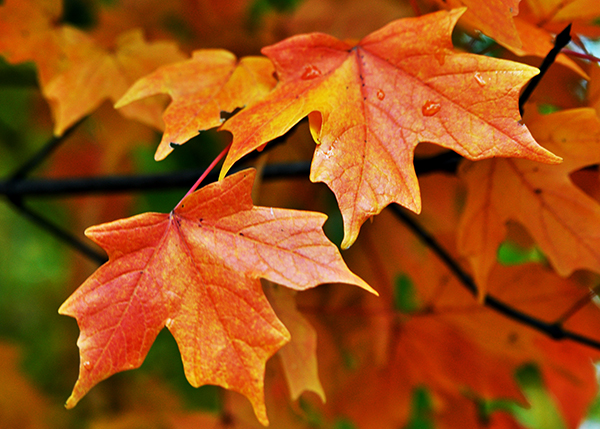
texture-002-leaves

1/80, f/5, ISO 250

One of the first things to consider when photographing texture is that the beauty is in the details. While the deserted hallway of an abandoned building can evoke a strong sensory response, it’s filling the frame with a broken window or rusted pipe from the deserted hallway that’s going to really bring your textures to the forefront. That’s not to say that the deserted hallway doesn’t have its own story to tell, but this is not the time for cramming as many elements as you can into the frame. Keep it simple.

1/250, f/8, ISO 400

1/250, f/8, ISO 400

As with just about everything we do as photographers, lighting is crucial in accurately and effectively creating a both visual and textural  experience for the viewer. The three characteristics of light– color, quality, and direction– are just as defining when highlighting textural elements as they are when photographing people, landscapes, or any other subject. While it is difficult to separate the three, I find that quality and direction of light tend to have the most impact on photographing textures– accentuating them, rather than overpowering them. Generally speaking, soft, cool lighting will enhance softer, smoother textures like ice or water, while hard side-lighting will not only bring out the detail on that rusty pipe or stone statue, but elevate it as a tactile experience. Ambient light almost always works best, providing a more organic, natural feel.

1/100, f/4.8, ISO 100.

Remember that when you are shooting for texture, your model isn’t going to get bored or tired. Your child is not going to get all fidgety, wondering about the ice cream you promised if they sat still for a nice picture. The only timing issues you have to deal with when shooting texture are your shutter speed and how long your ambient light is going to cooperate.  As result, you usually have the luxury of taking your time. Experiment with your composition. Play with your angles. Adjust your camera settings, then adjust them again.  Your available light may be your primary tool in these scenarios, but you still have to able to make sure that your camera sees the scene the same way you do. Your digital camera is nothing more than a computer with a window on it. It has no opinions or artistic intent. You have to tell it what you are seeing, so play with your shutter speed and aperture. See where they take you.
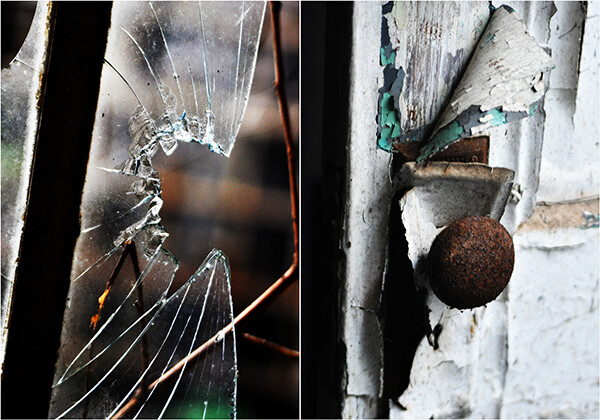
texture-008-broken-glass

Taken at an abandoned prison, the broken glass and decades worth of peeling paint not only tell a story, but evoke an almost physical reaction. Both shot at 1/250, f/5.6, ISO 640.

Obviously, a certain amount of personal taste and preference come into play, but I tend to use smaller apertures when shooting textures. Shooting wide open and its resulting depth-of-field, can throw parts of your image out of focus– something I want to avoid when photographing texture, simply because textures will no longer look as they should when out of focus. I will, however, use wider apertures if I am including any background elements. Just as with a portrait, an out-of-focus background will place added emphasis on my subject and foreground– emphasis which will significantly enhance the textures in the frame. Try bracketing your exposures until you get the desired results.

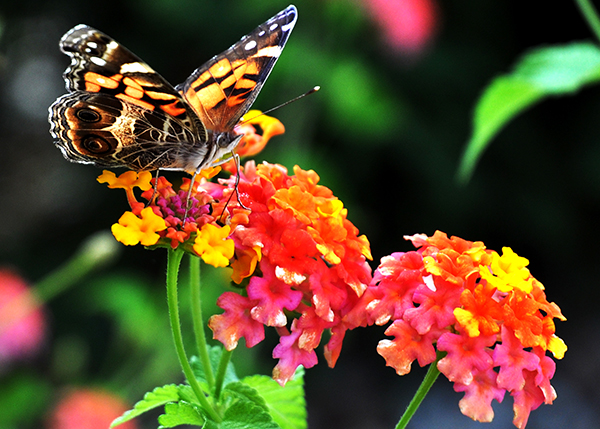
In the examples below, I did go with wider apertures because of the background elements. For the cookbook shot, we needed a clearly defined background in order to really emphasize the texture of the ingredients. Blurring out the background behind the butterfly in the next example gave more definition to the textures of the wings and flowers.

texture-007-food-photog

1/80, f/5.6, ISO 400

texture-009-butterfly

1/250, f/5, ISO 200

For the sunflower, however, notice that there are multiple textures on the same visual plane. Since I was working with a mostly solid, dark background, I wanted to make sure that every element– as well as all three textures– was in focus, which meant going with a smaller aperture.

texture-006-sunflower

1/250, f/5.6, ISO 100

Texture is such an  interesting and effective design element because it provides visual cues that allow the viewer to put your images into their own context. It gives them something they can relate to. If your photo truly speaks to them, this is one of the reasons why. You’ve given them something that helps make it their own. By capturing the texture, you’ve captured at least part of the essence– and it doesn’t get much cooler than that.

Post originally from: Digital Photography Tips.

Check out our more Photography Tips at Photography Tips for Beginners, Portrait Photography Tips and Wedding Photography Tips.

Texture as a Design Element in Photography

The post Texture as a Design Element in Photography by Jeff Guyer appeared first on Digital Photography School.


Digital Photography School

 
Comments Off on Texture as a Design Element in Photography

Posted in Photography


5 Most Memorable Photography TED Talks That You Have to Witness!

07 Oct

Ever heard of TED Talks? If you like photography, you should! For those of you who are unfamiliar with TED (Technology, Entertainment, Design), know that it is a global series of conferences that’s owned by the Sapling Foundation, which is a private non-profit organization. TED’s whole concept is to spread ideas about science and culture, which are delivered by their Continue Reading

The post 5 Most Memorable Photography TED Talks That You Have to Witness! appeared first on Photodoto.


Photodoto

 
Comments Off on 5 Most Memorable Photography TED Talks That You Have to Witness!

Posted in Photography


The Secrets of Great Portrait Photography – Great Video from Brian Smith

07 Oct

Late last year I was giving a copy of celebrity portrait photographer Brian Smith’s book – Secrets of Great Portrait Photography: Photographs of the Famous and Infamous. It was a great read and one that gave me load of ideas for my own portraiture.

Today I was surfing on YouTube and came across a great lecture that Brian Smith gave at B&H Photo that really is a great walk through of the book and many of the tips in it. While long – the video is really useful on many levels.

The video goes for almost an hour and a half so grab yourself a beverage and snack and make yourself comfortable – it really is a great watch!

Get Brian Smith’s Book – The Secrets of Great Portrait Photography

Grab Brian’s book here and check out more of Brian Smith’s work on his website.

Post originally from: Digital Photography Tips.

Check out our more Photography Tips at Photography Tips for Beginners, Portrait Photography Tips and Wedding Photography Tips.

The Secrets of Great Portrait Photography – Great Video from Brian Smith

The post The Secrets of Great Portrait Photography – Great Video from Brian Smith by Darren Rowse appeared first on Digital Photography School.


Digital Photography School

 
Comments Off on The Secrets of Great Portrait Photography – Great Video from Brian Smith

Posted in Photography


KIDS: Weekly Photography Challenge

05 Oct

dps_rd_post_image4b.jpgOver the last couple of weeks we’ve published a few posts that touch on the topic of photographing kids – so we thought that this week it might be fun to focus our weekly challenge upon the topic of photographing children.


Feel free to photograph kids in any setting. To help you – check out these recent posts.

  • How to Go Beyond the Regular Composition Advice for Getting the Best Shots of Your Kids
  • 7 Tips for Photographing Kids

Also check out our Kids Photography eBook for a comprehensive guide to the topic.

Once you’ve taken your ‘Kids’ shots, upload your best ones to your favourite photo sharing site either share a link to them even better – embed them in the comments below (look for the little camera icon in the Disqus comments section as pictured below).

Screen Shot 2013 10 04 at 9 06 52 PM

If you tag your photos on Flickr, Instagram, Twitter or other sites with Tagging tag them as #DPSKIDS to help others find them. Linking back to this page might also help others know what you’re doing so that they can share in the fun.

Also – don’t forget to check out some of the great shots posted in last weeks Backlight challenge – there were some great shots submitted.

Post originally from: Digital Photography Tips.

Check out our more Photography Tips at Photography Tips for Beginners, Portrait Photography Tips and Wedding Photography Tips.

KIDS: Weekly Photography Challenge

The post KIDS: Weekly Photography Challenge appeared first on Digital Photography School.


Digital Photography School

 
Comments Off on KIDS: Weekly Photography Challenge

Posted in Photography


The Dirtiest Secrets of Food Photography That Still Make Your Mouth Water

02 Oct

Food photography is an extremely cunning concept and industry. It essentially uses trickery to make food look so good to your eyes that you end up not being able to control yourself and want to indulge in that food. Naturally, the food-photography industry has aggressively worked to connect eating delicious food with the tactics of sex-sells marketing, which is why Continue Reading

The post The Dirtiest Secrets of Food Photography That Still Make Your Mouth Water appeared first on Photodoto.


Photodoto

 
Comments Off on The Dirtiest Secrets of Food Photography That Still Make Your Mouth Water

Posted in Photography


Fashion photography with the 41MP Nokia Lumia 1020

01 Oct

lumia.jpg

We all know that smartphones are being equipped with better and better cameras, but few of us would ever consider using one for ‘serious’ photography except in an emergency. Nokia’s ‘conversations’ blog is featuring an interesting project by its own ‘camera expert’, Ari Partinen and colleague Marko Saari, who wanted to see whether the new Nokia Lumia 1020, which features a 41 megapixel ‘PureView’ sensor, could hold its own in a studio fashion shoot. The results might surprise you. 

News: Digital Photography Review (dpreview.com)

 
Comments Off on Fashion photography with the 41MP Nokia Lumia 1020

Posted in Uncategorized


Maternity Photography – 7 Tips for Taking Great Shots

29 Sep

In this tutorial Natalie Norton shares 7 great tips for great Maternity Photography.

7 Tips for Creative Maternity Photography

When I first began doing maternity work I made a pledge. A commitment I swore I’d stand by through thick and thin. I promised myself I’d never take “the maternity picture.” You know the one. Daddy’s arms around mommy’s belly with hands affectionately forming… gag… excuse me… a heart. There’s NOTHING wrong with this photo. AT ALL. Calm your rage oh you who just did this exact shot this afternoon.

It’s just that I didn’t want to do the typical maternity image that every mother who’s every had her belly photographed has in one of her 9 baby albums (9 for the first child that is… 1 for the second…a few images in an envelope somewhere for the third… and oh, that poor fourth child, he has to borrow pictures from his brother when he’s highlighted on the bulletin board in Kindergarten). I marched right into that first session ready to stand by my commitment to creativity! I’d no sooner pulled out my camera than mom, all giddy with excitement, said “Woo! Can we do that shot with Daddy’s arms around me and our hands forming a heart over my belly button?!?” I stood by that pledge of mine for a full… well, 2.4 seconds. Of course I did the shot. But guess what? I did a lot of other stuff that she’d never have dreamed of. Guess which image DID NOT get purchased. Belly button heart.

7 Maternity Photography Tips

Here’s 7 tips toward creative maternity photography:

1. The Great Outdoors:

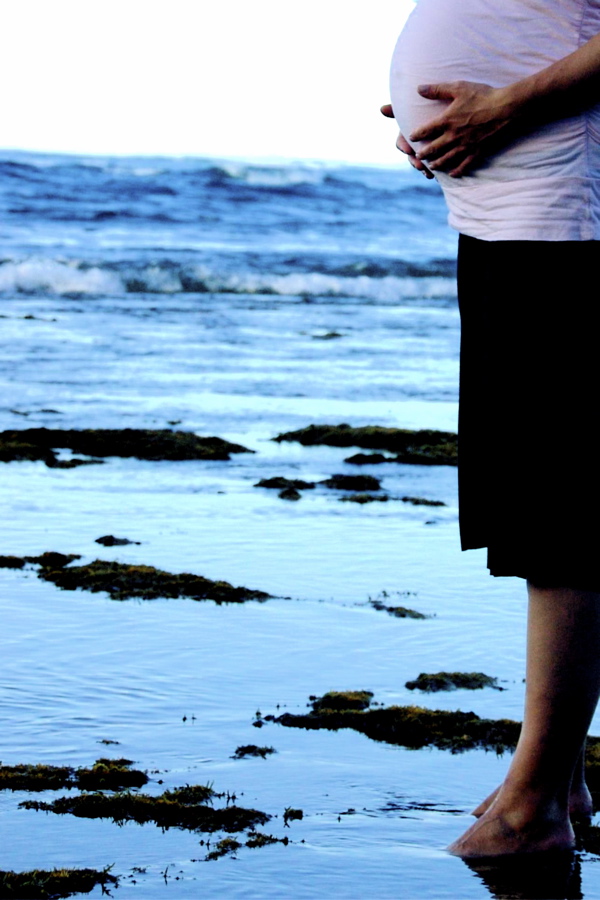
So many maternity sessions are done in studio. I understand the reasons behind this. I’ve been pregnant. 3 times over. I’m not the petite and pretty pregnant. I’m the gal you find wedged between the double doors at The Sizzler. Studio shoots are great because there’s privacy. I can’t argue with that. Particularly if you’re going to do anything in less than a fully clothed state (that’s my PC way of saying naked). But there’s something about being outside. Taking that natural beauty of a woman who’s ready to bring new life into the world and placing her in the majesty of the great outdoors is simply breathtaking.

maternity photography-1

Maternity Photography

2. At Home:

When you shoot a mommy-to-be in her own home she’s comfortable to let go in a way that she may not be otherwise. This is a fantastic reason to hold maternity sessions at home. This is not however why I do it. As a photographer I feel like it’s my responsibility to help my subjects feel comfortable and capable of giving me their best, no matter where we’re shooting. I pride myself on my ability to do this. To me, it’s a HUGE part of my success as a photographer (Uh oh. I feel a post in this regard coming on… check back soon). I shoot maternity sessions at home primarily because it’s wonderful for a couple to have a capture that truly shows what their life was like at the time their baby came to be a part of their family. I’m a second generation photographer so I’ve got some really lovely shots of my sweet momma awaiting my arrival. My favorite however is a simple picture of her standing by my bassinet with her hand on her tummy. I CHERISH it.

maternity photography-2

3. Simplify:

No matter where you shoot, studio, home, outside, 7Eleven, you’ve got to simplify your surroundings. The beauty of a mother anticipating the arrival of her child should be captured in a way that allows the miracle to speak for itself. Pregnancy doesn’t require anything “else” to be present in a photograph to help tell it’s story. Everything in the frame that may not belong will simply serve to distract from the story that’s already being told, naturally. Pay attention to background.

maternity photography-3

4. Help Her Feel Beautiful

Women don’t generally feel very sexy when they’re pregnant. Understandably so, and trust me I connect with this feeling as much as the next gal. But just because an expectant mother doesn’t feel sexy, that doesn’t mean she’s not totally knock out. Bring that out in her. Pull that beauty out of her. A good way to do this is by talking as you shoot. It’s perfectly appropriate to say things like: “That’s beautiful!” “Yes, perfect!” “Oh that’s just LOVELY.” “Pregnancy looks good on you girl!” Whatever works! If you’re a male photographer you’ll need to be careful about what you say in this crazy world of sexual harassment, but you’re even more capable of pulling the beauty out of her than a female photographer. It’s one thing when your girlfriend tells you you’re beautiful, but when your girlfriend’s brother tells you that you’re looking good, you actually believe it. Obviously be careful and be genuine. The success of this tip will depend on your personality, but you can help her help herself. If she feels pretty she’ll look a whole heck of a lot better. It’s that simple.

maternity photography-4

5. Highlight Relationship:

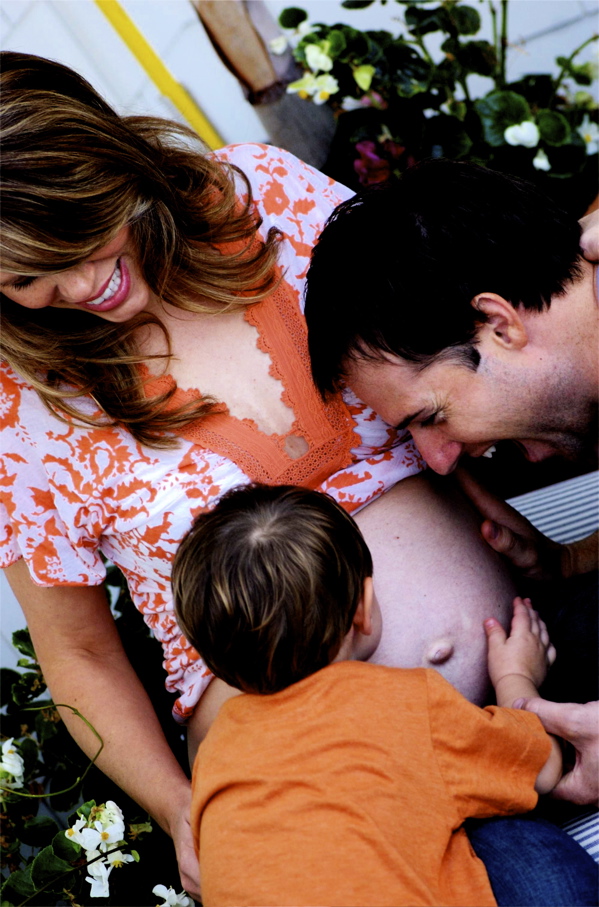
Hopefully new babies are coming into a loving home. I always try to include photographs that highlight the tender relationship between mom and dad, because bringing a child into the world with someone is arguably love in it’s purest form.

maternity photography-5

6. Don’t Forget the Siblings… or the dog for that matter:

Remember that often a baby is coming into an established family unit (not to say that Mom and Dad alone aren’t an “established family unit” but for the sake of my point, go with me on this one). If the siblings are available, make sure to include them in at least a few frames. I have to mention the dog, because I’ve got a sister-in-law who’s dog, Wanda (seriously that’s her name) is her pride and joy. When she and her hubby have kids, you can trust that Wanda will be right there in at least a handful of her maternity photos. She’s as much a part of the family as the next guy.

maternity photography-6

7. Give ‘em Something Different:

Don’t just shoot what’s always been shot. This is a good general rule of photography. I really try to be “consistently inconsistent” (I recently heard another photographer, Nate Kaiser of theimageisfound.com, use this term and I had to pirate it). Let me explain, you’ve got to approach each shoot as it’s own. I’m very committed as a photographer to tailoring each shoot for the subject I’m photographing. Like I said before, this is a good general rule that applies particularly to maternity photography. Even though millions and millions of mothers have given birth to millions and millions of babies for millions and millions of years, a momma-to-be needs to feel like her pregnancy is miraculous, special and sacred, that the things she’s experiencing are unique only to her. Because they are.

maternity photography-7

Happy Shooting!!

Post originally from: Digital Photography Tips.

Check out our more Photography Tips at Photography Tips for Beginners, Portrait Photography Tips and Wedding Photography Tips.

Maternity Photography – 7 Tips for Taking Great Shots


Digital Photography School

 
Comments Off on Maternity Photography – 7 Tips for Taking Great Shots

Posted in Photography


Backlight: Weekly Photography Challenge

28 Sep

The Stories

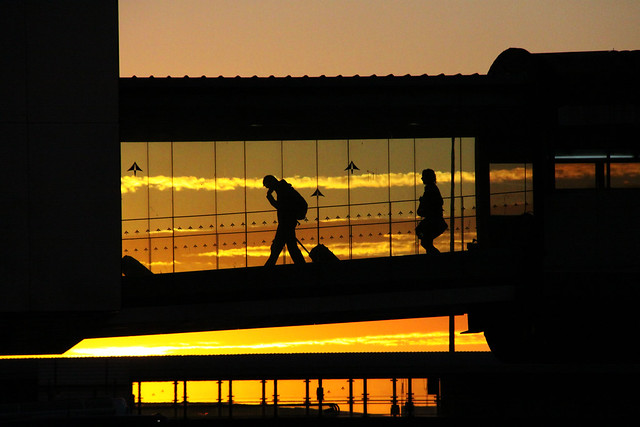
This week we explored the technique of back lighting subjects in a blog post so thought it might make a good challenge topic.

Paris Saint Germain

Backlighting is something that can add impact to many types of photography – portraits, landscapes, wildlife etc and it can be done with both natural and artificial light – so you should have lots of scope to take some great shots this week.

There's a light that never goes out

Once you’ve taken your ‘Back Lighting’ shots, upload your best ones to your favourite photo sharing site either share a link to them even better – embed them in the comments using the our comments tool to do so.

devendra banhart:dragonflies

If you tag your photos on Flickr, Instagram, Twitter or other sites with Tagging tag them as #DPSBACKLIGHT to help others find them. Linking back to this page might also help others know what you’re doing so that they can share in the fun.

Also – don’t forget to check out some of the great shots posted in last weeks In Motion challenge – there were some great shots submitted.

Post originally from: Digital Photography Tips.

Check out our more Photography Tips at Photography Tips for Beginners, Portrait Photography Tips and Wedding Photography Tips.

Backlight: Weekly Photography Challenge


Digital Photography School

 
Comments Off on Backlight: Weekly Photography Challenge

Posted in Photography


Get Started with the Beautiful World of Film Photography in 7 Easy Steps

27 Sep

Ahh, film photography.  The cool kid on the block.  The “old” thing that’s suddenly the “new” thing.  In recent years, it’s been popular opinion that it was an identifying trademark of hipsters, and only then for an artistic flair that digital photography has failed to capture for them.  The reason Instagram has been such an enormous success recently is our Continue Reading

The post Get Started with the Beautiful World of Film Photography in 7 Easy Steps appeared first on Photodoto.


Photodoto

 
Comments Off on Get Started with the Beautiful World of Film Photography in 7 Easy Steps

Posted in Photography


Documentary Photography – Six Tips for Creating a Legacy

21 Sep

documenting-dps-02

We’ve all gone through times in our lives where we’ve lost loved ones. As a portrait photographer I would get calls all the time for “Urgent” family photos where one family member was terminally ill, and yet others that have photos done after the loss of a loved one.

Why do we wait until it’s too late, or almost too late to capture the lives of those most important to us?

As photographers (and before you argue that you aren’t a “professional” or you aren’t a photographer, I’m here to tell you that you are! If you take photographs you are a photographer, and this applies to you!) it is almost our duty to record the lives and times of those closest to us, family and friends. I’m not just talking about birthday parties and weddings, which are both important, but how about everyday life?

Last fall/winter my husband and I lost our two cats who were 18 and 19. He had them for 18 years, they lived with me for five. It hit me hard and I wrote this: “Do What’s Important Photograph Your Loved Ones”.  I vowed to go and photograph my grandmother who is now 92. I finally did that and I have some tips for you on how to go and photograph, and document the lives of your loves ones both young and old.

So this article comes with both tips AND a challenge, for you to go do the same.

  1. Documentary means as it happens naturally, in their environment.
  2. Capture the person’s essence, their real personality
  3. Remember to capture the details and scene setters
  4. Think big picture, take shots for the background of a collage or potential photobook or album
  5. Not every photo needs to show their face. Facing away from camera, hands and body are important too.
  6. Create a story with images, leave a legacy
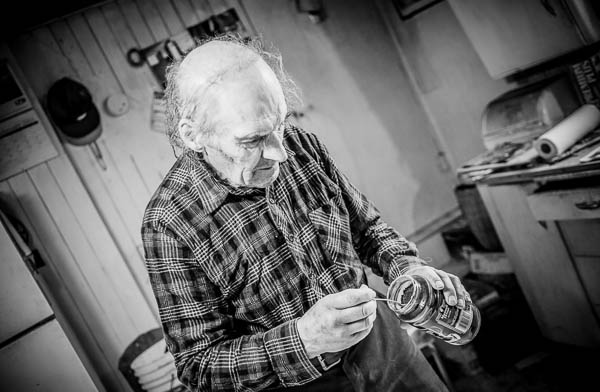
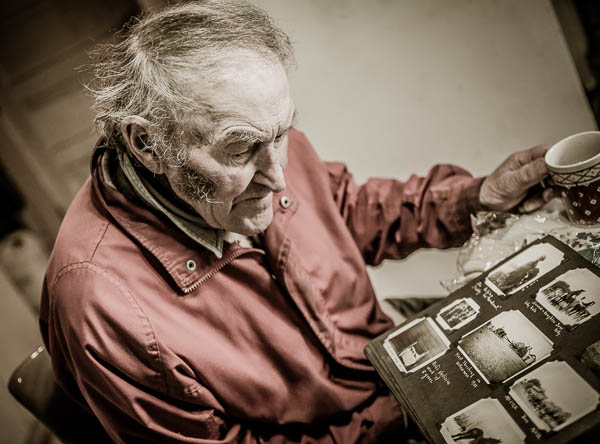
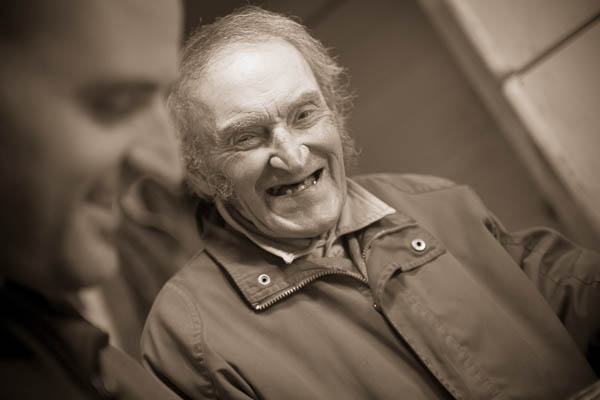
Unfortunately Uncle Ward has now passed on, but his legacy does live on in these images, now treasured by family.

Unfortunately Uncle Ward has now passed on, but his legacy does live on in these images, now treasured by family. They sure did love their instant coffee. He even took a spoonful of the grounds and ate it!

#1 DOCUMENTARY MEANS IT OCCURS NATURALLY

Documentary photography usually refers to a popular form of photography used to chronicle significant and historical events. It is typically covered in professional photojournalism, or real life reportage, but it may also be an amateur, artistic, or academic pursuit. The photographer attempts to produce truthful, objective, and usually candid photography of a particular subject, most often pictures of people. – Wikipedia

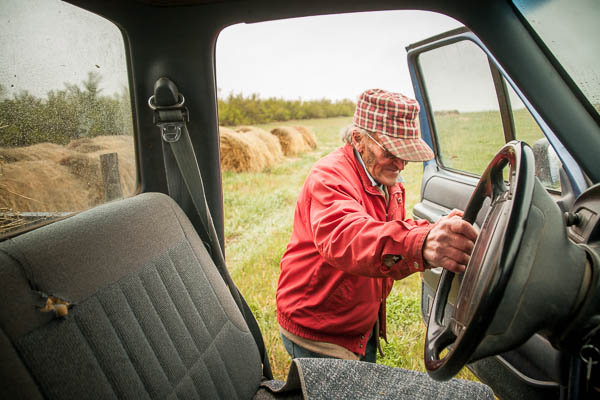
Get into their day to day life. Plan to go spend a few hours chatting with the person, listen to their stories, capture what comes naturally and what just happens. Don’t create something that isn’t part of them, just be there to grab moments in time that will mean so much down the road.

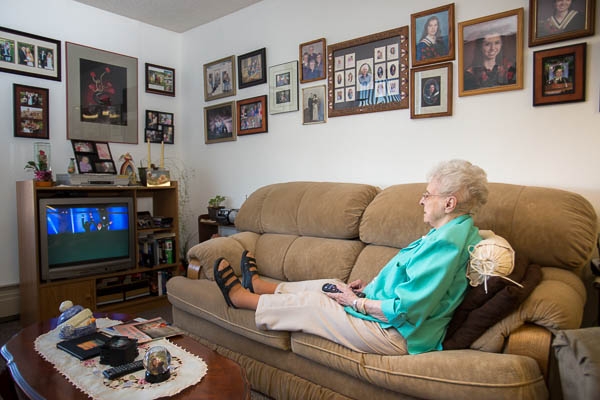
The afternoon "soaps"

The afternoon “soaps” among all her family photos that plaster the walls.

Neil going to feed the cattle

Neil going to feed the cattle

#2 CAPTURE THEIR TRUE ESSENCE

This is not too far off from #1 but let’s take it a bit deeper. Just being in their home, using their environment doesn’t guarantee you’re getting into their heart and soul. If this is someone close to you, as in my grandmother, what is it about them you want to capture? What part of their personality do you want to shine through in the photos:  wisdom,  a gentleness; intelligence, caring, a sense of fun, or all of the above? Is there something quirky about them that makes them unique, how can you show that in your images?documenting-dps-14

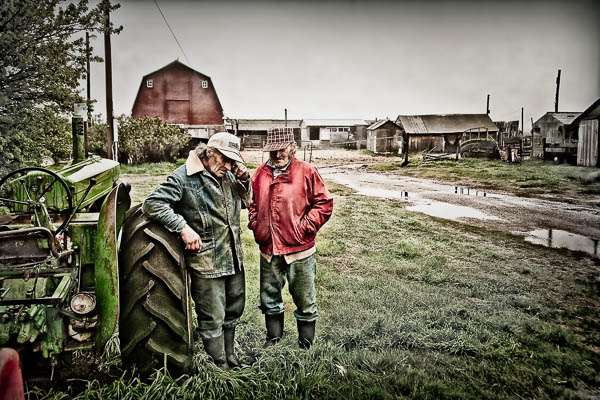
For my grandmother she is a social butterfly so I photographed her with some friends and playing cards (see above).  My husband’s uncles are farmers and storytellers. We got out the old family photo albums and listened to them for hours while they showed us old photos from the 1940′s. They came alive as they recounted tales of their younger days and when they had a TV delivered “a couple years ago” which we later learned to be around 1975!

documenting-dps-06

We found out my husband’s grandmother was a hobby photographer during the 20′s and she had some really great images and albums!

documenting-dps-17

The key here is to get emotional. I don’t want to see a studio portrait, or even a lovely window light portrait for this type of project, I go for real, raw, emotion.

#3 REMEMBER TO CAPTURE THE DETAILS

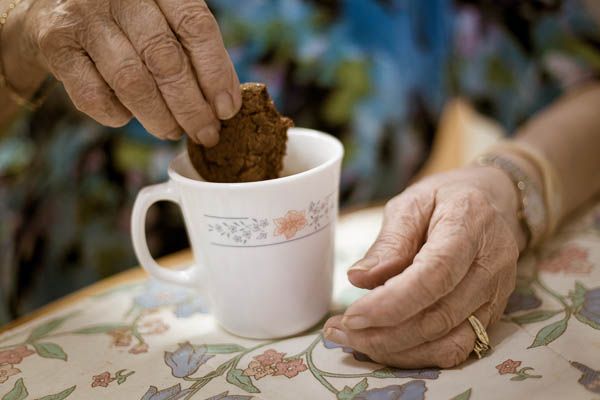
When photographing a person with the intent of documenting, make sure you think in terms of these three views: overall, medium range, and close-up or details. What that means is don’t forget to get in close on some things, and not just have the whole face or person in every image. Details like how they hold their spoon as they stir their tea (so get in close on the hands or maybe even just the tea cup) can add a lot of impact.

Tea and cookies at Grammy's. For as long as I can remember she's been feeding us. "Do you want a cookie dear?"

Tea and cookies at Grammy’s. For as long as I can remember she’s been feeding us. “Do you want a cookie dear?”

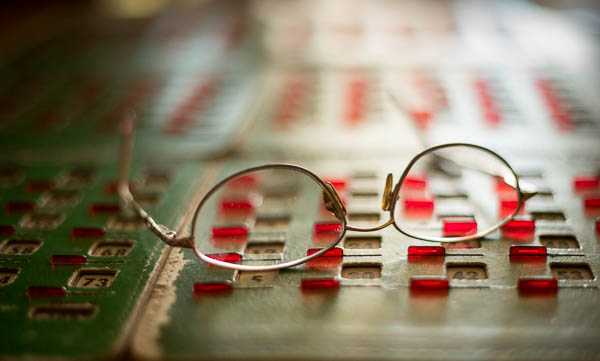
She does love her Bingo

She does love her Bingo

Tea at the Uncles'

Tea at the Uncles’

#4 THINK BIG PICTURE AND SET THE SCENE

Things around them in their daily life set the scene, so remember to capture some of those things too. If they live in a house make sure to get an exterior shot, some of the garden, and maybe even a close-up of the wall you can use later as a textured background. Does she has a favorite dress, one you always think of when you think of her – if so they photograph it, or a section of the material. Is he a craftsman, then by all means photograph his tools.

The most important thing in my grandmother’s life is her family and in her small living room the walls are literally plastered corner to corner with family photos. Weddings, graduations, new great grandchildren, and even the pets are all there. Every shelf and horizontal surface has photos on it. You can bet I captured that (even though I’d taken make of those photos over the years, seeing them all up in one places speaks volumes to anyone that enters that room and you instantly know what she’s all about. She also collects angels and always has one pinned on her blouse. She has hundreds of them in her house everywhere.

documenting-dps-19

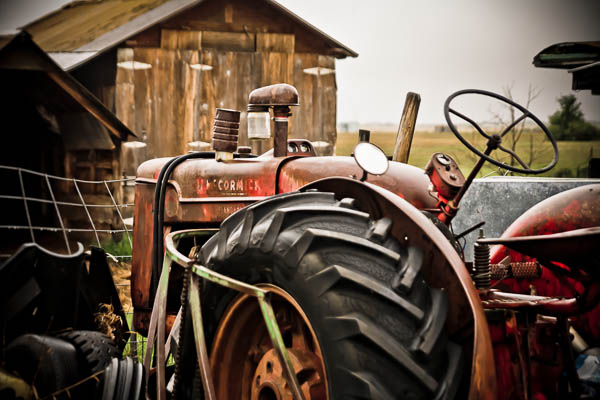
For the uncles that all consuming thing for them was farming and their animals. So I got lots of images of the barn, farm buildings and old retired machinery. Do all that without their assistance, let them go about their day while you just shoot background stuff. Think about how those images may work together making a photo album or even a digital book.

documenting-dps-18

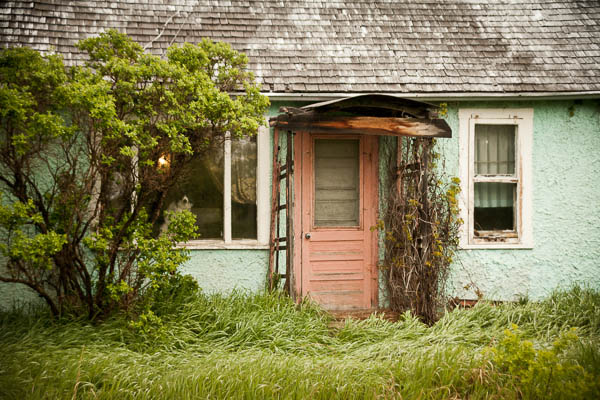
The Cooper Homestead farmhouse

The Cooper Homestead farmhouse

#5 NOT EVERY SHOT NEEDS TO SHOW THE FACE

Similar to get in and show the details, think outside the box. Not every image needs to show the face or even hands. How about feet? Use a slower shutter speed and add some motion if applicable. Shoot for something different here that the “norm”. Think about how to represent them, and their life without showing their face.

documenting-dps-16

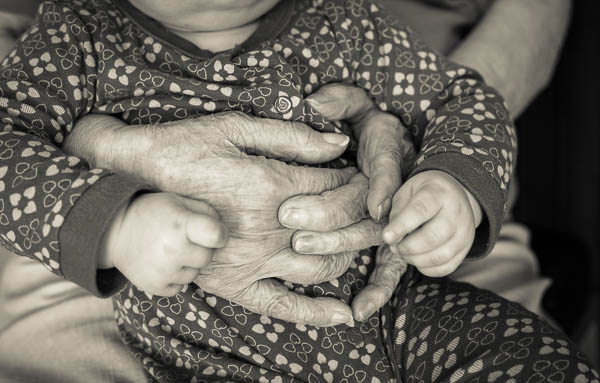
With her youngest great grandchild, young and old.

Unfortunately Uncle Ward has now passed on, but his legacy does live on in these images, now treasured by family.

#6 CREATE A STORY WITH IMAGES

Every other point in this article leads directly into this one, telling a story. By following all the tips above you pretty much can’t help but create images that do just that so the only thing I will add here is to do it consciously. Go in knowing you’rl./e creating a story. Intention is a powerful thing. When you show up planning to create a story, your subconscious will naturally kick in and go to work for you, if you aren’t aware (hint:  that’s why it’s your subconscious).

documenting-dps-12 documenting-dps-08 documenting-dps-09

One other thing you can do it go look at other photo stories, specifically some of the great photographers, masters of the photo essay. W. Eugene Smith comes to my mind, go study some of his stories for LIFE magazine. Anything by Cartier-Bresson but especially The Decisive Moment. Or some of my favorites Dorothea Lange, Margaret-Bourke White and Walkers Evans who all documented the Great Depression. Find out what draws you in to their images. How do they use scene setters and detail shots? Learn from the masters.

ACTION PLAN

If you read my articles regularly you’ll know what I’m going to say – get out there and go photograph someone important to you. That’s the first step! Then DO something with the images that will create a family heirloom. A book is ideal as you can make copies for the whole family.

To see the full book I made of The Uncles for an example of how to put it all together. Blurb.com is a great way to make books that are high quality that don’t break the bank. I’ve made several copies of this one for family and have done other volumes for special occasions and family events as well as clients. 

Cheers, Darlene

Post originally from: Digital Photography Tips.

Check out our more Photography Tips at Photography Tips for Beginners, Portrait Photography Tips and Wedding Photography Tips.

Documentary Photography – Six Tips for Creating a Legacy


Digital Photography School

 
Comments Off on Documentary Photography – Six Tips for Creating a Legacy

Posted in Photography