RSS
 

Posts Tagged ‘Photography’

5 Pieces of Photography Gear to Consider as Your First Upgrade

26 Nov

Neil Creek is the author of our newest ebook Photo Nuts and Gear. In this post he offers some advice to the beginning photographer about the first upgrade they should buy for their camera.

So you’ve been getting into this photography thing pretty seriously ever since you bought that “good” camera you wanted. It turns out that you really enjoy photography, and you think you’ll be doing it for a while. You want to know what cool camera gear is out there, and you know there’s a lot, but what should you get first?

Where to start on the photography gear upgrade trail

When you’re just starting your photography journey, it’s intimidating how much gear there is and how much it costs. It’s obvious that some photos are impossible without certain gear, and sometimes it’s not obvious when gear has helped a photo.

I’ve been shooting and helping new photographers to get the most out of their gear for years, so I have a few suggestions for great first investments in photography to suit your varying interests and budget.

A 5-in-1 reflector

5in1reflector

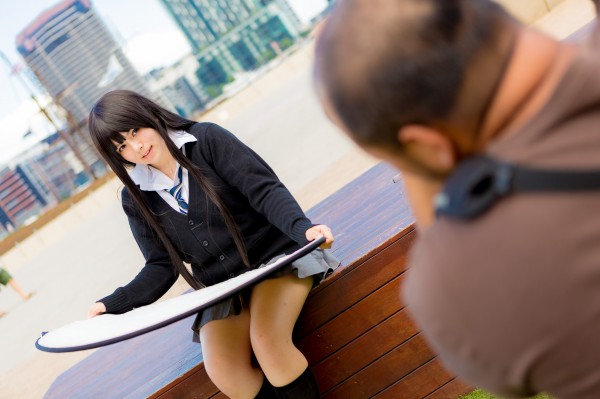
Light is everything in photography, but sometimes you can’t quite get the right kind of light where you need it. A great example is outdoor portraits. With the light predominantly coming from overhead, there are often dark circles under the eyebrows. A reflector can be used to reflect some light back up into the face of your subject to fill these shadows.

A 5-in-1 reflector is cheap and very versatile. Built around a collapsible steel ring spanned by diffusion material, it has a reversible cover with four different surfaces. The diffusion material inside is great for turning full sun into bright shade, for small and macro subjects as well as head and shoulder portraits. I’ve even used it as a flash diffuser in a pinch. The cover has three reflective surfaces: white for gentle fill, silver for strong fill, gold for a warm strong fill, and a black surface for eliminating light to bring shade back to a scene which is too evenly lit.

This is an incredibly versatile tool at a very affordable price, and it neatly fits into the “laptop pouch” in camera bags which have one. This item should be in every portrait photographer’s kit.

Who is this for: photographers on a budget who shoot in natural light
Approximate cost: $ 20-50 depending on size

creek-130310-051

The Nifty 50 lens

Lenses are a critical part of the optical system that creates the photographic image. Unfortunately almost every lens choice is a compromise between price, speed, image quality and more. Plus, lenses are expensive!

creek-131028-048

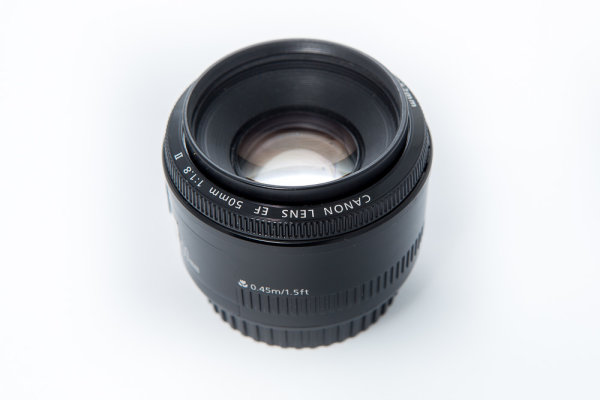
There is one lens however that is possibly the best of all worlds: the 50mm prime, also known as the “Nifty 50″. Several lens makers have their own or similar versions of this lens, but the most famous is probably the Canon 50mm f/1.8. This lens is small, fast (thanks to its wide f/1.8 aperture), tack sharp and extremely affordable. If you are looking for an excellent portrait lens that will take well exposed photos in low light, it’s hard to go past the Nifty 50 especially if you are on a budget.

These lenses aren’t without their weaknesses of course: cheap plastic body construction keeps the price and weight down, but negatively affects the durability; weather sealing is also thus not an option; it is notoriously slow to focus in low light; there’s no image stabilization; andthe focus ring is very small. Despite all this, it is hard to resist the appeal of professional level image quality, at a hobbyist price.

Who is this for? Anyone looking for a high image quality, fast, small lens on a budget
Approximate cost: $ 100-200 depending on brand

A good solid tripodcreek-131031-028-Edit

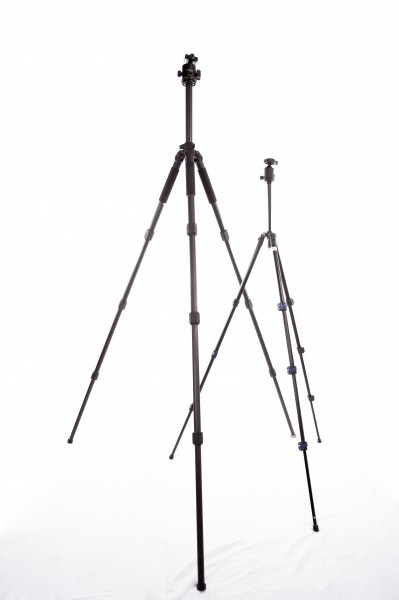
Photographers are always limited by the amount of light, and without adequate amount, you are forced to make compromises with your settings. When you have to use a slower shutter speed you risk getting blurry photos from camera shake. A tripod fixes that. By providing a stable platform you can almost eliminate camera movement from short, to incredibly long shutter speeds.

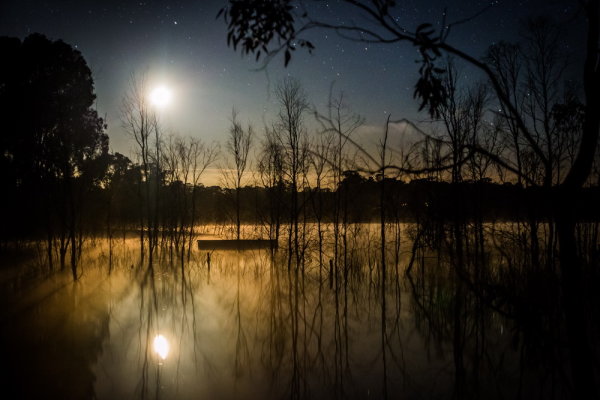
Not only does a tripod fix the problem of a shaky camera, it opens up whole new photographic and creative opportunities. Seven of the eleven special effects photography techniques discussed in my ebook Photo Magic use a tripod. A Tripod is possibly the most versatile piece of photography equipment you can buy. You will be able to try photos and techniques otherwise impossible.

Buying a tripod can be like walking through a minefield however. There are so many options from the very bad to the very expensive so it pays to do your research. For a first time tripod for a small DSLR user, I recommend one of the base end models from the big name tripod makers. I go into a lot of detail in Photo Nuts and Gear on choosing the right tripod for you. One tip – avoid department store tripods!

Who is this for? Photographers shooting in low light, with macro subjects, landscapes, and creative low light photography such as light painting.
Approximate cost: $ 100-200 for a first tripod

creek-130928-341 - Copy

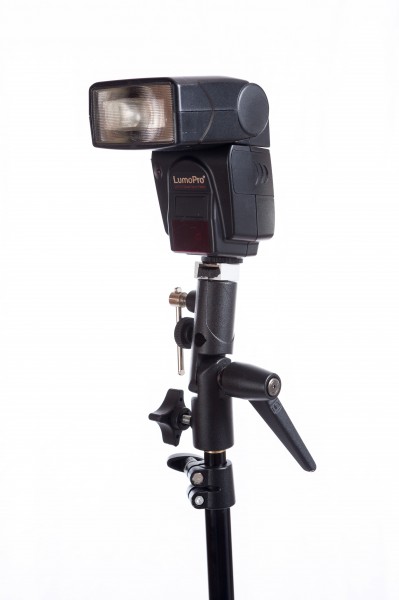
An external hot-shoe flash or speedlight (speedlite)

creek-131102-035

A flash unit or speedlight is often one of the first big purchases camera owners make, and unfortunately it’s very easy to pay more than necessary. The flagship units from Canon and Nikon are very expensive and packed with features, many of which a new photographer won’t need. I personally recommend buying a cheaper, manual power, third party flash first. The ETTL, or auto exposure, feature of the expensive flashes is handy, but I find that manual power control is pretty easy to master, and it will save you a lot of money: enough to buy one or two more flashes for the price of a flagship model. Manual flashes are also compatible with the more affordable radio triggers that let you fire your flash off the camera and enter the amazing world of Strobist photography.

Flashes adds a good deal of versatility when shooting in low light, but their real power comes when you get them off camera. A couple of flashes, triggers, light stands and simple modifiers can utterly transform your photography, and add creative options that match those offered by a tripod. A little research and careful spending can put all of these within reach for the about same price as a top of the line flash from Nikon or Canon.

Who is this for? Photographers shooting indoors in low light, Strobist wannabes

Approximate cost: $ 100-200

creek-130426-192-hdr

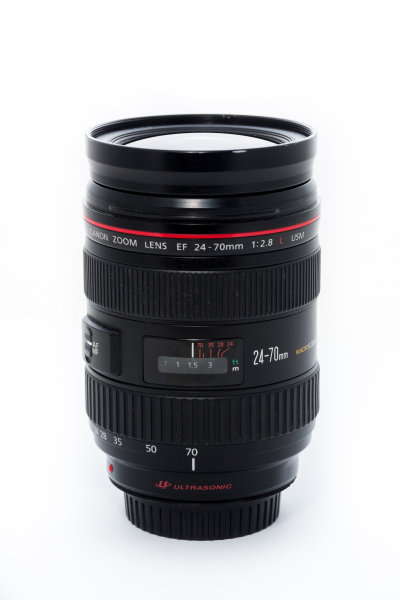
Walk-around lenscreek-131028-056

Like most people, you likely bought your camera with a kit lens. These lenses are often good enough for most photographers, but unless you buy a top end DSLR (which come with higher quality lenses as standard), they’re not going to be the best you can find. Most kit lenses are a bit slow, a bit soft, a bit “plastic-y”. If you’re getting serious about being a photographer, you’ll probably want something better. A walk-around lens is one you leave on your camera by default, and use all of the time you don’t have a specific need for another lens. As such, most of your photos will be taken with it, and you’ll probably want to upgrade it once you can afford to grow your lens collection.

There are a lot of options available, so you need to think a bit about how you use your camera, and what features are important to you. You will want to consider:

  • how heavy is the lens
  • how often you shoot in low light
  • what frustrates you most about your current lens
  • whether you’re always wanting to fit more in your shots or if you want to bring distant things closer

All of these issues will affect the best choice of walk-around lens for you. Be prepared to possibly spend a lot of money. Lenses are expensive, especially high quality ones. Since there are so many options and factors to consider it’s hard to offer much practical advice in a blog post, but I go into a lot more detail in Photo Nuts and Gear. In short however, be prepared to do a lot of research to understand your options and how to choose between them. A good walk-around lens will get a lot of use over many years, and the quality of your images will be impacted by the choice you make.

Who is this for?  Someone who is taking the first big step into turning photography from a pastime into a serious hobby
Approximate cost:  $ 300-1800

Post originally from: Digital Photography Tips.

Check out our more Photography Tips at Photography Tips for Beginners, Portrait Photography Tips and Wedding Photography Tips.

5 Pieces of Photography Gear to Consider as Your First Upgrade

The post 5 Pieces of Photography Gear to Consider as Your First Upgrade by Neil Creek appeared first on Digital Photography School.


Digital Photography School

 
Comments Off on 5 Pieces of Photography Gear to Consider as Your First Upgrade

Posted in Photography


Roger Cicala cynically re-defines photography

26 Nov

logo.png

Lensrentals’ Roger Cicala continues his recent run of fine satirical form with his latest blog post – a series of cynical definitions for widely-used photography terms. We’re almost tempted to use it to replace our glossary, as it should be considered recommended reading before commenting on any photography or ‘gear’ forum. It’s certainly going to make us think carefully about the terminology we use in future reviews.

News: Digital Photography Review (dpreview.com)

 
Comments Off on Roger Cicala cynically re-defines photography

Posted in Uncategorized


Weather – Weekly Photography Challenge

24 Nov

This week your photography challenge is to capture the weather, good or bad!  Too many photographers pack up their gear when the weather turn inclement but some of the most spectacular images can be had in less than ideal conditions.

weather-photography-challenge-02

I noticed this big thundercloud rolling over the prairies from a shopping mall parking lot. I used the sign in the shot and capture the streaming rays of the last of the sun.

Keep in mind weather is ALL kinds of conditions including a lovely sunny day, or a bitter cold winter frost. So wherever you live in the world you do have some kind of weather. Give yourself a challenge to show it and use it to your best advantage and share your images.

Don’t be afraid to get out and get dirty, just make sure your gear stays dry!

weather-photography-challenge-01

This is a closer version of the same storm, minutes later. The sun just hitting the horizon made for dramatic lighting. The lighting that happened 10 minutes later was also pretty dramatic! People were shooting this with their ipads in the parking lot out their car windows.

Related articles that might help you get idea

  • How to photography dramatic clouds at sunset
  • The Yukon’s Northern Lights – behind the scenes
  • Include Clouds in your Landscape

The thing with storms and crazy weather is you have to be ready. I had  my camera and tripod in the car with me so was able to capture these images. “They” say (they say a lot don’t they?) that the best camera is the one you have with you. So even if it’s your Smart phone, grab some shots. Better yet carry your camera with you, always, and be ready.

Once you’ve taken your ‘weather’ shots we’d love to see them in comments below. Simply upload your shot into the comment field (look for the little camera icon in the Disqus comments section as pictured below) and they’ll get embedded for us all to see or if you’d prefer upload them to your favourite photo sharing site and leave the link to them.

If you tag your photos on Flickr, Instagram, Twitter or other sites with Tagging tag them as #DPSWEATHER to help others find them. Linking back to this page might also help others know what you’re doing so that they can share in the fun.

Also – don’t forget to check out some of the great shots posted in last week’s  Show us your Gear challenge – there were some fantastic shots, many self portraits, submitted.

Happy shooting and have a great weekend!

Cheers,

Darlene-1-250x130


Post originally from: Digital Photography Tips.

Check out our more Photography Tips at Photography Tips for Beginners, Portrait Photography Tips and Wedding Photography Tips.

Weather – Weekly Photography Challenge

The post Weather – Weekly Photography Challenge by Darlene Hildebrandt appeared first on Digital Photography School.


Digital Photography School

 
Comments Off on Weather – Weekly Photography Challenge

Posted in Photography


10 Tips to Motivate You out of a Photography Rut

22 Nov

Are you stuck in a rut?

Have you reached a point where all your photos start to look the same? Feeling uninspired? Or maybe you haven’t gone shooting for a while at all?

It happens to us all now and then, kind of like writer’s block. When we get too comfortable with what we do, we get into a routine and everything starts to look the same. This is why it’s important for artists to break out of our own molds from time to time.

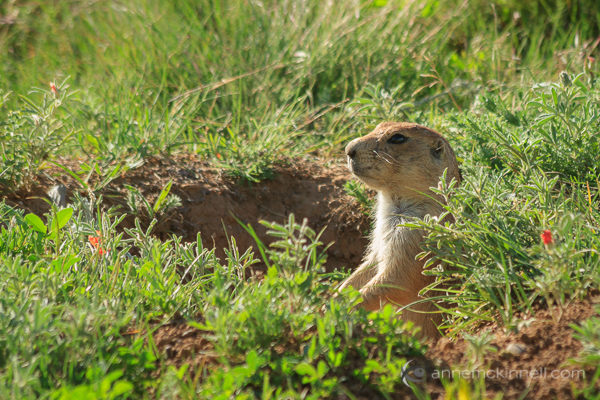
photography rut and motivation Prairie Dog, Devils Tower National Monument, Wyoming, by Anne McKinnell

Prairie Dog, Devils Tower National Monument, Wyoming.

To help motivate you out of your photography rut, here are some of the best ways to get your creative juices flowing.

10 Tips to Motivate You out of a Photography Rut

#1 Explore other art forms

First of all, just remind yourself that it’s okay to think about something other than photography for a little while! Allowing your mind to take some time off will relieve the stress and tension that builds the scaffolding for creative blocks. Instead, devote some time to exploring other art forms to feed your creative soul – go watch a play, listen to music, check out a museum, or read some poetry. All of these experiences feed the muse, where they become thoughts, which associate with other thoughts, to then become new ideas.

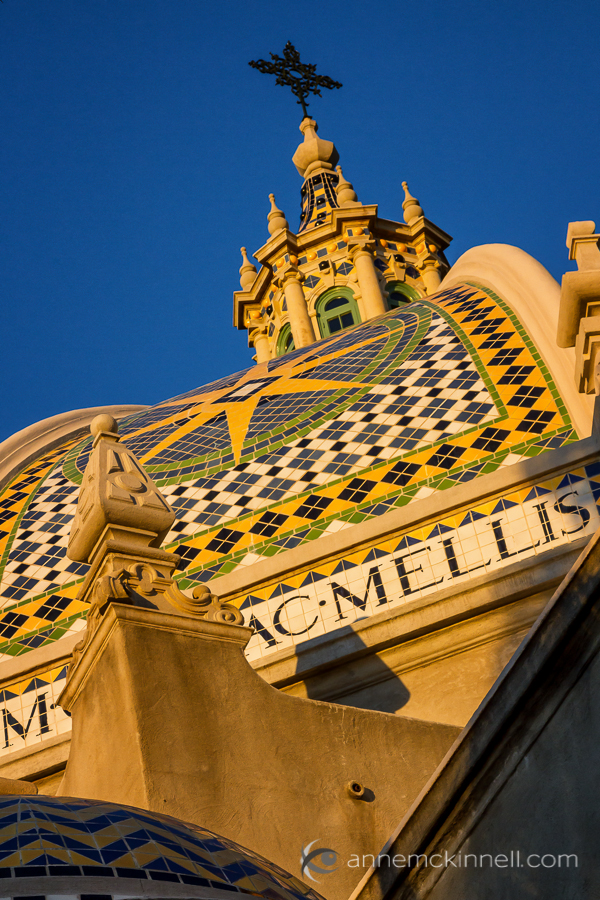
photography rut motivation - The Museum of Man, Balboa Park, San Diego, by Anne McKinnell

Museum of Man, Balboa Park, San Diego

#2 Look at other artists’ work

But how do you know what to do, if you’ve never done it before? For inspiration, see what other people are doing. Look at pictures from other visual artists that you admire, or find a photography exhibit at a local gallery or museum. Go to the library and flip through photo books. Absorb as much as you can. Which photographers do you like best? What is it that you like about each of them, and what do they all have in common? Think about how each photograph was created and ask yourself: which direction is the light coming from? What focal length, aperture, and shutter speed do you think were used?

#3 Look at your own work

Open up your boxes and folders of old photos – the older, the better! As you look over them, think about how you’ve progressed as a photographer. With each photo, ask yourself what you would do differently if you were taking it now, with all you’ve learned since that time. Be honest with your self-critique; admit to yourself when something doesn’t work out, but be sure to congratulate yourself when something does. Feelings of accomplishment build your confidence to create new things.

#4 Try a new style

There are many styles of photography – portraiture, nature, street, abstract… the list can go on and on. If you’re getting too embedded in your usual style, step out of it and try something completely different. If you usually photograph people, photograph animals or still life instead. If you’re into landscapes, you could try your hand at street or architecture photography. You could even shoot exclusively in black and white for a while. Just do something you’ve never done before!

Try some new processing techniques too!

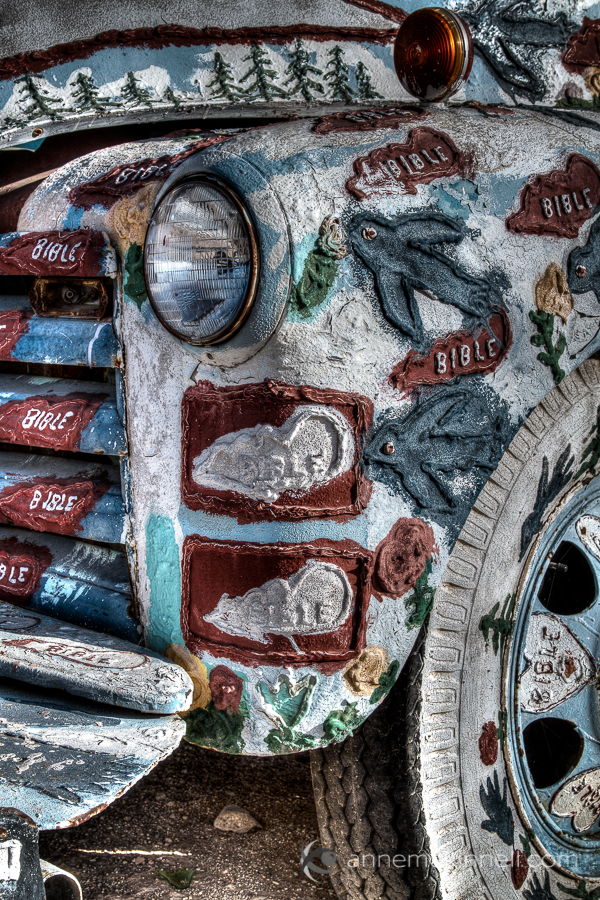
photography rut motivation - Anne McKinnell

Car decorated with bible quotes at Salvation Mountain, California.

#5 Re-create an image

If you find an image (either yours or someone else’s) that really interests you, grab your camera and do your best to emulate it. Look closely at the settings, lighting, depth of field, degree of blur (or lack thereof), the camera’s angle of view, and try mimic it with the tools and locations you have at your disposal. This is a fun and educational exercise that really gets the blood flowing through your creative brain.

#6 Take a class

Talking to others about photography can do wonders to rekindle your passion; seek out other photographers and try to connect with them. This could mean taking a recurring class, a one-day workshop, or joining (or creating) a local photography club. The artistic critique – the practice of discussing your work, as well as the work of others in a group setting – offers so many new opportunities to see things from differing points of view. Feedback, whether strictly positive or even constructively helpful, is very nourishing to the creative spirit.

#7 Borrow some new equipment

Having a new toy to play with can spark all sorts of ideas and inspiration in your imagination. If you are lucky enough to have a fellow photo friend who happens to shoot with the same kind of camera that you do, maybe you can share lenses or other accessories (flashes, etc.). You can also check with your local camera store about renting lenses and camera bodies, or borrow through a reputable online lens rental agency.

On the other hand, if you want to go lo-fi instead, you could opt to get your hands on a 35mm camera (they’re everywhere – try a thrift store) and some film (yes, they do still make it). Limiting yourself to the 36 shots per roll forces you to think about each frame more carefully, and is a completely different way to approach photography.

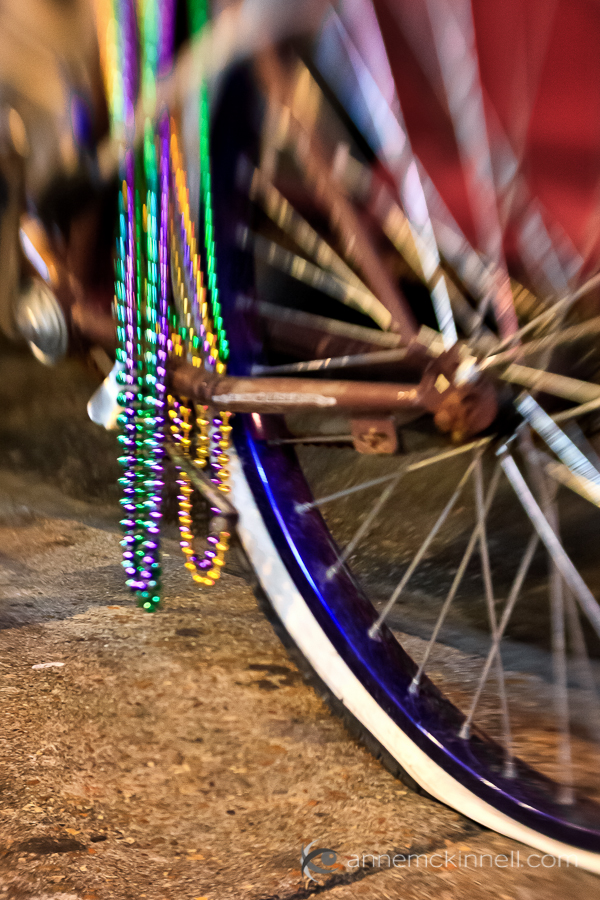
photography rut and motivation Bicycle with flat tire and Mardi Gras beads in New Orleans, by Anne McKinnell.

The effects in this image of a bicycle’s flat tire were achieved using a Lensbaby.

#8 Offer your services

If the opportunity arises, volunteering your time and skills for a good cause is a great way to challenge yourself and help others. You could run a photo booth at a local fundraiser or offer to take portraits of your friends and family, and there are countless charity organizations that would jump at the chance to have their fundraisers and other efforts documented.

#9 Get a new perspective

Look at the world from a different point of view. This can be as simple as getting up high – on a ladder, a building, or anything else – or down low, by crawling on your knees and belly to get a worm’s-eye shot. But it can also mean a more dramatic change, such as altering your surroundings all together. Try finding a brand new location to shoot in, whether that location is just another neighbourhood or whether you’d prefer to…

#10 Take a trip

This is, of course, my personal favourite way to keep my outlook fresh.

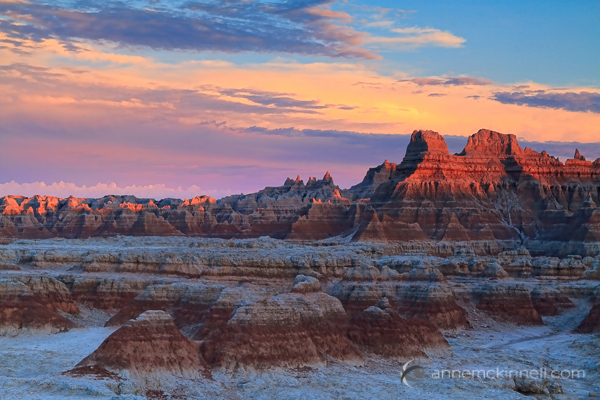
Sunset at Badlands National Park, South Dakota, by Anne McKinnell.

Sunset at Badlands National Park, South Dakota.

Going to a completely new place lets you view the world with fresh eyes and renewed wonder, and lets you see all the little details that get glossed over when you’re accustomed to the place you’re in. For me, traveling and photography are almost inseparable.

Creative ruts and blockages happen, but sometimes it’s our own hesitation that makes them seem so daunting. A lot of the time, all we need to get over that wall is to try jumping on a trampoline instead!

Post originally from: Digital Photography Tips.

Check out our more Photography Tips at Photography Tips for Beginners, Portrait Photography Tips and Wedding Photography Tips.

10 Tips to Motivate You out of a Photography Rut

The post 10 Tips to Motivate You out of a Photography Rut by Anne McKinnell appeared first on Digital Photography School.


Digital Photography School

 
Comments Off on 10 Tips to Motivate You out of a Photography Rut

Posted in Photography


The 5 Stupidest Photography Errors You Don’t Even Know You’re Making

22 Nov

They can happen to anyone who thinks he’s a good photographer. They can even happen to a professional photographer who has had years and years of experience in the industry! What…is “they?” In this case, “they” is a reference to the absolutely worst photography errors that you don’t even know you’re making. No matter how good you are or think Continue Reading

The post The 5 Stupidest Photography Errors You Don’t Even Know You’re Making appeared first on Photodoto.


Photodoto

 
Comments Off on The 5 Stupidest Photography Errors You Don’t Even Know You’re Making

Posted in Photography


Show Us Your Gear: Weekly Photography Challenge

16 Nov

By Marina del Castell

Show us your Gear!

This week we launched our brand new eBook – Photo Nuts and Gear – an eBook to help you choose the best camera and gear for your needs.

While we’re talking gear we thought it might be fun to have a photo challenge this week that got you to photograph your favourite piece of photography gear.

This may involve you having to get a little creative and shoot a self portrait in a mirror but you’re a creative bunch and we think you’re probably up for the creative challenge!

Once you’ve taken your ‘GEAR’ shot we’d love to see them in comments below. Simply upload your shot into the comment field (look for the little camera icon in the Disqus comments section as pictured below) and they’ll get embedded for us all to see or if you’d prefer upload them to your favourite photo sharing site and leave the link to them.

If you tag your photos on Flickr, Instagram, Twitter or other sites with Tagging tag them as #DPSGEAR to help others find them. Linking back to this page might also help others know what you’re doing so that they can share in the fun.

Also – don’t forget to check out some of the great shots posted in last weeks Beauty in the Everyday challenge – there were some fantastic shots submitted.

Post originally from: Digital Photography Tips.

Check out our more Photography Tips at Photography Tips for Beginners, Portrait Photography Tips and Wedding Photography Tips.

Show Us Your Gear: Weekly Photography Challenge

The post Show Us Your Gear: Weekly Photography Challenge by Darren Rowse appeared first on Digital Photography School.


Digital Photography School

 
Comments Off on Show Us Your Gear: Weekly Photography Challenge

Posted in Photography


Unlocking the Secrets of Commercial Photography: The Robert Humphrey Interview

15 Nov

Commercial photography is an avenue many people think of when considering photography as a career. The steady payslip and indoor working conditions are a lure to anyone, but studio lighting and a tight work schedule can be the undoing of any great worker. Robert Humphreys is the photographer for Country Baskets, and here he talks about what it’s like to Continue Reading

The post Unlocking the Secrets of Commercial Photography: The Robert Humphrey Interview appeared first on Photodoto.


Photodoto

 
Comments Off on Unlocking the Secrets of Commercial Photography: The Robert Humphrey Interview

Posted in Photography


iPhones, Instagram and Your Photography Business

14 Nov

by Lori Peterson

No, I am NOT telling you that you should replace your DSLR with your iPhone. So, let’s be clear on that. Having an iPhone thought does give you a new market to tap into and a new perspective on your photography and your style.

Just a few short years ago, every client started asking for web sized images to share on Facebook or to email to relatives. Now everyone asks if it’s okay to Instagram their photos. Times are changing for photography and people want to be able to share their photos right away.

During a session it is pretty standard that no one else is shooting. This way your client knows where to look, there are no distractions for them, and you can control the images that you are putting out there. But as trends are changing everywhere else in technology, they have also affected photography and what clients want.

Keeping up with what is trending is as easy as logging onto your Facebook page and seeing what your latest senior has been posting. Everything from Instagram photos to Vine videos is what they are talking about and looking for. At first you might feel odd about setting your DSLR camera down for a quick image for Instagram, but your client will love it. Let them know ahead of time that you are going to take one or two images to post to Instagram and that if they follow you they can see them and you can tag them in the images. Of course, on the spot images won’t have your logo, but you can tag them from your business and make sure your contract with them states that they won’t alter the images or add filters. It’s a quick and very simple way to make a client very happy. (Especially if it is a gorgeous image of them!)

Instagram is not your only option for creating cool photos for your clients. It’s nice when you have a few apps on your phone that you can choose from just based on the feel and look of the shoot. Instagram is a nice overall app to have and you can post the images right away without a lot of tweaking for the images. Instagram does allow you to add filters, blur or frames to your images. With Instagram you can post directly to your Facebook, Twitter, Tumblr, Foursquare and you can also send the images in an email.

Instagram
?Image posted to Instagram with frame, blur and a basic filter.

One of my favorite apps right now is called Snapseed. It’s a free app but it comes with a ton of fun stuff to really enhance your images and make them stand out. Textures, filters, light leaks, frames…you name it and Snapseed probably has it. And just like Instagram you can upload the images directly to your Facebook, Google + or you can email them.

Snapseed
Same image with frame, texture, and filter from Snapseed.

Pixlromatic is another free app that lets you add frames and effects to your images. It comes with standard default effects and you can purchase additional upgraded effects. The free app lets you add effects such as bokeh, light leaks, filters and frames. You can save the image into your camera roll on your phone or you can upload it to your Facebook, Twitter, or email.

Pixlromatic
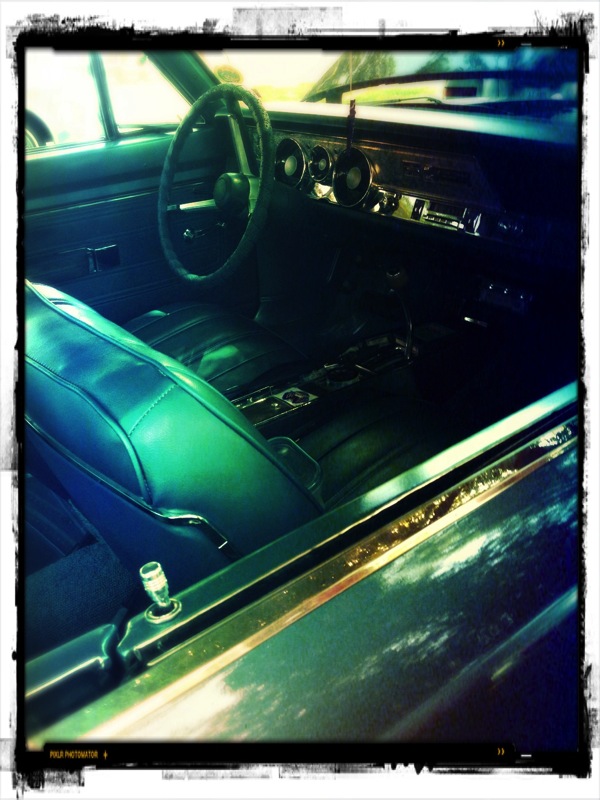
Image with filter and frame from Pixlromatic.

If you want to create a collage or storyboard for your client with their images you can use an app called Moldiv. You can frame up to 9 of your images, put them in a collage or stitch them together . It also allows you to add text if you want. With Moldiv you can upload to your Instagram or share on Facebook or Twitter.

Moldiva
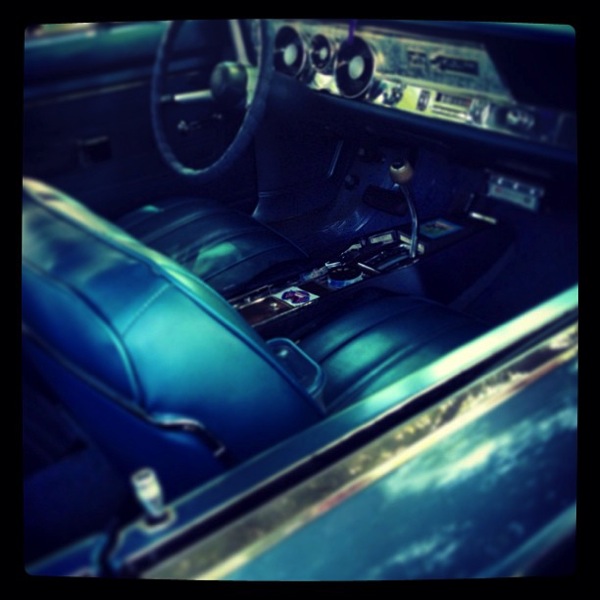
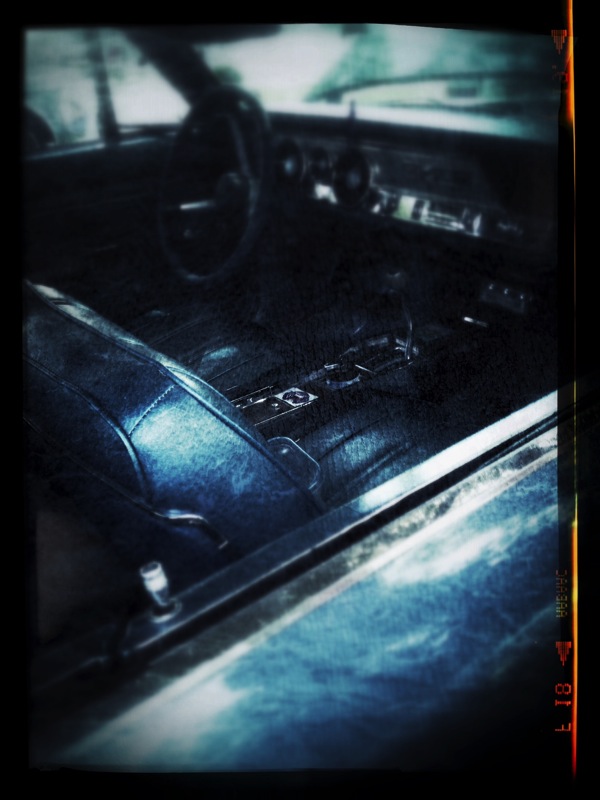
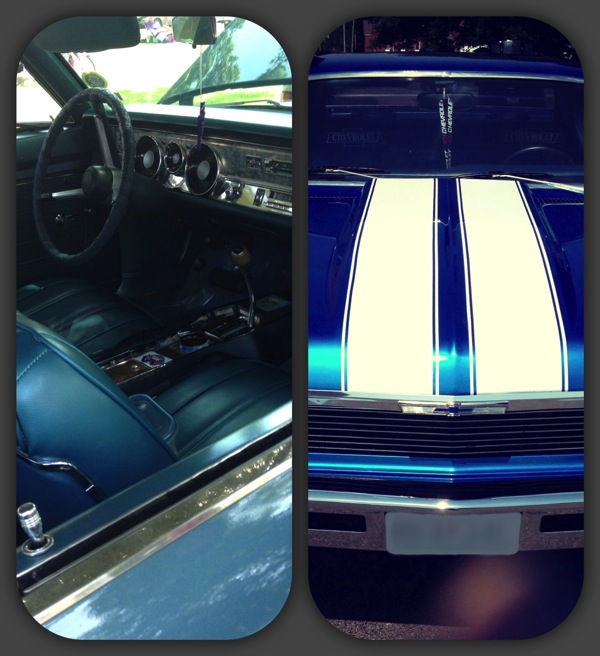
Image in collage with another old car on Moldiva.

And of course, if you want to use Instagram, but want to be able to make the image look it’s best and add your logo you can download an action that resizes and preps your images from Colorvale Actions. This action can be used with portrait or landscape images.

Colorvale logo

You can download the Colorvale free action here.

Using your phone and any of these apps is an easy way to provide your clients with images that they can use on whatever social media they use. If you upload and tag them, more people will be seeing your business and will see that you are providing all around service for your clients.

Note: The apps listed above are all free to download.

Lori Peterson is an award winning photographer based out of the St. Louis Metro Area. Her dynamic work ranges from creative portraits to very unique fine art photography. Lori’s work can be seen at www.loripetersonphotography.com and also on her blog at www.loripetersonphotographyblog.com. You can follow her on Facebook at https://www.facebook.com/LoriPetersonPhotography.

Post originally from: Digital Photography Tips.

Check out our more Photography Tips at Photography Tips for Beginners, Portrait Photography Tips and Wedding Photography Tips.

iPhones, Instagram and Your Photography Business

The post iPhones, Instagram and Your Photography Business by Guest Contributor appeared first on Digital Photography School.


Digital Photography School

 
Comments Off on iPhones, Instagram and Your Photography Business

Posted in Photography


8 Ways to Prepare for an Awesome Landscape Photography Session

13 Nov

What is your photographic specialty?  Do you even consider yourself to have one?  The answer to these questions might depend on whether or not you’re a professional photographer or do it for the enjoyment of the hobby. It’s a commonly known rule amongst professionals that you can usually maximize your success by concentrating in one or two specific disciplines or styles, whether it be Continue Reading

The post 8 Ways to Prepare for an Awesome Landscape Photography Session appeared first on Photodoto.


Photodoto

 
Comments Off on 8 Ways to Prepare for an Awesome Landscape Photography Session

Posted in Photography


The Path to Better Photography

09 Nov

Ed Verosky is a professional photographer and author based in New York. In this article, Ed presents his recommended path to learning photography. This, along with his eBooks on the subject, have greatly improved the skills of thousands of photographers. To learn more about improving your photography, visit his site and check out his extensive eBook collection (currently 62% off at SnapnDeals).

If you’ve ever wanted a little guidance when it comes to learning photography from top to bottom, this DPS post is for you! There’s a lot of information out there, and tons of books, tutorials, workshops, etc. to learn from. But it’s not always easy to know where to start, or where you should focus your efforts when it comes to really improving your knowledge of the art and craft of photography. With that in mind, here’s a "learning road map" I’ve put together for you that has helped many of my readers. I hope it helps you with your quest to become a better photographer.
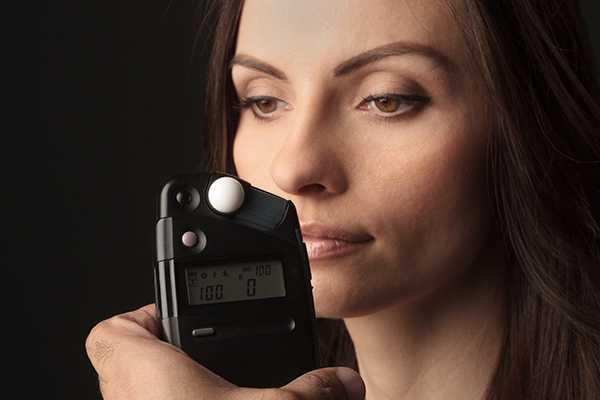
NewImage

Getting Started

First of all, I want to thank you for taking the time to read this. You’re probably looking at this right now, excited about the possibility that you might actually learn something new, something that will elevate you as a photographer in some way. Whether you are a beginning photographer, or someone who’s been at this for a few years, you probably have the desire to improve on this thing that you love.

Photography means something special to you; it’s a kind of magic that allows you to express yourself. It’s your way of communicating and sharing with the world. Whether you’re doing what you love to earn extra income, or simply for the pure excitement and enjoyment of it, that’s reason enough to want to keep improving and learning and growing. It’s not only the technical skills, but the psychology and artistic sensibility of what we do as photographers that keeps us constantly in the need to learn and adapt to everything from new gear, to new people/clients, to our own ways of expressing ourselves.

How to Use this Post as a Guide

Print this post out. It’s your guide and starting point. It can serve as a road map to learning the basics of photography, helping you to build a solid foundation from which to grow and become really good at what you do. I encourage you to use this road map and seek out multiple resources, like DPS, to further your understanding of each topic that follows. My blog, newsletter, video tutorials, and ebooks will also definitely help you learn about these things quickly and in great detail. But I routinely direct people to outside resources as well, because I think it’s important to learn from more than one teacher in order to really drive home the knowledge and principles of photography.

I’m very excited about this journey you’re on, and it’s my goal to do everything in my power to help you get everything you want out of your photography. I’m obsessed with teaching and demonstrating what I’ve learned and all the new things I continue to learn. I’m sincerely happy that I have another person I can share this excitement with right now. That’s you!

Now, we’ll begin our discussion of the four topics that I feel are most important in your development as a good photographer: the camera, the lighting, the subject, and post-processing.

The Camera

The first part of becoming a complete photographer is knowing how your camera works, inside and out. Your camera is the main mode of communication between you and the outside world as a photographer. Like your voice, your photographic vocabulary is extremely limited without some good understanding of how best to tell a story. Put the effort into learning everything about your camera and and it will pay off, big time. Plus, you’ll be able to speak intelligently about your craft, and be able to ask the right questions when it comes to the topic of lighting. The camera and the lighting; knowledge of one topic supports an understanding of the other, so you need both. Start with your camera.
NewImage

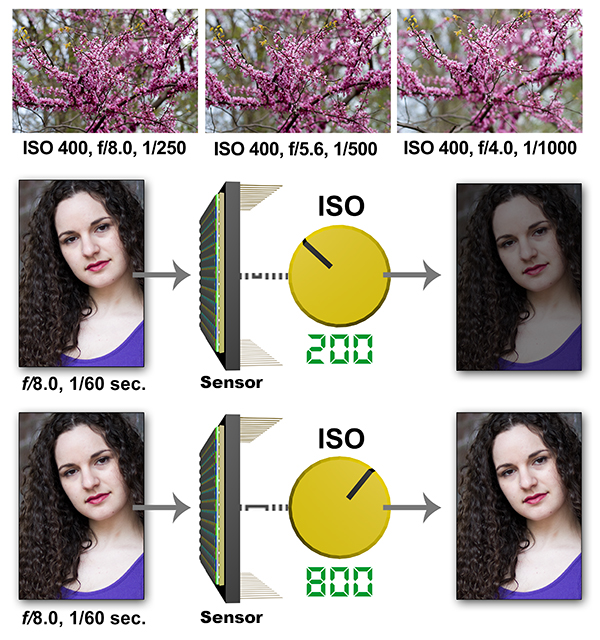
Good resources will provide numerous visual examples to help you understand how exposure works. The sequences above are just a few that I use in my eBooks to illustrate the interdependent nature of exposure controls on the camera.

———————–

Here are some of the most important things you should learn about:

  • Raw and JPEG. The differences between Raw and JPEG file formats. Learn what the differences are and why one is not always better than the other. For example, I strongly recommend that people shoot in the largest Raw format their cameras produce. But that’s not always the practical choice, nor is it always necessary. In general, however, Raw will provide you with the highest quality file from which to work with. From there, you can export out to fine-tuned JPEGs that are sure to produce prints and web display images of excellent quality. But this isn’t the whole story, and you should probably investigate what these file formats are capable of, and how they work with your post-processing software, so you can make the most informed decisions according to the demands and limitations of your schedule, software, and client needs.
  • ISO, Aperture, and Shutter Speed. These are the fundamental components of exposure and a huge topic for photographers. Our cameras are able to keep these three components in check for us in automatic shooting modes, but the auto-metering and exposure mechanisms don’t always get it right. Understanding exactly how ISO, aperture, and shutter speed interrelate will give you complete control over exactly how your exposures turn out. You need to understand this topic in order to make educated decisions about how to adjust exposure even when using automatic shooting modes. There are shortcuts to learn, too. But I cannot stress how important it is to get a real, rock-solid, understanding of exposure.
  • How to do the math of photography. It’s easy once you get the hang of it, and it’s an essential part of working with all aspects of exposure and lighting. What is this "math" all about? Well, it comes down to how light is measured in photography; we talk about light in terms of "stops" which are traditionally full increments of camera and lighting adjustments. Each stop either doubles or halves the amount of light you’re working with. For example, when working with apertures (often talked about in terms of f-stops), moving from one full f-stop of say, f/5.6 to f/8.0 cuts the light entering the camera by half. Likewise, changing your shutter speed from 1/500 sec. to 1/250 sec. allows twice as much light to expose the camera sensor. ISO works the same way; ISO 200 makes your sensor twice as sensitive to the light hitting it as ISO 100. Lighting has a similar math with a few good rules you can follow. Knowing all of this and putting it to use will put you in complete control of your lighting and exposure.
  • White Balance. Light comes in many different colors, even when it looks white to your eyes, a light source can reproduce as blue, green, or orange. Learn how to control and fix it both in-camera and during post-processing. When you’re using different types of light sources together like flash and household incandescent lamps, you’ll have to make some decisions about how to handle the difference in light color, if at all.
  • Shooting modes. Which camera mode do you typically shoot in? There are several to choose from including full automatic, program, aperture priority and shutter priority. There’s also manual mode which is very important to know how to use. In fact, for studio-type lighting, manual mode is usually the best choice. Learn what each camera shooting mode does. Each one has a real purpose and knowing how to choose the right one is crucial.
  • Manual mode. Understand how to use it and gain total control over every aspect of exposure. No, you don’t have to shoot in manual mode all the time to be considered a "real" photographer, but for many situations, knowing how to use your camera in manual mode will save you from disaster. Manual mode is also important in studio work and anytime shooting conditions require you to do the thinking when your camera’s auto modes aren’t cutting it.
  • Understand all the metering, focusing, and drive modes on your camera. It’s easy to find one thing that works and simply stick to it. But sometimes you need to switch things up to get better results as conditions change. Learning what your camera’s capabilities are is going to come in handy.
  • Evaluate and fix your shots. Know how to most effectively use all the tools available on your camera to properly evaluate and adjust your exposures as you’re shooting.

Ok, remember the broad list of things you need to learn: camera, lighting, subject, and post-processing? Well the list above is just the CAMERA part! Trust me, I know that part alone can seem overwhelming, and that’s why most people never bother to learn it all. That’s a real shame, because it’s the first part of becoming a complete photographer; you need to know everything about how your camera works.

Fortunately, you don’t need to know everything from the start. If you’re using your camera in a way that’s working for you right now, keep doing that. There’s no reason to give that up. But in the meantime, start building on your current understanding and usage of the camera and learn a little bit more as the weeks go on. Soon, everything’s going to start coming together and you’ll find that you have a total command of the camera. That’s the goal. Read the best resources on using your DSLR, and just commit to wanting it. It’s going to happen, I promise!

Lighting

Although setting your camera to one of the auto exposure modes is a great way to solve the immediate problem of getting a properly exposed image, it won’t solve your lighting concerns, and it’s your lighting that really makes the difference. Many photographers soon realize that what separates their images from better work is the application of good lighting techniques and different types of lighting sources. I would say that the ability to skillfully use lighting is the number one technical skill a photographer should seek to acquire in order to produce good work. Unfortunately, this is also the number one place photographers tend to drop the ball.
NewImage

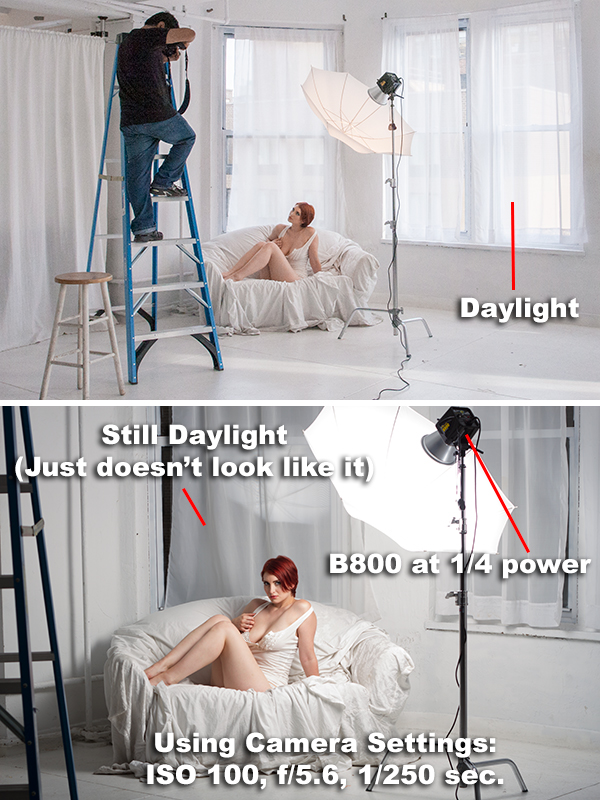
Learning how to control your light will allow you to easily create effects like overpowering daylight (above). Here, the right combination of camera settings and flash power create a nighttime effect, even though there is actually bright window light coming into the studio.

———————–

Sure, lighting isn’t easy at first, and maybe that’s why so many photographers just give up on learning how to do it properly. It takes time, experimentation, and a good teacher to help you get to where you need to go with photographic lighting. Good books and tutorials can help you with that. When I teach, my goal is to show readers how to use natural, constant, and flash lighting in a way that really gives them a handle on it quickly.

In order to really master lighting for photography, you should learn the following things:

  • How light actually behaves. By learning the properties of light, you can easily control the way it can be directed, redirected, and modified to suit your needs.
  • How light is measured in photography. There’s a very easy and powerful math to photographic lighting (which I touched on earlier). It’s been around for a long time and has served photographers well. Learning how to measure light is crucial to good lighting and good exposures.
  • How to use strobe/flash lighting. This is one of the most powerful and convenient types of lighting you can learn to use. Knowing how to use both on-camera and off-camera flash is what separates many photographers. While it’s ok to feel comfortable being a "natural light only" photographer, it’s also limiting.
  • Lighting for portraiture. Using your knowledge of lighting will transform your portraiture work to a new level. There are five important lighting patterns you should absolutely know. Starting with a single light source, you can apply these patterns and build upon them to eventually create portraits that take advantage of multiple lights.
  • Mixing and matching light sources. Make sure to understand how different light sources (although many appear to look white to your eyes) will cause major color shifts in your exposures. You can handle these problems in-camera with good white balance techniques and also during post-processing.

The Subject

I believe in teaching portraiture in a semi-traditional way; instructing on the fundamentals and quickly moving to a more freestyle approach. An appreciation for traditional lighting patterns and contemporary portraiture will give you a good foundation for all of your portraiture work. But in today’s marketplace, the old traditional portraiture isn’t the only game in town. Working photographers should look beyond typical portraiture to find ways to differentiate themselves from others. One of the main things I like to stress is that you should start thinking about unconventional posing, directing, lighting, etc. eventually developing your own style.
NewImage

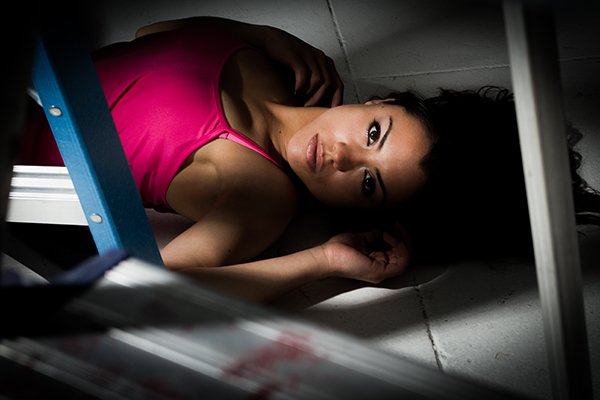
Great subjects can inspire you to get creative with your posing and lighting techniques. This type of experimentation will help you develop your own unique style.

———————–

Again, this all begins with really knowing the fundamentals of lighting, and getting very comfortable with your gear so it becomes an extension of your vision and not something that gets in the way of the creative flow. But simply knowing how to use the tools and basic techniques of your craft isn’t enough. You need to let go of the things that hold you back from creating your best work and explore new ways to look at and create portraiture. Yes, the soft skills like working with subjects and clients are important which is why it’s one of my favorite things to teach.

Here are some of the most important themes and topics I tend to discuss on a regular basis:

  • Classic Lighting. The basic traditional lighting patterns are classics and always look great. Even if you’re the type of photographer who doesn’t like to do things the traditional way, get to know the classics because they come in handy and the principles they’re based upon apply to ALL types and styles of lighting.
  • Creative Lighting. I strongly encourage you to go nontraditional, too. Working with your subjects in a way that encourages creativity includes bending and breaking the rules of traditional lighting.
  • Developing Your Own Style. It’s imperative for working photographers to do this in order not to drown in a sea of competition where so many are producing work absent of any unique style or vision. Amateurs have even more reason to explore the artistic areas of portraiture since it is a part of the amateur heritage to do so, and also because they don’t have the burden of producing work according to the tastes and needs of paying clients. When I talk about developing your own style, I don’t necessarily mean that you can, or should attempt, to do it deliberately. I don’t think you can create a true style as much as you can identify it by looking back at your work as time goes on. But in the meantime, take this as a cue to work in a way that is your own.
  • Portraiture Projects. One of the best ways to expand your body of work, as well as come up with new imagery that you otherwise might not have thought of, is to start a photo art project. Starting with just a simple idea or theme, you might find yourself discovering many different ways to express it. Even a very general concept has a tendency to build on itself as it becomes, at the same time, more defined and diverse. This process of creation and discovery can only enhance your artistic vision and technique.
  • How to Find Great Subjects. Good models are everywhere, you just have to know how to find them. This is another thing I talk about in my books, but the main message here is that family, friends, and strangers can all make great subjects. You don’t always have to look to "model" directory websites to find great people to photograph. I’ve gotten some of my best results through other means.
  • How to Direct Your Subjects. Whether your portrait subject is a client or a collaborator in your next artistic vision, it’s very important to get them excited and on-board with your ideas for the shoot. They are the actor in your drama, the star of your movie, even if your "theater" is only an ad-hoc studio setup, your subject’s confidence and enthusiasm are key ingredients for a successful shoot.
  • Make Your Work Personal. This is very important. No matter what, or who, you photograph, if you invest something personally in your efforts, it will show. Your work will be less generic and more substantive. It’s often said that all portraits are really self-portraits. While it’s not always that evident, the truth is that the best portraits happen when you recognize something special as you click the shutter. And what you recognize most often comes from a very personal place.

Post-Processing

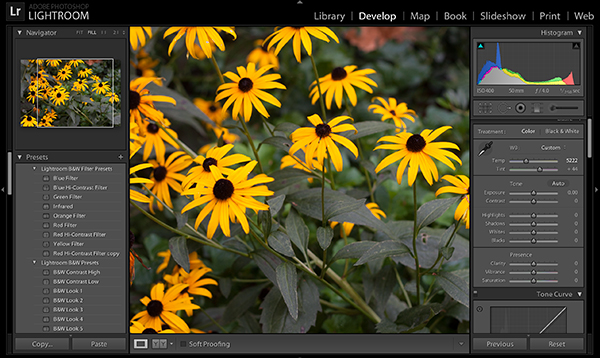
It can be argued that post-processing happens the moment a digital camera processes the data off the sensor, and certainly when a file is converted, via some programmer’s algorithm, for view in a RAW conversion engine common in most digital workflows. Why not make the absolute most of the tools available to you, just as photographers have always done? It used to be darkroom tools, like various ways of developing film and selectively exposing photographic paper during the printing process, which allowed the photographer to enhance or correct problems with an original negative. Now it’s digital. Of course you can ruin any photograph with overdone effects or cheesy gimmicks. But used thoughtfully, post-processing techniques can help make a good picture an outstanding one.
NewImage

  • Raw Conversion Software. I recommend that you learn how to use Raw conversion software which powers and comes built-in to Adobe’s Photoshop and Lightroom products. Working with Raw files has gotten to be a rather seamless part of the normal workflow.
  • Image Editing. Software like Lightroom and Aperture make organizing and basic editing a breeze. Adobe Photoshop is the standard professional editing (retouching) tool of choice, however, the less expensive Photoshop Elements might have just enough features to allow you to do the type of post-processing you’re interested in.

Try out these products for free by clicking on the following links. You should see a "Trial" link on each product’s information page:

  • Adobe Lightroom
  • Adobe Photoshop
  • Adobe Photoshop Elements

Of course there are also other fun and effective ways to post-process your images, including using some popular mobile device apps. This is one of my favorite topics to cover as I’m a big fan of iPhone photography and mixing DSLR photography with phone photography editing and sharing technologies.

Some of the things you might be interested in learning include:

  • Retouching. Using Photoshop tools like the clone tool, liquify, and healing tools to remove blemishes, tighten up body parts, and otherwise improve the overall look of your portrait subjects. "Photoshopping," "airbrushing," or retouching is so prevalent these days, it’s almost expected that you offer this to paying clients as part of the service. You can learn to do at least the basics by watching a few tutorial videos on YouTube, but I suggest you also invest in some basic detailed instruction from books like the popular ones by Martin Evening. Once you get that under your belt, you’ll be ready to tackle more advanced topics.
  • Effects. There are several effects that are popular with photographers these days, including texturing, compositing, and alternative color processing and black and white conversions. Some effects can be purchased as presets and actions making them simple to apply. However, I recommend you also learn how to create and manipulate images directly so you’ll know exactly how to get the looks you want and make them unique.
  • Image Preparation. You’ll also want to know the best ways to prepare your images for use in various applications like prints of specific sizes, on-line web galleries, distribution and presentation on the web, etc. Knowing the ins-and-outs of image resolution and quality settings will help you make the most of your photography. After all, what good is all the work you’ve done up to this point if you don’t know how to best present your images in the end?

This Is Just The Start

I realize there’s a lot of information in this post. At the same time, it’s not complete, just one general outline based on my experience and teaching methods. But I strongly encourage you to find your place on this map and start navigating your way through it. It will take some time, but that’s one of the best things about photography, the discovery.

——————

To get started, you can download my popular eBook bundle at a special discounted price (62% off) on SnapnDeals. Everything I’ve talked about above (and more) can be accessed now so you can get started today.

Post originally from: Digital Photography Tips.

Check out our more Photography Tips at Photography Tips for Beginners, Portrait Photography Tips and Wedding Photography Tips.

The Path to Better Photography

The post The Path to Better Photography by Guest Contributor appeared first on Digital Photography School.


Digital Photography School

 
Comments Off on The Path to Better Photography

Posted in Photography