RSS
 

Posts Tagged ‘Photography’

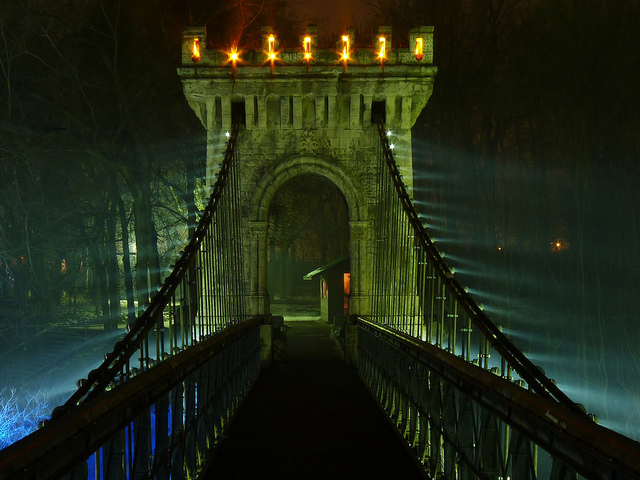
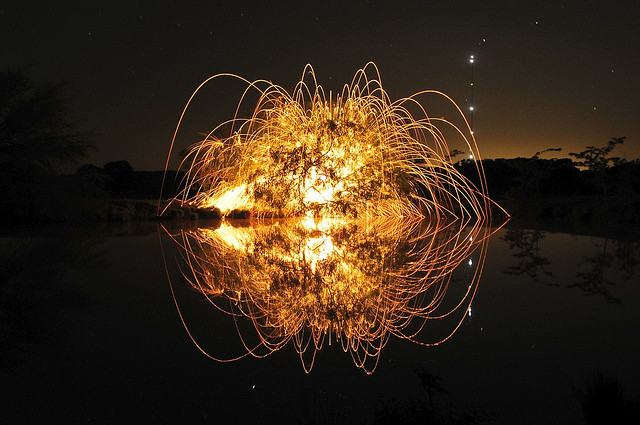
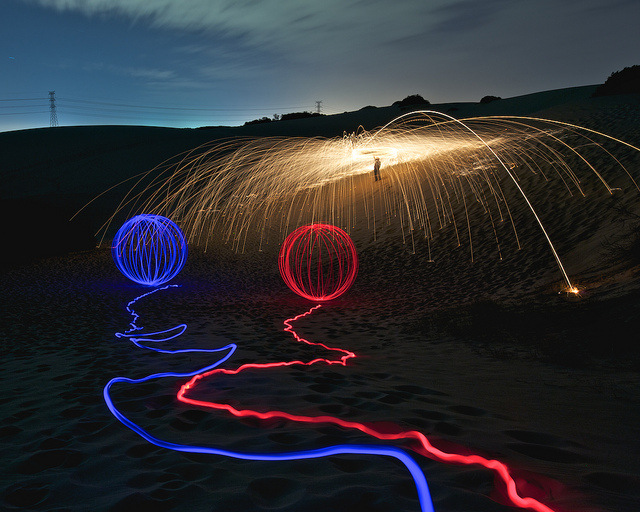
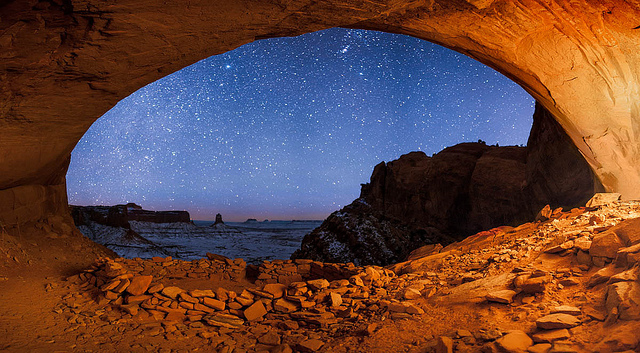
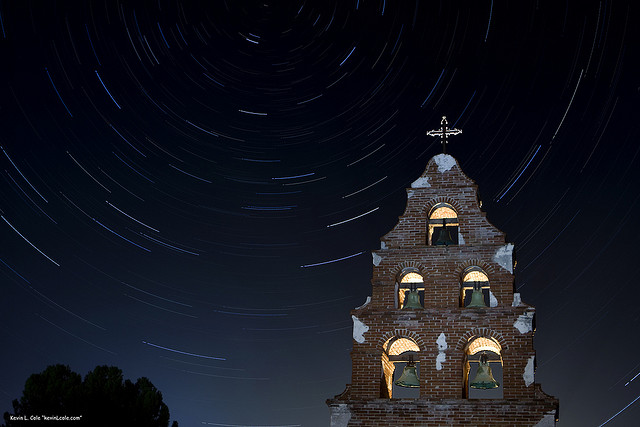
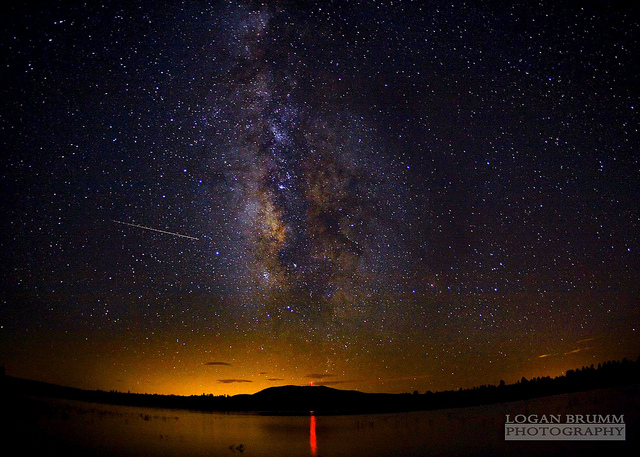
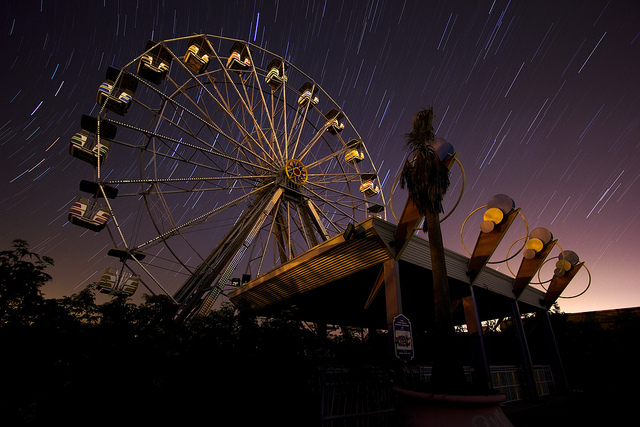
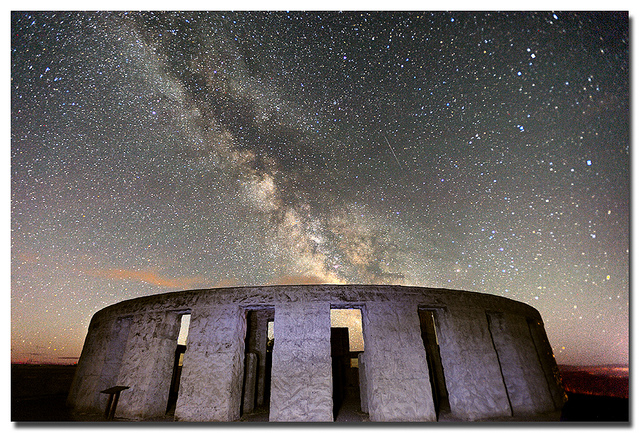
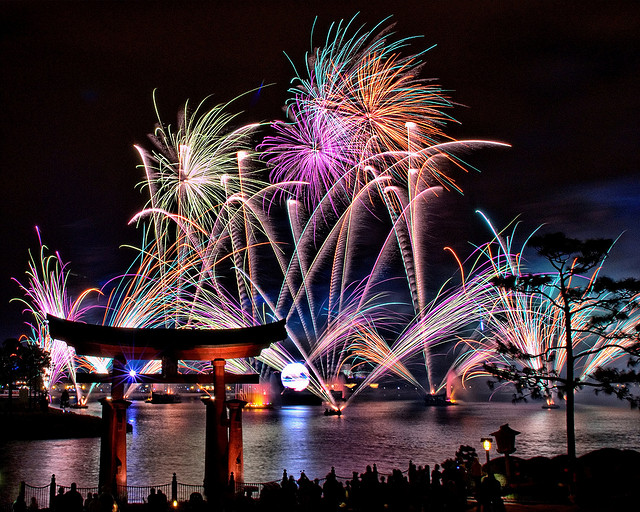
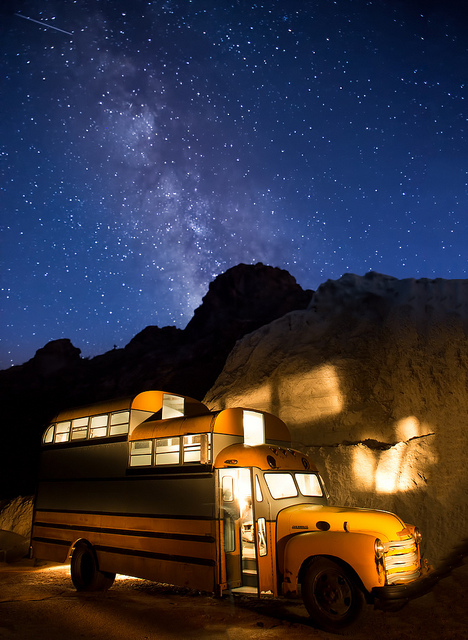
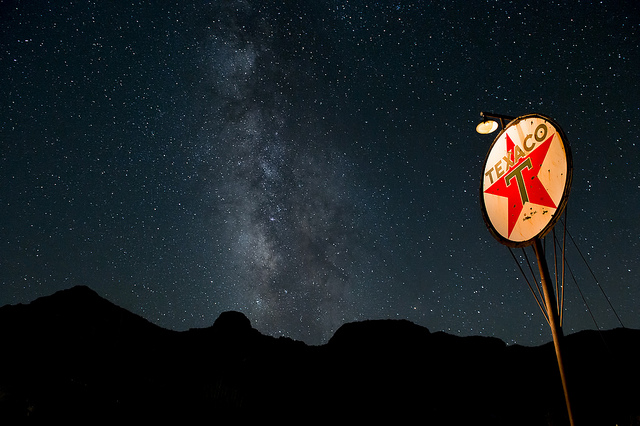
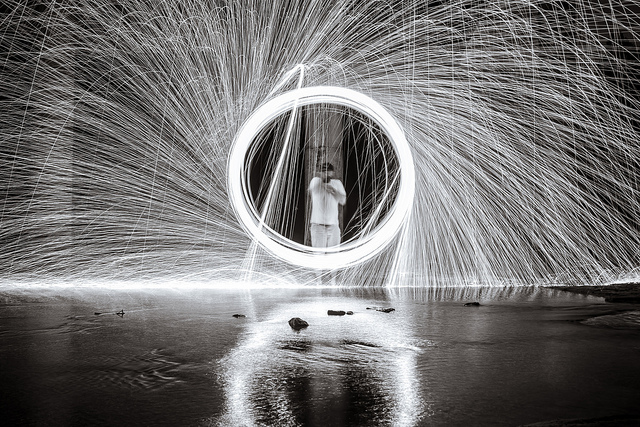
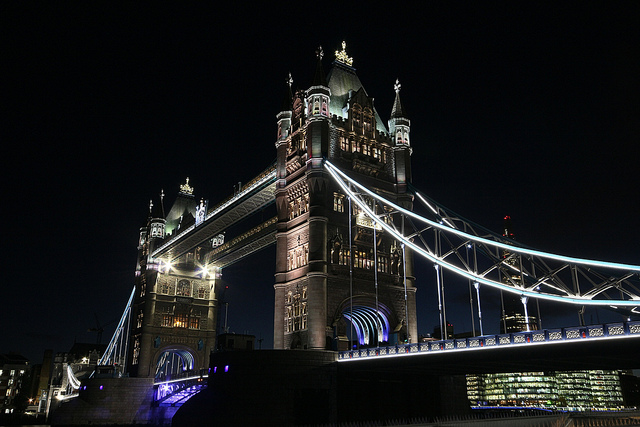
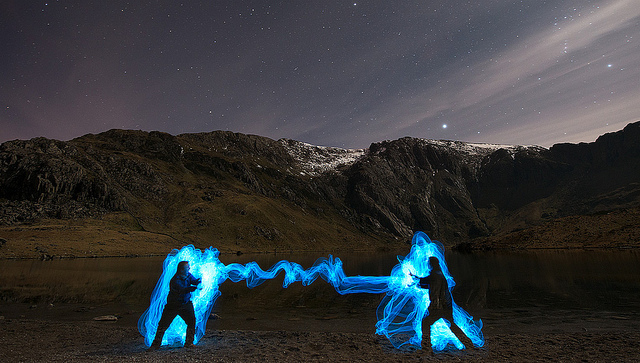
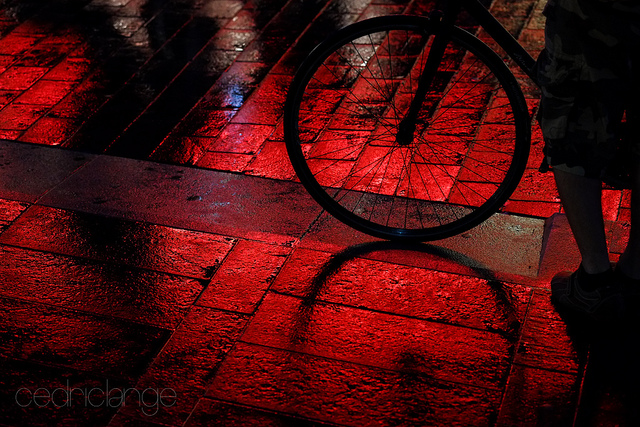
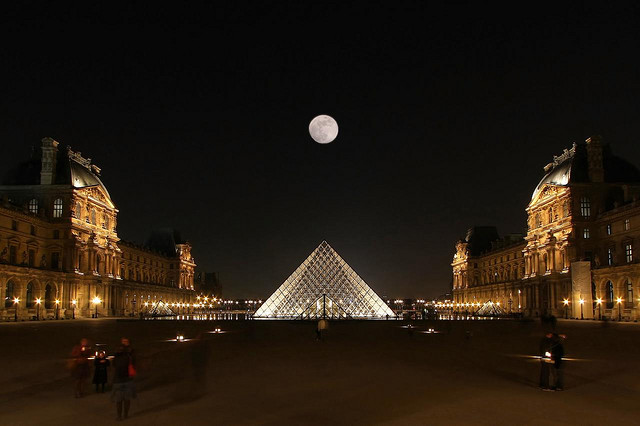
The Mystery of Night Photography – 35 Images of the Night

24 Jan

By Billy Wilson

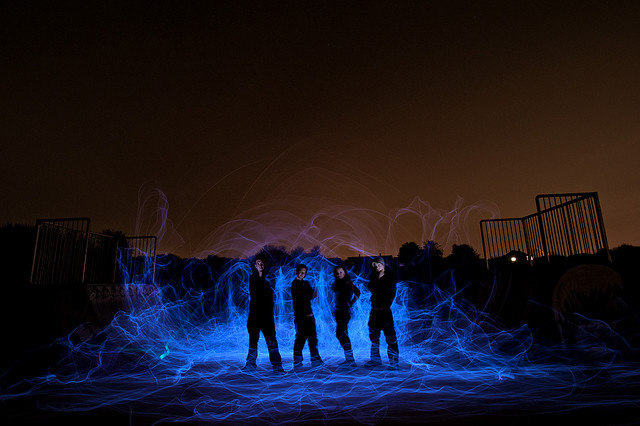
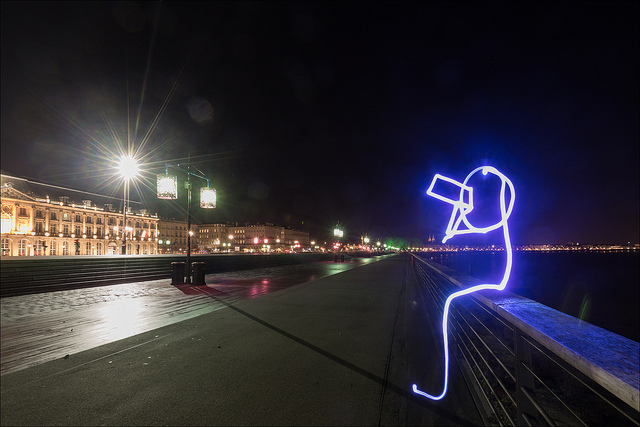
One of my favorite classes that I teach is on night photography. I find that many beginners haven’t yet ventured out into the dark of night and I love introducing them to the wonders of night photography, and showing them the possibilities. Things like light painting, orb making, fire spinning, zooming exposures and star trails are some of the exciting things possible at night.

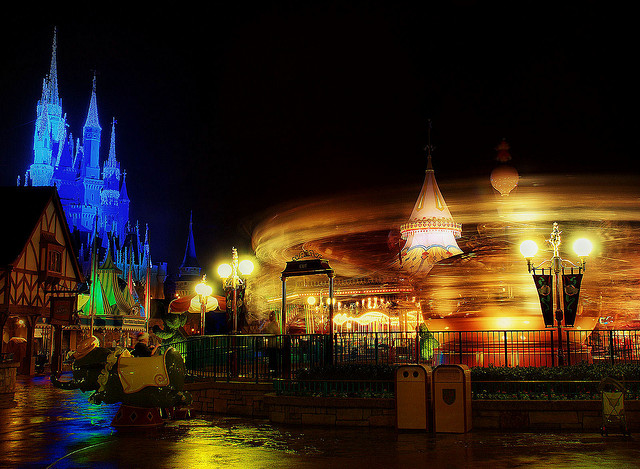
Let’s take a look at a few night photography images to get fired up!

By Dustin Diaz

By H. Raab

By DomiKetu

By earsaregood

By Alexander Kesselaar

By Lotus Carroll

By Jeff P

By David Kingham

By Kevin Cole

By Logan Brumm

By Kris Williams

By Chris Luckhardt

By Toby Keller

By Bala Sivakumar

By Joe Penniston

By Howard Ignatius

By Howard Ignatius

By Lotus Carroll

By William Cho

By ben matthews :::

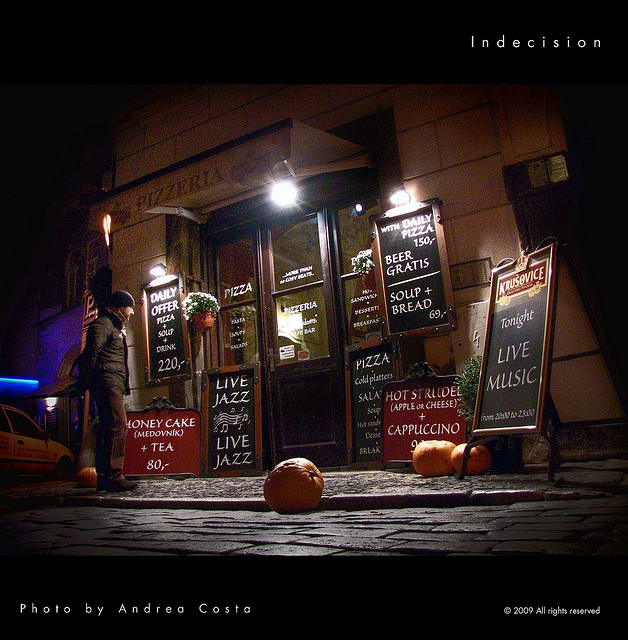
By Andrea Costa

By Joe Penniston

By Adrien Sifre

By Simon & His Camera

By Carl Jones

By Cedric Lange

By Riccardo Francesconi

By photophilde

By Viewminder

By Duane Schoon

By Justin Brown

By Luz Adriana Villa

By William Cho

By john curley

Learn about how to do night photography here:

  • Moon Photography: 6 Tips for Better Moon Photos
  • Painting with Light in the Landscape
  • The Night Sky In Landscape Photography

The post The Mystery of Night Photography – 35 Images of the Night by Darlene Hildebrandt appeared first on Digital Photography School.


Digital Photography School

 
Comments Off on The Mystery of Night Photography – 35 Images of the Night

Posted in Photography


Low Light Photography: How to Shoot Without a Tripod

22 Jan

A tripod is my most valuable photo accessory. In fact, I view it as an essential item, and not an accessory. But sometimes using one is just not practical. Sometimes you get caught without it unexpectedly, and sometimes they even break. It’s good to know what to do in these situations so you don’t miss any photo opportunities.

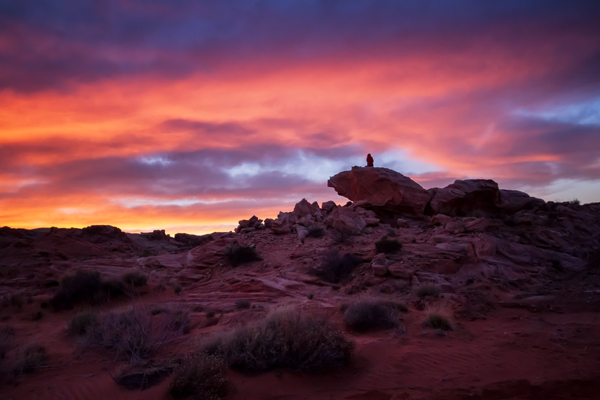
Sunset in The Valley of Fire, Nevada by Anne McKinnell

While shooting in the Valley of Fire, Nevada, I broke my tripod. Of course, there was a spectacular sunset that night. I was able to make this photo by increasing my ISO to 2000 and using a wide aperture of f/5.0 (the widest aperture for the lens I was using) when normally I would have used a much small aperture for this scene.

If you don’t have your tripod with you, or you’re trying to make do without one, you still have some options for low-light photography.

1. Use a wide aperture

If you want to handhold your camera in low light, you’ll have to work with a wide aperture, a high ISO, or both. Often landscape photographers want to use a small aperture such as f/18 to get maximum depth of field, but that isn’t practical for low light situations. Instead, use your camera’s widest aperture (the smallest f number) and focus on the most important feature in the frame.

Most standard kit lenses don’t perform very well in the dark, so if you do a lot of this type of photography, consider picking up a simple 50mm f/1.8 lens; nearly every brand has a cheap one and they’re well worth it for their sharpness and low-light capability. The maximum aperture of f/1.8 is a full 3.5 stops (lets in 12x more light!) wider than a standard 18-55mm kit lens at the same focal length.

2. Use Image Stabilization

The rule of thumb for shutter speed is that if you want a sharp image, the shutter speed should be no slower than the same fraction as your focal length – that is, if you’re using a 50mm lens, set your shutter speed to 1/50 second. However, if your lens has image stabilization, the shutter value can be two or three stops slower than this. This leeway makes a big difference in low light situations.

3. Use proper camera holding techniques

In low light photography, learning the proper stance and camera holding technique can give you even more leeway when it comes to preventing camera shake. It’s all about stability – plant your feet firmly, about shoulder width apart. With your right hand on the shutter button, hold the lens with your left hand, to steady it. Tuck your elbows tightly into your chest and control your breathing, shooting after you exhale whenever possible. All these things will contribute to your own stillness, minimizing handshake blur.

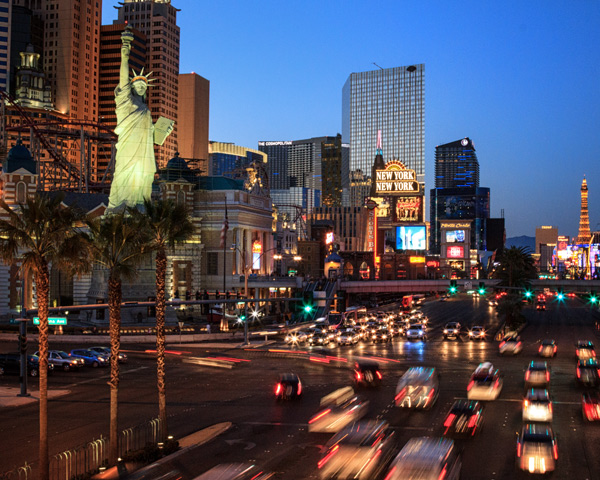
New York New York, Las Vegas by Anne McKinnell

In Las Vegas, I wanted to make an image with a fairly long shutter speed to blur the motion of the cars. However, I was standing on a bridge that had a chain link fence, and it was also a narrow pedestrian bridge with lots of pedestrians. Using a tripod was not practical. Instead using ISO 1250 and proper camera holding techniques allowed me to hold it steady for half a second.

3. Use a high ISO setting

ISO refers to the level of light sensitivity of your camera. The higher the ISO the more sensitive the sensor is to light, therefore the less light is needed to make a good exposure. The downside is that the higher the ISO, the more “noise” you will find in your image. Noise is a grainy look as opposed to a smooth look. Some noise is okay and it can often be removed in post processing.

When photographing in low light, turn your ISO up as high as you can before the image quality gets too noisy. This setting is different on every camera and an acceptable amount of noise is different for every photographer.

I recommend that you do an exercise so you know the maximum ISO for your camera, that results in a noise level you think is acceptable. Take the same shot at a number of different ISO settings and when you view the photos on your computer later (view at 100% size or 1:1), you will see at what point image quality begins to deteriorate. With today’s cameras this point is probably higher than you might think. Often with ISO 800 or 1600 you will see some noise, but not so much that you can’t fix it in post processing. It’s a good idea to try this exercise both in good light, and low light situations.

Canada Geese at Sunset by Anne McKinnell

Photographing Canada Geese flying overhead at twilight meant that I needed a relatively fast shutter speed to stop the motion. Therefore, I had to use a high ISO and a wide aperture to enable the faster shutter speed. This image was made at ISO 1600, f/4.5 1/200 second.

Noise is not necessarily a bad thing and can be used for creative purposes. If you are using a very high ISO, try shooting in black and white – it removes the colour from the noise and instead gives your photos an old-school grainy look.

Some of the most beautiful landscape photographs are made in low light, so learning these techniques will help you take advantage of low light opportunities and get that great shot even when you don’t have a tripod.

Further reading on low-light photography:

  • A guide to outdoor low-light photography
  • Better low-light photos without a flash
  • 15 tips for low light landscape photography

The post Low Light Photography: How to Shoot Without a Tripod by Anne McKinnell appeared first on Digital Photography School.


Digital Photography School

 
Comments Off on Low Light Photography: How to Shoot Without a Tripod

Posted in Photography


Black-and-White Photography Tips for Beginners

22 Jan

There are some photographers who like to click images and convert them into black-and-white photos in the post-production phase. There’s nothing wrong with this procedure; it’s just that it is time consuming. So, instead of converting the photos into black and white later, wouldn’t it be better to shoot photos in black and white in the first place? In today’s Continue Reading

The post Black-and-White Photography Tips for Beginners appeared first on Photodoto.


Photodoto

 
Comments Off on Black-and-White Photography Tips for Beginners

Posted in Photography


Tips for Indoor Sports Photography – Part 2

21 Jan

As the title of the article says, this is Part 2. I strongly encourage you to read Part 1 first, where I covered some of the indoor sports photography basics like gear, auto focus, camera settings, and looking for creative angles. While Part 1 centered primarily on basketball, here in Part 2 we’ll take a quick look at some of the other indoor sports you might find yourself shooting.

Fencing

Whereas flash might be allowed for basketball, it will NEVER be okay for fencing. You’ve got two combatants trying to stab each other with swords. Anything you do that can possibly affect the vision of either fencer–even if just for a moment–can also affect the outcome of the match, and possibly result in injury. Open up your aperture, dial down your shutter speed a bit, crank up your ISO. Rapid-fire mode may not be such a bad idea here, because a certain number of blurry photos are to be expected.

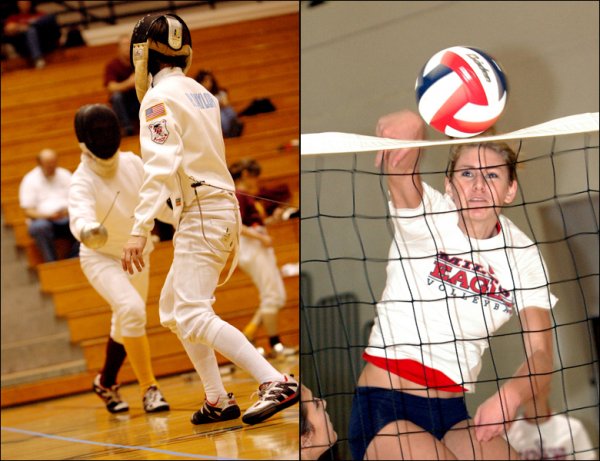
Fencing and volleyball-- two very fast, unpredictable sports.

Fencing and volleyball– two very fast, unpredictable sports. FENCING: 100mm, 1/160, f/2.8, ISO 1600.  VOLLEYBALL: 80mm, 1/200, f/4, ISO 1250, TTL Flash.

Volleyball

I love the game of volleyball, but I absolutely hate shooting it. The unpredictability of bump, set, and spike can be maddening. Anticipating where the ball is going is perhaps more difficult in volleyball than any other sport. Again, flash may or may not be your friend when photographing this sport. Make sure to talk with the referee before the match begins. In volleyball, there is one referee at the net. Most will allow you to use flash, as long as you are not shooting towards them. That means shooting from the same side as the ref. You’ll most likely have spectators behind you, so try to stay low and be respectful.

Gymnastics & Competitive Cheerleading

Just like fencing, flash will never be allowed when photographing gymnastics or competitive cheerleading. Both are a photographic challenge, requiring you to capture very fast action in very low light. Most professionals like to shoot these events at 1/1000 with very high ISO. Being able to anticipate the action is possibly more important in gymnastics than almost any other sport.  Gymnastics moves so fast that if you see it in the viewfinder, chances are you’ve already missed the shot. Watch them warm up. Getting familiar with a routine during practice will help you know what to look for when it’s real.

No flash allowed when balance is the difference between winning and losing.

No flash allowed when safety and balance can be the difference between winning and losing, or injury.
1/250, f/4, 80mm, ISO 3200.

Swimming

For swimming, flash is generally allowed, but never on the start. When officials need to signal a false start, swimmers see a flashing light at the end of the pool. Hitting them with flash before they even hit the water can confuse them into thinking a false start has been signaled when it hasn’t. There is no do-over if they mistakenly think it’s a false-start and stop swimming. They are out of the race and it’s your fault.  Also, get there early. At least one hour. This is absolutely crucial for swimming events. Your camera is going to have to adapt to the humid conditions. Getting there in enough time for your gear to acclimate will keep your lenses from fogging up.

Other than no flash until they're in the water, swimming doesn't place too many restrictions on photography.

Other than no flash until they’re in the water, swimming doesn’t place too many restrictions on photography.  1/180, f/3.2, 200mm, ISO 800.

Wrestling

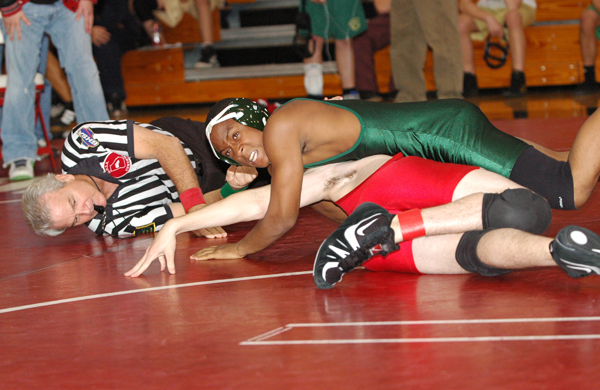
I love shooting wrestling. Love it. For starters, I’m off my feet, getting my best shots either sitting or lying down on the mat. Many wrestling meets involve a dozen or more teams, with several matches going on simultaneously. If you’re lucky, you can find a spot on the mats with four matches going on around you at the same time. When one bout slows down or ends, simply rotate around to another. The key here is speed and efficiency. Bouts can go for several minutes, or they can be over in the blink of an eye. Flash is generally allowed at the high school level, but a newer model camera with high ISO, combined with some fast lenses, can mean great captures without the use of flash. Experiment and see what works best for you.

Don't blink. You might miss it.

Don’t blink. You might miss it.  1/250, f/3.2, 85mm, ISO 640.

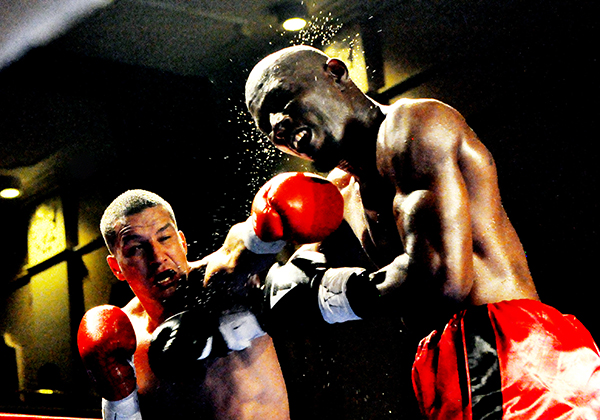
Boxing

Similar concerns to fencing, but this time it’s much more up close and personal. Flash is definitely not allowed, but the good news is that the lighting at these events is usually really good. Pay attention to where the light falls on the ring and play to those angles for dramatic results. You are going to be fairly restricted in terms of where you can stand, because fighters take up two corners and judges are situated on all four sides of the ring. You’re shooting up, between ropes, at in-your-face action. Stick to a standard zoom like the 24-70mm or a wide-angle 16-35mm.  This is one of those rare sporting events where the 70-200mm is not your friend.

Ring-side. 1/500, f/4.5, ISO 6400, 48mm. Leave the 70-200mm at home, but bring a towel.

Ring-side. 1/500, f/4.5, ISO 6400, 48mm. Leave the 70-200mm at home, but bring a towel.

Shooting indoor sports is tough. If it was up to me, all sports would be played outside under optimal, natural lighting conditions. Hey, a guy can dream, right? Don’t let the challenges or stumbling blocks get you down. With practice, preparation, and the right gear, you’ll see the quality of of your images improve dramatically.

Do you have a good tip for shooting indoor sports? Share it with us in the comments.

For additional reading, one of the best books ever written on the subject of sports photography is “Peter Read Miller On Sports Photography.”  Miller has been photographing the NFL, the Olympics, and portraits for “Sports Illustrated” for almost 40 years. He has over 100 S.I. covers to his credit, as well as 35 Super Bowls, 9 Olympic Games, and countless other sporting events around the world. You can check out my review of the book, as well as my conversation with Peter, by clicking here. The book is available on Amazon.com.

The post Tips for Indoor Sports Photography – Part 2 by Jeff Guyer appeared first on Digital Photography School.


Digital Photography School

 
Comments Off on Tips for Indoor Sports Photography – Part 2

Posted in Photography


Perspective in Photography – Don’t just stand there move your feet!

21 Jan

Photographers often fall into the bad habit of shooting everything we see from eye-level. We are walking around, something catches our eye, and we take a picture right from where we are standing. If you want to make an immediate impact in your photography, you need to get out of your eye-level (or tripod-level) rut. You need a change in perspective.

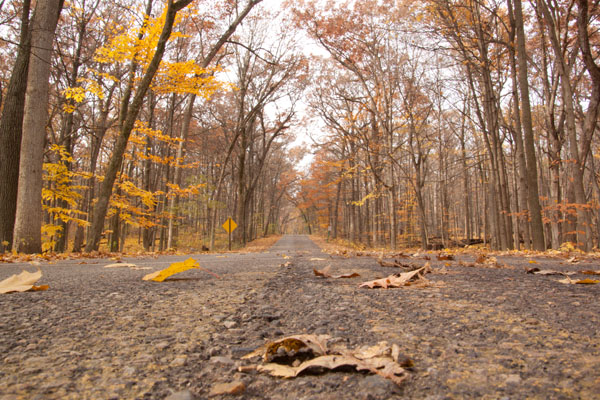
McEnaney road

Sure, you can change your composition by zooming in or out with your lens, but if you want to change your perspective, you are going to need to move. Don’t let your feet, or your tripod, root you to the spot: get ready for some bending, turning, walking, and climbing. Start working with perspective in photography, your images will thank you for it.

Get Low

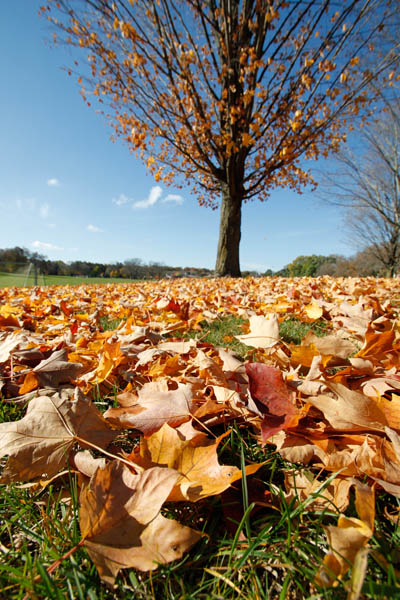
Get your camera down towards ground level, and see how it impacts your perspective. Getting down low allows you to feature the foreground of your composition, and gives your viewer context for the rest of the photograph. Use a wide angle lens to feature the foreground, while pulling the viewer into the image, as below.

McEnaney wide angle leaves

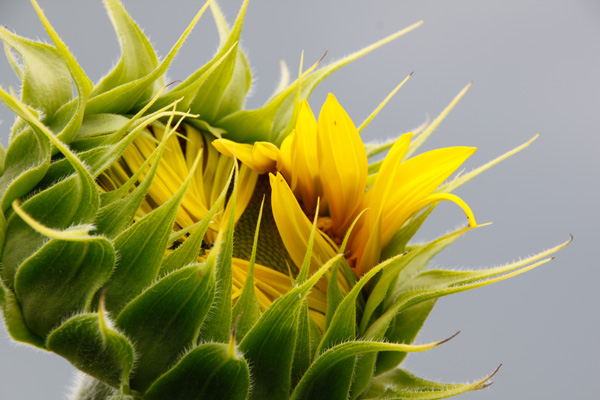
Getting down low can change the way your viewer feels or reacts to your subject. Getting low can make your subject appear taller or more imposing. Subjects viewed from below can look commanding and powerful. Even a simple sunflower can be seen to tower above its surroundings.

McEnaney sunflower

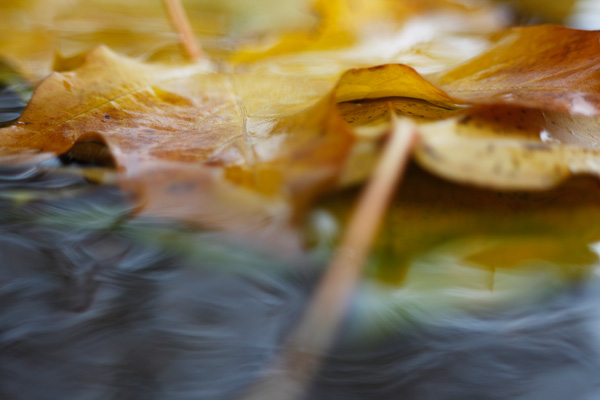
Getting low can also completely disorient your viewer. This near water-level view becomes a study in colour and texture, as the water and the fallen autumn leaves interact with each other. From eye level, this would simply have been a photograph looking down into a storm gutter. Getting low simplifies the composition and puts the viewer into a different, and unique perspective than their everyday viewpoint.

McEnaney gutter

Get Up High or Look Up High

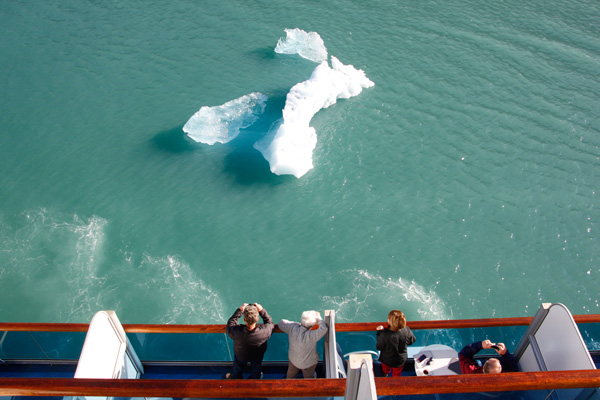
You can get low and look at subjects from their level, but you can also get up high and take in your subject from above. Getting well above your normal line-of-sight will certainly give you a new perspective. In the photograph below, the other tourists on the decks below give context to the passing iceberg, as seen from the cruise ship. This higher-up view also provides a sense of scale for the large size of the ice berg and hints at the size of the ship.

McEnaney iceberg

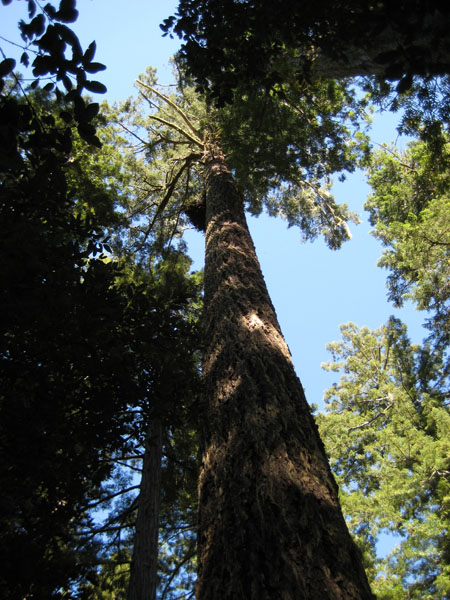
If you do not want to physically get up high, standing and shooting does not mean you only have to shoot straight ahead. Spend some time looking up, and you will find plenty to improve your compositions and your perspective. With very tall subjects, looking up from below will accentuate their height and size. The power and immensity of these redwood trees are best emphasized by looking up, from directly below.

McEnaney redwood

Go for the Lateral

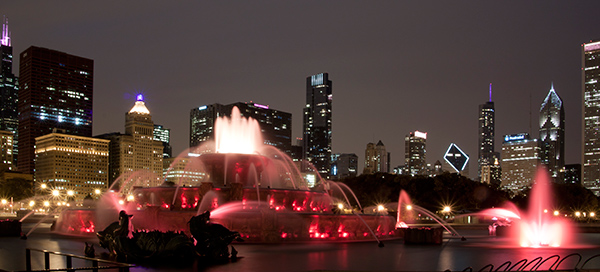
Finally, do not forget to think laterally. Beyond just changing your stance or your direction of shooting, you also need to remember to move yourself. Talk the time to walk around your subject, to consider the background and foreground. Think about how all the pieces of your final composition fit together. Your first view and your first angle are often not the best available, but you cannot be sure until you have taken the time to investigate others. Walking all the way around Buckingham Fountain allowed me to choose this final composition and perspective featuring the downtown Chicago skyline. I also made the choice to position the spray from the fountain directly in front of a building to make it more visible.

McEnaney fountain 600

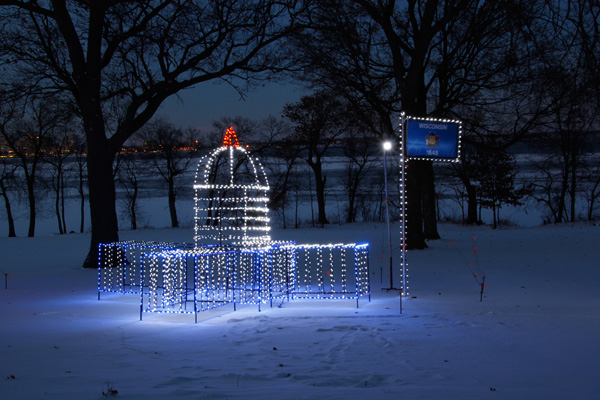
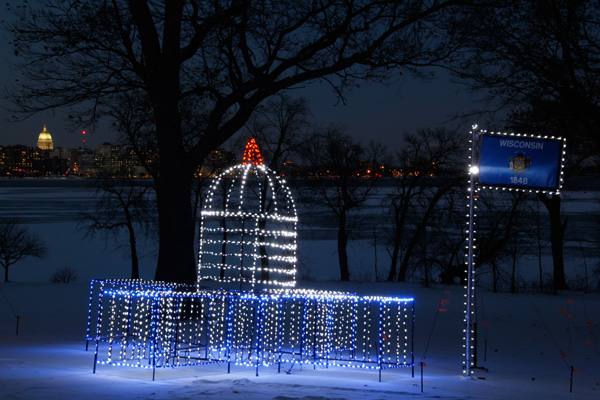
Moving your feet can change the way that different objects in your photograph interact with each other. While the top photograph of the Wisconsin Capitol in lights was an adequate shot, moving just a few feet to the right and squatting down allowed me to feature the lit outline in the foreground with the actual Capitol building in the background. This juxtaposition of elements improves the story-telling ability of the photograph.

McEnaney lit capitol

McEnaney double capitol

Summary

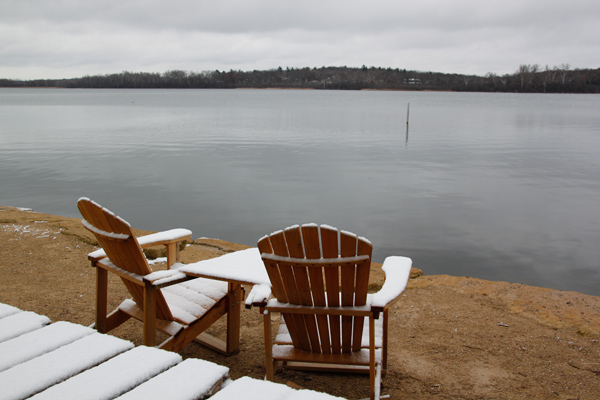
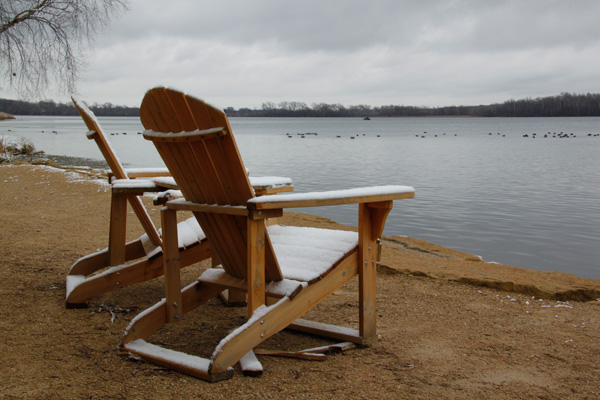
Do not fall into the trap of shooting everything you see at eye-level, just as you see it. Take the time to explore your subject, and considering changing your perspective. Get low and see what changes, get up high and explore a new view, or move laterally and watch different interactions occur and disappear between objects.

McEnaney chairs from above

McEnaney chairs get low

You may have a hard time choosing a favourite view: from above to emphasize the view of the foreground lake, or get low to show the expanded context and the threatening winter sky? Share your thoughts or your own perspective images in the comments below!

The post Perspective in Photography – Don’t just stand there move your feet! by Katie McEnaney appeared first on Digital Photography School.


Digital Photography School

 
Comments Off on Perspective in Photography – Don’t just stand there move your feet!

Posted in Photography


In the Dark: 10 Tips for Street Night Photography

21 Jan
1/80th at F2.8, ISO 1600.

1/80th at f/2.8, ISO 1600

Much is spoken about photographing during the twilight hour, but what about after that?

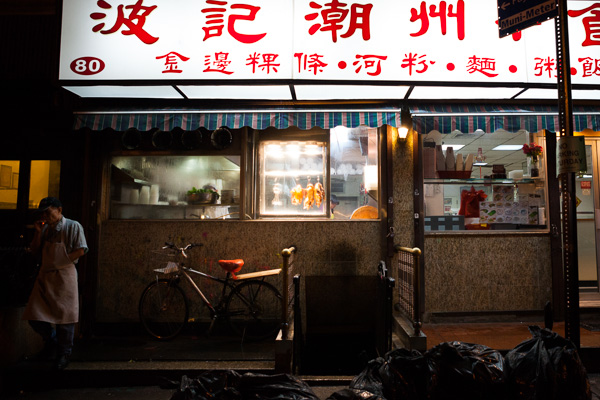
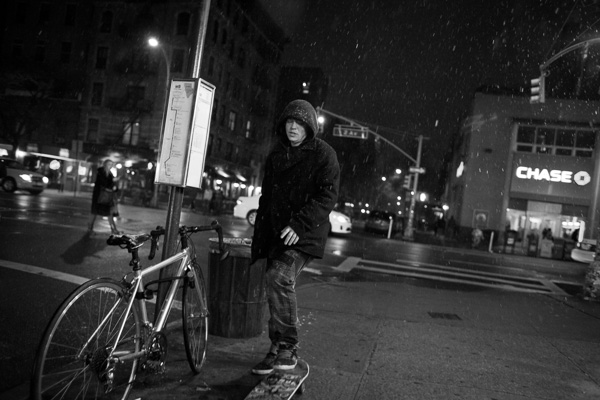
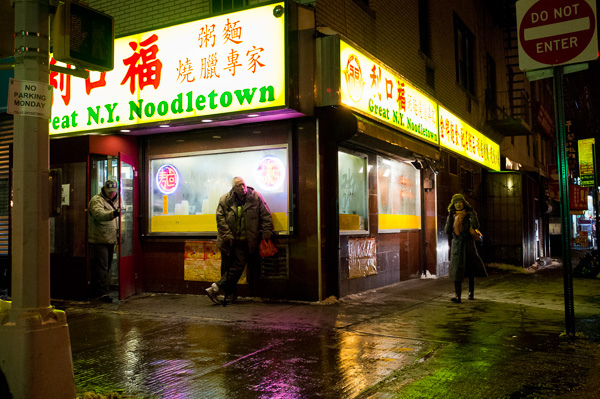
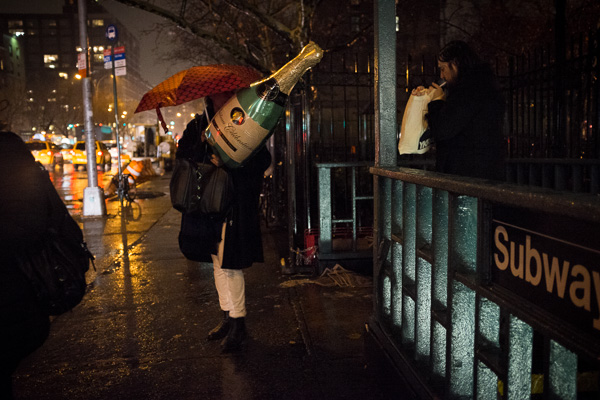
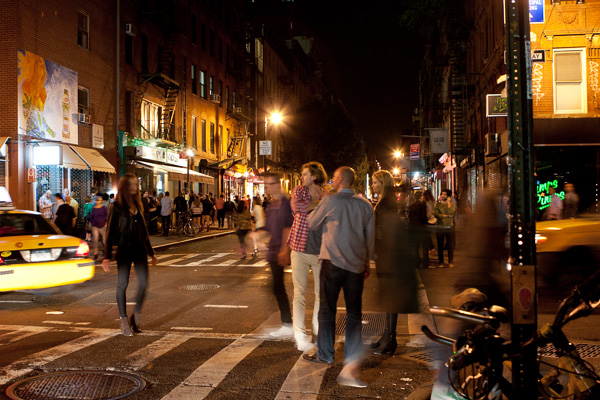
Night is my favorite time for street photography. Cityscapes are lit with a myriad of interesting and colorful light sources, such as lampposts, neon signs, store windows, car lights, and bare bulbs. People dress in their favorite outfits to go out. Bland scenes by day can suddenly turn ominous and fascinating at night.

Here are 10 tips for night photography to get you thinking about starting your next street photography session at twilight, rather than ending it.

1. Ideal camera settings for sharpness at night

To freeze motion during the day, I prefer to use a shutter speed of 1/320th, with 1/160th as my lower threshold.

At night, this changes. In the brightest areas, you will be able to photograph at 1/250th, but most of the time it will be best to use a shutter speed somewhere between 1/160th and 1/60th. You need to have: steady hands; a wide-angle focal length; and to stop your own motion completely to be able to photograph handheld at speeds around 1/60th, but with some practice it can be done.

1/125th at F2.5, ISO 6400.

1/125th at f/2.5, ISO 6400

A wide-angle lens is necessary for this type of photography because the longer the focal length, the faster the shutter speed needed to keep an image sharp. With a 28mm or 35mm lens (up to 50mm) it becomes much easier to handhold the camera at slower shutter speeds.

It will also help to use a fast, prime lens, such as a 35mm f/2. It is possible to shoot at f/4 in brighter areas, but being able to shoot at f/2.8, f/2, or even 1.8 will greatly expand your opportunities.

Finally, you will need to raise your ISO significantly. With modern digital cameras you can photograph anywhere from ISO 1600 to 6400 with decent or good quality. It’s just not possible to photograph handheld at night otherwise. I prefer to shoot at ISO 3200 and sometimes at ISO 6400 if needed.

To learn more about photographing with a high ISO, you can read about it here: Reasons to Shoot High ISO Images.

2. Seek out the light sources first

1/60th at F2.8, ISO 3200.

You should always pay attention to the main light sources in a scene, no matter where or when you are photographing, but at night this becomes even more important. Start by finding a beautiful light source, or an area with good lighting, and wait around for something to happen.

Focus on how these light sources hit your subjects. If you are leaning against a shop with a lit sign behind you, like the man in the photograph above, then as subjects pass you they will be lit with a strong light that has a gorgeous color to it. If your lens aperture doesn’t go wider than f/4, this is a fantastic way to get around that limitation.

On the other hand, if you stand in the street and aim the camera at the light source, as I did in the above photo, then the light will be less pronounced on the subjects, however, you will get the beautiful sign in the scene.  Notice the difference between the light on the left and right side of the man’s face in the photo.

3. Photograph nightlife

1/125th at F2, ISO 6400.

1/125th at f/2, ISO 6400

Some of the most interesting night street photographs occur where the most people are, and that is often where the nightlife is. A fantastic project to look at for inspiration is Maciej Dakowicz’s Cardiff After Dark.

4. Alternate between getting close and stepping back

I’m a proponent of the Robert Capa advice that, “if your photos aren’t good enough, you’re not close enough.” However, at night I often alter this strategy.

I try to get close to many of my subjects, but I will also try to create scenes where the subjects are small aspects of the overall scene. At night, backgrounds can be much more beautiful than during the day, so it often works to have people become the secondary element to the scene, rather than the primary focus.

The technical advantage to this is that you do not need to use as fast a shutter speed to capture the motion of subjects when you are further away. You can freeze a moving subject at 1/60th of a second from further away, whereas you will need to use at least 1/125th when close.

5. Tripod and crowd blur

1/8th at F4, ISO 800 (Tripod).

1/8th at f/4, ISO 800 (with tripod)

For street photography, it’s usually best to go handheld since you never know what interesting thing is going to happen, and where it’s going to happen. However, one of the times to use a tripod is when you want to capture a busy scene, with lots of people and motion.

Experiment with slower shutter speeds, such as 1/8th of a second and take a lot of images.  It took me a long time to capture the image above because I wanted the people spread out evenly throughout the entire scene and I also wanted something interesting within the foreground, which is the pose of the woman in the street and the man looking at her. It took some time, and a lot of captures for this to happen.

6. Use a flash

Whether you want to try flash on the street is up to you, but keep in mind that it can easily lead to some confrontations.  I prefer to work with the constraints of the natural light on the street and I also get uncomfortable flashing strangers in the face in dark settings, but many prefer to photograph this way. It creates a fantastic look when done well.

Using a flash means that you are freed from a lot of the constraints of photographing at night. You can use a faster shutter speed and include more depth of field in the photo and less grain (noise).

You can either have the flash do all of the work lighting the scene, where the foreground area within reach of the flash is lit and everything else is dark, or you can set the camera to expose for the scene, similar to what you would do without the flash, and then use the flash to add some fill light to your main subjects in the foreground.

7. Noise and the dreaded underexposed image

1/250th at F2, ISO 3200.

1/250th at f/2, ISO 3200

Always expose correctly when photographing with a high ISO.

That being said, even with the best settings, some of your images will be taken in areas that are too dark to be exposed correctly. It’s impossible to photograph this way and expose every image perfectly within the camera. For the occasional shots with excellent content that you want to save, you will have no choice but to raise the exposure when editing.

For these photos, I will first ignore the noise and get the exposure and look correct in Lightroom. After I do this, if I’ve had to raise the exposure setting a significant amount, the grain will look terrible. Luckily, there are some keys to saving an image like this as long as you are photographing in RAW.

What I do is to first remove the grain and then I add it back. I want the image to look grainy, but I want the grain to look pleasing.  There are many noise reduction programs, such as PhotoNinja, Topaz DeNoise, and DxO. I like Lightroom’s built in Noise Reduction. If the noise is still bad after noise reduction I will sometimes bring it into Photoshop and add a very slight Gaussian blur.

Then I will use Lightroom’s grain settings to add grain back into the photo. This grain looks much more pleasing to the eye than brightened, extreme digital noise and it can further hide some of the technical deficiencies in underexposed images. The result will not be a perfectly sharp image, but it will still be pleasing and beautiful.

8. Blur and imperfection

On this note, aim to get your photos as sharp as possible when you want sharpness, but know that a photo can still look fantastic even if it’s not tack sharp.

You don’t need to freeze motion perfectly when photographing at night for the image to still look great. I hold my day images to a higher standard than my night images when it comes to sharpness.  They need to be interesting and look good and that’s what counts.

Also, at shutter speeds around 1/60th to 1/30th, you can experiment handheld with slight blur, where your subjects are somewhat sharp but have a little motion to them. It’s a great way to add an energetic feeling of movement into an image.

9. Night images should be dark

1/250th at F2, ISO 3200.

1/250th at f/2, ISO 3200

This is an overly general statement, so feel free to disagree, but I want to make a point here.

I believe that night shots should look like they were taken at night.  They should be dark, with deep shadows and areas that are hard to see and make out.  When you look at the histogram of a night image it should be further towards the dark end (left) than a day image.

When you expose a night shot, especially on automatic settings, the camera will often misread the scene and overexpose the image.  It will be bright and you will be able to see everything as you would during the day, but it will not feel like a realistic night scene.  In these cases, you will want to lower the exposure compensation on your camera slightly (-).

There are many situations where bright night images are a good thing, but don’t be afraid to make your night images dark and realistic.

10. Be careful

Depending on where you live, going out at night with a camera is not always the safest idea. Travel light with equipment and be careful about where you go. Use your best judgment on who to photograph and think about bringing a friend along. You don’t want to suddenly find yourself in a bad situation.

Do you have any addition tips you’d like to add? Please do so in the comments below.

For more reading on night photography in general check out these:

  • Tips for Photographing Star Trails
  • Nightscapes: Photographing the City at Night
  • How it was Done – Zooming the Exposure
  • Painting with Light in the Landscape
  • 5 Tips for Creating fun Campfire Photos

The post In the Dark: 10 Tips for Street Night Photography by James Maher appeared first on Digital Photography School.


Digital Photography School

 
Comments Off on In the Dark: 10 Tips for Street Night Photography

Posted in Photography


Masters of Photography – Ansel Adams

20 Jan

A few weeks ago I started off a series I’m going to be doing on some of the Masters of Photography, the best in history, with a video about Henri Cartier-Brisson.

This week we’re going to look at probably the most well known landscape photographer of all time, Ansel Adams (Feb. 20 1902 — Apr. 22, 1984). He started his career as a musician but transitioned into being a photographer where he could use his skills to portray his love of nature and the natural world. He was a master of technical skills, co-developed the Zone System and was a founding member of the Group f/64.

You may not know his face, but you should certainly know his images!

This is part one of 3 in the video series. Watch part two and three here.

“ You don’t take a photograph, you make it.” – Ansel Adams

More great photography quotes here!


The post Masters of Photography – Ansel Adams by Darlene Hildebrandt appeared first on Digital Photography School.


Digital Photography School

 
Comments Off on Masters of Photography – Ansel Adams

Posted in Photography


Weekly Photography Challenge – Cats in Windows

18 Jan

Earlier today I shared a collection of images of cats. Cats in windows, cats in doors, cats doing what they do best – mostly lounging around!

By Kazutaka Sawa

Even if you aren’t a “cat” person this week I challenge you to get past that and go find some cats to photograph. An empty windowsill is just that – empty – without a cat sitting on the ledge. A doorway and stoop, missing something without a feline resident taking sentinel position.

I find that many times when I am photographing doors and windows (two of my favourites, check the collection from last week to see my other one) I am most attracted to the ones with a small fur-ball in the scene.

By Ste Pagna

I just love the pair in the image above! You can’t help but wonder what trouble they’ve done. Great camera angle, use of humor, lighting – it all works and is simple.

Now it’s your turn. Show me your cat photos. Bonus points if they are NOT your cats.

Share your cats in windows photos!

Once you’ve taken your ‘cat’ photos we’d love to see them in comments below. Simply upload your shot into the comment field (look for the little camera icon in the Disqus comments section as pictured below) and they’ll get embedded for us all to see or if you’d prefer upload them to your favourite photo sharing site and leave the link to them.

The post Weekly Photography Challenge – Cats in Windows by Darlene Hildebrandt appeared first on Digital Photography School.


Digital Photography School

 
Comments Off on Weekly Photography Challenge – Cats in Windows

Posted in Photography


Tips for Indoor Sports Photography – Part 1

17 Jan
Shooting indoor sports isn't always easy, but you can get professional-quality results by following these tried and true tips/

Shooting indoor sports isn’t always easy, but you can get professional quality results by following a few tried and true tips.  1/180, f/4, 80mm, ISO 1250, flash.

A few weeks ago, we asked our dPS Facebook followers what topics they’d like to see covered here on the blog, and a few of you were in search of tips for indoor sports photography. For purposes of this article, I’m going to concentrate heavily on high school basketball, because it brings all of the challenges of shooting indoor sports together; bad lighting, fast action, ornery coaches, inconsistent referees, and–of course–the unpredictability of sports.

The Right Gear for the Job

I’m not going to spend a lot of time here discussing camera bodies. As long as you are photographing with a reliable DSLR, your bigger concern should be the glass. Fast glass. That doesn’t mean I advocate running out and spending all of your money on the most expensive lenses that you either can ,or can’t afford, but a long zoom with a large aperture is going to be a must.

Unfortunately, while many gyms may be well-lit for sports, most are poorly lit for photography.  Adding to the challenge, many high school sports have a prohibition against using flash. You have to do your homework. In my experience, I’ve never had a problem using flash for basketball. As long as you are shooting from an off-center angle, you should be fine. You have to be careful, though, because you don’t want to blast a player in the face with flash full, and possibly change the outcome of the game. That’s the best way to make sure they never let you in with your camera again. Flashing action on the floor? Shouldn’t be a problem. Flashing a player on the free throw line before the ball leaves his hands? Not so much.  As with any type of shoot, make sure you have all of the necessary backups: batteries, memory cards, etc., as well as a backup body if possible.
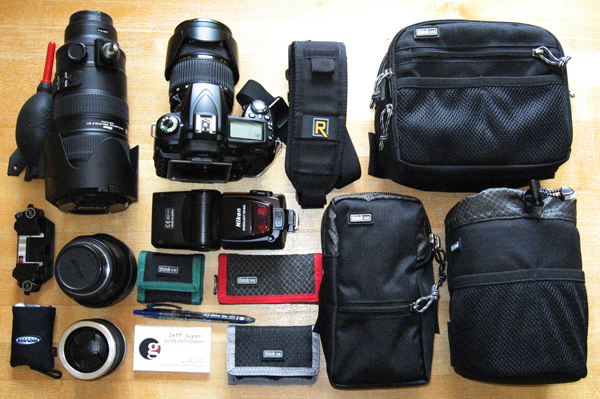
Contrary to popular belief, it is possible to travel light while shooting sports.

Contrary to popular belief, it is possible to travel light while shooting sports. Shown: Nikon D90, 24-70mm f/2.8, 70-200mm f/2.8, SB800 speedlight, plus spare batteries, memory cards, etc., that all pack into modular components shown for the Think Tank Pro Speed Belt.

Get There Early

Trust me when I tell you that you are going to want to get there early.  Pre-game  warm-ups offer some of best opportunities for quality shots of individual players.  For starters, players tend to move a little more slowly in warm-ups than in the actual game.  You’ll have an easier time capturing motion, and more of an opportunity to isolate individual players in the frame.  You can get a little closer to the action during warm-ups, but PLEASE BE CAREFUL!  Each half of the court is going to be filled with players, coaches, managers, officials, and other personnel. The players are big, fast, and not paying attention to you.  Their job is to play basketball–not give you the best photo op.

Know the Sport
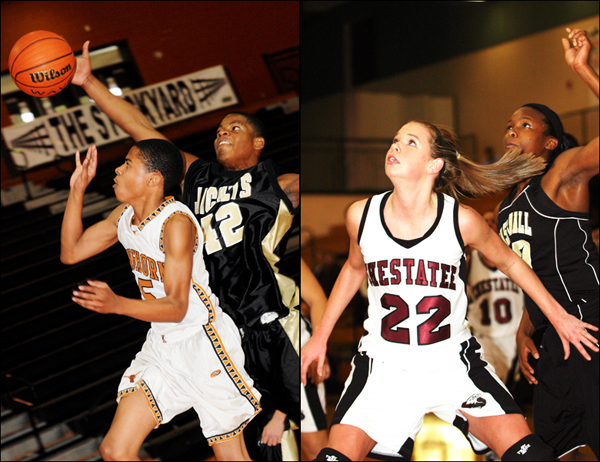
The most compelling shots will have offense, defense, and the ball. You can get good shots without the ball, but they will be better with it.

The most compelling shots will have offense, defense, and the ball. You can get good shots without the ball, but they will be better with it.  LEFT: 1/250, f/5, 80mm, ISO 2000, flash.  RIGHT: 1/320, f/2.8, 80mm, ISO 1250, flash.

The biggest key to getting quality photos of any sport is to have a solid understanding of the game and how it is played.  Every sport has a rhythm all its own. Are they playing a zone defense or man-to-man? Is it a run-and-gun, or are they burning the clock? Can #33 sink the three with impunity, or is he dishing it off to the open center for a lay-up? Do you need to be on the sidelines or under the bucket? Which side is best: the home side of the stands or the visitors’?

Remember that there is a big difference between shooting as a media photographer and shooting as a parent.  As a reporter or school photographer, you are there for “the big picture.”  As a parent, you are mostly concerned with getting photos of your son or daughter, and they’ll be easy to track with the number on their back.  In either case, the more you understand the subtleties of the game the better prepared you will be.

Focus

When I say “focus” I’m not just talking about your photography.  I tell this story a lot because I think it’s important. You have to be aware of your surroundings. I once saw a photographer stand his ground on the sidelines at a football game, despite the fact that a player was being pushed out of bounds right at him.  I watched as his camera, lens, and monopod all went flying in three different directions–as he flew in a fourth.  He was wheeled off the field with cuts to his face, and a leg that had been broken in two places. He was out of commission for six months. No photograph is worth that. Be safe. Focus on where you are and what is going on around you.

Now let’s talk about the other kind of focus.  Obviously, it’s an action sport and you want action photos.  Some of the best sports photos are those that capture the eyes. Things move fast, though, and your subjects are not always going to be standing still long enough for you to focus on their eyes. Your camera’s auto focus works by looking for contrast. Uniforms usually have a lot of contrast between the color of the jersey and the color of the numbers.  If you can get the eyes, great.  If not, your best bet is to try locking on either those numbers or the ball once players start moving.
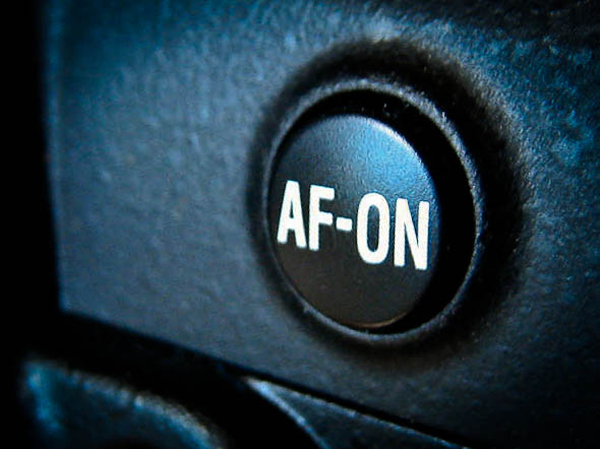
Most professional sports photographers use back-button focus. Check your manual if you aren't sure where to find this feature in your camera's menus.

Most professional sports photographers use back-button focus.
Check your manual if you aren’t sure where to find this feature in your camera’s menus.

Try Back Button Focus

Another focus option you might wish to try is back button focus. Most DSLRs have an option that allows you to assign auto focus functions to a button on the back of the camera. When AF is linked to the shutter button, the camera continuously maintains focus as long as the shutter button is pressed halfway.

When a player passes between you and the player you’d been focusing on, your focus will be shifted to the new player in the frame. Pressing the shutter button halfway down to regain focus on your original target starts the process over again and probably means missing the intended shot. With back-button focus, however, all you have to do is remove your finger from the button when another player enters the frame. Pressing the back button again when the distracting player leaves the frame resumes your original focus.

Continuous Focus Mode

Part of the secret to shooting sports is using AI Servo (AF-C on Nikon) auto focus mode. With “one shot” AF (AF-S on Nikon) focus locks on a point and cannot move until you release and reengage the auto focus. In AI Servo (AF-C), however, the camera continuously focuses whenever you are pushing the AF button (or shutter button halfway if you haven’t reassigned it). It not only helps you lock focus, but also keep it when trying to photograph bodies in motion.

Camera Settings

As with any type of photography, there is not necessarily a “right” or “wrong” exposure.  But this is a sport, after all, and if you come home with 300 blurry photos you aren’t going to be happy–nor will your editor, or your daughter, the MVP.  Remember that since shutter speed controls ambient exposure, the faster your shutter speed is the better your chances will be of freezing the action.  I generally like to start with a shutter speed of 1/500 and adjust my settings accordingly until I get the look I want.  Since this is an indoor sport, your lighting will probably be consistent over the course of the game, unless the gym has windows. Don’t forget, though, that “consistent” can also be “consistently bad.”

If you are using flash, it’s going to be important for you to determine the maximum shutter speed your flash will allow (usually 1/250, check your manual for “flash sync speed”). Start with that and adjust your aperture and ISO accordingly. This is going to take some practice, so  be prepared for some trial and error. The good news is that cameras are getting better at capturing action in low light.
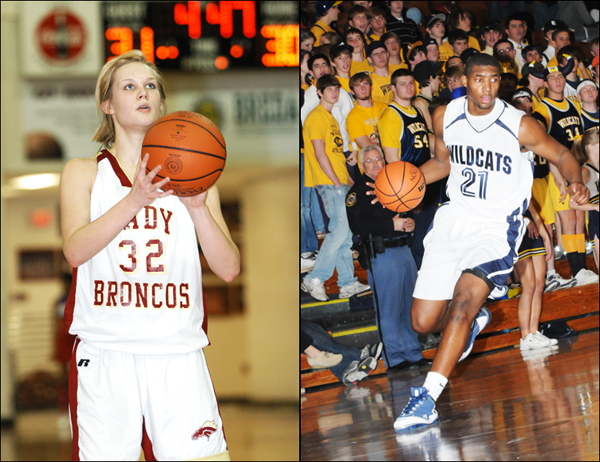
Look for interesting backgrounds, like the game clock or opposing fans.

Look for interesting or dramatic backgrounds, like the game clock or crowded bleachers.  LEFT: 1/180, f/3.5, 135mm, ISO 800, flash.  RIGHT: 1/200, f/8, 80mm, ISO 1600, flash.

Vantage Points and Camera Angles

Obviously, the closer you are to the action the better your photos .  Unlike some sports, you’re going to be a bit more confined to certain areas. You really only have access to one sideline in basketball because the player benches and scorer’s table take up one complete side of the court. The end zones are often the domain of the cheerleaders, so your time there might be sporadic at best. As noted earlier, a solid understanding of the game will definitely help you decide where to be and when.  This is one reason why veteran sports photographers are hardly ever in one place for very long.
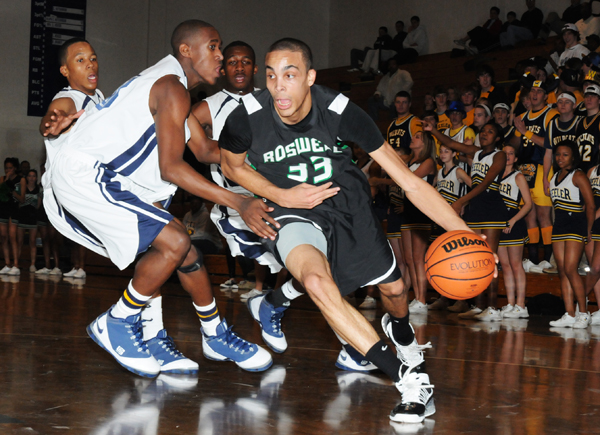
Basketball is a very vertical sport, but don't forget to get some horizontal shots as well.

Basketball is a very vertical sport, but don’t forget to get some horizontal shots as well.  50mm, 1/250, f/8, ISO 1600, flash.

The entire length of the court opposite the player benches offers some great angles. It gives you great vantage points not only for the action on the court, but also for coach and player reaction shots on the bench. Be sure to also take advantage of higher angles from the bleachers (timeout huddles) and the track above the court (players jostling under the net), as well as getting down low for those dramatic larger-than-life shots.

Be Creative: the Action’s Not Just Between the Lines

It’s sports. They go one direction. Then they go the other direction. Four quarters of back and forth. That doesn’t mean, though, that you can’t be creative with your angles and composition. Look for interesting or dramatic backgrounds. In the set below, including the game clock over the coach’s shoulder as it ran down provided interesting contrast to his calm demeanor.
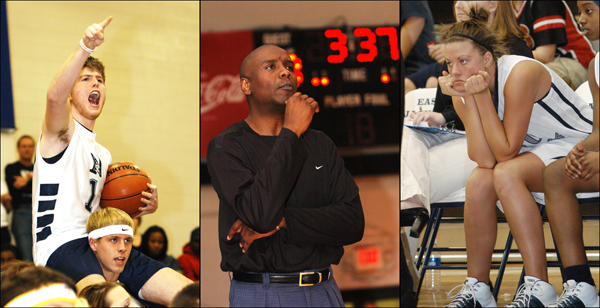
Keep your head on a swivel. Don't miss the fans, coaches, and player reactions.

Keep your head on a swivel. Don’t miss the fans, coaches, and player reactions.

Don’t fall into the trap, though, of assuming that everything worth photographing is right there on the court in front of you. Spend some time in the stands. Shoot the crowd reactions.  Photograph the band and the cheerleaders. Capture the traditions. There is so much more going on in that gym than just a basketball game. Turn your back on the action once in a while and take a look around. There are stories everywhere. Use your camera to tell them.

Get Your Motor Running?

Welcome to photography, where five photographers will give you five different answers for everything, and tell you why the other four are wrong. When I first started shooting high school sports I had a slow camera with an even slower buffer that couldn’t handle me just leaning on the motor drive and hoping for the best. I hated it at the time, but it was probably a good thing. I learned to compose my shots and choose my moments more carefully. I developed a pretty fast shutter finger, and, I think, a better eye for the action. Even now, with better equipment, I still tend to leave my camera set for single clicks. That may put me in the minority, but it’s what works for me.

Etiquette

If you are covering a particular school or team over the course of a season, introduce yourself to the coaches. Your job will be easier if they know who you are and why you are there game-after-game. These kids may be big and strong, but they are still kids and it’s a coach’s job to look out for them. If a coach or official tells you something, listen to them. If they ask you to move, you move. You’re in their house and you have to play by their rules.

If one of those rules is no flash, then it’s no flash. It may sound silly to you, but you have no idea what the consequences might be. There may be college scouts in the stands, and you momentarily blinding the point guard with your flash might have an impact on whether that kid gets a scholarship, or if he’s even recruited at all.

If play stops for an injury, show some respect and PUT YOUR CAMERA DOWN.  While it might make for compelling photography, it is entirely possible that you just witnessed the end of a kid’s dream or their only chance of going to college.  You don’t want them or their parents seeing you clicking away while everyone else in the gym is holding their breath. This is high school, not the NBA. Be sensitive and keep it in perspective.

Any seasoned photographer will tell you that photographing sports is not easy– particularly indoors. We can debate endlessly on which sport is the hardest to shoot, but with practice, preparation, and the right gear, you’ll see your images start to improve quickly and steadily.

Stay tuned for Part 2, where we take a closer look at some of the other indoor sports you may find yourself shooting.

The post Tips for Indoor Sports Photography – Part 1 by Jeff Guyer appeared first on Digital Photography School.


Digital Photography School
 
Comments Off on Tips for Indoor Sports Photography – Part 1

Posted in Photography


50 Things I Try to Avoid in Street Photography

15 Jan

street-photography-tips-03

I am a huge proponent of negative learning, that you can learn more by taking on the opposite approach. Philosopher Nassim Taleb calls this “via negativa”. It is the idea that the best way to gain “happiness” in life isn’t chasing what makes us happy, but by vehemently avoiding what makes us unhappy (a long commute to work, a horrible micro-managing boss, poisonous and negative “friends”, and an expensive house mortgage).

I also believe strongly that one should never listen to “rules” of anything in life (especially street photography). However, below is a list of things (which has personally helped me) I avoid in street photography . Pick and choose what resonates with you, and leave the rest:

50 Things I Try to Avoid in Street Photography

  1. “Chimping” (checking the LCD screen) after taking photos on the streets
  2. Using more than one lens for street photography (I prefer a 35mm)
  3. Not mixing my digital and film photos in a project
  4. Letting the number of “favorites” or “likes” dictate whether a photo is good or not
  5. Letting criticism affect me negatively. Rather, I try to use it to empower me to find weaknesses in my work.
  6. Uploading a photo online publicly without having at least 3 people critique it in-person first
  7. Spending a lot of time looking at photos online ; rather I spend more time looking at photo books
  8. Leaving the house without a camera
  9. Hesitating before taking a street photograph
  10. Cluttered backgrounds
  11. Showing my bad photos (I have tons of them)
  12. Shooting more than one type of film at a time (Kodak Portra 400 for color, Kodak Tri-X for black and white)
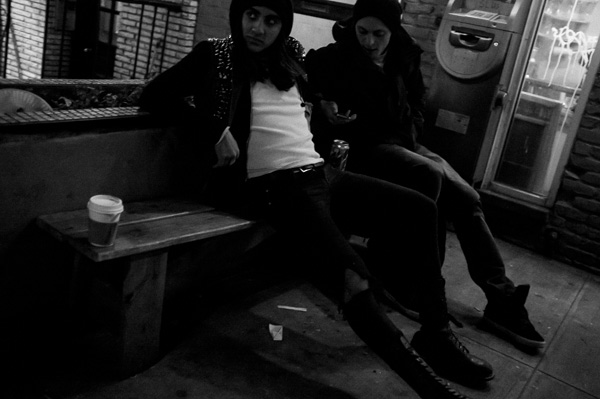
  13. Going a full day without taking a photographstreet-photography-tips-01
  14. Involving myself in online debates about the definition of “street photography”
  15. Meeting my photography friends without some new work to show them and get critique on
  16. Charging money for my photos
  17. Taking a photo of someone on the streets without saying “thank you” by smiling at them
  18. Not to focus on single images. Rather, I try to focus on projects
  19. Looking at gear review sites (when I’m bored) unless I’m serious about buying a new camera
  20. I don’t own more than one lens for my camera (only a 35mm)
  21. I don’t care about sharpness
  22. I don’t like bokeh in street photography
  23. Forgetting how lucky I am to be able to go out and take photos
  24. Taking boring photos
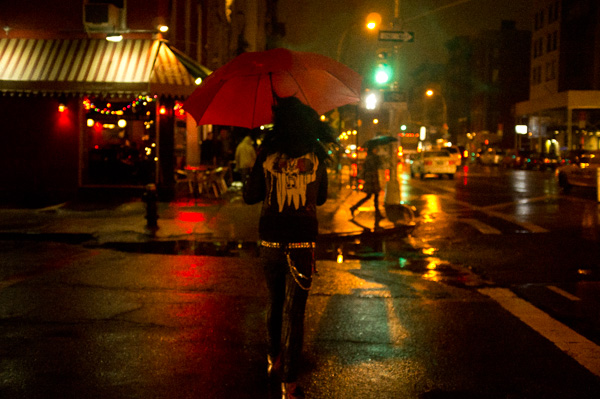
  25. Taking check-in luggage when I travelstreet-photography-tips-02
  26. Comparing myself to other photographers
  27. Developing my film for at least 3 months after I shoot it
  28. Uploading photos online until letting it “marinate” for at least 6 months to a year
  29. Not to falling into the trap that buying a new camera will make me suddenly become more “creative” and “inspired” in my photography
  30. I don’t mind asking for permission to take someone’s photo in the street
  31. I don’t check comments on my photos more than once a week
  32. Spending more time on social media, and less time out shooting on the streets
  33. Leaving comments or critiques on other people’s photos that are shorter than 4 sentences long
  34. Only taking photos of people
  35. I rarely take photos of homeless people
  36. Taking photos of street performers
  37. Deleting photos (unless they are really nice or the photo is boring)
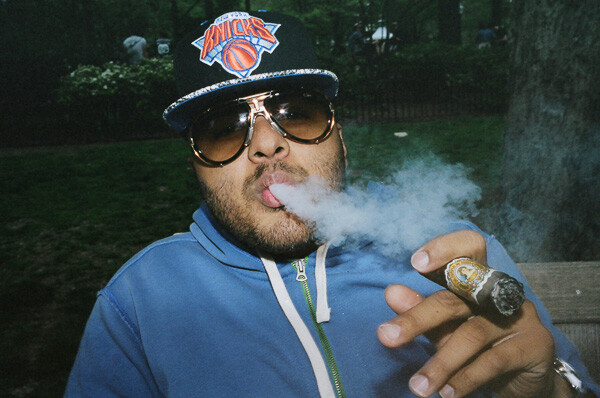
  38. Taking the film out of my camera when someone asks me tostreet-photography-tips-04
  39. Shooting to please my critics
  40. I ultimately don’t shoot for anybody else but myself
  41. Making excuses when a photo doesn’t work
  42. I don’t like photos without emotion
  43. Recommending zoom lenses in street photography
  44. Recommending lenses longer than 50mm for street photography
  45. Shooting wide open on the streets (generally at f/8-f/16)
  46. Recommending selective color or HDR for post-processing street photographs
  47. I don’t mind “killing my babies” (photos that I think are good but really aren’t)
  48. Shooting in bad light without a flash
  49. Sharing more than one photo a week on social media
  50. I don’t think you should listen to everything in this list. Rather, make your own! :)

Editor’s note: what things do you try and avoid when you’re doing photography of any kind? Share your list with us in the comment section below!

The post 50 Things I Try to Avoid in Street Photography by Eric Kim appeared first on Digital Photography School.


Digital Photography School
 
Comments Off on 50 Things I Try to Avoid in Street Photography

Posted in Photography