RSS
 

Posts Tagged ‘Photography’

Weekly Photography Challenge – Highways and Byways

19 Jul

Earlier today I shared a collection of images of paths and roadways. Leading lines are a great compositional element, and paths and roads are a great way to incorporate them into your images.

More info on using leading lines:

  • How to Use Leading Lines for Better Compositions
  • How to Use Converging Lines to Enhance Your Photography
  • Using Diagonal Lines in Photography
  • A New Photographer’s Guide to Composition

This week the weekly photograph challenge is Highways and Byways – meaning, going find those trails, paths, roads, and use them as leading lines to create some stunning images.

By mike138

By sherifx

By Dan Bergstrom

By Tobias Lindman

By Riza Nugraha ?

By Lutz-R. Frank

Show use your highways and byways photos

Simply upload your shot into the comment field (look for the little camera icon in the Disqus comments section as pictured below) and they’ll get embedded for us all to see or if you’d prefer upload them to your favourite photo sharing site and leave the link to them. Show me your leading lines using pathways and roads in this week’s challenge.

The post Weekly Photography Challenge – Highways and Byways by Darlene Hildebrandt appeared first on Digital Photography School.


Digital Photography School

 
Comments Off on Weekly Photography Challenge – Highways and Byways

Posted in Photography


6 Tips to Take Your Architecture Photography to the Next Level

18 Jul

Liams Seattle

Architectural photography may seem like an incredibly boring subject, but there is lots of creativity involved with shooting buildings, not to mention it’s a rather lucrative way to make a side income as a photographer. However, the rules of photographing a building versus a person are quite different. Whether you are a relatively seasoned architectural photographer looking to refine your approach, or a budding photographer curious about how to create impactful architectural photos, these tips should help take your photography to another level. This post is written for a photographer approaching an official architectural photography assignment, but the tips also apply to casual shooters.

1. Do your homework and see if there are any photos of the space online

Most buildings in the world have been photographed at least once thanks to Google. A quick Google Image search of the space you’re looking to shoot should pull up a variety of photos by both professionals and amateurs. Use the work of others to your advantage. Check to see what angles other photographers may have already shot, and which ones they haven’t. Examine the photos for any potential challenges that may arise, such as tall interiors or exteriors, or areas that look better when naturally lit by a sunset. Do what you can to anticipate your needs on site before you arrive.

Puerto Vallarta

2. Know the geographical aspect of your building

Speaking of natural light, this can be your friend or your foe. Many modern buildings today are being built with lots of features that offer natural light such as floor-to-ceiling windows and skylights. While these may seem great for the actual building occupant, these features can make or break your architectural photo shoot. More than ever, it is important to know the geographical aspect of the building you are shooting. Is it east-facing or west-facing? Depending on the time of day, it truly matters. Be sure to consider the geographical aspect in relation to the time of day you choose to shoot.

3. Always walk through the space first

There are a couple reasons why a walk through is essential. First, it is much easier to remove any clutter or unorganized elements. Two things to always look out for are trashcans and wrinkles in fabrics such as curtains or bed spreads. These are two things that are much easier to remove before you shoot rather than in post-production. Second, think of the walk through as your scouting mission. Look for any “special access” places such as nooks and crannies or elevated spaces, that you may be able to squeeze yourself into to get an alternative view of the space. In this day and age where just about everyone has a camera, capturing stand out photos is about finding the angles of a space that aren’t so obvious.

Hecho Seattle

4. See if the space has been styled

Before you walk through the space, check with your photography coordinator to find out if the space has been staged or styled by a designer. If so, you’re in luck! Staged spaces tend to look like they’re straight out of a magazine with furniture, artwork, and props carefully placed in the area, making your job much easier. If the space hasn’t been staged, you will have to put in more effort to figure out the architectural importance of the space and have these elements shine through in your images. Ask yourself, “without furniture, what is it about this space that makes it special?”. Perhaps it’s the exposed brick and wood beams, or the floor-to-ceiling windows. Whatever it is, make sure these elements become the focal points of your photos.

5. As you begin shooting, watch for vertical lines

When shooting architecture, you almost always want to use a wide-angle lens such as a Canon 16-35mm, but these lenses have a tendency to cause converging verticals. This happens when two parallel lines in an image appear as if they are leaning in towards each other. To make your photos appear more professional, and the architectural subject appear more structurally sound, it is important to correct these converging verticals. The easiest way is to simply change your perspective. Take a few steps away from your architectural subject, or elevate yourself until your vertical lines appear more parallel. Other ways to correct for converging verticals is to fix it in Photoshop, or if you have the budget, invest in a perspective control or tilt-shift lens.

Fairwinds Seattle

6. Elevate yourself

There are two main reasons why you want to get to higher ground while shooting a building. The first is to correct for converging verticals as mentioned above. The second reason is to strive for a different photographic perspective. If you’re lucky, the space you’re photographing may come with a balcony, staircase, or natural element that lets you rise several feet for a taller perspective. However, keep in mind that again this is an obvious element that many other photographers will make a beeline for. This is why in 90% of architecture photography situations it pays to have a foldable, portable ladder or step stool and a monopod with you always. Having these two relatively cheap and lightweight items will help you achieve different, elevated perspectives of interiors and exteriors from atypical angles. Keep them in the trunk of your car; you never know when they will come in handy.

EMP SFM Seattle

Architectural photography at face value may not seem like an interesting subject, but think of it this way: when you travel, how many buildings do you see that you end of taking a photo of? Use these tips not only for approaching a real estate photo job, but whenever you plan to take semi-professional photos of buildings or just for yourself.

Have any other tips you want to share, please do so in the comments below.

The post 6 Tips to Take Your Architecture Photography to the Next Level by Suzi Pratt appeared first on Digital Photography School.


Digital Photography School

 
Comments Off on 6 Tips to Take Your Architecture Photography to the Next Level

Posted in Photography


Sam Horine:Travel Photography Tips and Tricks

17 Jul

How do you capture the magical feeling of traveling to a new city for the first time?

Heck if we know! So … We found someone who does.

Sam Horine shoots cityscapes so stunning a scroll through his Instagram feed feels like a trip around a whole new world.

We wanted to know just how he captures the cities he visits so very well, so we asked him … and he told us!

Learn to Shoot Cityscapes Like a Pro (Sam Horine Specifically)

(…)
Read the rest of Sam Horine:
Travel Photography Tips and Tricks (859 words)


© laurel for Photojojo, 2014. |
Permalink |
No comment |
Add to
Travel Photography Tips and Tricks”>del.icio.us

Post tags:


Photojojo

 
Comments Off on Sam Horine:Travel Photography Tips and Tricks

Posted in Equipment


SmugMug Films: Surf photography in the Arctic

16 Jul

Surfing tends to conjure up images of sun-soaked beaches and clear blue water. Surf photographer Chris Burkard looks for his subjects far north of the California beaches you’d normally expect. Cold water surfing pits surfers against the elements, with no more than a few millimeters of wetsuit between them and frigid water. Likewise, Burkard braves the sub-zero temperatures to capture them. SmugMug Films profiles Burkard in its latest episode. Watch the video and read more about the photographer in our Q&A with him. See video

Articles: Digital Photography Review (dpreview.com)

 
Comments Off on SmugMug Films: Surf photography in the Arctic

Posted in Uncategorized


How to Choose a Great Portrait Photography Location

14 Jul

There’s an expression in the photography world called ‘ESP’ which stands for ‘Expressions sell photographs’. It’s true, a lovely expression is the single most important thing in any portrait photo (unless it’s a silhouette).

However, portrait photography isn’t as simple as teasing out a beaming smile, or haughty laugh from your subject. If your captivating expression is complemented by delicious light and an intriguing environment then you have all the ingredients for a cracking image.

Whenever I photograph portraits these are some of the things I’m looking for when I scrutinize the location.

How to choose a great portrait location

Meaningful location

Is it a meaningful location?

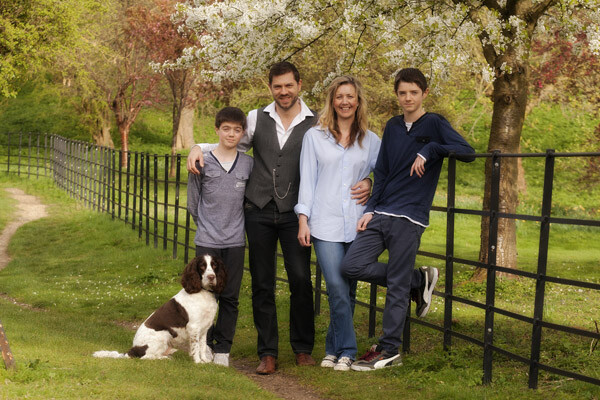
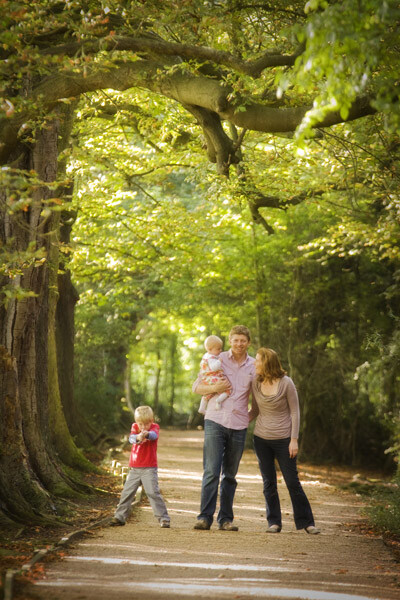
The first thing to do is ask yourself if the location adds to the story you’re trying to tell. For example, when I’m hired to create family portraits I always ask the family if there’s anywhere they like to go, a location to which they have a strong emotional connection. Sometimes they’re proud of their home or garden and we do the session there. Other times it will be in a wood where they walk their dog, or where they go picnicking on lazy summer days. This is far more meaningful to them than some sanitized image on a white background.

Your goal is to either choose a location that helps tell the story of the people in the portrait, or that gives the photo more emotional meaning to the people you’re photographing.

Areas of open shade

Open shade

Every time a bride tells me they’re praying for a gloriously sunny wedding day I don’t have the heart to tell them I’m praying for some lightly diffused cloud cover with intermittent dashes of sunlight upon my express request.

Glaring sunshine causes harsh shadows, particularly in the most important part of the portrait – the eyes.

Open shade is ideal because it doesn’t have harsh sunlight falling directly on the subject, but because the shade is ‘open’ it means there’s still enough light to give the eyes some sparkle. A tree is a perfect example of open shade, so is window light. The subject is in shade but they’re not completely closed off as they would be in the centre of a room, or in a forest. Open shade offers you some nice, soft directional light that creates enough shadow on the face to create depth, but without being harsh.

Lead in lines

Lead in lines

Lead in lines are just as helpful to portrait photography as they are to landscapes. They create depth to a photograph, lead you towards your subject and give the image a three-dimensional feel.

You can use fences, paths, a long twisting tree branch, the lines in a cornfield – anything that draws the viewer’s eye towards your model.

Lead in lines 2

Twinkly leaves

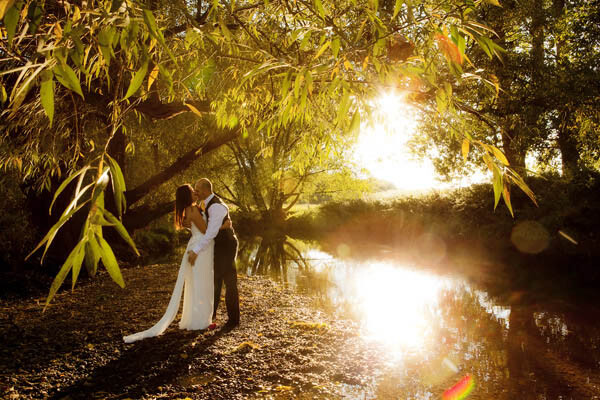
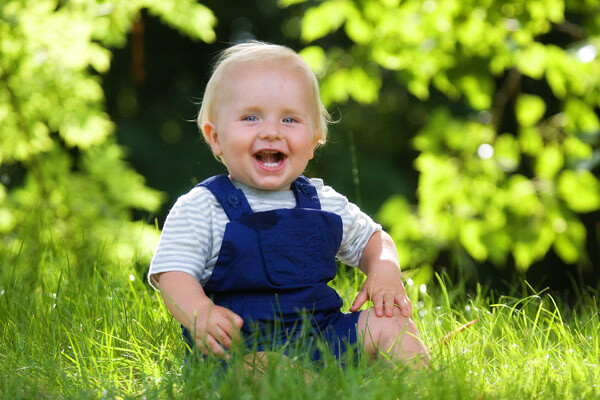
If you position your subject so there are back-lit leaves behind them then you’ll get a beautiful mosaic of green twinkles behind your subject if you use a low f-number on your camera (like f/4 for example).

With backlit subjects like this it’s often wise to use the spot metering mode to help your camera expose correctly for the face and avoid having a silhouette. Using a reflector to bounce some extra light into their face will help even more.

Twinkly leaves

Tantalizing textures

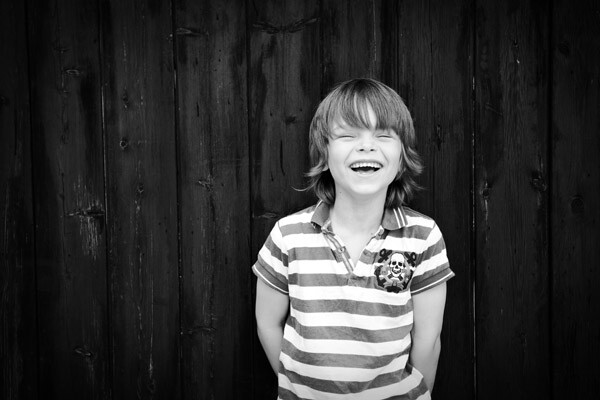
A barn door may not sound like a very exciting background, but rough textures can help the smoothness of your model’s skin pop out of the photograph. I also like rustic walls, and the repeating parallel lines of reeds.

Tantalising textures

Geometric shapes

Our brains like order. We like the pieces of the puzzle to fit together, which is probably why we get so frustrated when putting together flat-pack furniture! This is why our brains like the elements of a photograph to fit together like a completed jigsaw. I look for triangles, circles, rectangles and squares; and compose the image in a way that helps them fit together in harmony. This is also why we like clean, uncluttered hotel rooms that subtly use defined shapes, like the folded triangle of a bed sheet, or the repeating rectangles of a stack of towels.

When you start looking for shapes you’ll see them everywhere. Geometric shapes are often the basis for modern art and when you deconstruct many great photos into line drawings they’ll often look like that.

Geometric shapes

Foreground, mid-ground and background

To give your images depth and a three-dimensional feel you need the viewer’s eye to find interest in the front, middle and background of the photo. Diffused blades of grass could be the foreground, a smiling toddler can be the mid-ground and sunlight sparkling through a tree could be the background.

Foreground midground background

Avenues of trees

I love the effect you get when photographing people in an avenue of trees, using a long lens, because it ticks nearly all the boxes in one go. The leaves provide the necessary shade while the path provides a lead in line and creates depth in the photo. The long lens helps produce a fabulous tunnel vision effect that draws you in and helps to frame the photo, along with the trees themselves.

Long avenue of trees

The next time you decide to photograph someone use these tips and place your subject in the best position to ensure great light and cracking composition. If you have any questions then I’ll be happy to answer them below.

The post How to Choose a Great Portrait Photography Location by Dan Waters appeared first on Digital Photography School.


Digital Photography School

 
Comments Off on How to Choose a Great Portrait Photography Location

Posted in Photography


5 Tips for Doing Photography from the Hip

12 Jul

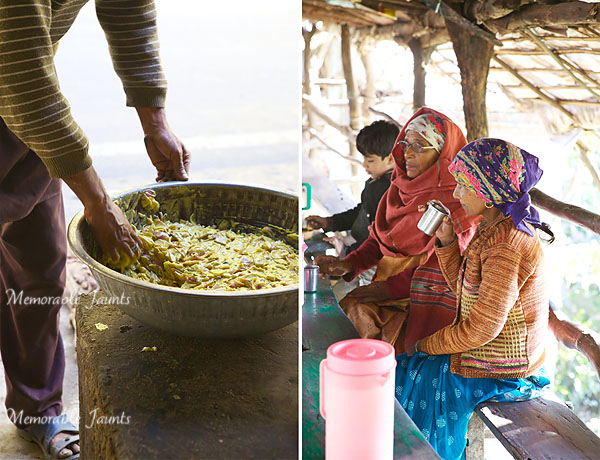
Photographing from the hip is, quite literally, having your camera near or resting on your hip and pressing the shutter button. This photography method is typically used in street photography when the photographer wants to take candid, incognito photos. But, sometimes, trying this as a deliberate photography method is just as fun. It forces you to change your perspective, your vision and your creative eye. You start to look at the scene as a bigger picture rather than as a tunnel vision through your viewfinder. Plus, if your family is anything like mine, where they turn away and run the opposite direction when you bring out the camera, this technique is a great way to get candid pictures of difficult, and uncooperative subjects.

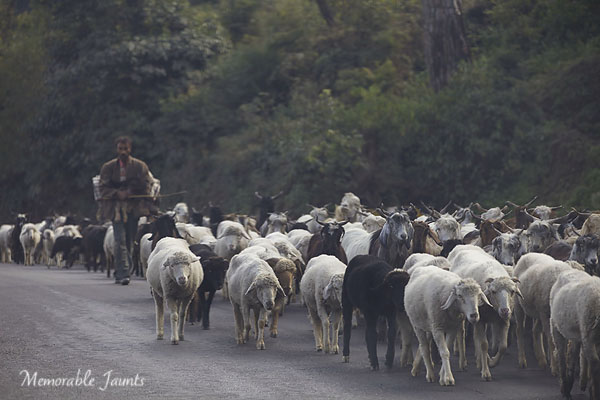
Photographing From The Hip Sheep Herder Walking With Flock of Sheep By Memorable Jaunts

When you put your eye to the viewfinder, often times you lose focus of all the other elements and entities beyond your line of vision. Photographing from the hip gives you, the artist, freedom to shift your perspective and opens up opportunities for alternative compositions for your images. Use it for personal projects or client sessions where you view the scene in front of you quite differently than what you actually capture in your camera. Travel photography is another great place to use this method of photography for an alternative perspective.

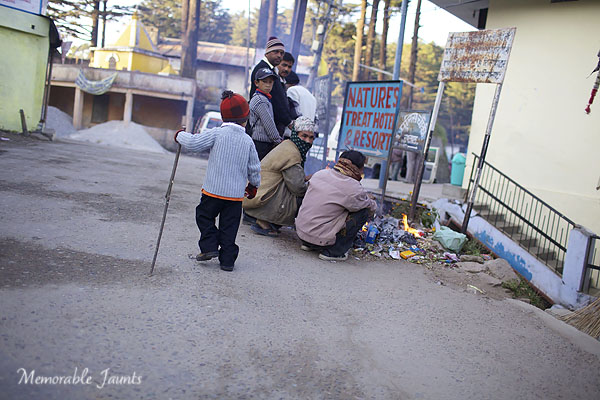
Photographing From The Hip Chilly Morning In India By Memorable Jaunts

There are some tips and tricks you may want to consider to get the best images from this angle of doing photography from the hip.

#1 Preset your settings like exposure and aperture

Since you cannot really change your settings based on what you see through the viewfinder, it is best to preset your exposure ahead of time. If you are a 100% manual shooter, this might be the one time you give yourself the luxury to go into full auto mode of your camera. Additionally, use evaluative metering instead of spot metering to assist with the exposure for this type of photography. In terms of aperture, the general rule of thumb is to have a smaller aperture for photographing from the hip (anywhere from f/8 to f/16). This improves the likelihood that more of the elements will be in focus especially if your subjects are moving. Having a larger aperture is also okay if you want to go for a more artistic image.


#2 Increase shutter speed

Having a higher shutter speed gives you a better probability that your subject will be sharp especially if you are moving or clicking in continuous mode and don’t have the luxury of a steady hand. Try to stay at least 1/250th of a second, or higher. Do not pay too much attention to ISO in this genre of photography, just embrace the noise as part of the creative element of the image. If you had to choose, give more priority to shutter speed. Things like exposure and noise (grain) can always be adjusted in post-processing as long as you have a sharp image.

#3 Preset focal point

This is probably the one time where having a back button focus might be inconvenient. Try auto focus and then throw MF switch on the lens so that the focus point is locked. You can also use center focus point and just move your camera slightly as a way to recompose with the focus locked.

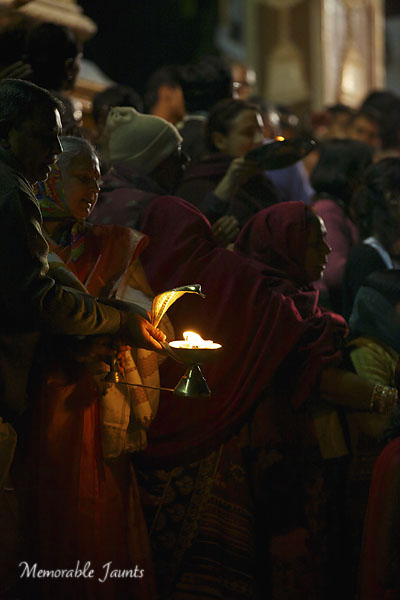
Photographing From The Hip Ganga Aarti In Rishikesh By Memorable Jaunts

#4 Use your camera’s silent mode if you have one

If you really want to go incognito, use the silent drive mode in your camera. Some of the newer DSLRs have this feature. It suppress the sound of the shutter being pressed and you can get some really candid images of the scene in front of you.

#5 Use a fixed focal length lens

Prime lenses work better for this type of photography since you really don’t want to recompose with every movement of the scene in front of you. Just move your feet instead. You can also change the angle by holding the camera at a slight upward or downward angle depending on your relative height in relation to the scene in front of you.

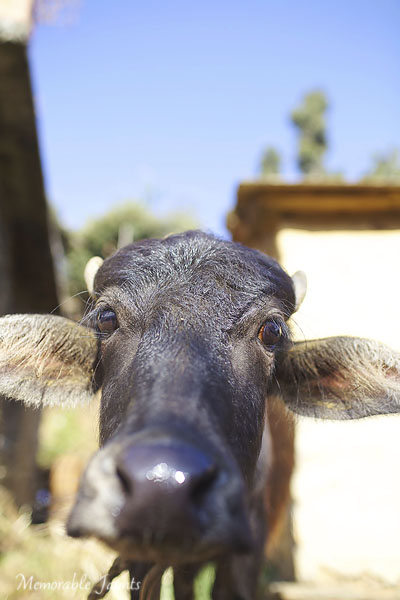
Photographing From The Hip Water Buffalo in India By Memorable Jaunts

Remember to get creative with this type of photography. You may be tempted to bring the camera to your face every once in a while to make sure you are getting some “decent” shots. That’s okay, but resist the urge to chimp every time the shutter is clicked. Try doing this for five to ten minutes at first. Once you get comfortable, take this method out for a spin for longer periods of time. Make a mental note of your settings so that you can reevaluate and reassess what worked, and what did not work, at the end of your shooting exercise.

Remember to have fun and don’t get too hung up on the technicalities. In a worse case scenario, if you take enough shots, there is a chance you will have a few good images that are artistic and technically correct. If nothing else, it gives you the opportunity to view the scene through your eyes rather than your viewfinder. So get out, put the camera around your neck using your camera strap and get clicking.

Photographing From The Hip Local Tea Shop in India By Memorable Jaunts


The post 5 Tips for Doing Photography from the Hip by Karthika Gupta appeared first on Digital Photography School.


Digital Photography School

 
Comments Off on 5 Tips for Doing Photography from the Hip

Posted in Photography


Seven more DIY photography tips using household objects

12 Jul

The Cooperative of Photography received a lot of attention recently for a video featuring seven easy photographic hacks using household items. Now they’ve released a follow up video with seven more neat tips and tricks. It might just help you kick of a fun weekend photo project. Learn more

Articles: Digital Photography Review (dpreview.com)

 
Comments Off on Seven more DIY photography tips using household objects

Posted in Uncategorized


Weekly Photography Challenge Things at the Beach

12 Jul

Earlier today I shared a bunch of jaw-dropping images of beaches. As you may have guessed, this week’s photography challenge is one in the same.

Even if you aren’t near the ocean you can get out and find a body of water somewhere near you – perhaps a lake, pond, stream or even the reflecting pool at your local town hall. The idea is to get out and photograph the stuff near the water including:

  • the beach and the sand
  • pathways
  • reflections
  • clouds and sky
  • rocks
  • silhouettes of people against the sun or sunset
  • marine life in tidal pools
  • the local flora or vegetation
  • go wide, and go closer and do some macro photography

You get the idea. Need some more examples?

By @Doug88888

By C/N N/G

By Pete

By Dan Queiroz

By Mike Pratt

By Peter Gorges

By John Turnbull

By kristos_b

By Moyan Brenn

Show use your things at the beach

Simply upload your shot into the comment field (look for the little camera icon in the Disqus comments section as pictured below) and they’ll get embedded for us all to see or if you’d prefer upload them to your favourite photo sharing site and leave the link to them. Okay, ready to impress us?

The post Weekly Photography Challenge Things at the Beach by Darlene Hildebrandt appeared first on Digital Photography School.


Digital Photography School

 
Comments Off on Weekly Photography Challenge Things at the Beach

Posted in Photography


5 Bad Photography Habits You Need To Keep Doing

10 Jul

I don’t floss every day. I still use the word “rad” as an adjective and not in the cool retro way, but in the I-don’t-have-another-word-for-it way. The driving speed limit and I have a love/hate relationship. And I have been known, on particularly hard days, to let my kids eat cookies for breakfast and ice cream for dinner. These are all terrible habits that I need to work on. My “bad” photography habits though, the ones that people say you shouldn’t do or should just get over already, those are actually helping me. They might be helping you too. Here are five habits, that most people would say are things we should move past, and why I think you shouldn’t.

lmattingly6

#1 Not pushing for the shot

By day, I’m a photographer. By night, I’m a psychotherapist. Well, sometimes it’s opposite. Point is: there are a few basic lessons that work in both of my jobs. One of them is not trying to own someone else’s reaction. If I tell you that it’s sunny out and that upsets you, there is nothing I can do about that. I could have told you different, but providing it was actually sunny, I would have been lying. Your reaction is yours. Just like if I try to have a portrait client do something the way I would do it and it doesn’t work, they are not to blame. If I tell them a joke to make them relax and smile that they don’t think it is funny, I can’t force them have to have an authentically positive reaction.

One of the most valuable lessons I’ve learned as a photographer is to know when to let something go. If you are fussing with a shot, be it portrait, landscape, food, whatever, and it’s just not working out like you want it to, let it go. Chances are if you are struggling that hard to get the shot, even if you do get it, you won’t like it. Patience is one thing, but pestering is another; by grasping so tightly to a specific concept, you are setting your expectations far beyond what is logically possible. In life and in photography.

lmattingly2

#2 Taking your time

Ask any one of my clients and they will tell you that I’m fun, but I take a while to return finished images. They will also tell you that I’m flaky about emails, never answer my phone, and happily scream and yell and laugh way more than needed on a photo shoot. There’s not a lot a I can do about being a loud talker and easily excitable, and so long as there is text I’m just not going to answer my phone unless I have to. But I make no apologizes for taking a while to edit shoots. I mean, I do apologize every single time to my clients, but I know it will never get better. I am not able to force editing.

Unlike data entry for example, I am just not able to just sit at my desk and do it nonstop until it’s done. I need to be in the mindset to do it, and once I start I’m really only good for an hour or two before I realize I’m just not producing quality work anymore. Being the extremely flakey artist that I am, this mindset sometimes comes at 10 a.m. in the morning and sometimes at three, in the morning. When my insomnia truly kicks in, and my husband isn’t all that interested in talking about our feelings and hopes and dreams. The flip side of this coin: I have never given a portrait client images that I’m not completely proud of. When I deliver images to a client (extremely later than I said I would), I feel that they are truly the best of my abilities and completely indicative of my style. I feel my photography is worth the wait and I’m proud of that. Don’t push it just to be timely. No one recommends a photographer because they turn-around images really fast – they recommend the photographer that produces the best work.

lmattingly5

#3 Chimping

“Chimping” is the fine art of checking the back of your digital camera after every shot. It’s obnoxious and time-consuming and what it will show you is the difference between a dream shoot and having to redo the whole thing. Don’t check every time, but do check – often. You can’t count on chimping to give you amazingly accurate results – a screen that small is showing you much too sharp of an image than it will actually end up being. But it will show you  is if your settings are off. It will show you if you are not in as good of a spot as you think. There is no embarrassment in it and there is nothing wrong with taking a minute to readjust.

I have to assume that when NASA puts astronauts in a space shuttle, they give them a few minutes to get everything adjusted how they want. Most photography situations are in constant motion – the sun is always going up or down, the people are always moving, the food is always – slipping? (I’m not sure. I don’t do food photography. But I would assume there are struggles.) The world moves, and as photographers we have to constantly double check to see that we are moving with it. When you are viewing the world from a lens, it’s a good idea to make sure the lens is seeing it the way your eyeballs are.

lmattingly1

#4 Being nervous

The first time I ever photographed a child (for portfolio building), I didn’t have a memory card in. I shot for 30 minutes, thinking I was getting cute stuff and I happened to try and chimp and it said “no CF card” because at that point, I hadn’t learned the setting where my camera doesn’t shoot without a card (learn this setting!). I was mortified but didn’t want the clients to think I had just wasted their time so I just wrapped it up and went home. To this day, they don’t know as I just told them I was unhappy with the shots and gave them a new session. Ten years later and I still check to make sure that I have cards, an extra battery, lollipops and my camera a solid 20 times before I leave my house. I have been known to use the opportunity of a red stoplight to check my bag a 21st time. You know, just in case. I have never forgotten anything I couldn’t shoot without. But I have also never gotten past being nervous before every shoot. It doesn’t matter if I am photographing one of my dearest clients that I have photographed ten times before or if I have been hired by a national publication to shoot a celebrity – I arrive nervous as all get out. Eventually I forget to be nervous and I start being myself and it works out. But being nervous is good. Nerves mean you want to do a good job and you are humble about your talent. Don’t ever stop being nervous.

lmattingly4

#5 Being a one trick pony

I’ve written before about my various attempts at real estate photography, product photography, and landscape photography. I’m terrible at all of them. Not only do I not have the right equipment for any of those, I don’t have the right eyeballs, the right personality, or the right style. A few years ago I decided to only photograph people, no matter what money I was offered to shoot something else, or what friend needed a favor. Earlier this year, I specified even more that I don’t do weddings, though those generally involve people, they just aren’t for me at this time in my life (I’m still holding on to the dream that a dog wedding job is in my future though). I am a portrait photographer. It’s where I shine and it’s how my clients know me. It’s my one trick.

There is nothing to be ashamed about when not being the jack of all trades. If you love shooting landscape and that is your true passion, you are a landscape photographer. You may moonlight, by taking the occasional family portrait for a friend, and that’s fine. However sticking with your passion will keep photography interesting, fun, and your spirits high. There is no worse feeling than having done a poor job and when you take on jobs that are out of your wheelhouse, you bash your own confidence. Challenge yourself, but stay true to your passion as well.

lmattingly3

A photograph is more art and intuition than process and procedure. Above all else, make the images you take your own. You can read a thousand different articles offering ideas and information, but take those only as suggestions in the hope of beginning and strengthening your own creative process. Photography is a form of expression and as such, is only interesting when you are exploring your own personal style and challenging yourself with your natural skills and ability. If your bad habits are working for you, don’t give them up.

The post 5 Bad Photography Habits You Need To Keep Doing by Lynsey Mattingly appeared first on Digital Photography School.


Digital Photography School

 
Comments Off on 5 Bad Photography Habits You Need To Keep Doing

Posted in Photography


Photography Trip of a Lifetime to the Canadian Rockies for Your Bucket List

10 Jul

With thousands of awe-inspiring and exotic places in the world, you have no shortage of places to visit and photograph. If you’re like me and have a bucket list of adventures you just have to shoot before you hang up your camera, allow me to add one more trip to your inventory.  This excursion not only includes heart-pounding scenery, but also what is probably the most expensive piece of photographic equipment you’ll ever get the chance to use – all for the price of “admission”.
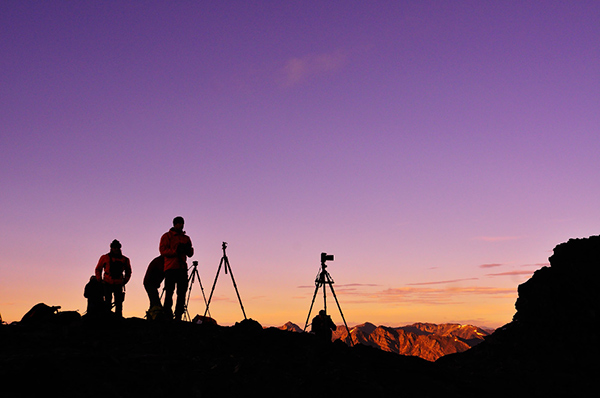
_2DS1286W

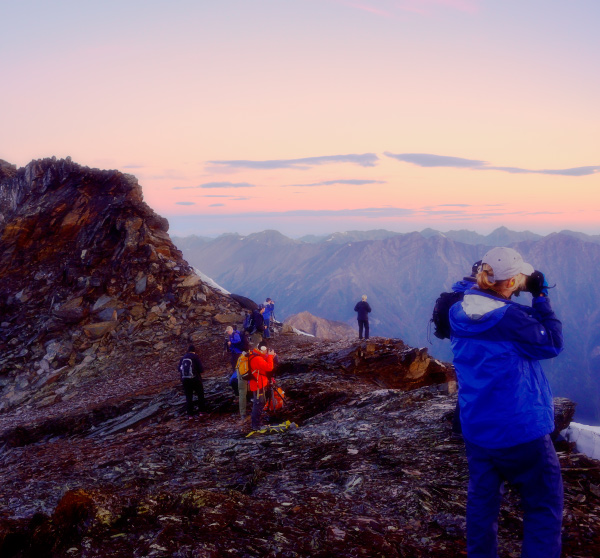
Photographers waiting for the right moment.

The adventure is heli-hiking, in the Bugaboo Mountain Range in Canada but with a twist for photographers. I signed up last September for a trip sponsored by the Canadian Geographic Society Photography Club, and I was so enchanted a friend and I are going back this year to do it again, this time with world renowned Canadian nature photographer John Marriott heading the trip. I wanted to share this photo adventure with you because it’s almost the perfect photographer’s dream destination.

This trip has it all:

  • Rarely seen mountain vistas so your images won’t soon become cliches
  • Soul-soothing Mother Nature everywhere to inspire and energize your imagination
  • All the gourmet food you can eat
  • Genuine, fun and extremely knowledgeable staff
  • First class accommodations
  • Yoga and massages
  • Affordable budget
  • And helicopters

Yes, helicopters – that’s the pricy bit of equipment I was mentioning.  Let’s talk about photography and the helicopters first, then I’ll go into the logistics of the trip and what you need to know if you decide to go.

Mountain Landscapes Like You’ve Never Seen Before

In the Purcell Mountains (generically referred to as the Canadian Rockies), in eastern British Columbia, Canada, just west of the famous town of Banff,  is a remote mountain range known as the Bugaboos (PDF map). It’s not easily accessible, and the rugged terrain limits visits to only those die-hard outdoor adventurers. There are almost no roads into the area, and climbers and hikers are warned that it is a “wilderness area, without supplies or equipment of any kind”. Fortunately for us photographers, the helicopters allow easy travel to the most photogenic locations, and the company that runs the trips also has two first-class lodges high up in the hills, so all your creature comforts are taken care of.
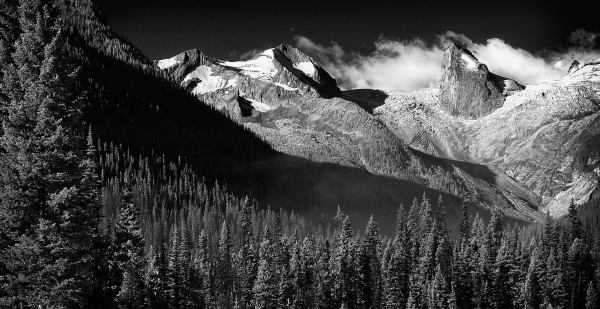
Bugaboo mountains for photographers

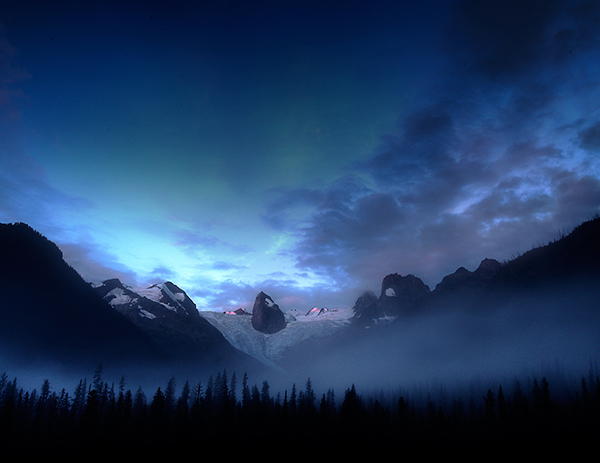
The Bugaboo Spires, as viewed from the Lodge.

Each morning the helicopter, transports you high into the alpine meadows, glaciers, hanging valleys and azure blue mountain lakes, that very few people ever get to see. I visited several locations last year that were around 9000 feet in elevation. All the views were heart-stopping!  Each day is like this, the tour guides – specialists in interpreting mountain environments, safety, and photography – along with an expert professional photographer, provide advice, help and expertise in shooting mountain landscapes. From selecting the best locations for the day, to determining when to set out in the morning to get the sweet light, all the hard stuff is taken care of for you. It allows you to devote your creative energy to capturing what your imagination perceives. Imagine being immersed in beauty, with ten other photographers, and having an expert photo instructor at your side for four days – what could be better than that?
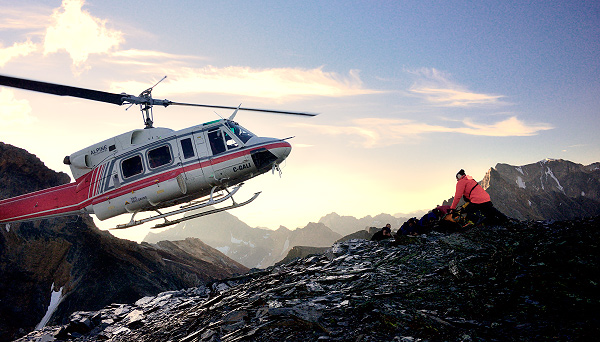
_DSC7249

Your ride for the weekend – transporting you to the peak.

Photographic Tips and Advice from a Pro

It’s an education like no other, in a real world classroom. It’s camaraderie and fun with other photographers who think like you do. At every location, the tour photographer will help you set up, explain the best lenses to try, what settings you should start out with and generally give you some direction to ensure you shoot some great frames. But at the same time, there’s plenty of room for innovation and your own individual shooting and subject preferences. One thing that I kept having to remind myself of is that the alpine environment is also prime scenery for macro photography too. It’s not just the “big picture”. When I was there in September, the wildflowers had already finished flowering, but between craggy rocks all sorts of vegetation was making an appearance. This year I’m going back at the beginning of August – the peak of wildflower season. There are spectacular details in everything. Don’t forget to look down.
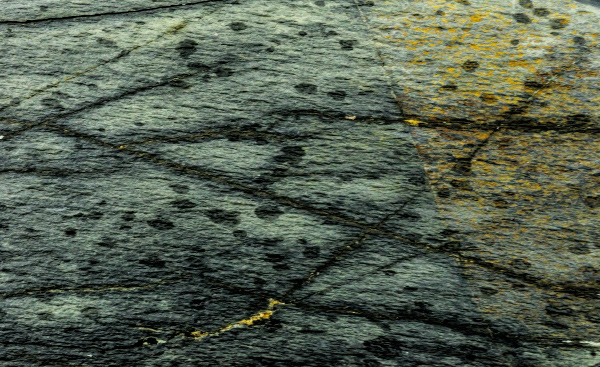
Alpine Abstract

Alpine Abstract

 Spend Every Minute Immersed in Your Passion

No time is wasted on a photography heli-hiking trip. At least once, you’ll be up before dawn to fly off to a place where sunrise will be dramatic.  Even if no pre-dawn flight is planned on that day, sunrise from the lodge is always a wonder. The coffee is always ready for you no matter when you roll out of bed, so there’s no excuse for sleeping late. After your sunrise shots, a full breakfast will be waiting for you, hot eggs, healthy grains, whatever you could imagine is all there. Back on board your helicopter ride and it’s off to another location. You even get gourmet picnic lunches on the mountain, where you can take a break and compare notes and images with your group, or just keep shooting.
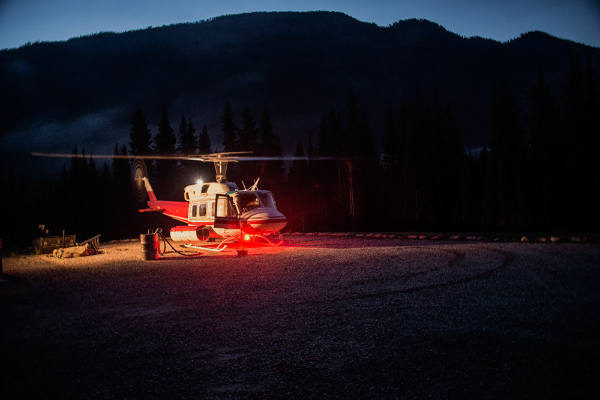
The wh-early bird gets the worm.

The “wh-early” bird gets the worm. 

_DSC7151

On top of the world at sunrise.

_DSC6180crop

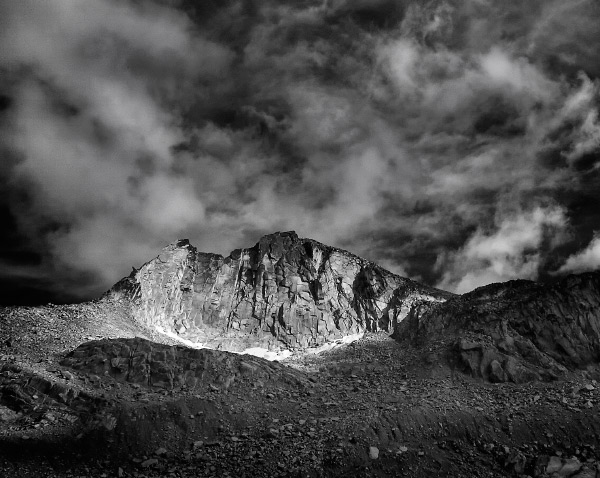
Would Ansel Adams approve?

Sunrise over the Spires, view from the Lodge

Sunrise over the Spires, view from the Lodge

More Photography, Food, and Fun

When the day is done, your helicopter will bring you back to the lodge where you can have a massage for your tired body before the gourmet dinner. Depending on your program, you may have a photo class after dinner, a show and share session, or another helicopter trip to catch the golden hour on a mountain lake or peak, for that once in a lifetime shot.
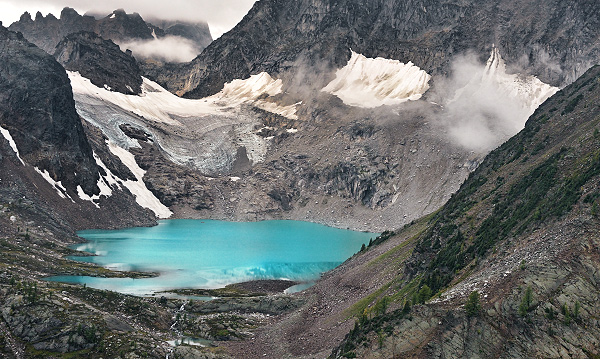
Aptly named Cobalt Lake

Aptly named Cobalt Lake

In fact one of the more delightful aspects of these trips happens back at the lodge. Not surprisingly, the staff are the coolest and most genuinely friendly people I have come across in any of my travels anywhere in the world. Everyone sits together for dinner, family style. Your helicopter pilot may be serving your wine, and the person who made up your room in the morning might be handing out the appetizers. Everyone pitches in where needed, although only the pilots ever fly the helicopters. The atmosphere is encouraging and supportive; informative and humorous.

Fun, whether in the field or at the lodge, is definitely a key item on the overall agenda. So besides sharing photo tales and techniques with your fellow photogs, the guides and staff will keep you more than amused with stories of their adventures in the Bugaboos (and if you’re like me, you’ll also be planning your next visit).
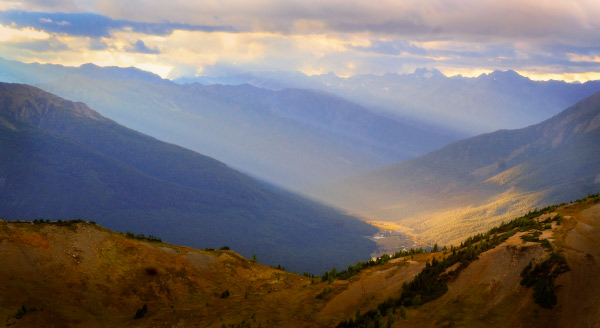
Sunset godrays

Sunset godrays

What You Need to Know

You’ll want to seize the experience up there in the mountains so a bit of basic preparation will go a long way. You don’t want to be lugging 40 pounds of gear up those trails, and despite loving the helicopter rides you won’t want to have to make an extra trip back to the lodge because of an injury. The company that runs the tours has all the info you need as far as mountain safety and fitness is concerned, and they will provide you with all the hiking gear you’re likely to need.  But as a photographer who’s made this trip, I have some recommendations based on my mistakes.

Making great images on a trip like this requires that you’re fully prepared, energized, and organized. You’ll spend some time walking and perhaps hiking (depending on your group), and you don’t want to be all tuckered out before the end of your day.
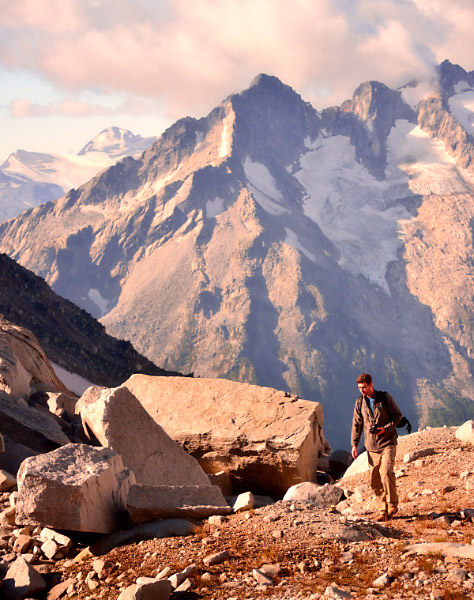
_DSC7324

The air is thin up here. Pack light.

Pack Light

Bring the minimum amount of gear necessary, and be strategic. Remember you have to pack your lunch and water as well, and a tripod is a must. If one of your telephoto lenses has macro capability bring that one, rather than two separate lenses.

For my trip last summer, I bought a light-weight Sirui carbon fibre tripod and ball head. That was a smart move. The dumb move was bringing three camera bodies and five lenses. I’m a girl from the prairies and hiking with all that gear at 9000 ft was just plain dumb! What was I thinking? If you sign up for the John Marriott workshops, he will send you information regarding the equipment you should bring, but I recommend a wide angle, a small macro and a telephoto (70-200mm range) plus polarizers, and a neutral density filter. Less stuff challenges you to be a more creative photographer.
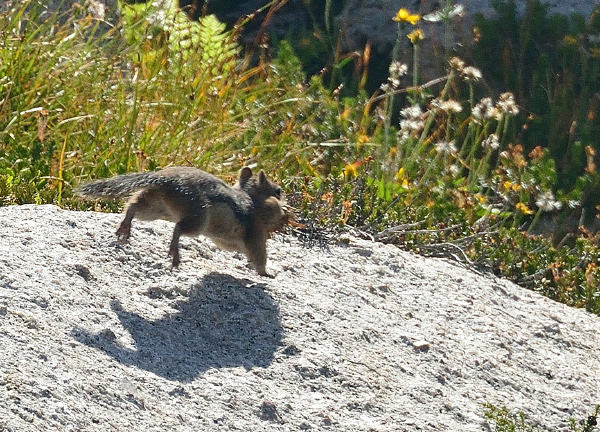
A little exercise before you leave home won't hurt.

A little exercise before you leave home won’t hurt.

Get in Shape

Even though there is little serious hiking on the photo tours, a short uphill climb can feel like a marathon with a backpack full or gear, thin air, and an out of shape body. You don’t have to be an athlete, but again every little bit of fitness helps. My dumb move – last year I did nothing, plus I was in a car accident the week before I left and fractured two ribs. Walking to the bathroom was painful, never mind an uphill climb with too much stuff in my backpack. This year I am so far not injured, so I am running flights of stairs, walking around with my full backpack and doing the 7-minute-workout three times a week. I have five weeks to go, and I know I won’t win any gold medals, but my time in the mountains will be a little more enjoyable this year because of my preparation.
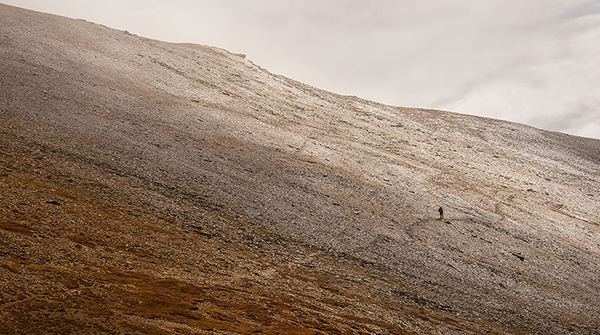
Just sit and enjoy the experience for a few minutes.

A little uphill walk can feel like a marathon.
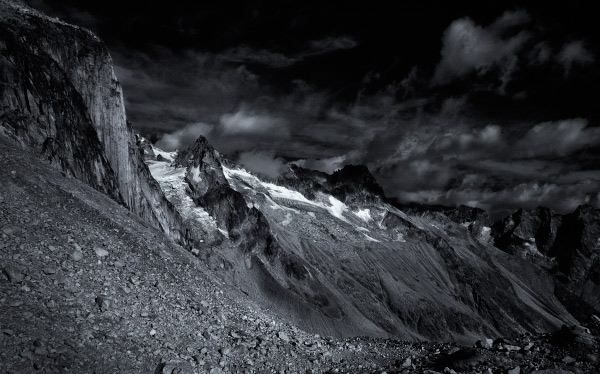
Take a minute enjoy the moment.

Take a minute enjoy the moment.

Try Not be be Overwhelmed

It’s so very easy to be completely blown away the first time you get off the helicopter. You’ve never seen anything like this before, and for many, you won’t have a chance to see it again. But when you get to a location, put all your gear down. Rest for a minute. Take a few deep breaths. Snap a few iphone photos at first so you have the memories, but just sit and  feel how you are feeling. Take a few minutes to let it all settle in your brain. There’s no need to rush, trying to capture everything. Relax, you’ll be at this spot for a while, and the day is long.
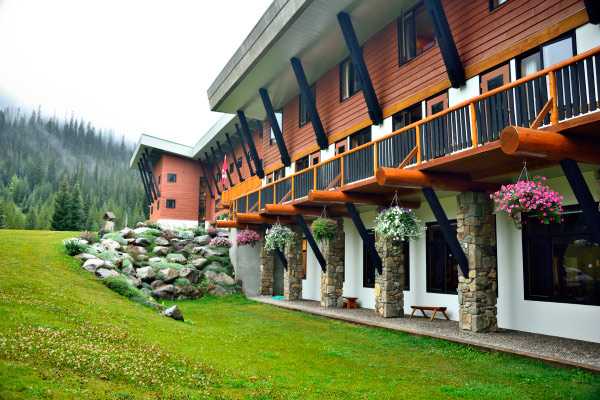
The CMH Bugaboo Lodge

The CMH Bugaboo Lodge

The Logistics

I tend to rave about this trip for many reasons but what was outstanding was how thoroughly well organized everything was. Everything! Given all the complexities of booking and moving so many people (about 40 guests are participating in various heli-hiking tours along with the photography groups) to a remote lodge, and planning flights around weather, and light, and all those people, the fact that nothing went awry was such a huge surprise. All the details from making my reservation, taking care of answering any questions, call backs if needed, were handled so well. If someone said they’d call back they did. They send extremely detailed emails containing everything I needed to know from packing lists to travel insurance.  Everything is taken care of.  If you decide to embark on this adventure, you just have to get yourself to Banff, Alberta. That’s it.
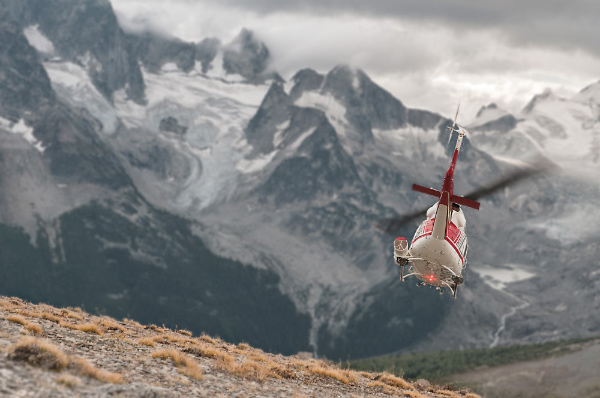
_2DS1192W

You’ll need to spend at leat one night in Banff, because your trip to the helipad starts very early. Most people fly to Calgary, Alberta, and take the shuttle bus to the hotel in Banff or Lake Louise. In the morning you take a cab to the bus depot where you meet the coach that will take you to the helipad. The tour company pays your fare for the cab and the bus. Once on the bus you’re served coffee and breakfast, and you’ll get a lively and comical conversation from your bus guide. It’s about a two hour trip.

Once you arrive at the helipad, the helicopter will transport about 8-10 people at a time to the lodge, about a ten minute flight. When you arrive at the Lodge, you get lunch, a safety orientation, get fitted for your hiking equipment, and then before you know it, you’re on your first helicopter ride to the mountain tops for the perfect photography experience of a lifetime. It just gets better and better after that!
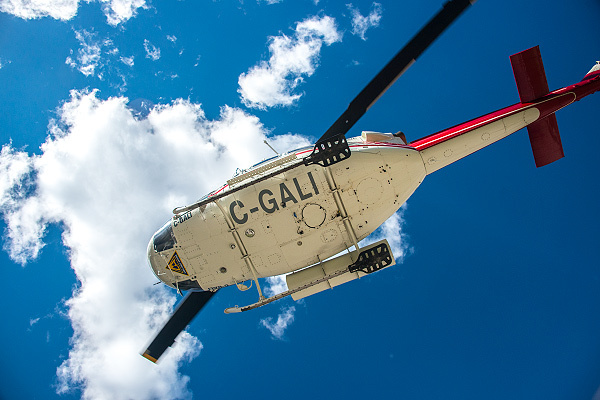
_DSC7575

The company I went with is CMH – Canadian Mountain Holidays. They’ve been doing this for years and the founder was the person who invented heli-skiing so they know the mountains. There is one more photo trip in September this year (2014), but my friend and I got the last to spots for the August photo trip with John Marriott.  The cost for the heli-hiking photo tour is about $ 3280 CAD + taxes, and it includes everything except alcoholic beverages and your massage treatments.  Photography in the Bugaboos – the perfect photography trip.

What was your favorite bucket list photo trip?

There’s a good chance I’ll be back again next year – I’d love to take a group of photographers to this magnificent place to experience a real Canadian photography bucket list trip.   Anyone keen on joining me?

The post Photography Trip of a Lifetime to the Canadian Rockies for Your Bucket List by Alex Morrison appeared first on Digital Photography School.


Digital Photography School

 
Comments Off on Photography Trip of a Lifetime to the Canadian Rockies for Your Bucket List

Posted in Photography