RSS
 

Posts Tagged ‘Photography’

How to Tell Better Visual Stories with Travel Photography

18 Feb

Take a look at your favorite travel magazine, and you will notice a pattern in the images.

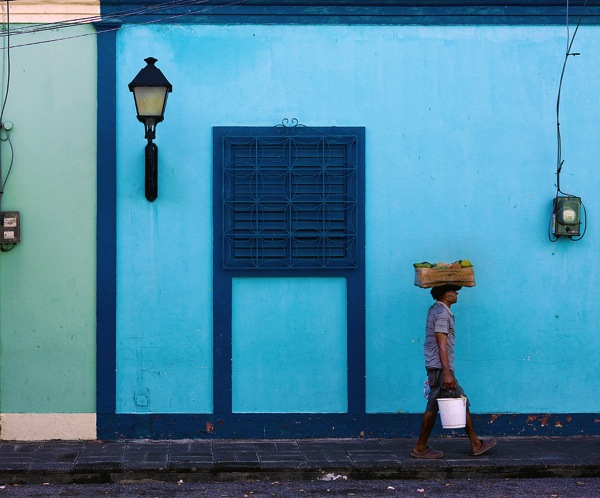
Establishing 12

Understanding how to turn a bunch of images into a story – creating series is crucial to any travel photographer.
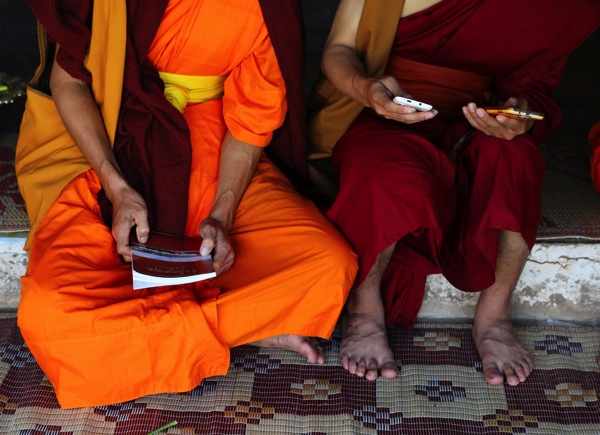
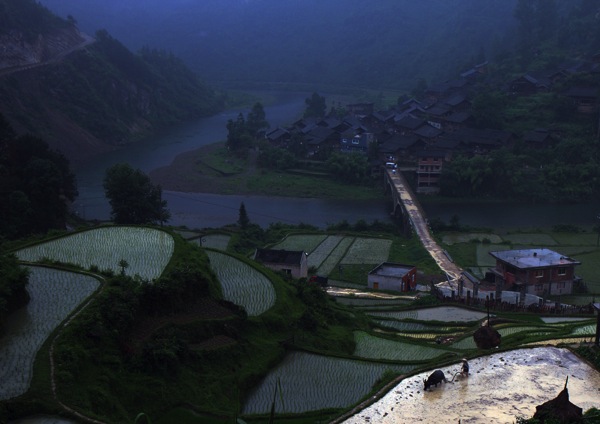
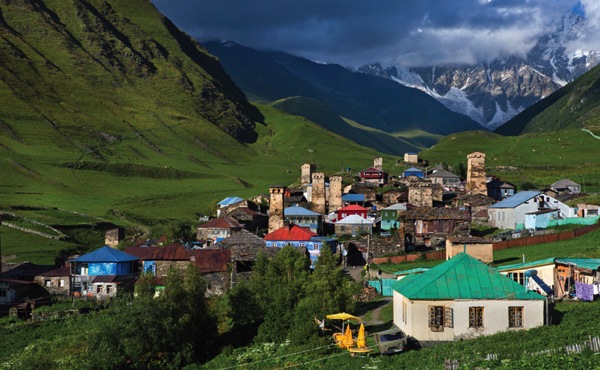
In this article, we will get familiar with two kinds of very important visual concepts in the travel photography world: the establishing shot (above) and the detail shot (below).

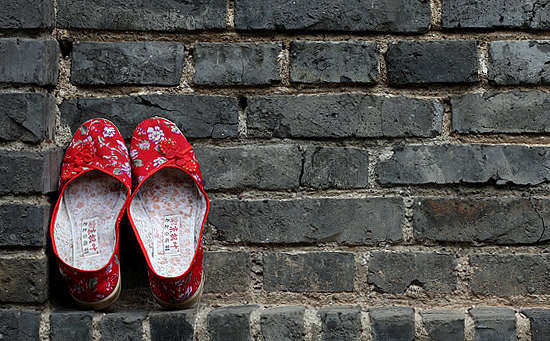
Detail 1

It doesn’t matter if you wish to do travel photography professionally, or if you just want to come back home with better pictures from your next trip. Understanding these visual concepts will help you.

Establishing shot

The establishing shot is arguably the most important shot in a travel photography series. In a print magazine, this image will usually cover the two first pages of the article (the spread). In a digital-based platform (your website or Facebook page), this will be the album’s opening image. However, you can find the establishing shot later in the series.

Establishing 10

The establishing shot’s purposes are to:

  • Give a general idea about the story and the “what” and “where” of this series.
  • Be visually interesting enough so that the viewer wants to read the article or go through the digital album.

Establishing 8

From the technical point of view:

There are no clear rules. But in most cases, the image is a horizontal one (sometimes you will see two vertical images side by side).

Most important:

This image is the grand entrance to your story. Make it impressive and epic. It is usually recommended to leave room for text on this image. So take it into account when you create your composition.

Establishing 9

The detail shot

While the establishing shot is all about being big and epic, the detail shot is about putting a spotlight on something small and making it the image’s hero.

The detail shot’s purposes are to:

  • Give attention to different aspects in your story that might get lost in the bigger picture.
  • The detail shot is like sorbet ice cream in a gourmet dinner — it gives balance to the other, bigger images.

Detail 4

From the technical point of view:

It is all about making small things bigger, so a macro lens is useful (but not obligatory) here.

Most important:

While in the field, be on the lookout for interesting details of things that relate to your story. If you are doing a series on a city a funny street sign, graffiti, or food in a local market can be your detail shot. If you are doing a story about a specific person, his hands or his work tools can be the hero of the shot.

Detail 3

Putting it all together

Of course, I’m not saying that there are certain rules that you must apply in order to create a well-built travel photography series. But by thinking in terms of visual concepts, such as the establishing and detail shots, it will help you be more focused in the field.

Examples include taking the extra effort to reach a high vantage point, or getting an “off limits to the general public” pass to an interesting location in order to get that jaw-dropping establishing shot. Or, taking an hour just to “hunt” for interesting subjects to snag the detail shot. From my experience, having a framework to work within allows you to know what you are looking for, and increases the chances you will find it!

Establishing 14

Want to get more tips and hints about travel photography in a snap? Check out Oded’s ebook, about travel photography, by dPS and our sister brand – Snapn Guides.

Note: the author would like to thank Nicholas Orloff for his help in writing this article.

googletag.cmd.push(function() {
tablet_slots.push( googletag.defineSlot( “/1005424/_dPSv4_tab-all-article-bottom_(300×250)”, [300, 250], “pb-ad-78623” ).addService( googletag.pubads() ) ); } );

googletag.cmd.push(function() {
mobile_slots.push( googletag.defineSlot( “/1005424/_dPSv4_mob-all-article-bottom_(300×250)”, [300, 250], “pb-ad-78158” ).addService( googletag.pubads() ) ); } );

The post How to Tell Better Visual Stories with Travel Photography by Oded Wagenstein appeared first on Digital Photography School.


Digital Photography School

 
Comments Off on How to Tell Better Visual Stories with Travel Photography

Posted in Photography


Improve Your Photography in 10 Days with These 10 Tips

18 Feb

For beginners, learning the ins and outs of the fundamentals can often seem daunting. Intermediate photographers might feel confident of their grasp of the photography basics, but find themselves lacking inspiration. Even seasoned photographers might occasionally find themselves stuck in a rut. So we put together a list of tips you can use to get your shutter firing and improve Continue Reading

The post Improve Your Photography in 10 Days with These 10 Tips appeared first on Photodoto.


Photodoto

 
Comments Off on Improve Your Photography in 10 Days with These 10 Tips

Posted in Photography


6 Eye-Catching Photos and How They Can Help You Improve Your Photography

17 Feb

Each photographer has their own way of approaching a scene, choosing which settings on their camera will best reflect their vision, and then crafting the final image. You get to make this series of decisions each time you take a photo, and it’s a highly personal experience.

But you can still learn a lot by going behind the scenes of a photo, and hearing how the photographer made their own decisions. Whether you pick up a new tip for creating an interesting effect, a new way of looking at a scene, or simply the inspiration to go and shoot, it’s both informative, and a lot of fun too.

So here are six of my favourite photos, and details about how they were taken. Get out your notebook, have your camera handy, and let’s go.

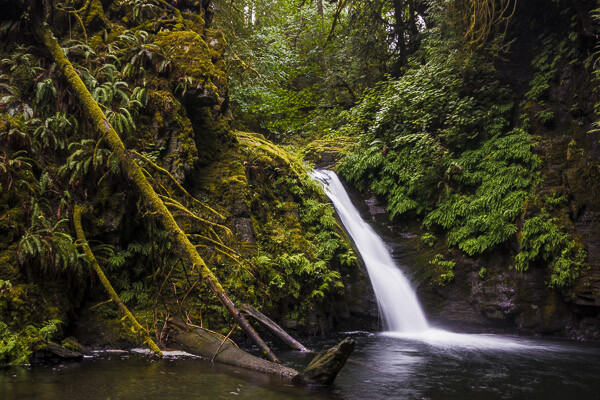
1. Waterfall in the Woods

Extremely essential camera skills 1

Vancouver Island, Canada – Settings: 14mm, f/10, 1.6 seconds, ISO 80

This shot is a great example of what happens when you pick a slow shutter speed. Moving water takes on this flowing look and adds a softer feel to the image.

If you want to get this effect, first set your shutter speed to a long value. Here the setting was 1.6 seconds – a value around there is a good place to start. Then you’ll need to adjust the rest of your settings to get a good exposure. This can be tricky sometimes, especially if it’s a really bright scene. A high (small) aperture, and low ISO can really help. But if that’s not enough, you may need to use a neutral density filter.

Then make sure you can keep your camera steady for the entire shot. The ideal would be to use a tripod, but it doesn’t even need to be a big, heavy one. This shot was taken with a point and shoot camera (the Sony RX100III) and the tripod was just a tiny tabletop tripod set up on the rocks.

Finally take the photo, and enjoy a beautiful waterfall image that really grabs your viewers’ attention.

2. The Bee and the Flower

Extremely essential camera skills 2

Edmonton, Canada – Settings: 85mm, f/4.0, 1/3000th, ISO 200

This photo has two elements to pay attention to, the first being the composition. The bee is very small, but you can still easily make it out. That’s thanks to negative space. All of the blue, empty sky is negative space that draws your eye towards the subject. One of the keys to finding negative space in a scene is to move your feet. Walk around, looking to see if you can find an angle that helps simplify your frame by incorporating negative space. Don’t stop there, though. Change your position even further by climbing up high, or, as in this case, lying on the ground. Yep, this photo was taken lying flat on the grass. Don’t be afraid to get messy in the pursuit of a great shot.

The second thing to note about this shot is the shutter speed. There’s a very fast setting chosen here (1/3000th of a second) and that allowed the bee to be in sharp focus, even when it was moving very fast. A slower shutter speed could have led to motion blur of the subject, losing that crisp, sharp detail. When shooting fast moving objects, make sure your shutter speed is set appropriately.

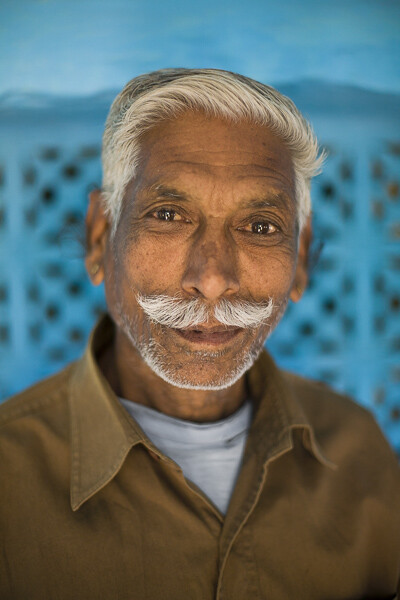
3. The Internet Man

Extremely essential camera skills 3

Jodhpur, India – Settings: 50mm, f/1.6, 1/320th, ISO 400

There’s a great story behind this image. On a trip through India we found ourselves in Jodhpur, known as the Blue City. The walls of many of the houses are painted a vibrant blue, and it made for some incredible images. But this portrait was not taken on a photo walk, but rather after we made our daily visit to the internet shop.

After we finished up on the computer, we got to chatting with the man who owned the shop. He was a wonderful guy, with a great face, so we asked for a portrait. He was happy to oblige, and by standing in the doorway of his shop we got both a beautiful blue background, and catchlights in his eyes from the light coming in the door (catchlights, those white specks in the eyes, are a great way to add life and sparkle to your subjects’ eyes).

One final note on the settings: using a low aperture value can help your subject stand out from the background, especially if you can’t bring them very far forward from the background. In this image f/1.6 was used, which is definitely very low, but it really helped create some background separation.

The best part of the story? After we took his photo (and gave him a copy of the file) he thanked us, and told us that he’d pray that we’d have a son before returning to India. Well, we did have a son. Now we just have to go back, don’t we?

4. Cows in the Field

Extremely essential camera skills 4

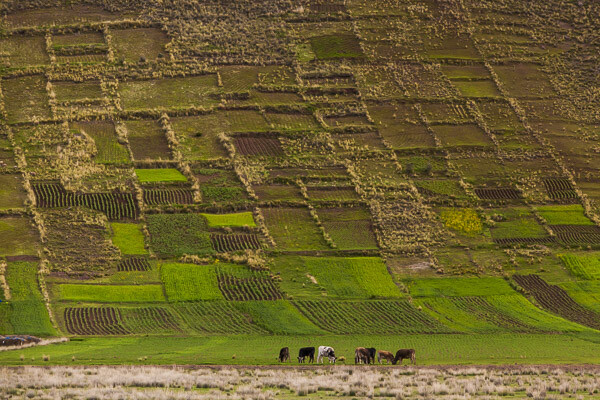
The Sacred Valley, Peru – Settings: 200mm, f/7.1, 1/1600th, ISO 800

Learning how to use lens compression to your advantage can make for some really impressive shots. This image is a great example of this technique.

Very simply, when you use a longer focal length (like the 200mm used in this photo) it makes the distance between objects in the frame appear to be less. It makes the background appear closer to the foreground, and in this example it makes the hills appear very close to cows. Essentially, it compresses the space in the image.

Here you can see how it makes the hills really fill the frame and create a strong, patterned background that contrasts nicely with the organic shapes of the cows.

In your own photography you can use a long lens to make clouds appear much larger and closer to your subject, or make your friends look like they’re stepping on top of a building, Godzilla-style. There’s no limit to the creative effects you can achieve when you use compression.

5. Down the Stairs

Extremely essential camera skills 5

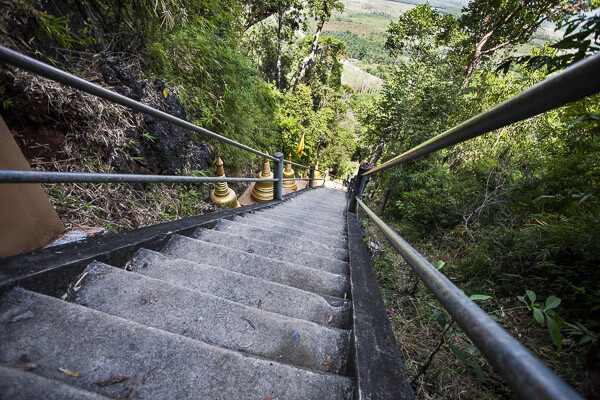
Krabi, Thailand – Settings: 17mm, f/5.0, 1/400th, ISO 400

If long lenses make objects appear closer to each other in your frame, what about wide angle lenses?

Here’s a great example. This shot, taken while looking down a few of the 1,272 treacherously steep steps of the Tiger Cave Temple, makes you feel like you may just fall down them, along with the photographer.

The wide angle lens (17mm) helps to create that feeling. The wide angle exaggerates the distance between objects, especially at the edges. Take a look at those hand rails at the edge of the frame. They look very far apart, especially compared to the distance between the hand rails further down the stairs. But this exaggeration at the edges helps to turn the rails into leading lines, drawing your eye down the stairs, and creating that falling feeling.

So if you want to add some drama to an image, or exaggerate perspective, grab a wide angle lens. Place objects near the edges and make use of the stretching it causes.

6. Camel at Sunset

Extremely essential camera skills 6

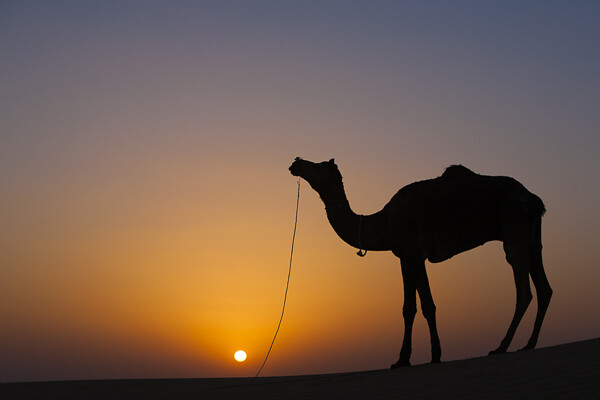
Jaisalmer, India – Settings: 70mm, f/7.1, 1/400th, ISO 125

Doesn’t a great silhouette image just grab your attention? It’s so different from how we normally see the world that it can add a big impact to your work.

But a silhouette is a prime example of how your camera can easily be fooled by light, and how you, the photographer, need to know how to control it.

In this example your camera might very well try to expose for the camel, or somewhere in between the camel and the sunset, and you’ll wind up with something really bright, or sort of dark, but it probably won’t look like a nice, crisp silhouette.

So what to do? Take control. When aiming for a silhouette you’ll want to expose for the sky, not the subject. Then you can either use exposure compensation to dial in the exposure you’re looking for, or better yet, jump into full manual control and choose your settings to get exactly the exposure and depth of field you want.

Hopefully this peek behind the decisions and settings of these photos gives you a few tips to take some great shots of your own. The more you learn about how all the settings on your camera affect the look and feel of your images, the better decisions you’ll be able to make. Best of all, this stuff doesn’t have to be hard to learn, and you’ll get to use the knowledge to create better images for the rest of your life.

googletag.cmd.push(function() {
tablet_slots.push( googletag.defineSlot( “/1005424/_dPSv4_tab-all-article-bottom_(300×250)”, [300, 250], “pb-ad-78623” ).addService( googletag.pubads() ) ); } );

googletag.cmd.push(function() {
mobile_slots.push( googletag.defineSlot( “/1005424/_dPSv4_mob-all-article-bottom_(300×250)”, [300, 250], “pb-ad-78158” ).addService( googletag.pubads() ) ); } );

The post 6 Eye-Catching Photos and How They Can Help You Improve Your Photography by Lauren Lim appeared first on Digital Photography School.


Digital Photography School

 
Comments Off on 6 Eye-Catching Photos and How They Can Help You Improve Your Photography

Posted in Photography


On point: Steve Vaccariello’s dance photography

16 Feb

‘I do not touch my dance work with Photoshop. Never!’ says portrait photographer Steve Vaccariello – a bold statement in the digital age. But he’s no luddite. His extended portfolio of commercial, celebrity and beauty work has certainly seen its share of image enhancement. When working with dancers, Vaccariello likes to use reductionist lighting designed to stay out of the way of the movements of the performers. See his work and find out more about him. See gallery

Articles: Digital Photography Review (dpreview.com)

 
Comments Off on On point: Steve Vaccariello’s dance photography

Posted in Uncategorized


3 Questions to Ask Yourself When Starting a Photography Business

16 Feb

I have met a lot of people who, upon getting their first DSLR, immediately want to start taking pics of their kids, their friends, some high school seniors, or maybe even a wedding. They want to dive headfirst into the deep end of the photography pool, even if they aren’t entirely sure what they are doing. For the record, I fully support this! Experience can be the best teacher of all, and even if the stakes are high like a wedding or graduation, I admire those who can throw caution to the wind and jump right in, even if they may be a bit unprepared.

father-boy

That sense of excitement and wonder, as well as a willingness to try new things and experiment with your equipment, is something that tends to wane as the years go by and so many cameras start gathering dust on closet shelves. It’s this sense of newness and enthusiasm that, in my opinion, is missing from some of the more seasoned photographic veterans that I visit with from time to time.

However, if you are one of those individuals with a new camera who just can’t wait to start snapping photos of friends and family, and maybe even create a Facebook page for your new photography side project – I would advise you to pause and consider a few questions first. This will help ensure that you are getting your photography business started on the right foot and setting yourself up for long-term success, not just a few bucks on the side and some clicks to your website.

1. What does my client expect?

“Wait a second,” you might be saying to yourself right now. “These people are my friends and family…not my clients!” While this might be true, if you don’t start seeing the people you photograph as clients, you might find it hard to separate your personal relationships from your professional side as you get more established in your craft.

student-fence

The first thing you need to square up are their expectations of what you will provide. Everyone you photograph, whether it’s people you have known your whole life or new clients who found your website or social media account, will have a unique set of expectations for what their photography session will involve. Aunt Ginny might think you will take some tasteful outdoor pics like the ones her sister posted on her Instagram. Your buddy George might want some indoor studio photos of his kids like the ones he saw at an art fair downtown last weekend. Someone named Rachel, who emailed you from your website, would like you take bridal photos like the ones she saw in a wedding magazine. Meanwhile, your own personal style is more suited to newborns and infants since you are not very comfortable directing people and telling them what to do during a photo session.

That’s just the beginning! If you don’t know what these people are expecting, they will likely walk away less than satisfied, even if you think your photos of them are beautiful.

Setting expectations for success

One of the best ways you can manage your clients’ expectations is to provide them with some existing images that showcase your overall style and approach. Plan on giving your clients some examples of the types of photographs you take so they know whether or not you will be a good fit for what they want. You can also visit with them over email, social media, phone, or in person to make sure you can provide the types of photos they are looking for.

family2

If you do not already have a portfolio to show potential clients, you can enlist the help of some friends and family specifically for this purpose–but again, remember to manage expectations. If you take this approach, the goal is to get pictures that you want, not necessarily what your models want. Make sure the people you are photographing in these situations know that they are doing this to serve you and your needs, and if they do happen to like the pictures you take then you could reciprocate by doing a session for them in the future.

The flip side of knowing what your clients expect is making sure that you understand your expectations, which is just as important. Do you want to take photos that are posed or candid? Will you travel outside of your community, and if so, will you charge a fee? Do you plan to do extensive edits after the shoot, or are you the type of person who prefers to shoot in JPG and not alter things afterwards? Will you photograph major life milestones like weddings, if given the chance, or do you prefer more subdued scenarios like casual family photos?

Of course one of the best ways to mitigate any potential problems is to have a contract in place so you can make sure you and your clients are both on the same page. At this point you might be thinking “Why does it have to be so complicated? I just want to go out and shoot photos.” This might all seem like it’s a big hassle, but if you don’t spend some time considering your expectations as well as those of your clients, you are likely going to end up with far worse problems sooner than you think.

student-tree

Being clear on exactly what this young man wanted, as well as what I would do, helped make this high school senior photo session go smoothly.

One of the most painful experiences you can have as a photographer is when your clients are unhappy with their photos. Usually, but not always, this is a result of mismanaged expectations. They were wanting one thing, and you delivered something else. By making sure you understand what your clients want, whether they are family, friends, or perfect strangers, you will make great strides in not only providing the best photos possible, but building long-term relationships that will keep them returning for pictures in years to come.

2. Can I make my camera do what I want it to do?

There is a strong temptation when you first upgrade to a DSLR to put it in Auto and expect your photos to be amazing. To some degree, that can certainly happen–the Auto mode on modern cameras does a good job of getting things like exposure and white balance right, but this is only a small part of the total photographic equation. As a photographer you need to spend time learning not only about the basics of exposure, but how to control your camera in such a way so as to make it do what you want.

Knowing how various f-stops affect the image is one thing, but knowing how to quickly change the aperture while in the middle of a photo shoot is another thing entirely. Less expensive cameras like the Nikon D3300, Canon Rebel T3i, and Sony a6000 are, in many aspects, just as capable as their more expensive counterparts. But many of them require you to use various menus and multi-purpose buttons to change settings instead of having dedicated buttons for things like ISO, White Balance, etc.

I know it sounds elementary, but reading the manual for your camera is a great way to familiarize yourself with its capabilities. Make sure to have your camera in your hands while doing this so you can start to learn not only what your camera can do, but how to make it happen. As the saying goes; practice, practice, practice. If you’re in the middle of a shoot and you need to quickly change from matrix to spot metering, or do some bracketing in order to get the proper exposure, you don’t want to waste time fiddling with buttons and menus while the moment passes before your eyes.

Popular entry-level cameras like the Nikon D3200 have many advanced functions, but their lack of dedicated buttons and dials requires you to use menus to access them.

Popular entry-level cameras like the Nikon D3200 have many advanced functions, but their lack of dedicated buttons and dials requires you to use menus to access them. Make sure you know how to do this before doing a photo session.

As an example, I recently spent some time with my father who is an avid photographer, and throughout the course of our conversation we got to talking about off-camera flash techniques. He shoots with a Rebel T4i, and through some experimentation we discovered that it is capable of triggering an off-camera flash with the built-in pop-up flash. We both thought this feature was reserved for Canon’s more expensive cameras, and he was delighted to find out that he would not need to purchase wireless triggers for photo sessions that require off-camera lighting. The moral of the story is that your camera can probably do more than you think, but it requires some research, experimentation, and the courage to move away from the convenient Auto mode.

With a little practice, you will start to figure out the many capabilities your camera has, and how to use them on photo shoots. If you are trying to achieve a particular look or style when shooting photos for clients, you might not need to buy any new gear at all–you just need to make sure you know all the details of operating what you already own.

Of course it’s also entirely possible that your camera, lenses, or other gear can’t do what you want them to do. Your creative vision and goals for a photo session might be far beyond the reach of what your setup is capable of achieving, and you might discover that in order to fulfill your, or your client’s, wishes you will need to spend hundreds or even thousands of dollars on equipment. But remember the old adage; knowing is half the battle.

You might not need to get any new camera gear in order to pull off a particular photo shoot–you might, instead, have to simply adjust your expectations and make sure to communicate with your client about it as well. Even a DSLR with a basic kit lens can do many things, but there are some limits. Knowing them before you are on location or in a studio with a client will help ensure you can get the most out of what you do have.

canon-70-200-L

Canon’s popular 70-200mm f/2.8 lens is an outstanding workhorse, but costs as much as several less-capable lenses. You might discover that you need to spend money on equipment like this, but it’s also possible that you can get by with what you already own.

3. Am I prepared for the long haul?

It’s such a thrill to start taking photos for other people, and in a way I envy all you new photographers who are reading this while pondering the incredible opportunities in front of you. But if this is you, I would advise you to take a step back and spend some time thinking about your long-term goals so you have a better understanding not only of what you want, but what you will be able to do for your clients.

As you take on more jobs and word begins to spread, you might find yourself becoming far too wrapped up in what was once just a fun hobby. Planning for sessions, re-shooting when things don’t work out, investing in new gear, and spending hours editing and fine-tuning in Lightroom or Photoshop are not the sorts of activities people usually have in mind when they start to get into photography as more than just a simple pastime. But all these elements (and many more) will ultimately become factors in how you approach your photography, so it’s important to think about them upfront.

Before you start spreading the word to your friends about your newfound photography venture, spend some time considering all the other elements besides just taking photos that will come into play as the months and years go by. It’s entirely possible that a month or two down the road you might find yourself dreading the editing process, but so many people like your photos that you are getting dozens of requests for photo sessions. This would put you in a bit of a bind, enough so that you might be tempted to toss your camera aside and wish you had never even started taking photos in the first place!

Considering right upfront whether you are prepared to do this over the long run will help you deal with these situations if and when they arise.

family

Photography can be a lot of work, but it can also be a ton of fun. And it’s such a good feeling knowing you can capture moments that people will have with them for the rest of their lives.

Of course the flip side of all this is that you might be positively giddy at the prospect of meeting with clients, taking photos, editing them, and all the other activities that are involved with photography. But, no one notices. Months go by without getting any clients or photo opportunities and you could find yourself wondering why you bothered to even do this in the first place. Again, you need to have a plan for how you will deal with these types of situations, and figure out if you really are in this for the long haul. The truth of the matter is everyone has their ups and downs, with periods of frantic activity followed by long stretches of finger-tapping. If you spend time thinking about how you will deal with both of these extremes and everything in between, it will help you set yourself up on the road to success from the very beginning.

Of course these are just three questions to consider, and I feel as though we have barely touched the surface. What about you? Are you a seasoned pro with some advice to people just starting out, or are you just beginning to think about doing more with your camera, but wondering what to do? Leave your thoughts in the comments below.

googletag.cmd.push(function() {
tablet_slots.push( googletag.defineSlot( “/1005424/_dPSv4_tab-all-article-bottom_(300×250)”, [300, 250], “pb-ad-78623” ).addService( googletag.pubads() ) ); } );

googletag.cmd.push(function() {
mobile_slots.push( googletag.defineSlot( “/1005424/_dPSv4_mob-all-article-bottom_(300×250)”, [300, 250], “pb-ad-78158” ).addService( googletag.pubads() ) ); } );

The post 3 Questions to Ask Yourself When Starting a Photography Business by Simon Ringsmuth appeared first on Digital Photography School.


Digital Photography School
 
Comments Off on 3 Questions to Ask Yourself When Starting a Photography Business

Posted in Photography


Weekly Photography Challenge – Panning

14 Feb
Paolo Margari

By Paolo Margari

Earlier I shared some images created using the panning technique.

I love the dramatic feeling of motion that happens when everything comes together and it works. Panning isn’t easy to perfect though, it takes a little bit of practice. If you want some tips on how to do it, try these articles:

  • 3 Tips for Creating Dramatic Images using Motion
  • Using Slower Shutter Speeds to Show Motion in Your Images
  • Showing Speed: Using Panning When Shooting Action
  • Creative Reasons to use Intentional Camera Movement

As you might have guessed already – now it’s your turn!

Weekly challenge – panning

Here are a couple more examples, then it’s over to you.

Takashi Hososhima

By Takashi Hososhima

Angelo Domini

By Angelo Domini

Jamie McCaffrey

By Jamie McCaffrey

Zoutedrop

By zoutedrop

Takashi Hososhima

By Takashi Hososhima

Keep in mind you can do panning on anything that’s moving. Cars, kids, animals, carnival rides, playground rides, bikes, trikes, etc. – get creative with it.

Share your panning images here:

Simply upload your shot into the comment field (look for the little camera icon in the Disqus comments section) and they’ll get embedded for us all to see or if you’d prefer upload them to your favourite photo sharing site and leave the link to them. Show me your best images in this week’s challenge. Sometimes it takes a while for an image to appear so be patient and try not to post the same image twice.

googletag.cmd.push(function() {
tablet_slots.push( googletag.defineSlot( “/1005424/_dPSv4_tab-all-article-bottom_(300×250)”, [300, 250], “pb-ad-78623” ).addService( googletag.pubads() ) ); } );

googletag.cmd.push(function() {
mobile_slots.push( googletag.defineSlot( “/1005424/_dPSv4_mob-all-article-bottom_(300×250)”, [300, 250], “pb-ad-78158” ).addService( googletag.pubads() ) ); } );

The post Weekly Photography Challenge – Panning by Darlene Hildebrandt appeared first on Digital Photography School.


Digital Photography School
 
Comments Off on Weekly Photography Challenge – Panning

Posted in Photography


Why to Consider Doing Photography Related Volunteering in Your Community

13 Feb

There is so much power in photography, as the old adage goes: A picture is worth a thousand words. Imagine if you did more than just create a photograph? Imagine if you taught a generation of people how to tell a story with a camera? Would you?

I have, and find it terribly rewarding! Well perhaps not an entire generation, but I have worked with some awesome teenagers in the Seattle area. Let me just say, it’s truly wonderful to see what can happen when you work with young curious minds.

I have mentored with a Seattle area non-profit, Youth In Focus whose mission is to empower urban youth, through photography, to experience their world in new ways and to make positive choices for their lives.

OLYMPUS DIGITAL CAMERA

Youth In Focus offers film and digital photography classes at different levels; this includes a full darkroom and a digital lab. It’s a kind of after-school program, providing a lot of these kids an opportunity to have a creative outlet that may not be available to them through their schools. Students are issued a camera, film/media and receive assignments weekly. There are also field trips to local museums and even photowalks.

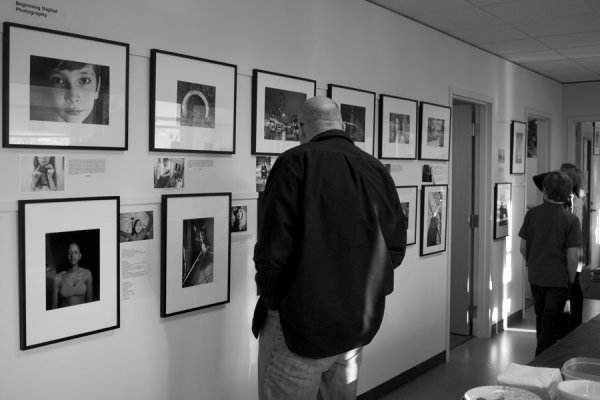
One of our outings was at Pike Place Market in Seattle. Some of the kids in the group hadn’t been to the market before, this made for a great opportunity to see the market as well for them to have access to us while taking photographs, real time. The bonus was that we teachers and mentors take photos too.

OLYMPUS DIGITAL CAMERA

OLYMPUS DIGITAL CAMERA

During my time with Youth in Focus, I worked with three different groups of students. Each group was amazing and entertaining too! The best moments are a round table discussion of each student’s images. Every week they select, edit, and print their favourite image from the previous week’s assignment. They may ask for guidance in selecting that image, especially in the beginning of the classes, as they’re just learning. You’ll find the best way to help them is to ask questions about the story they’re trying to tell or how they believe the composition could be better, etc. The goal is to get them talking about it, get them involved.

Connecting with the students via the art they’re creating is so powerful; seeing their improvement each week makes you proud. You’re excited for what’s to come and where they’re going to take it. It’s an experience not yet matched by any work I’ve done in my professional life. Perhaps if I were a full-time teacher I’d feel that, every day. I imagine you’ll get as much, if not more out of the experience if you try it.

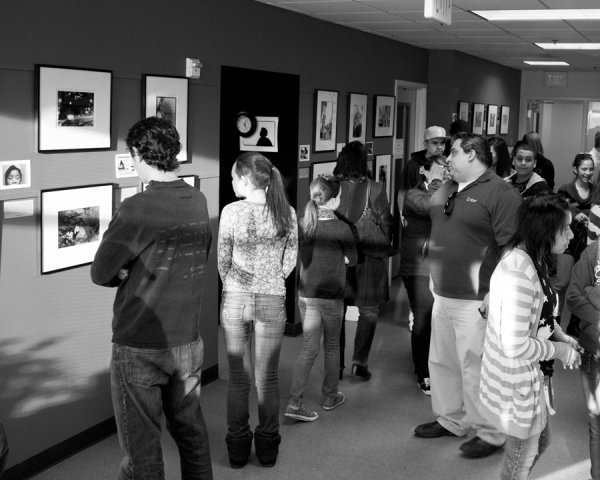
At the end of each quarter the kids select their best one or two images to display as a part of an open house show. There’s a potluck dinner, and a gallery of images to view from each class. It’s so impressive to see what these kids create.

OLYMPUS DIGITAL CAMERA

Now you’re thinking, “Wow! I want to do that, I want to help kids and teach photography!” but then you think, “I don’t have the time” or perhaps, “I’m not a teacher”. That’s okay, you don’t have to be a teacher, you just need to have a desire to share the knowledge you already possess. As for time, if you really want to do it, you can you can make it happen. I did, and will again.

OLYMPUS DIGITAL CAMERA

Other challenges may be that there’s not a program like this in your city. Do a little research to see if you can find one, or reach out to a local high school and see if you could collaborate with them to put one together. I’d be willing to bet you can find other photographers in your area that would help you make it happen. If you’re in New York City, check out NYC Salt, which offers a similar mission for youth there.

If for some reason you can’t find the time to invest in such an opportunity, but you still want to be involved, you might consider making some sort of donation; old cameras, photo equipment, or of course good old hard cash. These kinds of groups are always in need of cameras, film, memory cards, rechargeable batteries and the like. Youth In Focus uses eBay to sell equipment that is donated but can’t be used in the classroom, then puts that money back into the classrooms.

Working with a non-profit like Youth In Focus or NYC Salt are not the only options. There are projects like Help Portrait, founded by Jeremy Cowart and Kyle Chowning, or The Giving Lens founded by Colby Brown. Those are just a couple, there are so many opportunities available, you just have to seek them out.

OLYMPUS DIGITAL CAMERA

There is great joy in giving back to your community, it’s challenging, educational, and it fills up your heart.

Are you ready?! Get out there and make it happen!

googletag.cmd.push(function() {
tablet_slots.push( googletag.defineSlot( “/1005424/_dPSv4_tab-all-article-bottom_(300×250)”, [300, 250], “pb-ad-78623” ).addService( googletag.pubads() ) ); } );

googletag.cmd.push(function() {
mobile_slots.push( googletag.defineSlot( “/1005424/_dPSv4_mob-all-article-bottom_(300×250)”, [300, 250], “pb-ad-78158” ).addService( googletag.pubads() ) ); } );

The post Why to Consider Doing Photography Related Volunteering in Your Community by Kate Hailey appeared first on Digital Photography School.


Digital Photography School
 
Comments Off on Why to Consider Doing Photography Related Volunteering in Your Community

Posted in Photography


20+ Fantastic Free Photoshop Actions for Your Photography Toolkit

11 Feb

Photoshop actions are an amazing tool that can help you to automate your workflow and to add creativity to your photo library. Using actions, you can apply a photo effect to one or many images from your collection. It’s extremely useful when you need to edit a lot of images from the wedding photo shoot, for example, and make them Continue Reading

The post 20+ Fantastic Free Photoshop Actions for Your Photography Toolkit appeared first on Photodoto.


Photodoto

 
Comments Off on 20+ Fantastic Free Photoshop Actions for Your Photography Toolkit

Posted in Photography


Valentine’s Day Photography Tips for Your Inspiration

09 Feb

Ahhh, Love. It can be giddy, maddening, complacent, jealous, warm and gooey, and downright crazy, usually all in the same day. And the weirdest day for love? Valentine’s Day, The Amateur Night red headed step child of New Years Eve, but instead of drinking too much and waking up pantsless while in a pool of your own vomit, you’re forced Continue Reading

The post Valentine’s Day Photography Tips for Your Inspiration appeared first on Photodoto.


Photodoto

 
Comments Off on Valentine’s Day Photography Tips for Your Inspiration

Posted in Photography


How to Form a Band of Cheerleaders for Your Photography Business

08 Feb

Let’s take a walk down memory lane with the song “One” written by Harry Nilsson. It was made famous by Three Dog Night in the late 1960’s. The song is particularly renowned for it’s opening line :

“One is the loneliest number that you’ll ever do.
Two can be as bad as one.
It’s the loneliest number since the number one.”

I believe there is a lot to be learned from this song. The core message being, don’t go through your life without any social interaction. I am not taking about your Facebook fans or your Instagram followers, but of the actual social connections you make among the people you interact with on a daily and weekly basis. As humans we all crave connections and contact with others. Sad as it may seem, we photographers, in general, are introverts. For the most part, we love to hide behind the camera – one eye looking through the viewfinder and the other closed to the outside world. It can certainly get very lonely and depressing.

We all know and understand the value of friends and co-workers. However, often times we tend to only gravitate towards like-minded people or those in the same profession. I am not undervaluing the importance of having friends in the industry. Personally, I have a select group of fellow photographers whose opinion I really value, appreciate, and am honored to call my friends. Some are local to me while others are through an online community – we not only talk shop but also talk about our families, our kids, and even send holiday cards to each other . But I find it mentally stimulating when I interact with people from many other professions – either related to my genre of photography (weddings and family portraits) or of a completely different field. Trust me, they all are invaluable in your growth as an artist and as a professional.

Here are some tips on how to form your own sphere of influencers and well-wishers for your own personal and professional growth. Some of these tips may seems very technical or business-school like, but are actually very simple to follow and implement for your photography business.

#1 Conduct a social network analysis

As per Wikipedia, Social Network Analysis is the study of network theory in a social analysis. Quite simply, network theory is the study of connectivity among different entities. In a social scenario, it is the mapping of “Who do you know?” also known as, “Who are your friends?” and “Who are your friends’ friends?”. Social media platforms like Facebook and LinkedIn actually have the underlining structure built already. When you friend someone, you can immediately see if you have any common friends or business acquaintances. Use your social media accounts as a starting point and map out who you know, and who those people know. Go as deep and wide as you can without getting confused or lost!

Kenneth Freeman

By Kenneth Freeman

#2 Narrow down your sphere of influencers

Once you have documented your social network analysis, narrowing your sphere of influencers is fairly easy to do. Look to your key friends, well-wishers and family as a starting point. Are there some people who are more invested in you than others? Distinguish those in some way. Are there people who are in the same field as you? What about completely different areas of expertise?

As a photographer, I love colors. A tip that works for me is to color coordinate the different groups. Warm colors like red/orange are people who are in my immediate circle (my core circle of trust). Cool colors like blue/green are people who are important but not as much as my sphere of direct influencers. Neutral colors like brown/peach are acquaintances. Also find a way to distinguish between local connections and online connections. Another tip is to keep your photography and business goals in mind while analyzing your network. This could help you focus on connections and contacts that could help you achieve your specific goals.

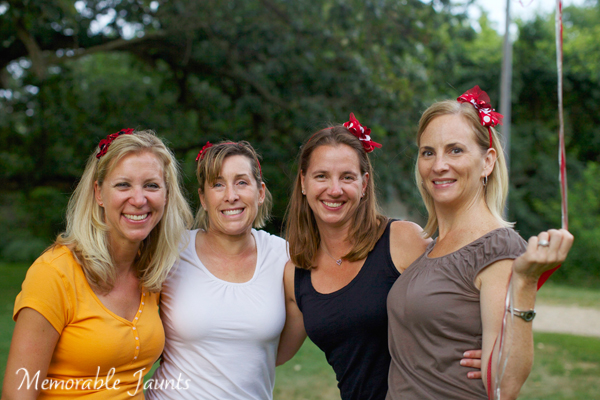
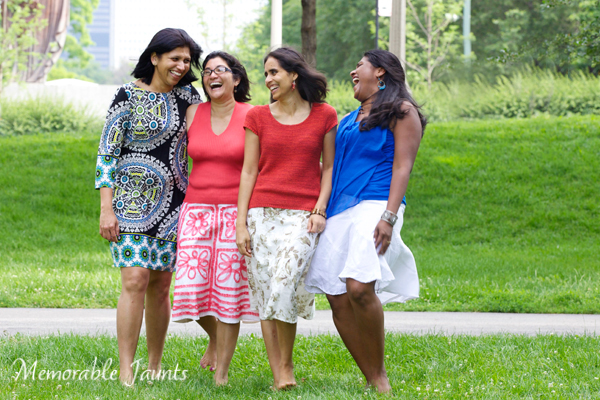
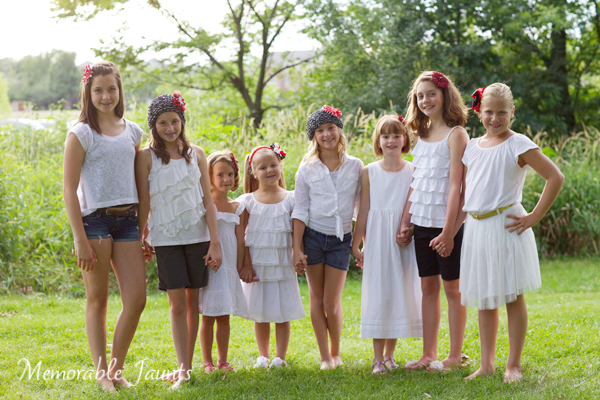
Memorable Jaunts DPS Article How to form your band of wellwishers 02

#3 Invest in meaningful engagement

Now that you have completed the technical part, take the time to engage on an emotional level. Connect with people with genuine intent. Take time to get to know the people you want to connect with. Find commonalities – either common interests, or common friends. Ask your friends to provide an introduction.

I cannot tell you the amount of times I have gotten a random friend request from someone – with or without mutual friends. If I don’t know you at all, chances are I am not going to respond. However if you send me an email, introduce yourself and let me know a bit about you and what exactly you want from the reach out, I am more likely to send a response back. Give me a reason to want to connect with you.

Memorable Jaunts DPS Article How to form your band of wellwishers

#4 Work out a mutually beneficial arrangement

Among the connections you make, some will be social, while others will be purely business and professional. That’s perfectly okay. You cannot be friends with the whole world, but you can certainly be cordial and pleasant with everyone you meet. When you are interacting with a vendor or a business peer, keep it professional and ensure that it is a mutually beneficial agreement. If you are reaching out to a small clothing boutique to do a styled shoot, ensure that you provide them with images from the shoot that they can use to promote their work. If you are asking acquaintances to model for you, provide them with images that they can use however they see fit. My personal rule is to provide watermark-free images, but to ask for image credit when they post the images online.

Memorable Jaunts DPS Article How to form your band of wellwishers 01

Invest in a core group of friends and wellwishers

 #5 Give more than you receive

This one ties in with #4. Don’t forget to thank people for their time and effort – either for promoting you or for helping you in some way. Just because the job is done, does not mean you forget about them and move on. Keep in touch and keep the connection strong. You never know when you may need to reach out to them again. Make sure that your cheerleaders remain your advocates for a long time.

I know what you are thinking. Shouldn’t something like friendships and relationships come from the heart? Does it really need to be plotted and mapped like a cross-country road trip? There really are a lot of benefits to doing just that. We all know that time is limited, and often time is more valuable than money itself. So, why not use that time wisely? When you are strapped for time, engage in relationships that bring the most value. I am not equating value with money or business. Value is a very personal choice and decision, and can mean whatever you choose to matter most to you – true connections, selfless relationships and/or business transactions.

How do you build your team of cheerleaders? Please share in the comments below.

googletag.cmd.push(function() {
tablet_slots.push( googletag.defineSlot( “/1005424/_dPSv4_tab-all-article-bottom_(300×250)”, [300, 250], “pb-ad-78623” ).addService( googletag.pubads() ) ); } );

googletag.cmd.push(function() {
mobile_slots.push( googletag.defineSlot( “/1005424/_dPSv4_mob-all-article-bottom_(300×250)”, [300, 250], “pb-ad-78158” ).addService( googletag.pubads() ) ); } );

The post How to Form a Band of Cheerleaders for Your Photography Business by Karthika Gupta appeared first on Digital Photography School.


Digital Photography School
 
Comments Off on How to Form a Band of Cheerleaders for Your Photography Business

Posted in Photography