RSS
 

Posts Tagged ‘Photography’

Spring Photography Tips: Capturing the Full Bloom

16 Mar

Spring is a great season to capture different images. Here are some spring photography tips to help you capture the flowers, birds and animals for this colorful season. Spring is all about color, new life and lots of daylight. For a photographer there is nothing better than having a whole new world of landscape come alive to be captured through Continue Reading

The post Spring Photography Tips: Capturing the Full Bloom appeared first on Photodoto.


Photodoto

 
Comments Off on Spring Photography Tips: Capturing the Full Bloom

Posted in Photography


Weekly Photography Challenge – Darkness and Light

14 Mar

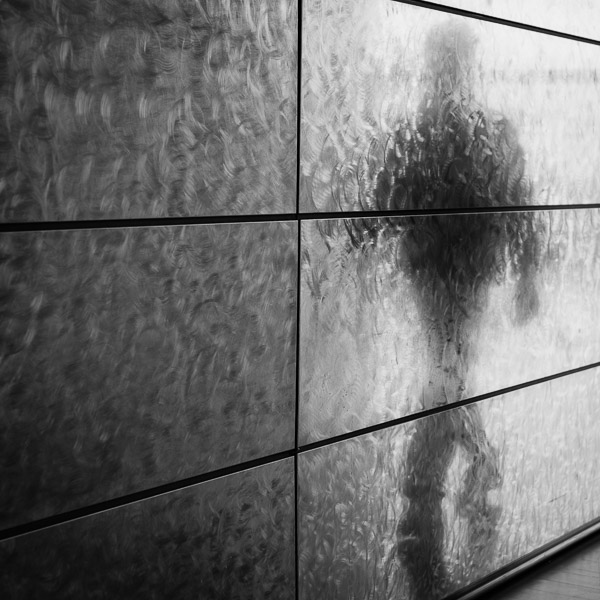
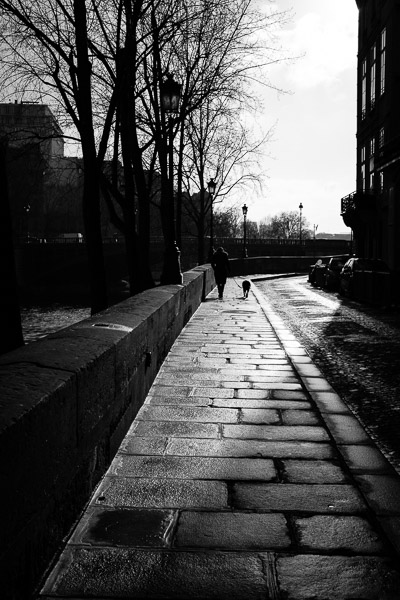
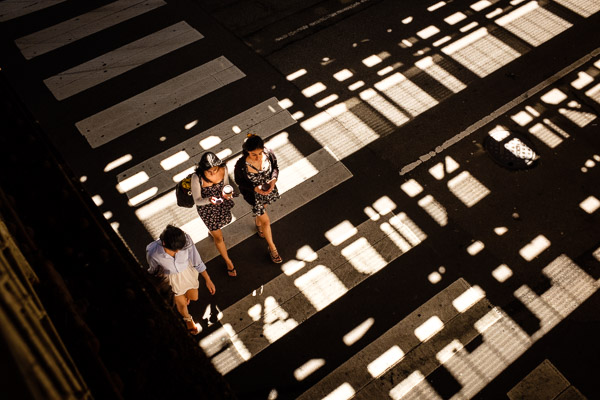
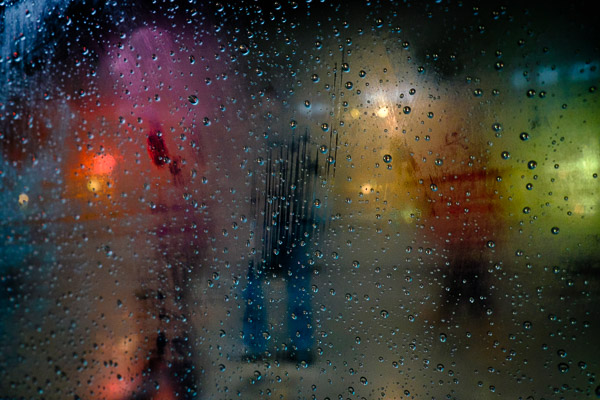
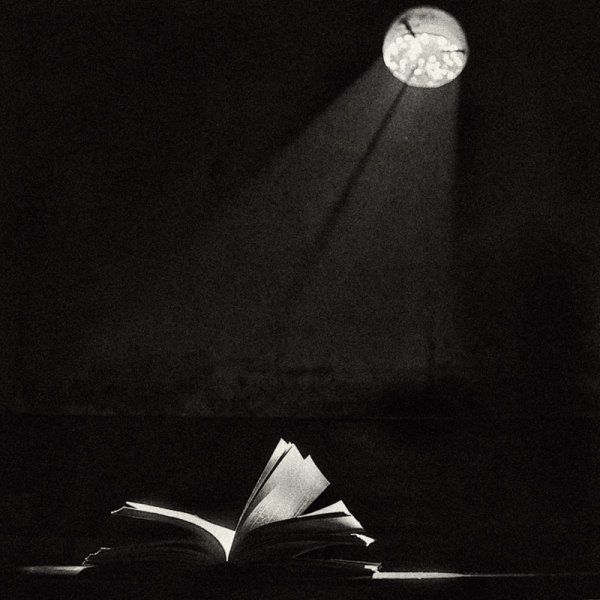
Have a look at these example images using light and dark for dramatic effect.

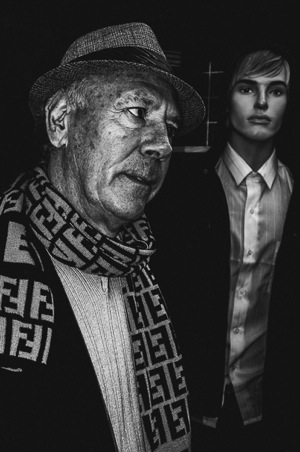
In photography light is everything. But to have depth and drama you must also have dark and shadow. So it’s your turn to interpret that and see how you can use darkness and light in your images this week.

Weekly Photography Challenge – Darkness and Light

Photophilde

By photophilde

Look for contrast, drama and moody lighting. Harsh lighting might work in your favour here but isn’t mandatory. Think about shadows, look for subjects with unique shapes.

Here are a few more examples:

Ester-**

By ester-**

Seyed Mostafa Zamani

By seyed mostafa zamani

Bill Gracey

By Bill Gracey

Ray Schamp

By Ray Schamp

Jesse Freeman

By Jesse Freeman

Nicolas Alejandro

By Nicolas Alejandro

Share your dark and light images here:

Simply upload your shot into the comment field (look for the little camera icon in the Disqus comments section) and they’ll get embedded for us all to see or if you’d prefer upload them to your favourite photo sharing site and leave the link to them. Show me your best images in this week’s challenge. Sometimes it takes a while for an image to appear so be patient and try not to post the same image twice.

googletag.cmd.push(function() {
tablet_slots.push( googletag.defineSlot( “/1005424/_dPSv4_tab-all-article-bottom_(300×250)”, [300, 250], “pb-ad-78623” ).addService( googletag.pubads() ) ); googletag.pubads().enableSingleRequest();
googletag.pubads().disableInitialLoad();
googletag.pubads().collapseEmptyDivs( true );
googletag.enableServices();
} );

googletag.cmd.push( function() { googletag.display( ‘pb-ad-78623’ ); } );

googletag.cmd.push(function() {
mobile_slots.push( googletag.defineSlot( “/1005424/_dPSv4_mob-all-article-bottom_(300×250)”, [300, 250], “pb-ad-78158” ).addService( googletag.pubads() ) ); googletag.pubads().enableSingleRequest();
googletag.pubads().disableInitialLoad();
googletag.pubads().collapseEmptyDivs( true );
googletag.enableServices();
} );

googletag.cmd.push( function() { googletag.display( ‘pb-ad-78158’ ); } );

The post Weekly Photography Challenge – Darkness and Light by Darlene Hildebrandt appeared first on Digital Photography School.


Digital Photography School

 
Comments Off on Weekly Photography Challenge – Darkness and Light

Posted in Photography


There is No Bad Light for Street Photography

12 Mar

One of the advantages of being a street photographer is that you certainly don’t need to get up before dawn to catch the good light. Harsh sunlight, nighttime and rainy days are only a few of the most desired situations on the streets. Getting up too early, before people are out and about, may actually be counter-productive in your search for the decisive moment.

The key is to use light, any light, to your advantage

Any time of day or night, be aware of the quality and quantity of light, and look for interesting light sources and subjects.

©Valérie Jardin

©Valérie Jardin

Nighttime photography

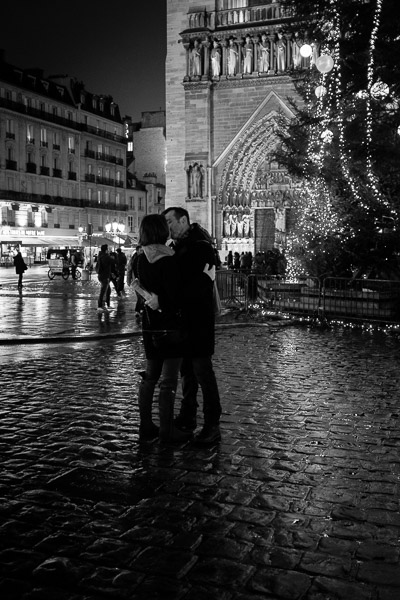
The night adds a new dimension to your street photography. There are so many interesting light sources to work with such as street lights, traffic lights, car lights, neon signs, etc. Even bright Smartphone screens illuminating people’s faces can make for a fun shot. Learn to focus manually for night photography. Even if the auto focus works in most conditions, practice switching to manual focus rapidly, it may save the shot!

It’s true that a simple slider action in post-processing can bring out details from the shadows, but that doesn’t mean that you should always use it. This is a common mistake that I see too often when the night scene starts to look like it was shot in the daytime. Let the shadows fall where they do and embrace the atmosphere and mystery of the night.

©Valérie Jardin

©Valérie Jardin

Don’t worry about noise, especially if you shoot black and white. First, you can now push the ISO of most cameras to very high numbers with very little noise. Second, the little bit of grain in your pictures will enhance the mood and atmosphere. Likewise, embrace the motion blur and the slightly out of focus shots. Who says that a good image has to be tack sharp? What’s the point of technical perfection if your subject is boring, or the story non-existent?

©Valérie Jardin

©Valérie Jardin

Silhouettes

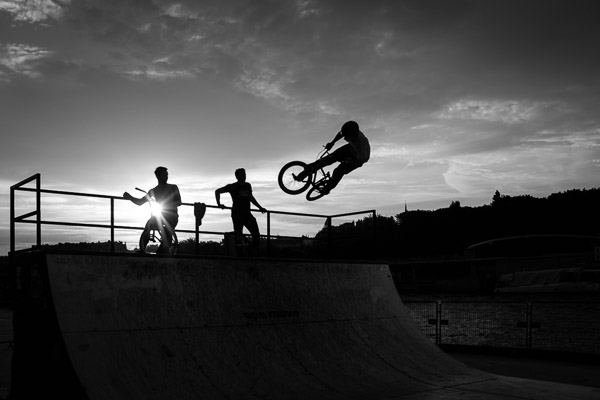
The key to successful silhouette photography is to find a well-defined subject. Remember that not everyone makes an interesting street photography subject and the same principle applies to silhouettes. The shape of the body should be well defined, capturing the right gesture is even more important to achieving a strong image. Many elements can add interest as well, such as umbrellas, bicycles, hats, etc. Watch for obstructions in front of and behind your subject, and if they are moving, make sure you don’t catch them in between steps. Setting your camera in burst mode will increase your chances of getting the right gesture. Remember that your subject is not the background, which can act as a distraction, so do not be afraid to blow out the highlights behind your silhouettes unless it is an integral part of the story.

In order to shoot successful silhouettes, you need to take control of your camera first. Instead to going through all the steps here, check out: How to Photograph Silhouettes in 8 Easy Steps.

Shooting into the bright sun

Shooting into the sun when it’s low in the sky can create some dramatic shots. Add a sunburst effect when possible. The starburst effect is best achieved by setting your camera at a small aperture and hiding the sun partially behind a structure or person. Experiment with exposure compensation to get a nice dark silhouette and once you’re happy with the result, wait for the right subject to enter your frame, or the right action to happen.

©Valérie Jardin

©Valérie Jardin

Strong shadows

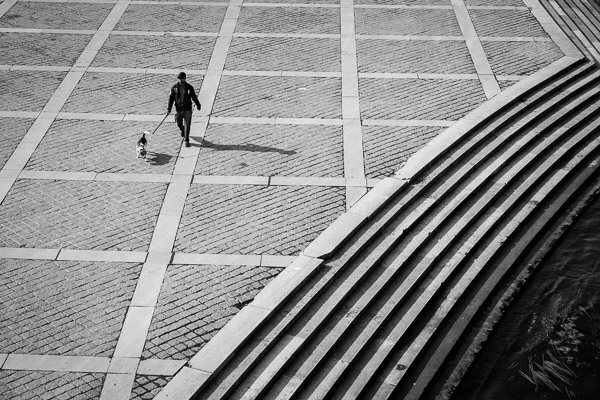
Street photographers love shadows. Similarly to silhouettes, not every shadow works. It should be really dark and well defined. The surface on which it shows will also play a part in the result. It’s important to strategize and position yourself to get the best possible shot, the shadow may hit a wall next to the subject for instance. Long shadows are also really interesting when shot from a higher vantage point. Sometimes it’s all about the shadow, and the subject casting it does not even need to be fully included. This method, if well executed, will add an element of mystery.

©Valérie Jardin

©Valérie Jardin

Reflections

Sunlight can create some really cool reflections in windows, puddles, or other surfaces and add interest to your street photography. Don’t be afraid to experiment!

©Valérie Jardin

©Valérie Jardin

High contrast situations

Harsh sunlight and deep shadows can create ideal situations for the discerning street photographer.  The sun comes out after the rain? Even better! The wet pavement will add yet another dimension and interest.

©Valérie Jardin

©Valérie Jardin

Dappled light

One of my favorite daylight situations in street photography is when I find a nice source of dappled light. Remember that even if the situation is ideal, not every person walking down the street will make an interesting subject. It’s often a game of patience…

©Valérie Jardin

©Valérie Jardin

Rainy days

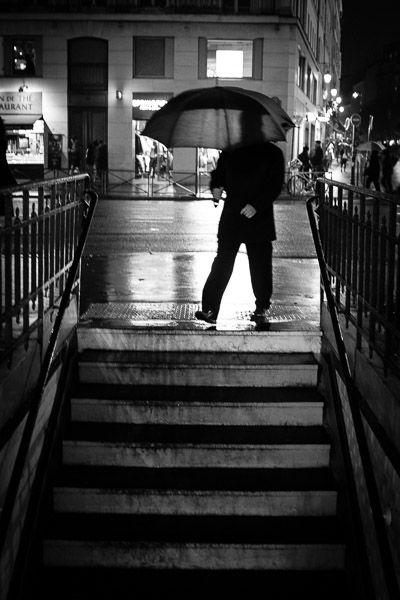
As long as you protect your gear (and yourself), rainy days can provide some of the best street photography opportunities. People on the streets will behave very differently when it’s raining, creating some interesting situations. Umbrellas also make for good props. There are also ways to embrace the rain by focussing selectively through windows, car windshields, etc.

©Valérie Jardin

©Valérie Jardin

Open shade for street portraits

If you enjoy doing street portraits, then the same simple rules that you apply for any other portrait will help you achieve the best result. Once you’ve asked your subject for a portrait, you might as well go the extra step and ask them to move slightly, or even cross the street for the most flattering light. Look for open shade to avoid harsh shadows on their face.

Golden and blue hour

Of course, there are also beautiful photographs of people to be made in the early morning and late evening hours, but always remember that there is no bad light!

©Valérie Jardin

©Valérie Jardin

Conclusion

Never use the quality of light as an excuse not to hit the streets. Making any light work in your favor is part of the fun and also the best way to improve your skills and get some cool shots. Have fun!

googletag.cmd.push(function() {
tablet_slots.push( googletag.defineSlot( “/1005424/_dPSv4_tab-all-article-bottom_(300×250)”, [300, 250], “pb-ad-78623” ).addService( googletag.pubads() ) ); } );

googletag.cmd.push(function() {
mobile_slots.push( googletag.defineSlot( “/1005424/_dPSv4_mob-all-article-bottom_(300×250)”, [300, 250], “pb-ad-78158” ).addService( googletag.pubads() ) ); } );

The post There is No Bad Light for Street Photography by Valerie Jardin appeared first on Digital Photography School.


Digital Photography School

 
Comments Off on There is No Bad Light for Street Photography

Posted in Photography


How to Make the Most of Hard Light with Black and White Photography

12 Mar

Black & white photography

The quality of light is an important aspect of successful photography – good photographers spend hours chasing the most suitable light for the type of photography they do. That usually means working at the beginning or the end of the day, when the sun is low in the sky and the light has many beautiful qualities.

But what about the middle of the day? Many photographers avoid shooting in direct sunlight in this period, especially in summer, because the light is so hard and strong. You can’t use it for portraits (unless you use flash, which is the subject for another article) or find a place in the shade for your model. It’s nearly impossible to use it for landscapes, because they always look so much better in the softer light, characteristic of the the day’s end.

Perhaps the problem is not so much bad light, but a poor match of light to subject. So the question becomes, is there a subject that you can successfully shoot in strong, midday light? I believe there is. I like to use this part of the day for photographing a subject comprised of strong lines and graphic shapes – architecture.

Black & white photography

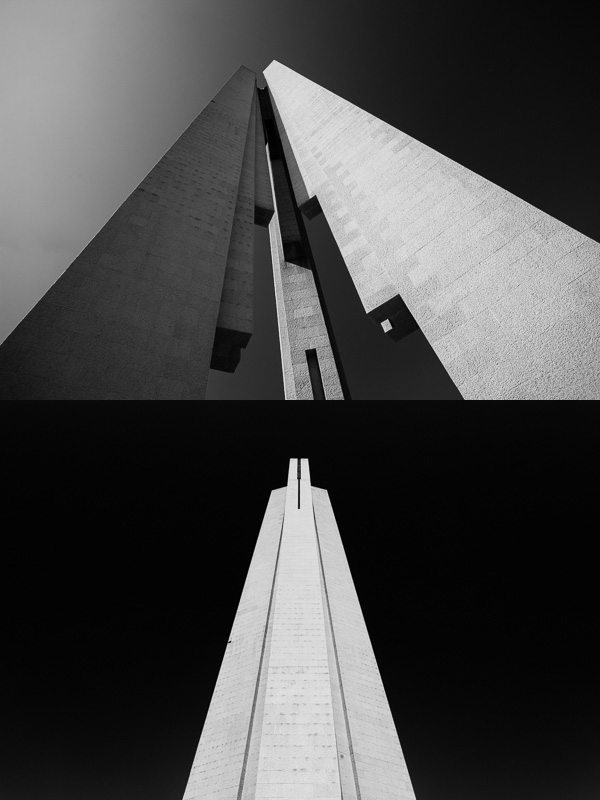
Two photos of the same structure (Monument to the People’s Heroes in Shanghai) taken moments apart. In both cases I was exploring the shape of the structure against the blue sky, shooting with a wide-angle lens from ground level looking up. The first image concentrates on shape and line. The second is more abstract. I used a polarizing filter to darken the sky, and photographed the sunlit monument against it for maximum tonal contrast.

This may seem a little strange because buildings are often best photographed during the golden hour, but there is no reason why you can’t shoot during the middle of the day as well. The only drawback is that colour photos of buildings taken at this time of the day, often with a deep blue sky in the background, are usually not very exciting.

But switch to black and white photography and it’s a different story. Without colour, and the strong distraction of a deep blue sky, the photographic possibilities change entirely. Suddenly you’re not looking at the colour of a scene. Instead you’re exploring line, shape, texture, form and shadow. Then, take those photos into Lightroom and there’s all kinds of wonderful, creative things you can do in post-processing to enhance the image.

Black & white photography

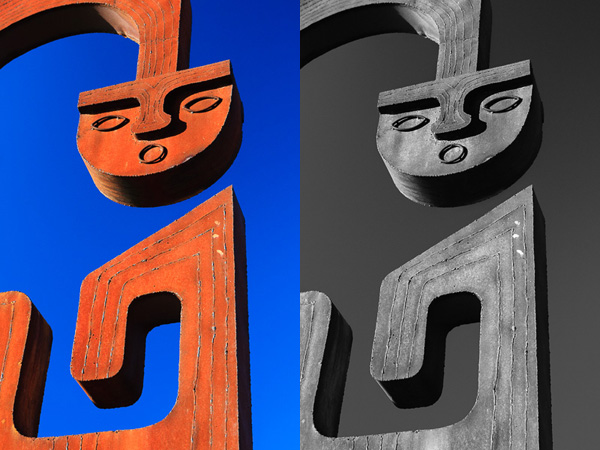
Details like this sculpture can work very well in midday light as the hard shadows suit the material it is constructed from. I enhanced the black and white version of this photo in Lightroom by using an Adjustment Brush to increase Clarity and Contrast on the metal surfaces in the image.

Learning to see in black and white takes time, but there are a couple of things you can do that will help.

The first is to shoot in your camera’s black and white mode, but with image quality set to Raw. When you play back your image on the camera’s LCD screen it is displayed in black and white, yet because you are using Raw you have the full colour file to work with in Lightroom or Photoshop.

You will probably find it useful to spend some time looking at your photos on the camera’s LCD screen during the shoot to see how the colour scene in front of you translates to monochrome. As you gain experience you will need to do this less and less, but it can be incredibly helpful the first few times you try.

If you have a camera with an electronic viewfinder, the camera displays the scene in black and white in the viewfinder. This is even more useful because you don’t have to visualize how the colours in the scene will convert to black and white. The camera does it for you and you can concentrate on creating beautiful compositions.

The second is to use a polarizing filter to turn the already blue sky an even darker shade of blue. This can look fantastic in black and white. If you enable the red filter setting in the camera’s black and white mode options it will make the blue sky darker yet, and it may even turn black. Position a sunlit, light-toned, building in front of that dark sky and you have some amazing tonal contrast and the basis for a dramatic black and white architectural study.

Black & white photography

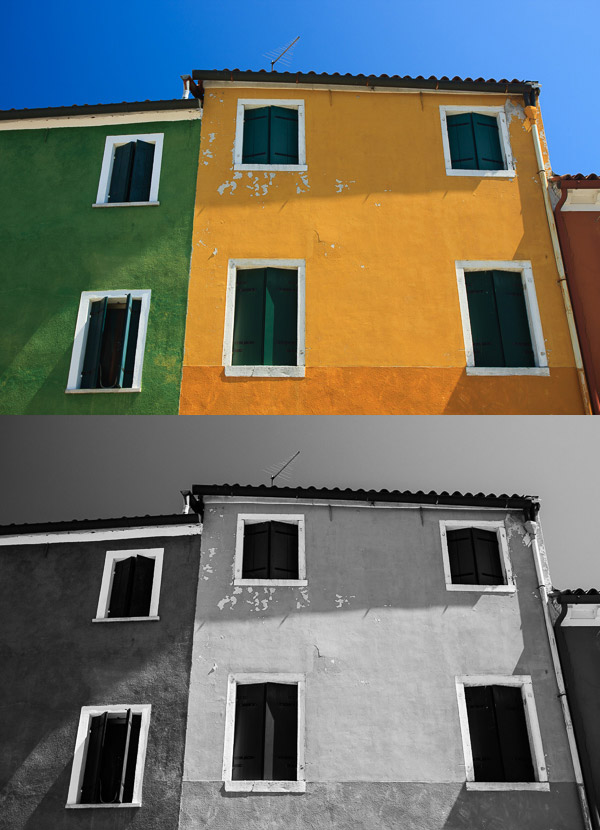
It is easy to be seduced by colour, especially when presented by colour buildings such as these ones in Burano, Italy. This photo was taken around midday, but because the sun was overheard it cast a raking light over the front surface of the buildings, bringing out the textures in the wall. I increased Clarity in Lightroom to emphasize the texture in the black and white conversion.

I’ve concentrated on photographing buildings in this article, but I’d like to hear what other subjects you shoot during the middle of the day. Please let us know in the comments.

Black & white photography

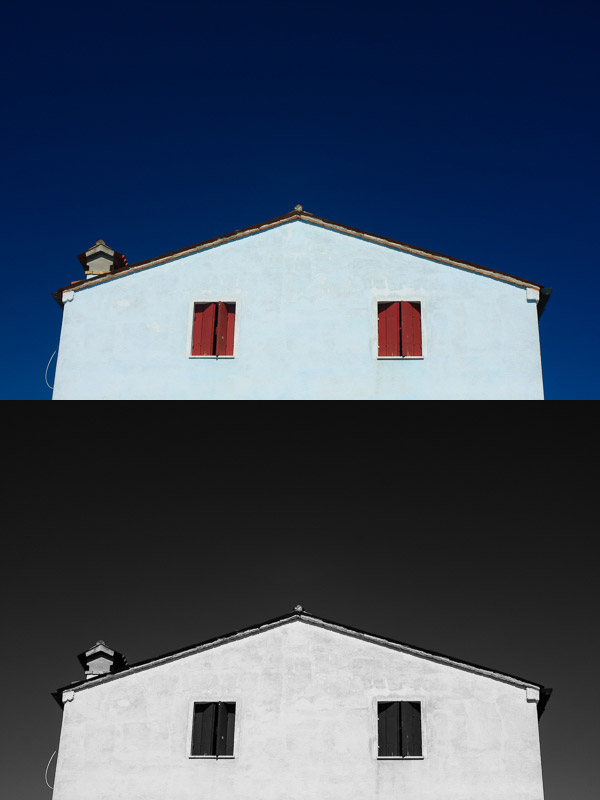
This photo, also taken in Burano, is a study of the shape of the house against the deep blue sky (emphasized by a polarizing filter). The symmetry of the house is broken by the chimney on the left.


The Mastering Lightroom Collection

Mastering Lightroom ebooksMy Mastering Lightroom ebooks will help you get the most out of Lightroom 4 and Lightroom 5. They cover every aspect of the software from the Library module through to creating beautiful images in the Develop module. Click the link to learn more or buy.

googletag.cmd.push(function() {
tablet_slots.push( googletag.defineSlot( “/1005424/_dPSv4_tab-all-article-bottom_(300×250)”, [300, 250], “pb-ad-78623” ).addService( googletag.pubads() ) ); } );

googletag.cmd.push(function() {
mobile_slots.push( googletag.defineSlot( “/1005424/_dPSv4_mob-all-article-bottom_(300×250)”, [300, 250], “pb-ad-78158” ).addService( googletag.pubads() ) ); } );

The post How to Make the Most of Hard Light with Black and White Photography by Andrew S. Gibson appeared first on Digital Photography School.


Digital Photography School

 
Comments Off on How to Make the Most of Hard Light with Black and White Photography

Posted in Photography


Have Shutter, Will Travel: Some Considerations for Travel Photography

11 Mar

Travel and photography could be considered a thing unto itself, kind of like macaroni and cheese or peas and carrots. Travel has a natural allure to photographers, promising unique views of life and existence that can only be experienced — and photographed — by throwing yourself into new worlds and meeting new people. While there’s something to be said for the Continue Reading

The post Have Shutter, Will Travel: Some Considerations for Travel Photography appeared first on Photodoto.


Photodoto

 
Comments Off on Have Shutter, Will Travel: Some Considerations for Travel Photography

Posted in Photography


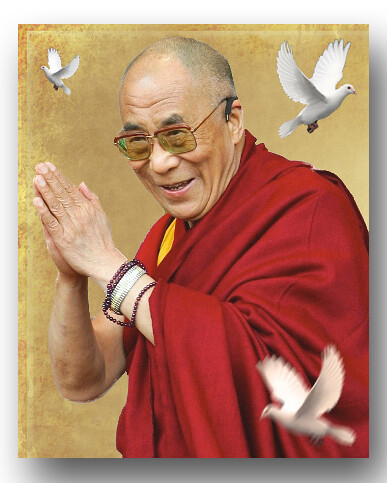
11 Rules of Living by Dalai Lama to Help You Bring Zen to Your Photography

07 Mar

Note from the Editor: this article is a little different than our usual dPS how to tutorials, more in line with personal growth. But see if there aren’t some things you can use and apply to you photography to help you take better photos.

“Happiness is not something ready made. It comes from your own actions.” – Dalai Lama

Often times we feel a desire to start from scratch and achieve something remarkable. As spring is approaching, use this time of increased motivation to think about your goals as a photographer.

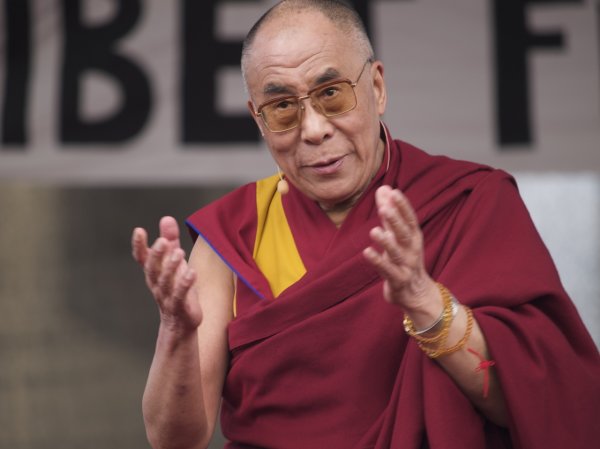
Jan Michael Ihl

By Jan Michael Ihl

Over a decade ago, The Dalai Lama shared with the world a set of simple guidelines to help you live a complete and meaningful life. In this article we look at 11 of those rules of living from a photographer’s perspective. Whenever you decide to take your time and set your priorities, read the advice of the world’s greatest wise man and project it on your own career and life activities.

1. Take into account that great love and great achievements involve great risk.

Quitting your day job to start a photography business is a risky step accompanied by doubts and fear of failure. But if you’re firm about becoming a successful photographer, you just need to step out of your comfort zone. The ride to success will probably be harsh, but on the other hand, it will be fun! Just listen to your inner superhero and try to enjoy the very process of taking risk.

2. Share your knowledge. It’s a way to achieve immortality.

This advice isn’t as difficult to follow as you may think. These days blogging is a great way for people to spread their knowledge and exchange ideas. Being an active member on a photography forum, or supporting a photography related project (for instance, Defrozo calls all photographers to help them build the ultimate photography marketing platform) are also good opportunities for any photographer to do good for the community. After all, what goes around comes around.

MD. Hasibul  Haque Sakib

By MD. Hasibul Haque Sakib

3. When you lose, don’t lose the lesson.

Screwed up a photo shoot? That’s not a reason for giving up, as failing can teach you so much more than success. Analyze your missteps, do your best to fix them, and prepare more carefully next time. Yes, that mistake can leave a bitter aftertaste for a long time, but after all, you would never feel good without feeling bad.

4. Follow the three Rs: Respect for self, Respect for others, Responsibility for all your actions.

Respect for self ensures determination, which is crucial to success. For instance, if you set your prices too low, people may think you’re not confident about your professionalism and thus, would not commit capturing their memories to you.

Even if you’re not sharing the values and interests of people you work with, there must be something they can teach you, respect that.

Even if you’re a solopreneur, being responsible and respectful is essential for running a successful photography business.

5. Remember that not getting what you want is sometimes a wonderful stroke of luck.

I have a friend who couldn’t afford a Canon 5D MarkII a few years ago, which pushed him to seek other ways to reach the image he envisioned. As a result, he improved his skills drastically and even won a prestigious photography contest. He now owns a studio now and his business is growing fast. My friend is pretty sure he wouldn’t have reached this point if he had bought that camera and let it do the job for him. The moral of this story is that something you consider a lost opportunity may in reality be a chance to win. Just stay positive and keep your eyes wide open.

Umberto Salvagnin

By Umberto Salvagnin

6. Learn the rules so you know how to break them properly.

Did you know that Picasso mastered the illusion of volume just to learn how to flatten it in his paintings? Like with any art, in photography any rule can be broken – as long as it’s broken intentionally. If you’re looking for an innovative approach and want to go out of the box with your composition and lighting, you have to know where the box’s limits are.

7. When you realize you’ve made a mistake, take immediate steps to correct it.

Everyone could make a mistake, but not anyone could immediately react and correct it. It’s all about taking responsibility for your own actions. If the final photos don’t meet the expectations of your customer and you know it’s your fault, do something to fix it and do it fast. A free compensatory session or a small sorry gift can help you own the situation. Quick reaction will speak of your integrity – it won’t be left unnoticed.

8. Spend some time alone every day.

I’m sure you know how it feels when creative ideas flow out of you like a stream. I think you can also remember the tough periods of creative block when it seems you’re unable to produce anything new or interesting. Every creative experiences these ebbs and flows of inspiration. Some solitude during your day can be a great practice to help you stay balanced and productive.

Jhoc

By jhoc

9. Once a year, go someplace you’ve never been before.

Seeing new places and faces, discovering new cultures and atmospheres is extremely important for any photographer. So do your best to not get stuck in the routine, and go to a new destination at least once a year, even if it’s a small village not far from your habitat.

10. Judge your success by what you had to give up in order to get it.

Success is always about making sacrifices and compromises. However, it’s up to you to decide how much to give up on the way to it. Your own photography business will require you to be a wearer of many hats, it will also soak up tons of your time and energy. But if it pushes you to compromise your loved ones or life values, stop and think whether it will be a success at all if it’s achieved this way.

11. Open your arms to change, but don’t let go of your values.

Change is an essential part of any business, especially when you work in the creative field. Embrace new technologies and don’t miss an opportunity to boost up your marketing, but don’t betray your values as they are the first to speak of your personality and brand.

Nick Kenrick

By Nick Kenrick

The Dalai Lama’s rules of living are not novelties, it’s something we’ve all heard at least once during a lifetime. However, we often forget or fail to apply these laws in our daily routine. So having these simple truths listed in one place which you can get back to once in a while may help you be a better person and achieve more in life. Do you agree? Share your own life lessons and favorite quotes in the comments!

googletag.cmd.push(function() {
tablet_slots.push( googletag.defineSlot( “/1005424/_dPSv4_tab-all-article-bottom_(300×250)”, [300, 250], “pb-ad-78623” ).addService( googletag.pubads() ) ); } );

googletag.cmd.push(function() {
mobile_slots.push( googletag.defineSlot( “/1005424/_dPSv4_mob-all-article-bottom_(300×250)”, [300, 250], “pb-ad-78158” ).addService( googletag.pubads() ) ); } );

The post 11 Rules of Living by Dalai Lama to Help You Bring Zen to Your Photography by Darlene Hildebrandt appeared first on Digital Photography School.


Digital Photography School

 
Comments Off on 11 Rules of Living by Dalai Lama to Help You Bring Zen to Your Photography

Posted in Photography


Weekly Photography Challenge – Spring

07 Mar

Ah spring! The smell of fresh flowers in the air, an early morning dew on the grass, and rain shower in the afternoon – some of the signs that spring might be here.

Bowen Chin

Bowen Chin

What images pop into your mind when you think of spring? Baby birds, leaves forming on the trees, the last puddles of snow melting, the bees coming to visit the new flowers?

Weekly Photography Challenge – spring

Whatever spring means to you it’s time to get out there and photography it. Your challenge this week is to get off the couch, get outside and see where new life is happening. If there is still snow where you live perhaps a visit to a local greenhouse will inspire you. Here are a few more spring images to get you thinking:

Nutmeg66

By nutmeg66

Teresa Gibbison

By Teresa Gibbison

Emy ^^

By Emy ^^

Linda Gail.

By Linda Gail.

Martin Thomas

By Martin Thomas

Evan Leeson

By Evan Leeson

Sander Van Der Wel

By Sander van der Wel

Brad Smith

By Brad Smith

Storebukkebruse

By storebukkebruse

Putneypics

By Putneypics

Share your spring images here:

Simply upload your shot into the comment field (look for the little camera icon in the Disqus comments section) and they’ll get embedded for us all to see or if you’d prefer upload them to your favourite photo sharing site and leave the link to them. Show me your best images in this week’s challenge. Sometimes it takes a while for an image to appear so be patient and try not to post the same image twice.

googletag.cmd.push(function() {
tablet_slots.push( googletag.defineSlot( “/1005424/_dPSv4_tab-all-article-bottom_(300×250)”, [300, 250], “pb-ad-78623” ).addService( googletag.pubads() ) ); } );

googletag.cmd.push(function() {
mobile_slots.push( googletag.defineSlot( “/1005424/_dPSv4_mob-all-article-bottom_(300×250)”, [300, 250], “pb-ad-78158” ).addService( googletag.pubads() ) ); } );

The post Weekly Photography Challenge – Spring by Darlene Hildebrandt appeared first on Digital Photography School.


Digital Photography School

 
Comments Off on Weekly Photography Challenge – Spring

Posted in Photography


The Magic of Thinking Big in Photography

05 Mar

R0130233

You want to be the best photographer you can. You’re constantly trying to educate yourself, improve, and take your photography to the next level. But how can you take your photography to new heights, and stand out from the crowd?
The secret is thinking big.

If you look at successful individuals outside of photography such as Elon Musk, Jeff Bezos, Richard Branson, and Larry Page – what do these leaders have in common? How were they able to leverage their strengths, continuously add value to the world, and become successful at what they do?

In the book “Bold”, author Peter Diamandis shared the three attributes he thought they all had in common:

  1. Passion
  2. Purpose
  3. Curiosity

In this article you will learn how you can better leverage passion, purpose, and curiosity to take your photography to the next level.

1. Passion

Passion is having this fire burning inside yourself — that you would do something (even if it didn’t earn you any money). You are passionate about doing things by which you feel intrinsically motivated (rather than extrinsically).

For example, let’s do a thought experiment – if you were suddenly given one billion dollars, and didn’t have to work another day in your life, what would you do with the rest of your life?

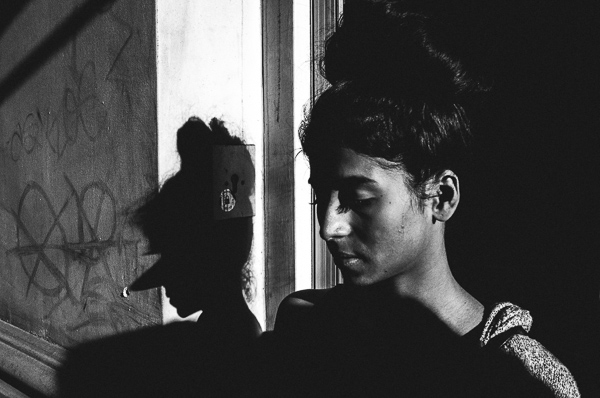
Personally for me, I am insanely passionate about street photography, education, and sharing knowledge. Even before I was able to do street photography workshops full-time to support myself, I was running a blog out of the pure joy of it (in order to help others), while I was working a full-time job.
R0130194

So what are you passionate about?

I assume if you’re reading this article, you are passionate about photography. But what kind of photography really turns you on? Is it street photography? Is it landscape photography? Is it portrait photography? What really gets you up in the morning and calls you to be photographed?

To be frank, passion is something you can’t fake. You either have it, or you don’t. But we all have things we are passionate about, especially when it comes to photography. So don’t ask others what they think would make an interesting photograph, just follow what you are passionate about, and photograph whatever inspires you.

2. Purpose

It isn’t enough to simply be passionate about what you do. If you want to be persistent with your work and your art, you need to have a strong sense of purpose. So how can you apply the concept of purpose to your photography?
R0130128

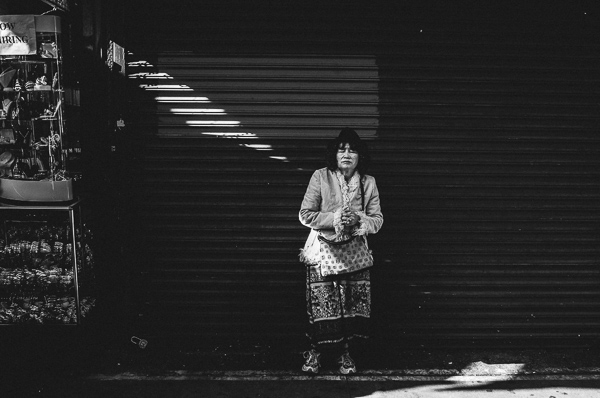
Well, you’ve got to make photos that aren’t just for yourself, but photos that you hope will influence, move, and change others.

So for example, the reason I am drawn to street photography is because I feel that the images I make are purposeful. The images I make try to explore the human condition — how people feel and interact with the world. I wish to make images that my viewers can empathize with on an emotional level.

Even if you’re not into street photography, let’s say you’re into landscape photography, how do you find landscape photography meaningful? Ansel Adams was passionate about nature, but also felt that he had a purpose to protect and conserve it. So the purpose of his photography was to connect with nature on an almost spiritual level, to show the world how beautiful these national parks were, and how they needed to be protected.

So think to yourself — how are your photographs meaningful to you, and how do they serve a purpose by inspiring others?

At the end of the day, if your photos serve a purpose to make you happy, that is good enough. But then again, you may also wish to make photographs that have a social purpose that will help inspire, influence, and move others.

3. Curiosity

R0130163 2 R0130091

The sad thing is that when we are children we are infinitely curious, but that curiosity dies off when we are adults. You can be as passionate and purposeful with your photography as you want, but unless you are curious, you won’t continue breaking new ground and evolving as a photographer.

Curiosity is following your intuition, your gut. Curiosity is following whatever you find interesting. Curiosity is like a bottomless pit — the more you feed it, the more curious you become (which in my opinion is a good thing).

So if you currently shoot flowers and are curious to try out street photography — follow your curiosity and check it out. If you currently shoot street photography but want to get into fashion — follow your curiosity and check that out. If you shoot digital and want to try film, ask your parents or your friends for an old film camera and give it a go.

Curiosity is the only thing in life worth following, to keep us alive creatively as artists and visual poets.

Conclusion
R0130115

I can guarantee you if you follow these three things (passion, purpose, curiosity) — your work will excel. You will continue to make more photographs, they will be meaningful, and your work will become more complex and advanced as time goes on.

The secret to becoming a great photographer comes down to hard work, putting in the time, and making more images that continue to challenge you.

But at the same time, you want to be like a child in following your curiosity and not taking yourself too seriously.

Try to find a mix of hustling hard in photography, and having a good time. Stick with this recipe, you will really become the best photographer you can, and achieve all your dreams.

googletag.cmd.push(function() {
tablet_slots.push( googletag.defineSlot( “/1005424/_dPSv4_tab-all-article-bottom_(300×250)”, [300, 250], “pb-ad-78623” ).addService( googletag.pubads() ) ); } );

googletag.cmd.push(function() {
mobile_slots.push( googletag.defineSlot( “/1005424/_dPSv4_mob-all-article-bottom_(300×250)”, [300, 250], “pb-ad-78158” ).addService( googletag.pubads() ) ); } );

The post The Magic of Thinking Big in Photography by Eric Kim appeared first on Digital Photography School.


Digital Photography School

 
Comments Off on The Magic of Thinking Big in Photography

Posted in Photography


How to Get More Natural Smiles in Child Photography

05 Mar

A natural smile – the holy grail of child photography.

Angie baxter 001

A genuine, heartfelt smile is more than just turning up the corners of the mouth. A real smile radiates from your whole face, and particularly for children, is often felt with the whole body. Not only is a forced and fake smile easy to spot in photographs – we know that wearing a fake smile and having it photographed doesn’t feel too good at the time, and it doesn’t feel great for children either.

So while we want to photograph a child’s beautiful smile, we also want them to enjoy the process of being photographed. And as the photographers, we want to have a good time photographing them too.

Angie baxter 004 1

There is so much to discover with children – all their favourites, their take on issues big and small, how they feel about themselves, their family and this funny old world. Children are cheeky, fun, creative, enthusiastic and curious – they are also clever and can tell when someone is not genuinely interested. So make sure your heart and intention is in the right place.

If your small subject is feeling uncomfortable it will be impossible to garner a sincere smile. Placing emphasis on creating an honest connection with children so they feel at ease will lead to them sharing their best selves – most of the time.

Angie baxter 006

Following are four conversations that I love to have with kids that always result in joyous laughter and real smiles.

#1 Discovering their favourite toy or character

Favourite toys and security items are often important for small children. If your subject has a special toy (i.e. “Bunny”), I will use that as part of our conversation.

  • Does Bunny have a mouth?
  • Does Bunny have a belly button?
  • I wonder where Bunny sleeps. Does she sleep in this shoe? (holding up their shoe)
  • Hmm, does she sleep in the fridge?
  • I know, she must sleep in bed with Mummy and Daddy?

Angie baxter 005 1

or alternatively, Buzz Lightyear may be their favourite character.

  • Does Buzz Lightyear have Weetabix for breakfast?
  • Does Buzz go to school?
  • Does Daddy have Buzz Lightyear underpants?

Closed-ended questions are great for this age group so they don’t have to think too hard and can just nod or shake their head, and smile and giggle along.

#2 Animals

Angie baxter 003 1

Animals are something kids can easily relate to. I like to make the questions silly and fun.

  • If you could have any animal as a pet, what would it be?
  • What are all the things you know about this animal?
  • What would be a good name for this pet?
  • If you had a pet donkey, what would you name him?

I play around with lots of animals for that last question – if you had a pet giraffe, or caterpillar, or hippopotamus. Choosing animals that are not usual pets.

#3 When you grow up

Angie baxter 004 1

Conversations about jobs, growing up, and the work their parents do always get good reactions. Your questions can be light-hearted or more serious, depending on the child’s age and personality.

For the more carefree child, I might start with:

  • When you grow up would you rather be a ballerina or a princess? (for boys)
  • When you grow up would you rather be a mum or a dad? (for girls)
  • When you grow up would rather be a frog or a snake?

Angie baxter 007

For an older, more serious child you can ask things like:

  • Who has the best job in the world?
  • What job would be the most boring job?
  • What does Dad do when he gets to work?
  • When you grow up, would you rather be a chef or a dancer? Or, a builder or a truck driver?

It can be easier for kids if you give them an either/or question rather than just saying, “What do you want to be when you grow up?” Asking kids to think of a detailed answer on the spot can be a bit difficult for them.

#4 Family rules

Angie baxter 008 Angie baxter 009 1

This is also a really fun conversation topic – particularly for the parents who are listening in.

  • If you were in charge of your family, where would you eat dinner every night?
  • If you had to set the bedtime, what time would you go to bed?
  • If you had to choose the family breakfast, what would you have?
  • Who is the boss of your family?”

When photographing children, take your time and enjoy being with them. The time spent before you even pick up your camera is invaluable to gauge their personality – are they outgoing, reserved, tired, hyperactive, shy, giggly? Make intuitive decisions as to which conversation style will work best for each child. This gets easier with experience, so spend as much time with children as you can ,and fun conversations with them will soon become effortless.

googletag.cmd.push(function() {
tablet_slots.push( googletag.defineSlot( “/1005424/_dPSv4_tab-all-article-bottom_(300×250)”, [300, 250], “pb-ad-78623” ).addService( googletag.pubads() ) ); } );

googletag.cmd.push(function() {
mobile_slots.push( googletag.defineSlot( “/1005424/_dPSv4_mob-all-article-bottom_(300×250)”, [300, 250], “pb-ad-78158” ).addService( googletag.pubads() ) ); } );

The post How to Get More Natural Smiles in Child Photography by Angie Baxter appeared first on Digital Photography School.


Digital Photography School

 
Comments Off on How to Get More Natural Smiles in Child Photography

Posted in Photography


Win One of FOUR Online Photography Courses from New York Institute of Photography

04 Mar

Over the past few years here at dPS, we have run some of our most popular competitions with a very valued partner – the New York Institute of Photography – to give away to dPS readers handpicked photography courses.

Due to popular demand, NYIP and dPS bring you yet another opportunity to win one of these valuable courses!

NYIP logo440x232black In Post Top and Bottom

For this competition, NYIP is giving away FOUR prizes

Each will be won by a different dPS reader. Here’s what you could win:

  • Wedding Photography Course – $ 999 Value
  • Portrait Photography Course – $ 999 Value
  • Travel Photography Course – $ 999 Value
  • Photojournalism Course – $ 999 Value

These are NYIP’s newest courses. They will teach you everything you need to know to take your skills to the next level in each category. These courses are all online. As a student you get access to videos and lesson materials prepared by experts in each field. You can access the course materials on any device, from anywhere in the world, and learn at your own pace.

NYIP Graphic In Post

How to Win

To win this competition you’ll need to:

  • Visit each of the above four course information pages and choose which of the courses suits your needs best. Choose one that you’d like to win.
  • Leave a comment below and tell us which one you’d like to win and WHY you’d like to participate in the course. Please note: there is a limit of ONE entry per person.
  • Do this in the next 10 days and after March 13th, the team at NYIP will choose the best four answers – one for each course – and we will announce the winners in the following days.

The deadline to enter is March 13th, Midnight PDT (GMT-7). Comments left after the deadline will not be considered.

By best – we’re looking to see if you have an understanding of what the course offers and how it suits your needs, so you’ll need to check out the course pages to put yourself in the best position to win.

There’s no need to write essay length comments to win, but we’re looking to hear what you like about the course and how it would help your development as a photographer.

This competition is open to everyone around the world, no matter where you live, but there is only one entry per person.

To enter, simply leave your comment below.

Don’t forget to share this post with your friends and like NYIP on Facebook for special offers and announcements on all NYIP Courses

NYIP logo440x232black  In Post Top and Bottom

Learn more about NYIP’s online photography courses.

Disclaimer: NYIP is a paid partner of dPS.

googletag.cmd.push(function() {
tablet_slots.push( googletag.defineSlot( “/1005424/_dPSv4_tab-all-article-bottom_(300×250)”, [300, 250], “pb-ad-78623” ).addService( googletag.pubads() ) ); } );

googletag.cmd.push(function() {
mobile_slots.push( googletag.defineSlot( “/1005424/_dPSv4_mob-all-article-bottom_(300×250)”, [300, 250], “pb-ad-78158” ).addService( googletag.pubads() ) ); } );

The post Win One of FOUR Online Photography Courses from New York Institute of Photography by Darlene Hildebrandt appeared first on Digital Photography School.


Digital Photography School

 
Comments Off on Win One of FOUR Online Photography Courses from New York Institute of Photography

Posted in Photography