RSS
 

Posts Tagged ‘Photography’

7 Tips for Better Skyline Photography

30 Jun

Reminder: now until July 7th (AUS EST) the Landscapes, Cityscapes & Photography Tricks eBook is on 50% off at Snapndeals.

When we talk about cityscape photography, one of the most basic and trademark shots is the full skyline; the artificial horizon, made of buildings and towers jutting up and down into the sky above. Skylines can be jagged and coarse, or faint and smooth, often depending on the nature of the city itself.

Follow these tips for better skyline photography:

1. Find a Good Vantage Point Outside the City

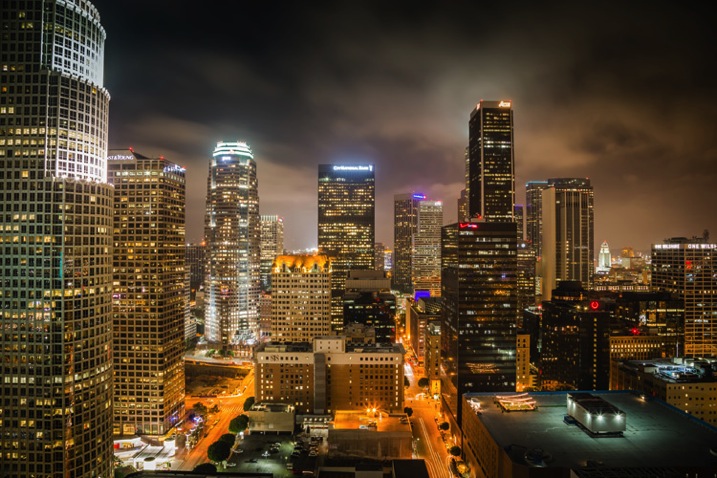
Skyline image1

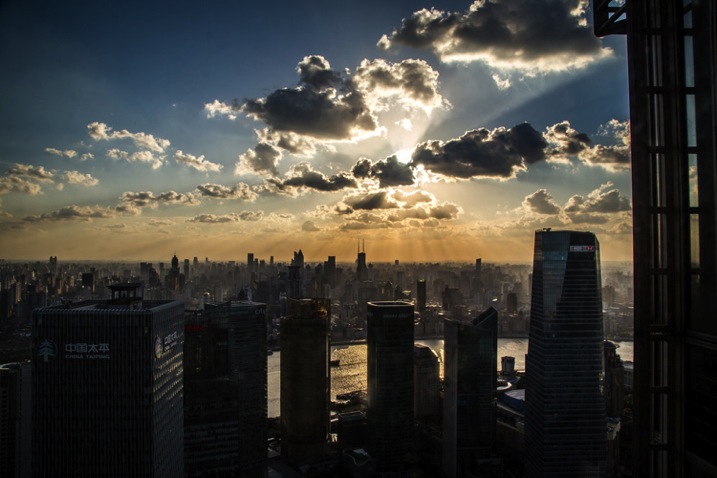
To find the city, escape it. One surefire way to capture a city skyline is to leave the city itself. If it’s sitting on a river, hop across; if it’s in a valley, climb the mountain outside. There are terrific vantage points outside cities, like hills, islands and boats, but all will involve a fair bit of travel time and some physical stamina to keep moving until you find a wide enough angle.

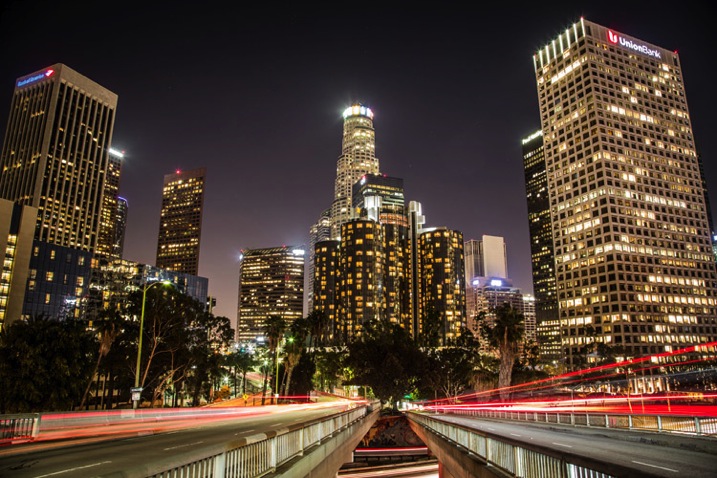
Take, for example, downtown Los Angeles: to capture this magnificent skyline, most photographers would hike up a nearby hill or visit the Griffith Observatory until they find a good angle. If you want to include major sites, you’ll need to go even farther: take a boat down to the islands south of Toronto, and you’ll find a clear shot of the CN Tower amid one of the world’s most recognizable downtown skylines. You’ll have to venture to uncommon places to find these angles.

2. Focus on the Corner of a Building

Finding the right focus can be difficult with the city miles away, especially in low light. In LiveView mode, use the LCD screen to zoom in on the corner of a building, and then manually focus until it is crisp.

Skyline image2

This will help ensure that your skyline comes out crisp, and not fuzzy with the autofocus guessing game.

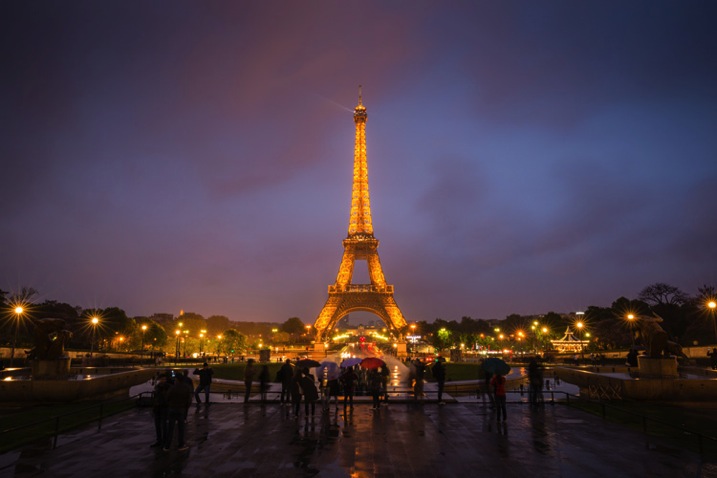
3. Take Some Shots During the Blue Hour

Skylines can light up right after the golden hour, in what’s known as the Blue Hour, that short moment in twilight when the sky is still blue, but the city lights have already turned on. Shooting in pitch-blackness is harder to get good results, and not as visually stimulating, assuming you’re keeping your shot in color. Blue Hour will give your skyline a hearty azure backdrop, and make your image that much more interesting.

Skyline image3

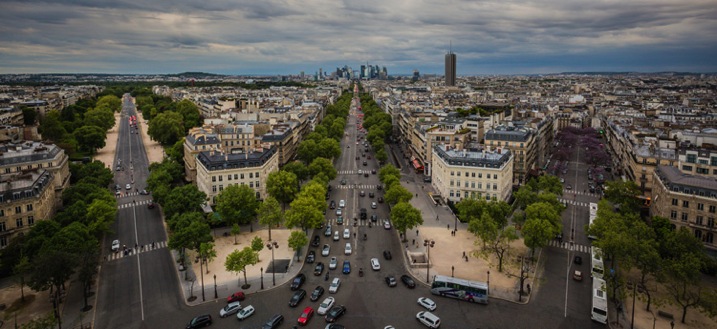
4. Go Wide Angle

For skylines and cityscapes, focal lengths between 12mm-35mm are a good bet. It’s not a necessity, but you will appreciate the wide angle more often than not. This will allow you to capture a nice skyline without having to be miles outside the city.

Skyline image4

5. Use a Deeper Depth of Field

If you want a deeper depth of field, you’ll need a narrower aperture, something like f/11 – f/16, which will create a consistently detailed image.

Skyline image5

Typically, when capturing cities and landscapes, deeper depths of field is more desirable, so every detail of the frame appears in focus. This calls for a narrow aperture, or high f-stop.

6. Consider a Panorama

Sometimes even with a wide angle lens skylines are too long to fit in one photo, that’s when you’ll find a perfect opportunity to try capturing it as a panorama.

Skyline image6

A panorama is where you take multiple photos in a row with overlapping edges, then stitch them together to make a single image. Naturally, this shot is wider than most, long and narrow, it can capture a full skyline, bypassing adding in too much excess sky or ground.

7. Use Your Self-Timer and Bracket at Night

Just after sundown, I usually try and take five bracketed shot sequences in cities; the variety of light, between the bright street lights and the cooling sky, makes for a full palette of color and light that should be captured as accurately as possible. By capturing all these exposure levels you can ensure you are capturing all the light in the scene. You can choose which is best later or combine them with HDR processing techniques.

Skyline image7

Later into the evening, as shutter speeds get longer, I usually condense that to just three bracketed shots because of time. Sometimes even single exposures can do the trick, if I’m spending too long on a shot.

If you set your 2-second self-timer, and use a DSLR with exposure bracketing features – you can click the shutter and the camera will fire off all the shots without you needing to hold it, which risks blur from shaky hands (very useful on a cold rooftop).

Hope these tips have been helpful getting you started, have fun out there!


For Further Training:

SnapnDeals currently has a discount on this new in-depth eBook designed to help you master challenging lighting conditions no matter your experience level, take more compelling photos, post-process them to perfection, and delve even further into long exposure tricks so you know all the possibilities. Get Landscapes, Cityscapes & Photography Tricks at 50% Off now.

googletag.cmd.push(function() {
tablet_slots.push( googletag.defineSlot( “/1005424/_dPSv4_tab-all-article-bottom_(300×250)”, [300, 250], “pb-ad-78623” ).addService( googletag.pubads() ) ); } );

googletag.cmd.push(function() {
mobile_slots.push( googletag.defineSlot( “/1005424/_dPSv4_mob-all-article-bottom_(300×250)”, [300, 250], “pb-ad-78158” ).addService( googletag.pubads() ) ); } );

The post 7 Tips for Better Skyline Photography by Richard Schneider appeared first on Digital Photography School.


Digital Photography School

 
Comments Off on 7 Tips for Better Skyline Photography

Posted in Photography


4 Tips to Learn to Live Through Photography

28 Jun

The magic of an instant

What is photography anyway? It is a fraction of a second of eternity that you try to capture, with better or worse technique, with deeper or shallower depth of field. But, in short, that’s all about photography, and it is this magic what makes photography an art. The essence of why many of us like photography, goes beyond what we can capture with our DSLR and show to others. It is the experience of the moment, and how one learns through the years to be aware of the present. It was just a few months ago when I learned what mindfulness was about, and I immediately noticed the similitude with how I experience photography. It is all about being present in the moment that one is trying to capture.

The journey back home

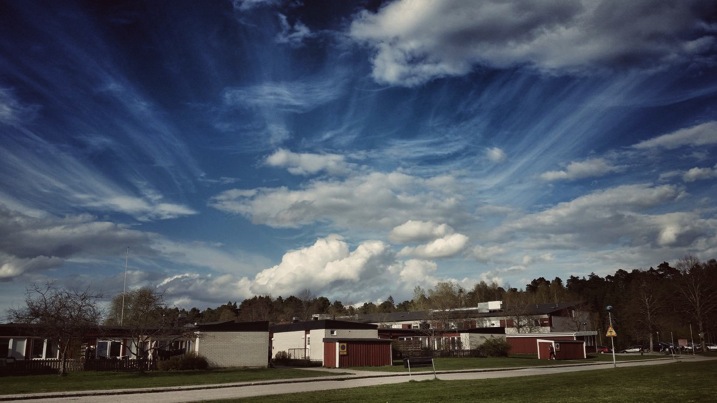
The journey back home – something so magnificent like ephemeral cloud formations could pass right away if you are immersed in past or future thoughts instead of being present.

1) Be there

To be present involves being aware of oneself in the present moment. The fact that one is observing and capturing a situation is not enough to take a great picture. I am a visual person. There is large chance that since you like photography, you are as well. That means that you learn better by watching a film than by reading a book. You then may prefer a figure or infographic, rather than its explanation. In my case, long before I got my first serious camera, and committed myself to learn the techniques and nuances to show other people the way I see the world, I already enjoyed looking at other people’s pictures. However, it was seldom that I actually observed the world around me.

Photography teaches us that those amazing pictures we love viewing from other photographers, are actually out there if you dare to look. I don’t remember a particular moment when I realized I was alive. There was no such an experience. But I somehow learned through photography that the best camera obscura that I can count with is my eyes. The best film is my memory. And it is awesome because it also comes along with many other senses. Once you realize that, you discover that the difference between a snapshot and a great picture is that: for the latter you acknowledge all the angles of the scene, you walk your picture before you take it, you breathe it, you feel it, and then compose it. You ARE in the picture as the one capturing it. And you want somebody else to BE there with you seeing the same scene.

2) Chase the moments

Daddy when will it stop

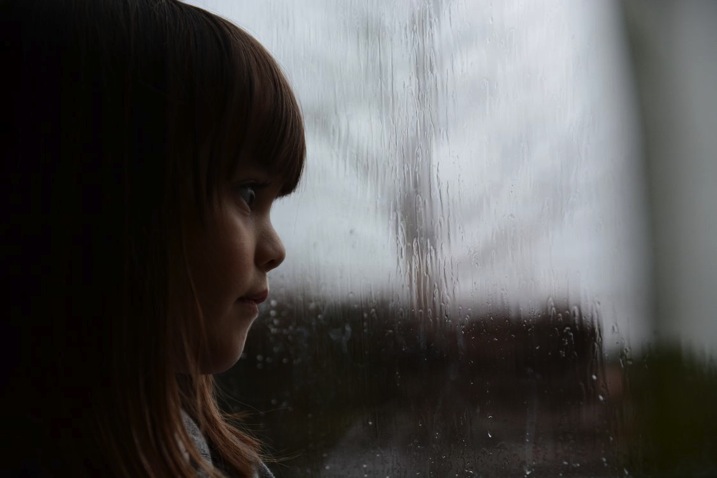
Daddy, when will it stop?: This is my daughter’s frustration for not being able to go outside on a long, boring summer Sunday. It wasn’t until I realized her feelings that I knew what to photograph.

You have to be quick if you are for example, a street photographer, but that’s how life is in cities, right? However, there is not much difference than, let’s say, a fashion production in the sense that it is a fraction of a second, just a moment that you are able to transmit into a picture. We have to learn to chase the moments… to do so we have to BE in the scene.

If you run out of battery, or you find yourself without your bulky DSLR with you, then simply capture it in your mind. I literally make the sound “click” in my mind. You don’t need to, that is my own mental issue. But whatever it is that you like to chase and capture, whether it is your cat, a pint of beer, or the garbage on a street – be there. Paraphrasing Henri Cartier-Bresson, most of the situations that you see around you will repeat if you wait long enough. Yes, even those pictures that you missed because you didn’t bring your camera with you. Be present to know what you are after. Learn about your subject, revisit the site and you will get the shot you want.

3) Know what you feel

Xmas eve in Oslo

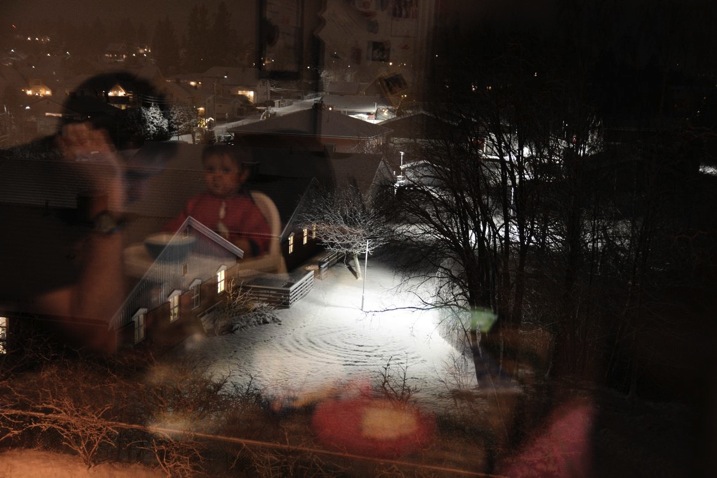
Christmas eve in Oslo – This time, it was my feeling of confinement on a cold Christmas eve that I tried to capture. Me and my friend (in the picture) are used to warm and sunny Christmas festivities. Not this time.

If the scene you are watching makes you angry, then be angry and capture angriness. Be aware of the weight of the camera in your hands. Be aware of your finger pressing the shutter in the moment you do. Reflect about why did you choose to press it just then, and not before. Watch the object’s geometry, its beauty. Do you really want to be there? Does the marriage of that couple you are photographing make you happy? What is it that makes you happy? Their smiles? All the people celebrating together? You don’t need to do anything else with those feelings. Let them be in you, and let them go away. But just when you realize them, capture that moment in a picture. Capture with the camera the pictures you would like to share, but capture for yourself every fraction of a second of your life. BE there where you are.

4) Use your other senses

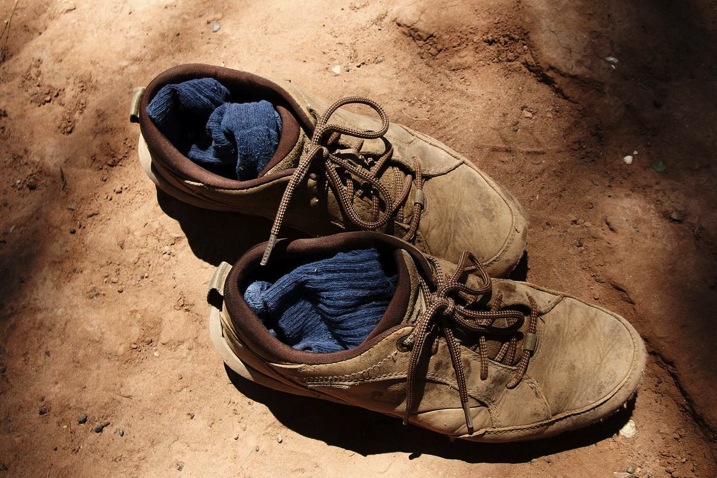
Smelly shoes

Smelly shoes – When I see this picture I can’t stop feeling the heat coming from these shoes that have walked who knows how long under the sun.

To some extent, you can also transmit with a picture, what your other senses were capturing. This is one of the biggest challenges of photography. Smell, listen, feel, taste. To me, the perfect picture is one that transmits all those other sensations, smells, noises, emotions, and temperature apart from what you are just watching. That takes a level of mastery that not everyone achieves. But if you are still there like me, on your long way to becoming a great photographer (even if we may never become a renown one), learning photography in its broader sense is an excellent way to learn to be present in that short lapse of time that our lives are meant to last.

Rotten fly

Rotten fly – What are your feelings about this dead fly?

googletag.cmd.push(function() {
tablet_slots.push( googletag.defineSlot( “/1005424/_dPSv4_tab-all-article-bottom_(300×250)”, [300, 250], “pb-ad-78623” ).addService( googletag.pubads() ) ); } );

googletag.cmd.push(function() {
mobile_slots.push( googletag.defineSlot( “/1005424/_dPSv4_mob-all-article-bottom_(300×250)”, [300, 250], “pb-ad-78158” ).addService( googletag.pubads() ) ); } );

The post 4 Tips to Learn to Live Through Photography by Alejandro Ruete appeared first on Digital Photography School.


Digital Photography School

 
Comments Off on 4 Tips to Learn to Live Through Photography

Posted in Photography


Vantage Point: The aviation photography of Jon Pece

27 Jun

‘Some people use a tripod,’ laughs Jon Pece, ‘I used a KC-135 as a camera support.’ The photographer has been afforded a unique perspective thanks to a long career as a military and commercial pilot. With his camera at his side and an eye for graphic elements and repeating patterns, Pece has produced a stunning portfolio of meticulous scenics. Read our Q&A and check out his work. See gallery

Articles: Digital Photography Review (dpreview.com)

 
Comments Off on Vantage Point: The aviation photography of Jon Pece

Posted in Uncategorized


Weekly Photography Challenge – Bad Weather

27 Jun

Earlier I shared some images by photographers who braved the elements to take some bad weather images.

Where there is adversity, often there is opportunity. When the weather takes a turn for the worse, don’t run for cover so fast. Look for photography subjects everywhere. Wet pavement, puddles, reflections, wind blowing the trees, evil looking storm clouds over the horizon – all can make for intriguing photographs.

Ville Miettinen

By Ville Miettinen

Riccardo Cuppini

By Riccardo Cuppini

Triker-Sticks

By Triker-Sticks

Weekly photography challenge – bad weather

If you decide to take on this challenge, remember to take good care of your gear – water and electronics do not mix well. To get some ideas and tips for bad weather photography check out these dPS articles:

  • 5 Reasons Why Bad Weather Days are the Best Times for Photography
  • 7 Things To Do For Photographers When The Weather Is Bad
  • Tips for Photographing in Different Weather Conditions
  • 3 Tips to Take Better Landscape Photos Regardless of the Weather
Takashi .M

By Takashi .M

Kelly DeLay

By Kelly DeLay

Luis Argerich

By Luis Argerich

Ferran Jordà

By Ferran Jordà

Bo Insogna, TheLightningMan.com

By Bo Insogna, TheLightningMan.com


Pame Figueroa

By Pame Figueroa

Share your images below:

Simply upload your shot into the comment field (look for the little camera icon in the Disqus comments section) and they’ll get embedded for us all to see or if you’d prefer upload them to your favourite photo sharing site and leave the link to them. Show me your best images in this week’s challenge. Sometimes it takes a while for an image to appear so be patient and try not to post the same image twice.

Runner310

By runner310

Yamanaka Tamaki

By Yamanaka Tamaki

Ferran Jordà

By Ferran Jordà

Scott Butner

By Scott Butner

Richard Walker

By Richard Walker

googletag.cmd.push(function() {
tablet_slots.push( googletag.defineSlot( “/1005424/_dPSv4_tab-all-article-bottom_(300×250)”, [300, 250], “pb-ad-78623” ).addService( googletag.pubads() ) ); } );

googletag.cmd.push(function() {
mobile_slots.push( googletag.defineSlot( “/1005424/_dPSv4_mob-all-article-bottom_(300×250)”, [300, 250], “pb-ad-78158” ).addService( googletag.pubads() ) ); } );

The post Weekly Photography Challenge – Bad Weather by Darlene Hildebrandt appeared first on Digital Photography School.


Digital Photography School

 
Comments Off on Weekly Photography Challenge – Bad Weather

Posted in Photography


Tips for Getting Proper Exposure for Night Photography

24 Jun
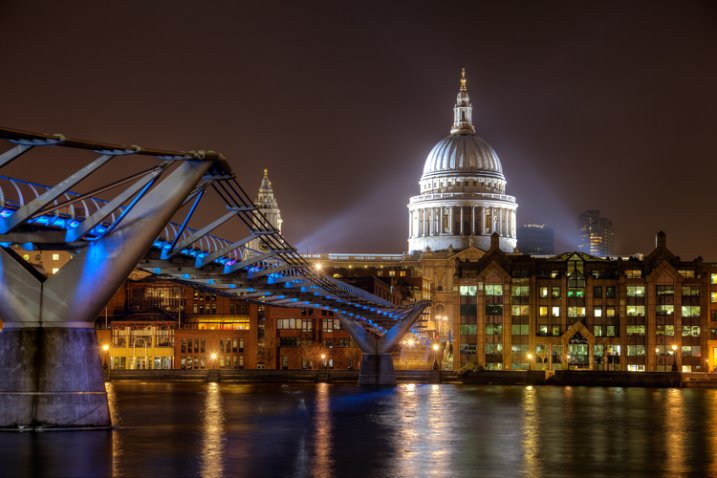
Proper Exposure at Night - Millenium Bridge example

Exposure settings for this shot: Shutter speed of 4 seconds; aperture at f/5.6; ISO 400.

Night photography can be much more rewarding than photography during the day. Because everything looks different at night, you don’t need to go somewhere exotic to get great pictures. Bridges, attractions, and buildings are usually brightly lit at night, and places that might seem rather pedestrian during the day – can make stellar photography subjects at night. Further, you can take your time when photographing at night, more so than during the day. There are generally less people out, and you don’t have to worry about the light changing.

The main challenge when photographing at night is getting a proper exposure. During the day, you can just walk around and hand hold your camera without worrying about camera shake. In addition, because of the amount of available light during the day, you don’t need to worry about shooting at a high ISO and the resulting digital noise. At night, however, hand holding is generally not an option and digital noise can be a major problem.

The principles of exposure work the same way at night as during the day – you will just need a lot more time to allow light into your camera. It goes without saying that you will need a tripod to stabilize your camera, and a remote shutter release to keep from moving anything during the exposure. But with these changes made, you can get out and explore the night with your camera. When you do, here are some tips to keep in mind to help you maximize the experience.

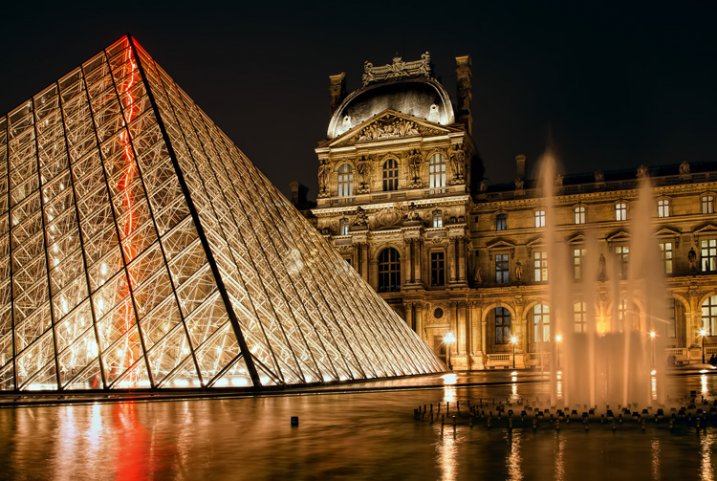
Proper Exposure at Night - ouvre example

Exposure settings for this shot: Shutter speed of 4 seconds; aperture at f/11; ISO 400.

# 1.  Work in Manual Mode

The first tip is to make sure you are shooting in Manual mode. In Manual mode, you will set the shutter speed, aperture, and ISO. This puts you in complete control over you camera.

When shooting at night, your camera will be on a tripod and you will be working slowly. There is no need to use any automatic mode because of the speed provided. Further, there might be a little trial and error with the exposure settings (the camera can be easily fooled by the great differences in bright and dark areas of the picture) and you want to make sure you have plenty of control over this process. Manual mode gives you that control.

#2.  Make sure you are comfortable with Bulb Mode

Manual mode only works for exposures up to 30 seconds. If you need a shutter speed that is longer than 30 seconds, the only option for getting a proper exposure is Bulb mode. Therefore, while you should generally shoot in Manual mode, you should also be comfortable with Bulb.

In Bulb mode, the shutter stays open as long as you hold the shutter button down. When you press the button, the shutter opens. When you release the button, the shutter closes. To avoid introducing any shake or movement into the exposure, using a remote shutter release is imperative when using this mode.

With Bulb mode you can make your exposure several minutes long. If your remote shutter release does not have a timer built-in to it, make sure you keep another timer handy (your phone may have one). If your remote does not have a timer, make sure it has a locking feature so you do not have to hold it the entire time.

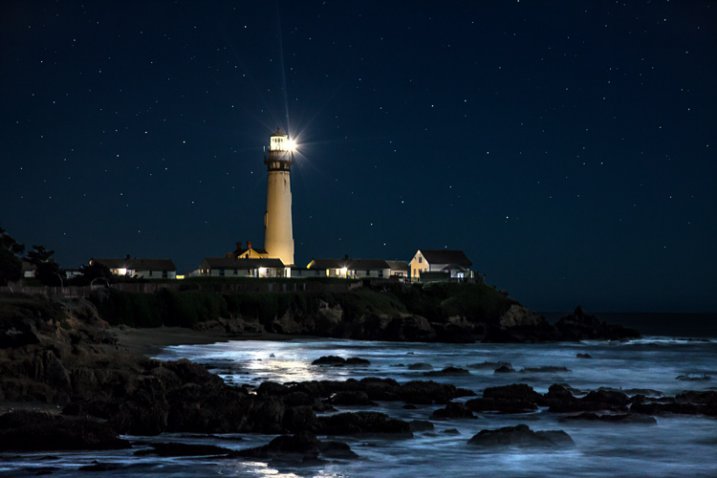
Proper Exposure at Night - Pigeon Point example

Exposure settings for this shot: Shutter speed of 6 seconds; aperture at f/5.6; ISO 1600.

#3.  Shoot in Raw

When shooting at night, it is particularly important to make sure you are shooting in Raw format. The Raw files coming out of most cameras are 14 bit files, whereas JPEGS are only 8 bit files. The more bits, the higher the range of available colors and the smoother the transitions between them.

The reason shooting in Raw is even more important at night, is that most of the colors that a camera can capture are at the top (bright) end of the scale. The range of available colors at the low (dark) end of the scale is extremely limited. At night, your pictures will almost always include a large dark portion. A JPEG file, with its reduced color options, you will likely introduce banding in your pictures.

#4.  Bring a flashlight

Knowing your camera controls really well pays dividends at night. You can make changes to the settings without being able to see everything. Nevertheless, a small flashlight is tremendously useful. Keep one handy to make sure you can see everything on your camera and tripod. It occasionally comes in handy for lighting areas of your picture as well.

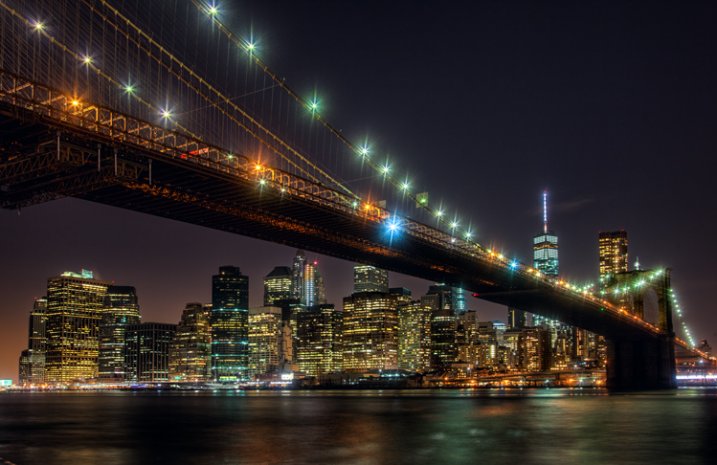
Proper Exposure at Night - Brooklyn Bridge

Exposure settings for this shot: Shutter speed of 10 seconds; aperture at f/9.0; ISO 200.

#5.  Choose proper settings

Proper settings will always depend on the situation. Nevertheless, there are some ways you should bias your settings when shooting at night. Here are a few:

  • Aperture: Open up your aperture more at night than you would during the day (i.e., use a lower f/number). Most night photographs tend to be of shots on a narrower plane than shots during the day. Further, the background and sky will be black anyway and you will not need as large a depth of field. The larger aperture also has the benefit of letting more light into the camera.
  • ISO: Keep your ISO setting as low as you can. Night photography always means there will be dark areas in your pictures, and these dark areas inevitably lead to digital noise. Raising the ISO will compound the problem.
  • Shutter speed: Whereas shutter speed might be the first exposure setting you worry about during the day, it should generally be the last one you think about at night. Since you will be shooting from a tripod, you can let the shutter stay open as long as you need. If you have traffic (streaking lights), a fountain, or running water in your picture, the longer shutter speed will actually benefit your pictures anyway. The only exception is high winds, or other instability impacting your rig.

One other setting to check is the Long Exposure Noise Reduction, which will be in your camera’s menu. If you enable this option, the camera will make two exposures, one normal and one with the shutter closed, which the camera will use as a comparison to filter out noise from the normal picture. Photos taken with this option enabled will take twice as long to expose, but will be less noisy.

#6.  Meter for the highlights

Determining the proper exposure level can be tricky at night. Each metering mode presents its own challenges. If you use evaluative metering, the camera is likely to be confused. If you use spot or partial metering, the meter will jump around depending upon whether you are aimed at a bright light or the dark background.

One answer to this problem is to use spot metering and to expose for the highlights. Set your meter between +1 and +2 as you meter on the highlights. The +1 -2 setting will keep your highlights looking bright, but at the same time, will keep the highlights within the dynamic range of the camera. Do not worry as much about the dark portions of the picture. If the dark areas happen to turn black, well, it is nighttime after all, and there is supposed to be some black. Take a test shot and adjust as necessary.

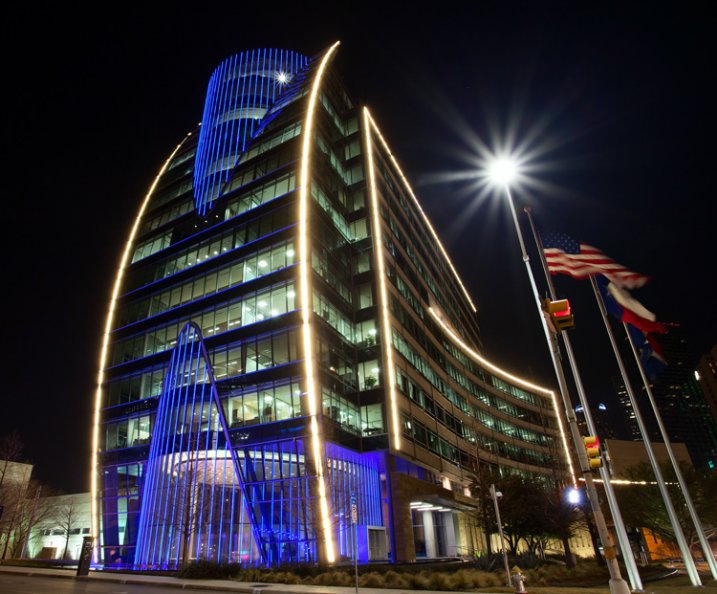
Proper Exposure at Night - Dallas example

Exposure settings for this shot: Shutter speed of 5 seconds; aperture at f/16; ISO 400.

#7.  Take a test shot at a high ISO

Speaking of test shots, you should make liberal use of them when shooting at night. However, you don’t want to sit around for 30 seconds, a minute, or even longer, waiting to see if the test shot is going to work out. The best way to get a test, without wasting a lot of time doing so, is to take tone at a much higher ISO than you would ordinarily use.

For example, let’s say you think the proper exposure settings for a given shot are: 30 seconds at f/5.6 with an ISO of 400. Rather than taking that shot and waiting around 30 seconds for the exposure, crank up the ISO and speed up the shutter speed by the same number of stops. The exposure level will be the same, but it will take a lot less time to expose the test picture. In this case, I would raise the ISO by four stops to ISO 6400 (raising it one stop to moves it to ISO 800, one stops increases it to ISO 1600, three stops to ISO 3200, and four stops gets you to ISO 6400). That allows you to reduce your shutter speed by four stops to only 2 seconds (reducing the shutter speed by one stop shortens it to 15 seconds, two stops shortens it to 8 seconds, three stops to 4 seconds, and four stops gets the shutter speed down to 2 seconds).

When you are satisfied with your exposure, just decrease the ISO and increase (lengthen) the shutter speed by an equal amount to get back to the final settings.

#8. Bracket your photos

Night photography is one area where you will want to bracket your photos. Blending and HDR can work wonders at night, but even if you are against such processing, bracket your photos anyway. Think of it as exposure insurance.

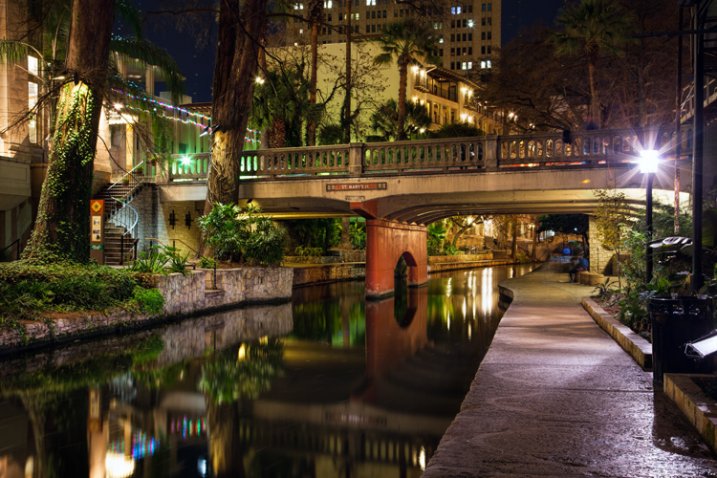
Proper Exposure at Night - San Antonio Riverwalk example

Exposure settings for this shot: Shutter speed of 30 seconds; aperture at f/11; ISO 200.

#9.  Verify the exposure with the Histogram

After you have taken your exposures, check them on the LCD on the back of your camera. The picture on the LCD will show you if the exposure is close to correct, but it is better to also check the histogram to make sure the exposure is within the dynamic range of your camera. Remember to keep the highlights on the right side of the histogram, but avoid a spike on the far right. If the dark areas spike on the left side the histogram, that is okay since parts of your picture are supposed to be black. In general, however, keep as much of the image as possible within the range of the histogram, but err on the side of keeping the highlights from blowing out.

Exposing at Night

If you are not totally comfortable with exposure, then doing some night photography will get you there in a hurry. You will have your camera on a tripod in unchanging light, so you can take as much time as you need to think through the exposure, and get it right. You’ll be forced to take into account the highlights and shadows when you meter, then study them on your histogram. Taking test shots, and making adjustments, will help you see the interrelationships between the exposure controls.

When you follow these steps, you are likely to get some great shots. Every city lights up its major attractions, bridges, and museums – often in colorful ways. A scene that might be boring during the day could be a great photo at night. Often, because of the effects of the lights, you’ll actually be surprised at what you end up with. Taking your time and applying these tips to nail the exposure will help you maximize the experience.

googletag.cmd.push(function() {
tablet_slots.push( googletag.defineSlot( “/1005424/_dPSv4_tab-all-article-bottom_(300×250)”, [300, 250], “pb-ad-78623” ).addService( googletag.pubads() ) ); } );

googletag.cmd.push(function() {
mobile_slots.push( googletag.defineSlot( “/1005424/_dPSv4_mob-all-article-bottom_(300×250)”, [300, 250], “pb-ad-78158” ).addService( googletag.pubads() ) ); } );

The post Tips for Getting Proper Exposure for Night Photography by Jim Hamel appeared first on Digital Photography School.


Digital Photography School

 
Comments Off on Tips for Getting Proper Exposure for Night Photography

Posted in Photography


7 Shades of Effective Boudoir Photography Marketing (18+)

24 Jun

Despite an emerging popularity of boudoir photography, there’s often certain confusion and misinterpretation surrounding this division of the photographic services causing many photographers to avoid it and thus, lose quite a profitable source of income. This post is going to help you define the specific nature of boudoir photography and suggest some best practices of boudoir photography marketing. The specifics Continue Reading

The post 7 Shades of Effective Boudoir Photography Marketing (18+) appeared first on Photodoto.


Photodoto

 
Comments Off on 7 Shades of Effective Boudoir Photography Marketing (18+)

Posted in Photography


DIY 101: How to Get Started with Product Photography

23 Jun

My role as a stay-at-home parent, along with my work as a blogger, means I’m stuck in the house more often than not. I love what I do, both as a writer and parent, but I do find myself lacking for photographic subjects. Everyone in my home, including the cats and dogs, seems to be camera shy. So I began Continue Reading

The post DIY 101: How to Get Started with Product Photography appeared first on Photodoto.


Photodoto

 
Comments Off on DIY 101: How to Get Started with Product Photography

Posted in Photography


10 Essential Pieces of Gear you Need for Landscape Photography

22 Jun

If you are interested in going out and getting some high quality landscape photographs, here’s a comprehensive list of items you will either want to consider, or must have, in order to increase your chances of getting some keepers:
002

#1 – The Internet

Whenever I start to plan a photo shoot to a particular location, I usually begin by googling the area. If it’s a relatively well-known location, you will probably find some very interesting, and comprehensive, websites made by other photographers or adventurists/bloggers. The problem is, if it’s a famous location, you will also get a ton of not-so-interesting and even incorrect information as well. Weeding through Google to isolate the helpful and high quality blogs or websites from the crummy ones is an art form all its own. Once you get used to perusing Google, reading just a few sentences of a blog will clue you in as to whether or not the information you’ve found is worth taking it to heart or not.

If you aren’t lucky enough to find two or three really good blogs about the location, head over to Alltrails.com. It has a sizeable database of locations around the country that have been hiked, including user’s reviews of the location and the level of difficulty in getting there. If it’s a famous site, TripAdvisor.com has a good database of information, including the places to stay nearby.

From there, you’ll be off and running with more information than you probably need. In most cases, what becomes tricky is weeding through everything you find and parsing it down into just a few brief paragraphs on your overall plan of action.

#2 – A Strong Backpack

If you’re looking for a place to save some money, a backpack is not where you want to be counting pennies. You get what you pay for, and when it comes to choosing a backpack to take on a landscape shoot, it is very important you use a bag that is strong and water resistant, with reinforced padding.

Don’t fall victim to the lame zipper bug (you know you’ve been there before, trying to unzip the bag and before you know it, the zipper pops off the bag like a cricket). Do yourself a favor and invest in a high quality bag, like the Tamrac Expedition Series, or the Lowepro Pro Trekker. It will last you many years, and will help you take care of your camera and lenses in the long run.

001

#3 – A Weather-Sealed DSLR Camera

Generally speaking, for various reasons, I still much prefer a DSLR (such as the Nikon D810) over a full-frame mirrorless camera (such as the Sony A7r) for landscape photography. One reason is that certain DSLR models are significantly more rugged and weatherproof than mirrorless.

Eventually you’re going to drop a camera. It happens to all of us (at least that’s what everyone told me the first time I dropped a camera), especially those of us who are out in less than perfect weather conditions. DSLRs made from composite magnesium handle some rough treatment much better than the plastic-bodied entry level DSLRs. My first full-frame DSLR was the Nikon 700. That camera could survive being run over by a small truck. A perfect companion for the clumsy, just-starting-out landscape photographer that I was then.

Also consider investing in a quality raincoat for your lens/camera. I don’t recommend getting one of the cheap, flimsy, clear plastic covers made from recycled sandwich bags…they will tear easily and won’t stay put in windy conditions. Get a cover that is heavy duty…one good coat will last a long time, and they aren’t pricey.

#4 – A Sturdy Tripod

To handle poor footing out in the muddy, rocky, sandy wilderness, and to protect your camera lens setup, a tripod is one item you don’t want to mess around with. In fact, this is the one item more than any other that I would recommend you consider heading to the northern end of your projected budget in order to select a high quality tripod.

A flimsy tripod could end up costing you a chunk of a paycheck in repair bills. It only takes one good gust of wind to knock over an unstable tripod. Having a nice camera and lens, but an entry-level tripod is like putting four worn down, old tires on a Ferrari. It won’t run properly and it’s dangerous for the rest of the setup.

003

A good tripod will outlive both of us, so it’s rare you’ll need to invest in more than one over the course of many years. A few extra bucks goes a long way towards getting having a more stable, secure setup.

See Really Right Stuff, Manfrotto, Gitzo, or Feisol for excellent tripods. In my opinion, you should strongly consider carbon fiber over aluminum; they are the lightest and strongest on the market.

#5 – Lenses

This is where the fun begins, and your wallet ends. Lenses are the single most important piece of equipment in photography. You can have the finest camera, tripod, backpack, media card, and accessories available, but if you don’t have quality glass, it will severely complicate your ability to take a good photograph.

I typically prefer to shoot with prime (fixed focal length) lenses, as opposed to using zoom lenses. My preference for primes is mostly about making sure that I get as personal and into the scene as possible.

With zoom lenses, I tend to get a bit lazy and shoot without adequately working the scene. There is no substitute for moving your feet and SEEING the composition with your own eyes, and not just through the viewfinder. The element of perspective is lost if you simply zoom, instead of walking around and checking things out with your own eyes first.

That said, it’s strictly a subjective thing. I know plenty of photographers who prefer using zoom lenses, and that’s great. Most of the time, the best gear for you is the gear you’re most comfortable with. The key suggestion here, with any lens, prime or zoom, is that you RENT one and try it out before buying it. You can’t know how the lens will work for you until you use it in various situations.
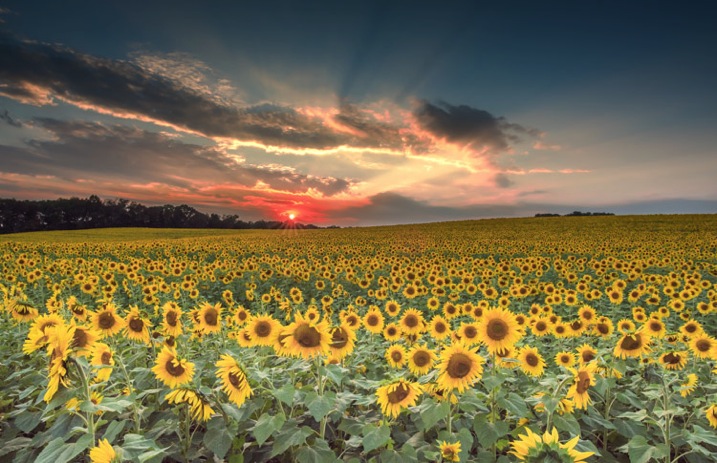
004

#6 – A Reliable Remote Trigger or Shutter Release

This is often overlooked by many photographers, but I firmly believe having a remote trigger makes a big difference. Without one, you have to physically press on the top of the camera. No matter how careful you are, and no matter how securely fastened the camera is to the tripod, this will introduce some micro-shake into the setup. If you want your image to be as tack-sharp as possible, you don’t want anything touching the camera that doesn’t have to. Once the mirror locks up, you want your setup to be as steady as a concrete slab. Every DSLR has its own proprietary remote shutters, and you can also find quality third-party remote shutters available at a lower cost.

#7 – Filters

For landscape photography, some filters are almost as essential as lenses. I’ll keep it brief here and stick with just a few basic filters I would always want to travel with:

Circular Polarizer

A polarizing filter helps mitigate the nasty, harsh reflection of the sun off of shiny objects such as water or anything wet. To get it to work, you simply turn the filter until you see the glare disappear, then you stop turning the filter. A polarizer will also help darken a blue sky and make it a deeper, richer blue. Some people like that look, some don’t. If you do, a polarizer will help you achieve it. I use a polarizer practically all of the time when shooting in daylight.

Neutral Density Filter

An ND filter basically acts as sunglasses for your lens, it blocks some light from reaching the camera’s sensor, thereby slowing down the exposure. For example, a 3-stop ND filter (usually denoted as an 8X or 0.9 ND filter) allows three stops less light through than you’d get without the filter attached. A 5-stop ND filter will allow five stops less light, and so on. For the serious landscape photographer I’d recommend having a 2-stop, 3-stop and 10-stop ND filter. If you want to do some long exposure waterscape work, the 10-stop will come in handy to help make the water look silky smooth. You can also stretch out clouds or turn people into invisible ghosts with ND filters.

Graduated Neutral Density Filter

These are similar to ND filters, but instead of the entire filter being tinted, only the upper portion is darkened, with the tint getting darker from the middle to the edge. So, for example, if you’re photographing a horizon with a sky that’s two or three stops brighter than your foreground, you could use a graduated ND filter to help bring out the foreground more, without blowing out the horizon. It will effectively balance the amount of light received from both the brighter horizon and the darker foreground. Usually just a two or three stop GND filter is necessary. Here’s a photograph of a Graduated ND Filter:

005

Reverse Graduated Neutral Density Filter

Same principle as the one above, except instead of the tint getting darker from the middle of the filter to the edge, it’s reversed. The middle of the filter starts out the darkest, and gradually gets lighter as you travel towards the edge. These are excellent for shooting sunrises and sunsets, where the horizon line is the brightest area of the frame, and as you go higher in the sky, it becomes less bright. This is what a Reverse Graduated ND Filter looks like:

006

UV or Clear Filter

If it’s my lens, I want to do everything I can to protect it from wear and tear. I always have a clear, or UV, filter on the front of every lens I own. It does nothing to help improve the photograph in any discernible way, but it does a great job protecting the front lens element from dirt and dust, or from me walking into a door lens-first, which has happened more times than I prefer to admit.

007

#8 – Extra Batteries and Media Cards

Always, without exception, carry an extra battery for your camera, an extra media card, and an extra battery for any other battery-consuming device. If you’re bringing along a flash that takes four AA batteries, take an extra set of four with you. Chances are you won’t ever need them, but there will always be the one time when you do, and you’ll wish you had them.

#9 – The Photographer’s Ephemeris

This clever app (TPE) does an amazingly accurate job at detailing when and where the sun, and moon, will rise and set. If you’re out chasing sunsets and sunrises for photographs, this app is a must-have.

#10 – A good pair of shoes

No joke; having a comfortable pair of shoes is like having good vision. If your feet aren’t comfy, then nothing else matters. You will not be as good a photographer as you otherwise would be with comfy feet. This especially holds true on longer hikes; invest in a good pair of hiking boots. A pair that strike a balance between breathing well but also offering some water resistance.

That’s enough for the list of equipment you’d want to consider having to photograph landscapes. If you’ve made it this far in this article, I hope you’ve gotten something useful out of it. Have fun shooting those landscapes!

008

googletag.cmd.push(function() {
tablet_slots.push( googletag.defineSlot( “/1005424/_dPSv4_tab-all-article-bottom_(300×250)”, [300, 250], “pb-ad-78623” ).addService( googletag.pubads() ) ); } );

googletag.cmd.push(function() {
mobile_slots.push( googletag.defineSlot( “/1005424/_dPSv4_mob-all-article-bottom_(300×250)”, [300, 250], “pb-ad-78158” ).addService( googletag.pubads() ) ); } );

The post 10 Essential Pieces of Gear you Need for Landscape Photography by Jeb Buchman appeared first on Digital Photography School.


Digital Photography School
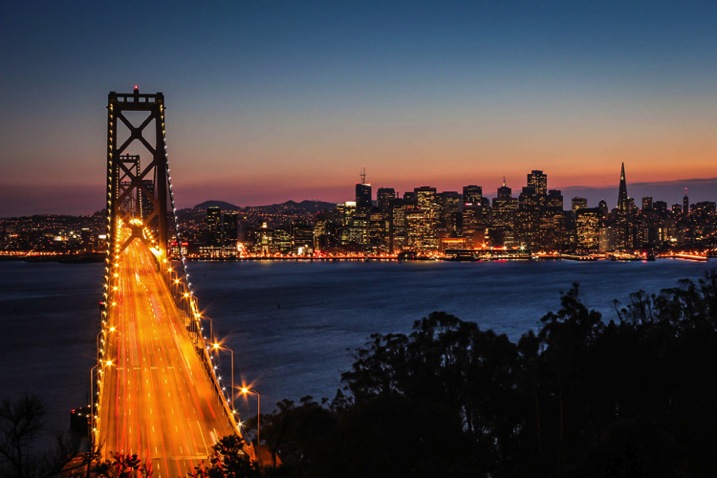
 
Comments Off on 10 Essential Pieces of Gear you Need for Landscape Photography

Posted in Photography


How to Use Cinemagraphs to Spice Up Your Photography Marketing

20 Jun

While cinemagraphs are not exactly new, they are still great for advertising purposes because of their format: a GIF/video hybrid where an element of the still photo plays in never-ending loop, which results in constant motion. Created by visual artists Jamie Beck and Kevin Burg of Ann Street Studio, they can be a fun and creative way to give a Continue Reading

The post How to Use Cinemagraphs to Spice Up Your Photography Marketing appeared first on Photodoto.


Photodoto

 
Comments Off on How to Use Cinemagraphs to Spice Up Your Photography Marketing

Posted in Photography


Weekly Photography Challenge – Night Photography

20 Jun

Recently I rounded up some great examples of stunning night photography. It’s a genre of photography that is popular with many and comes with its own challenges and issues to overcome. But it’s worth the effort as you can create images with something special. Places just look different at night.

Darlene Hildebrandt

Route 66 near Chicago – By Darlene Hildebrandt

Darlene Hildebrandt

Trinidad, Cuba – By Darlene Hildebrandt

Above are a couple examples of my own night photography. Now it’s your turn.

Weekly photography challenge – night photography

If you haven’t tried long exposure photography or gone out and done some shooting at night, now is the perfect time to try it. Find a buddy to come along with you, it’s more fun if you work with a friend. Photography clubs and meetup groups often do group events for night photography, look for one in your area. Find a mentor who has some experience with night photography to help you get started.

Try some star shots, city light, light trails, moon or Milky Way shots, painting with light, or even a portrait. If you need some assistance see the list of articles below that can give you some tips.

Thomas Hawk

By Thomas Hawk

Luc Mercelis

By Luc Mercelis

Chris Lofqvist

By Chris Lofqvist

Mike Boening Photography

By Mike Boening Photography

Mariusz Kluzniak

By mariusz kluzniak

Raphael Borja

By Raphael Borja

Mclcbooks

By mclcbooks

Jonathan Miske

By Jonathan Miske

Share your images below:

Simply upload your shot into the comment field (look for the little camera icon in the Disqus comments section) and they’ll get embedded for us all to see or if you’d prefer upload them to your favourite photo sharing site and leave the link to them. Show me your best images in this week’s challenge. Sometimes it takes a while for an image to appear so be patient and try not to post the same image twice.

DAVID MELCHOR DIAZ

By DAVID MELCHOR DIAZ

Alfredo

By Alfredo

Alfredo

By Alfredo

Theboseographer

By theboseographer

Need some help getting started?

Try these articles for some night photography tips:

  • Tips for Retouching a Night Photograph using Lightroom
  • Tips for Getting Proper Exposure for Night Photography
  • 9 Tips to Help you get Sharp Focus at Night
  • How to do Long Exposure Photography and Light Trails at Night
  • Beginners Tips for Night Sky and Star Photography
  • Nightscapes: Photographing the City at Night
  • Better Star Trails Photographs with StarStaX
  • Beginner’s Guide to Light Painting

googletag.cmd.push(function() {
tablet_slots.push( googletag.defineSlot( “/1005424/_dPSv4_tab-all-article-bottom_(300×250)”, [300, 250], “pb-ad-78623” ).addService( googletag.pubads() ) ); } );

googletag.cmd.push(function() {
mobile_slots.push( googletag.defineSlot( “/1005424/_dPSv4_mob-all-article-bottom_(300×250)”, [300, 250], “pb-ad-78158” ).addService( googletag.pubads() ) ); } );

The post Weekly Photography Challenge – Night Photography by Darlene Hildebrandt appeared first on Digital Photography School.


Digital Photography School
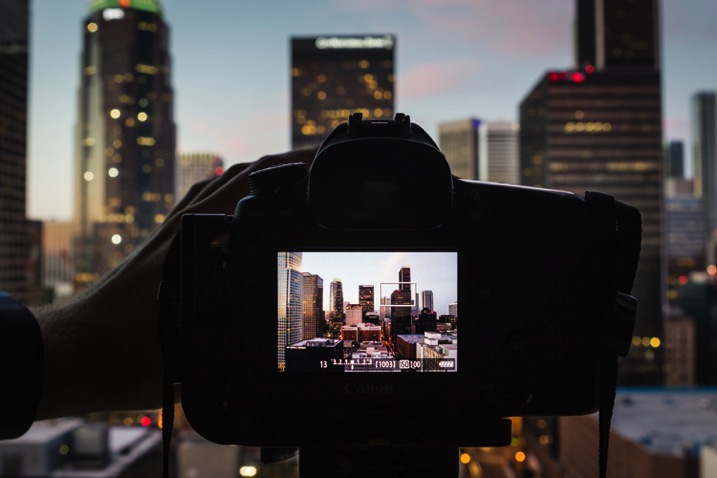
 
Comments Off on Weekly Photography Challenge – Night Photography

Posted in Photography