RSS
 

Posts Tagged ‘Photography’

Top 6 Interview Tips For Making It In The Photography Industry

08 Sep

Photography Industry Leaders Share Their 6 Top Interview Tips For Getting Ahead

Top 6 Interview Tips To Advance In The Photography Industry

Hey there FashionPhotographyBlog.com readers. Our friends from the Dots are back once again to share great tips from photography industry leaders who attended their portfolio masterclass in London, UK. The Dots is a community of creative professionals, designed to connect creatives with collaborators, companies and commercial opportunities. They believe in collectively building a stronger, more profitable and diverse creative sector, similar to us here at FPBlog. We are super excited to have them here with us again on our website.


Just in case you may not be aware, The Dots hosted a Photography Portfolio Masterclass at Spring Studios to give talented emerging photographers the chance to have their work reviewed by some of the UK’s most prominent picture editors and photographic agents. It was also an opportunity for these budding photographers to ask questions and engage in dialogue with these photography representatives, who would be otherwise out of reach. 


With such a wealth of collective experience in the room, they all must have heard all sorts of answers photographers give in interviews when they come to meet them. This is why the team at The Dots took each of them aside to ask them for their best interview tips they could give to photographers to get ahead in the hugely competitive photography industry. Here’s what the photography industry representatives revealed:


6 Interviews Tips For Photographers Who Want To Move Up In The Industry


  1. Research


It may seem obvious to some, but our industry leaders’ main interview tip was to make sure you do your research.


Jamie Klingler (Publishing Manager, Shortlist/Stylist Magazine) made it very clear that “if you walk in and you don’t know what my job is, you don’t know where I’ve worked before, you haven’t seen any of the shoots I’ve produced before – you’re not gonna have an ‘in’ with me, you’re not gonna be showing me your professionalism.”


David Birkitt (Owner & Managing Director, DMB Represents) noted that you should “have a really good reason as to why you’re coming to see me, be aware of what I do. Be aware of something you can add to what I’ve got, not replicate what I’ve got. Have a goal, have a reason for why you want to come, and have at least one thing that you wanna learn.”


Our golden rule for interviews: Do your homework!


  1. Have a point of view


(Robin Derrick, Executive Creative Director, Spring Studios) illuminates why perfectly – “when people ask me how to become a fashion photographer – which is mostly what I commission. What they should remember is the word ‘Fashion’ is as big as the word ‘Photographer’ in that phrase, and it’s very important for a fashion photographer to have a point of view on fashion […] most people can take a picture; I think really learning about fashion and having a point of view on that is normally what improves the work.”


Holly Hay (Photographic Editor, AnOther Magazine & Another Man) reinforced this notion, stating that she also looks for “someone who has something to say, someone who has an opinion on the world and on fashion and on style.”


  1. Make sure your style fits.


If your work is more ‘classic’ than ‘edgy’ then there’s no point in applying for a job at places such as Dazed or Vice as that’s not the kind of work they’re looking for, it’s “a waste of time for everybody, a waste of time for the photographer and for ourselves” Dalia Nassimi (Deputy Picture Editor, WIRED).


Your time is precious; make sure you’re not wasting it!


  1. Be passionate.


Jamie Klingler needs to see passion from a photographer in an interview – “it’s not an easy job, we’re not in this because we want to work 9-5, we’re in this because we want more. So you have to show me that you want to give more and you want to collaborate more.”


Dalia Nassimi points out that, “in magazines – you’re not in it for money you’re in it for the experience, for the exposure. You’re going to get access to a really interesting person or access to a really interesting company. That’s what we’re giving you – go run with it, because in ad world you don’t get that.”


So, in your interview, be passionate about the project and let them know how much you want the opportunity to work with them.


  1. Be on time


Again it may seem obvious, but punctuality is crucial in an interview. It’s the very first impression you give to the interviewer and you don’t want it to be a bad one, as Jamie Klingler stresses, “if I think you’re late for an interview you’re gonna be late for my shoot and I just don’t deal with lateness […] I’ve never hired anyone that was late for an interview.”


And Finally…


  1. Be persistent


After so many emails sent with no response, it can feel like you may never get your big break.


But Holly Hay’s advice for breaking into the industry is to “have persistence – don’t feel like you’re chasing people. Everyone is so busy they won’t feel hounded […] it’s all about timing – hitting someone’s inbox at the right time. So persistence and be brave, and stay true to why you originally started taking pictures.”


What did you think about these photographer’s interview tips? Hopefully, next time you are sitting at the desk of a photography magazine editor or creative director to pitch an idea or show them your portfolio, you will now be better prepared. If you have any interview tips for getting ahead in the industry that you want to share, that hasn’t been mentioned in this post, or you want to leave a comment about the ones listed above please feel free to write them in the comment section below. 


To find out  more about The Dots’ next Photography Portfolio Masterclasses here: https://the-dots.co.uk/about/portfolio-masterclasses


You can also check out The Dots’ Vimeo channel for video interviews, tips & highlights from the Photography Portfolio Masterclass here:  https://vimeo.com/album/3444505


IMAGE SOURCE: 

Feature image & images 1: courtesy of Jack Woodhouse


Fashion Photography Blog

 
Comments Off on Top 6 Interview Tips For Making It In The Photography Industry

Posted in Uncategorized


3 Tips For Getting Ahead In The Photography Industry

06 Sep

Photography Industry Leaders Share Their Top 3 Tips For Getting Ahead In The IndustryTop 3 Tips For Getting Ahead In The Photography Industry

Hey there FashionPhotographyBlog.com readers. Our friends from the Dots return to join us on our site to share great tips they have uncovered from their recent masterclass in London, UK. The Dots is a community of creative professionals, designed to connect creatives with collaborators, companies and commercial opportunities. They are just as passionate about collectively building a stronger, more profitable and diverse creative sector as we are and we are very excited to have them featured here again.


For those of you who may not know, The Dots hosted a Photography Portfolio Masterclass at the incredible Spring Studios to give talented emerging Photographers the chance to have their work reviewed by some of the UK’s most prominent Picture Editors and Photographic Agents.


With such a wealth of experience in the room, The Dots team took the opportunity to ask a few questions on how to get ahead in the hugely competitive Photography industry. Here’s what the industry representatives had to say:


Getting Ahead In The Industry – 3 Top Tips


  1. Be original


Photography industry leaders are primarily on the hunt for originality and a unique perspective because, “in the end if you’re presenting a book that looks like someone else, you better be a cheaper version of them, because there’s no reason to hire you just to be a copycat” (Robin Derrick, Executive Creative Director, Spring Studios).


Matt Davey (Co-Founder & Director, Probation London) told us that he looks for “ originality – an ability to express ideas in their work and create something other than just a pretty picture.”


  1. Have a ‘Can-Do’ attitude


Never underestimate the importance of having an upbeat and ‘go-getting’ character. If someone thinks you’re going to respond to a difficult brief with enthusiasm, they’re more likely going to want to work with you.


Dalia Nassimi (Deputy Picture Editor, WIRED) told us “If they have that easy going, very can-do personality and are up for a bit of an adventure you get real magic.”


Similarly, the main thing Jamie Klingler (Publishing Manager, Shortlist/Stylist Magazine) looks for in a photographer is “someone that will do anything and that are part of my team on the day. These are the people who I wanna work with again and again and I wanna have a drink with, and who I’ll hire a million times over.”


  1. Be personable


You’re going to have to work with lots of people throughout a shoot and if you’re unpleasant to be around, chances are noone is going to want to work with you again. “You need to be personable, you need to get on with people, you need to be able to chat and work around an idea.” (Steve Peck, Picture Editor, WIRED Magazine).


It may not seem that important, but as Nicola Kavanagh (Editor in Chief, Glass Magazine) points out, if it’s a toss up between two photographers, “and they both have a really strong portfolio, I’m gonna go with the one that’s easier to get along with, because everyone likes a nice, easy life!”


So it seems that being nice really can help you finish first, hurrah!


To find out  more about The Dots’ next Photography Portfolio Masterclasses here: https://the-dots.co.uk/about/portfolio-masterclasses


You can also check out The Dots’ Vimeo channel for video interviews, tips & highlights from the Photography Portfolio Masterclass here:  https://vimeo.com/album/3444505


Finally, if you have any tips for getting ahead in the industry that you want to share, that hasn’t been mentioned in this post, feel free to share them in the comment section below. 


Fashion Photography Blog

 
Comments Off on 3 Tips For Getting Ahead In The Photography Industry

Posted in Uncategorized


Landscape Photography – Shooting the Same Location Through the Seasons

06 Sep

2-for-1 special

As part of Landscape Photography Week here on dPS, we’re offering TWO for the price of ONE on our best-selling Living & Loving Landscape Photography ebooks!

Click here to take advantage of this offer.


Put up your hand if you like shooting landscape photography, and are always looking for new places – but only photograph them once, maybe twice, and then think you are done with that area.

I am guilty of the same thing. I go looking for places to photograph, take photos of them, and think I will go back but never do. Perhaps this is something we need to rethink.

Consider how the seasons affect landscapes and what changes happen throughout the year. In Australia the traditional owners of the land, or the indigenous people, have different seasons to the European ones, there are six of them. They are very descriptive of what happens, though the usual seasons of autumn, winter, spring, and summer can still provide lots of differences to give the same place different aspects.

Autumn

Put up your hand if you like shooting landscapes, are always looking for new places, but only photograph them once, maybe twice, and then think you are done with that area.  I am guilty of the same thing. I go looking for places to photograph, take photos of them, and think I will go back but never do. Perhaps this is something we need to rethink.  Consider how the seasons affect landscapes and what changes happen throughout the year. In Australia the traditional owners of the land, or the indigenous people, have different seasons to the European ones and there are six of them. They are very descriptive of what happens. Though the usual seasons of autumn, winter, spring and summer can still provide lots of differences to give the same place different aspects.  Autumn  The most obvious thing about autumn is the changing of the leaves. In some parts of the world, this happens a lot more and nearly all trees lose their leaves. In Australia it doesn’t happen so much and many of the native trees are evergreen and retain their leaves all year round. Having said that, there are also many introduced species that do, and in towns and some areas in the country you can find trees that have those beautiful, golden colors associated with autumn.  The changing of the leaves isn’t the only thing to look for. On billabongs, swamps and dams, you will often find low level mist creating wonderful moods. If you go out early in the morning, wait for the sun to rise and you can get some great effects from the sun rays as they hit the water.  There, sunrises are more interesting and sometimes there is a golden light that is associated with that time of morning that you can only see at that time of year. The golden hour that is normally associated with sunsets is there to give your landscape that rich color. It isn’t too cold in the mornings, but the weather is changing as winter approaches.  Before you go to bed check what the forecast will be the following day. What you are looking for is the weather to get worse, such as rain being forecast. In the morning before the sunrise take a look outside at the sky. If the sky is clear and there are no clouds, you won’t get that beautiful color that you get when the sun reflects off the clouds. If the sky is very grey, go back to bed, the change has already happened.  Winter  In winter the sun doesn’t go so high, so you can get long shadows all day. The shadows are softer and have a moist feel to them, especially in the morning when there is dew all over the ground. You can take photos at any time of the day and it is the best time of the year to photograph.  Frosts and fogs can give the landscape a completely different look, and heading out on a foggy morning can be well worth it. It is cold, but the images will make you glad you went. If you know it is going to be foggy or frosty in the morning you need to just head out, as you may not get many mornings with either of these. If you stay out long enough you might also be rewarded with an amazing sunny afternoon.  Stormy skies and rain can give another dimension to your images. Large storm clouds or grey skies can give a landscape a completely different look to when there are blue skies. Look for cloudy skies and breaks in the sun to give the scene in front of you a great effect.  Winter often means bare trees. Once the leaves have been stripped from them there are branches that can give your images interesting shapes and shadows. If you like photos with lots of mood, it is a perfect time to get it, especially if you get a great fog to go with them.  There is an array of colors that you don’t see at other times of the year. The dew in the early mornings makes everything wet which can bring out the colors and give you wonderful naturally saturated images.  Some of the most beautiful landscapes I have ever seen were taken when there is a blanket of snow. Unfortunately, in most places here, it never snows. If you live somewhere where it does, you should use it, brave the cold and just get out there and make the most of it.  Spring  The most obvious aspect of spring is flowers. It might be flowers in the garden, or wildflowers growing in their natural environment. Having them blooming in the landscape leaves no doubt that it is spring.  It is beginning to warm up as summer approaches, and, while the weather is getting better, there is also going to be lots of rain and more stormy skies as spring is often the wettest time of the year. You could try taking photos of your landscapes in the rain, it will give them a different look.  Spring is also the time that many baby animals are born, so you can see new life everywhere you look.  Waterfalls, creeks and rivers run faster and have more water in them as the snow melts. Go to your favorite waterfalls and see how the extra water adds more volume. You will get something quite different than you would if you photographing them at the end or the height of summer.  Summer  This can be the harshest season in Australia. It is dry and hot. Most of the grasses in the landscape die off, leaving brown grass everywhere. There is an absence of color and the landscape is very different to what you find in winter. The hot sun will also leach out all the color in what you see. A beautiful landscape that you get in other times of the year will look desaturated.  The light is harsh and hard. The sun is higher in the sky and the shadows are shorter. Going out to get nice pictures in the middle of the day is too hard, and often too hot. Though it shouldn’t stop you from trying. See what you can get and see if you can show that heat in the images. If you get those extreme days where the temperature is above 100°F then it won’t matter when you go, it will be horrible.  On a positive note, if you know the next day is going to be a scorcher, check for clouds and head out somewhere great for a landscape as you can be fairly certain that you will get the most magnificent sunset. You need clouds to get a great one and the more the better, but you don’t want overcast or you won’t see the setting sun. Don’t forget to hang around for an hour afterwards to get the best of it. Summer is the best time for those amazing sunsets, and over water means you get double.  In Australia it is very hot at that time of the year, but usually after a few days of intense heat it gets broken by a big thunder storm. You can head out, somewhere where you will be protected, and take some photos of the lightning and thunder clouds as they approach.  Using the Seasons for Your Photography  Think of your favorite places that are nearby, places you can get to easily. What are they like at different times of the year? How can you show those differences? It could give your photography a new focus, give it a try. I’ve been doing it for the last couple of years and it is amazing how you can get very different images from the same location.  If you have an area that you love photographing but feel as though you have exhausted it, consider documenting the change throughout the seasons with your camera.

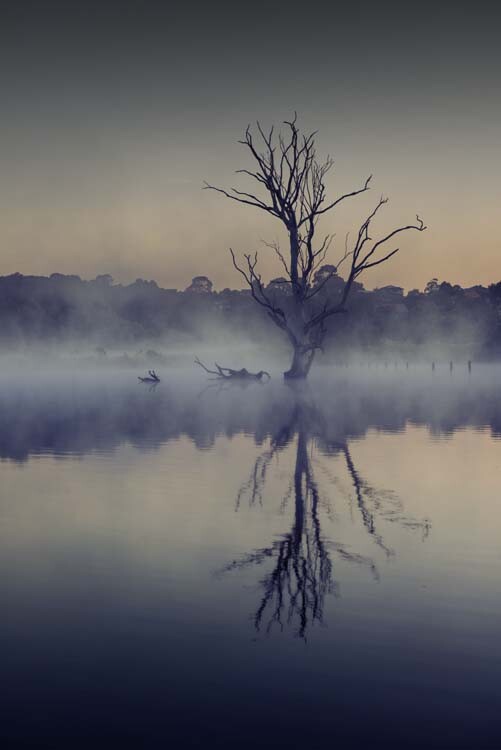
Autumn brings low mist over the water in Banyule Flats.

The most obvious thing about autumn is the changing of the leaves. In some parts of the world, this happens a lot more and nearly all trees lose their leaves. In Australia it doesn’t happen as much, and many of the native trees are evergreen which retain their leaves year round. Having said that, there are also many introduced species that do have color changing leaves, and in some towns and areas in the country you can find trees that have those beautiful, golden colors often associated with autumn.

The changing of the leaves isn’t the only thing to look for. On billabongs, swamps and dams, you will often find low level mist creating wonderful moods. If you go out early in the morning, and wait for the sun to rise, you can get some great effects from the sun rays as they hit the water.

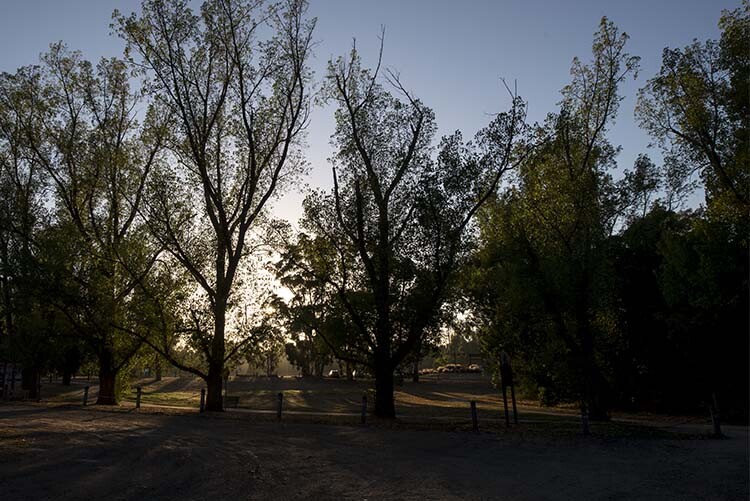
In those types of locations, sunrises are more interesting and sometimes there is a golden light associated with that time of morning, that you can only see at that time of year. The golden hour that is normally associated with sunsets is there to give your landscape that rich color. It isn’t too cold in the mornings, but the weather is changing as winter approaches.

cole-landscape-photography-seasons-0009

Autumn’s early morning golden glow through some trees.

Before you go to bed at night, check what the forecast will be the following day. What you are looking for is the weather to get worse, such as rain in the forecast. In the morning before the sunrise take a look outside at the sky. If the sky is clear and there are no clouds, you won’t get that beautiful color that only happens when the sun reflects off clouds. If the sky is very grey, go back to bed, the change has already happened.

Winter

cole-landscape-photography-seasons-0012

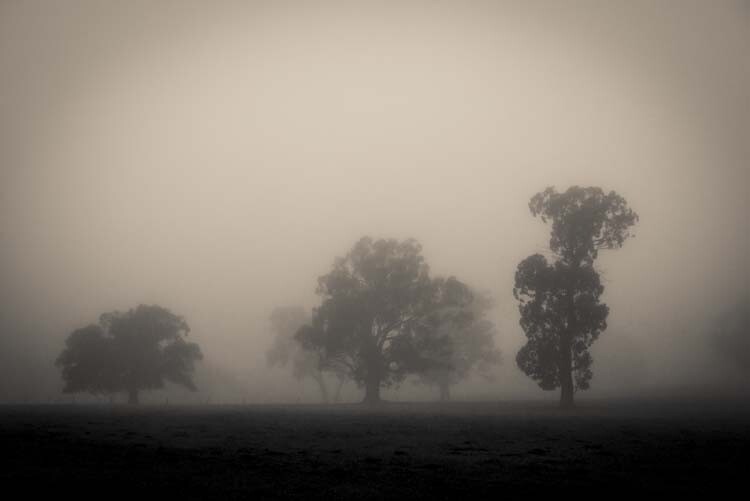
Thick fog in the countryside, in the middle of winter.

In winter the sun doesn’t get as high in the sky, so you can get long shadows all day. The shadows are softer and have a moist feel to them, especially in the morning when there is dew all over the ground. You can take photos at any time of the day, it is the best time of the year to photograph.

Frosts and fogs can give the landscape a completely different look, and heading out on a foggy morning can be well worth it. It is cold, but the images will make you glad you went. If you know it is going to be foggy or frosty in the morning you need to just head out, as you may not get many mornings with either of those conditions. If you stay out long enough you might also be rewarded with an amazing sunny afternoon.

Stormy skies and rain can give another dimension to your images. Large storm clouds or grey skies can give a landscape a completely different look compared to those with blue skies. Look for cloudy skies, and breaks in the sun, to give the scene in front of you a great effect.

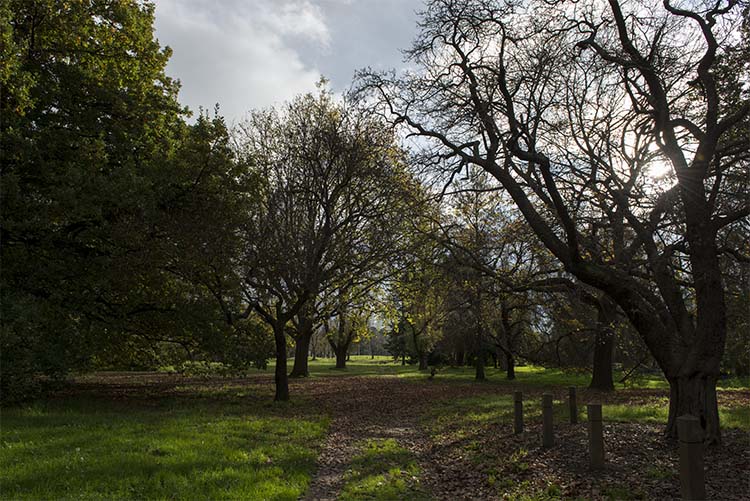
Winter often means bare trees. Once the leaves have been stripped from them, there are branches that can give your images interesting shapes and shadows. If you like photos with lots of mood, it is a perfect time to get that, especially if you get a great fog to go with the bare trees.

cole-landscape-photography-seasons-0010

A typical Australian winter with some bare trees, long shadows and saturated colors.

There is an array of colors that you don’t see at other times of the year. The dew in the early mornings makes everything wet which can bring out the colors and give you wonderful naturally saturated images.

Some of the most beautiful landscapes I have ever seen were taken when there is a blanket of snow. Unfortunately, in most places here, it never snows. If you live somewhere where that it does, use it. Brave the cold and just get out there and make the most of it.

Spring

cole-landscape-photography-seasons-0014

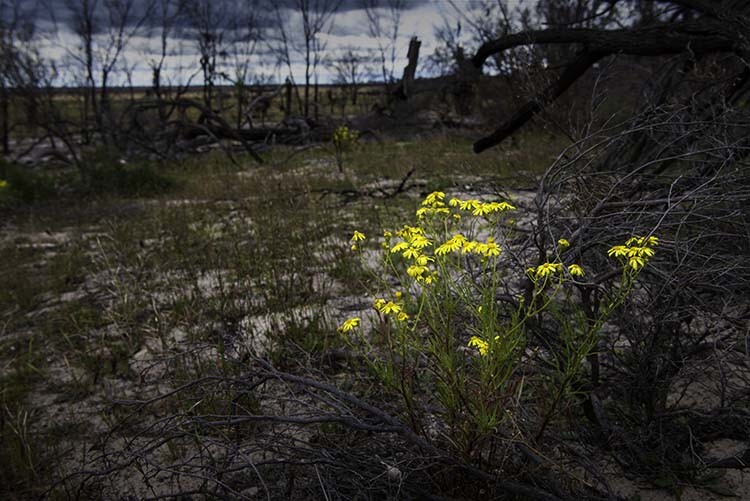
Wildflowers add some color during spring.

The most obvious aspect of spring is flowers. It might be flowers in the garden, or wildflowers growing in their natural environment. Having them blooming in the landscape leaves no doubt that it is spring.

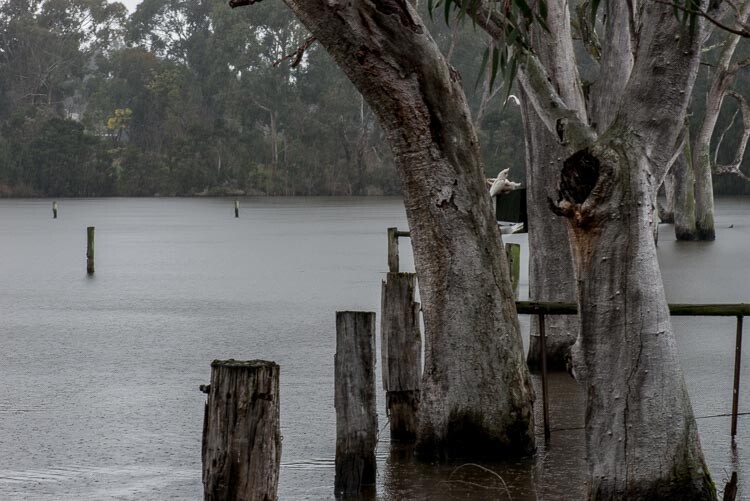
It is beginning to warm up as summer approaches, and, while the weather is getting better, there is also going to be lots of rain and more stormy skies, as spring is often the wettest time of the year. You could try taking photos of your landscapes in the rain, it will give them a different look.

cole-landscape-photography-seasons-0015

A spring rain on Banyule Flats.

Spring is also the time that many baby animals are born, so you can see new life everywhere you look.

Waterfalls, creeks, and rivers run faster, and have more water in them as the snow melts. Go to your favorite waterfall and see how the extra water adds more volume. You will get images that are quite different than you would if you photograph there at the end, or the height, of summer.

Summer

cole-landscape-photography-seasons-0008

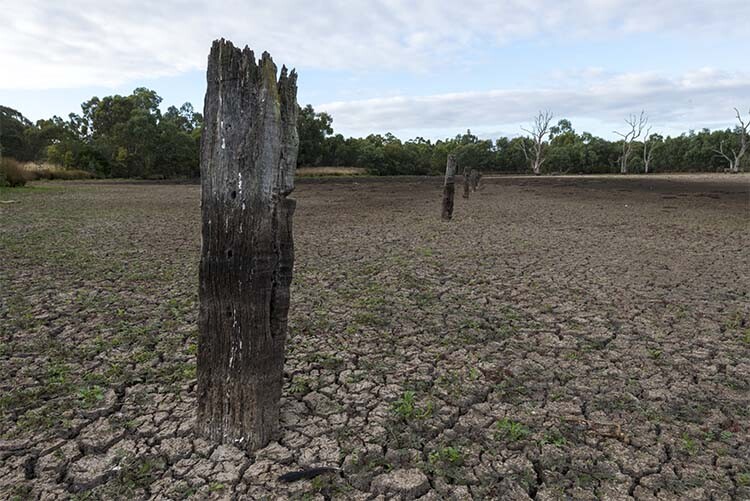
Summer often dries out the swamp in Banyule Flats

This can be the harshest season in Australia. It is dry and hot. Most of the grasses in the landscape die off, leaving brown grass everywhere. There is an absence of color and the landscape is very different to what you find in the winter. The hot sun will also leach out all the color in what you see. A beautiful landscape that you get at other times of the year, will look desaturated.

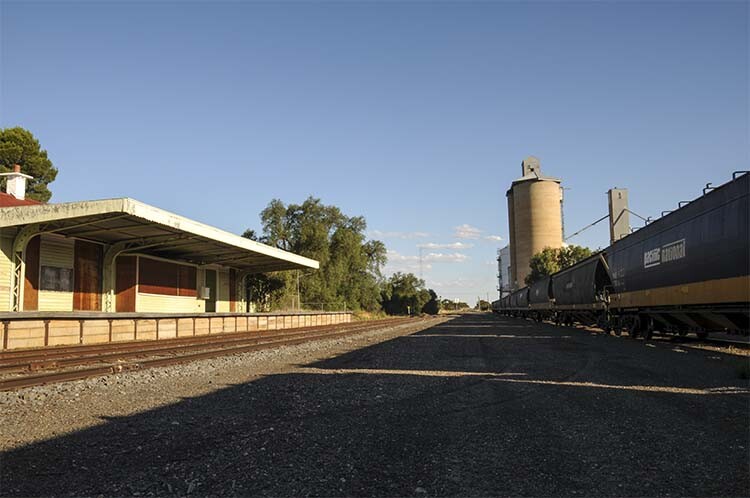
The light is harsh and hard. The sun is higher in the sky and the shadows are shorter. Going out to get nice pictures in the middle of the day is too hard, and often too hot – though it shouldn’t stop you from trying. See what you can get and if you can show that heat in the images. If you have extreme days where the temperature is above 100°F (37.8°C) then it won’t matter when you go, it will be horrible.

cole-landscape-photography-seasons-0013

On a very hot summer day in the early evening, the sun is still very strong, and the shadows still harsh.

On a positive note, if you know the next day is going to be a scorcher, check for clouds and head out to a great landscape photography location, as you can be fairly certain that you will get the most magnificent sunset. You need clouds to get a great one and the more the better, but you don’t want overcast or you won’t see the setting sun. Don’t forget to hang around for an hour afterwards to get the best of it. Summer is the best time for amazing sunsets, and over water means you get double.

In Australia it is very hot at that time of the year, but usually after a few days of intense heat it gets broken by a big thunder storm. You can head out, somewhere where you will be protected, and take some photos of the lightning and thunder clouds as they approach.

Using the seasons for your photography

Think of your favorite places that are nearby, places you can get to easily. What are they like at different times of the year? How can you show those differences? It might your photography a new focus, give it a try. I’ve been doing it for the last couple of years and it’s amazing how you can get very different images from the same location.

If you have an area that you love photographing but feel as though you have exhausted it, consider documenting the change throughout the seasons with your camera.


Here on dPS this is landscape week – here is list of what we’ve covered so far. Watch for a new article (or two) on landscape photography daily for the next few days.

  • 6 Tips for Better Low-Light Landscape Photography
  • Landscape Photography and the Human Element
  • 5 Ways a Telephoto Lens Can Improve Your Landscape Photography
  • Landscape Photography from the Side of the Road
  • 32 Majestic Landscape Photos to Inspire Your Wanderlust
  • Weekly Photography Challenge – Landscape

googletag.cmd.push(function() {
tablet_slots.push( googletag.defineSlot( “/1005424/_dPSv4_tab-all-article-bottom_(300×250)”, [300, 250], “pb-ad-78623” ).addService( googletag.pubads() ) ); } );

googletag.cmd.push(function() {
mobile_slots.push( googletag.defineSlot( “/1005424/_dPSv4_mob-all-article-bottom_(300×250)”, [300, 250], “pb-ad-78158” ).addService( googletag.pubads() ) ); } );

The post Landscape Photography – Shooting the Same Location Through the Seasons by Leanne Cole appeared first on Digital Photography School.


Digital Photography School

 
Comments Off on Landscape Photography – Shooting the Same Location Through the Seasons

Posted in Photography


7 Tips For Creating A Standout Photography Portfolio

05 Sep

Photography Industry Leaders Share 7 Top Tips For Putting Together A Standout Portfolio

7 Top Tips For Putting Together A Standout Portfolio

FashionPhotographyBlog.com welcomes our friends at the Dots to join us on our site and share with our readers, the great tips they have uncovered from their recent masterclass in London, UK. The Dots is a community of creative professionals, designed to connect creatives with collaborators, companies and commercial opportunities. They are about collectively building a stronger, more profitable and diverse creative sector and we are excited to have them here with us today.


The Dots hosted a Photography Portfolio Masterclass at the incredible Spring Studios to give talented emerging Photographers the chance to have their work reviewed by some of the UK’s most prominent Picture Editors and Photographic Agents. With such a wealth of experience in the room, The Dots team took the opportunity to ask a few questions on how to get ahead in the hugely competitive Photography industry. Here’s what the industry representatives had to say:


Photography Portfolios – 7 Top Tips


  1. Showcase your work through different platforms


In a digital age, it is important to remember that there are many other ways to showcase your work than through the standard printed photography portfolio and the more widespread your work is, the more likely Creative Directors are going to find (and possibly hire) you.


Robin Derrick (Executive Creative Director, Spring Studios) told us, “I think a traditional portfolio is a rather out-dated way to present work […] I’ve normally discovered a photographer online.”


David Birkitt (Owner & Managing Director, DMB Represents) supported this by telling us to “consider that everything’s a portfolio these days. Anything you’re putting work out on, any platform you’re using – printed, social, online – they’re all different platforms, they’re all different portfolios and they all do different things in different ways for different reasons.”


In short, get your work out on as many platforms as you can and curate each as carefully as you curate your physical photography portfolio.


  1. Have your own style


There will obviously be photographers or magazines that you look up to and admire and it’s hard not to be influenced by them or feel that you have to create the same kind of work in order to get the job. But one of the key points the Masterclass Mentors all agreed on was to have your own sense of style and identity.


Nicola Kavanagh (Editor in Chief, Glass Magazine) strongly advocated this – “I think having your own visual identity is the strongest thing that you can have as a photographer.”


David Birkitt also advised to make sure that your photography portfolio is “an extension of you and it feels comfortable and it forms a part of you, your being, and your character.”


  1. Show personal work


The Masterclass Mentors all agreed that a photography portfolio “is not just about commercial work or editorial, it’s about projects that you’ve done off your own back that show how passionate you are about taking pictures.” (Holly Hay, Photographic Editor, AnOther Magazine & Another Man).


Matt Davey (Co-Founder & Director, Probation London) advises to “never underestimate the value of your personal work […] that’s the stuff that people remember, they want to see what a photographer’s heart and soul is, not just what they’ve been paid to create.” We couldn’t have put it better ourselves!


  1. Put your best foot forward.


Start your photography portfolio really strong and prioritise certain images to go near the front.  


Jamie Klinger (Publishing Manager, Shortlist/Stylist Magazine) explains why… “If the first 6 shots you see are landscape but they want to be a portrait photographer, you’re never going to think about them for portraits because it’s going to be at the end of their book.”


Lauren Ford (Photo Editor & Producer, Dazed) reinforced this point by reminding photographers “to make sure that you’re opening your book with something really strong and something that shows who you are and what your point of view is as a photographer.”


  1. Tell a story. Stimulate a conversation


Holly Hay advised that “there should be a reason for every single image in your portfolio, there should be a story behind every image. There should be a reason for it being there and a reason why you love it and a reason why you want to tell people about it.”


Matt Davey also emphasized this point “construct your portfolio in a way that stimulates conversation. Be able to talk about your work and present it confidently when you’re having a face-to-face meeting, it’s not just about the flow of the images it’s about how you present it.”


So, if you make sure your best work is at the front, your photography portfolio flows well and stimulates conversation, then you’re off to a cracking start.


  1. Edit, edit, edit!


This follows on nicely to our next point – be selective. Don’t add 20 different photos from the same shoot to your photography portfolio when you could have only added two. Whoever is looking through your photography portfolio is either going to get bored or think that is the only thing you can do.


Steve Peck (Picture Editor, WIRED Magazine) indicated the main thing he looks for is, “a lot of variation in someone’s book. If you are a portrait photographer that’s fine, but I don’t want to see the same head and shoulders crop 15 times, I know you can do that after I’ve seen two – so that’s great, move on, show me something else.”


As Nicola Kavanagh points out, “your portfolio is your most valuable tool in an interview, so make sure you present that as best you can, edit harshly […] make sure it’s really succinct.”

So, make sure you keep things short and sweet and ensure there’s a reason or a story behind every image.


  1. Get a second opinion!


You’ve taken amazing shots, edited and arranged your photography portfolio with a fine tooth comb… What else should you do before showing it to a potential client?


Jamie Klingler suggested “to have someone else edit your portfolio. You are too close to your work and you don’t know what your best shots are.”


This point was reinforced by Nicola Kavanagh who told us to “make sure your portfolio is the best it can be: get it up to scratch, try and get feedback from people from agencies before you present to clients or magazines,”


What we’re basically saying is a second (professional) opinion never hurt, and if anyone who knows what they’re talking about is offering to help – take it.


Looking to get feedback on your photography portfolio? Find out about The Dots’ next Photography Portfolio Masterclasses here: https://the-dots.co.uk/about/portfolio-masterclasses


You can also check out The Dots’ Vimeo channel for video interviews, tips & highlights from the Photography Portfolio Masterclass here:  https://vimeo.com/album/3444505 


IMAGE SOURCE: 

Feature image & images 1: courtesy of Jack Woodhouse


Fashion Photography Blog

 
Comments Off on 7 Tips For Creating A Standout Photography Portfolio

Posted in Uncategorized


Weekly Photography Challenge – Landscape

05 Sep

2-for-1 special

As part of Landscape Photography Week here on dPS, we’re offering TWO for the price of ONE on our best-selling Living & Loving Landscape Photography ebooks!

Click here to take advantage of this offer.


Landscape photography is one of the most popular genres of the art form. There are many amazing places and just as amazing images of them.

Photograph Someone New. by Rousz  Custman on 500px

Someone New. by Rousz Custman on 500px

Weekly Photography Challenge – Landscape

Your job this week is to get out and shoot the landscape. Big or small, near or far, wide or close-up shot, b/w or color – just go do it. Here on dPS this is landscape week – so here are a few articles and tips to get you started. Watch for a new article (or two) on landscape photography daily for the next few days.

  • 6 Tips for Better Low-Light Landscape Photography
  • Landscape Photography and the Human Element
  • 5 Ways a Telephoto Lens Can Improve Your Landscape Photography
  • Landscape Photography from the Side of the Road
  • 32 Majestic Landscape Photos to Inspire Your Wanderlust
Photograph in line by troy 16 on 500px in line by troy 16 on 500px

Photograph Divine light by Edin Dzeko on 500px
Divine light by Edin Dzeko on 500px

Photograph Balance of Nature by Eric Daryl Giganto on 500px Balance of Nature by Eric Daryl Giganto on 500px
Share your images below:

Simply upload your shot into the comment field (look for the little camera icon in the Disqus comments section) and they’ll get embedded for us all to see or if you’d prefer upload them to your favourite photo sharing site and leave the link to them. Show me your best images in this week’s challenge. Sometimes it takes a while for an image to appear so be patient and try not to post the same image twice.

googletag.cmd.push(function() {
tablet_slots.push( googletag.defineSlot( “/1005424/_dPSv4_tab-all-article-bottom_(300×250)”, [300, 250], “pb-ad-78623” ).addService( googletag.pubads() ) ); } );

googletag.cmd.push(function() {
mobile_slots.push( googletag.defineSlot( “/1005424/_dPSv4_mob-all-article-bottom_(300×250)”, [300, 250], “pb-ad-78158” ).addService( googletag.pubads() ) ); } );

The post Weekly Photography Challenge – Landscape by Darlene Hildebrandt appeared first on Digital Photography School.


Digital Photography School

 
Comments Off on Weekly Photography Challenge – Landscape

Posted in Photography


Reading List: 7 Great Photography Books for Beginners

04 Sep

We like to think of ourselves here at Photodoto as a resource that beginning photographers can utilize to help them improve their photography and find new, interesting sources of inspiration. We even have our handy-dandy 7-day email course, which you can receive for free by entering your email in the box just to the right of this paragraph. But sometimes, Continue Reading

The post Reading List: 7 Great Photography Books for Beginners appeared first on Photodoto.


Photodoto

 
Comments Off on Reading List: 7 Great Photography Books for Beginners

Posted in Photography


5 Ways a Telephoto Lens Can Improve Your Landscape Photography

04 Sep

2-for-1 special

As part of Landscape Photography Week here on dPS, we’re offering TWO for the price of ONE on our best-selling Living & Loving Landscape Photography ebooks!

Click here to take advantage of this offer.


While it may seem counter-intuitive at first, the most sophisticated compositions are often the simplest. For this reason, ultra wide angle lenses are not typically the ideal choice for outdoor images. By including too much information, you risk losing the subject to visual clutter. This creates a unique challenge for landscape photography. While it’s tempting to include the vast expanse of a splendid horizon, a stronger image may only contain a small portion of it. This is where a telephoto lens becomes an invaluable part of your kit.

Here are five ways using a telephoto lens can help you do better landscape photography:

1) Eliminate Clutter

It’s rare to come upon a landscape that doesn’t require decluttering. Common sights include power wires, fences, trail head signs, unsightly dirt patches, and dumpsters. You can try to compose with your feet at first, but what about those situations when you can’t go any further?

Where a wide angle lens falls short, a telephoto in the 70-300mm range, will be very useful. With such a lens, you can pick the precise area where all of the essential elements come together, and work to eliminate everything else.

2) Isolate Your Main Subject

A telephoto lens gives you the ability to pick a single part of a larger landscape and bring attention to it. Of course the increased reach isn’t the only part of the equation. You’ll still need to consider various methods of composition, like the rule of thirds and a strong foreground element. Try shooting from a low vantage point, through flowers or grass for added depth. At wide apertures foreground elements will become a nice wash of color that lead the eye to the subject.

3) Expand Your Horizons

The potential for subject matter multiples with a longer focal range. For instance, wildlife that would appear very small at 55mm, become much more prominent at 420mm. No longer are you just shooting landscapes, but possibly wildlife as well. Just remember that good technique is essential for sharp telephoto images. Even the slightest bit of camera shake will be magnified if your shutter speed is too slow. When shooting hand-held, try to set an exposure no slower than 1/500th of a second. Image stabilized lenses and camera bodies absolutely offer some flexibility here, but it’s best to err on the side of caution if your goal is to make tack sharp enlargements.

4) A Different Perspective

If you look at the front cover of many photo magazines, they often encourage the use of ultra wide angle lenses for landscapes. While it’s true that certain scenes come to life at 16mm, it’s the exception rather than the rule. If you’re looking to create a unique representation of a scene, a greater focal range can help you find it. At a time when it seems just about everyone has a camera, going beyond the reach of a normal kit lens can lead to extraordinary results.

5) Finding Patterns

By searching for organized patterns and repetition with a long lens, you can bring order to the world around you. This method of seeing will help to further develop your eye and strengthen your compositions. Rather than looking at the bigger picture, you’re choosing to focus on the smaller details.

While this particular strategy of composition doesn’t require any overly technical methods, it does require a different approach. The trick is to zoom in and carefully scan the landscape through your viewfinder. Patterns don’t always reveal themselves right away, so take your time and compose carefully. You may be surprised at where you’ll find these unique photo opportunities as they can appear just about anywhere.

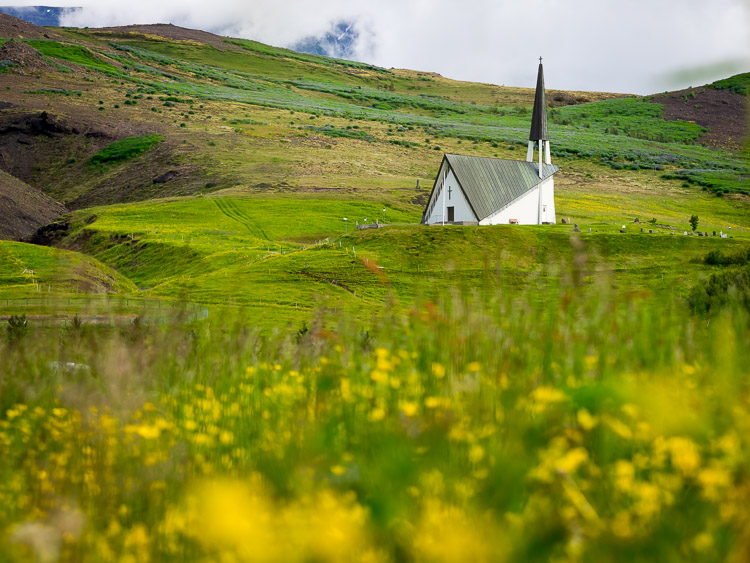
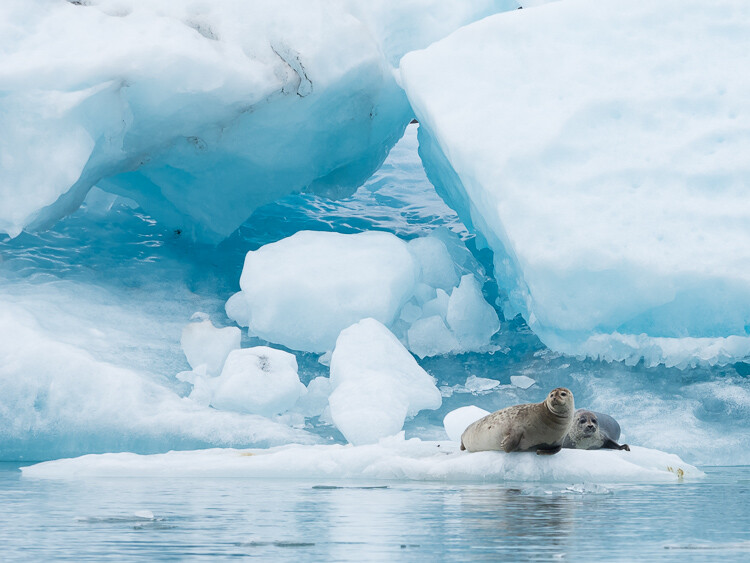
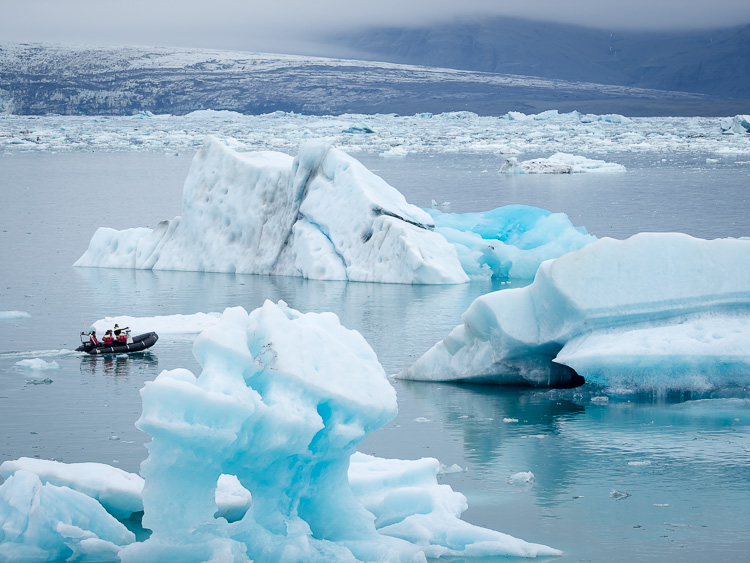
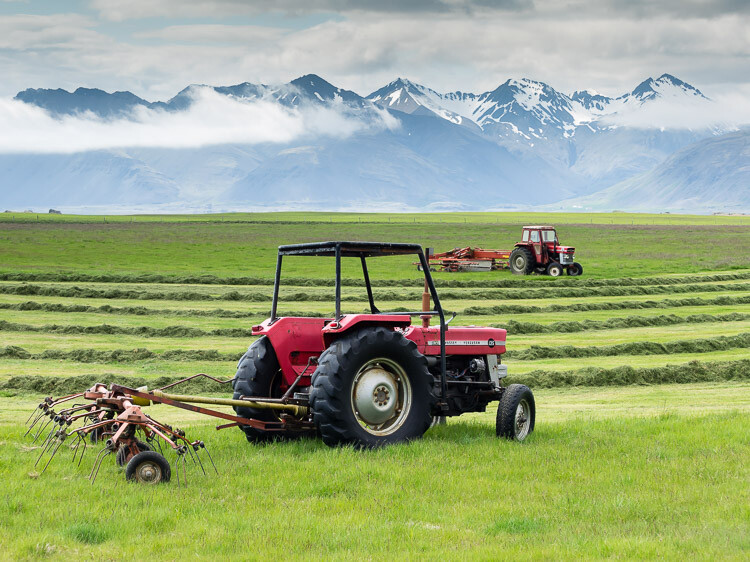
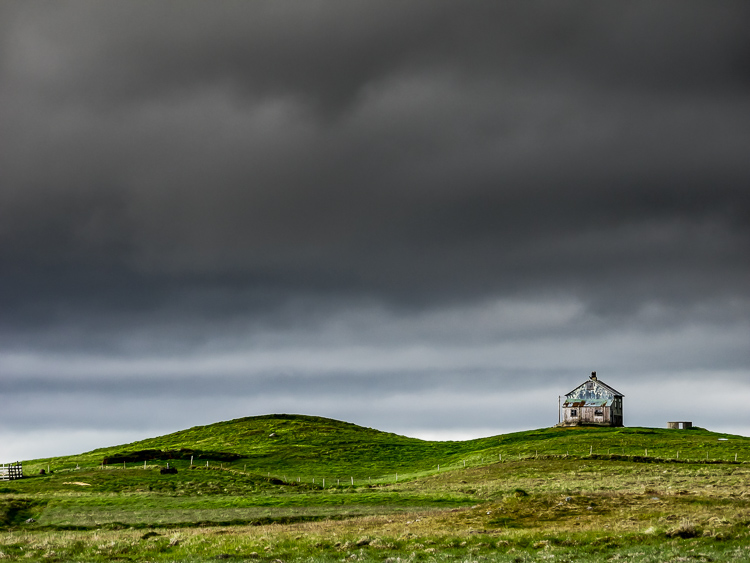
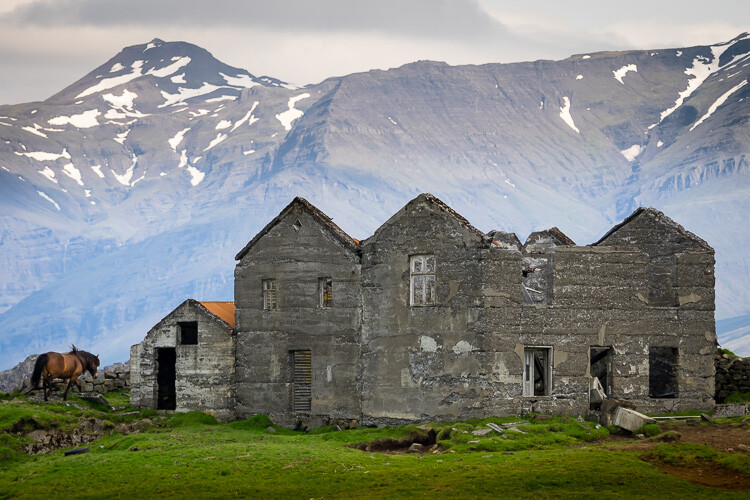
All of these images were captured in Iceland where landscapes often have an abundance of empty space. There were definitely times when the wide angle came in handy, in tight quarters for example, or at the base of a waterfall. For just about everything else, a 40-150mm (Olympus OMD EM1 with the 40-150mm f/2.8, effective 80-300mm) proved more effective. In fact, many of my favorites were shot at the long end of the lens’ range. The next time you head out to photograph scenery, think long, and make a telephoto lens your first option.


Here on dPS it is landscape week. You can see the previous ones listed below. Watch for a new article (or two) on landscape photography daily for the next week.

  • 6 Tips for Better Low-Light Landscape Photography
  • Landscape Photography and the Human Element

googletag.cmd.push(function() {
tablet_slots.push( googletag.defineSlot( “/1005424/_dPSv4_tab-all-article-bottom_(300×250)”, [300, 250], “pb-ad-78623” ).addService( googletag.pubads() ) ); } );

googletag.cmd.push(function() {
mobile_slots.push( googletag.defineSlot( “/1005424/_dPSv4_mob-all-article-bottom_(300×250)”, [300, 250], “pb-ad-78158” ).addService( googletag.pubads() ) ); } );

The post 5 Ways a Telephoto Lens Can Improve Your Landscape Photography by Chris Corradino appeared first on Digital Photography School.


Digital Photography School

 
Comments Off on 5 Ways a Telephoto Lens Can Improve Your Landscape Photography

Posted in Photography


Landscape Photography from the Side of the Road

04 Sep

2-for-1 special

As part of Landscape Photography Week here on dPS, we’re offering TWO for the price of ONE on our best-selling Living & Loving Landscape Photography ebooks!

Click here to take advantage of this offer.


For most people the idea of landscape photography means getting a good backpack that can carry everything, then hiking for miles to a destination. You need to be fit, and prepared for anything that might happen. You might have to camp, and sleep, out in the wilderness. It would be an adventure, and you get to photograph some areas that others never get to see.

I don’t do that. Never have, and I can’t see it happening anytime in the near future. I don’t think there is anything wrong with it, but I would never do that on my own, especially not here in Australia. The hiking part would be okay, but, again, only if I had company. There are just so many other ways of doing landscape photography.

cole-landscape-road-side-photography-0002

The sun trying to break through the trees meant we had to find somewhere to stop and take some photos.

One of those methods is car trunk photography, also known as roadside photography.

It sounds easy right? It’s simply about doing photography that isn’t far from your car.

cole-landscape-road-side-photography-0004

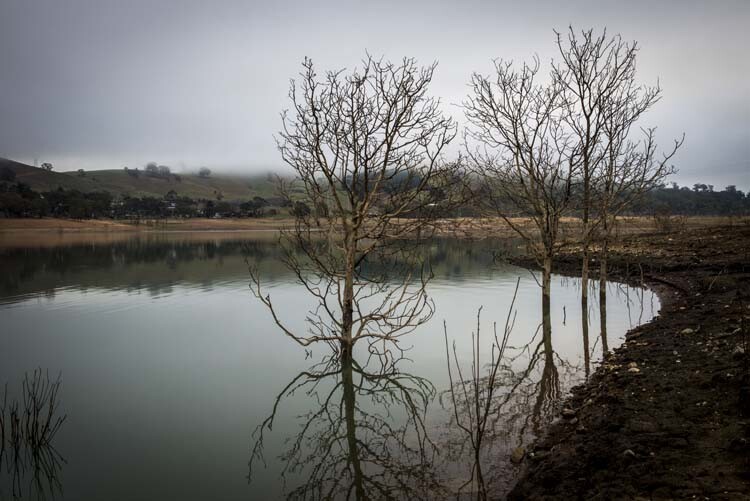
Lake Eildon water level was down and these trees were reflected in the water beautifully, but we had to walk to get to them. We could still see the car in the distance.

One of the most famous photographers of our time was well known for using his car to take photos, Ansel Adams. You likely have seen the photo of him on top of his car with his camera, setting up an image. Boards were put over his roof racks so he could stand up there with his big view camera. My car has roof racks, maybe I should consider doing the same.

Moose Peterson is another photographer that loads up the trunk of his car with his full set of gear, and has a second bag to carry some of it around.  He has full knowledge that the car isn’t too far away if he needs to grab something.

Gear

One of the best advantages of doing this kind of photography is that you can take as much gear as you like with you. You aren’t restricted by how much you can carry, you can take everything you think you might need.

cole-landscape-road-side-photography-0007

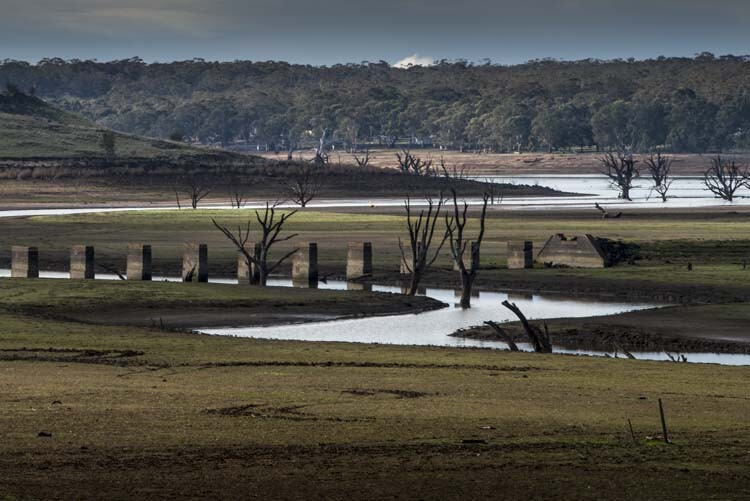
The car was right behind me, I got out my zoom and took this shot of a dam showing an old bridge that had emerged as the dam water level went down.

You may just have a compact camera and not a lot of photography gear, but you may also decide to take your umbrella, coat, scarf, gloves and hat, or other weather appropriate clothing. If it is hot take your sunscreen and sunhat, don’t be silly with the sun.

But if you are doing this type of photography you will likely be using a DSLR or Mirrorless camera, and you might have a lot more to take with you. If you do have a lot of gear, it may be best to use two bags – one as the main bag to hold everything, usually the bigger one, and the second one to carry what you need for any particular place you stop.

Once you get out and look around, you often find you don’t have the right lens, but as the car isn’t that far away you can go and change it easily. This also means you can take tripods, filters, monopods, anything that there might be a possibility of using. You just never know.

cole-landscape-road-side-photography-0001

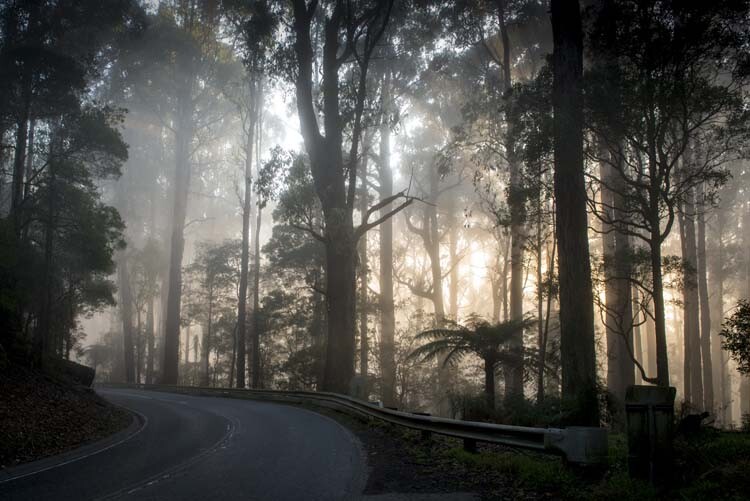
A foggy morning along the road. Just pull over, take some photos and get back in the car before you get too cold.

Safety

It is all very well pulling up on the side of the road to do what you want to do, but you also have to make sure that it is safe as well. When you pull up, get right off the road and as you get out of your car, or back in again, look for cars or trucks that might be driving past so you don’t get hit.

Look at the sides of the road before you pull off. Make sure the road is not wet and you won’t get stuck. Find out if there has been lots of rain. If you are in Australia in summer, be careful about long grass and snakes hiding in it.

When you are moving away from the car, lock it. While someone might not steal the car they might take all the gear you have left inside. You need to take the normal precautions that you would take if leaving your car anywhere else.

cole-landscape-road-side-photography-0006

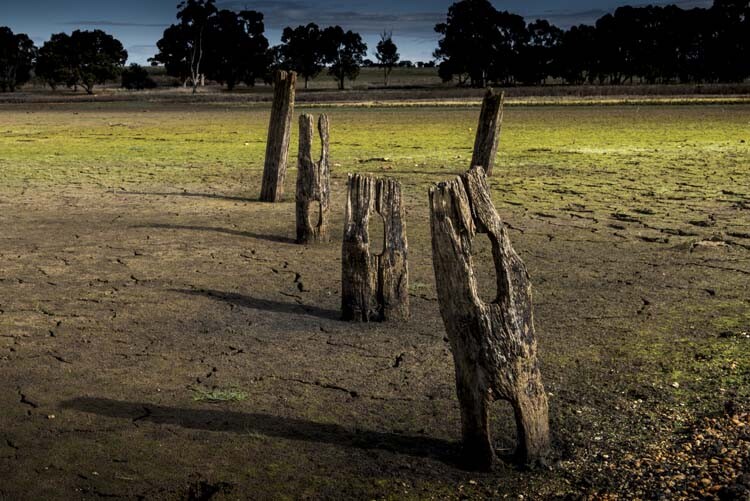
We pulled into the side track, but then had to take a short walk to see these old fence posts in the dried out dam.

Planning Your Trip

It is something you can do on your own, or with others. You can do it on a day trip to somewhere, or go away for a few days exploring countrysides to see what you can find.

The most common way is to pick a day with friends and then decide on a destination. Discuss what are you going to look for and where will you find it. You need to decide if you are going to do any small hikes. Roadside photography doesn’t mean you can’t leave your car on the side of the road while you explore somewhere close.

cole-landscape-road-side-photography-0002

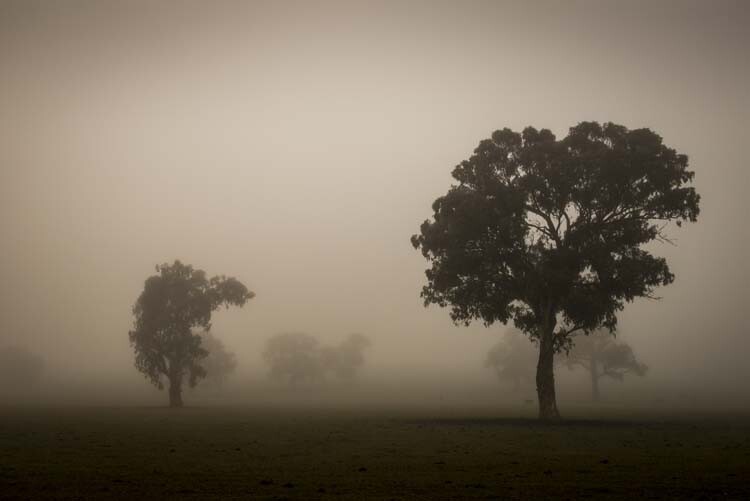
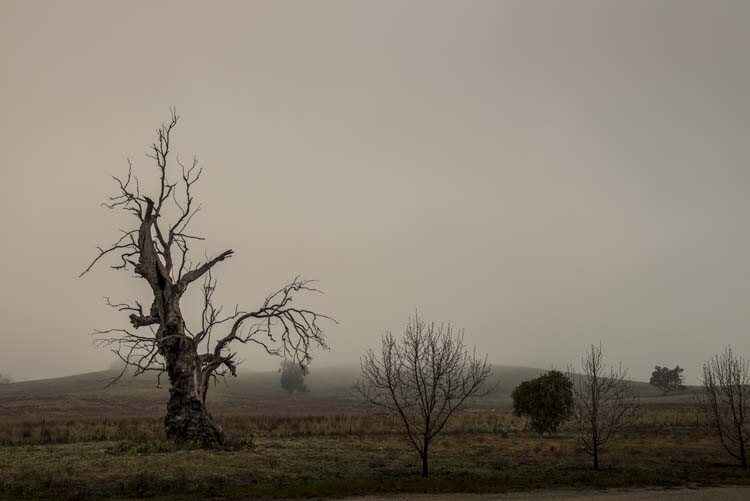
Like a scene from a movie, fog, and a gnarly dead tree. We saw this going to Mansfield and on the way back knew we had to stop.

There has to be a warning, while it is best to take roads that are not the normal route, so no freeways or highways, you can get very distracted. You might find that you want to stop constantly, and if you have a final destination it can mean that when you get there you don’t have enough time or light left to shoot.

It is best to decide one way or the other if you are going to stop on the way. From experience, it is good to decide so you know how much time you will have when you get where you want to go. It can also be fun to drive aimlessly and stop at anything you find interesting along the way. You never know what you might find.

Looking for a Subjects to Photograph

One of the advantages of doing things on the roadside is that you aren’t trespassing, and in most cases, can’t get into trouble for photographing things you see over the fence. As long as you don’t go over the fence you should be fine. Sometimes you might find the person who owns the land and get permission to enter.

cole-landscape-road-side-photography-0005

I see this all the time, but it was the first time I was on the right road to photograph the old flour mill.

There are lots of different things to take photos of, it depends on what you find interesting. There are the beautiful, big landscapes showing the scenery of the area, although one thing that many photographers look for are the old sheds or houses that have been abandoned, and are now falling apart. When you drive on the roads you can often see them, though sometimes you need a big zoom to get good photos.

The coast can be great for this kind of photography too. You nearly always want to explore more than one area. So, with the smaller bag, you can go to one area, then drive to another.

Don’t think that the only way to take landscape photos is to pack the bag and slog through lots of harsh land to get the ideal image. Do it from the luxury of your car, take a friend, and make a day of it.


Here on dPS it is landscape week. You can see the previous ones listed below. Watch for a new article (or two) on landscape photography daily for the next week.

  • 6 Tips for Better Low-Light Landscape Photography
  • Landscape Photography and the Human Element
  • 5 Ways a Telephoto Lens Can Improve Your Landscape Photography

googletag.cmd.push(function() {
tablet_slots.push( googletag.defineSlot( “/1005424/_dPSv4_tab-all-article-bottom_(300×250)”, [300, 250], “pb-ad-78623” ).addService( googletag.pubads() ) ); } );

googletag.cmd.push(function() {
mobile_slots.push( googletag.defineSlot( “/1005424/_dPSv4_mob-all-article-bottom_(300×250)”, [300, 250], “pb-ad-78158” ).addService( googletag.pubads() ) ); } );

The post Landscape Photography from the Side of the Road by Leanne Cole appeared first on Digital Photography School.


Digital Photography School

 
Comments Off on Landscape Photography from the Side of the Road

Posted in Photography


Landscape Photography and the Human Element

03 Sep

2-for-1 special

As part of Landscape Photography Week here on dPS, we’re offering TWO for the price of ONE on our best-selling Living & Loving Landscape Photography ebooks!

Click here to take advantage of this offer.


When I think of landscape photography, my mind conjures up a towering mountain vista with a glowing tarn sprawled out in the foreground, or a tumbling torrent flanked by evergreens.

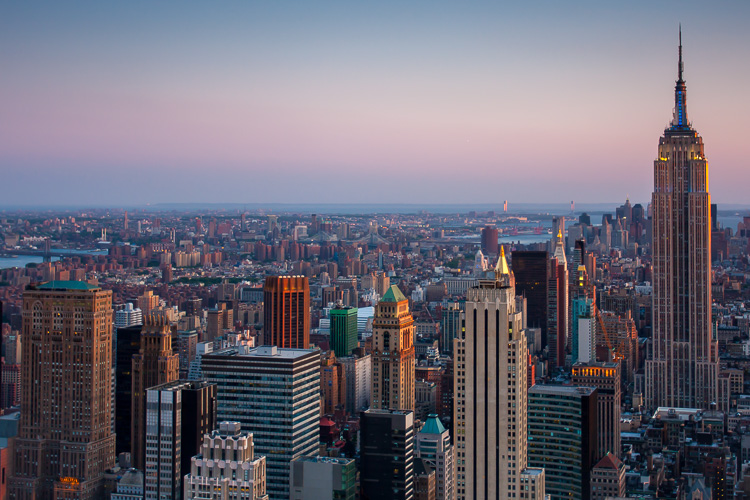
It’s hard to not be drawn in by a great landscape image. After all, most of us yearn for wilderness or a connection to nature, especially in our electronics-dominated lifestyles. Of course the landscape that unfolds in front of us isn’t always the wilderness, on the contrary, sometimes it’s a concrete jungle.

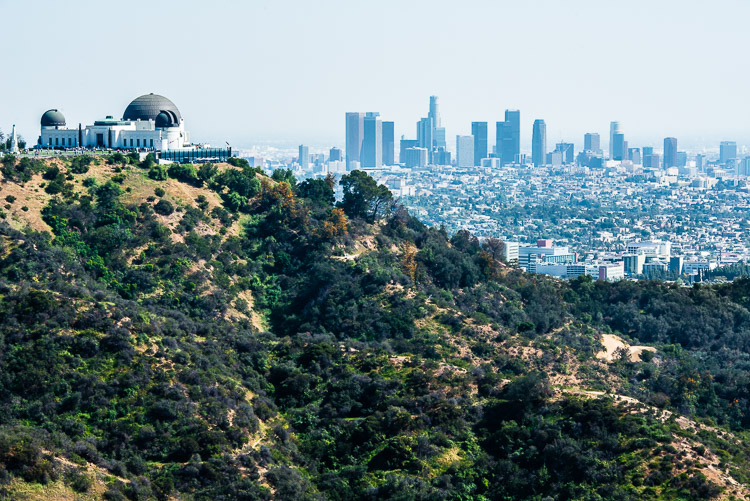
The Los Angeles urban landscape

Urban landscapes focus on the human element as the subject.

What does it mean to have a human element in a landscape image? By definition landscape photography should be purely natural, but as is often the case with art, it is subjective and the lines delineating the rules are blurred.

I find that sometimes adding a human element – whether it is a person or something that hints at the presence of people – can help humanize the image and bridge our connection to the story within. Every photo can tell a story if you open your mind and look into it deep enough. Even pictures of nature tell the tale of an eternity of geologic processes at work or the incredible diversity of life that has blossomed out of seemingly nothing.

One thing about photographing the world, that I’ve learned over the years, is that many images offer more intrigue, or become more powerful by including a person. A landscape image can certainly evoke a host of emotions, but seeing another human being in the photo seems to help nudge us in a certain direction.

A tiny person among a huge landscape can give you perspective and scale, while an expression or form can suggest a feeling of awe, contemplation, or any number of emotions.

People in a landscape photo for sense of scale

They shouldn’t be the main subject of the image, but including people in a landscape photo can help provide a sense of scale.

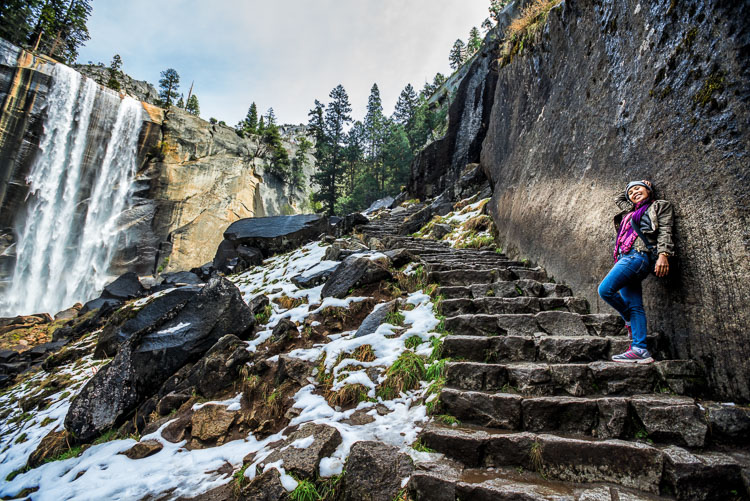
This photo below of Vernal Falls in Yosemite Valley could have easily excluded people as well as the stairs – also a human element. This waterfall is visited by hundreds of people per day and has been photographed from a million angles. After reviewing my photos from this little excursion, I realized that I liked this one the best. I like seeing the steps which were obviously very difficult to construct. I picture workers toiling for weeks or months to build them decades ago. They also reveal the steep incline you must climb to get a good view. The girl’s posture and expression shows her relaxing after the climb and obviously happy with the reward.

Lanscape including a person for balance and mood

Photographic genre lines are often blurred, like this image which lies in the realm between a landscape image and an environmental portrait.

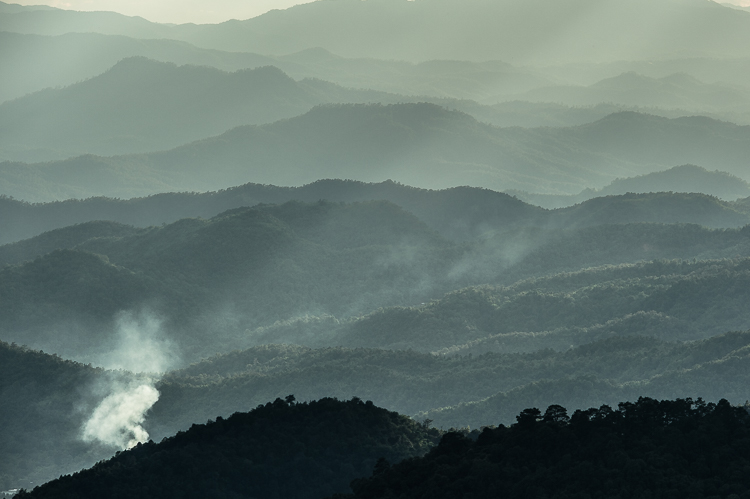
Although this next photo doesn’t show people, it provides evidence that the mountains aren’t just empty wilderness. With just a small plume of smoke sneaking into the frame, you now have more than a dramatic vista of the late day sun trickling over these mountains in northern Thailand. Even though you don’t have all the details, you know there’s a story. Are there people camping in that spot? Is there a village? A wildfire just beginning?

Smoke from a mountain village

Sometimes simply hinting at the presence of people can add intrigue.

The wisps of smoke also give another point of focus. Without it, whatever this photo has to offer is quickly recognizable with just a quick glance – a pretty pic of some rolling hills. In this case the human element adds intrigue and a bit of mystery.

In the summer of 2012 Colorado was hot, dry, and on fire. Several fires torched mountainsides, as well as the houses perched on their slopes. There was a lot of smoke, and even some ash floating around. Later in the day, the low angle sun would illuminate the smoke and make it glow all sorts of colors, which simultaneously looked both beautiful and apocalyptic.

I wandered out with camera in hand and found this lake, which I thought would be a nice elemental balance of water in the foreground with dry, burning hills behind, and that brilliant glowing reflection. It was a private lake with a barbed wire fence around it, which I included in some of the frames I shot.

The human element adding symbolism

The human element can be used to add symbolism.

I found that the barbed wire helped accentuate that apocalyptic feeling while insinuating symbolism at the same time. That symbolism could be interpreted many ways. To me, I have studied some fire ecology and learned of the dangerous conditions we have created by suppressing wildfires for decades, and the barbed wire symbolized that maybe we should keep out of nature’s business.

What do landscape photos mean to you? Do you prefer them devoid of any hint of human presence?


Here on dPS this is landscape week – the first of several articles and tips was posted earlier today. You can see it here: 6 Tips for Better Low-Light Landscape Photography. Watch for a new article (or two) on landscape photography daily for the next week.

googletag.cmd.push(function() {
tablet_slots.push( googletag.defineSlot( “/1005424/_dPSv4_tab-all-article-bottom_(300×250)”, [300, 250], “pb-ad-78623” ).addService( googletag.pubads() ) ); } );

googletag.cmd.push(function() {
mobile_slots.push( googletag.defineSlot( “/1005424/_dPSv4_mob-all-article-bottom_(300×250)”, [300, 250], “pb-ad-78158” ).addService( googletag.pubads() ) ); } );

The post Landscape Photography and the Human Element by Jeremie Schatz appeared first on Digital Photography School.


Digital Photography School

 
Comments Off on Landscape Photography and the Human Element

Posted in Photography


6 Tips for Better Low-Light Landscape Photography

02 Sep

2-for-1 special

As part of Landscape Photography Week here on dPS, we’re offering TWO for the price of ONE on our best-selling Living & Loving Landscape Photography ebooks!

Click here to take advantage of this offer.


A glorious sunset will always attract a crowd of photographers. Yet the moment the sun dips behind the horizon, it seems everyone departs in a hurry. What they don’t realize is how exceptional the scene can become at dusk and into the early evening. The hours following sunset are actually ideal for landscape photos. Of course, working in low light isn’t without its fair share of challenges.

With these six tips though, it’s possible to extend the magic hour and continue creating stunning images long into the night.

1) Compose Thoughtfully

It’s easy to be mesmerized by the bold colors of dusk. Yet, the photographer who works to add more visual interest will ultimately create a better image. About a half hour before the sun sets, I start the search for a foreground element that will anchor my composition. This can be a field of flowers, a boulder, a tree, or even a man-made object. The idea is to add visual interest all the way through the frame. As you explore various options, be sure to try different perspectives including the view from the ground. By having this location worked out in advance, you’ll be ready to capture the peak moment of brilliance.

2) Switch to Live View

When autofocus struggles, Live View becomes an extremely helpful focusing aid. By switching to manual focus and magnifying the scene on the LCD, you have the ability to carefully micro-focus on whatever is important in your scene. At 5x and 10x magnification, you don’t have to solely rely on your eyesight, making focus easy to achieve. Remember, the enlarged view on your LCD is not representative of the actual focal length, or view the camera sees. Upon pressing the shutter, the entire scene will be captured in sharp detail. With this level of precision, I find this feature ideal for low-light photography.

3) No Tripod? No Problem

It’s true, a tripod is a landscape photographer’s best friend, especially in near darkness. Yet, there are definitely occasions where carrying one is just not possible. With a bit of ingenuity, you can still create a sharp photographs. The key is to set your camera to the two second timer. Compose your shot with the camera resting on a rock or bag and press the shutter release. The timer will count down for two seconds. This is enough time to eliminate any camera shake before firing. Using this technique, you can still use very long shutter speeds even without a tripod.

4) Safety First

In extremely low-light, small camera buttons and dials become difficult to see. A small flashlight, or even your smartphone can provide the proper amount of illumination. This also comes in handy for navigating dark trails and rocks. To keep it from getting lost, I prefer the key ring type that can be attached to a camera bag. While this seems like a common sense item, don’t underestimate its usefulness. Hiking back to your car after dusk can be dangerous without artificial light to lead the way.

5) Cool Down the White Balance

During the day, I often enjoy the warmer White Balance presets like Cloudy or Shade. Similar to a painter adding more yellow to their brush, these settings introduce a golden quality of light to a landscape. At dusk however, this can look artificial and overprocessed. To better match the cooler color temperature of low light situations, Auto White Balance is actually quite accurate. While I do work in RAW, I enjoy shooting in a white balance that best represents the scene. This provides a more complete understanding of how the image will look and allows me to make adjustments accordingly.

6) Stay Just a Little Bit Longer

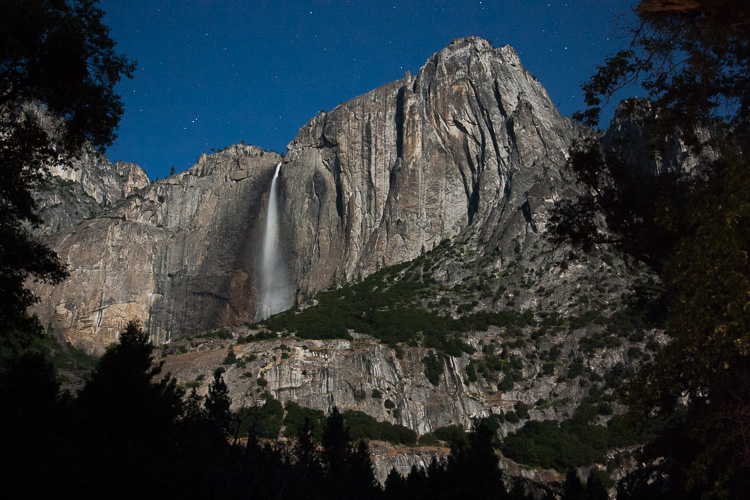
Night photography can offer some spectacular opportunities, especially when the moon is full. You can check this beforehand using apps like the Photographer’s Ephemeris. In these low-light conditions, you will need to take some special steps to get the shot. First, a solid tripod is essential to prevent camera shake. In the mountains, winds can be strong, so opt for a sturdy set of legs. Even with the light of the moon, it was necessary to use a 15″ (fifteen second) exposure. Camera settings: ISO 400, F/4, 15 seconds at 17mm. This same location midday, was a completely different scene with idling buses, flocks of tourists, and harsh contrasty light.

So how can you use these tips in your photography? Do you have any others to add? Please do so in the comments below.

Editor’s note: This is the first of a series of articles we’re featuring here in a deep dive on landscape photography, this week on dPS. Watch for another later today and more daily. 

googletag.cmd.push(function() {
tablet_slots.push( googletag.defineSlot( “/1005424/_dPSv4_tab-all-article-bottom_(300×250)”, [300, 250], “pb-ad-78623” ).addService( googletag.pubads() ) ); } );

googletag.cmd.push(function() {
mobile_slots.push( googletag.defineSlot( “/1005424/_dPSv4_mob-all-article-bottom_(300×250)”, [300, 250], “pb-ad-78158” ).addService( googletag.pubads() ) ); } );

The post 6 Tips for Better Low-Light Landscape Photography by Chris Corradino appeared first on Digital Photography School.


Digital Photography School

 
Comments Off on 6 Tips for Better Low-Light Landscape Photography

Posted in Photography