With just a week until PIX 2015, we’re taking the opportunity to introduce you to some of our talented re:FRAME speakers. As a veteran photojournalist, Jonathan Alcorn has acquired some impressive clients on his resume including Reuters, Bloomberg, Getty Images and the New York Times, among many more. Read more
Tag: Photography
-
7 Ways to Take Advantage of Autumn in Your Portrait Photography
Fall is my favorite. At least it used to be before it was Pumpkin Spice Everything. I’m so tired of Pumpkin Spice Everything, but I’ll never tire of chilly weather, or scarves, or leaf piles. Or even shorter days, mainly because long summer days are just too much pressure for me.
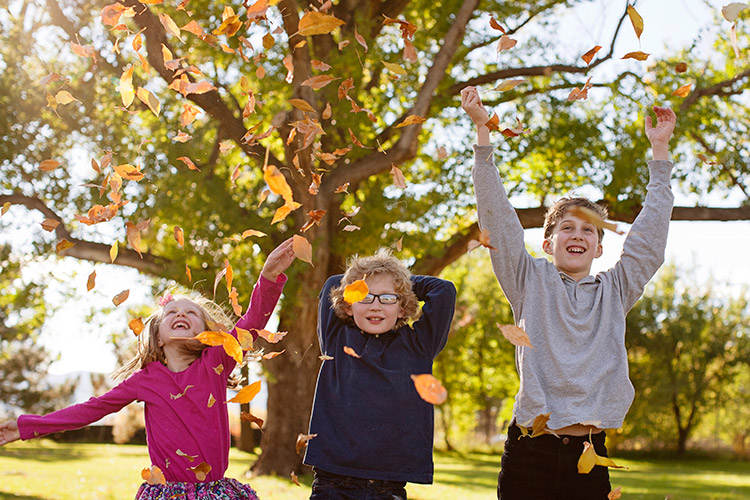
I like everything about fall including, maybe especially, that it’s ripe for portraits. Here are seven ways to help you take advantage of all of autumn’s goodness in your portrait photography.

1) The light is phenomenal
Yes, there is less of it, but it is so golden and delicious. I’m sure there is a very scientific reason for that, which of course I know and understand exactly, but I don’t want to bore you. I like a warmer image, so to get one without having to add a filter is fantastic. I prefer to shoot in the morning and early evening hours but in the fall, the light reflecting off of the warmer tones in the trees make even the deadest of shady patches come alive.
While people don’t normally wear yellows and oranges for picture day, the golden tones found in nature compliment all skin tones. This is why I always tell my clients to dress in colors that are found naturally outside—not only does it keep people from showing up in lime green, but the palette works for whatever background we find that day, and this time of year dressing in earth tones can really make a portrait pop.
2) Clients dress in their finest
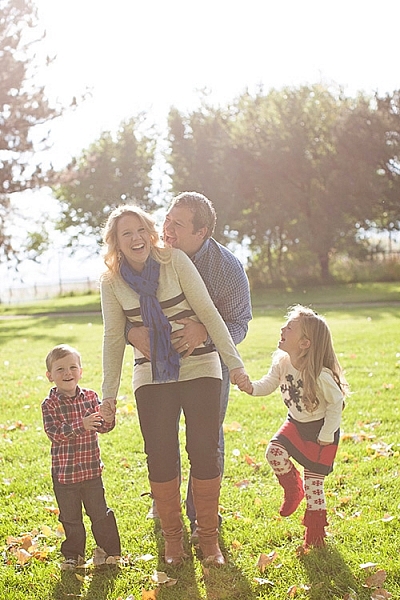
I’m not big on fancy clothes, but even I agree that flip flops take a back seat once we can bust out boots and scarves. Fall is when people tend to take it up a notch, plus it’s layering season. Layering is the best way to achieve portraits that look high-end or even fashion shoot-like. You won’t ever find me in boots, a t-shirt, a jacket, a skirt, tights, a scarf and a hat in real life….but on picture day, I’ll happily dress everyone in five layers and make them stick with it for 20 minutes if it makes my ragamuffin family look like we bathe regularly. I’ve found that my clients feel the same. Which is not to say that my clients are ragamuffins, I’m sure they always look as sharp as they do on picture day.
3) Fall adds a playful feature to portraits
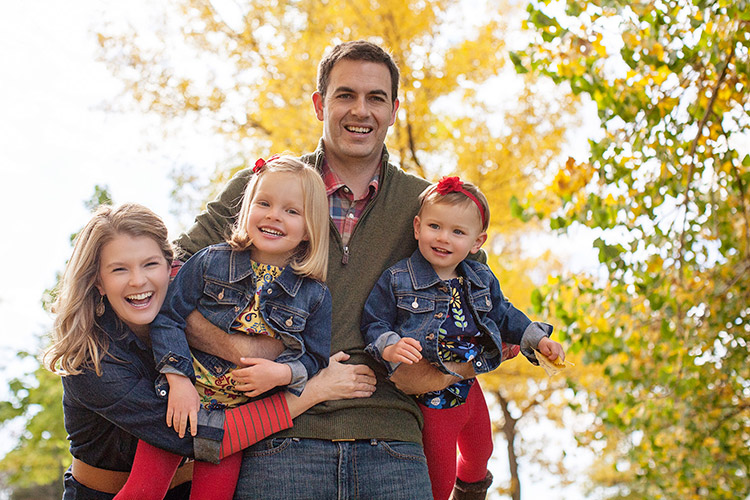
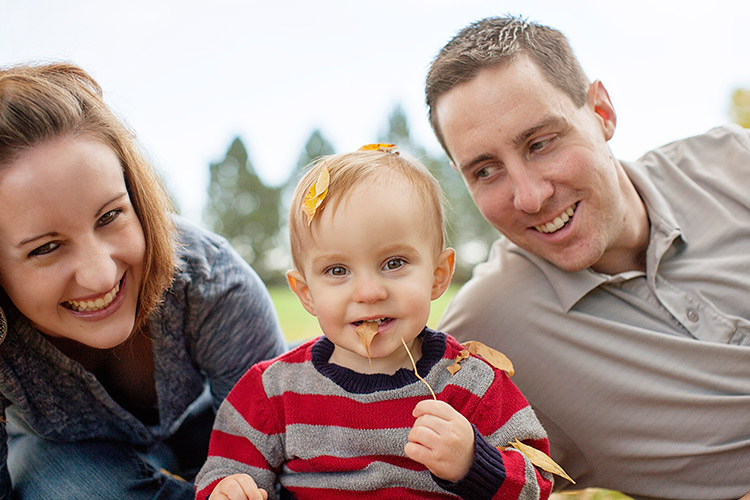
I don’t like traditional posing so fall adds so many more options: throw leaves, lay on leaves, climb in colorful leaves, throw leaves at me! (Try to watch out for sticks please) You get the idea. The colors are almost like an extra family member that matches everyone, and isn’t making things more difficult. Use it to your every advantage. It’s not possible to look like you’re miserable in five layers of fancy-pants clothes when you are having a leaf fight. I know, I’ve done the research.

4) Don’t forget black and white
While the changing fall season offers colors, it also offers texture. Black and white portraits can still feel the magical spell of autumn through texture, tone, and playfulness. Plus, that phenomenal light thing goes for black and white too (see #1). I love black and white portraits, and while I am likely to do more color this time of year, I still proof a few black and whites for all of my clients.

5) Compensate for the warmer tones
Sometimes if I am hitting the light just right, and my subjects are in perfect clothes, and the moon isn’t void of course, I find that images can get too warm. I know that sounds crazy, but it can happen. A custom white balance can help you on the front end, but if you didn’t notice it until after, don’t despair. An auto color run (under Image in Photoshop) or a cooling filter can fix everything. For as much as warm tones are flattering, no one wants to look like a seasonal gourd.
6) Fall weather is perfect for cuddling
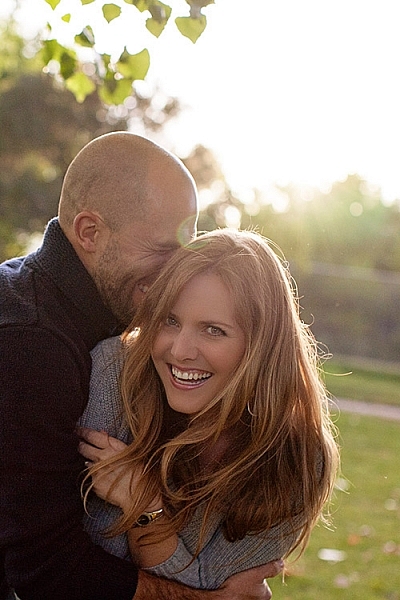
Now I’m not one to cuddle, much to my husband’s dismay; I can’t take people in my personal space for an extended period of time. Last weekend a client that knows how I feel about hugging and all that, giggled at how often I tell people to “snuggle up” when I’m shooting family portraits. I guess I figure that most people enjoy it. Or are at least willing to pretend they do for the sake of the pictures (even I am willing to do that for a good Christmas card), especially if it’s not 100 degrees F (30c) outside. And a snuggle feels like a lot less pressure than cuddling, now doesn’t it?
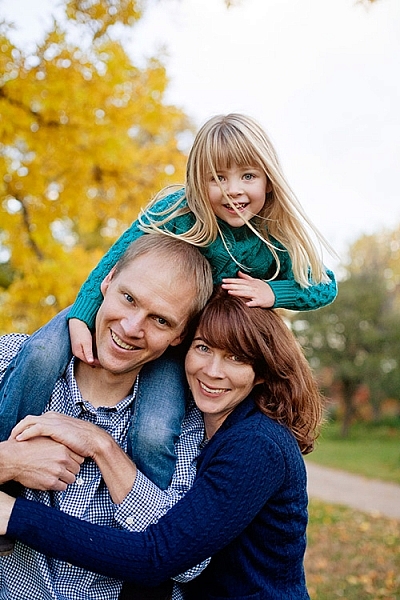
7) The holidays are around the corner
In the US, the changing colors of the trees means that winter is almost here, which puts portrait photographers square into Holiday Card Season. Most of the clients I photograph this time of year are planning on using their images for sending out cards, or even creating holiday gifts.
So this is the only time of year I’m likely to offer a sale or special on portrait sessions, and every time I do, they sell out. That also means that this is the time of year that I can lose my mind in a pile of editing if I am not careful. To try to prevent both a nervous breakdown and spending a month staring at my computer screen, I usually offer mini sessions—10 to 15 minute shoots where I promise five or so pictures that I deliver as high resolution files. This takes any printing or card creating out of the equation, and also limits the amount of images I promised, rather than a full session which for me can be 50 or more. In turn, my clients get a few choices of images for their holiday cards and gifts, including that one great picture that was likely the whole reason they wanted portraits anyway. And I don’t have a nervous breakdown. Probably.
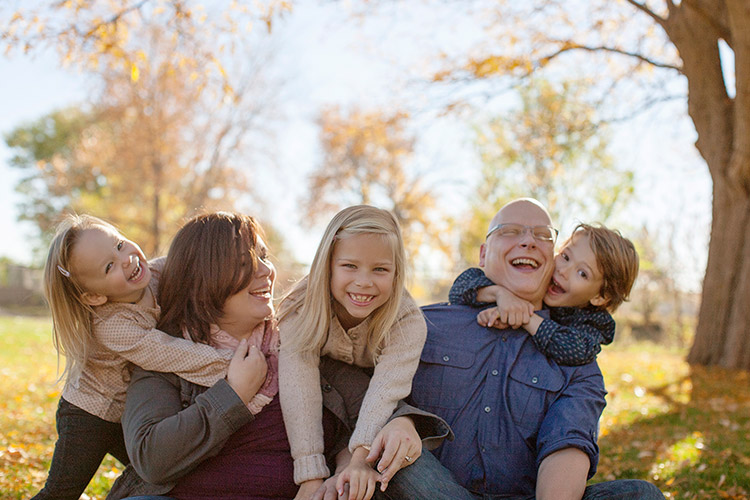
So throw back a pumpkin spice latte and put on a pair of boots and go shoot some portraits, even if you usually don’t. Everything is on your side in the fall – great light, fabulous surroundings, and more clients than any other time of year. That doesn’t happen very often (well, it happens once a year, but still).
googletag.cmd.push(function() {
tablet_slots.push( googletag.defineSlot( “/1005424/_dPSv4_tab-all-article-bottom_(300×250)”, [300, 250], “pb-ad-78623” ).addService( googletag.pubads() ) ); } );googletag.cmd.push(function() {
mobile_slots.push( googletag.defineSlot( “/1005424/_dPSv4_mob-all-article-bottom_(300×250)”, [300, 250], “pb-ad-78158” ).addService( googletag.pubads() ) ); } );The post 7 Ways to Take Advantage of Autumn in Your Portrait Photography by Lynsey Mattingly appeared first on Digital Photography School.
-
13 Effective Interior Photography Tips for Dummies
How often have you seen great properties being completely ruined by awful photography? That’s right – terrible interior and exterior photos are a norm, especially when made by average camera users who know next to nothing about composition, lighting or specifications. But the truth is that taking nice rental property photos is within your reach, even if you’re new to Continue Reading
The post 13 Effective Interior Photography Tips for Dummies appeared first on Photodoto.
-
How to do Landscape Panoramic Photography
Have you ever been somewhere with a great view and taken a picture with your widest lens, but wished you had an even wider one that could capture the whole scene?
That is how panoramic photography was born in the 1840s when the pioneer photographers started using Daguerreotype plates pieced together to form very wide-angle scenes.

This panoramic image showing San Francisco from Rincon Hill was photographed by Martin Behrmanx in 1851. It is believed that the panorama initially had 11 plates, but the original daguerreotypes no longer exists.
An image showing a field of view greater than that of the human eye, about 160° by 75° or an aspect ratio of 2:1, or larger may be considered panoramic.
Even thou there is specialized equipment for panoramic imaging, we still find ourselves using the same simple techniques of merging images together more than 150 years later, but now using digital cameras and photo merging software to achieve similar results.
This is a simple and beginner’s approach on how to create a panoramic image like this one:
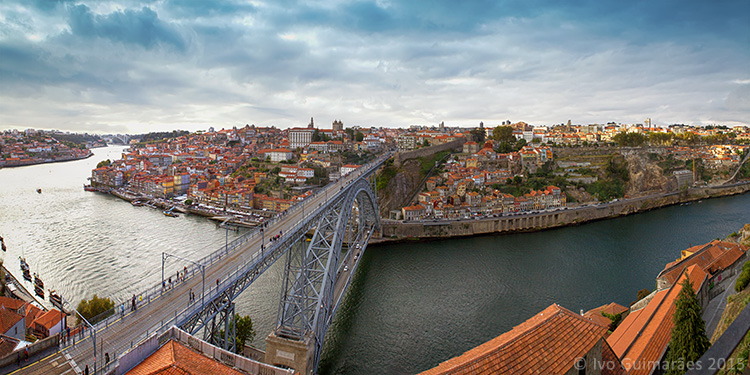
This amazing view of The Dom Luís I Bridge in my hometown Oporto, Portugal, was created by merging four vertical images into a high-resolution panorama.
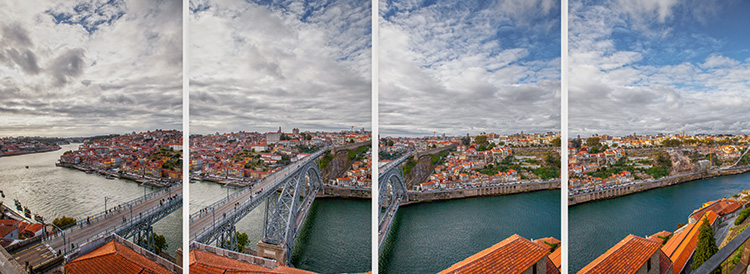
Shooting your panorama
To make sure you get good results in you panorama merging, it’s important to use Manual settings in you camera and try to have similar exposure, focus and white balance in all your images.
In this particular case, the images were photographed with a 20mm lens in a full frame camera body at f/16, 1/125th and ISO100. The focus was set to infinity and the white balance was set at 5500K.
It’s also really important to have at least 30% overlapping between images so that the software can have enough pixels to merge and make the blending seamless.
The more rigorous you are during the image exposure step, the more likely you are to have better results in your final image. The use of a tripod and a bubble level are recommended tools, but on a day with good light you might get away with handheld camera images, as long as you try to follow the horizon line or some reference points for the image overlapping.
The number of images you need depends on the field of view you want to cover, but always try to photograph more area than you need so you can crop after the merging process. Portrait or vertical images are usually a better option because they give a better height and therefore higher resolution to the final image.
Stitching your panorama
As for the stitching process, here are the basic beginner steps in Adobe Photoshop, but keep in mind that there is a lot of software options for this kind of editing that can be taken further with vertical, 360º or multi-row stitching which are a lot more complicated.
- Open Photoshop
- File > Automate > Photomerge
- Browse and select the images for the panorama
- Click the “Auto” option in the Layout area
- Click the “Blend Images Together” option
- Click OK to start the stitching process
You will end up with a final stitched image like this:
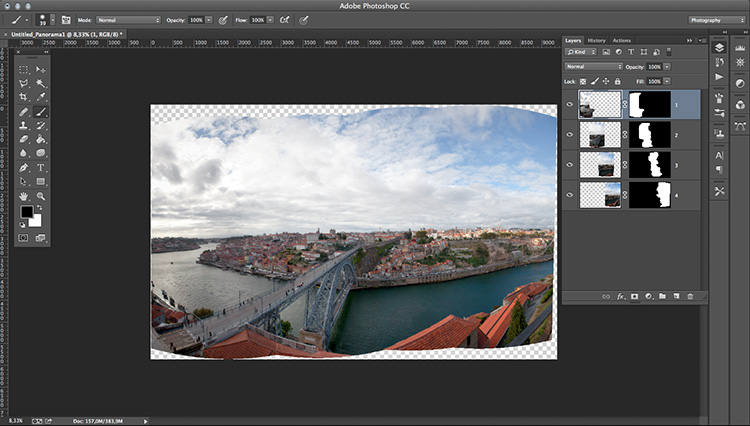
The layer masks are really helpful if you have moving objects, or difficult areas in your image that look weird after stitching and can be edited to enhance the blending.
Now you can flatten the image and just choose the best crop area for your panorama.
So, just add this technique to your bag of tricks and give it a try next time you spot a panoramic view.
googletag.cmd.push(function() {
tablet_slots.push( googletag.defineSlot( “/1005424/_dPSv4_tab-all-article-bottom_(300×250)”, [300, 250], “pb-ad-78623” ).addService( googletag.pubads() ) ); } );googletag.cmd.push(function() {
mobile_slots.push( googletag.defineSlot( “/1005424/_dPSv4_mob-all-article-bottom_(300×250)”, [300, 250], “pb-ad-78158” ).addService( googletag.pubads() ) ); } );The post How to do Landscape Panoramic Photography by Ivo Guimaraes appeared first on Digital Photography School.
-
Weekly Photography Challenge – Red
Color is a great tool in the art of composition. Using strong colors like red can make for powerful images, when done well.

By don2g

By Sebastian Rieger
Weekly photography challenge – red
This week is your chance to find something red and create a composition around it.

By Peter Kaminski

By Gonzalo Iza

By HannaPritchett
Share your images below:
Simply upload your shot into the comment field (look for the little camera icon in the Disqus comments section) and they’ll get embedded for us all to see or if you’d prefer upload them to your favourite photo sharing site and leave the link to them. Show me your best images in this week’s challenge. Sometimes it takes a while for an image to appear so be patient and try not to post the same image twice.
googletag.cmd.push(function() {
tablet_slots.push( googletag.defineSlot( “/1005424/_dPSv4_tab-all-article-bottom_(300×250)”, [300, 250], “pb-ad-78623” ).addService( googletag.pubads() ) ); } );googletag.cmd.push(function() {
mobile_slots.push( googletag.defineSlot( “/1005424/_dPSv4_mob-all-article-bottom_(300×250)”, [300, 250], “pb-ad-78158” ).addService( googletag.pubads() ) ); } );The post Weekly Photography Challenge – Red by Darlene Hildebrandt appeared first on Digital Photography School.
-
How to take more Photography Gear through Airports
Have you ever wondered how you can get more gear onto a plane without paying an excess baggage fee?
We found this interesting video from photographer Peter Leong, a wedding photographer in Japan who travels regularly for overseas weddings, describing how he carries camera gear on board.Have you worn a photography vest before? What has your experience been when traveling with photography gear and taking it through airport security?
googletag.cmd.push(function() {
tablet_slots.push( googletag.defineSlot( “/1005424/_dPSv4_tab-all-article-bottom_(300×250)”, [300, 250], “pb-ad-78623” ).addService( googletag.pubads() ) ); } );googletag.cmd.push(function() {
mobile_slots.push( googletag.defineSlot( “/1005424/_dPSv4_mob-all-article-bottom_(300×250)”, [300, 250], “pb-ad-78158” ).addService( googletag.pubads() ) ); } );The post How to take more Photography Gear through Airports by Darlene Hildebrandt appeared first on Digital Photography School.
-
Portrait Photography Tips: Tapping The Tween Market
Who’s fun, adorable, up for anything, happy, laughing, totally decisive, and the most undershot market on the planet? They’re the new Seniors… they’re Tweens! This summer I had the privilege of working with the 9-13 set quite a bit, and I absolutely loved it. As a group, tweens will try just about anything once, and it’s so much fun for Continue Reading
The post Portrait Photography Tips: Tapping The Tween Market appeared first on Photodoto.
-
Weekly Photography Challenge – Hands
Hands can be just as expressive as the face sometimes, as these images show.
Weekly Photography Challenge – Hands

By Elisabetta Orlacchio
This week it’s your turn to photograph hands. Human or otherwise – it’s your choice. Find some expressive ones and use good lighting, and compositional techniques to create some great images.

By Bill Gracey

By lucio zandonati

By Johnson d

By Jessie Jacobson

By Giovanni

By romanlily

By Sharada Prasad CS
Share your images below:
Simply upload your shot into the comment field (look for the little camera icon in the Disqus comments section) and they’ll get embedded for us all to see or if you’d prefer upload them to your favourite photo sharing site and leave the link to them. Show me your best images in this week’s challenge. Sometimes it takes a while for an image to appear so be patient and try not to post the same image twice.
googletag.cmd.push(function() {
tablet_slots.push( googletag.defineSlot( “/1005424/_dPSv4_tab-all-article-bottom_(300×250)”, [300, 250], “pb-ad-78623” ).addService( googletag.pubads() ) ); } );googletag.cmd.push(function() {
mobile_slots.push( googletag.defineSlot( “/1005424/_dPSv4_mob-all-article-bottom_(300×250)”, [300, 250], “pb-ad-78158” ).addService( googletag.pubads() ) ); } );The post Weekly Photography Challenge – Hands by Darlene Hildebrandt appeared first on Digital Photography School.
-
Finding Balance Between Photography and Friends When Travelling
If there is one common thing that gets photographers fired up and excited, it’s the prospect of travel. Just like most other artists, you need your creative fire stoked and it’s hard to beat a walkabout to some exotic foreign land (or even a Cow Safari).
The new surroundings, different cultures, or new experiences are the perfect excuse to charge your batteries, clean your lenses and format those memory cards (you do format your cards before you use them, right?).

Exotic lands just might be the ideal catalyst to get the creative juices flowing.
If you’re wandering out into the world solo, you have full photographic freedom to choose where you go and how much time you spend there. However, you may often find yourself with accompaniment on these excursions in the form of friends, your significant other, or family. The more obsessive of a shutterbug you become, the more challenges you are going to face, in order to strike a balance between being selfish for your own passions, and trying to appease everyone.
I can’t tell you how many times I’ve wandered off into the photographic zone, and inadvertently ignored my traveling companion. Once I realize, I glance around thinking they probably abandoned me, only to see them half asleep on a bench or standing hands on hips, not looking happy.
If your travel partner (s) are as psyched about photography as you are, read no further, you have it made. Unfortunately this isn’t usually the case so we need to muster up some diplomacy to keep things running smooth.
The trade-off
While traveling, whether with a significant other or friends, one method that will help you reach that middle ground is to make a conscious effort to take photos of them along the trip, in exchange for you being able to wander around a little more, or spend some extra time shooting. Of course this doesn’t necessarily have to be a spoken exchange, but often it will just work out this way.
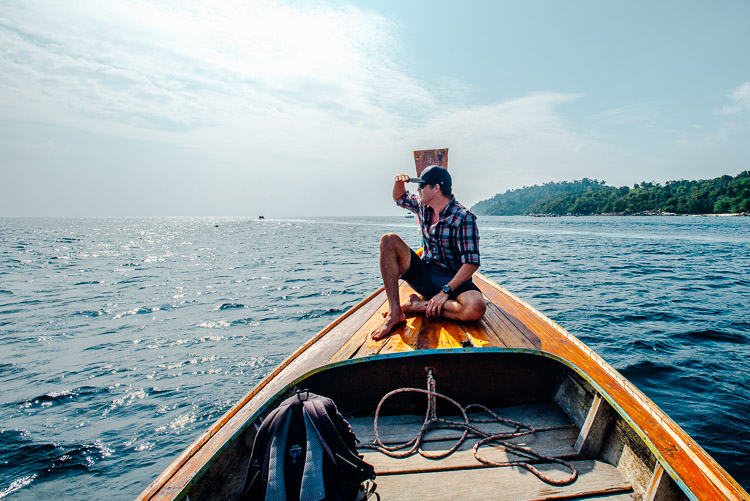
Capturing some fun shots of your traveling companions goes a long way towards striking the balance between photography and sharing the experience.
To make this work well, you need to actually put some time, effort, and thought into the shots. You can’t just snap a quick shot of them by the doors of an old church, then spend an hour on various compositions of the doors themselves. Get a remote flash and use it off-camera to get some nice lighting and flattering portraits. Have them pose in interesting positions and underexpose some shots to create cool silhouettes.
The concept is to not only get some memorable shots of them in the exciting places you’re traveling to, but to engage them in your process, and make them feel like they’re not traveling alone.
Careful planning
Although a big part of traveling is embracing surprises and the discovery of new things, a little diligence in planning can help you get the shots you want without sacrificing your relationships.
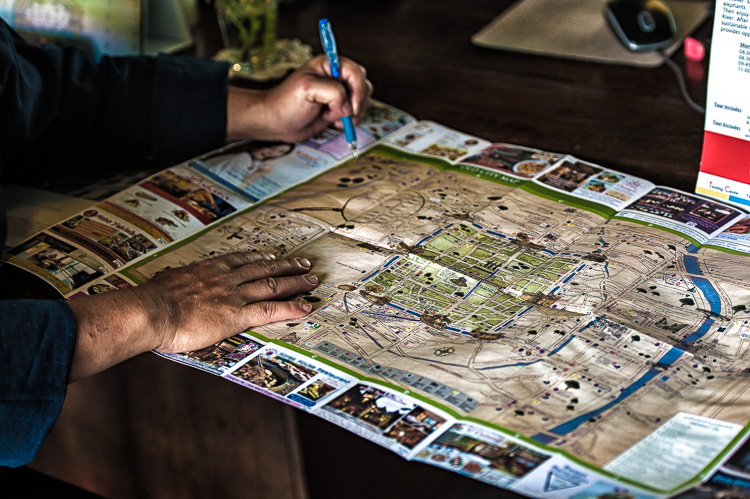
A little forethought and planning can help make adventures run smoother.
If you think ahead about the places you want to photograph and when the light will be best, you can work up an itinerary that can flow more smoothly without waiting around for the light. Want a sunset shot on the coast or golden hour light for that cityscape panorama? Think about planning for dinner on the water, and showing up a little early or find a rooftop bar for a drink.
There are apps that can help you with this planning such as Stuck On Earth or even Google Earth.
Breathing room
While traveling or going on vacation with others can be a blast, there’s nothing wrong with splitting up sometimes. Especially on long trips, it can be a strain on relationships to spend every waking moment together, and a couple hours of solo-exploring can be a nice respite.
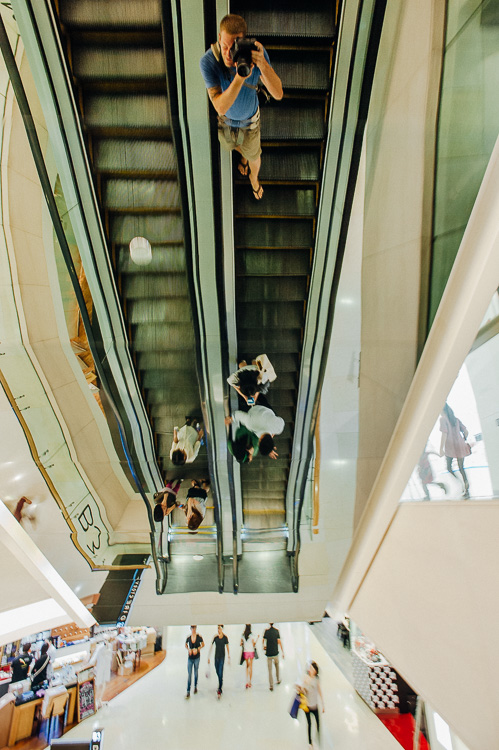
A few hours of splitting up to pursue varying interests can work wonders.
Again, if you can figure out how to plan this ahead of time, all the better. Maybe there is some cool architecture near a shopping mall or an outdoor market that can provide activities for all involved.
Go with the flow
Then there is, of course, the path of least resistance. If you are willing to sacrifice the time-consuming or contrived shots, you can always wing it and see what happens. This is also the default position you might find yourself in anyways – after all, plans are made to be broken.
This approach can also be a good exercise in picking up your pace, and developing a keener eye. Maybe this entails ditching the tripod at the hotel, and venturing out with only one lens (tragic, I know). Be resourceful instead; find a firm surface and use the self-timer for dark shots, and use a zoom lens or challenge yourself to rely on a fixed focal length lens for your compositions.
Life is all about compromises. It’s important to keep in mind that not everyone shares the same passions, and you should do your best to try and see the situation through your travel partners’ eyes.
“Learn the wisdom of compromise, for it is better to bend a little than to break.”
googletag.cmd.push(function() {
tablet_slots.push( googletag.defineSlot( “/1005424/_dPSv4_tab-all-article-bottom_(300×250)”, [300, 250], “pb-ad-78623” ).addService( googletag.pubads() ) ); } );googletag.cmd.push(function() {
mobile_slots.push( googletag.defineSlot( “/1005424/_dPSv4_mob-all-article-bottom_(300×250)”, [300, 250], “pb-ad-78158” ).addService( googletag.pubads() ) ); } );The post Finding Balance Between Photography and Friends When Travelling by Jeremie Schatz appeared first on Digital Photography School.
-
How to Prevent and Solve a Photography Gear Disaster?
What could possibly go wrong?
Let me be your fall guy here. I’ve been shooting for 25 years, and I’m completely human. I’m also not the most careful person.
I’ve left a SLR in a drybag that unfortunately collected water, then sat soaking for a week. I’ve had a camera slide off the top of a car (like a coffee cup – but much, much worse) then go bouncing across three lanes of traffic. Miraculously, the camera and its lens survived! I’ve opened my car door and had my DSLR fall only 1.5 feet and break off the lens at the mount. My main 28-300mm L lens has gone into the shop twice as the fabric in the locking collar has worn out. I left a lens behind during a hike, and it was gone when I went back for it. I’ve had camera errors while shooting a wedding, and my main desktop computer has been stolen.
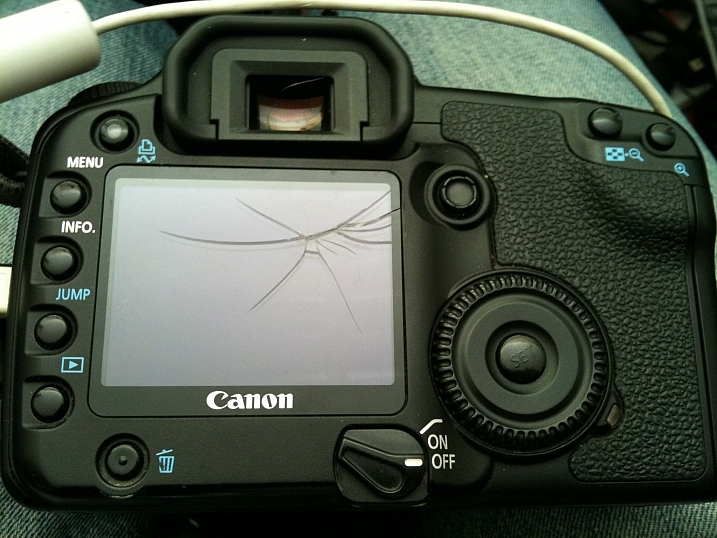
By marcus_jb1973
Bad things happen sometimes. Sometimes it’s your fault, sometimes it’s not.
In this article I want to help you prepare for the the worst case scenarios for camera and lens care. I want to get you thinking about disasters before they happen and also give some advice on what to do when things go awry. Then at the end I’d love to hear your own tales, especially if they are helpful to other photographers.
We will cover cameras and lens mishaps, such as:
- Theft
- Lost or missing gear
- Dropped
- Moisture incursion
- Corrupted/error message
What to do before things go wrong
There are steps you can take just in case things go wrong.
Insure it

By Pictures of Money
Whether it’s for business or pleasure, if your camera gear is valuable to you, consider insuring it. For professional photographers this should be a no-brainer, but often those in the freelance realm aren’t bringing in huge paychecks, so they skimp by and avoid insurance. Don’t!
For non-professionals, check with your renter’s or homeowner’s insurance to see if your gear is covered. You might find there is a limit for electronics, but you can always pony up a few extra dollars to ensure all your gear is insured. Also check your auto policy to see if gear left inside a car is covered (while remembering to always lock your gear in your trunk!), it often is not.
Register it

By GotCredit
This is another part of the process many skip. Registering your gear with the manufacturer helps them update you if something should be found wrong with your equipment. We hear about food recalls on the nightly news because they have huge impacts. But did you hear about the Canon Powershot eyecup recall (14,000 units) in 2014 or the Nikon 1 NIKKOR VR 10-30mm recall in 2015?
These kind of recalls don’t make big news and often don’t even make the photo blogs.
Claim it
LensTag is a free service you should consider using to track your gear. The online service allows you to enter camera gear to their database, verify it with a photo of the serial number and search for stolen gear before you buy. We have an article here on dPS that explains the service in more detail Lenstag: a World Without Camera Theft.
In the UK there is a service called Immobilise.com which works in a similar fashion; log your items on the site before they are stolen, alert the service when something goes missing, cross your fingers. This service seems more robust and is checked by police in the UK. You can register more than cameras here as well.
Tag it
Tagging your equipment with contact information is helpful for having your goods returned when they go missing accidentally. I accidentally left a camera on a log on a trail many decades ago and the next day someone had turned it in to the park ranger’s office. Good people do exist! Give them a hand.
Avery, the label company, has a number of options for inkjet and laser printer. For instance, their 6570 label is meant to stay on permanently and can be cut to a useful size. This is a good option, though not perfect, for inkjet printers while the 6576 labels work better on a laserjet printer. You might want to write your information in permanent marker, but know that it will fade and need replacing.
Write it down

By Ana C.
This tip is the most common sense, but I feel it needs repeating. Grab a piece of paper and an old fashioned pencil and simply write down the serial numbers for your gear. Then store it in a safe place. Saving this info online is also handy, via services like Dropbox or Evernote, or email it to yourself, so it can be retrieved from any computer if you are away from home.
What to do after things go wrong
Theft
When I realized my Mac had been stolen during a break-in to my house, my stomach churned to the point of almost throwing up. Luckily, my camera was with me at the time. If it was stolen, I was prepared in a way I wasn’t for my computer. I have my camera serial numbers written down and in electronic form that I can retrieve from anywhere online (while noting it’s pretty easy for astute thieves to scrap off serial numbers).
The first step after a theft is to report it. Whether it is a break-in at home or a snatch and run in a foreign city, any insurance company will typically desire a police report with higher value items.
If you are keen on recovering your gear, don’t trust to the police alone to find it; start looking! In the US places liked Craigslist or eBay are popular choices for thieves looking to offload gear. Pawn shops are another option, but searching them all, depending on where you live, can be time consuming.
You might also want to try services like StolenCameraFinder.com or CameraTrace.com. I have not used either service so I can not vouch for them, but they both have the ability to search for your camera’s serial number (see section about writing down this info). CameraTrace also sells those permanent stickers I talked about earlier to make a reunion with your gear easier.
Missing
Sometime we are our own worst enemy and we misplace things, expensive things. If you never do, then you can skip this section.
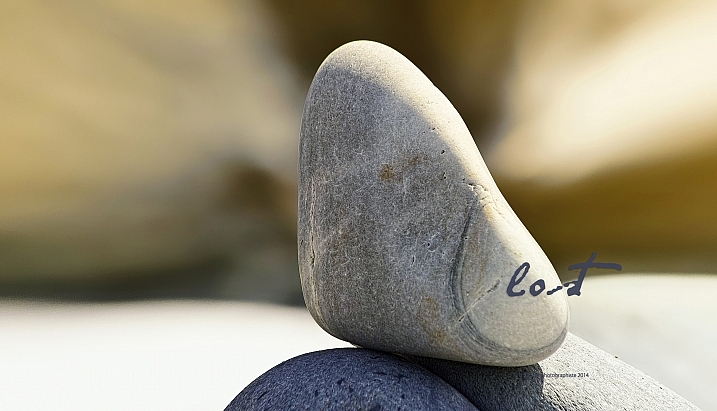
By patrice-photographiste
For everyone else, the obvious thing to do is to retrace your steps. Believe that there are good Samaritans out there (there are!) who want to get you back together with your camera or lens.
If you visited shops, ask the employees if they have seen a camera. The best way for you to get back together with your gear is to let others know you are looking. Leave a card with your contact information everywhere you might have left your gear.
You can also try other online services like CameraFound.com, which will warm your heart when you see how many people are actually trying to help others retrieve their camera or phone equipment. It lists over 1000 found cameras even in far flung locations like Oman and Kazakhstan.
Breaks
Watching my camera fall out the passenger door, in slow motion, had me cringing before it hit the cement floor of my garage. I had reached over to open the door for someone and didn’t see the camera precariously wedged between the seat and the door.
This was a Canon L series lens and I thought I was out $ 1200 to buy a replacement. With a break this bad (the lens snapped off the mounting ring that holds it to the camera body) and no experience with repair shops, I thought I was out of luck.
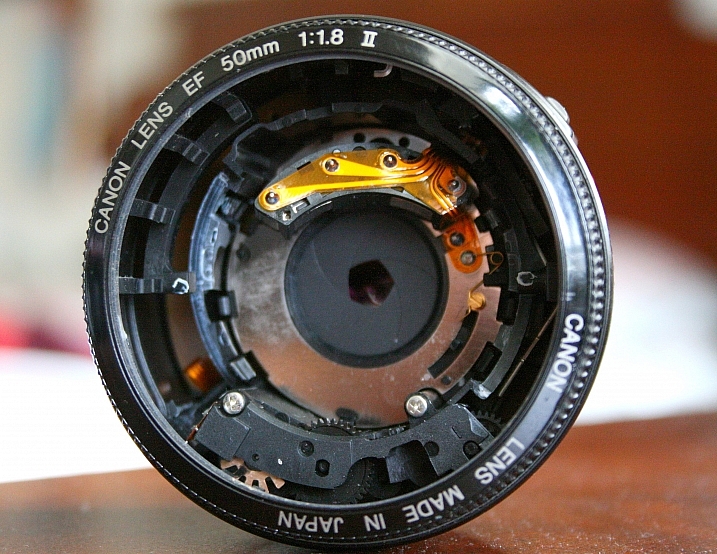
By Richard Masoner / Cyclelicious
Many major manufacturers provide free estimates for repairs but you will be on the hook for shipping costs. Ask around at local camera clubs as well to see if there is a trusted local repair shop in your area. They can often save you some money, but make sure they are authorized by your manufacturer. My point is to not despair; get a quote first.
I was happy that the repair for my lens was only $ 200. Spending $ 200 still sucked, but it meant I was back in business, and didn’t need to drop $ 1200 on a new lens because of my own stupidity.
You might want to ask around to see if there is a reputable local repair shop other owners use. I know in Seattle there is such a store, and they can tell you the moment you walk in if your camera is salvageable or a goner. They can often be cheaper than a repair from your manufacturer.
Also, things like cracked LCD covers can be replaced for relatively little money. If the LCD itself is broken, giving you weird colors and streaks, then it’s time to get it repaired. Adventurous photographers have replaced their own LCDs with success, but if you have any doubt, pay a pro to do it.
Moisture incursion
It’s no joke that moisture and electronics make horrible friends. The electronics always get the worst of it, but there are some things you can do to possibly limit or stop damage.
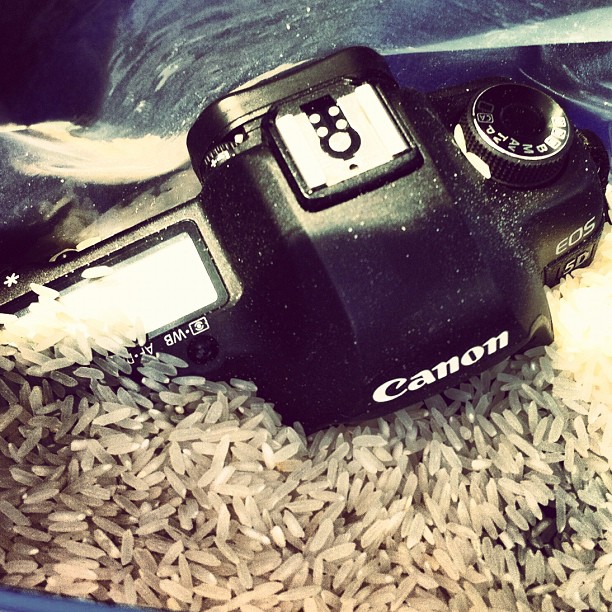
First, shut everything off! Take out the batteries too. Damage to electronics from water happens when the water acts as a connector between two items inside your camera, which normally won’t share power. The power from one circuit uses the water as an excellent conduit to move wherever the water touches. This is the classic short circuit that we think of that smells of melting wires and plastic. In worst cases, things can catch fire.
Limit those chances by shutting everything down, and taking out the batteries, until you are 100% sure the inside of your components are bone dry. This can takes days or sometimes weeks.
By Kevin Baird
To dry out equipment on your own, go for a slow fix. Using a hair dryer may work for something like a memory card, but not for a whole DSLR. A time tested method is to use something that naturally absorbs water, like rice or the desiccant packs that come with new shoes. You want to make the new host hungry for the water inside the camera instead of just from the atmosphere itself, so put your camera, and soaked parts, together with the rice or absorbent items inside a ziplock bag large enough to hold them all.
Lenses can be tricky as water might leave a film behind on elements inside as they dry. If after a thorough drying, the quality seems affected, it’s time for the lens to get a professional cleaning.
My personal advice with salt water is to not mess around with home fixes and get the camera in to a reputable repair shop or manufacturer as soon as possible. When salt water dries it leaves behind the salt, and that can corrode your camera’s innards a year from now without you realizing it.
Corruption or error messages
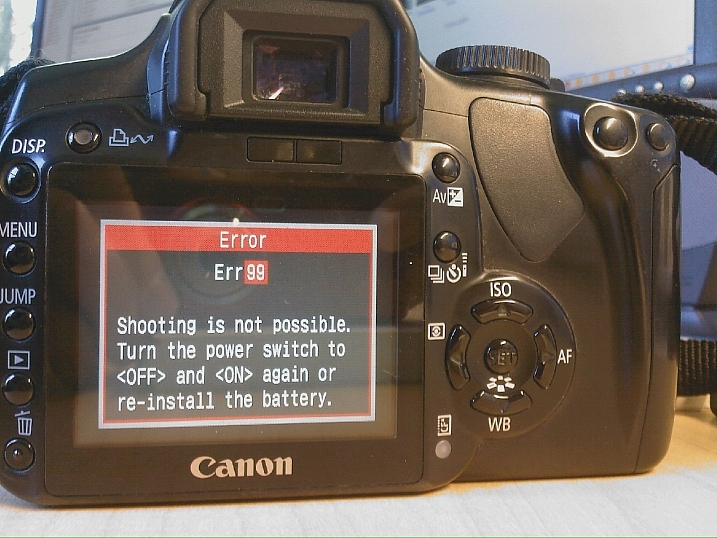
“Err 99” pops up on your camera. What do you do? Freaking out seems like a good option. But better than that these days, is simply googling the error.
By Kate Sumbler
I can’t cover all the errors for all cameras, but I have run into these situations about four times in my 14 years of owning digital cameras. They are nerve-wracking to say the least.
The first steps are always, 1) Breathe slowly. 2) Power off the camera if it appears any image writing activity is done. 3) Remove the battery (ies) and wait a minute before putting them back in.
Some errors dictate sending your camera in to the manufacturer. Some are cleared by the steps above when your camera simply stumbles over its own circuitry. Google is your friend and will list many remedies. Read forum threads to get a feel if certain suggestions cured other people’s similar issues.
Conclusion
I hope the tips here have helped you start thinking about disasters before they happen in order to lessen their impact. And if things do go south in a hurry, take action as soon as you can to get your gear back in working shape.
Most importantly, I’ve seen a lot of camera and lens gear mishaps, but I haven’t seen them all. I’d like to hear about problems you have had, and what you did to fix them if you think the information might help other readers.
googletag.cmd.push(function() {
tablet_slots.push( googletag.defineSlot( “/1005424/_dPSv4_tab-all-article-bottom_(300×250)”, [300, 250], “pb-ad-78623” ).addService( googletag.pubads() ) ); } );googletag.cmd.push(function() {
mobile_slots.push( googletag.defineSlot( “/1005424/_dPSv4_mob-all-article-bottom_(300×250)”, [300, 250], “pb-ad-78158” ).addService( googletag.pubads() ) ); } );The post How to Prevent and Solve a Photography Gear Disaster? by Peter West Carey appeared first on Digital Photography School.