RSS
 

Posts Tagged ‘Photography’

Tips to Help Newbies Find Success in the Photography Business

04 Aug

Many dream about becoming a professional photographer, but unfortunately it can be difficult to last longer than two years in business, if you don’t have the right plan. People fail every day. They question themselves, wonder if their work isn’t as good as they thought it was, then pass along the common belief that it’s impossible to make a living in photography.

Corporate Portrait

Corporate portraiture. Every business needs photography.

You commonly hear that everyone is a photographer these days, but that’s just not true. There are lots of photographers, in the same way that there are many people who enjoy writing – as there should be, because it’s an incredibly fun passion. But there are not as many professional photographers pushing themselves in the right way and making a living, and this is solely due to their marketing ability, not the state of the industry.

If anything, there is more opportunity than there used to be. With the Internet, LinkedIn and social media, everyone needs a good portrait. Companies need their events documented to then be shared. People are spending so much money on weddings. Good photography is more important than it ever has been. What people really mean when they talk about the industry being saturated with photographers, is that the old gatekeepers who once sought out the skilled photographers are gone. Now to succeed you have to figure out how to do it on your own, and to raise above the noise.

Here are some tips to help you find success in your photography business.

1. Create a strong and unique body of work
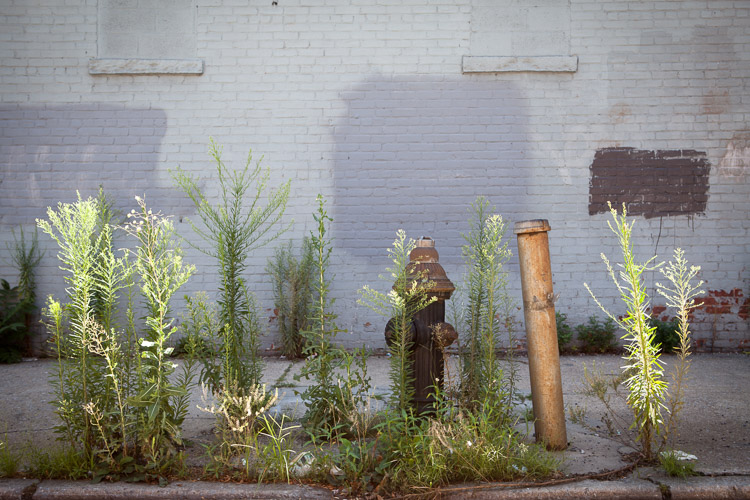
Gowanus, Brooklyn.

Gowanus, Brooklyn. This photograph sells very well due to its uniqueness.

There is no way around it, if you want to succeed as a photographer, you have to learn how to create strong work. There are no excuses these days. Everything you need to learn is on the Internet. There are videos, courses, ebooks, YouTube, you name it. Map out what you need to learn, particularly where you feel your weaknesses are, and seek out content to address them. Maybe it’s posing, or studio lighting, or printing. Everything’s out there, and it’s not hard to locate. Go to town.

Train your eye. Find 10 photographers whose work you love, and figure out how to do what they do. Study them, go deep into their archives, and then try to recreate the look of their images. Use friends as models, do whatever you need to do. Recreating their look is not copying, it’s learning, and eventually as you continue to improve, you will take elements from all of your favorite photographers, and mesh them into your own style.

Plan creative days. It’s not good enough to say that you will find time within your schedule. Set aside entire creative days, and put them in your calendar. Turn off all other distractions and treat it as a job, because it is a job. Plan what you are going to do ahead of time and execute it. This is where your portfolio will begin, and what you will use to get jobs.

2. Realize that nobody notices you or your work
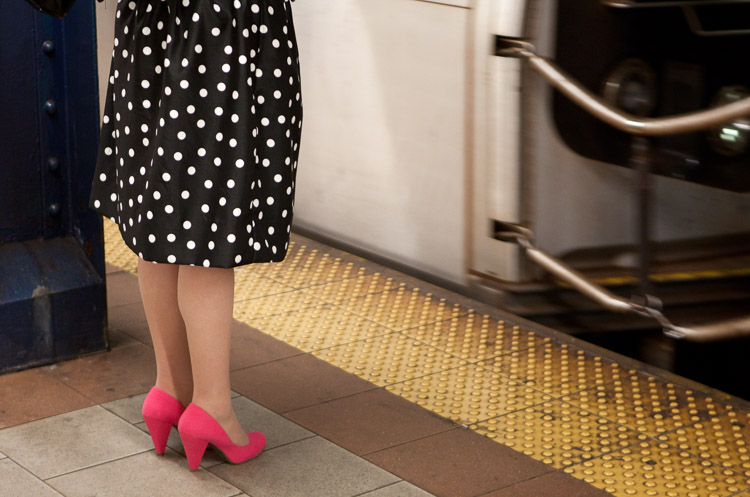
Polka Dots and Pink Shoes, Subway, 2012.

Another New York print that sells well.

It’s important to understand how people see you, and they don’t. Everyone is being bombarded with imagery everyday from so many sources. Even if you put yourself out there, people aren’t going to notice you. It takes time and persistence, so keep at it.

The reason that you need to understand this, is because you have to grind at first. The beginning is always a grind, particularly as you’re trying to get to an income that can stabilize you for the long term. People may not notice you the first time, or the second, and when they do first notice you, they will probably write you off. It’s common for some people’s first reaction to be negative and dismissive about you, before they even give you a chance. But, the more they see you, the more they will notice you and warm up to you. It takes time, and people appreciate seeing others work hard for it. One try is not enough. Neither is two.

3. Reach out to your community

Every successful photographer that I’ve spoken to has received their first smattering of jobs through word of mouth. Who else is going to hire you right away? Your personal community is so important to your early and ongoing success. Your friends and colleagues know you and trust you. They will give your work more of an eye and a chance right away, and they will recommend you. Be social, surround yourself with a strong community, and your professional life will benefit.
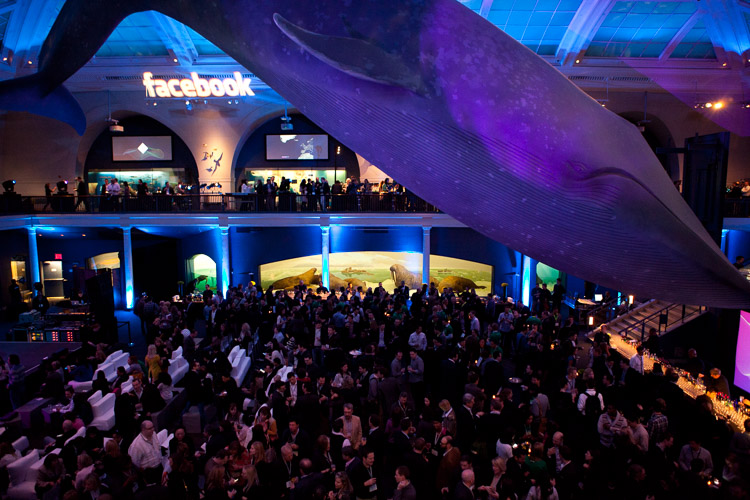
Facebook Event

A job I received through a fellow photographer.

However, these word of mouth referrals are not going to happen on their own. Your community isn’t going to help if they don’t understand what you are doing. Make it official. Create an email list and send out an official announcement about your business. Explain, and show what you do, and make it clear how you can help people. If you are building a portraiture business, explain that you do photography for engagements and families, businesses, law firms, actors, and artists. You know who that covers? Everybody. Suddenly, everyone will have you at the top of their mind. They will understand how you can help them when they are in need of your services. People will not know this unless you tell them.

Start fostering a community of other photographers around you. It can be easy to think of other photographers as competition, but that is so far from the truth. The only one keeping you from getting jobs is yourself, and photographers are the ones that you can bounce ideas off. If you need to gain experience, offer to assist for them whenever they need. This is particularly popular in wedding and commercial businesses, but every photographer can use a hand. This will teach you more than any Internet website or tutorial can. As you get closer, this community of photographers will give you advice in times of need, and will pass you jobs when they are booked. It’s a win-win for everybody involved.

4. Active versus passive marketing
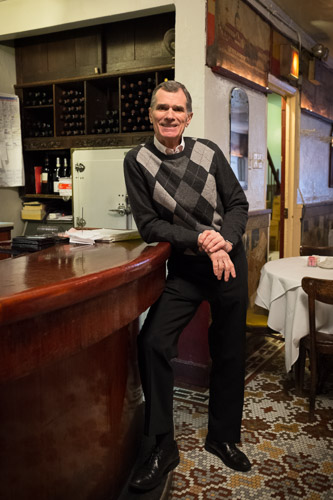
Local Business Photography

The owner of my favorite local restaurant.

Passive marketing is the act of putting yourself out there over and over again, while waiting for the jobs to come to you. This is so important for the long term, but it takes time to come to fruition, and in the short term it does nothing. Instead, take an active approach to your marketing and directly reach out to your potential clients.

If you want to work with local businesses, contact them and introduce yourself and your services. Make an appointment to show them your portfolio, or call them on the phone. If you want to work with restaurants, start with the ones you eat at, and work the town. If you want to do portraits of actors, go to acting schools, and the places where the actors hang out. If you want to sell your prints, seek out interior designers, art consultants, and businesses without art on their walls. Figure out who your clients are, where they are, and then plan out the best way to approach them.

5. Create a business plan
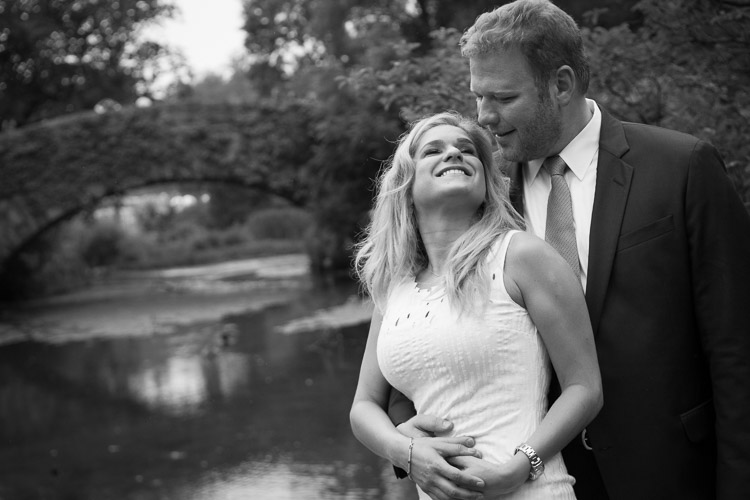
Engagement Photography.

Engagement and family photography can be a great business to start off and gain skills you need.

Creating a business plan is vital to your success. Figure out the income number that you will need to earn in the first year, and create a plan for how to achieve it. How much will your expenses be? How much will you charge, and how many jobs will you need to book to reach your desired income? Who are you marketing to? What are all the ways that you can reach your potential clients, and which have the potential to pay off the best? What promotional material will you need? Do this in a spreadsheet, map it all out, and continue to reference and tweak it as you go.

6. Contact people!

Corporate Portraiture.

Corporate portraiture.

Once your portfolio and website are ready, start contacting the people on your list. Do this consistently, and not all at once, so you don’t burn yourself out. Try a few, see how your pitch went, then refine it. The first few might not go so well, and if that happens, try to figure out what went wrong. If they do not seem to have a strong reaction to your work, then maybe you need to improve or tweak it. As you achieve more success, you can start to contact additional people. This is the grind phase of your career, and it is the only way to succeed.

You will fail more often than not, but be elegant in failure. Someone who rejects you now could be doing it for so many reasons, and could be a great client down the road. Even if they can’t work with you now, make a good impression and don’t give up on them.

7. Follow through

Every step that you did before this is how you got hired for the job. Don’t screw it up. You want your career to snowball, and the only way it will do that is if you impress everyone. Jobs are the quickest way to get more jobs and new referrals. Unfortunately, as some photographers start gaining jobs consistently, they can become cocky or complacent. You know how much work went into gaining these clients, and you want the grind to pay off.

Event Photography.

Event photography.

Respond quickly. Under-promise and over-deliver. Plan out jobs, communicate well with clients in the planning phase, and don’t mess up details. Always keep a smile on your face and look confident, even during the many times when you will be freaking out inside. Make sure to talk to the clients when you have the chance, and get to know them. Send thank you notes, and don’t be afraid to ask for referrals.

Do you see from all of this how a career can take off when you approach it in the right way? It’s not rocket science, but unfortunately it often takes newer photographers much longer to figure all of this out than necessary. It took me a long time. Now you know it, so go do it. Fight the fear, and kick some butt.

googletag.cmd.push(function() {
tablet_slots.push( googletag.defineSlot( “/1005424/_dPSv4_tab-all-article-bottom_(300×250)”, [300, 250], “pb-ad-78623” ).addService( googletag.pubads() ) ); } );

googletag.cmd.push(function() {
mobile_slots.push( googletag.defineSlot( “/1005424/_dPSv4_mob-all-article-bottom_(300×250)”, [300, 250], “pb-ad-78158” ).addService( googletag.pubads() ) ); } );

The post Tips to Help Newbies Find Success in the Photography Business by James Maher appeared first on Digital Photography School.
Digital Photography School

 
Comments Off on Tips to Help Newbies Find Success in the Photography Business

Posted in Photography


10 Photography Accessories You Can Buy at the Supermarket

03 Aug

Let’s face it, we photographers are always looking for new stuff to add to our bag of tricks.

As a studio photographer with almost 20 years experience, I have found myself repurposing a lot of stuff to use as photography tools in my photoshoots. I came to the conclusion that most of the stuff I have around the studio, or in my camera bag didn’t came from photography equipment stores, but rather from the supermarket, home improvement stores, or even one dollar stores.

Here is a small list of items that you can find easily in a store near you, which might help out a lot in your future photo projects:

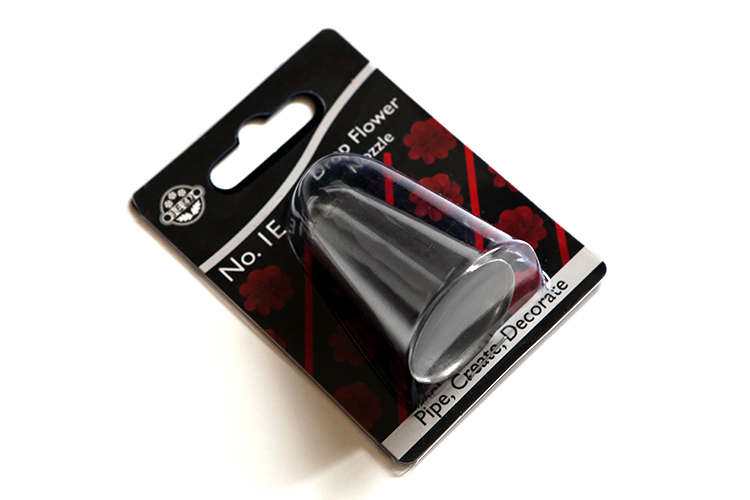
1 – Cupcake nozzles

01

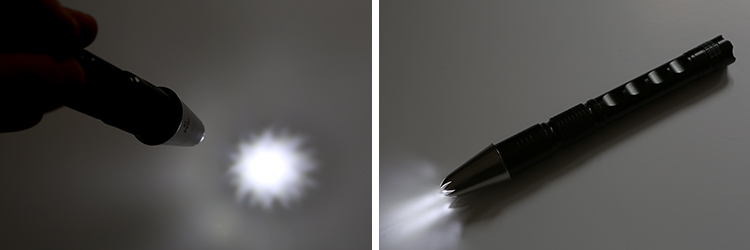
These nozzles are used by bakers to decorate cakes, and you can find them in many shapes and sizes. If you take them out of context, they make great light modifiers when used in front of a flashlight, allowing you to shape and control your light, when you want to do some light painting for example.

02

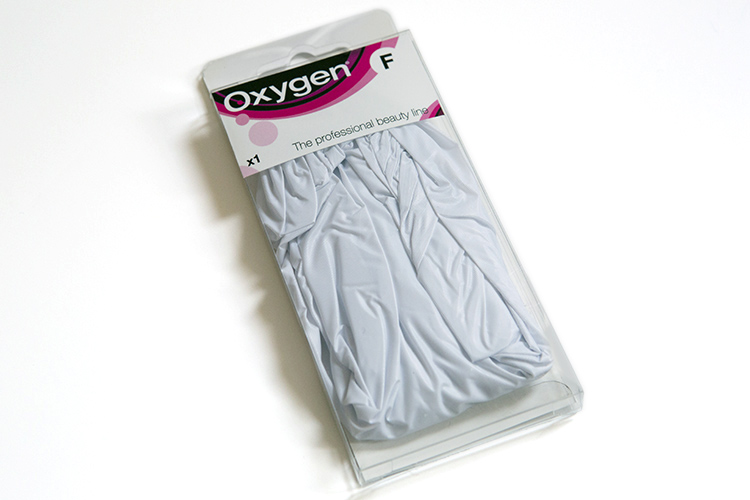
2 – Shower caps

03

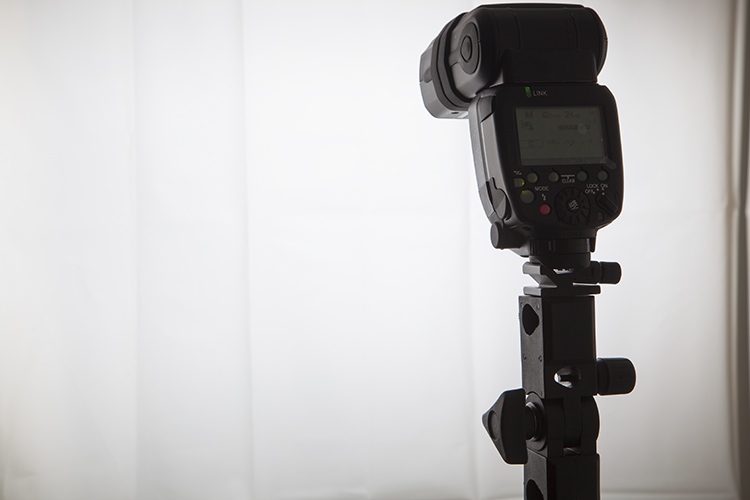
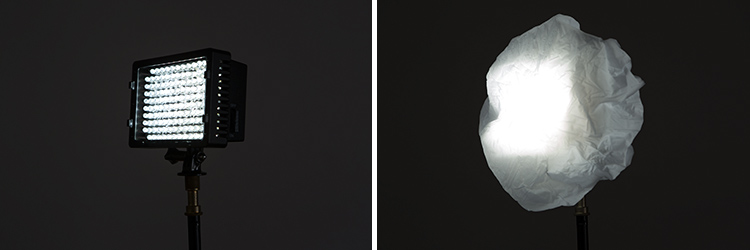
This is something you can buy really cheap or even get for free in hotel rooms. I always have some laying around in my camera bag, and I use the white ones as light diffusers for flash or LED lights.

04

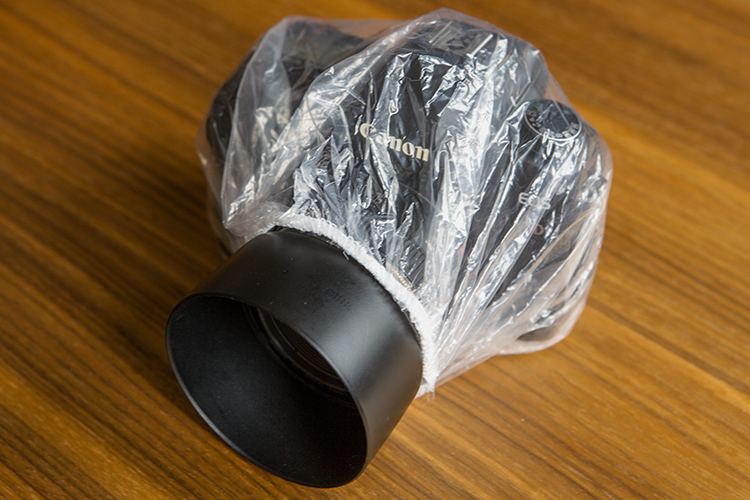
I also use the transparent ones as a rain cover for the camera body. It’s not something for heavy rainfall, but it can save your equipment in an emergency situation, and you can still see the LCD and camera buttons with it.

05

3 – LED light strips

06

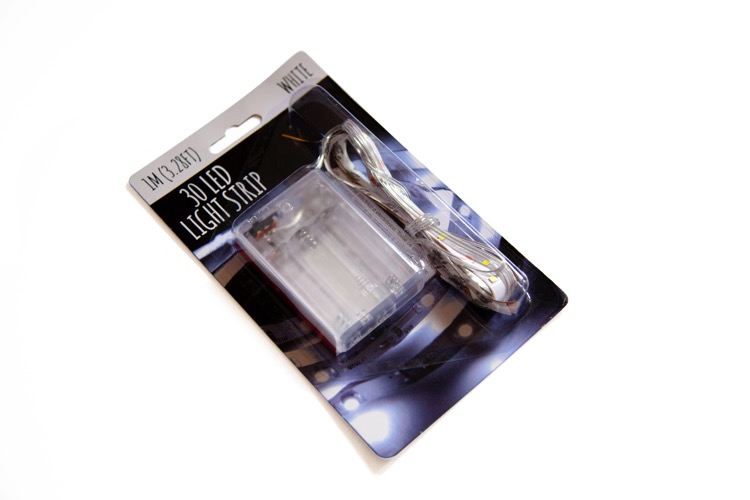
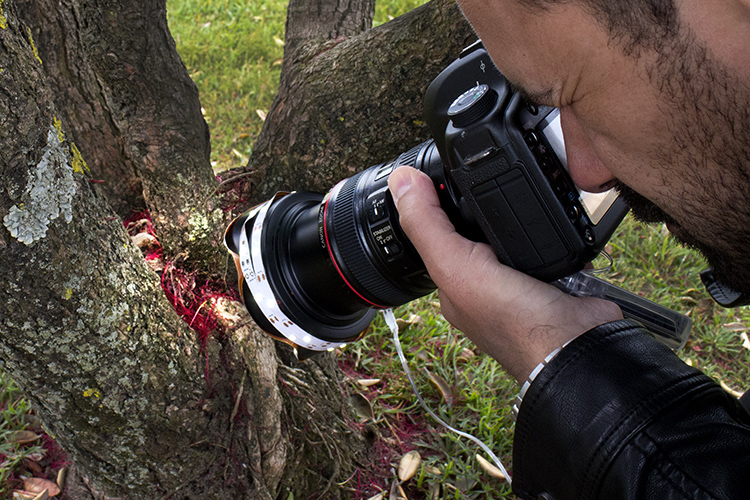
These lights can be carried anywhere as they work with 3 AA batteries, and can be used in lots of different situations. I used them a lot as macro ring lights with the strip wrapped around my lens shade.

07

These lights are also great to create light bokeh backgrounds, just put them over a black surface and turn your lens out of focus.

08

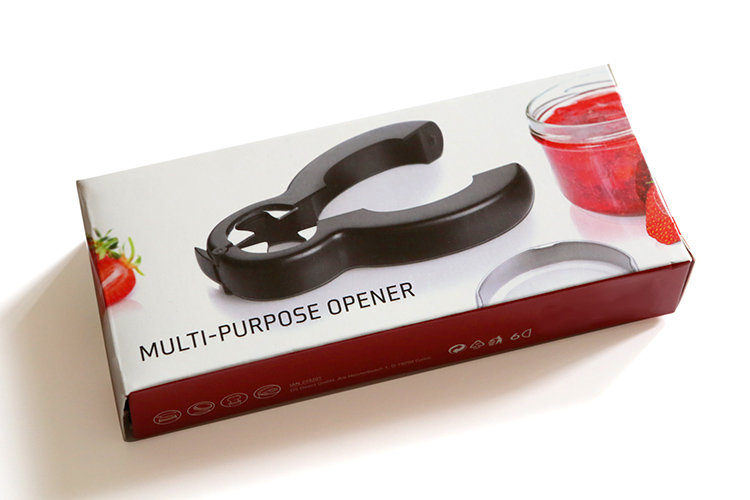
4 – Multi-Purpose Opener

This tool is made to be used around the kitchen, but I have been using it for years in my studio for a lot of different purposes.

09

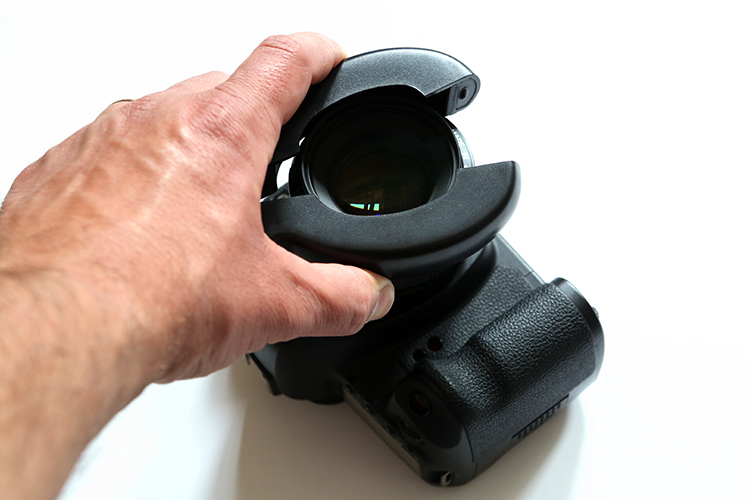
The main use I have for it is for that really frustrating task of trying to unscrew a stuck filter on the front of your lens. Even though there are specific clip plastic tools for that job that you can buy in photography stores, I always find myself breaking them or scratching some really expensive filter.

This multi-purpose opener has a rubberized inside and offers a much better grip, besides fitting every filter size you might have.

10

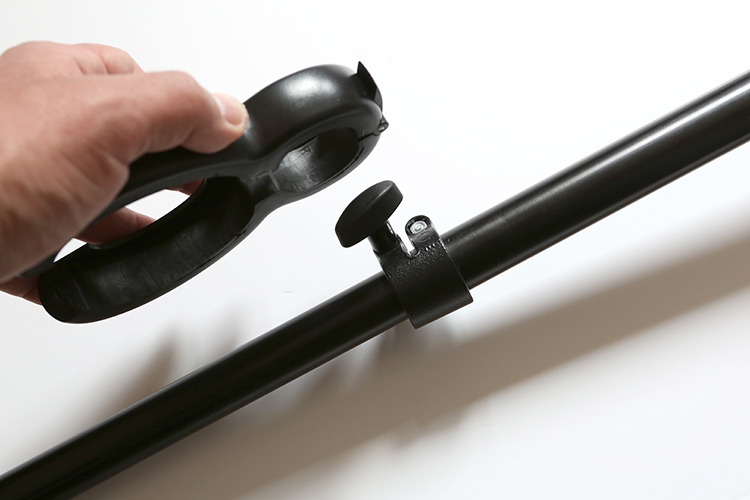
It is also able to open any metal or screw cap bottle if you happen to get thirsty, and, last but not least, it is a great tool to open stuck thumb screws like the one you find on tripods or light stands for example.

11

5 – Glow Stir Sticks

12

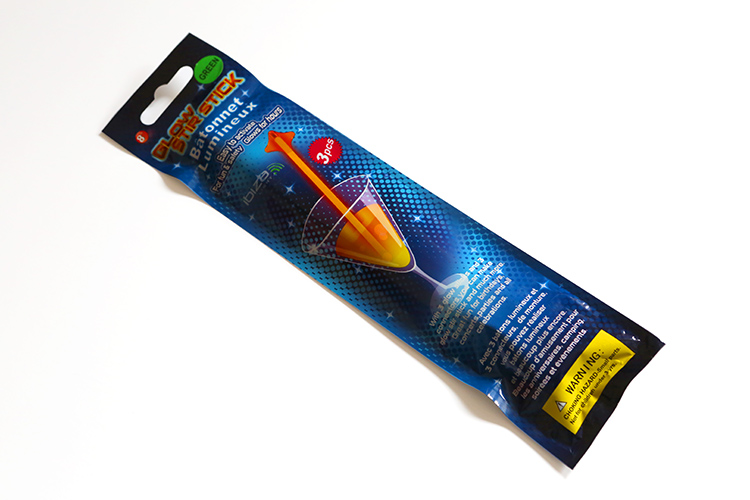
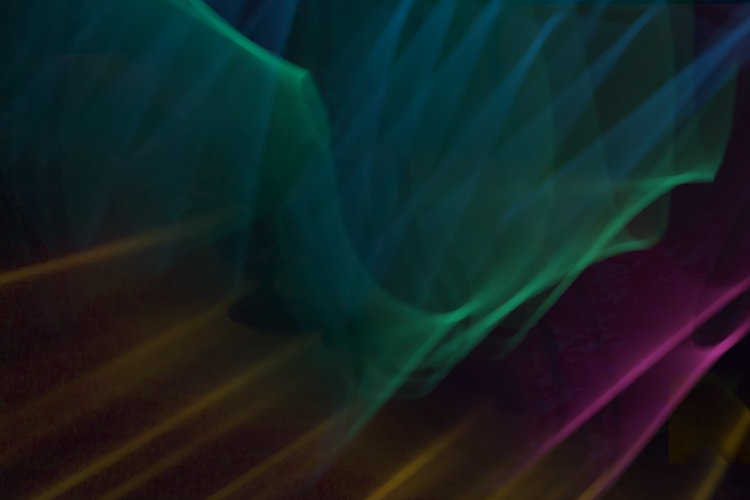
These glow sticks, besides being a must at any cocktail party, are also really fun to use as a light source for light painting. They can be found in different colors and sizes and can glow for a few hours, allowing you to make fun images like this next one.

13

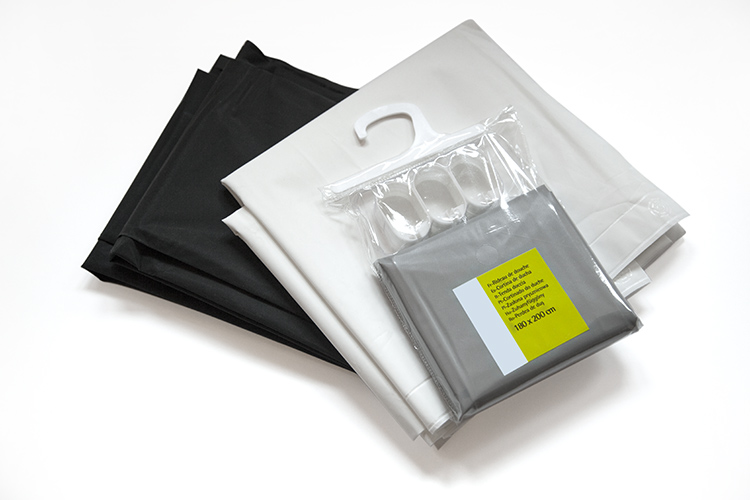
6 – Shower Curtains

14

Shower curtains are usually made out of plastic or waterproofed fabric. They are really cheap and can be used as great accessories for light control.

I use white ones a lot as light diffusers, black ones as flags, and grey ones as backgrounds, but there is a lot that can be done with colorful ones for backgrounds or light color effects.

15

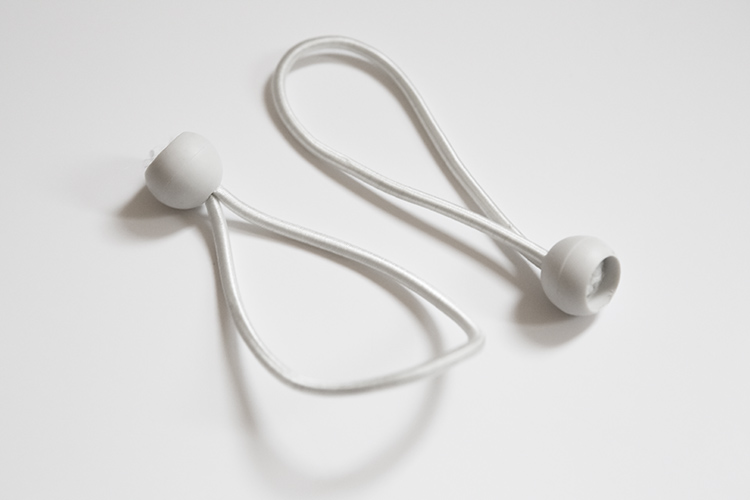
7 – Ball Bungee Ties

16

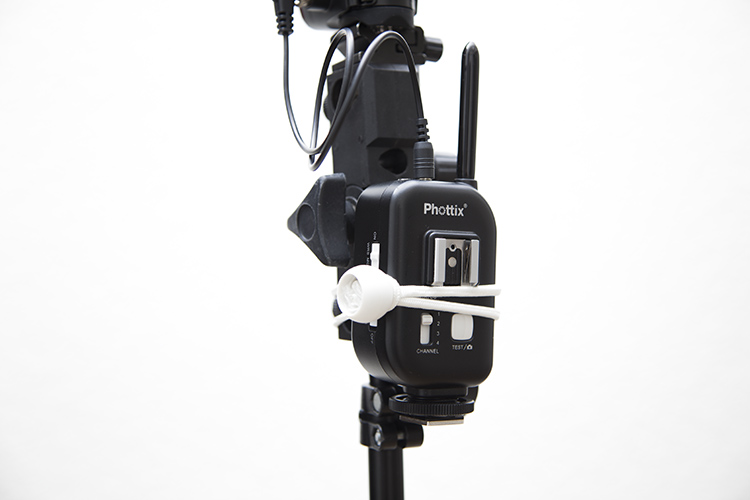
It’s amazing what some elastic cord and a plastic ball can do together. This simple, but really effective tool, is used most of the time to tie cables, but there are a lot more uses for it. I use them a lot to hold my flash triggers to the light stand.

17

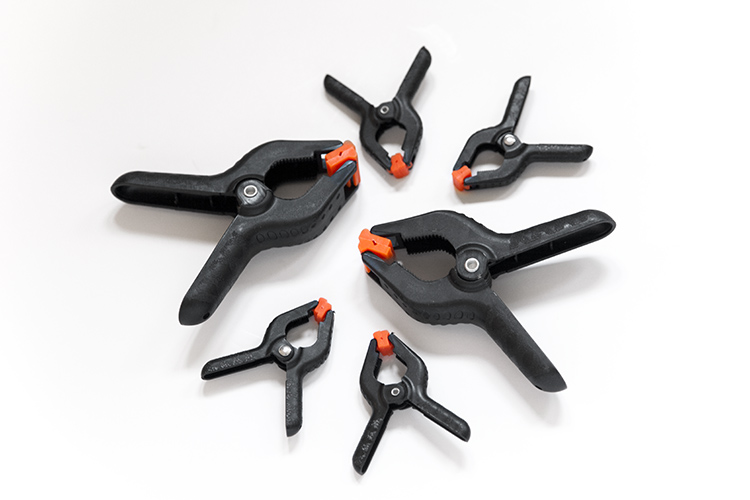
8 – Spring Clamps

18

I lost count of how many of these I bought through the years. Every time I see them on sale anywhere, I just buy a few more.

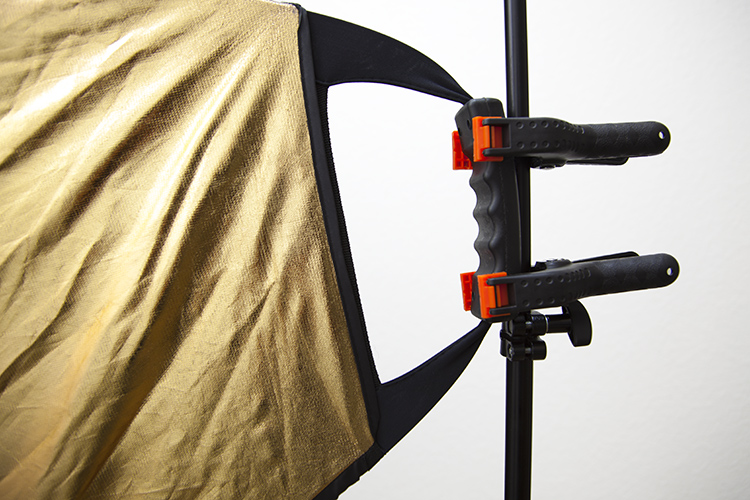
These are a must have item in any photography studio, whether it is to make your model’s clothes fit a little better, to hold cables and power cords in place so I don’t trip on them, or simply to hold that reflector in that position that will provide the best reflection possible.

19

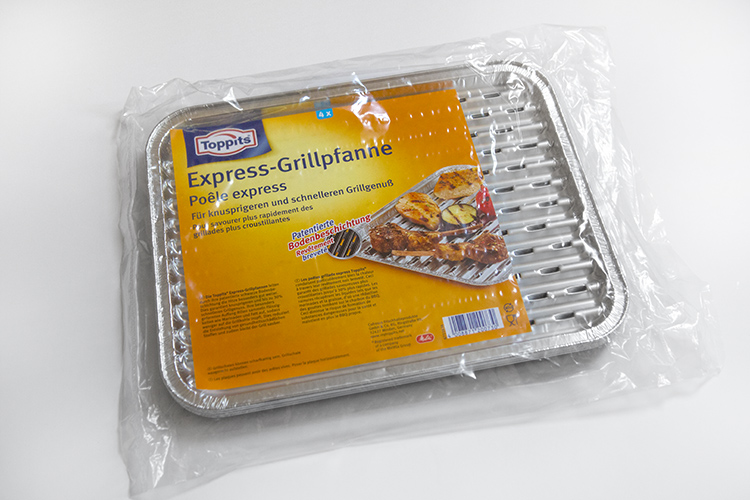
9 – Express Grill Pan

20

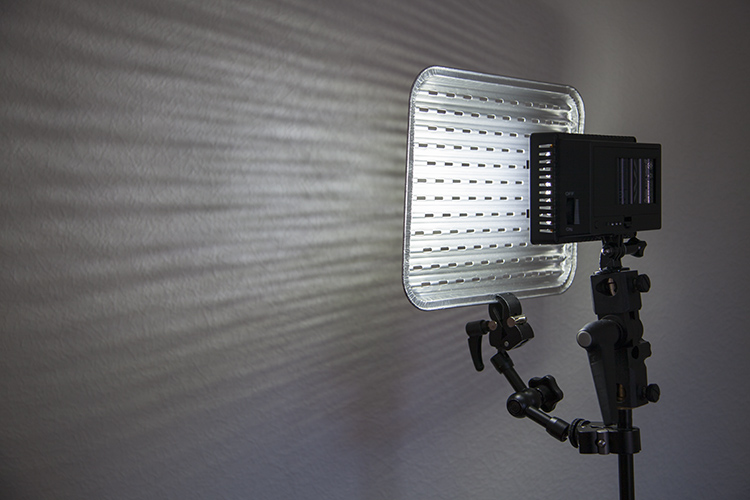
These pans made out aluminum foil are great if you want to make a barbecue in a rush. But they’re also great to use as gobos that you can use in front of your light source to create special light effects.

21

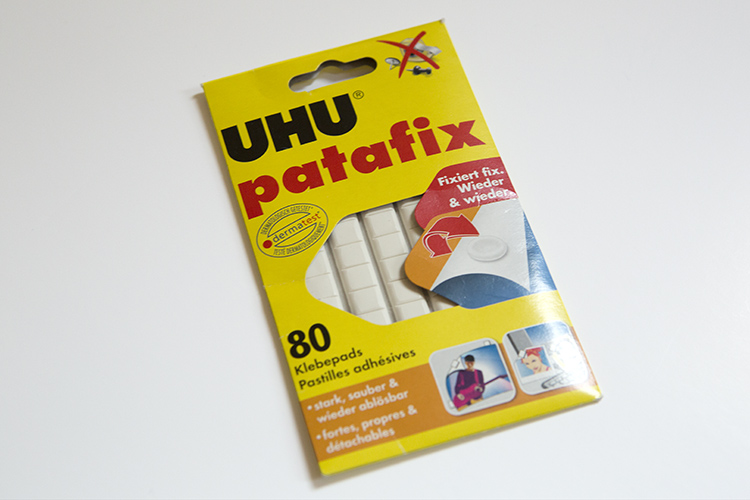
10 – Reusable Putty-Like Adhesive

22

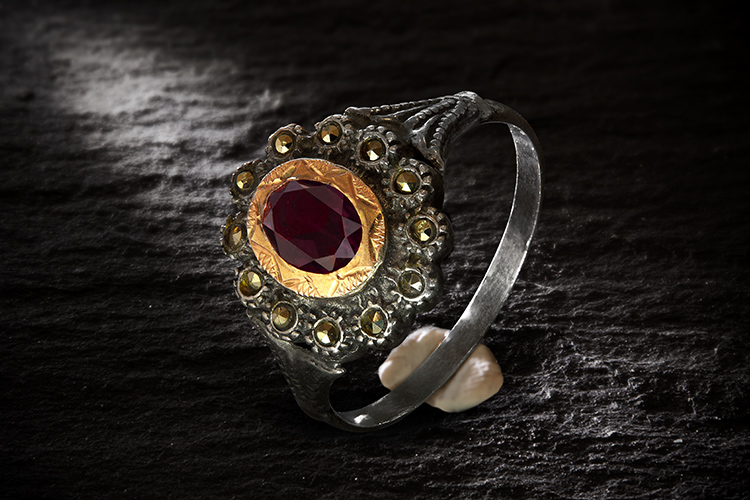
This type of adhesive is a lifesaver for product and macro photographers that need to keep small objects in a specific position.

It is moldable, reusable, and doesn’t leave any residue when you remove it. I use it a lot in jewelry photography to keep things in place, and just remove it (clone it out) in post-production afterwards.

23

So, keep these tips in mind next time you are dragging your shopping cart down the supermarket aisles. Maybe you can find some great accessories for your photography!

googletag.cmd.push(function() {
tablet_slots.push( googletag.defineSlot( “/1005424/_dPSv4_tab-all-article-bottom_(300×250)”, [300, 250], “pb-ad-78623” ).addService( googletag.pubads() ) ); } );

googletag.cmd.push(function() {
mobile_slots.push( googletag.defineSlot( “/1005424/_dPSv4_mob-all-article-bottom_(300×250)”, [300, 250], “pb-ad-78158” ).addService( googletag.pubads() ) ); } );

The post 10 Photography Accessories You Can Buy at the Supermarket by Ivo Guimaraes appeared first on Digital Photography School.

Digital Photography School

 
Comments Off on 10 Photography Accessories You Can Buy at the Supermarket

Posted in Photography


How to Boost Your Creativity by Including Props in Your Photography

31 Jul

Props: are they a blessing or a curse? In photography, props can often make or destroy a photo, and because of this some people try to avoid them, some are afraid to use them, and other people love to use them.

I moved from being afraid to loving props because I found they are amazing tools to unlock creativity.

Photo00

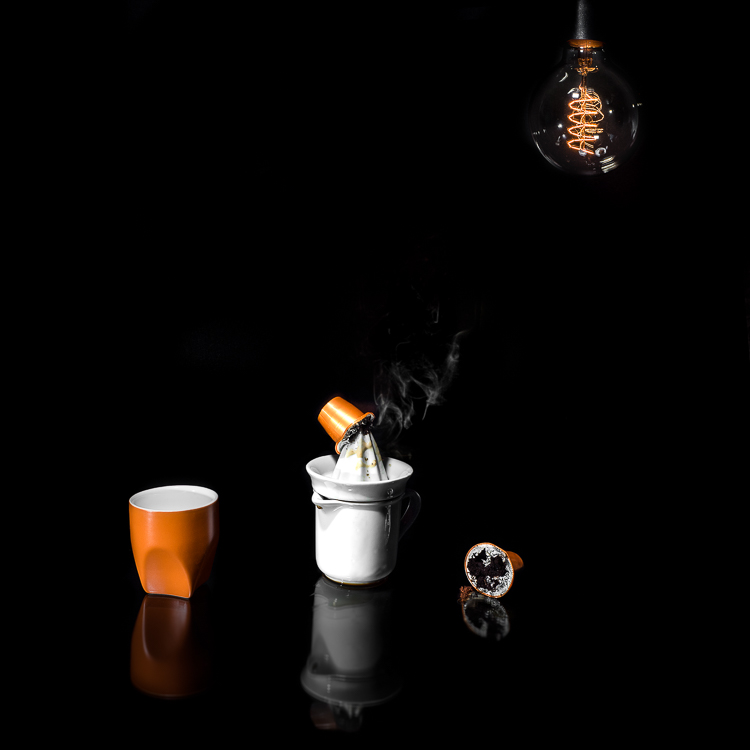
Freshly squeezed coffee. A different way to prepare a fresh cup of coffee.

Why use props?

Usually, the role of the props in photography is to help add character and interest to a photo, or to add context to the scene.

Some kinds of photography, such as conceptual photography, cannot exist without props, as they are needed to translate the abstract concept or message into an image.

Photo01

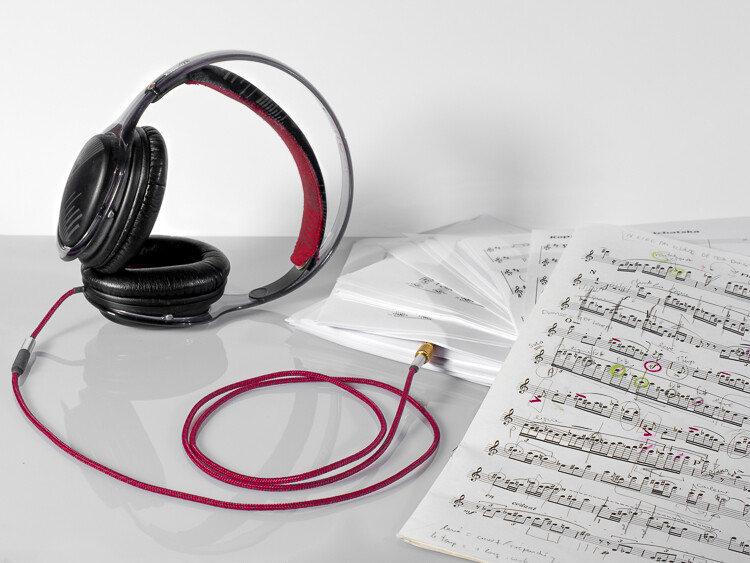
Musical scores.

Props in commercial photography

In tabletop photography (product, food photography, and still life), props are used to build the scenography of the photo you are crafting.

Photo02
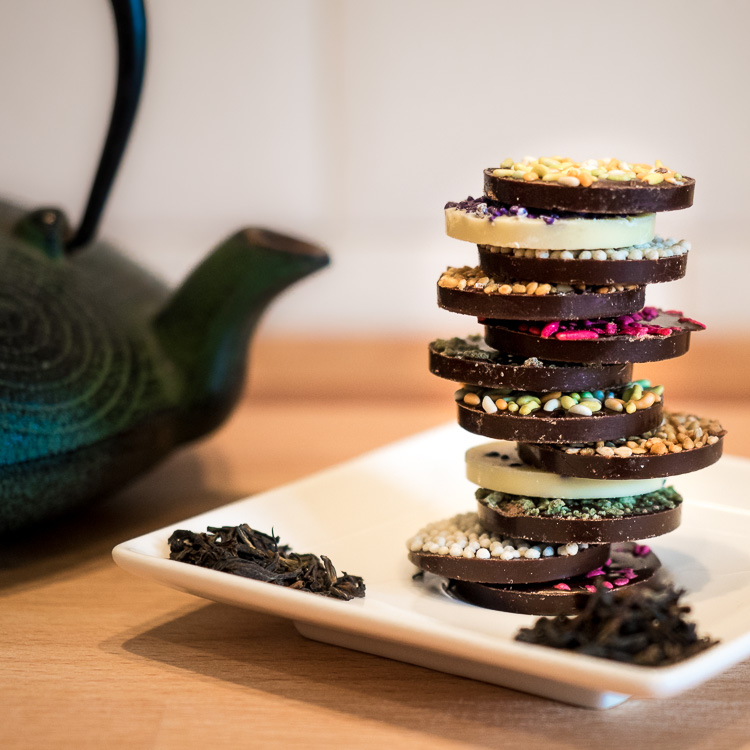
The teapot, the plate, and tea leaves are all elements of the scenography used for the pile of chocolate biscuits in this a classic food photograph.

Props in landscape photography

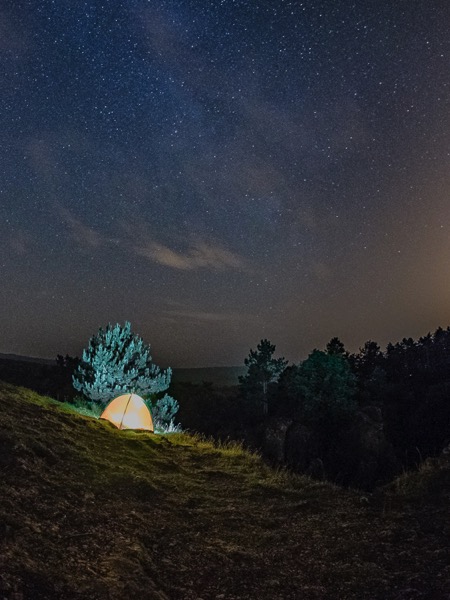
Props are sometimes present even in landscape photography, usually with the task to add interest to the foreground. A classic example would be to photograph a camp site in the wilderness, with a lit tent under a starry sky.

Photo03
This tent is, indeed, just a prop. I brought it along with me solely with the intent to add interest to this nocturnal landscape.

Props and portrait photography

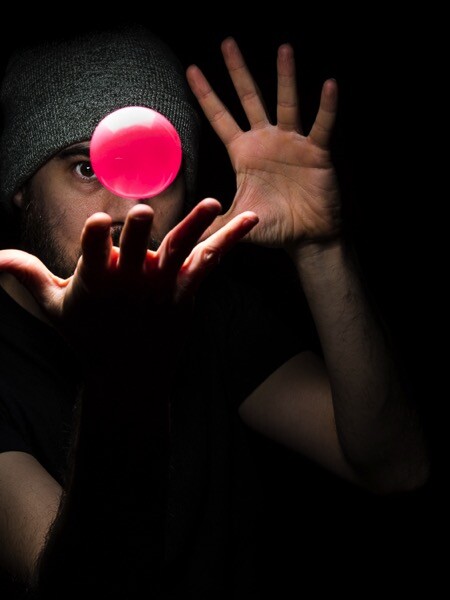
Using props will also help you to create more interesting portraits. Are you into self-portraiture? Cool, but there is only so much you can do with your face, and after a while you will probably feel the need to start using props, The more creatively you can use them, the better and more interesting your portrait will be.

Photo04

A simple ball thrown in the air with a bit of timing can make for a dynamic, “It’s a kind of magic” portrait.

So, props are all those objects that photographers add into the scene they’re photographing that are not the main subject of the image. I don’t consider hats, jewelry, wristwatches, and all those accessories your model wears for a portrait, to be props.

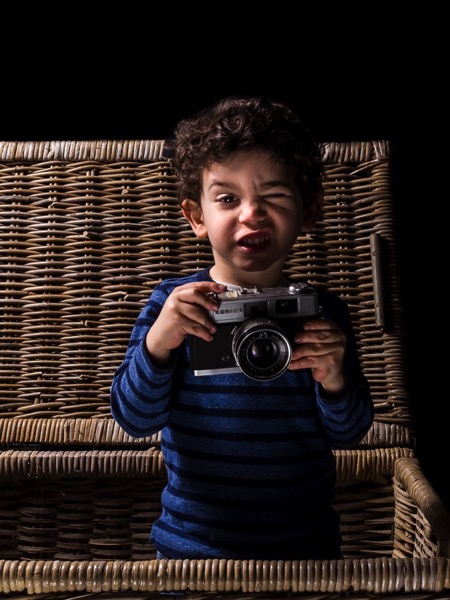
Another plus with props, especially in portraiture, is that they can help your model to be more comfortable in front the camera by giving him/her something to do or to focus on, thus forgetting about you and your camera.

Photo05
A prop in the hands of a 3 year old toddler (my son in this case) can lead to interesting results without making a fuss.

Things to look out for using props

So where is the problem with the use of props? Why people can be negative about them? My guess is because they are so widely used in photography that the risk of fall into photographic clichés is quite high.

Below are five tips to help you be creative with props, instead to fear them.

Before you continue allow me a final word. While it is true that many things can be do inside editing software, to really exercise your creativity don’t be a lazy photographer, craft your images for real as much as possible.

Photo06
I consider the flame and the smoke in this photo of a hot pepper to be props. The fun in crafting the image with real fire and smoke was unbelievable.

Tip #1: Use a classic prop in a fresh way

Old film cameras are classic props in portraiture, and the ways to use them are variations of my son’s portrait you saw above.

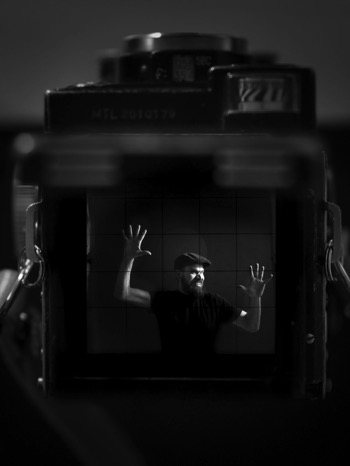
Among those cameras, the most photogenic ones are, in my opinion, the TLR (twin lens reflex) cameras, such as Rolleiflex, Rolleicord and Yashica. Because these cameras have a huge focusing screen you have to look into from above, the usual way to use these props is to have your model look down into the camera.

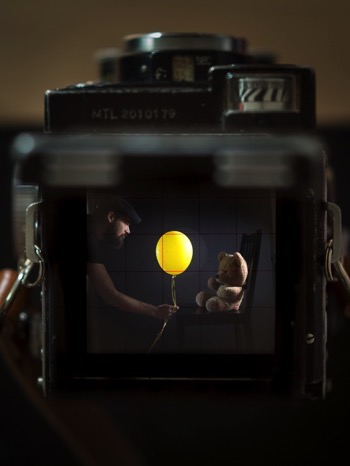
A less common way to use those TLR cameras as props is to take advantage of their massive focusing screen, which is many time larger than any SLR camera viewfinder, and to photograph the scene the TLR camera is seeing.

Once you get the setup right, don’t stop after the first shot, but experiment with poses and props.

Photo07

Trapped!

Photo08

To reveal the child inside us.

Tip #2: Build your own props

Another way to get creative with props is to craft them yourself. This will not only ensure you have unique props to work with, but the whole process of making the props will make you think more creatively about how to use them.

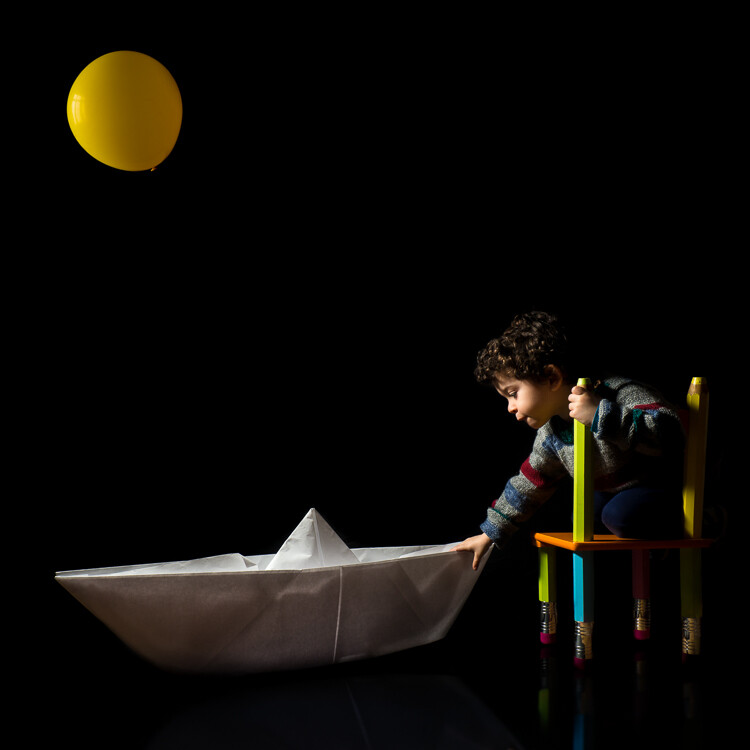
A one meter long, origami paper boat, and a yellow balloon are good props to make one of my son’s fantasy and childish adventures come to life.

Photo09

A fantasy childhood adventure gets real in this photo.

If you are into origami, and tired of taking the usual portraits of your children, you could try to create adventures for them by folding big paper planes or animals, or whatever you know how to do with a piece of paper. Plus, you can find plenty of origami tutorials waiting for you online.

Once again, it is true you could easily compose the adventurous portrait of your child by adding elements to the photo later in Photoshop. But, again, what fun would that be for both of you?

Tip #3: Break the physical laws and go surreal

One of my favorite prop to work with are helium balloons, those you usually buy for parties. They are colorful, cheap, long lasting and very versatile.

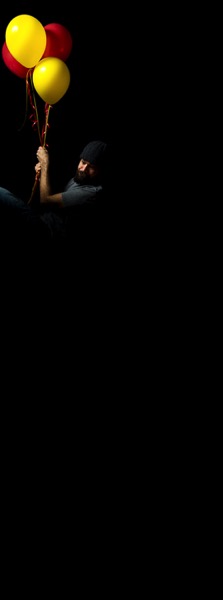
Inspiration for their use is everywhere; have you watch the animation movie Up recently? Cool, wouldn’t it be fun to fly away holding tight to a bunch of balloons?

Photo10
Up, up we go. Here the low key really helped a lot to make the pose believable.

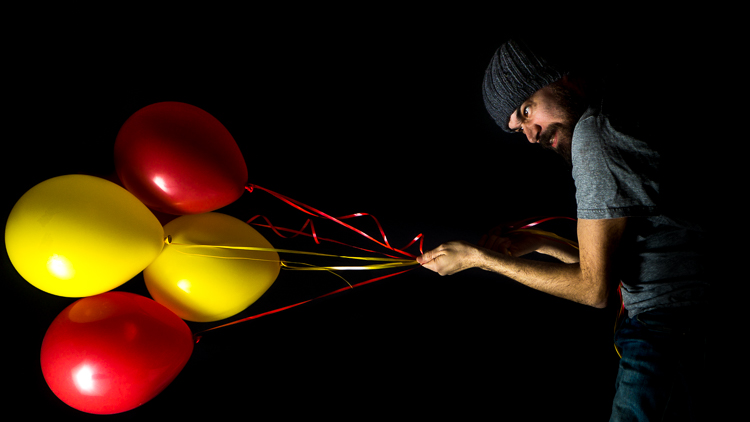
What about breaking the physical law by playing “tug of war” with those balloons, instead?

Photo11
Up and Down are quite arbitrary in this kind of photos. Here I was lying down on the floor but I tried to keep my shoulder off the ground, so that once I turned the photo 90 degrees counterclockwise, the pose was still believable. The low key helped by getting rid of the floor.

Tip #4: Prep your props

Sometimes, you can obtain something original just by prepping up a classic prop, such as the omnipresent book. Books are often used to fill a still life scene, or to get more interesting portraits.

Photo12
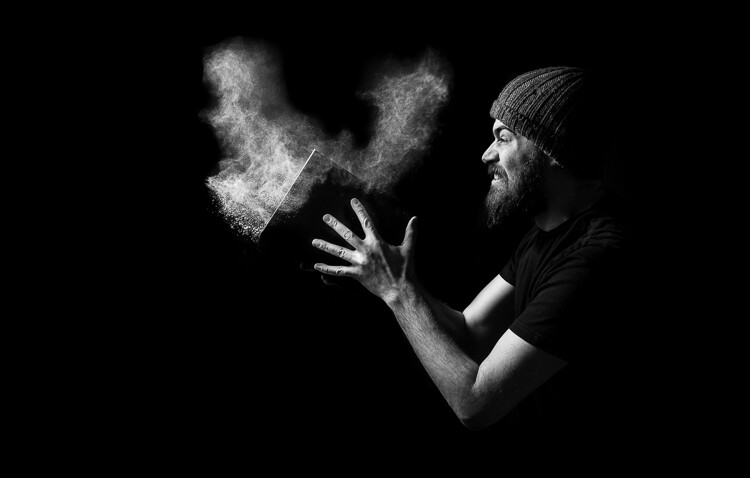
A funny contrast between the surprised grown up, rude, and bearded man, and the book of one of Winnie the Pooh adventures.

To make things more interesting, dynamic and less cliché, you can prep a book by sprinkling body powder on its pages and then have your model to blow the dust off while you take the photo. Or have him slam the book shut just before you fire the shutter, so to record of white powder flying out the book creating clouds.

Photo13

By adding body powder to the mix, you can obtain much stronger and dynamic portrait.

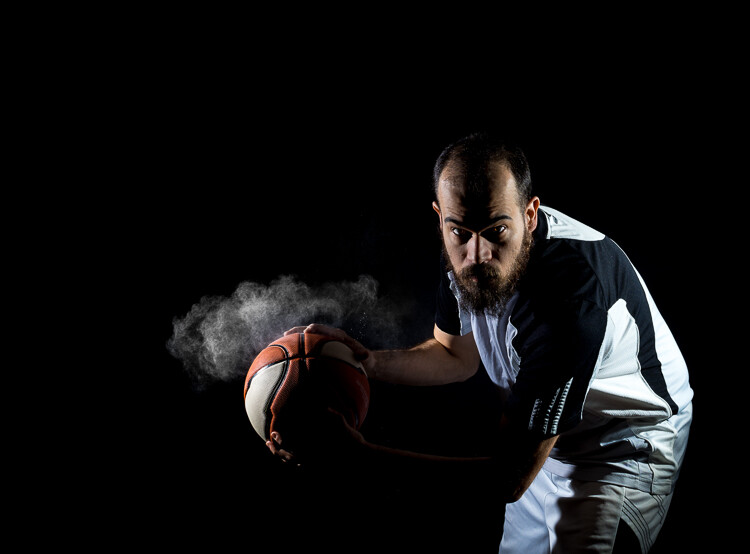
Powder makes things much more interesting, and the only limit is your creativity (or the absence of a working vacuum cleaner to clean up after the mess). You can sprinkled some body powder on a ball (another common prop) and make your model hit it with the hands just before taking the photo. You will capture great puffs of powder, helping to convey a feeling of action and power.

Photo14

Basketball and body powder mix in interesting ways.

Tip #5: Go crazy with conceptual photography

While it is challenging per se, I consider conceptual photography to be the best playground to learn to be creative with props.

When you do conceptual photography, your subject will be a concept, and the challenge is to translate it into an image by using props. At first, keep it easy, and don’t be afraid to get inspired by the work of other photographers.

Photo15

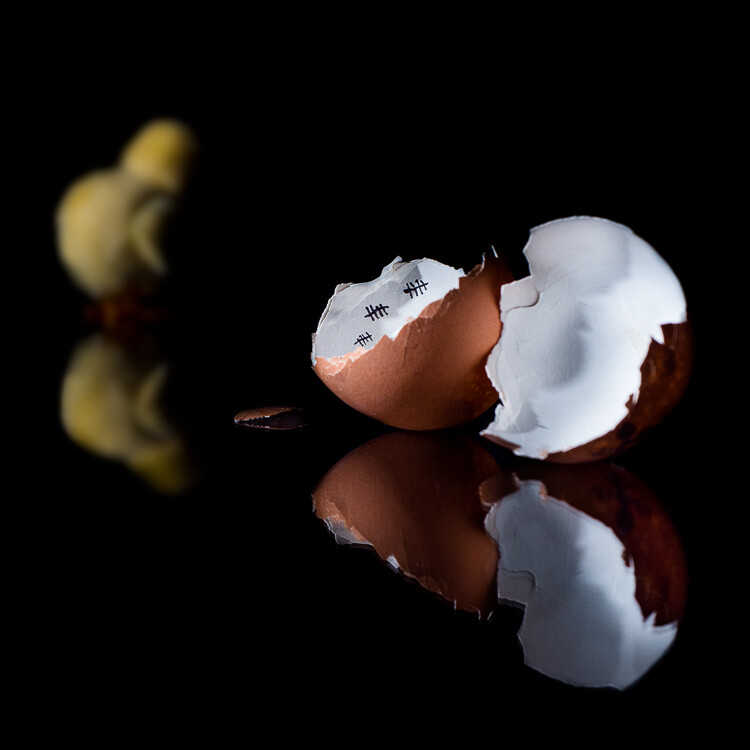
The chicken’s great escape, a concept I saw online and I made it mine by using my personal style, and adding the escaping chicken.

Because you want to convey a message, even with the simplest setup, you have to pay attention on how you place your props into the scene.

In the previous photo, the dark, out-of-focus chicken in the background is there to give the idea of the chicken moving away from the egg. While the broken shell with marks on its inside make the viewer think of it as the chicken prison. Had I placed the chicken in the foreground, in-focus and well lit as the egg’s shell, the message would have lost some strength.

When you do conceptual photography, do not focus on the photography aspect at first, but let your ideas and concepts spawn naturally from your everyday life. Are you cooking your favorite food? In that moment the idea that photography is a bit like cooking could strike you.

In photography, as in cooking, you combine what reality puts in front your lens (the ingredients) to create your vision of such reality (the finished food).

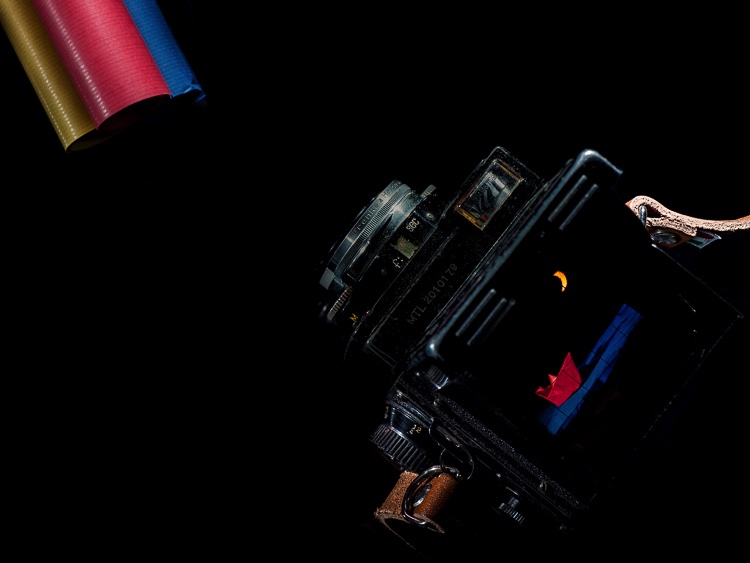
This idea struck me once and this was my personal way to translate it into a photo: the ingredients are the colorful paper rolls in front the lens of an old TLR camera, and those ingredients combine in-camera to reveal an origami nocturnal seascape crafted using the paper from the rolls. Photography magic.

Photo16
The fun of doing the origami seascape for real and the challenge to frame, focus, and light it, so I could photograph the scene through my old TLR camera, was so much more than just use an editing software to copy/paste, move, rotate, resize and bled all the different elements together.

Once you start this game, you can find concepts everywhere; was your Mexican food too spicy even for a chili lover as you are? Something like that could pop in your mind.

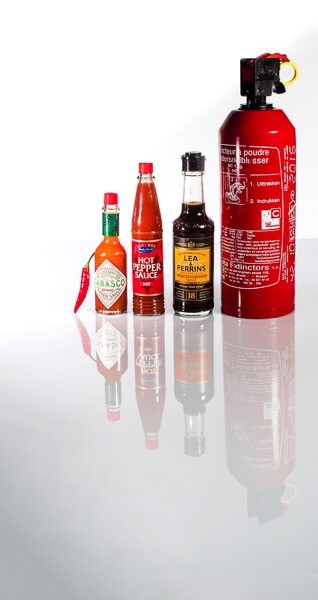
Photo17

The most useful kit for us chili lovers.

Bonus tip: The hunt for props

Now you know how you can get creative with props in many ways, even using common ones, but it is always good to hunt for more interesting ones.

A good way to hunt for unique and weird props is to visit flea markets and shops selling kitchen supplies, vintage clothes, and such. And then, as usual, once you’ve got your props, use them in a fresh and unconventional way.

Photo18
A variation of the concept shown in the photo opening this article; the same concept can be photographed in many different and original ways. Creativity is your only limitation.

Once again, the way you use and prep the props is crucial to create a convincing image. The coffee stains on the table and the squeezer, the squashed and broken capsules, and the smoke from a hidden candle, make the viewer understand what the meaning of the photo is, and the reason behind those props.

Conclusions

Don’t be afraid to use props in your photography to add something more. Just remember to use them wisely and creatively to push your photography further, and to avoid falling into photography clichés.

googletag.cmd.push(function() {
tablet_slots.push( googletag.defineSlot( “/1005424/_dPSv4_tab-all-article-bottom_(300×250)”, [300, 250], “pb-ad-78623” ).addService( googletag.pubads() ) ); } );

googletag.cmd.push(function() {
mobile_slots.push( googletag.defineSlot( “/1005424/_dPSv4_mob-all-article-bottom_(300×250)”, [300, 250], “pb-ad-78158” ).addService( googletag.pubads() ) ); } );

The post How to Boost Your Creativity by Including Props in Your Photography by Andrea Minoia appeared first on Digital Photography School.

Digital Photography School

 
Comments Off on How to Boost Your Creativity by Including Props in Your Photography

Posted in Photography


Weekly Photography Challenge – Speed

30 Jul

Earlier I shared a collection of images that show speedy subjects.

Weekly Photography Challenge – Speed

Dave Young

By Dave Young

Chester Lam

By Chester Lam

Your job this week is to find and photograph a subject that is fast. Try and capture speed in whichever way you want – freeze it or blur it. Remember shutter speed controls motion in your image.

Share your images below:

Simply upload your shot into the comment field (look for the little camera icon in the Disqus comments section) and they’ll get embedded for us all to see or if you’d prefer upload them to your favourite photo sharing site and leave the link to them. Show me your best images in this week’s challenge. Sometimes it takes a while for an image to appear so be patient and try not to post the same image twice.

Fred Dawson

By Fred Dawson

Nuno Sousa

By Nuno Sousa

Moyan Brenn

By Moyan Brenn

Derek Raugh

By derek raugh

googletag.cmd.push(function() {
tablet_slots.push( googletag.defineSlot( “/1005424/_dPSv4_tab-all-article-bottom_(300×250)”, [300, 250], “pb-ad-78623” ).addService( googletag.pubads() ) ); } );

googletag.cmd.push(function() {
mobile_slots.push( googletag.defineSlot( “/1005424/_dPSv4_mob-all-article-bottom_(300×250)”, [300, 250], “pb-ad-78158” ).addService( googletag.pubads() ) ); } );

The post Weekly Photography Challenge – Speed by Darlene Hildebrandt appeared first on Digital Photography School.

Digital Photography School

 
Comments Off on Weekly Photography Challenge – Speed

Posted in Photography


5 Tips for Getting Started with Wildlife Photography for Beginners

26 Jul

There is just something about the natural world that seems to touch us humans to the very core of our being, especially when it involves wildlife of any form. When we hear the words “wildlife photography”, wide open planes of the African Savannah with herds of zebras, wildebeests and antelope come to mind.

But that is just one part of the natural world pie! Don’t get me wrong, visiting Africa and going on safari are really high on my bucket list of places to visit and things to photograph, but I get equally excited when I am hiking in a national park that is frequented by bears, bison, eagles and pronghorn deer. There are several brilliant wildlife photographers out there, and every image they produce has a jaw-dropping reaction from most of their fans and followers. If you spend some time and really study their work, you will notice a consistent method to their approach. There are some simple basic guidelines that budding wildlife photographers can follow to creating their own Kodak moments!

Here are a few things to keep in mind for a safe, productive, and exciting wildlife photography trip.

1 – Research and planning

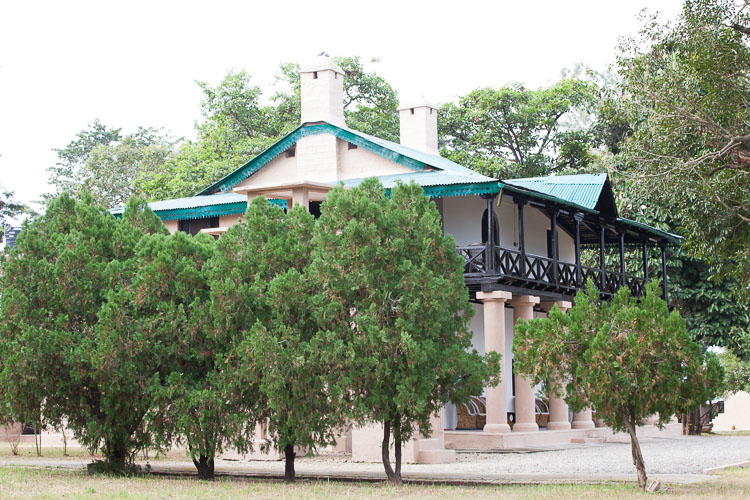
Memorable Jaunts Getting started with wildlife photography-5

I spent three hours of the afternoon exploring the wonderful forest lodge at Jim Corbett National Park in India because the park roads closed in the afternoon hours to allow animals to move about freely in the jungle without the noise created by countless jeep safaris – something that is not mentioned in most guide books.

Traveling itself is one of those tasks that needs an incredible amount of planning and research. So it is no surprise that when you are planning a wildlife photography expedition, you need to add a lot more to the mix. Scope out the best places to photograph animals, the best time of day, travel times to and from, as well as any permits and paperwork needed, well ahead to time to avoid any disappointments once you get to the location.

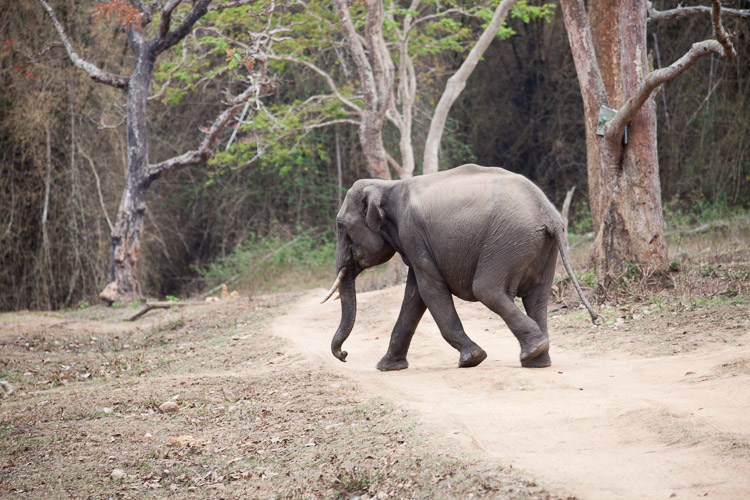
Memorable Jaunts Getting started with wildlife photography-15

Once we were back in the park on our safari, I was able to see this juvenile elephant walk across the path on his way to the deep jungle.

2 – Selecting the right gear

This is a very important part of any photographic expedition and quite possibly an article in itself. Choosing the right gear for your wildlife excursions is key. A lot of factors will determine what lens and cameras you need to carry with you.

Are you primary going to be traveling in a car? If so, you could bring more than one camera, and a long telephoto lens. Are you going hiking/camping, and will you be constantly on the move while looking for animals? If so, then maybe you’ll need to limit yourself to one camera, and a medium telephoto lens to reduce your load. Is there a possibility for you to get up-close and personal with the animals? Then, carry a smaller focal length like an 85mm or 50mm lens.

Are you planning on photographing landscapes too? You may need a wide angle lens if so. Will you have access to your computer frequently? If not, you may need a portable external hard drive to backup your images. How many batteries do you need?

As you can tell, having a plan for where, and what you are looking to photograph, is really critical in determining what gear you pack.

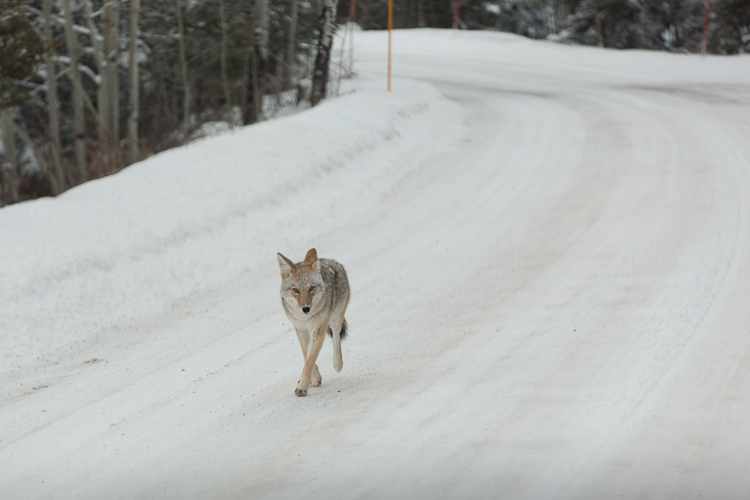
Memorable Jaunts Getting started with wildlife photography-3

Driving around in Yellowstone National Park one December morning found me face to face with this coyote (above) – who was simply enjoying his morning run. I was too surprised to remember the appropriate lens choice, camera setting, etc. I just took the snap, and while it may not be technically perfect, it is one of my favorite images. Just look at the trot in his paws.

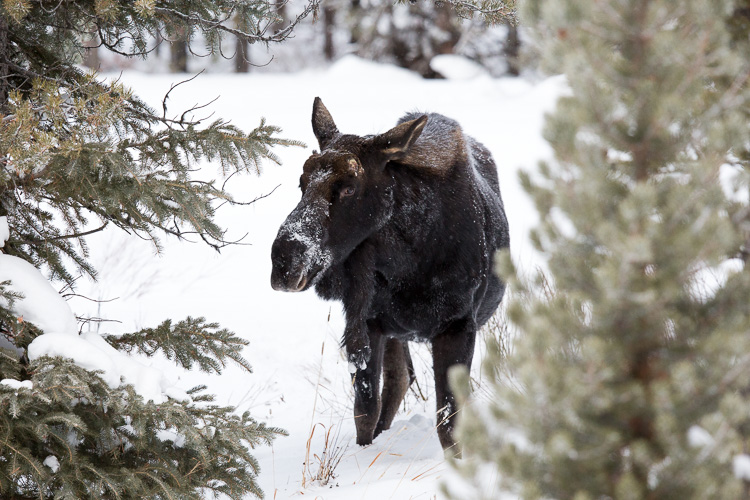
Memorable Jaunts Getting started with wildlife photography-8

On the other hand, a photographic expedition into Yellowstone National Park a few days later gave me a chance to use a 400mm super telephoto lens to capture this moose feeding along the hillside.

3 – Safety

When doing wildlife photography, it is very important to keep safely in mind. It doesn’t matter if you are going on safari, or hiking alone in national parks. Wild animals by nature are unpredictable, and it would behoove us to remember that we are in their space, and we need to be respectful of that.

Rules and guidelines in wilderness areas are there for a reason – your safety and security. Make sure you follow them so that you, or others around you, don’t get hurt or injured. Whenever possible, travel in a group, or at least with one other person. There is security in numbers, and that can work to your advantage.

Seek help from experts who have made the journey before you and listen to their advice. Hiking a nesting area or denning area is never a good idea, for a reason! Take care of your gear. Especially if you are away in remote locations, you don’t want to be careless and risk your gear malfunctioning just when you need it. Dust and dirt are difficult to clean when you are out in the field.

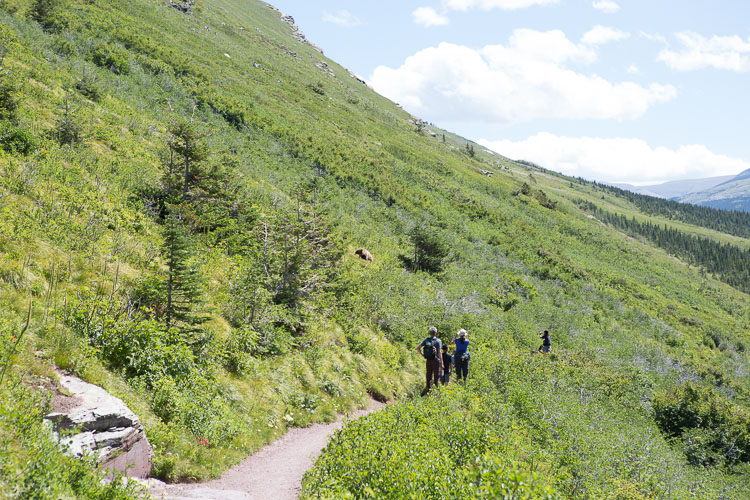
Memorable Jaunts Getting started with wildlife photography-10

On a 10 mile alpine hike in Glacier National Park in Montana, USA, the only gear I could comfortably carry was my 24-70mm lens and I was able to snap this picture. Not the closeup I really wanted, but this conveys a message unlike any closeup shot I could have gotten. Bonus points for spotting what everyone was looking at!

4 – Practice and patience

Wildlife photography, like most other genres, needs a lot of practice, and an even greater amount of patience. People spend hours and hours to get the perfect shot – often in less than perfect conditions like the cold, rain, and even overnight in a bind waiting for the sunrise shot. So depending on what you are looking to photograph, be prepared to be patient and wait it out.

Practicing is a little harder to accomplish unless you happen to live close to a national park or wildlife frequented area. A good alternative may be to spend time at the local zoo and try to capture photographs of animals there. A lower cost alternative to testing out your gear as well as playing around with settings.

You could also try this – Guide to Attracting Critters to Your Garden for Backyard Wildlife Photography

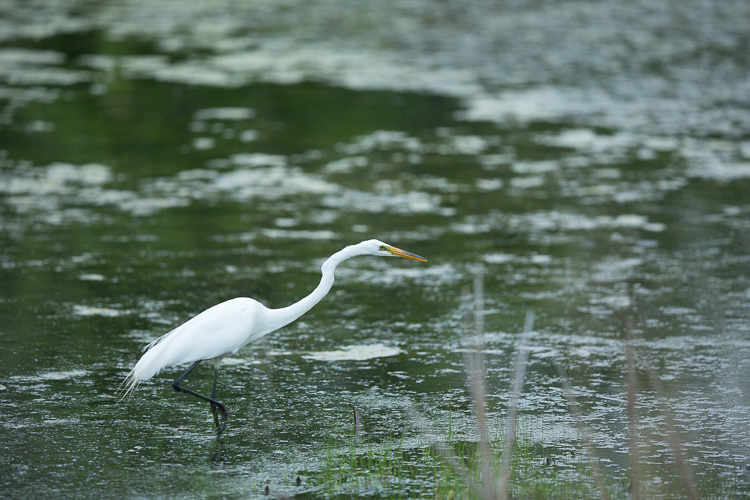
Memorable Jaunts Getting started with wildlife photography-12

A pond close to my house is a watering hole for many birds during the spring and summer months. I am always out there practicing trying to get a clear shot of these cranes feeding. Perhaps one of these days, lady luck will be on my side!

5 – Enjoy the experience beyond the camera LCD

I don’t know about you, but I absolutely hate experiencing my vacation through the back of my camera. My life is quite busy and hectic with kids, family, and a full time business. Vacations are always a welcome, and much needed break to get away from it all, and time to do the things we all enjoy.

Yes, I absolutely want to capture moments through my camera, but I also want to be physically, and emotionally present with my family. I am just as happy seeing that exotic bird or that elusive wild animal with my own eyes, as I am getting a shot of it – I don’t need to prove it to the world!

Memorable Jaunts Getting started with wildlife photography-9

While we were hiking in Glacier National Park in Montana, we saw a wolverine – yes, we truly did! About 10 minutes after this photo was taken, the path turned really narrow with a steep incline, so I did the most sensible thing I could do, and put the camera away. A few minutes after that, we saw a brown patch of fur run along the path! A ranger later confirmed that a wolverine was frequenting the area we had just hiked. Yes, I have no photographs to prove it, but I have the most wonderful memory of seeing one of the rarest (to see) animals in the wild! Wolverines are a shy species, so don’t expect to see one out in the wild. They live in dens made out of snow tunnels, rocks and boulders and can be found in remote forests and tundra.

What are some of the most interesting wild animals you have photographed? Share your experiences in the comments below.

googletag.cmd.push(function() {
tablet_slots.push( googletag.defineSlot( “/1005424/_dPSv4_tab-all-article-bottom_(300×250)”, [300, 250], “pb-ad-78623” ).addService( googletag.pubads() ) ); } );

googletag.cmd.push(function() {
mobile_slots.push( googletag.defineSlot( “/1005424/_dPSv4_mob-all-article-bottom_(300×250)”, [300, 250], “pb-ad-78158” ).addService( googletag.pubads() ) ); } );

The post 5 Tips for Getting Started with Wildlife Photography for Beginners by Karthika Gupta appeared first on Digital Photography School.

Digital Photography School

 
Comments Off on 5 Tips for Getting Started with Wildlife Photography for Beginners

Posted in Photography


Logos for Photography Business: 5 Trends to Use

25 Jul

A well-designed logo is a must-have tool for any photographer and studio wants to be seen on the market. According to many analysts, a logo plays an important role in entrepreneur’s success. Especially, if it’s a part of a brand identity. Use the following trends and ideas to create a powerful logo for your photography business and grab the attention Continue Reading

The post Logos for Photography Business: 5 Trends to Use appeared first on Photodoto.


Photodoto

 
Comments Off on Logos for Photography Business: 5 Trends to Use

Posted in Photography


Wolffepack Capture brings unique swinging access design to a photography backpack

24 Jul

$ (document).ready(function() { SampleGalleryV2({“containerId”:”embeddedSampleGallery_7919834426″,”galleryId”:”7919834426″,”isEmbeddedWidget”:true,”standalone”:false,”selectedImageIndex”:0,”startInCommentsView”:false,”isMobile”:false}) });

Taking your backpack off once to grab your camera gear isn’t a big deal. Having to do it over and over throughout the course of a day is a royal pain. That’s why David Wolffe dreamed up the Wolffepack – a backpack designed so that the user can swing the main compartment in front of themselves while keeping the straps on their shoulders. With a few models already on the market, the company is now looking to produce the Wolffepack Capture, designed specifically for photographers.

Sling and messenger-style bags are easier to swing around and grab gear out of while keeping your bag on your shoulder, but they don’t offer the even weight distribution of a backpack. Hence, the Wolffepack Capture employs a release cable that attaches to one of the straps. Pulling and releasing the cord lowers the pack while the straps stay fixed – the wearer can then swing the bag around front and grab their gear. Wolffepack calls this its ‘orbital trapeze technology.’

The Wolffepack Capture includes a removable, padded ‘pod’ designed to hold a DSLR with lens as well as two additional lenses. The bag also makes room for a 15″ laptop and can hold a tripod in either of its two side pockets. The Capture is made of water-resistant polyester and a nylon waterproof rain cover is included. The cord attaching the main pack to the rest of the bag is made of Kevlar, carbon fiber and Dyneema, a combination that Wofflepack calls ’15x stronger than steel.’

The Wolffepack Capture has launched on Kickstarter, where the company is looking for funding before putting the bag into production. They estimate the Capture will ship to customers in November. Currently, a pledge of $ 152/£115 will get you a Capture with camera pod – full MSRP is expected to be about $ 225/£170. 

What do you think – a great idea or kind of wacky? Let us know in the comments.

Press release:

Wolffepack Capture: The Ultimate Backpack for Cameras and Access launches on Kickstarter

July 20th 2016

The award-winning team from Wolffepack have just adapted their unique Wolffepack access system for photography, and are now launching the Wolffepack Capture, the ultimate backpack for cameras and access.

This follows their successful Kickstarter in November 2014 with their first concept, Wolffepack, the world’s first Orbital Backpack.

Wolffepack Capture is a revolutionary new camera bag that allows you to swing your gear round to your front whilst still strapped to your back. It offers groundbreaking gains in easier access, better workflow and greater security.

This innovation comes with a unique set of features:

  • Rapid Access: Wolffepack’s unique system swings your camera bag swiftly round to your front without unstrapping, for rapid and easy access.
  • Padded Carry: a custom-designed and removable padded pod to hold camera, lenses and accessories that sits inside the top of the backpack. Removing the pod converts the Capture into an access backpack for everyone.
  • Ergonomic Workflow: the top of the bag opens in a clean one-handed single movement, allowing the pod entrance to naturally open in an ‘aperture action’. This presents the camera in the perfect position to grab, shoot and replace.
  • Hands-free Platform: Wolffepack’s system allows you to stow the bag on your front, creating an ideal platform to work cleanly and hands-free on shooting, lens changes, or reloading storage.
  • Customisable Loading System: with a moveable internal shelf, there are spaces for both camera equipment and everyday gear in 3 different configurations

Wolffepack’s radical new concept in backpack design has won an ISPO Award 2016 for product excellence, following its December 2015 Good Design Award from the Chicago Athenaeum Museum of Design, and its Good Design Award 2015 from the Japan Institute of Design Promotion in November. It has also been nominated for a prestigious 2017 German Design Council Award.

Wolffepack Capture takes camera backpack design to a whole new level. The custom-designed padded pod includes all the pouches and compartments you need to safely carry and organise your camera, lenses and accessories. The customisable loading system stores away your belongings exactly how you need them – the camera pod docked and locked safely in one section, your day gear and belongings tucked away in the other. Alternatively, the 2 compartments can be converted into one large space. Stowing the bag to your front means you can work cleanly and safely without ever needing to put your backpack down on wet or dirty ground.

The ingenious expetoSYSTEM®, a patented orbital trapeze technology that frees the bag to rotate around the body on a super-strong cord system, is now available to the world of photography. It incorporates durable, high-performance materials such as Dyneema cords (15 times stronger than steel), Kevlar and carbon fibre componentry, as well as the latest magnetic catches.

David Wolffe, founder and inventor, said: “Since our Kickstarter success in 2014, we’ve been inundated with enquiries and requests to design a camera bag. As a photographer myself I always thought we’d produce a design for cameras. Now the Wolffepack Capture is finally here it has come out even better than I imagined.“

The Wolffepack Capture provides fast and easy access, comfort and convenience, not just for photographers but for everyone. It has been crafted with cameras in mind, but offers an innovative hands-free advantage for anyone on-the-go, from the commuter to the hiker, the parent to the traveller. With the camera pod removed, it’s the perfect backpack for access for everyone.

The Wolffepack story started with a seed in the mind of David Wolffe, a former Finance Director who quit his corporate career to develop the Wolffepack® backpack. A successful initial campaign on crowdfunding website Kickstarter to boost the first production run of the Wolffepack® reached 157% of its funding goal and generated preorders in 28 countries.

Some of the international acclaim the Wolffepack® has earned includes coverage on Channel 4 Television, in The National Geographic Traveller Magazine, The Independent, The Daily Express, The Daily Mail, The Telegraph, Der Spiegel and in many technology reviews including Neuerdings and Gizmag.

Wolffepack Capture- The Ultimate Backpack for Cameras and Access

Articles: Digital Photography Review (dpreview.com)

 
Comments Off on Wolffepack Capture brings unique swinging access design to a photography backpack

Posted in Uncategorized


Finding Comfort with Off-Season Photography

24 Jul

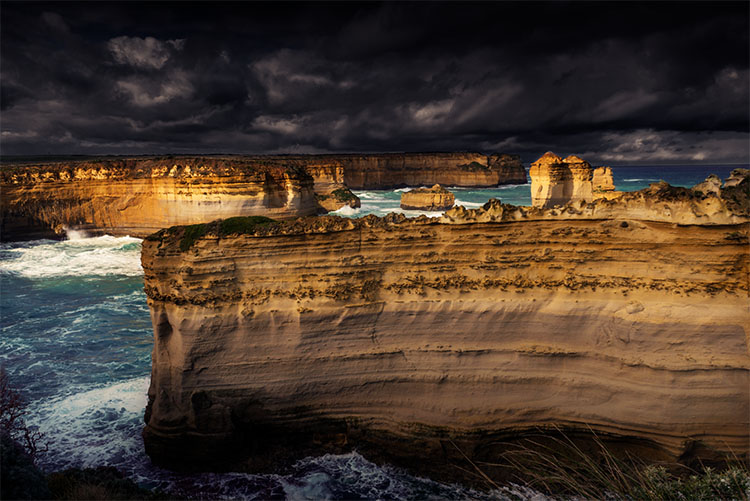
When you are learning photography you read so much about golden hours, the right time of the day to take photos, and other rules. What about the sort of photos to take depending on the weather? People tend to think that you need good weather to get good photos.

leannecole-winter-photography-razorback-gor

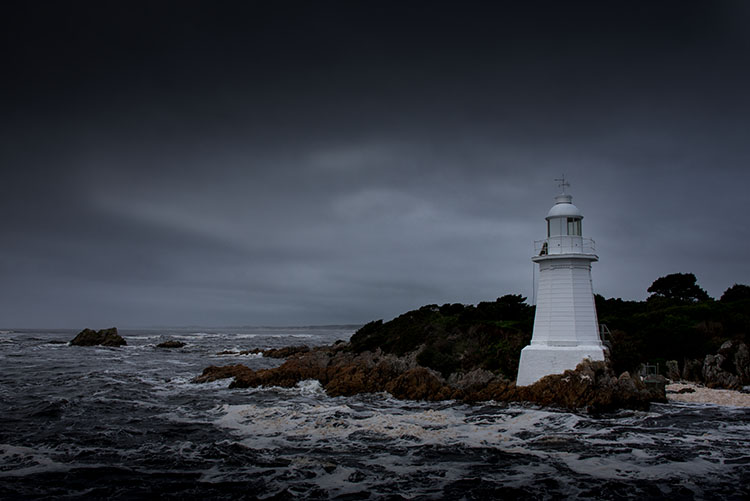
What happens when all there is only rain, fog, overcast skies, and all you want to do is sit inside, keep warm, and drink coffee? However, what if you disregard all that, and decide that you like the image you get in the winter or just bad weather?

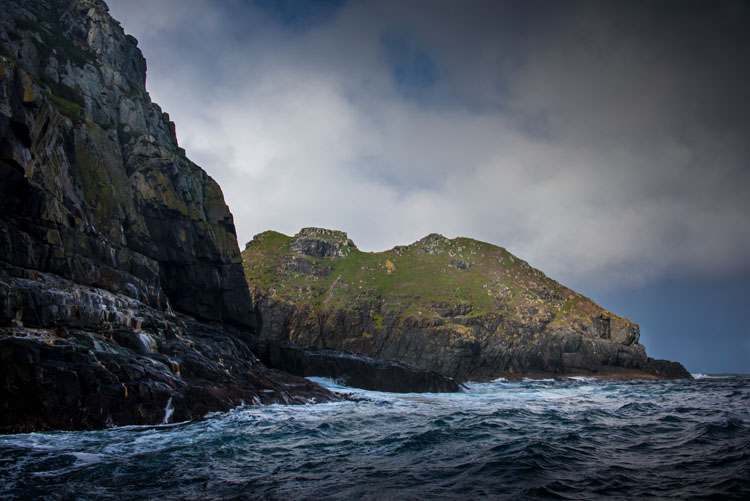
There is no question that the images you get in the off-season (that could be snow, monsoon, or heat wave depending where you live), when you would rather stay indoors, are going to be very different. It should be considered as opportunity to see nature in a different light, and a challenge to be brave, to try new types of images. It is also important to take steps to make sure you and your gear are protected from the elements.

LeanneCole-winter-photography-008

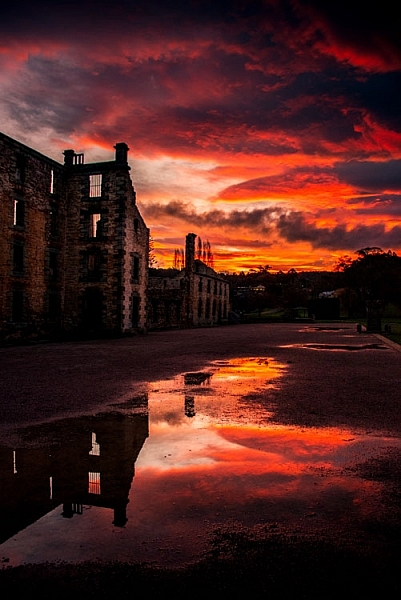
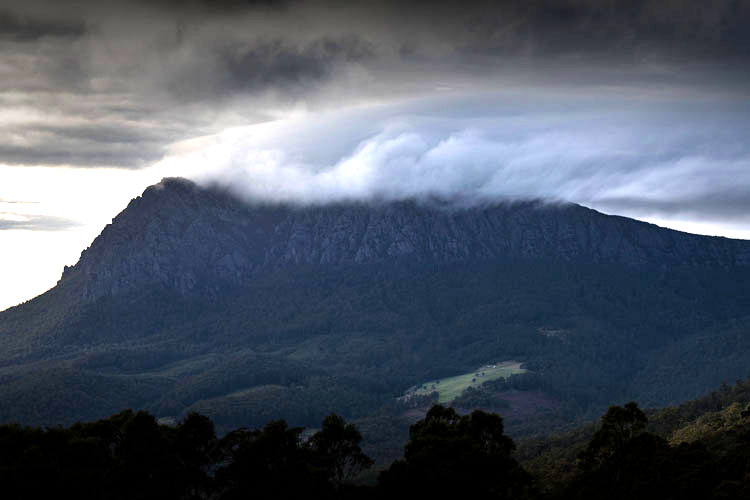
A winter sunset at Port Arthur in Tasmania made even bigger by all the rain and the puddles creating fantastic reflections.

Here are a few reasons why off-season is a great time to take photos:

Not many people around

If you are anything like me, you dislike people who walk into your shot, or just won’t leave an area you want to photograph. During the popular vacation times you will be surrounded by people, and many other photographers who think that taking photos in popular places is also a good idea. It can be very crowded.

Winter (or off-season) is a time that most people decide not to travel, they don’t want the weather ruining their trip. This makes it the best time for you to go out and take photos. You may find that many spots are devoid of people, or there won’t as be many.

leannecole-winter-photography-richmond-bridge

It is an opportunity to take photos that others will not

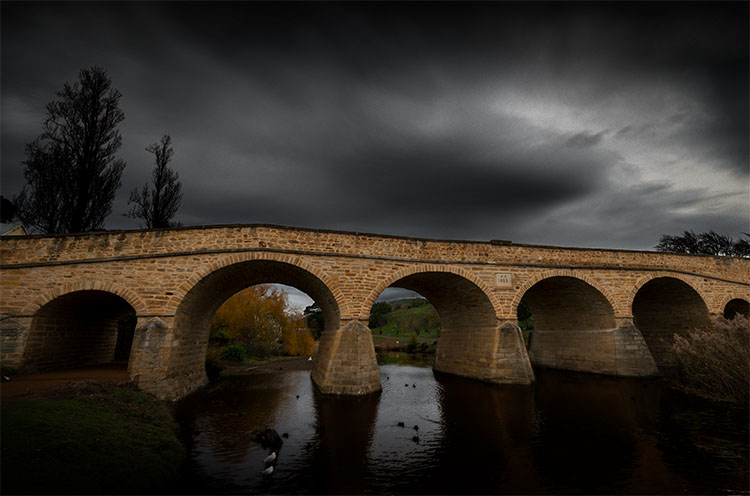
As most people will stay indoors when the weather is bad, you will be able to get out and take the photos the others miss out on. Rain, fog and snow can all give you incredible images. Even overcast grey days will give you a different look. There are some of us who would go for an overcast sky any day, over a beautiful blue one with no clouds.

Making the most of breaks in bad weather

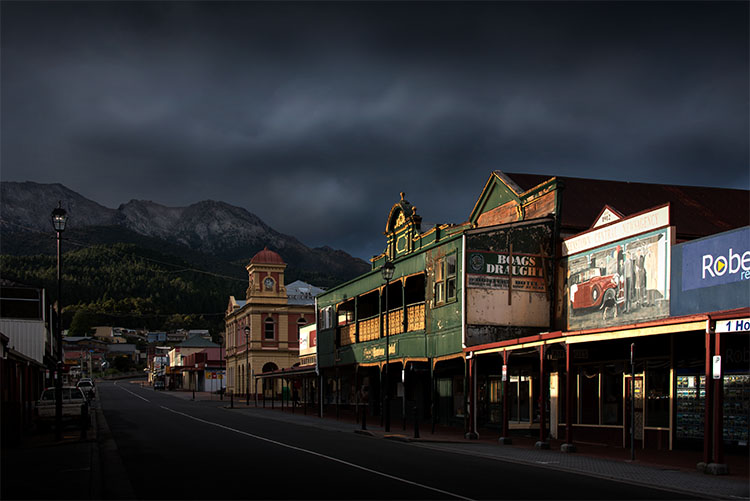
During bad weather there are going to be breaks where the rain (snow, or whatever you get there) will stop and if you are lucky the sun might even come out. In southern Australia that often happens. You might only get 10 minutes of it, or a few hours, so you have to make the most of it.

You can’t be lazy. If you see the weather improving, you need to get out there fast. Visit all the places on your list and see what you can get. In some instances, it may be the only opportunity you get to shoot some spots.

LeanneCole-winter-photography-009

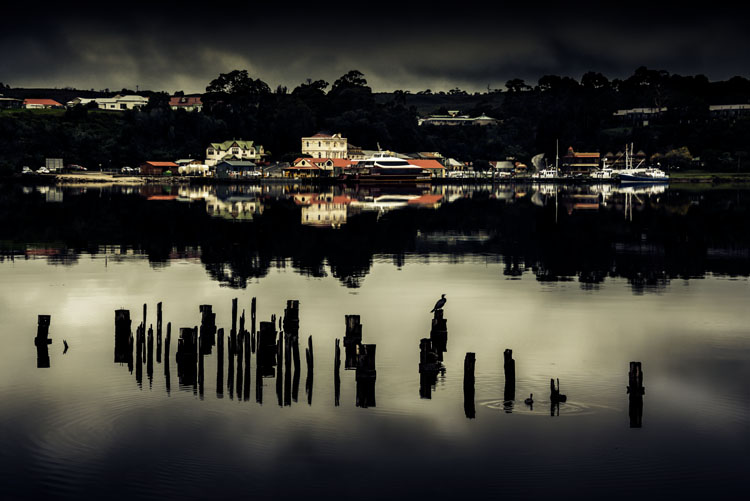
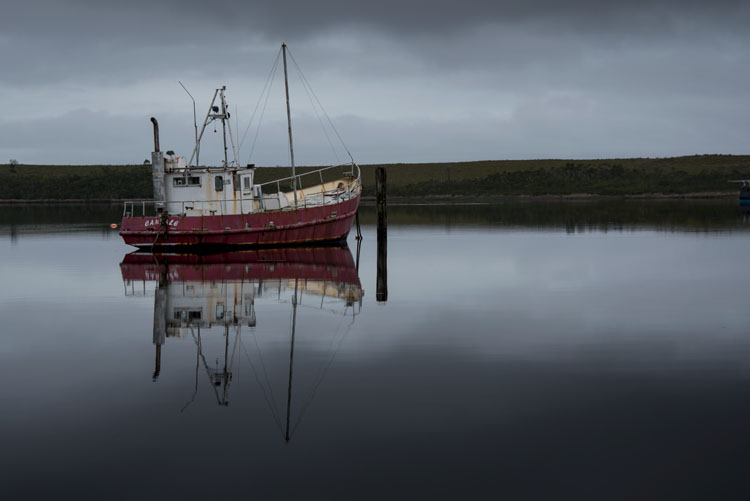
A break in the rain at Strahan, Tasmania, so we spent four hours getting what we could before it started again.

Water in winter

There is something quite magical about water in the winter or off-season. When it isn’t raining, the stillness can create some magical landscapes where the water will be so calm, that everything reflects in it. Often after light rain you can get that flat reflective surface.

LeanneCole-winter-photography-003

Reflections in the water can be wonderful, especially when you get an overcast sky reflected as well.

Rain gives a natural vibrance

Have you ever noticed how a dry seashell is dull, and the vibrancy that you saw in it on the beach is gone? That is, until you wet it again! When I was a child we used to paint shells with clear nail varnish so they would keep that wet look.

The landscape is not that much different. You can’t paint it with varnish, but you can look for rainy days that make it all wet. Colours are saturated and just pop out. Grass appears a lot greener, and warm tones like red and yellow stand out a lot more. You get a landscape that is grey, but in it there are also saturated colours that are accentuated to make the image more interesting.

LeanneCole-winter-photography-010

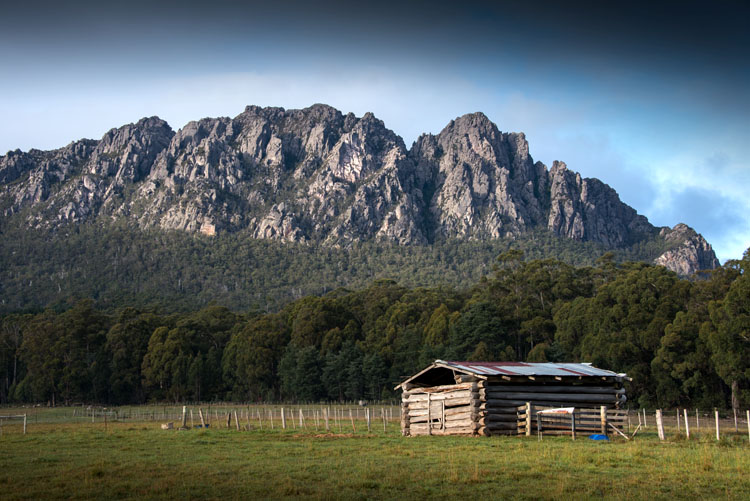
Colours can appear saturated during and after rain.

Moody landscapes

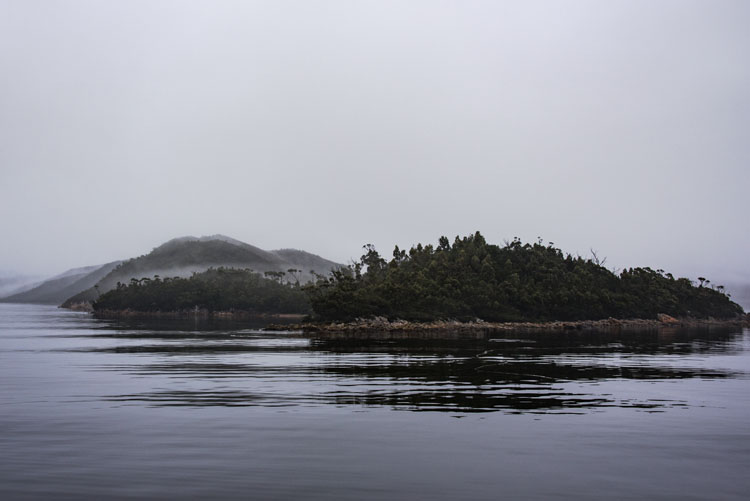
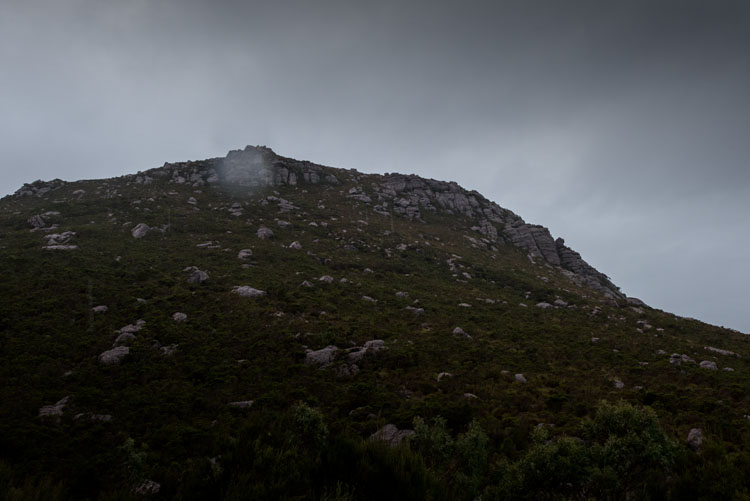
Off-season gives you so many more opportunities to get moody landscapes. Nothing says mood like a scene drenched in fog. It has a way of isolating your subject, and making it the most important thing in the image. The mist is also great for getting silhouettes of objects, especially around water.

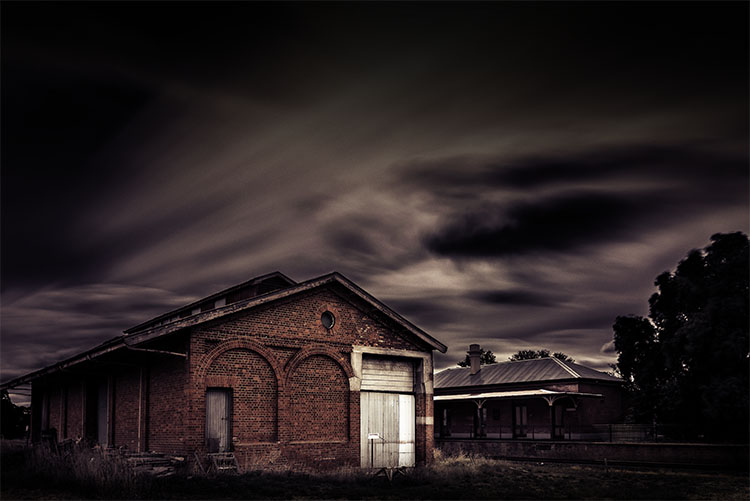
Overcast skies can do the same. Dark foreboding clouds can create darkness in landscapes, and give a sense of dread, tinged with some scariness. The absolutely best scene is the one with a dark overcast sky, then the sun peeks through a break in the clouds, and highlights an aspect of the image. It’s like hitting the jackpot, you get the best of everything. It is one of my favourite things to capture.

If you are out and see fog, frost, or lots of clouds, try to figure out how to make them work for you in your image. See if you can get lots of different angles, and what you can do with them.

leannecole-winter-photography-hellsgate-lighthouse

LeanneCole-winter-photography-004

Fog can create moody landscapes and isolate areas.

Light

Photography is full of rules, how to take photos, when to take photos; it is said that you shouldn’t take photos between 10am and 4pm. Is this true? Perhaps in the summer, and those places that don’t really have winter, but if you live a long way from the equator this rule may not apply to you. The further you are away from it the less it applies.

leannecole-winter-photography-queenstown

Winter (off-season) light is quite beautiful. There is a softness to it that makes photographing wonderful, and you can get some incredible images. The shadows are soft, meaning the edges aren’t hard and sharp like they are in the summer. The sun doesn’t get as high in the sky so the shadows are always long.

Living in a country like Australia where the summers are hot and harsh, I look forward to winter every year. It means I can go out and take photos for as long as I like, when I like. The clock doesn’t dictate when it is a good time. Winter is my absolute favourite time for photography here.

LeanneCole-winter-photography-007

On an overcast day the sun could suddenly come out and give your landscape a spotlight effect.

Equipment you need to take with you

When you are travelling in the off-season you have to be prepared for wet and cold weather. It’s likely going to mean that you will have to take more gear with you so that you can protect your gear.

In your kit it’s good to have a plastic raincoat cover for your camera; a sleeve that will fit over your camera, but the end is open for your lens so you can still take unobstructed photos. Many cameras can take a certain amount of water, the more high end ones more so, but you don’t want to push it much. If you are out in the rain constantly, then protect it as much as you can.

LeanneCole-winter-photography-006

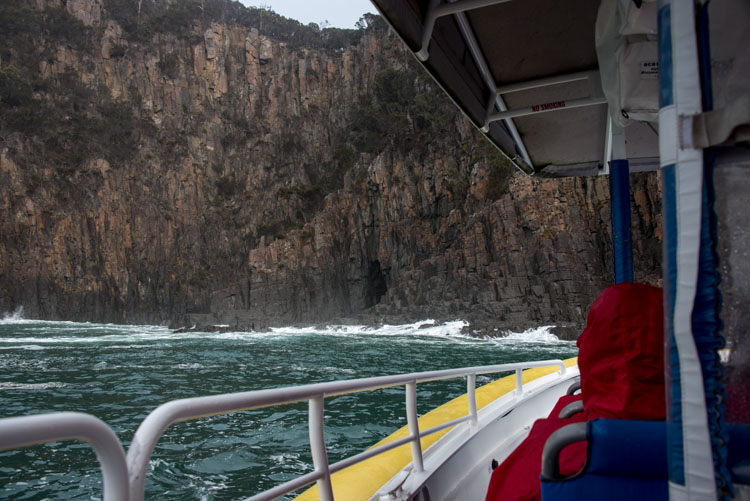
Riding in a boat in open water in inclement weather is a disaster waiting to happen, so make sure you protect the camera and keep it covered up.

A lens hood is one of the best ways to protect the end of your lens when it is misty and raining. The sides of it can help prevent water from ruining your photos, unless you are shooting straight into the wind.

Having a lens cloth close by is an absolute must. As much as you try to keep the lens dry if there is any breeze, you will get drops of water on the end. It is good to keep it in your pocket for quick access. Nothing spoils a photo more than water drops on the lens.

LeanneCole-winter-photography-002

Waterdrops on your lens can ruin your images, and can be very hard to remove in post-production, especially if there are lots of them.

Making the most of it

You shouldn’t think of the off-season as a time to hibernate, but make the most of weather that other photographers don’t consider. Think about how you can get the weather conditions to enhance your images, and give you a final photo that is unique. Good luck with it and remember to rug up and keep warm.

LeanneCole-winter-photography-005

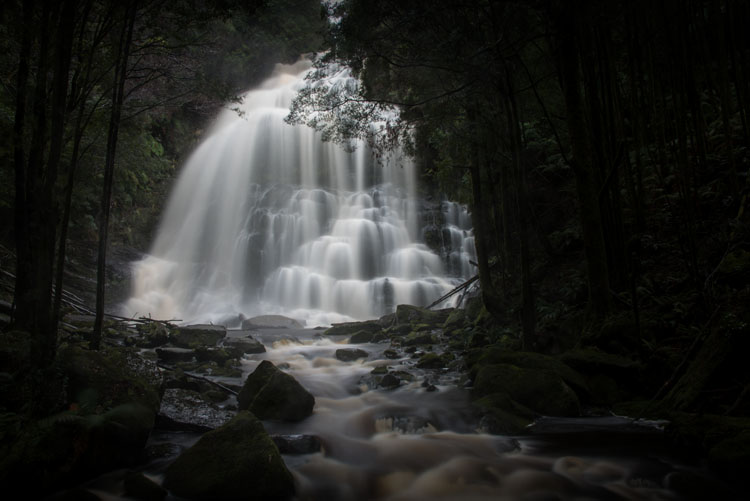
Waterfalls can be full of water from lots of rain.

leannecole-winter-photography-newstead-railwayshed

googletag.cmd.push(function() {
tablet_slots.push( googletag.defineSlot( “/1005424/_dPSv4_tab-all-article-bottom_(300×250)”, [300, 250], “pb-ad-78623” ).addService( googletag.pubads() ) ); } );

googletag.cmd.push(function() {
mobile_slots.push( googletag.defineSlot( “/1005424/_dPSv4_mob-all-article-bottom_(300×250)”, [300, 250], “pb-ad-78158” ).addService( googletag.pubads() ) ); } );

The post Finding Comfort with Off-Season Photography by Leanne Cole appeared first on Digital Photography School.


Digital Photography School

 
Comments Off on Finding Comfort with Off-Season Photography

Posted in Photography


A Beginner’s Guide to Minimalist Photography

24 Jul

Minimalism is splitting the world in two. Love it or hate it, it’s a style with a very defined outline, one that has its roots in in the painted arts of the 20th century and that continued to branch out in other domains. These days, minimalism is especially present in design, fashion, and photography. A simple scout around websites such Continue Reading

The post A Beginner’s Guide to Minimalist Photography appeared first on Photodoto.


Photodoto

 
Comments Off on A Beginner’s Guide to Minimalist Photography

Posted in Photography


Weekly Photography Challenge – Birds

23 Jul

Don’t we all wish we could be a free and fly away like a bird? Well we can’t, but we can photograph them!

See: 24 Fantastic Photos of our Fine Feathered Friends – Birds

Dennis Skley

By Dennis Skley

Weekly Photography Challenge – Birds

Whether in flight or on the ground, your challenge this week is to get out and photograph a bird or some birds. Here are some articles to help you:

  • 10 Surefire Tips for Photographing Birds in Flight
  • 8 Tips For Photographing Birds
  • How to Take Better Wildlife Photos: Be a Naturalist First
  • 10 Common Bird Photography Mistakes and Their Solutions
  • Bird Photography Tips for Beginners
  • Bird Photography Tips – How to Make Your Bird Photographs Stand Out
Matthew Paulson

By Matthew Paulson

Bill Gracey

By Bill Gracey

Howard Ignatius

By Howard Ignatius

Tjarko Busink

By Tjarko Busink

Vi Neves

By Vi Neves

Eyesplash - Summer Was A Blast, For 6 Million View

By Eyesplash – Summer was a blast, for 6 million view

Share your images below:

Simply upload your shot into the comment field (look for the little camera icon in the Disqus comments section) and they’ll get embedded for us all to see or if you’d prefer upload them to your favourite photo sharing site and leave the link to them. Show me your best images in this week’s challenge. Sometimes it takes a while for an image to appear so be patient and try not to post the same image twice.

Steven

By Steven

googletag.cmd.push(function() {
tablet_slots.push( googletag.defineSlot( “/1005424/_dPSv4_tab-all-article-bottom_(300×250)”, [300, 250], “pb-ad-78623” ).addService( googletag.pubads() ) ); } );

googletag.cmd.push(function() {
mobile_slots.push( googletag.defineSlot( “/1005424/_dPSv4_mob-all-article-bottom_(300×250)”, [300, 250], “pb-ad-78158” ).addService( googletag.pubads() ) ); } );

The post Weekly Photography Challenge – Birds by Darlene Hildebrandt appeared first on Digital Photography School.

Digital Photography School

 
Comments Off on Weekly Photography Challenge – Birds

Posted in Photography