RSS
 

Posts Tagged ‘Photography’

The good, the bad and the ugly of aerial photography – part 4: technique

18 Feb
A glacial river in Greenland

Getting your settings right is important when shooting from the air. Due to low light and strong vibration, many images from this shoot turned out blurry.

In the previous article in this series, I talked about the equipment one might use for aerial photography. So what about technique, and especially camera settings? What should you consider when shooting from the air? 

The important thing to remember here is that you’re shooting from a moving, vibrating aircraft instead of from stable ground. This simply means that in order to keep your shots sharp, you’ll need to use a high shutter speed. Remember that the compensation mechanisms in stabilized lenses are meant to deal with human movement, not high-frequency vibration, and will thus offer little help. Same goes for your own hands’ stability: even if you’re rock solid, the aircraft is not, and you should always bear that in mind or suffer the consequences (as I unfortunately have in the past).

Depending on the angle of view, I’d recommend shooting at least 1/400th of a second to make sure the shot is sharp enough, preferably even faster, and faster still if the focal length is long. When shooting from a plane, expect to need even faster shutter speeds, as wind can often move the lens and even change the zoom settings, as it sucks the lens out of the window. To keep your shutter speed in check, don’t be afraid to use a higher ISO setting. I frequently use ISO 400, 800 and when it’s darker even 1600 and 3200. Having a bit more noise and less dynamic range is a much better alternative to having a blurred shot. You can also use relatively wide apertures, since the subject is far away and depth of field is therefore large.

Shooting at ISO 800 is a no-brainer when light is low and you’re in a Cessna.

While I talked about equipment in the last article, I left one piece of gear to this article, since I wanted to link it to exposure times: Gyroscopes. These are contraptions which use rotational inertia to counter movement and vibrations, allowing the photographer to use much lower ISO values and longer exposure times while maintaining stability and sharpness. Unfortunately, they are large, heavy and very expensive, which leave them out as an option for the casual aerial shooter such as myself and most photographers with me. I personally don’t have any practical experience with gyros, but hopefully I’ll get to try shooting with one in the future.

Another point on technique: it’s very beneficial to shoot in fast-continuous mode. Even if exposure times are high, you never know when the vibrations take their toll on camera stability. Shooting the same image 2 or 3 times will significantly increase the chances that at least one of the exposures turns out crisp.

Another reason to shoot in continuous mode is HDR. HDR is surprisingly possible in aerial photography, and I use it in cases of extreme global contrast. Take for example the image below of the Holuhraun volcanic eruption in Iceland. Taken at night, the lava was quite a few stops brighter than its black surroundings, and so I used exposure bracketing together with continuous mode to quickly shoot two shots of the same scene with different exposure times, which were later combined using Photoshop.

 With the lava many stops brighter than the surroundings, I had to use HDR to get this image.

Another surprisingly possible technical feat is panoramas. As long as all parameters are in check, there’s really no reason not to pano from the air, and one can really get interesting results that way. This is especially important due to aerial photography’s equipment limitation – when you’re stuck with one or two lenses, shooting a panorama allows you to achieve a wider angle of view.

A 2-shot panorama taken from a Cessna above the mountains of Lofoten, Arctic Norway. Due to the aircraft’s movement it was a bit of a difficult stitch, but still very possible and worthwhile.

In the next and final article in this series, I’ll survey several of my aerial shoots.


Erez Marom is a professional nature photographer, photography guide and traveler based in Israel. You can follow Erez’s work on Instagram, Facebook and 500px, and subscribe to his mailing list for updates.

If you’d like to experience and shoot some of the most fascinating landscapes on earth with Erez as your guide, you’re welcome to take a look at his unique photography workshops around the world:

Land of Ice – Southern Iceland
Winter Paradise – Northern Iceland
Northern Spirits – The Lofoten Islands
Giants of the Andes and Fitz Roy Hiking Annex – Patagonia
Tales of Arctic Nights – Greenland
Saga of the Seas and The Far Reaches Annex – The Faroe Islands
Desert Storm – Namibia

More in This Series:

  • The good, the bad and the ugly of aerial photography – Part 1: Why shoot aerials?
  • The good, the bad and the ugly of aerial photography – Part 2: Aircraft
  • The good, the bad and the ugly of aerial photography – Part 3: Equipment

Selected Articles by Erez Marom:

  • Parallelism in Landscape Photography
  • Behind the Shot: Dark Matter
  • Mountain Magic: Shooting in the Lofoten Islands
  • Behind the Shot: Nautilus
  • Behind the Shot: Lost in Space
  • Behind the Shot: Spot the Shark
  • Quick Look: The Art of the Unforeground
  • Whatever it Doesn’t Take
  • Winds of Change: Shooting changing landscapes
  • On the Importance of Naming Images
Articles: Digital Photography Review (dpreview.com)

 
Comments Off on The good, the bad and the ugly of aerial photography – part 4: technique

Posted in Uncategorized


How to Develop a Unique Style for Your Photography

17 Feb

In today’s world, everyone has a camera. It may be as simple as the camera on their phones, but they still have one. This means that millions, maybe billions of people are taking photos every day. What does that mean for you? It means you have to compete with all those to make your images stand out. You have to find a way to be different, but how? The best way is to develop a style that is uniquely yours.

When people look at your work they instantly know it is yours, or someone trying to copy it. Your style is how you become known and how you make yourself stand apart.

How to Develop a Unique Style for Your Photography

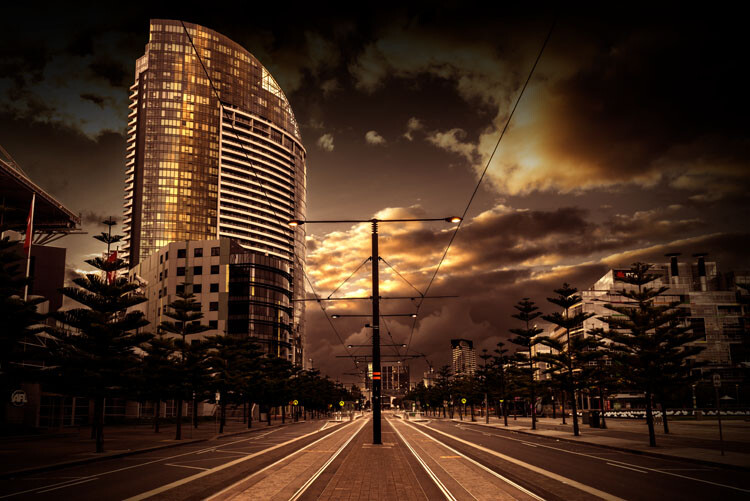
Looking north along the Harbour Esplanade.

What does having a photographic style mean?

Basically, that you do something to your images that make them different, whether it is done when the shot is taken or in post-processing, or maybe both. Whatever it is that you do, you want people to know straight away that the image is yours before they see the name. There should be a similarity between all your images and they look like they belong together.

It almost goes against the grain of what humans are like and our need to conform. If you want your images to stand out you have to find a way to make them different to what everyone else is doing. Think about how you can work that is not the same. It can be about photographing the same thing, but you do it your way.

When I was in art school we were told over and over again that nothing was original anymore. Anything that you wanted to do had already been done. It is true in most cases, but that doesn’t mean you shouldn’t try to find a way to work that could be different.

How do you develop a style?

Ask any artist or photographer that has their own distinct style and they will give you a different answer. For most, there will be something that drives them to create work in a particular way.

There are four main things to consider when developing your own unique style; why you are doing the work, the subject matter, the technical process, and post-processing. Let’s look at these individually and see some artists who work that way.

How to Develop a Unique Style for Your Photography

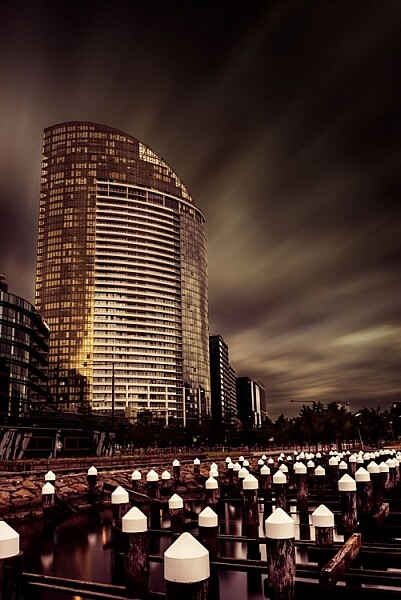
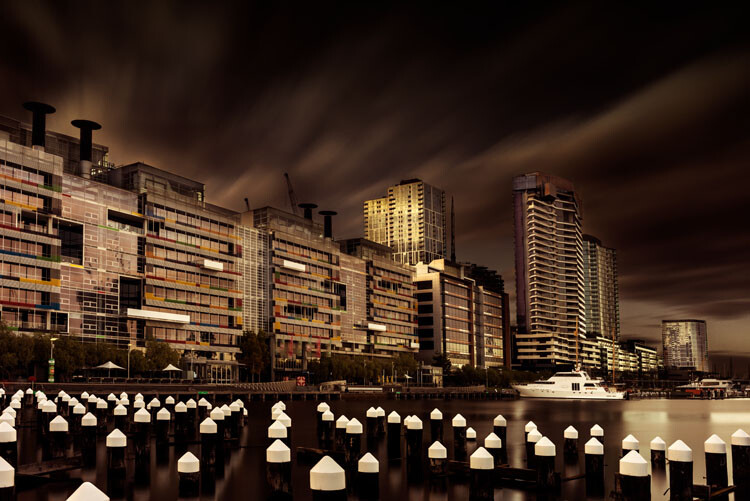
A long exposure of a building in the Docklands.

Why are you doing it

This is a bit like an artist’s statement in that you know what you are trying to do with your images. Many artists work this way. They understand what they are trying to achieve and have a look or story they are trying to get.

Australian artist/photographer Tracey Moffat looks at indigenous people and culture, and how they are understood culturally and socially. She says she is more interested in creating her own realities than dealing with reality. From the start, Moffat has an idea of what it is she is striving for.

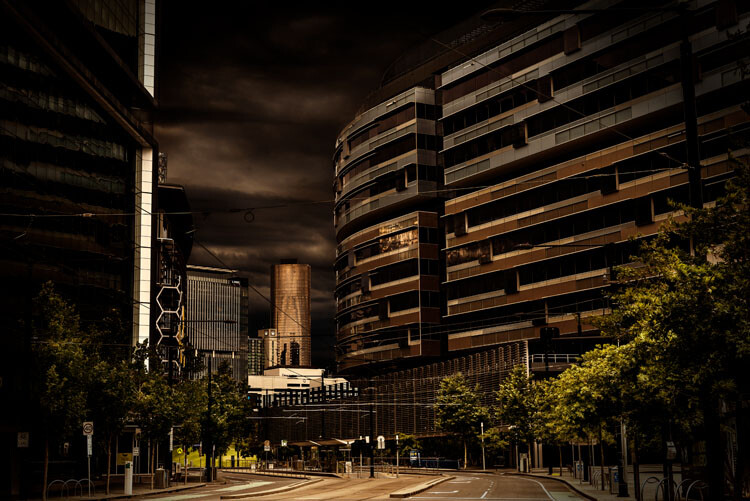
My own work starts with the idea of what would the world be like without humans. I find places like Pripyat, the worker’s town that was evacuated after the Chernobyl nuclear disaster in 1986, fascinating. It has not been lived in since, and there is a quietness in the images that I find quite appealing. I try to photograph places with no people in them to see if I can imitate that silence. At the same time, I like to create a world in my images that doesn’t seem quite real.

How to Develop a Unique Style for Your Photography

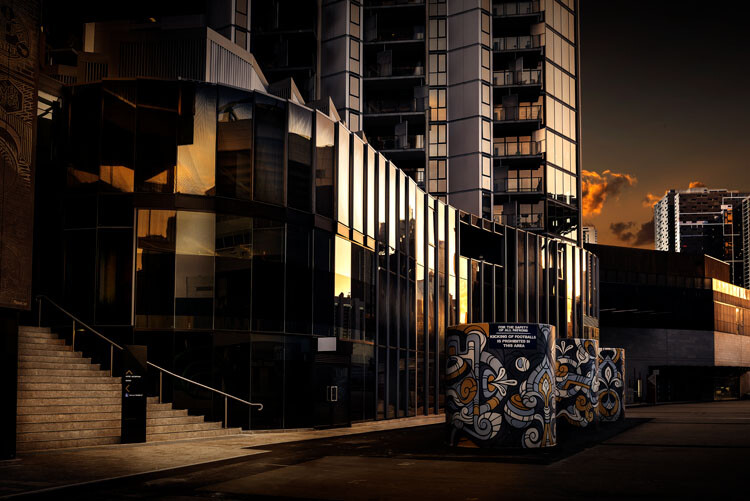
Off the street at the entrance of a building.

The subject matter

Usually, someone who is developing a style, or has one, will have a certain subject matter that they stick to – it might be mountains, the night sky, or waterfalls. It will be what they want to photograph and they tend to only do that thing. While some can be that strict with themselves, most photographers have a few things they like to photograph. However, that doesn’t mean that all the images will fit within that same style.

One of my favorite painters, Rick Amor, does a lot of architectural paintings. He creates his own realities in fictional cities, but he also likes to paint scenes from the beach and he does a lot of self-portraits. There is variety in his work, and each has its own style.

It could be said that I like architecture the most, but really, what interests me is the hand of man. I find anything that man has built or destroyed interesting. I tend to concentrate on cities, perhaps because I live in one, and it is easy to get there to take photos. However, if you were to look at my Instagram page you would see that I also like to photograph anything with water in it. Many images do not fit my subject, but you can’t always do art images and I do like photographing other things from time to time.

How to Develop a Unique Style for Your Photography

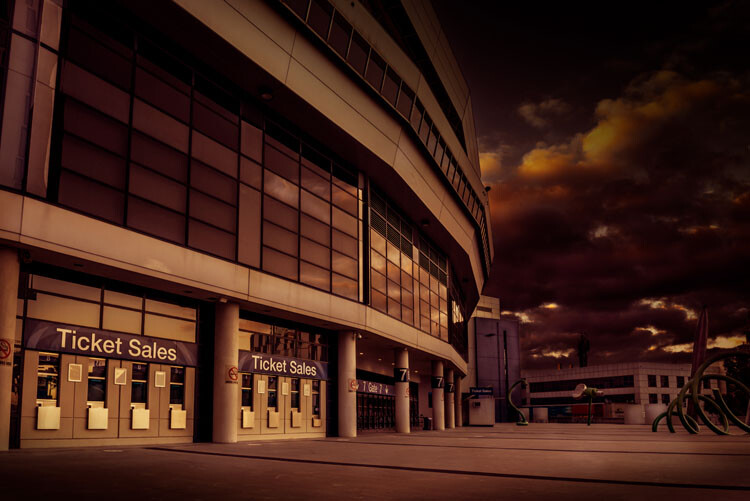
Etihad Stadium closed.

The technical process of taking images

The best way to get your images is knowing how to use your camera and getting the best out of it. There are photographers that rely on their cameras to give them what they want and the technical details become very important. The art of photography comes from the technical aspects.

If you are a technical photographer then you would be looking for a specific technique that you can use that will help give all your images the same feel. What that technical aspect will be is completely up to you. There are a lot of photographers that are striving for an image that is very technical, and the creative part isn’t necessarily that important.

You will find that many landscape and nature photographers are more technically driven. Matty Smith, an Australian underwater photographer, does his best to get everything in camera. He likes to reduce how much post-processing he has to do, therefore it is very important to him that he gets what he wants while out in the field, or under the water.

I am not a technical photographer. I don’t let the technical aspects of photography dictate my image. That doesn’t mean I don’t know them, they just don’t mean as much to me.

Using Post-processing

You will find that technical photographers don’t do a lot of post-processing, while others will use it a lot. There are no rules about what you should use, but you will find that many photographers that have really distinctive styles get their look through photo editing.

Brooke Shaden is primarily an artist who uses photography to create her own look. She does portraits in different settings and often uses costumes for them. The thing that sets her apart is her post-processing. She has a distinctive style that is hers. You will see lots of images that are similar, but they are usually people who are trying to imitate what she does.

My work is mostly created with post-processing. I have things I like to do to images, and playing in Adobe Photoshop is as much fun to me as taking the photos. I spend far more time processing than I do taking the images. I like to play with the light to see what I can do with it and for me, an image is complete when it looks almost like a movie still, not quite real.

How to Develop a Unique Style for Your Photography

La Trobe Street looking to the Bolte Bridge.

Artists who have their own style

There are so many photographers that have very distinctive styles and if you want to develop your own style you should look at their work to see what they do. See if you can find inspiration.

Here is a list of photographers that have, at some stage, influenced my photography and helped me to develop my own style.

  • Joel Grimes
  • Peter Eastway – see also: The Magic of Antarctica with Special Guest Peter Eastway
  • Kristy Mitchell
  • Joel Tjintjelaar
  • Julia Anna Gospodarou
  • Art Wolfe

There are a few for you to start with.

How to Develop a Unique Style for Your Photography

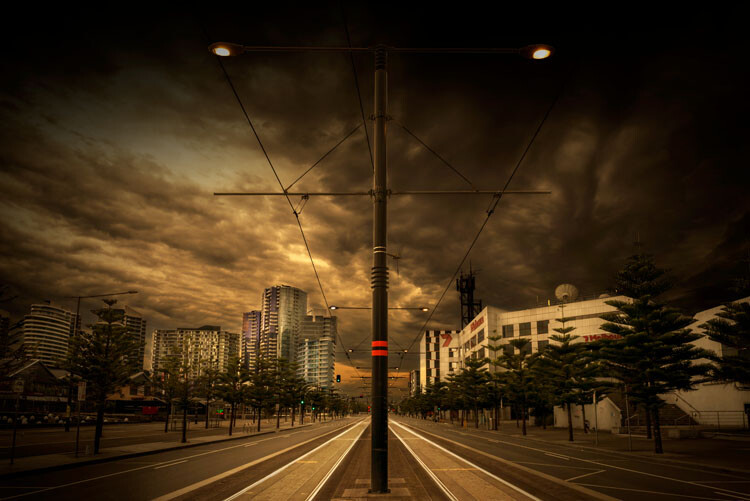
The Harbour Esplanade looking down the tram tracks.

Should you copy

It is so easy to copy what another photographer does, especially if they teach somewhere, but should you really copy what they do? There have been photographers who have done that and everyone just says, “Oh they are copying so and so.”

It is okay to copy what a photographer does to learn some new skills, but ultimately if you want your own style, one that is uniquely yours, then you need to work out what to do with your own images.

I learned a lot about developing a style and working as an artist through my fine arts degree. I also watched a lot of videos on how other photographers created their work. I would pick up tips and then see if I could apply them to my own work. I experimented with what they did so I could use it, but also so it would look different.

How to Develop a Unique Style for Your Photography

Near the end of Collins Street.

How to develop your own style

Go through all the steps here and see which apply to you. Work out what you want your work to be about and how you can get a look that is you, or so others know it is yours without having to look for a name.

Remember, that for your style to be uniquely yours, it needs to be different to what others are doing. It can be something simple, or perhaps more complicated. It won’t happen straight away and may take you quite a while to develop your own look.

You might find that you start one thing, and then change. It is normal, and in the beginning, it will change quite a bit. It will also evolve over time. What I am doing now is quite different to what I was doing 20 years ago, or even 10 years ago. Some might say that it is has changed a lot in the last two to three years.

As you start thinking about it, you may also find that you already have a style and are not even be aware of it, which is what happened to me. It took me a while to see what my style was, though many others could see it before I did. However, I know it now and understand it better.

To see how you progress places like Instagram can be perfect. You see all the work there and it is easy to look at the images together and over time.

Finally

Just experiment and try things. You never know where it will end up. Also, don’t always listen to others, especially for approval, do your own thing and eventually others will come around to it.

Have you developed a unique style for your photography? How did you do it? Please share your comments and thoughts below.

leannecole-developing-your-style-44

A long exposure over the water at Docklands.

googletag.cmd.push(function() {
tablet_slots.push( googletag.defineSlot( “/1005424/_dPSv4_tab-all-article-bottom_(300×250)”, [300, 250], “pb-ad-78623” ).addService( googletag.pubads() ) ); } );

googletag.cmd.push(function() {
mobile_slots.push( googletag.defineSlot( “/1005424/_dPSv4_mob-all-article-bottom_(300×250)”, [300, 250], “pb-ad-78158” ).addService( googletag.pubads() ) ); } );

The post How to Develop a Unique Style for Your Photography by Leanne Cole appeared first on Digital Photography School.


Digital Photography School

 
Comments Off on How to Develop a Unique Style for Your Photography

Posted in Photography


7 Tips for Overcoming Nerves When Doing Street Photography

17 Feb

Good street photography can sometimes look deceptively easy to do yourself. All you have to do is be in the right place at the right time, get a little lucky, and bam – you have an incredible, one-of-a-kind photograph.

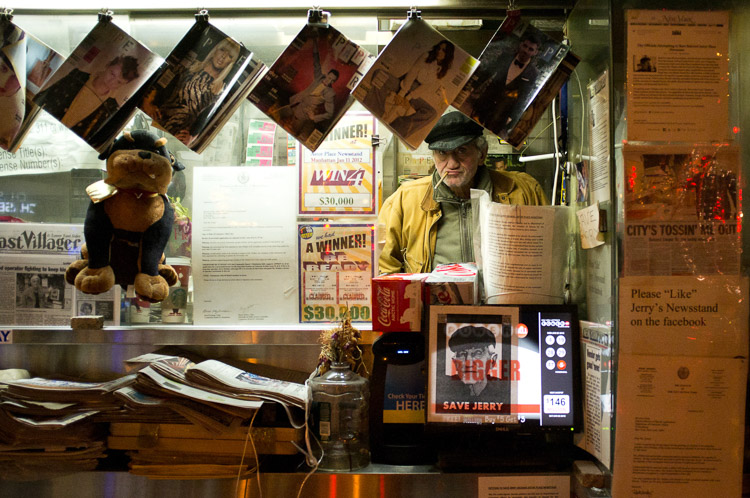
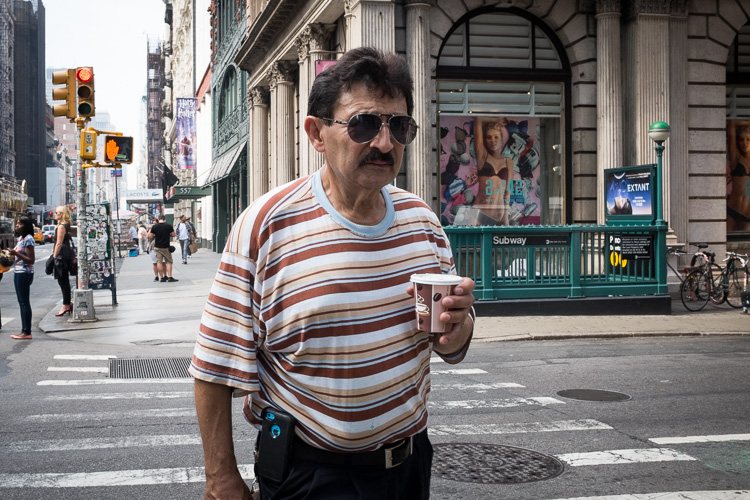
Astor Place Newsman, New York Street Photography

However, the reality is much more difficult than that, and it’s something that can surprise photographers when they try it. Suddenly, everything is moving so fast. You look around, but you don’t actually see any amazing moments. Then when you do capture something that you thought looked good, it didn’t turn out anything like you imagined.

These are all things that take time and practice to improve at, but the hardest obstacle for people to overcome with street photography is fear. Suddenly, you’re in the middle of it all. People are looking at you. Even the people who you aren’t photographing are watching from the side. You freeze, you have trouble putting the camera to your eye, and it doesn’t feel as fun as it should because you are so nervous! Fear stops too many people before they start, and this is a shame because it’s a very enjoyable type of photography.

Here are some tips to help you get over those street photography fears so you can enjoy yourself out there.

1. Think about what you will say if someone stops you

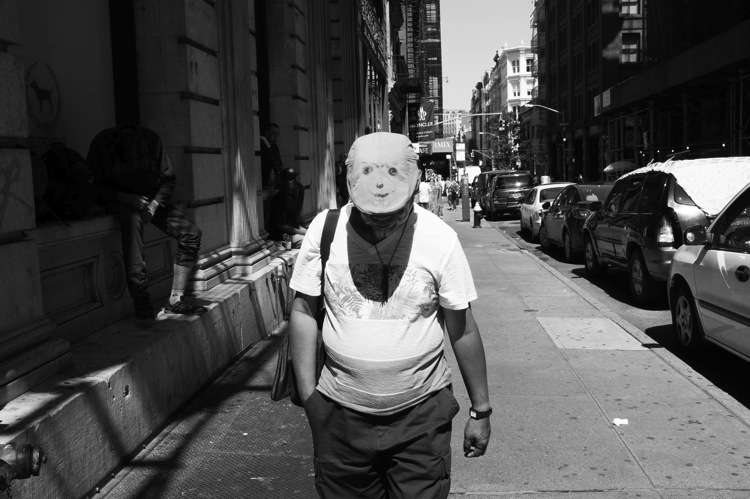
SoHo, New York Street Photography

The thing that will make you the most comfortable out there is knowing that you have a plan if someone stops you after you have taken their photograph. This rarely ever happens to me, but when it does, I feel confident in how I can handle myself.

First of all, if someone notices me, I always smile. Acting confident and like you’re not doing anything wrong will make the subject more comfortable. If you’re sneaky and look sheepish, they will see that you look guilty and be much more inquisitive.

Then if someone asks you why you took their photograph, tell them the truth. I say that I am a photographer doing a cultural project on the people and streets of New York, and I thought they looked fabulous. Flattery will help you get out of most situations. Or tell them you are a student. Offer to email them the photograph. Explain that you find people and fashion and things of that nature just as interesting as the buildings. If the person then continues to seem uncomfortable or angry, apologize and say that you didn’t mean to make them uncomfortable and you are happy to delete the photograph. That will diffuse most situations.

2. Choose your subjects wisely

SoHo, New York Street Photography

If someone looks angry, stressed, scary, or in any way that makes you uncomfortable, you are NOT to photograph them. More subjects will come soon after. By picking the right people, you will make things much easier for yourself, and that will also make you feel more comfortable.

3. Go to a busy place and let people come to you

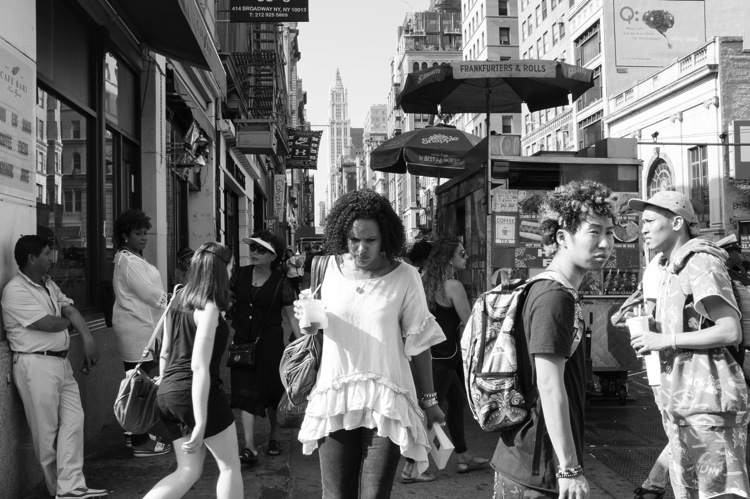
Canal Street, New York Street Photography

This is one of my favorite tips. While street photography can and should be done in areas without many people, one of the best things you can do is to photograph where a lot is going on. Go to busy street corners, markets, or festivals. Go at times when things are happening. Follow the action.

This will immediately ease your fears somewhat. In those areas, people will be too busy to notice you and will be used to people with cameras. It will give you time to practice and to get comfortable with the act of shooting street photography.

Take this a step further, by picking a spot and letting things happen around you. You do not always have to walk around to search for a photograph. By staying in the same location, you will be quicker to notice moments as they occur, you will already be in position, and people will be entering your personal space instead of you entering theirs. This will help to make you feel a lot more comfortable.

4. Try some street portraiture

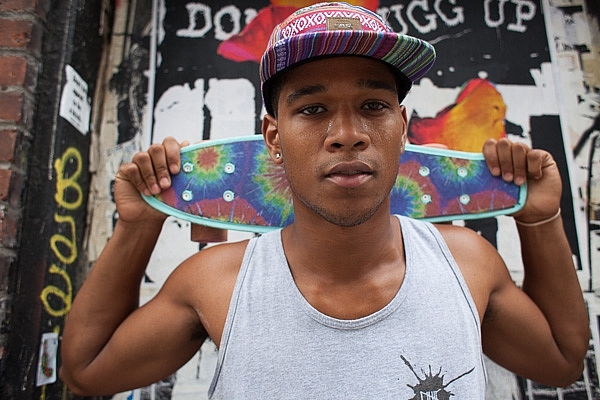
Skater, Street Portrait, New York Street Photography

Start out the day with some street portraits. Stop someone, tell them they look great and that you’re doing a project on people in the area, and ask if you can take a few quick photographs. Some photographers will then just capture a couple quick photographs, mumble a thank you, and run off, but I want you to interact with them.

Make conversation as you photograph and capture them from a couple angles. Compliment them and make their day. Doing this will make both you and the subject happier, and it will help remove the creepy feeling that can happen when shooting street photography.

5. Learn to be candid

No matter how comfortable you become shooting in these environments, it is important to learn to act candidly. If everyone stops you to ask if you took their photograph or if everyone notices you right away to ruin the moment, you will not get anywhere. Learning to act candidly will make you feel much more comfortable.

SoHo, New York Street Photography

The camera snap

The most important tip, probably in this whole article, is what I call the camera snap. As photographers, one of our instincts is to slightly take the camera away from our eye right after we take a picture. Everyone does this, and this is how people notice that you have taken their photograph – it’s the main thing that tips them off. So instead, take the photograph and keep the camera to your eye as they pass completely by. This will make them think that you are just photographing the background and that they got in your way.

This way of shooting works fantastically well in busy areas, but in areas with fewer people, it can help to change it up a bit. Instead of aiming the camera at a subject right away, this time, aim the camera at a building above or a scene to the side of them. Then at the last second, act like you took the photograph and are moving your camera down, take the picture of them, and move on.

It cannot hurt to play a role as well. Some of the best street photographers are fantastic actors; they have a way of looking the dumbest with their cameras. They furrow their brow and act like they don’t know how to use the camera at all, are testing it out, and don’t even notice that the person is right where they are photographing. Some even act like tourists. It’s hilarious and it works.

6. Don’t shoot from the hip

SoHo, New York Street Photography

Shooting from the hip is an important practice in street photography. I do it about 30-40% of the time, but I do it with my camera right below my eyes, looking like I’m standing there waiting for something to happen instead of putting the camera very low down. If you are just starting out with street photography, particularly with a large DSLR and zoom lens, this will be your first instinct.

It can be important to learn to shoot from the hip, particularly for the moments that you really want to keep candid, but I suggest staying away from it at first. It can become too much of a crutch and it can make you more uncomfortable in the long-run as you will always feel like you are sneaking around. You need to learn to put the camera to your eye at first to both get good photographs and to improve your confidence. Force yourself to shoot with your camera to your eye as much as possible, and as you get more experienced, then you can experiment with shooting from the hip some of the time.

7. Repetition

5th Avenue, New York Street Photography

Nothing will get you more comfortable out there than shooting frequently. Even if it is only ten minutes here or there, try to not go too long without photographing. These skills are like any other in that you will quickly get rusty, and this will make you feel more self-conscious. Turn your photography into a routine, even if it is only once every two weeks, and you will become much better.

Now that you’ve read all of this, just get out there and go for it. Put a smile on your face, enjoy the walk, and have fun with it!

googletag.cmd.push(function() {
tablet_slots.push( googletag.defineSlot( “/1005424/_dPSv4_tab-all-article-bottom_(300×250)”, [300, 250], “pb-ad-78623” ).addService( googletag.pubads() ) ); } );

googletag.cmd.push(function() {
mobile_slots.push( googletag.defineSlot( “/1005424/_dPSv4_mob-all-article-bottom_(300×250)”, [300, 250], “pb-ad-78158” ).addService( googletag.pubads() ) ); } );

The post 7 Tips for Overcoming Nerves When Doing Street Photography by James Maher appeared first on Digital Photography School.


Digital Photography School

 
Comments Off on 7 Tips for Overcoming Nerves When Doing Street Photography

Posted in Photography


How to Get Inspiration for Photography When You Feel Stuck

14 Feb

Let’s face it, we’ve all been here before. We start off being in love with photography. We live and breath everything related to it, we take pictures of everything and anything, we obsess over the latest gear and gadgets until we almost alienate everyone around us. Who wants to get up at ungodly hours in the morning just to catch the most beautiful sunrise? But soon enough, the enthusiasm starts to slacken and you feel like you are taking the same photos over and over again. The good and the bad news is that photography is one of these art forms that is constantly evolving. Every day there is some new technique, new gear or even new post-processing style that seems to be quite the rage. So there are some simple and easy ways to stay inspired with your photography.

How to Get Inspiration for Photography When You Feel Stuck

Draw up a plan for your success

Like any other professional industry, documenting your photography goals is also a great idea. Often just voicing and acknowledging what is in your head is the first step towards achieving success. If you are just starting out, maybe limit yourself to a couple of reasonable goals and while you are at it, also document some tasks that will help you achieve your goals.

Maybe it is getting comfortable in shooting in Manual mode, or maybe it is being comfortable using off-camera flash. No matter what the goal, it is easier to achieve when you have a solid actionable plan to help you get there. Take this even a step further by actually writing and planning the execution steps needed to achieve that goal. If you want to learn how to shoot in manual, check out the other resources here on dPS, like Getting off Auto – Manual, Aperture and Shutter Priority modes explained. Schedule time every week to shoot for an hour or so in manual mode. Ask a photographer friend to help you learn the ropes. There are many ways to execute on your photography goals.

Work on personal projects

While it is great to be busy and earn a living doing what you love, it can also start to drain the creative spirit. Give yourself permission to take on a few passion projects, otherwise known as personal projects. These personal projects are a way for you to fall back in love with photography without any pressures or expectations. They can be projects that last for years or they can be projects that get completed within a month. Not matter what you choose, choose a topic that is near and dear to your heart and give it your best shot (pun absolutely intended here!). Read: 12 Creative Photography Project Ideas to Get you Motivated

How to Get Inspiration for Photography When You Feel Stuck

Here I am representing everyday elements in black and white, almost like I am reliving the good old days of black and white film photography. This is just a personal exercise in looking for monochromatic patterns and frames that will work well without any color.

How to Get Inspiration for Photography When You Feel Stuck

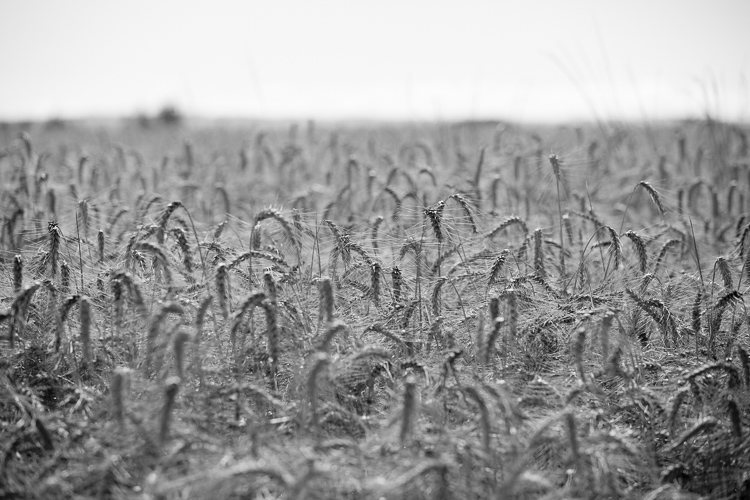
To me, black and white for these blades of wheat brings out more texture than in the actual color image.

How to Get Inspiration for Photography When You Feel Stuck

A simple place setting looks more regal in B&W

Go shoot without an agenda

Pick up your camera – whether it’s a DSLR, film camera or even your cell phone, and photograph something – anything. Don’t put much thought or plan towards the outcome. Sometimes it’s just the act of pressing the shutter without thinking of the end result that can provide the right amount of stress release. You can either look at the images or choose to delete your work. The whole point of this is just to enjoy the act of photography without expectations or stressing about creating the perfect frame.

How to Get Inspiration for Photography When You Feel Stuck

How to Get Inspiration for Photography When You Feel Stuck

Take up another form of creative outlet

Creativity does not always mean artistic. Sometimes being creative has nothing to do with art but everything to do with creating with your own hands. Creativity can be found in cooking a meal from scratch, exercising a new fitness routine, knitting or sewing, gardening, writing in a journal, or even just going for a walk outside and studying leaf patterns (what can I say, I live in Chicago where it is cold for more than six months of the year!!).

Let any or all of these activities flow without structure or planning. They are simply a means to release all that creative energy building up inside of you. Be kind to yourself and just give yourself some leeway to take a break from photography.

Create a self-challenge and work towards that

Especially at the beginning of the year a lot of folks opt for creative challenges like a 365 project where you take one photo every day, or a 52 week where you document each week of the year with a series of images. There are other flavors of this like shooting a single color for a week, photographing your daily meals, etc. Whatever is your self-challenge, document it and work on it. Perhaps even join or start a group online where others can participate with you. That can motivate you even further to keep the inspiration alive.

How to Get Inspiration for Photography When You Feel Stuck

My personal project is to become proficient in old school film photography. To me, this is a great way to learn the basics of photography yet again. Plus there is something about the quality of film scans – they just have so much more depth and character to them.

How to Get Inspiration for Photography When You Feel Stuck

Using an old 30+-year-old film camera to capture some landscapes and animals.

Conclusion

I hope this article has inspired you to not give up if you are feeling uninspired or dejected with your photography. With a few simple exercises and a conscious effort to change your mindset, you can come back more inspired and hopefully more motivated to explore all these wonderful facets of this art form that has so many ardent fans all over the world!

What are some things you have found successful when you are in a photography rut? Feel free to share those in the comments below to help other readers as well.

googletag.cmd.push(function() {
tablet_slots.push( googletag.defineSlot( “/1005424/_dPSv4_tab-all-article-bottom_(300×250)”, [300, 250], “pb-ad-78623” ).addService( googletag.pubads() ) ); } );

googletag.cmd.push(function() {
mobile_slots.push( googletag.defineSlot( “/1005424/_dPSv4_mob-all-article-bottom_(300×250)”, [300, 250], “pb-ad-78158” ).addService( googletag.pubads() ) ); } );

The post How to Get Inspiration for Photography When You Feel Stuck by Karthika Gupta appeared first on Digital Photography School.


Digital Photography School

 
Comments Off on How to Get Inspiration for Photography When You Feel Stuck

Posted in Photography


Weekly Photography Challenge – Stars

14 Feb

Star gazing and the night sky was captured by these photographers.

Weekly Photography Challenge – Stars

By Karl Lindsay

To capture stars you may need to get out of the city if you live in, or near one. The sky needs to be dark, away from stray light and even a full moon. If you can do that you can capture the night sky and the stars in it.

Here are some tips to help you:

  • Better Star Trails Photographs with StarStaX
  • Tips for Successful Star Trails Photography
  • Tips for Shooting the Milky Way
  • How to Photograph the Full Band of the Milky Way
  • How to do Milky Way Photography – A Comprehensive Tutorial
  • Photographing Starry Skies for Nocturnal Landscape Without Breaking the Bank
  • Photographing Stars Using a Kit Lens

By Beau Rogers

By European Southern Observatory

By Jason Mrachina

Share your images below:

Simply upload your shot into the comment field (look for the little camera icon in the Disqus comments section) and they’ll get embedded for us all to see or if you’d prefer, upload them to your favorite photo-sharing site and leave the link to them. Show me your best images in this week’s challenge. Sometimes it takes a while for an image to appear so be patient and try not to post the same image twice.

Share in the dPS Facebook Group

You can also share your images on the dPS Facebook group as the challenge is posted there each week as well.


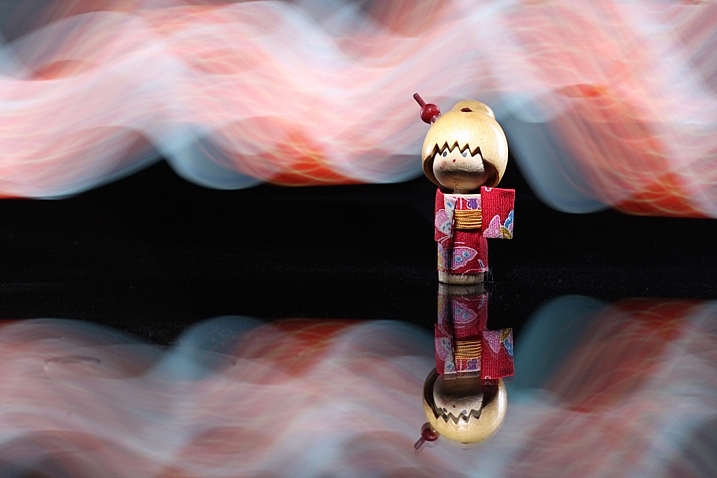
Recently we introduced our new Night Photography course by dPS writer Jim Hamel. Learn more about this brand new course here, so you can take stunning night photos too!
googletag.cmd.push(function() {
tablet_slots.push( googletag.defineSlot( “/1005424/_dPSv4_tab-all-article-bottom_(300×250)”, [300, 250], “pb-ad-78623” ).addService( googletag.pubads() ) ); } );

googletag.cmd.push(function() {
mobile_slots.push( googletag.defineSlot( “/1005424/_dPSv4_mob-all-article-bottom_(300×250)”, [300, 250], “pb-ad-78158” ).addService( googletag.pubads() ) ); } );

The post Weekly Photography Challenge – Stars by Darlene Hildebrandt appeared first on Digital Photography School.


Digital Photography School

 
Comments Off on Weekly Photography Challenge – Stars

Posted in Photography


8 Ways to Use Your Smartphone for Photography

14 Feb

What’s the most useful camera gear you carry with you? This is the most common question asked of photographers. Many will say a tripod or perhaps a lens, but how many people would have answered a Smartphone? Well, I’m sure there were more than a few.

The moment I saw the potential of smart devices was years ago when traveling with a friend in Japan. He had just bought an iPod touch, and everywhere we went he could show people his photos. It formed a lasting impression, and it wasn’t long before I had an iPod touch of my own. Now, of course, there are a plethora of smart devices available, and you can use your Smartphone for photography in many ways.

8 Ways to Use Your Smartphone for Photography

The Smartphone is great for many photography-related tasks.

1 – Use your phone for light painting

This is a really great and creative way for you to use your phone for photography. Using a Smartphone for light painting is the subject of this article: How to do Light Painting with a Piece of Fruit and a Cell Phone, so there is no need to elaborate on it too much here. The flashlight that comes with all phones these days can be used to both light the subject, and to light paint in the background.

You will, of course, need a tripod, a darkened room, and a camera capable of long exposures to make this work. In addition to the flashlight, you can also use the screen for light painting as well. The simplest way of doing this is to download a flashlight app. Now you can customize your light painting almost as much as you can with the pixelstick! Once you have chosen your background color, use this to light paint a pattern in a darkened room.

8 Ways to Use Your Smartphone for Photography

This photo was taken with a dSLR, but all the light painting was done with an iPhone 4.

2 – Download apps for your photography

There are many apps available for download that will help your photography, some are obvious and some you might not have considered. Tablet devices have many of the same apps as a Smartphone, though a phone can be handier to carry around. Here is a selective list of apps you might consider downloading to help with your photography.

  1. Suncalc (iOS version) – This app shows you the direction of the sun, and how that changes through the year. This is vital information when planning a photograph (for Android users here).
  2. Easy release (iOS version) – Store your model releases on the go, this app is accepted by major stock photography sites such as Getty images (Android here).
  3. Weather underground (iOS version) – This or any of the other weather apps provides information about weather conditions by the hour. This is great to know when planning the day you wish to photograph (for Android here).
  4. Pocket light meter – Always useful to have this, especially if you’re using off-camera flash (for Android here).
  5. Simple DoF calculator – Having this information to hand on your phone is always useful (Apple only but there are other Android options available).
  6. My Tide Times (iOS version) – Anyone photographing a coastal area needs to know the times for high and low tide. This can literally be a life saver and will help you plan your time effectively (Android version here).

3 – Never forget a location

8 Ways to Use Your Smartphone for Photography

This photo was taken with an iPhone. The geotagging was used to return to the location later.

Location scouting is one of the most important things you can do as a photographer. This is a good practice to get into whether you’re a portrait or a landscape photographer. Having go-to locations is a must. It’s not always easy to remember locations, though, especially if the area is unfamiliar to you because you’re traveling. Fortunately, the map apps that come with or you download onto your Smartphone will help here. There are a couple of options for saving your locations.

  • Bookmark it – When standing at the place you want to return to simply bookmark it by dropping a pin at your current location, then leave a note for yourself about what to find there.
  • Photograph it – Your photographs taken on your Smartphone can be geotagged, so you can use this to help you both remember the place and what’s there to photograph. If you do this, remember to check that location services are turned on for your camera app.
8 Ways to Use Your Smartphone for Photography

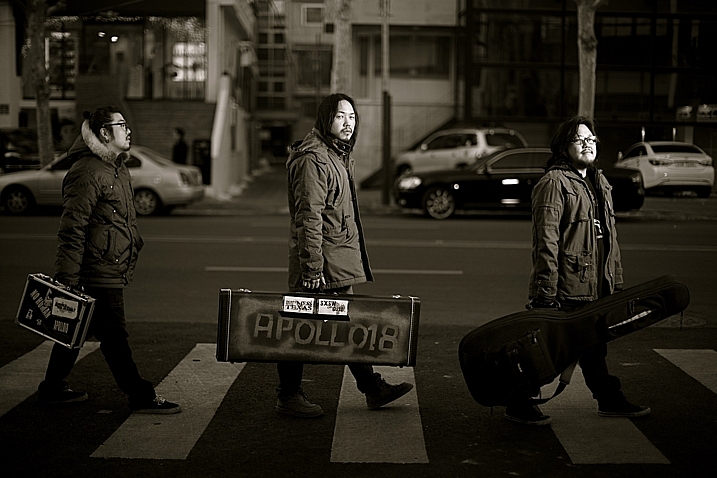
The location for this music band shoot was scouted out before (see photo above). The photo was of course inspired by a famous music band from the UK.

4 – Share your photos in person, and on social media

Taking your best photos with you to share with people is always smart, you never know who could be a future client. This is a great way to use your phone for photography as it often allows you build up a good rapport with other people. You should be prepared to look at their photos as well, remember most people have Smartphones these days.

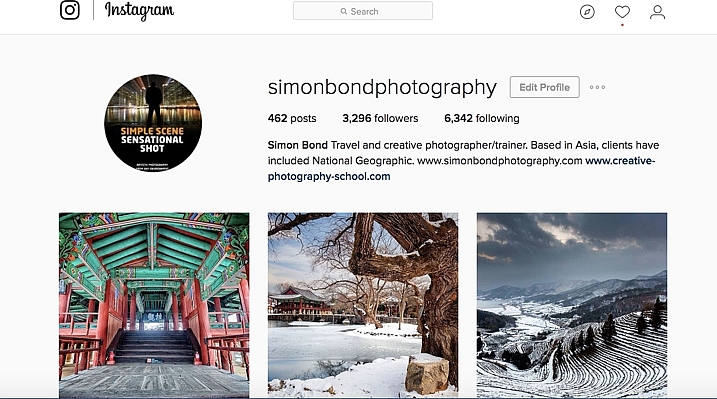
Of course, social media is a big player, and branching out of your geographical area is easier as a result. That means putting your very best photos on sites like Instagram, Facebook, and 500px. These sites are a vital part of getting yourself known as a photographer, and your Smartphone is at the center of that.

8 Ways to Use Your Smartphone for Photography

The use of social media sites like Facebook and Instagram to share your work is increasingly important.

5 – No external flash, no problem!

Photography is all about controlling the light, and a strobe or flash is a great tool for doing so. An alternative to a flash is your Smartphone in low light. This is because the flashlight on your phone can be used as a makeshift continuous studio light.

In order do this you will probably need to bump up your iso, and shoot with a large aperture. The use of multiple Smartphones will give you even more options. How about using one of them as a rim light?

8 Ways to Use Your Smartphone for Photography

The flashlight on Smartphones is great for lighting your subject.

6 – Use your phone for photography! It’s your second camera!

Having a second camera with you is never a bad idea, and if you’re doing commercial work it’s mandatory. A second DSLR camera body is heavy to carry, though, and if you’re out taking photos for your own pleasure not really necessary. Having a camera phone with you is often all the second camera you’ll need, you can do a lot with it. Why would you use your phone for photography when you already have a DSLR with you?

  • Fun shots: The biggest reason is for those informal behind the scenes photos with your friends.
  • Behind the scenes shots: You can use it to show the setup for your main photograph taken with your DSLR.
  • Second shots: When taking a photo with your main camera on a tripod, another photo opportunity presents itself. You don’t want to move your main camera, but a Smartphone photo will work.
  • Less intimidating: In street photography, a Smartphone is smaller and less intimidating.
8 Ways to Use Your Smartphone for Photography

This photo was taken with a Smartphone. It records a behind the scenes moment, while the main camera is on a tripod.

7 – Make lists, and store them

It’s said good photography happens when planning and spontaneity come together. There is a lot of preparation that goes into planning, and one of the best things you can do is make a list. The notes app on your Smartphone is another great way to use it for photography.

Making your pre-shoot list gives you a clear focus for your work. The really great thing about having that list with you is you can add to it on location. There will always be potential photos you could take in the future, which you will only see when you arrive. Note the new photo ideas down, and Geotag the location if needed as well. Evernote is another great app that works on any device, syncs with your home computer and you can access from anywhere with a web browser.

8 Ways to Use Your Smartphone for Photography

Make use of the notes function in your phone. You can note down ideas so you don’t forget them in the future.

8 – Use your phone . . . as a phone!

It’s easy to forget the primary function of your techno slab is to be a phone! That’s a mighty useful thing in photography for any business related activities. It goes without saying that your website, e-mail footer, and business cards, should all have your phone contact details included. Those opportunities to shoot commercially will improve you as a photographer as well, it will push you to deliver results. Even if you don’t have a photography business a phone is still great for contacting your photography friends! Your friends are always good to meet up with,

Even if you don’t have a photography business a phone is still great for contacting your photography friends! Your friends are always good to meet up with, collaborate, and bounce ideas off each other.

8 Ways to Use Your Smartphone for Photography

As stunning an idea as this may sound. You can use your phone to make phone calls!

The Smartphone, how will you use yours for photography?

The diversity of today’s Smartphones means they are so much more than just phones. As you can see, there are many ways you can use your phone to enhance your photography, we’d love to know how you use yours.

Are there any other ways in which you have used your phone, that aren’t mentioned here? The phone is a great device to have with you that takes up little space and doesn’t weigh you down. The chances are you have it with you anyway, so try out some of the ideas above.

googletag.cmd.push(function() {
tablet_slots.push( googletag.defineSlot( “/1005424/_dPSv4_tab-all-article-bottom_(300×250)”, [300, 250], “pb-ad-78623” ).addService( googletag.pubads() ) ); } );

googletag.cmd.push(function() {
mobile_slots.push( googletag.defineSlot( “/1005424/_dPSv4_mob-all-article-bottom_(300×250)”, [300, 250], “pb-ad-78158” ).addService( googletag.pubads() ) ); } );

The post 8 Ways to Use Your Smartphone for Photography by Simon Bond appeared first on Digital Photography School.


Digital Photography School

 
Comments Off on 8 Ways to Use Your Smartphone for Photography

Posted in Photography


5 Reasons Why You Should be Doing Night Photography

10 Feb

We photographers tend to avoid night photography. Sure, there are some who seem to specialize in it, but most of us stick to daylight hours.

night photography tips and course

Historically, there were good reasons for this. Night photography was hard. You couldn’t see what you were doing because there were no LCD screens on camera. Every mistake cost you money in the form of film and processing. Even when digital cameras came on the scene, the low light performance in most cameras was so atrocious that it made it difficult to shoot at night.

But now, times have changed. Obviously, with digital, you can see exactly what you are doing and take as many test shots as you like. Cameras – and the low light performance of cameras in particular – have improved drastically in the last three to five years. Post-processing tools have come a long way as well, so now you can enhance your night photos a great deal.

night photography tips and course

All that makes night photography much more feasible. But is it something you should do? Will it lead to great photos? Is it fun?

The answers are; yes, yes, and yes. In this article, I will show you some of my favorite things about night photography. Once you get started, you are sure to have some of your own reasons.

1.  Otherwise mundane places are dramatic at night

Most photographers struggle with one thing in particular. That is how to make their photos stand out from the crowd.

Photographing at night can help you make that happen. Let’s be clear, though, just taking any old photo at night won’t get you there. But you’ll be surprised at how many locations that appear rather mundane or drab during the day can be made to look incredibly dramatic at night.

night photography tips and course

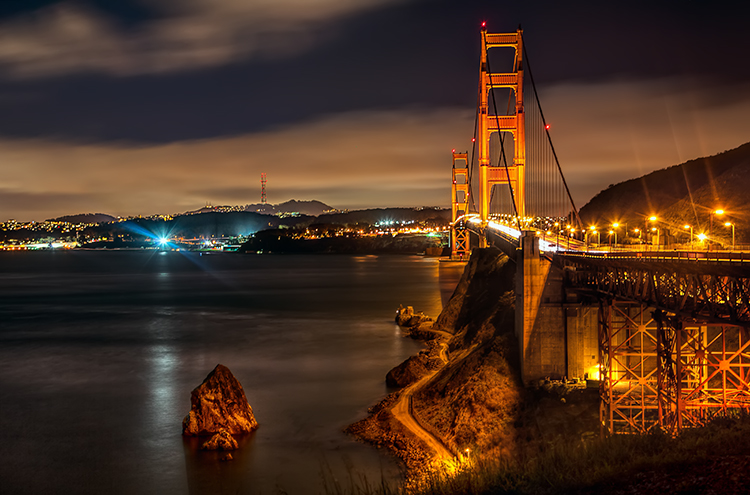
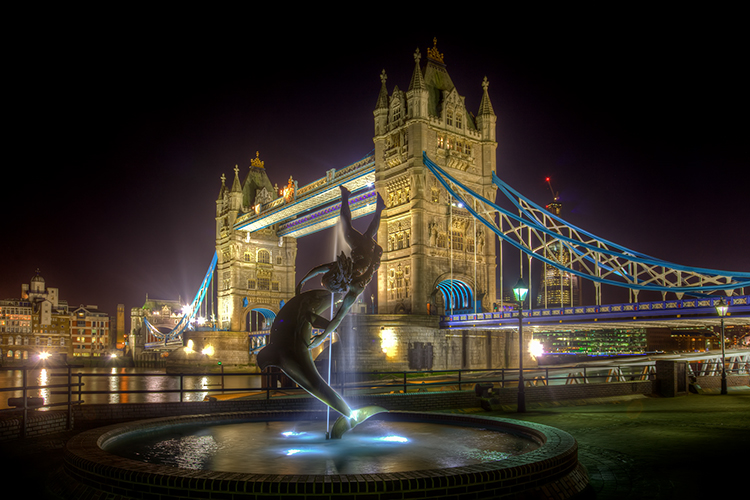
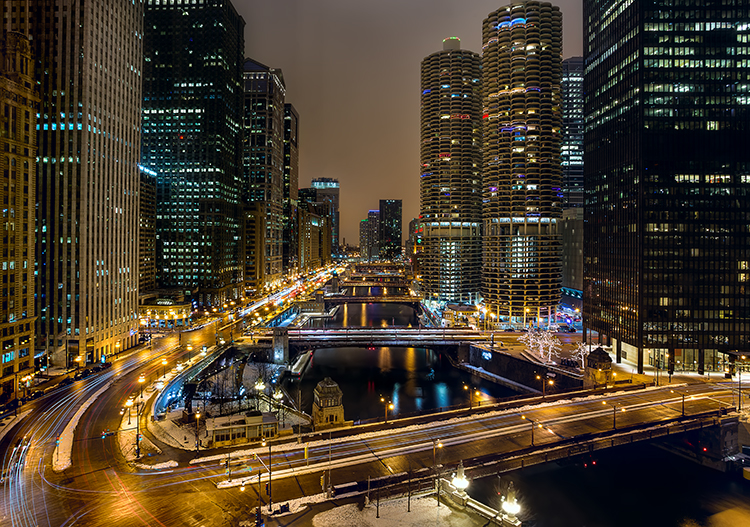
In cities, for example, you will find well-lit facades, bridges, skylines, etc. The city lights add interest and give you lots to work with. During the day, these appear flat and uninteresting. At night, however, there is usually dramatic lighting added. In rural environments, you have the night sky. A clear sky in the daytime is nothing special, but at night you are treated to a sky full of stars. In either case, you can add your own light to the scene via a flash unit or light painting (bring your flashlight!).

In addition, the night is just different than what most people normally see. That’s not to suggest that night photography is somehow a novelty, but photography during the day is much more common. People are accustomed to seeing photos during the day. They are even used to seeing dramatic sunrise and sunset photos. Night photos are a little more unusual. Take advantage of it.

2.  You can achieve amazing effects that are impossible during the day

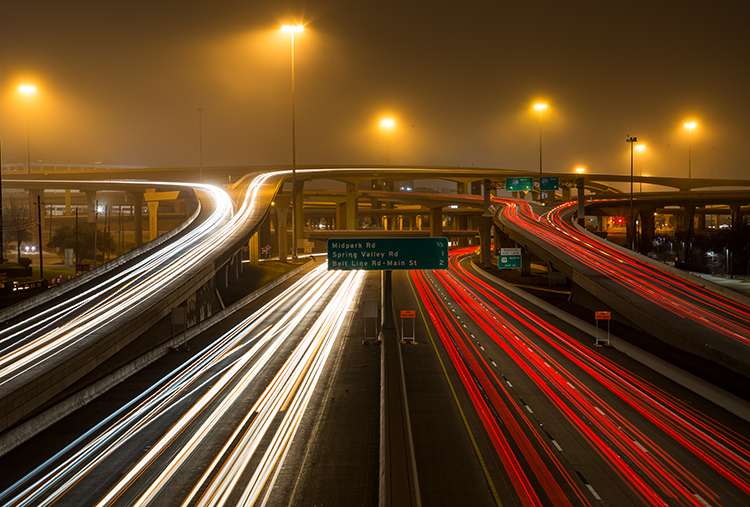
Light trails, starburst effect, motion blur . . . these are all easy at night. The long shutter speeds that are often required for proper exposure in night photography can lead to really cool effects. In addition, at night you can work with lights that just aren’t on during the day.

night photography tips and course

At night, not only are you taking pictures that many others don’t take because they are at home, but you are also taking pictures that many photographers can’t take. You need to have more than a rudimentary understanding of exposure to get a good night shot. Long exposures are very common, so a tripod and a remote shutter release are necessities. Beyond that here are some other considerations for night photography:

  • You need to control shutter speed to get motion blur where you want it and avoid camera shake when you don’t.
  • Aperture control is needed to balance competing goals of letting enough light in, achieving a proper depth of field, achieving a starburst effect to lights, and avoiding diffraction.
  • You need to control ISO to achieve a proper exposure without an intolerable amount of noise that often goes along with night photography.

Granted, some of these things are issues during the day as well. But they are much more of an issue at night. The lack of light is not that difficult to overcome, but you do need to know what you are doing.

3.  The light never changes

night photography tips and course

As someone who loves landscape photography, it can be really frustrating to spend all your time waiting for fleeting moments of light that may or may not ever arrive. Have you ever considered what percentage of a typical day is actually good light for landscape photography? It is a tiny window! Furthermore, how many times have you awaited a sunset and aftermath that didn’t even pan out?

With night photography, on the other hand, you aren’t waiting around for the light. Once the sun is fully set, the light never changes. It is just always dark. Streetlights, spotlights, and other artificial lights aren’t changing (so long as they are on), but rather are constant. So you have all night.

night photography tips and course

You can go out any night and things will be the same. Once you are out, you don’t have to hurry your exposures on account of the changing light. Of course, you may have to hurry if your subject is moving, but it won’t be on account of the changing light.

4.  It is Not So Weather Dependent

Night photography is also not as dependent on the weather. For example, at night, whether it is clear or cloudy, any sky in your picture will likely be black or very dark. You aren’t looking for particular cloud formations.

night photography tips and course

That said, certain weather is not conducive to photography whether it is day or night. Grey, misty days often don’t lead to great pictures (unless you are looking for a mysterious element). And you probably don’t want to go outside in a monsoon or storm. But for the most part the background of your shots just isn’t as weather dependent as shots taken during the day.

5.  It fits your life

You know how you want to get out and do more photography but life keeps getting in the way? You cannot get out during the week because you have to work. On weekends you seem to be tied up with family commitments and errands. It seems like there is never a good time to get out and do some photography.

Most people find, however, that it is easier to get out and do photography at night than during the day. During the day, you are working. At night, most people are off work. During the day, there are family activities. At night the family is winding down and/or going to sleep. During the day, there are errands to run. At night, most stores are closed. You get the idea. There is just less going on at night, such that it always seems easier to get away and do some photography.

night photography tips and course

Conclusion

Don’t forget – half of every day consists of night. In fact, in higher latitudes, the winter can feel like nothing but darkness. But by neglecting the night, you are overlooking the majority of every day. In some ways, you are missing the best part.

Anyway, these are some of my favorite things about night photography. Once you try it, you are sure to have some of your own reasons.

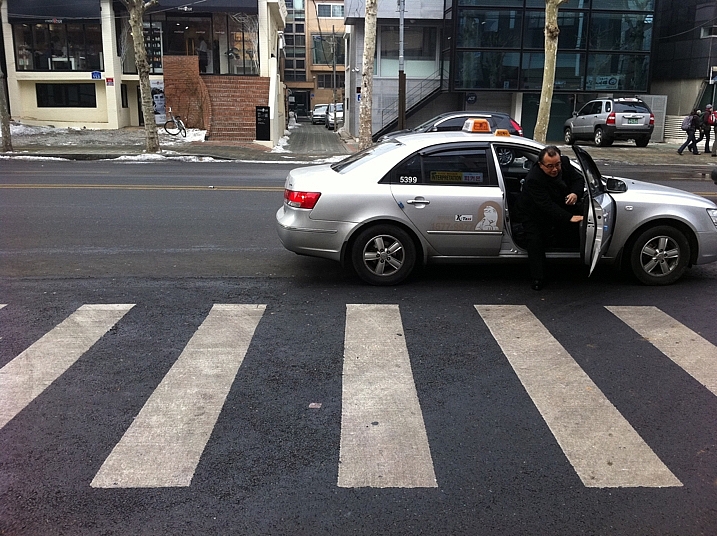
** NOTE ** If you’d like to know more about this subject, learn more about my brand new course on night photography here, so you can take stunning night photos too!
googletag.cmd.push(function() {
tablet_slots.push( googletag.defineSlot( “/1005424/_dPSv4_tab-all-article-bottom_(300×250)”, [300, 250], “pb-ad-78623” ).addService( googletag.pubads() ) ); } );

googletag.cmd.push(function() {
mobile_slots.push( googletag.defineSlot( “/1005424/_dPSv4_mob-all-article-bottom_(300×250)”, [300, 250], “pb-ad-78158” ).addService( googletag.pubads() ) ); } );

The post 5 Reasons Why You Should be Doing Night Photography by Jim Hamel appeared first on Digital Photography School.


Digital Photography School

 
Comments Off on 5 Reasons Why You Should be Doing Night Photography

Posted in Photography


8 Tips For Doing Stunning Urban Landscape Photography

10 Feb

As a photographer, when you hear the word landscape your mind will most likely conjure up images of lush valleys, looming mountains, and majestic, sweeping vistas. With good reason, as the natural world can be a place of staggering beauty. But done well, a different type of landscape photography, the urban landscape, can produce shots that are equally as compelling as anything Mother Nature can throw your way.

The energy of a major city lends images a vitality that can’t be found anywhere else. There’s so much movement and life in the urban environment, and the best city shots capture that buzzing vibrancy.

Urban landscape 02

Shooting urban landscapes also has plenty of practical advantages too. Every type of photography is all about the light, and that is one thing cities never run out of. You can shoot in the artificial glow of the metropolis long after you’d have been forced to pack up your kit and make your way home from a day in the countryside.

Couple that with the fact that, for the most part, cities are a lot more accessible for the majority of us, and shooting urban landscapes is the ideal activity for photographers during those long winter months.

So here are our top 8 tips for getting the most out of your time pounding the sidewalks.

#1. Research

You wouldn’t embark on a traditional landscape photography outing by jumping in the car, heading for the hills and hoping for the best. Likewise, the success of an urban landscape shoot depends largely on how well you plan.

Your home town

Even if you’re off to capture the town or city you grew up in, putting in the effort to do a little research up front usually pays dividends.

Urban landscape 01

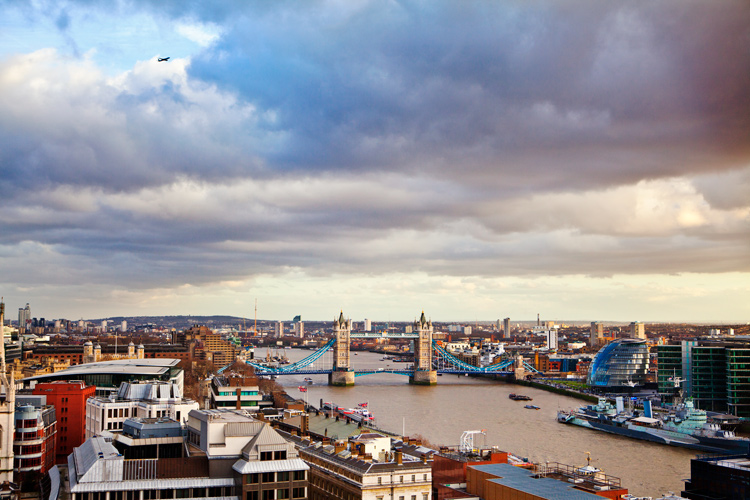
For example, when I wanted to get a shot from high up, overlooking my hometown of London, I didn’t foresee any problems in finding a suitable viewpoint. However, after a little digging, I learned that while London isn’t lacking in tall buildings offering amazing views, the number you can actually gain access to, that are also well suited for photography, can be counted on the fingers of one hand.

The vast majority are either restricted entry or in the case of The Shard (seen at the top of this article), cursed with a viewing gallery shrouded with ultra-reflective windows.A few minutes Googling directed me to a lesser-known church tower on the banks of the Thames with unrestricted views downriver, saving me hours of fruitless searching.

Visiting another city

If you’re visiting a city for the first time, it’s a good idea to spend a little longer familiarizing yourself with the place before you go. Drawing up a shot list of the locations you want to photograph is a good idea as well.

But all that being said, don’t make yourself a slave to it. Few things are more exciting or rewarding in photography than allowing yourself the freedom to meander through a new landscape, get a little lost, and allow whatever happens to happen.
One word of warning: depending on your location, be sure you know where you can and cannot shoot. Many places these days are understandably sensitive about strangers waving cameras around. If in doubt, ask.

#2. Light

The quality, color, and angle of the light can make or break any shot, and this is especially true for urban landscape photography. A subject that looks dull and uninspiring at one time of day can transform into a truly spellbinding image just with the passing of a few hours.

Urban landscape 03

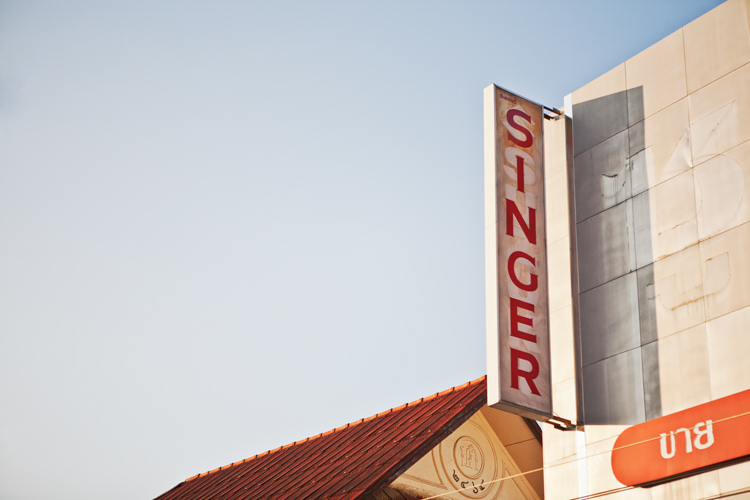
As with any landscape photography, dragging yourself out of bed before the sun puts in an appearance can reward you with the kind of light show that almost makes up for all that missed sleep. The golden hour, that brief a period right after sunrise and before sunset, can present you with views of a city that you may never have seen before.

Plus, you can carry on shooting long after the sun’s gone down. Cities come alive at night. They never get truly dark, and some of the most interesting shots can be taken with the only illumination coming from artificial light.

Just remember to bring your tripod!
Urban landscape 04

#3. Hustle and Bustle

Major cities are fast and frenetic places. Everyone seems to be moving a million miles an hour and there’s always something going on. It’s the perfect environment for photographers.

If you can manage to avoid getting swept along in the tidal wave and stop to look around, you can capture images that convey all that chaotic frenzy. Using a slower shutter speed will help you pick up a real sense of movement, either tripod-mounted or handheld if you’re feeling brave.

Urban landscape 05

#4. Details

There are countless small and fascinating details in cities. Always be on the lookout for the tiny intricacies, the patterns, and shapes that otherwise go unnoticed.

They won’t all be right in front of you. Keep your eyes moving and your head on a swivel, some of the most rewarding shots are going to be found way above your head or close to the ground.

Urban landscape 06

Whether it’s an advertising billboard, some rugged brickwork, or a set of windows, get in close, fill the frame, and isolate your subject.

This is another time when the quality of the light can make all the difference to the success of a shot. A strong, high contrast light can give interesting areas of highlights and shadow, turning an everyday scene into a beautiful abstract. If you have time, it’s worth revisiting potential subjects at different points throughout the day.

Urban landscape 07

#5. Composition

Moving from the countryside to the urban environment doesn’t mean all the old landscape composition rules go out the window. Much of what applies standing on top of El Capitan in Yosemite Park, is still relevant looking down on New York from the Empire State.

Keep the basics of composition in your mind, things like the rule of thirds, leading lines, and natural frames. Then be prepared to break the rules when necessary.

Urban landscape 08

Always think before you shoot. Look around you and see if taking a different viewpoint would improve your shot. Can you get higher and look down or even lie on the ground and shoot upwards?

Unfortunately, in major cities buildings are often so close together they can restrict your options and movements as a photographer, but make sure you’re at the optimum position for your subject. The difference between a winning shot and a mediocre one can sometimes be measured in the space of just a few feet.

Urban landscape 09

#6. People

One area where urban landscapes differ greatly from the traditional is in the number of people you’re likely to encounter. It can be frustrating when you arrive at your dream location, only to find it swarming with tourists, as well as the locals going about their daily business, all seemingly determined to clutter up your shot. Along with the great light, it’s another good reason to be up and about in the early hours of the day, while everyone else is still tucked up in bed.

But people make great subjects for candid portraits as you wander the streets. Big cities attract some real characters, and capturing them in their home environment can lead to some winning images.

One thing to remember is to always ask your subject’s permission before you shoot. The vast majority will be more than happy to oblige so long as you’re polite. (Take this from a man who once got a severe and humiliating telling off from a Buddhist monk in Thailand for taking his picture without having the courtesy of asking first. They’re not as chill as you’d think!)

Urban landscape 11

#7. Reflections

Modern cities seem to be more glass than anything else. This is great news for you as a photographer. You can use that beautiful reflective quality in your compositions to create some wonderful, quirky effects.

The major landmarks in every city have been photographed a bazillion times. So, you have to work a little harder and think a little more creatively to come away with shots that are distinctly your own. Shooting a famous and easily recognizable building reflected in the windows of another gives an interesting change of context, especially as it often contrasts the old and the new.

Urban landscape 12

Many big cities are built along the banks of hefty rivers as well, which gives you another opportunity to utilize reflections in your shots. Clear skies offer the best results, preferably at the start or end of the day to give a little color. A dull, overcast day will be reflected in the water, giving it an ugly, muddy quality.

Urban landscape 13

#8. Monochrome

Urban landscapes are very well suited to the simplicity of black and white photography. Taking away the distractions of the vast range of different colors on show in any city and focussing on just the tones and textures, gives a completely new dimension to your shot.

Urban landscape 14

The increased contrast of a monochrome image benefits architecture especially, enhancing the shape of buildings and accentuating their details. Again, the light is all-important. A low sun highlights surfaces and gives areas of rich shadow for added depth.

Try and avoid using the black and white function on your DSLR and shoot RAW if you can. Then use your post-production software for the conversion. It allows you much more control over the final image.

Conclusion

Shooting urban landscapes can be a richly rewarding experience and gives you the opportunity to try out several different disciplines at once.

You have the chance to flex your portraiture and architectural photography muscles, as well as experimenting with close-up abstracts and shooting in black and white. Plus, you get to practice all that while staying firmly in civilization and never more than a few feet from a decent cup of coffee!

Urban landscape 15

Of course, all that added convenience comes at a price. Shooting in cities has its inherent risks and you always need to keep your wits about you. Watch where you stand to shoot and make sure you’re not in any danger from fast-moving traffic or trespassing on anyone’s property.

Also, keep a tight grip on your equipment, especially if you’re shooting at night. Cities have more than their fair share of bad people who’d not think twice about running off with your expensive kit. If you’re nervous, it’s the perfect opportunity to buddy up with another photographer and explore the location together.

Please share your urban landscape photos in the comments below.

googletag.cmd.push(function() {
tablet_slots.push( googletag.defineSlot( “/1005424/_dPSv4_tab-all-article-bottom_(300×250)”, [300, 250], “pb-ad-78623” ).addService( googletag.pubads() ) ); } );

googletag.cmd.push(function() {
mobile_slots.push( googletag.defineSlot( “/1005424/_dPSv4_mob-all-article-bottom_(300×250)”, [300, 250], “pb-ad-78158” ).addService( googletag.pubads() ) ); } );

The post 8 Tips For Doing Stunning Urban Landscape Photography by Andy Callan appeared first on Digital Photography School.


Digital Photography School

 
Comments Off on 8 Tips For Doing Stunning Urban Landscape Photography

Posted in Photography


8 Tips For Doing Stunning Urban Landscape Photography

09 Feb

As a photographer, when you hear the word landscape your mind will most likely conjure up images of lush valleys, looming mountains, and majestic, sweeping vistas. With good reason, as the natural world can be a place of staggering beauty. But done well, a different type of landscape photography, the urban landscape, can produce shots that are equally as compelling as anything Mother Nature can throw your way.

The energy of a major city lends images a vitality that can’t be found anywhere else. There’s so much movement and life in the urban environment, and the best city shots capture that buzzing vibrancy.

Urban landscape 02

Shooting urban landscapes also has plenty of practical advantages too. Every type of photography is all about the light, and that is one thing cities never run out of. You can shoot in the artificial glow of the metropolis long after you’d have been forced to pack up your kit and make your way home from a day in the countryside.

Couple that with the fact that, for the most part, cities are a lot more accessible for the majority of us, and shooting urban landscapes is the ideal activity for photographers during those long winter months.

So here are our top 8 tips for getting the most out of your time pounding the sidewalks.

#1. Research

You wouldn’t embark on a traditional landscape photography outing by jumping in the car, heading for the hills and hoping for the best. Likewise, the success of an urban landscape shoot depends largely on how well you plan.

Your home town

Even if you’re off to capture the town or city you grew up in, putting in the effort to do a little research up front usually pays dividends.

Urban landscape 01

For example, when I wanted to get a shot from high up, overlooking my hometown of London, I didn’t foresee any problems in finding a suitable viewpoint. However, after a little digging, I learned that while London isn’t lacking in tall buildings offering amazing views, the number you can actually gain access to, that are also well suited for photography, can be counted on the fingers of one hand.

The vast majority are either restricted entry or in the case of The Shard (seen at the top of this article), cursed with a viewing gallery shrouded with ultra-reflective windows.A few minutes Googling directed me to a lesser-known church tower on the banks of the Thames with unrestricted views downriver, saving me hours of fruitless searching.

Visiting another city

If you’re visiting a city for the first time, it’s a good idea to spend a little longer familiarizing yourself with the place before you go. Drawing up a shot list of the locations you want to photograph is a good idea as well.

But all that being said, don’t make yourself a slave to it. Few things are more exciting or rewarding in photography than allowing yourself the freedom to meander through a new landscape, get a little lost, and allow whatever happens to happen.
One word of warning: depending on your location, be sure you know where you can and cannot shoot. Many places these days are understandably sensitive about strangers waving cameras around. If in doubt, ask.

#2. Light

The quality, color, and angle of the light can make or break any shot, and this is especially true for urban landscape photography. A subject that looks dull and uninspiring at one time of day can transform into a truly spellbinding image just with the passing of a few hours.

Urban landscape 03

As with any landscape photography, dragging yourself out of bed before the sun puts in an appearance can reward you with the kind of light show that almost makes up for all that missed sleep. The golden hour, that brief a period right after sunrise and before sunset, can present you with views of a city that you may never have seen before.

Plus, you can carry on shooting long after the sun’s gone down. Cities come alive at night. They never get truly dark, and some of the most interesting shots can be taken with the only illumination coming from artificial light.

Just remember to bring your tripod!

Urban landscape 04

#3. Hustle and Bustle

Major cities are fast and frenetic places. Everyone seems to be moving a million miles an hour and there’s always something going on. It’s the perfect environment for photographers.

If you can manage to avoid getting swept along in the tidal wave and stop to look around, you can capture images that convey all that chaotic frenzy. Using a slower shutter speed will help you pick up a real sense of movement, either tripod-mounted or handheld if you’re feeling brave.

Urban landscape 05

#4. Details

There are countless small and fascinating details in cities. Always be on the lookout for the tiny intricacies, the patterns, and shapes that otherwise go unnoticed.

They won’t all be right in front of you. Keep your eyes moving and your head on a swivel, some of the most rewarding shots are going to be found way above your head or close to the ground.

Urban landscape 06

Whether it’s an advertising billboard, some rugged brickwork, or a set of windows, get in close, fill the frame, and isolate your subject.

This is another time when the quality of the light can make all the difference to the success of a shot. A strong, high contrast light can give interesting areas of highlights and shadow, turning an everyday scene into a beautiful abstract. If you have time, it’s worth revisiting potential subjects at different points throughout the day.

Urban landscape 07

#5. Composition

Moving from the countryside to the urban environment doesn’t mean all the old landscape composition rules go out the window. Much of what applies standing on top of El Capitan in Yosemite Park, is still relevant looking down on New York from the Empire State.

Keep the basics of composition in your mind, things like the rule of thirds, leading lines, and natural frames. Then be prepared to break the rules when necessary.

Urban landscape 08

Always think before you shoot. Look around you and see if taking a different viewpoint would improve your shot. Can you get higher and look down or even lie on the ground and shoot upwards?

Unfortunately, in major cities buildings are often so close together they can restrict your options and movements as a photographer, but make sure you’re at the optimum position for your subject. The difference between a winning shot and a mediocre one can sometimes be measured in the space of just a few feet.

Urban landscape 09

#6. People

One area where urban landscapes differ greatly from the traditional is in the number of people you’re likely to encounter. It can be frustrating when you arrive at your dream location, only to find it swarming with tourists, as well as the locals going about their daily business, all seemingly determined to clutter up your shot. Along with the great light, it’s another good reason to be up and about in the early hours of the day, while everyone else is still tucked up in bed.

But people make great subjects for candid portraits as you wander the streets. Big cities attract some real characters, and capturing them in their home environment can lead to some winning images.

One thing to remember is to always ask your subject’s permission before you shoot. The vast majority will be more than happy to oblige so long as you’re polite. (Take this from a man who once got a severe and humiliating telling off from a Buddhist monk in Thailand for taking his picture without having the courtesy of asking first. They’re not as chill as you’d think!)

Urban landscape 11

#7. Reflections

Modern cities seem to be more glass than anything else. This is great news for you as a photographer. You can use that beautiful reflective quality in your compositions to create some wonderful, quirky effects.

The major landmarks in every city have been photographed a bazillion times. So, you have to work a little harder and think a little more creatively to come away with shots that are distinctly your own. Shooting a famous and easily recognizable building reflected in the windows of another gives an interesting change of context, especially as it often contrasts the old and the new.

Urban landscape 12

Many big cities are built along the banks of hefty rivers as well, which gives you another opportunity to utilize reflections in your shots. Clear skies offer the best results, preferably at the start or end of the day to give a little color. A dull, overcast day will be reflected in the water, giving it an ugly, muddy quality.

Urban landscape 13

#8. Monochrome

Urban landscapes are very well suited to the simplicity of black and white photography. Taking away the distractions of the vast range of different colors on show in any city and focussing on just the tones and textures, gives a completely new dimension to your shot.

Urban landscape 14

The increased contrast of a monochrome image benefits architecture especially, enhancing the shape of buildings and accentuating their details. Again, the light is all-important. A low sun highlights surfaces and gives areas of rich shadow for added depth.

Try and avoid using the black and white function on your DSLR and shoot RAW if you can. Then use your post-production software for the conversion. It allows you much more control over the final image.

Conclusion

Shooting urban landscapes can be a richly rewarding experience and gives you the opportunity to try out several different disciplines at once.

You have the chance to flex your portraiture and architectural photography muscles, as well as experimenting with close-up abstracts and shooting in black and white. Plus, you get to practice all that while staying firmly in civilization and never more than a few feet from a decent cup of coffee!

Urban landscape 15

Of course, all that added convenience comes at a price. Shooting in cities has its inherent risks and you always need to keep your wits about you. Watch where you stand to shoot and make sure you’re not in any danger from fast-moving traffic or trespassing on anyone’s property.

Also, keep a tight grip on your equipment, especially if you’re shooting at night. Cities have more than their fair share of bad people who’d not think twice about running off with your expensive kit. If you’re nervous, it’s the perfect opportunity to buddy up with another photographer and explore the location together.

Please share your urban landscape photos in the comments below.

googletag.cmd.push(function() {
tablet_slots.push( googletag.defineSlot( “/1005424/_dPSv4_tab-all-article-bottom_(300×250)”, [300, 250], “pb-ad-78623” ).addService( googletag.pubads() ) ); } );

googletag.cmd.push(function() {
mobile_slots.push( googletag.defineSlot( “/1005424/_dPSv4_mob-all-article-bottom_(300×250)”, [300, 250], “pb-ad-78158” ).addService( googletag.pubads() ) ); } );

The post 8 Tips For Doing Stunning Urban Landscape Photography by Andy Callan appeared first on Digital Photography School.


Digital Photography School

 
Comments Off on 8 Tips For Doing Stunning Urban Landscape Photography

Posted in Photography


Incredible images from DJI’s SkyPixel 2016 aerial photography competition

05 Feb

Incredible images from SkyPixel 2016 competition

SkyPixel, DJI’s online aerial photo sharing platform, has shared the winners of its 2016 photo competition and published a gallery of 2000 standouts from more than 27,000 entries. You can see some of our favorites here and check out even more top entries at the SkyPixel website.

Fishermen close the net. Grand Prize Winner. Photo by ??

Incredible images from SkyPixel 2016 competition

Exploration. First Prize, Beauty category, professional. Photo by ? ??

Incredible images from SkyPixel 2016 competition

Spillway Selfie. Second Prize, Beauty category, professional. Photo by dixonltd

Incredible images from SkyPixel 2016 competition

Overbridge. First Prize, Beauty category, enthusiast. Photo by ??

Incredible images from SkyPixel 2016 competition

Green Waves. Second Prize, Beauty, enthusiast. Photo by Mauro Pagliai

Incredible images from SkyPixel 2016 competition

Arena. Photo by Bogdan Robak

Incredible images from SkyPixel 2016 competition

Photo by Joshua Cheston

Incredible images from SkyPixel 2016 competition

Shipka, Bulgaria. Photo by Vladislav Terziiski

Articles: Digital Photography Review (dpreview.com)

 
Comments Off on Incredible images from DJI’s SkyPixel 2016 aerial photography competition

Posted in Uncategorized