RSS
 

Posts Tagged ‘Photographing’

10 Tips for Photographing Strangers

28 Jul

I do a lot of wandering at dawn, taking photos of the city as it wakes. Mostly I am on my own, but occasionally I come across someone, a worker or a person coming home from a party. In Paris, a few summers back, I came across this guy.
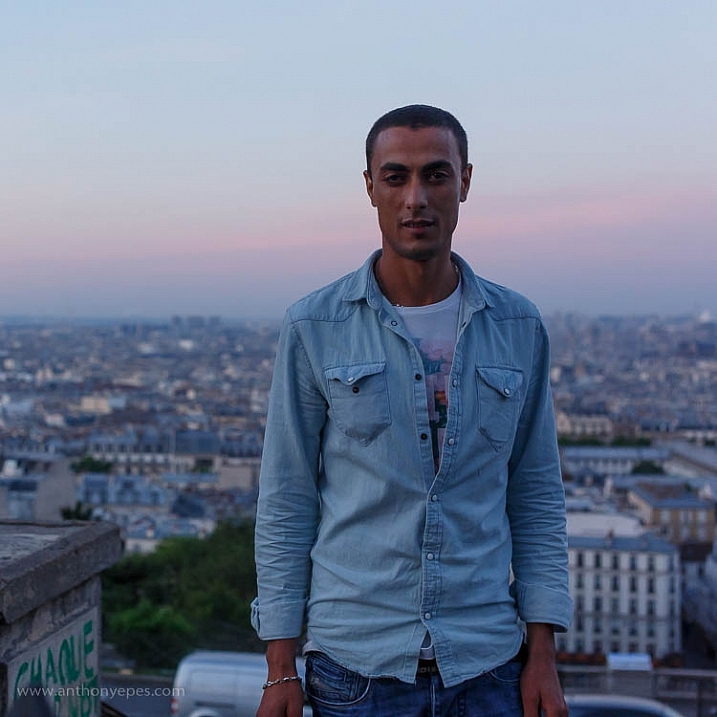
AEP_DPS_strangers_001

“Take my photo, friend!” he said to me.

So, of course, I did. He was brash, but when I was done he hugged me and carried on with his early morning adventures.

If only all interactions with strangers, when I’m out with my camera, could be that easy! But, unfortunately, they are not. So when you don’t have random strangers accosting you on the street, here are some thoughts on how to get amazing shots of people you don’t know.

Tips for photographing strangers

Let’s start with what holds most people back from approaching that cool looking stranger, or from raising their camera when they see a great shot of interesting people.

1 – Dealing with your fear

Having fear come up when you are approaching strangers to photograph is totally normal. All photographers who do this have experienced fear, and may continue to. Sometimes we give in to fear and walk away without the shot, but if we can get through it and push ourselves to do what we love, then gradually the practice of photographing strangers becomes much easier.

When you look up the definition of fear it says it is: an unpleasant emotion caused by the threat of danger, pain, or harm. Now I have occasionally been shouted at when out and about – usually in situations I would expect to be shouted at, like in an Italian market where people were selling fake designer handbags – but I’ve never had a threat of danger. So I like to think – “Okay fear, there is nothing that is likely to cause me pain or harm, I’ll just let you hang around until you feel the urge to go.” It probably sounds weird talking to your fear like that, but it works for me. Just letting it be there until it drifts away on its own.
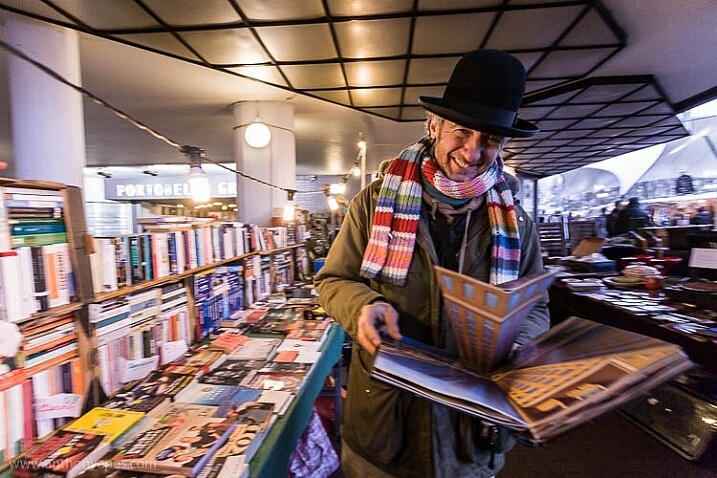
AEP_DPS_strangers_009 EXTRA PHOTO

2 – The secret

But actually there is a secret to this – most people are not just happy to be photographed, they love to be noticed. It’s a massive compliment to them that you have sought them out and want to take their picture. This is your secret key!

I was wandering around Montmartre in Paris about 5 a.m. and walked past two men having their early morning coffee and chatting. They looked at me curiously, and to be honest I faltered. I walked straight past them. A language barrier can sometimes add to the intimidation. But I knew if I didn’t go back I’d be kicking myself all day. So even though I’ve been doing this for twenty years, even though I’d photographed hundreds, if not thousands of strangers, the fear does sometimes return. Just don’t let it get in the way of taking shots of those awesome strangers that you see!

So I went back and smiled at them. They smiled back, and I gestured to my camera. They both nodded and I took a few shots. It took a minute or two at most, and I loved the result:
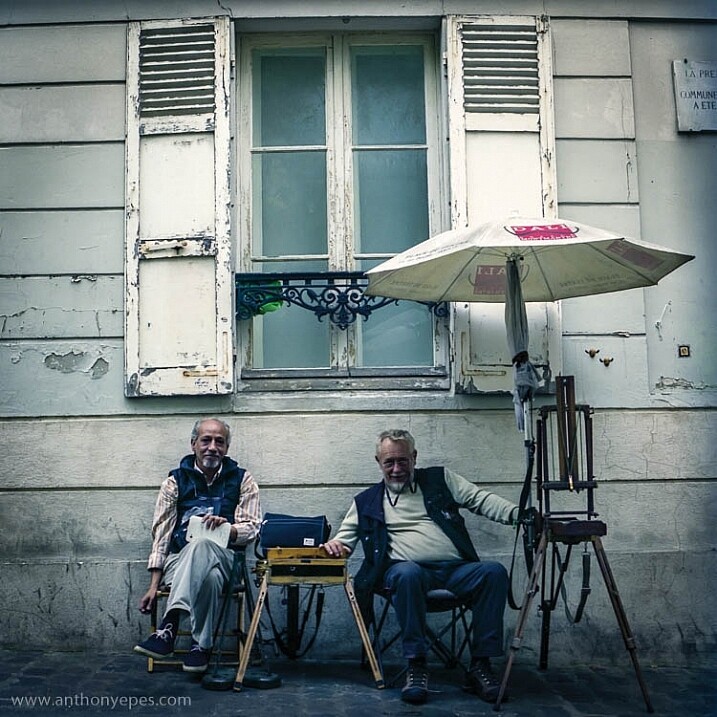
AEP_DPS_strangers_002

3 – Break down your fear into bite sized chunks

Diane Arbus talked a lot about her fear of photographing strangers. She described spending a summer hanging around a park in the hope of getting up the courage to talk to a group of people who hung out there most days. Gradually over days and weeks she started to get to know them. Her constant proximity helped to make them trust her and she started to chat to them. Over time, she developed a relationship, and it was only then that she introduced the camera. Because they trusted her she was able to get some stunning portraits of people.

“If I were just curious, it would be very hard to say to someone, ‘I want to come to your house and have you talk to me and tell me the story of your life.’ I mean people are going to say, ‘You’re crazy.’ Plus they’re going to keep mighty guarded. But the camera is a kind of license. A lot of people, they want to be paid that much attention and that’s a reasonable kind of attention to be paid.” Diane Arbus

4 – Be genuine, be human

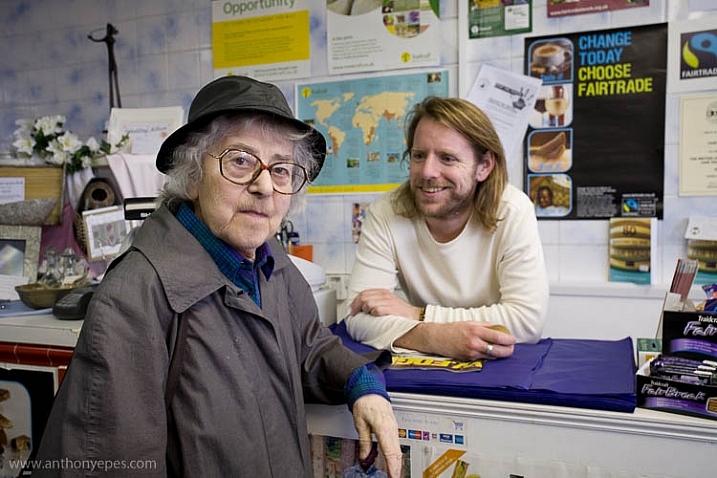
I’ve had a few occasions where people have been sticking cameras in my kids’ faces, snapping away without asking me or my wife, and it has really irked me. There are photographers who seem to think that anything and everything are your subjects, regardless. I know that the law is on your side in most countries (see note at the bottom) but I don’t think it’s respectful to just treat everyone as a subject regardless – and I think people can feel if you are being respectful of them as human beings.

I will always show the subject the photo if they want to see it and give them my business card or take their details so I can send them photos.
AEP_DPS_strangers_EXTRA PHOTO

5 – How to approach strangers

It doesn’t matter what you say to people, the most important aspect of approaching people is being genuine, warm, friendly and calm. People will read your body language before you open your mouth, so if you come off as tense they will probably think you are shifty. If you are not smiling, people are going to think you’re unfriendly. Of course being a bit nervous is natural, I still get nervous too. It’s totally normal. But the more you practice, the calmer you’ll become. Then you’ll settle into yourself more, get a little pattern going and it’ll be much easier. It doesn’t matter much what you say, how you say it, or what you are working on, how people react to you is almost 100% because of your body language and the feelings you have when you approach them.

“You can find pictures anywhere. It’s simply a matter of noticing things and organizing them. You just have to care about what’s around you and have a concern with humanity and the human comedy.” Elliott Erwitt

6 – Be quick, be prepared

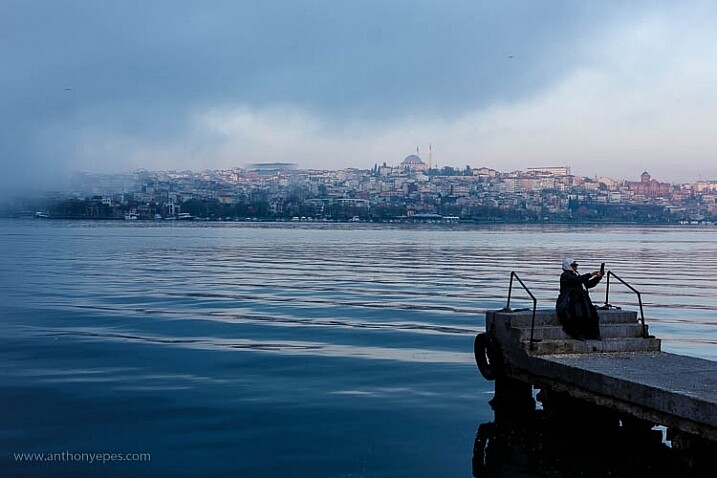
That’s not to say I won’t take a good anonymous portrait – I love them. At the moment I seem to be having a good time with this selfie trend:
AEP_DPS_strangers_003

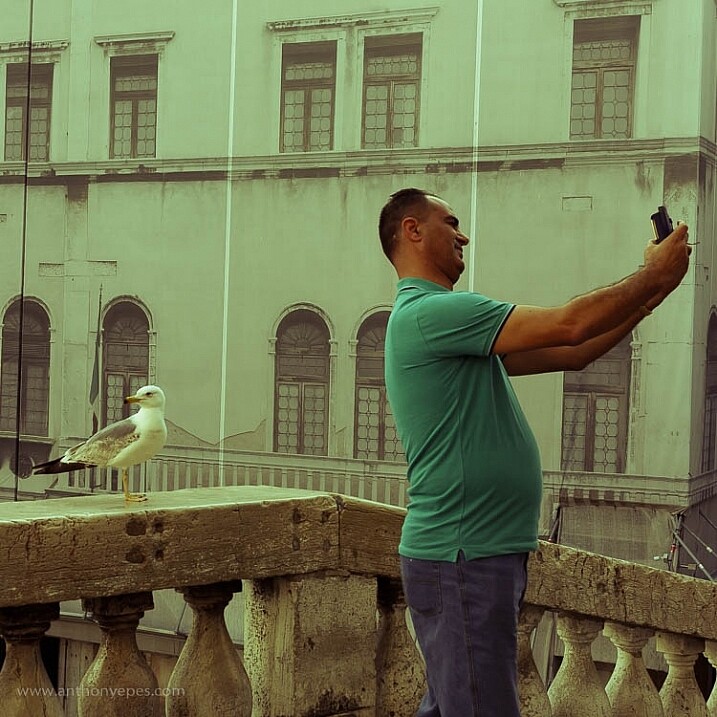
I took the photo above in Venice a few months back. I was walking up some steps with a group of students and bang, there it was. Because I was prepared with my camera, and because I always see what’s going on around me, I was able to capture it straight away.
AEP_DPS_strangers_004

I also liked this photo because for me selfies feel a bit vacuous, and the background was not of Venice but a large photo of Venice covering a building. Both the background and the selfie seem to me to speak of how most people see the world, just on its surface. We photographers have to be prepared to get deeper and see more of what’s really going on.

7 – Have a project and be professional

Over the past several summers I’ve been working on a project, photos of people’s bellies. I always felt it was quite an under-appreciated part of the body and I wanted to see how people felt about theirs. So I started out experimenting by asking people if I could take photos of their bellies.

Now for this kind of project it’s a harder sell. I was asking people to reveal a part of their body that they mostly keep covered up. So the way that I did it was I would look for people on the street who were on their own (because for some bizarre reason people are usually more receptive to strangers taking their photo when they are alone and they seem relaxed). I would approach them, explain what I was doing, and give them a business card that I had made about the project – which had all of my business details on one side and a bunch of belly photos on the other.
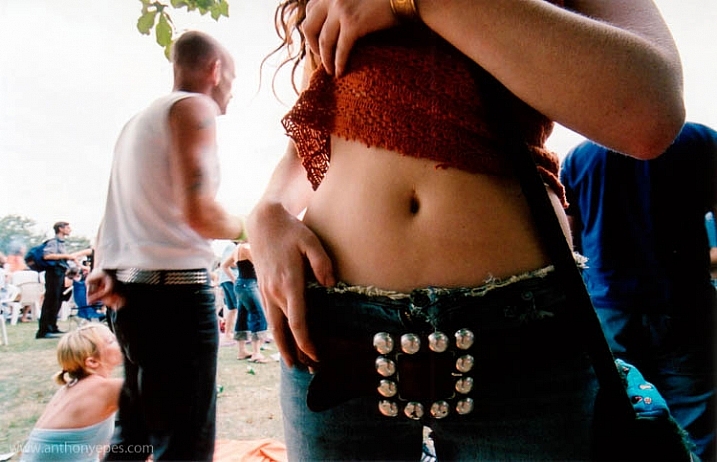
Image from The Belly Project by Anthony Epes photography

Image from The Belly Project by Anthony Epes Photography

I also got people’s photos by hanging out at my local cafe, hanging around summer festivals, anywhere really where I could just hang out and chat to people. It’s a brilliant way to fall into conversation with people, so the approach can be more subtle and relaxed.

I am not a super chatty guy. I am not known in my private life to fill the space with epic conversation. You do not need to be a master of conversation – you just need to be genuinely curious and people will feel that, and start to open up to you. Most people love talking about themselves, and they love people who are interested in them. It’s a human trait that photographers must be aware of. Once you’ve approached someone, or when you are just hanging out – ask people questions about themselves. “Worked here long? What’s this festival all about? That’s an awesome t-shirt, where did you get it?”

8 – Your background is your second subject

What I hope you see in my shots is that the person is not the only subject – where you place your subject, the colours, the lines, the light – all of that will enhance, or detract from the portrait. Ideally you want to find a background that adds to the portrait in someway – almost like a comment on the appearance or pose of your subject. Ask yourself – what does this background add to the photo?
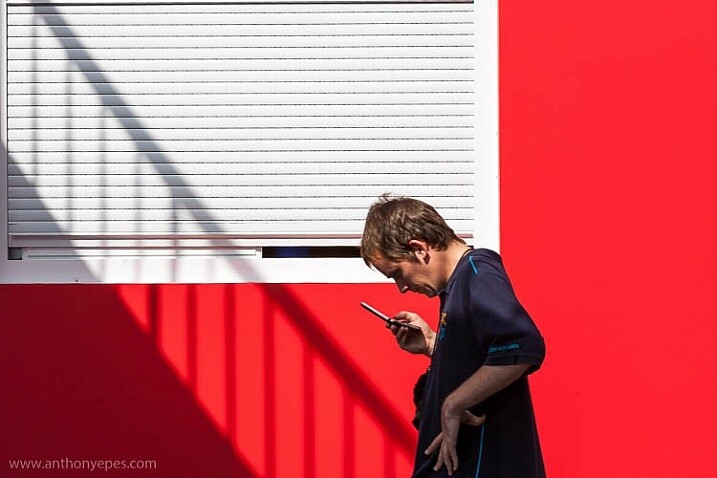
AEP_DPS_strangers_006

I find that many people use backgrounds that are too busy, so the subject gets lost. The camera can’t distinguish between the layers of a background the way that your eye can, so you almost want to over simplify the background to create the maximum impact for your viewers. Break down the elements that you see, and work out how a person would affect that.

If you are shooting posed portraits this is easier, but before you go about approaching people, get your background organized first. I often wander around looking for interesting locations, interesting elements out on the street, and then once I’ve found something I like, I wait around to see who comes along.
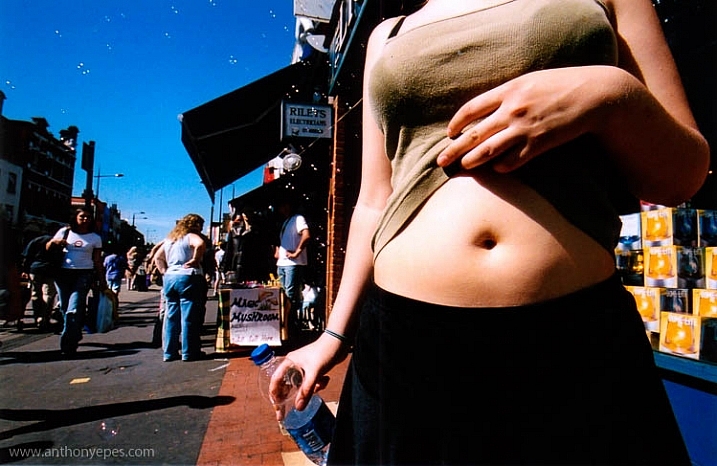
Image from The Belly Project by Anthony Epes Photography

Image from The Belly Project by Anthony Epes Photography

9 – What story are you telling with your photos?

When you are taking someone’s portrait, you are not just putting together an interesting combination of colour, light and shape – you are doing that as well – but there is something else too. You have an amazing opportunity to tell a story, and to communicate the emotion and feeling of your subject. The human face and body are the most expressive and revealing things on this planet.

“A picture of a guy in the street in New Guinea, with a bone through his nose is interesting to look at. But for it to be a really good photograph; it has to communicate something about what it is like to live with a bone through your nose. It is a question of the moment to reveal something interesting and profound about the human condition.” Steve McCurry

10 – How do you get people to reveal their emotions?

When you hold a camera up to a person, you will see that they start out with one emotion, but quite quickly that will change. After a few seconds most people start to get uncomfortable looking into a camera lens, then once they pass through that, other emotions start to appear as their minds move on to thinking about other things – perhaps how uncomfortable they are in the heat, the shopping they have to pick up later. People’s thoughts move at an alarming speed and their faces reveal it all. So just being with them, looking at them, photographing them, you’ll start to see how they peel like an onion.
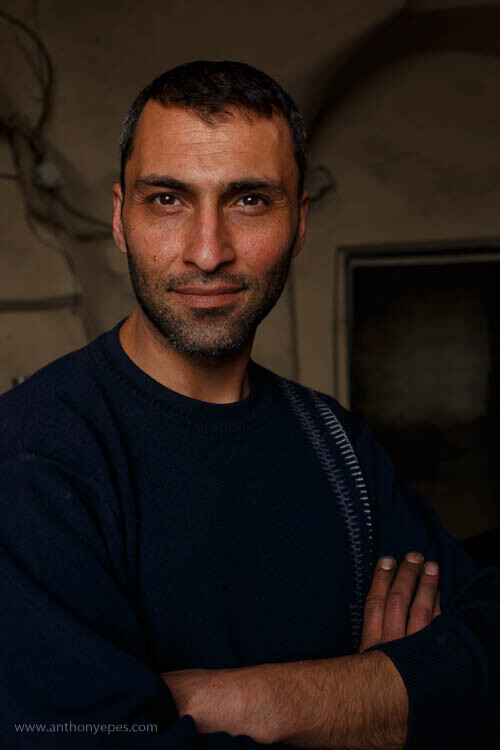
AEP_DPS_strangers_008

Summary

So to sum up – be friendly, smile, enjoy yourself. Remember this is fun what we do! I have stayed in touch (through Facebook and the like) with a bunch of my subjects whom I’ve met on my travels. It’s a great way to get to know people and create really compelling photographs.

A note about usage and permission

In most countries you only need people’s permission if you are going to sell the photos, or use them for commercial gain. Photos for art and editorial usage usually don’t require individuals’ permission (but there are exceptions – like Hungary where it’s now illegal to photograph anyone without their permission). There are exceptions, especially for children, so always check out the law in the country you’re in, and remember laws change all the time.

Plus, when you are travelling it’s important to be aware of cultural sensitivities before you blaze out there, camera in hand. There is a ton of info out there on the web. Load up on knowledge and that will also help you feel confident as you go out to shoot.

googletag.cmd.push(function() {
tablet_slots.push( googletag.defineSlot( “/1005424/_dPSv4_tab-all-article-bottom_(300×250)”, [300, 250], “pb-ad-78623” ).addService( googletag.pubads() ) ); } );

googletag.cmd.push(function() {
mobile_slots.push( googletag.defineSlot( “/1005424/_dPSv4_mob-all-article-bottom_(300×250)”, [300, 250], “pb-ad-78158” ).addService( googletag.pubads() ) ); } );

The post 10 Tips for Photographing Strangers by Anthony Epes appeared first on Digital Photography School.


Digital Photography School

 
Comments Off on 10 Tips for Photographing Strangers

Posted in Photography


10 Tips for Photographing Dragonflies

23 Jul

Dragonflies and damselflies are fascinating insects which can be particularly photogenic due to their bright colours and striking patterns. As with any type of wildlife, dragonflies can be challenging to photograph because they can scare easily and never seem to keep still. However, it may be easier than you think to get some great shots of these amazing insects. Here are 10 tips to get you started.

HhhdragonflyDPS

1. Choose the right equipment

As they are slightly larger than other insects, dragonflies can be photographed with anything from a point-and-shoot to a DSLR. The accompanying images have been taken with a DSLR. However, many of the principles remain the same whatever equipment you use.

A good zoom lens (100-400mm) can produce decent results, but a dedicated macro lens has the advantage of providing closer focus for high magnification. If you are using a zoom lens, fitting an extension tube to the lens will allow it to focus closer and should produce good results. This is a cheaper option than buying a dedicated macro lens. However, if you plan to photograph insects on a regular basis, a macro lens may be a worthwhile investment as you will be able to take frame-filling shots from a comfortable working distance so as not to scare away the dragonflies. The macro lens used to take the majority of the shots here was the Sigma 150mm f/2.8.

2. Find a good location

During the summer months, dragonflies can be seen anywhere there is water. Certain species may be found in your garden pond, while others could be found near rivers or streams. Damselflies, for instance, are often weaker fliers and tend to stay close to the water surface, whereas dragonflies can be seen flying further away from the water, sometimes perching at eye level.

Taking the time to research your native species of dragonfly, and their preferred habitats, before you go out will make you much more successful in photographing them. Be prepared to get a bit muddy as you may need to get low to the ground near the water’s edge. Wear appropriate clothing and respect the environment that you are working in.

3. Study their behaviour

Once you have spotted a dragonfly, take some time to watch its behaviour. You will quickly learn where it flies and where it likes to perch; some dragonflies prefer the ground, but others prefer to perch on grass or rocks.

Matingdamsels2DPS

Photographing dragonflies in flight can be pretty tricky. So, for starters, I would recommend trying to get some shots of dragonflies at rest. Rather than chasing a dragonfly around with your camera, I have found it better to watch out for a spot where they land, set up the camera nearby, and then wait. If you see a dragonfly perched on a stick approach slowly and carefully and avoid sudden movements. You should be able to get quite close. However, if the dragonfly does fly off, remain still and wait for a few minutes. It may well return to land on the same spot. Patience is key.

If you are lucky enough to find a dragonfly that is eating, you may be able to get closer as they seem to focus more on their meal rather than you.

Something that I have tried with some success is to take your own perch – a stick or reed – and place it near the water, close enough for you to take some shots should the dragonflies decide to land on it. Adding a couple of water drops could encourage them to land.

4. Get up early

Dragonflies are more active during the hottest part of the day as they require the heat from the sun to warm them enough to fly. If possible, I would recommend going out earlier in the morning, when it is slightly cooler and the sunlight is not as harsh as it would be around midday. You may not find as many dragonflies as you would later in the day, but those you do spot will likely stay still for longer, allowing you to get closer. You may even be lucky enough to get a shot of them covered in early morning dew, if you go out first thing.

DragonflybluepoolDPS

5. Control the aperture for sharp images

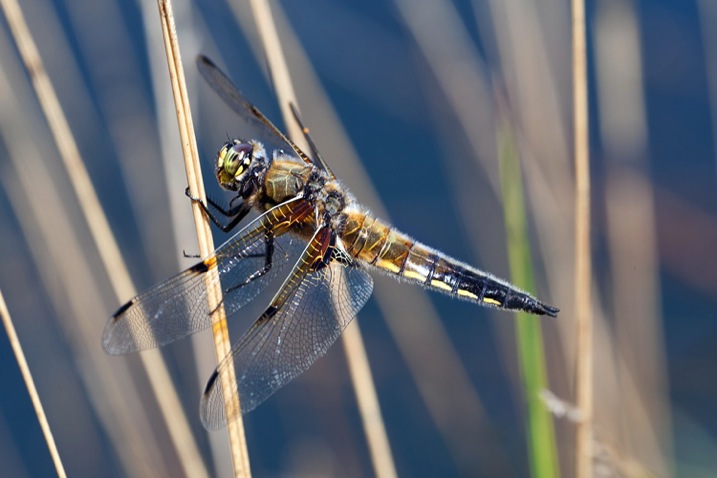
Sharpness is vital in macro photography, and to ensure you get sharp images you will have to use the aperture to control the depth of field. You will need to have as much of the dragonfly in focus as possible and one way that you can maximize this is to photograph the dragonfly sideways on. Making sure that the camera’s sensor is parallel to the body of the dragonfly will enable you to use a wider aperture to blur out any distracting background while keeping the whole of the dragonfly in focus.

Getting such a clear, side-on shot of a dragonfly will not always be possible. In such instances, you can increase the depth of field by reducing the aperture. I have found it useful to start off with an aperture of f/5.6, then take a series of shots working down to around f/11 or smaller, changing the shutter speeds and ISO accordingly. However, always ensure that the eyes are in focus and as sharp as possible. Your images will be poorer without this.

6. Get the correct exposure

Getting the correct exposure can be tricky, particularly if you are shooting in bright sunlight. You will get softer, diffused light by shooting earlier in the day or in slightly cloudier conditions.

Even when perched, dragonflies can make a lot of fast movements such as flicking their wings or twitching their heads. Therefore, you will need to work with relatively fast shutter speeds. I would recommend shooting in bursts of three or four frames, as when you are reviewing your shots, you may find one is particularly sharper than the others. You could increase the ISO setting slightly to allow faster shutter speed and smaller apertures, but probably no more than 400 to maximize the quality of your images. A tripod may come in useful if you do have to use slightly slower shutter speeds, however the locations where dragonflies are found are not always too tripod-friendly. If you decide to shoot while hand-holding the camera, make sure you keep a steady hand, maintain a good footing, and ensure image stabilization is switched on (if available).

7. Switch off autofocus

You will often get sharper shots of dragonflies by switching off the autofocus and focusing manually.

One useful (and inexpensive) piece of kit when shooting down low to the ground, is a right angle viewfinder, which attaches to your camera and allows you to look down into the viewfinder rather than having to lie flat on the ground. You could also try using your camera’s live view and zoom in on the detail to make sure the focus is as accurate as possible.

BluedragonflyDPS

8. Pay attention to the background

When lining up your shot, pay attention to the background. Ideally, an uncluttered background of a contrasting colour to the dragonfly will produce shots full of impact. However, some damselflies will land in vegetation closer to the water surface making a clean background almost impossible. Larger apertures will help blur out any distracting backgrounds; this works well if you can take them sideway-on, as previously mentioned. A wider aperture will also help to produce bokeh in the background (circles of light from out-of-focus highlights) depending on your personal tastes.

If possible, when selecting a spot to set up, try to place the subject as far away from any potentially distracting vegetation in the background. Moving a perch, or taking your own with you, may help with getting a cleaner background.

9. Think about composition

With such fascinating subjects, you have a range of options when thinking about composition. Try shooting the dragonfly from a range of angles (sometimes this helps to identify the species when you get home). It is not always necessary for the whole dragonfly to be included in the frame. If you can get close enough, you could attempt an extreme close-up on the eyes or part of the wing detail.

Alternatively, you could capture the dragonfly within its surrounding environment. For example, iridescent demoiselles can look great when perched low down on a riverbank. This works particularly well with slightly larger dragonflies, and as the insect does not have to dominate the image, a dedicated macro lens may not be required.

DragonflyeyesDPS

10. Try to capture some behaviour

Dragonflies look great at rest, but if you can, try to capture some of their behaviour for some unique shots. For example, damselflies mating can make shapes that look a bit like a heart (see above under #3), which can make for a pleasing image. Or, if you are up for a challenge, try to shoot a dragonfly in flight. For this, I would recommend using a telephoto lens of 300-400mm with an extension tube. Spend a few minutes watching how the dragonfly moves as they often follow the same path repeatedly. Once you have observed them flying, focus on a spot on their flight path and wait for the dragonfly to enter the frame. There is an element of luck with this type of shot. I have tried on many different occasions and sometimes the dragonfly will vary its flight patterns seemingly at random. Don’t give up though – patience is key with all wildlife photography and just enjoy the process of observing and photographing these amazing insects.

DragonflyingDPS

I’ve included several dragonfly shots taken in the UK. Please feel free to add your own as a comment below.

googletag.cmd.push(function() {
tablet_slots.push( googletag.defineSlot( “/1005424/_dPSv4_tab-all-article-bottom_(300×250)”, [300, 250], “pb-ad-78623” ).addService( googletag.pubads() ) ); } );

googletag.cmd.push(function() {
mobile_slots.push( googletag.defineSlot( “/1005424/_dPSv4_mob-all-article-bottom_(300×250)”, [300, 250], “pb-ad-78158” ).addService( googletag.pubads() ) ); } );

The post 10 Tips for Photographing Dragonflies by Richard Beech appeared first on Digital Photography School.


Digital Photography School

 
Comments Off on 10 Tips for Photographing Dragonflies

Posted in Photography


Night Life: Tips for Photographing Live Events at Night

03 Jul

Event photography can be a lot of fun. If you love taking photos, and you enjoy attending social events, then it would only seem natural that you’d enjoy taking photos at social gatherings, such as parties, concerts and night clubs. There are plenty of opportunities for intrepid young photographers (and photographers of other ages, as well) to make some money Continue Reading

The post Night Life: Tips for Photographing Live Events at Night appeared first on Photodoto.


Photodoto

 
Comments Off on Night Life: Tips for Photographing Live Events at Night

Posted in Photography


Photographing in Crowded Locations – 5 Tips to Avoid the Masses

25 Jun

Travel photography is certainly one of the most rewarding experiences you, as an image-maker, can have. You get to combine visiting amazing places, learning about other cultures, and, of course, your passion for taking photos, all at once.

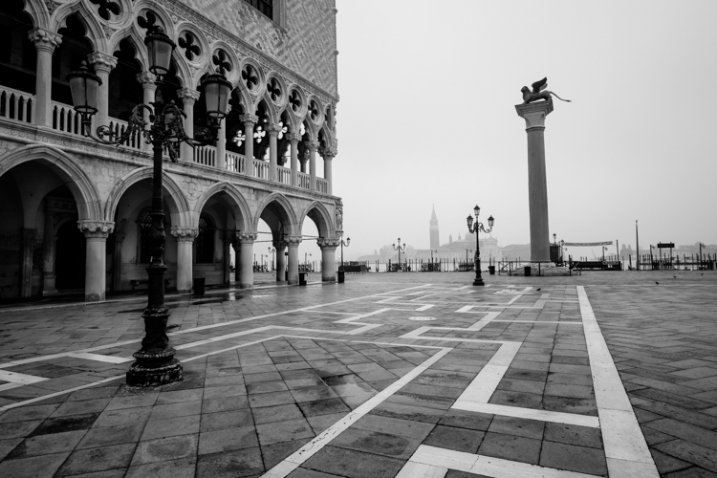
VENICE, ITALY - CIRCA MAY 2015:  Piazza San Marco and Doge's Palace with San Giorgio Maggiore behind.

Piazza San Marco and Doge’s Palace with San Giorgio Maggiore behind – Venice, Italy

However, certain famous locations, or populated cities can be frustrating. You arrive there to find out they are always crowded with visitors and tourists, making it almost impossible to shoot clean photos without intrusions. Granted, locations like these have been photographed millions of times by somebody else before, but I know you can’t consider it your very own until you’ve pressed that shutter button. Here are some suggestions to avoid becoming disgruntled and frustrated in crowded locations, so you can return home from your next trip with memorable images.

1) Shoot up

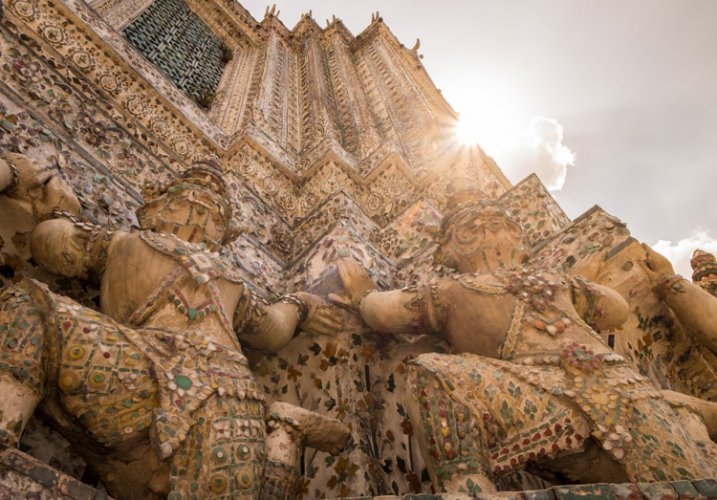
A good way to avoid the masses is to photograph above their heads. Pointing your camera up makes an interesting and different angle. There are plenty of subjects, and architectural elements, that can be easily recognized when shooting this way. Landmarks such as national buildings, memorials, or iconic temples, just to name a few, are ideally suited for this as they can be effortlessly recognized by your viewer without showing them in their entirety.

BANGKOK, THAILAND - CIRCA SEPTEMBER 2014: Detail view of Wat Arun, a popular Buddhist temple in Bangkok Yai district of Bangkok, Thailand, on the Thonburi west bank of the Chao Phraya River

Detail view of Wat Arun, a popular Buddhist temple in Bangkok, Thailand

2) Shoot details and close-ups

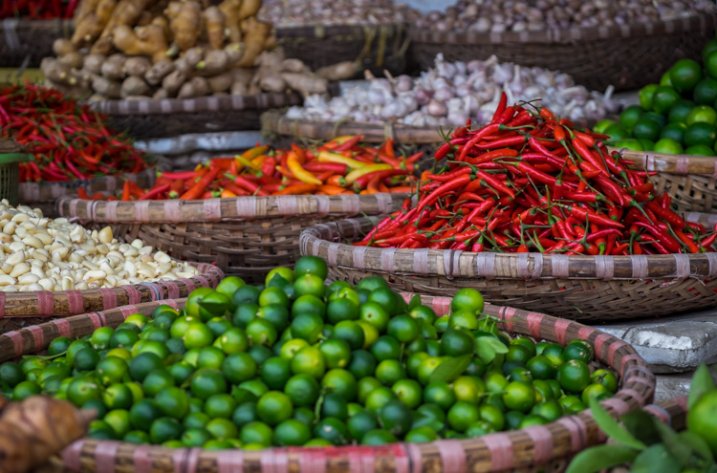
Get closer and make details stand out. One the best themes to try this one on is food. Epicurean photos are often used in travel publications to illustrate local customs and traditions. This is easy, as you can just aim your camera straight and click. You can photograph your own food during meals, or walk into a market and search for interesting colors and textures. You can also try close-ups on reflective surfaces, like windows, or water reflections in the streets. The idea is to concentrate on small details that can also help to tell your story.

Vegetables in Hanoi

Vegetables in Hanoi

3) Go early

Beat the crowds by getting there right at dawn. This is not for everybody – but no pain, no gain. The quality of the morning light, and beautiful sunrises, are the main reasons why most landscape and nature photographers love to work at this time of the day. But you’ll also find that in popular destinations, most of the tourists are sleeping, so this is your opportunity to find empty streets. Go out and take photos early, while nobody is there, then get back to your hotel and catch up with breakfast.

4) Go late

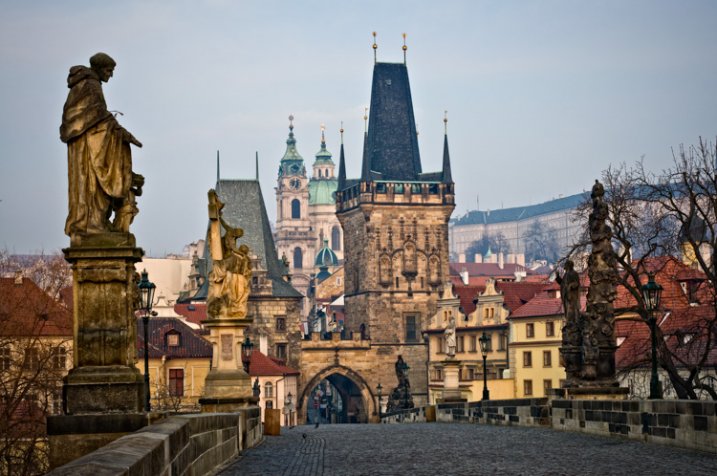
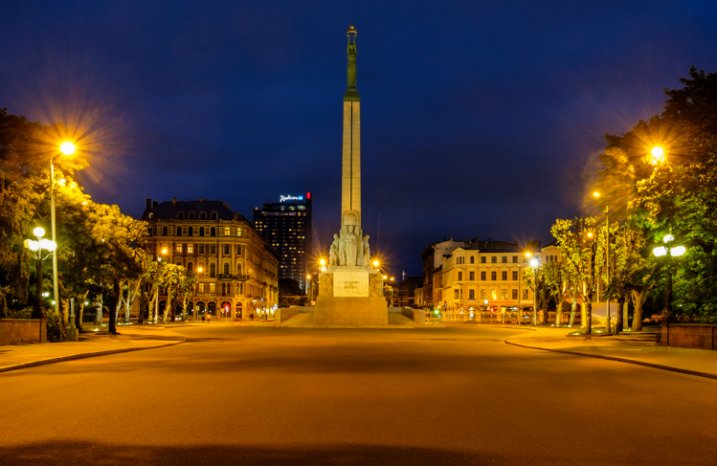
If you are not a morning person, you still have chances to take great photos. Surely this works the opposite of going early, but in most cases, you’ll find empty quarters as well late in the day. You can take advantage of strolling around well past dinnertime and shoot the sought-after spaces with nobody in sight. Better yet, do like the pros and photograph both instances for better results, and more options for better pictures.

Riga Freedom Monument

Riga Freedom Monument, Latvia

5) Photograph the people

If nothing else works out, you can just photograph the people. After all, what better way to show sense of place than documenting the locals, or even the flocks of tourist enjoying their thing? You see, it’s okay to try to avoid conglomeration, but in some instances it just can’t happen, or simply won’t reflect the true spirit of the destination.

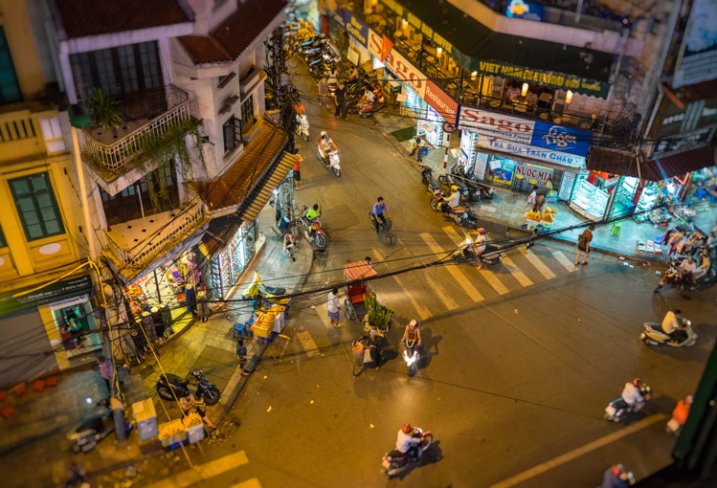
Corner Street in Hanoi

Corner Street in Hanoi

Needless to say, there are several other ways to address the matter. You are more than welcome to share in the comments below your photos and experiences in similar situations, and what you find works best for you.

googletag.cmd.push(function() {
tablet_slots.push( googletag.defineSlot( “/1005424/_dPSv4_tab-all-article-bottom_(300×250)”, [300, 250], “pb-ad-78623” ).addService( googletag.pubads() ) ); } );

googletag.cmd.push(function() {
mobile_slots.push( googletag.defineSlot( “/1005424/_dPSv4_mob-all-article-bottom_(300×250)”, [300, 250], “pb-ad-78158” ).addService( googletag.pubads() ) ); } );

The post Photographing in Crowded Locations – 5 Tips to Avoid the Masses by Daniel Korzeniewski appeared first on Digital Photography School.


Digital Photography School

 
Comments Off on Photographing in Crowded Locations – 5 Tips to Avoid the Masses

Posted in Photography


8 Tips for Photographing Children

02 Jun

Children’s expressions are genuine; they love to live life with passion and abound in energy. When they are happy, their laughter and joy is infectious. They can be the best subjects of all – busy, happy, playful and real. If you’ve ever tried to take photos of kids who were not so crazy about having a camera in their face, you also know that while they are all these wonderful qualities, they can also be difficult and may require a little more planning for a smooth session.

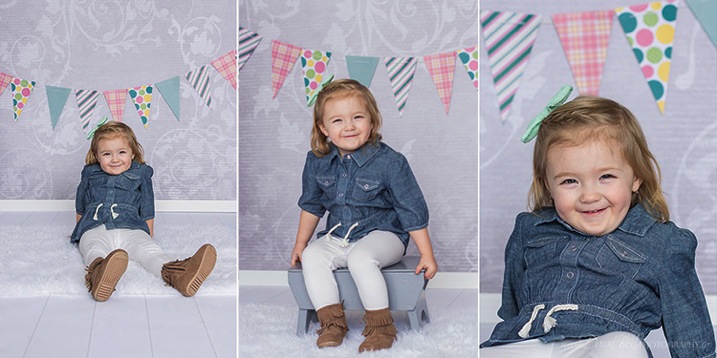
Posed girl indoor studio

These organizational tips for photographing children will help you prepare yourself for some extended camera time with a child – whether you are a professional photographer prepping for a session with an advanced DSLR, or a parent with a simple point-and-shoot wanting to get some nice shots of your young children.

1. Timing and location

Time of day is really important. A photo session generally works best after a nap and snack when the child is the happiest. Also something to keep in mind is harsh light. Outdoors at midday when the sun is bright and strong is not ideal for photography.

A close second for importance is location. Outside is optimal and allows for lots of space to move around, but if you would prefer indoors (or it’s -40), make sure you have adequate space.

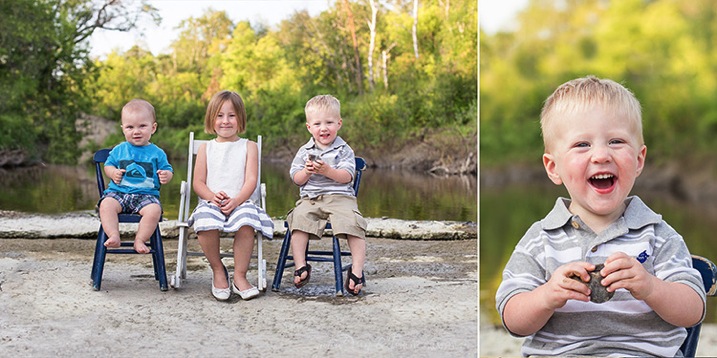
Kids chairs water summer

This family found some lovely outdoor locations, and we chose to do the session in the evening. We found the sweet spot between hungry, tired, sleepy kids and soft, flattering natural light.

2. Be prepared

Both you and the little ones want this to go as fast as possible. If you waste too much time floundering around when you could be shooting, children get bored, antsy and quickly lose interest. Make a flexible plan and be prepared before you bring in the child. Have your camera (charged battery, lots of room on a memory card, check your settings) and props ready (hide any toys where they can be easily accessed and only bring them out if or when they are needed). If you are using various backgrounds, know ahead of time the order you would like them in, and make sure they are ready to go.

3. Make a list

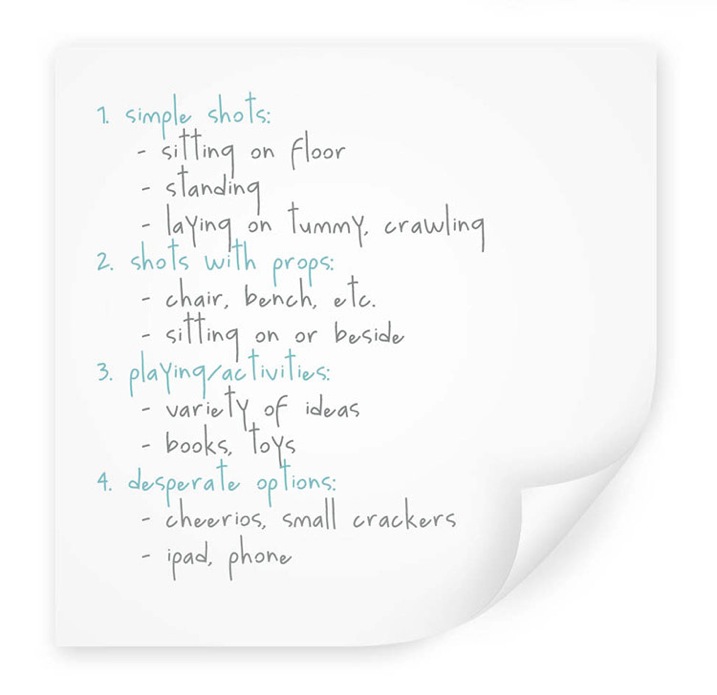
Make yourself a list of potential non-posed shots such as: sitting, standing, laying down, playing, running, etc. – your child will not pose the same as the kids in Pinterest photos – and you don’t want them to. Look for ideas and themes, but don’t expect those exact poses. You want the picture to express who they are. Include activities that you have ready, as well as some back-ups such as snacks or a phone. Get any electronics you use to entertain them ready beforehand – their favorite Netflix episode ready-to-go, or an upbeat song already opened in iTunes just waiting for you to click play – however, these should only be options when you are desperate and have tried everything else. Be flexible with your list and ready to throw it out if needed.

List

4. Get reinforcements

If possible, get some help. Ask your helper to stand directly behind you at first, not to the side – you want to try and get some pictures where the child’s eyes connect with the camera. For little ones your helper can plop them on a chair and quickly move away, while you wait ready with your finger on the shutter – you might only have two seconds to get the shot. Choose someone who can get them smiling and laughing. They will also help you keep your sanity when photographing your own kids.

5. Start with poses

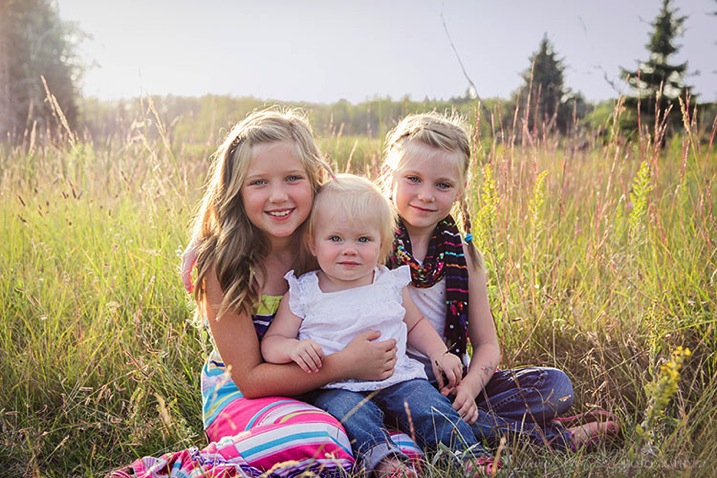
Take the most posed, formal, look-at-the-camera pictures first. For example, a sibling shot where you want them all looking at the camera and smiling. You still might not get it, but this is where you have a chance.

Sisters posed

This posed shot was taken at the beginning of their session.

6. Limit movement

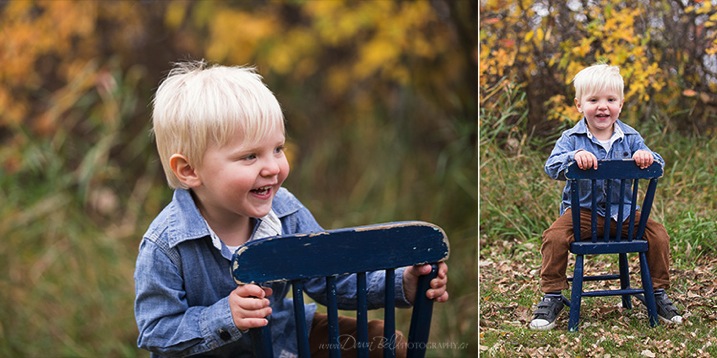
Limit their movement at the start: A chair, stool, couch, basket, swing, etc. Just be flexible and don’t force it – a picture somewhere else is better than a red, blotchy, crying face. I will sometimes keep a chair or prop hidden until it’s time to use it. Stick a fun chair down where you want them to be, and see if they naturally head over there to explore. You might get lucky and have them crawl up there on their own. But they might not want to sit on the chair at all – move on, or let them stand holding onto it, or sit on the floor next to it. Come back later if you feel they are not ready. If not, just ditch it. You might have lots of ideas and only actually use a few of them.

Boy chair

Near the beginning of a session is a great time to limit movement using props, chairs, etc. After a while they will want to run around instead of sitting. This little guy wasn’t going for conventional, but that’s okay too – just go with it.

7. Let them play

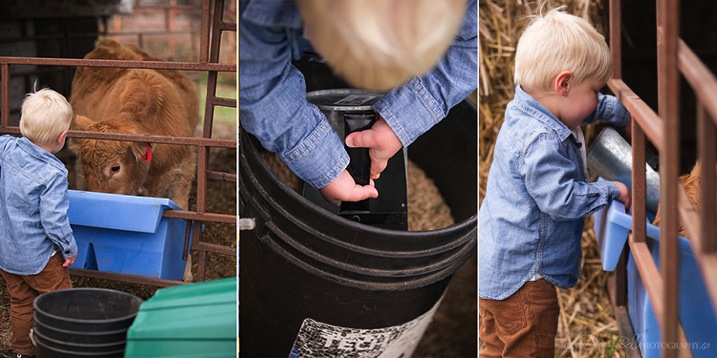
Let them play after you have tried the formal, posed shots. Don’t try too much posing or force them to sit still; you are in for a battle, and they will likely win. Consider centering the rest of the session around an activity they enjoy, or a new one that you think might be a hit – in the yard with the sprinkler, at the park on the slides, walking along the beach to collect shells and go adventuring, tea party outside, flying a kite, jumping on the trampoline, bucket full of soapy water on the grass, etc. Music can also be helpful – a fun little dance party, maybe? Unless you have a kid that really likes to run far away, outside is an excellent option – kids love to have room to move around, and a big space affords more options.

Feeding cows boy

We were nearing the end of this session and sitting still wasn’t an option anymore. This little guy loved feeding the cows, so over to the cows we went. It was also a way of telling the story of who he is, and what he loves. Sometimes the most cherished pictures don’t have a smile or eyes facing the camera.

8. Relax

Take a deep breath and relax! Kids can sense your stress, and it transfers onto them (and usually makes them do the opposite of what you want).

Do you have any other tips for photography children? Please share in the comments below.


googletag.cmd.push(function() {
tablet_slots.push( googletag.defineSlot( “/1005424/_dPSv4_tab-all-article-bottom_(300×250)”, [300, 250], “pb-ad-78623” ).addService( googletag.pubads() ) ); } );

googletag.cmd.push(function() {
mobile_slots.push( googletag.defineSlot( “/1005424/_dPSv4_mob-all-article-bottom_(300×250)”, [300, 250], “pb-ad-78158” ).addService( googletag.pubads() ) ); } );

The post 8 Tips for Photographing Children by Dawn Bell appeared first on Digital Photography School.


Digital Photography School

 
Comments Off on 8 Tips for Photographing Children

Posted in Photography


10 Surefire Tips for Photographing Birds in Flight

08 May

Recently an internal survey in my blog revealed that photographing birds in flight is the most sought after topic.
It didn’t come as a surprise though, because that’s the specialty of birds. They defy gravity and rise up into the sky. How wonderful it is!

Here I have listed 10 surefire tips that will help you to make better photographs of birds in flight. The more you practice, the better your photographs will turn out.

1. Learn Flight Behaviour of the Birds

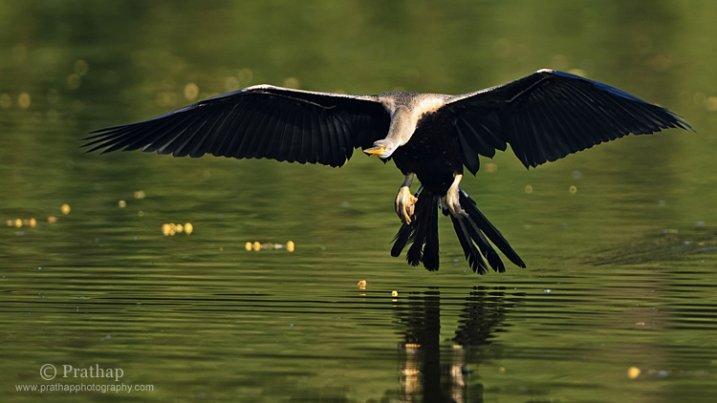
Birds in Flight Photography

Birds normally have the predictable flight behaviour. It requires observation. The more you observe them more you understand about their behaviour.

Why is it important to learn bird flight behaviour?

Tracking the bird as it flies is the trickiest part of birds in flight photography. If you know the flight behaviour of the bird, then you will be able to predict the next move and wait for the right moment to get best photographs.

2. Point of View Matters the Most

Generally the difference between good and bad photographs is the point of view. Photographing a bird in flight right above your head gives a different impact than a bird flying across.

A photograph of a bird flying towards you will have a greater impact than a bird flying away from you.
Taking an eye-level shot of a flying bird would yield an intimate result.

Birds in Flight Photography

3. Start with Slow Flying Birds

It can often lead to frustrating results if you choose to photograph birds in flight without really having an understanding of proper techniques.

Proper hand-holding and focusing techniques doesn’t come easy. There is no substitute to hard work when it comes to practicing these techniques. Best way to master them is to start with slow flying birds like Egrets and Herons.

Great White Egret in Flight in Bharatpur Bird Sanctuary or Keoladeo National Park in Bharatpur, Rajastan

Great White Egret in flight in Bharatpur Bird Sanctuary or Keoladeo National Park in Bharatpur, Rajastan

Egrets and herons are in abundance and it is not tough to put all 10 tips into practice, just with these birds, and become a better photographer.

4. Use the Right Camera Settings

Make your life easy with these settings:

  • Aperture Priority mode
  • Matrix/Evaluative metering
  • Auto ISO settings up to whatever ISO settings you are comfortable with for your camera
  • Shutter Speed of at least 1/500th of a second or faster
  • AF-C focus mode for Nikon users and AI-Servo mode for Canon
  • Highest frames per second burst mode setting
  • 9-point or 21-point zone focus or 3-D tracking

If you are unable to get decent shutter speeds of 1/500th of a second or more while hand-holding the lens, then wait for the proper light. No point taking high noise or poorly exposed photographs.

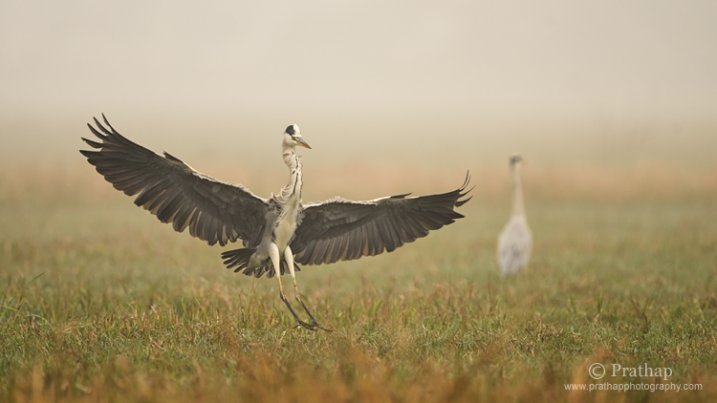
Grey Heron Landing on a Misty Morning in Bharatpur Bird Sanctuary in Bharatpur, Rajastan

Grey Heron landing on a misty morning in Bharatpur Bird Sanctuary in Bharatpur, Rajastan

If you are using a sturdy tripod and a gimbal type tripod head, then you would be able to make some creative shots like motion blur or panning shots with slower shutter speeds.

5. Choose the Proper Focus Points

Choosing the right number of focus points is critical to making successful flight photographs. Most cameras provide a selection of multiple focus points which is often referred to as zone focus.

I often select 9-point or 21-point zone focus out of 51-points. The idea is to use less, but enough auto focusing points, to make it easier for the auto focusing system and also for you to compose it in the field. If you do not have zone focusing then you might have to resort to using all focusing points. Also, with newer DSLRs, the 3-D tracking seems to have been improved considerably. You might want to try it too (consult your camera manual).

Birds in Flight Photography

6. Track Before You Photograph

Most often it is our tendency to start photographing the moment we see the bird taking off or flying away. That’s natural but wrong.

Photographing birds in flight takes patience. After waiting for a very long time you wouldn’t want to lose the opportunity. When you see a bird in flight, track the bird until the autofocusing system gets enough time to lock the focus. Once it is locked, you can fire off as many shots as you want without losing the focus.

Tip number 1 and 7 coupled with this tip will help you to make successful flight photographs.

Birds in Flight Photography

7. Wait till You Get the Best or Contrasting Background

Okay, assume that you are tracking the bird to get the focus to lock, but your lens is hunting for focus. If you understand how focusing systems work, then you will have better control over your photographs. Remember that the focusing system needs good enough contrast between the subject and the background. It is generally very easy for the autofocusing system to lock the focus when the bird is flying against a clean background like a blue sky.

With practice, you will discover the capabilities of your camera’s autofocusing system which will in turn enable you to make better flight photographs.

Birds in Flight Photography

8. Take-off and Landing Shots

Most birds often defecate before they take-off to lighten their load. This is a very important clue to get fantastic take-off shots. Of course, it also depends on your position and the light direction to get the most of the situation.

Wind direction plays a major role in getting better take-off and landing shots since birds often fly into the wind while taking off and landing. It is wise to stand with your back facing the wind, very similar to the way you would face your back to the sun.

Purple Heron Landing in Bharatpur Bird Sanctuary or Keoladeo Nationa Park in Rajastan

Purple Heron landing in Bharatpur Bird Sanctuary or Keoladeo Nationa Park in Rajastan

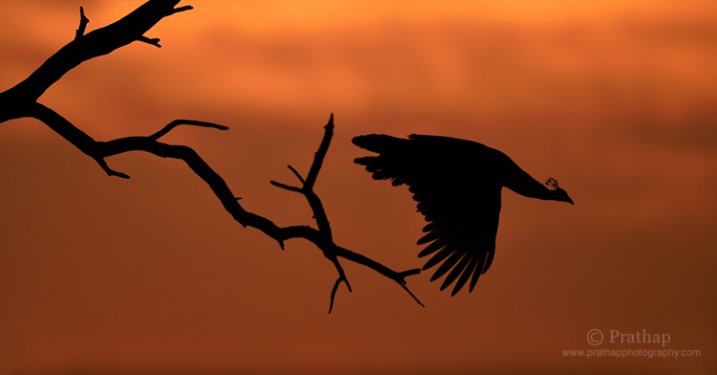
9. Get Creative with Silhouettes

Photographing silhouettes of birds in flight is much easier than you might imagine.

The brighter sky, to which you would expose, gives you a good enough shutter speed and also provides very good contrast for autofocus system to lock the focus.

What is more important in the silhouette shot is the definitive shape of the bird. Because the bird is going to be dark or featureless, you have to get the shape of the bird properly. If the shape is not defined then you won’t be able to make it work, no matter how beautiful the sky is.

Birds in Flight Photography

10. Pay Attention to the Composition

It is probably not as tough as you may think to get the decent composition in the field for birds in flight photographs. You just have to follow the Rule of Thirds guidelines so that you have enough breathing space, or room for the bird to fly in its direction.

It makes sense to use Rule of Thirds because you would want to keep the bird in the left of the frame if it is flying towards your right so that you do not clip its wings and vice versa.

Perfect Reflection of a Seagull Taking off during  Sunset in a Lake in Grayslake, IL, US. I love the reflection in this slightly frozen lake and the white plumage of the Seagull contrasting against the dark background.

Perfect reflection of a seagull taking off during sunset in a lake in Grayslake, IL, US. I love the reflection in this slightly frozen lake and the white plumage of the seagull contrasting against the dark background.

If the bird is taking off from ground level then you would want to keep the bird in the lower third position of the frame so that it takes off upwards. Keep the bird in the upper third position if it takes off downwards.

Conclusion

If you practice these 10 tips while photographing birds in flight, you will make better photographs for sure. It takes time to practice and make them your second nature, but it is worth a try.

If you like my photographs of birds in flight, they are the result of my 7+ years of photography. Very important thing to remember is, no photographer gets fantastic photographs every time he/she presses the shutter. There will be hundreds, or even thousands, of hopeless photographs before getting one photograph that is worth sharing.

You have got to have patience!

googletag.cmd.push(function() {
tablet_slots.push( googletag.defineSlot( “/1005424/_dPSv4_tab-all-article-bottom_(300×250)”, [300, 250], “pb-ad-78623” ).addService( googletag.pubads() ) ); } );

googletag.cmd.push(function() {
mobile_slots.push( googletag.defineSlot( “/1005424/_dPSv4_mob-all-article-bottom_(300×250)”, [300, 250], “pb-ad-78158” ).addService( googletag.pubads() ) ); } );

The post 10 Surefire Tips for Photographing Birds in Flight by Prathap DK appeared first on Digital Photography School.

Digital Photography School

 
Comments Off on 10 Surefire Tips for Photographing Birds in Flight

Posted in Photography


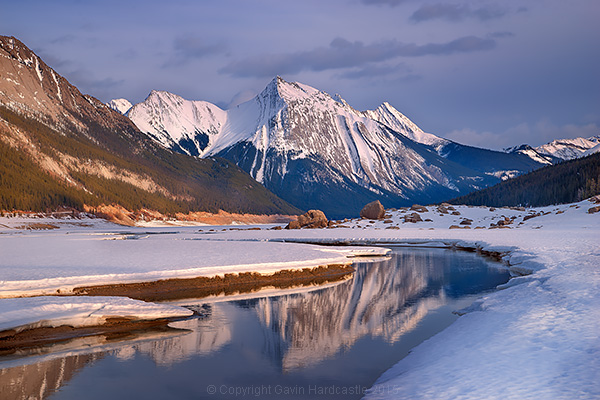
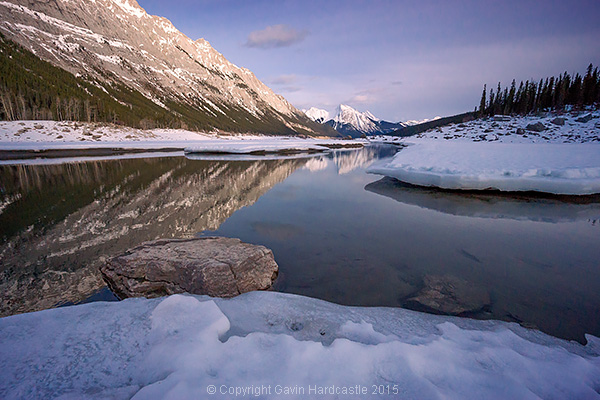
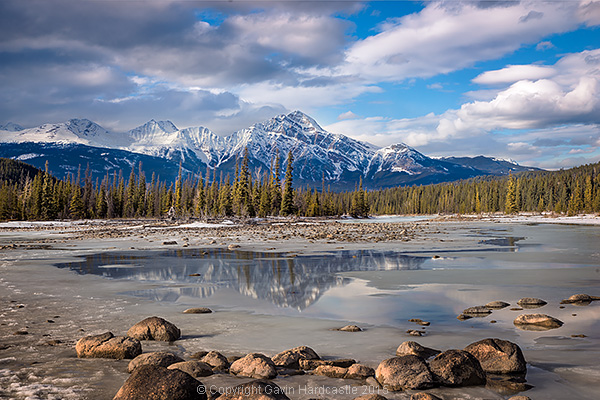
9 Tips for Photographing Mountain Lake Reflections

26 Apr

How to Photograph Mountain Landscapes

There’s something ultimately alluring about lake and river reflections in landscape photography, especially when surrounded by majestic snow capped mountains that glow hot from the light of the setting sun.

Here’s a little time-lapse video I put together using some of my recent lake reflection still shots in Alberta, Canada. Each frame is from a still image shot with a small mirrorless digital camera. Read on to learn the methods I use when trying to capture stunning lake and river reflections in my photography.

1 – Don’t shoot super wide

Regardless of whether your camera is full frame, APS-C or MFT (micro four thirds), it’s important to realize that when shooting mountain reflections you might not need your widest lens to capture the most pleasing composition.

A lot of the time I shoot in the super wide realm but that doesn’t work so well when shooting mountain reflections. A super wide lens tends to reduce the epic size of the distant mountains and magnifies the foreground.

That’s great when you can get fairly close to my central subject, but when that subject is a snow capped mountain a few kilometers away, it’s time to strap on a lens that gets you closer to the action.

At my most recent visit to Banff and Jasper in Alberta I found that I rarely shot with anything wider than 35mm on full frame. In many cases I was zoomed in past 50mm, and often beyond 100mm. Here’s an example.

This first shot is at a focal length of 70mm.

How to shoot mountain lake reflections

This second shot is at 16mm, super wide. There are a few minutes of light change in between the shots but otherwise it’s the exact same scene, from almost exactly the same position. I don’t know about you, but I much prefer the simpler, cleaner composition of the first, zoomed image.

How to shoot mountain river scenes

2 – Fill your frame with what’s cool

This is good advice for any kind of photography but with mountain lake reflections it’s easy to get wowed by the colourful clouds that are reflecting in the mirror surface lake. If they really are doing something impressive then by all means, devote some frame space to the clouds.

You’ll find however, that when you zoom closer to fill your frame with your most impressive mountain range and reflection, your image may have much more impact. At times this isn’t too obvious when you look through the viewfinder or LCD but when you view that zoomed image back on a large computer screen it often has more wow factor than your wider, cloud filled image.

How to Photograph River Landscapes

3 – Waiting for the wind to stop

If you’re out on a gale force windy day, don’t expect any lake reflections. You need that water to be perfectly still for good reflections. A mild, occasional wind is fine, just stick around and wait for it to periodically die down. You only need a few minutes. Bring a camp chair and thermos, then chill out while you wait for the perfect moment. It’ll come.

4 – Shoot two versions – adjust the polarizer

If you shoot lake scenes without a polarizer you’ll get a lovely mirror-like reflection, but you might be missing out on some interesting details under the water in the foreground. I like to take at least two shots with my polarizer in different positions. One shot will give me the maximum reflection while the other shot will reduce that reflection to reveal the details under the water.

I can then easily blend these two exposures in Photoshop to get the best mixture of reflection and water detail.

5 – Interrupt the reflection

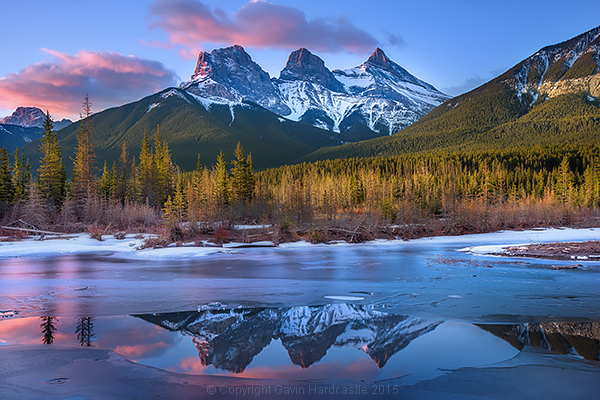
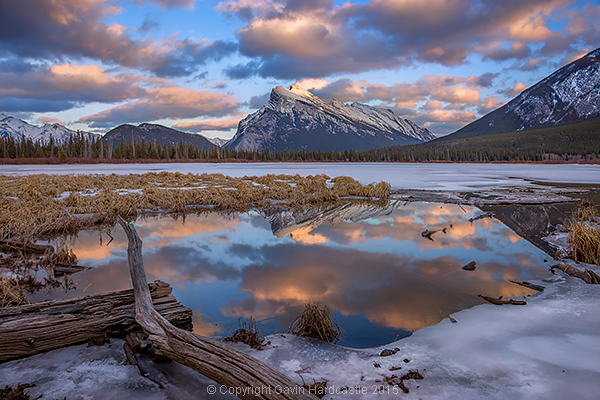
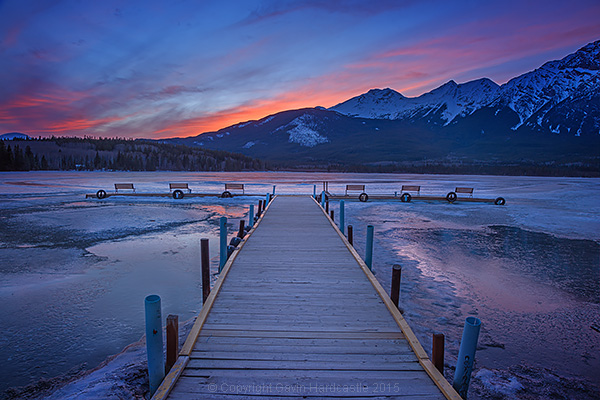
Vermillion Lakes, Banff - Mirror World by Gavin Hardcastle

I have a thing for the interrupted reflection. I find it more interesting to have my mountain reflection interrupted by ice formations, river bends, rocks and branches as apposed to a completely whole and perfect reflection. Try and avoid that obvious BAM reflection. Be a bit clever and put some thought into how you can make the reflection more interesting.

6 – Get down low

I like to pick the most interesting point of my mountain range then find a spot in my foreground that reflects that interesting point. I often need to get the camera down lower to achieve this, sometimes adjusting the tripod to its lowest point. At times you might not need to get so low and maybe just step back a few feet to place your reflection where you need it to be.

You can’t change where the mountain is, but you can change your position relative to it to capture the most interesting foreground and reflection.

7 – Look for framing elements in the foreground

If possible, try to incorporate elements in your foreground than frame the scene. It creates a window into your scene that we humans find very appealing.

8 – Look for leading lines in your foreground

Lake Photography Tutorial

Try and find foreground elements that suck the eye in to the centre of your image. Use rocks, logs and branches to blatantly point at the mountain scene in your image. Obviously you’ve got to work with what you have but there’s almost always something there.

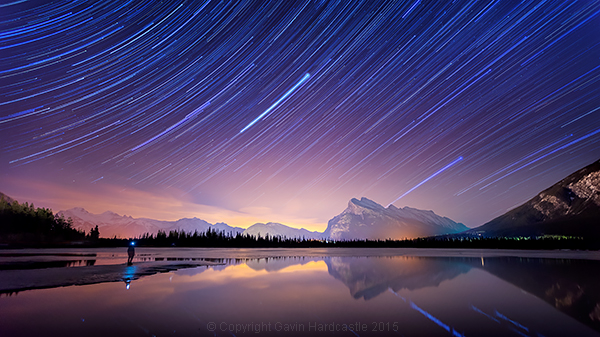
9 – Star reflections are gold

If you’ve got a calm, clear night that is the perfect chance to capture the Milky Way or star trails in your lake reflection. Place a colossal mountain range in the centre of that and you’ve got yourself a killer shot. For tips on how to shoot star trails like this, view my tutorial How to Shoot a Star Trails Selfie.

Star Trails Selfie Tutorial

googletag.cmd.push(function() {
tablet_slots.push( googletag.defineSlot( “/1005424/_dPSv4_tab-all-article-bottom_(300×250)”, [300, 250], “pb-ad-78623” ).addService( googletag.pubads() ) ); } );

googletag.cmd.push(function() {
mobile_slots.push( googletag.defineSlot( “/1005424/_dPSv4_mob-all-article-bottom_(300×250)”, [300, 250], “pb-ad-78158” ).addService( googletag.pubads() ) ); } );

The post 9 Tips for Photographing Mountain Lake Reflections by Gavin Hardcastle appeared first on Digital Photography School.

Digital Photography School

 
Comments Off on 9 Tips for Photographing Mountain Lake Reflections

Posted in Photography


Tips for Photographing Butterflies

16 Apr

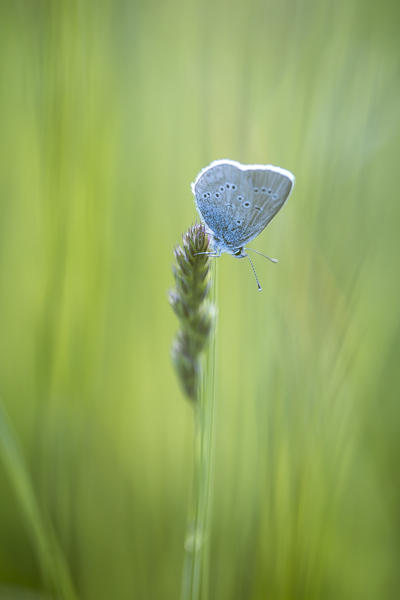
Butterflies can provide a colorful and fun way to explore the macro world, and the basic techniques are easy to master with a little patience and practice.

Just because butterflies are fast movers, doesn’t mean you have to be! If you watch carefully, you will notice that each species tends to visit the same variety of flower. If you miss a photo opportunity, wait a couple of minutes and the chances are that the butterfly will soon be back again to the same flower, or to a neighboring one. When approaching, avoid unnecessary vibrations and be careful not to cast a shadow over the butterfly.

Butterfly 1

Lens choice

Although a macro lens is an advantage, almost any lens can be used. A wide angle lens will help show context, whilst lenses with a longer focal length will isolate the butterfly from the background and will also ensure that it is not physically disturbed.

Camera settings

As in all macro photography, the background is as important as the subject and using the right aperture can make or break the photo. Use Aperture Priority mode and choose a fairly wide aperture (a small f-number). A good starting point is somewhere between f/3.5 and f/5.6, which will help separate the butterfly from the flowers or branches behind.

Of course, a wide aperture will also reduce depth-of-field, so your final choice will often depend on the position of the butterfly. If its wings are closed for example, and you are parallel to its body a wide aperture will be fine. If not, you may need to try something smaller such as f/8 or f/11.

Sometimes you will be lucky enough to find a butterfly who is feeding and poses beautifully for the camera, but most of the time they are in constant motion. Using a fast shutter speed of 1/800th and upwards will help reduce your quota of blurry photos.

Ideally, your ISO will be set to either 200 or 400, although you may need to increase this depending on available light.

Butterfly 2

Focus

If your butterfly is part of a larger scene, you may get away with autofocus. For close-ups, there is only one way to focus, and that’s manually! Autofocus rarely puts the focus exactly where you want it, and with butterflies you are aiming at their eyes. If they are visible, the eyes are the key to the image and they need to be sharp.

If you are wondering how to manually focus on the microscopic eyes of a tiny, moving creature, don’t worry. Try pre-focusing on a flower so that when the occupant arrives you only have to make minor adjustments. Good focusing can be a bit hit and miss, so take plenty of photos to increase your chances of having a few sharp images.

Butterfly 3

Lighting

As for most photography, avoid the harsh light of the middle of the day. Early morning provides great light and slower moving butterflies, but late afternoon on a sunny day is often the best option. The butterflies are active and the sun is low in the sky.

Once you feel comfortable with the more classical front and side-lighting, have a go at back-lighting. This can be achieved by positioning the butterfly between yourself and the sun. Avoiding lens flare can be a bit tricky, but this type of lighting will really show off the details of the wings and put a beautiful rim of light around the butterfly.

If your back-lit photos are on the dark side, you may need to over-expose slightly. Dial in some exposure compensation until the butterfly is correctly exposed.

Butterfly 4

Composition

Photographing a butterfly from above, will showcase the patterns and colours of its wings. Getting down to eye level however, will give your photos much more impact and intimacy (especially if those eyes are sharp). Vary your perspective, move around, and show the butterfly from angles that are rarely seen.

As well as close-up shots, you may also want to consider the larger picture and show the butterfly in its natural surroundings.

Butterfly 5

Tripod

Whether you use a tripod or not is a personal choice. A tripod will bring you an element of stability and will help with composition and focus. The down side is that it is cumbersome and will severely restrict your movements when photographing these fast moving, and somewhat erratic subjects.

As for finding butterflies, you shouldn’t have to go far. Your garden will probably reveal several passers-by, and others can be found in local parks, fields and woodlands. Butterfly houses also provide great photographic opportunities with nice, even lighting and many species under one roof.

Butterfly 6

With a bit of perseverance you will soon develop your own technique for photographing these little beauties. Be warned though, chasing butterflies can become highly addictive!

Kathy Samuel is a natural light photographer with a passion for the outdoors and the world of macro photography. She is English, but now lives in the southern French Alps where there is no shortage of tiny subjects for her camera. You can visit her at Kathy Samuel Photography.

googletag.cmd.push(function() {
tablet_slots.push( googletag.defineSlot( “/1005424/_dPSv4_tab-all-article-bottom_(300×250)”, [300, 250], “pb-ad-78623” ).addService( googletag.pubads() ) ); } );

googletag.cmd.push(function() {
mobile_slots.push( googletag.defineSlot( “/1005424/_dPSv4_mob-all-article-bottom_(300×250)”, [300, 250], “pb-ad-78158” ).addService( googletag.pubads() ) ); } );

The post Tips for Photographing Butterflies by Kathy Samuel appeared first on Digital Photography School.

Digital Photography School

 
Comments Off on Tips for Photographing Butterflies

Posted in Photography


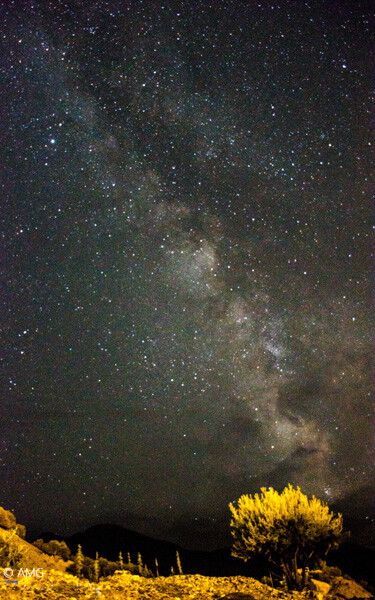
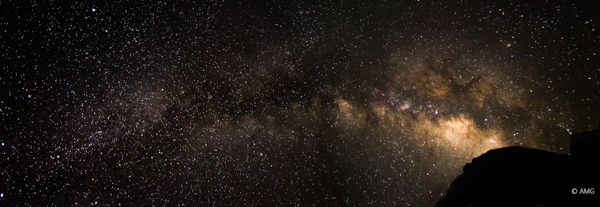
Photographing Stars Using a Kit Lens

10 Apr

Pic 01 d5100 18mm f3 5 20sec iso1600

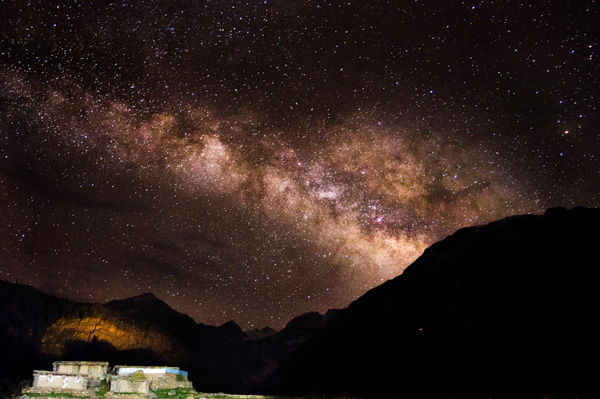
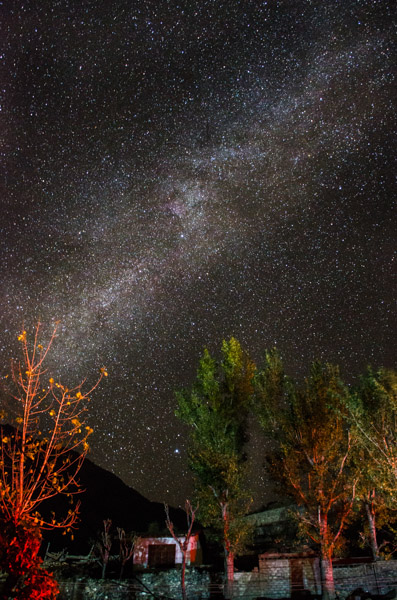
Looking at a starry sky while sitting in the open is always a soothing experience, but shooting those stars is a much better one. Have you seen those amazing starry skies and Milky Way photographs from professional photographers and wondered how to do this yourself but never tried it because you thought you did not have the proper equipment? Let me tell you, “You were wrong”.

If you own a normal DSLR camera and are interested in shooting stars (and the Milky Way), you can do this with your kit lens. I will explain the whole process step by step in the easiest possible way, so that even if you do not have much technical knowledge, you can understand and implement this method.

Basics of star photography

To get started, you need to have following points in mind:

  • A place away from the city lights. The less light pollution you have, the more chance of getting clear stars you will have.
  • A moonless night. Stars can also be shot on a full moon night, but the brighter the moon is, the more light pollution it creates, and the stars will not be as prominent.
  • A normal DSLR camera with a standard 18-55 mm kit lens.
  • A tripod

You can Google your surroundings for away from the city spots (Dark Sky) and moon phases at night. You should know beforehand in what direction, and at what time the moon is going to rise. That will help you a lot with composition of your images. A moonless night is always best to shoot stars.

Additionally, you can also use a compass app on your smartphone (for Android here) to locate the north star for star trails and you can also download an app called Star Chart (for iOS or for Android) or Google Sky just to give you an idea of which stars there are above you. Both of these apps also show you the direction of the Milky Way so you can directly shoot it and get amazing results.

These apps are pretty accurate, and with their help you can also see Mars, even with your naked eye (which I am sure you saw previously but were unable to differentiate it from stars). If you want to plan your shoot for future, or look for appropriate time sto shoot Milky Way in your location, you can download a desktop app Stellarium. Put in your coordinates and it will show you the direction of the Milky Way at a specific time, on a specific date of the year. Using this application, you can know exactly at what time of year, the brightest part of Milky Way will be above your location to shoot.

Pic 02 d5100 18mm f3 5 20sec iso1600

Camera settings

Now let’s get to the important part, camera settings. You will need to take control of your camera, keeping it in Manual mode. Change the mode to Manual and tune in the following settings.

Focal length: Set your focal length to the widest you have – e.g., 18 mm in the case of a kit lens. You can choose any focal length you want, but the more you zoom in (the longer the focal length is), the less stars you will be able to capture, and your optimum exposure time before star trails start to develop will also decrease (500 Rule).

Aperture: Setting your aperture to the widest option is key here – e.g., f/3.5 as in a kit lens. By using the widest the aperture, more light will enter through your lens giving you brighter stars and Milky Way.

Shutter speed: If you are only shooting stars and/or the Milky Way, set the shutter speed to 20 seconds or star trails will start to appear, giving the look of larger, unfocused stars. If you are wondering, why 20 seconds, here is the answer. Optimum exposure before you start getting star trails is calculated by dividing 500 by your focal length (also divide the answer by 1.5 if you are using cropped sensor.) So in the example of an 18mm lens on a cropped sensor – 500 divided by 18 = 27.78 divided by 1.5 = 18.52 (so roughly 20 seconds).

Pic 08 D5100 18mm f3 5 20sec ISO 1600 2

ISO: Start by keeping the ISO at 1600, and increase it later depending on your results. Keep in mind that greater the ISO, more noise there will be in your image. Although it does depend on signal to noise ratio of camera body you are using. High end or even new consumer camera bodies tend to produce less noise at higher ISOs, than do older ones, even three years old.

Shutter release: You need to have a shutter release (remote trigger) to avoid camera shake while shooting. If you don’t have a shutter release remote/cable, just use your camera;s 2-second or 10-second timer. That will minimize any blur in the picture due to camera shake.

It’s also best to switch OFF your “Vibration-Reduction” or “Image-Stabilization”, as the vibration of the motors can cause shake in the picture too.

Focusing the lens to infinity: Next, after putting up all these settings, the next most important thing left to do it focus your lens to infinity. As kit lens doesn’t have infinity marker on it, we will use hyper-focal distance values to focus the lens to infinity. Mount your camera and lens on a tripod, and focus it on any bright object far away at a distance of 20 feet or more. Point a flashlight towards camera from a distance of minimum 20 feet and focus on it if you are in the dark, and don’t have anything to focus. Once the lens is focused beyond 20 feet, its hyper-focal distance will project to infinity and your stars will be sharp. It will also help in getting anything in the foreground sharp too.

Don’t forget to switch your lens to M (Manual) after focusing, or else it will start to hunt for focus again when shutter is pressed.

If your lens is not focused to infinity, you will get the Milky Way but the stars will not be as sharp and will appear bigger. Same can happen if you go for a longer speed than required for not causing stars to produce trails. An example of these mistakes is here.

Pic 03 lens was not focused to infinity 2

Lens was not focused to infinity.

Pic 04 lens was not focused to infinity 2

Lens was not focused to infinity.

Pic 05 lens was not focused to infinity 2

Lens was not focused to infinity.

Recommendations:

It’s better to first sit in the dark for at least 15 minutes to let your eyes adjust with the surroundings. This will help you to see a lot of stars, and even the Milky Way with the naked eye and will also help you compose your images better. Enjoying your surroundings for a while is better than just starting to shoot as soon as you reach the site.

You are all set to shoot your own stars. With the help of kit lens you might not be able to get an award or feature your shot on 500px but yes, the shots will be very reasonable to make yourself happy, and impress your friends too. You could even try merging panoramas to get more of the Milky Way in your composition.

Pic 06 Panorama Stitch of 4shots 2

Post-processing:

The first part to better post-processing is RAW. Yes! always shoot in RAW as it will give you a lot of room for post-processing without affecting the quality. Secondly, some post-processing is always needed to get optimum results. You can find many tutorials on how to post process Milky Way images but the most elaborate one I found is from Hammad Iqbal Photography who also has a tutorial here on dPS on making star trails in Photoshop.

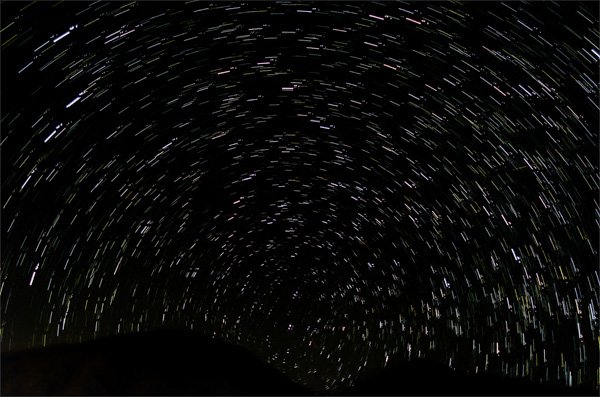
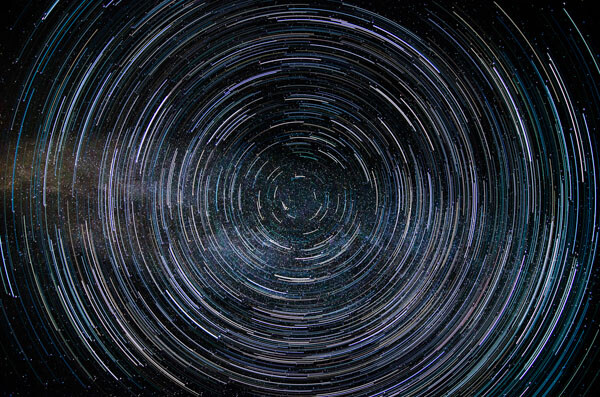
Star trails:

If you are satisfied with your shots, you can advance further to get star trails. Just locate the north star on the north pole using the Star Chart app and keep the north star (all stars rotate around this star) in your composition. For star trails, all camera settings will remain the same except that you can increase the shutter speed to 30 sec if you want.

You can go with faster shutter speeds (20 seconds or faster, if there are lights in the area and 30 seconds is overexposing). Keep the camera on continuous shooting mode and let it shoot as many exposures as it can shoot. The more pictures you will have, the more clear your star trails will be. Later, you can join all the exposures in Photoshop or use any star-trails software to create star trails. Alternately, you can take one stars shot and make star trails with it using HM Technique.

Pic 07 Star Trails A merge of 18 shots each at 30 sec

Pic 10 Star trail created in PS using HM Technique

Star trail created in PS using HM Technique

Pic 11 Fun in PS

Fun in Photoshop

Once you have nailed the Milky Way, try including foreground objects for better compositions.

Pic 09 D7000 18mm f3 5 20sec ISO 1600

Happy shooting, and keep me updated with your results. Let me know if you need any help.

googletag.cmd.push(function() {
tablet_slots.push( googletag.defineSlot( “/1005424/_dPSv4_tab-all-article-bottom_(300×250)”, [300, 250], “pb-ad-78623” ).addService( googletag.pubads() ) ); } );

googletag.cmd.push(function() {
mobile_slots.push( googletag.defineSlot( “/1005424/_dPSv4_mob-all-article-bottom_(300×250)”, [300, 250], “pb-ad-78158” ).addService( googletag.pubads() ) ); } );

The post Photographing Stars Using a Kit Lens by Adeel Gondal appeared first on Digital Photography School.

Digital Photography School

 
Comments Off on Photographing Stars Using a Kit Lens

Posted in Photography


A Guide to Photographing Dance Performances in a Theatre

09 Apr

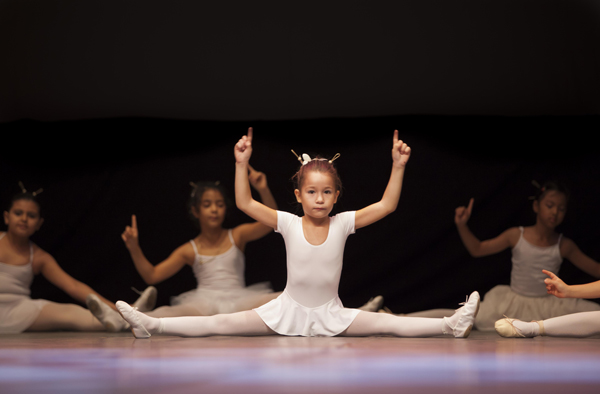
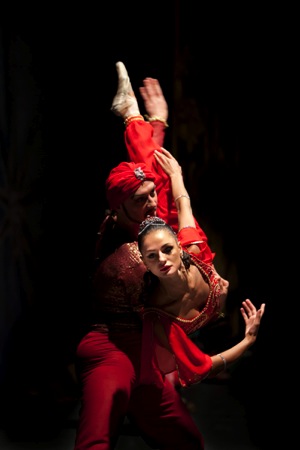
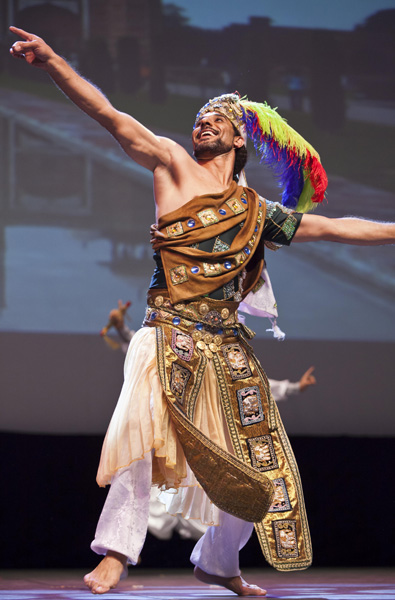
DSC4090

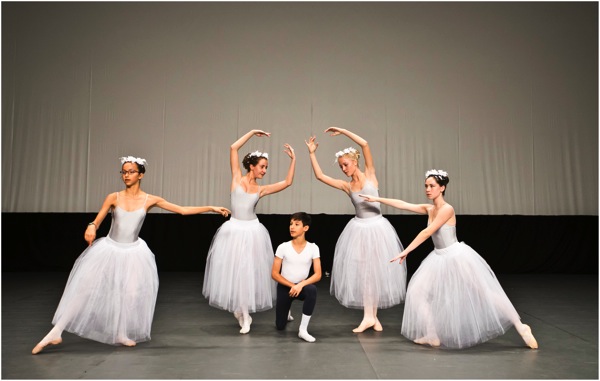
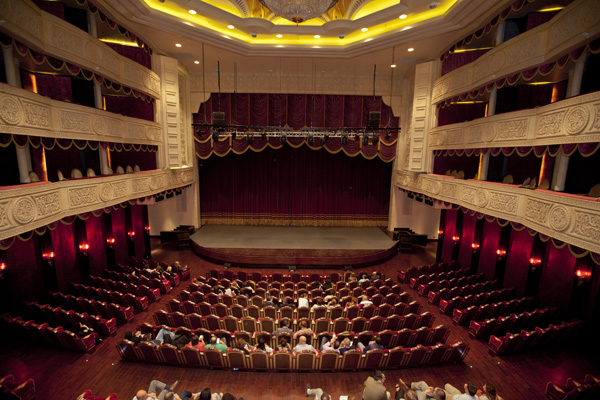
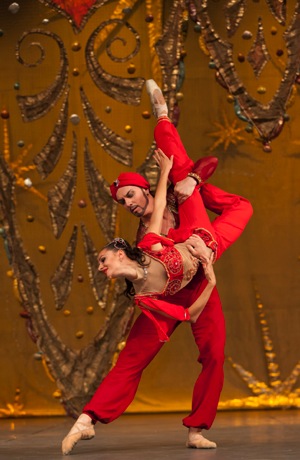
One of the biggest challenges as photographer is shooting inside a theatre, simply because the only thing that you can control is the camera. You may be faced with very dim lighting conditions, dancers moving around at great speed, different lighting settings during the show, no use of flash, and your movement in the theatre during the show may be limited.

I am writing this guide based on an assignment you have with the organizer, as photographer of the event. Some of the points might not be relevant or accessible for you if you are attending a performance as a member of the public.

IMG 7011

Preparation for the shoot

Know the ground

A protocol for all professional photographers is to understand the grounds and what to expect. This can be done through an early visit (if allowed), or a search online for other’s work in the same location, to understand the layout and surroundings.

Request to attend a rehearsal prior to the performance (usual this is done free of charge) if possible, but to me this is mandatory if the opportunity exist. This not only gives you a chance to enter the theatre but also to understand what is to be performed and its sequence. You can then be better prepared to know the photos you will wish to take, and at which location you’ll need to be so you’ll be ready for the shot. Take this opportunity to talk to the organizer on which seats you will be allocated or which seat you prefer. I will cover location of seat for shooting in the technique part later.

IMG 4792 1

Settings: f/2.8, 1/125th, ISO 1600

Choosing your seat (if you have a choice)

I am very particular in my location of shoot as it reflect the quality if work I will produce from the assignment.
Most theatres can accommodate hundreds, to thousands of spectators at various elevations. My personal recommendation is to locate yourself on the ground level, a few rows behind the front, right in the middle. Below are some explanations of some problem you may encounter at different locations.

Up in the balcony

Cons: Too far from the stage, shooting angle not directly perpendicular to the dancers.

First row seats

Cons: Too near to the stage.

Side Seat

Cons: shooting angle not directly perpendicular to the dancers, too many distractions in photos (sometimes you can see dancers at the side before entry to the stage.

IMG 4399 1

Ideal seat

On the ground level, a few rows behind the front, right in the middle is the ideal seat. Personally if I can only sit at one location throughout the show, I will prefer this seat as it provide me a comfortable direction to the stage and most of my shots will be facing the dancers.

Type of Equipment needed

With the above, you can know decide what equipment you need for the shoot.

Flash Gun

As most performances prohibit use of flash during show, you can omit having one on your camera during the performance but do still carry one with you (I use it for group photo at the end of the show). The use of LED light is good as well for after the show shots.

Camera

In such challenging conditions, a camera with capability to handle high ISO settings without producing too much noise is preferred. I usually have my Canon 5D Mark II, and also my Sony 7R for such assignments.

IMG 6849 IMG 4669 1

Lenses

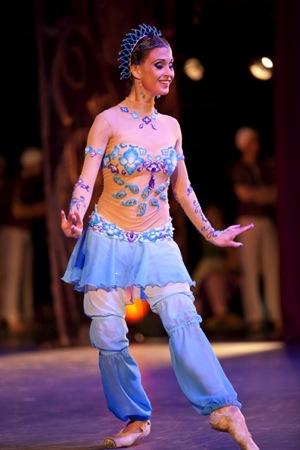
The most important piece of equipment you need after understanding the grounds and location is the right lens. A zoom lens is mandatory for me to enable me to reach out to the stage and get close-ups of the dancers. Lenses with large apertures are preferred in such low light conditions. I will touch on that more at the later section on why. I usually have my 70-200mm f/2.8 on my Canon, and the 16-35mm f/2.8 on my Sony 7R for wide-angle shooting.

Tripod/Monopod

This is a interesting topic as most theatres prohibit you from setting up a tripod, subject to organizer approval. If you are given a seat for shooting, a tripod will be difficult to manage with limited legroom space. I always use a monopod for such assignments in order to conserve energy.

IMG 6252

Camera settings: f/2.8, 1/30th, ISO 1000

IMG 4454 1

Camera settings: f/3.2, 1/500th, ISO 2500

Know your gear inside out

I am often on site photographing events and someone will come and ask for help as they can’t tune back to certain setting or something is not functioning correctly on their camera.

Shooting in a theatre is like sports photography. If you missed a moment it will be gone, and you will not have a second chance. Always be ready, and anticipate what is coming up. Study your camera inside out for all the functions that you wish to use and manipulate during the shoot. Know all the commonly used functions like setting ISO, aperture, shutter speed, etc. I usually use AV (Aperture priority) and control the ISO if I need more shutter speed.
On ISO, every camera has its own capability to handle ISO and minimize noise. Know the limit of your camera, like my 5D MarkII, I will not push it to more than 5000 ISO.

IMG 4470 1

Camera settings: f/2.8, 1/200th, ISO 800

Techniques to adopt

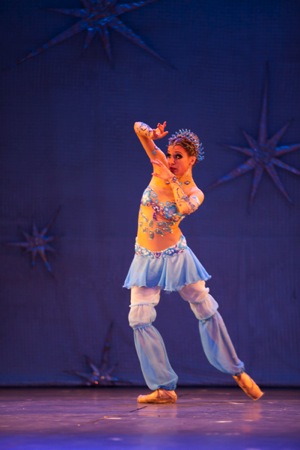
Basic technique for shooting such scenes is to select the right ISO for the shot with the right shutter speed, depending on the movement speed of the dancer. Things moves very fast in a performance and you have to make your camera adapt to what is happening on the stage, so you capture what you need.

A common trick I use something is to pre-focus on an stationary object on the stage prior to the dancers coming into position. This only works if you attend the rehearsal and know the staging of the show.

Lastly always shoot RAW for such events so that back at your desk the white balance can still be adjusted. Color balance can be off due to some lighting differences during the show.

IMG 4908

Camera settings: f/4, 1/250th, ISO 1600

IMG 4594 1

Camera settings: f/2.8, 1/320th, ISO 1600

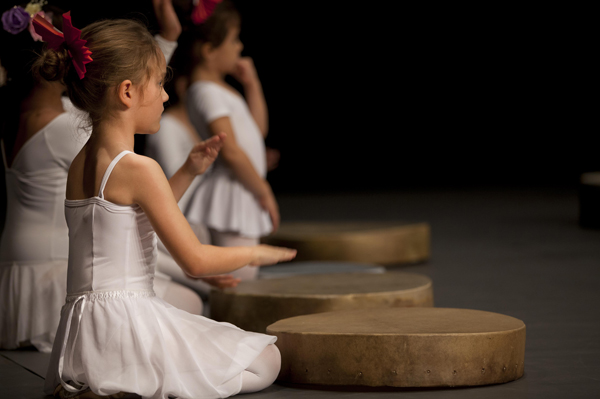
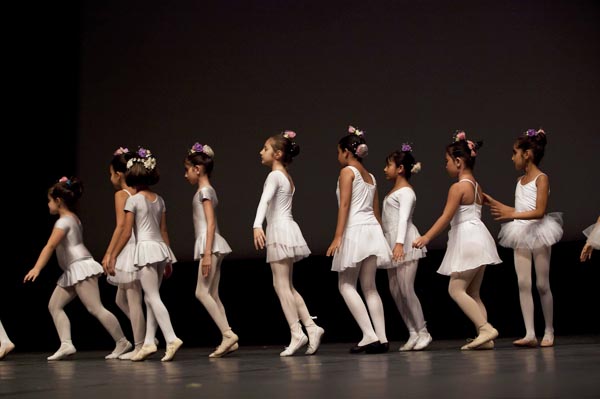
Photos taken during Enana Production and Academy performances.

googletag.cmd.push(function() {
tablet_slots.push( googletag.defineSlot( “/1005424/_dPSv4_tab-all-article-bottom_(300×250)”, [300, 250], “pb-ad-78623” ).addService( googletag.pubads() ) ); } );

googletag.cmd.push(function() {
mobile_slots.push( googletag.defineSlot( “/1005424/_dPSv4_mob-all-article-bottom_(300×250)”, [300, 250], “pb-ad-78158” ).addService( googletag.pubads() ) ); } );

The post A Guide to Photographing Dance Performances in a Theatre by Ray Toh appeared first on Digital Photography School.

Digital Photography School

 
Comments Off on A Guide to Photographing Dance Performances in a Theatre

Posted in Photography